Folding Commode
Folding commodes are a convenient and practical solution for those who need assistance with daily activities such as toileting. These devices offer a range of features designed to make life easier for those with limited mobility. These features include height adjustment, adjustable legs, and a foldable design that allows for easy storage and transport. Here are some great options available.
Sort
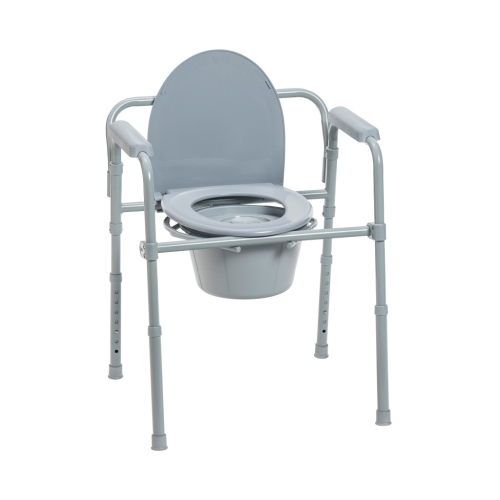
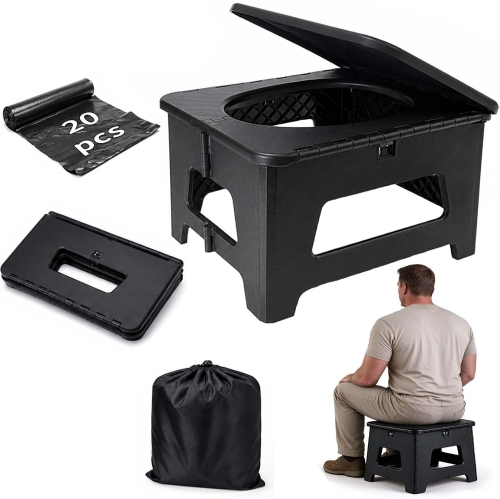
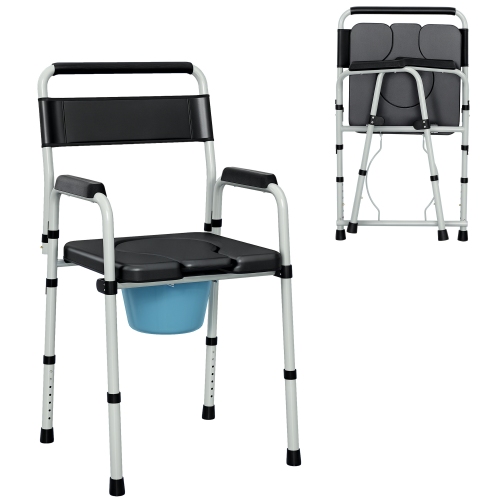
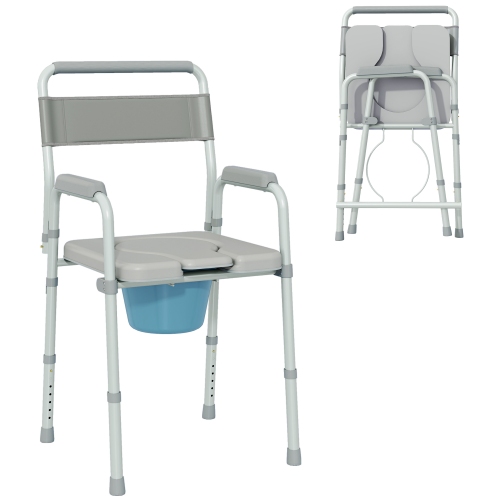
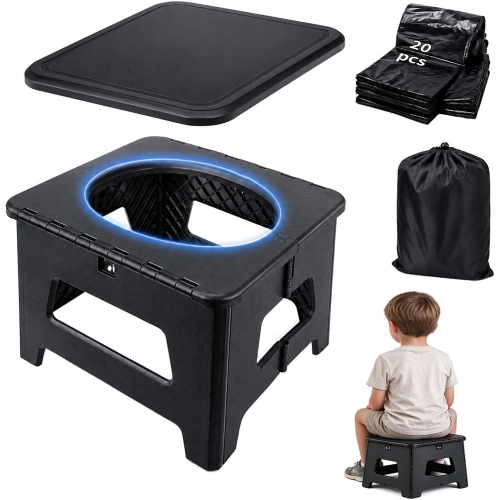
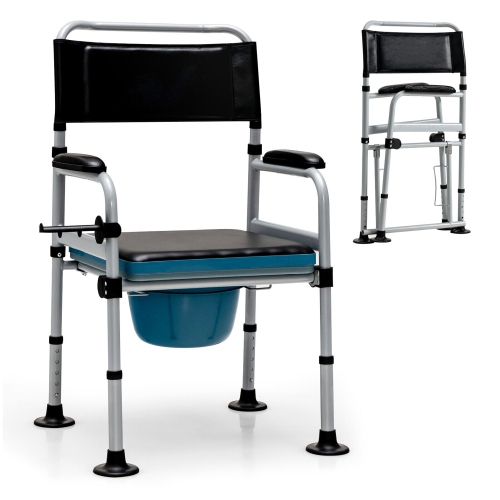
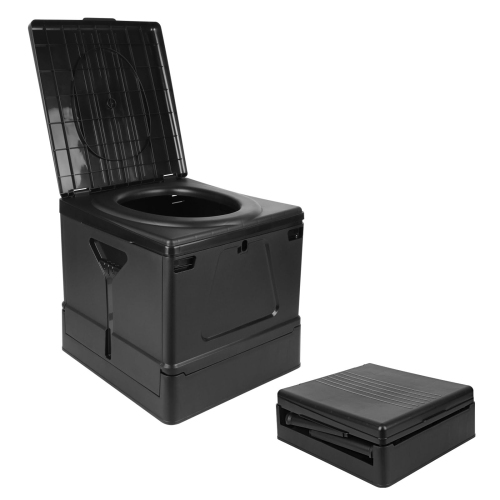
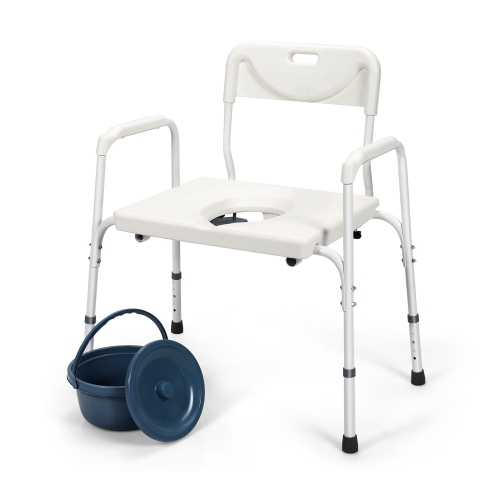
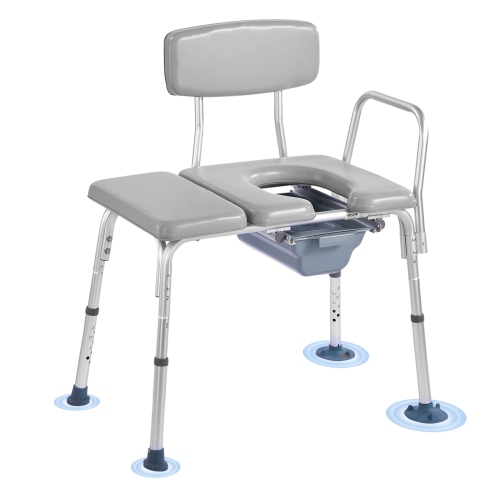
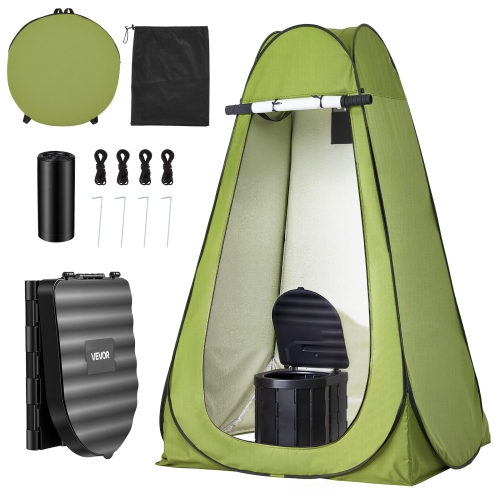
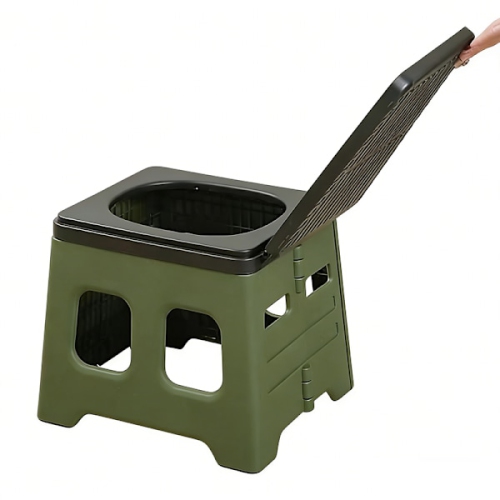
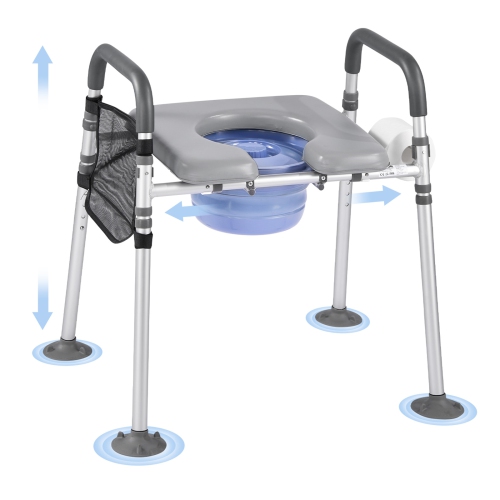
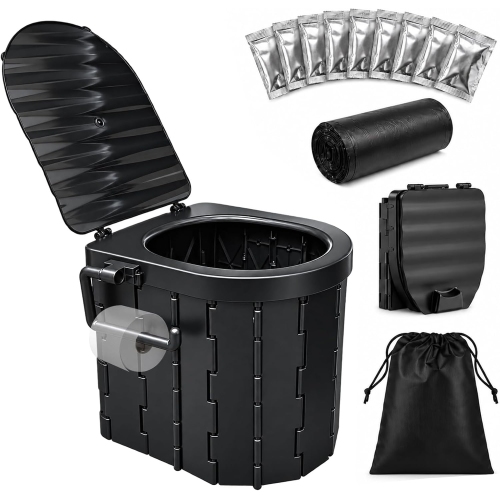
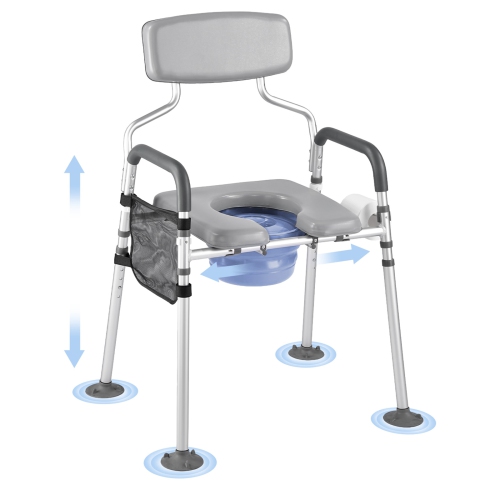
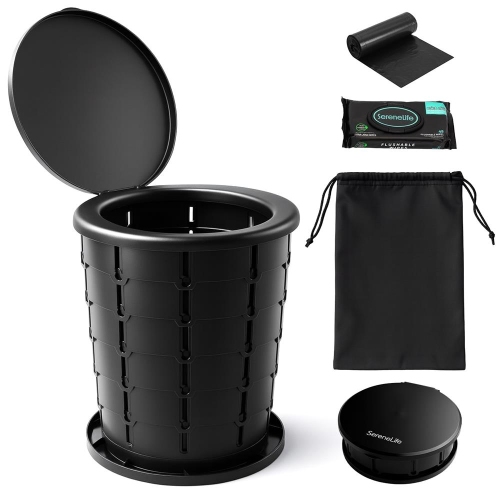
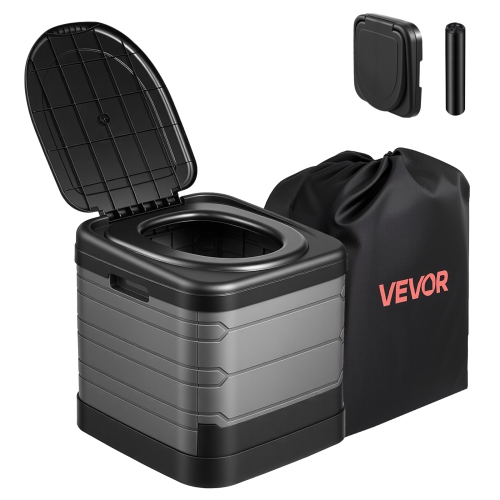
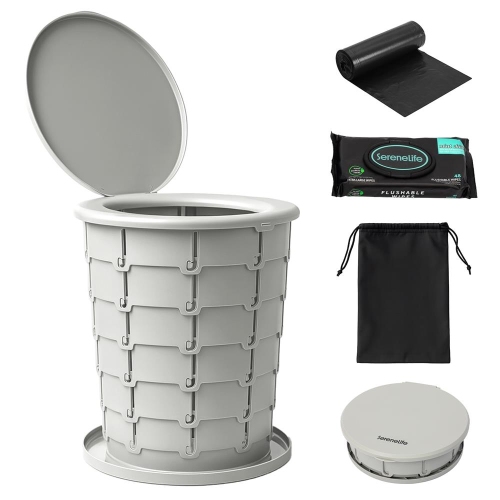
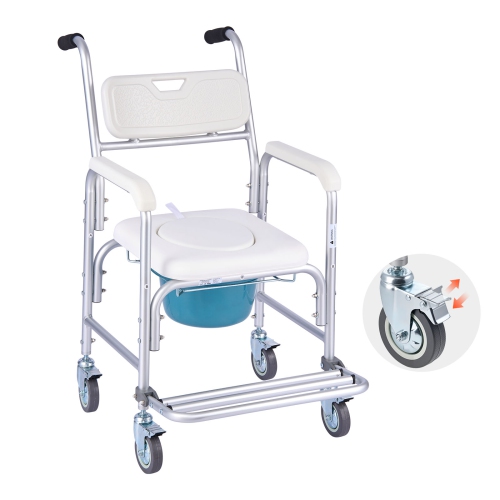
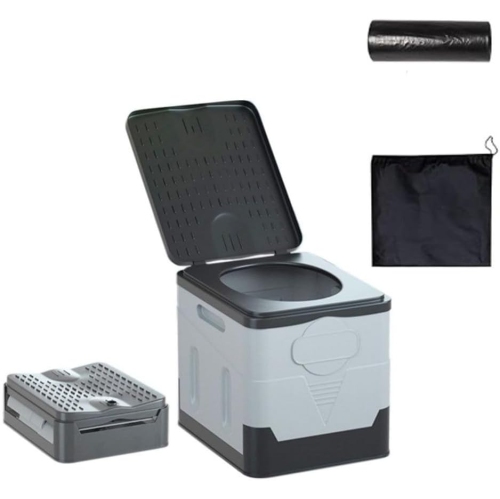
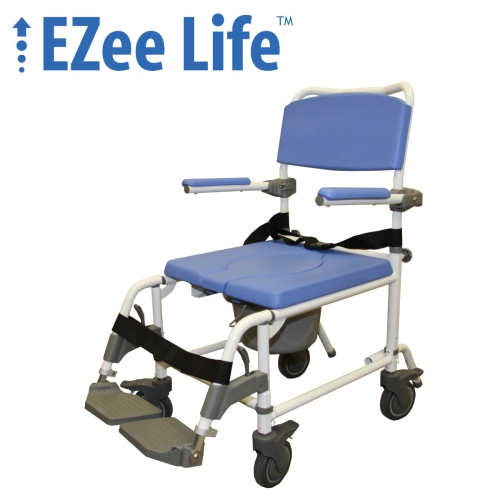
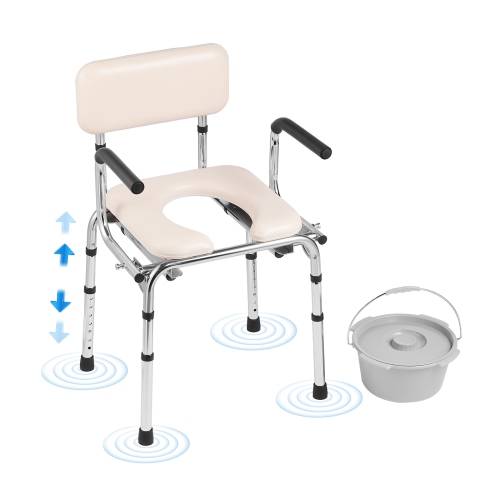
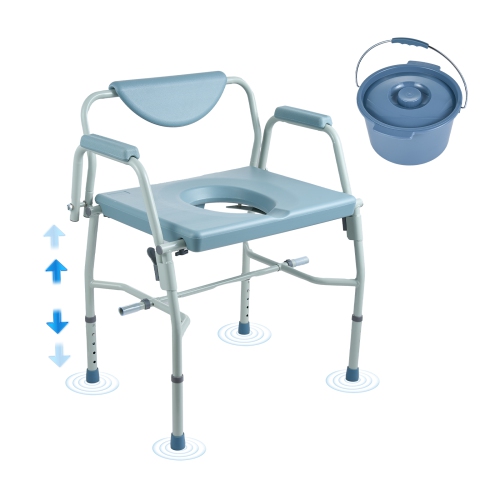
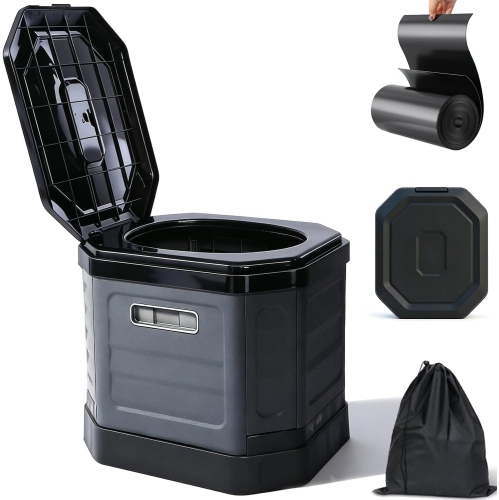
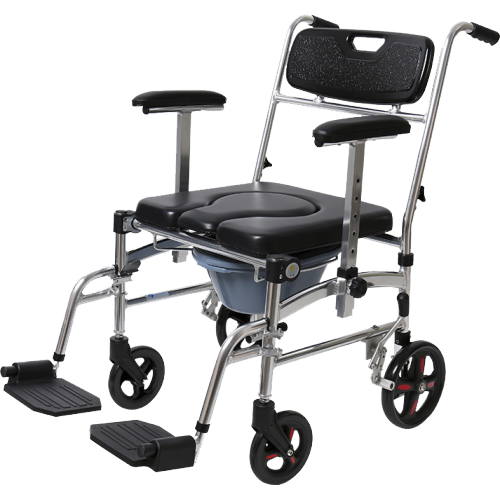
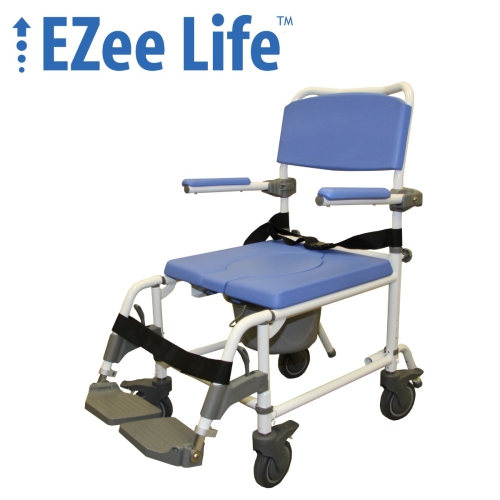
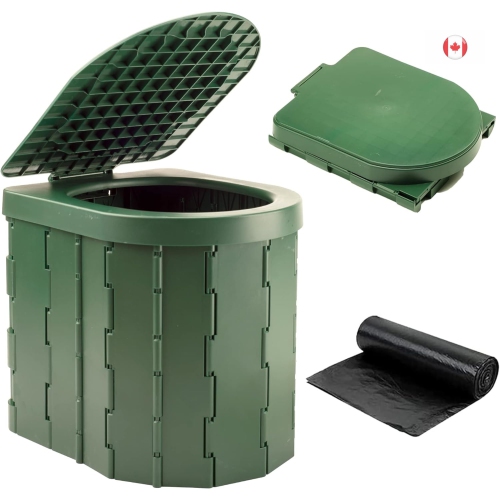
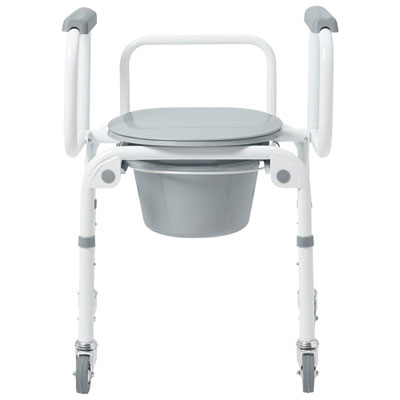
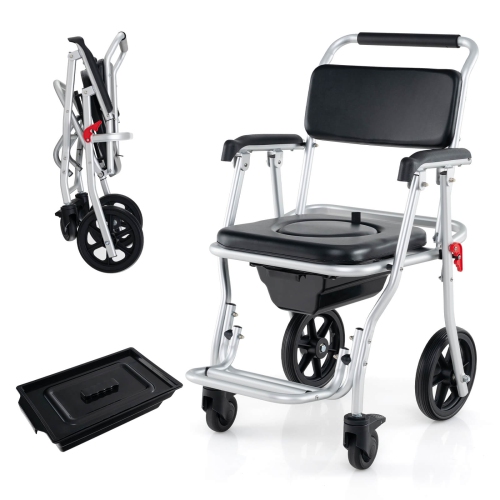
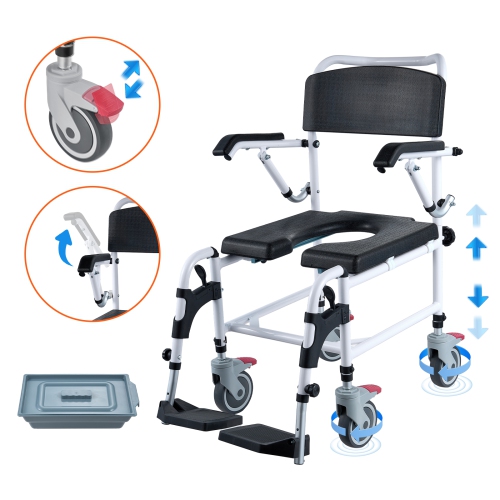
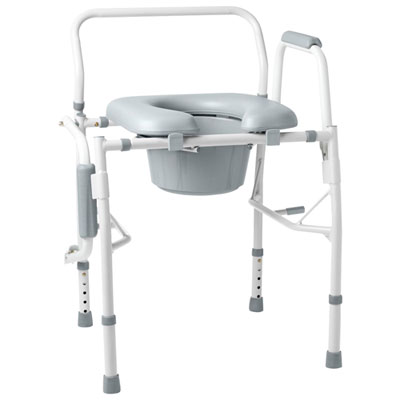
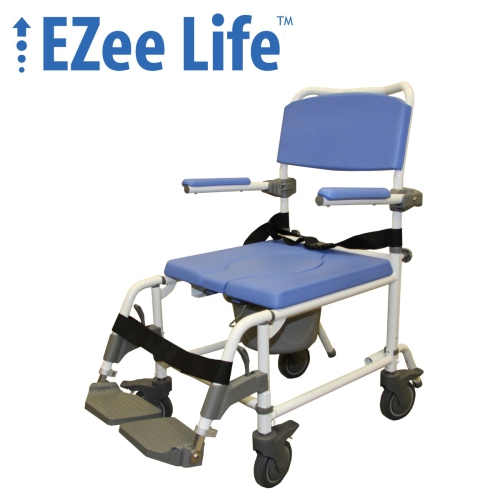

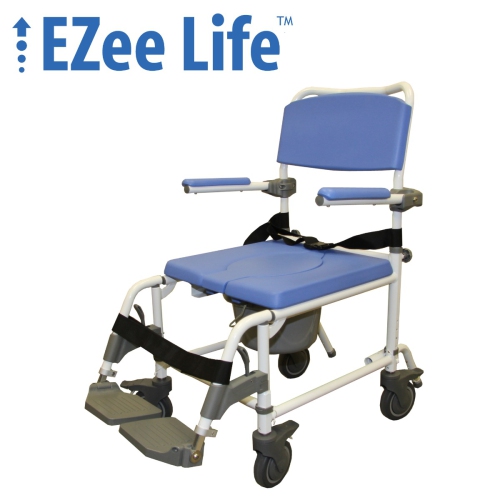
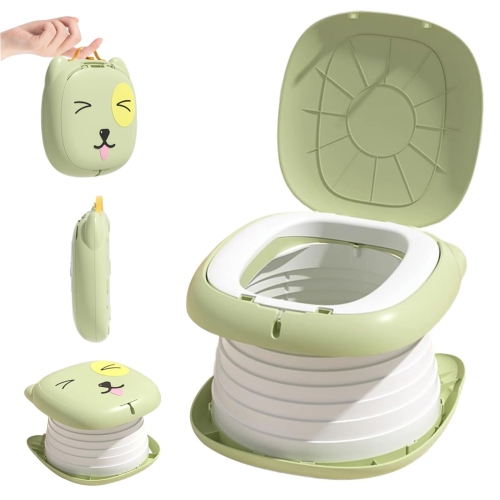
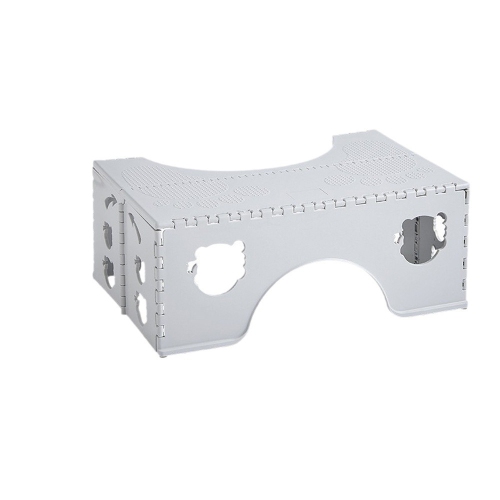
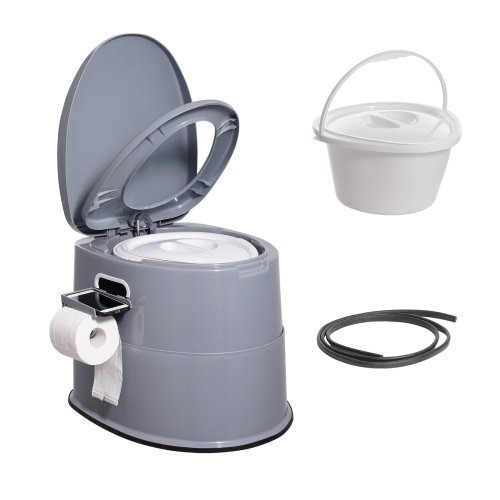

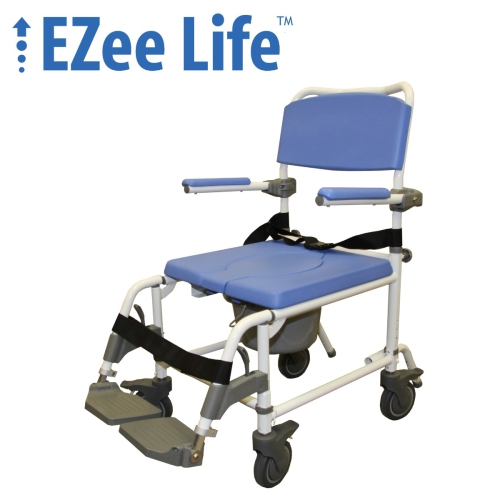
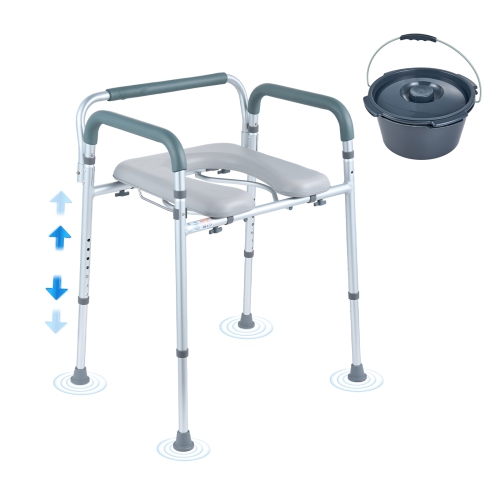
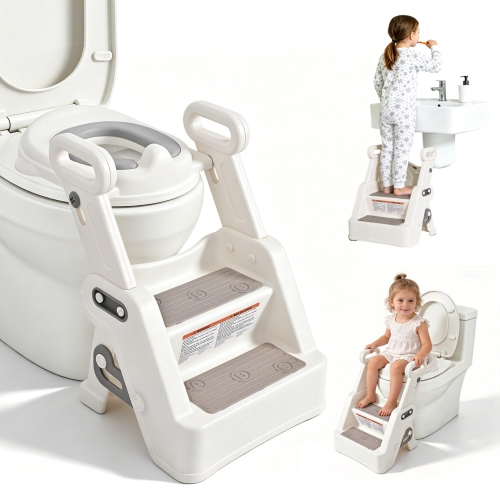
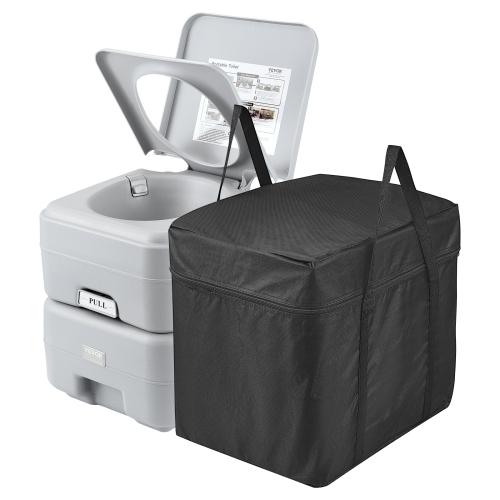
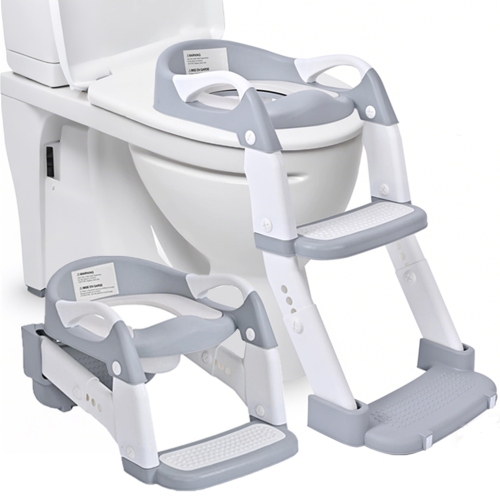
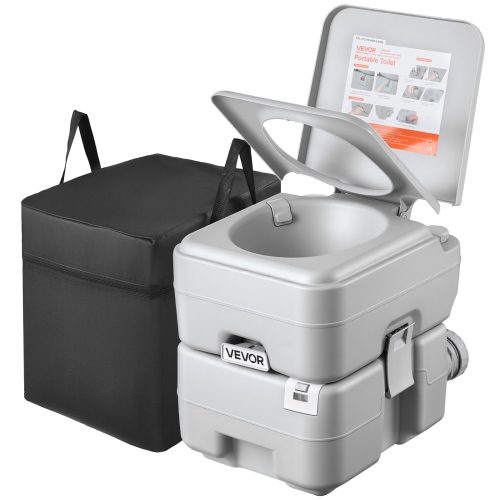
Nearby toileting support that folds away between uses
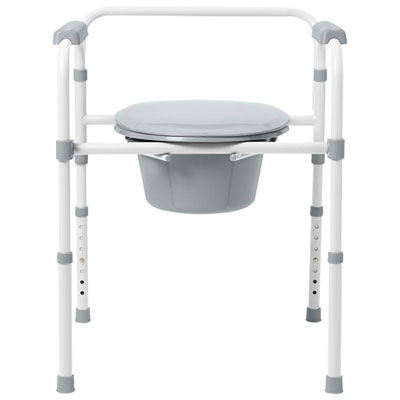
A folding commode is a portable toileting chair with a collapsible frame, a toilet-style seat, and a removable collection pail. It provides a nearby place to use the toilet when getting to a bathroom is difficult, whether because of reduced mobility, an injury, or recovery after surgery. Unlike a fixed toilet, a freestanding commode collects waste in a container that must be emptied and cleaned after use. Its folding design allows the frame to take up less space between uses or during transport, although the seat, pail, or other components may need to be removed before folding. This combination makes folding commodes useful for adults who need toileting support without a permanent bathroom installation. A chair beside the bed can shorten a difficult nighttime trip, while one positioned in an accessible room can help someone whose bathroom is on another floor. Some designs serve more than one purpose: a model may function as a standalone commode, a raised seat over an existing toilet, or a toilet support frame. Those uses depend on the manufacturer’s specifications and the included components; a folding frame alone does not make every chair suitable for every arrangement. Within the broader category of Bedside Commodes, folding models are distinguished by their storage and transport convenience. They can suit a temporary care arrangement in a family home, an accessible guest room, or a longer-term routine where floor space needs to remain flexible. The most useful design is one that matches both the person’s movements and the practical layout of the room. A compact chair may be easier to store, but comfortable seating, dependable support, and enough space for safe transfers remain more important than the smallest folded size.
Fit involves more than checking whether a folding commode can stand beside a bed. Seat height affects how easily a person can sit down and rise again, and adjustable legs allow some models to accommodate different needs. A suitable height generally allows the feet to rest securely on the floor rather than hang unsupported, though individual positioning needs may require advice from an occupational therapist or another qualified care professional. Seat width, seat depth, the shape of the opening, and the distance between the armrests also influence comfort. Someone may fit within a chair’s stated weight capacity yet still find its seating area too narrow for comfortable movement. The rated weight limit therefore needs to be considered alongside the full dimensions, including the overall frame width and depth. For use over an existing toilet, clearance around the bowl, tank, and surrounding fixtures matters as well. Armrests provide a place to steady the hands during a transfer, but fixed arms can make sideways transfers more difficult; drop-arm designs may be appropriate where that movement is part of an established care routine. Materials contribute to both handling and durability. Aluminum frames tend to be lighter to move, while steel frames may feel heavier and require more effort to carry. Actual strength depends on the complete design and rated capacity, not the metal alone. Moulded plastic seats and pails offer smooth surfaces for cleaning, while padded seats can provide a softer contact surface but need careful attention to seams, coverings, and cleaning compatibility. Rubber-tipped feet help the frame maintain contact with a firm, level floor, and height-adjustment pins and folding locks need to engage fully before use. A folding commode should never be used partly collapsed, and it is not intended to carry a person while being moved. Likewise, bathroom placement does not make a model suitable for shower use unless the manufacturer explicitly identifies it for that purpose.
Everyday practicality often becomes clear in the small tasks surrounding use. A removable pail with a secure handle is easier for a caregiver to carry, while a fitted lid can help contain odours during the short trip to empty it. A splash guard may be supplied for a model designed to sit over a toilet, but it serves a different purpose from the collection pail used in a freestanding setup. Disposable liners can simplify waste handling when they are compatible with the pail, although they do not replace routine cleaning and must be disposed of according to their instructions and local requirements. Seats, armrests, and other frequently touched surfaces need regular attention using cleaning products permitted by the manufacturer. Harsh chemicals or abrasive pads can damage some finishes and seat coverings, so cleaning compatibility is worth considering before choosing between materials. The pail should be emptied promptly, cleaned after use, and allowed to dry as directed. Periodic checks of the frame, fasteners, rubber feet, seat attachments, and folding mechanism can reveal looseness, wear, or damage before the next use. For storage, clean and dry components help keep the folded chair ready for its next setup; the folded dimensions and carrying weight matter when the chair needs to fit in a cupboard or travel in a vehicle. At the point of use, enough clear floor space for the person, any mobility aid, and any required caregiver assistance is essential. A nearby light and an uncluttered route can make the arrangement easier to navigate without turning the room into a complicated care space. Privacy matters too: thoughtful placement can keep the chair accessible while allowing the person to maintain familiar routines and personal dignity. For someone supporting a parent after surgery or helping a partner manage ongoing mobility limitations, a folding commode is a practical care purchase best chosen with the intended user’s preferences in mind. The right balance of fit, manageable cleaning, secure setup, and convenient storage makes it easier to integrate into daily life.
Top selling and popular products
-
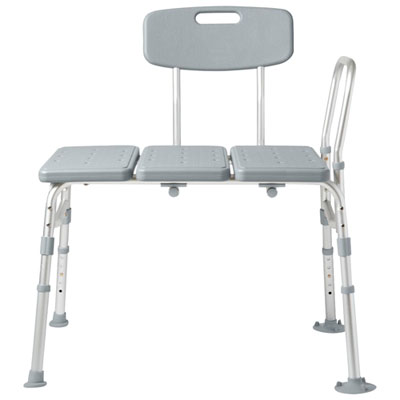 Your price for this item is $90.99
-
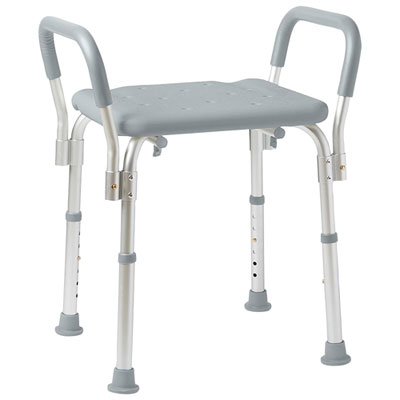 Your price for this item is $56.99
-
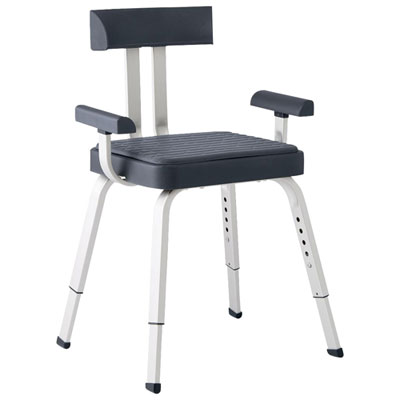 Your price for this item is $190.98
-
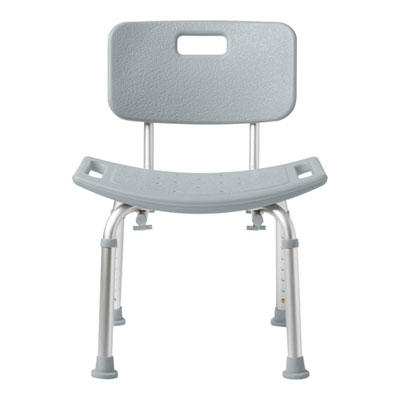 Your price for this item is $109.98
-
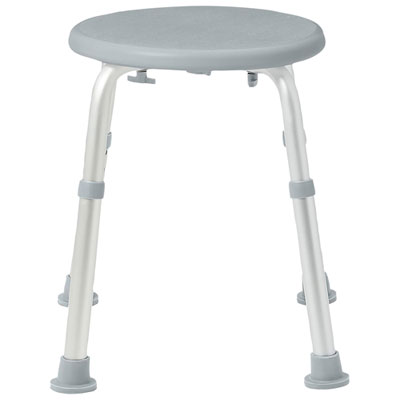 Your price for this item is $32.99
-
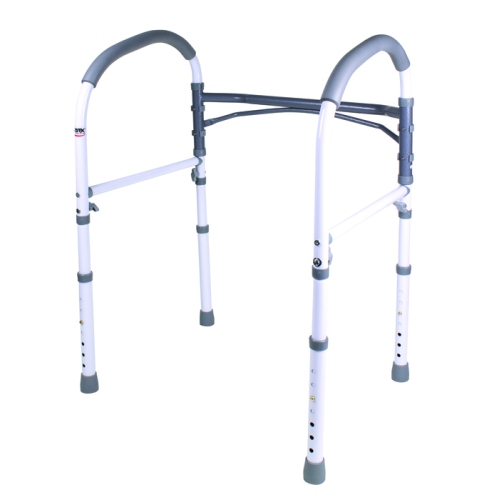 Your price for this item is $89.99
-
 Your price for this item is $419.99
-
 Your price for this item is $177.98
Discover more categories related to Folding Commode
Top Collections:
Best Black Friday Deals This Year, Best Black Friday Deals On Electronics, Kindle Devices, Best Black Friday Deals On Apple Products, Best Budget Office Chairs, Best Cameras for Sports Photography, Dyson Airwrap, Canon G7X Cameras, Best Laptops for Writers, Samsung Galaxy Phones
Some products may be subject to Environmental Handling Fees
(EHF) depending on your province.
Learn more about EHFs.