Bluetooth Smart Scales for Fitness Tracking
Bluetooth smart scales for fitness tracking offer a convenient way to monitor your health and wellness progress at home. With seamless connectivity to your favorite devices, these innovative scales make it easy to track important metrics and stay motivated on your fitness journey. Explore a wide selection of bluetooth smart scales for fitness tracking to find the perfect fit for your lifestyle and goals.
Sort







Why weight trends matter more than individual readings
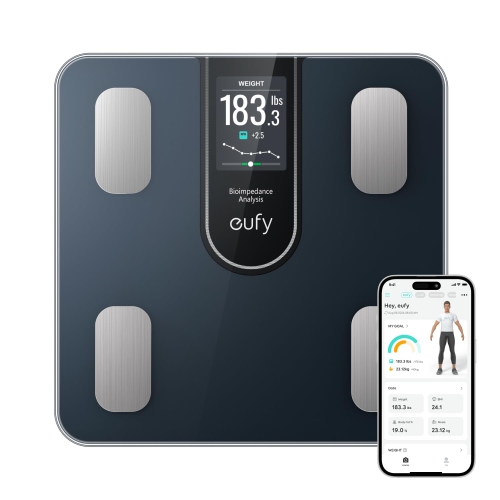
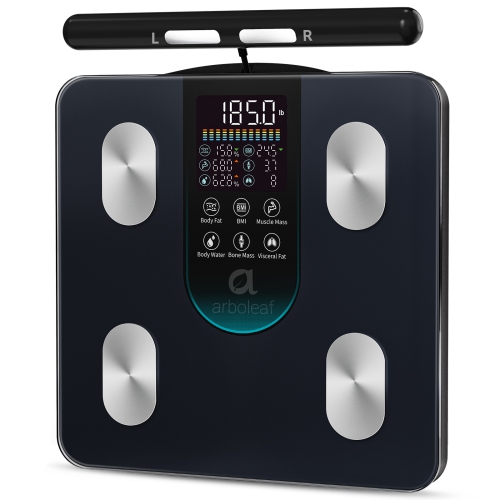
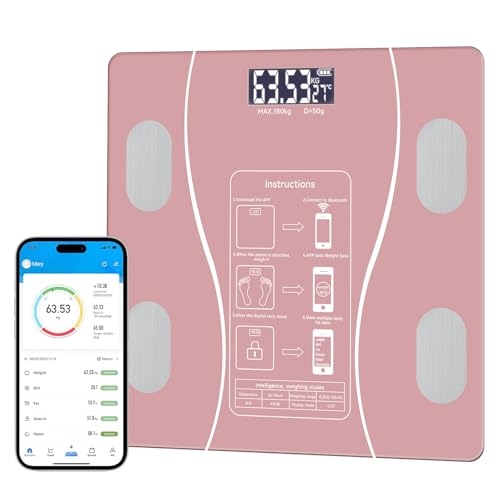
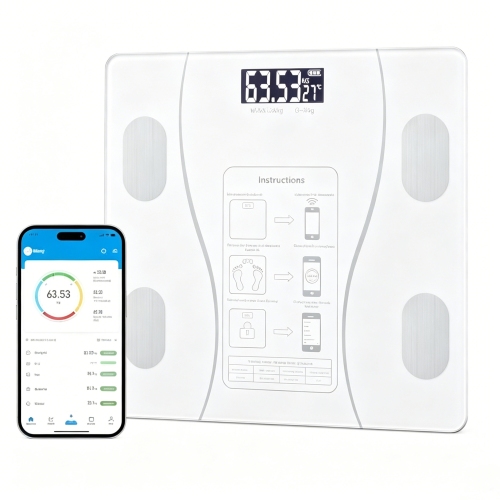
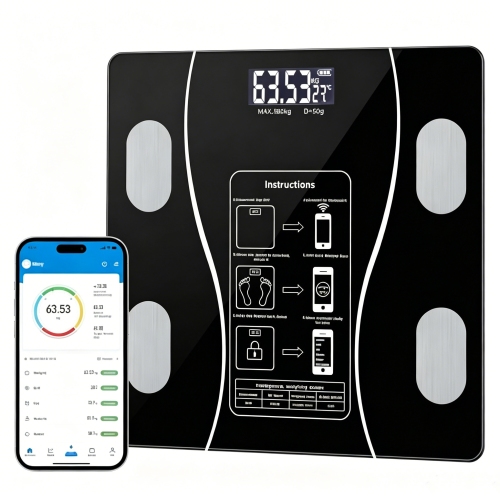
Bluetooth smart scales for fitness tracking measure body weight and send readings to a compatible phone through Bluetooth, creating a record that is easier to follow than a series of numbers remembered from the bathroom display. Many models also estimate body composition, including body fat percentage, muscle mass and body water, using bioelectrical impedance analysis. This involves passing a very small electrical current through the body, typically through contact points beneath bare feet, and combining the resulting measurement with profile details such as height and age. These estimates can add context to a fitness routine, but they are not equivalent to clinical testing. A scale does not directly measure strength, endurance or overall health, and calculated values such as metabolic rate should be understood as estimates rather than precise measurements. The most useful information is often the pattern recorded over several weeks on the same device. Someone building strength may see relatively little movement in body weight while their training performance improves, while someone returning to regular activity may appreciate having a consistent record alongside walking or workout logs. Hydration, meals, recent exercise and the timing of a weigh-in can all affect readings, especially body composition estimates. Measurements taken under similar conditions, such as at a consistent point in a daily routine, are generally more comparable than readings taken immediately after a workout one day and after dinner the next. Even then, ordinary fluctuations are expected. Graphs, averages and longer-term views can help put an isolated reading in perspective rather than giving it more significance than it deserves. The range of metrics varies between scales, and a longer list does not automatically mean greater accuracy or more useful feedback. Clear weight tracking, understandable explanations and a dependable history may matter more than a crowded dashboard of figures. For people who enjoy following fitness progress, the appeal is a convenient record that complements activity, strength and personal goals without reducing those goals to a single number.
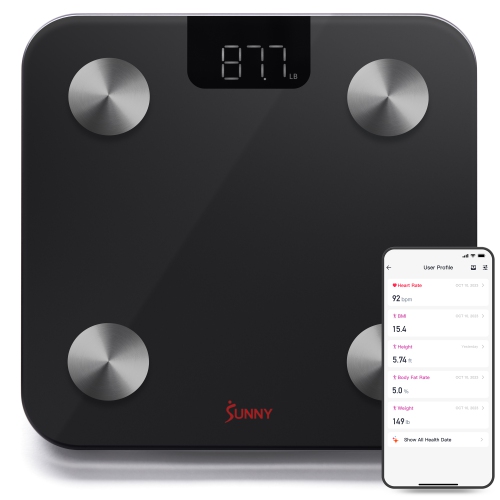
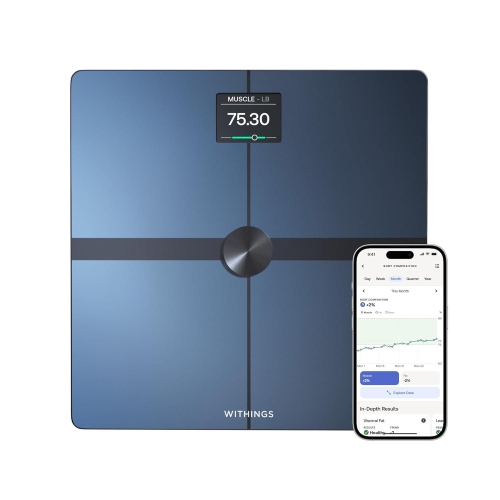
Bluetooth connectivity shapes how these scales fit into everyday use. A compatible phone generally needs to be within Bluetooth range, with the required permissions enabled, for readings to transfer; whether the companion app must be open depends on the model and phone settings. Some scales can save measurements and upload them later, while others depend on a nearby connection, so offline memory makes a practical difference when a phone is charging in another room. Wireless communication can also be affected by distance and obstacles, making a nearby phone the simplest arrangement for regular syncing. Compatibility involves more than the presence of Bluetooth: the supported phone operating system, companion app requirements and available health-platform connections all matter. When integration is supported, weight readings may appear alongside activity records in a familiar health app, reducing the need to enter information manually. However, not every metric necessarily transfers, and some connections require separate permission or an additional account. The companion app is therefore a substantial part of the experience. Readable trend charts, clearly labelled units, straightforward profile settings and accessible historical records can make tracking feel manageable rather than demanding. On the scale itself, a bright, high-contrast display with large numerals is helpful for checking weight without reaching for a phone. Support for kilograms and pounds accommodates different preferences, while the stated weight capacity and measurement increments indicate the device’s operating limits and display resolution, not a guarantee of clinical precision. In shared households, multiple profiles can keep individual histories separate. Automatic user recognition may be convenient, although people with similar weights may need to confirm which profile receives a reading. Guest functions and profile limits vary, as do options for exporting or deleting records. Since body measurements are personal information, account security, sharing permissions and control over stored data deserve attention. Bluetooth-connected models are one type of Smart Scales for Fitness, with nearby phone syncing as a defining feature.
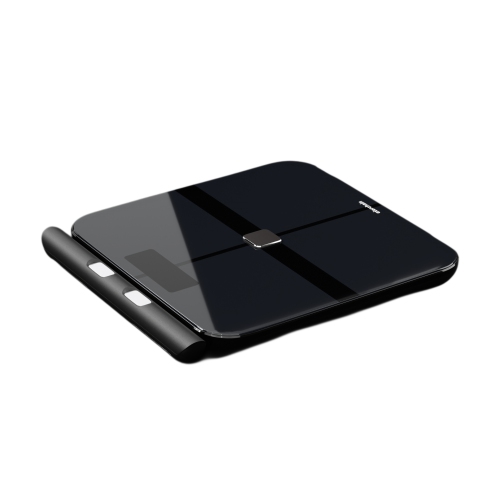
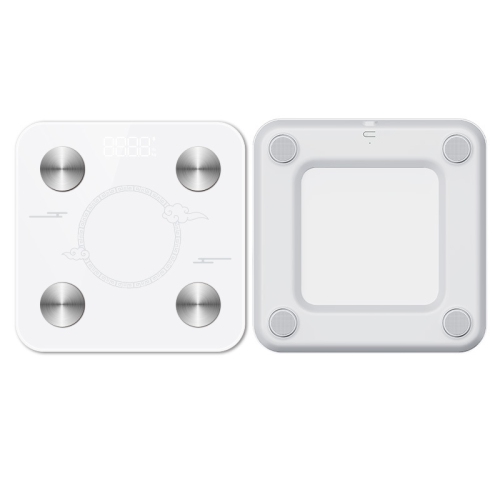
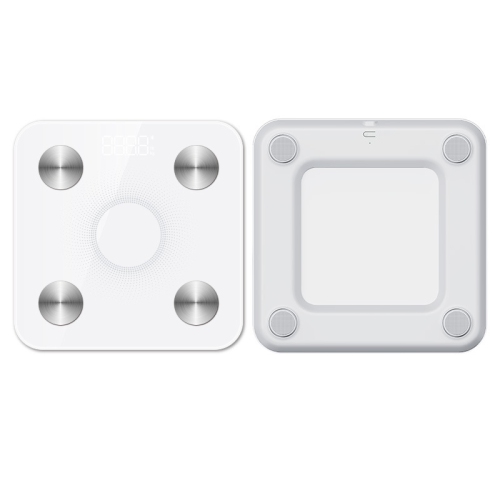
The physical design matters just as much as the app when a scale becomes part of a regular routine. Tempered glass platforms are common, often paired with metal contact areas for body composition readings, while other designs use moulded plastic housings or different electrode arrangements. Platform dimensions affect how comfortably feet can be positioned, particularly for someone with a wider stance or larger feet. A stable base and supportive feet help the scale sit securely, but even a well-built model needs a hard, level surface for consistent use. Thick carpet, uneven tiles and a platform resting partly on a bathmat can interfere with measurements. A clear patch of floor gives the scale a dependable home and avoids moving it between different surfaces each time. Slim designs can slide into a storage space, although the manufacturer’s instructions may call for recalibration after the scale is moved. Durability depends on careful handling as well as construction: glass edges should be protected from knocks, the stated weight limit should be respected, and the platform should not be dropped. A soft cloth and cleaning method approved by the manufacturer help keep the surface and contact areas clean without damaging finishes. Bathroom use does not mean a scale is waterproof, so keeping it away from splashes and avoiding immersion remain important. Battery-powered and rechargeable designs have different upkeep needs, with battery replacement or charging becoming part of occasional maintenance. For body composition features, clean, bare feet and proper contact with the electrodes are usually necessary; socks may still allow a weight reading but prevent a valid impedance estimate. People with implanted electronic medical devices should follow their device manufacturer’s guidance and seek medical advice before using impedance-based features, and pregnancy or other circumstances may make those estimates unsuitable. A connected scale can suit an adult who already enjoys tracking workouts or wants a simpler measurement log, and it can be a thoughtful gift when that interest has been clearly expressed. Its lasting value comes from comfortable daily use, understandable records and a role that supports, rather than dominates, a personal fitness routine.
Top selling and popular products
-
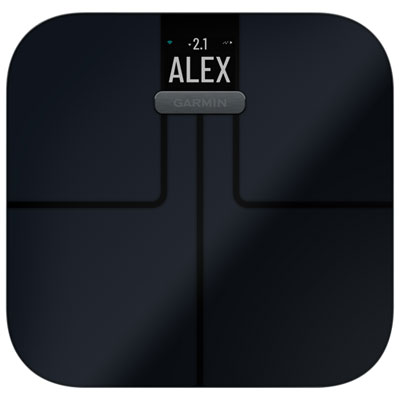 Your price for this item is $219.99
-
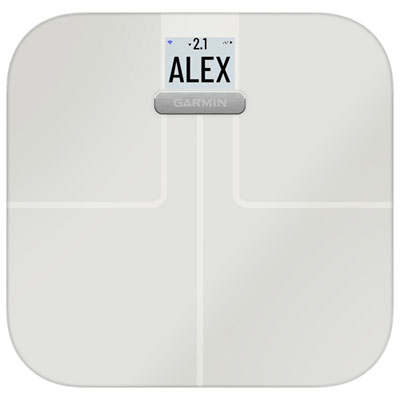 Your price for this item is $219.99
-
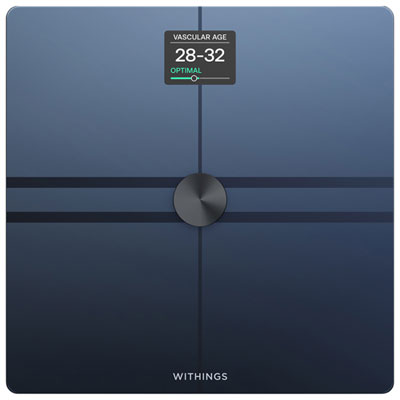 Your price for this item is $249.99
-
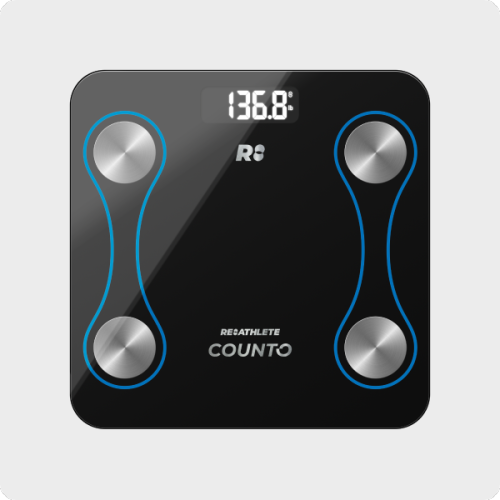 Your price for this item is $64.99
-
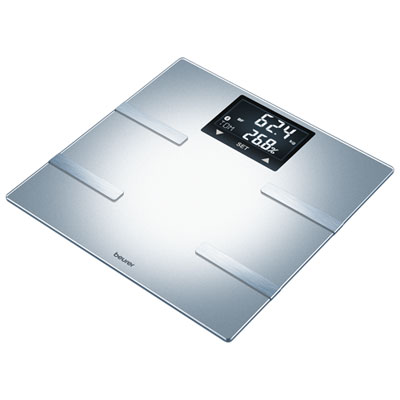 Your price for this item is $59.99
-
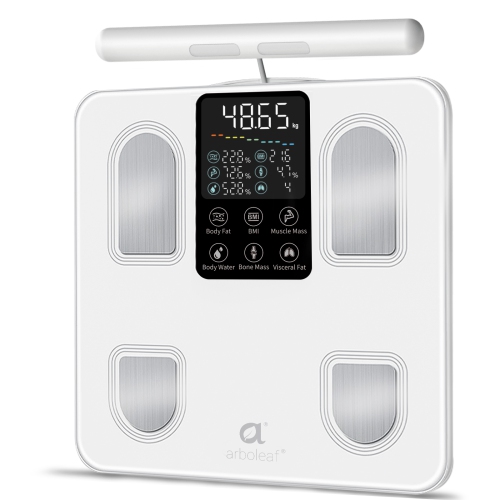 Your price for this item is $129.99
-
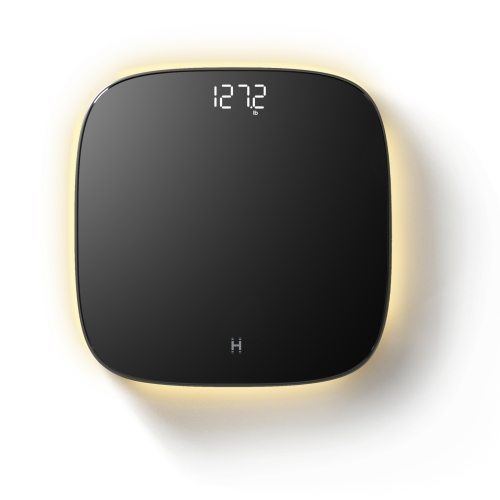 Your price for this item is $39.99
-
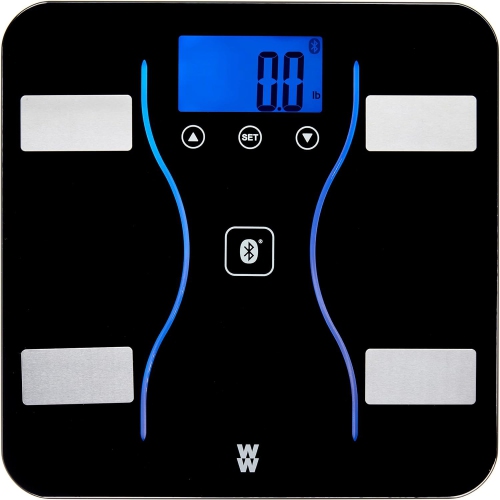 Your price for this item is $128.97
Discover more categories related to Bluetooth Smart Scales for Fitness Tracking
Top Collections:
Pokemon Centers, Best Cameras for Sports Photography, Kindle Devices, Samsung Galaxy Phones, Canon G7X Cameras, Pokémon 30th Celebration Cards, Refurbished Apple Laptops, iPhone 15 Apple, Laptops for Students, Budget Smartphones
Some products may be subject to Environmental Handling Fees
(EHF) depending on your province.
Learn more about EHFs.