Fitness Tracking Scales
Looking to take your fitness journey to the next level? Look no further than our collection of fitness tracking scales. These innovative devices not only help you keep track of your weight, but also provide valuable insights into your body composition, such as muscle mass, body fat percentage, and even hydration levels. With sleek designs and advanced features, these fitness tracking scales are the perfect addition to any home gym or wellness routine. Start monitoring your progress and achieving your health goals with the help of these cutting-edge devices.
Sort








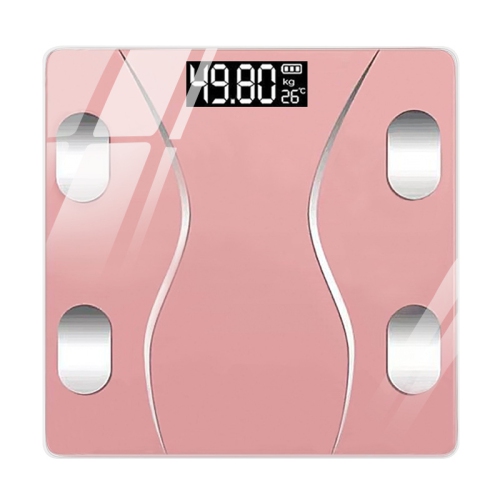

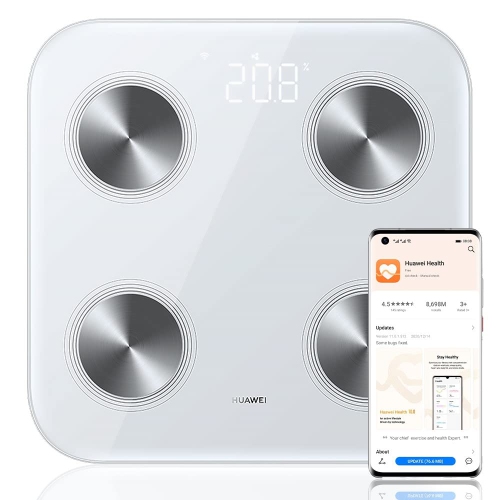
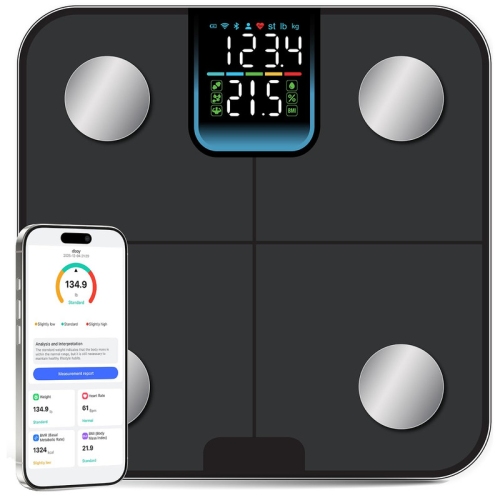
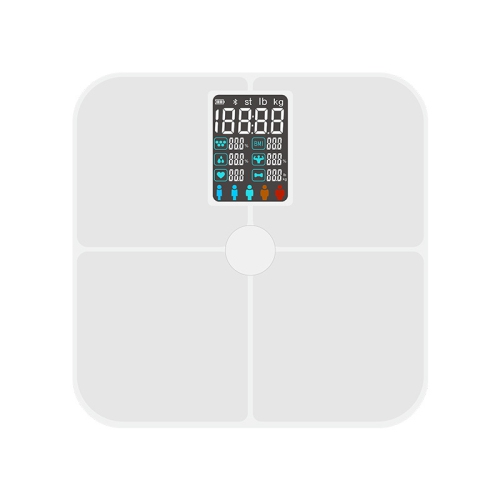













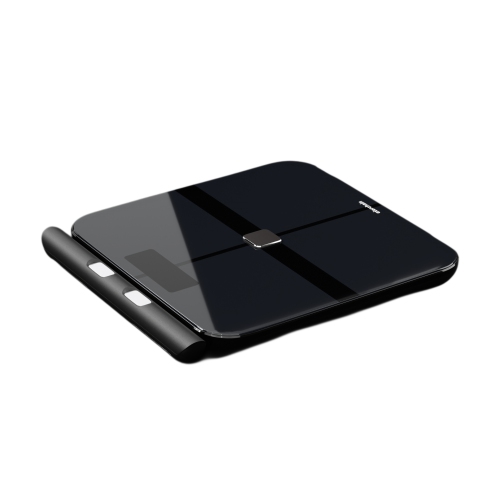
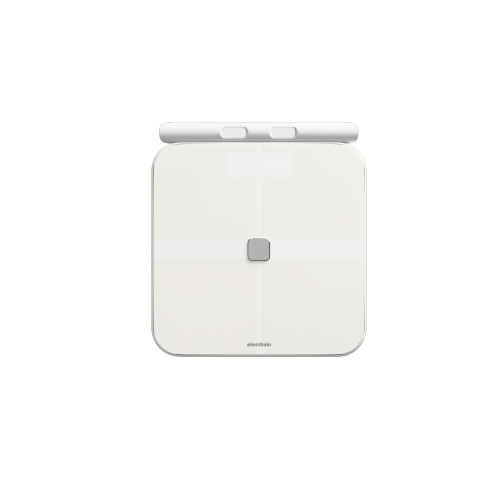


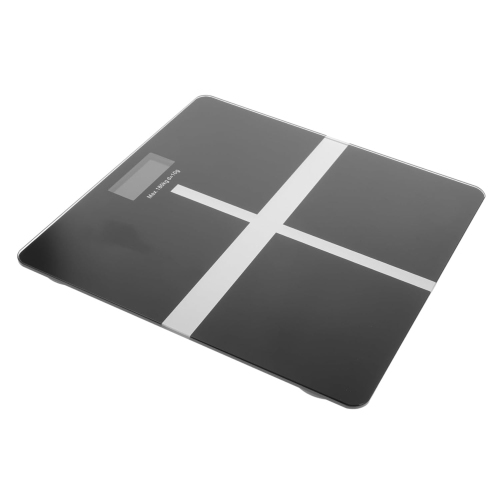
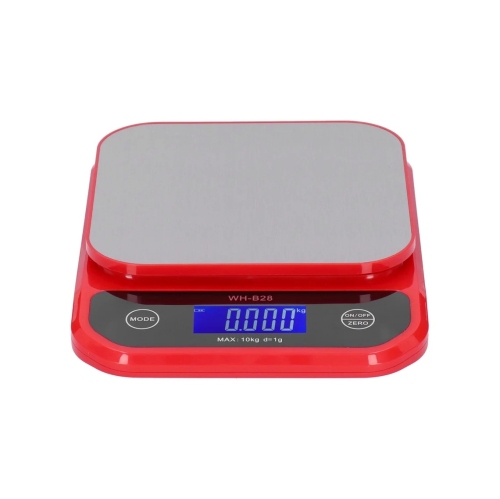








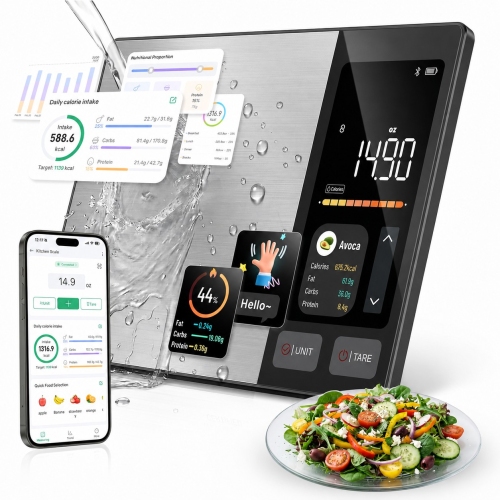
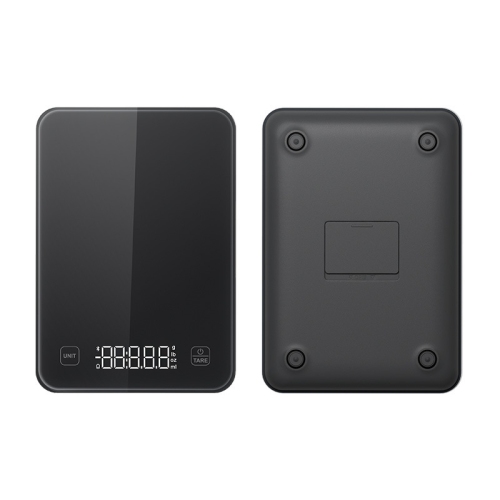
The bigger picture behind your daily weight readings
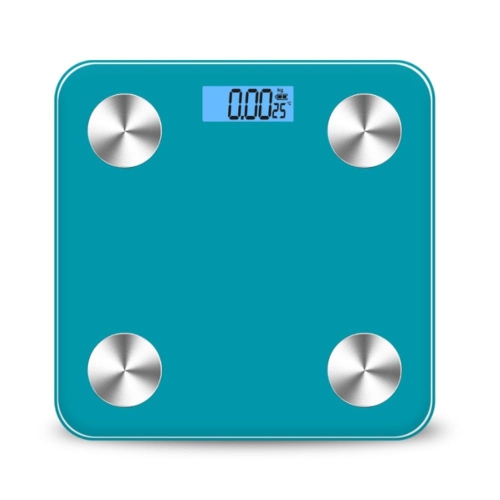
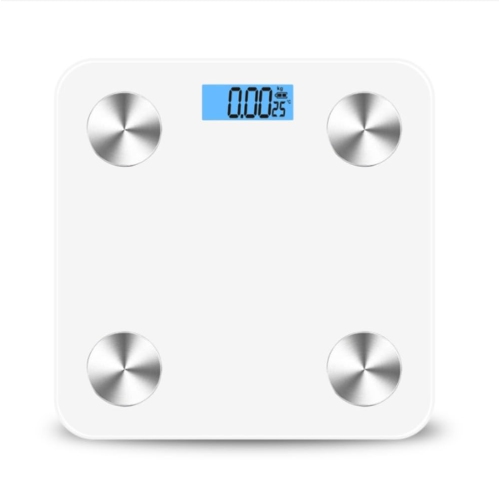
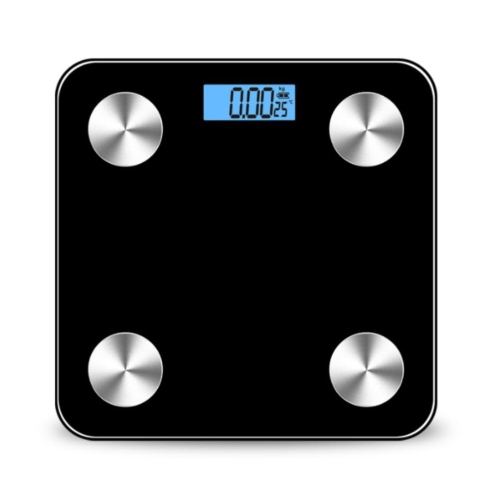
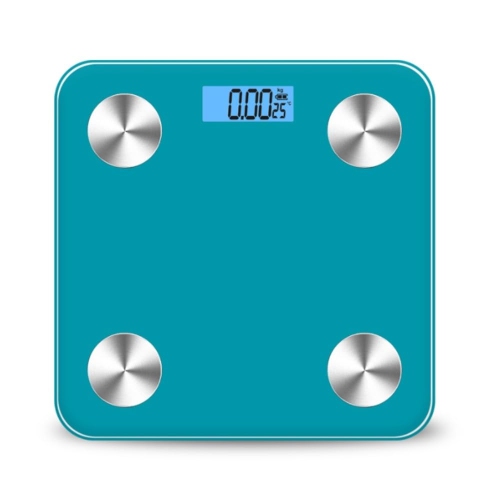
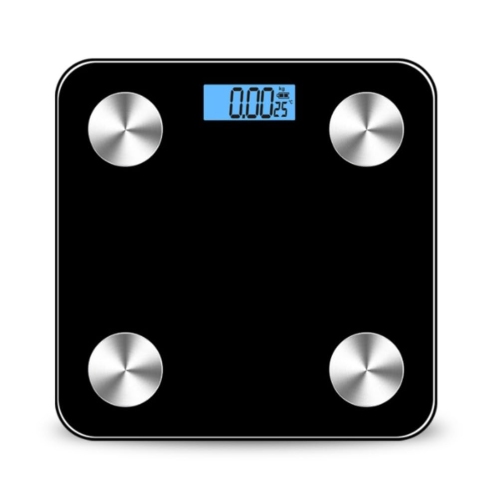
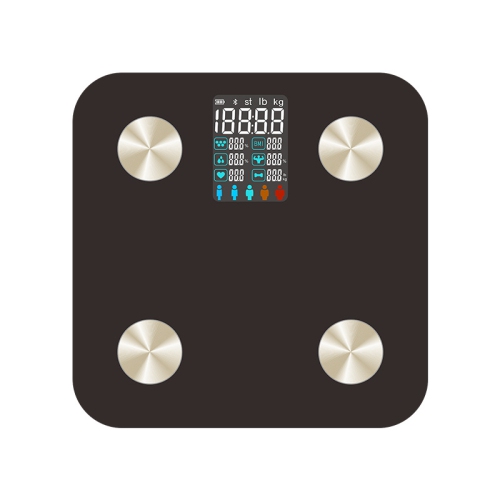
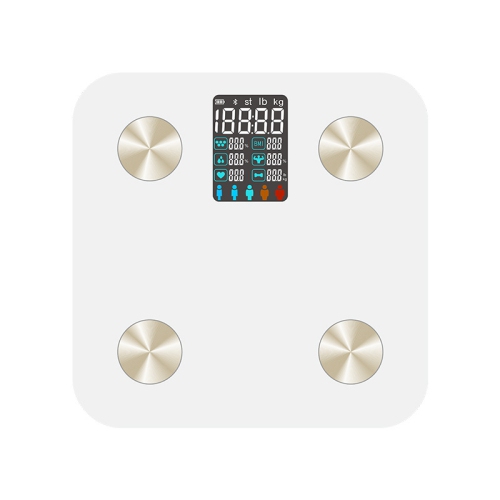
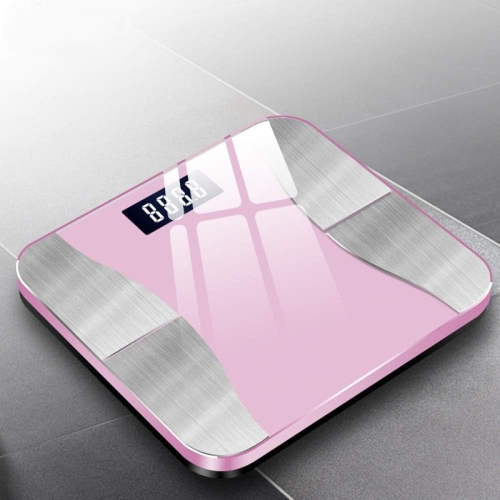
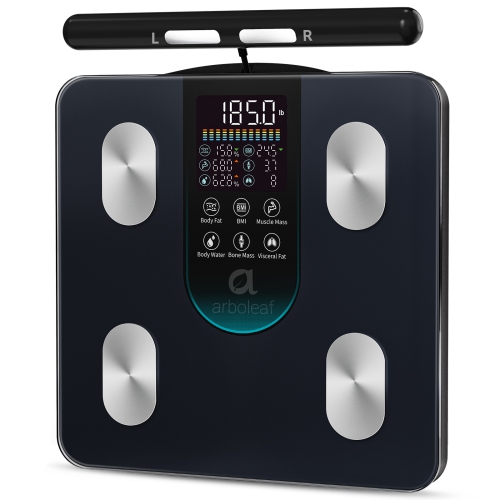
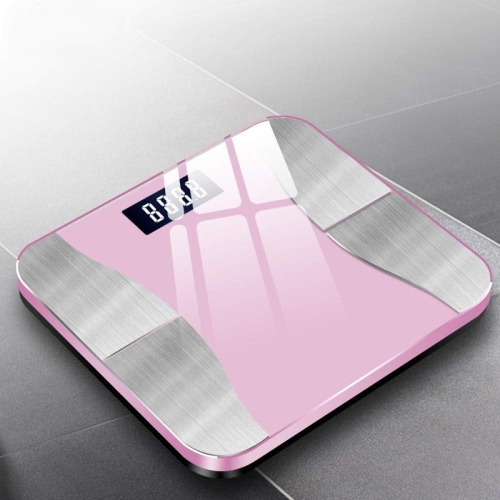
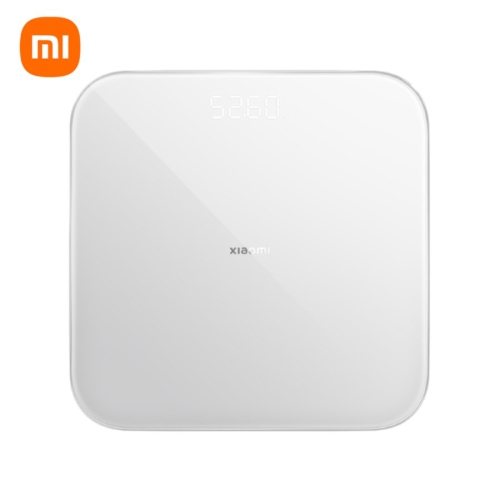
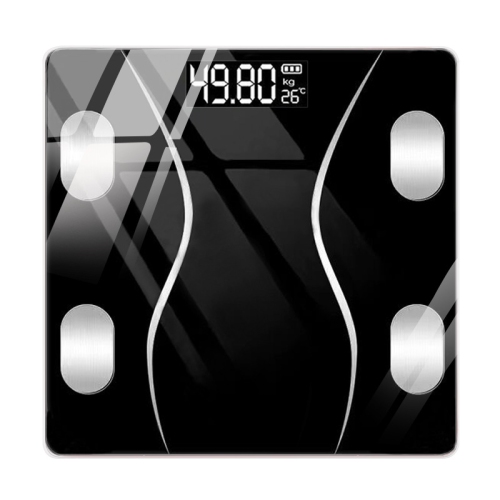
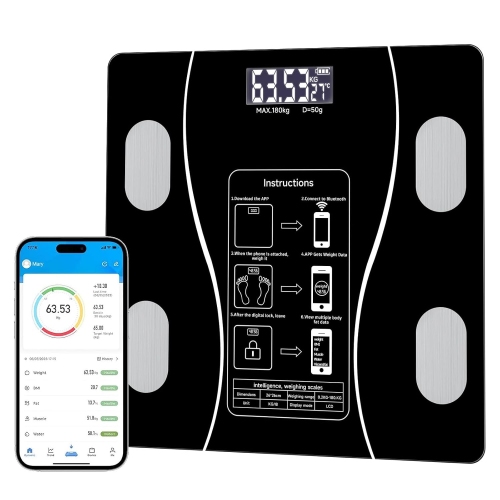
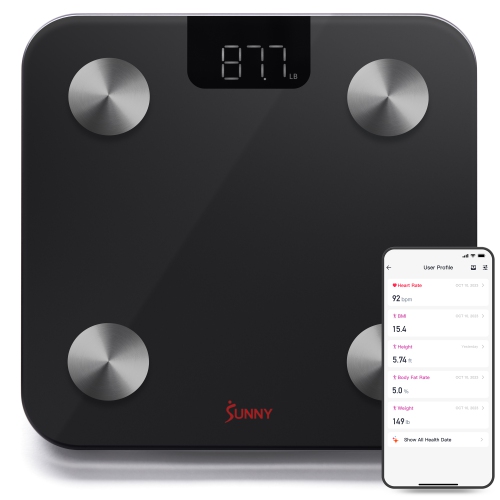
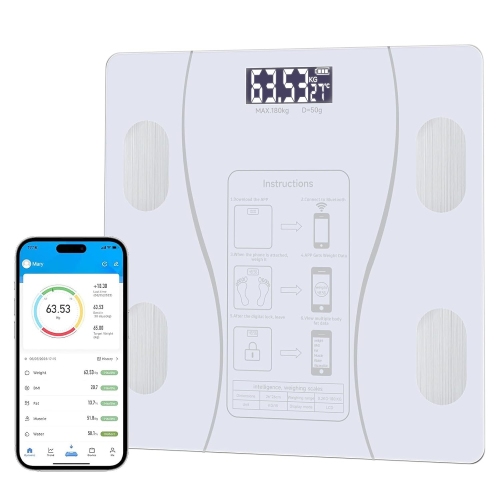
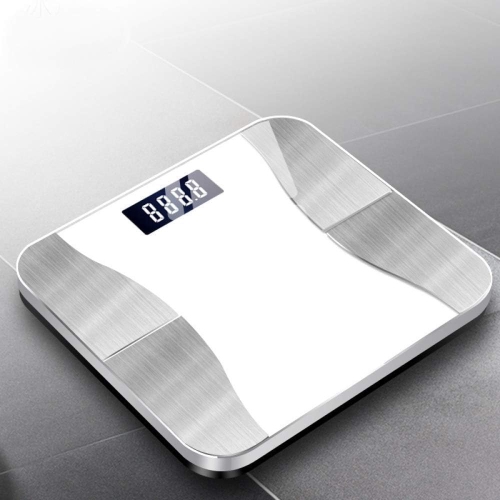
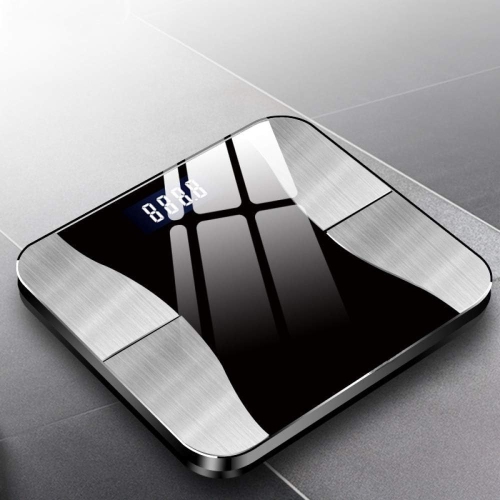
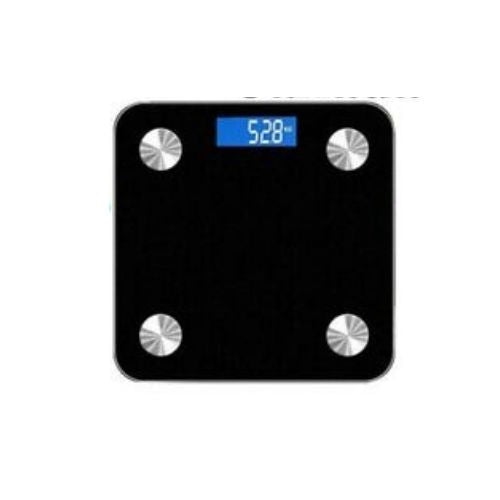
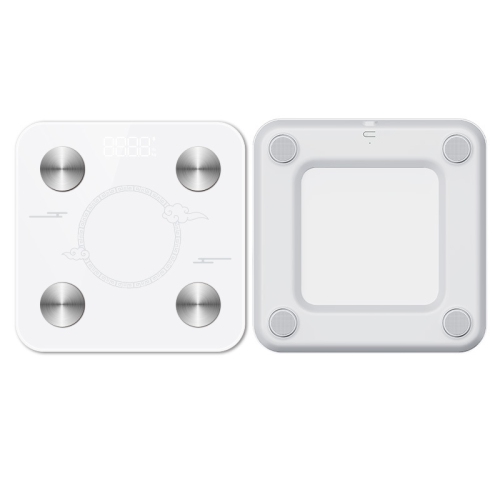
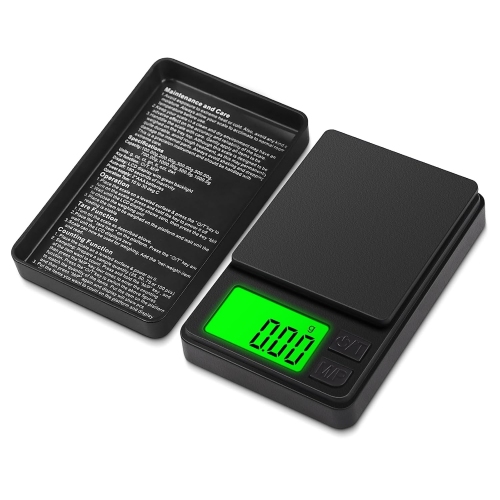
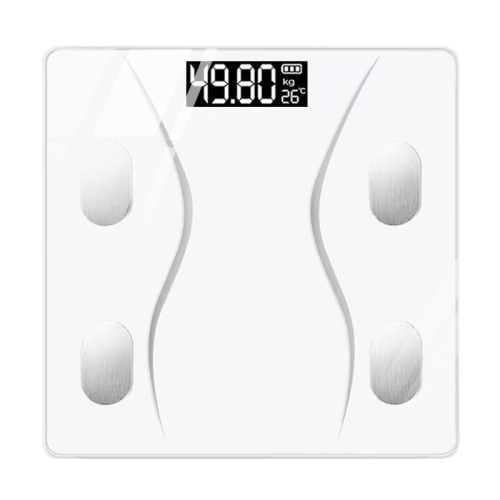
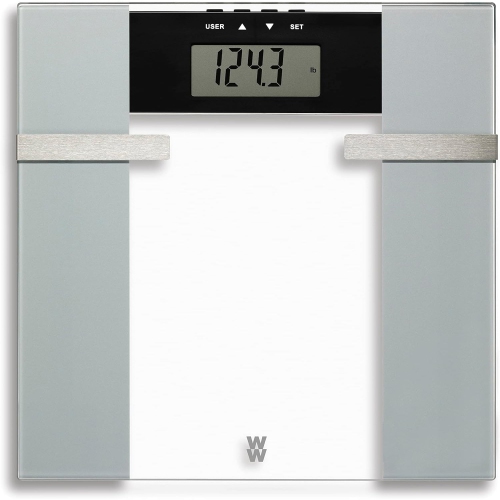
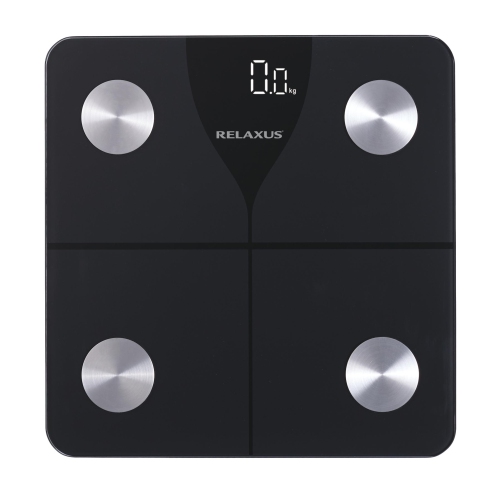
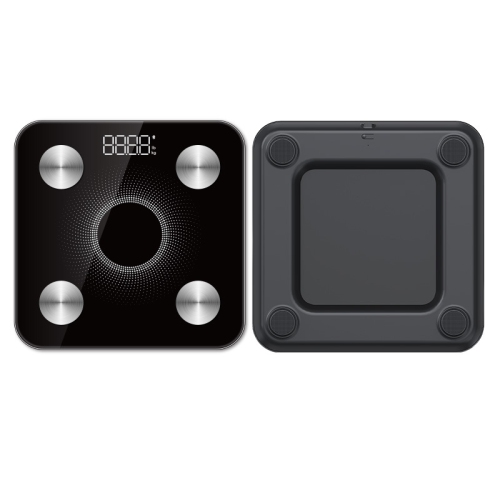
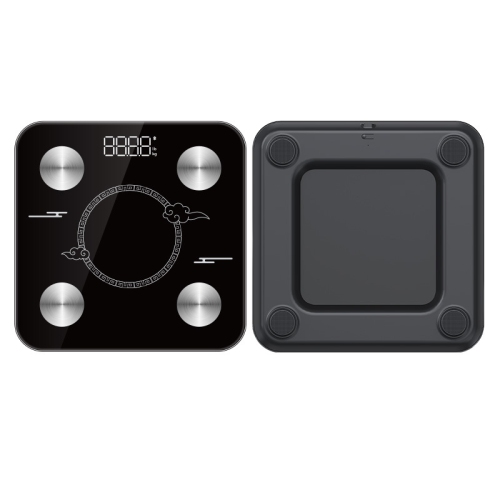
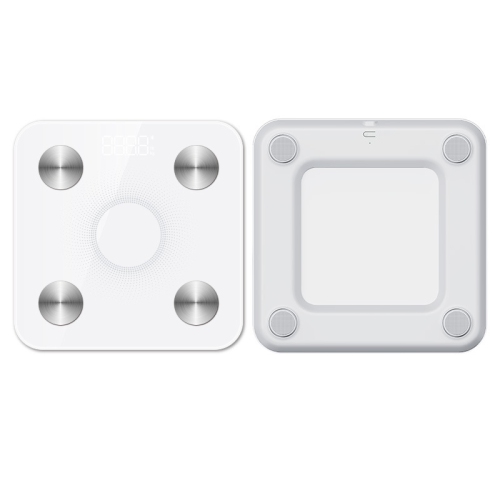
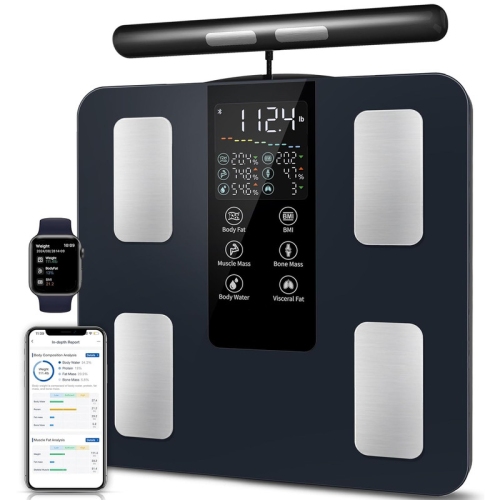
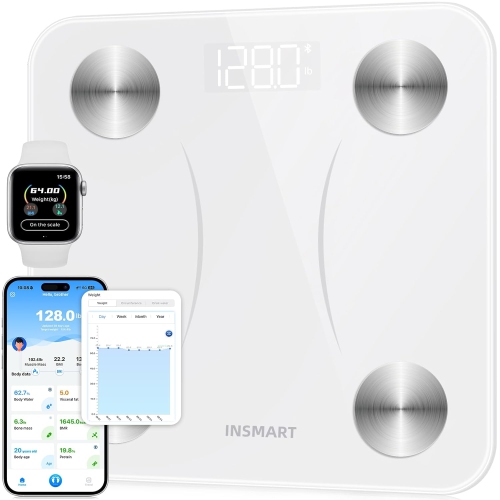
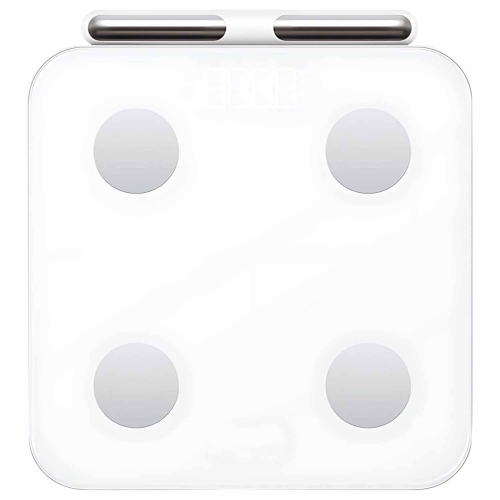
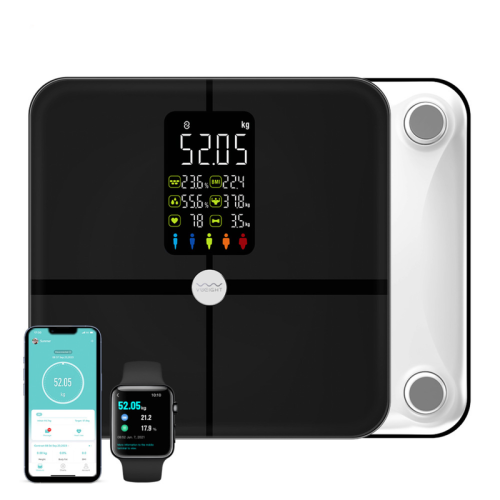
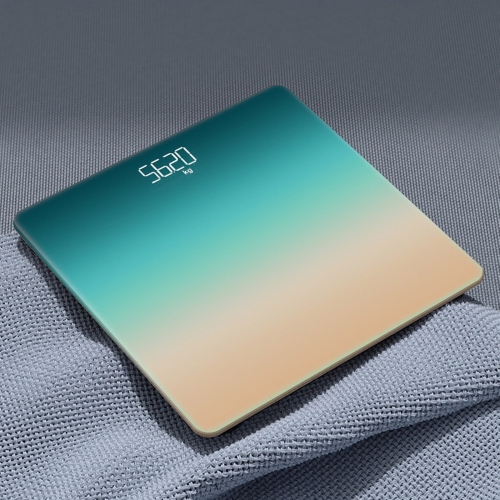
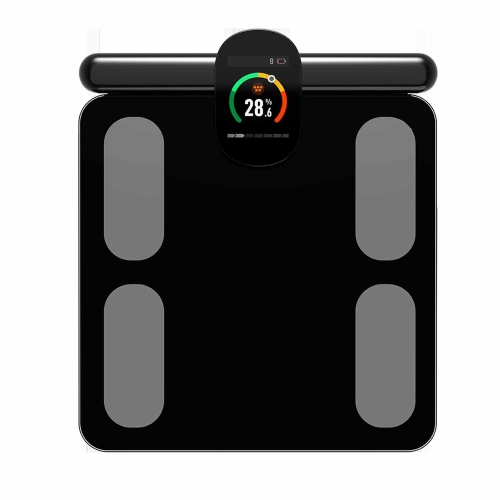
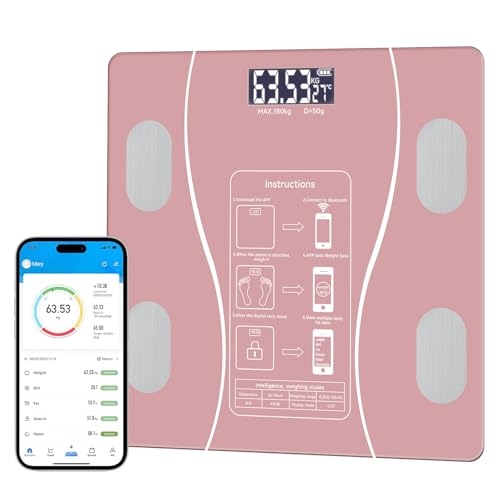
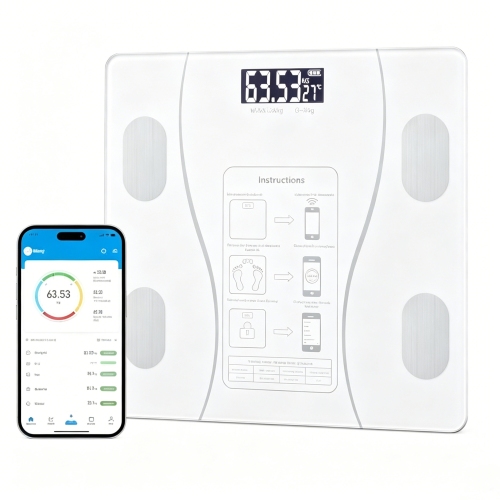
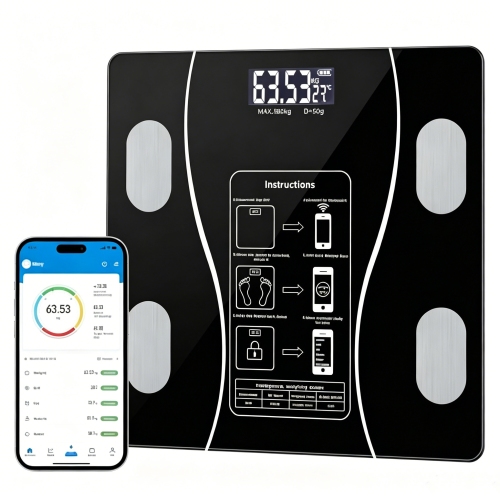
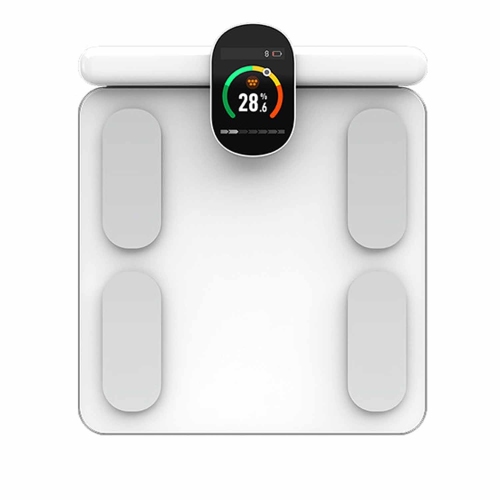
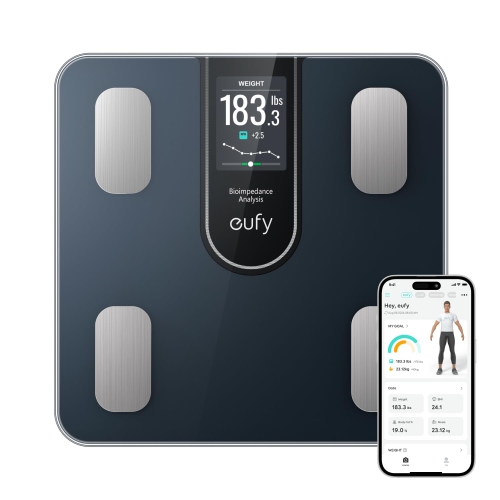
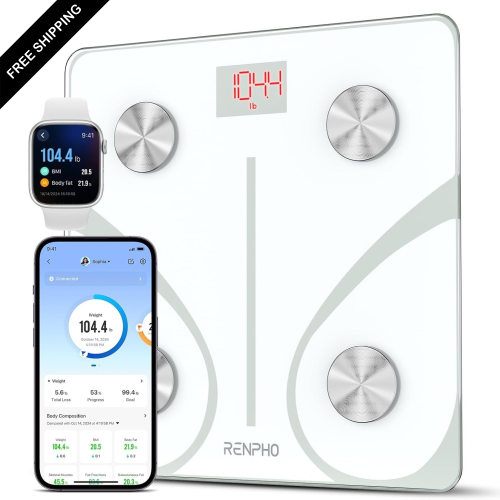
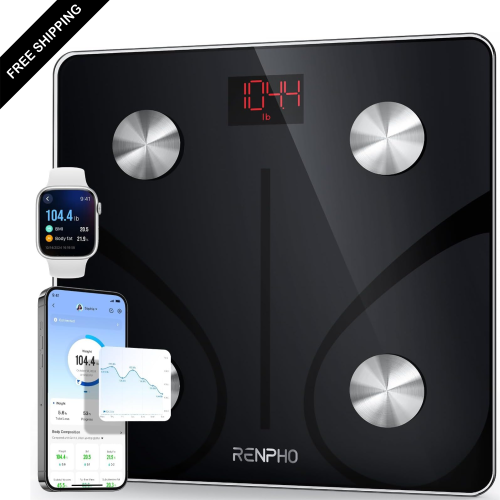
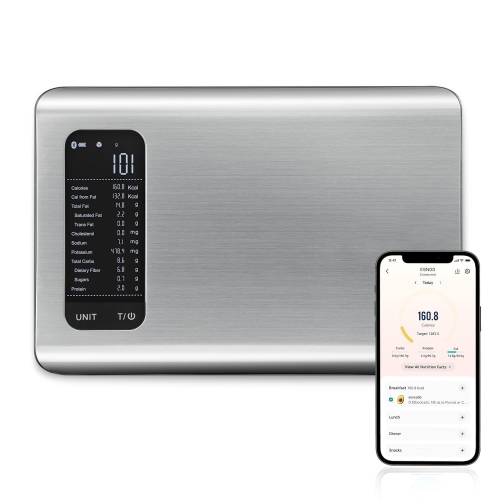
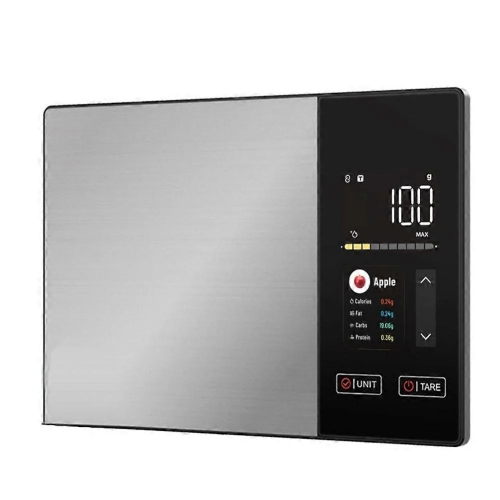
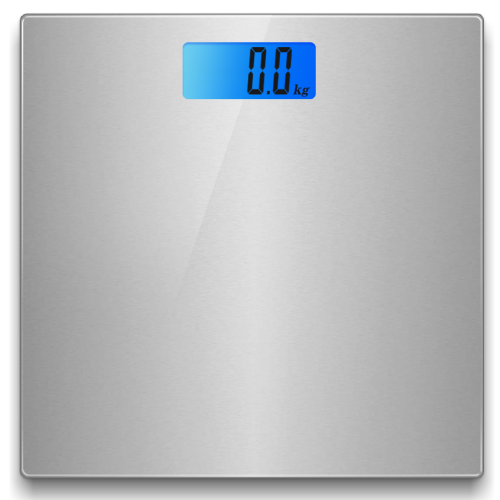
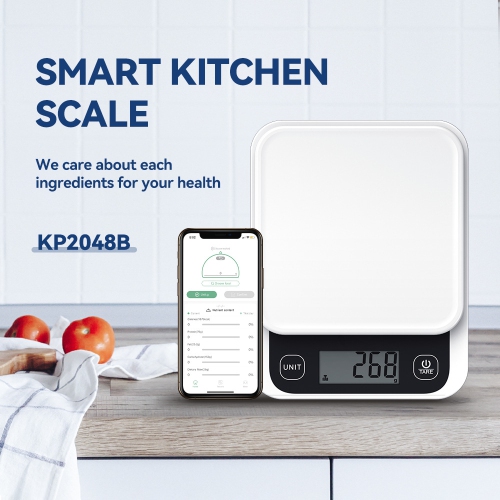
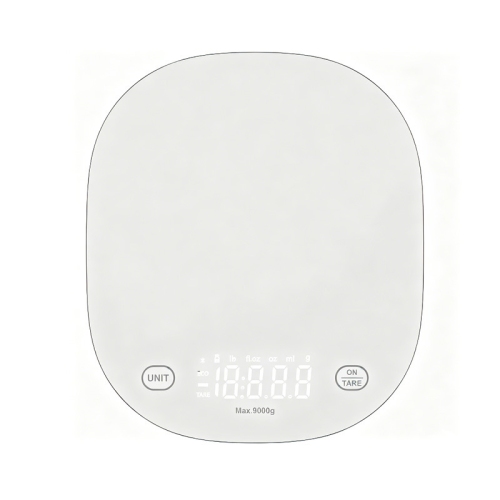
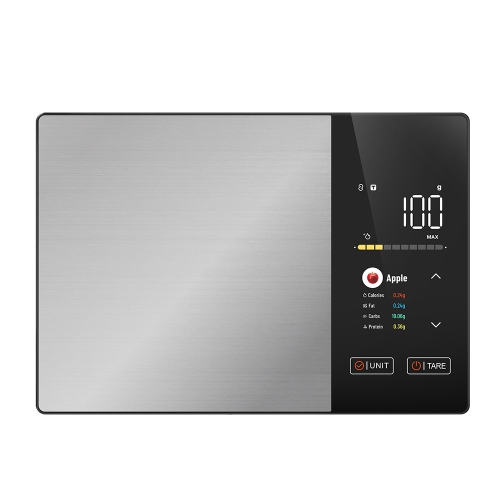
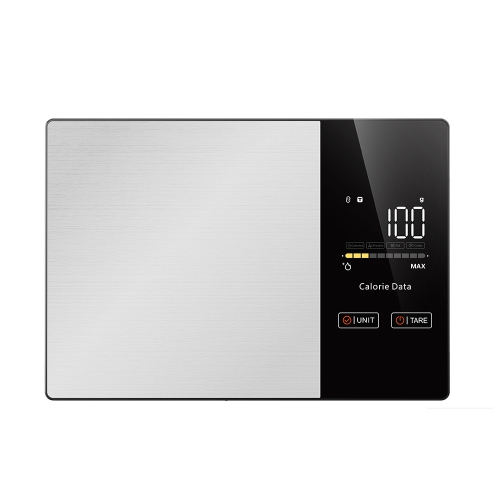
Fitness tracking scales bring body weight measurements and longer-term fitness trends into one place, making them useful for anyone who wants more context than a single number on a bathroom display. Depending on their features, these scales can pair weight readings with estimates of body fat percentage, muscle mass, body water and other body composition measures. Connected models transfer readings to a compatible smartphone app, where charts make changes over several weeks or months easier to follow. Weight is measured directly, while many body composition figures are estimated using bioelectrical impedance analysis, which sends a small electrical current through the body through contact points on the platform. Those estimates depend on factors such as hydration, recent exercise, meals and the information entered in a user profile, so they are best understood as indicators rather than precise clinical measurements. Body mass index, or BMI, is another common figure, calculated from height and weight rather than measured by the scale; it does not distinguish muscle from fat. For someone returning to strength training, building a walking routine or maintaining an established fitness habit, a consistent series of readings can be more informative than a day-to-day fluctuation. A person who feels stronger and notices a different fit in their clothing may see little movement in body weight, which is one reason some shoppers appreciate a broader set of measurements. Even then, estimated muscle or fat changes deserve a cautious reading, especially over short periods. Fitness tracking scales work best as one part of a wider picture that includes activity, sleep, comfort and general well-being. They are not diagnostic devices, and unexpected changes or health concerns belong in a conversation with a qualified healthcare professional. Taking measurements at a similar time, on the same hard, level surface and under similar conditions helps make comparisons more useful without turning every reading into a verdict on progress.
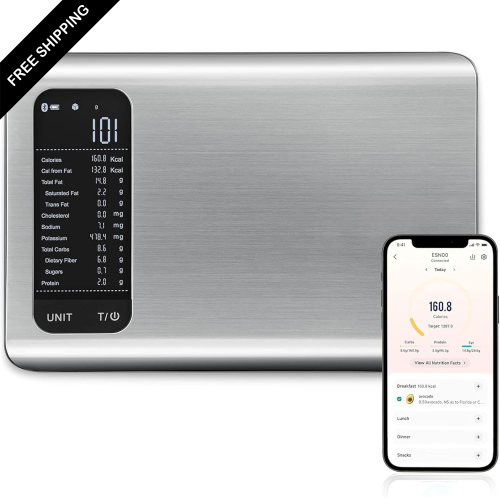
Connectivity shapes how a fitness tracking scale fits into everyday life. Bluetooth models generally transfer measurements when a paired phone is within range, although some can store readings for a later sync. Wi-Fi models may upload measurements through a home network without requiring the phone beside the scale, once setup is complete. Exact behaviour varies, including whether the companion app needs to be open and how many readings the scale can hold between connections. For someone who leaves their phone charging in the bedroom, that difference can matter more than a long list of additional metrics. Smartphone operating system compatibility, supported health and fitness apps, account requirements and home network requirements all affect the experience. A connection to a preferred fitness app may share weight but not every body composition estimate, so the range of information transferred is worth checking. Shoppers exploring Smart Scales for Fitness may find that straightforward syncing and readable trend charts are more useful for a daily routine than measurements they rarely consult. Shared households also benefit from attention to user profiles. Some scales identify users automatically from previous readings, while others require a profile selection or confirmation in the app. People with similar weights may need to check that a measurement has reached the correct profile. Separate accounts, guest settings and controls for sharing or deleting personal data help keep household tracking comfortable and private. On the scale itself, a bright display with clear digits makes an early-morning reading easier to see, and support for kilograms or pounds lets each user work with familiar units. Some models show additional figures on the platform; others reserve most details for the app. A useful display still has value when the phone is out of reach. Battery-powered and rechargeable designs have different upkeep needs, particularly when the scale is used frequently by several people. Clear battery indicators and accessible power connections can make that upkeep less of an interruption.
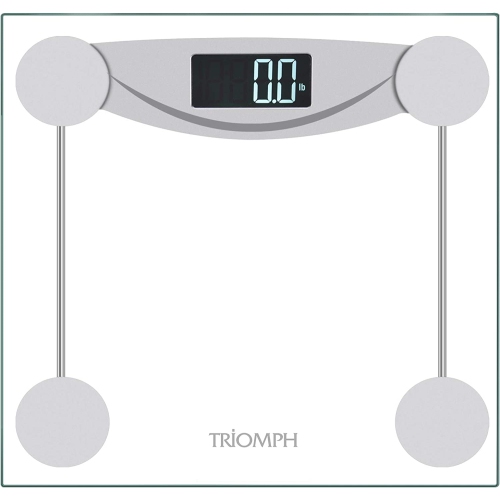
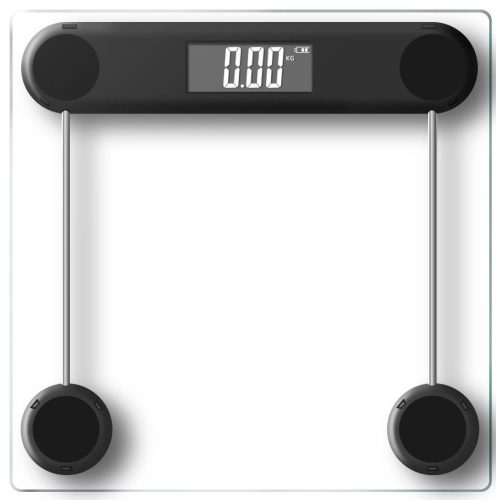
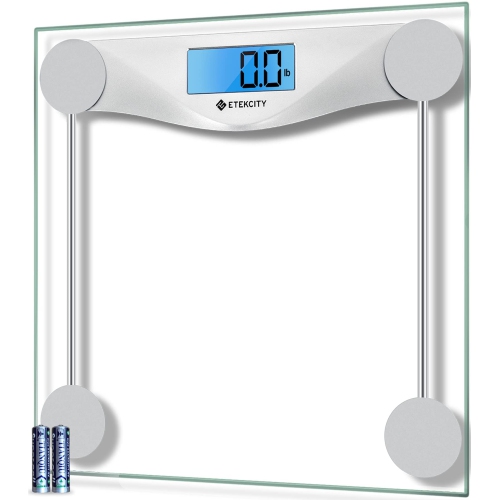
The platform and construction deserve as much attention as the app. Tempered glass is common because it provides a smooth, easy-to-wipe surface, while other designs use metal contact areas and plastic housings. Durability depends on the complete build, including stable feet, secure components and a platform suitable for the intended user. Platform width, maximum weight capacity and the position of the contact points influence comfort and fit: feet should rest securely in the intended position without an awkward stance. For bioelectrical impedance readings, bare feet generally need to touch the electrodes, whereas a basic weight measurement may not require that contact. A low-profile platform can make stepping on feel less cumbersome, but anyone with balance or mobility concerns should consider whether standing unsupported is appropriate. These scales are designed for stationary use, not as exercise platforms. Placement on tile or another firm, level floor supports consistent measurements; thick carpet and uneven flooring can affect results. A dry location away from splashes is preferable unless the manufacturer specifies otherwise, and wet feet or a wet glass surface can create a slipping risk. Routine care usually involves a soft cloth and gentle cleaning according to the manufacturer's directions, rather than abrasive pads, immersion or spraying liquid into seams. Glass platforms should be protected from impacts, and a cracked surface is a reason to stop using the scale. Moving a scale between rooms may require recalibration before the next measurement, as described in its instructions. Intended use matters, too: body composition functions may have restrictions for children, pregnancy or people with implanted electronic medical devices. Manufacturer warnings and professional medical advice take priority over a fitness goal. Dedicated modes, where provided, have their own limits and should not be assumed to make every measurement suitable for every person. As a gift, a fitness tracking scale is most thoughtful when someone has specifically expressed interest in one, rather than as an unsolicited comment on their body. For an interested recipient or a household building a shared fitness space, a comfortable platform, dependable weight tracking and manageable app features can support a routine through cooler months and beyond.
Top selling and popular products
-
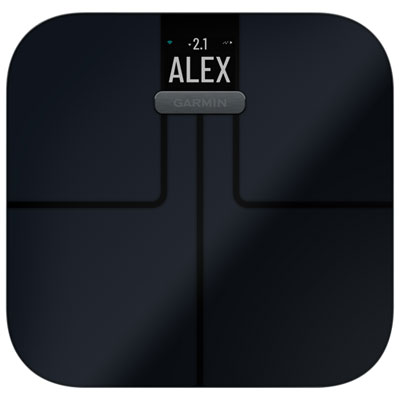 Your price for this item is $219.99
-
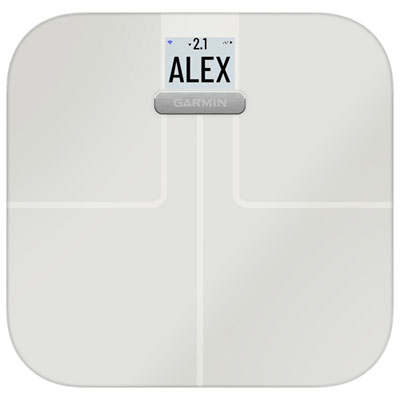 Your price for this item is $219.99
-
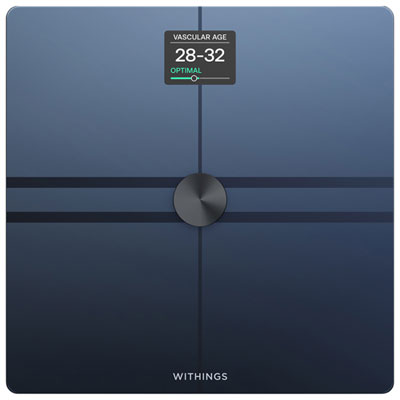 Your price for this item is $249.99
-
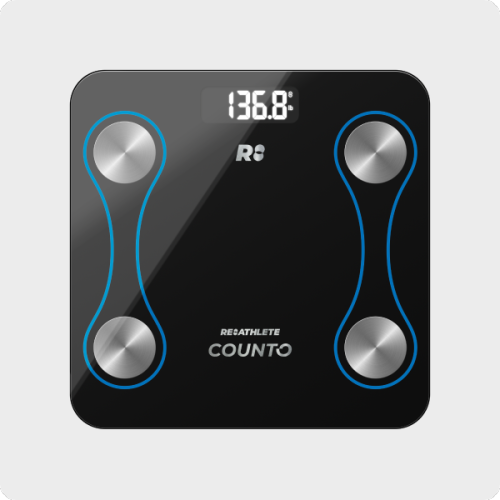 Your price for this item is $64.99
-
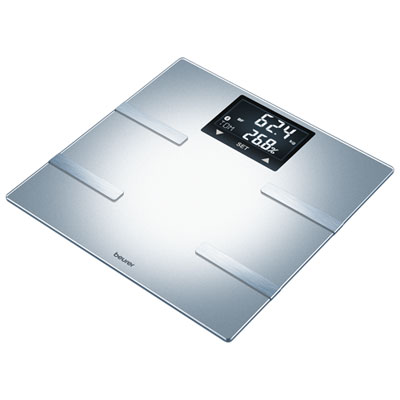 Your price for this item is $59.99
-
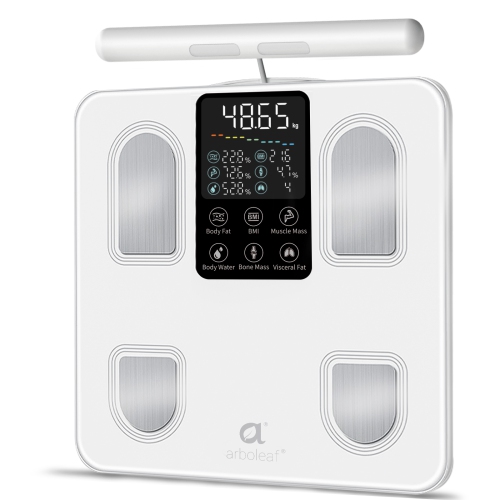 Your price for this item is $129.99
-
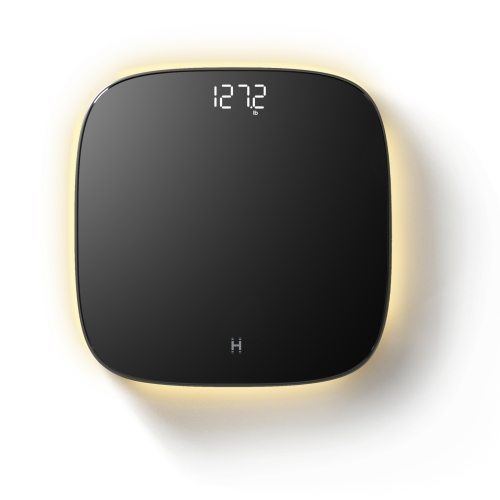 Your price for this item is $39.99
-
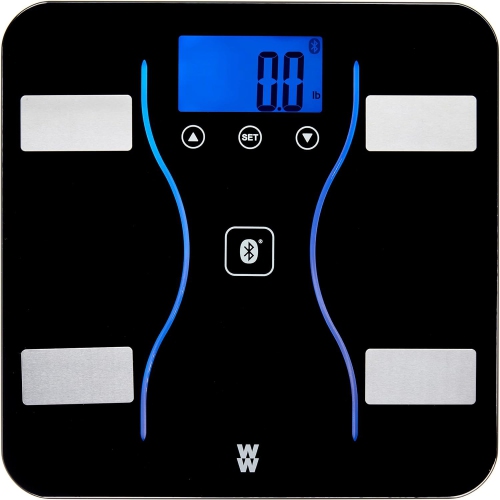 Your price for this item is $128.97
Discover more categories related to Fitness Tracking Scales
Top Collections:
Pokemon Centers, Best Cameras for Sports Photography, Kindle Devices, Samsung Galaxy Phones, Canon G7X Cameras, Pokémon 30th Celebration Cards, Refurbished Apple Laptops, iPhone 15 Apple, Laptops for Students, Budget Smartphones
Some products may be subject to Environmental Handling Fees
(EHF) depending on your province.
Learn more about EHFs.