Compression Socks Running
Elevate your running experience with compression socks designed to support and energize every step. Engineered for performance, these socks offer targeted compression to enhance circulation, reduce muscle fatigue, and aid in faster recovery. Whether you're training for a marathon or enjoying a leisurely jog, the right pair of compression socks can make all the difference in comfort and endurance. Discover a variety of styles and fits tailored to meet the needs of runners at every level, ensuring you stay on track with your fitness goals while keeping your feet happy and healthy.
Sort

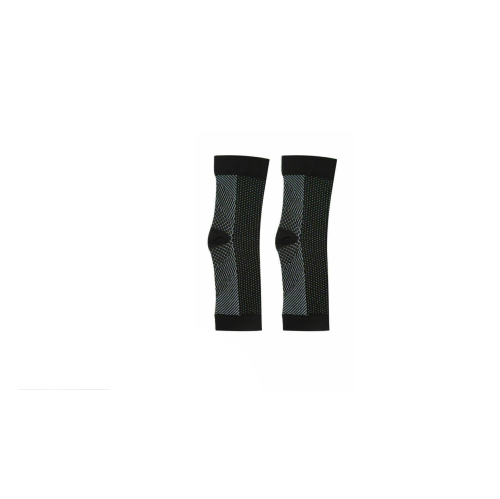
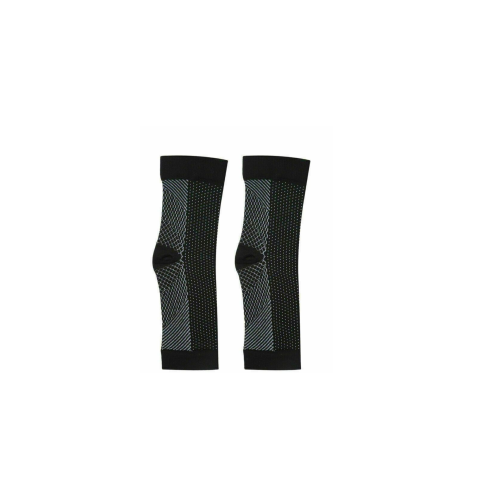
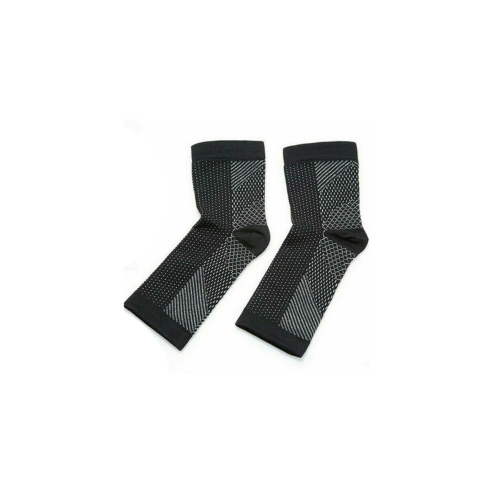
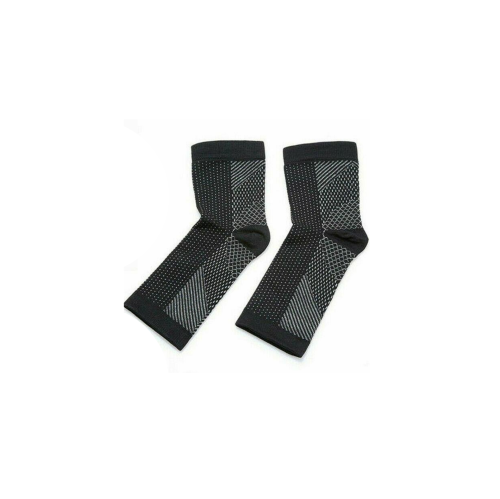
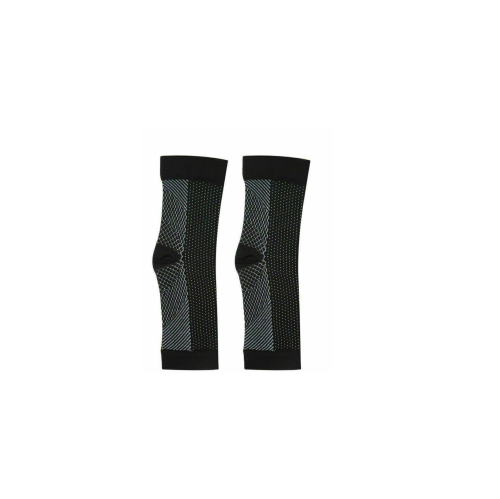
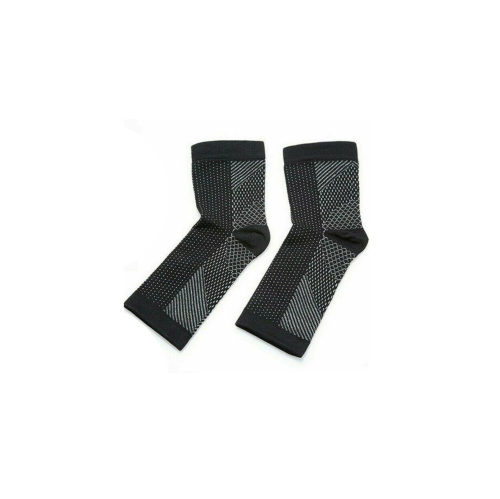

Why a snug fit matters on every run
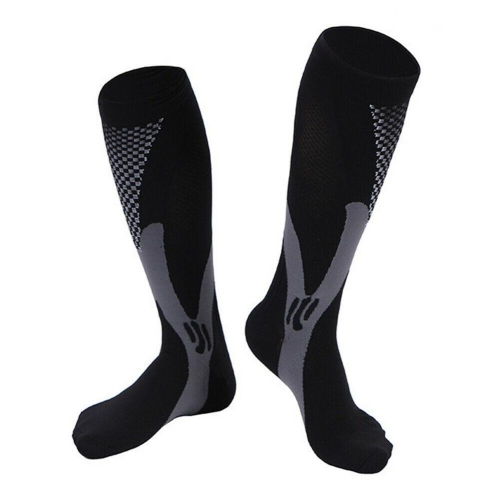
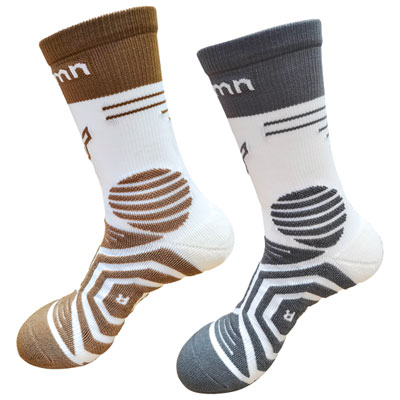
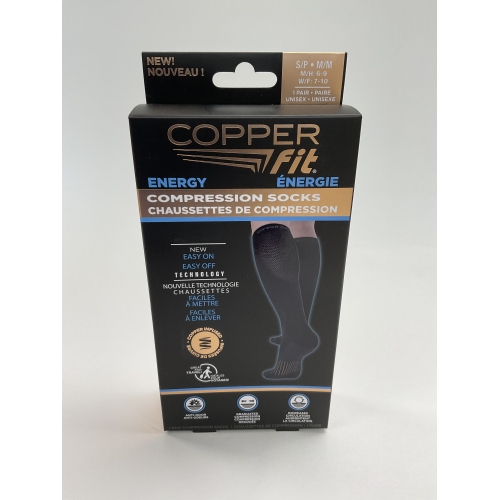
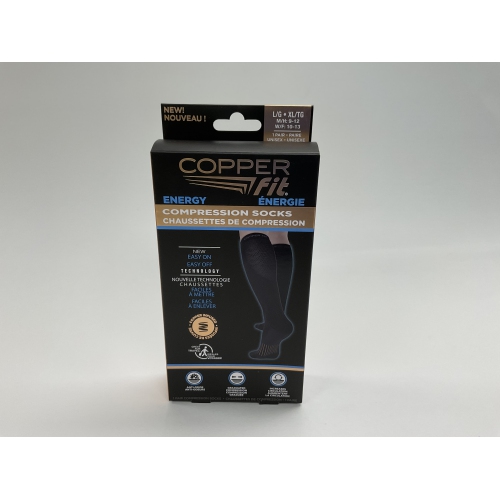
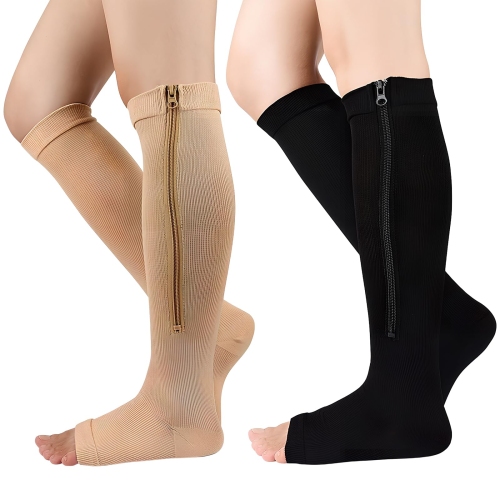
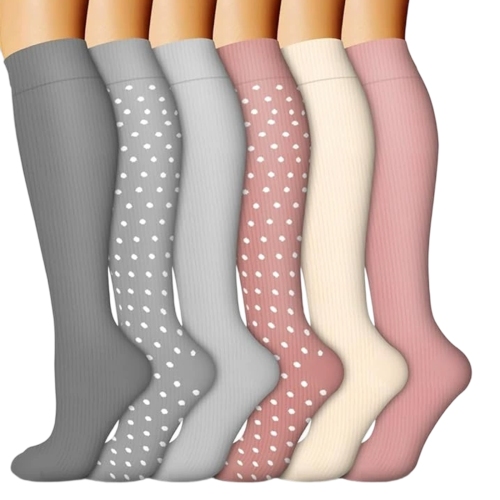
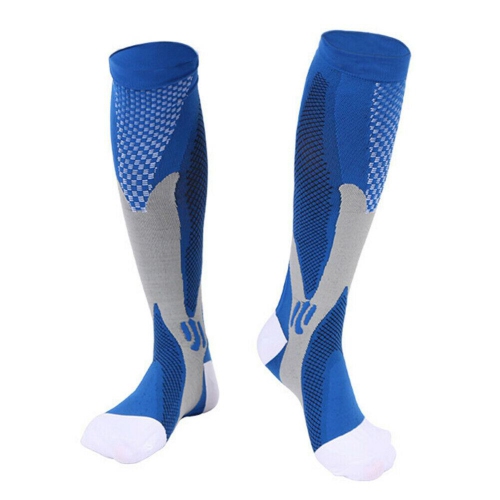
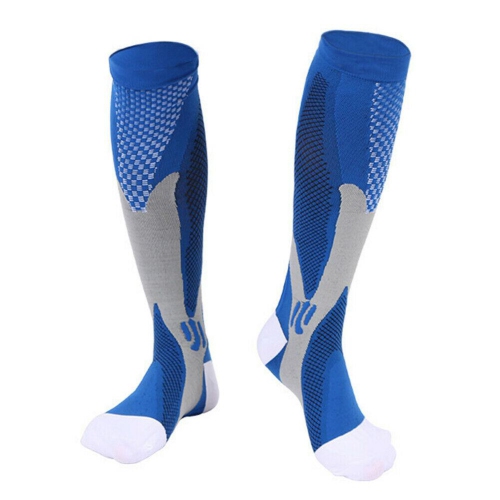
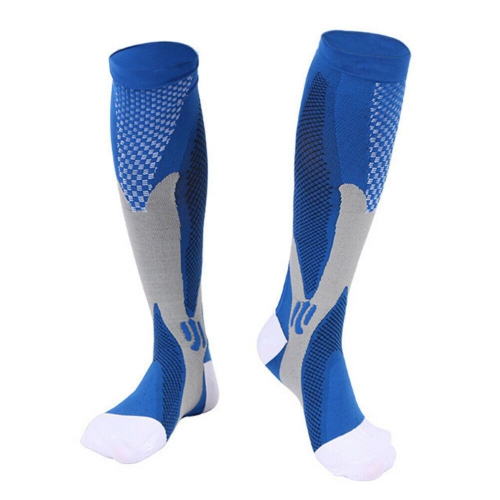
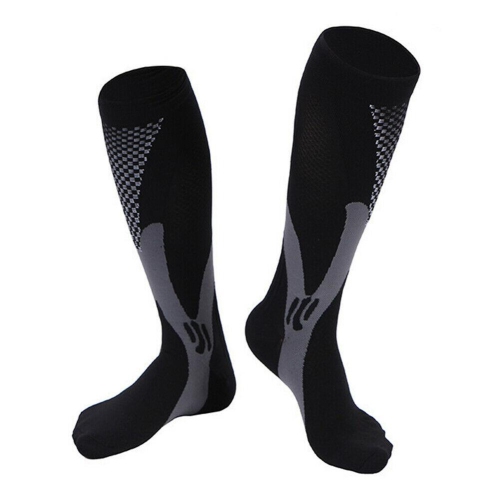
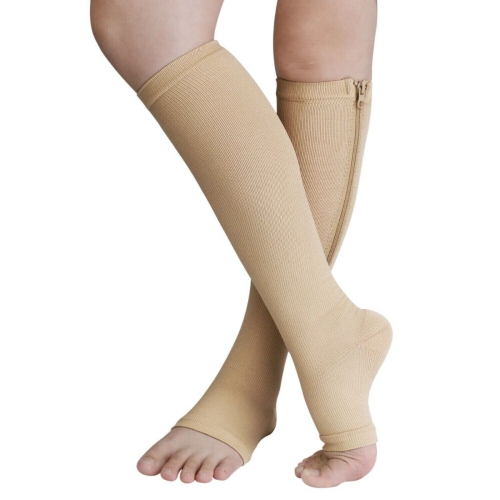
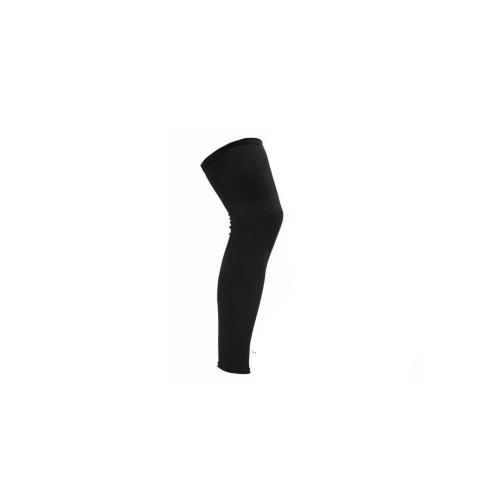
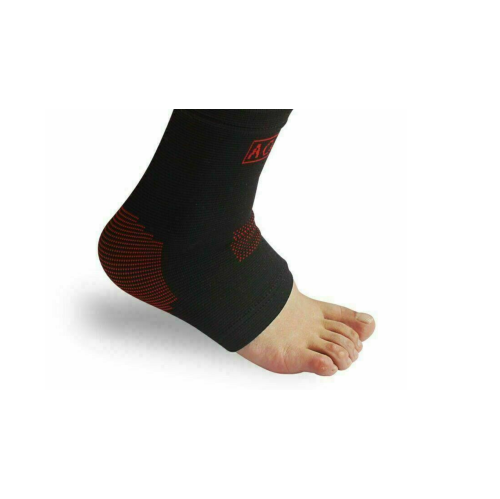
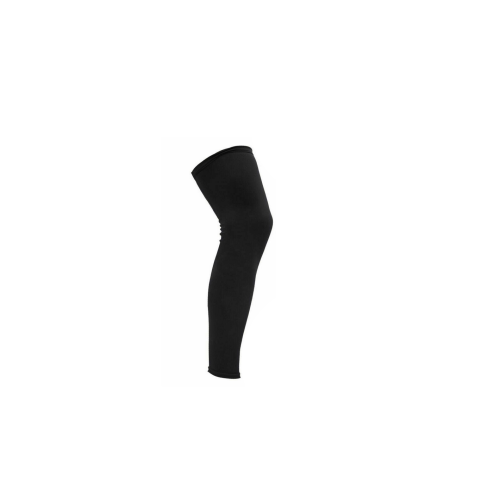
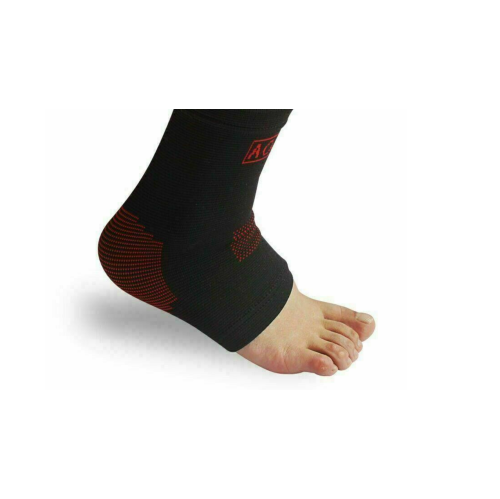
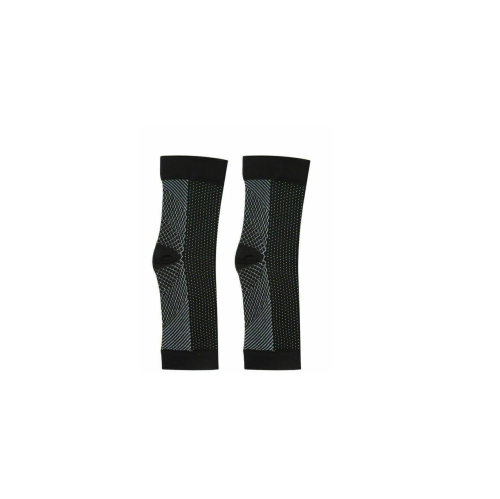
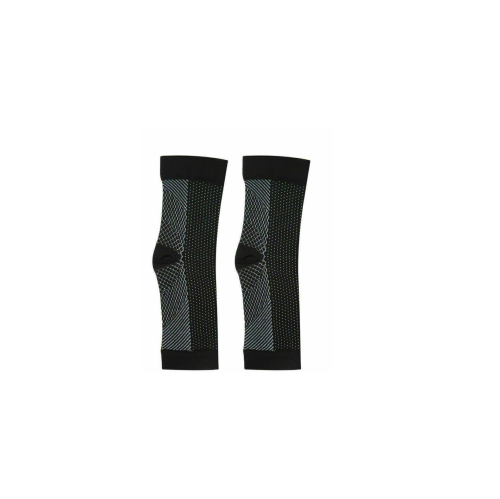
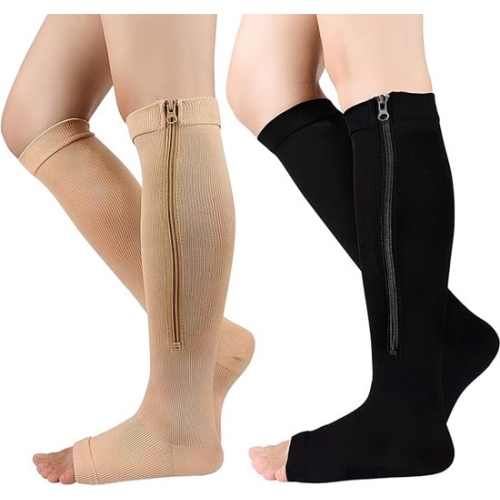
Compression socks for running combine a close, supportive fit with materials designed to handle repeated strides, perspiration, and time on your feet. Many use graduated compression, with pressure greatest around the ankle and gradually decreasing towards the calf. This design helps support blood flow back up the legs, while the snug fabric can limit the movement of soft tissue during exercise. For runners, the appeal is often practical: a secure sock that stays in place, a supported feeling through the lower leg, and extra coverage on cool mornings. Some people also find compression comfortable after a long effort, although research on improvements in running performance and post-run soreness is mixed. Compression socks do not guarantee faster times, prevent injuries, or replace appropriate training, rest, and well-fitting footwear. Their role is better understood as one part of a running outfit that feels right for the distance, terrain, and conditions. Knee-high designs cover the foot and calf, making them a familiar choice for road running, longer training sessions, and brisk outdoor outings. Ankle and crew-length designs provide less coverage, and their compression zones may focus on the foot or ankle rather than the full lower leg. A runner heading out for an easy loop around the neighbourhood may prefer light cushioning and minimal bulk, while someone spending longer on uneven trails may appreciate reinforced fabric and padding at the heel and forefoot. During the cooler months, taller socks can bridge the gap between shoes and tights or add coverage beneath looser running trousers. They are not necessarily insulated, however; warmth depends on the yarns, thickness, and construction. Breathable panels remain useful even in cold weather, particularly when a run starts with a chilly walk to the path and finishes with a sustained uphill effort. The best match depends less on a single feature than on how compression, coverage, and cushioning work together inside your usual running shoes.
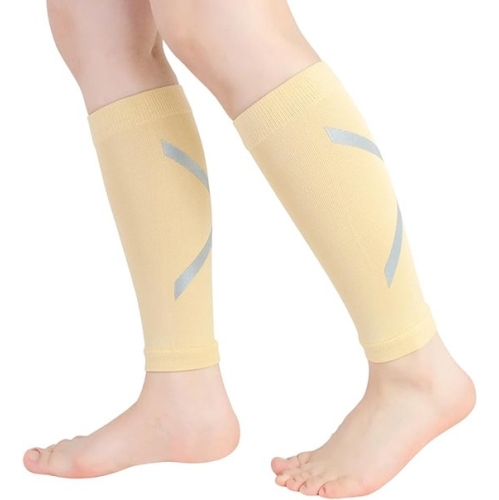
Materials and fit make a noticeable difference once the kilometres start adding up. Nylon and polyester are common in running compression socks because they can create smooth, durable fabrics that move moisture away from the skin and dry relatively quickly. Elastane supplies the stretch needed for a close fit and helps the sock retain its shape. Merino wool blends may suit runners who prefer temperature-regulating fibres and odour resistance, while lighter synthetic blends can feel less bulky inside close-fitting shoes. Fibre content alone does not tell the whole story: knit density, ventilation panels, seam placement, and cushioning all affect comfort. A smooth toe seam can reduce rubbing across the toes, and a shaped heel helps keep padding where it belongs rather than allowing it to slide beneath the arch. Moisture management may help reduce conditions that contribute to blisters, but no sock can eliminate friction caused by a shoe that fits poorly. Compression sizing also deserves more attention than ordinary sock sizing. Depending on the design, the size chart may use shoe size, ankle circumference, calf circumference, or lower-leg length. Measuring at the points specified by the manufacturer helps avoid a sock that fits the foot but squeezes the calf too tightly. The fabric should lie smoothly without wrinkles, and the top band should sit below the knee rather than bunching into the crease behind it. Folding or rolling the cuff can concentrate pressure in a narrow area. Compression strength is often expressed in millimetres of mercury, written as mmHg; a higher rating means greater pressure, not automatically a better running sock. A firm fit should not cause numbness, tingling, pain, or changes in skin colour. People with circulation problems, reduced sensation, or other relevant medical conditions should speak with a healthcare professional before using compression, especially stronger grades. For those who prefer calf coverage while keeping their own running socks, Compression Sleeves offer a different format, although they leave the foot uncovered and do not provide the same coverage as a full sock.
Intended use matters as much as construction, whether compression socks are worn for short treadmill sessions, steady road kilometres, or comfort after exercise. Wearing a new pair on a shorter outing first gives the runner a chance to notice pressure points, toe crowding, or a cuff that slips before committing to a longer route. The fit should still feel comfortable when paired with the shoes and layers normally worn for training. Thick cushioning that feels pleasant around the house can take up too much room in a fitted running shoe, while a very thin sock may offer less padding than expected on a lengthy outing. After a run, some people appreciate the supportive feel of compression while cooling down or relaxing, but wear time should follow the manufacturer's directions and any advice from a healthcare professional. Socks intended for sport should not be assumed suitable for overnight wear. Regular care helps preserve both comfort and the stretch that creates compression. Washing instructions vary by fabric, but gentle washing with mild detergent and avoiding excessive heat are common requirements. Fabric softener can affect moisture-managing finishes, and hot drying may damage elastic fibres, so the care label is worth checking before the first wash. Turning socks inside out can help clean areas that collect sweat and skin oils; allowing them to dry fully between wears helps keep them comfortable for the next outing. Pulling them on gradually, easing the heel into position and smoothing the fabric up the leg, is gentler on the knit than tugging hard at the cuff. Over time, thinning heels, persistent sagging, stretched bands, or fabric that no longer returns to shape can signal that the fit has changed. As a gift, running compression socks can be a thoughtful addition for someone who enjoys regular training or is building a running wardrobe. Knowing the recipient's measurements, preferred sock height, and usual cushioning makes the choice more personal and useful than selecting by colour alone.
Top selling and popular products
-
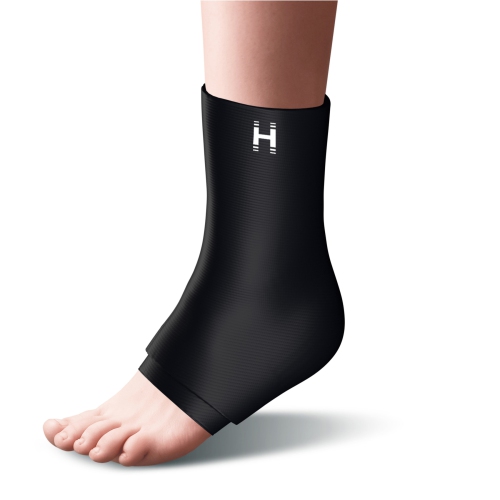 Your price for this item is $39.99
-
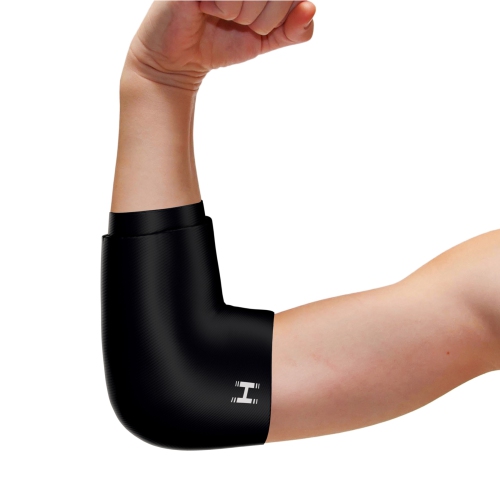 Your price for this item is $39.99
-
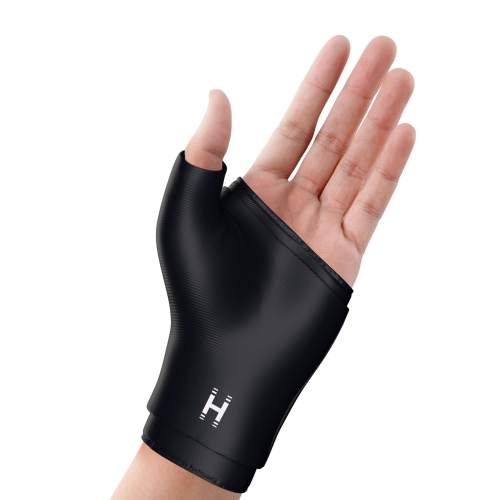 Your price for this item is $29.99
-
 Your price for this item is $90
-
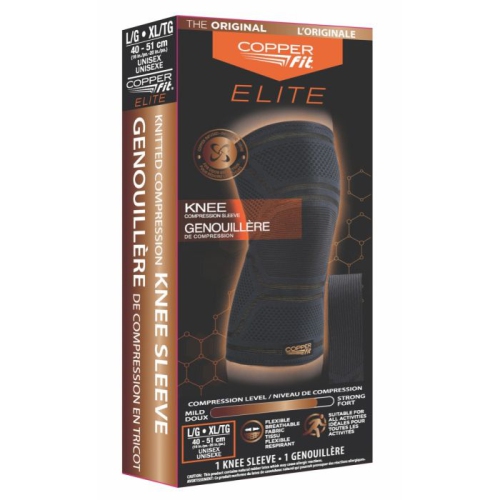 Your price for this item is $24.95
-
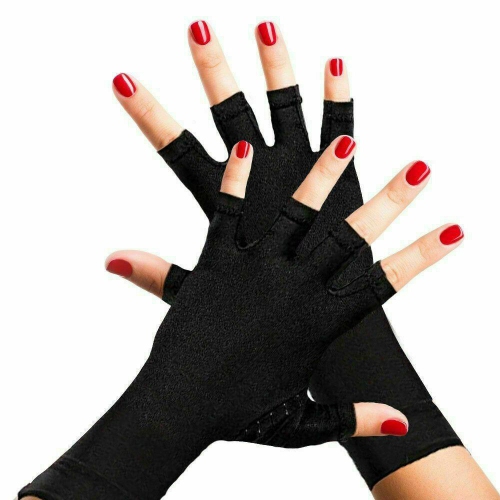 Your price for this item is $20
-
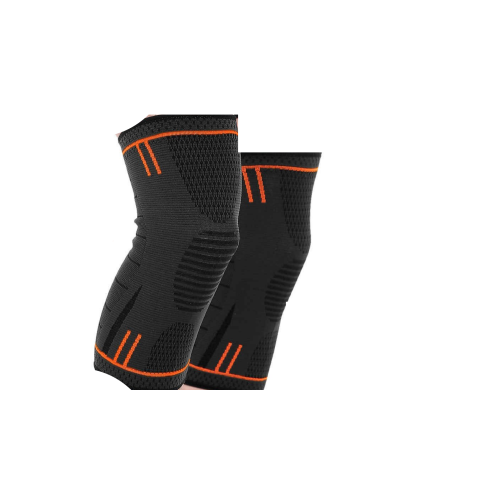 Your price for this item is $20
-
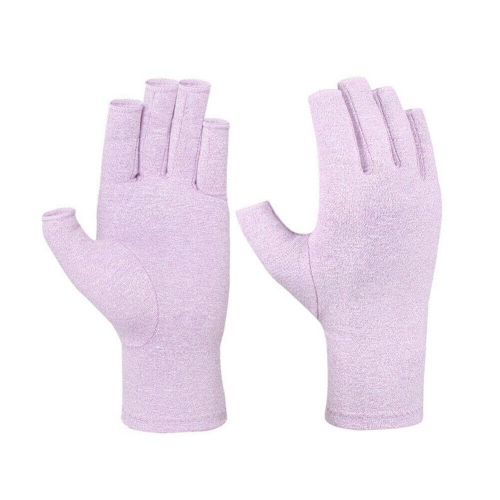 Your price for this item is $24
Discover more categories related to Compression Socks Running

Top Collections:
Pokemon Centers, Best Cameras for Sports Photography, Kindle Devices, Samsung Galaxy Phones, Canon G7X Cameras, Pokémon 30th Celebration Cards, Refurbished Apple Laptops, iPhone 15 Apple, Laptops for Students, Budget Smartphones
Some products may be subject to Environmental Handling Fees
(EHF) depending on your province.
Learn more about EHFs.