Wireless Blood Pressure Monitors
Monitoring your blood pressure from the comfort of your own home has never been easier with our selection of wireless blood pressure monitors. Stay on top of your health and track your readings seamlessly with these innovative devices that offer convenience, accuracy, and portability. Whether you're managing a medical condition or simply keeping tabs on your well-being, these wireless blood pressure monitors provide the technology you need for reliable and efficient monitoring.
Sort
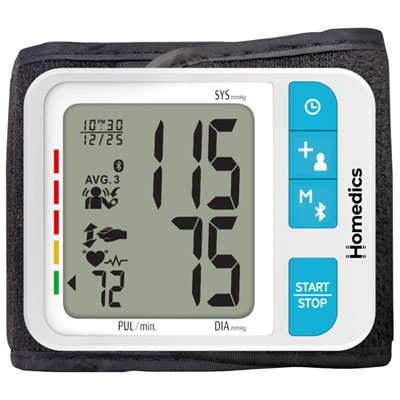
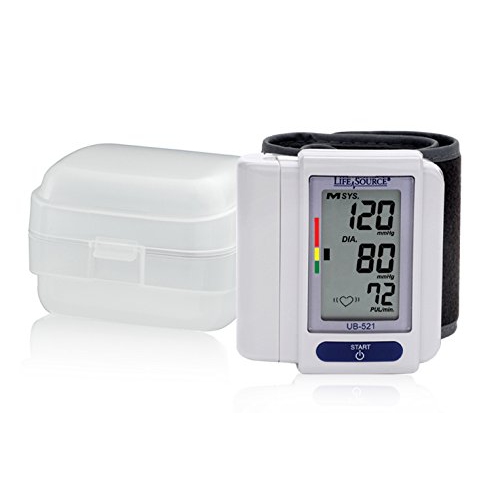
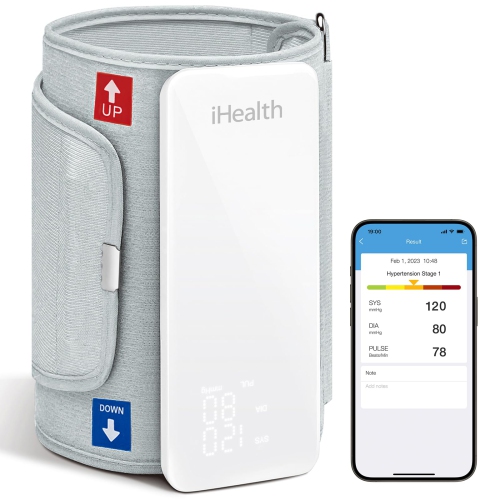
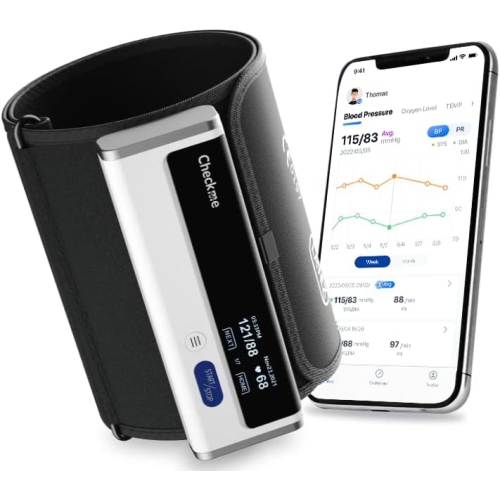
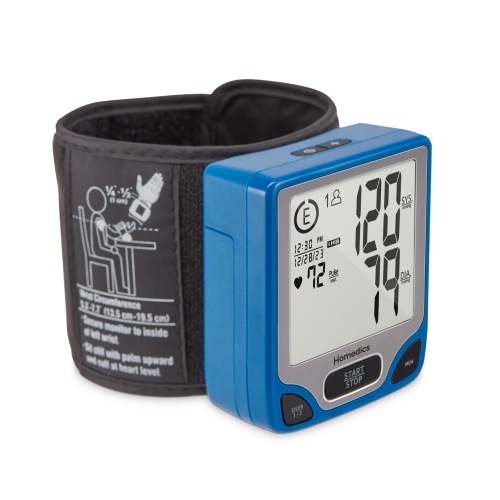
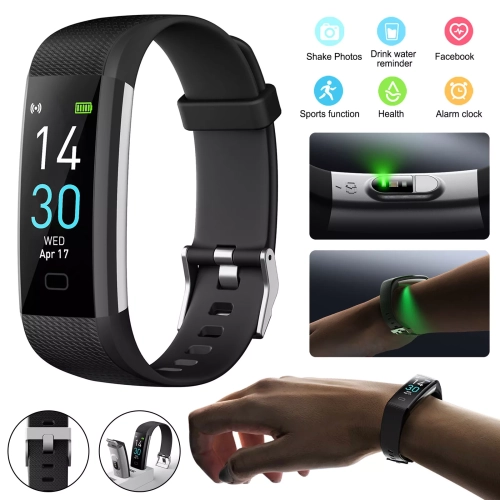
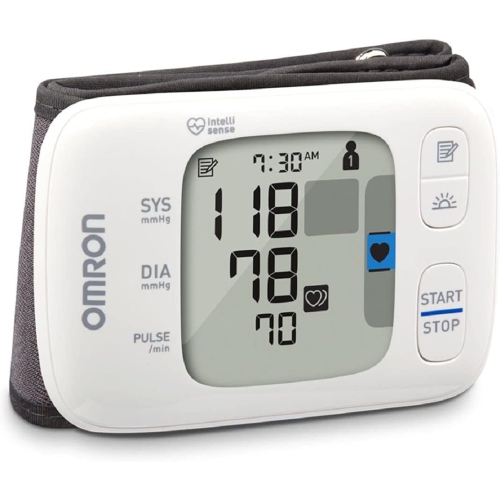
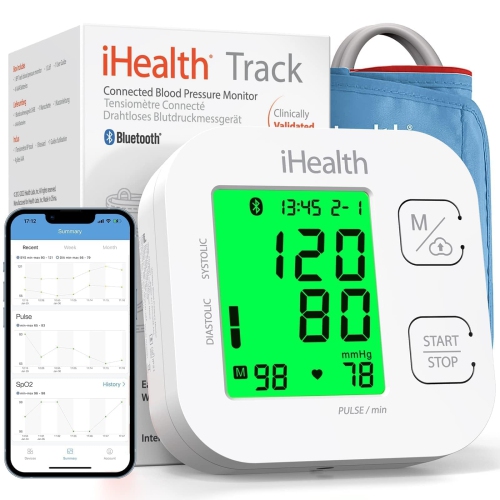
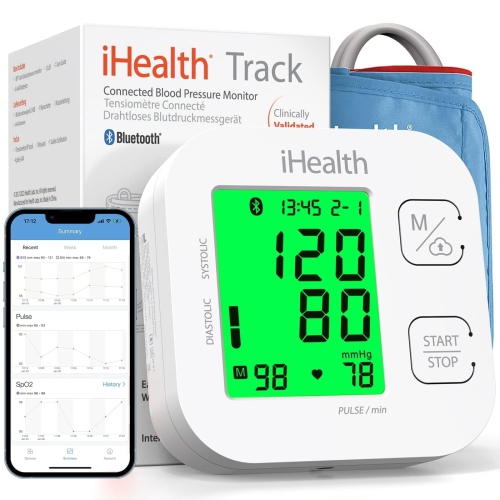
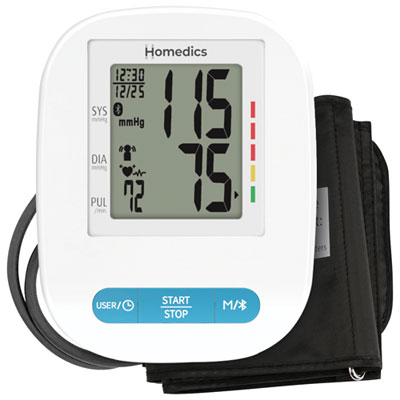
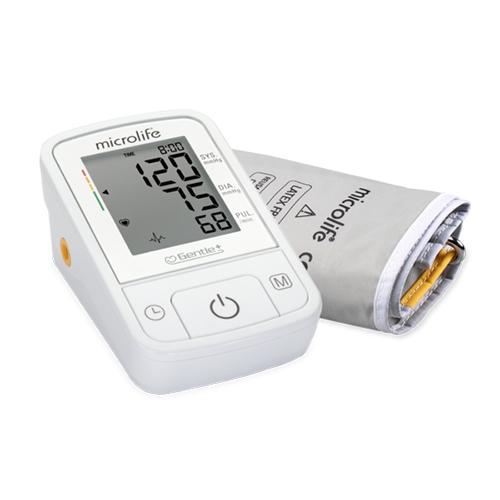
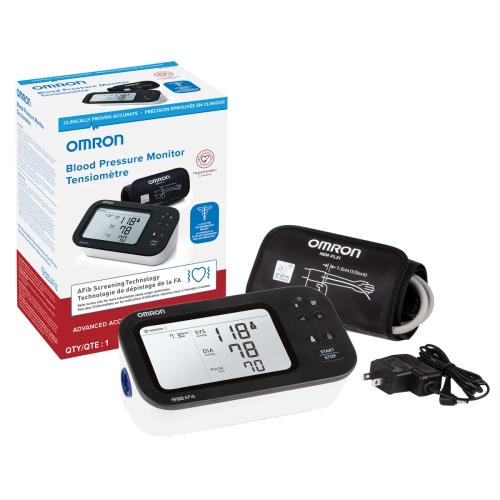
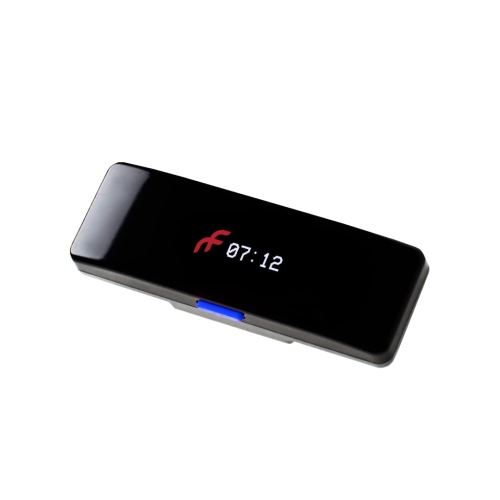
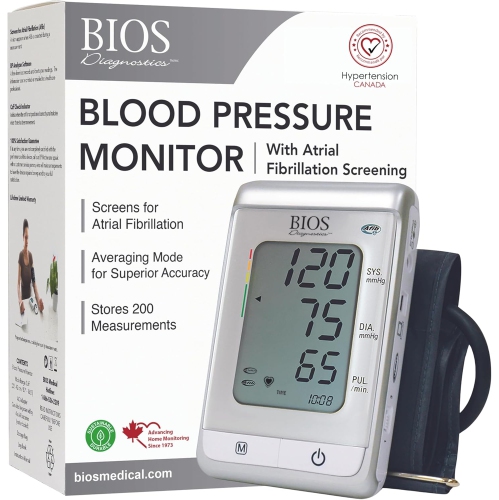
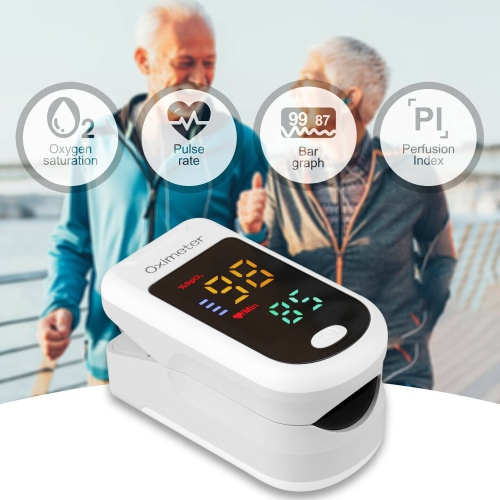
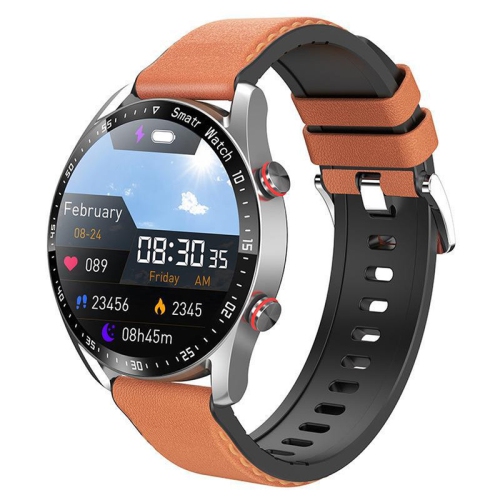
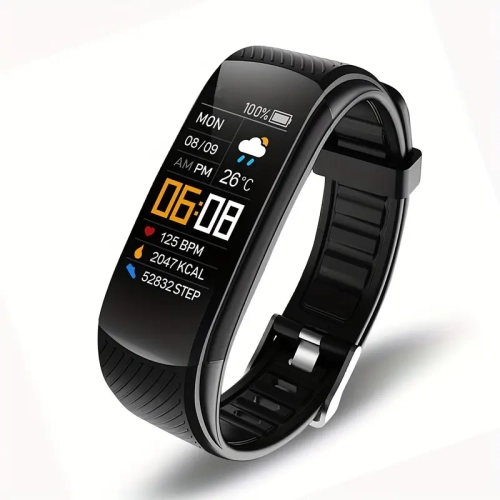
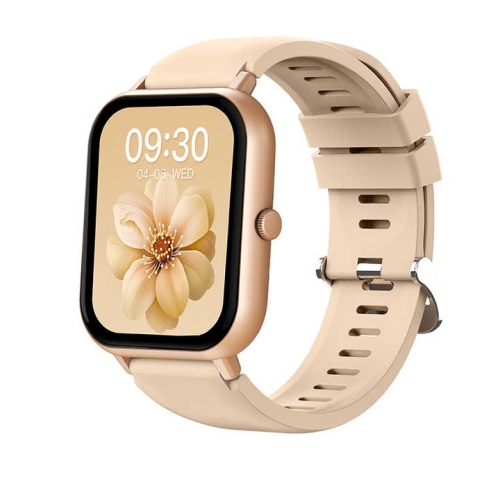
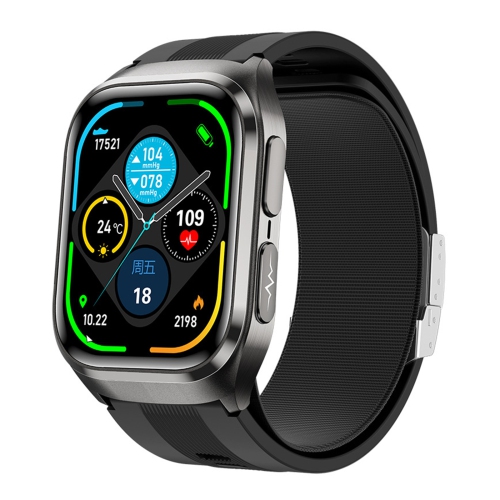
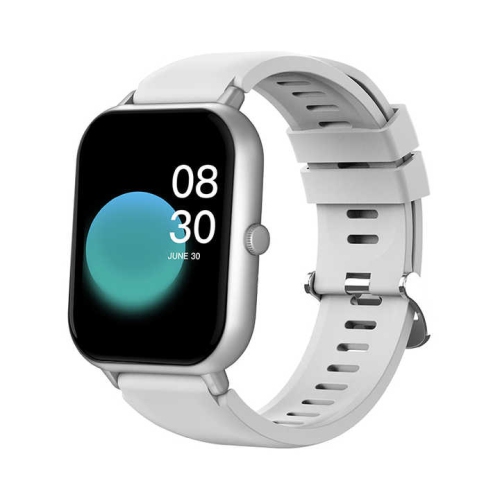
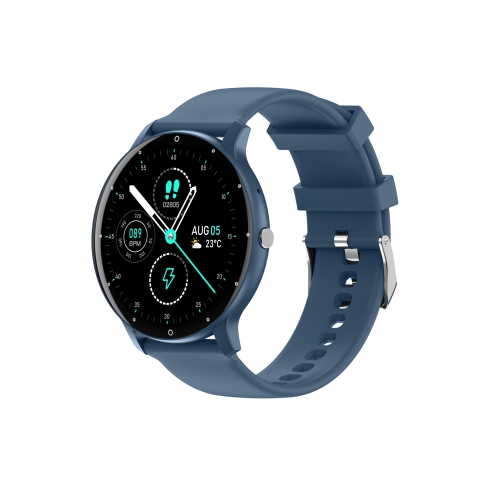
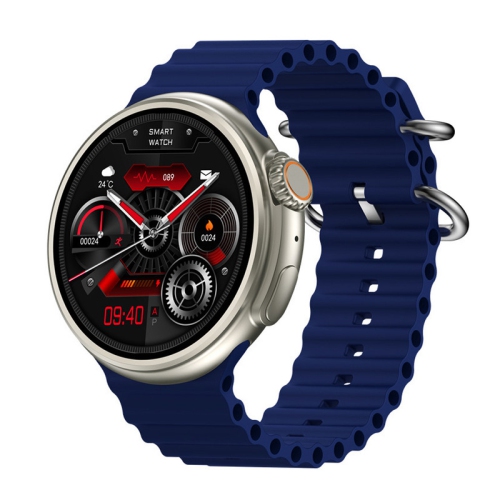
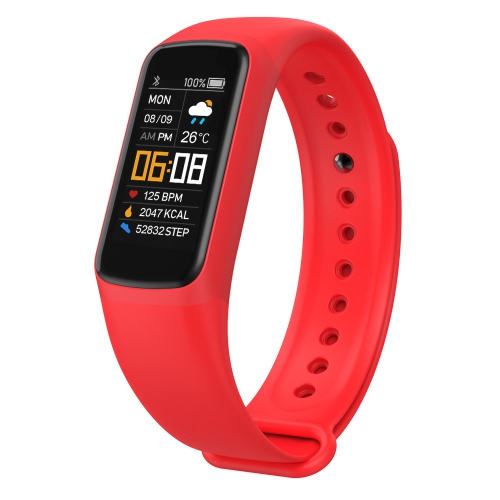
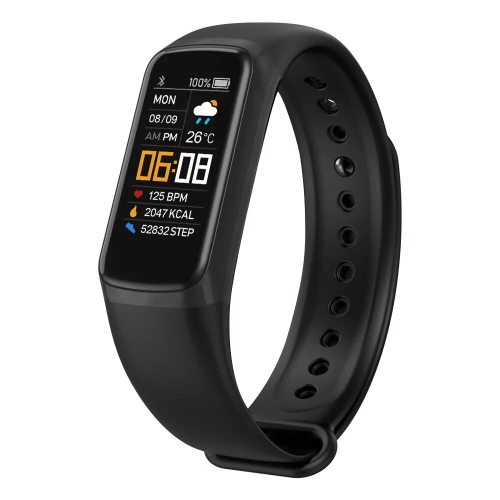
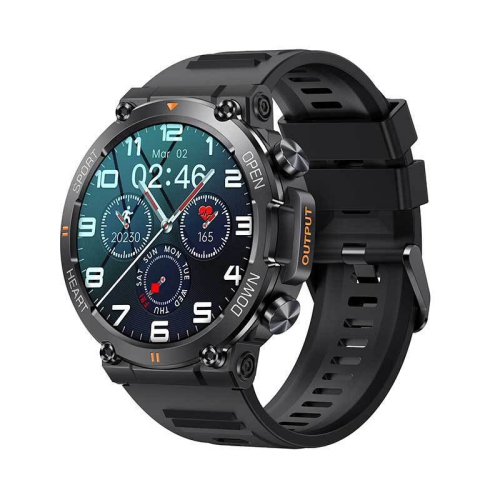
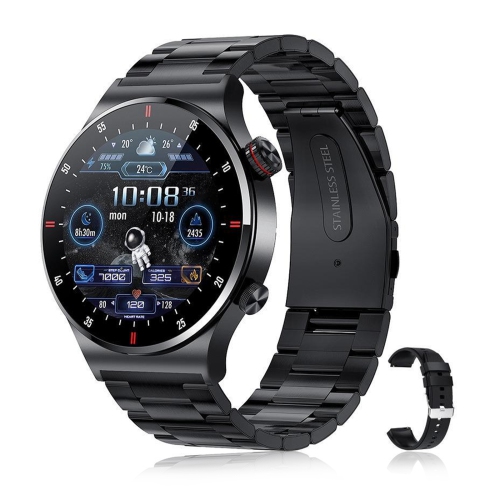
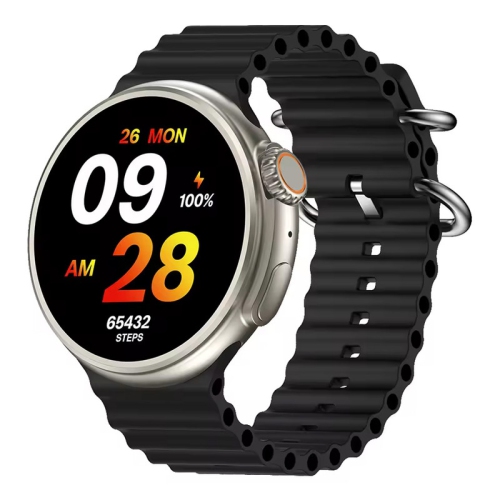
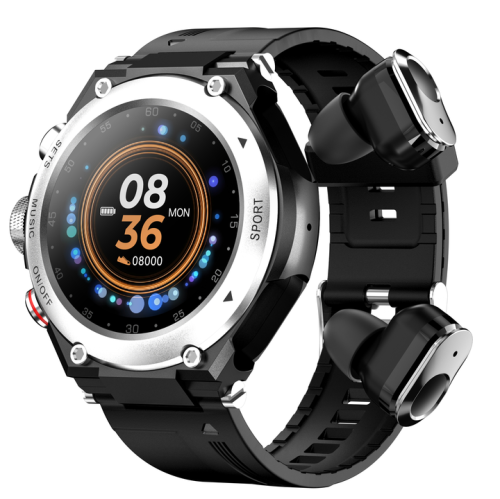
How connected readings simplify blood pressure tracking between appointments
Wireless blood pressure monitors measure systolic and diastolic blood pressure and usually pulse rate, with compatible models sending readings to a smartphone or tablet through Bluetooth or Wi-Fi. This connection makes it easier to keep a dated history of measurements without copying each result into a notebook. For someone tracking blood pressure at a healthcare professional’s suggestion, an organized log can provide useful context between appointments and make changes over time easier to discuss. Wireless connectivity does not necessarily mean a monitor has no tubing: some designs combine the cuff and measuring unit in one piece, while others connect an upper-arm cuff to a separate display through an air tube. In either format, the wireless feature generally refers to how readings transfer to another device. Bluetooth typically syncs with a compatible phone nearby, while Wi-Fi-enabled models may upload results through a configured home network, depending on their design. Many wireless models also inflate automatically, so there is considerable overlap with automatic blood pressure monitors. The distinction is that automatic inflation handles the measurement process, whereas connectivity handles the transfer of results. Upper-arm monitors are commonly preferred for home measurement when a suitable cuff can be used. Wrist monitors offer a compact alternative in some circumstances, but readings are particularly sensitive to positioning and require the wrist to be held at heart level. A healthcare professional can help determine which format suits someone who cannot comfortably use an upper-arm cuff. These devices support home monitoring rather than diagnose a condition on their own, and a single reading does not tell the whole story. Their practical value lies in making a consistent routine easier to maintain, whether that means checking measurements at a kitchen table before the day gets busy or bringing a clear record to a follow-up appointment. Pulse readings or irregular-heartbeat indicators, where included, are supplementary features rather than substitutes for a medical assessment.
Cuff fit and evidence of accuracy matter more than the number of connected features. A cuff that is too small or too large can affect results, so the stated arm-circumference range deserves close attention. That measurement refers to the circumference of the upper arm, not a clothing size, and two people who wear the same shirt size may need different cuffs. Contoured cuffs can be easier to wrap with one hand, while flexible fabric cuffs may pack more neatly into a storage pouch. Smooth fabric edges, a secure hook-and-loop closure, and an easy-to-see placement marker can make repeated use more comfortable and straightforward. For someone with limited hand strength or shoulder mobility, the effort needed to slide on, tighten, and remove the cuff can be just as important as the screen size. Larger numerals, strong contrast, a backlit display, and clearly separated buttons can help make a reading easier to see and the controls easier to use. Clinical validation is another important consideration: it indicates that a particular model has been tested for measurement accuracy under an established protocol. Wireless connectivity, a polished app, or a familiar-looking cuff does not establish accuracy by itself. Validation for the intended user group is especially relevant during pregnancy, for children, or for people whose arm size falls outside common cuff ranges. A healthcare professional can advise on suitability in these situations and when a heart rhythm condition may affect measurement. Features such as cuff-wrap checks, movement alerts, and averaging of multiple readings may support more consistent measurement, but they cannot compensate for poor fit or positioning. Home readings are generally taken after a quiet seated rest, with the back supported, feet flat on the floor, and the bare arm supported at heart level. A cuff that fits comfortably in that position, alongside a display that remains easy to read, is better suited to repeat use than a design that requires awkward adjustments each time.
The connected side of a wireless blood pressure monitor should fit comfortably into everyday life, too. App compatibility depends on the phone’s operating system and software version, and some features may require an account, internet access, or additional permissions. A clear on-device display is useful for anyone who wants to see a result immediately without reaching for a phone. Built-in memory can also be helpful when a phone is elsewhere, although storage capacity and later syncing vary by model. In a shared household, separate user profiles help keep one person’s measurements out of another person’s history; a guest setting can be useful for an occasional user without adding results to an established log. Charts, date and time stamps, notes, and export options may make it easier to share a readable summary with a healthcare professional, but data sharing is not the same as having readings monitored by a clinic. Privacy settings, account access, and the ability to delete or export stored information are worth considering when health records are kept in an app or online service. Physical upkeep is usually straightforward, with wipeable housings and cuffs that need cleaning according to the manufacturer’s directions rather than machine washing or soaking. Cuff fabric, closures, tubing where present, and charging connections all benefit from gentle handling; visible damage or a closure that no longer holds securely can interfere with dependable use. Rechargeable designs reduce the need to keep spare batteries on hand, while replaceable-battery models may suit someone who prefers a quick battery change to a charging routine. Battery indicators and automatic shut-off can help prevent an interrupted session. A protective case keeps the cuff and measuring unit together for travel or storage without putting pressure on delicate parts. For an older adult, a caregiver-supported household, or someone establishing a home monitoring routine, the most useful combination is often a well-fitting cuff, readable controls, verified accuracy, and simple access to past results. Consistent measurements can support conversations about care, but medication changes and treatment decisions belong with a qualified healthcare professional.
Cuff fit and evidence of accuracy matter more than the number of connected features. A cuff that is too small or too large can affect results, so the stated arm-circumference range deserves close attention. That measurement refers to the circumference of the upper arm, not a clothing size, and two people who wear the same shirt size may need different cuffs. Contoured cuffs can be easier to wrap with one hand, while flexible fabric cuffs may pack more neatly into a storage pouch. Smooth fabric edges, a secure hook-and-loop closure, and an easy-to-see placement marker can make repeated use more comfortable and straightforward. For someone with limited hand strength or shoulder mobility, the effort needed to slide on, tighten, and remove the cuff can be just as important as the screen size. Larger numerals, strong contrast, a backlit display, and clearly separated buttons can help make a reading easier to see and the controls easier to use. Clinical validation is another important consideration: it indicates that a particular model has been tested for measurement accuracy under an established protocol. Wireless connectivity, a polished app, or a familiar-looking cuff does not establish accuracy by itself. Validation for the intended user group is especially relevant during pregnancy, for children, or for people whose arm size falls outside common cuff ranges. A healthcare professional can advise on suitability in these situations and when a heart rhythm condition may affect measurement. Features such as cuff-wrap checks, movement alerts, and averaging of multiple readings may support more consistent measurement, but they cannot compensate for poor fit or positioning. Home readings are generally taken after a quiet seated rest, with the back supported, feet flat on the floor, and the bare arm supported at heart level. A cuff that fits comfortably in that position, alongside a display that remains easy to read, is better suited to repeat use than a design that requires awkward adjustments each time.
The connected side of a wireless blood pressure monitor should fit comfortably into everyday life, too. App compatibility depends on the phone’s operating system and software version, and some features may require an account, internet access, or additional permissions. A clear on-device display is useful for anyone who wants to see a result immediately without reaching for a phone. Built-in memory can also be helpful when a phone is elsewhere, although storage capacity and later syncing vary by model. In a shared household, separate user profiles help keep one person’s measurements out of another person’s history; a guest setting can be useful for an occasional user without adding results to an established log. Charts, date and time stamps, notes, and export options may make it easier to share a readable summary with a healthcare professional, but data sharing is not the same as having readings monitored by a clinic. Privacy settings, account access, and the ability to delete or export stored information are worth considering when health records are kept in an app or online service. Physical upkeep is usually straightforward, with wipeable housings and cuffs that need cleaning according to the manufacturer’s directions rather than machine washing or soaking. Cuff fabric, closures, tubing where present, and charging connections all benefit from gentle handling; visible damage or a closure that no longer holds securely can interfere with dependable use. Rechargeable designs reduce the need to keep spare batteries on hand, while replaceable-battery models may suit someone who prefers a quick battery change to a charging routine. Battery indicators and automatic shut-off can help prevent an interrupted session. A protective case keeps the cuff and measuring unit together for travel or storage without putting pressure on delicate parts. For an older adult, a caregiver-supported household, or someone establishing a home monitoring routine, the most useful combination is often a well-fitting cuff, readable controls, verified accuracy, and simple access to past results. Consistent measurements can support conversations about care, but medication changes and treatment decisions belong with a qualified healthcare professional.
Top selling and popular products
-
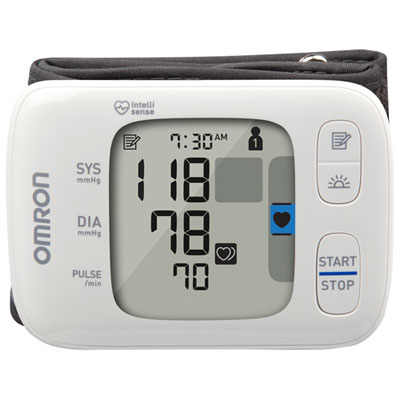 Your price for this item is $94.99
 -
 Your price for this item is $199
 -
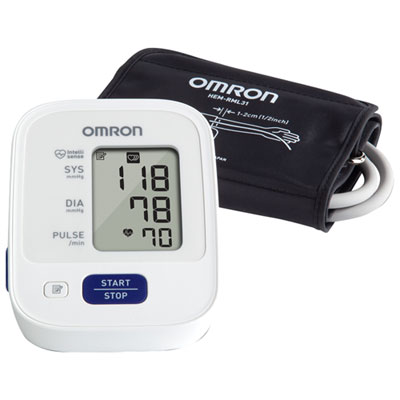 Your price for this item is $52.98
 -
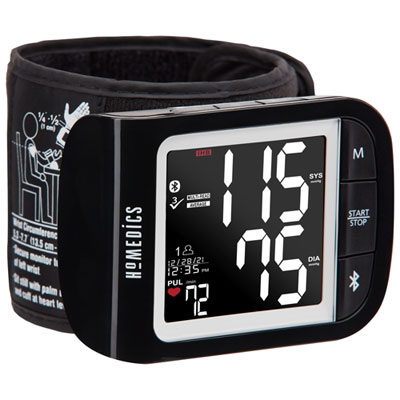 Your price for this item is $119.99
 -
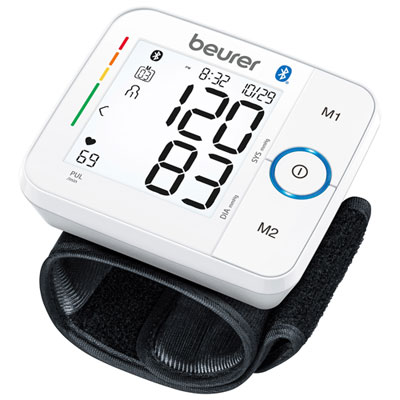 Your price for this item is $59.99
 -
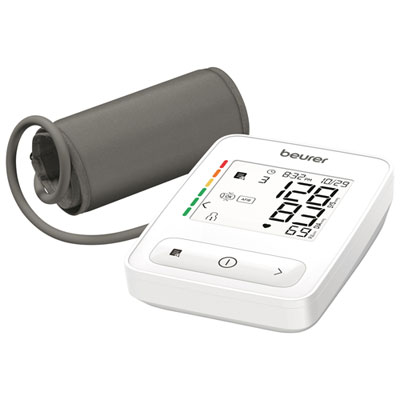 Your price for this item is $39.99
 -
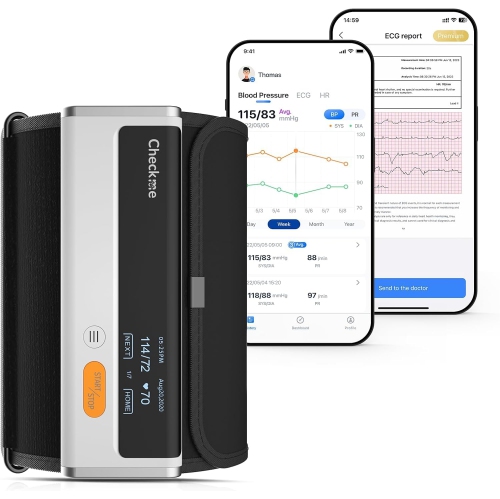 Your price for this item is $139.32
 -
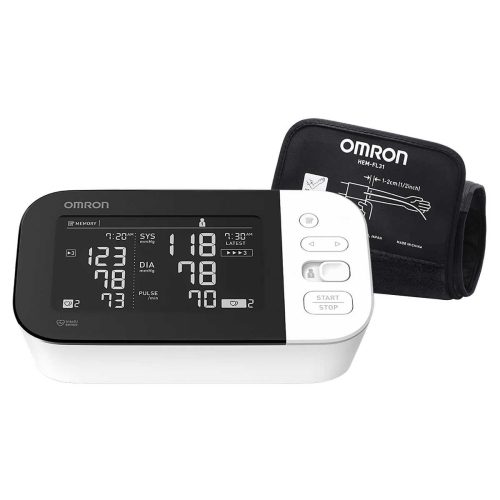 Your price for this item is $329.95
Discover more categories related to Wireless Blood Pressure Monitors
Top Collections:
Pokemon Centers, Kindle Devices, Best Budget Office Chairs, Apple iPhones 16, Best Laptops for Writers, iPhone 15 Apple, Canon G7X Cameras, Refurbished Apple Laptops, Alarm Clock, Motorola Razr Phones
Some products may be subject to Environmental Handling Fees
(EHF) depending on your province.
Learn more about EHFs.