Dr Ho Pain Therapy
Discover a range of innovative solutions with Dr Ho Pain Therapy, designed to help you manage discomfort and support your wellness goals. Whether you're seeking options for home use or on-the-go relief, explore products that offer convenience and versatility. Find the right fit for your routine and take a step towards feeling your best with Dr Ho Pain Therapy.
Sort
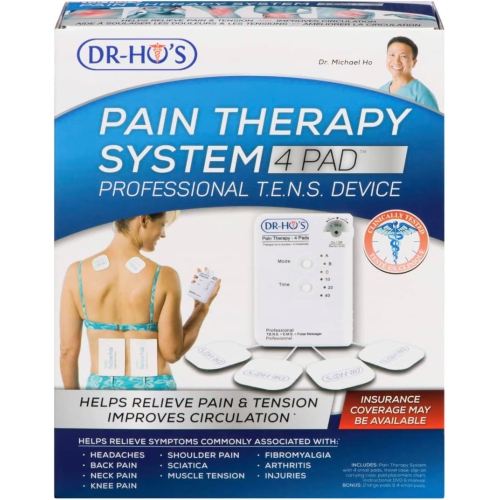

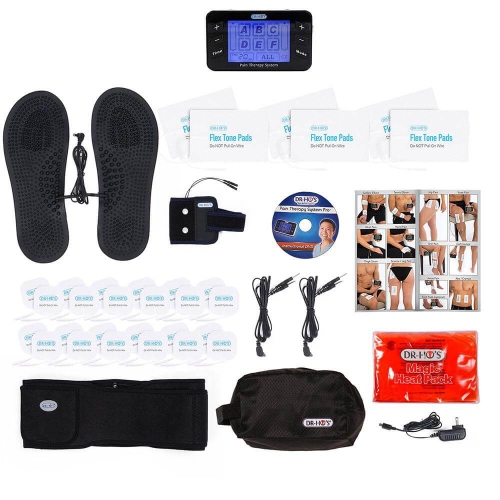
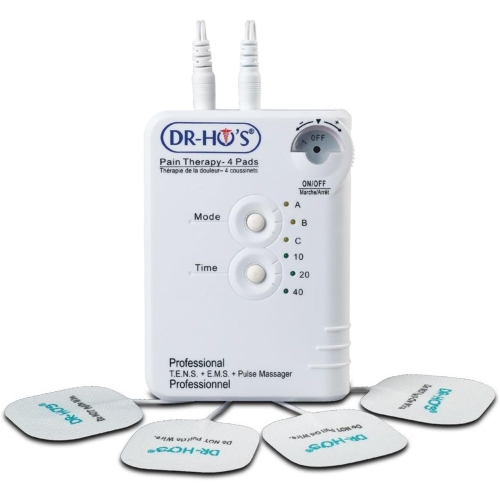
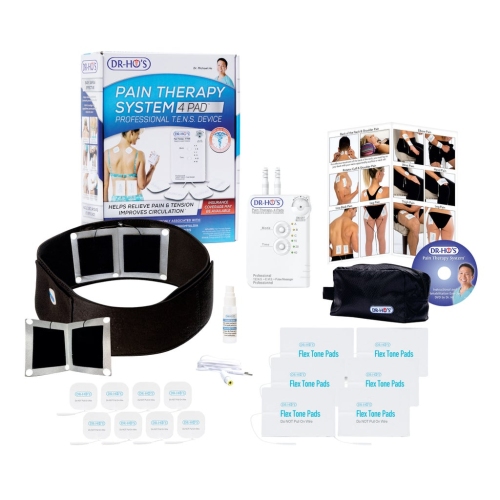
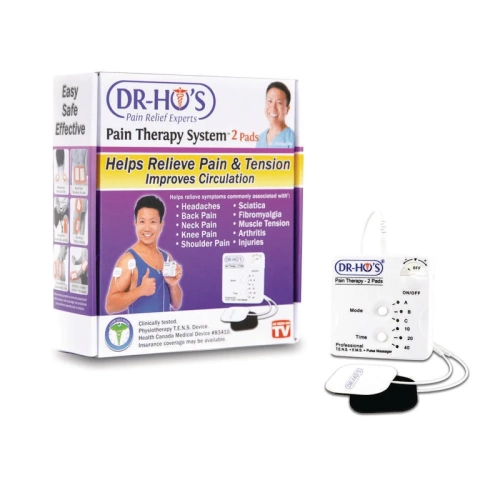
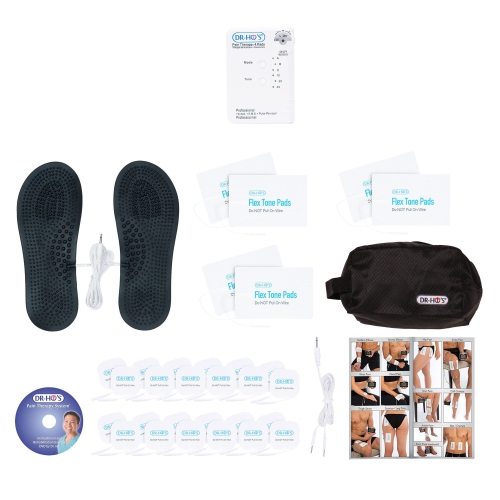
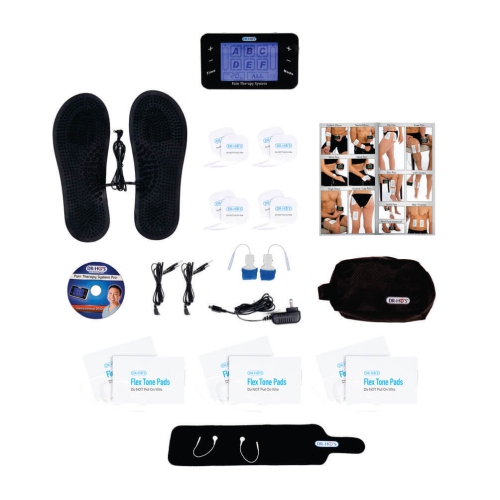
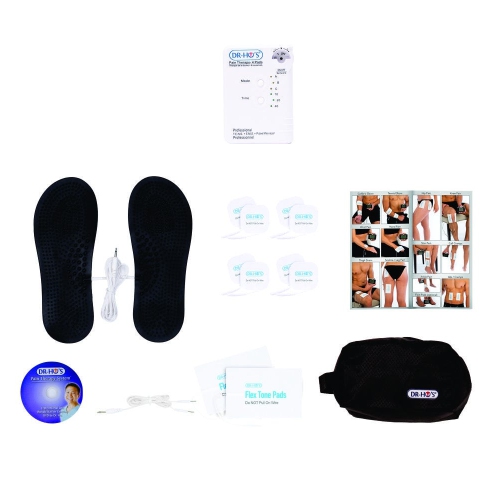
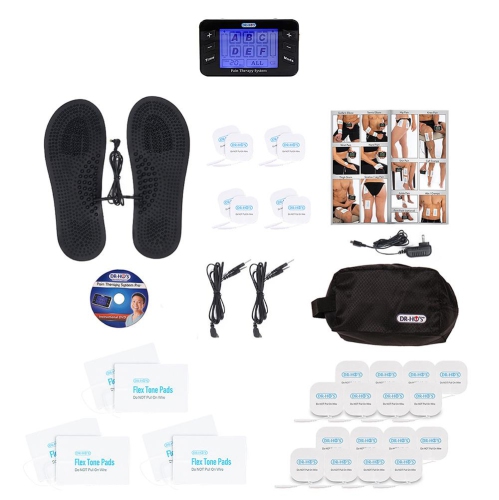
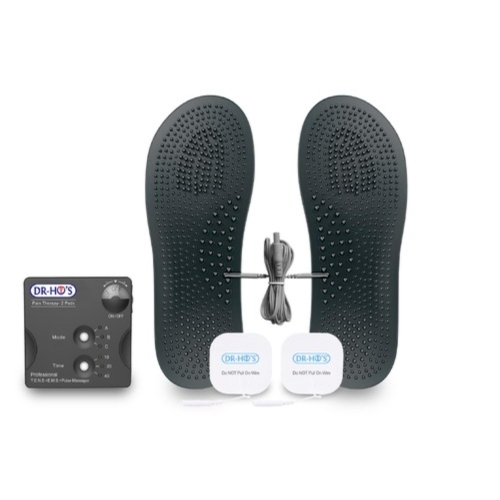
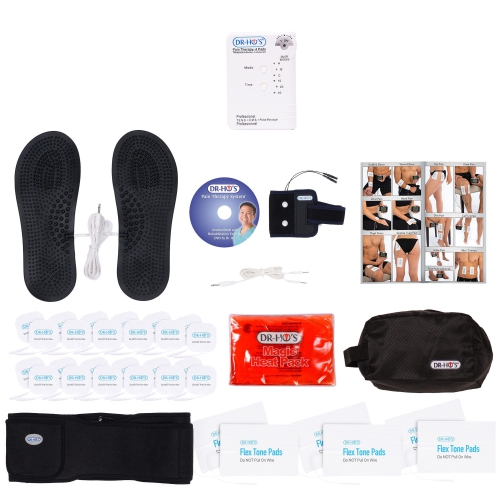
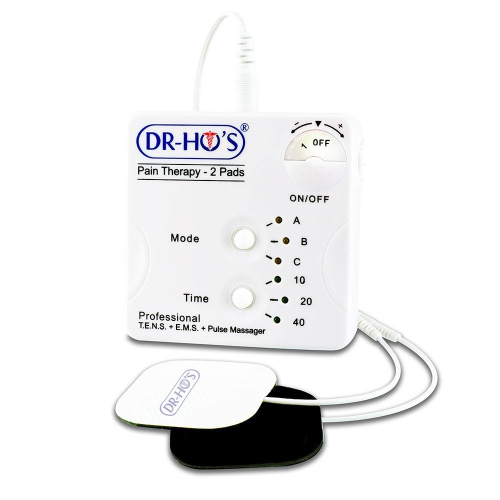
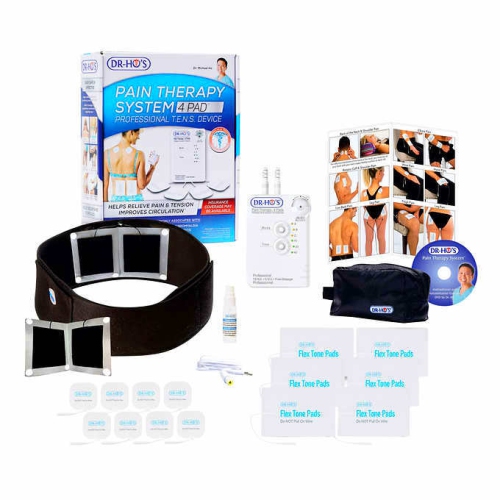
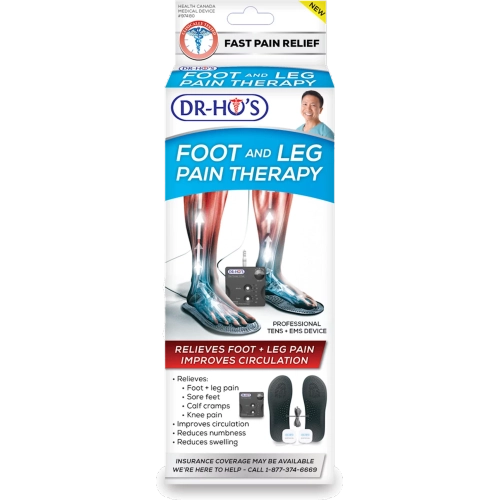
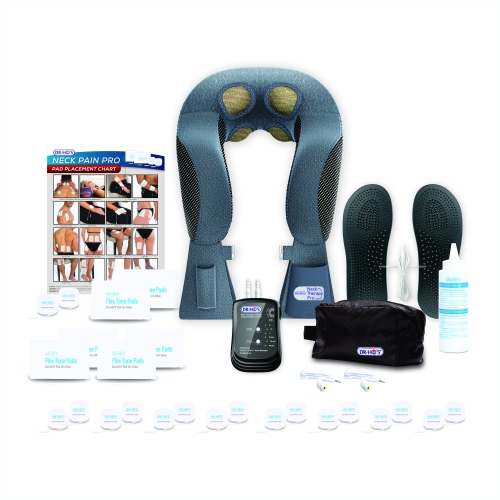


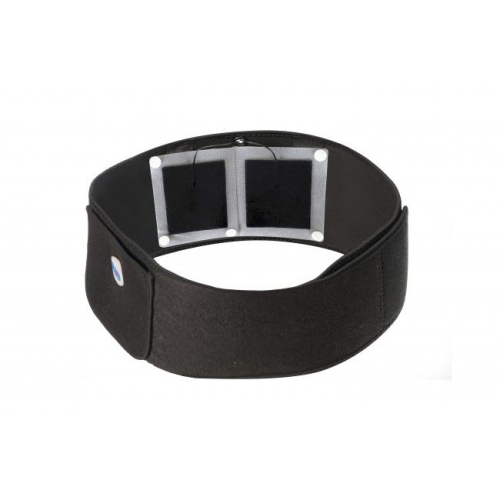

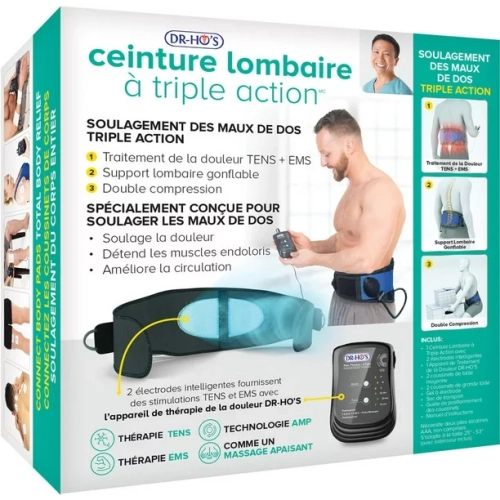

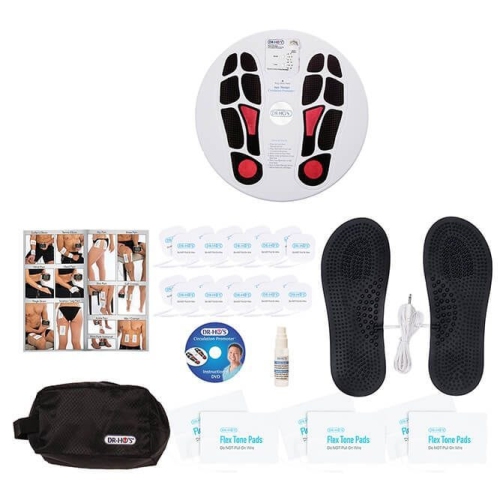
How TENS and EMS differ in at-home pain therapy
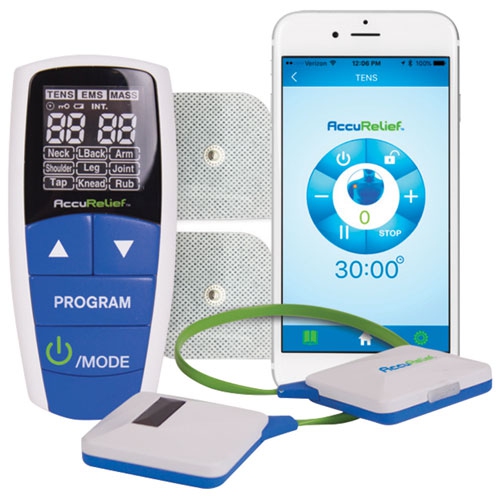
At-home pain therapy devices offer a way to manage certain types of muscle discomfort through controlled electrical stimulation, with settings that can be adjusted to suit the treatment instructions and the user’s comfort. Two common technologies are transcutaneous electrical nerve stimulation, or TENS, and electrical muscle stimulation, or EMS. TENS delivers mild electrical pulses through pads placed on the skin and may help reduce the perception of pain during use. EMS stimulates muscle contractions and serves a different purpose, so the two terms are not interchangeable even when both functions appear in one device. Neither approach identifies the cause of pain, and results vary with the person, the condition, and the suitability of the treatment. These devices are best understood as tools for temporary symptom management rather than cures for an injury or an underlying health condition. For someone whose shoulders feel tight after hours at a desk, or whose muscles feel sore after an unfamiliar activity, a compact setup may fit into a quiet period of rest when its intended use matches their needs. The practical experience usually involves connecting compatible electrode pads, positioning them as directed, and selecting an appropriate programme and intensity. Some devices vary their pulse patterns automatically, while others offer a choice of preset modes. A greater number of modes does not necessarily mean better relief; clear controls, a comfortable adjustment range, and instructions that are easy to follow can matter more in everyday use. Electrical stimulation also feels different from a hands-on massage. Depending on the technology and setting, the sensation may be a light tingling or a rhythmic muscle contraction, but it should not be painful. Understanding that distinction helps set realistic expectations before choosing a device. Persistent, unexplained, or worsening pain warrants assessment by a healthcare professional, particularly when it interferes with sleep, movement, or normal daily activities.
The most useful differences between pain therapy setups often become apparent in the pads, connections, and controls rather than in the number of advertised functions. Electrode pads commonly combine a flexible backing with a conductive adhesive gel that helps maintain contact with clean, intact skin. Their shape and dimensions influence how comfortably they sit on a permitted treatment area: a broad pad may lie neatly across a larger muscle, while a smaller compatible pad may be easier to position within a more limited space. Pad size alone does not establish suitability for a particular body part, however, and placement must follow the device’s instructions. A setup with two pads generally provides a simpler arrangement, while additional pads and independently adjustable channels may offer more positioning flexibility where the manufacturer permits it. More pads should not be taken as permission for two people to use one device together. Compatibility matters throughout the system, including the lead connectors, electrode type, and any attachments; accessories that look similar may not be interchangeable. For everyday handling, a readable display, clearly marked intensity buttons, and an accessible stop or power control can make a meaningful difference. Someone with reduced hand dexterity may find larger controls and straightforward connections easier to manage than small plugs or closely spaced buttons. Battery type, charging requirements, lead length, and a timer are also worth considering in relation to the intended routine. A portable unit can be convenient to carry between home and another suitable setting, but portability does not make it appropriate to operate while driving or moving around. Storage deserves equal attention: a case or dedicated compartment can keep leads from tangling and protect the pad liners from dust. Durable construction includes secure connectors, intact cable insulation, and a housing that tolerates normal handling. For accessories worn against the body, fit should feel secure without pinching, and any fastening system should allow the adjustment described by the manufacturer. These details help distinguish a setup that is merely compact from one that is genuinely manageable day after day.
Care and safe use are central to the long-term practicality of home pain therapy equipment. Before each session, the skin should be prepared according to the instructions, since lotions, oils, and moisture can affect electrode adhesion. Pads that curl at the edges, lose their tack, or make uneven contact may create an uncomfortable sensation and should be replaced as directed rather than secured with an improvised adhesive. Returning reusable pads to their protective liners and storing them in the specified conditions helps keep the gel surface clean between sessions. Cleaning methods vary by component, so the control unit, leads, fabric accessories, and electrodes should not be treated as though they can all be washed in the same way. Cables should be checked for wear, disconnected by their plugs rather than pulled by the wires, and stored without sharp bends. Electrode pads are personal-use accessories and should not be shared. Anyone with a pacemaker or another implanted electronic device should seek medical advice before considering electrical stimulation. Pregnancy, epilepsy, reduced skin sensation, and other medical conditions can also affect suitability and placement. Electrical stimulation should not be applied across the chest, over the front of the neck, or to broken or irritated skin, and the full manufacturer’s restrictions remain essential. Treatment should take place while awake and attentive, not while sleeping, bathing, or driving. Stop use if it causes pain, skin irritation, dizziness, or another unexpected reaction. For shoppers considering non-electrical options, Pain Relief Tape offers a separate category with its own application methods, skin-contact materials, and intended uses; it is not interchangeable with conductive electrode pads and should not be placed beneath them. Choosing pain therapy equipment for another person calls for particular care, since health considerations, skin sensitivity, and comfort with electrical stimulation are personal. It is most appropriate when the recipient has expressed interest and confirmed that the approach suits their needs. A well-matched setup brings together an appropriate intended use, comfortable skin contact, manageable controls, and a care routine that can be followed consistently.
Top selling and popular products
-
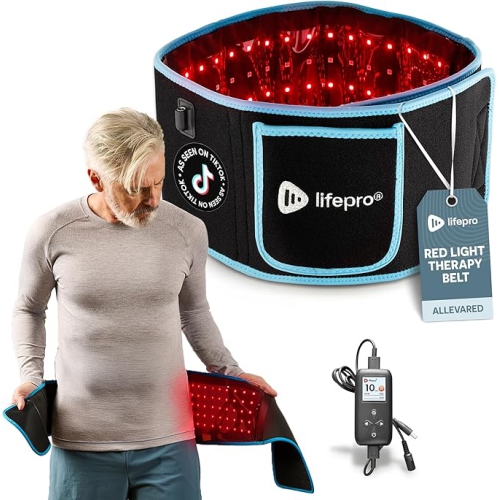 Your price for this item is $249.99
-
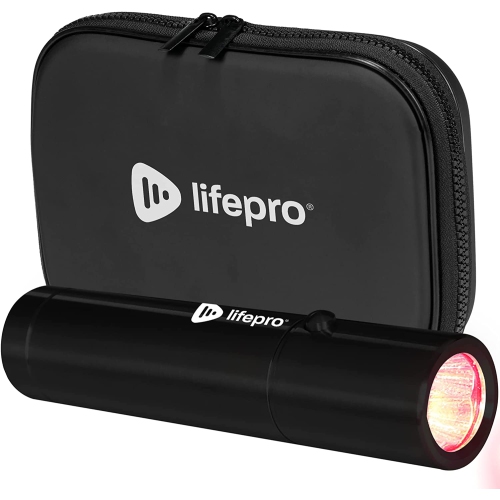 Your price for this item is $139.99
-
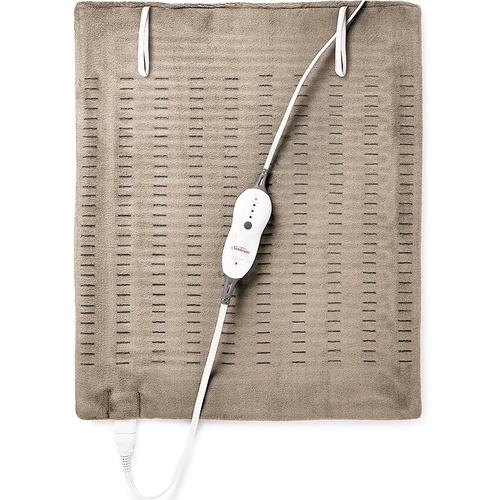 Your price for this item is $24.99
-
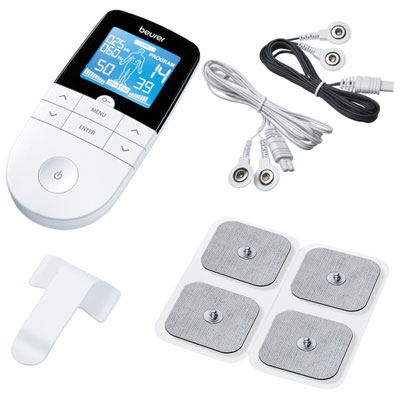 Your price for this item is $84.99
-
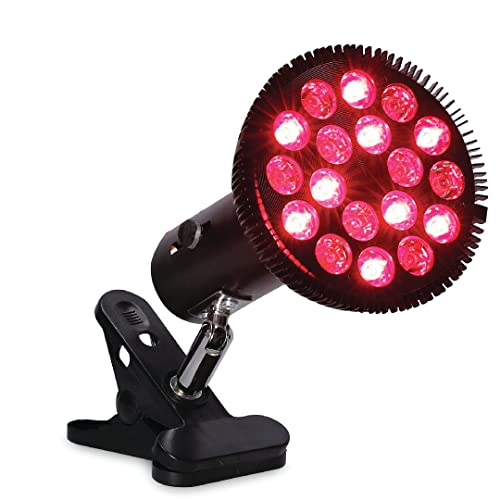 Your price for this item is $79.99
-
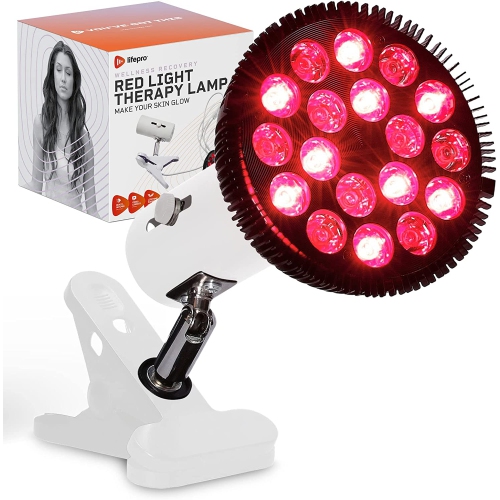 Your price for this item is $79.99
-
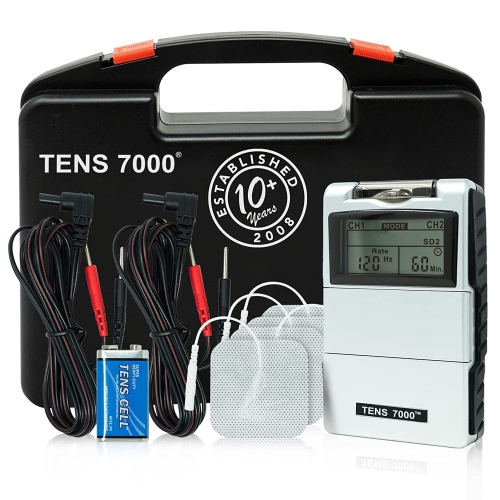 Your price for this item is $56.99
-
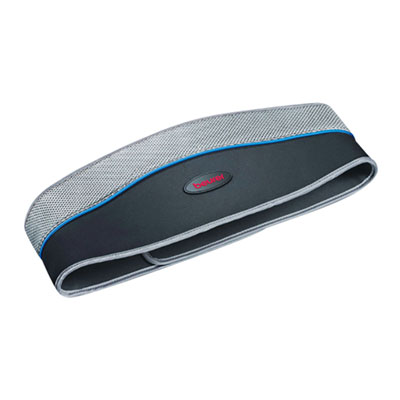 Your price for this item is $99.99
Discover more categories related to Dr Ho Pain Therapy
Top Collections:
Pokemon Centers, Pokémon 30th Celebration Cards, Best Budget Office Chairs, Kindle Devices, Best Cameras for Sports Photography, Canon G7X Cameras, Best Black Friday Deals On Electronics, Best Laptops for Writers, iPhone 15 Apple, Jackery Power Stations
Some products may be subject to Environmental Handling Fees
(EHF) depending on your province.
Learn more about EHFs.