Electrical Muscle Stimulation Devices
Unlock the power of advanced fitness technology with electrical muscle stimulation devices. Designed to enhance your workout routine and aid in muscle recovery, these innovative gadgets use gentle electrical pulses to stimulate muscle contractions, providing an efficient and effective way to achieve your fitness goals. Whether you're an athlete looking to optimize performance or someone seeking relief from sore muscles, these devices offer a versatile solution for various needs.
Sort






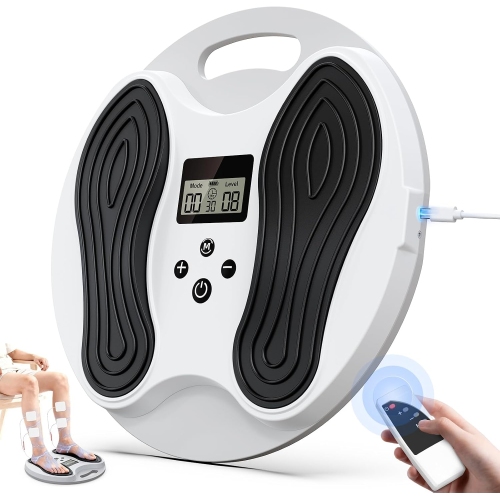
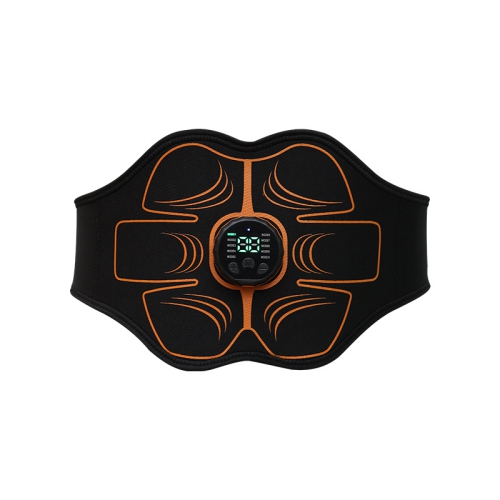

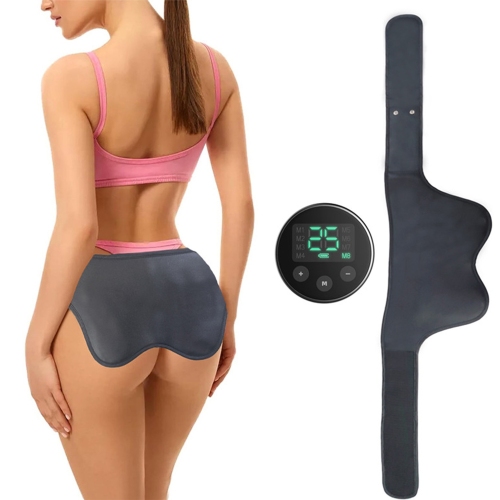
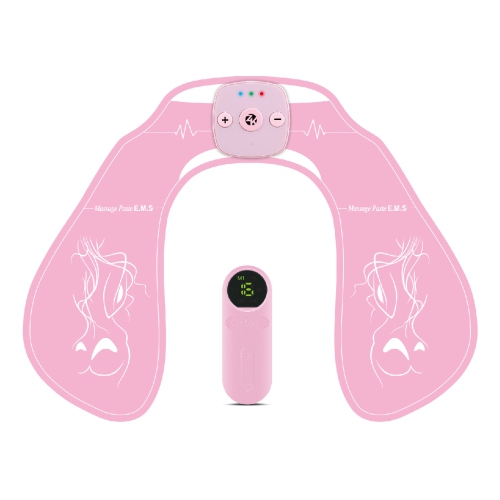


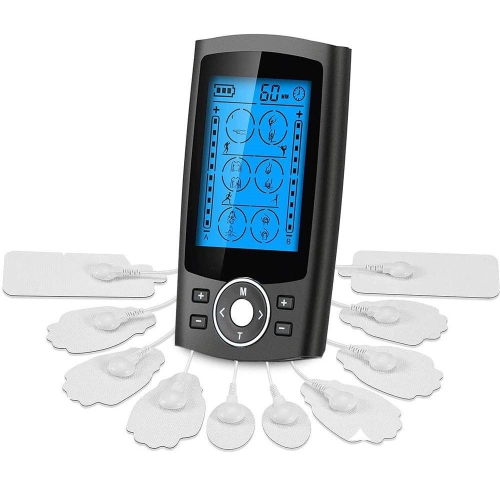
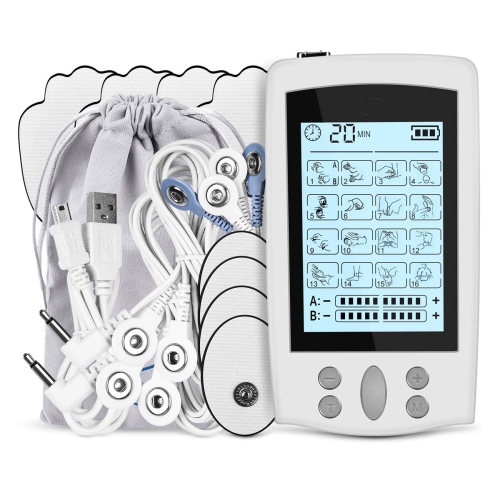
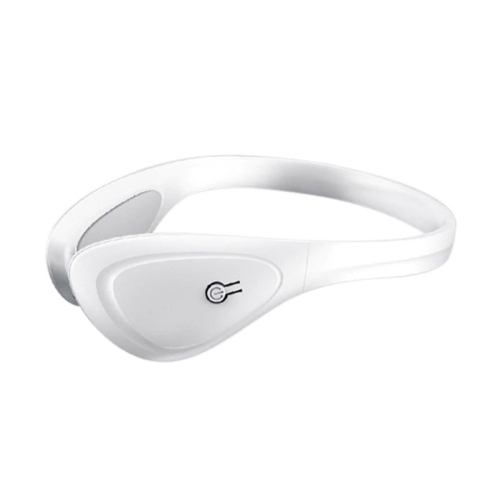

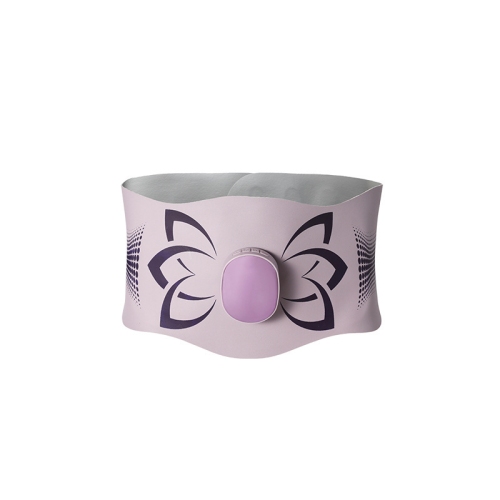

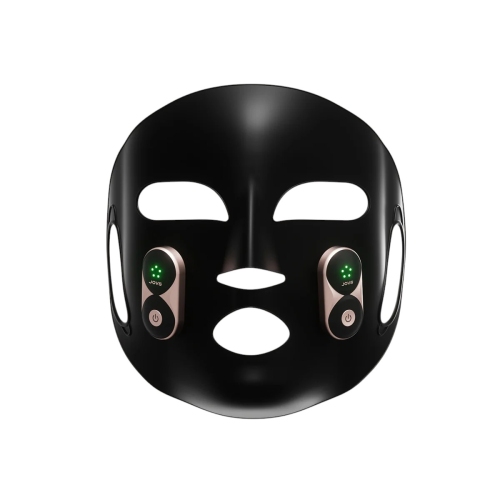
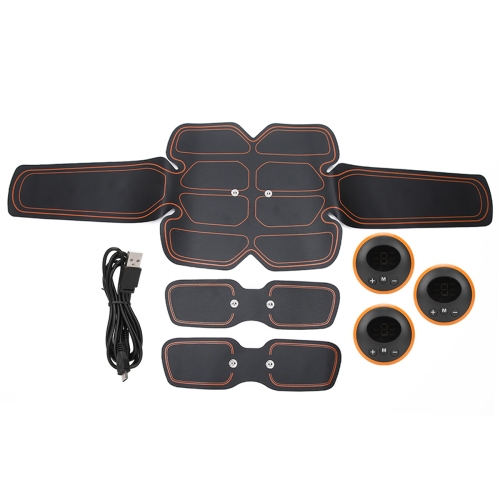
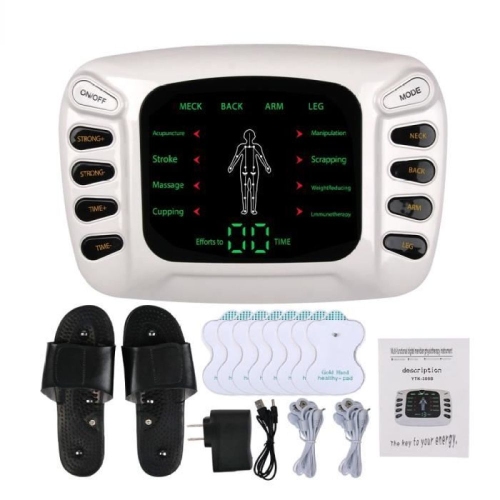
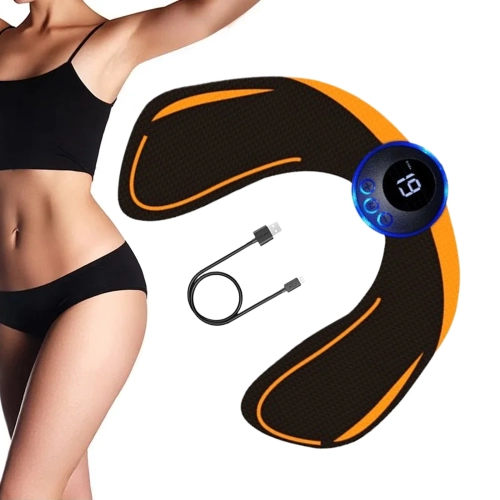


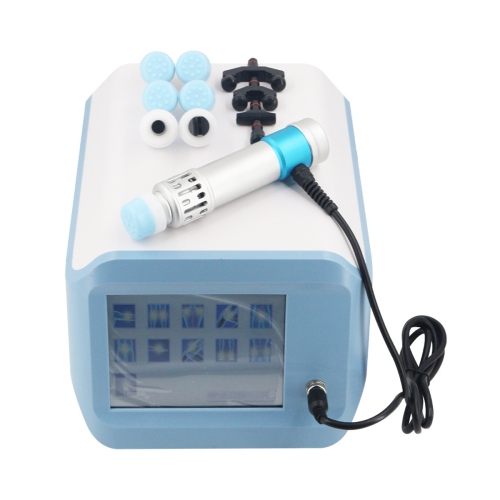
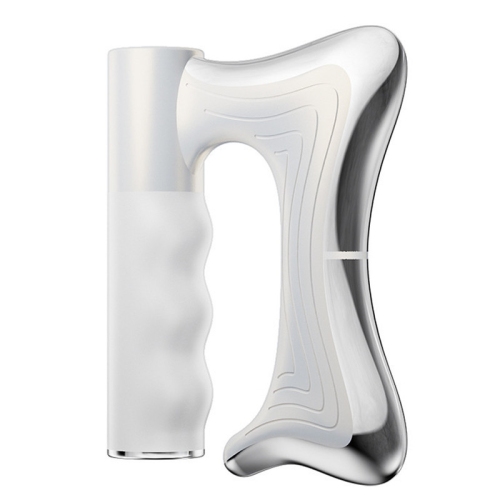
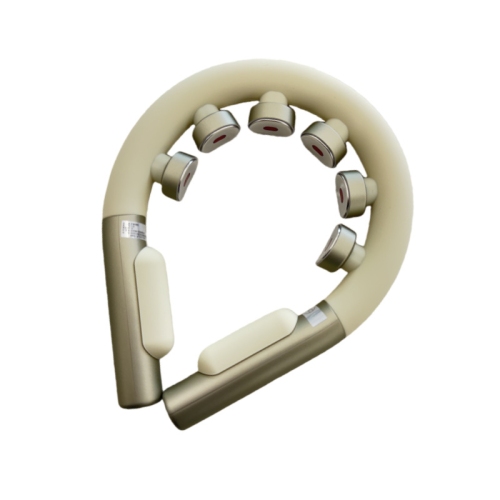

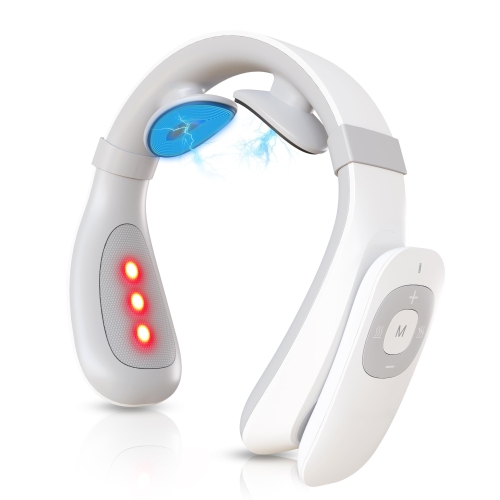
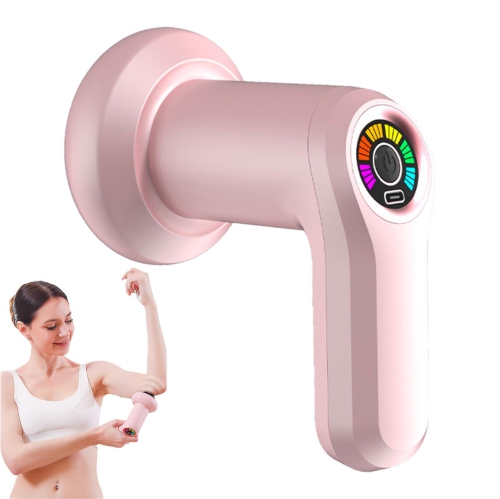
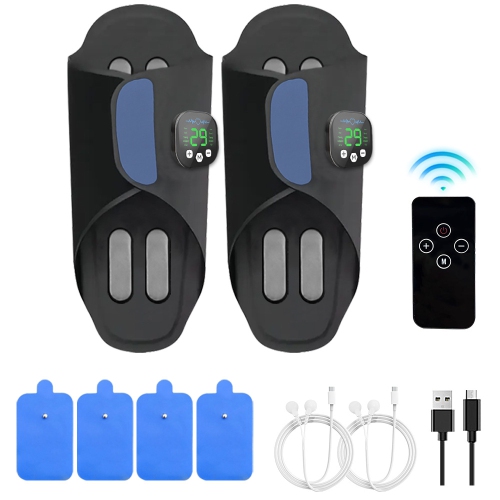
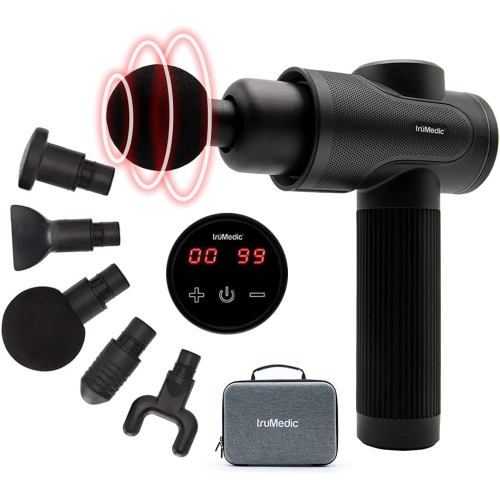
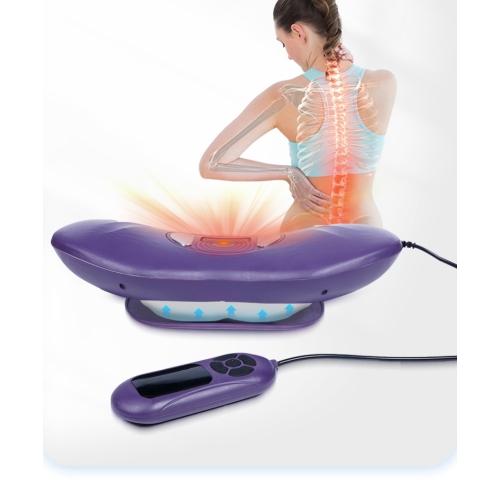

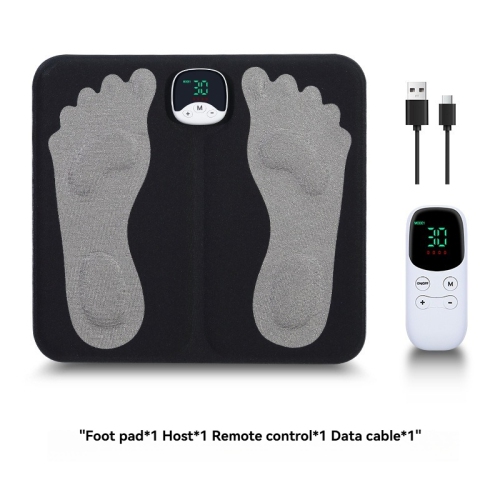
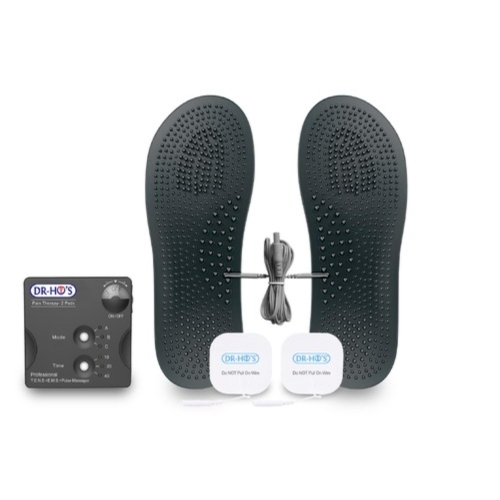
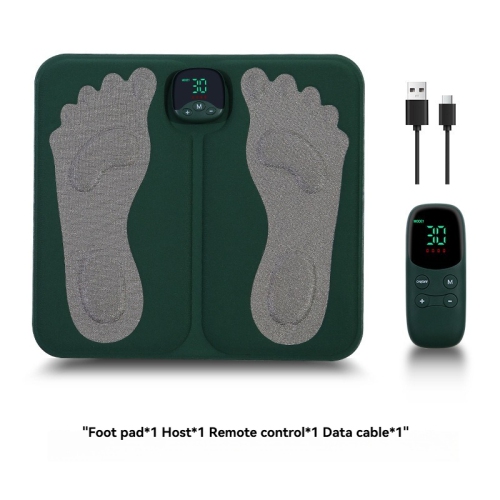
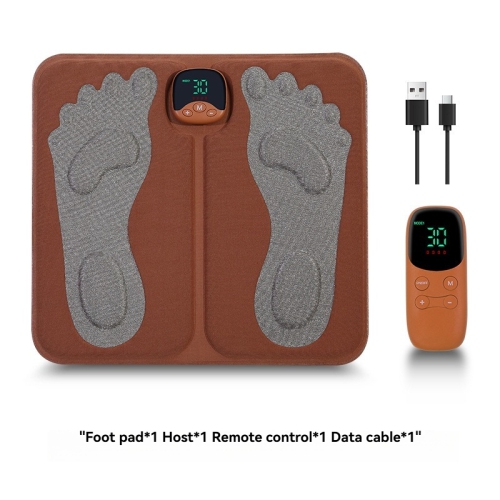
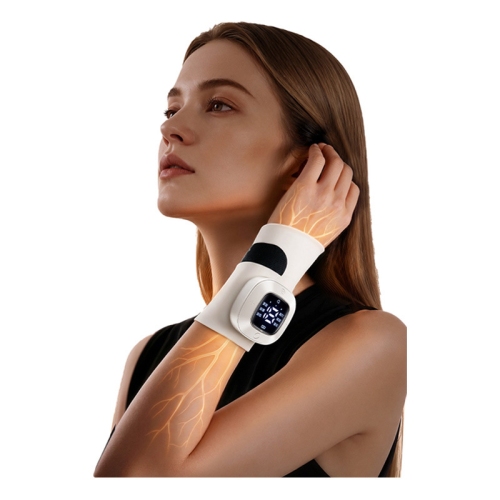
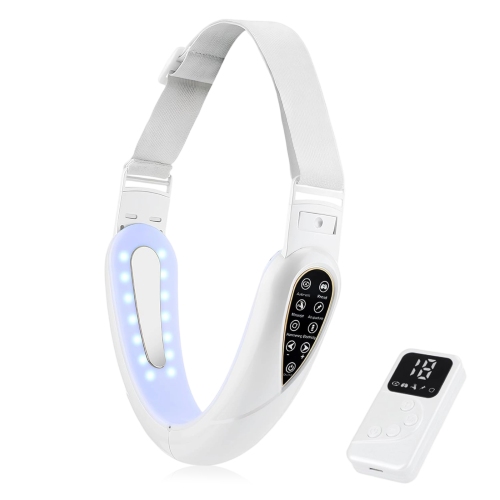
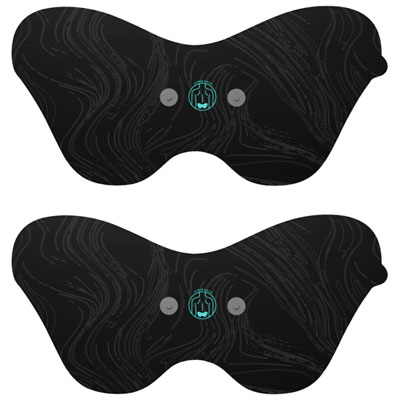
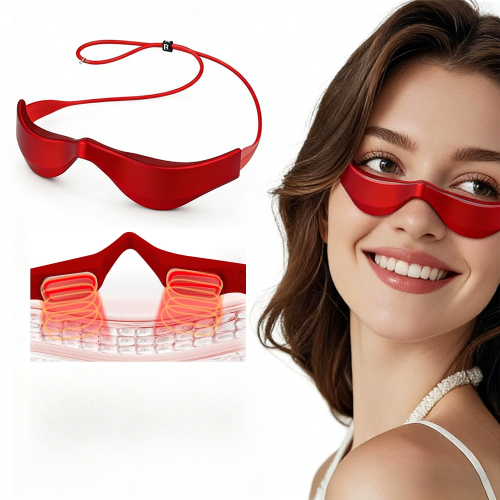

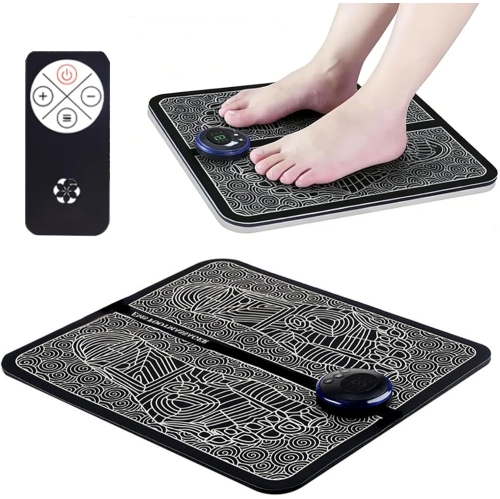
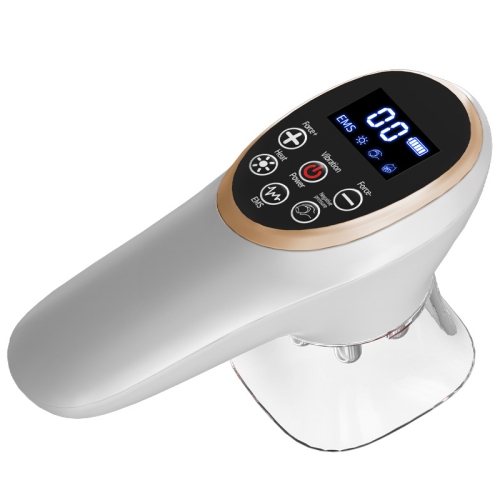
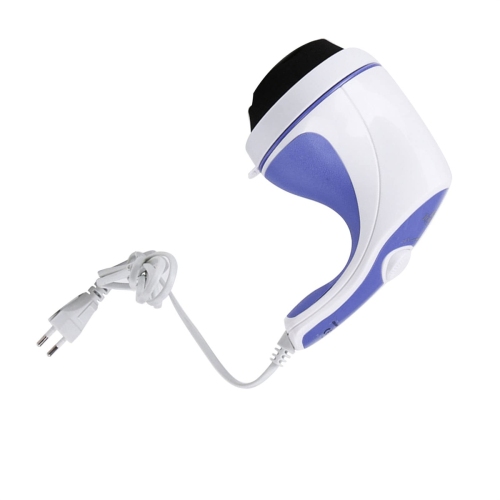
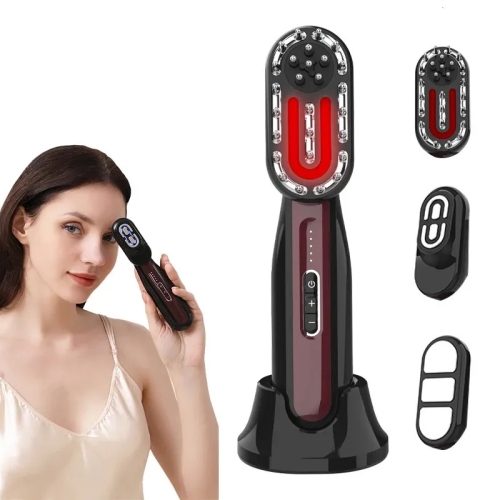
Why EMS and TENS serve different purposes
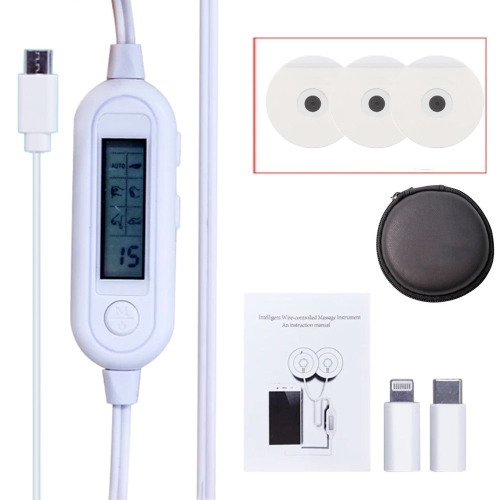
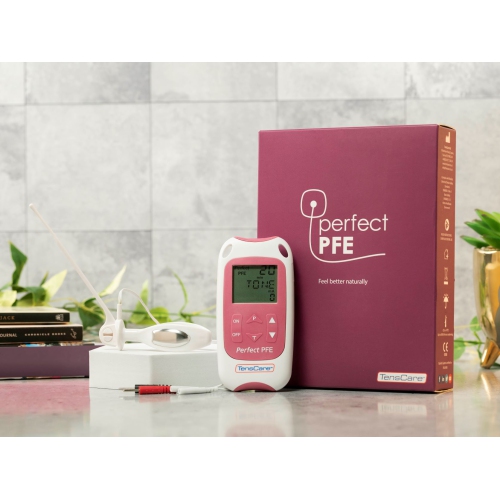
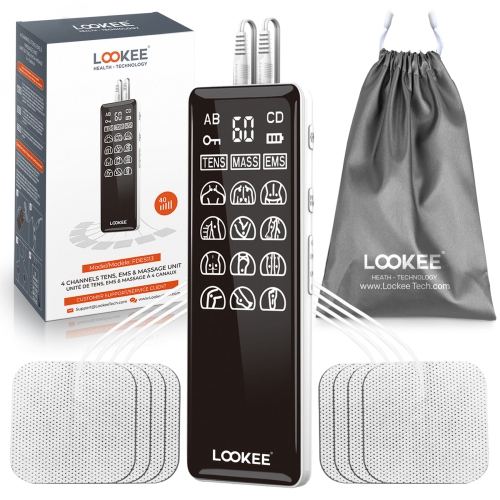
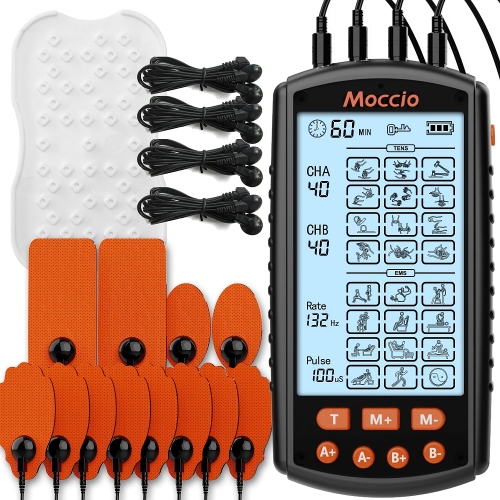
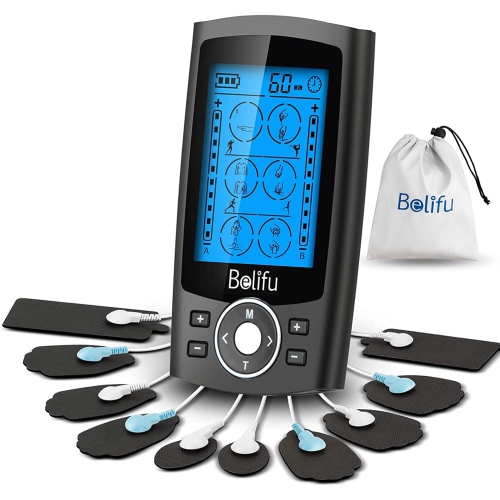
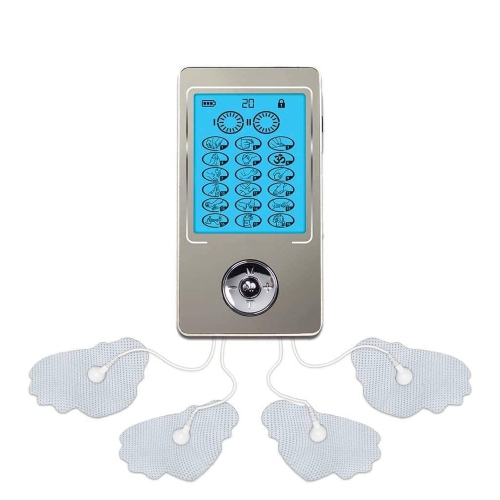
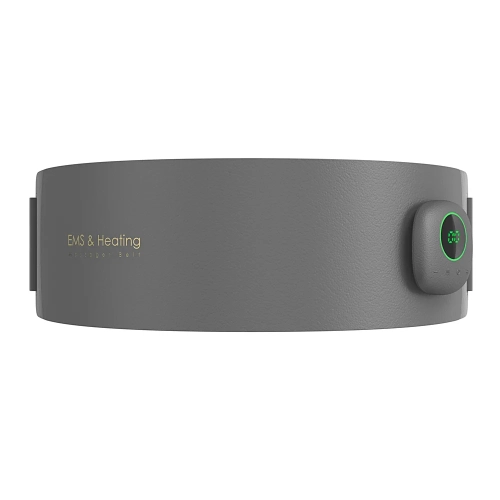
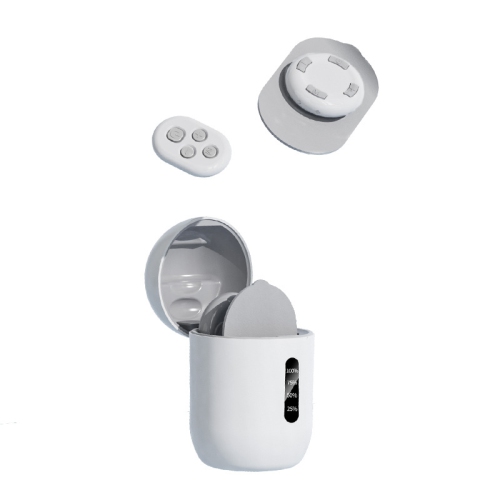
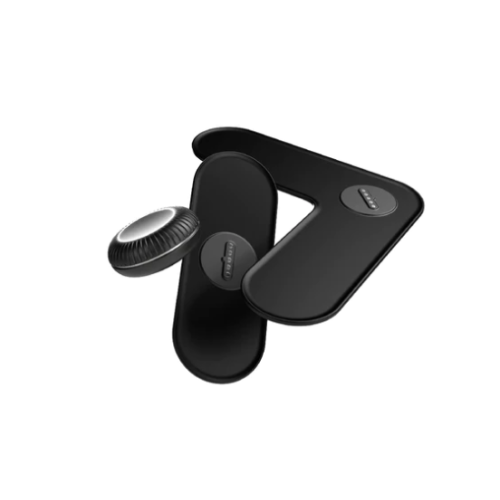
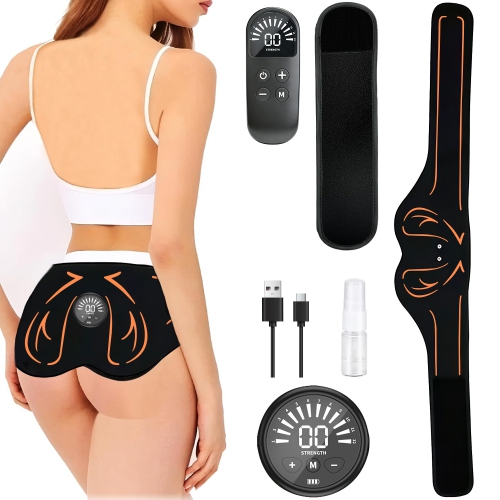
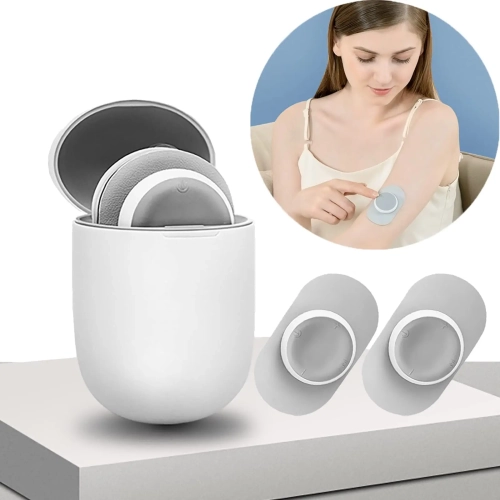
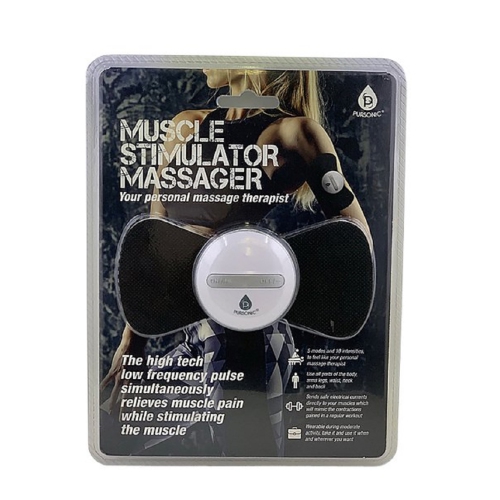
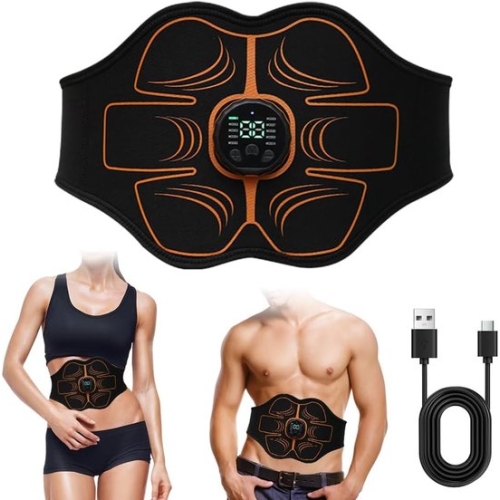
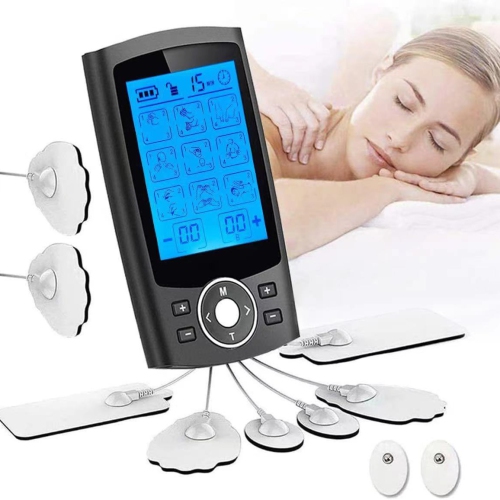
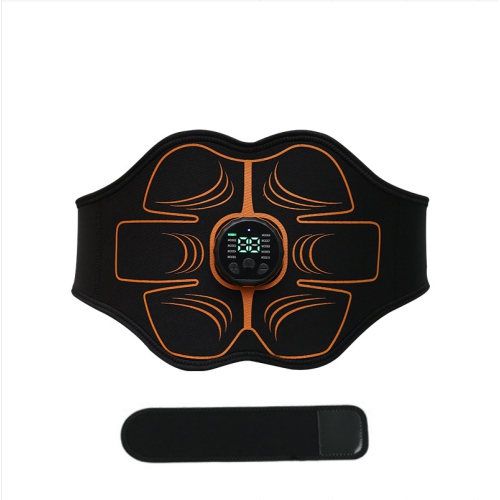
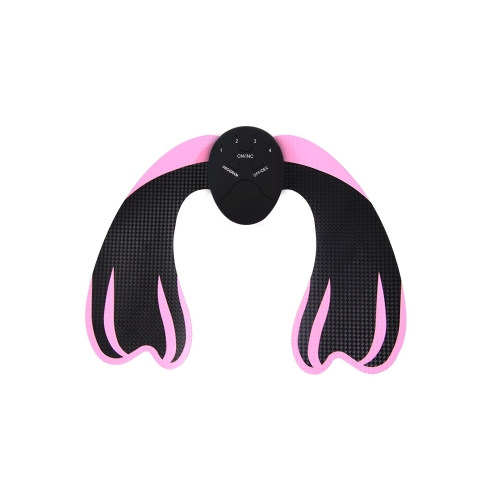
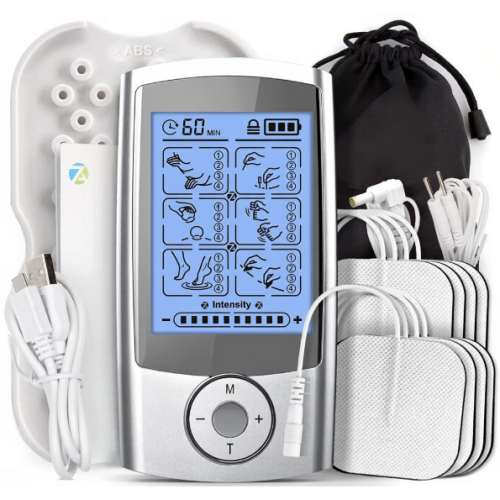
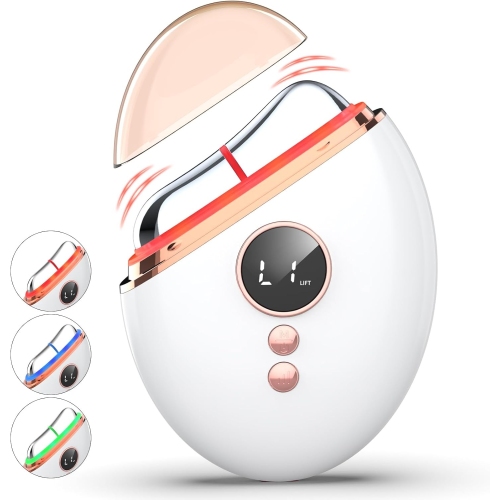
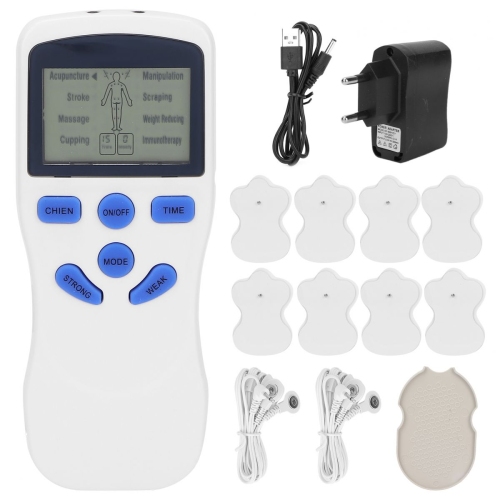
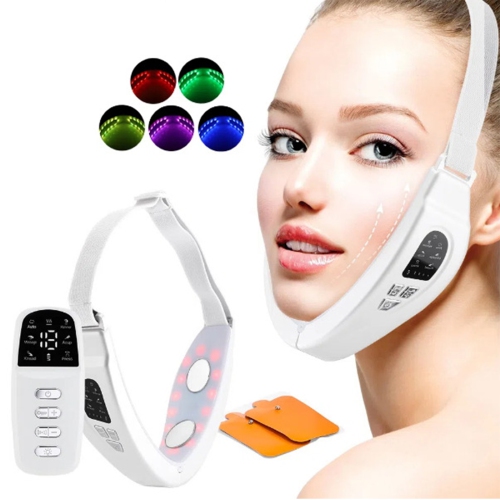
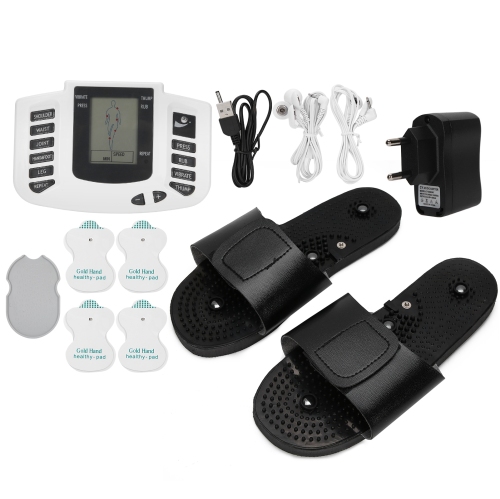
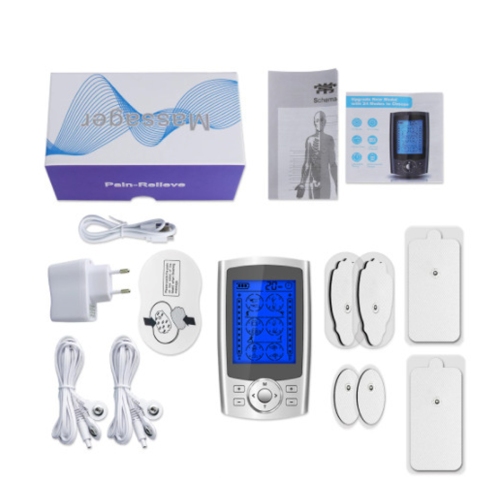
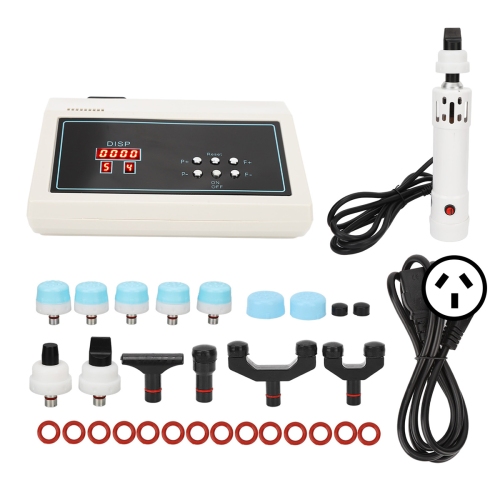
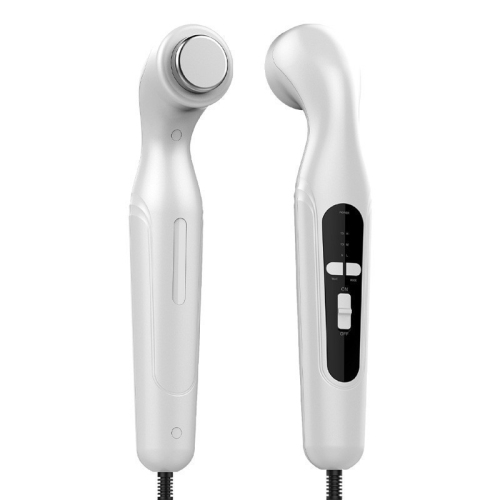
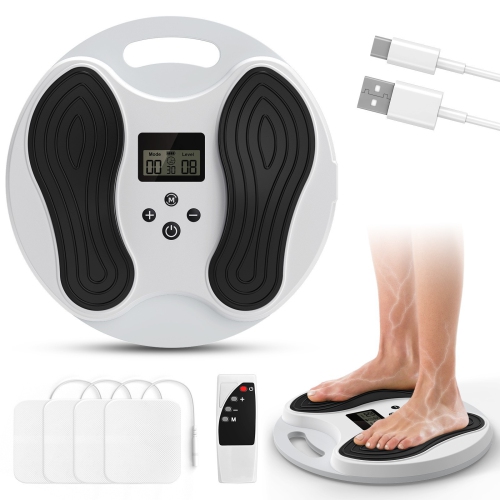
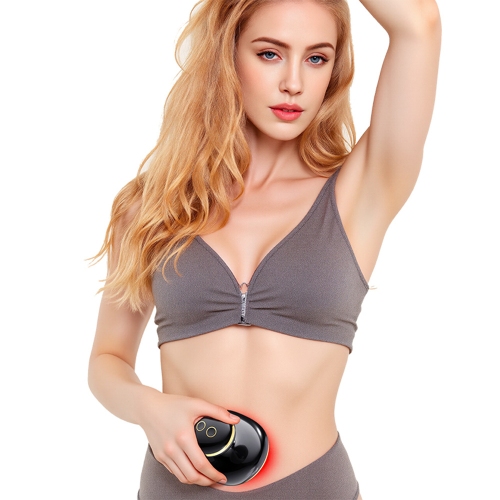
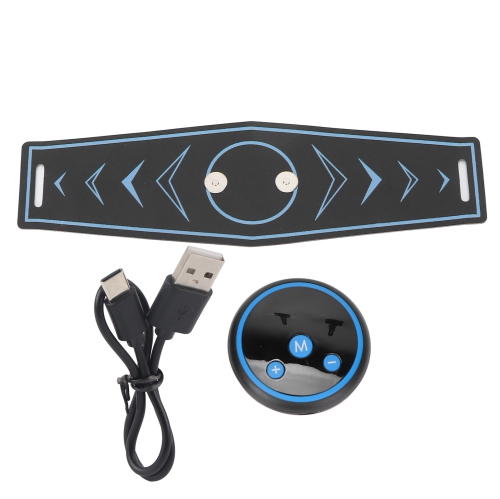
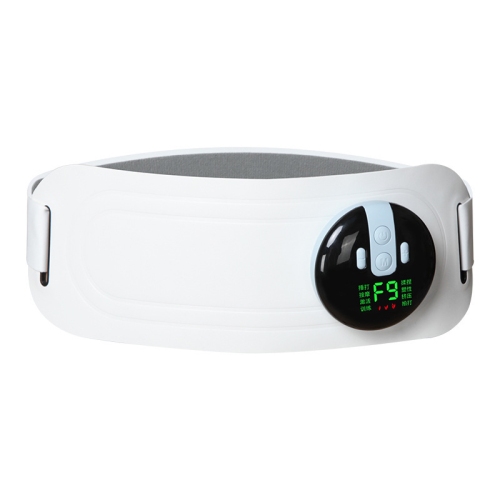
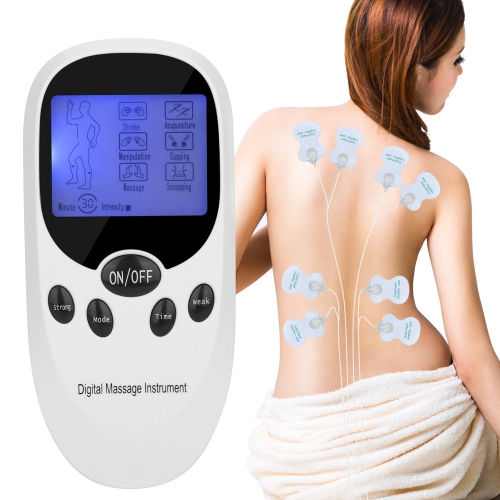
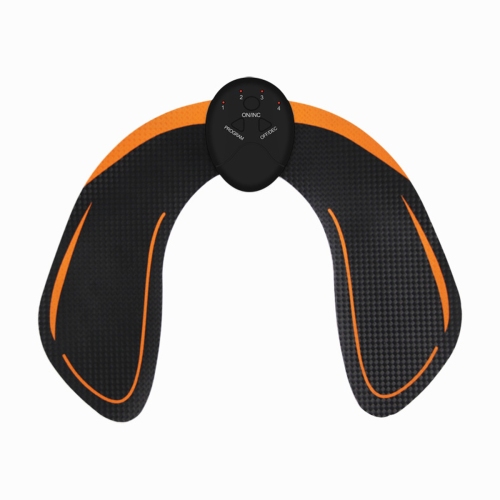
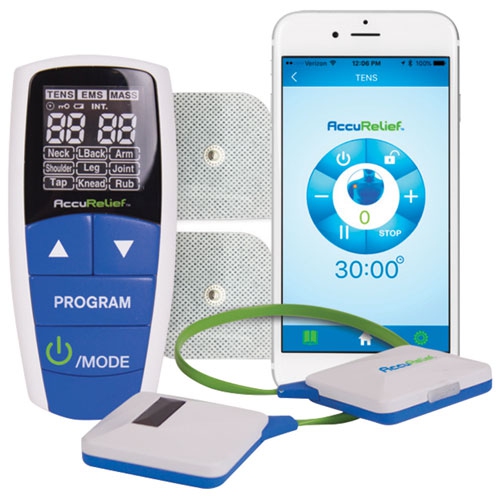
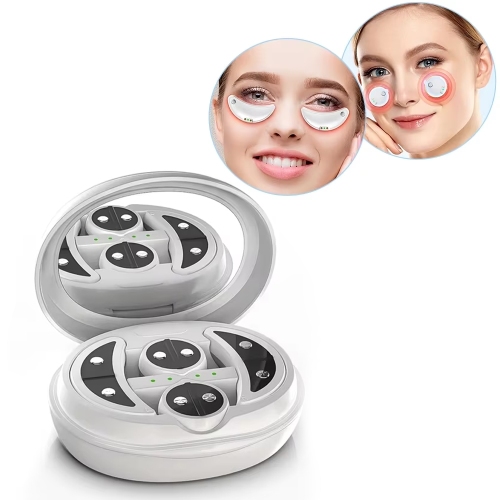
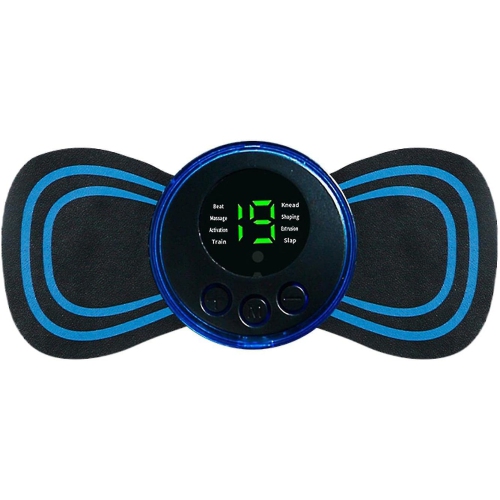
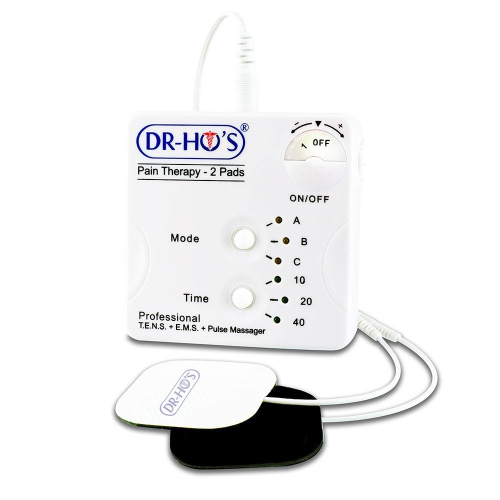
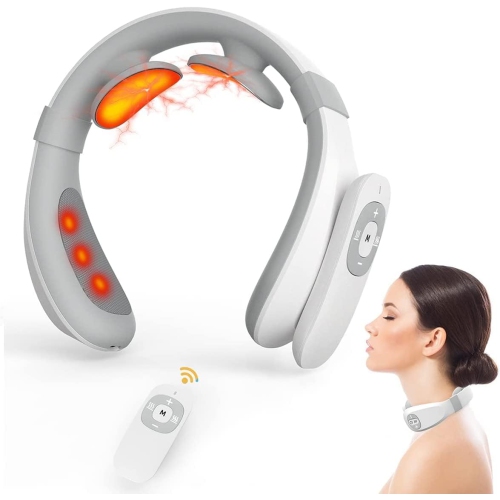
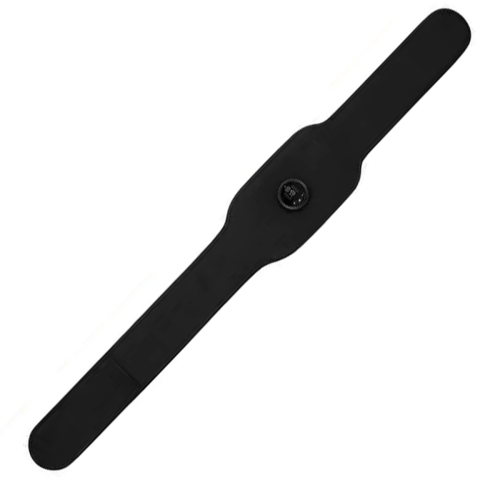
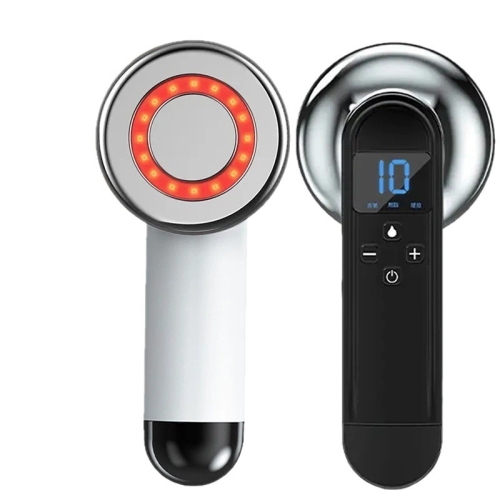
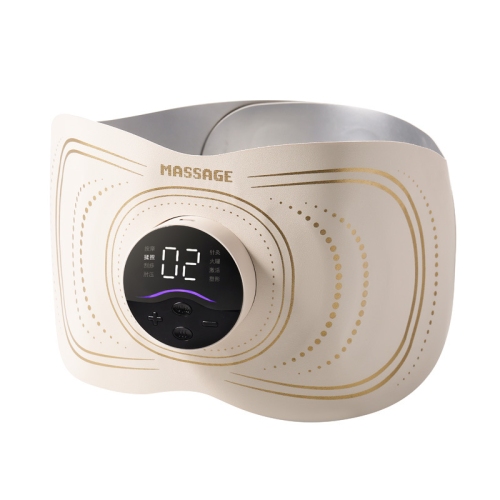
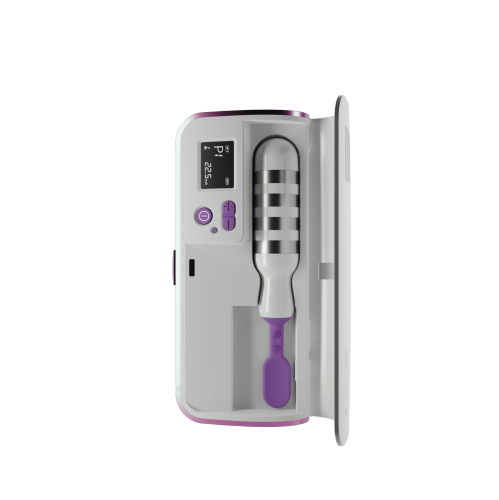
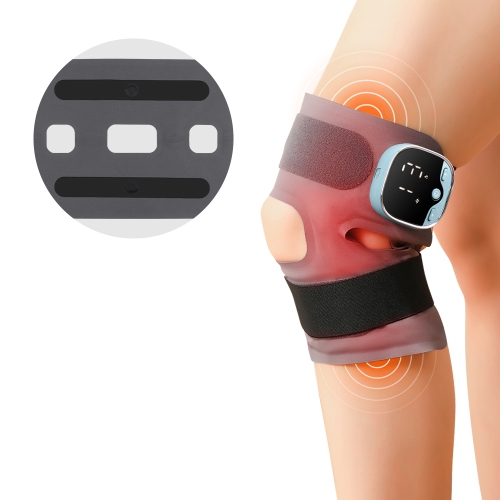
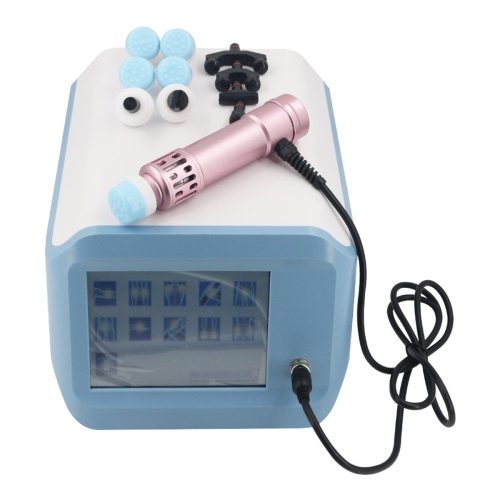
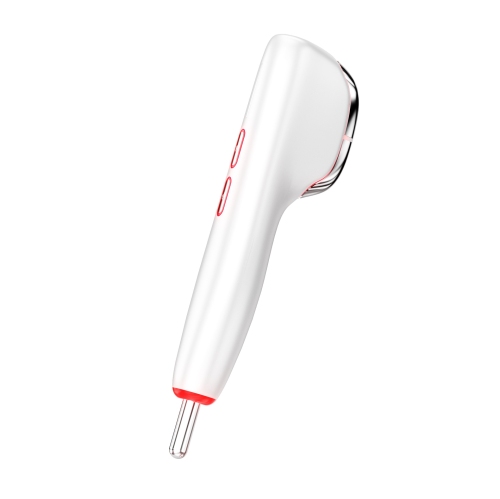
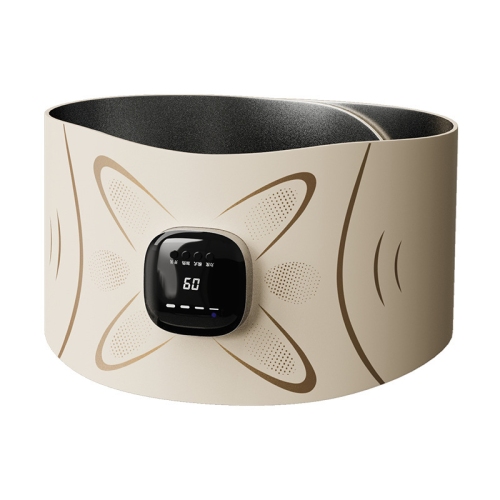
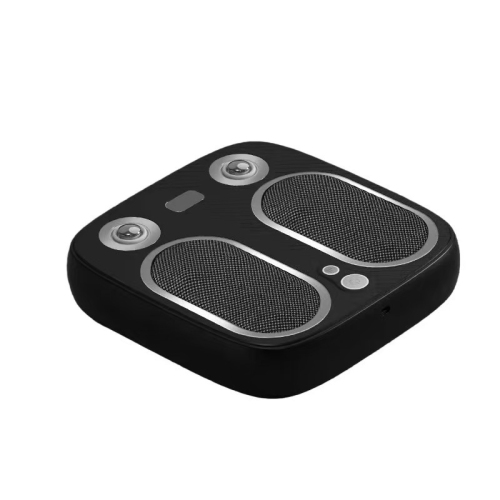
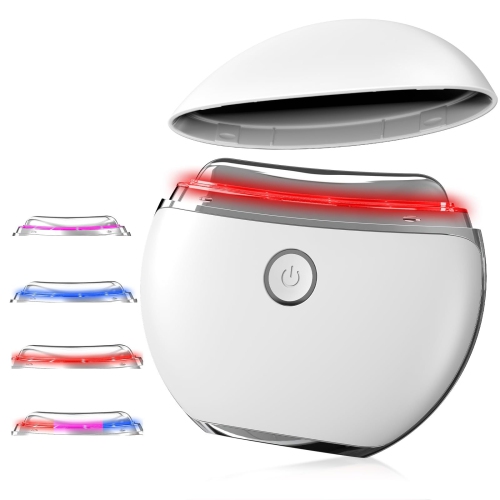
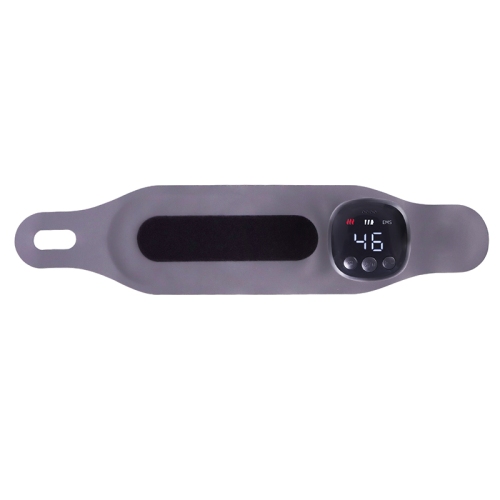
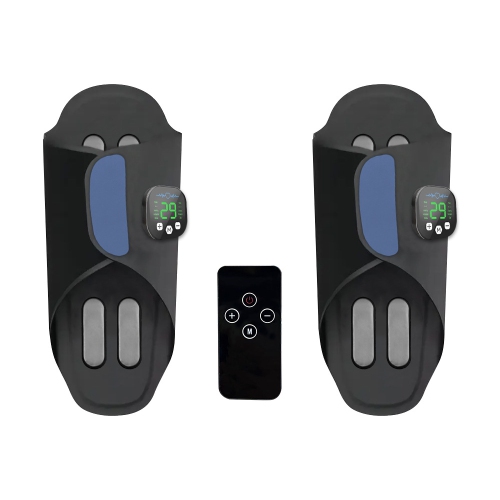
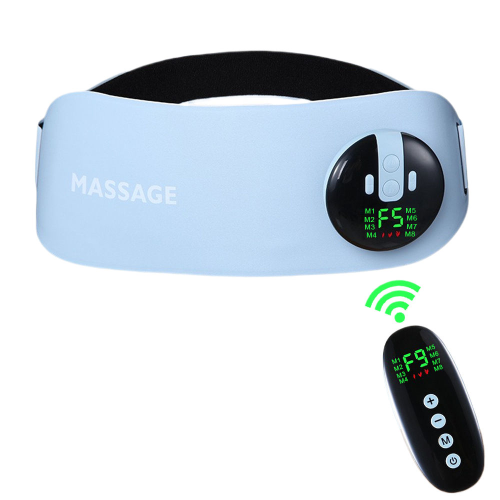
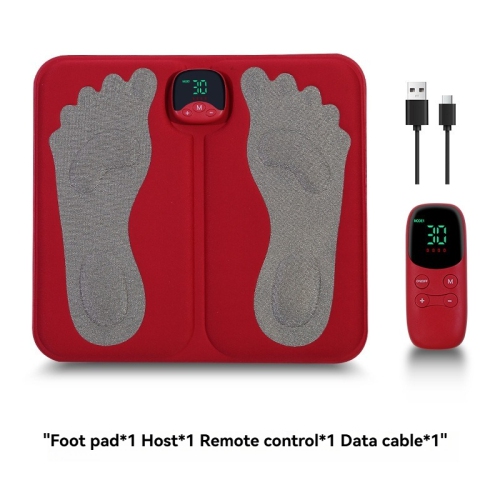
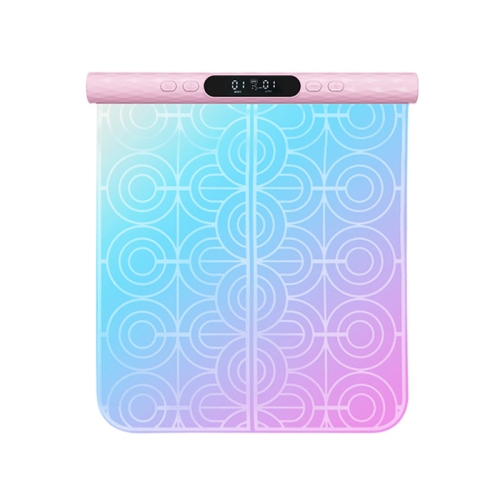
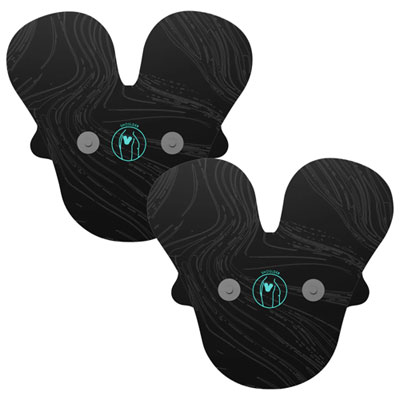
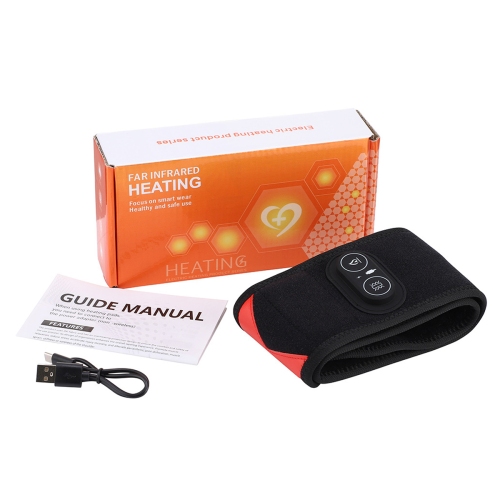
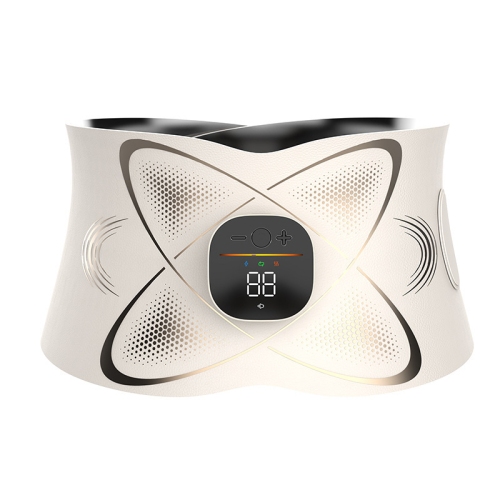
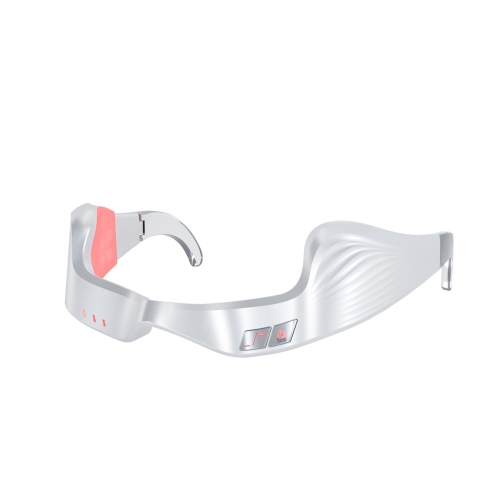
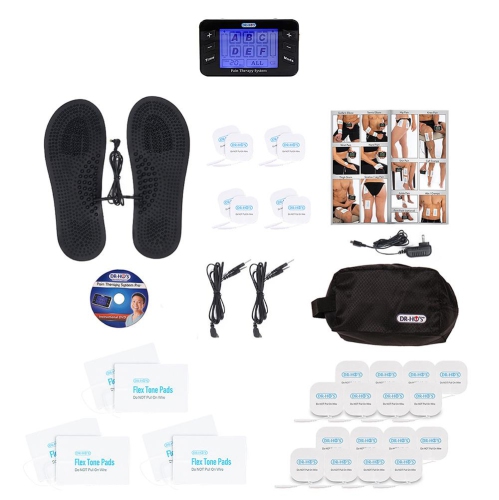
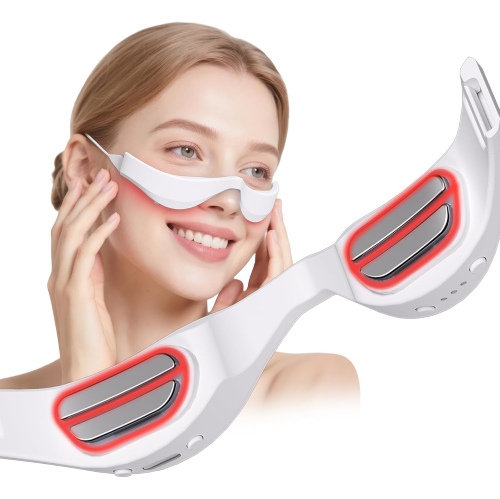
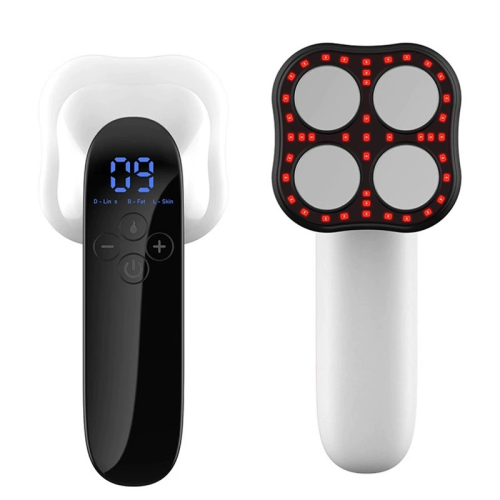
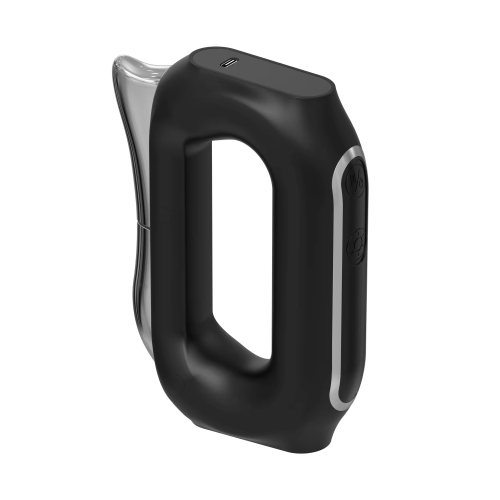
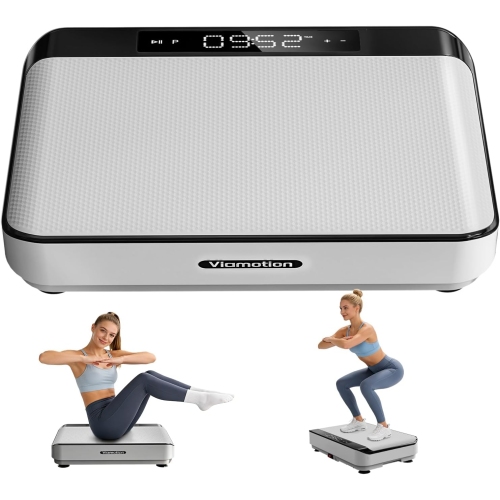
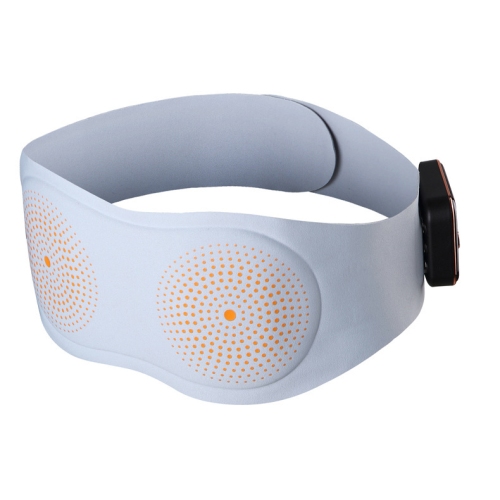
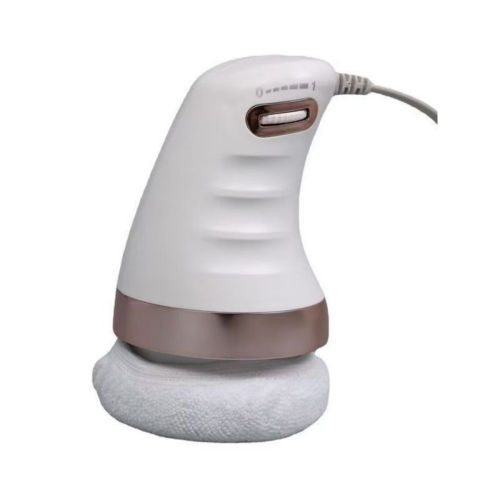
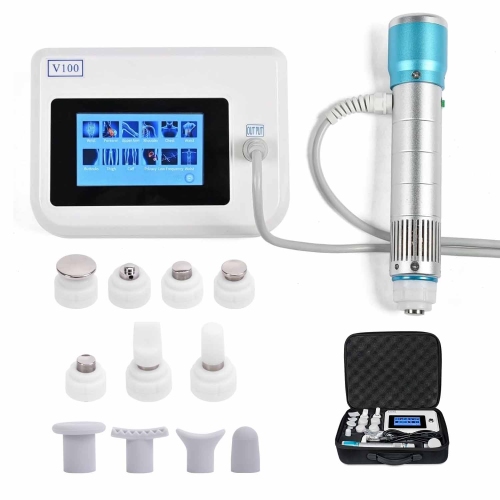
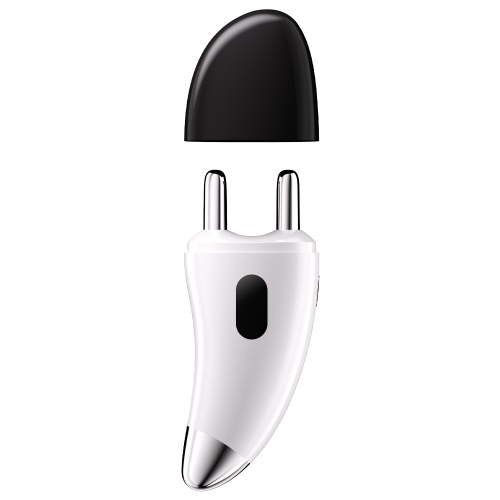
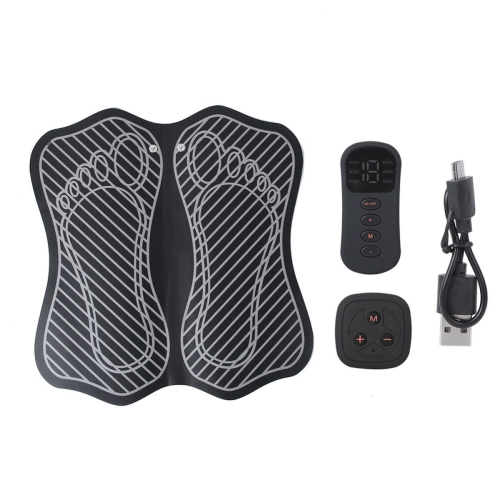
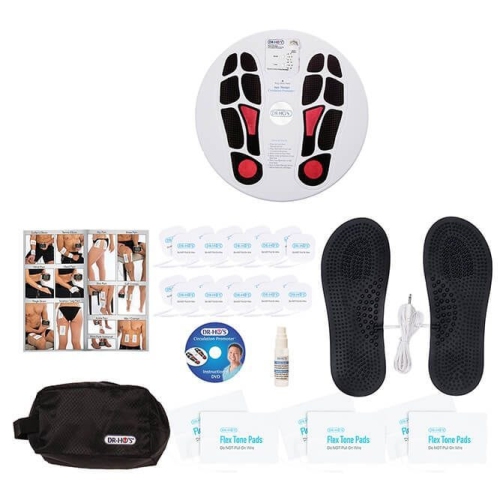
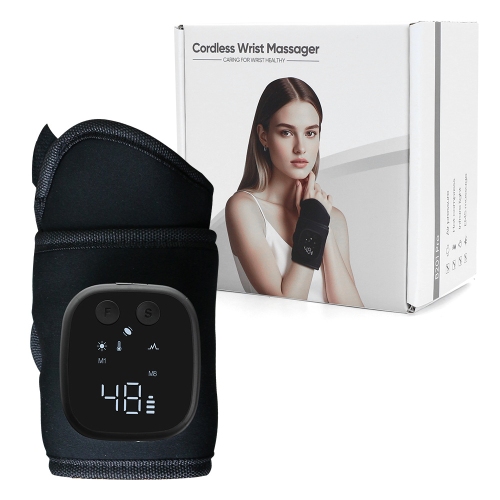
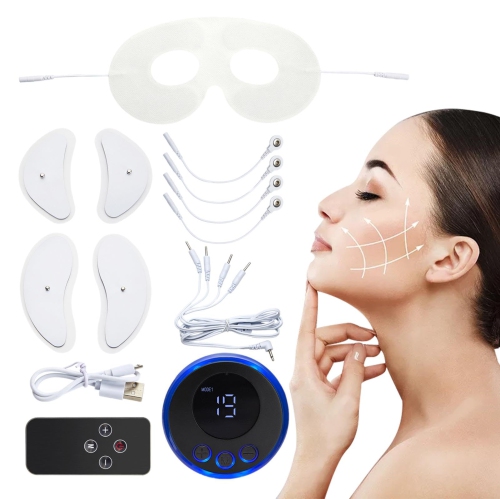
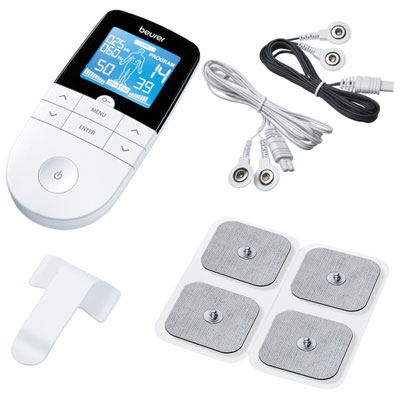
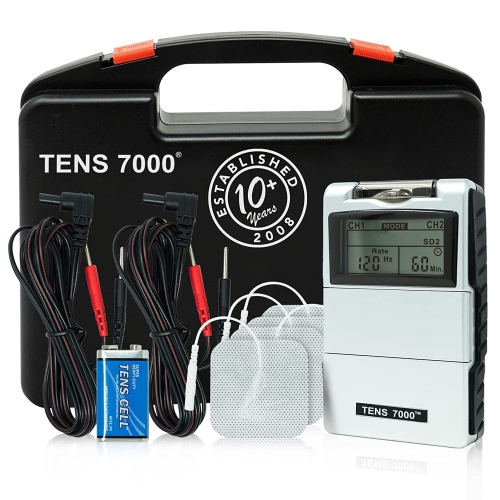
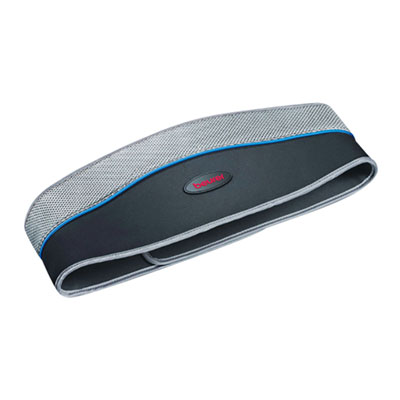
Electrical muscle stimulation devices deliver controlled electrical impulses through electrodes placed on the skin, causing targeted muscles to contract and relax. Commonly called EMS, and often described as neuromuscular electrical stimulation or NMES, this technology is used for muscle activation in certain rehabilitation and conditioning settings. Its role depends on the device’s intended use, the muscles being targeted, and advice from a qualified healthcare professional. EMS differs from transcutaneous electrical nerve stimulation, or TENS, which primarily stimulates sensory nerves to help manage pain rather than deliberately producing muscle contractions. Some units offer both functions, but a TENS-only device should not be assumed to provide muscle stimulation. That distinction matters when comparing electrical stimulation equipment for a prescribed physiotherapy routine, an established training program, or use at home between clinical appointments. A compact controller with adhesive pads may suit someone who needs a portable setup, while a unit with larger, clearly separated controls may be easier to operate at a fixed location. Wearable designs use a sleeve, wrap, or belt to position electrodes, although their fit and supported muscle areas vary. Choosing an EMS Device involves looking beyond the number of modes to understand what the equipment is actually designed to do. A mode labelled massage, for example, does not necessarily offer the same function as a dedicated NMES setting. Descriptions of pulse patterns, supported electrode placements, and intended treatment areas provide more useful context than a long list of program names alone. For someone following a clinician’s plan, compatibility with that plan matters more than having the greatest number of settings. Electrical muscle stimulation is not a replacement for regular physical activity, a shortcut to weight loss, or a substitute for assessing an unexplained injury. Its usefulness depends on matching the equipment to an appropriate purpose and using it correctly.
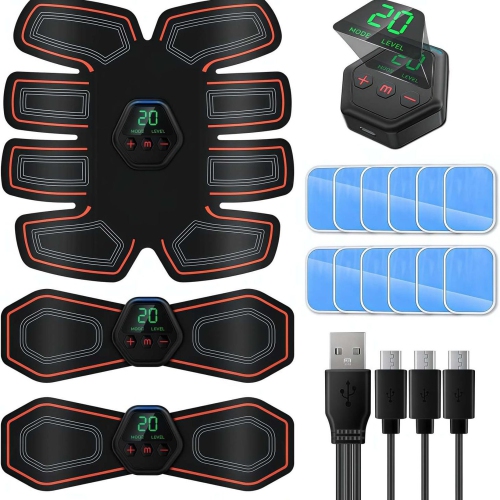
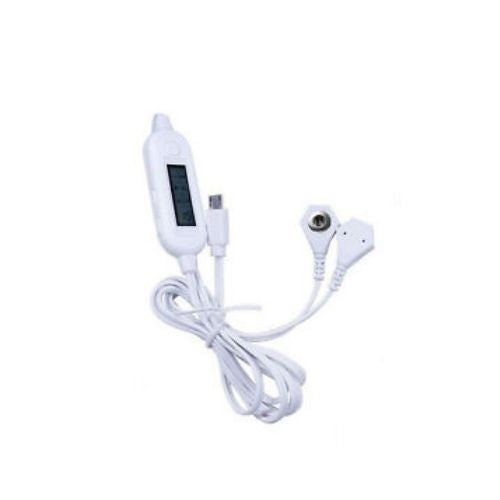
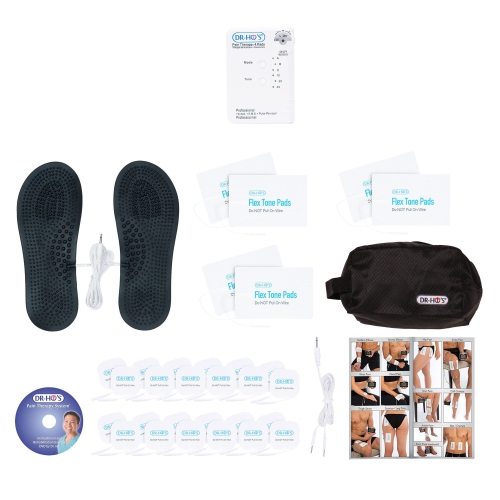
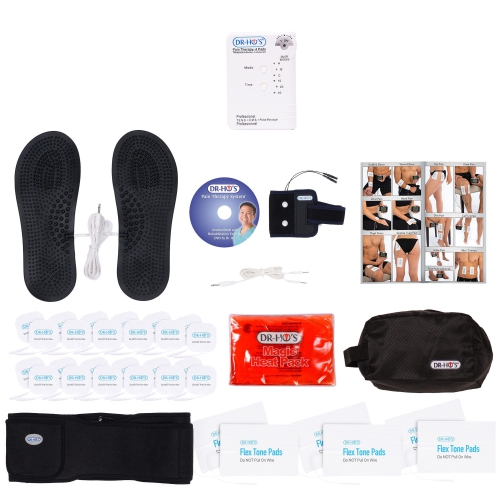
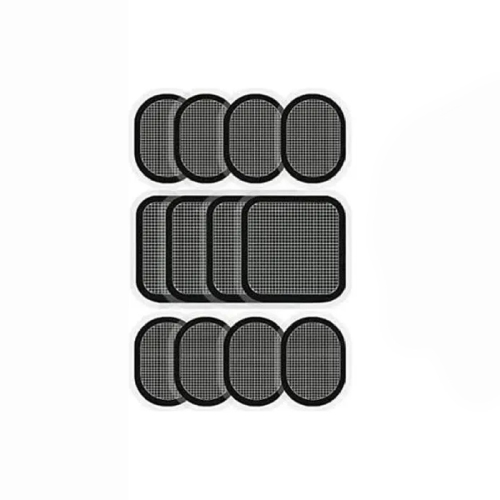
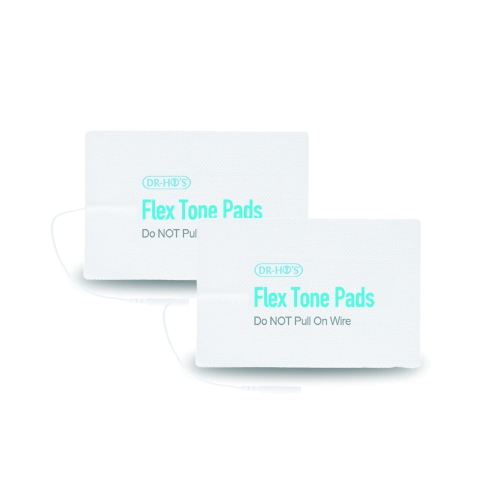
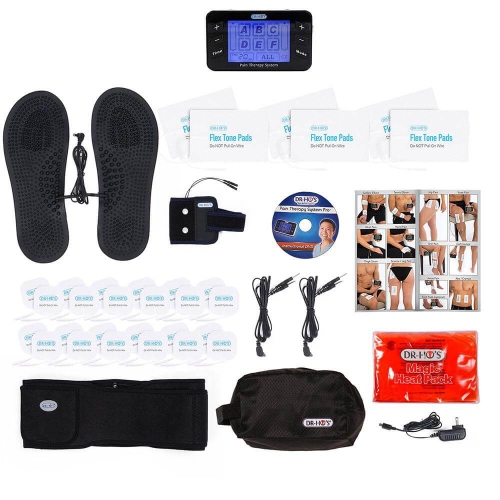
Controls, electrode design, and fit all influence how comfortably electrical muscle stimulation equipment fits into a routine. Adjustable intensity allows the output to be changed within the device’s supported range, while a clear display makes it easier to check the selected mode, session timer, and battery level. Some equipment also offers adjustable pulse frequency and pulse width, settings that affect the stimulation pattern and should follow professional guidance when used for rehabilitation. Channel count is another meaningful distinction: separate channels may support different electrode pairs, but independent intensity control is a feature to verify rather than assume. Someone using pads on two approved muscle areas may value separate adjustments, while another person may prefer straightforward controls for a single prescribed placement. Electrode size and shape also matter because they influence contact with the skin and the distribution of current. Larger pads are not automatically better, and pads intended for one device may not be compatible with another. Many adhesive electrodes use a conductive gel layer that needs smooth, even contact; curled edges, dried gel, or uneven adhesion can make stimulation uncomfortable. Clean, dry skin without lotion generally helps adhesive pads attach properly, subject to the manufacturer’s directions. For wraps and sleeves, circumference measurements are more useful than clothing size alone. The material should sit securely without pinching, bunching behind a joint, or restricting circulation. Soft textile surfaces, adjustable closures, and accessible connectors can make a difference when positioning equipment on an arm or leg. Latex or adhesive sensitivities deserve attention because skin-contact materials vary. Wired designs need enough lead length to reach the intended placement without pulling, while wireless designs reduce loose cables but may involve charging multiple components. Rechargeable batteries, replaceable batteries, charging connections, and travel cases are practical considerations, especially for equipment carried between home and appointments. Straightforward setup and readable controls often matter more in daily use than extra modes that serve no clear purpose.
Care and durability depend on the controller, leads, electrodes, and any washable fabric components, each of which may have different cleaning requirements. Reusable adhesive pads typically need to be returned to their protective liners and stored in their original pouch or another manufacturer-approved container. Keeping the gel surface free of lint and handling pads by their edges can help preserve contact, but electrodes remain consumable components and need replacement when they no longer adhere properly or show damage. Compatible replacement pads and leads are therefore part of the equipment’s long-term usability. Cables benefit from being loosely coiled rather than tightly wrapped around the controller, and connectors should be removed by their housings instead of tugging on the wires. Controllers generally require careful surface cleaning rather than immersion, while removable fabric wraps may have separate washing directions. A protective case helps keep small connectors, pad liners, and charging cables together without crushing them. Before each session, intact insulation, secure connections, and undamaged electrodes are more important than cosmetic wear on the outer casing. Safe use also requires attention to personal health and electrode placement. People with pacemakers or other implanted electronic devices should not use electrical stimulation without explicit clearance from their treating clinician and confirmation that the device’s instructions permit it. Pregnancy, epilepsy, reduced skin sensation, and certain medical conditions also require professional advice before use. Electrodes should not be placed on broken or irritated skin, on the head or front of the neck, or in positions that send current across the chest. Electrical stimulation equipment should not be used while driving, sleeping, bathing, or operating machinery. A session should stop if stimulation causes pain, burning, dizziness, or skin irritation. For home use, a comfortable seat, an accessible controller, and enough time to follow the prescribed session can make the routine more manageable. Equipment selected for a known need, with clear instructions and suitable accessories, is a more practical choice than a device chosen solely for its appearance or number of functions.
Top selling and popular products
-
 Your price for this item is $24.99
-
 Your price for this item is $84.99
-
 Your price for this item is $56.99
-
 Your price for this item is $99.99
-
 Your price for this item is $54.99
-
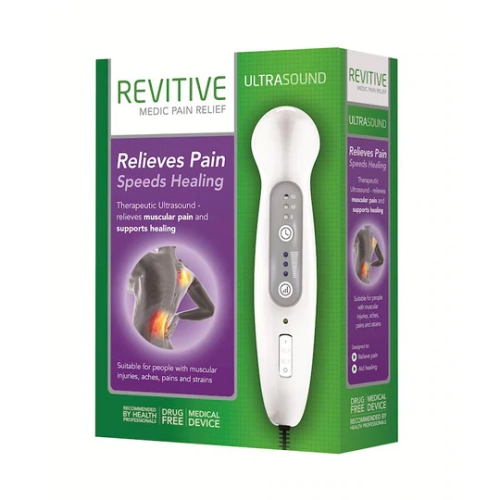 Your price for this item is $179
-
 Your price for this item is $74.99
-
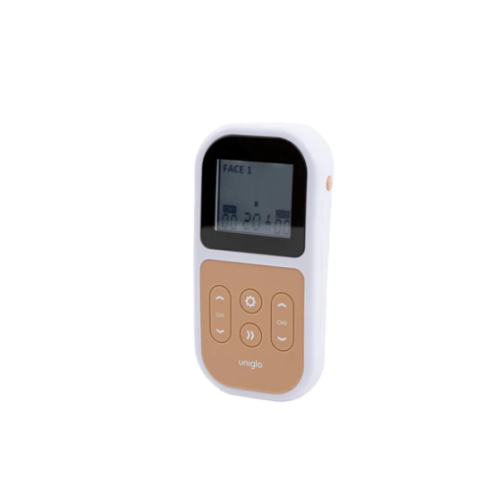 Your price for this item is $199.99
Discover more categories related to Electrical Muscle Stimulation Devices
Top Collections:
Best Black Friday Deals This Year, Best Black Friday Deals On Electronics, Kindle Devices, Best Black Friday Deals On Apple Products, Best Budget Office Chairs, Best Cameras for Sports Photography, Dyson Airwrap, Canon G7X Cameras, Best Laptops for Writers, Samsung Galaxy Phones
Some products may be subject to Environmental Handling Fees
(EHF) depending on your province.
Learn more about EHFs.