Microcurrent Devices
Discover the rejuvenating power of microcurrent devices, the latest innovation in at-home skincare technology. These advanced tools are designed to enhance your beauty routine by stimulating facial muscles, improving circulation, and promoting a youthful complexion. Perfect for those seeking non-invasive solutions, microcurrent devices offer a convenient way to achieve spa-like results from the comfort of your home. Explore the benefits and elevate your skincare regimen with these cutting-edge devices that help you look and feel your best.
Sort
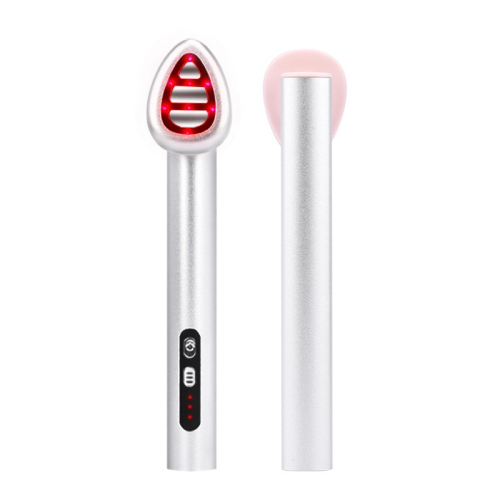
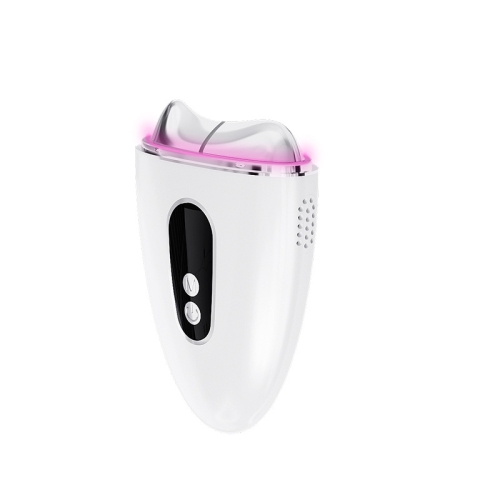
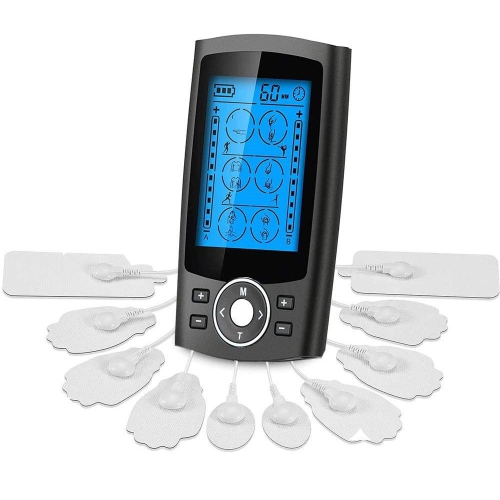
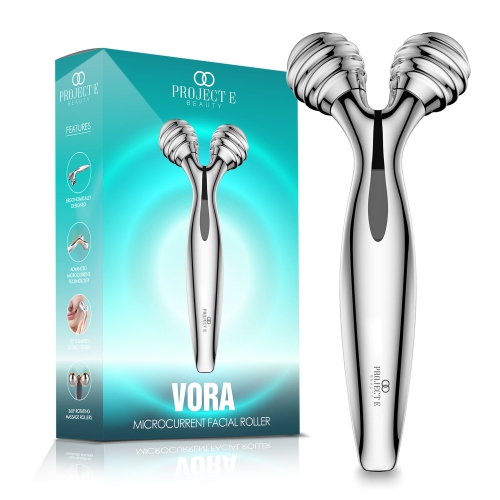
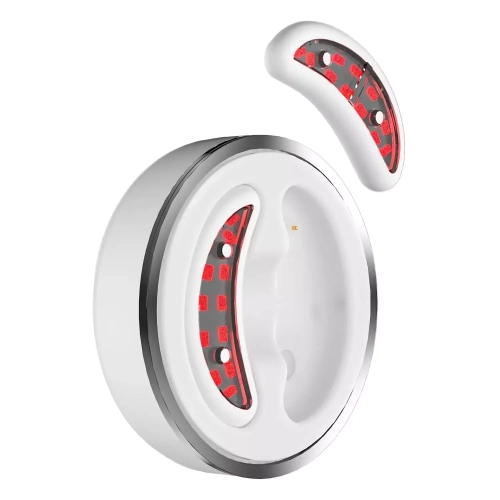
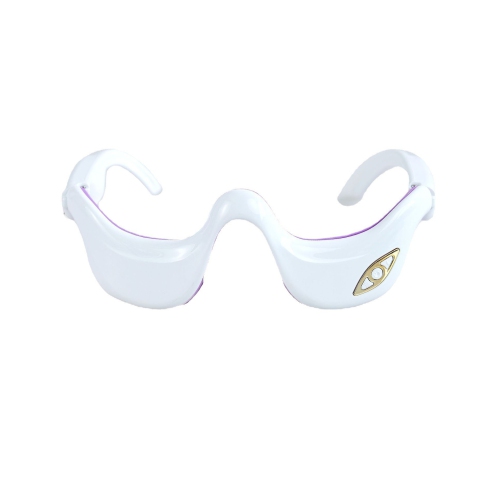
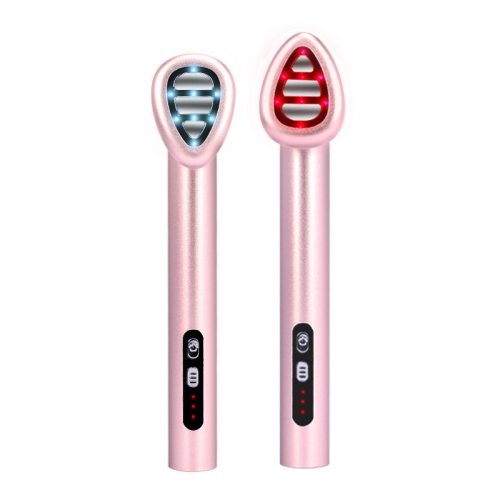
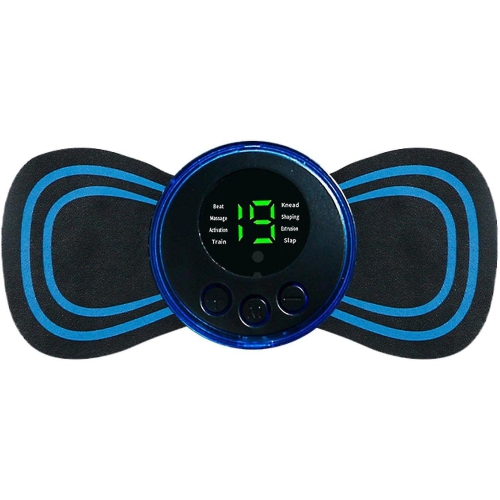
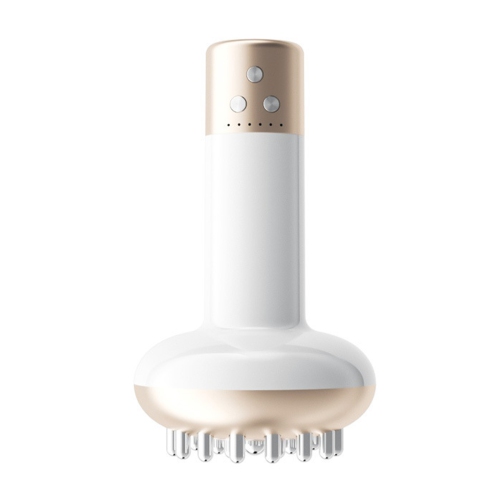
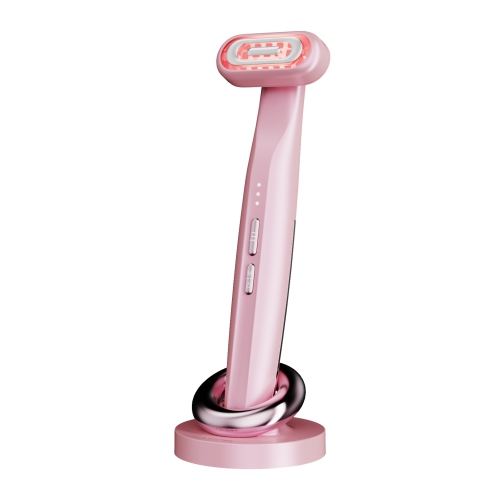
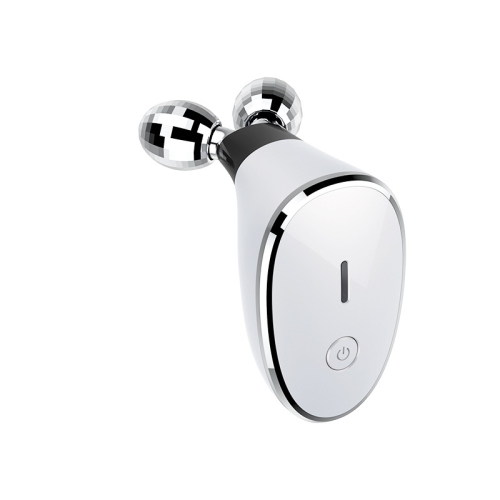
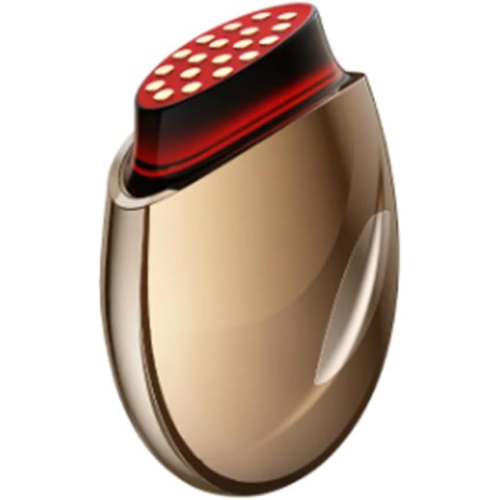
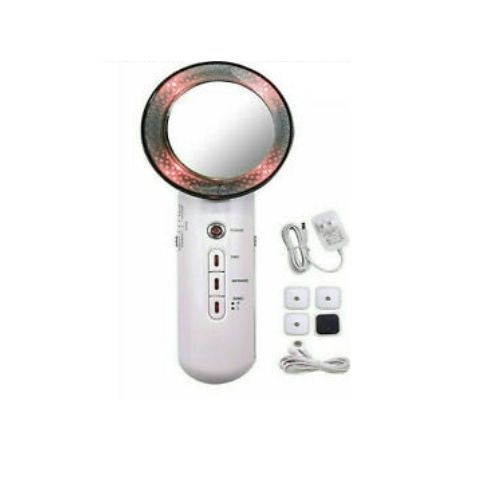

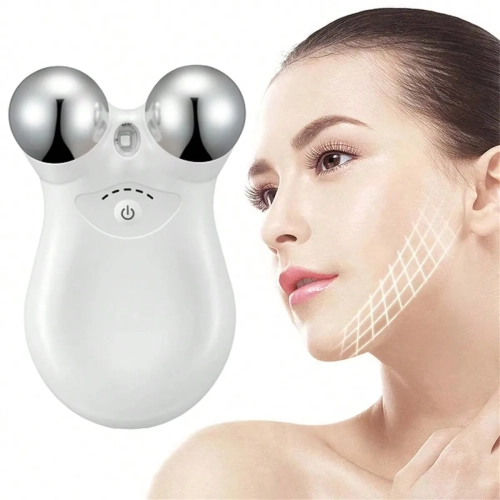
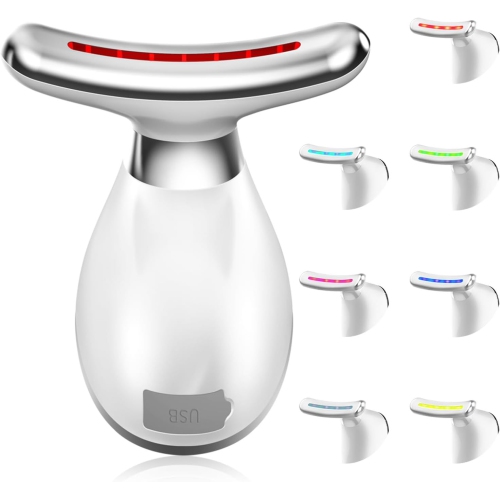
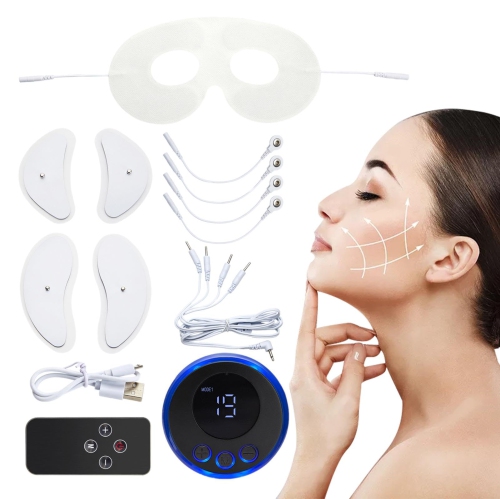
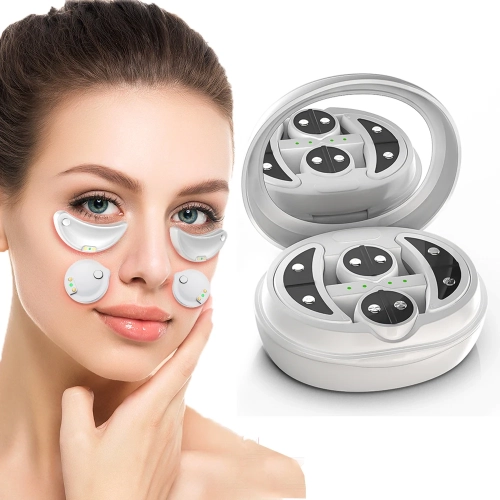
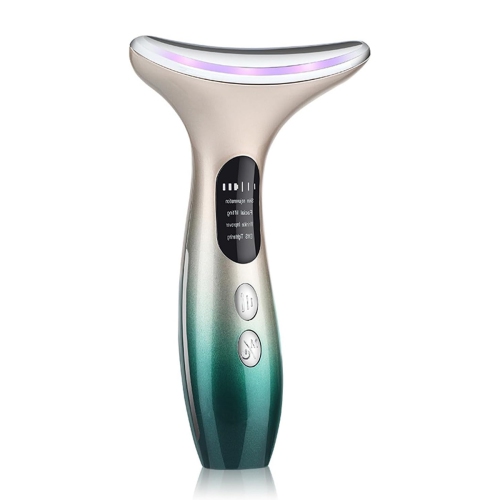
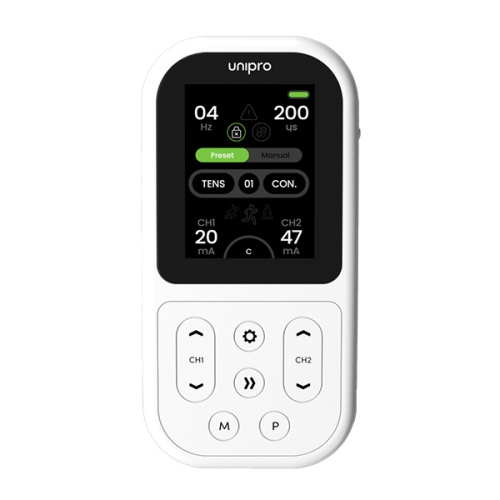
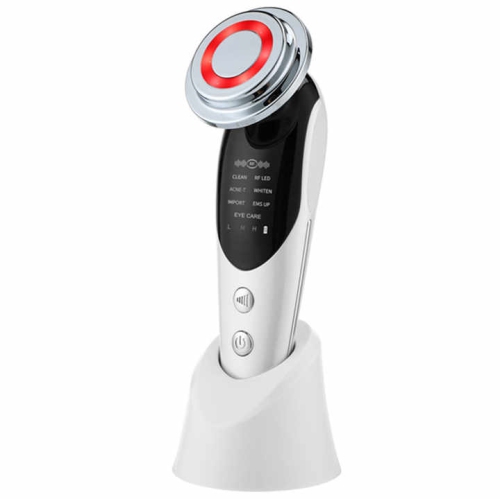
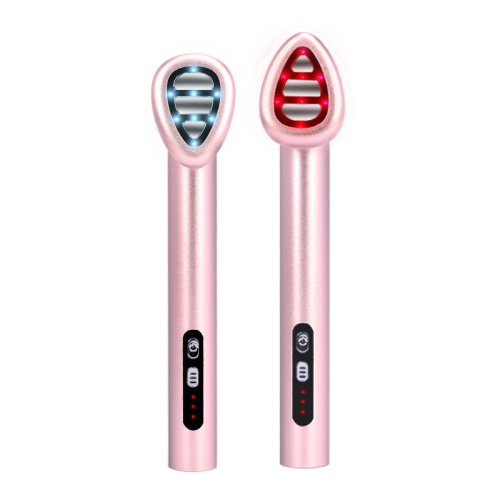
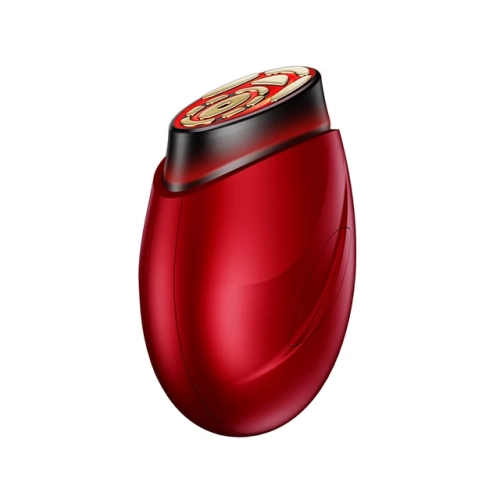
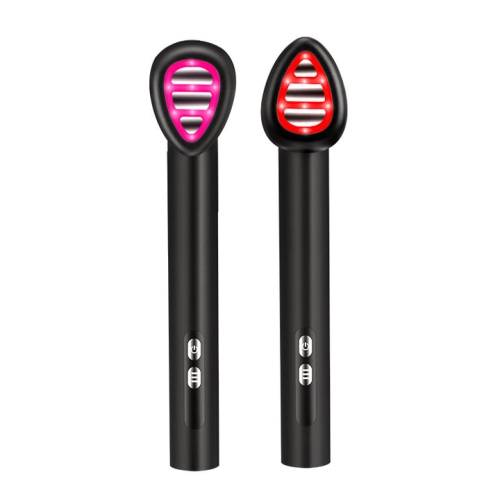
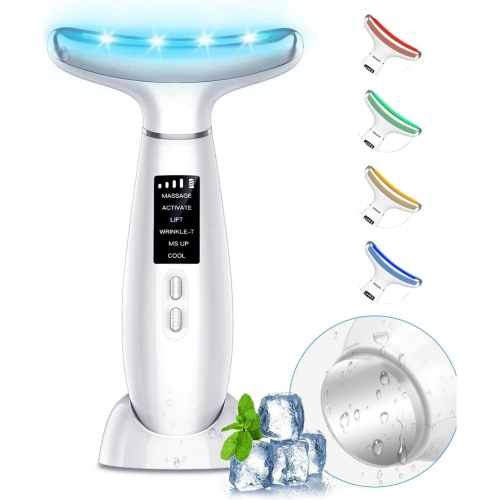
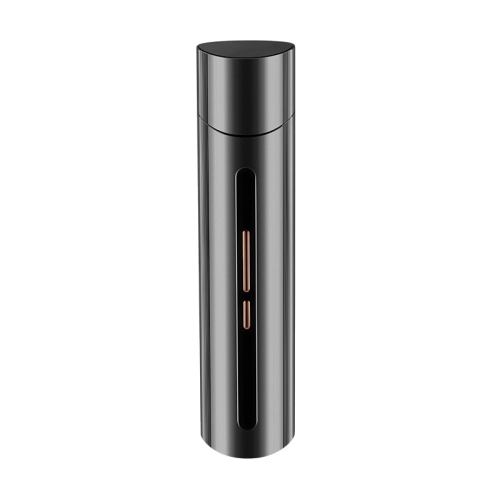
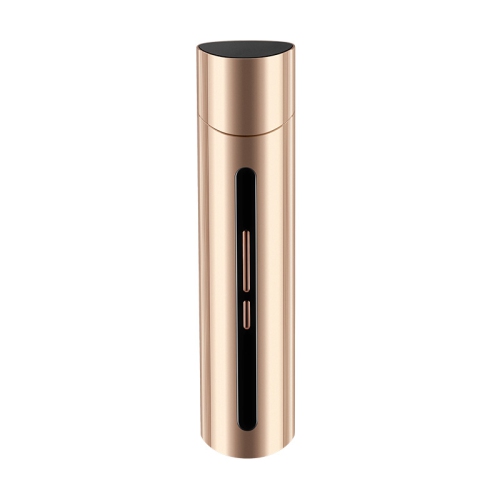

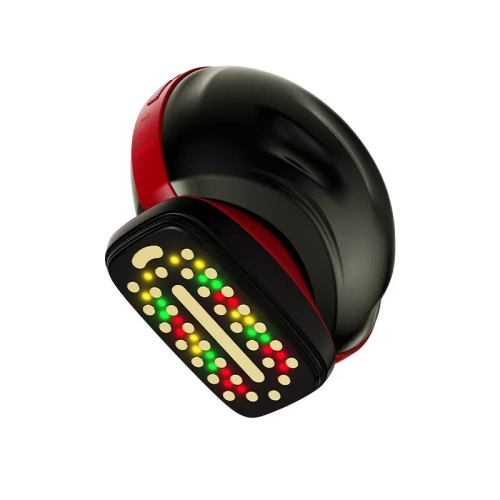
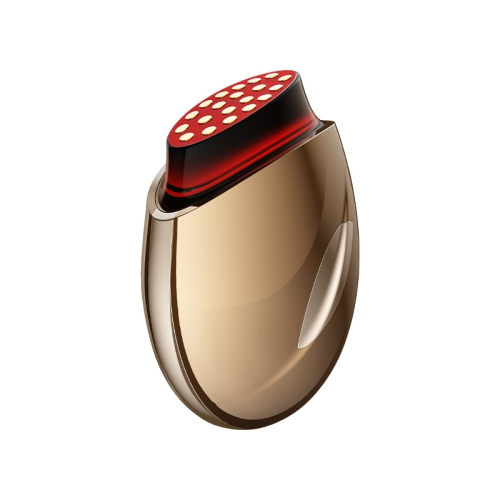
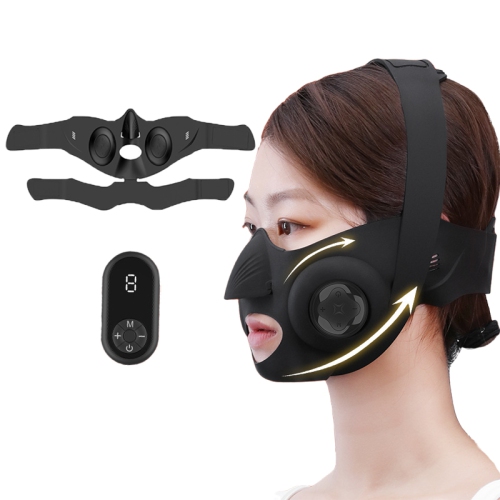
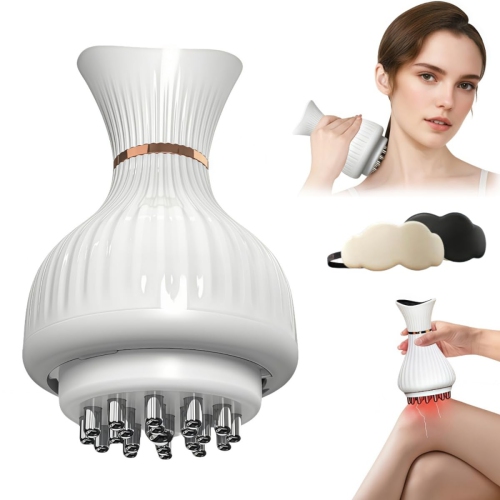
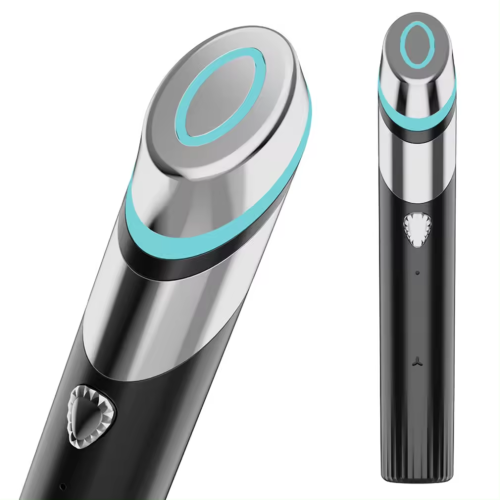
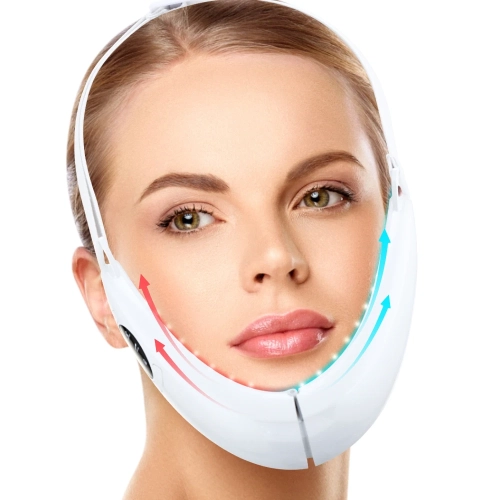
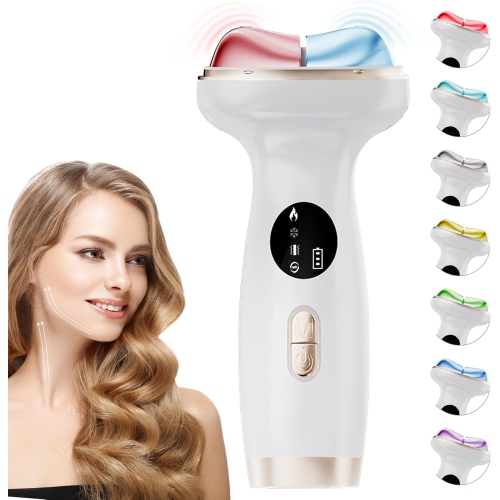
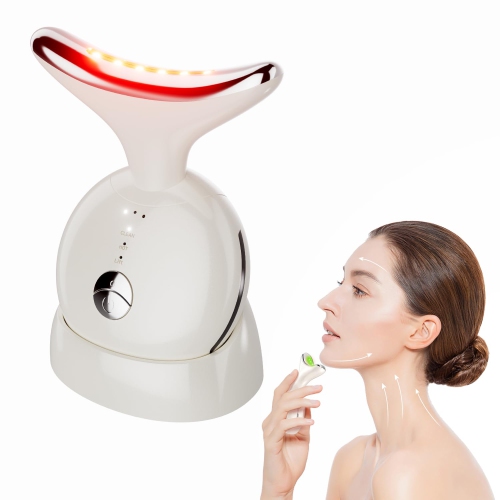
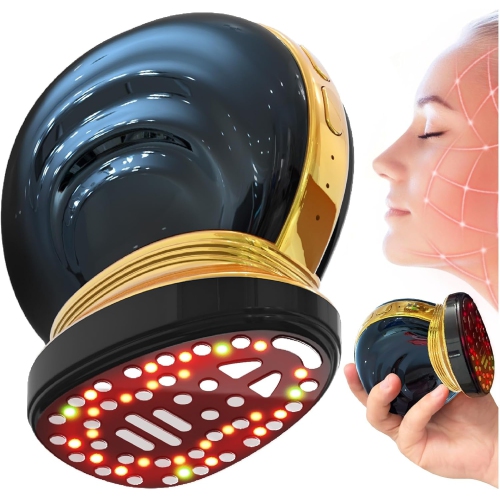


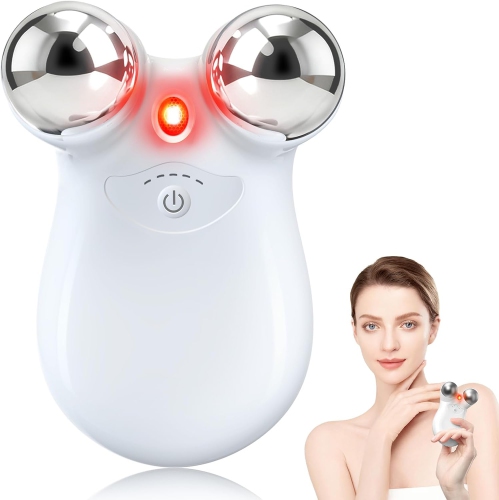
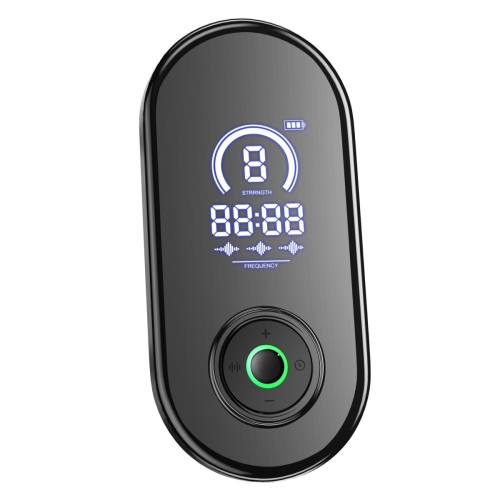
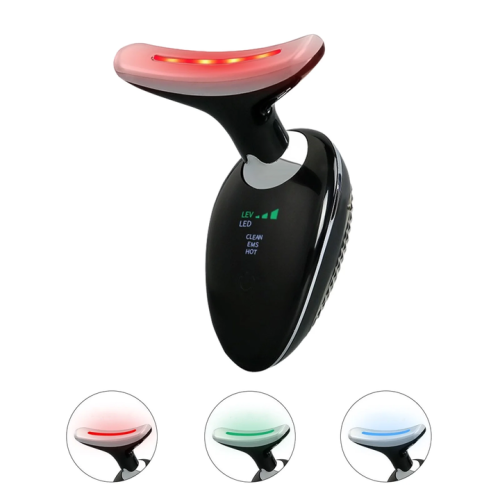
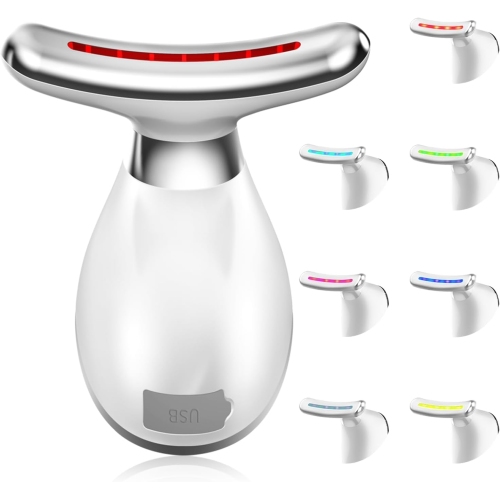
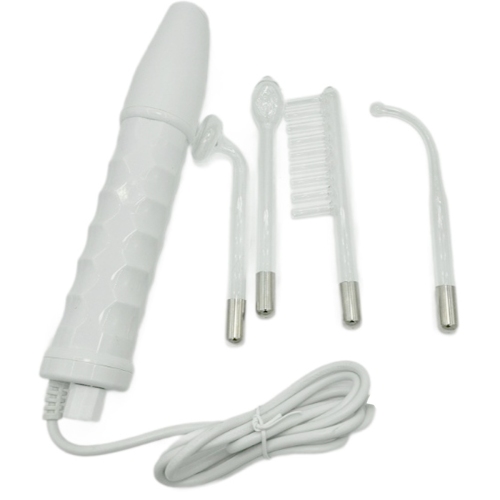
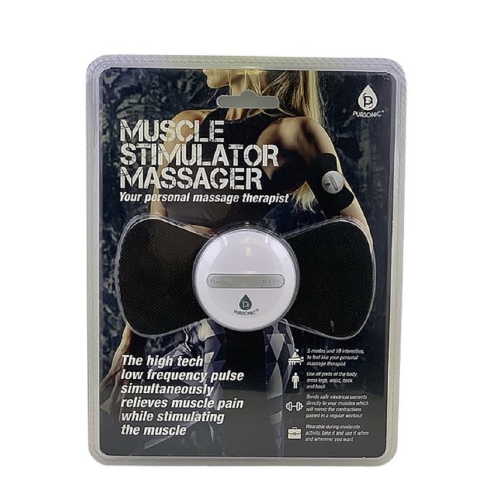
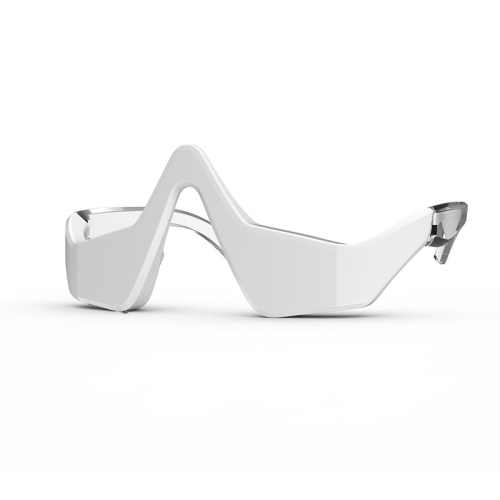
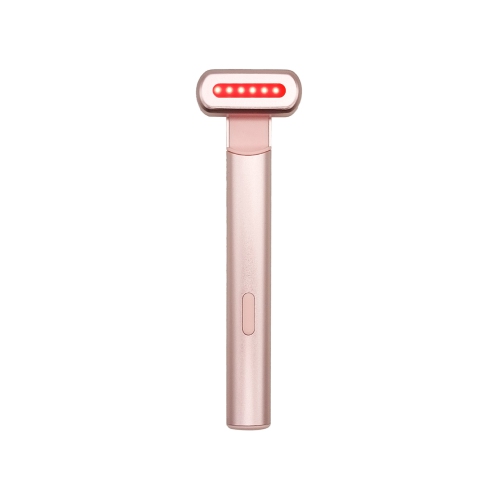
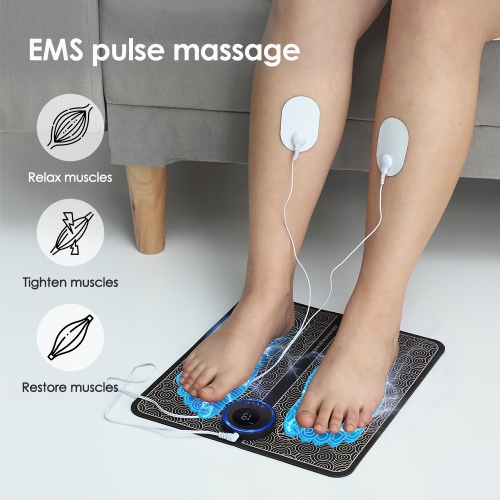
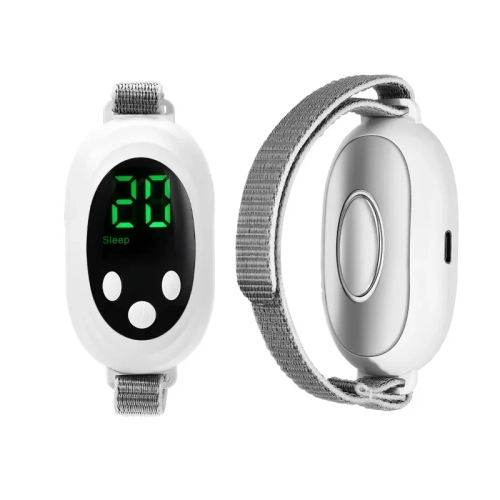
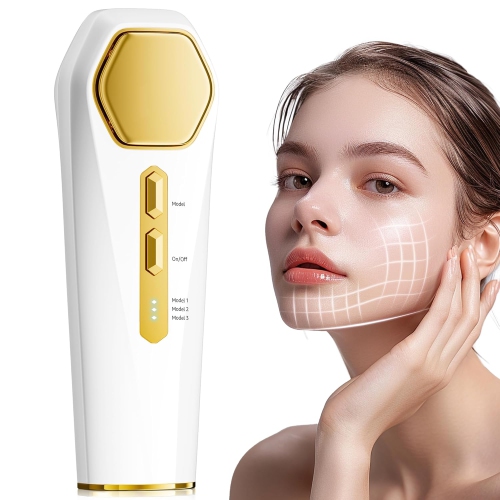
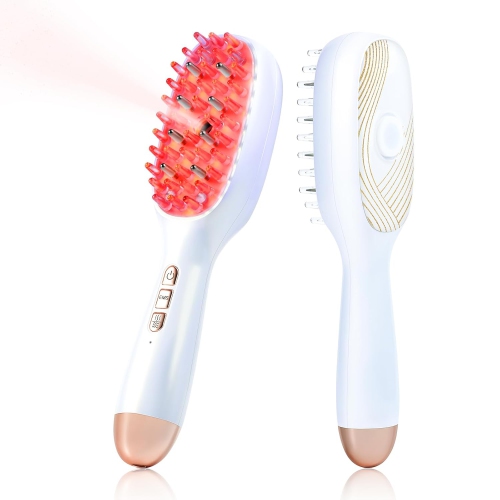
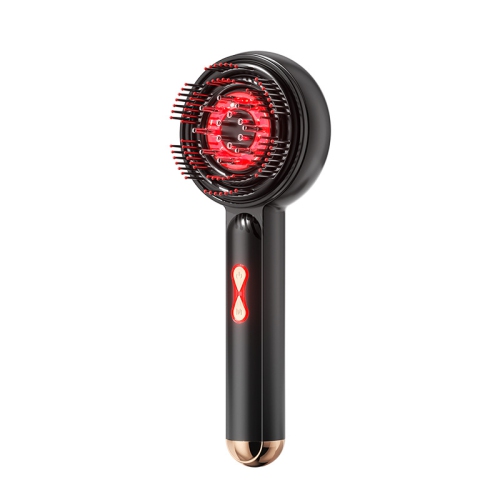
At-home facial toning with gentle, guided electrical pulses
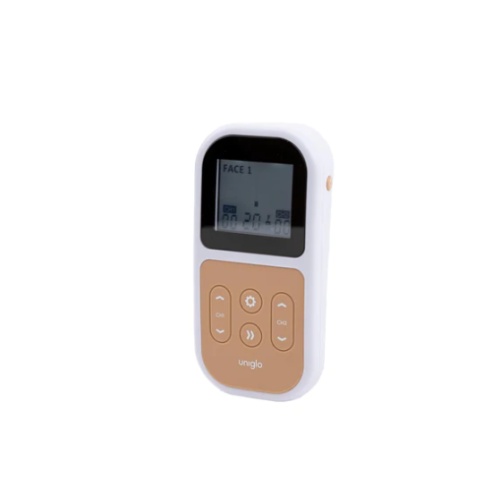
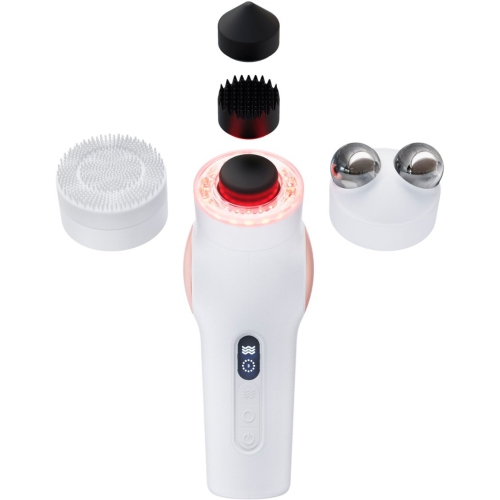
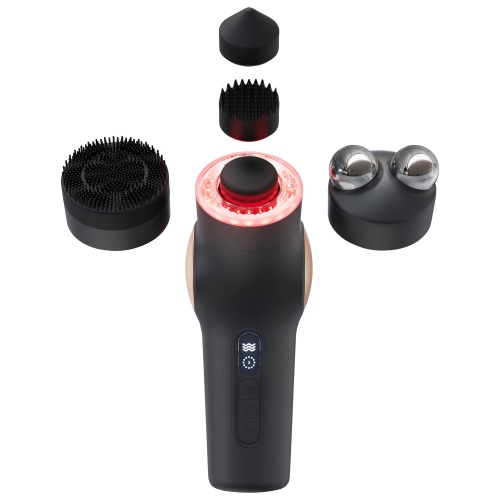
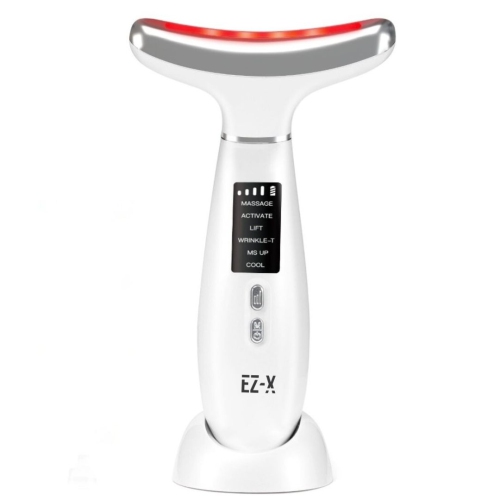
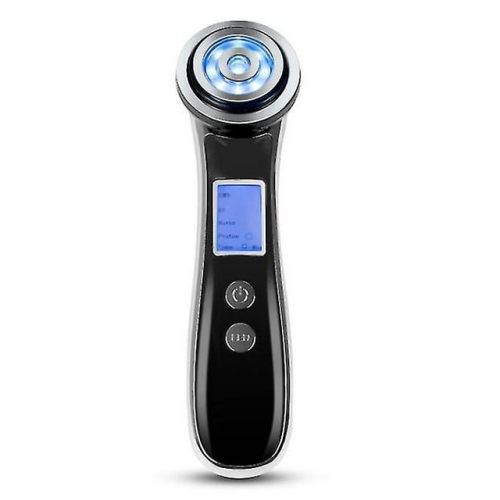
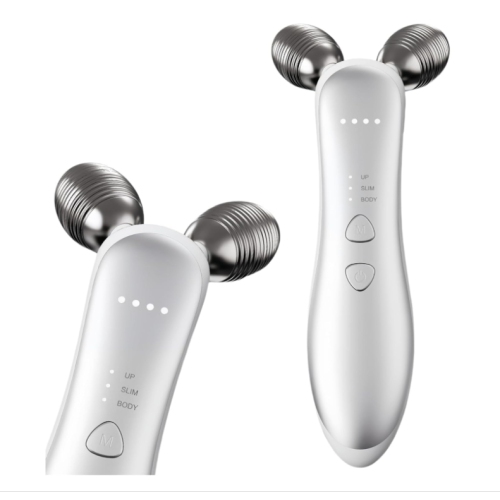
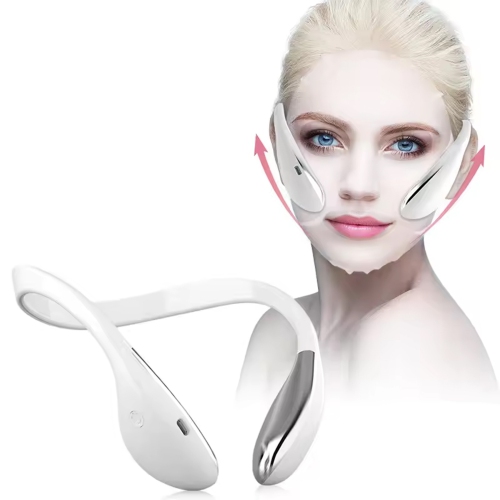
Microcurrent devices are handheld skincare tools designed to deliver gentle, low-voltage electrical pulses across the surface of the skin. They are commonly used as part of a facial-care routine to temporarily improve the look of lift, tone and definition, particularly around the jawline, cheeks, brow area and neck. Many people choose these devices when they want to complement their existing skincare habits with a convenient at-home treatment that takes only a few minutes. The sensation is typically mild and may feel like a light tingling or a subtle vibration, depending on the device and selected setting. Some models combine microcurrent with additional features such as warming, cooling, massage or sonic pulsations, while others focus on a straightforward current-based treatment. Adjustable intensity levels can be helpful for newcomers who prefer to begin gently and gradually find a comfortable setting. Ergonomic handles, rounded treatment heads and cordless designs may also make it easier to glide along facial contours without interrupting a morning or evening routine. For shoppers comparing microcurrent devices, consider the size and shape of the treatment area, charging method, control layout, included accessories and whether the device is intended for use on the face, neck or both. A compact design can be convenient for travel or a bathroom drawer, while a model with a longer battery life may suit someone who follows a regular treatment schedule. App connectivity may appeal to users who enjoy guided routines, reminders and progress tracking, whereas simple button controls can be preferable for anyone who wants a more traditional, screen-free experience. If you are exploring other options for personal comfort and at-home care, a Therapy Device may offer a different set of features and uses.
For the best experience, microcurrent devices are generally used with a conductive gel, serum or other product specifically recommended for this type of treatment. The conductive layer helps the device glide smoothly and allows the current to pass comfortably across the skin; using the tool on dry skin can make it feel less effective and may lead to pinching, stinging or uncomfortable tugging. Start with clean, dry skin, apply an even layer of the recommended conductive product and select the lowest comfortable intensity. Move the device slowly in upward and outward strokes, following the natural contours of the face rather than pressing hard or dragging the skin. A typical routine may include gentle passes along the jawline, from the centre of the chin towards the ears, followed by the cheeks and brow area. Avoid the front and centre of the neck unless the instructions specifically state that the area is suitable, and keep the treatment heads away from the eyelids, lips, broken skin, irritated areas and active blemishes. Microcurrent routines are usually intended to be consistent rather than rushed. Some users begin with treatments three to five times per week, then move to a maintenance schedule based on the device instructions and their own skin needs. Results can vary, and any visible lift or toning effect is generally temporary, making regular use important for people who enjoy incorporating the device into their routine. Taking a few extra moments to clean the treatment heads after each use, recharge the device as needed and store it away from moisture can help keep the experience pleasant and the tool ready for the next session. During cooler months, when indoor heating and dry air can leave skin feeling tight, pairing the device with an appropriate hydrating routine may make facial massage feel especially comfortable, but a microcurrent tool should not be used as a substitute for moisturization, sun protection or professional skincare advice.
Microcurrent devices can suit adults who enjoy structured self-care, want to explore facial massage at home or prefer a small beauty tool that can fit into an established skincare routine. They may also be thoughtful gifts for someone who appreciates personal-care technology, keeps a regular grooming routine or enjoys trying new ways to relax before a busy day. A model with adjustable intensity and clear instructions can be a practical choice for a first-time user, while an app-guided option or a device with interchangeable attachments may appeal to someone who likes more customization. Before purchasing or using one, read the manufacturer’s directions carefully and check whether the device is appropriate for your intended treatment area. People who are pregnant, have a pacemaker or another implanted electronic device, have epilepsy, or have open wounds, active infections or significant irritation in the treatment area should avoid microcurrent devices unless a qualified healthcare professional confirms that use is appropriate. The same caution applies to anyone with a medical condition, recent facial procedure, implanted metal in the treatment area or uncertainty about electrical skincare tools. Stop using the device if you experience persistent pain, burning, unusual swelling or marked irritation, and seek professional advice when needed. With suitable precautions, a conductive product and a steady, gentle technique, microcurrent devices can provide a convenient way to add a technology-focused step to a personal skincare routine, whether that routine happens at a vanity, after a shower or while preparing for a special occasion.
For the best experience, microcurrent devices are generally used with a conductive gel, serum or other product specifically recommended for this type of treatment. The conductive layer helps the device glide smoothly and allows the current to pass comfortably across the skin; using the tool on dry skin can make it feel less effective and may lead to pinching, stinging or uncomfortable tugging. Start with clean, dry skin, apply an even layer of the recommended conductive product and select the lowest comfortable intensity. Move the device slowly in upward and outward strokes, following the natural contours of the face rather than pressing hard or dragging the skin. A typical routine may include gentle passes along the jawline, from the centre of the chin towards the ears, followed by the cheeks and brow area. Avoid the front and centre of the neck unless the instructions specifically state that the area is suitable, and keep the treatment heads away from the eyelids, lips, broken skin, irritated areas and active blemishes. Microcurrent routines are usually intended to be consistent rather than rushed. Some users begin with treatments three to five times per week, then move to a maintenance schedule based on the device instructions and their own skin needs. Results can vary, and any visible lift or toning effect is generally temporary, making regular use important for people who enjoy incorporating the device into their routine. Taking a few extra moments to clean the treatment heads after each use, recharge the device as needed and store it away from moisture can help keep the experience pleasant and the tool ready for the next session. During cooler months, when indoor heating and dry air can leave skin feeling tight, pairing the device with an appropriate hydrating routine may make facial massage feel especially comfortable, but a microcurrent tool should not be used as a substitute for moisturization, sun protection or professional skincare advice.
Microcurrent devices can suit adults who enjoy structured self-care, want to explore facial massage at home or prefer a small beauty tool that can fit into an established skincare routine. They may also be thoughtful gifts for someone who appreciates personal-care technology, keeps a regular grooming routine or enjoys trying new ways to relax before a busy day. A model with adjustable intensity and clear instructions can be a practical choice for a first-time user, while an app-guided option or a device with interchangeable attachments may appeal to someone who likes more customization. Before purchasing or using one, read the manufacturer’s directions carefully and check whether the device is appropriate for your intended treatment area. People who are pregnant, have a pacemaker or another implanted electronic device, have epilepsy, or have open wounds, active infections or significant irritation in the treatment area should avoid microcurrent devices unless a qualified healthcare professional confirms that use is appropriate. The same caution applies to anyone with a medical condition, recent facial procedure, implanted metal in the treatment area or uncertainty about electrical skincare tools. Stop using the device if you experience persistent pain, burning, unusual swelling or marked irritation, and seek professional advice when needed. With suitable precautions, a conductive product and a steady, gentle technique, microcurrent devices can provide a convenient way to add a technology-focused step to a personal skincare routine, whether that routine happens at a vanity, after a shower or while preparing for a special occasion.
Top selling and popular products
-
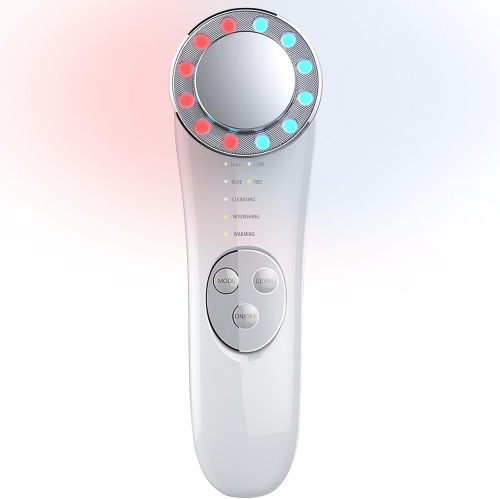 Your price for this item is $55.99
 -
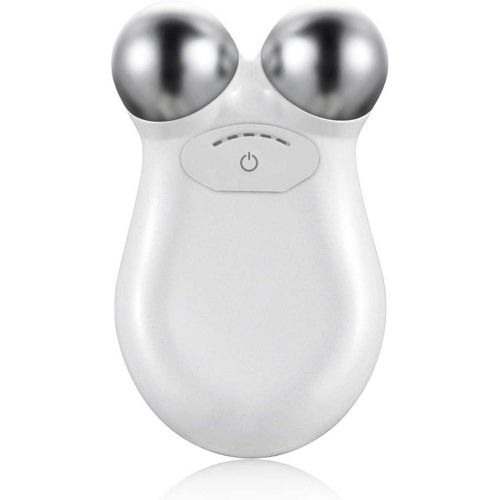 Your price for this item is $29.31
 -
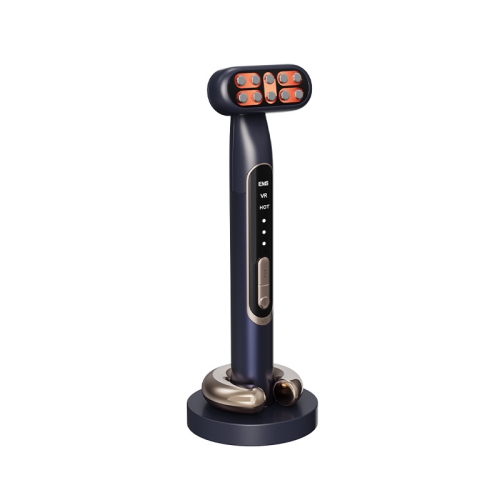 Your price for this item is $59.99
 -
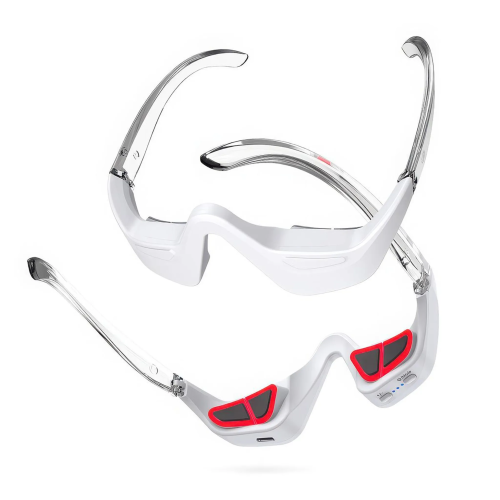 Your price for this item is $38.64
 -
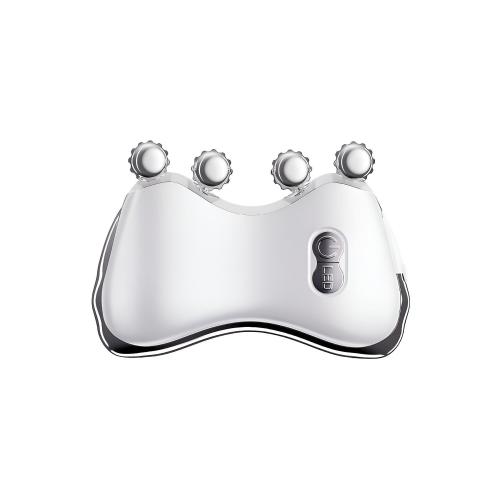 Your price for this item is $46.22
 -
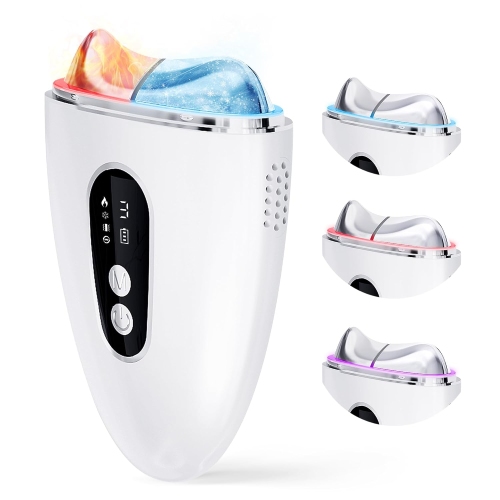 Your price for this item is $67.99
 -
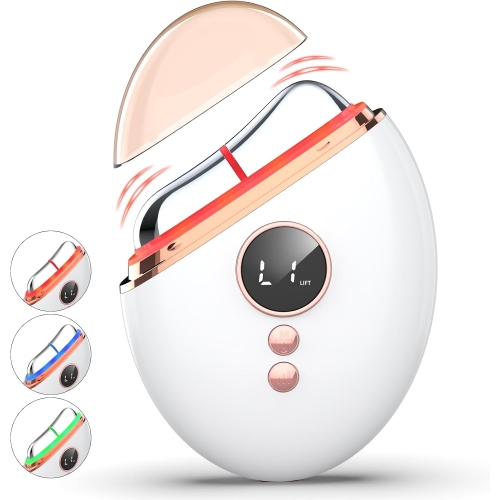 Your price for this item is $49.99
 -
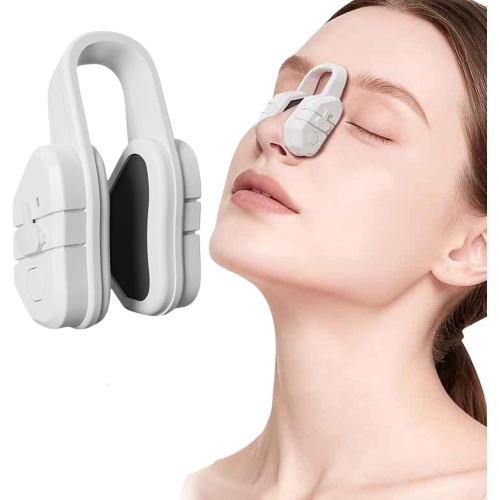 Your price for this item is $56.99
Discover more categories related to Microcurrent Devices
Top Collections:
Pokemon Centers, Kindle Devices, Best Budget Office Chairs, Apple iPhones 16, Canon G7X Cameras, iPhone 15 Apple, Alarm Clock, Refurbished Apple Laptops, Flip Phones, Best Laptops for Writers
Some products may be subject to Environmental Handling Fees
(EHF) depending on your province.
Learn more about EHFs.