Ergonomic Seat Cushions
Enhance your sitting experience with our selection of ergonomic seat cushions designed to provide ultimate comfort and support. Whether you're working from home, studying, or simply looking to upgrade your seating comfort, these cushions are the perfect solution. Say goodbye to discomfort and hello to better posture with our range of ergonomically designed seat cushions that cater to various needs and preferences. Discover a more comfortable way to sit for extended periods with our diverse collection of ergonomic seat cushions.
Sort

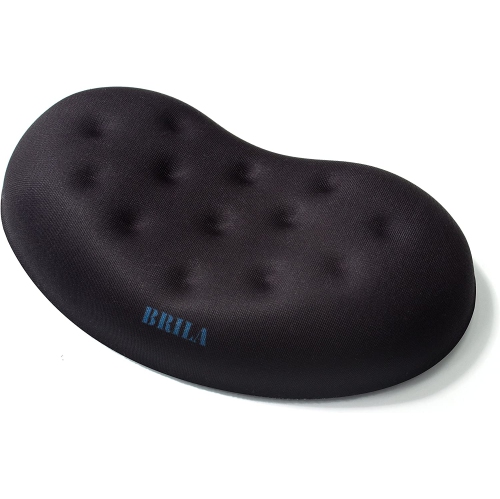
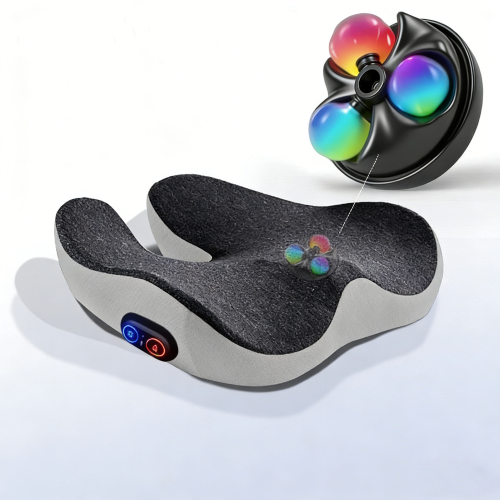
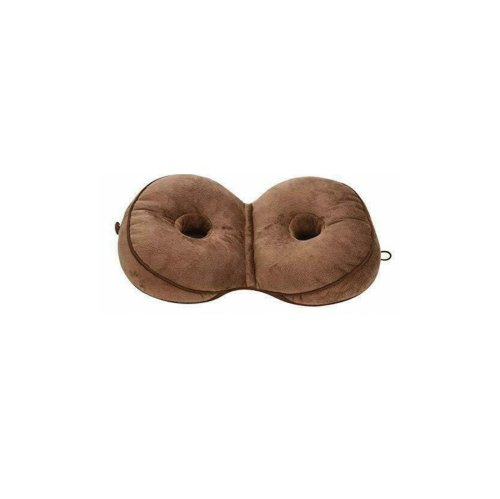

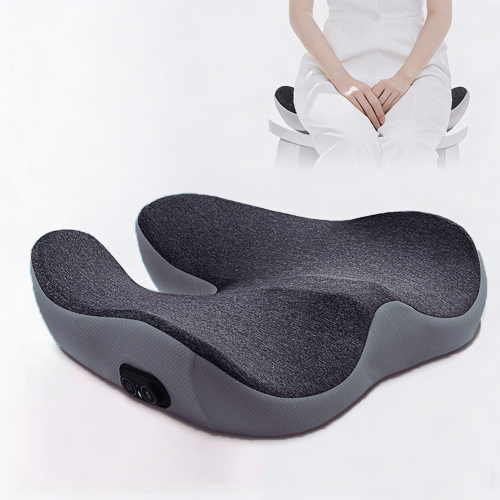
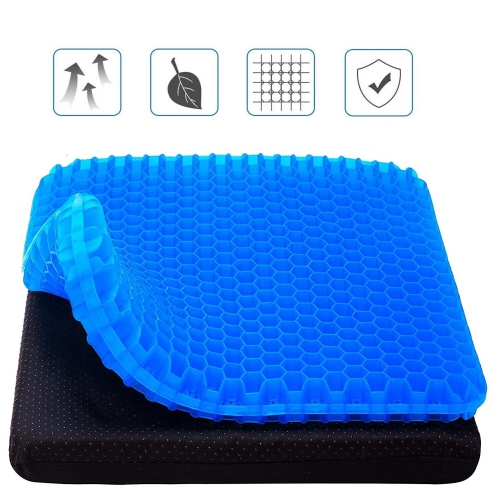
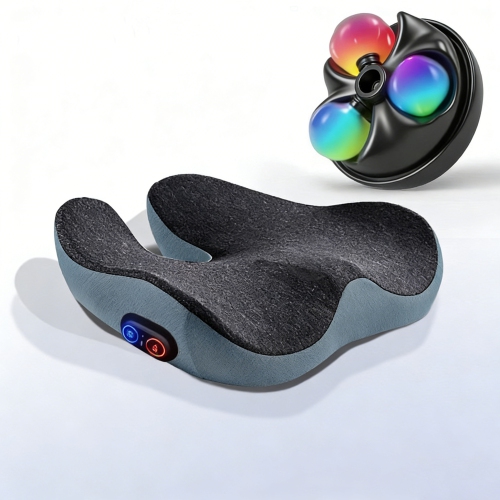
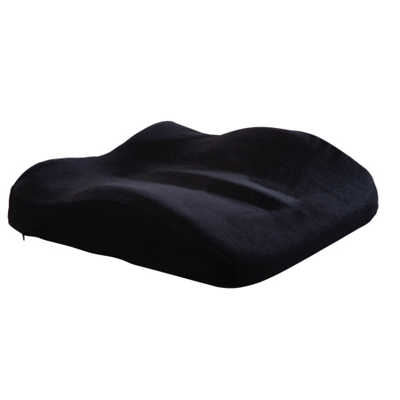
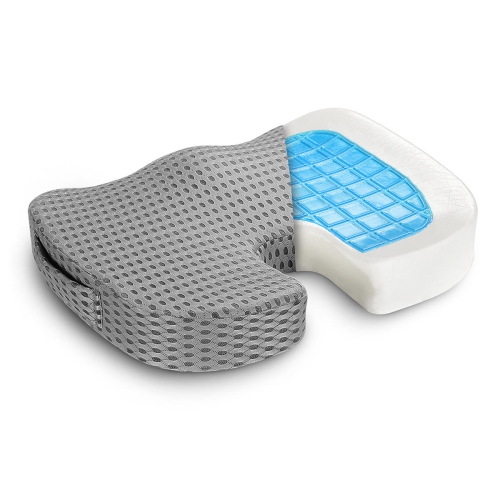
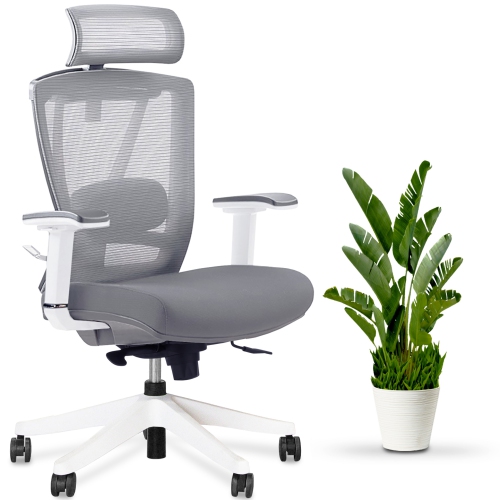
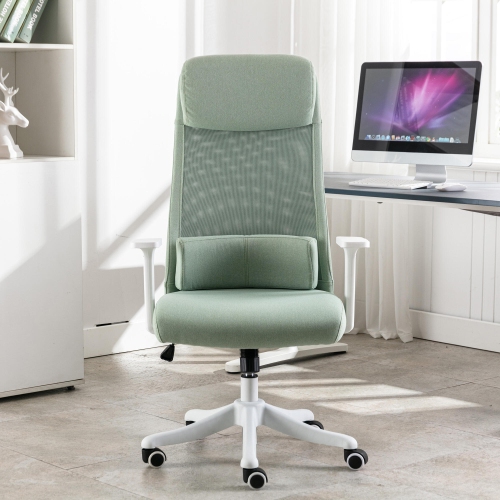
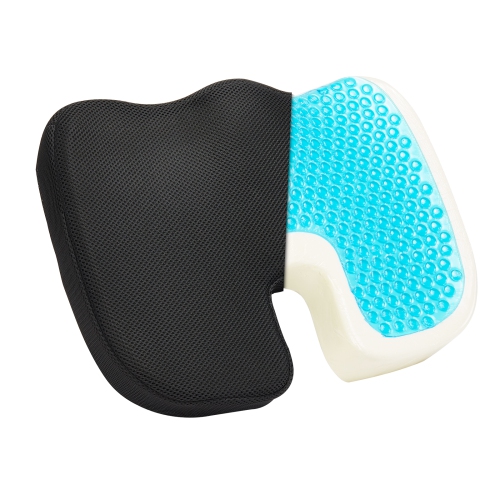
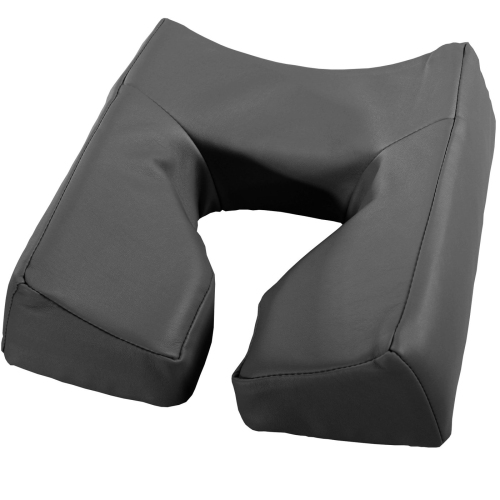

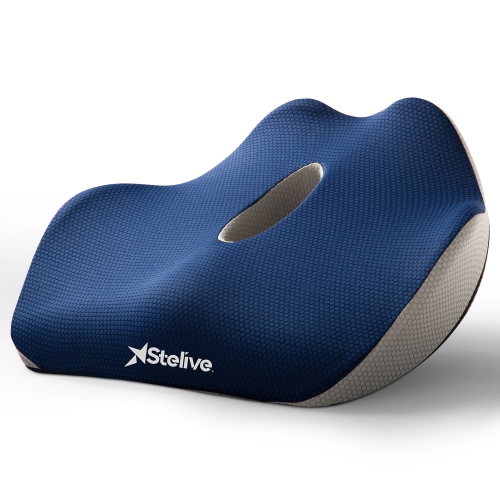
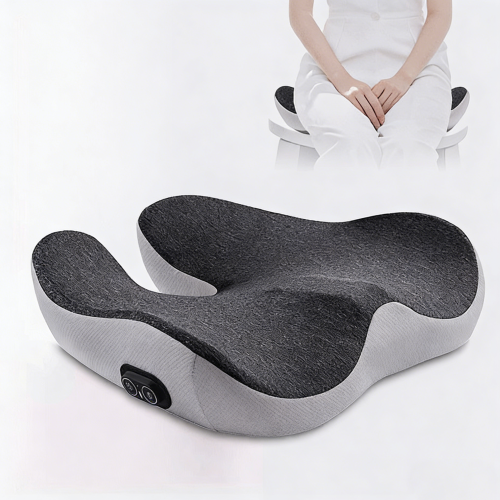
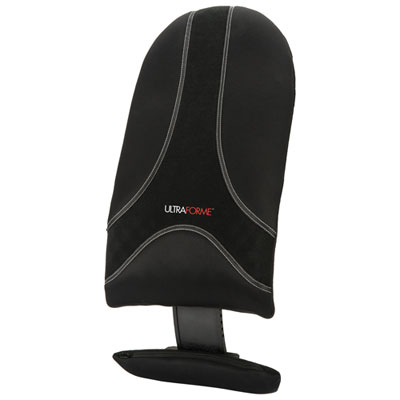
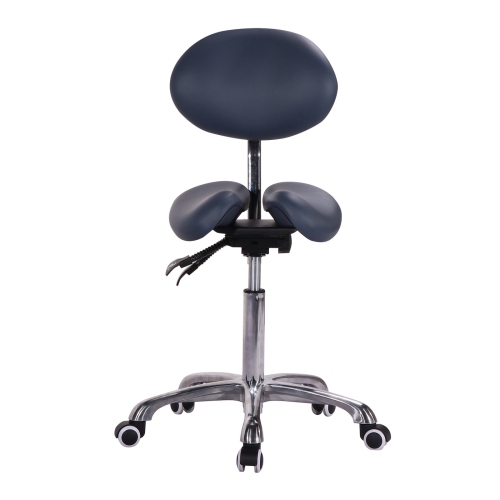



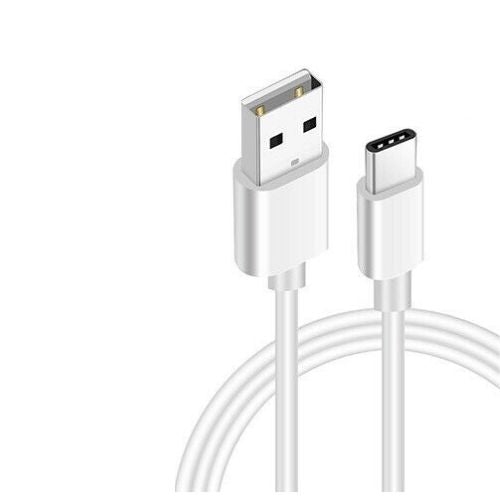
Supportive seating comfort for workdays, travel, and study sessions
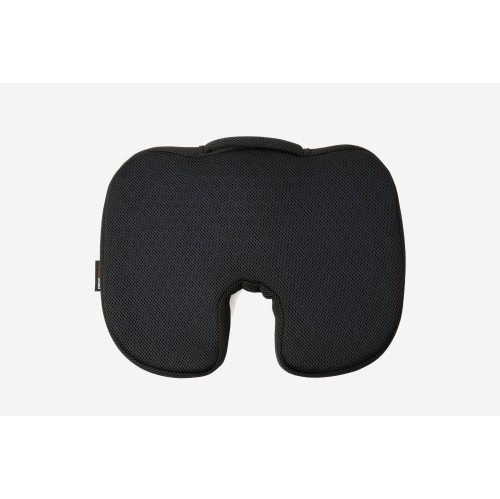
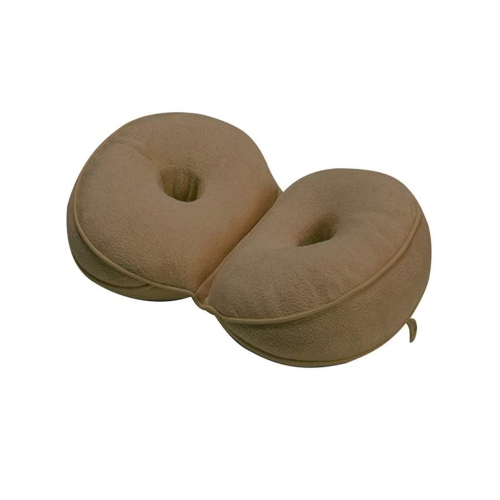
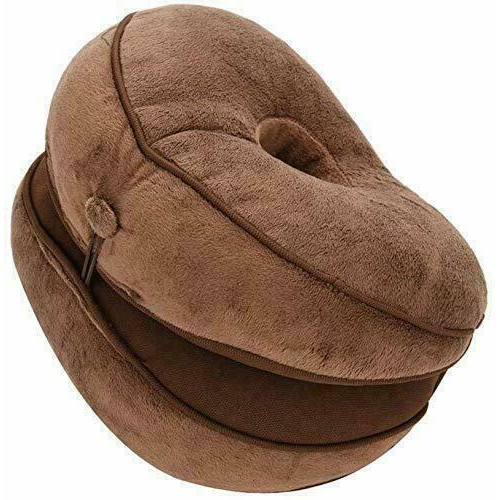
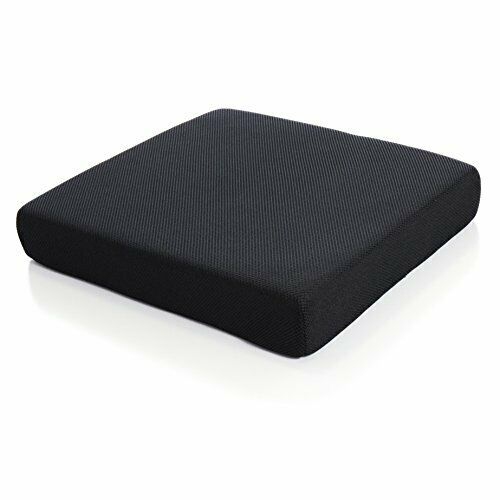
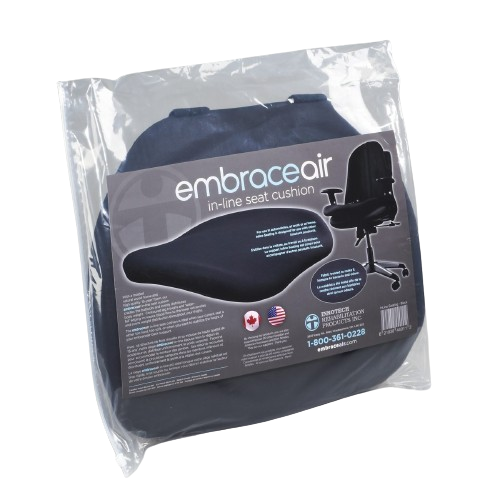
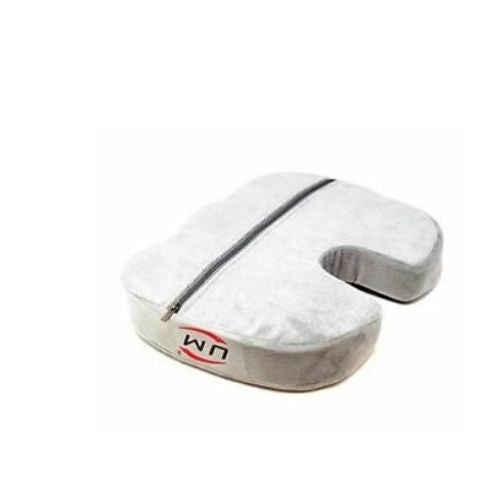
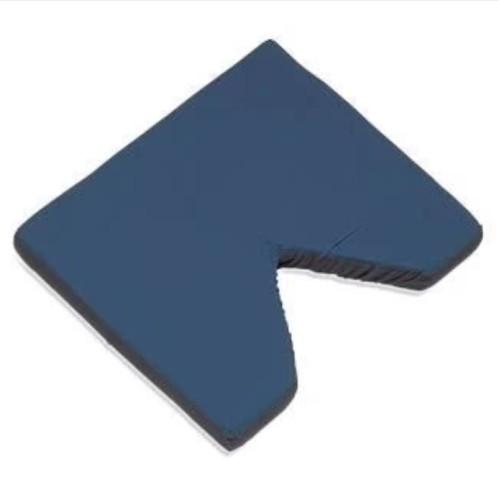
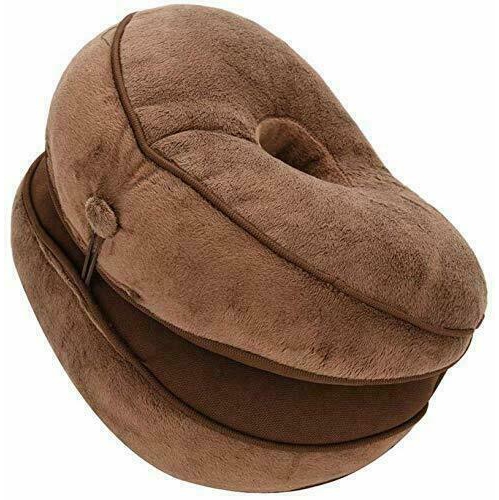
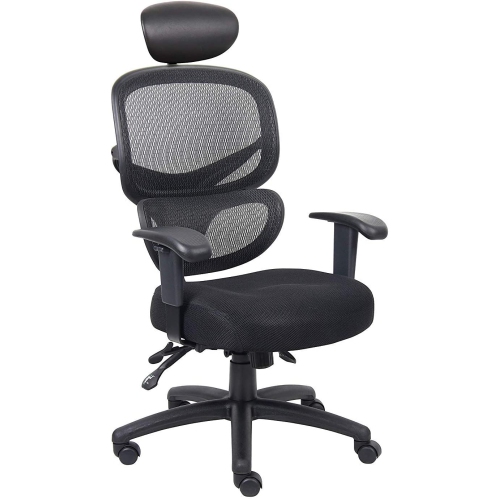
Ergonomic seat cushions are designed to make everyday sitting more comfortable by helping distribute body weight across a broader area instead of concentrating pressure beneath the tailbone, hips, or upper thighs. They can be useful on an office chair, dining chair, desk chair, wheelchair, bleacher seat, or another firm surface where a long sitting session leaves you shifting from side to side. Many have a contoured shape that supports a more balanced pelvic position, while a U-shaped or coccyx cutout leaves space beneath the tailbone to reduce direct contact with the seat. This can be especially helpful for people who experience discomfort after working at a desk, driving, studying, sewing, gaming, or travelling. A cushion does not replace a properly adjusted ergonomic chair or medical advice, but it can be a practical way to improve the feel of an existing seat. Think of the difference between a hard chair and one with a supportive, resilient layer beneath you: instead of noticing every edge and pressure point, you can settle into your work with fewer distractions. Memory foam is a popular choice because it moulds gradually to the shape of the body and helps spread pressure evenly. High-density foam generally provides a firmer, more stable foundation and is less likely to compress completely under body weight, while softer foam may feel immediately plush but offer less support over extended use. Gel layers or gel grids can add a responsive feel and may promote airflow, which some people prefer when sitting for long periods. Hybrid designs combine foam stability with gel cushioning for a balance of contouring, support, and impact absorption. The best material depends on personal comfort, body shape, preferred firmness, and the type of seat being used.
When comparing ergonomic seat cushions, begin with the shape and dimensions rather than choosing based on softness alone. A wedge or sloped front may help encourage the thighs to sit at a comfortable angle, while a contoured base can help keep the cushion centred beneath the hips. Measure the chair or seat where the cushion will be used, checking both the width and the depth so it does not overhang or interfere with the chair back. Thickness is another important consideration. Cushions are often around 3 to 4 inches thick, but adding that height can change the relationship between your knees, desk, armrests, and keyboard. If a desk chair becomes too high, your feet may no longer rest flat on the floor, which can create pressure beneath the thighs. A footrest or a height adjustment may help maintain a comfortable position. Look for a non-slip underside or a cover that grips the chair, particularly if the cushion will be used on smooth leather, vinyl, or hard plastic. A carrying handle can make it easier to move between a home office, workplace, vehicle, and kitchen table. Removable, machine-washable covers are useful for regular upkeep, especially when the cushion is used during meals, on shared seating, or on the road. Breathable outer fabrics and ventilated gel constructions may feel more comfortable during warmer conditions, while dense foam can provide a cosier feel during cooler months. For vehicle use, confirm that the cushion does not interfere with seat belts, pedals, visibility, or the safe operation of the seat. For families, Car Seat Cushions are a separate category intended for appropriate vehicle seating applications, so it is important to choose a cushion that matches the intended user and seat.
Ergonomic seat cushions can suit a wide range of routines and can also be a thoughtful gift for someone who spends much of the day seated. A remote worker may use one to make a dining chair more comfortable when creating a temporary workspace, while a student can place one on a library chair during a long study session. Drivers, commuters, travellers, and people who attend sporting events may appreciate a lightweight cushion that can move easily from one seat to another. It can also be useful for someone returning to everyday activities after a period of soreness, although persistent or severe discomfort should be discussed with a qualified health professional. When giving one as a gift, consider the recipient’s usual seating habits, whether they prefer a firm or plush feel, and how often they carry items between locations. A compact design may be best for public transport or travel, while a wider cushion may feel more supportive on a desk chair. At home, placing a cushion on a hard dining chair can make a leisurely meal, card game, or conversation more inviting; in a home office, the right contour can encourage a more stable sitting position while leaving room to adjust the chair height. Proper setup still matters: sit with your hips supported, keep both feet grounded when possible, and position your screen and work surface so you are not leaning forward for hours. Stand, stretch, and change positions regularly rather than expecting a cushion to solve every source of discomfort. With the right size, shape, material, and cover, an ergonomic seat cushion can be a simple addition that brings more comfort to workdays, journeys, study sessions, and quiet moments during the cooler months.
When comparing ergonomic seat cushions, begin with the shape and dimensions rather than choosing based on softness alone. A wedge or sloped front may help encourage the thighs to sit at a comfortable angle, while a contoured base can help keep the cushion centred beneath the hips. Measure the chair or seat where the cushion will be used, checking both the width and the depth so it does not overhang or interfere with the chair back. Thickness is another important consideration. Cushions are often around 3 to 4 inches thick, but adding that height can change the relationship between your knees, desk, armrests, and keyboard. If a desk chair becomes too high, your feet may no longer rest flat on the floor, which can create pressure beneath the thighs. A footrest or a height adjustment may help maintain a comfortable position. Look for a non-slip underside or a cover that grips the chair, particularly if the cushion will be used on smooth leather, vinyl, or hard plastic. A carrying handle can make it easier to move between a home office, workplace, vehicle, and kitchen table. Removable, machine-washable covers are useful for regular upkeep, especially when the cushion is used during meals, on shared seating, or on the road. Breathable outer fabrics and ventilated gel constructions may feel more comfortable during warmer conditions, while dense foam can provide a cosier feel during cooler months. For vehicle use, confirm that the cushion does not interfere with seat belts, pedals, visibility, or the safe operation of the seat. For families, Car Seat Cushions are a separate category intended for appropriate vehicle seating applications, so it is important to choose a cushion that matches the intended user and seat.
Ergonomic seat cushions can suit a wide range of routines and can also be a thoughtful gift for someone who spends much of the day seated. A remote worker may use one to make a dining chair more comfortable when creating a temporary workspace, while a student can place one on a library chair during a long study session. Drivers, commuters, travellers, and people who attend sporting events may appreciate a lightweight cushion that can move easily from one seat to another. It can also be useful for someone returning to everyday activities after a period of soreness, although persistent or severe discomfort should be discussed with a qualified health professional. When giving one as a gift, consider the recipient’s usual seating habits, whether they prefer a firm or plush feel, and how often they carry items between locations. A compact design may be best for public transport or travel, while a wider cushion may feel more supportive on a desk chair. At home, placing a cushion on a hard dining chair can make a leisurely meal, card game, or conversation more inviting; in a home office, the right contour can encourage a more stable sitting position while leaving room to adjust the chair height. Proper setup still matters: sit with your hips supported, keep both feet grounded when possible, and position your screen and work surface so you are not leaning forward for hours. Stand, stretch, and change positions regularly rather than expecting a cushion to solve every source of discomfort. With the right size, shape, material, and cover, an ergonomic seat cushion can be a simple addition that brings more comfort to workdays, journeys, study sessions, and quiet moments during the cooler months.
Top selling and popular products
-
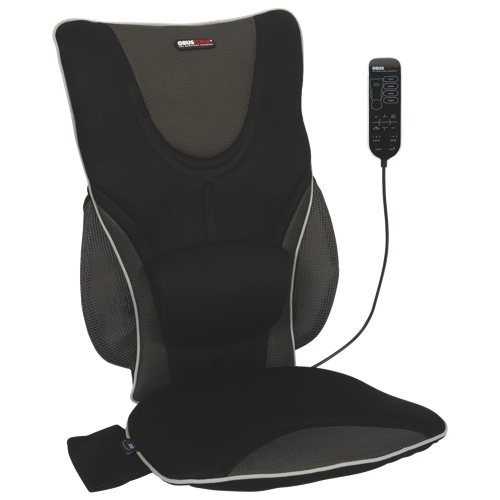 Your price for this item is $119.99
 -
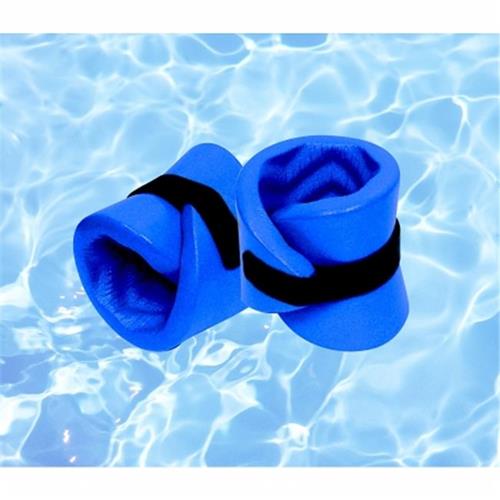 Your price for this item is $93.99
 -
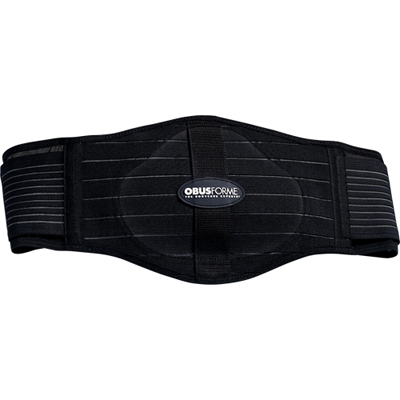 Your price for this item is $44.99
 -
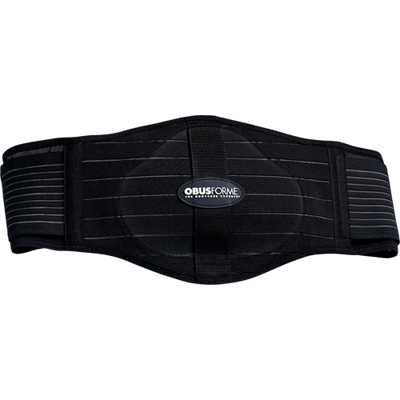 Your price for this item is $44.99
 -
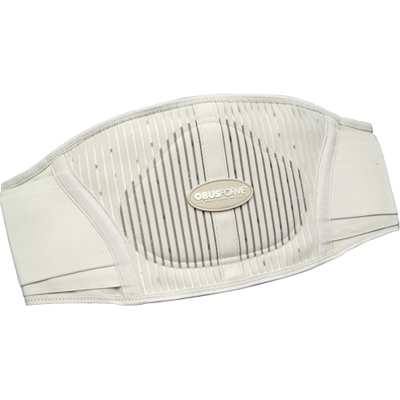 Your price for this item is $44.99
 -
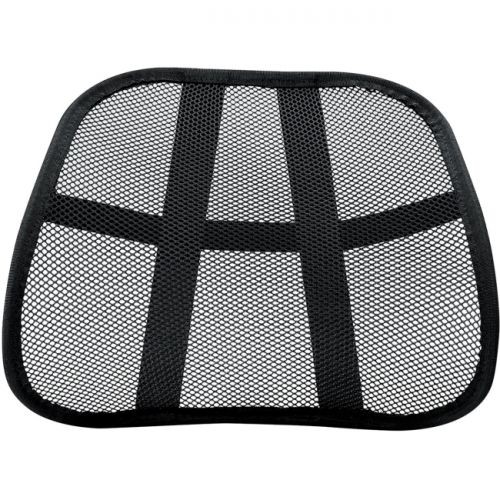 Your price for this item is $40.99
 -
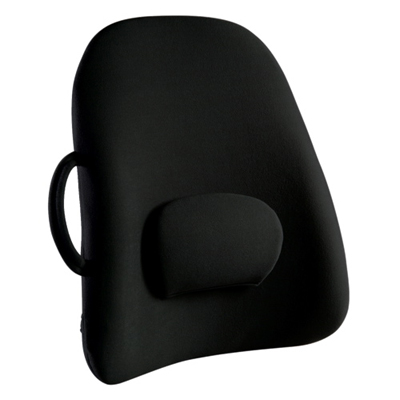 Your price for this item is $69.98
 -
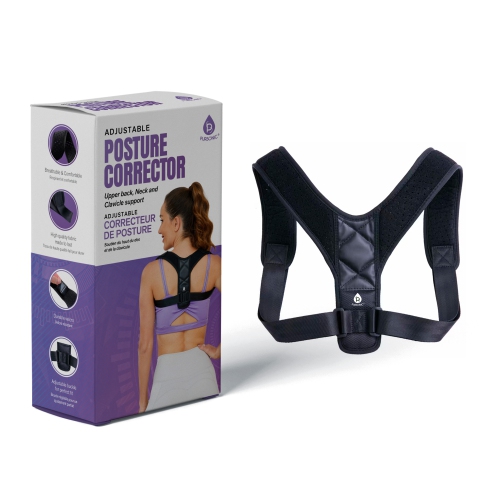 Your price for this item is $24.99
Discover more categories related to Ergonomic Seat Cushions
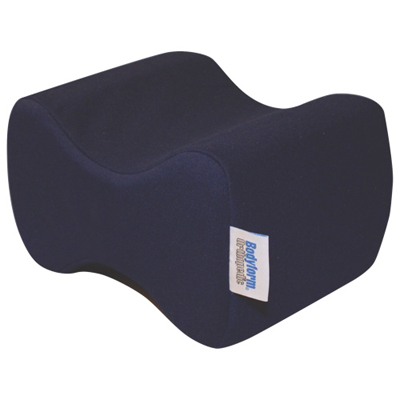
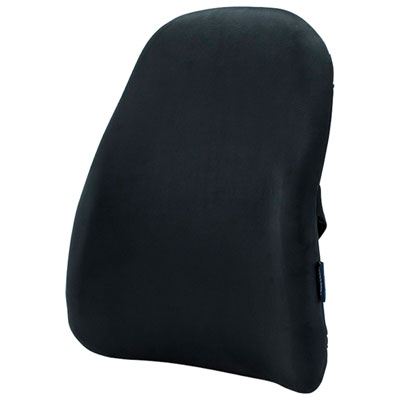
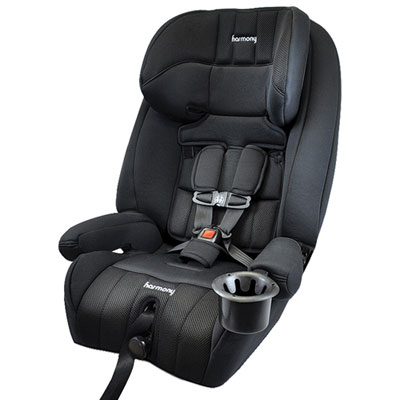
Top Collections:
Pokemon Centers, Budget 4K TVs, Kindle Devices, Canon G7X Cameras, Apple iPhones 16, iPhone 15 Apple, Laptops for Business Work, Flip Phones, Xiaomi Phones, Refurbished Apple Laptops
Some products may be subject to Environmental Handling Fees
(EHF) depending on your province.
Learn more about EHFs.