Orthopedic Seat Cushions
Improve your sitting experience with orthopedic seat cushions designed to provide comfort and support for extended periods. Whether you're working from home, driving long distances, or simply looking to alleviate back pain, these cushions are crafted to promote better posture and reduce pressure on your lower back and hips. Discover a range of options that cater to various needs, from memory foam to gel-infused designs, all aimed at enhancing your overall seating comfort.
Sort
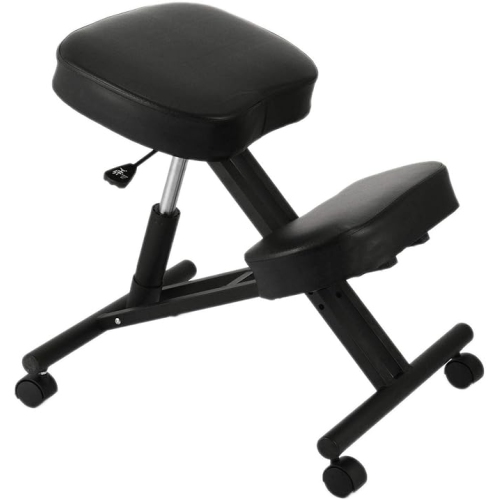
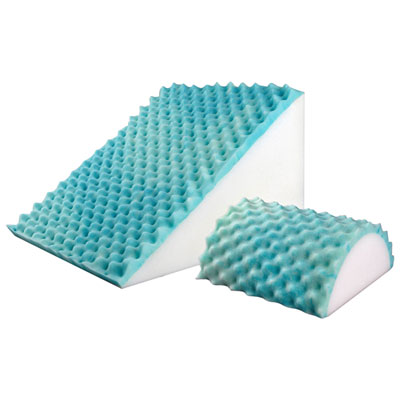


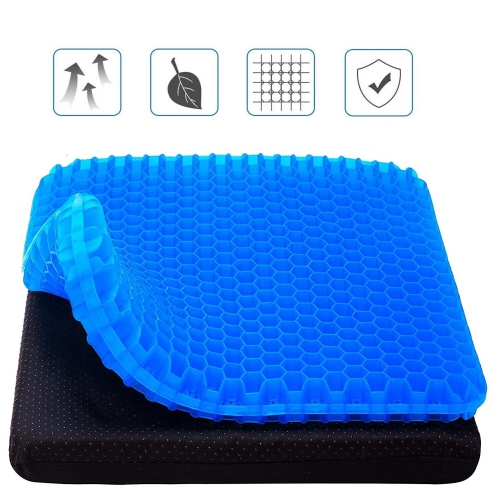
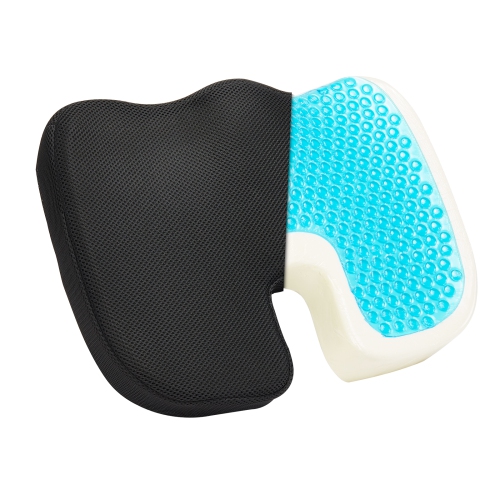
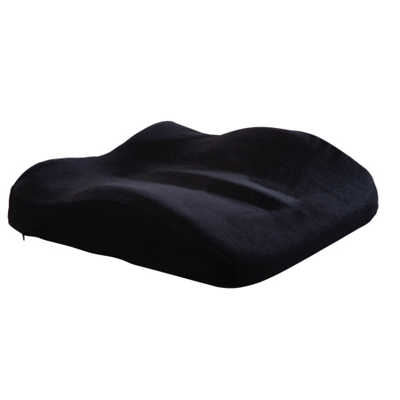
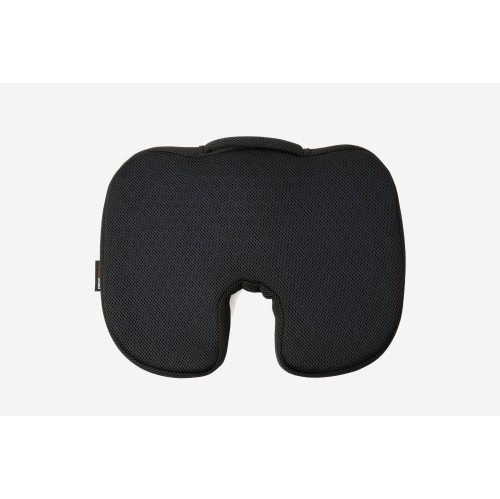
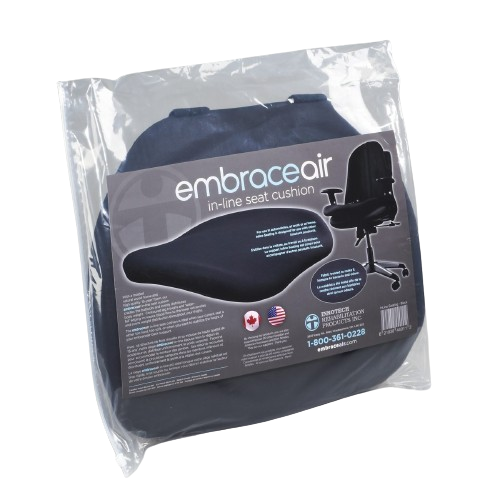
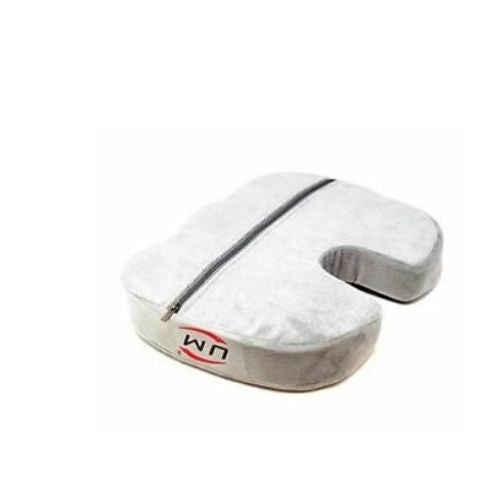
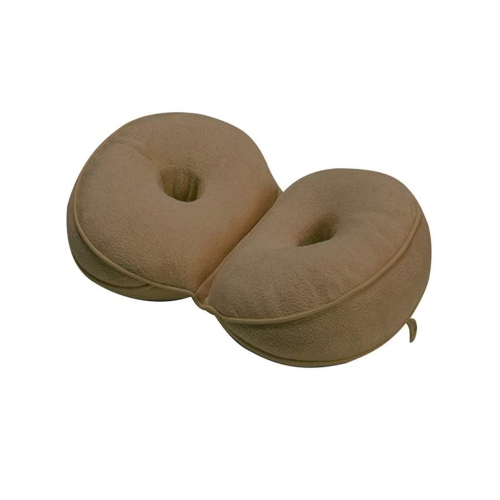
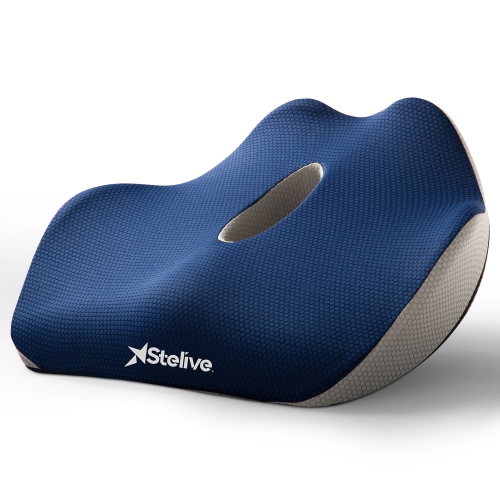
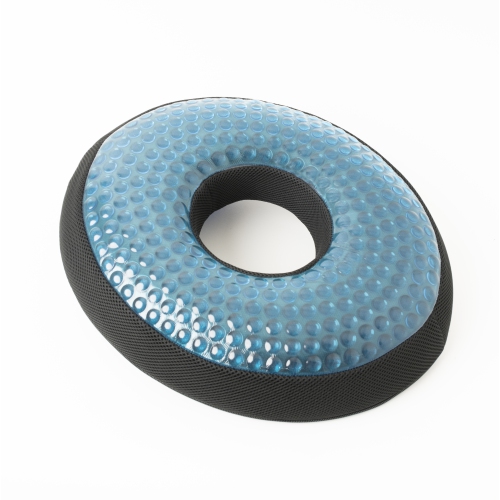
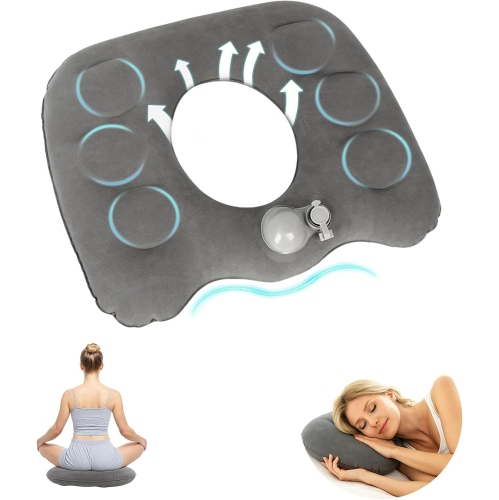
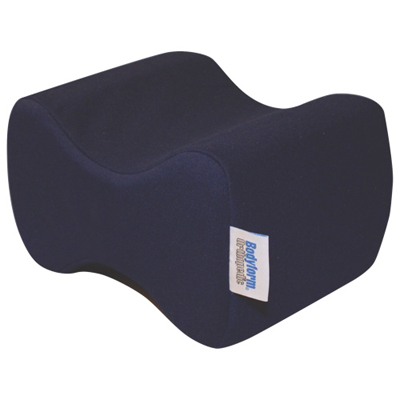
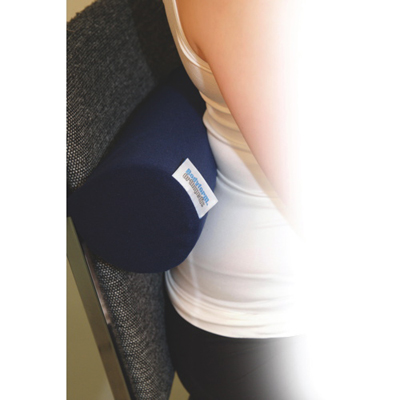
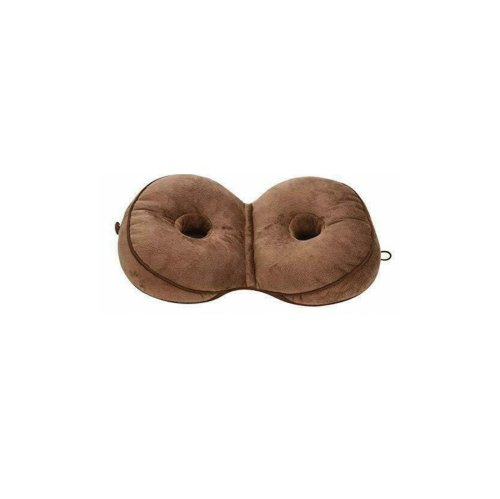
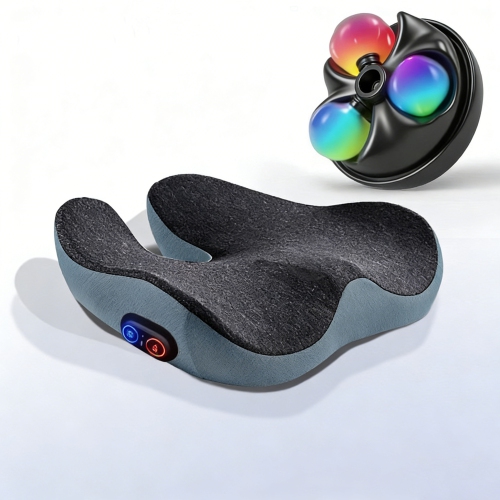
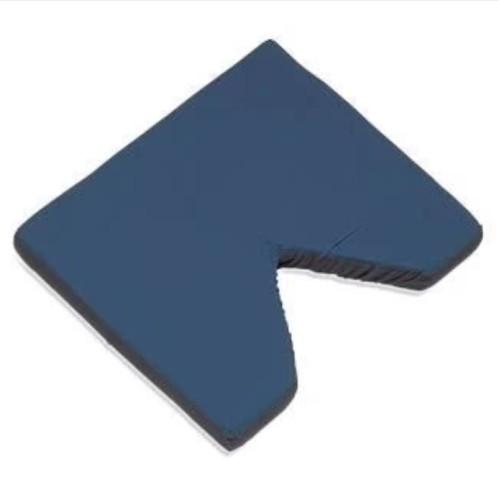
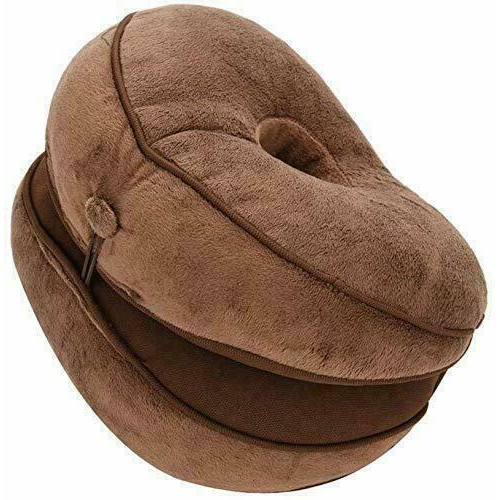
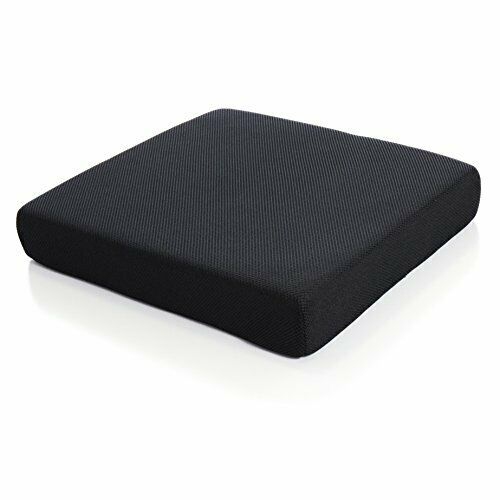
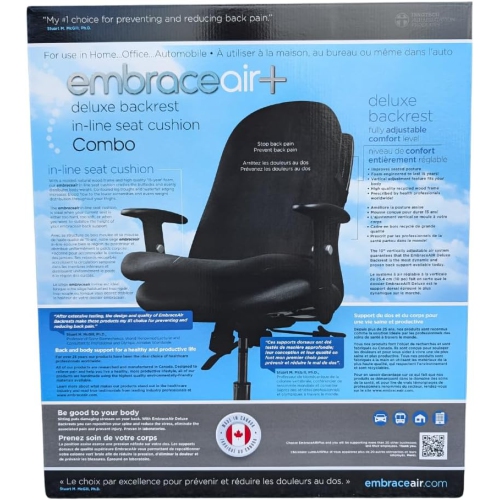
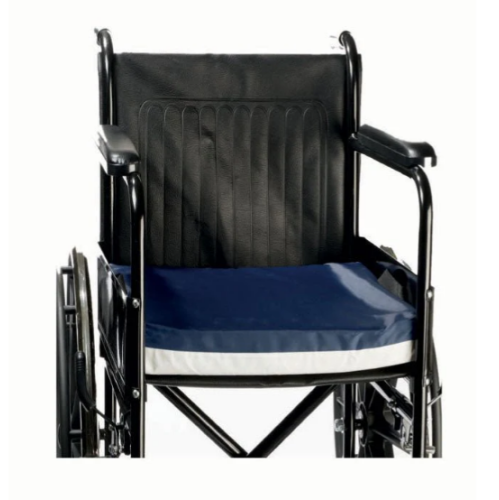
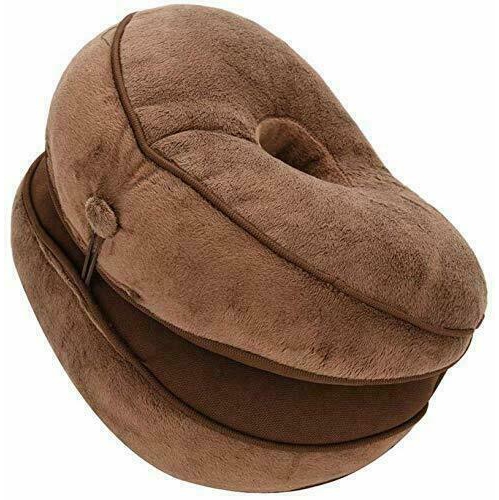


Supportive comfort for work, travel, and everyday sitting
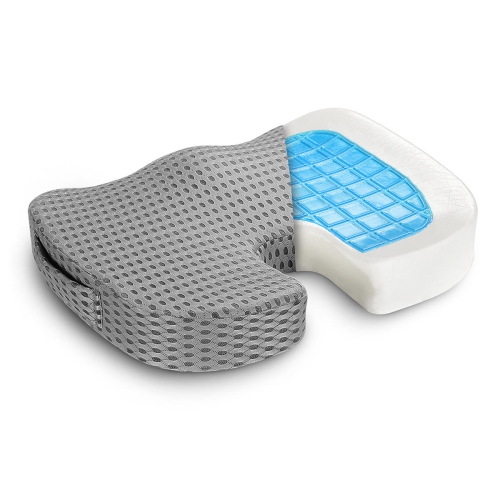
Orthopedic seat cushions are designed to make extended sitting more comfortable by helping distribute body weight across the hips and thighs while reducing concentrated pressure around the tailbone, coccyx, and lower back. They are commonly used on office chairs, dining chairs, wheelchairs, vehicle seats, bleachers, and other firm or minimally padded surfaces where sitting for long periods can lead to stiffness, numbness, or fatigue. Many cushions use high-density memory foam that gradually conforms to body heat and pressure, creating a supportive, shaped feel without sinking as quickly as softer foam. Others combine foam with a gel layer for a cooler, more resilient surface. A U-shaped or coccyx cutout at the rear is a popular feature because it leaves space beneath the tailbone, which may help reduce direct contact with the seat. Contoured designs can also encourage a more balanced sitting position by supporting the thighs and guiding the pelvis into a stable posture. These features can be useful for people who spend much of the day at a desk, drive for work, travel regularly, use a wheelchair, or simply find that a hard chair becomes uncomfortable after an hour or two. An orthopedic seat cushion may also be a thoughtful gift for someone setting up a home office, returning to a routine that involves more sitting, or looking for added comfort during commutes and long journeys. It is worth remembering that comfort is personal: a cushion that feels pleasantly firm to one person may feel too rigid to another, while a very soft cushion may not provide enough support for someone who prefers a stable seating surface. Consider the cushion’s dimensions in relation to the chair, including its width, depth, and overall height, and look for a shape that leaves enough room to sit naturally without pushing the knees too high. A cushion that is too large may overhang the chair or interfere with armrests, while one that is too small may not support the sitting bones evenly. Thickness also matters because adding several centimetres of height changes the relationship between the seat, desk, keyboard, steering wheel, and armrests. After placing a cushion on an office chair, check that the feet can rest comfortably on the floor, the elbows remain relaxed, and the screen is still at a suitable viewing height. In a vehicle, make sure the cushion does not interfere with safe seating, pedal access, seat belts, or the driver’s ability to maintain full control.
Portability is another practical consideration when comparing orthopedic seat cushions. A lightweight design with a built-in handle can move easily between a work chair and a dining chair, while a compact cushion may fit more conveniently on an airplane or in a travel bag. A non-slip base helps limit shifting on smooth upholstery, leather, or fabric, particularly when standing up and sitting down repeatedly. Removable covers are useful for everyday care, especially when the cushion is used during travel, at a shared workstation, or in a home with children and pets. Look for breathable mesh, soft fabric, or other materials that feel comfortable against clothing and allow air to circulate during longer periods of sitting. A washable cover can help keep the cushion feeling fresh, but care instructions vary, so check whether the cover should be machine washed, air dried, or handled another way. The best placement is usually toward the back of the seat, with the coccyx cutout aligned beneath the tailbone and the wider portion supporting the hips and thighs. Give the body time to adjust, particularly when switching from a flat chair to a contoured cushion; a short sitting session can be a sensible starting point before using it throughout a workday or long trip. If the cushion causes increased discomfort, tingling, numbness, or an awkward change in posture, stop using it and reassess the fit. People managing ongoing back, hip, pelvic, or nerve-related concerns may wish to seek advice from a qualified healthcare professional, since a cushion is intended to improve seating comfort and support rather than diagnose or treat a condition. Orthopedic seat cushions can be especially useful during the cooler months, when more time may be spent indoors at a desk, crafting table, gaming setup, or kitchen table, and they remain practical as the weather warms for road trips, outdoor events, and travel. For other seating needs, shoppers may also wish to browse Car Seat Cushions. By comparing shape, firmness, materials, stability, cover care, portability, and overall dimensions, it becomes easier to choose a cushion that fits the intended chair and supports a more comfortable daily sitting routine.
Portability is another practical consideration when comparing orthopedic seat cushions. A lightweight design with a built-in handle can move easily between a work chair and a dining chair, while a compact cushion may fit more conveniently on an airplane or in a travel bag. A non-slip base helps limit shifting on smooth upholstery, leather, or fabric, particularly when standing up and sitting down repeatedly. Removable covers are useful for everyday care, especially when the cushion is used during travel, at a shared workstation, or in a home with children and pets. Look for breathable mesh, soft fabric, or other materials that feel comfortable against clothing and allow air to circulate during longer periods of sitting. A washable cover can help keep the cushion feeling fresh, but care instructions vary, so check whether the cover should be machine washed, air dried, or handled another way. The best placement is usually toward the back of the seat, with the coccyx cutout aligned beneath the tailbone and the wider portion supporting the hips and thighs. Give the body time to adjust, particularly when switching from a flat chair to a contoured cushion; a short sitting session can be a sensible starting point before using it throughout a workday or long trip. If the cushion causes increased discomfort, tingling, numbness, or an awkward change in posture, stop using it and reassess the fit. People managing ongoing back, hip, pelvic, or nerve-related concerns may wish to seek advice from a qualified healthcare professional, since a cushion is intended to improve seating comfort and support rather than diagnose or treat a condition. Orthopedic seat cushions can be especially useful during the cooler months, when more time may be spent indoors at a desk, crafting table, gaming setup, or kitchen table, and they remain practical as the weather warms for road trips, outdoor events, and travel. For other seating needs, shoppers may also wish to browse Car Seat Cushions. By comparing shape, firmness, materials, stability, cover care, portability, and overall dimensions, it becomes easier to choose a cushion that fits the intended chair and supports a more comfortable daily sitting routine.
Top selling and popular products
-
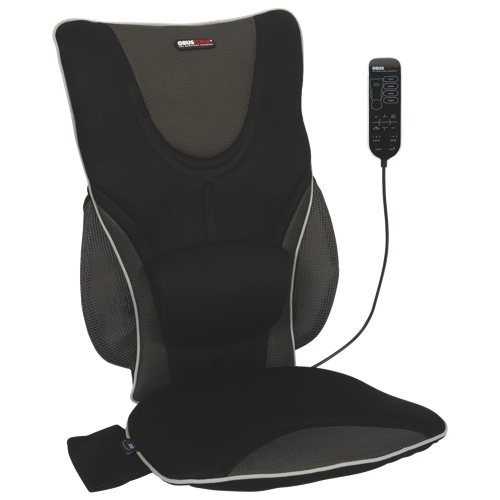 Your price for this item is $119.99
 -
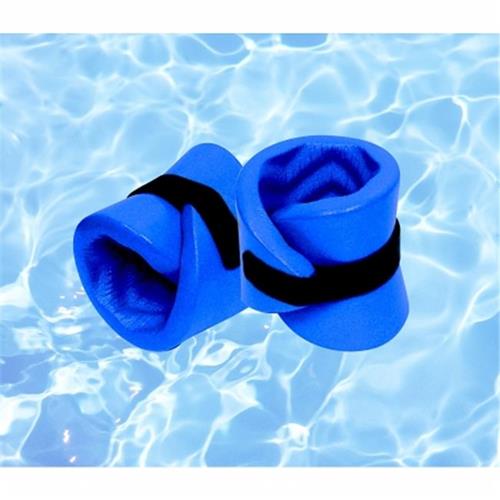 Your price for this item is $93.99
 -
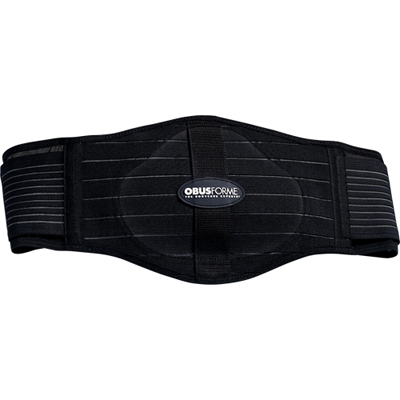 Your price for this item is $44.99
 -
 Your price for this item is $44.99
 -
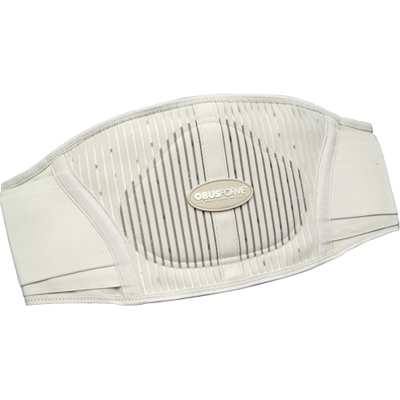 Your price for this item is $44.99
 -
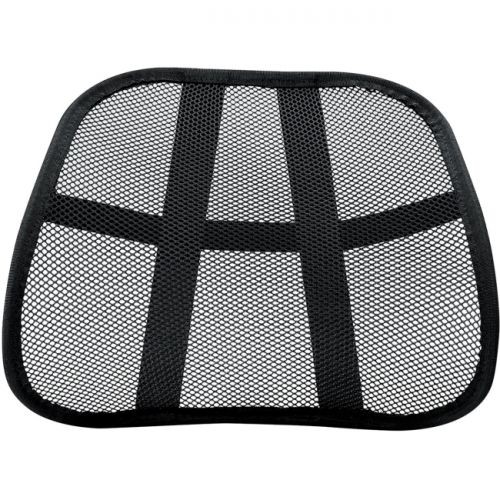 Your price for this item is $40.99
 -
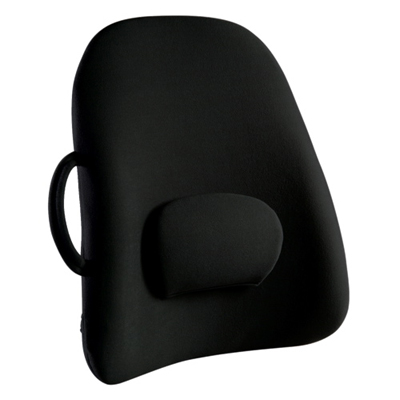 Your price for this item is $69.98
 -
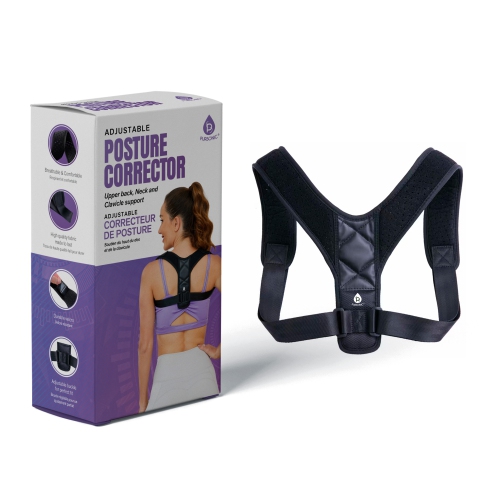 Your price for this item is $24.99
Discover more categories related to Orthopedic Seat Cushions
Top Collections:
Pokemon Centers, Budget 4K TVs, Kindle Devices, Canon G7X Cameras, Apple iPhones 16, iPhone 15 Apple, Laptops for Business Work, Flip Phones, Xiaomi Phones, Refurbished Apple Laptops
Some products may be subject to Environmental Handling Fees
(EHF) depending on your province.
Learn more about EHFs.