Ergonomic Back Support Cushions
Ergonomic Back Support Cushions are designed to help enhance comfort and support during long hours of sitting at home, in the office, or on the go. Whether you’re working at a desk, relaxing in your favorite chair, or traveling, these cushions can make a noticeable difference in your daily routine. Explore a wide selection of Ergonomic Back Support Cushions to find options that suit your seating needs and personal style.
Sort
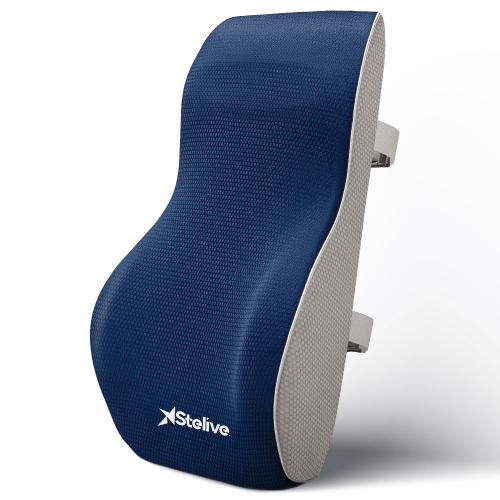
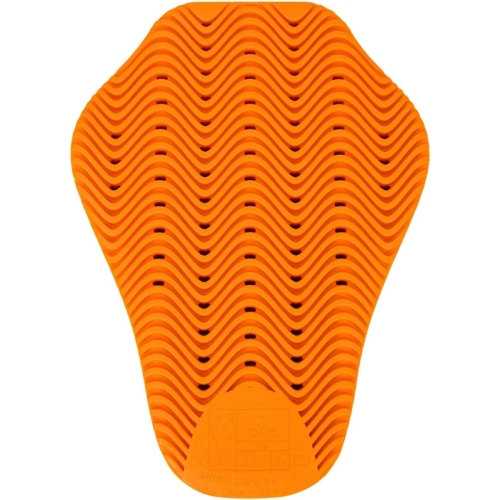
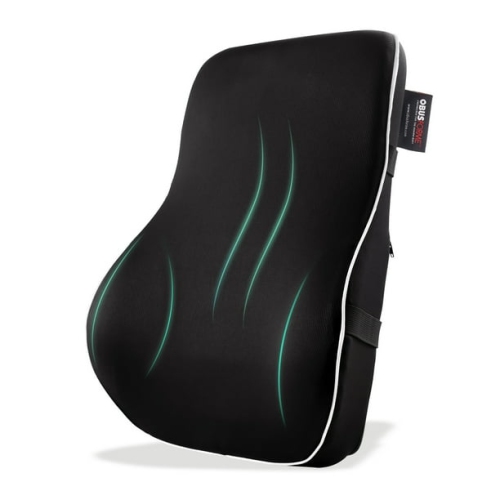
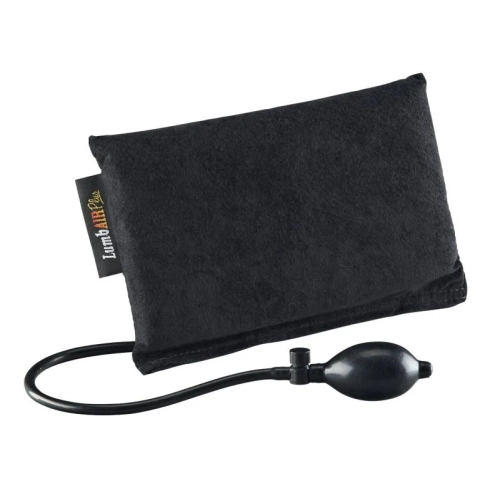
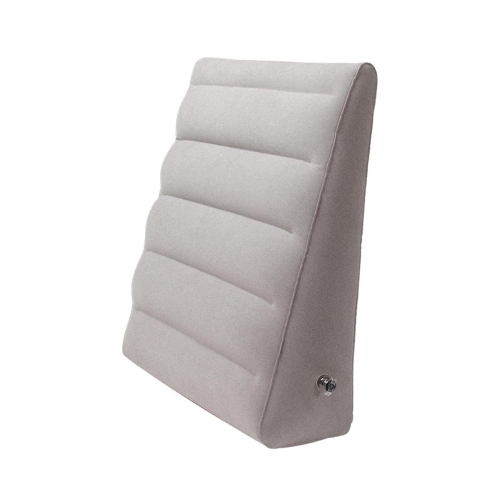
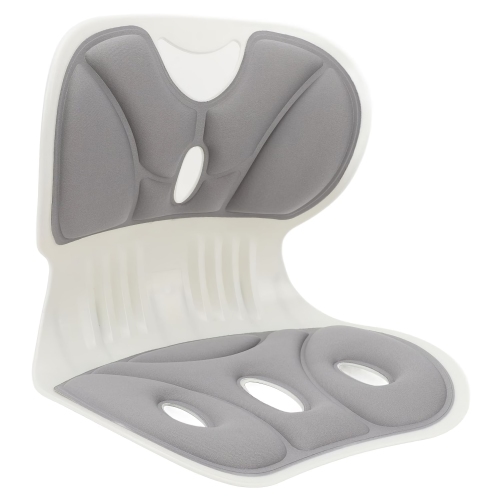
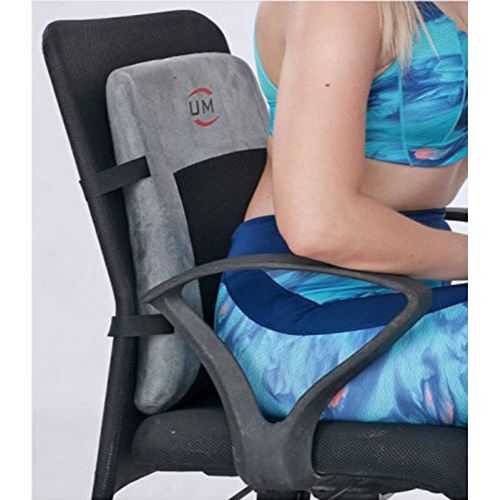
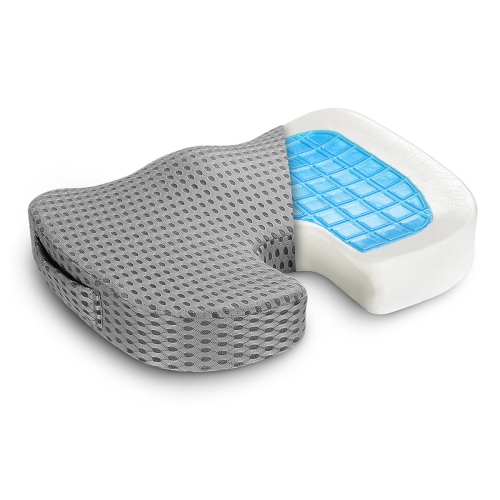


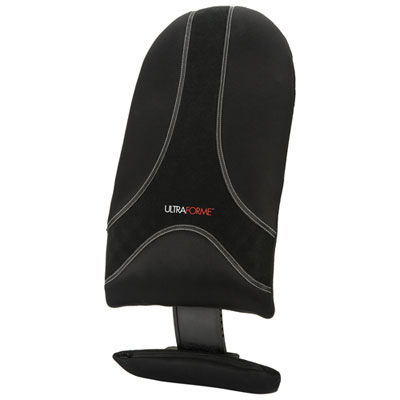
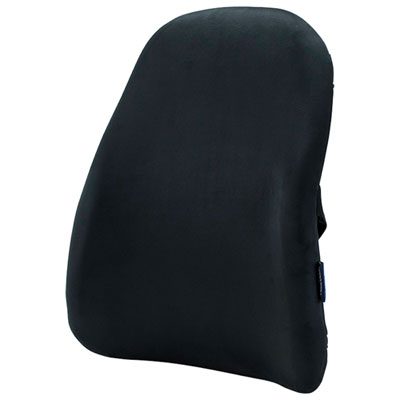
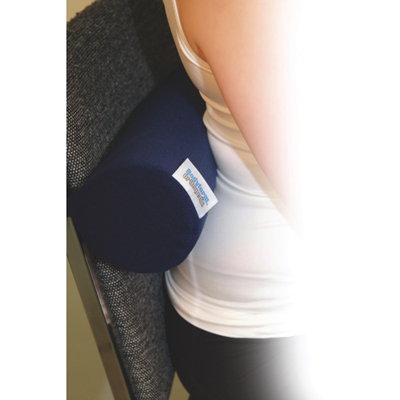
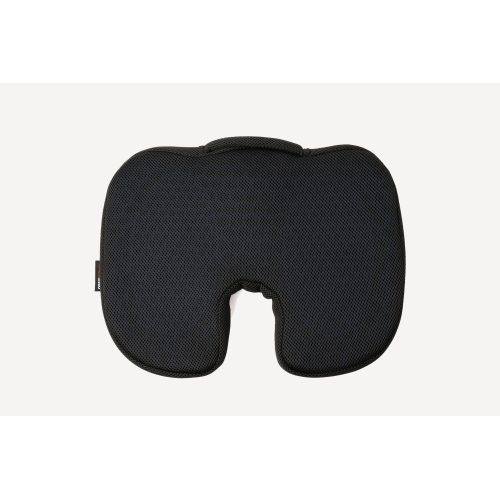
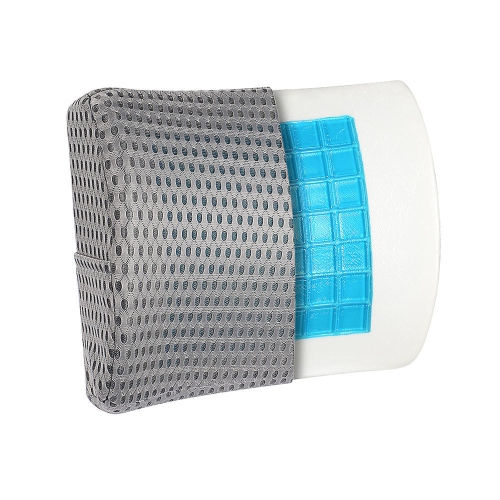
Why cushion fit matters for lower back comfort
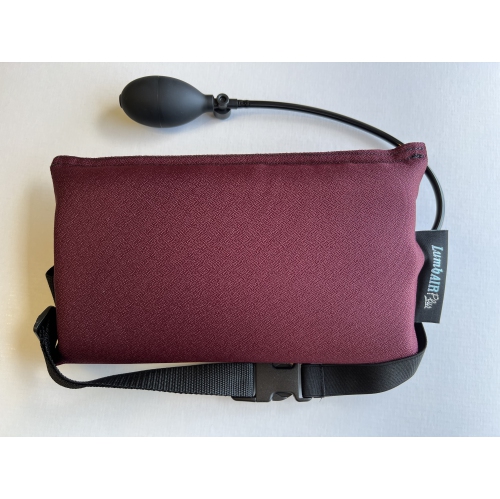
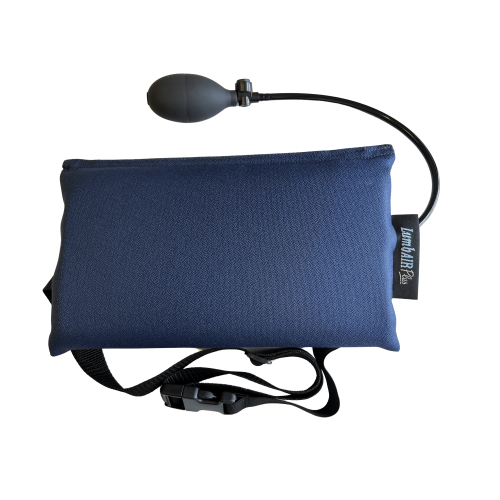
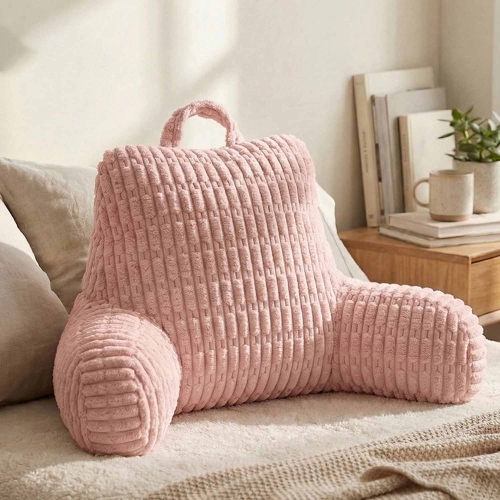
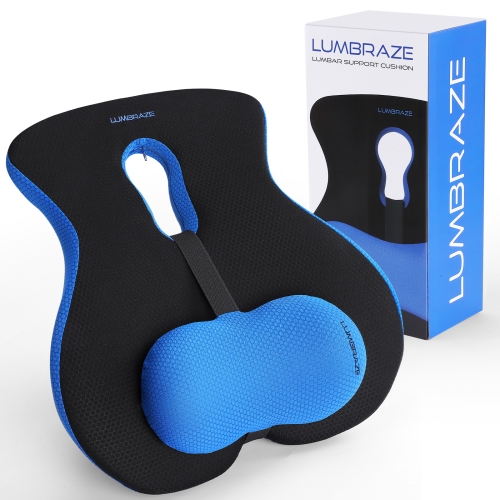
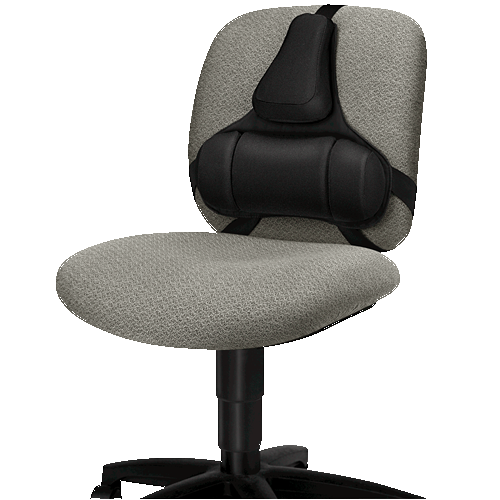
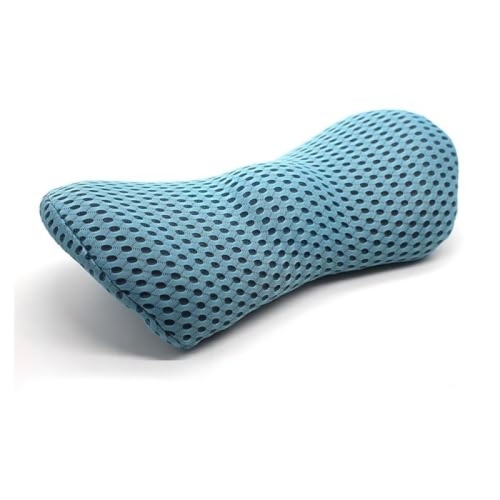
Ergonomic back support cushions are shaped cushions that sit between the back and a chair to support the natural inward curve of the lower spine. Often called lumbar support cushions or lumbar pillows, they can make an otherwise flat or deeply padded backrest feel more supportive during desk work, gaming, reading, or other seated activities. Their purpose is to fill a gap rather than push the body into a rigid position. A well-matched cushion allows the hips to settle against the backrest while the shoulders stay relaxed and the feet remain supported. Compact lumbar styles concentrate cushioning around the lower back, while taller designs spread contact over a larger portion of the backrest. Some have a pronounced central curve; others use a gentler contour that suits chairs with existing lumbar shaping. The difference matters on an ordinary workday: a thick pillow that feels comfortable against a deep armchair may move someone too far forward on a shallow office chair. Cushion height, width, and depth all influence that fit, as do the user’s torso length and preferred sitting position. The centre of the supportive curve generally belongs near the inward curve of the lower back, not high between the shoulder blades or directly beneath the tailbone. Adjustable straps can help maintain that placement, particularly on smooth upholstery or a chair shared by different people. Strap length and backrest shape affect compatibility, while textured backing can reduce sliding without guaranteeing that a cushion will stay fixed on every surface. For someone who switches between typing, video calls, and paperwork, support should remain comfortable across those small changes in position. Ergonomic back support cushions work best as part of a comfortable seating arrangement, alongside suitable chair height, accessible desk space, and opportunities to move. They can supplement a backrest that lacks contour, but they cannot make an unsuitable chair fit every body or replace regular changes in posture.
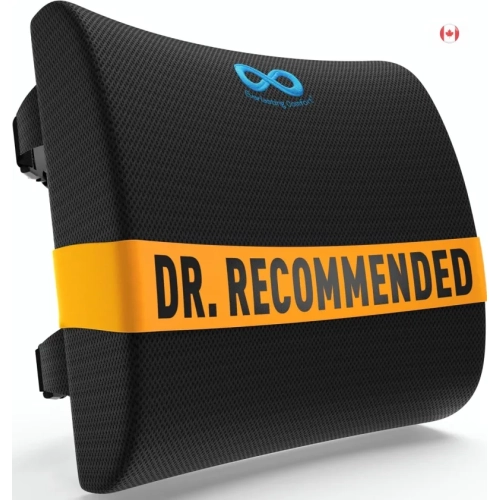
Materials determine much of how a back support cushion feels after the first few minutes of sitting. Memory foam gradually conforms under pressure, creating a closer-fitting surface, while firmer polyurethane foam tends to offer a more immediate, structured feel. Foam density and firmness are related characteristics, but they are not interchangeable: a dense core can still feel soft, and a firm surface is not automatically more durable. A useful balance is enough give to feel comfortable without flattening so much that the cushion loses its supportive shape. Some constructions combine a foam body with a gel layer, while others use a firmer internal panel to maintain their profile. These differences affect weight, flexibility, and how easily a cushion moves between chairs. The cover matters just as much during everyday use. Mesh allows airflow through its open structure, smooth woven fabrics can feel less bulky against clothing, and plush surfaces provide a softer point of contact. Seams, piping, and zippers should sit where they are unlikely to press against the back, especially when the cushion is used for extended periods. A removable cover can simplify routine care, although washing instructions vary and the foam core may require spot cleaning rather than soaking. Letting all components dry fully before reassembly helps keep the cushion fresh and protects its construction. Repeated use also puts strain on elastic straps, buckles, stitching, and the edges of the cover. Reinforced attachment points and a cover that fits without stretching tightly are practical details for a cushion that moves from a home office to another chair each day. Over time, persistent flattening, crumbling foam, or straps that no longer hold their adjustment can reduce useful support. Colour and texture can complement a workspace, but the more important qualities are a comfortable contour, dependable placement, and materials that tolerate the care the cushion will need.
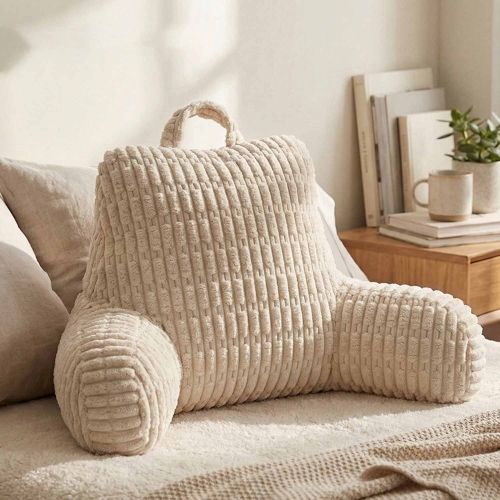
The appeal of ergonomic back support cushions extends beyond a traditional office setup. Students working through assignments, people with home-based jobs, gamers spending time at a desk, and anyone who enjoys reading in a chair may appreciate more consistent contact behind the lower back. A portable cushion can also make a shared workspace feel more familiar, provided it fits each chair rather than simply transferring unchanged from one backrest to another. For travel or vehicle use, size and secure placement need particular attention. A cushion must not interfere with seat belts, airbag deployment areas, seat controls, or the ability to reach the pedals and maintain a safe driving position; the vehicle manufacturer’s guidance takes priority. A lightweight design is easier to carry, while a larger, more structured back support may be better suited to a chair where it can remain in place. People who also want cushioning beneath the hips may consider Ergonomic Seat Cushions, which serve a different purpose from a lumbar pillow. Using both changes the available seat depth and sitting height, so the combined fit matters more than either cushion’s comfort on its own. Back support cushions can also be thoughtful gifts for someone setting up a study space or spending more time at a desk, especially when their chair dimensions and preference for softer or firmer support are known. Personal fit remains important: a contour that feels reassuring to one person may feel intrusive to another. Comfortable support should not create new pressure points, numbness, or a need to brace against the cushion. Short periods of use can help reveal whether the shape suits everyday tasks, with adjustments to placement as needed. Persistent or worsening back pain deserves advice from a qualified healthcare professional rather than reliance on a cushion alone. For everyday seating comfort, the strongest match is a cushion that suits the person, complements the chair, and leaves room for natural movement.
Top selling and popular products
-
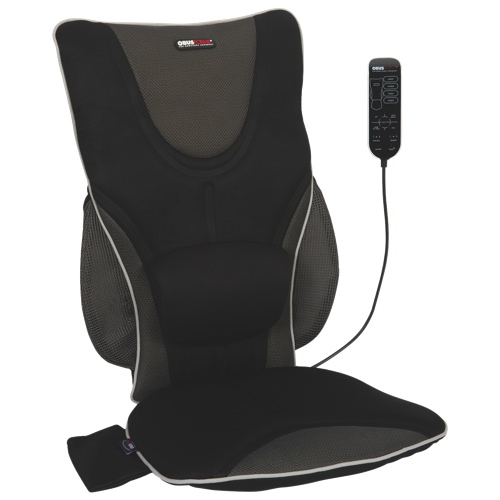 Your price for this item is $79.99
-
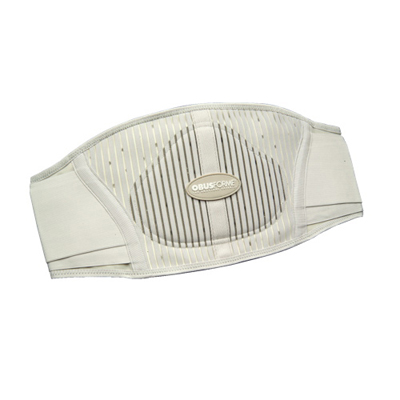 Your price for this item is $44.99
-
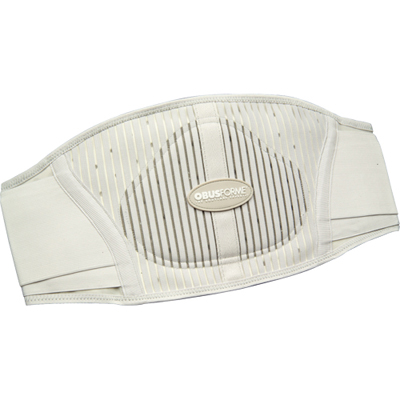 Your price for this item is $44.99
-
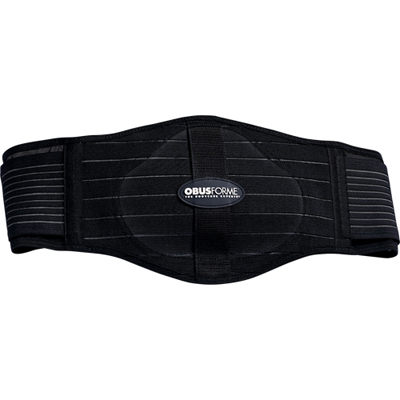 Your price for this item is $44.99
-
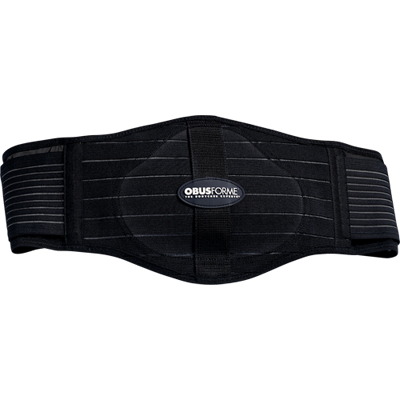 Your price for this item is $44.99
-
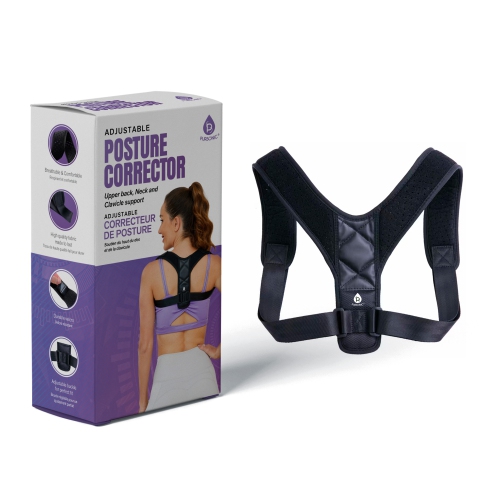 Your price for this item is $24.99
-
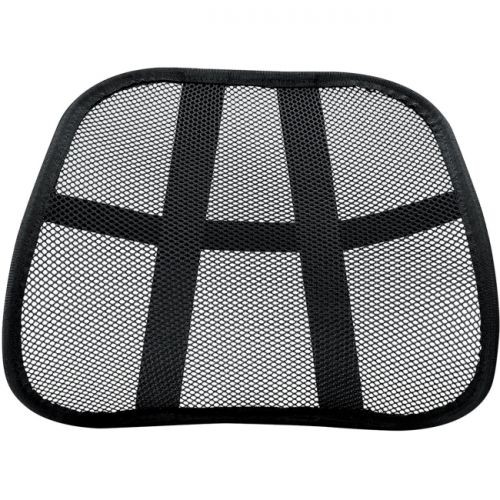 Your price for this item is $42.99
-
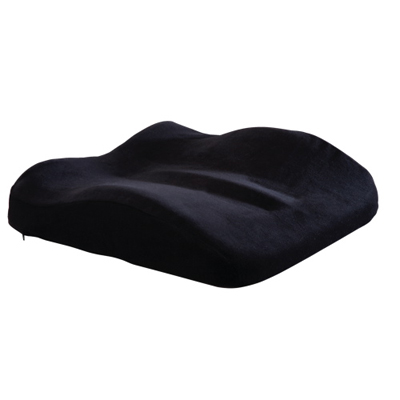 Your price for this item is $49.99
Discover more categories related to Ergonomic Back Support Cushions
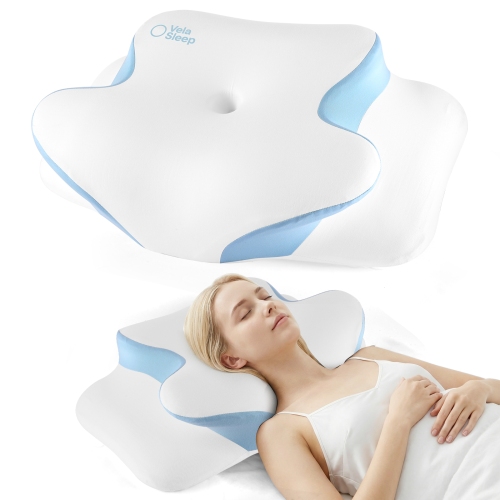
Top Collections:
Best Black Friday Deals This Year, Best Black Friday Deals On Electronics, Kindle Devices, Pokemon Centers, Best Black Friday Deals On Apple Products, Best Cameras for Sports Photography, Dyson Airwrap, Pokémon 30th Celebration Cards, Apple iPhone 17 Pro, Canon G7X Cameras
Some products may be subject to Environmental Handling Fees
(EHF) depending on your province.
Learn more about EHFs.