Exercise Benches
Our selection of exercise benches offers a versatile and essential piece of equipment for a variety of strength training exercises. Whether you're focusing on chest presses, seated curls, or core workouts, an exercise bench provides stability and support to help you achieve your fitness goals. With different styles and features available, finding the perfect exercise bench to enhance your workouts has never been easier.
Sort
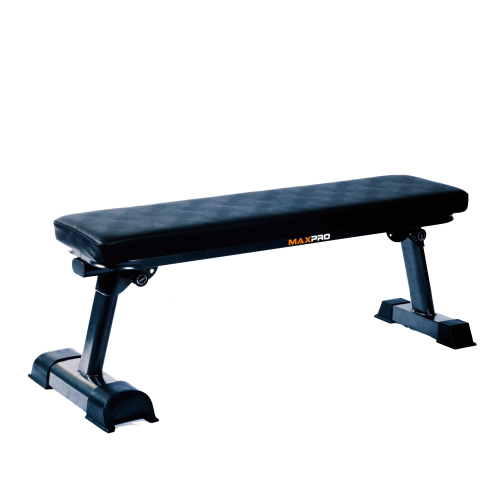

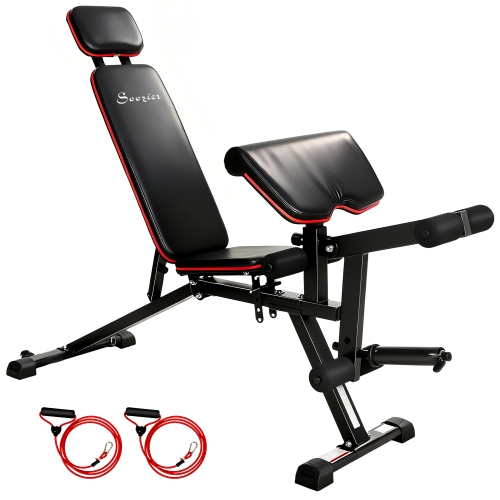


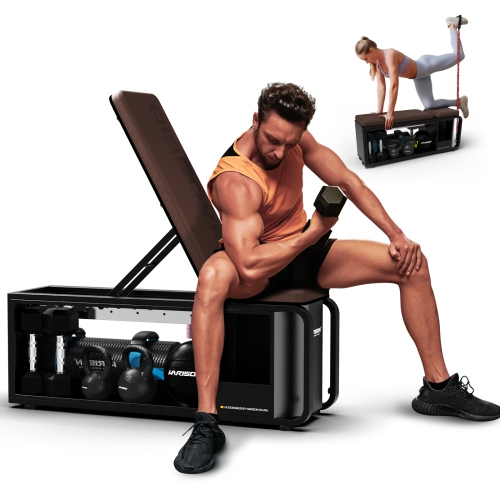

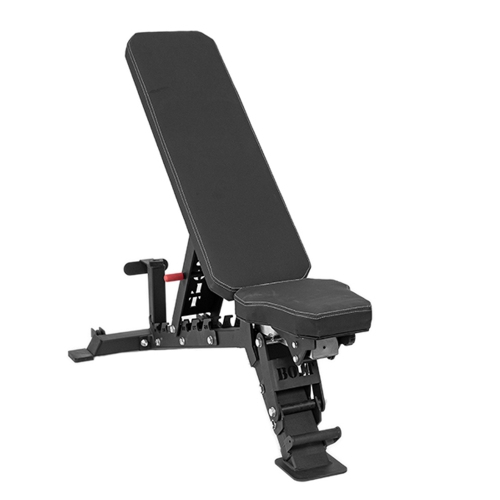
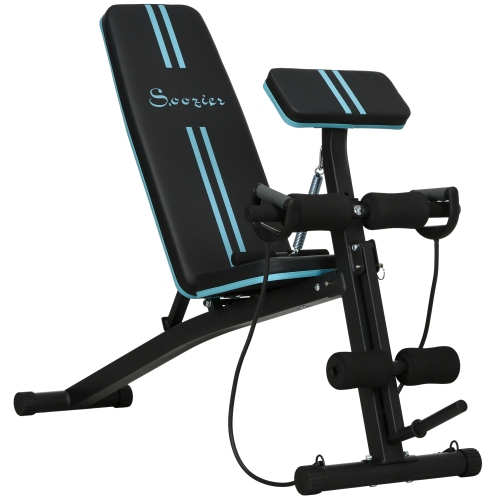


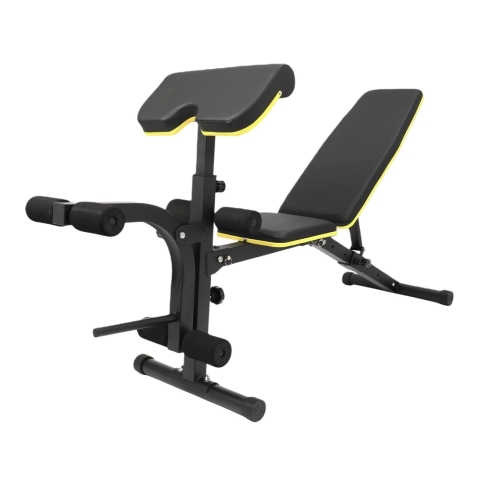
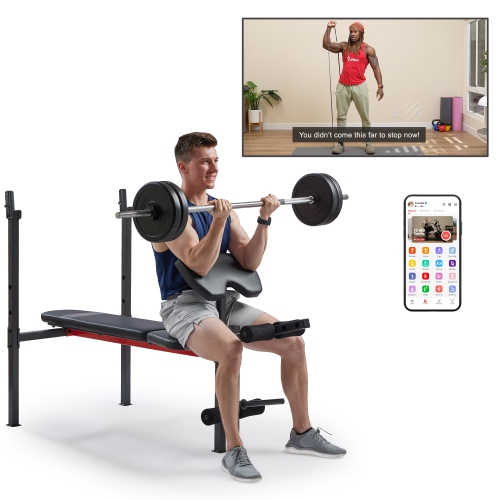
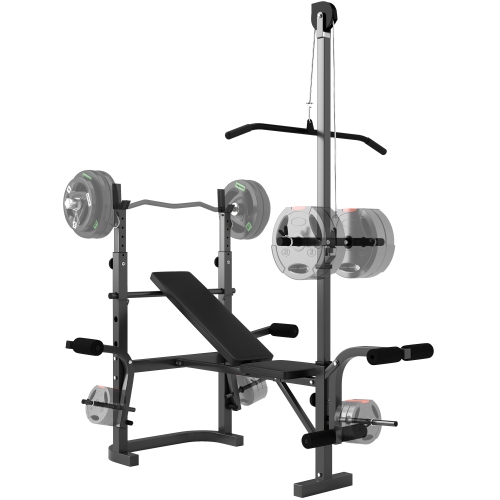
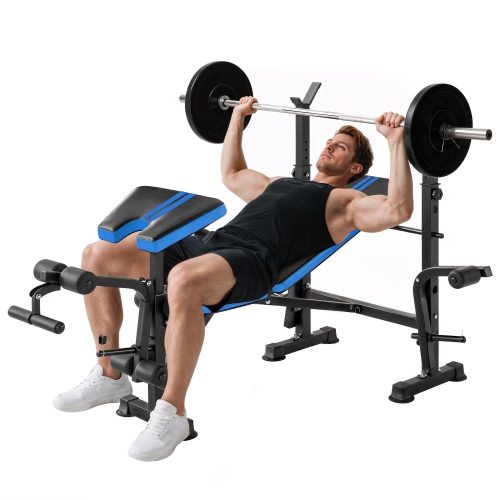


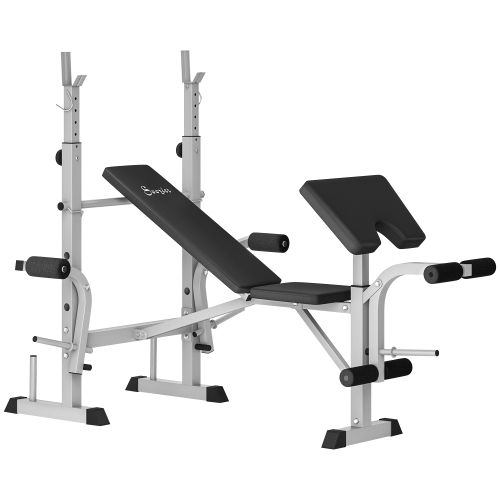
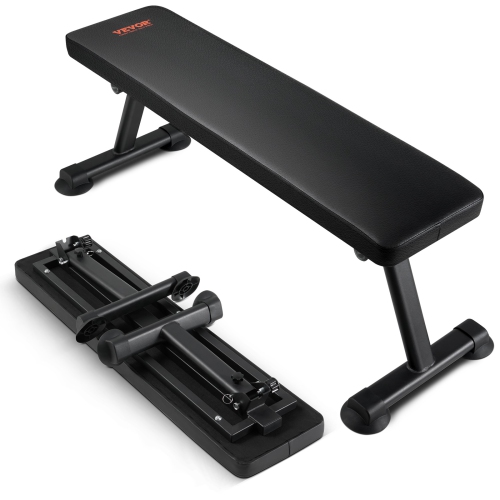

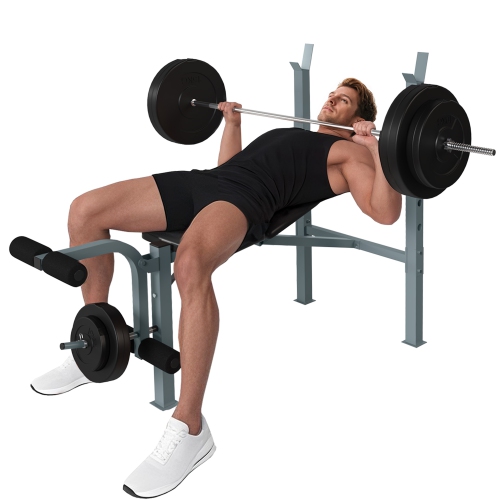
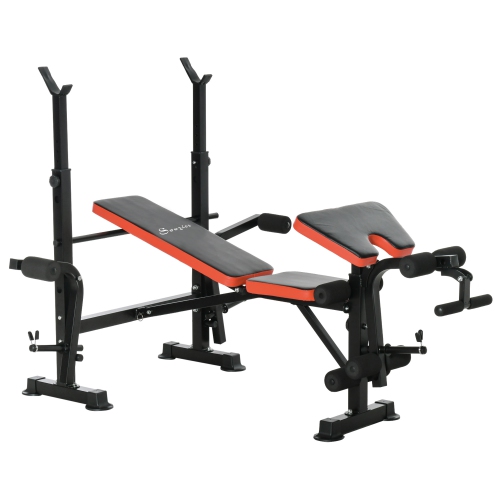
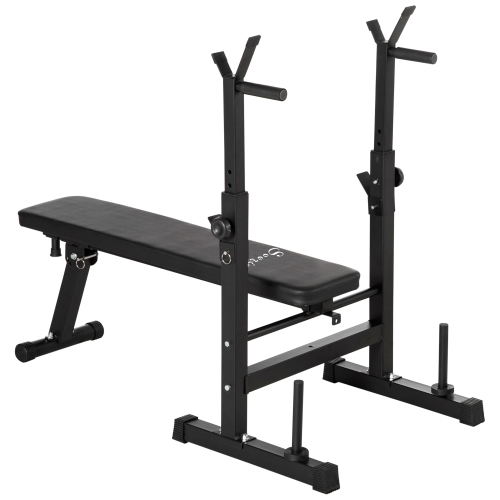
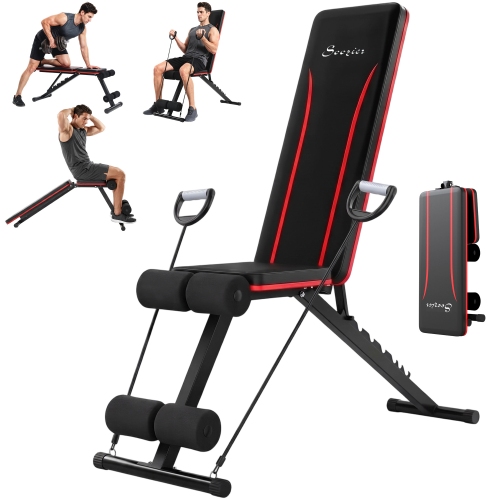


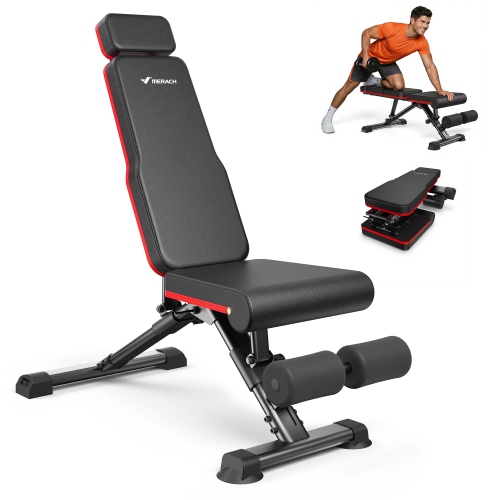


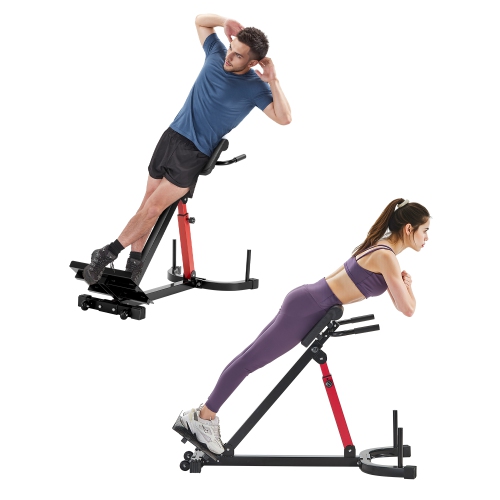


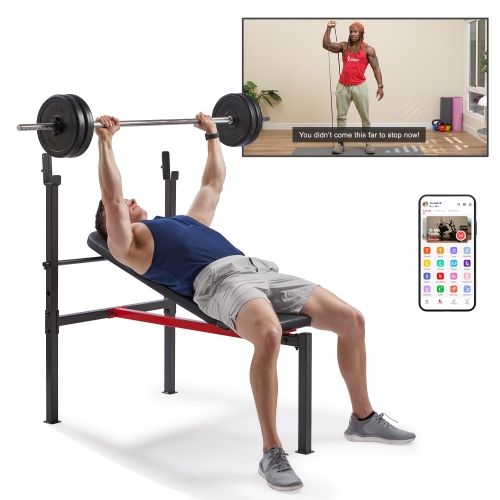
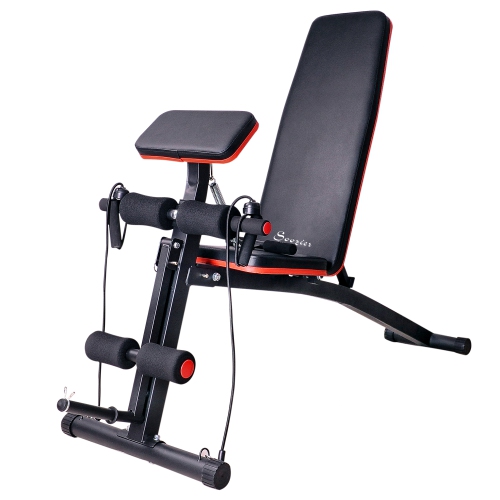
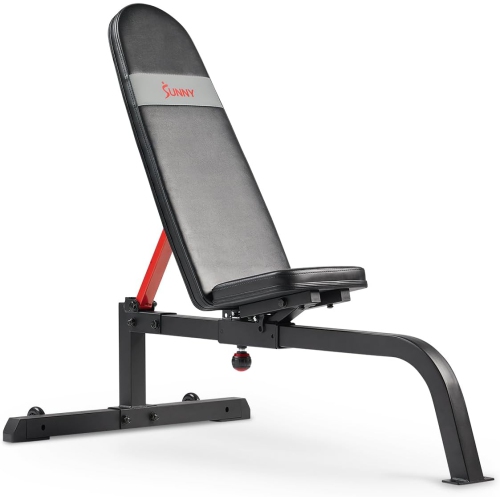
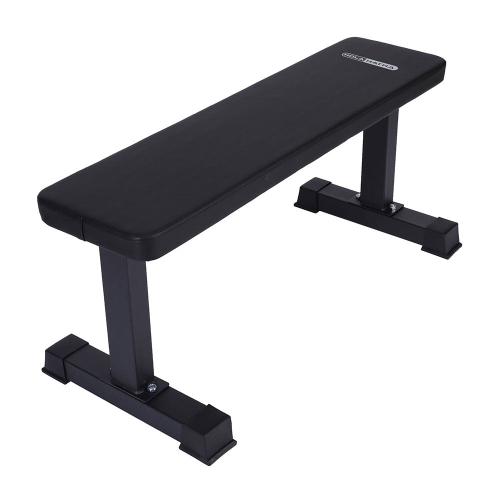
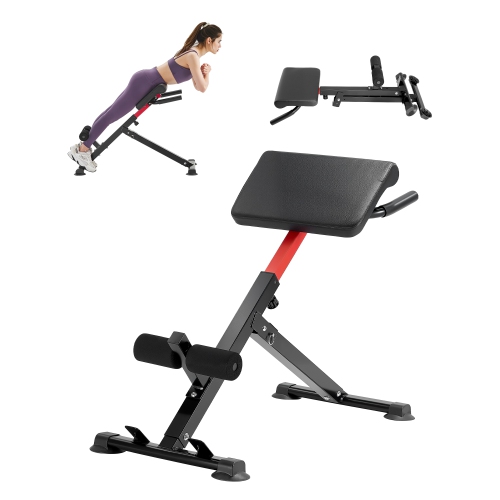
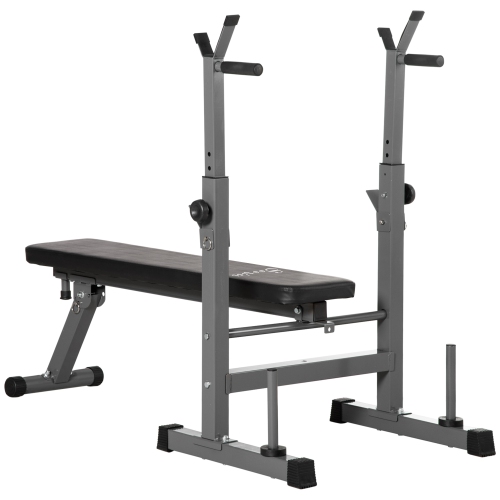
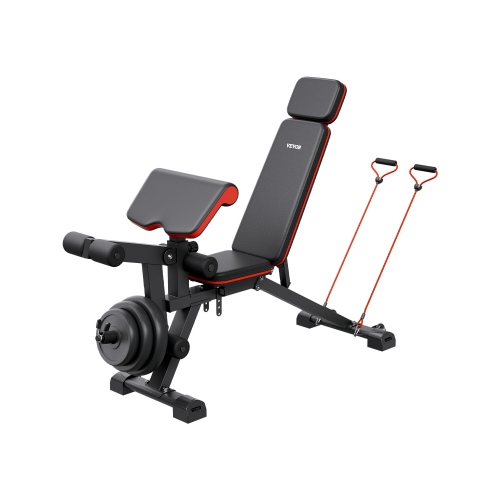
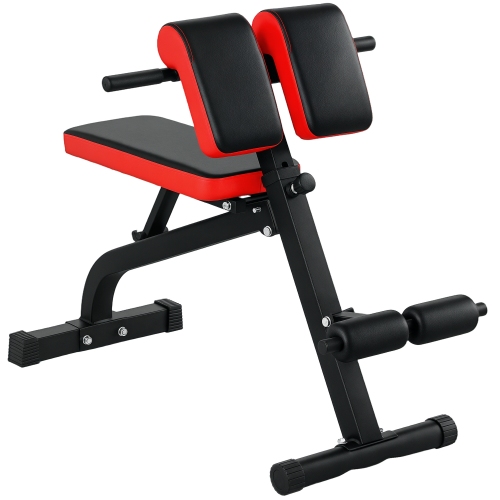


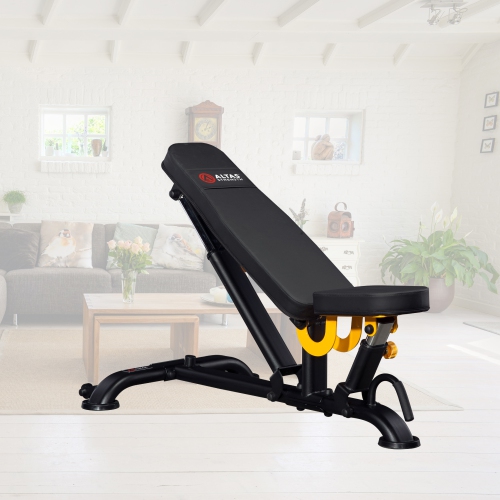
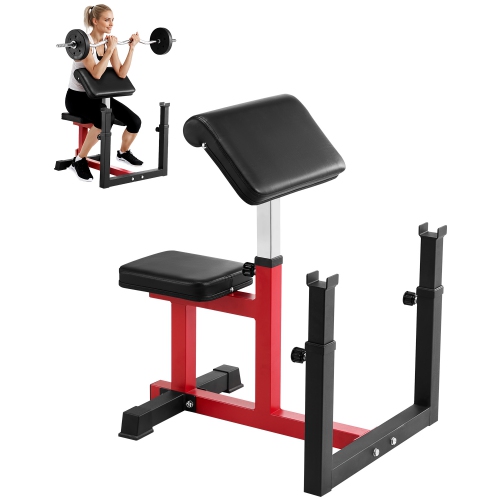
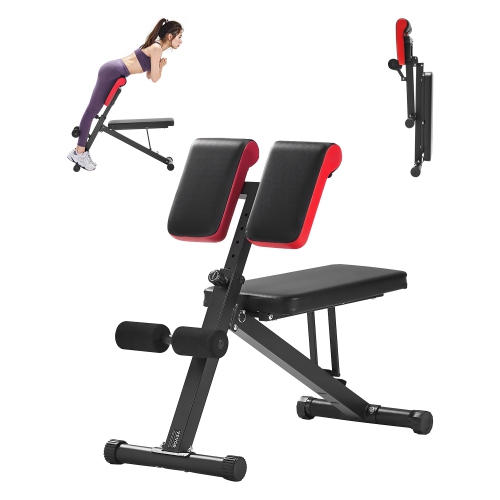

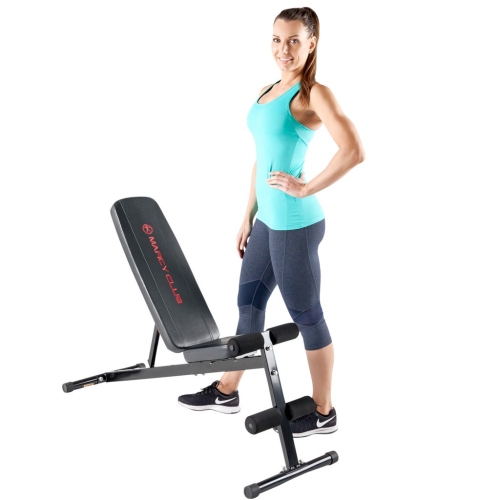
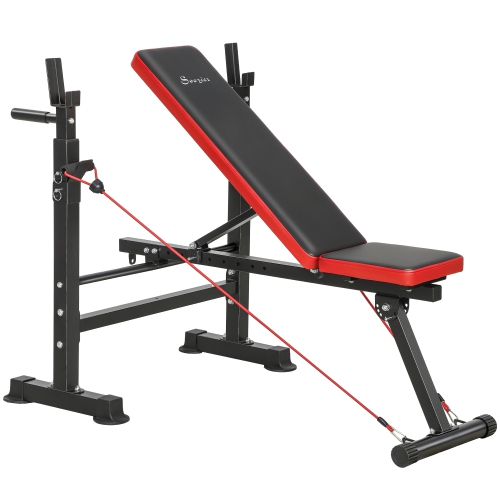
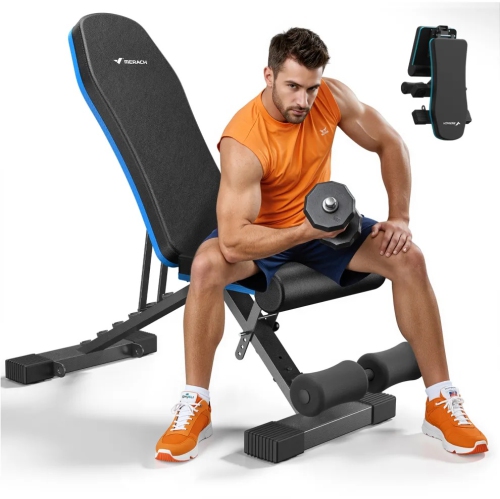
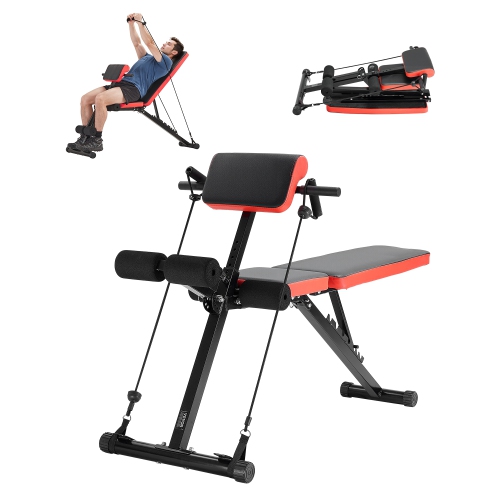
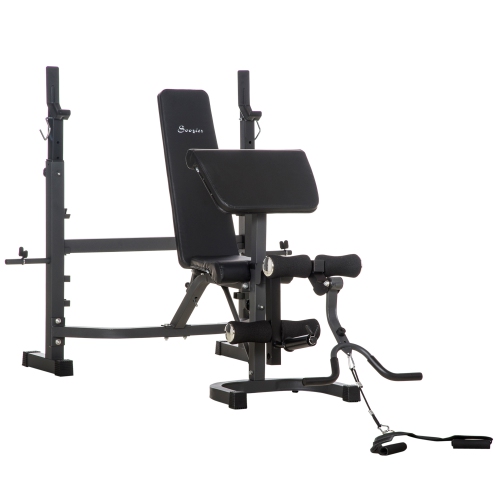
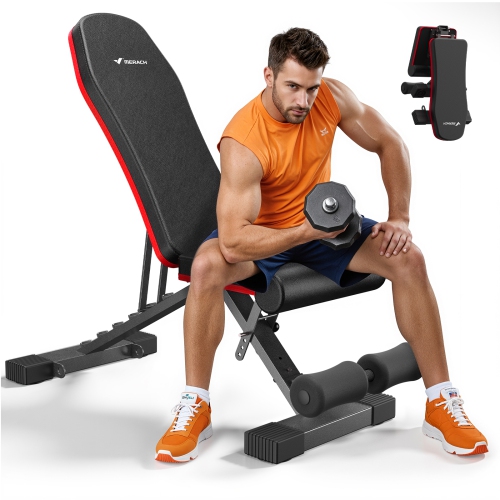
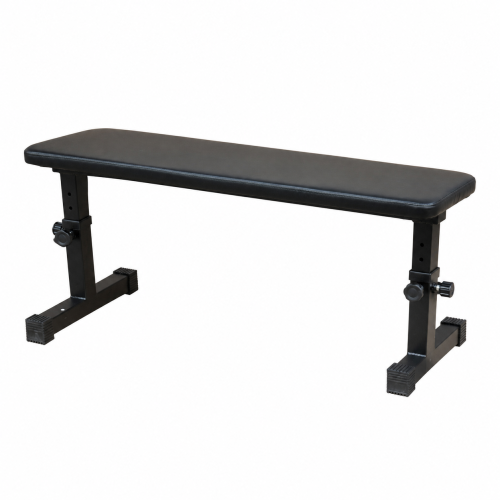
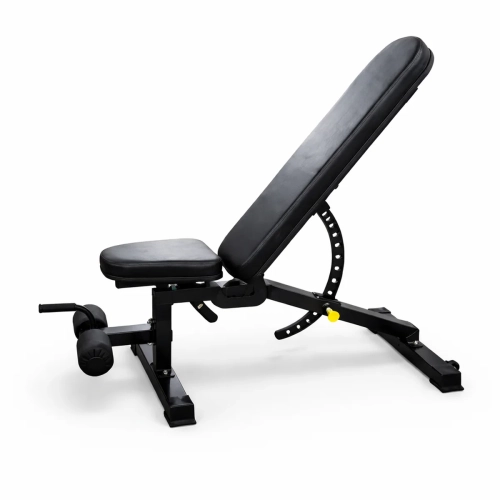

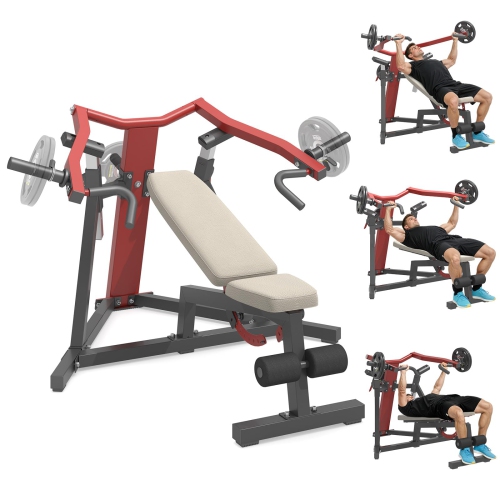

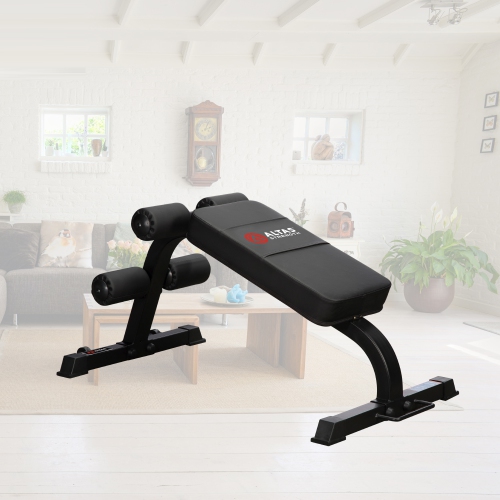
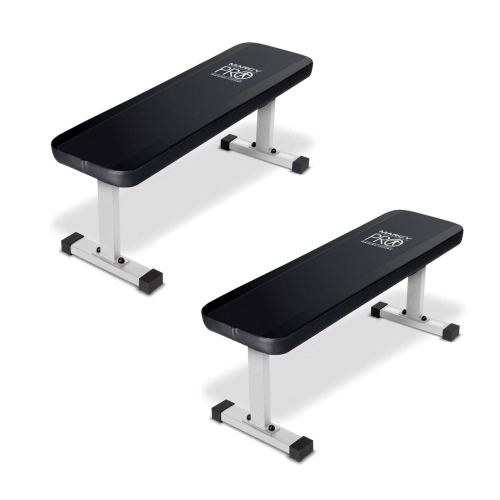
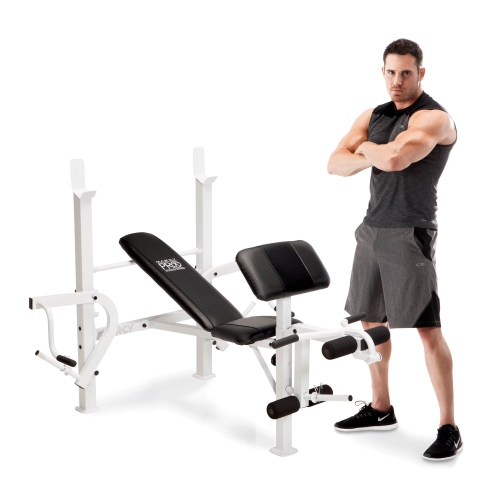
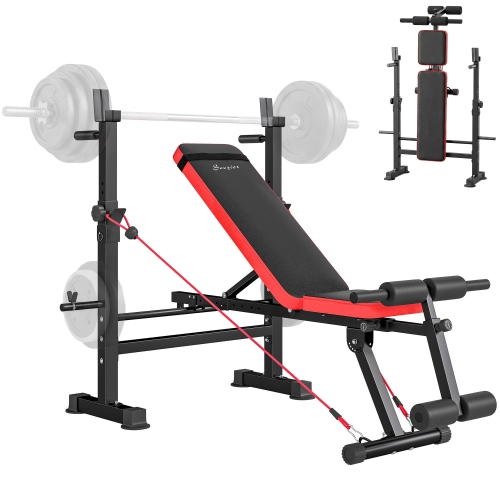
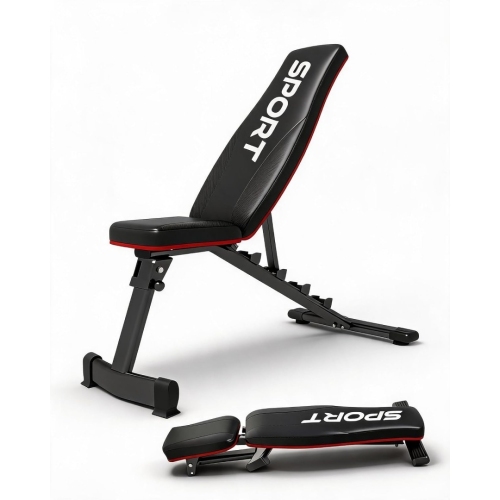
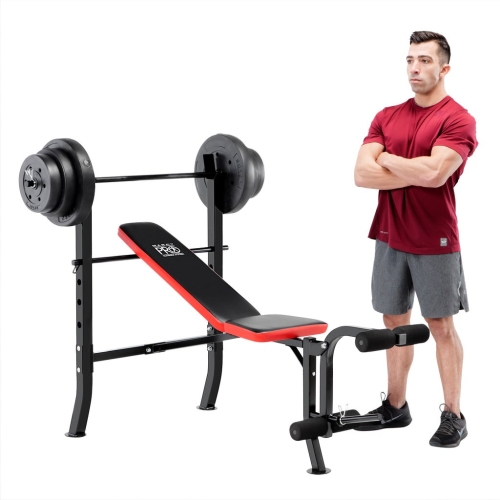
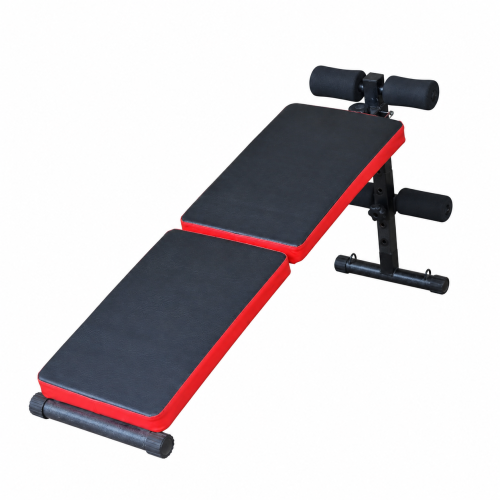
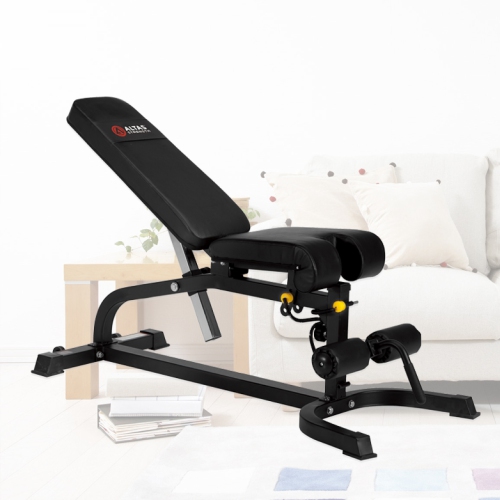

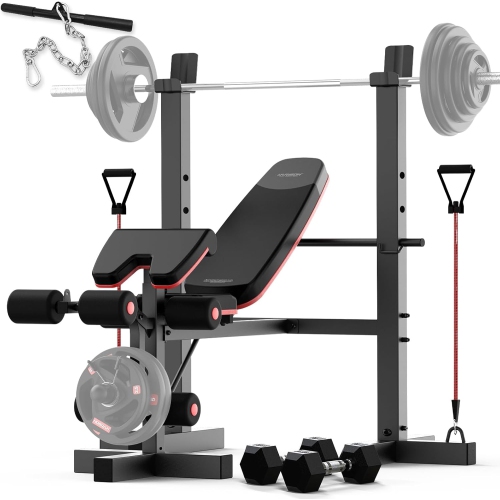

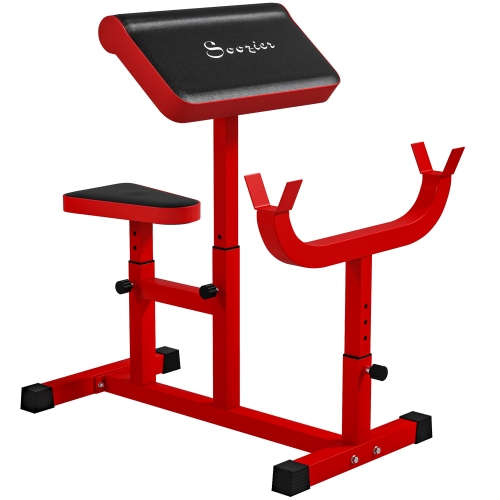
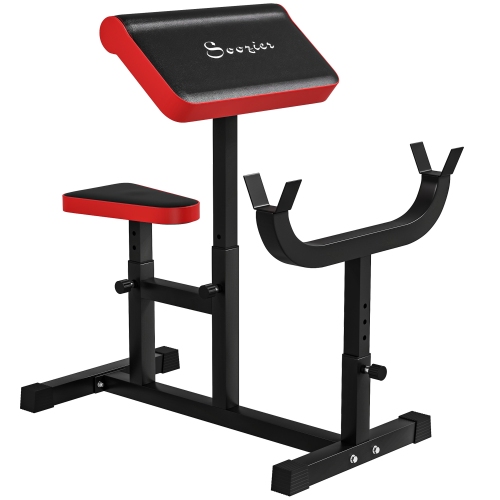
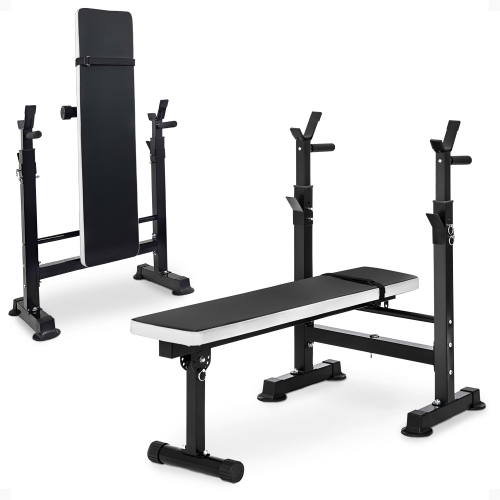
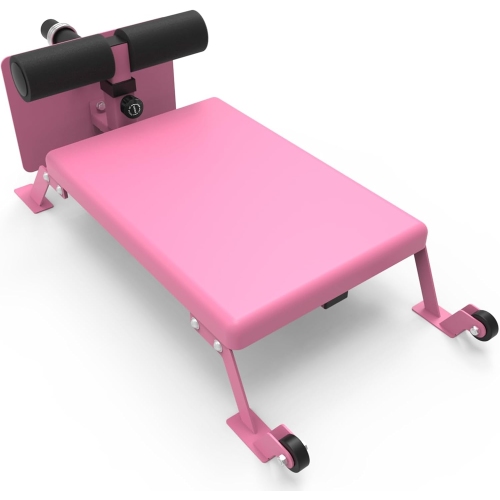
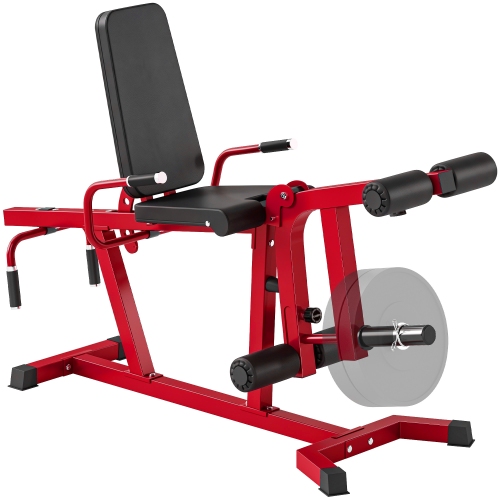
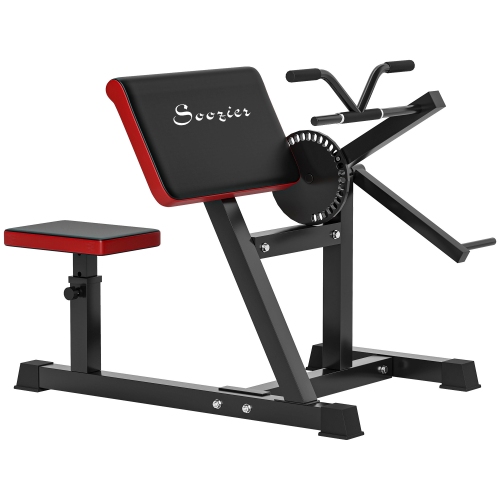
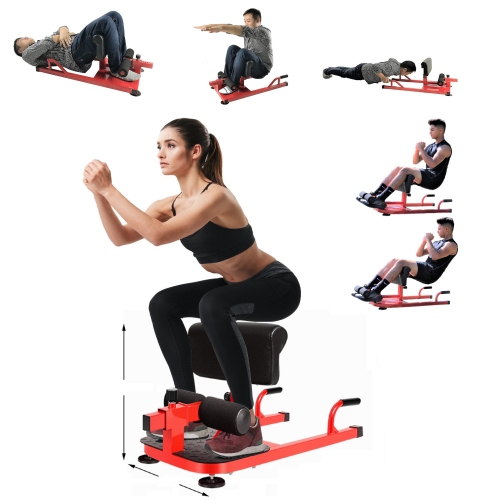
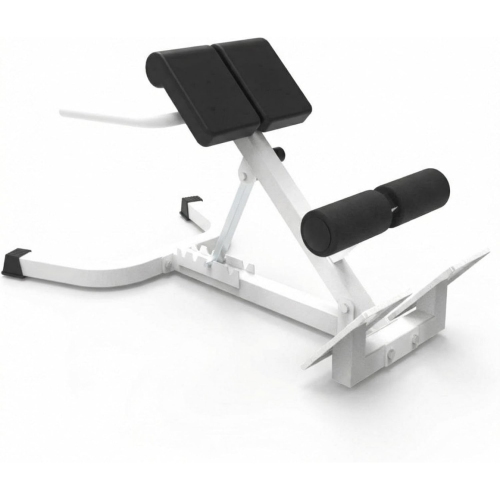
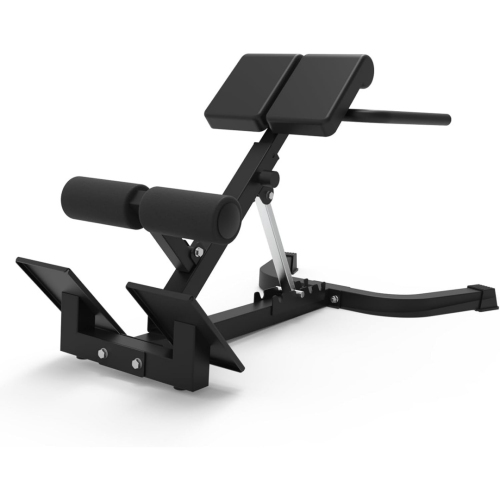
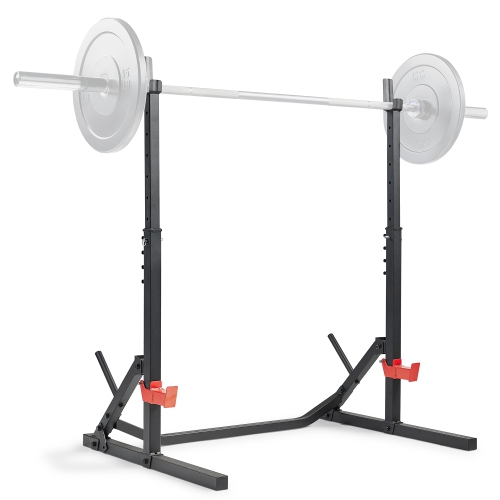


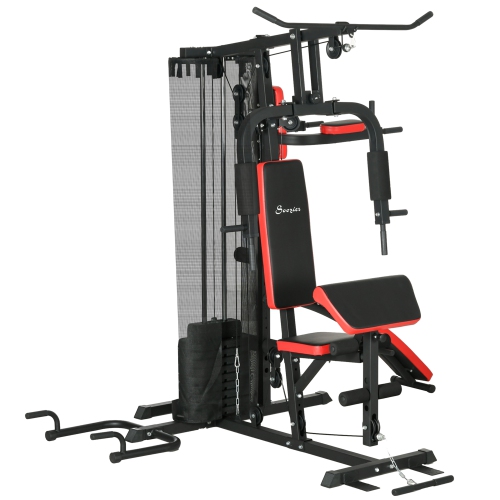
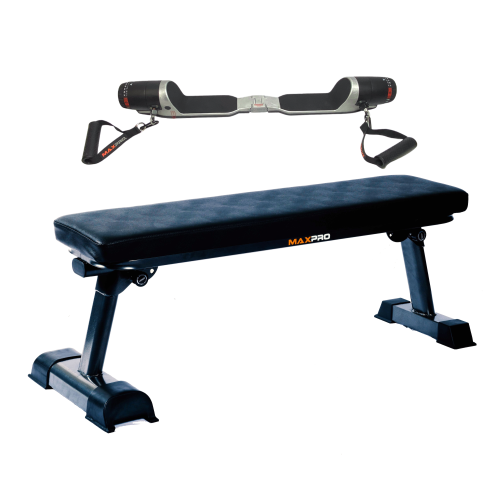
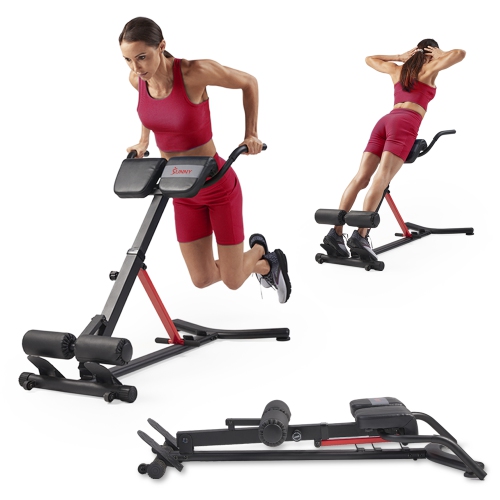
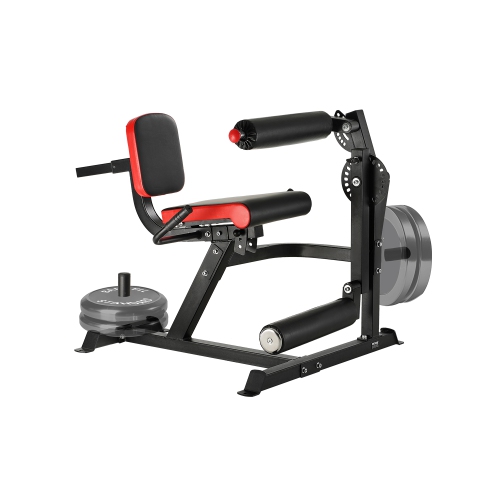

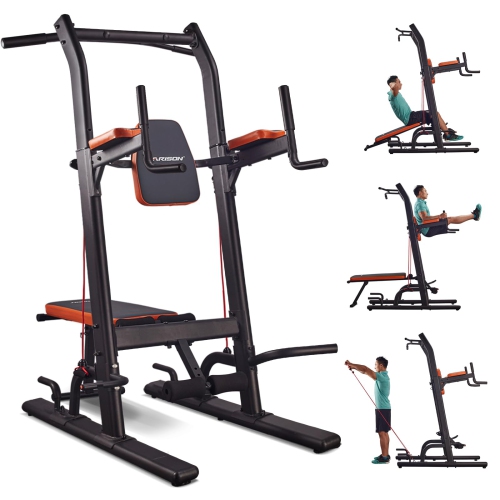


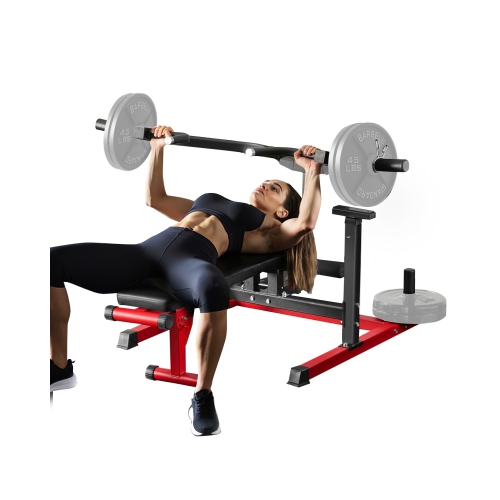
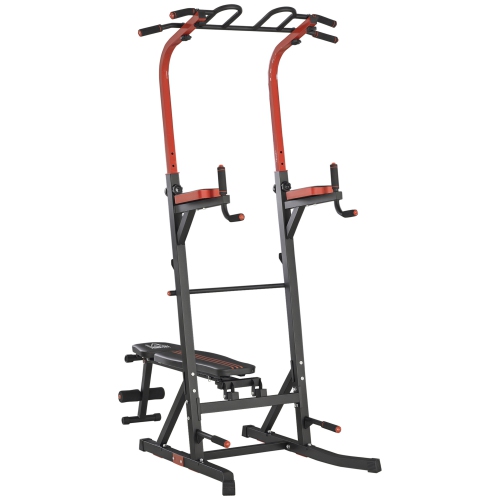
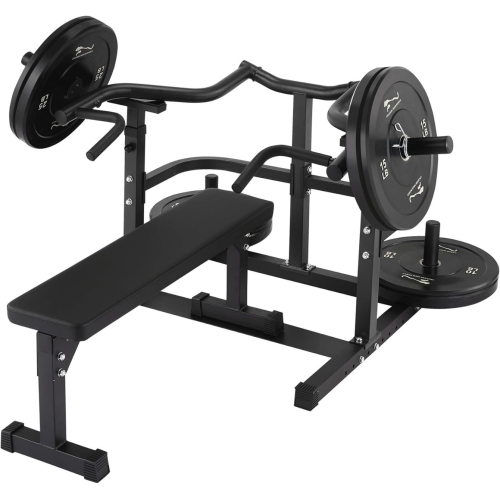
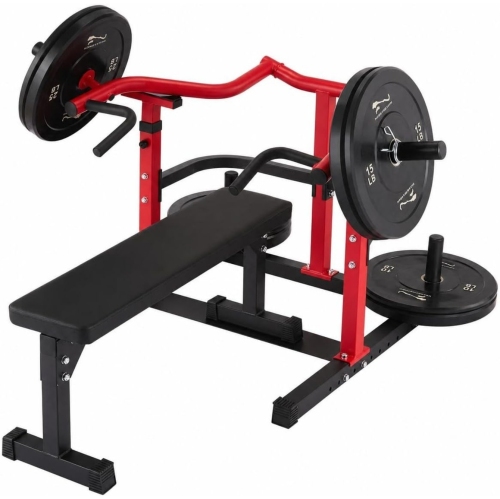
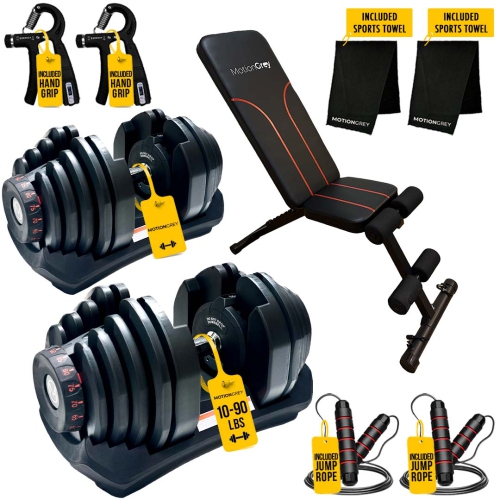
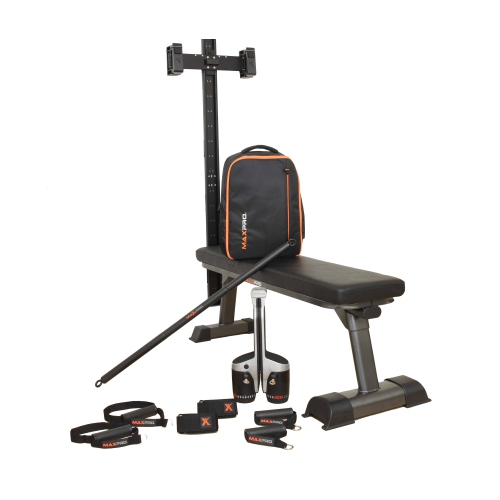
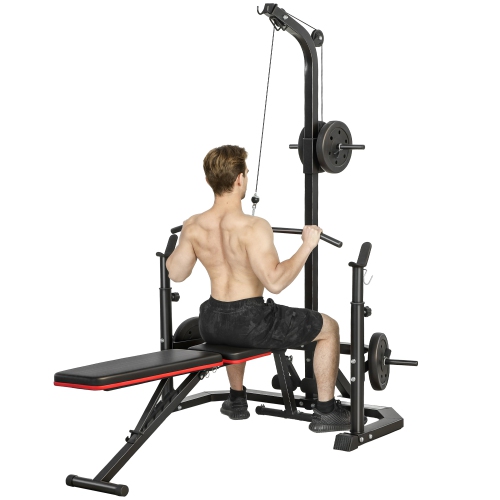

How bench fit and adjustability shape your workout
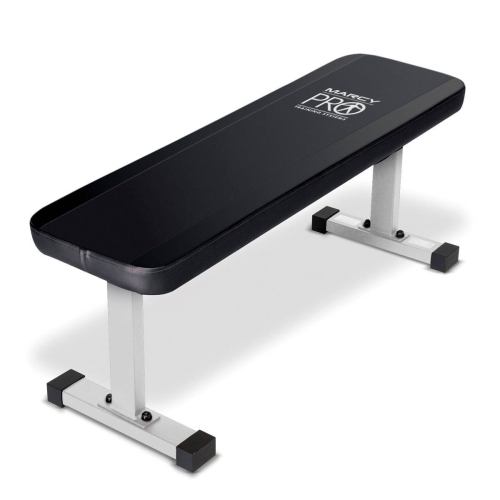
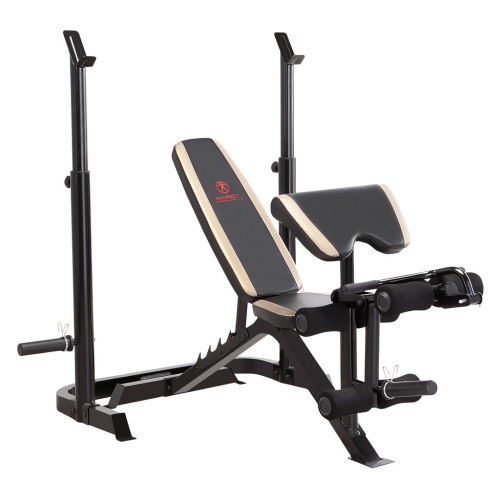
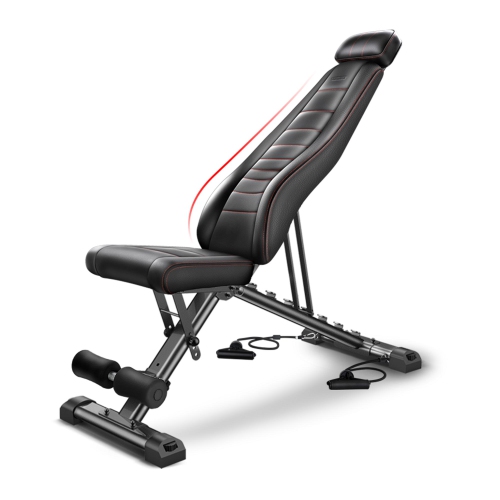
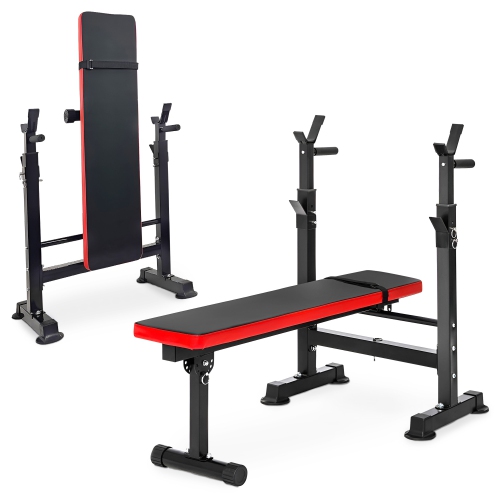
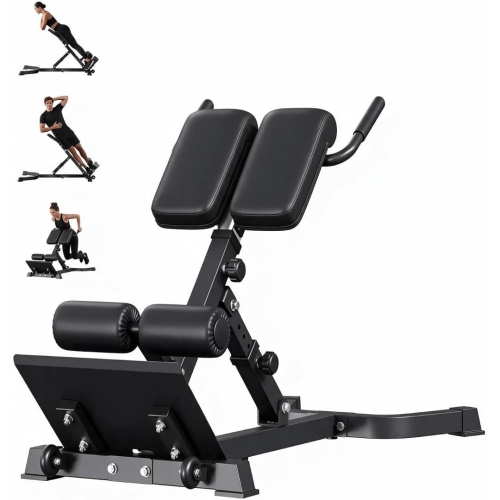
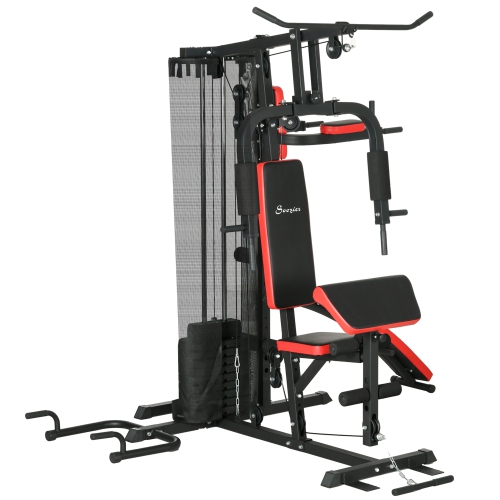
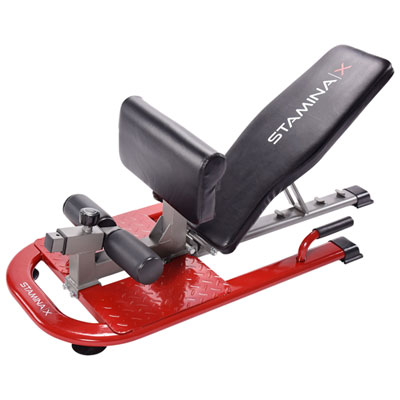
Exercise benches are strength-training benches that provide a stable, padded surface for seated, lying, and supported exercises. They are a versatile part of a home gym, giving dumbbell presses, seated shoulder presses, and supported rows a dedicated place within a workout. A flat weight bench has a horizontal surface and a straightforward design, making it well suited to movements that do not require changes in backrest angle. An adjustable exercise bench adds upright and inclined positions, while some designs also include a decline setting. These different positions change how the body is supported and allow more variety without adding several separate pieces of equipment. An incline backrest, for example, supports the torso during an incline dumbbell press, while a more upright position can accommodate seated upper-body movements. Decline exercises require a bench designed for that position, with suitable supports to help maintain secure positioning. The distinction between a bench and a complete lifting station also matters: a standalone bench does not necessarily include a barbell rack, safety arms, or storage for weights. For someone building a compact training area, a bench can work alongside dumbbells and other equipment without becoming the centre of a large rack setup. For a more established lifting space, its dimensions and movement range need to suit the surrounding equipment. Comfort comes from more than soft padding. A useful bench supports the body without feeling unstable, allows the shoulders to move as intended, and makes it possible to establish an appropriate foot position for the exercise. Backrest width, seat shape, and overall height all influence that fit. A shorter person may find it difficult to plant their feet on a tall bench, while a taller person may need a longer backrest for adequate support. These differences make exercise benches relevant to a broad range of adults, from those learning basic dumbbell movements to experienced lifters adding variety to a familiar routine.
Construction and dimensions help determine how an exercise bench feels in everyday use. Steel frames are common, with welded sections, bolted joints, and cross-bracing contributing to the overall structure. Frame appearance alone does not establish strength, so the manufacturer’s stated load rating is more useful than an impression of heaviness. That rating needs careful interpretation: where a total capacity is specified, it generally includes the person using the bench together with the weights being lifted. Ratings may also differ by position or attachment, so the specifications for the intended exercise matter. A broad base and well-positioned feet help resist unwanted movement, although the bench still needs a level surface and correct assembly. Floor-contact pads can improve grip and help protect flooring; a suitable equipment mat may add another protective layer without making the base unstable. Upholstery is commonly made from wipeable synthetic material over foam padding. Firm, supportive cushioning helps maintain a consistent body position, while intact seams and a securely attached covering contribute to long-term usability. On adjustable benches, the seat and backrest should hold securely in the selected positions, whether the mechanism uses a ladder-style support, a pin, or another locking system. The gap between the seat and backrest can affect comfort during flat exercises, particularly when it sits beneath the lower back or hips. Seat adjustment can also be useful during incline movements, helping create a more supportive sitting position when used as intended. Dimensions deserve equal attention: the space a bench occupies while stored may be much smaller than the space needed to exercise around it. Dumbbells need room to travel beside the body, and the user needs a clear path to sit down, stand up, and move equipment safely. When a bench is paired with a rack, its height, base shape, and adjustment range need to work with the rack’s layout rather than forcing awkward positioning.
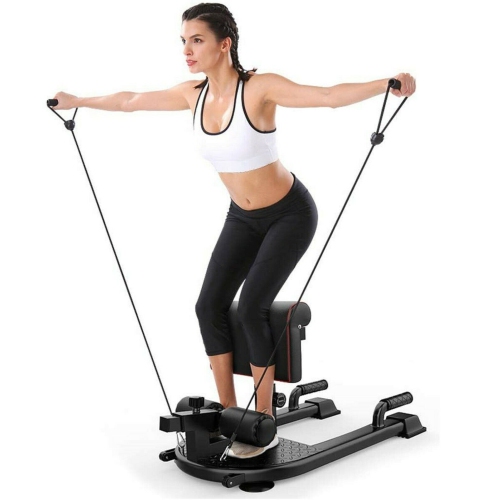
The best fit for a home workout space depends as much on daily habits as on exercise variety. In a dedicated gym area, a bench can remain in its working position, with enough clearance for equipment and movement. In a multipurpose room, transport wheels, a lifting handle, or a folding frame can make the space easier to manage between sessions. Foldable construction does not automatically mean a bench can be stored upright, and any storage position should follow the manufacturer’s directions. Its weight also matters when it needs to move regularly: a substantial frame may feel reassuring during exercise but be less convenient to carry through a doorway or down stairs. For shoppers considering Home Workout Benches, these practical details help connect the equipment to the room and the routine it will actually serve. A bench intended mainly for seated exercises may have different priorities from one used for frequent changes between flat and incline presses. Attachments such as leg supports or exercise stations can expand intended uses, but only when they are compatible with the bench and used within their stated limits. Routine care helps preserve both comfort and function. Perspiration can be wiped away after use with a soft cloth and a cleaner approved for the upholstery, followed by drying as directed. Harsh cleaners and abrasive pads may damage coverings or finishes. Periodic checks of bolts, adjustment points, feet, and upholstery can reveal loosening, wear, or damage before the next workout. A bench should not double as a jumping platform or household step unless it is expressly designed for that use. As a gift, an exercise bench is most thoughtful when the recipient’s training interests, available space, and preferred equipment are already known. A well-matched bench earns its place through dependable support, manageable upkeep, and a layout that makes regular strength training feel practical rather than cumbersome.
Top selling and popular products
-
 Your price for this item is $189.99
-
 Your price for this item is $209.99
-
 Your price for this item is $138.99
-
 Your price for this item is $247.99
-
 Your price for this item is $119.98
-
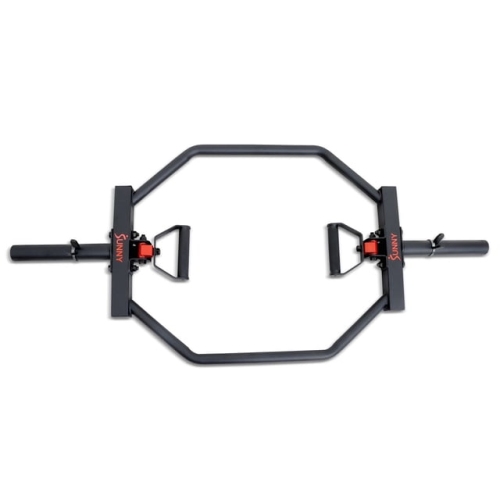 Your price for this item is $99.99
-
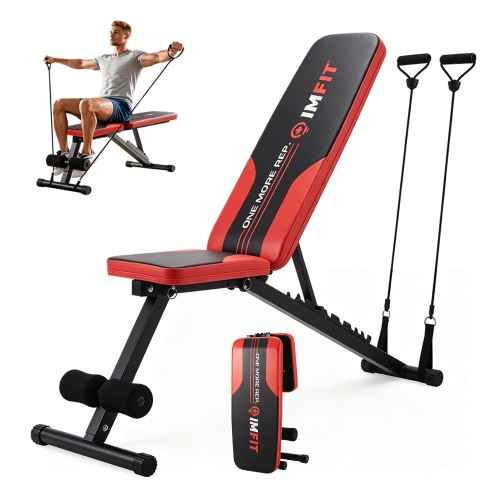 Your price for this item is $109.97
-
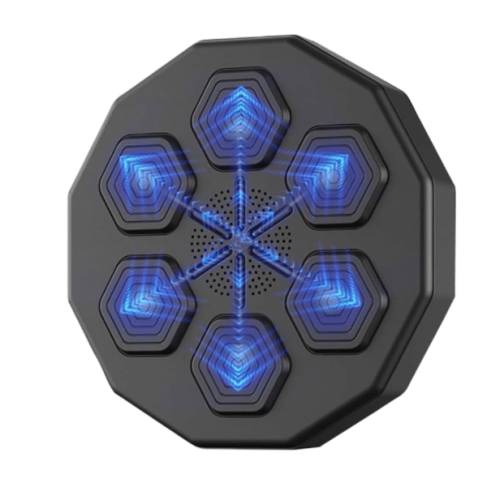 Your price for this item is $95.99
Discover more categories related to Exercise Benches
Top Collections:
Pokemon Centers, Kindle Devices, Best Cameras for Sports Photography, Pokémon 30th Celebration Cards, Canon G7X Cameras, Samsung Galaxy Phones, iPhone 15 Apple, Best Black Friday Deals On Electronics, Jackery Power Stations, Solar Generators for Home
Some products may be subject to Environmental Handling Fees
(EHF) depending on your province.
Learn more about EHFs.