Folding Walkers
If you're looking for a safe and reliable way to increase your mobility, Folding walkers are the perfect solution. These lightweight and portable devices provide a secure and comfortable way to get around. These walkers are designed to fold up for easy transportation and storage, so you can take them with you wherever you go. Here are some great options available.
Sort
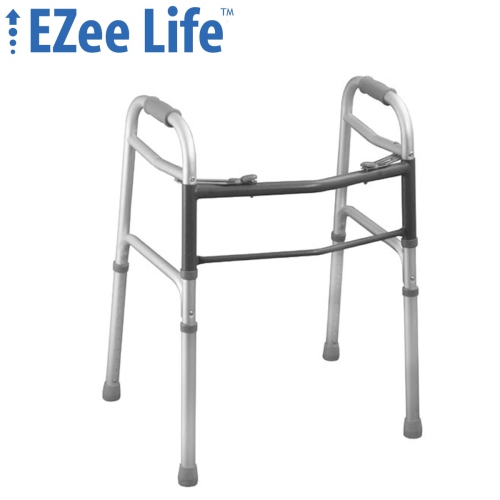
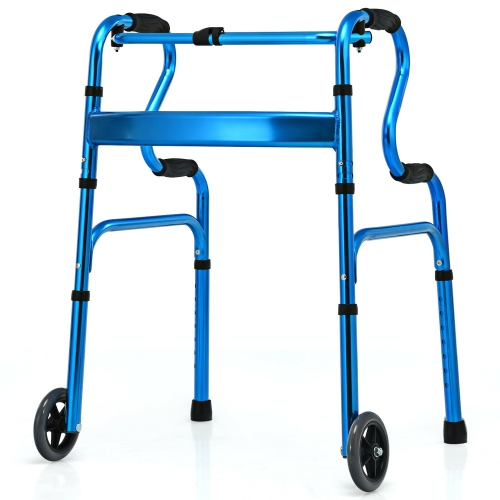
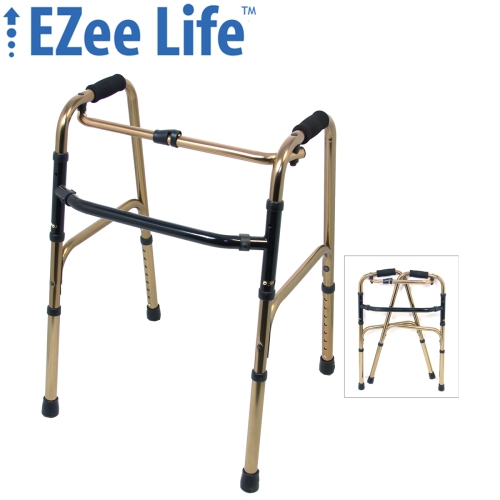
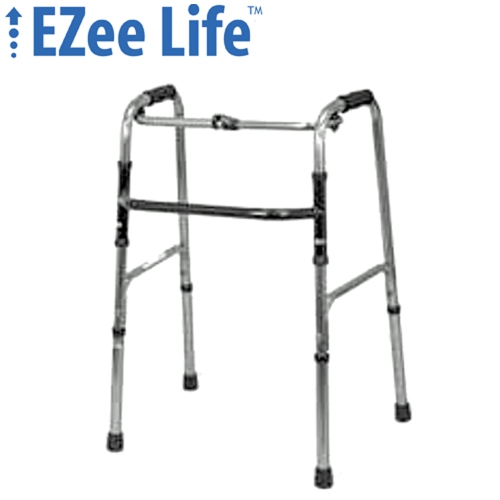
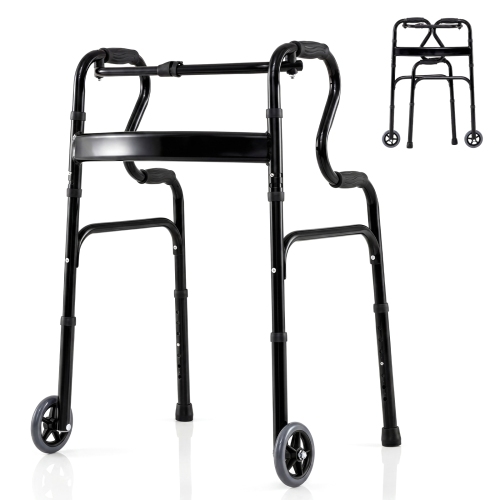
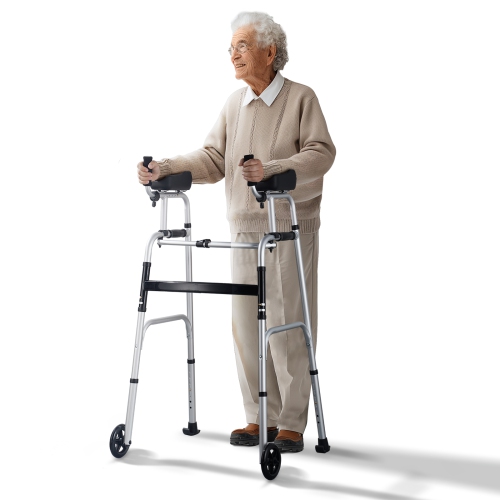
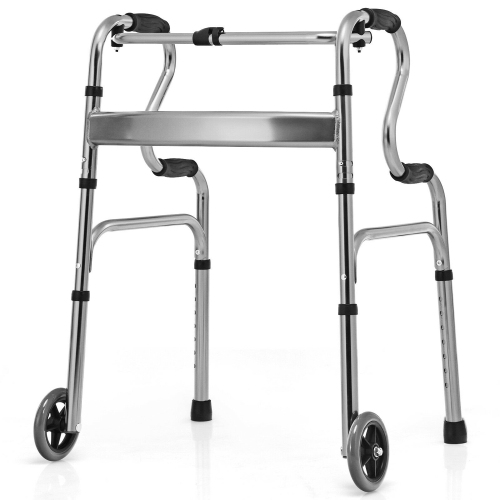
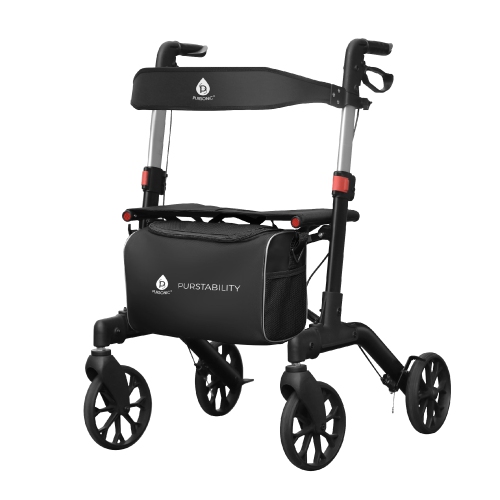
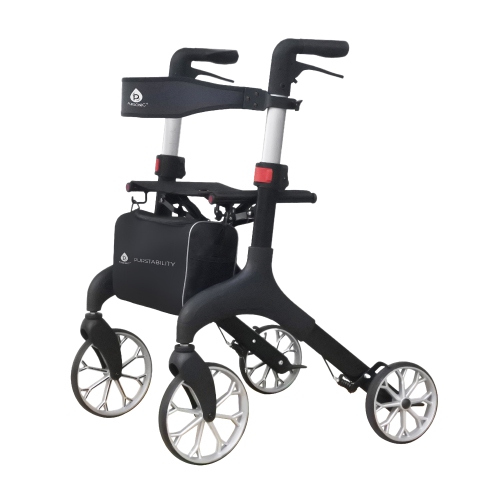
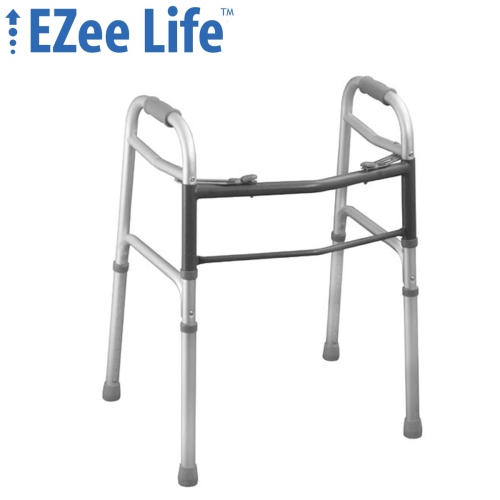

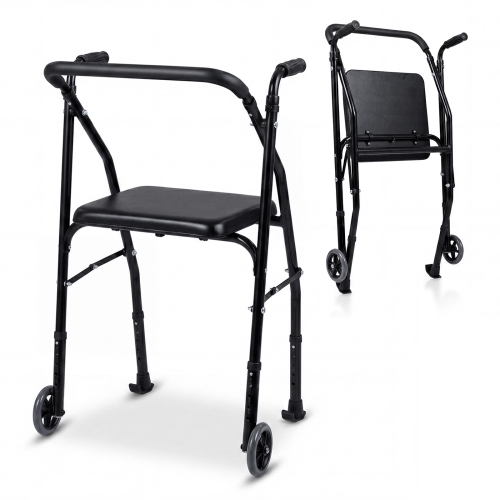
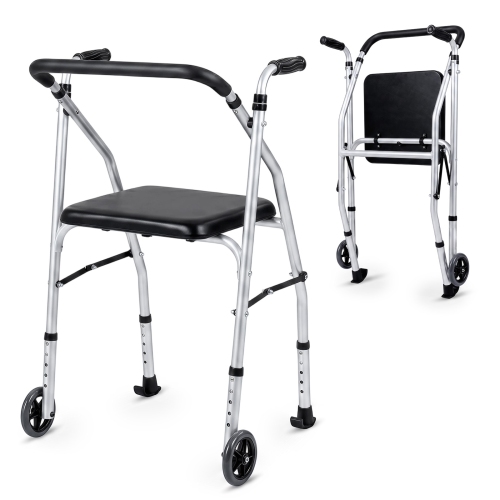
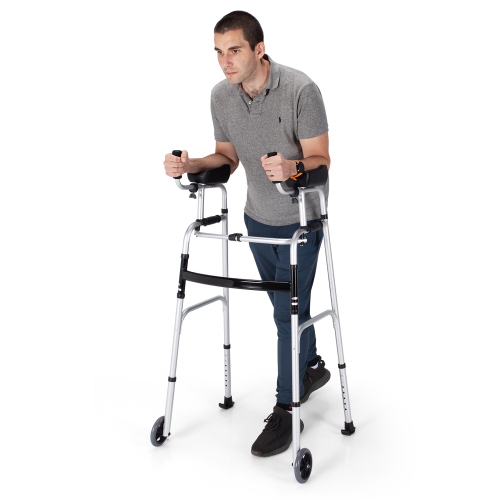
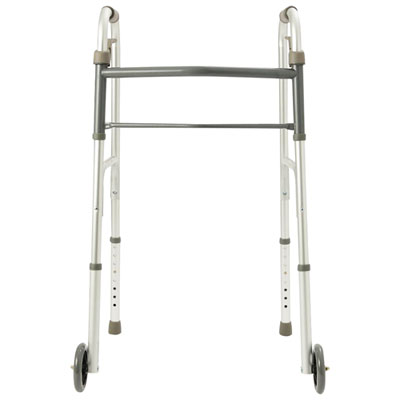
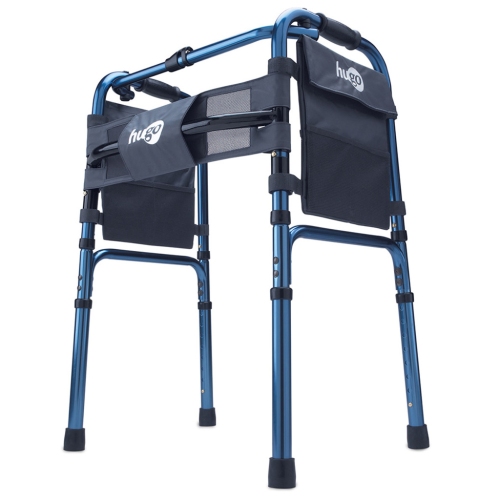
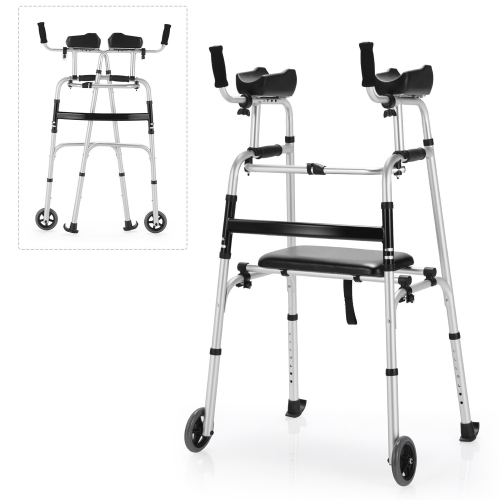
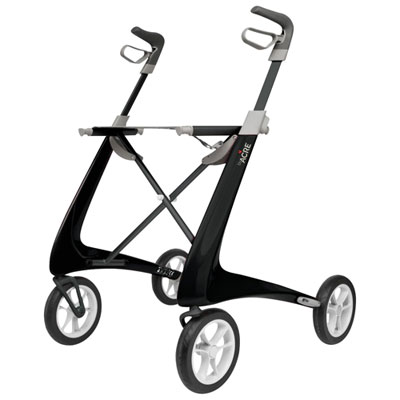
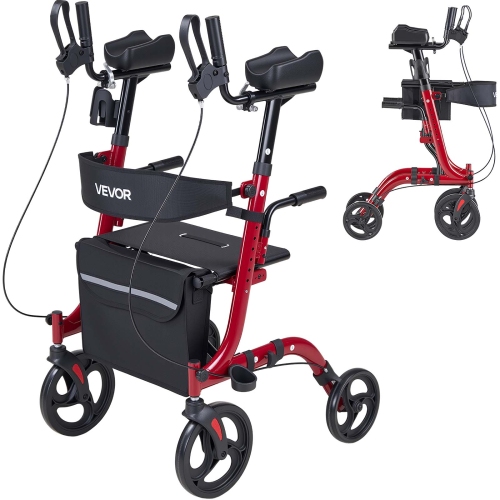
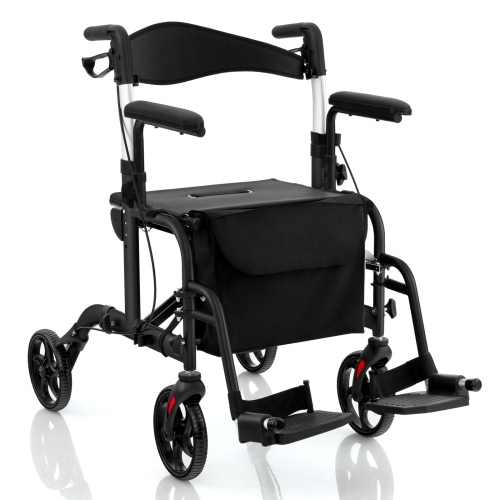
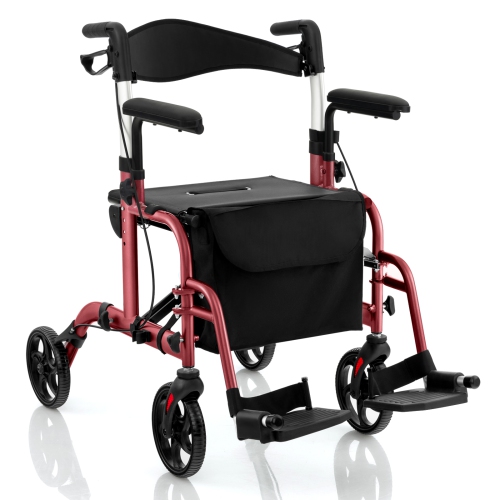
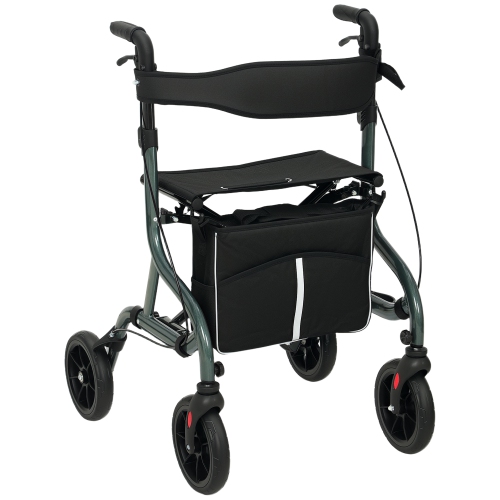
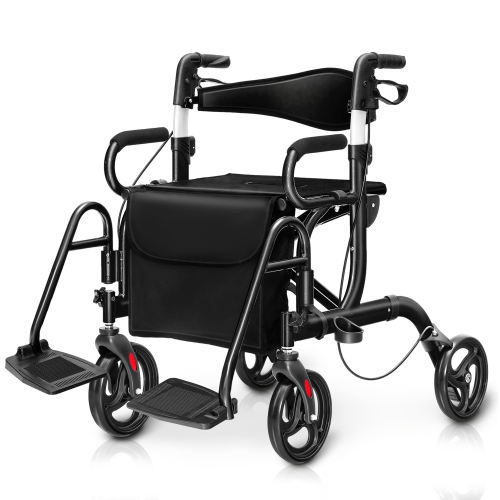
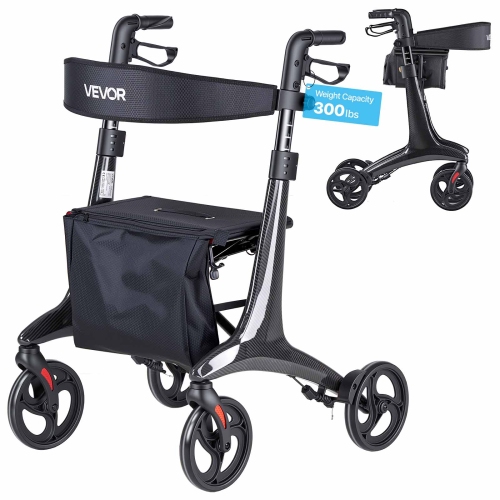
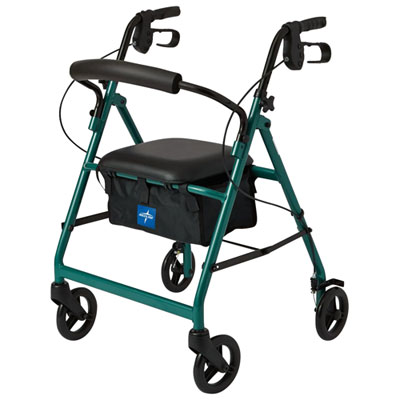
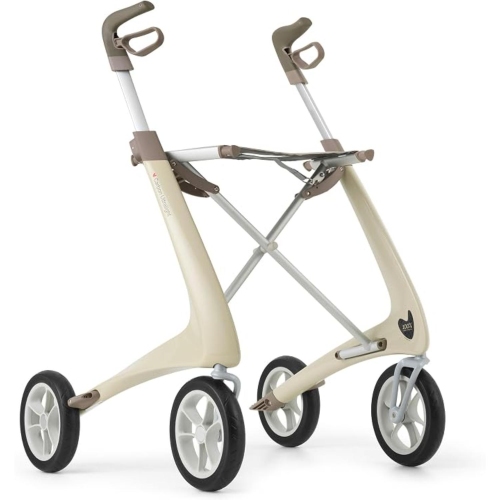
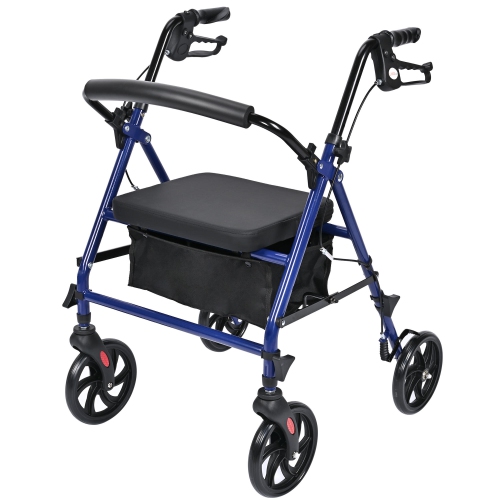
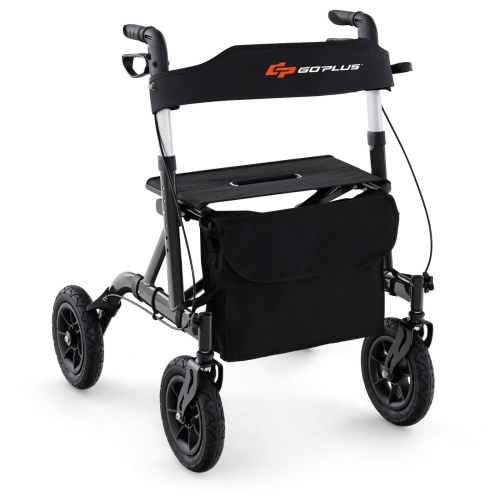
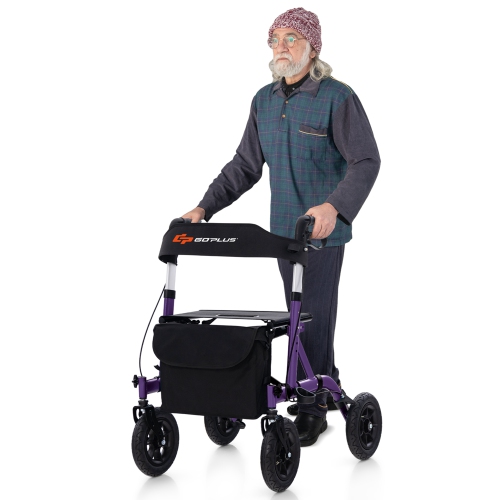
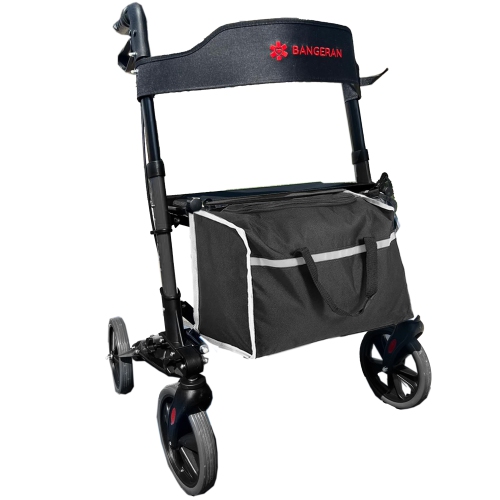
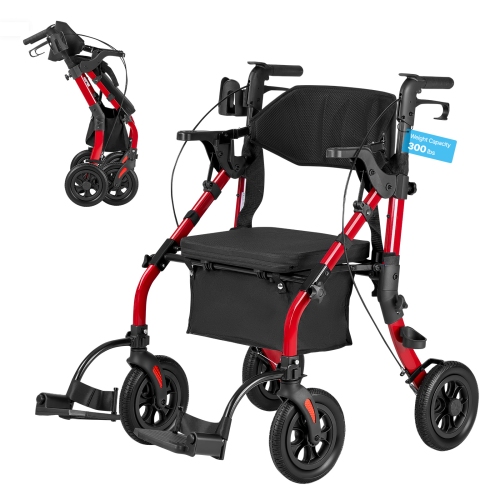
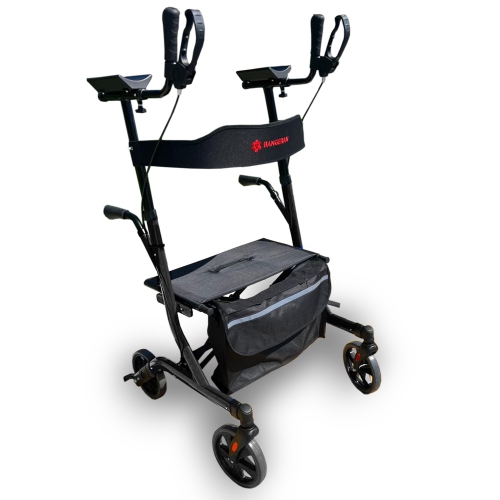

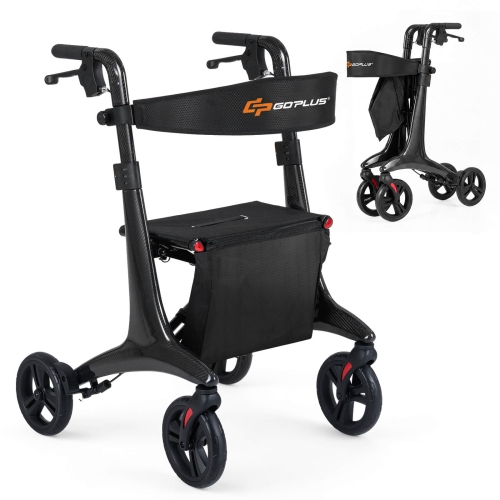
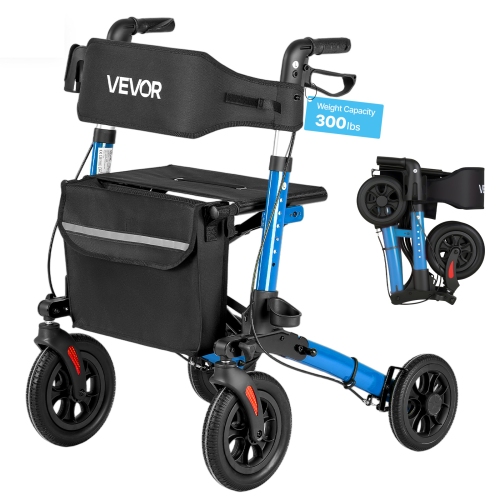
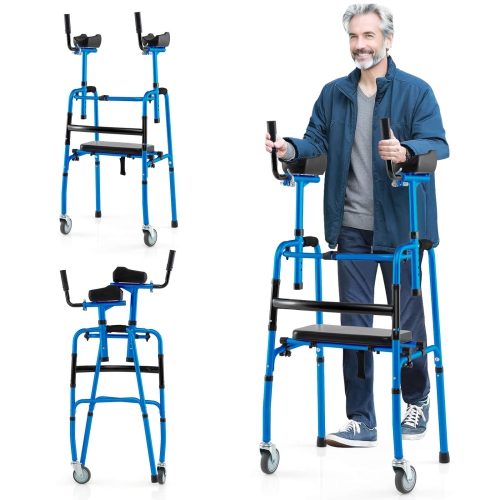
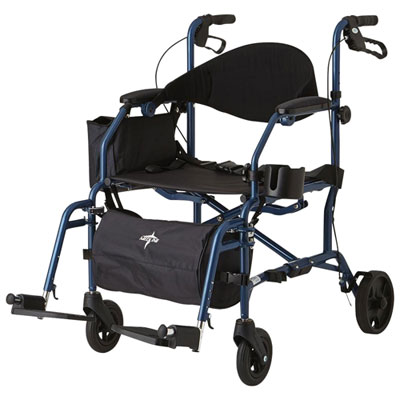
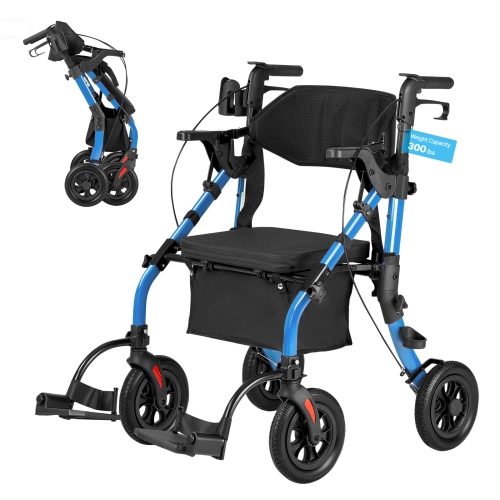
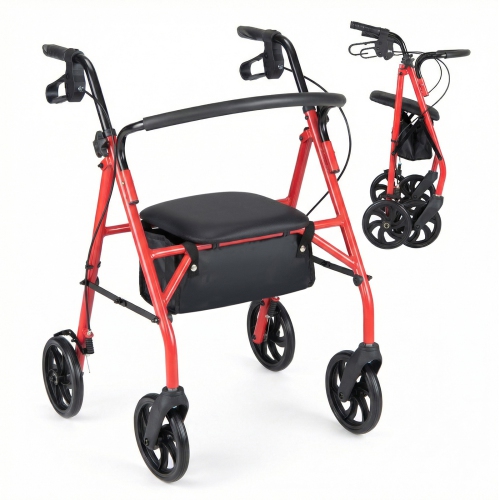
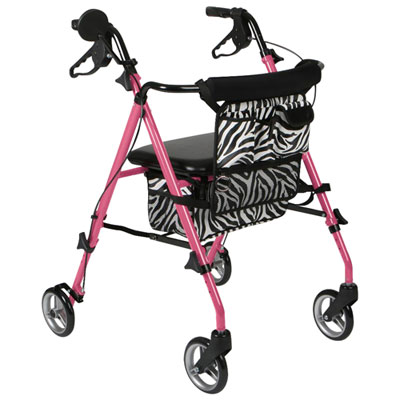
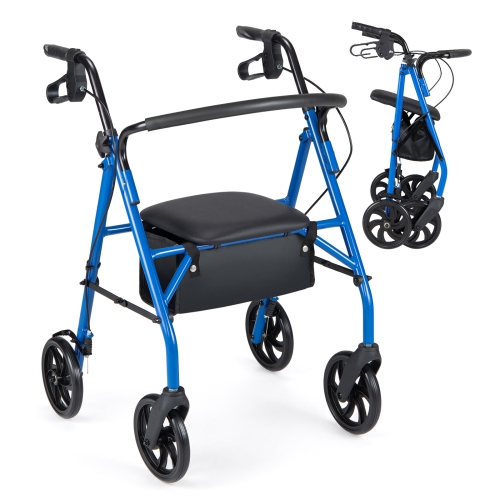
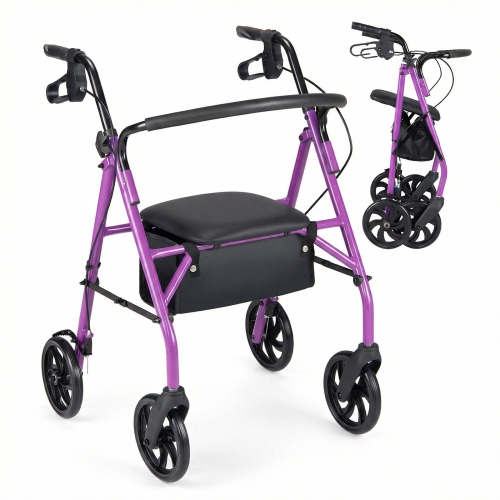
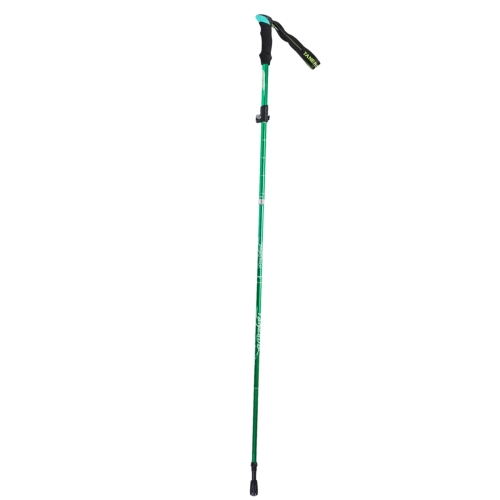
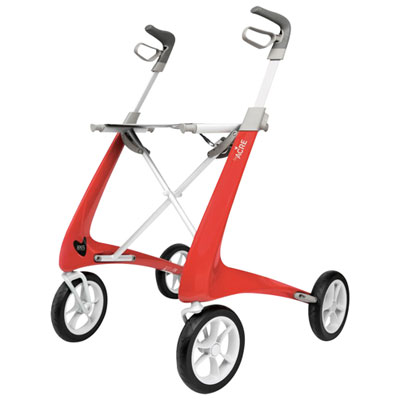
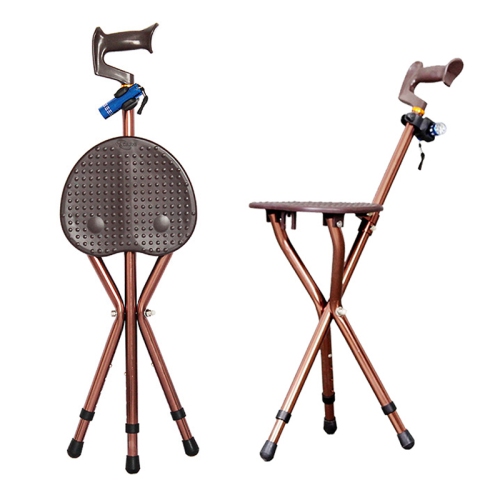
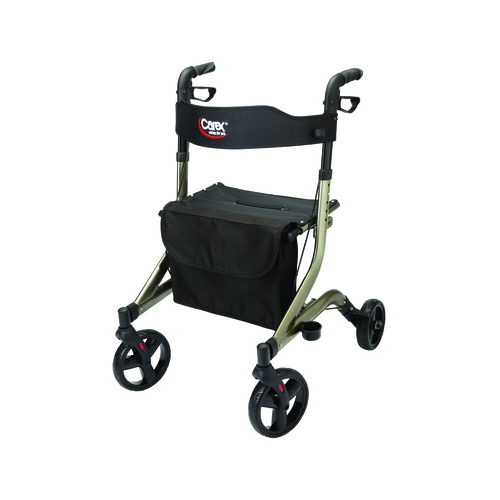
Walking support that balances fit with easy storage
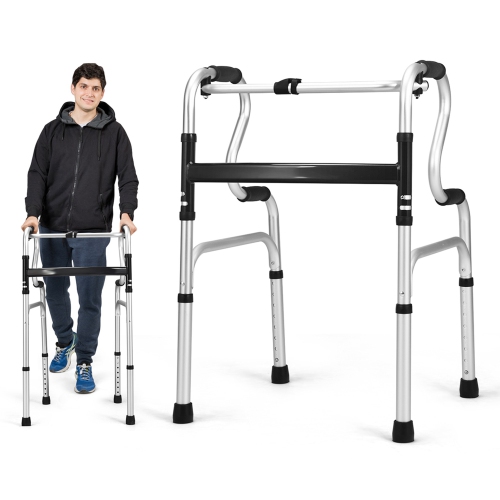
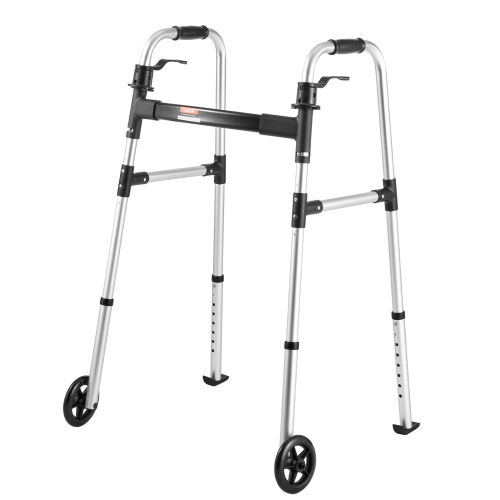
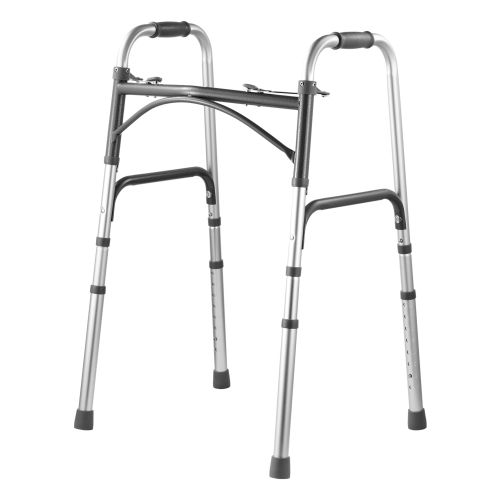
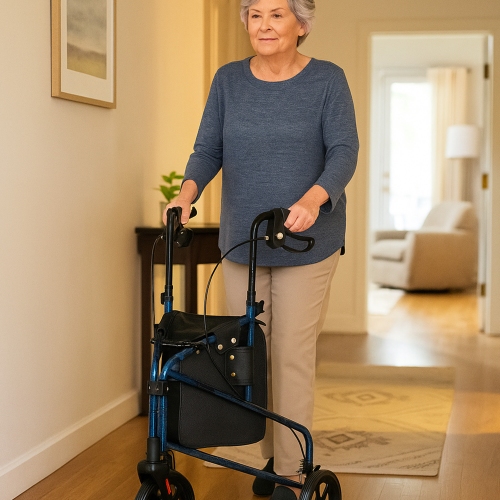
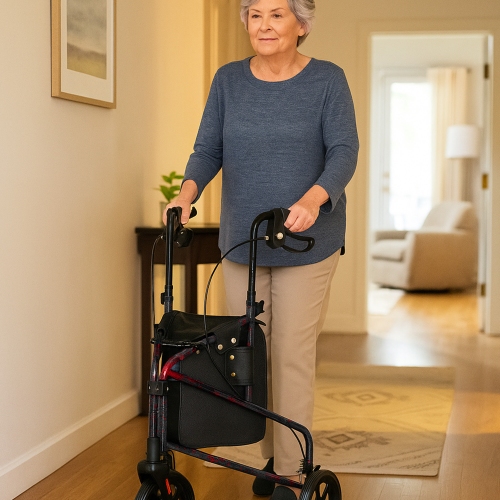
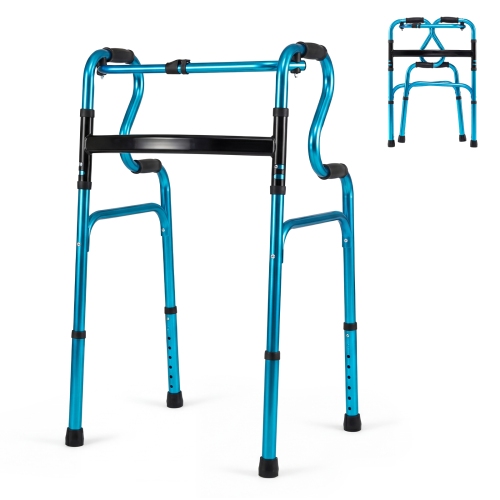
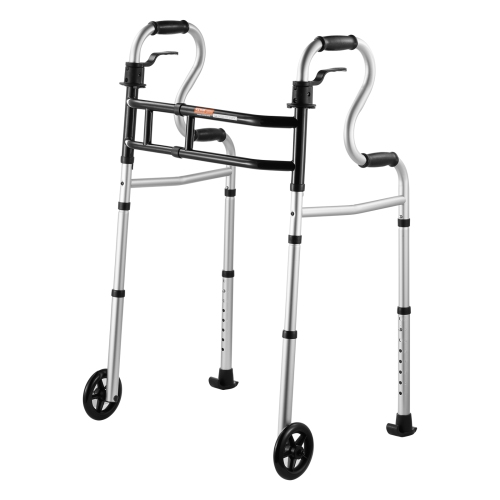
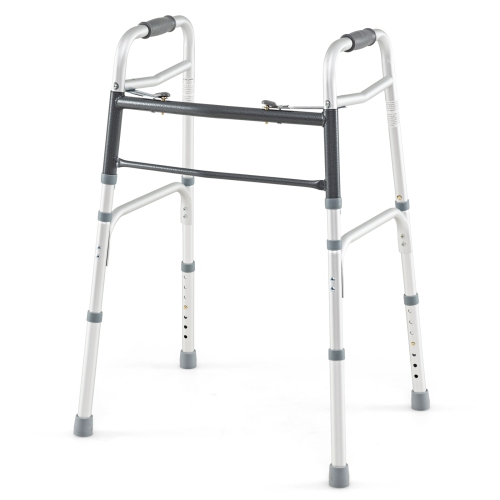
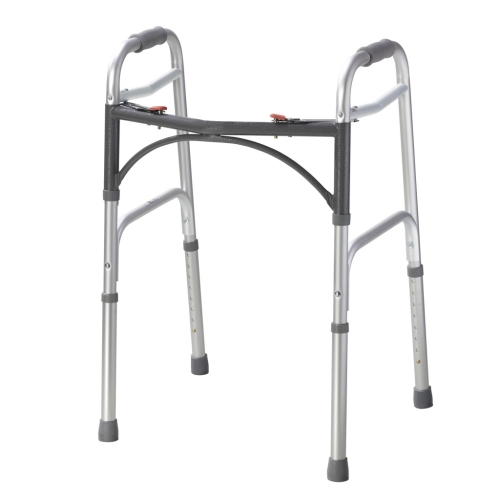
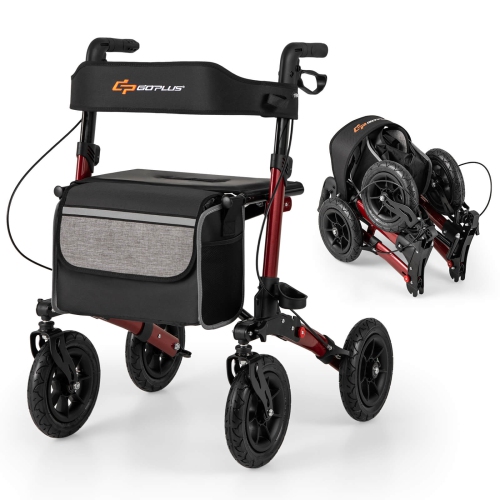
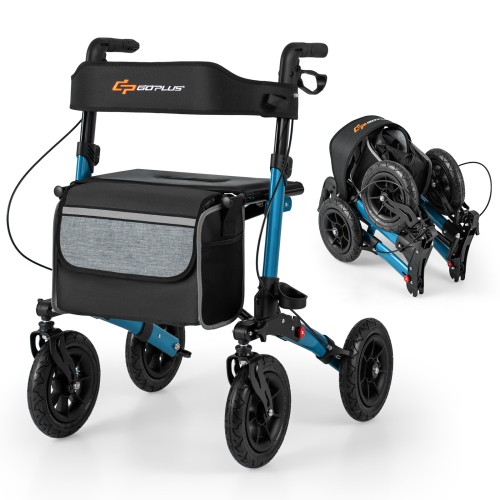
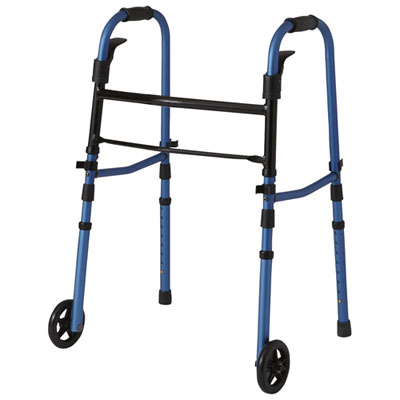
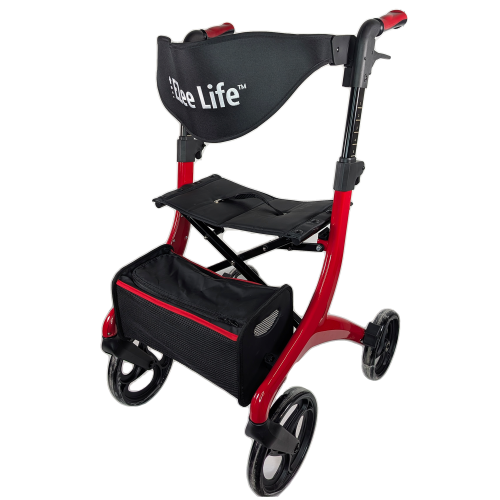
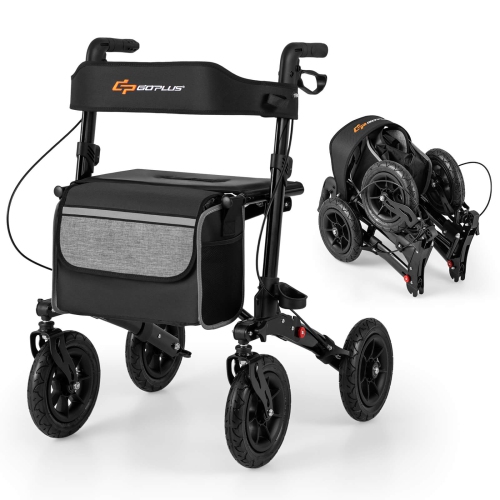
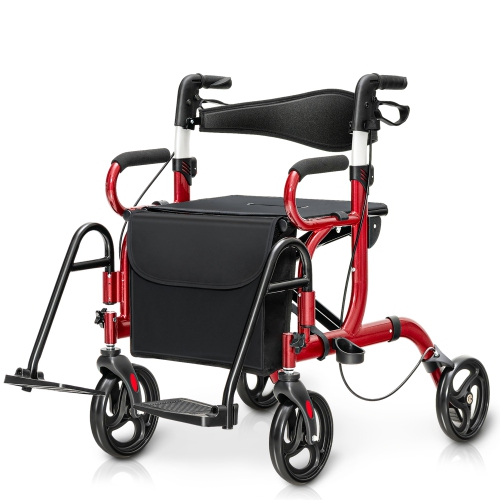
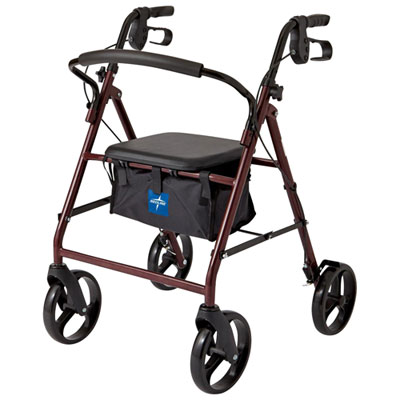
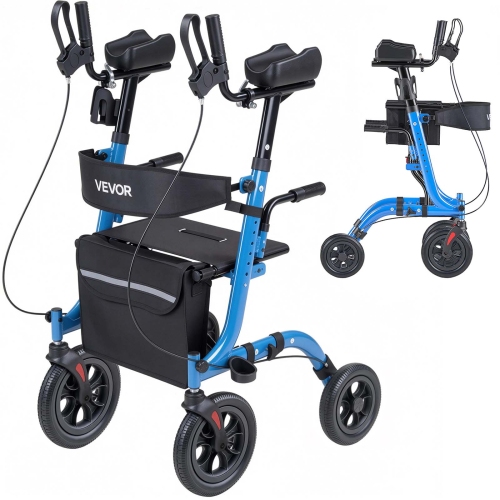
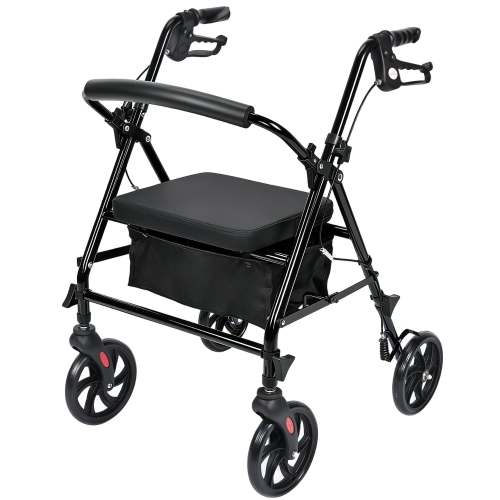
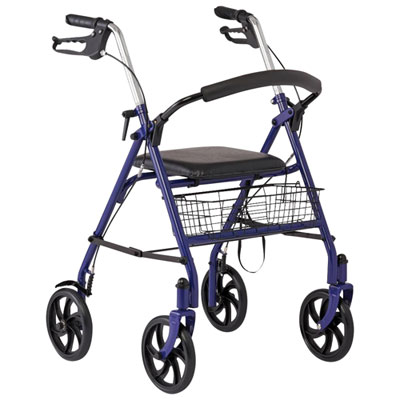
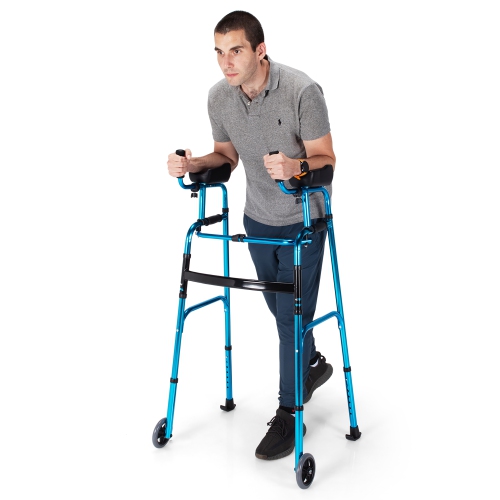
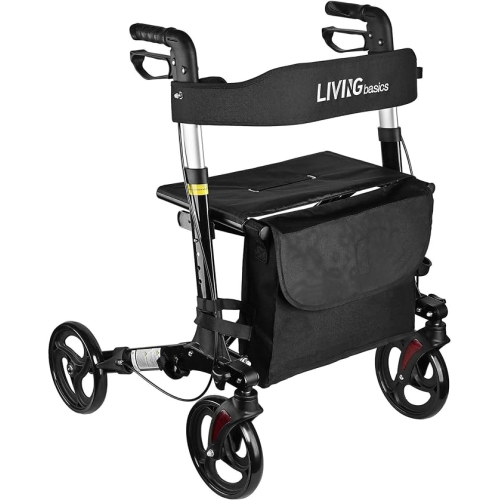
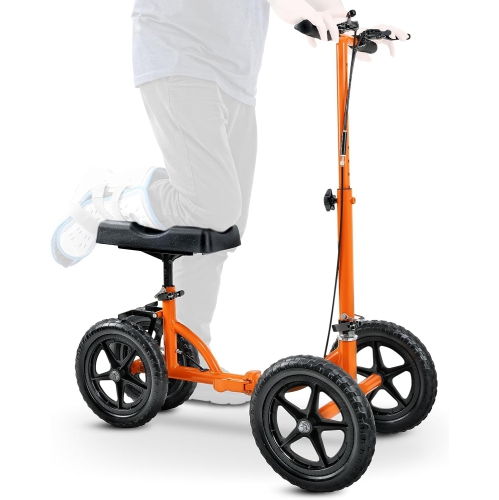
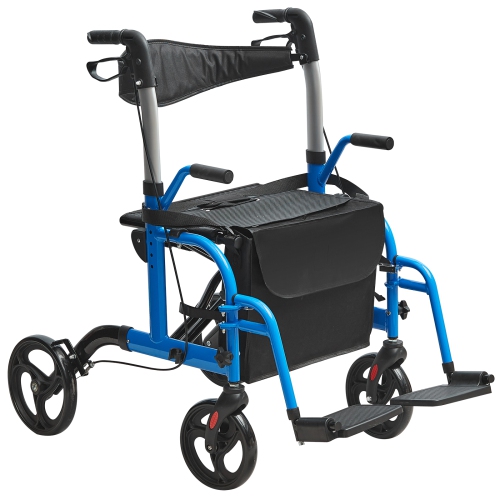
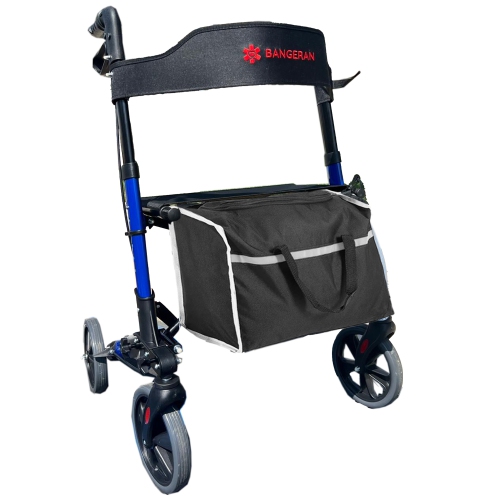
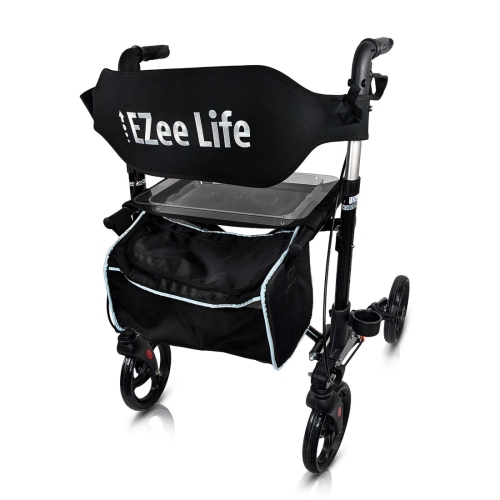
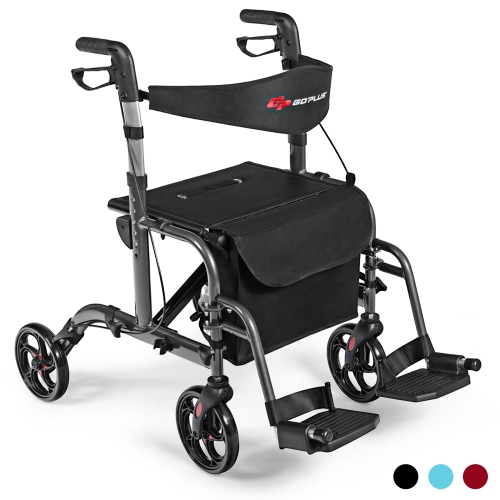
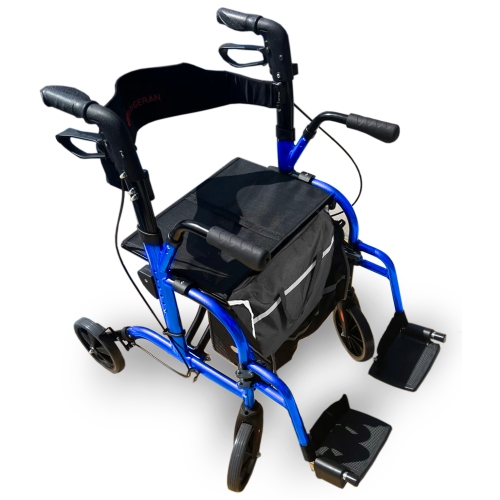
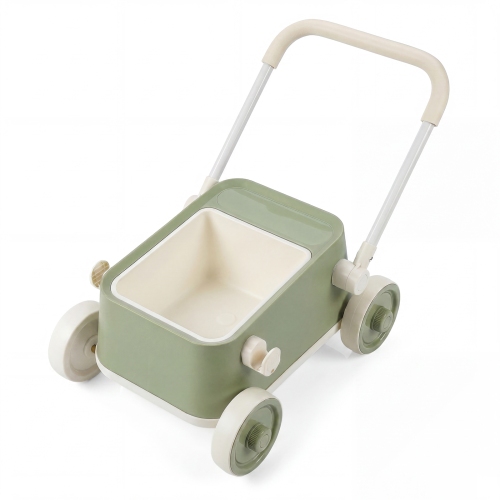
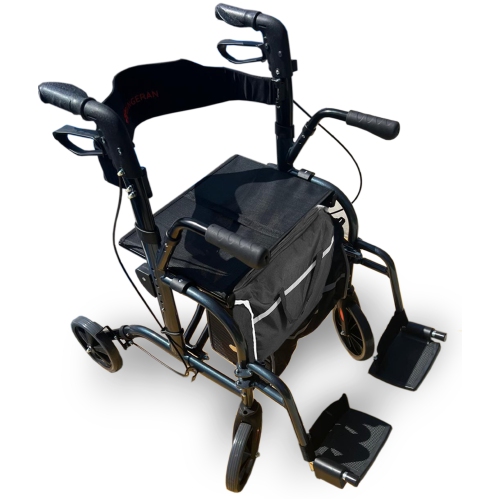
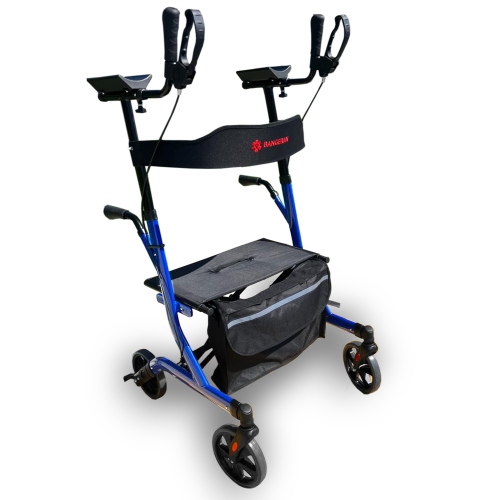
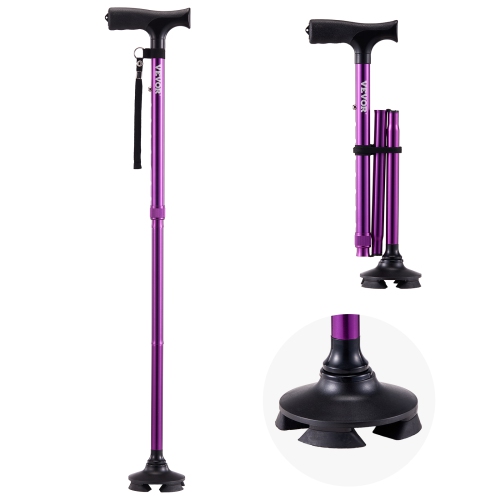
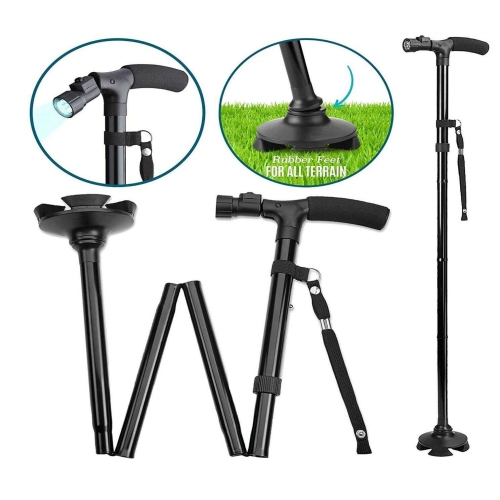
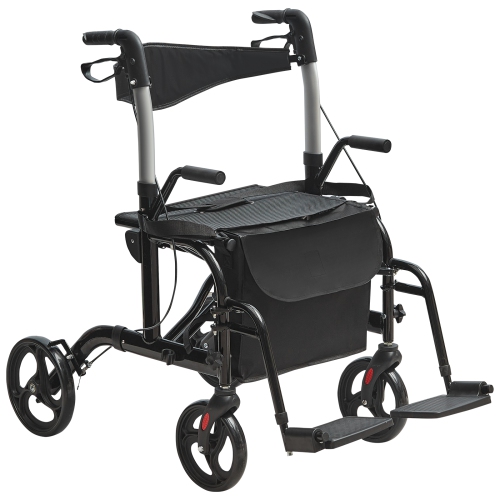
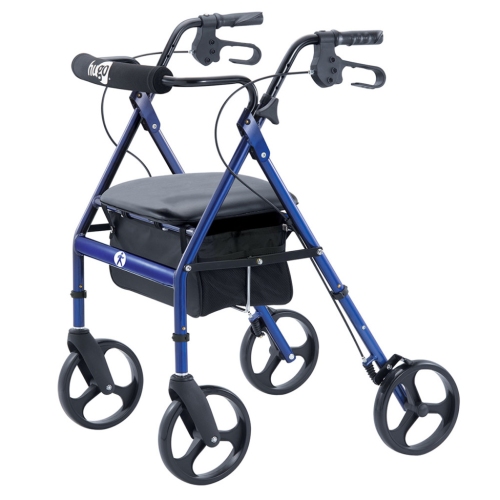
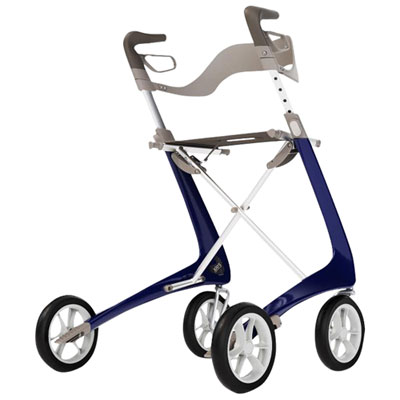
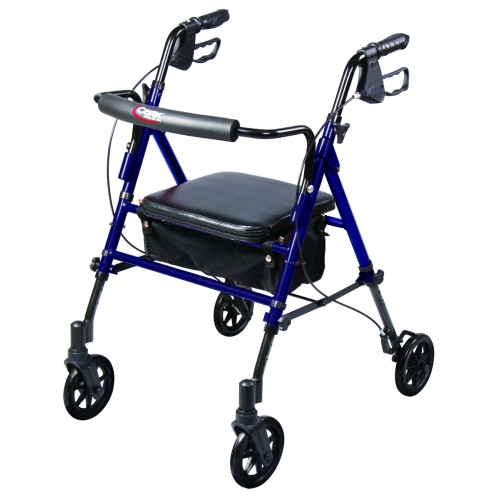
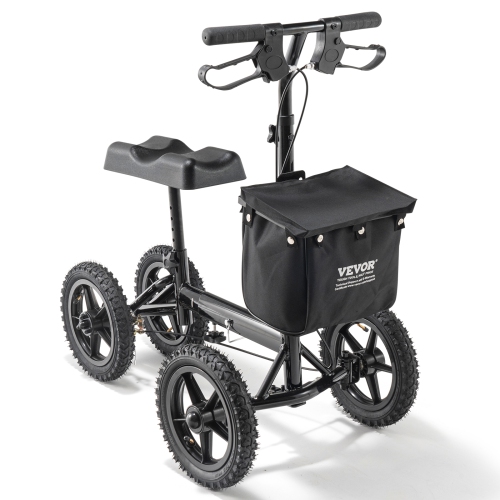
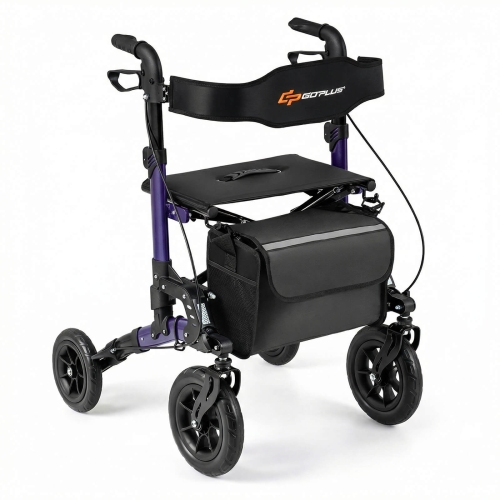
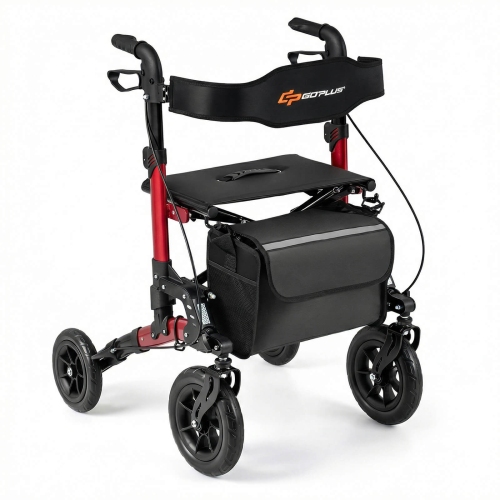
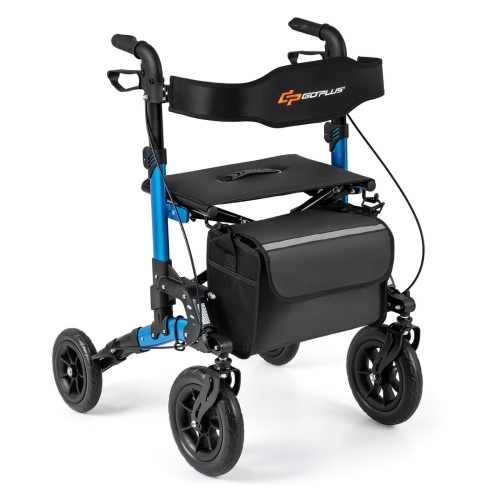
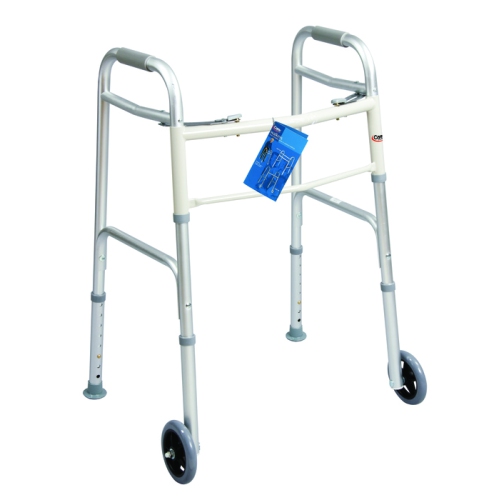
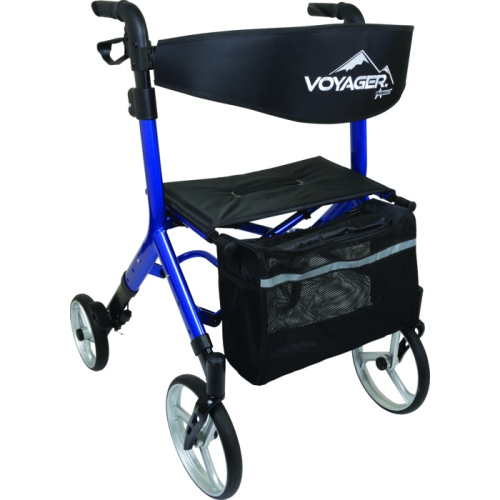
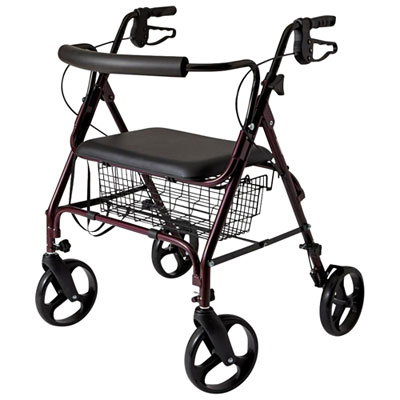
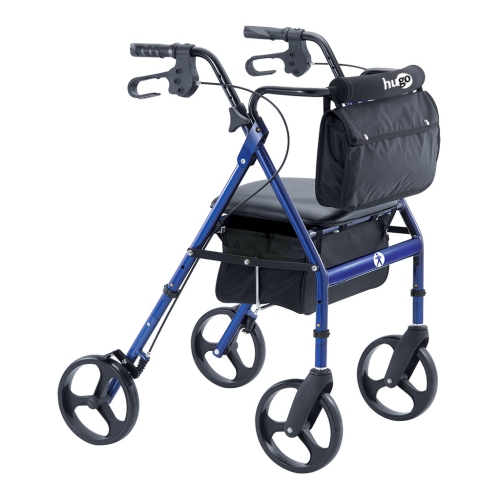
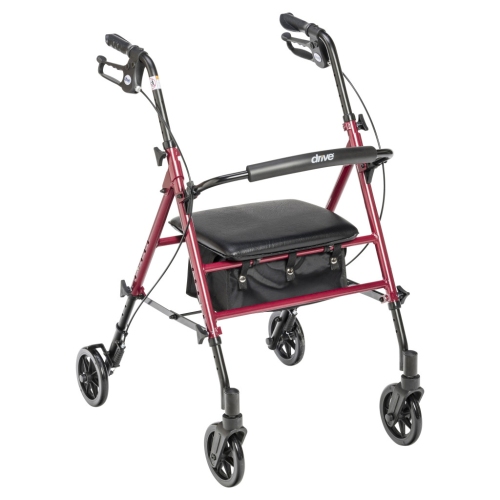
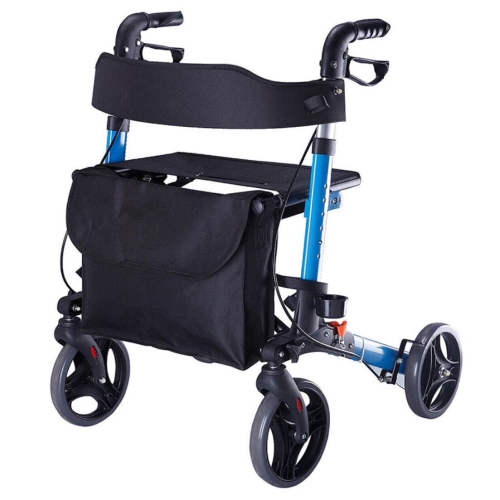
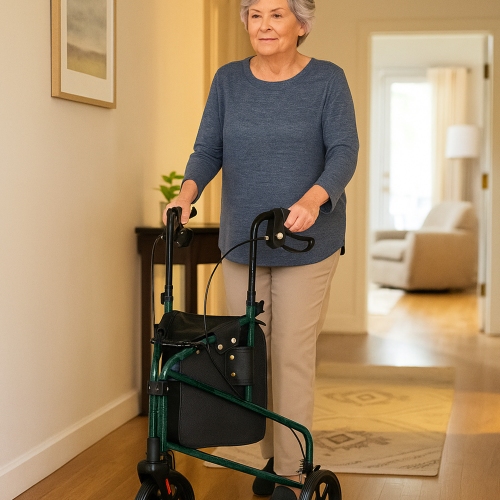
Folding walkers are mobility aids with collapsible frames that provide walking support and take up less space for storage or transport. They can be useful for older adults, people living with reduced balance or strength, and adults who need support during rehabilitation after an injury or procedure. Their practical appeal is easy to picture: a walker can be open for movement around a living room, then folded to fit in a vehicle for an appointment or tucked beside a cupboard when not in use. The right design depends on how much support a person needs, how they move, and where the walker will be used. Standard folding walkers typically have four legs with rubber tips and are lifted and placed forward as the user walks. Two-wheel versions have front wheels and rear contact points, allowing forward movement without lifting the entire frame at each step. The rear legs may use tips or compatible glides, depending on the design. Four-wheel walkers, often called rollators, move continuously on wheels and generally include hand brakes; many also have a seat and storage space. These designs serve different mobility needs, so the presence of wheels or a seat does not automatically make one style more suitable than another. For people whose mobility needs suit a rolling frame with hand brakes, 4 Wheel Walkers offer a related option with features intended for that walking pattern. A physiotherapist or occupational therapist can help establish whether a fixed-leg, two-wheel, or four-wheel design is appropriate, particularly when support is needed to reduce weight placed through a leg. Across these styles, folding construction adds convenience without changing the importance of a properly fitted frame and suitable walking technique. A walker that is easy to store still needs to feel manageable when open, with handles, supports, and controls that match the person using it.
Materials, dimensions, and adjustment details make a noticeable difference in everyday handling. Aluminum frames are common because they combine relatively low weight with a rigid structure, while some designs use steel or a combination of materials. Frame material alone does not establish strength: the manufacturer’s stated weight capacity, construction, and intended use remain important. A broader frame may provide more room between the handles, but it also needs to pass comfortably through the spaces used every day. Bathroom doorways, the gap beside a bed, and the turning space around a dining chair can matter as much as the width of a hallway. Overall width and usable space within the frame are different measurements, and both affect fit. Handle height is another key detail. A comfortable fit generally allows an upright posture with a slight bend at the elbows, rather than raised shoulders or a deep forward lean; individual needs may call for professional adjustment. Handgrips also vary in shape, firmness, and surface texture. Someone with tender hands may value a broader grip, while another person may find a simpler shape easier to hold securely. Folding mechanisms deserve the same attention as the frame itself. Push-button, paddle, and other release styles can require different amounts of finger strength, reach, and coordination. For a person with stiff hands, an easy-to-operate release may be more useful than a particularly compact fold. Some frames fold flat, while others collapse into a narrower shape, making folded dimensions relevant to a car boot, closet, or shared storage area. The walker’s weight also matters to anyone who will lift it into a vehicle, whether that is the user, a family member, or a caregiver. An effective folding design balances portability with secure locking when opened; the frame should not feel loose or partly engaged during use.
Daily use brings smaller details into focus, from the feel of the grips to the condition of the parts that meet the floor. Rubber tips, wheels, glides, and brakes are wear components, and their condition affects how a walker moves and holds its position. A worn tip may lose traction, while debris caught around a wheel can interfere with smooth movement. Routine care usually involves wiping the frame with a soft cloth and an appropriate mild cleaner, drying it thoroughly, and following the manufacturer’s directions for grips, padded parts, and moving joints. Regular checks for loose fasteners, damaged tubing, worn contact points, and properly engaged adjustment buttons help identify when maintenance or replacement parts are needed. Compatible replacement tips and accessories matter because small differences in fit can affect function. Storage pouches, baskets, and trays can keep light essentials close at hand, but they need to suit the frame and remain within the stated load limits; heavy bags hanging from handles can upset balance. A phone, glasses case, or small personal pouch is a more practical load than bulky shopping bags. For seated rollator designs, the seat is a resting feature used as directed with the parking brakes engaged, not a substitute for a wheelchair. A walker also should not be used as a handle to pull up from a chair unless it is specifically designed for that purpose. These distinctions are especially relevant when arranging support for a parent, partner, or other family member. Rather than choosing a mobility aid as a surprise gift, involving the intended user helps account for comfort, confidence, hand strength, and the routines they want to maintain. Whether the aim is moving between rooms, attending appointments, or taking part in everyday outings, a folding walker is most useful when its support, fit, and portability work together for that person’s needs.
Top selling and popular products
-
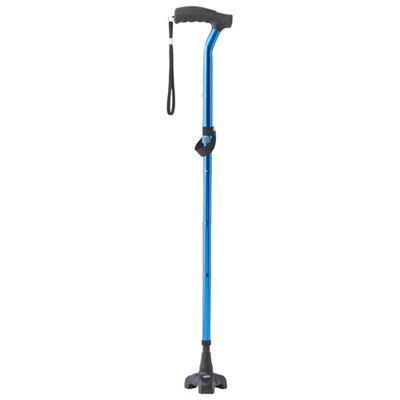 Your price for this item is $35.99
-
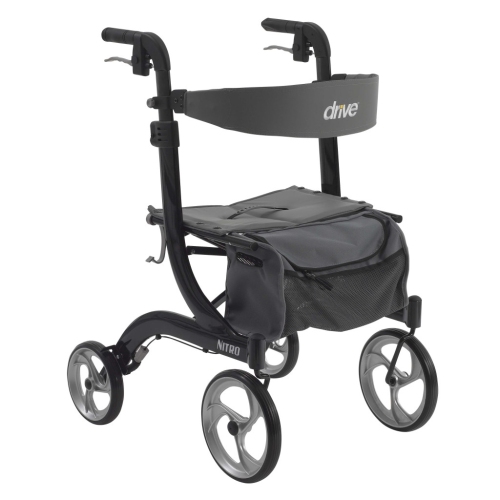 Your price for this item is $422.99
-
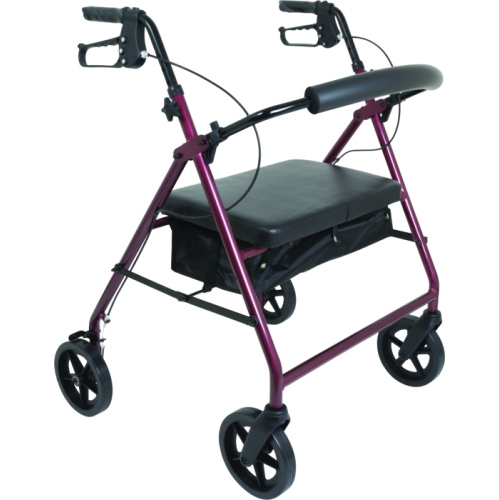 Your price for this item is $244.99
-
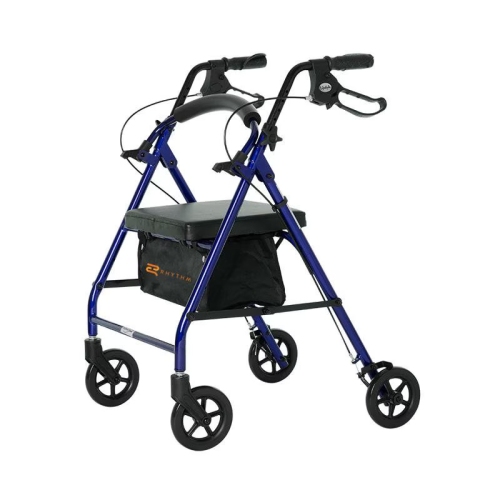 Your price for this item is $188.99
-
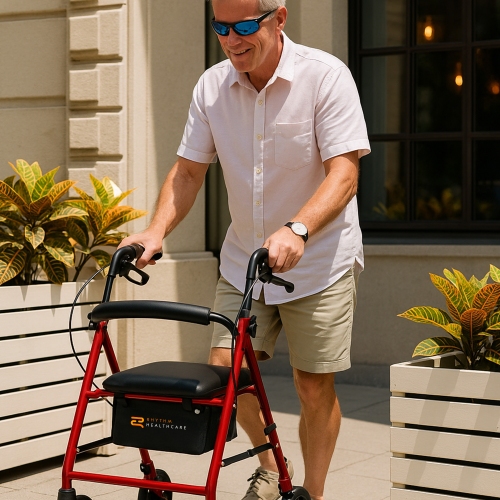 Your price for this item is $150.99
-
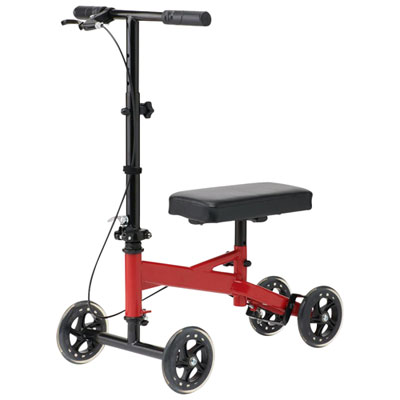 Your price for this item is $169.99
-
 Your price for this item is $158.99
-
 Your price for this item is $230.99
Discover more categories related to Folding Walkers
Top Collections:
Best Black Friday Deals This Year, Best Black Friday Deals On Electronics, Kindle Devices, Best Black Friday Deals On Apple Products, Best Budget Office Chairs, Best Cameras for Sports Photography, Dyson Airwrap, Canon G7X Cameras, Best Laptops for Writers, Samsung Galaxy Phones
Some products may be subject to Environmental Handling Fees
(EHF) depending on your province.
Learn more about EHFs.