Compression Knee Braces
Looking for reliable support and stability for your knees during physical activities or recovery? Our range of compression knee braces offers a variety of options to help alleviate discomfort, reduce swelling, and promote better circulation. Whether you're an athlete looking to prevent injuries, someone with joint pain seeking relief, or simply in need of extra support during daily activities, our compression knee braces are designed to provide the comfort and protection you need.
Sort
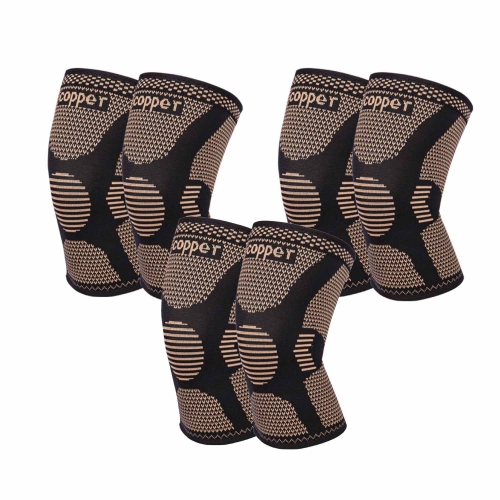
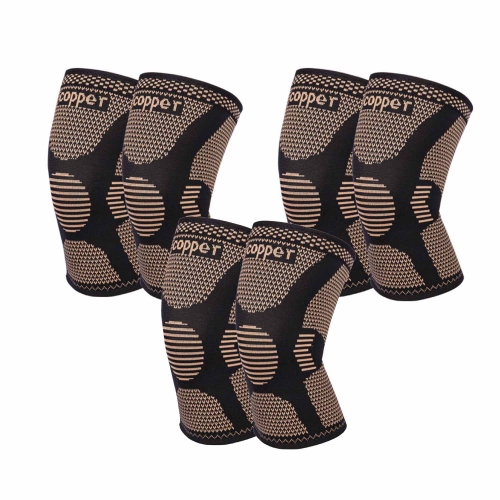
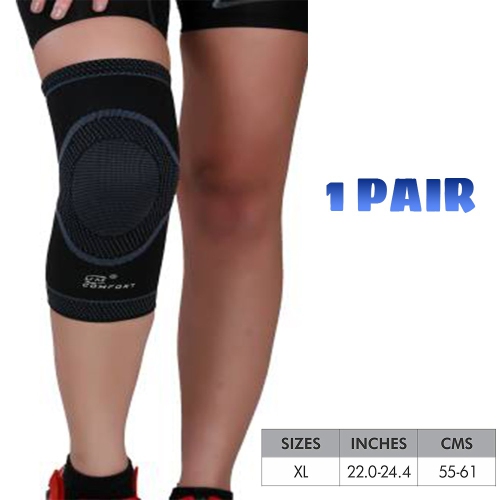
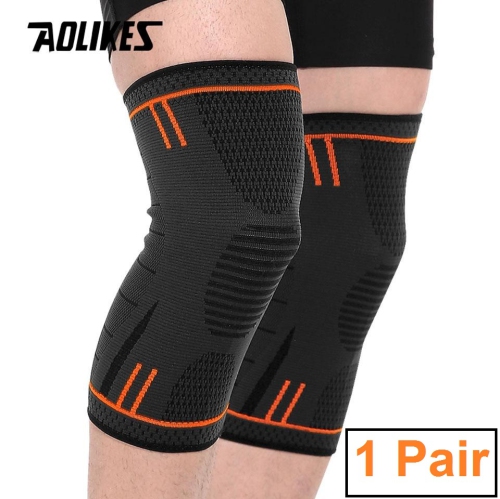
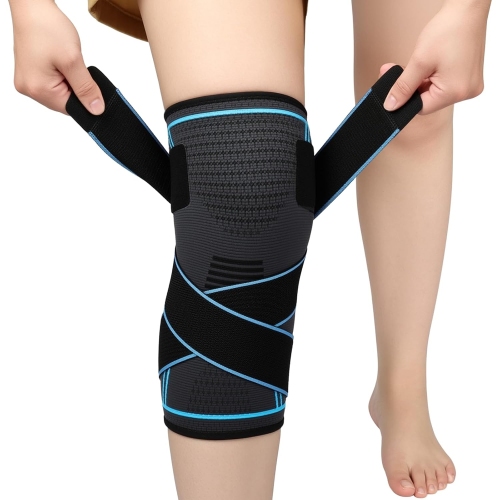
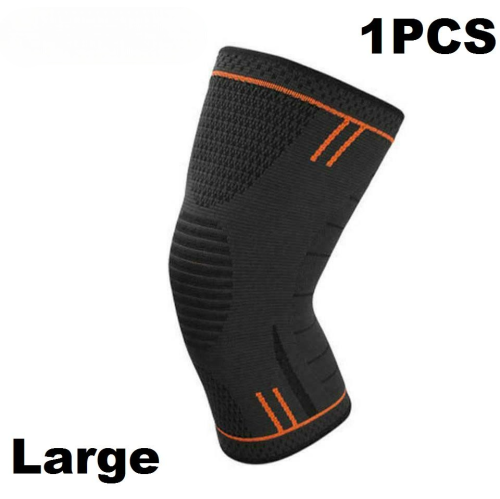
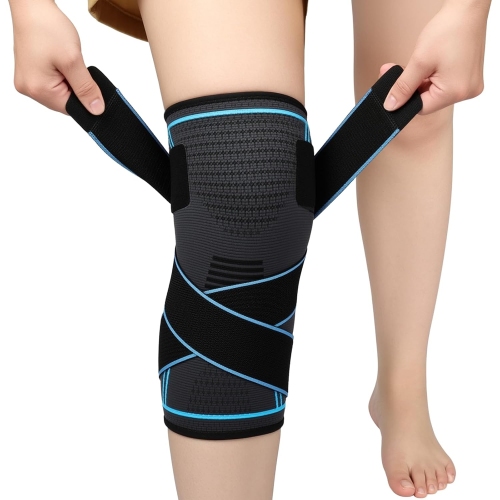
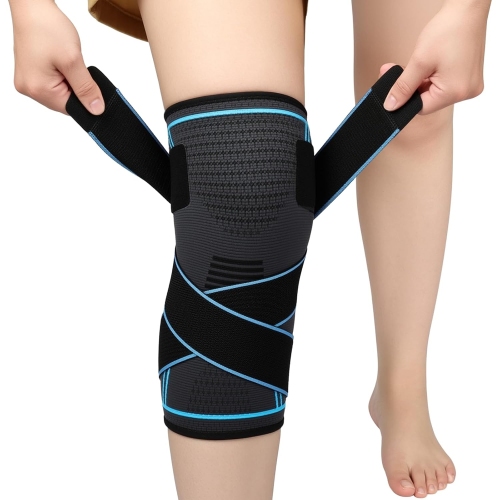
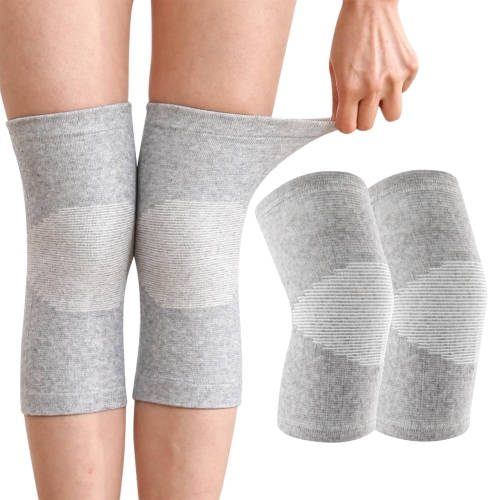
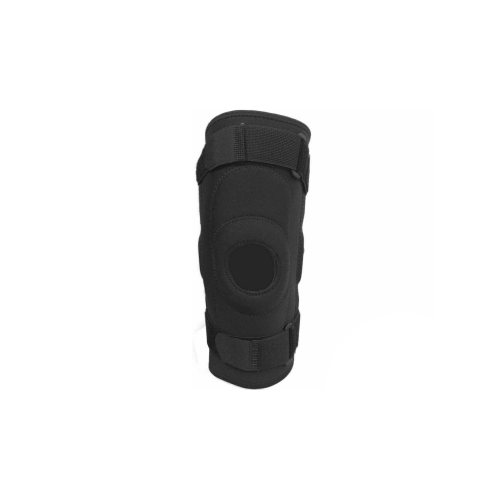

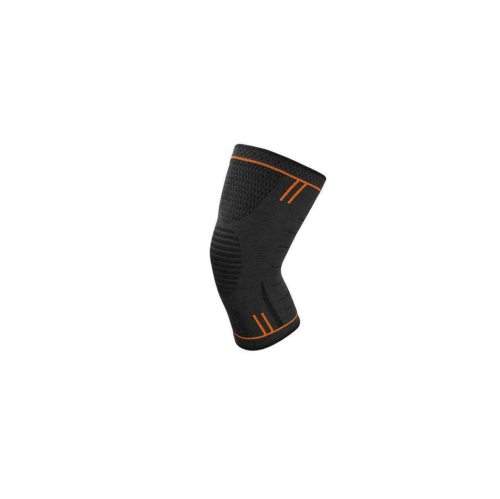
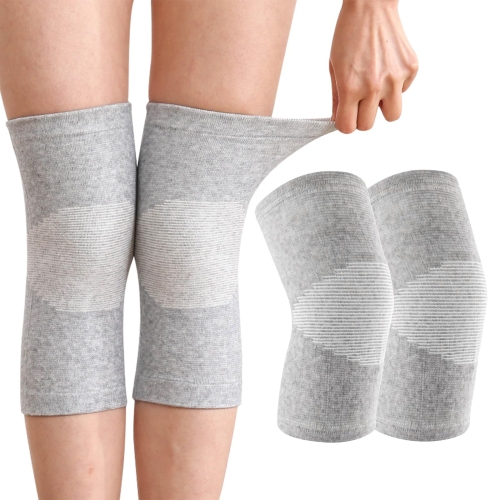
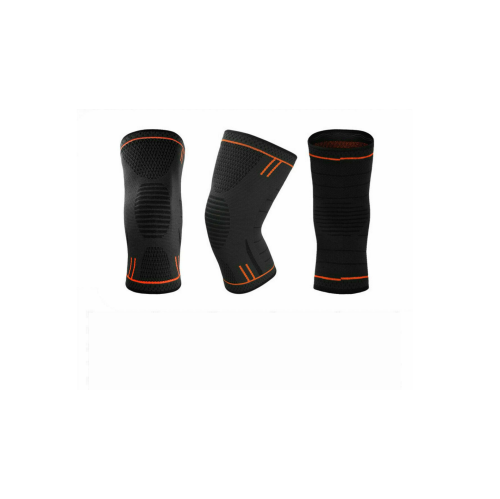

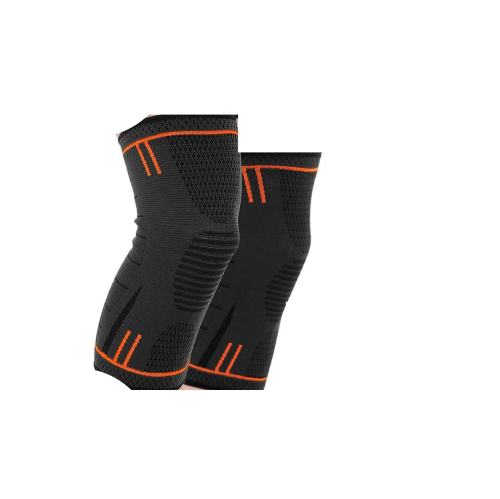
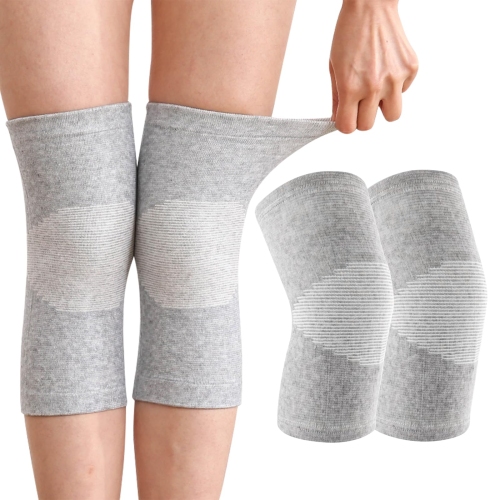
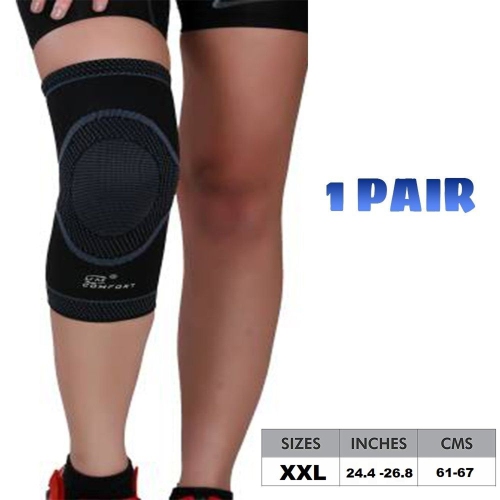
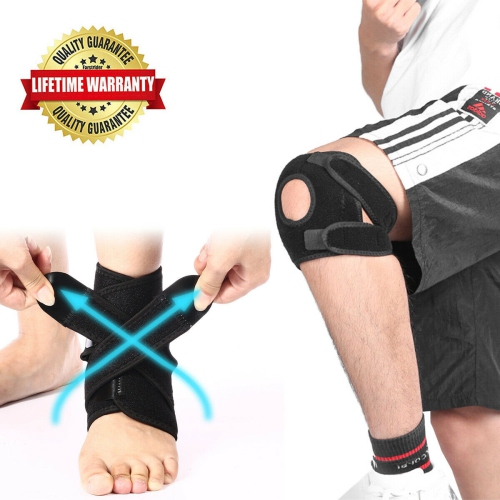
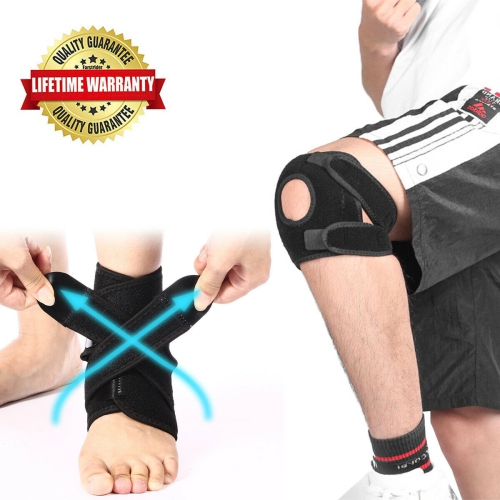
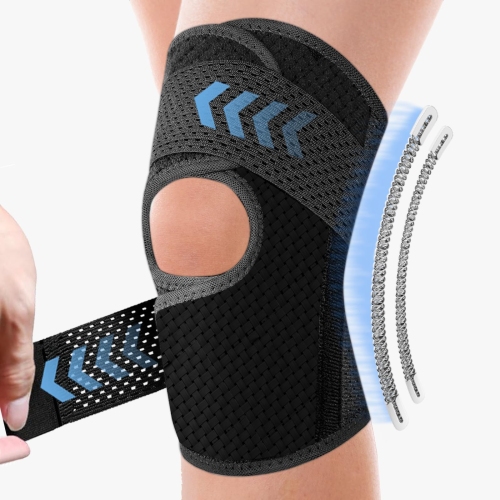
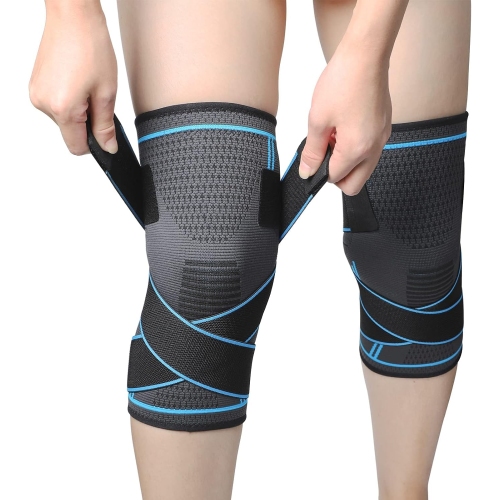


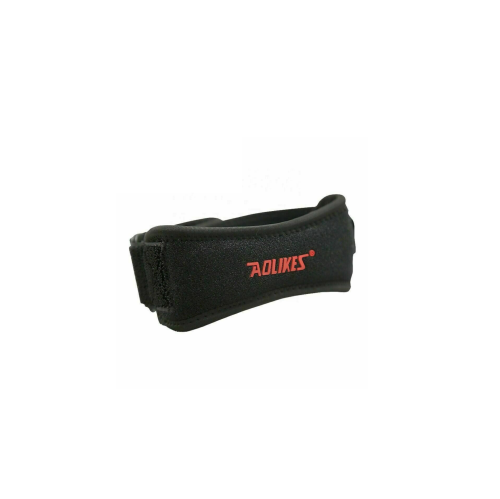
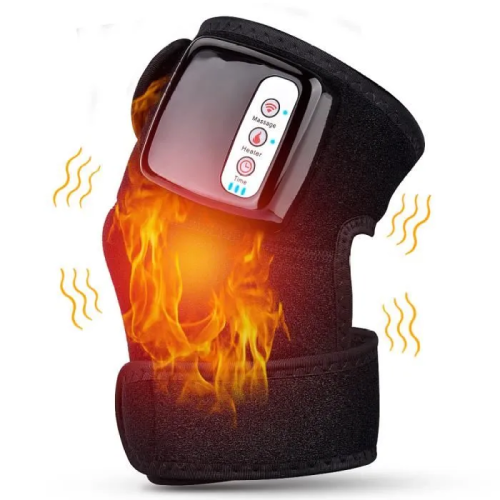
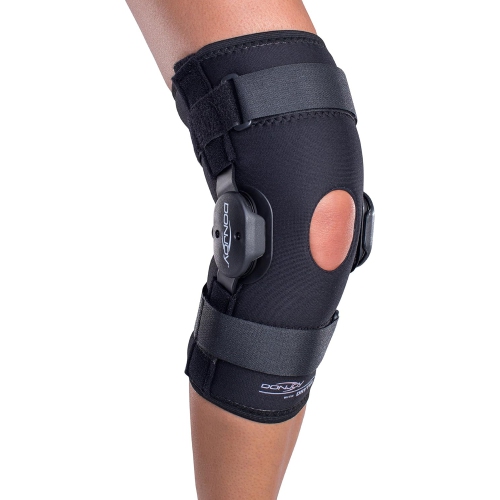
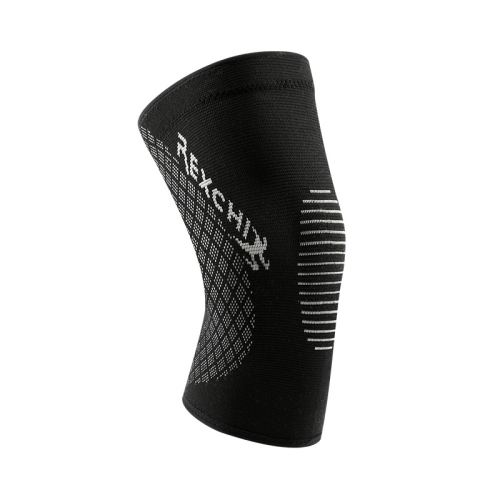

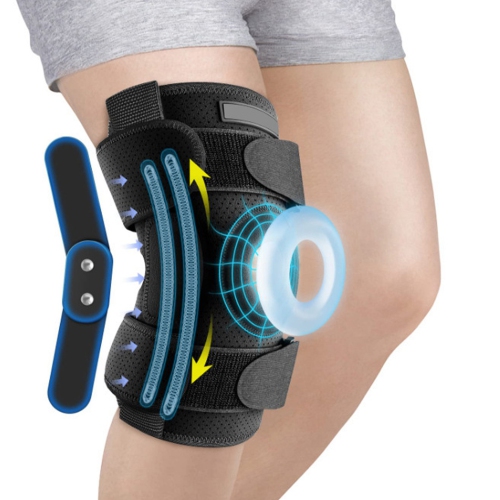
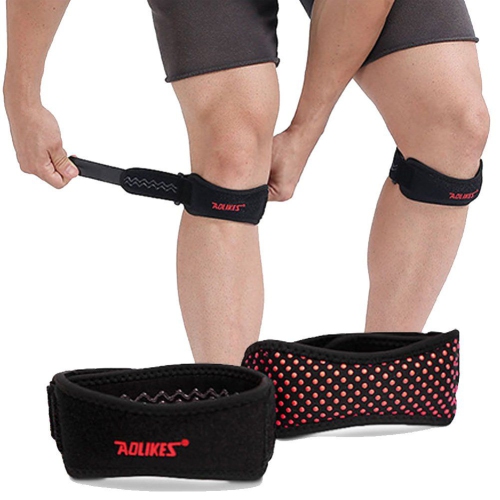
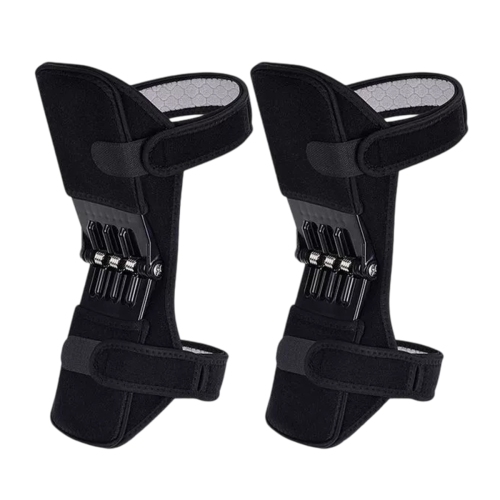
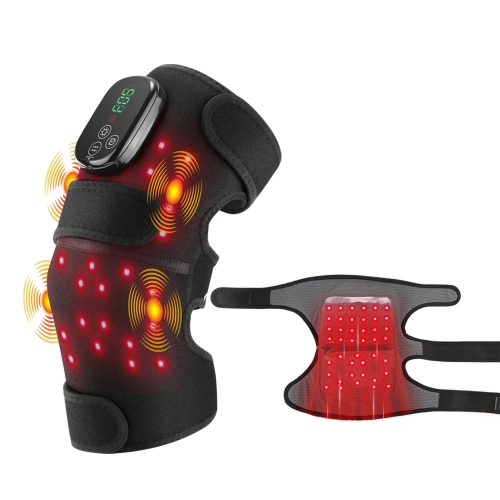
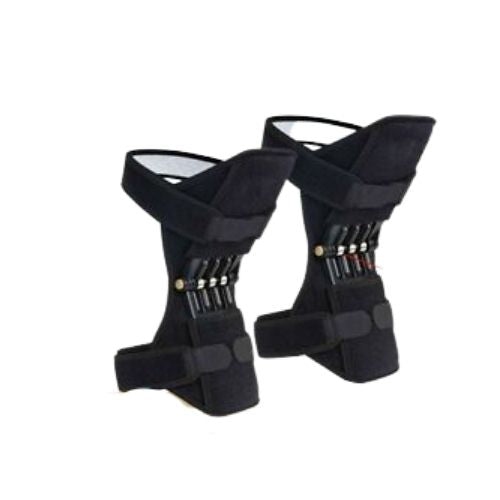

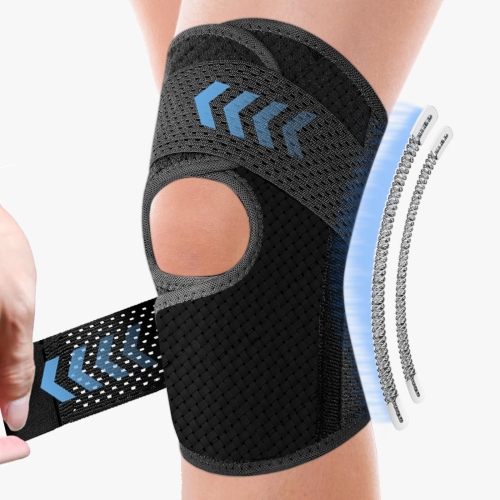
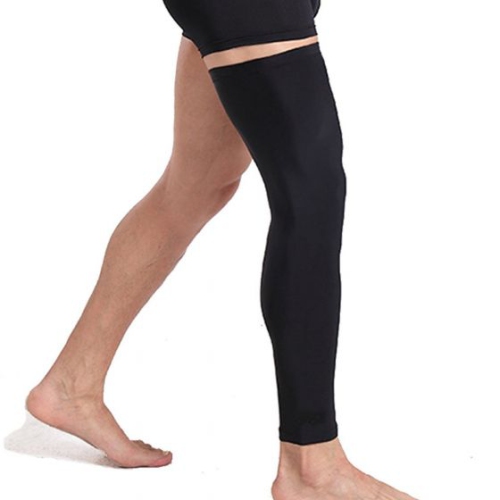
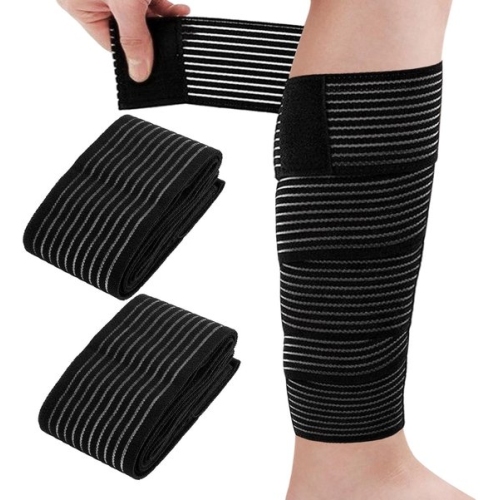
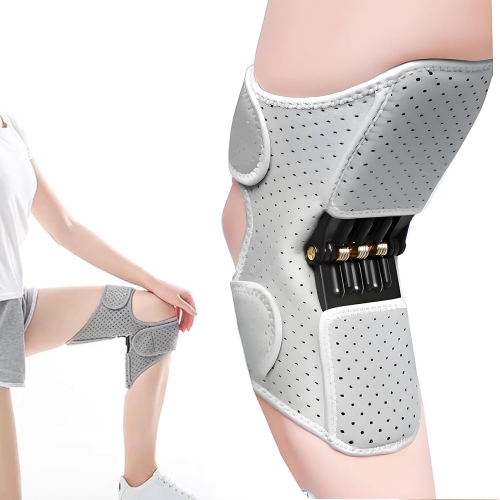
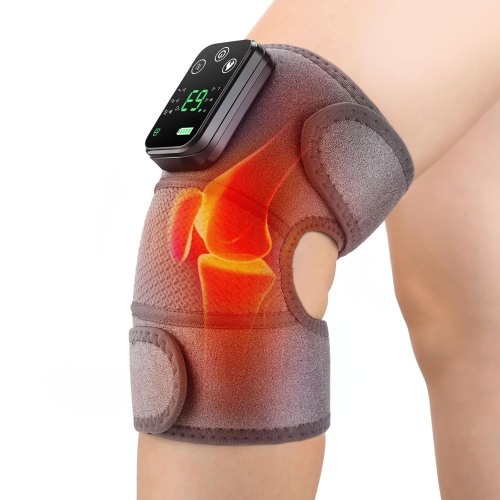
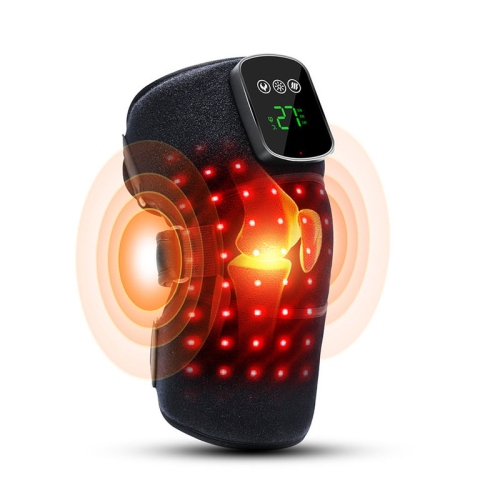
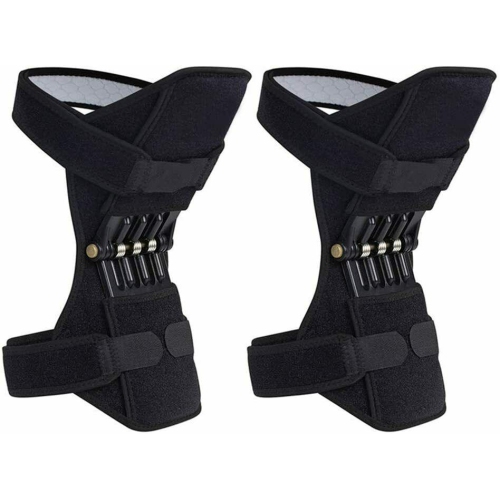
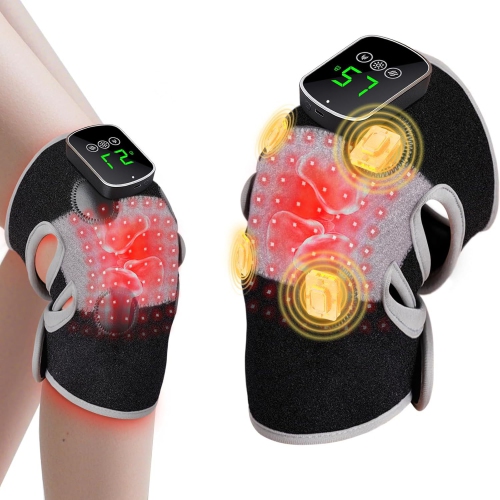
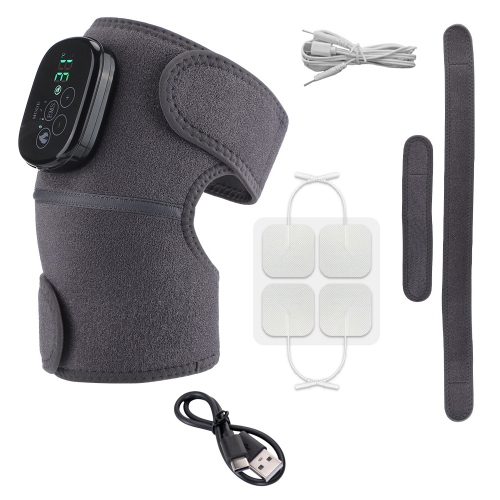
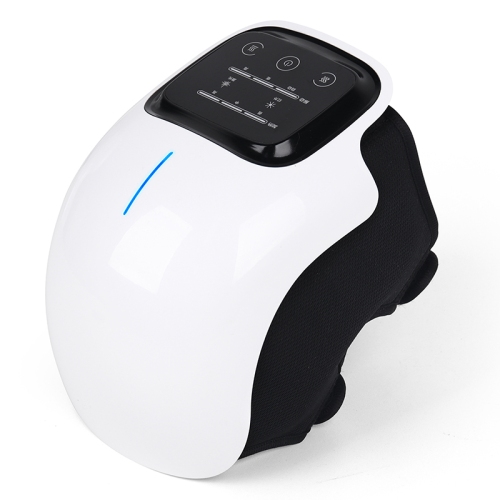
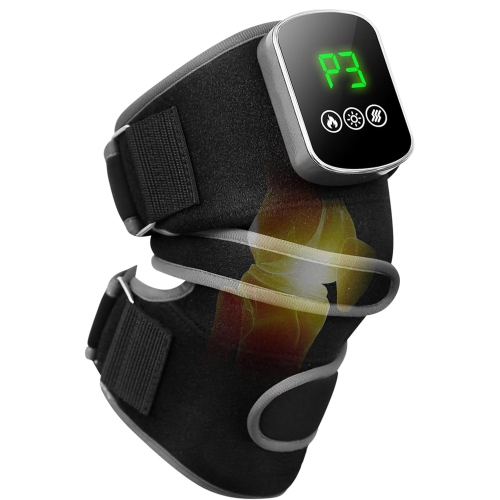
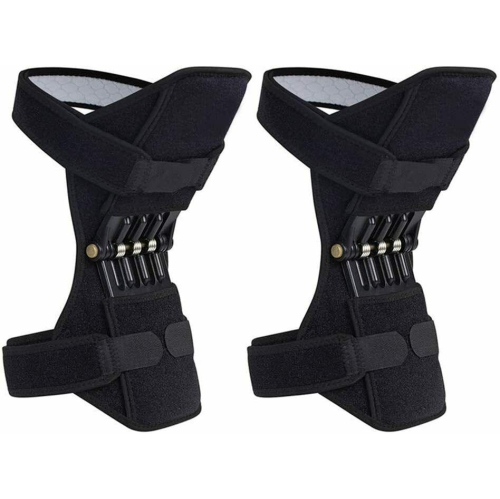
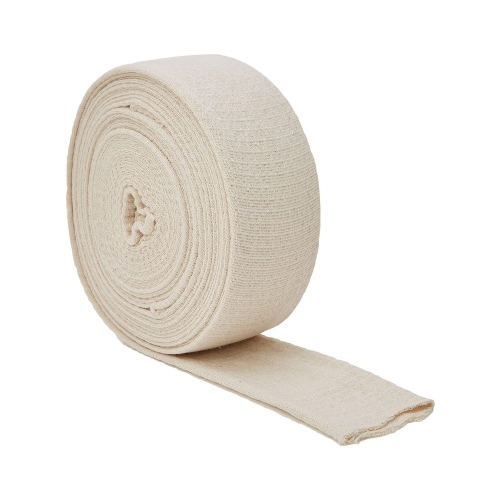
What to know about fit, materials, and everyday support
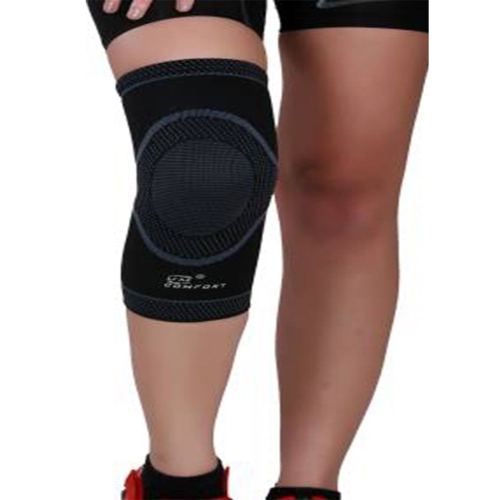
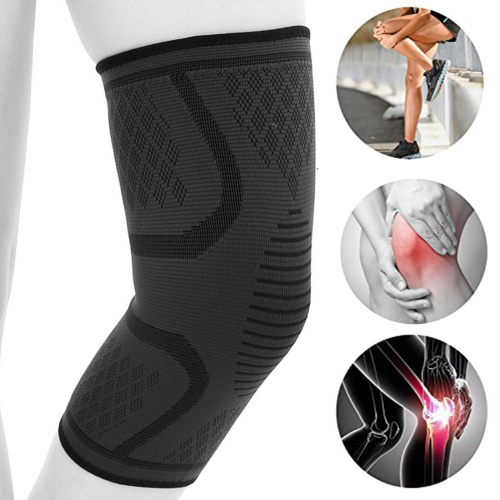
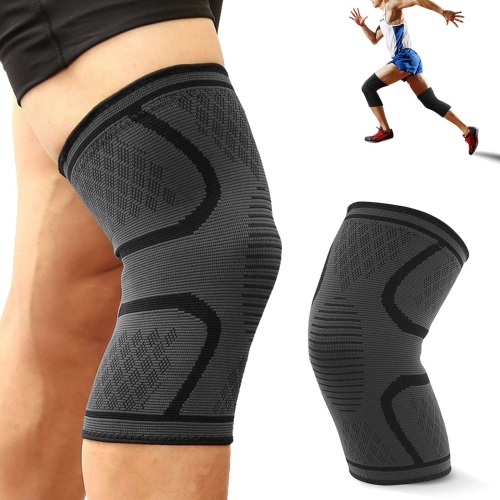
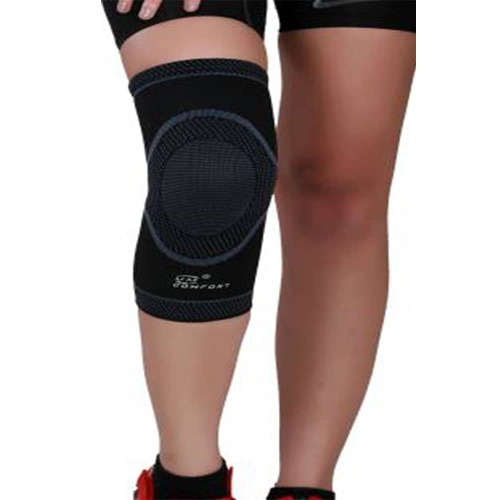
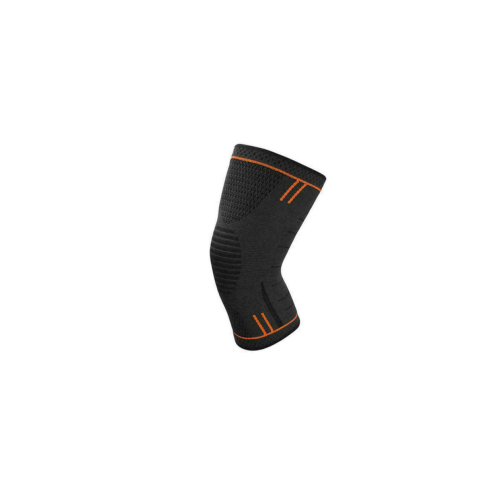
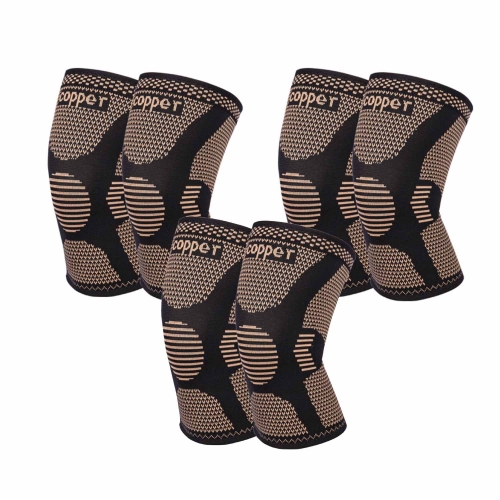
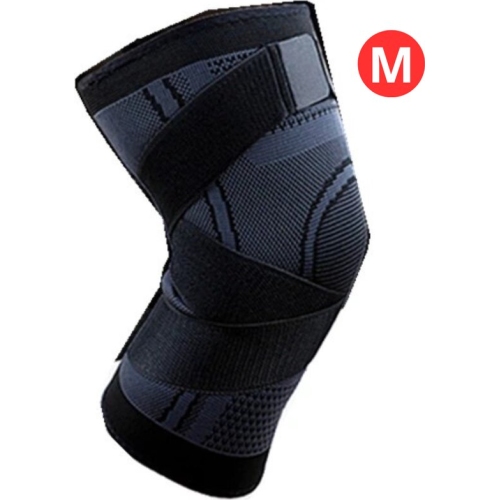
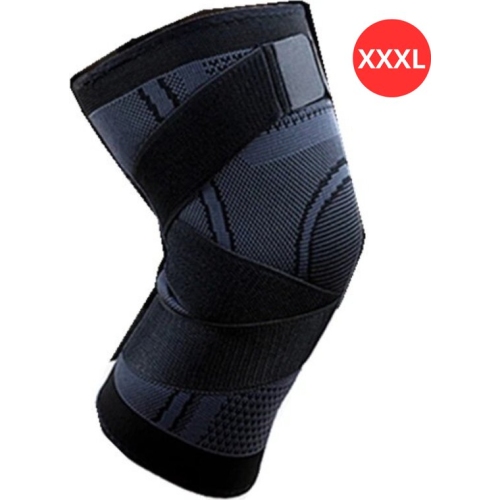
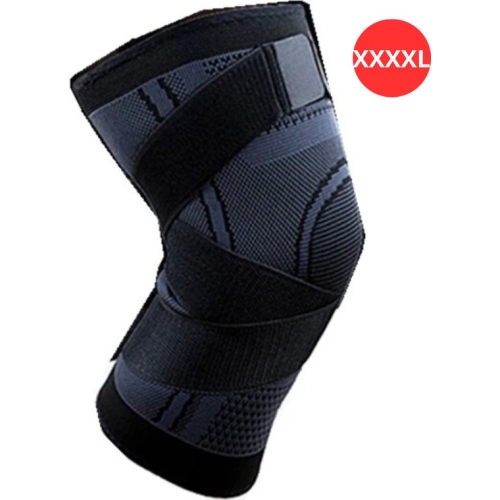
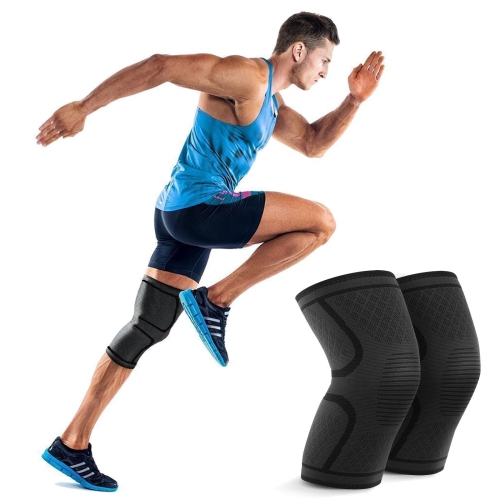
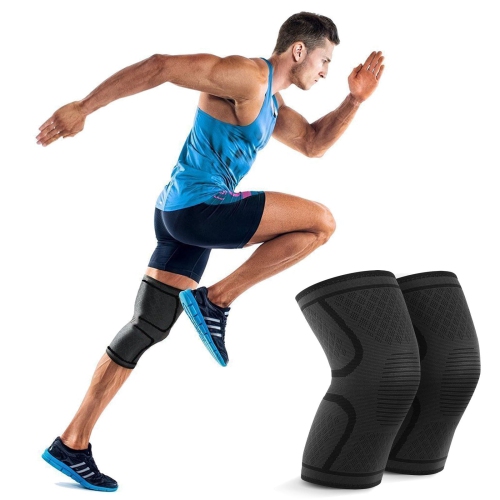
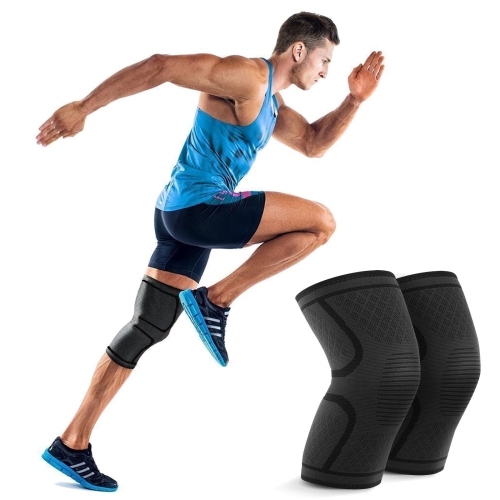
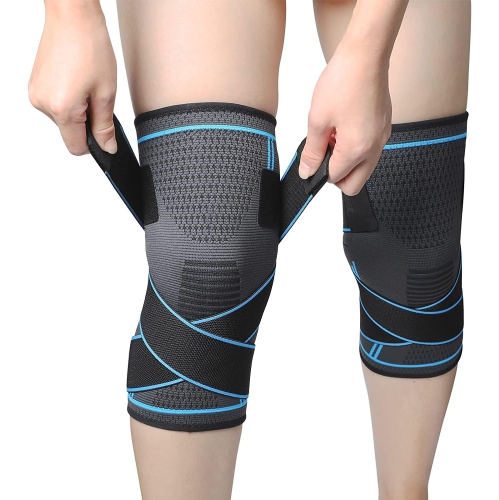
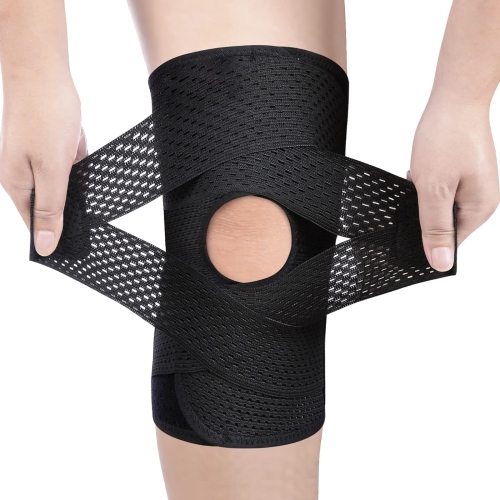
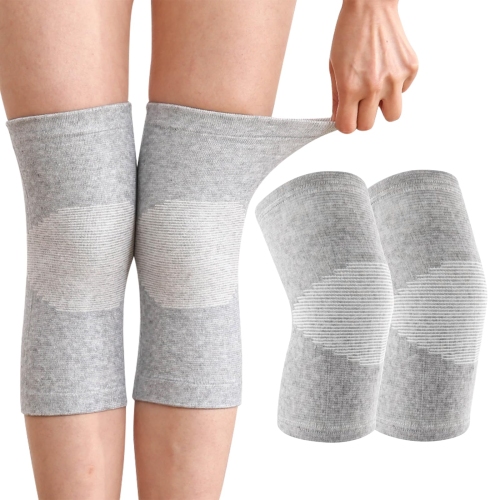
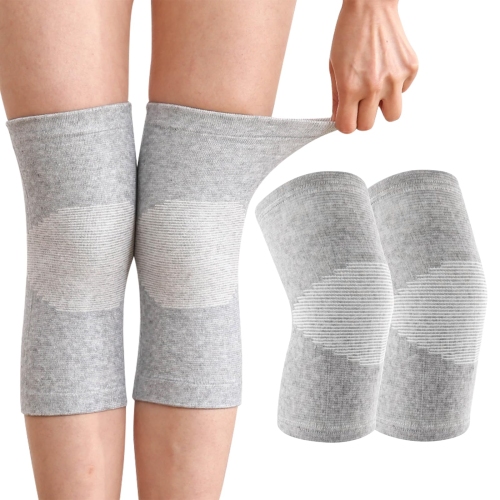
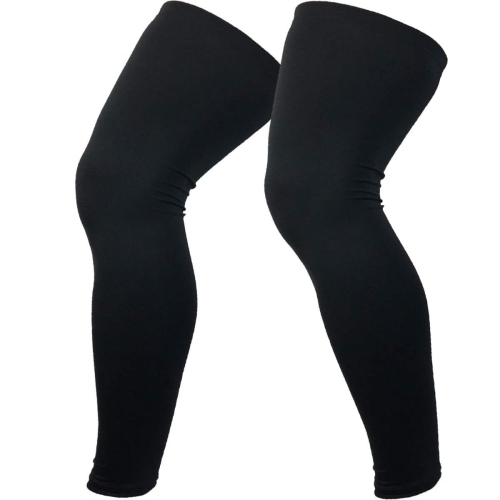
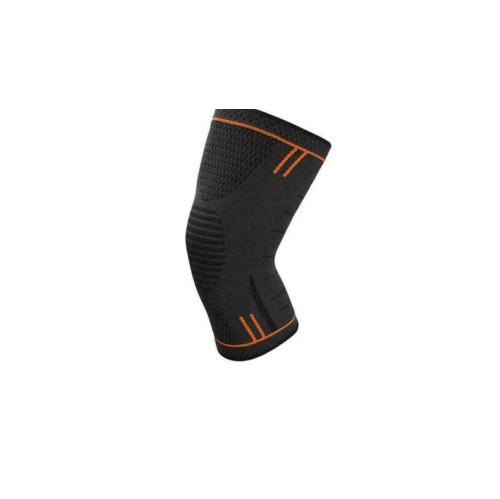
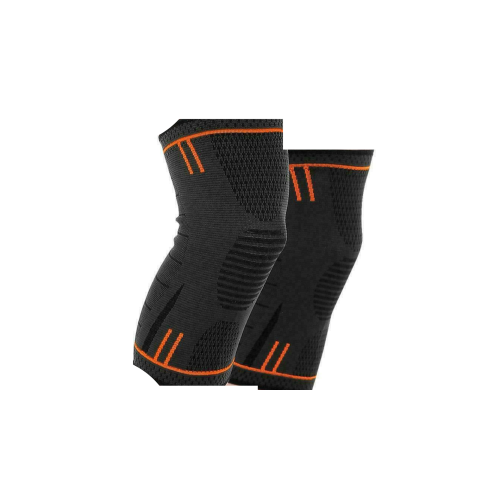
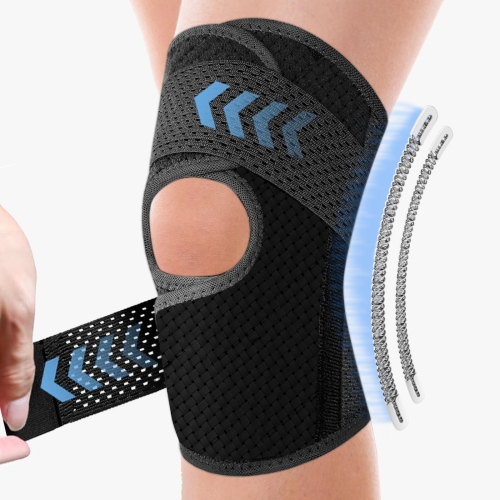
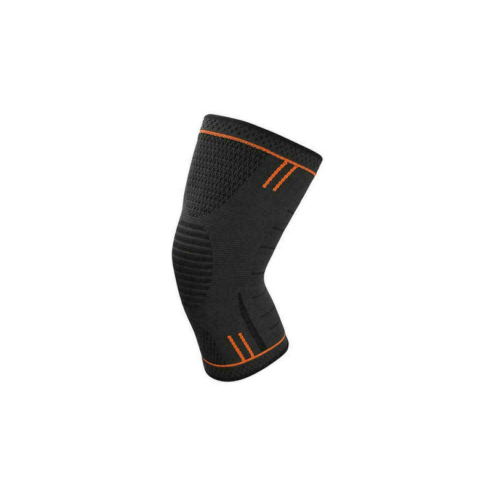
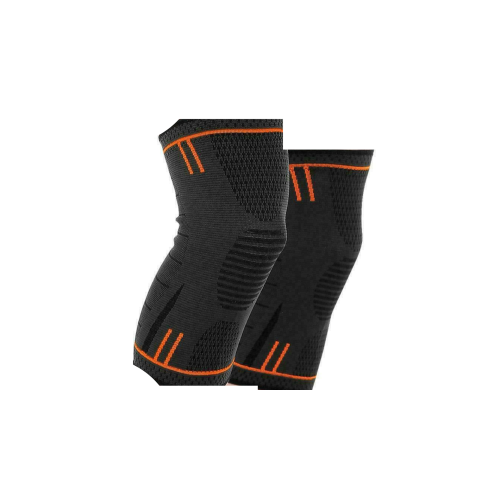
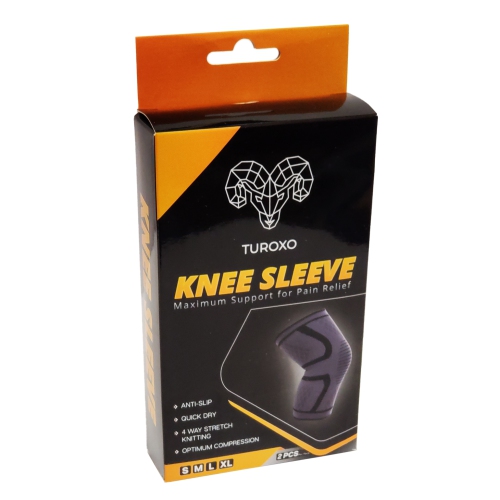
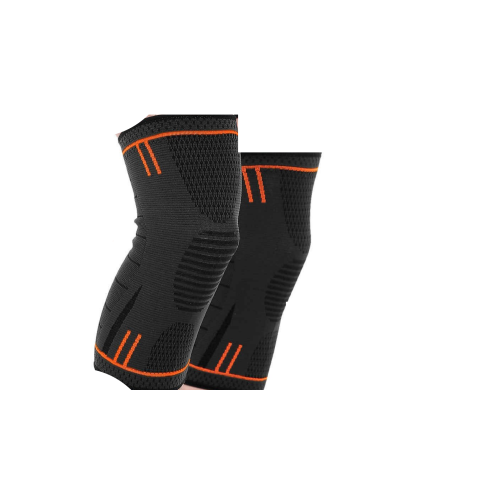
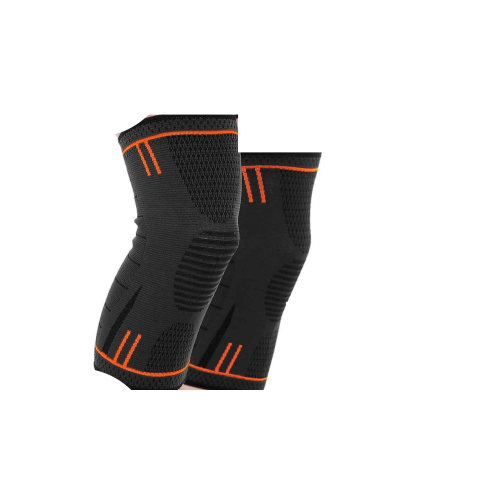
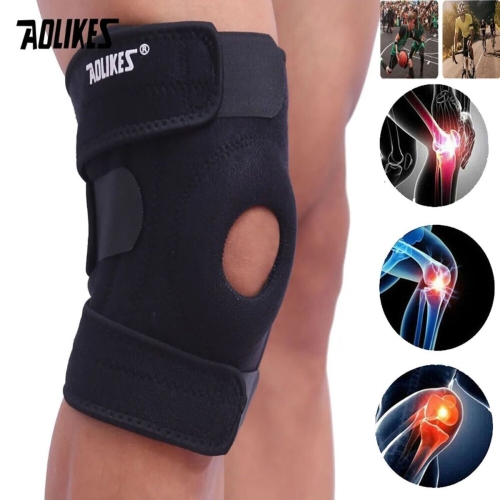
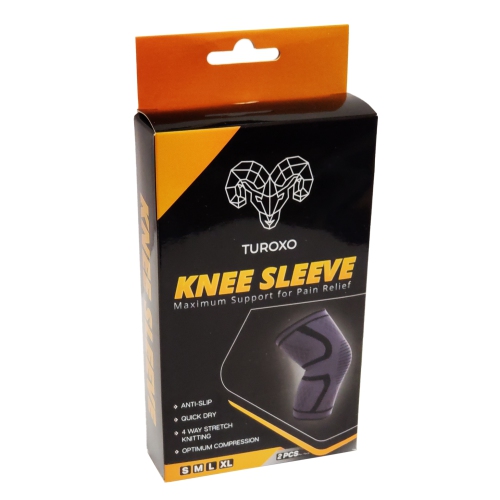
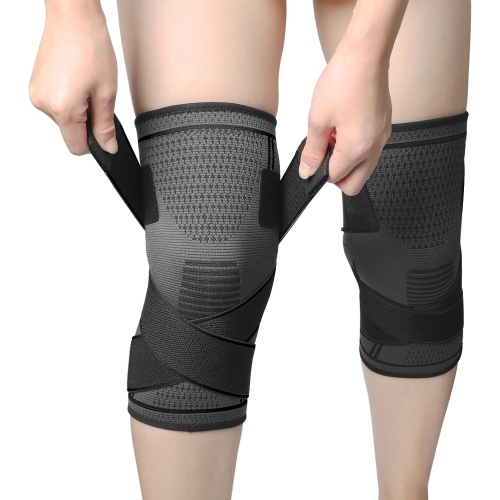
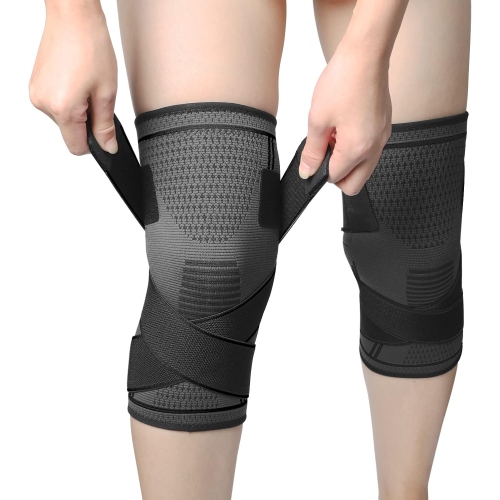
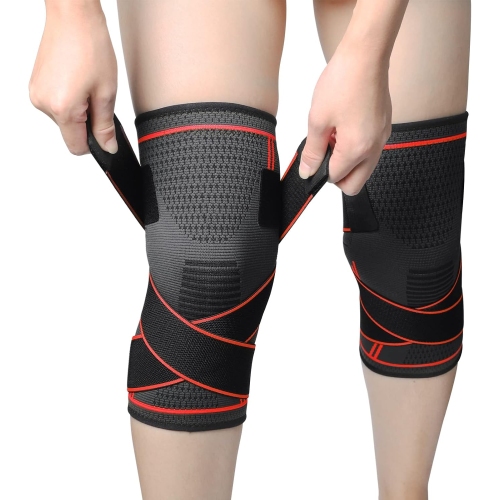
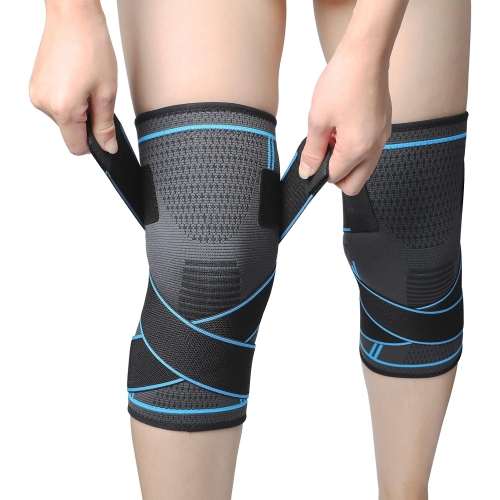
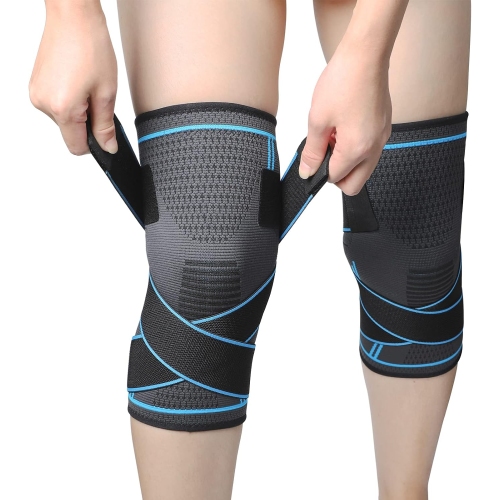
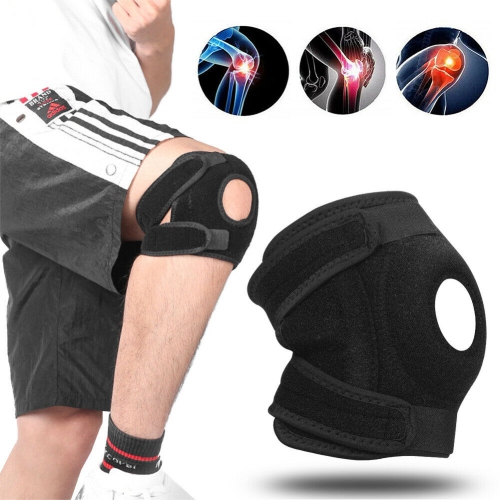
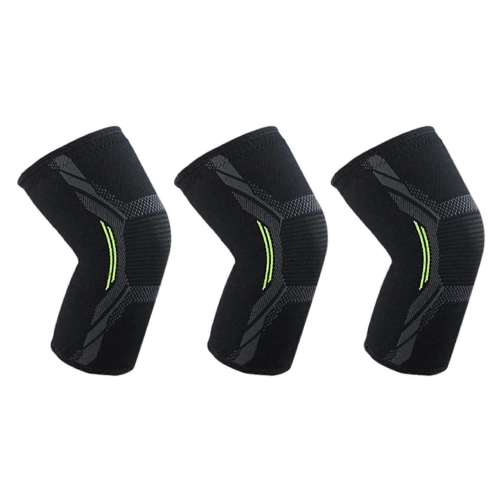
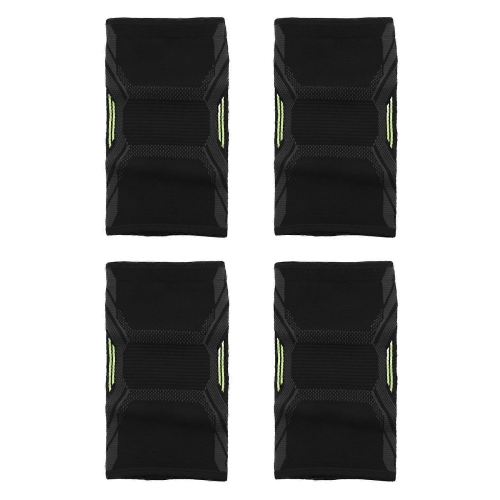
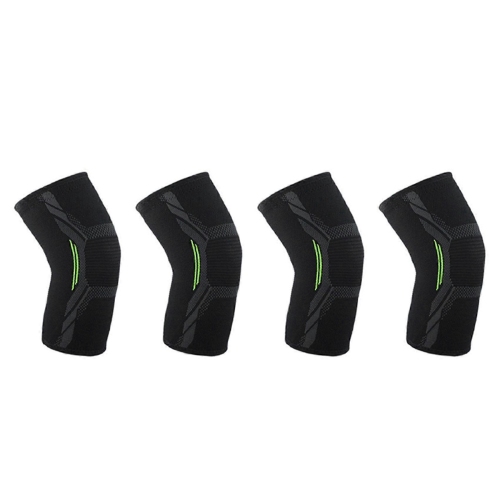
Compression knee braces are designed to provide gentle, flexible pressure around the knee while allowing a natural range of movement. Unlike rigid immobilizers, a compression sleeve generally fits closely over the joint and offers support without making the leg feel locked in place. This pressure may help manage minor swelling, improve circulation around the area, and enhance proprioception—the body’s awareness of where the knee is positioned during movement. That added awareness can help you feel more confident while walking, climbing stairs, exercising, or completing everyday tasks. Compression can also keep the joint warm, which may be helpful when stiffness sets in during cooler months or after sitting for extended periods. People often use compression knee braces for day-to-day discomfort associated with arthritis, tendon irritation, mild strains, or general overuse, as well as during activities such as running, cycling, hiking, gym workouts, recreational sports, and physically demanding work. They can also be useful during recovery when recommended by a healthcare professional. A sleeve may offer comfortable, low-profile support under loose clothing, making it practical for commuting, travel, errands, or a full day on your feet. For anyone experiencing significant pain, instability, numbness, discolouration, or an injury that affects normal movement, professional medical advice should come before choosing or wearing a brace.
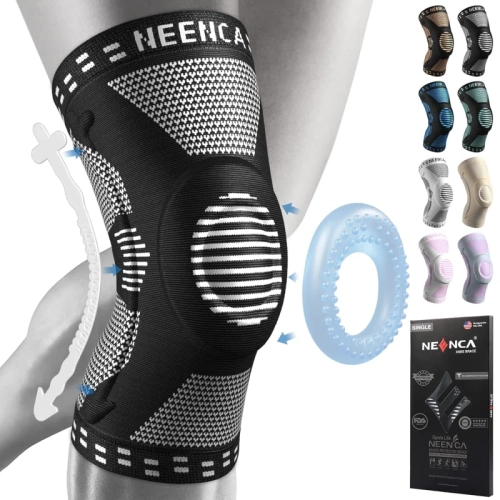
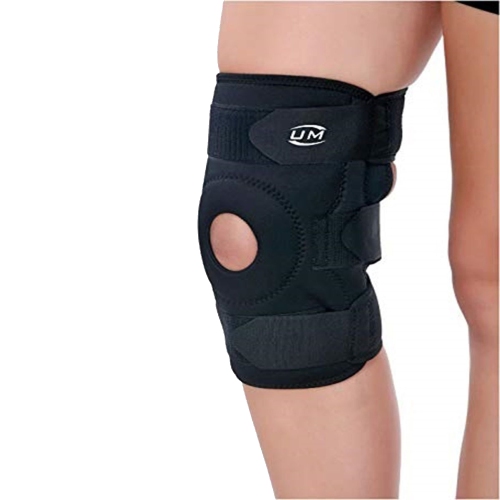
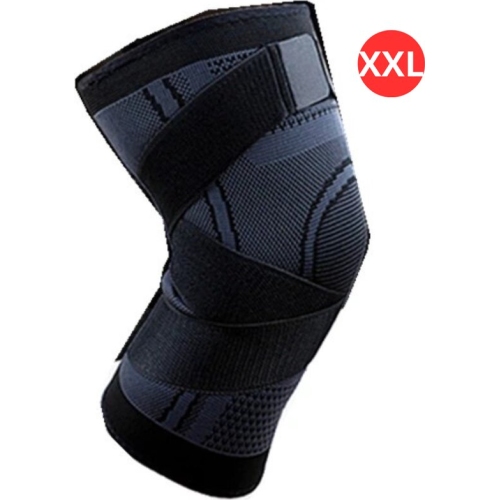
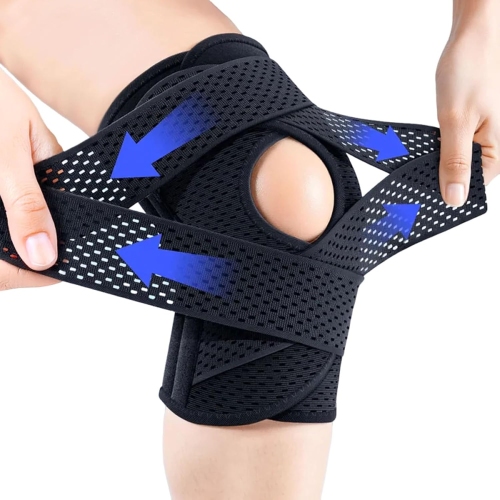
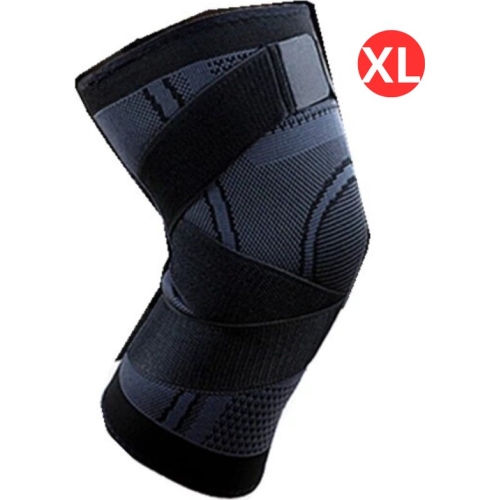
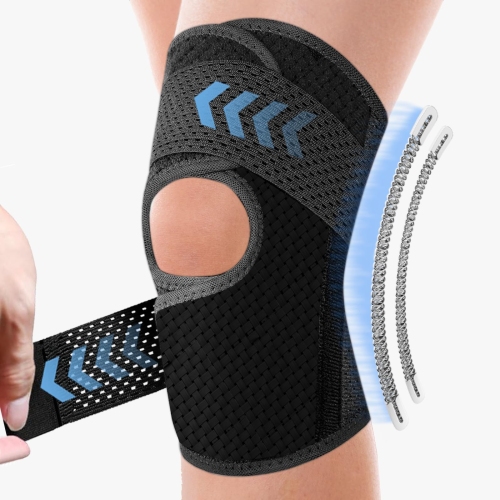
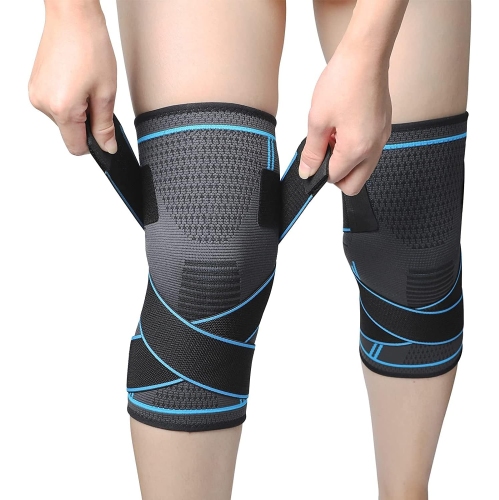
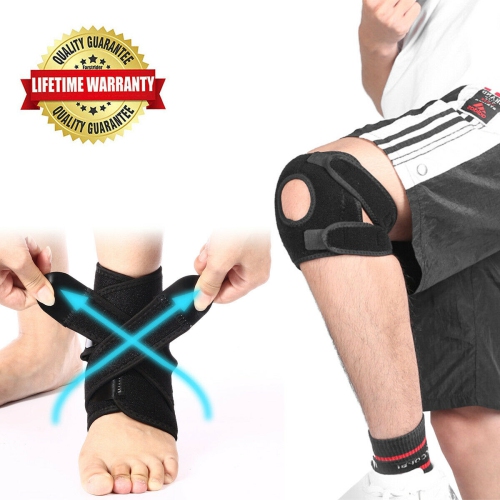
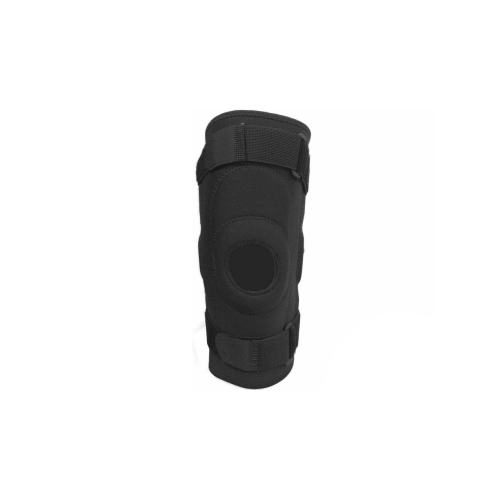
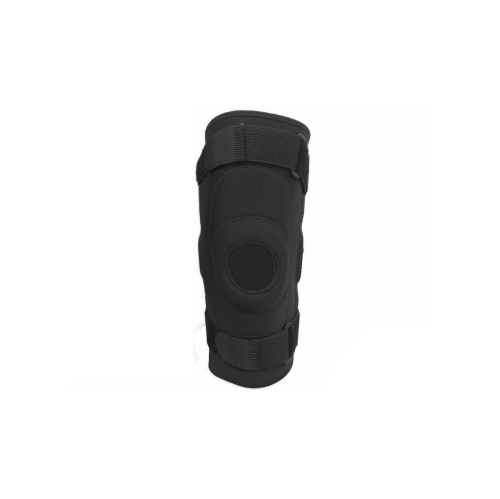
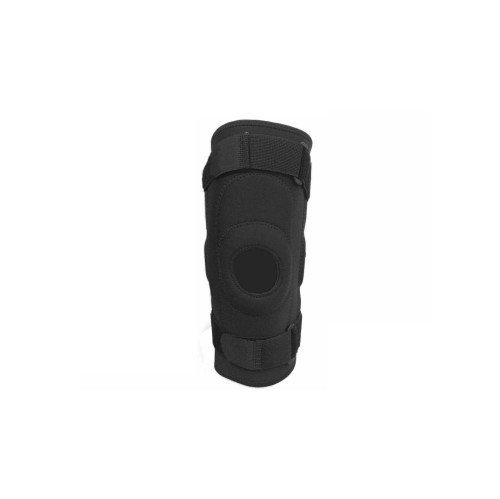
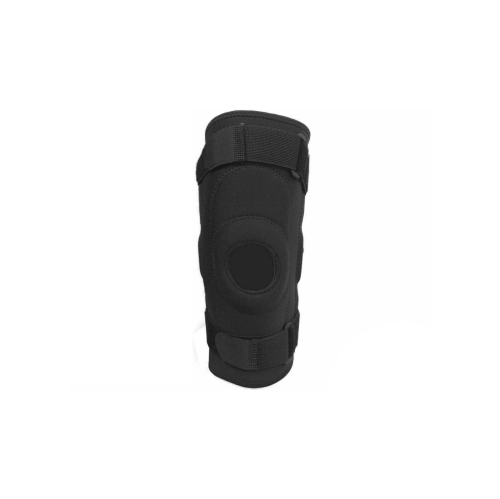
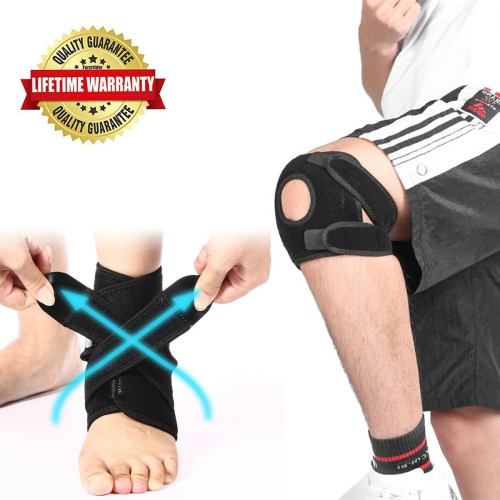
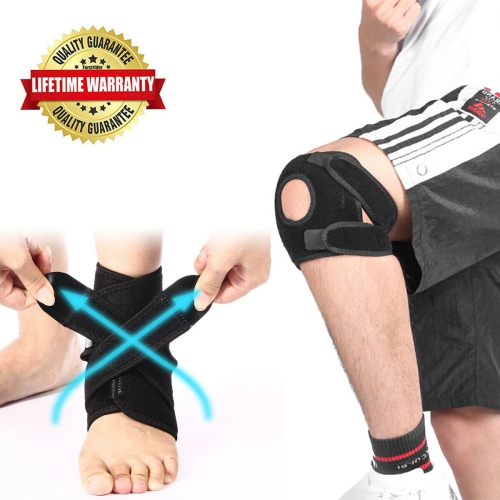
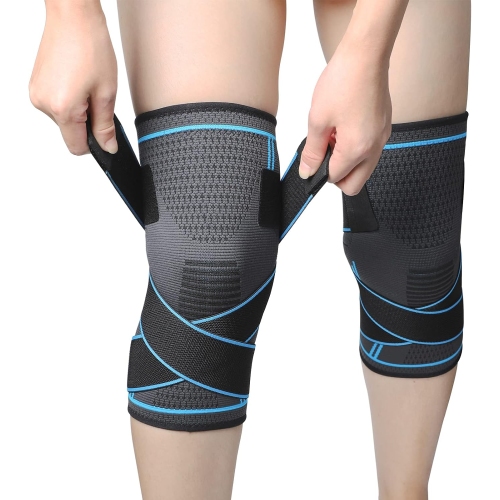
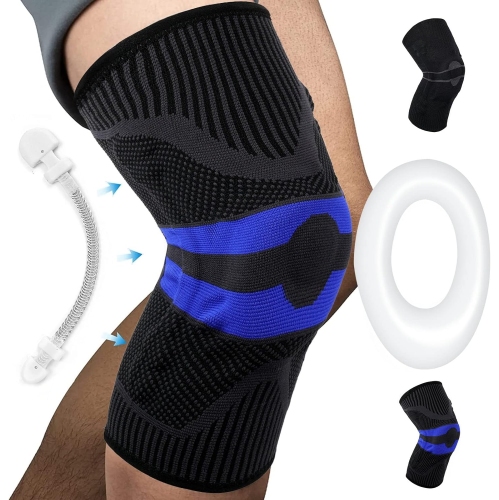
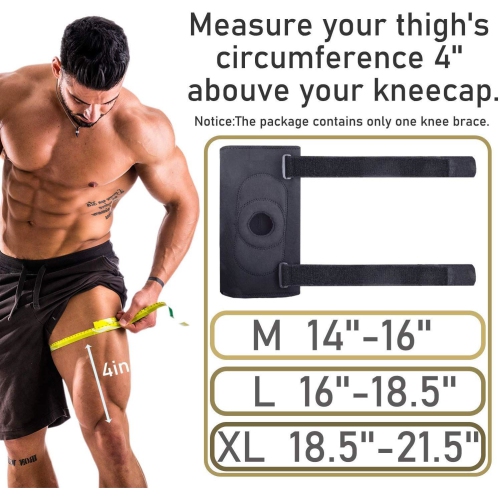
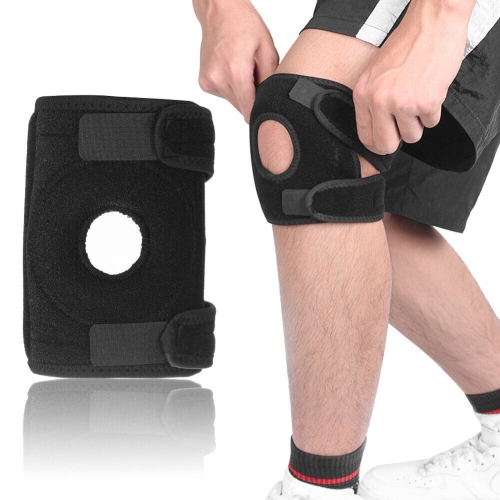
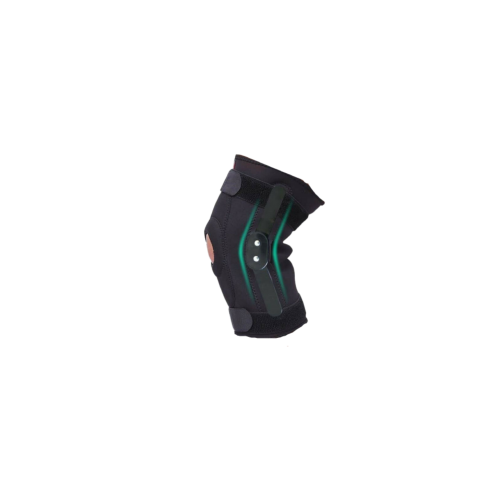
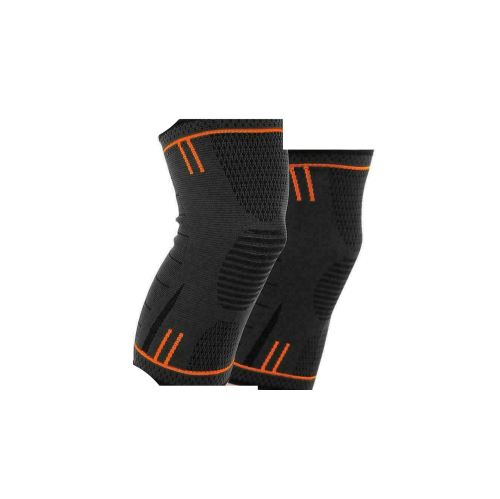
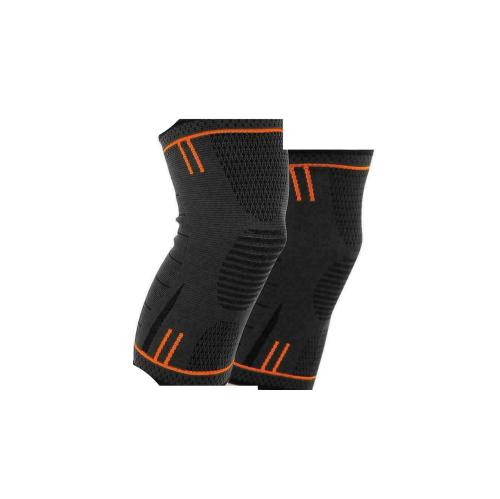
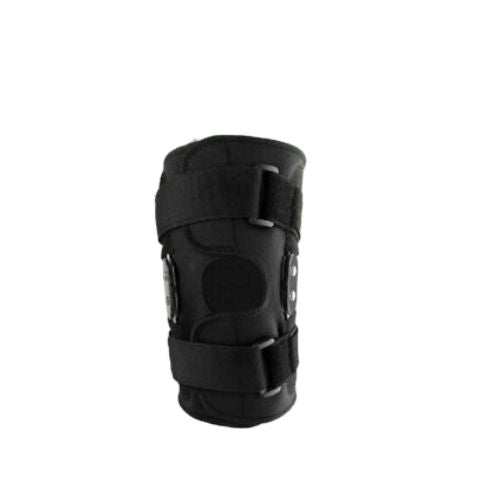
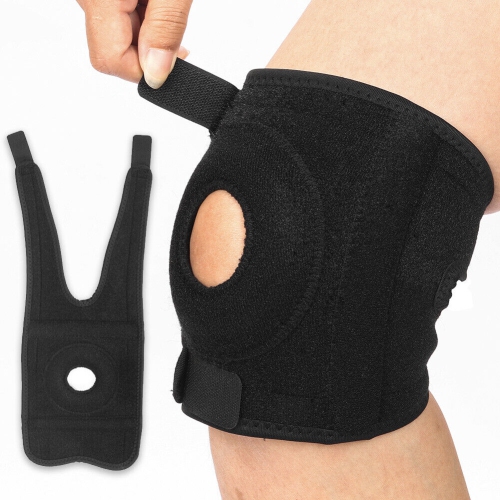
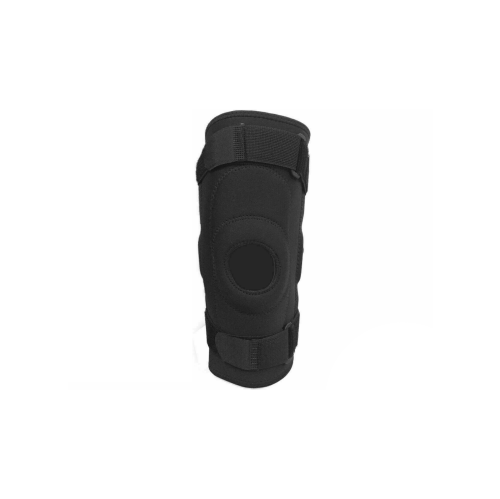
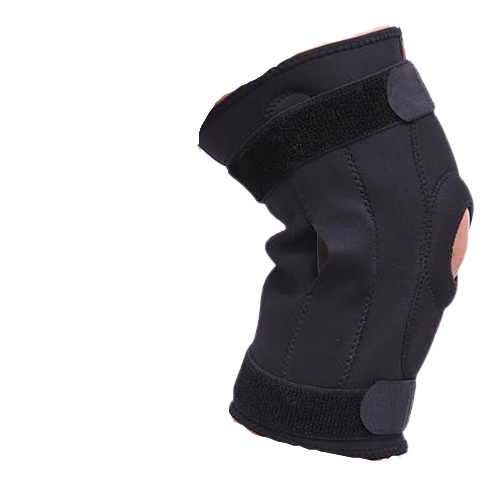
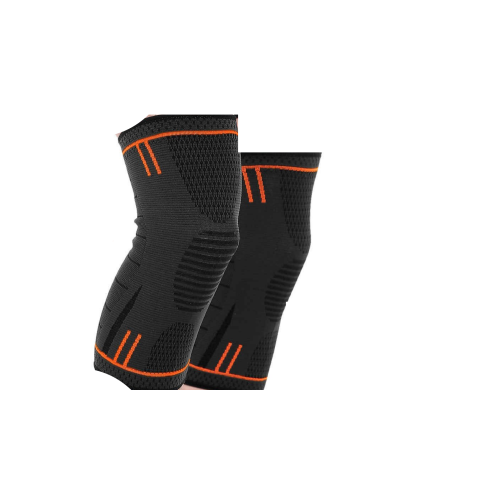
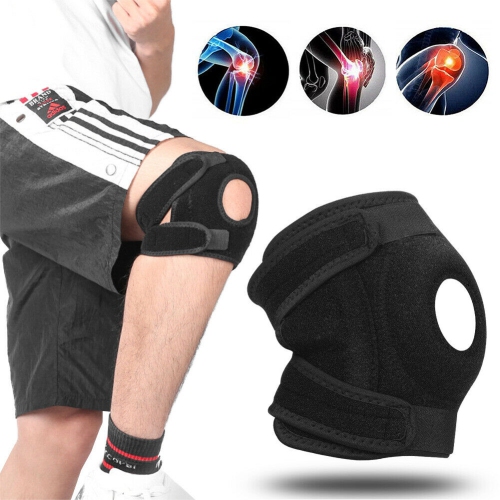
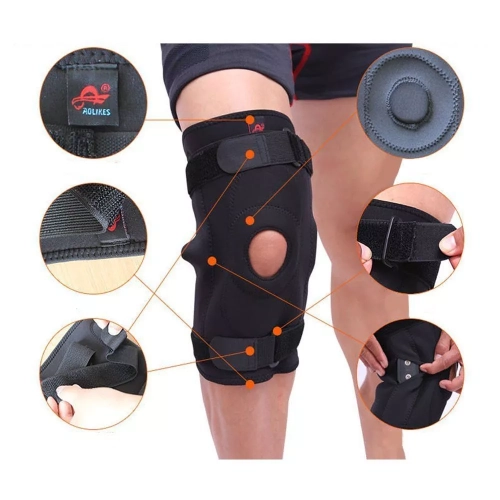
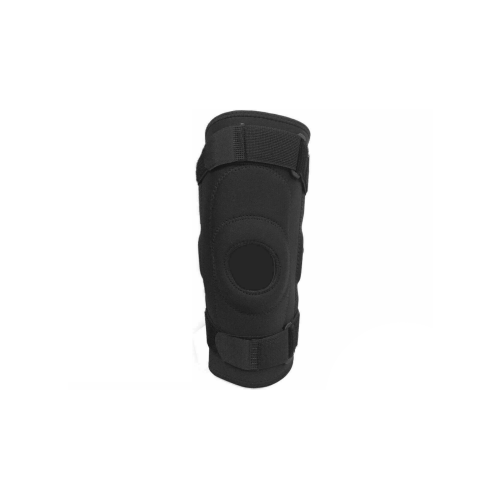
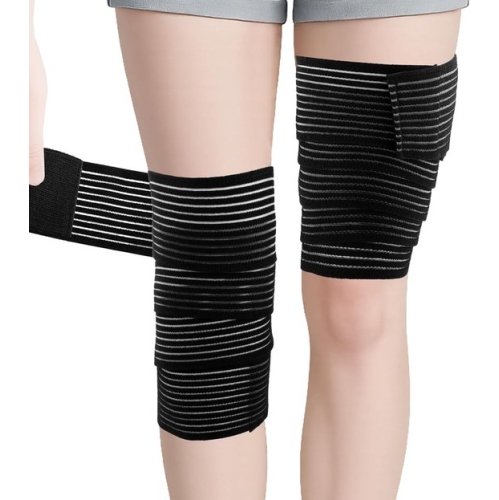
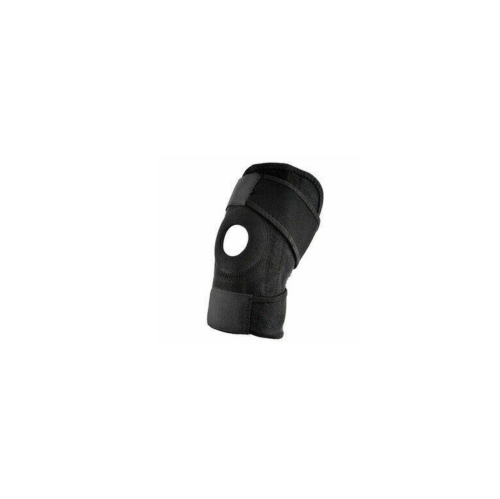
Fit is one of the most important considerations when shopping for compression knee braces. A sleeve that is too loose may slide down, bunch behind the knee, or provide little useful support, while one that is too tight can feel restrictive and may affect comfort or circulation. Start by measuring the circumference of the leg according to the manufacturer’s instructions, often around the kneecap or several inches above it, then compare that measurement with the sizing chart rather than relying on your usual clothing size. Look for a smooth, close fit that stays in position without pinching at the top or bottom edges. Breathable knitted fabric and spandex blends are often well suited to everyday wear and active use because they can flex with the leg and help manage moisture. Neoprene is typically thicker and warmer, making it appealing for heavier support, lifting, outdoor activities, or people who prefer a more insulated feel around the joint. Some designs include silicone grip strips to help prevent rolling and slipping as you move. Others use adjustable straps for a more personalized fit, while hinged or reinforced styles may provide additional tracking or stability for the kneecap. These features can be helpful for specific needs, but more structure is not automatically better; a lightweight sleeve may be more comfortable for walking and routine activities, whereas a strapped or hinged design may suit users who need added mechanical guidance. Check the care instructions as well, since regular washing can help keep a brace fresh, and allow it to dry fully before wearing it again. A brace should feel supportive rather than painful, and it should be removed if it causes unusual tingling, increased discomfort, or changes in skin colour.
The right compression knee brace depends on how, where, and how often it will be used. Someone looking for support during long walks may prefer a slim, breathable sleeve that fits discreetly beneath trousers, while a recreational athlete may prioritize stretch, moisture management, and a secure edge that will not shift during repeated bending. For lifting or outdoor activities, a warmer, more substantial material can provide a reassuring feeling of compression, particularly when the knee is exposed to cooler air. People recovering from a minor strain may value adjustable support that can be fine-tuned as comfort changes, but recovery needs vary, so guidance from a physiotherapist, doctor, or other qualified healthcare provider is important. For concerns involving the meniscus, explore Knee Braces for Meniscus Injuries to find support options aligned with that type of knee issue. Compression knee braces can also make a thoughtful gift for an active parent, a recreational athlete, a frequent traveller, or anyone who spends long hours standing, provided the recipient’s measurements and intended use are known. They are especially practical for people who enjoy walking trails, tending a garden, playing casual sports, or staying active as the weather warms and during the cooler months. Before purchasing, consider the level of compression, material thickness, sizing method, intended activity, ease of cleaning, and whether the design is discreet enough for regular wear. A well-fitting brace should move with the body, stay comfortably in place, and provide a gentle reminder of support without becoming a distraction. For the best experience, wear it for shorter periods at first, check the skin after use, and follow any care or wear-time recommendations provided with the product.
Fit is one of the most important considerations when shopping for compression knee braces. A sleeve that is too loose may slide down, bunch behind the knee, or provide little useful support, while one that is too tight can feel restrictive and may affect comfort or circulation. Start by measuring the circumference of the leg according to the manufacturer’s instructions, often around the kneecap or several inches above it, then compare that measurement with the sizing chart rather than relying on your usual clothing size. Look for a smooth, close fit that stays in position without pinching at the top or bottom edges. Breathable knitted fabric and spandex blends are often well suited to everyday wear and active use because they can flex with the leg and help manage moisture. Neoprene is typically thicker and warmer, making it appealing for heavier support, lifting, outdoor activities, or people who prefer a more insulated feel around the joint. Some designs include silicone grip strips to help prevent rolling and slipping as you move. Others use adjustable straps for a more personalized fit, while hinged or reinforced styles may provide additional tracking or stability for the kneecap. These features can be helpful for specific needs, but more structure is not automatically better; a lightweight sleeve may be more comfortable for walking and routine activities, whereas a strapped or hinged design may suit users who need added mechanical guidance. Check the care instructions as well, since regular washing can help keep a brace fresh, and allow it to dry fully before wearing it again. A brace should feel supportive rather than painful, and it should be removed if it causes unusual tingling, increased discomfort, or changes in skin colour.
The right compression knee brace depends on how, where, and how often it will be used. Someone looking for support during long walks may prefer a slim, breathable sleeve that fits discreetly beneath trousers, while a recreational athlete may prioritize stretch, moisture management, and a secure edge that will not shift during repeated bending. For lifting or outdoor activities, a warmer, more substantial material can provide a reassuring feeling of compression, particularly when the knee is exposed to cooler air. People recovering from a minor strain may value adjustable support that can be fine-tuned as comfort changes, but recovery needs vary, so guidance from a physiotherapist, doctor, or other qualified healthcare provider is important. For concerns involving the meniscus, explore Knee Braces for Meniscus Injuries to find support options aligned with that type of knee issue. Compression knee braces can also make a thoughtful gift for an active parent, a recreational athlete, a frequent traveller, or anyone who spends long hours standing, provided the recipient’s measurements and intended use are known. They are especially practical for people who enjoy walking trails, tending a garden, playing casual sports, or staying active as the weather warms and during the cooler months. Before purchasing, consider the level of compression, material thickness, sizing method, intended activity, ease of cleaning, and whether the design is discreet enough for regular wear. A well-fitting brace should move with the body, stay comfortably in place, and provide a gentle reminder of support without becoming a distraction. For the best experience, wear it for shorter periods at first, check the skin after use, and follow any care or wear-time recommendations provided with the product.
Top selling and popular products
-
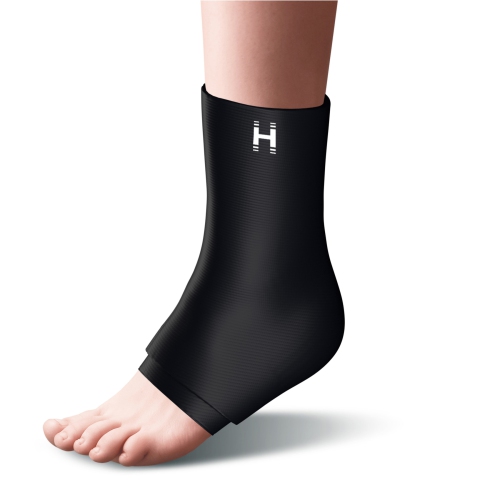 Your price for this item is $39.99
 -
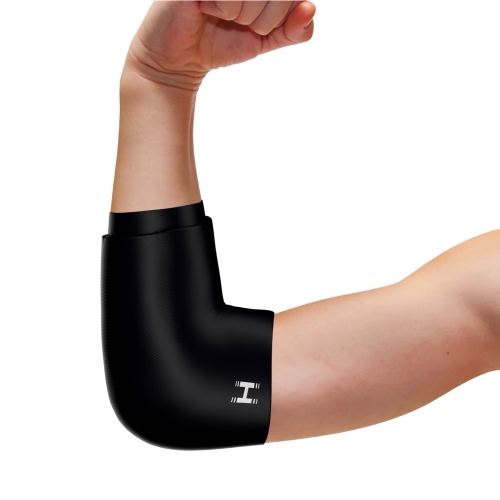 Your price for this item is $39.99
 -
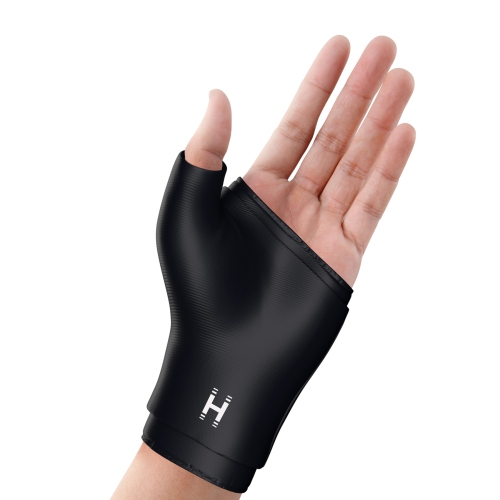 Your price for this item is $29.99
 -
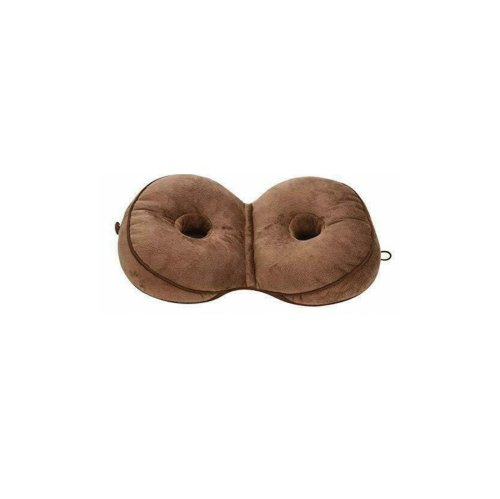 Your price for this item is $90
 -
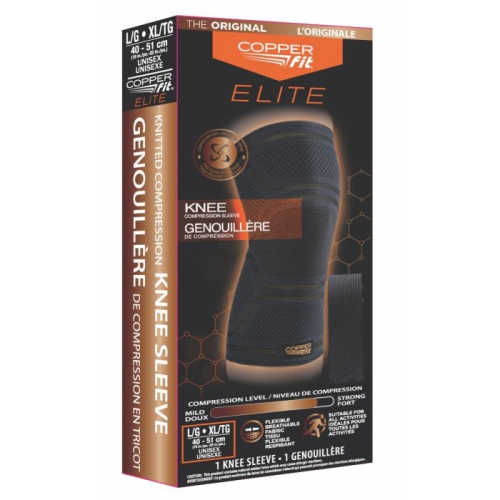 Your price for this item is $24.95
 -
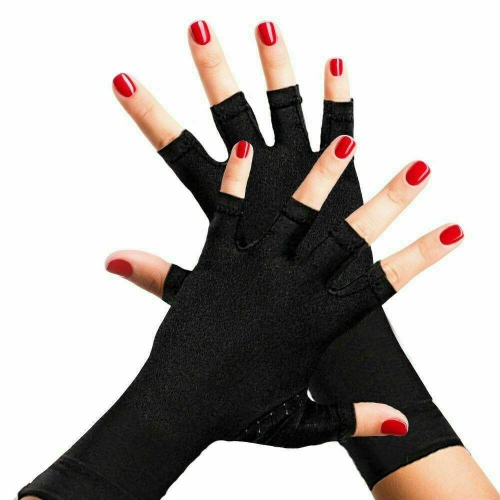 Your price for this item is $20
 -
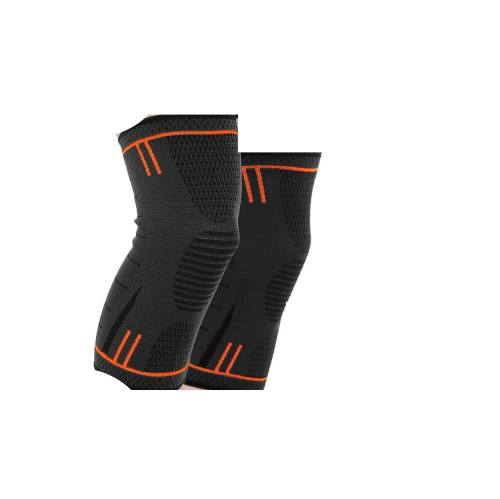 Your price for this item is $20
 -
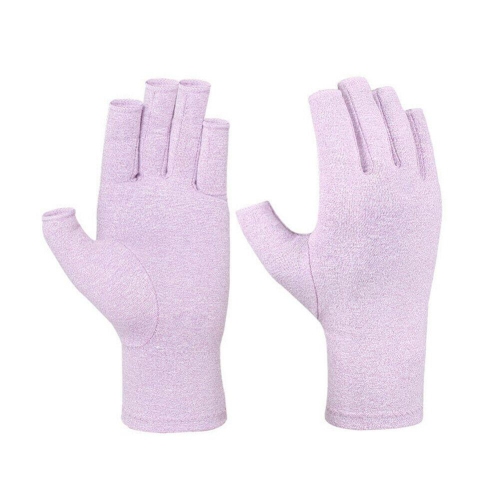 Your price for this item is $24
Discover more categories related to Compression Knee Braces
Top Collections:
Pokemon Centers, Best Cameras for Sports Photography, Kindle Devices, Samsung Galaxy Phones, Canon G7X Cameras, Pokémon 30th Celebration Cards, Refurbished Apple Laptops, iPhone 15 Apple, Laptops for Students, Budget Smartphones
Some products may be subject to Environmental Handling Fees
(EHF) depending on your province.
Learn more about EHFs.