Knee Compression Sleeves
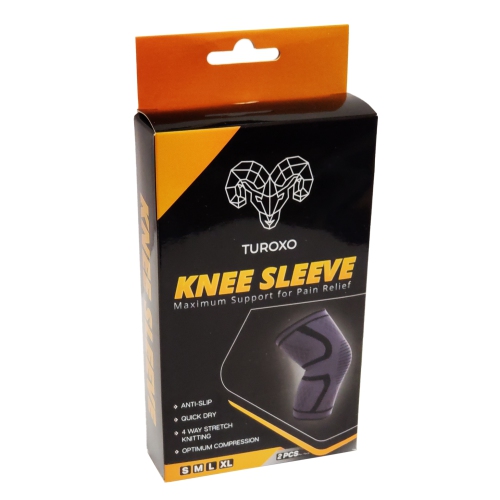
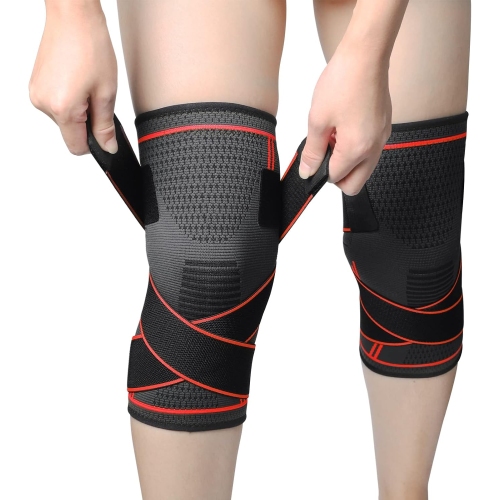
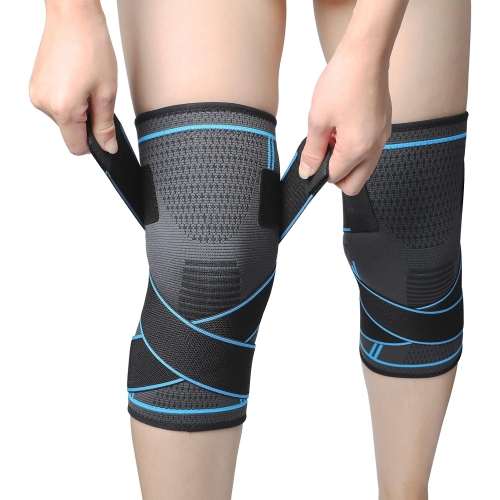
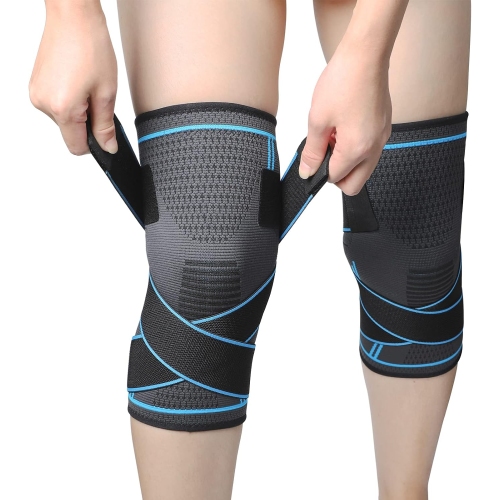
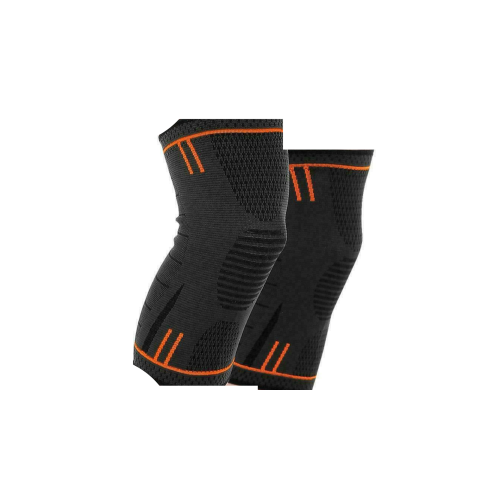
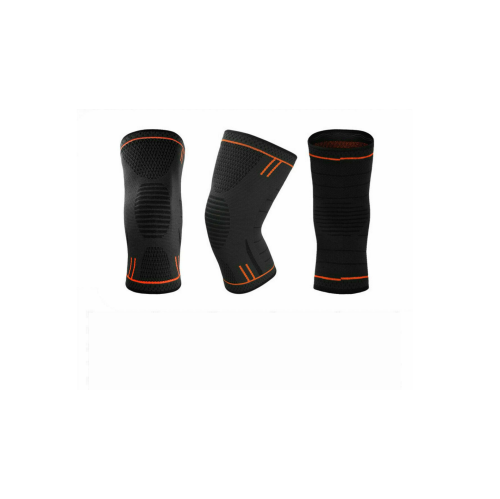
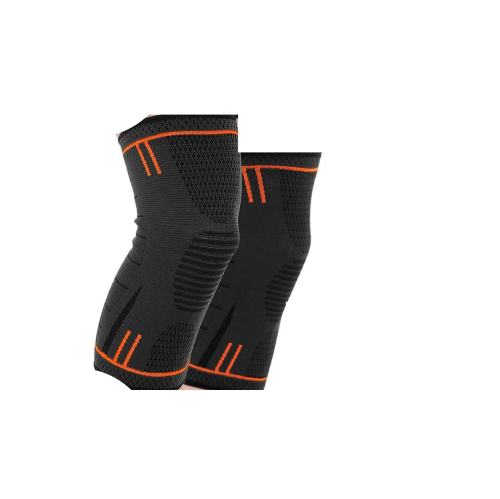
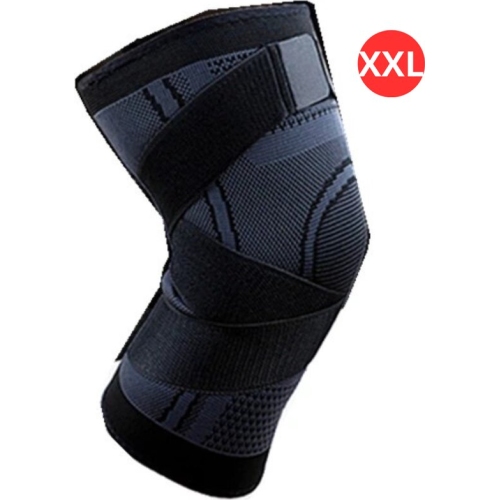
Looking for relief and support for your knees during workouts or daily activities? Our collection of knee compression sleeves is designed to provide comfort, stability, and protection. Whether you're an athlete looking to prevent injuries or someone dealing with knee pain, these compression sleeves offer a secure fit and targeted compression to help you move with confidence. Explore our range of knee compression sleeves to find the perfect solution for your needs.
Sort
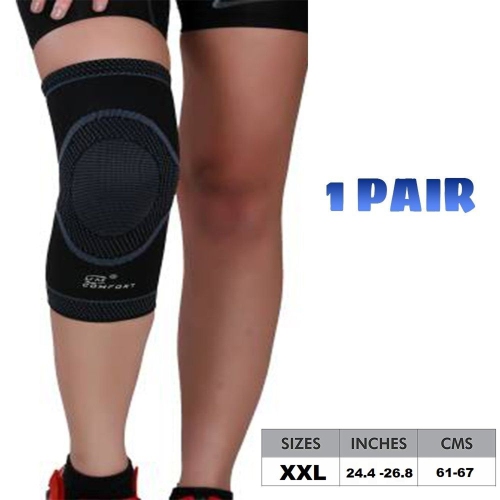
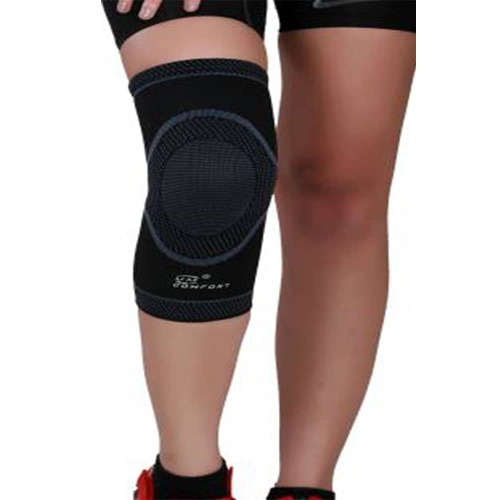
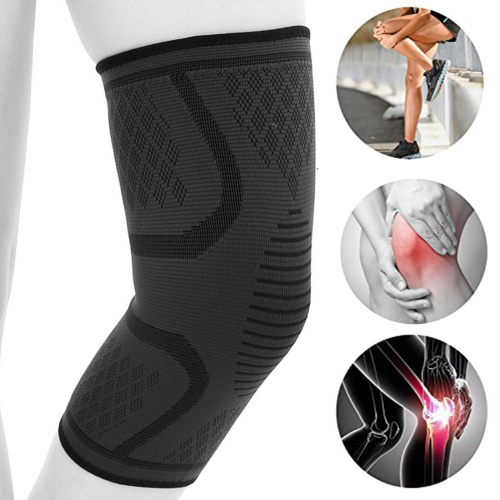
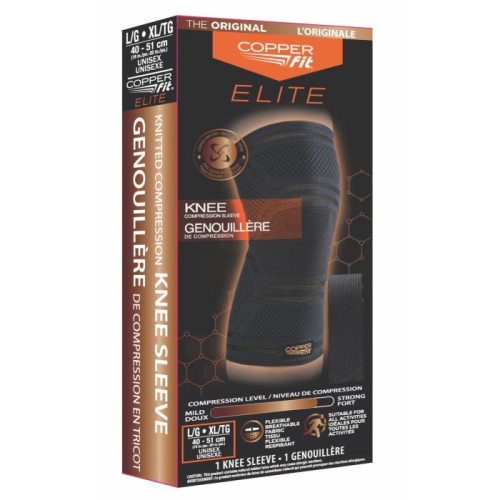
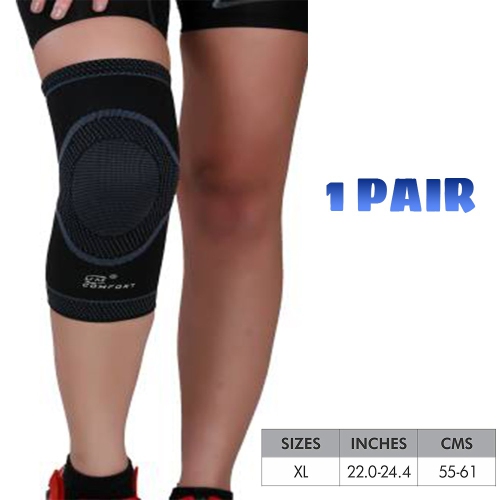
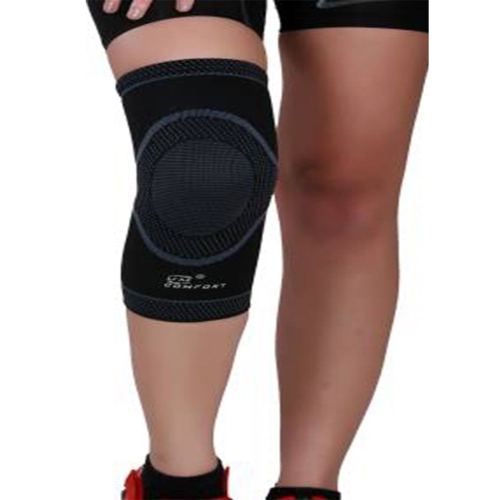
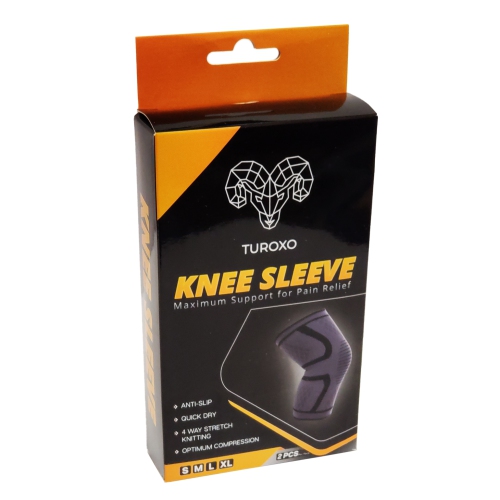
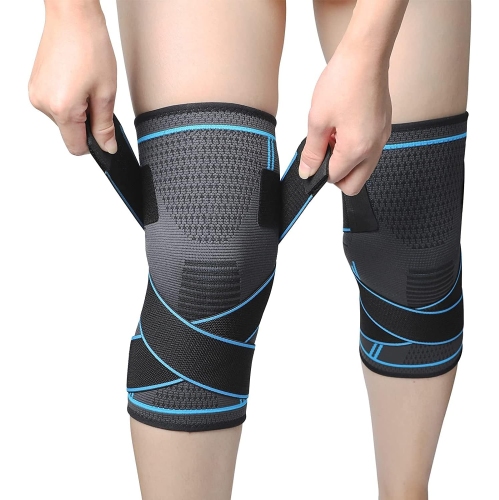
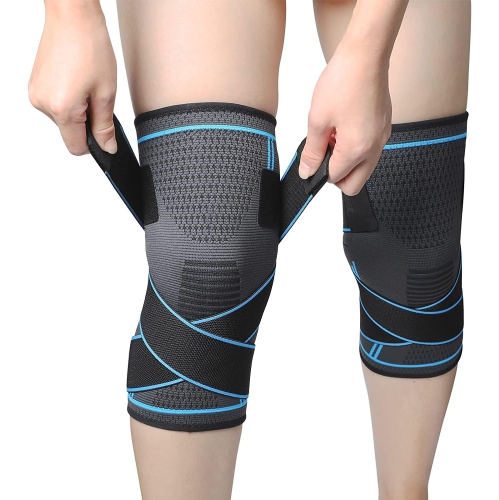
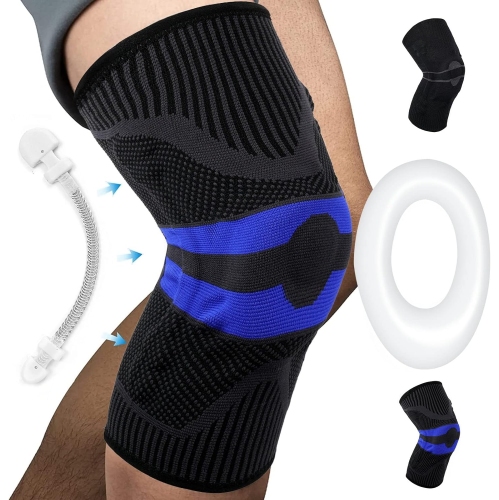
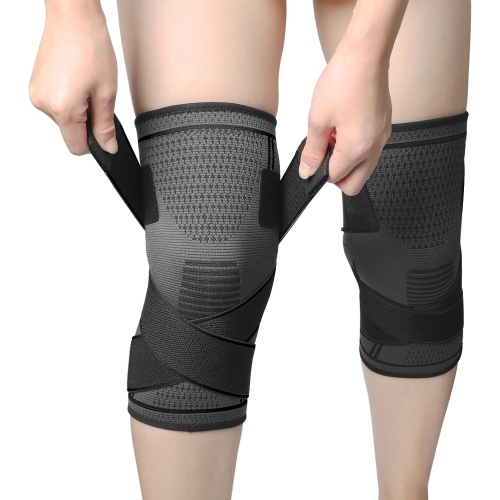
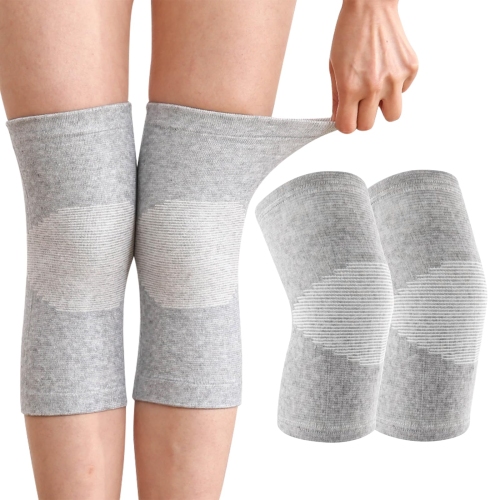
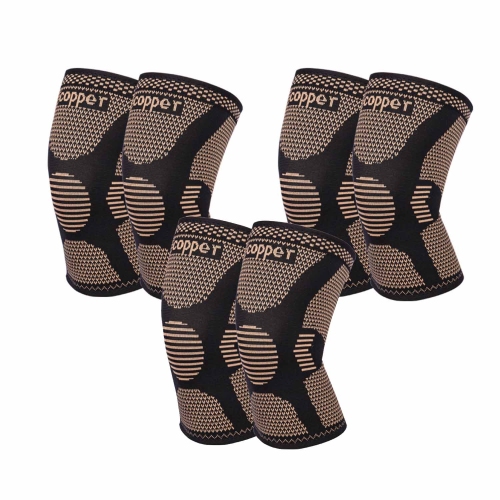
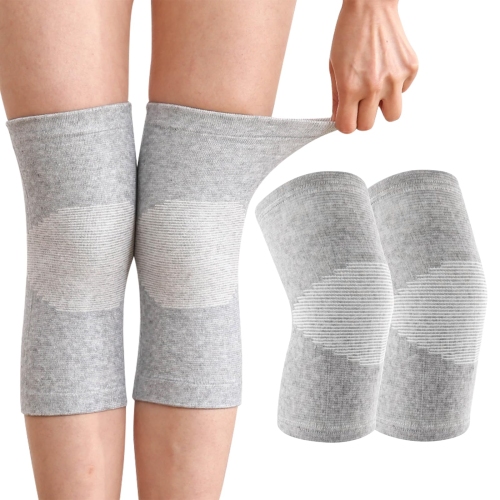
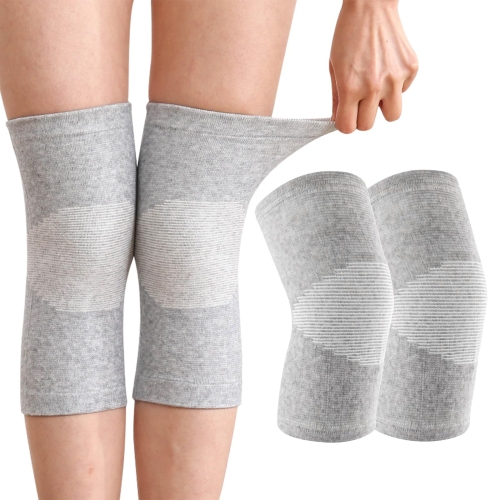
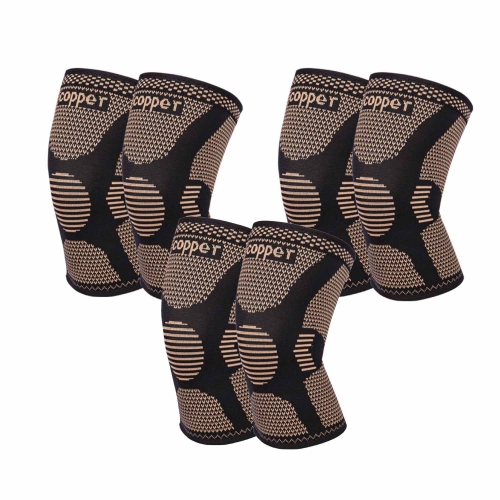
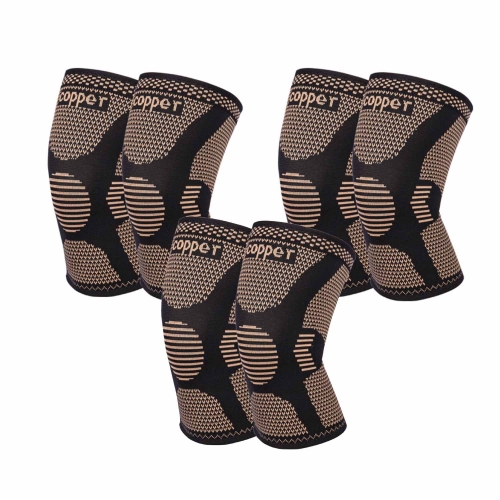
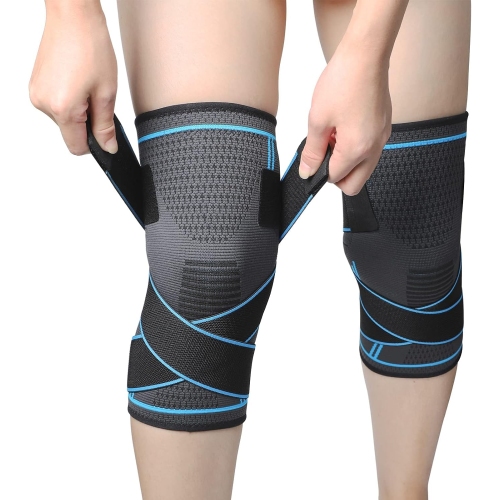
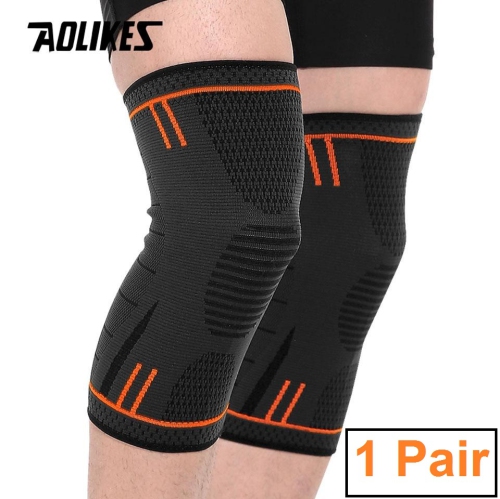
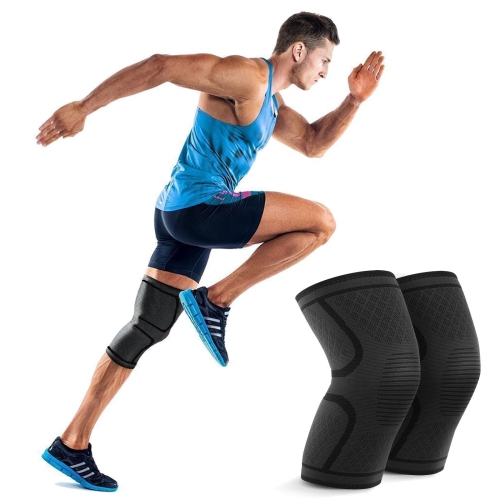
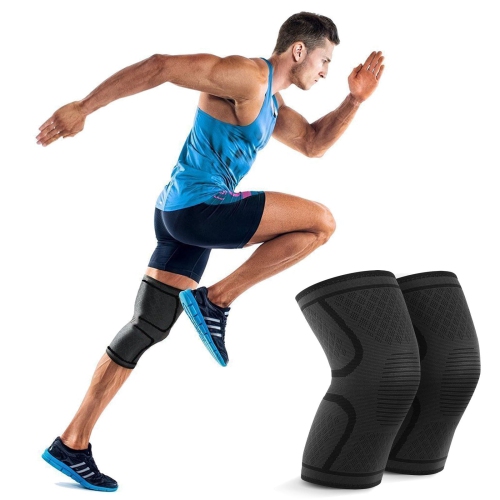
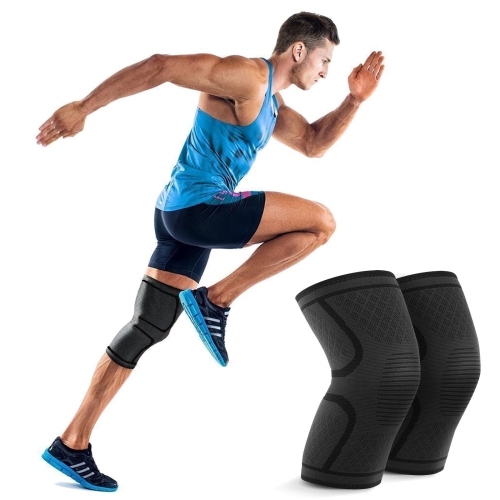
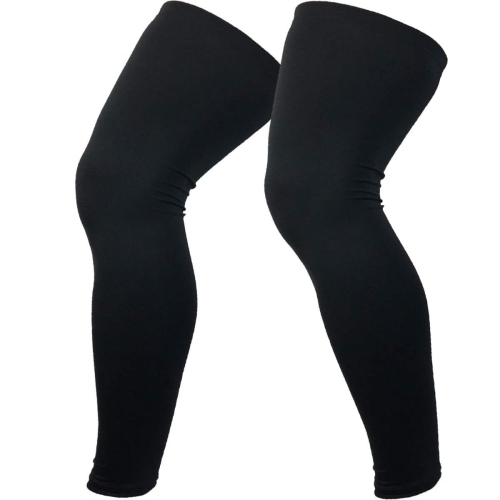


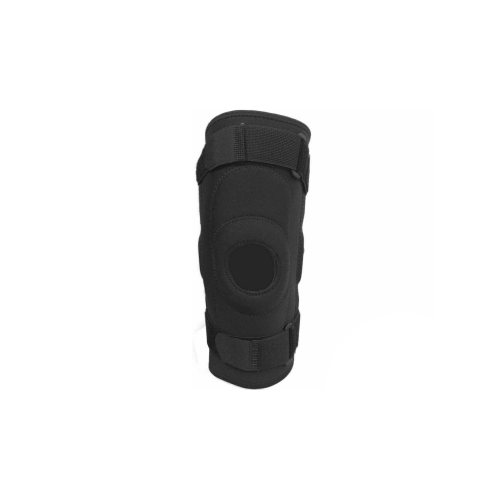
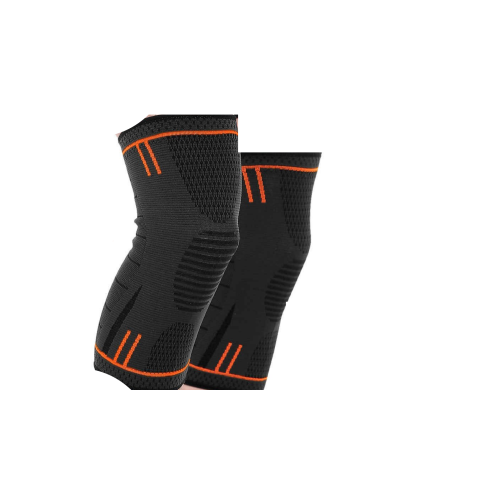
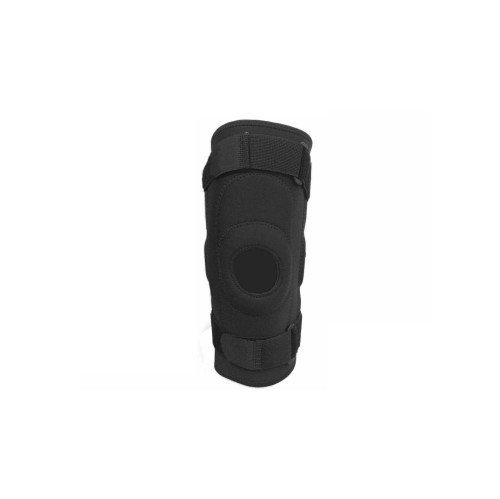
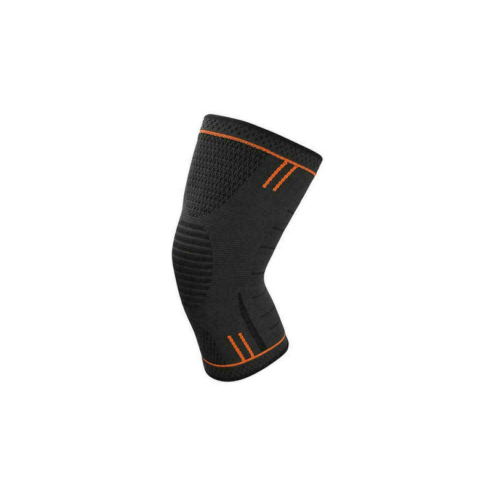
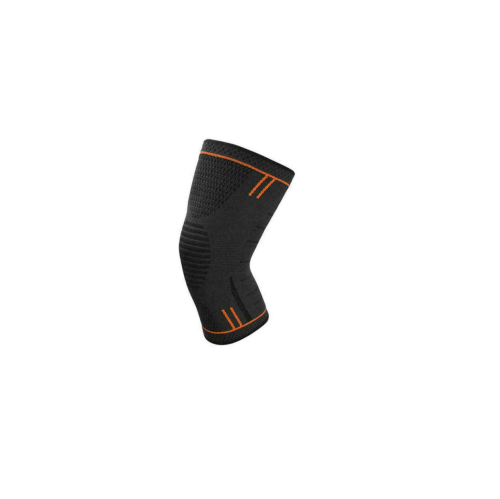
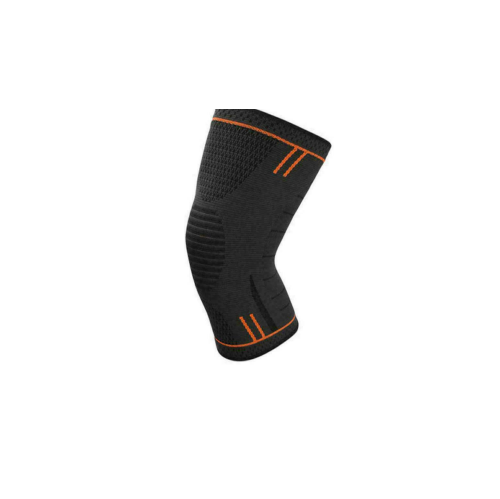

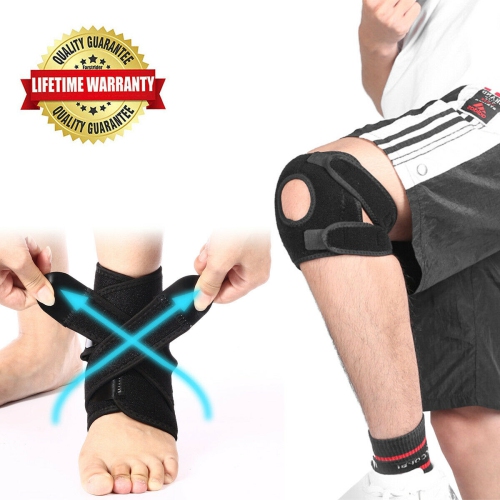
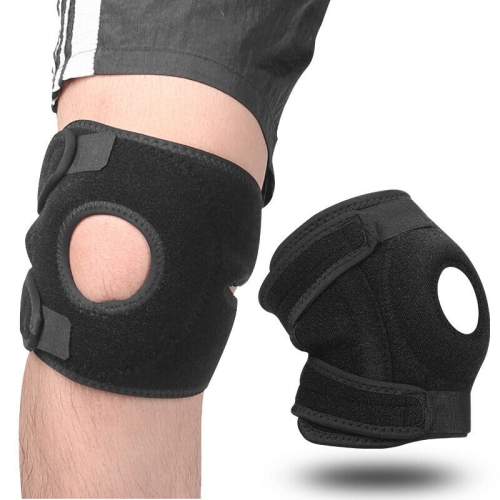
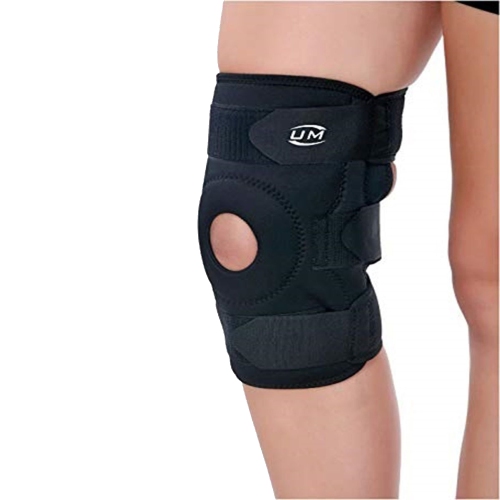
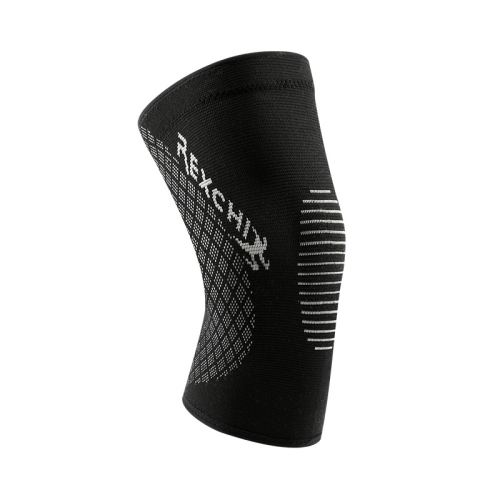
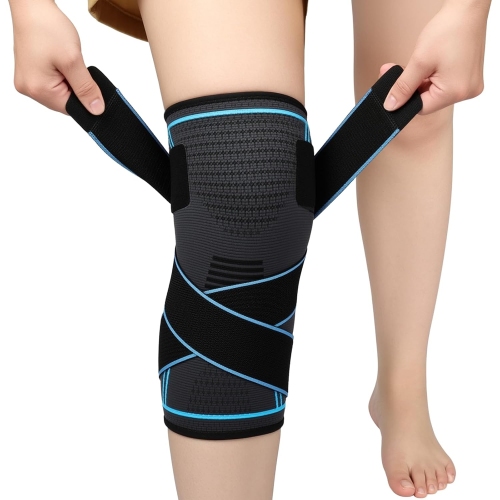
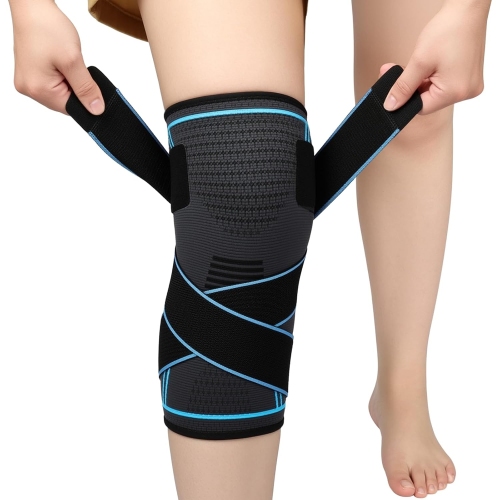
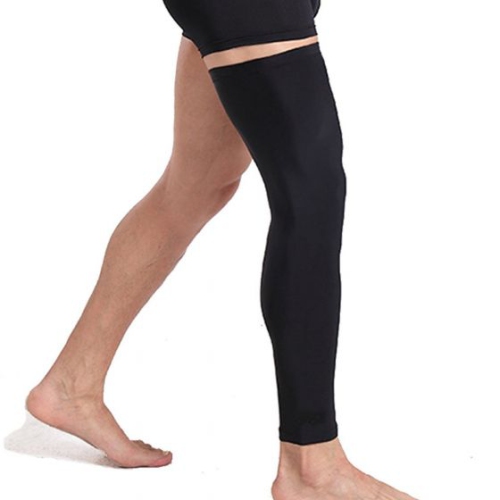
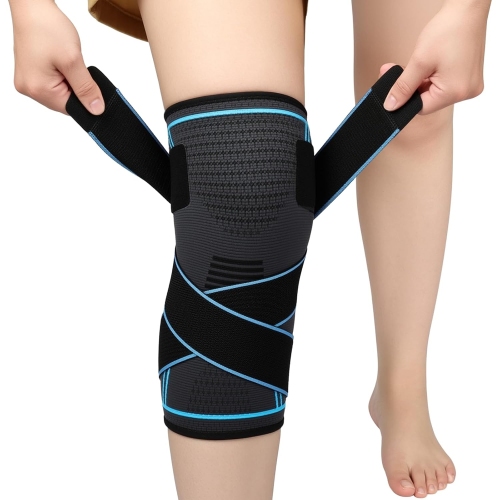
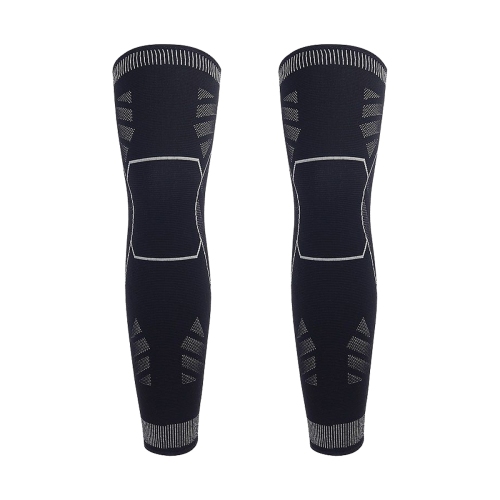
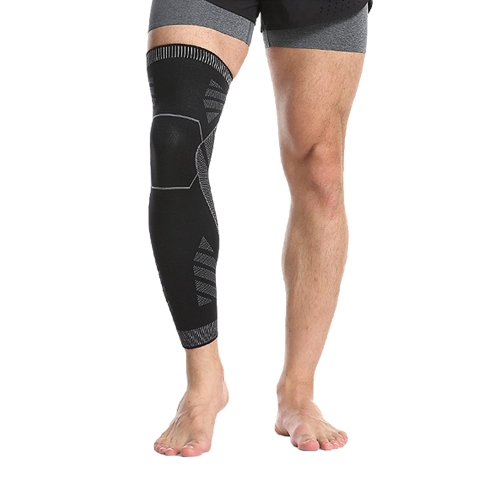
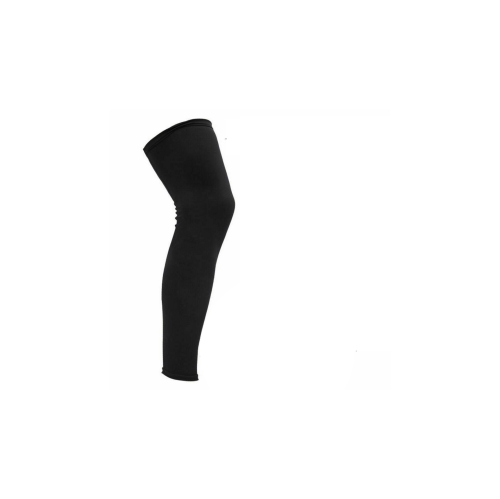
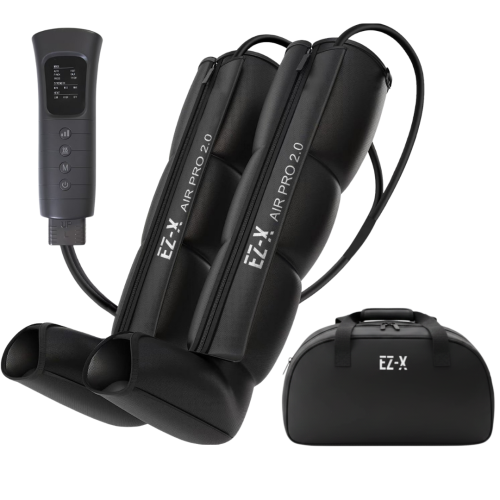
![EZ-X Premium Air Compression Leg Sleeves With Knee Heat - Adjustable Size [With Carrying Bag]- In Black Made him feel well enough to start a workout routine and he is in the best shape of his adult life right](https://multimedia.bbycastatic.ca/multimedia/products/500x500/159/15913/15913016.jpeg)
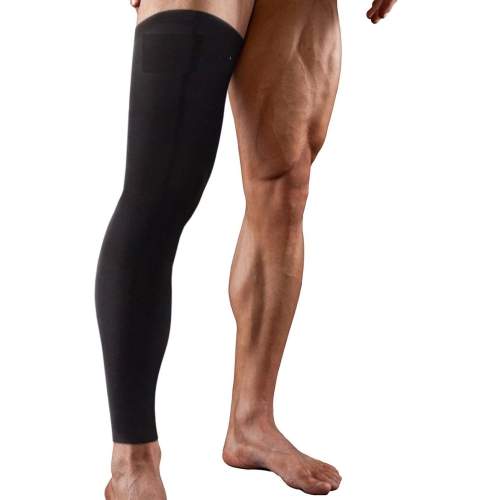
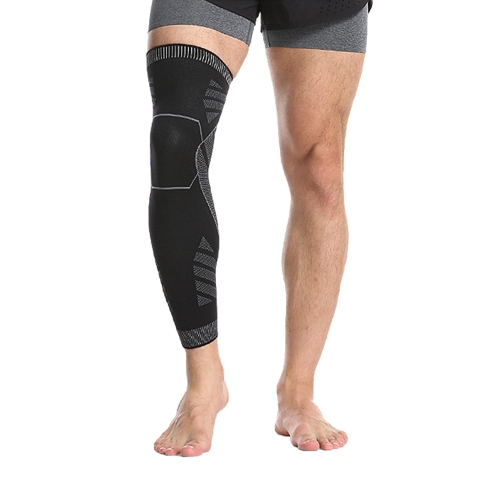
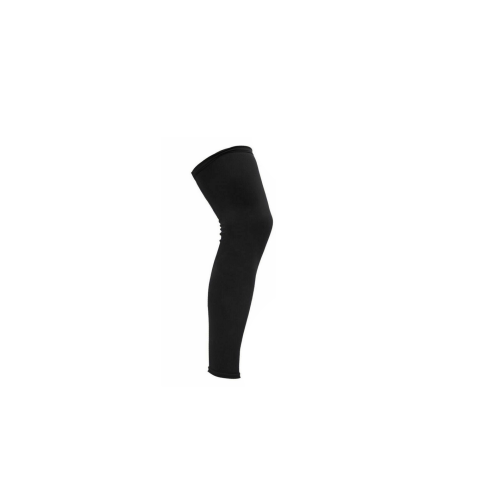
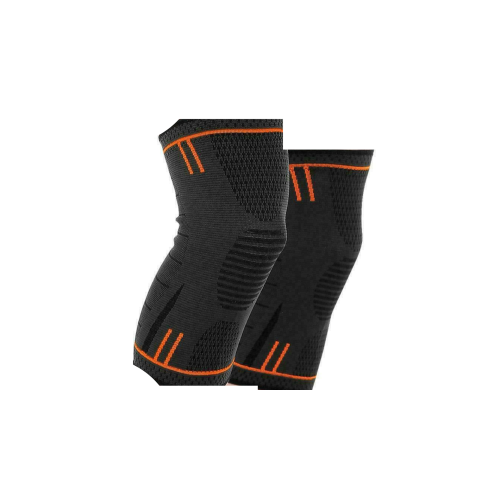
![EZ-X Premium Air Compression Leg Sleeves With Knee Heat - Adjustable Size [With Carrying Bag]- In Grey](https://multimedia.bbycastatic.ca/multimedia/products/500x500/198/19869/19869488.jpeg)
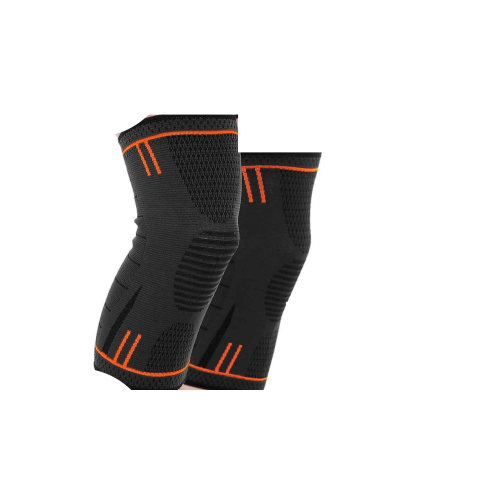

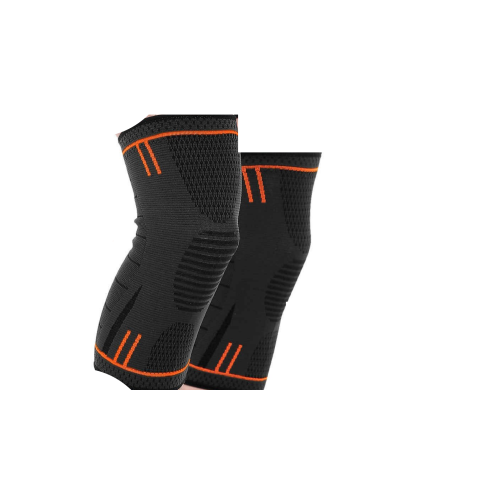
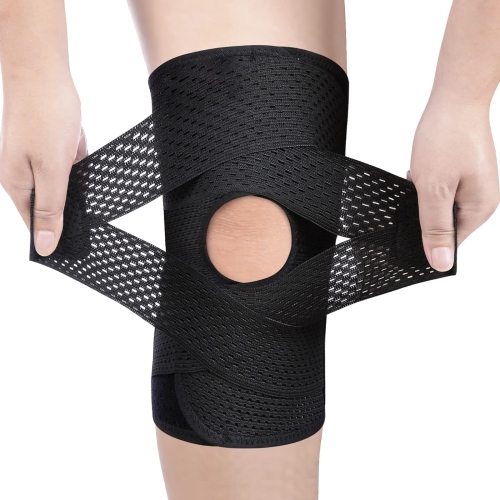
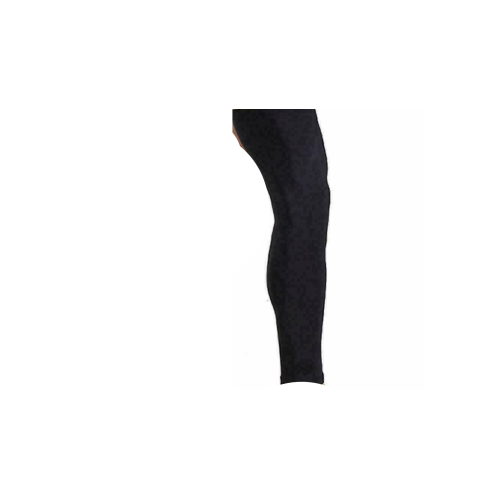
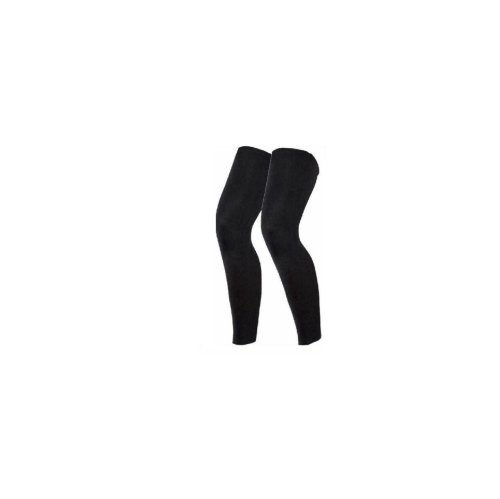
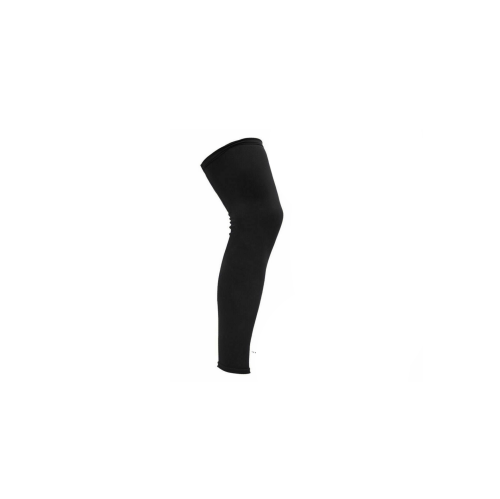
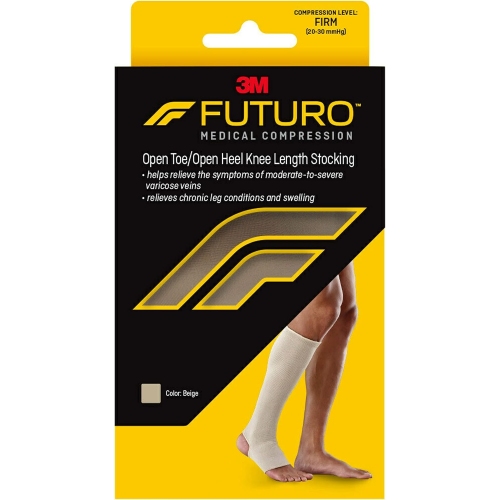

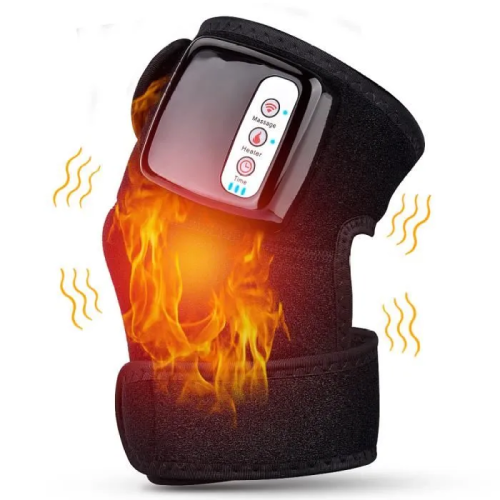
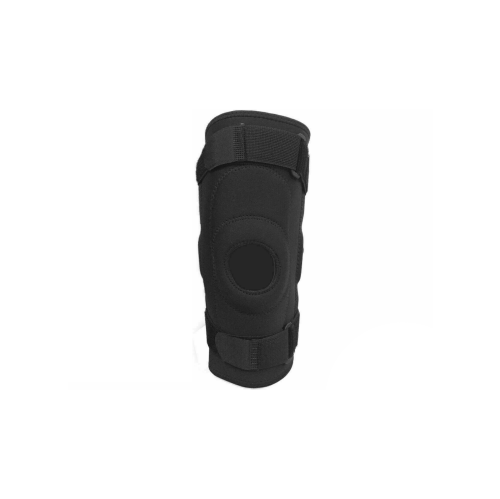
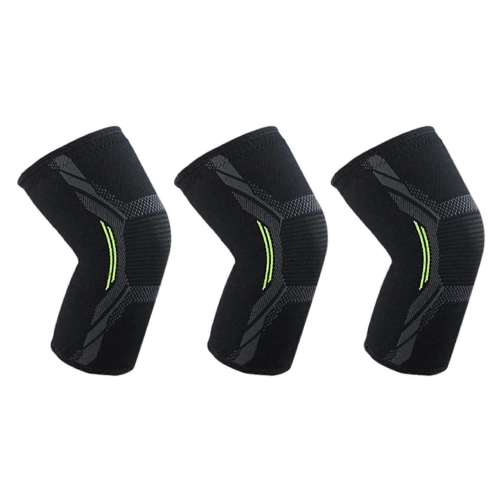
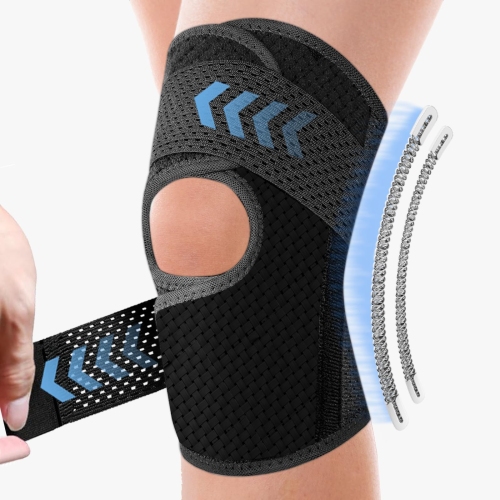
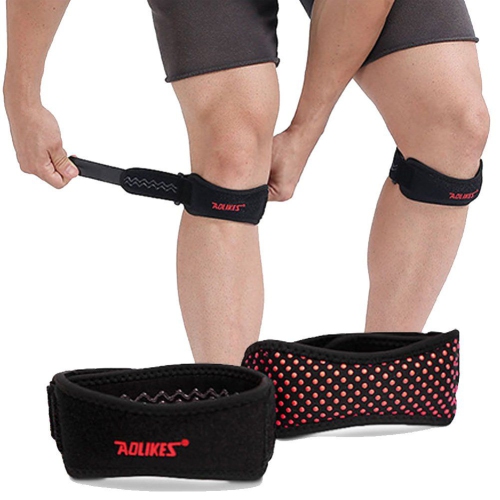
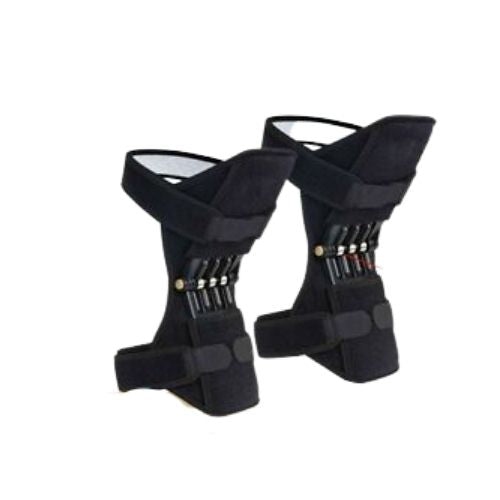
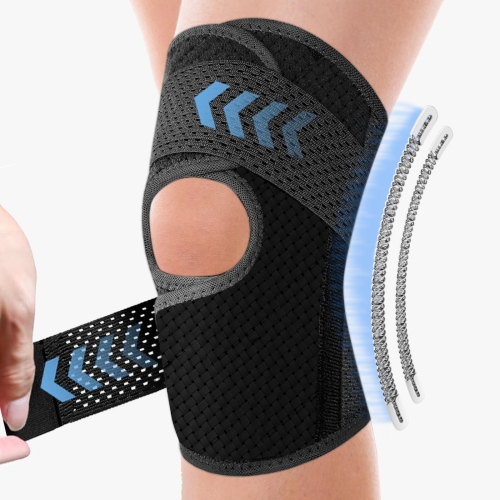

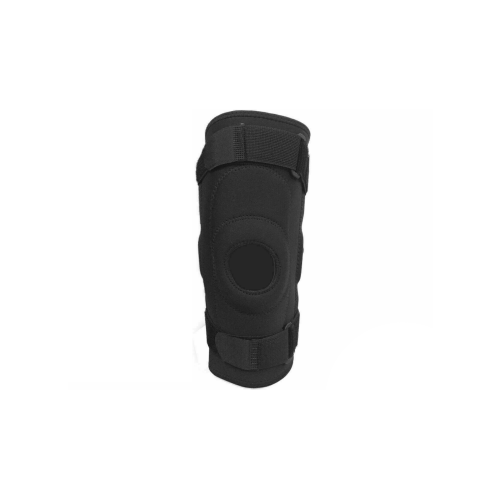
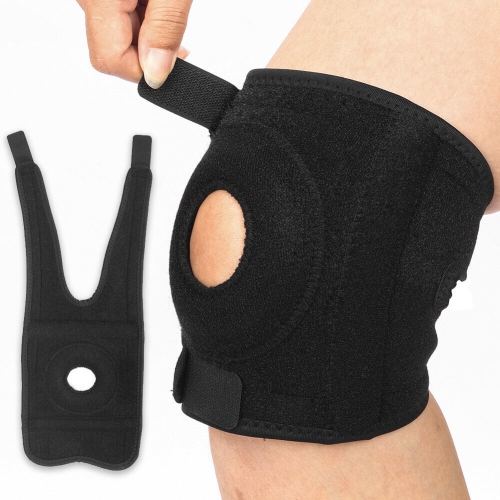
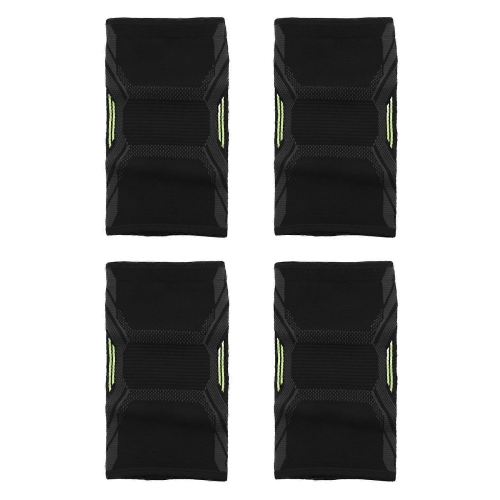
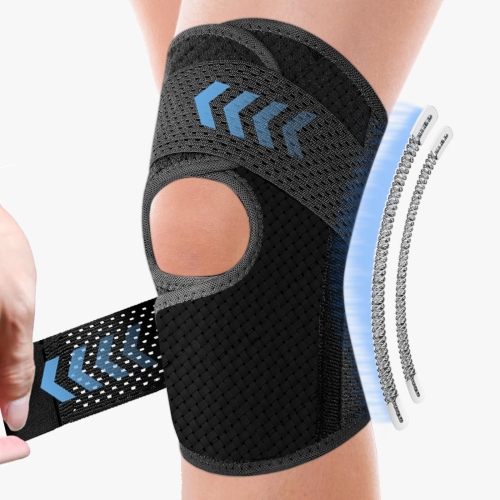
Flexible support for movement, comfort, and everyday activity
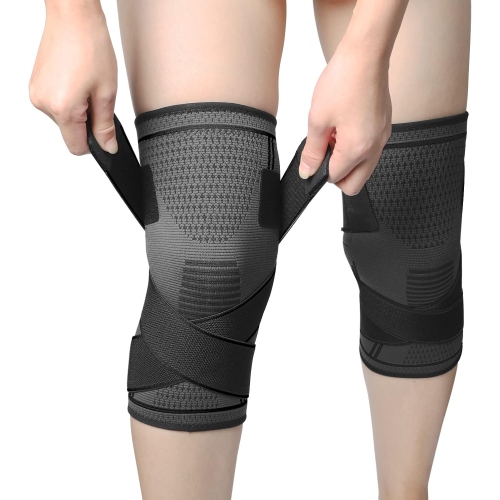
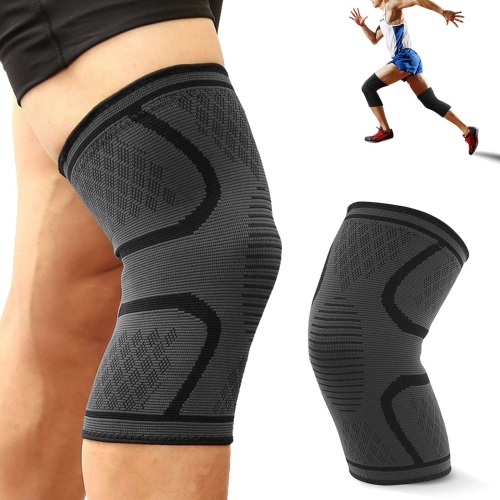
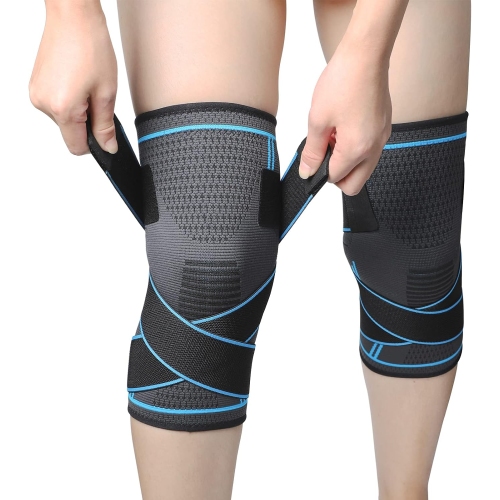
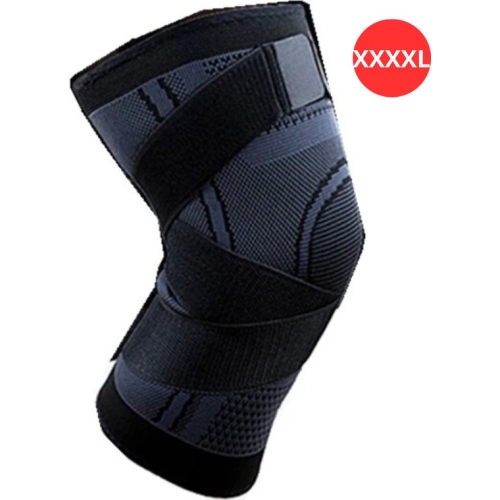
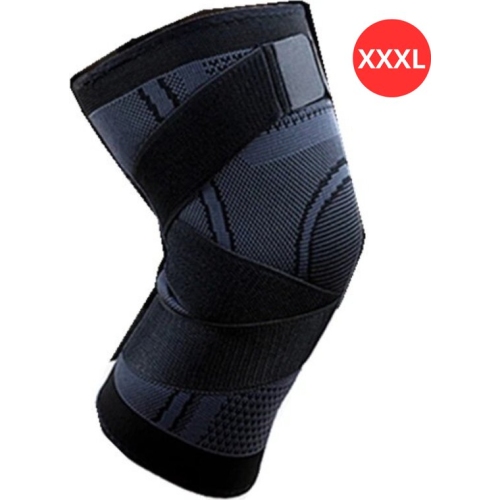
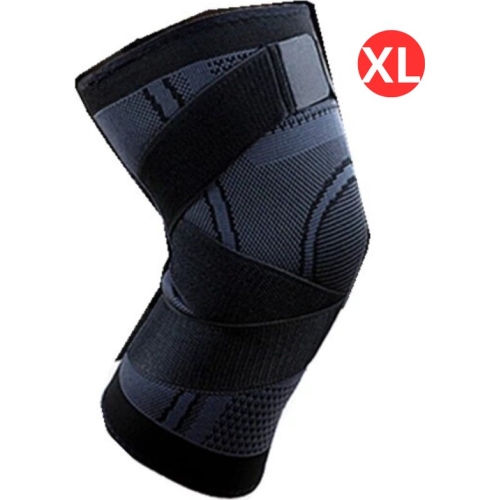
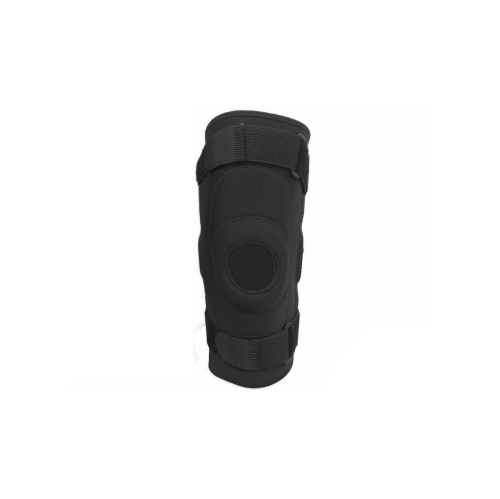
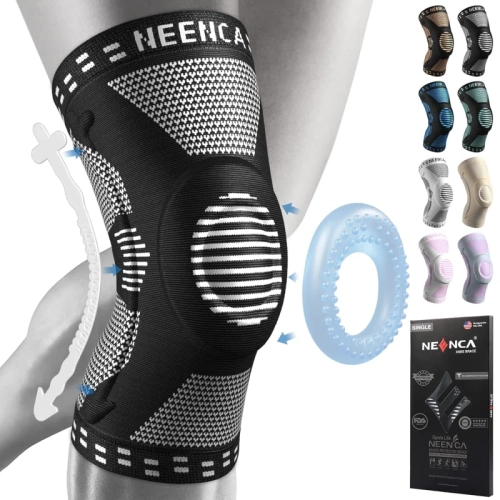
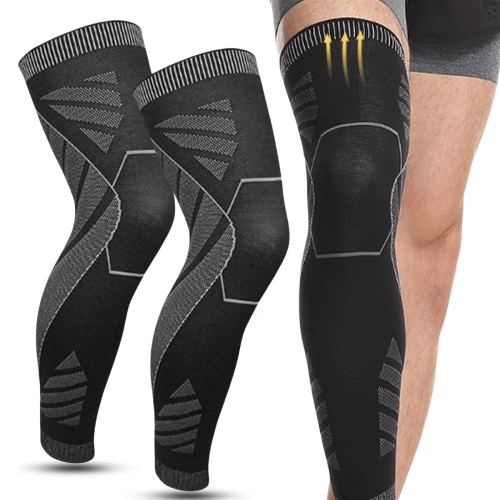
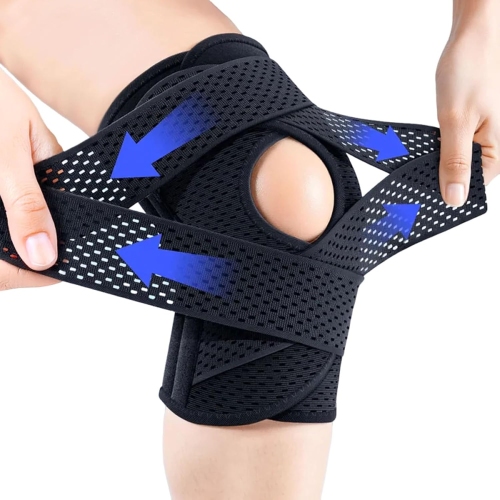
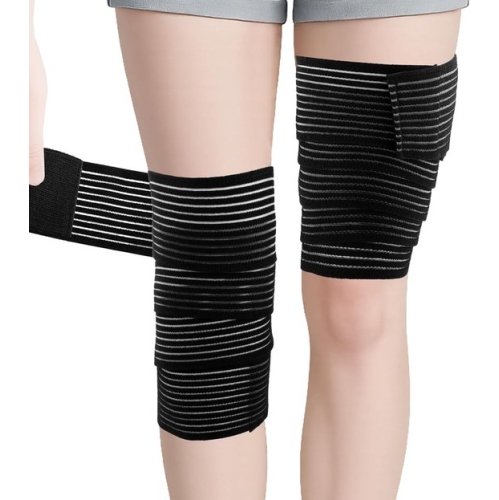
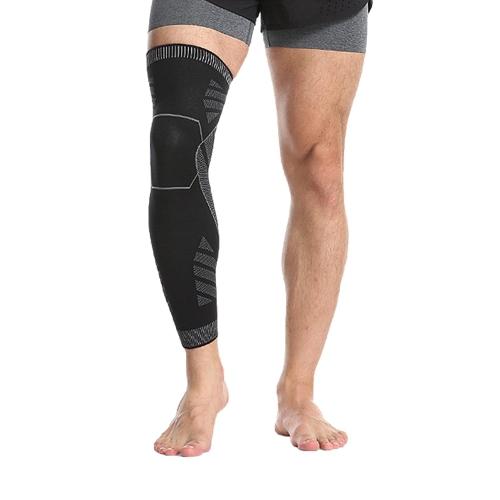
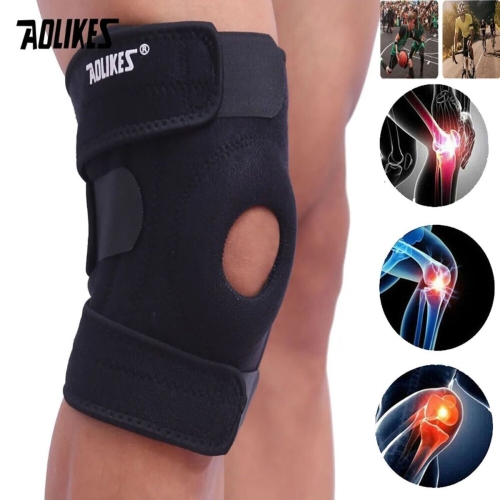
Knee compression sleeves are designed to provide gentle, even pressure around the knee while allowing you to move naturally. Many people use them for added support during walking, training, recreational sports, household tasks, or long periods on their feet. The snug fabric can help improve awareness of the knee’s position as you move, which may make it easier to feel stable during bends, steps, lunges, and changes of direction. Compression may also help manage mild swelling associated with everyday strain, exercise, or recovery from a minor injury. A sleeve is different from a hinged or rigid brace: it generally offers flexible support rather than restricting movement or mechanically stabilizing the joint. That makes knee compression sleeves a practical choice for someone who wants a low-profile layer under athletic clothing or everyday trousers. They can be especially useful during the cooler months, when stiff-feeling joints and longer indoor or outdoor activities may call for an extra layer of support. A recreational runner might wear one on a brisk route through a neighbourhood park, while someone who spends the day standing at work may appreciate the comfortable pressure during a busy shift. They can also suit walkers, cyclists, gym users, court-sport players, gardeners, travellers, and anyone easing back into regular activity after time away. A sleeve is not intended to diagnose or treat an injury, and it should not be used to ignore sharp pain, significant swelling, instability, numbness, or an injury that is getting worse. Anyone with circulation concerns, a diagnosed joint condition, or a recent procedure should follow advice from a health-care professional before choosing a compression product.
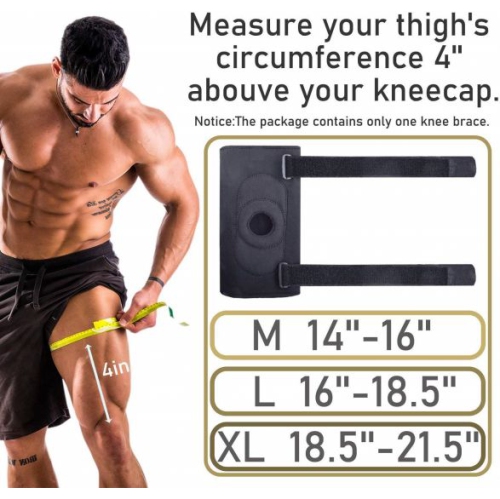
Fit is one of the most important considerations when selecting knee compression sleeves. Start by checking the measurement instructions for the specific sleeve, since sizing methods can vary. Some charts ask for the circumference directly over the kneecap, while others specify a point several inches above or below the joint. Use a flexible measuring tape and keep it comfortably against the leg without pulling it tight. If measuring after exercise, wait until the leg has returned to its usual size, particularly if temporary swelling is present. The finished sleeve should feel firm and supportive, but it should never cause tingling, numbness, coldness, skin discolouration, or a pinching sensation behind the knee. It should stay in place as you walk and bend without rolling into a narrow band or sliding down the leg. When between sizes, review the manufacturer’s guidance rather than automatically choosing the smaller option. Material also affects comfort. Nylon and spandex blends, elastic knits, and lightweight microfiber fabrics can provide stretch while maintaining their shape, and moisture-wicking construction may help the leg feel drier during workouts or warmer indoor activities. A smooth interior can reduce rubbing, while a wider top and bottom edge may help keep the sleeve secure. Consider the level of compression, the thickness of the fabric, the height of the sleeve, and whether it will be worn over bare skin or a thin base layer. If you plan to use it for sports, look for a design that allows full flexion and does not interfere with footwear, protective equipment, or movement. For everyday wear, a discreet profile and easy care may matter more than maximum compression. Always follow the care label, as heat and harsh washing can affect elasticity over time.
Knee compression sleeves can be a thoughtful gift for an active family member, a friend returning to favourite hobbies, or someone who enjoys practical fitness accessories. They are easy to pair with a walking routine, home workout setup, travel kit, or recreational sports bag, particularly when the recipient already values comfort and mobility. Since sizing is personal, check whether the product has a clear measurement chart and consider including the option to exchange it if the fit is not right. A sleeve can be worn during a warm-up, throughout moderate activity, or while completing ordinary tasks, depending on the wearer’s comfort and the product’s instructions. It may also be useful during travel, when long periods of sitting can leave the legs feeling stiff; however, compression should remain comfortable, and the wearer should take regular movement breaks. For more structured support, including options intended to limit certain movements or provide additional stability, explore Compression Knee Braces. Keep expectations realistic: a compression sleeve can complement sensible activity, rest, gradual progression, and professional guidance, but it cannot replace assessment for persistent or severe symptoms. A good routine might begin with a short walk, gentle mobility exercises, and a few minutes of wearing the sleeve at home to check how it feels before a longer outing. Pay attention to pressure points, bunching, skin irritation, and changes in comfort as the day goes on. During the transition from warmer days to cooler weather, breathable fabric can help prevent overheating indoors, while a smooth, flexible layer can fit comfortably beneath outdoor clothing. With the right size, material, and intended use in mind, knee compression sleeves offer a convenient way to add light support and body awareness to everyday movement.
Fit is one of the most important considerations when selecting knee compression sleeves. Start by checking the measurement instructions for the specific sleeve, since sizing methods can vary. Some charts ask for the circumference directly over the kneecap, while others specify a point several inches above or below the joint. Use a flexible measuring tape and keep it comfortably against the leg without pulling it tight. If measuring after exercise, wait until the leg has returned to its usual size, particularly if temporary swelling is present. The finished sleeve should feel firm and supportive, but it should never cause tingling, numbness, coldness, skin discolouration, or a pinching sensation behind the knee. It should stay in place as you walk and bend without rolling into a narrow band or sliding down the leg. When between sizes, review the manufacturer’s guidance rather than automatically choosing the smaller option. Material also affects comfort. Nylon and spandex blends, elastic knits, and lightweight microfiber fabrics can provide stretch while maintaining their shape, and moisture-wicking construction may help the leg feel drier during workouts or warmer indoor activities. A smooth interior can reduce rubbing, while a wider top and bottom edge may help keep the sleeve secure. Consider the level of compression, the thickness of the fabric, the height of the sleeve, and whether it will be worn over bare skin or a thin base layer. If you plan to use it for sports, look for a design that allows full flexion and does not interfere with footwear, protective equipment, or movement. For everyday wear, a discreet profile and easy care may matter more than maximum compression. Always follow the care label, as heat and harsh washing can affect elasticity over time.
Knee compression sleeves can be a thoughtful gift for an active family member, a friend returning to favourite hobbies, or someone who enjoys practical fitness accessories. They are easy to pair with a walking routine, home workout setup, travel kit, or recreational sports bag, particularly when the recipient already values comfort and mobility. Since sizing is personal, check whether the product has a clear measurement chart and consider including the option to exchange it if the fit is not right. A sleeve can be worn during a warm-up, throughout moderate activity, or while completing ordinary tasks, depending on the wearer’s comfort and the product’s instructions. It may also be useful during travel, when long periods of sitting can leave the legs feeling stiff; however, compression should remain comfortable, and the wearer should take regular movement breaks. For more structured support, including options intended to limit certain movements or provide additional stability, explore Compression Knee Braces. Keep expectations realistic: a compression sleeve can complement sensible activity, rest, gradual progression, and professional guidance, but it cannot replace assessment for persistent or severe symptoms. A good routine might begin with a short walk, gentle mobility exercises, and a few minutes of wearing the sleeve at home to check how it feels before a longer outing. Pay attention to pressure points, bunching, skin irritation, and changes in comfort as the day goes on. During the transition from warmer days to cooler weather, breathable fabric can help prevent overheating indoors, while a smooth, flexible layer can fit comfortably beneath outdoor clothing. With the right size, material, and intended use in mind, knee compression sleeves offer a convenient way to add light support and body awareness to everyday movement.
Top selling and popular products
-
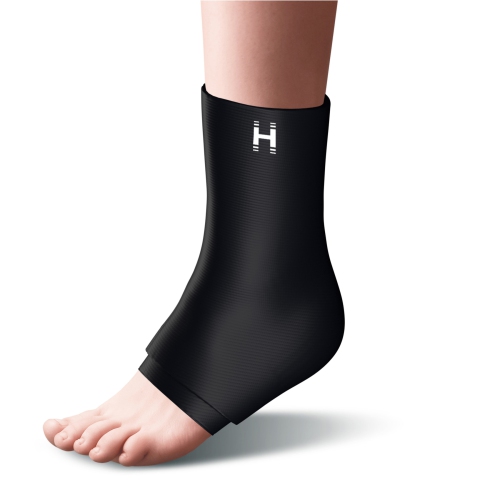 Your price for this item is $39.99
 -
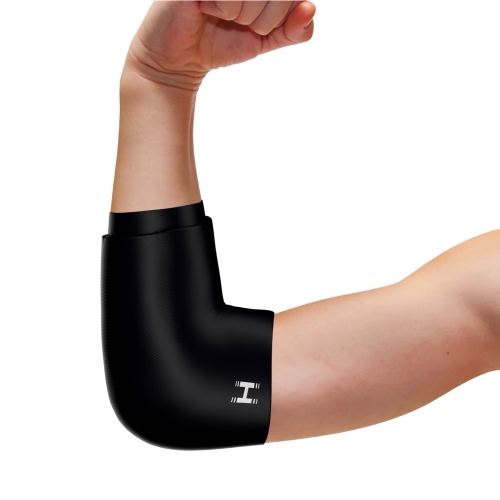 Your price for this item is $39.99
 -
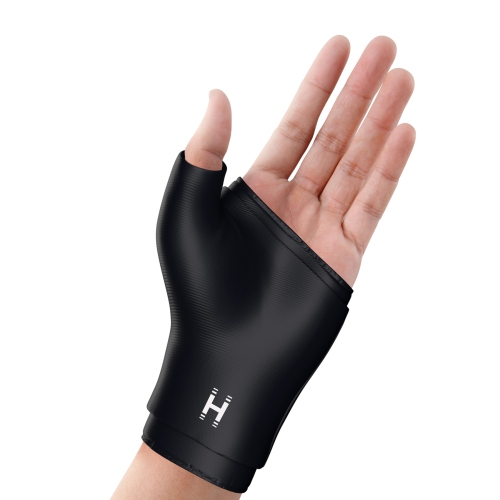 Your price for this item is $29.99
 -
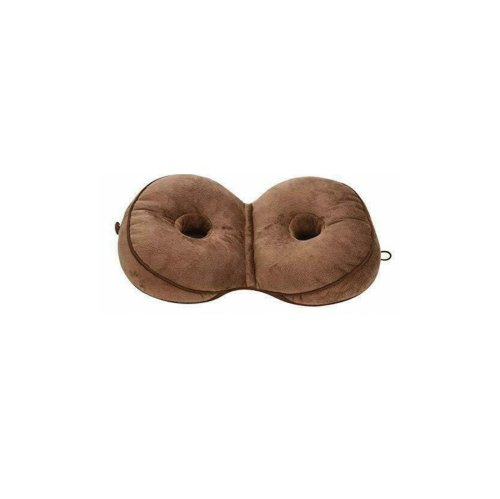 Your price for this item is $90
 -
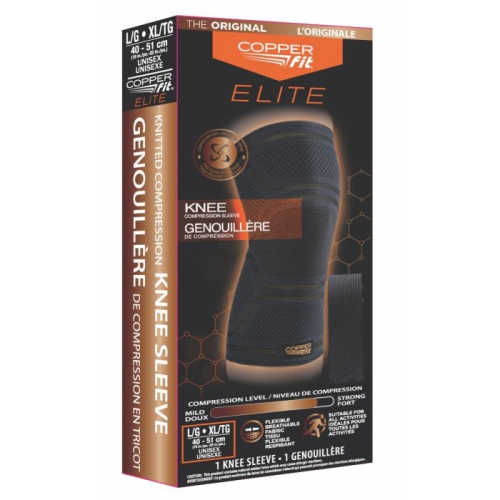 Your price for this item is $24.95
 -
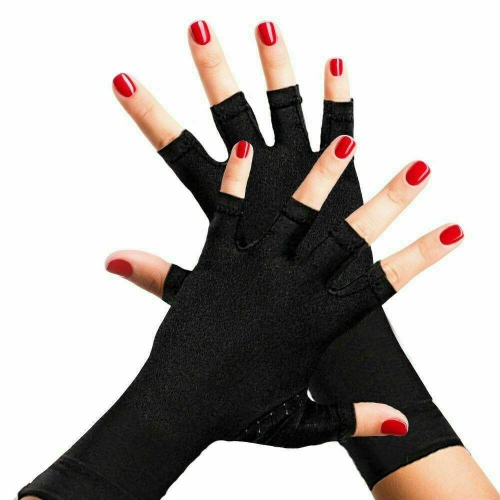 Your price for this item is $20
 -
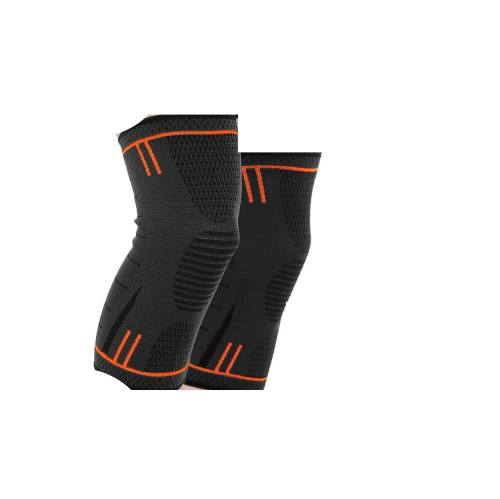 Your price for this item is $20
 -
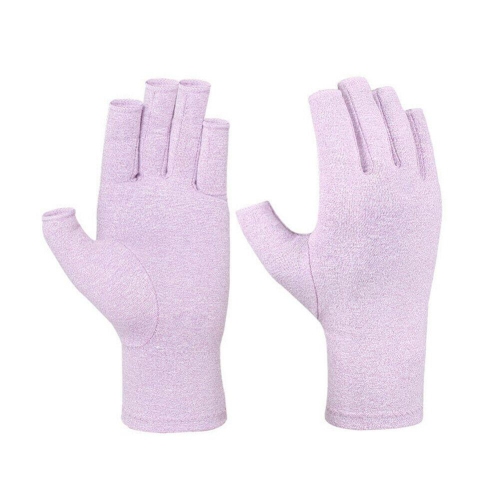 Your price for this item is $24
Discover more categories related to Knee Compression Sleeves
Top Collections:
Pokemon Centers, Best Cameras for Sports Photography, Kindle Devices, Samsung Galaxy Phones, Canon G7X Cameras, Pokémon 30th Celebration Cards, Refurbished Apple Laptops, iPhone 15 Apple, Laptops for Students, Budget Smartphones
Some products may be subject to Environmental Handling Fees
(EHF) depending on your province.
Learn more about EHFs.