Tailbone Seat Cushions
Sitting for extended periods can often lead to discomfort and pain, particularly in the tailbone area. Tailbone seat cushions are designed to provide relief and support by reducing pressure on the coccyx while promoting proper posture. Whether you're working at a desk, driving in your car, or simply relaxing at home, investing in a quality tailbone seat cushion can make a significant difference in your comfort level. Browse through this selection of tailbone seat cushions to find the perfect solution for your seating needs.
Sort





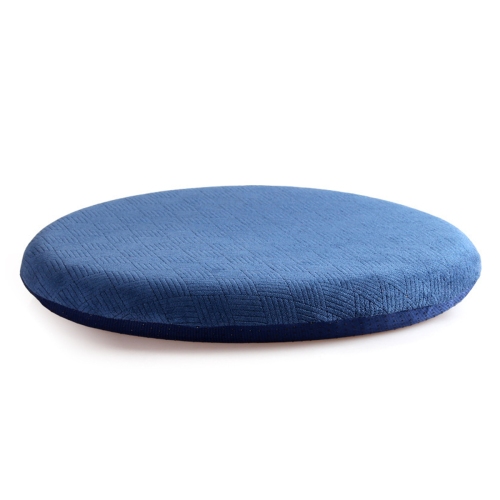
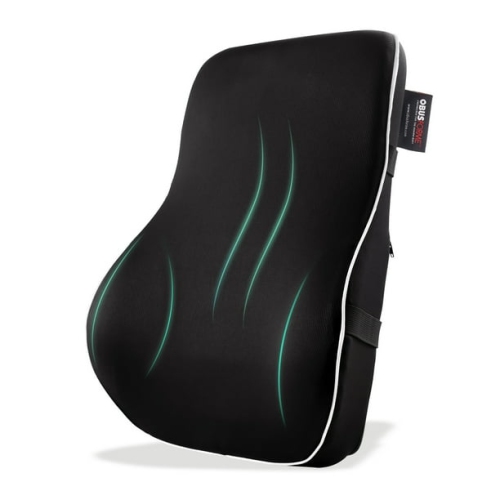
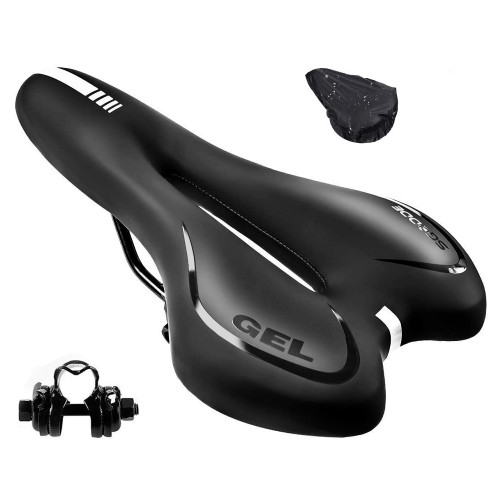
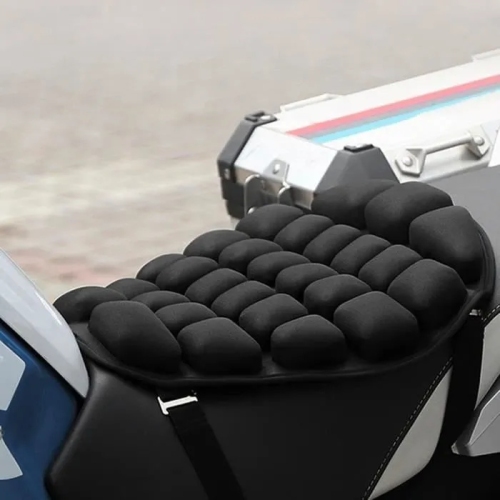

Why cushion shape matters as much as softness
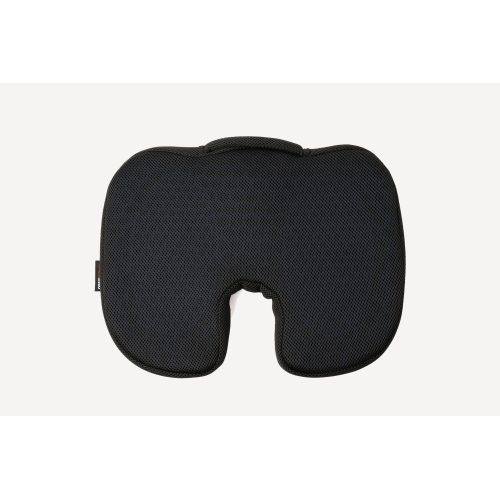
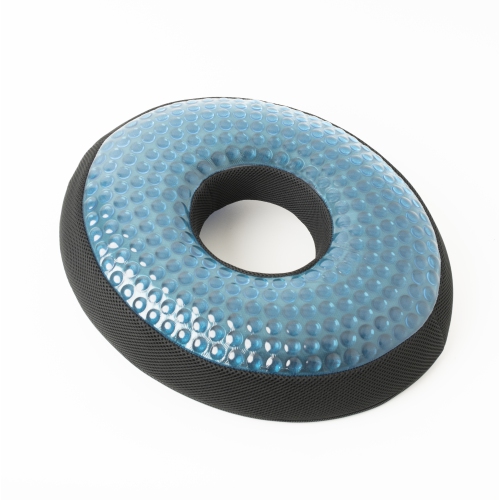
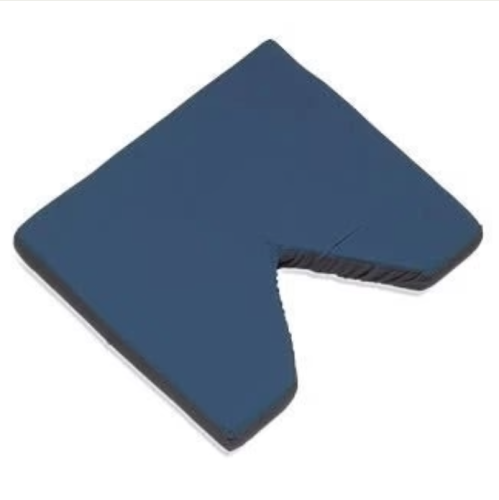
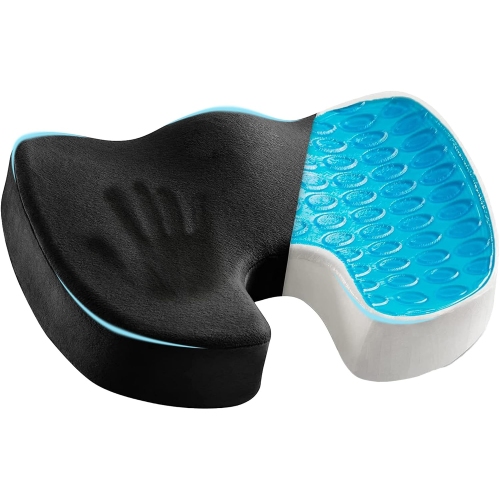
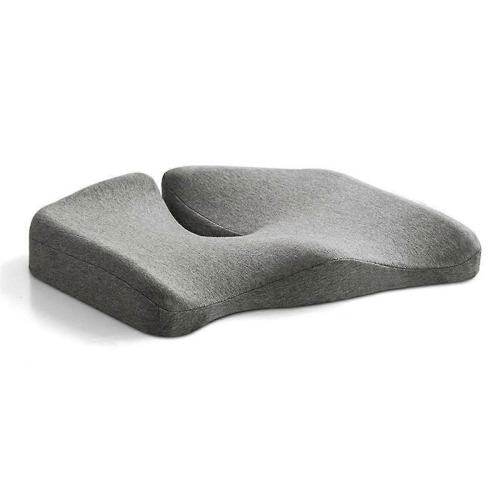
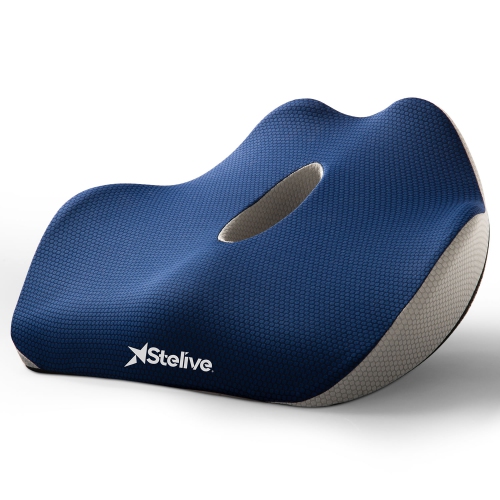
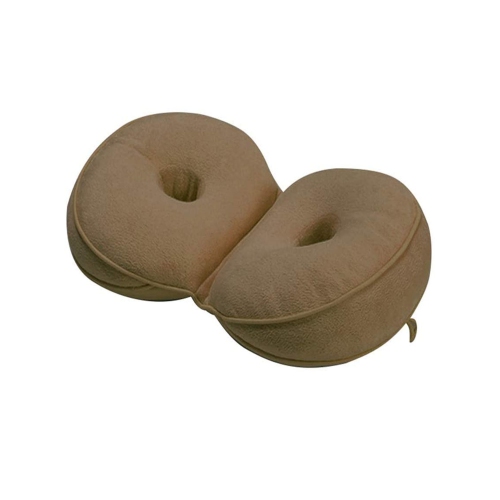
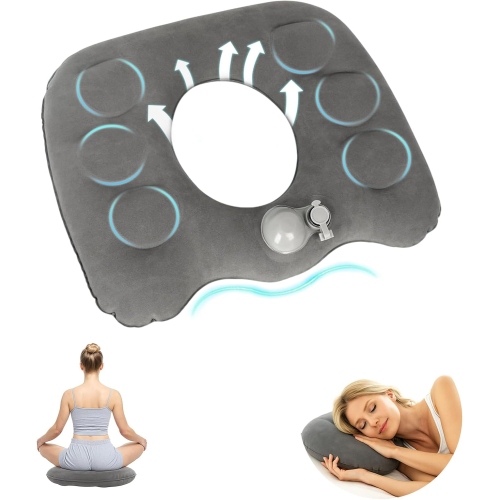
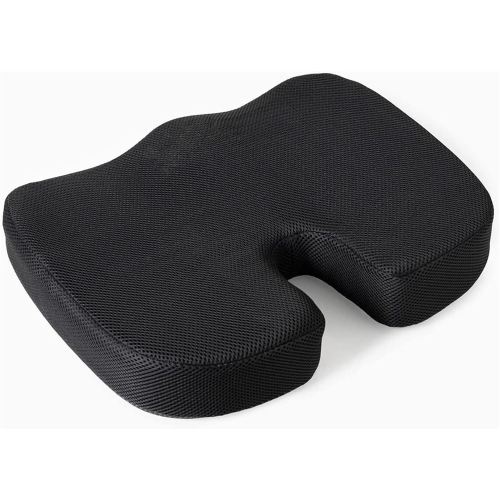
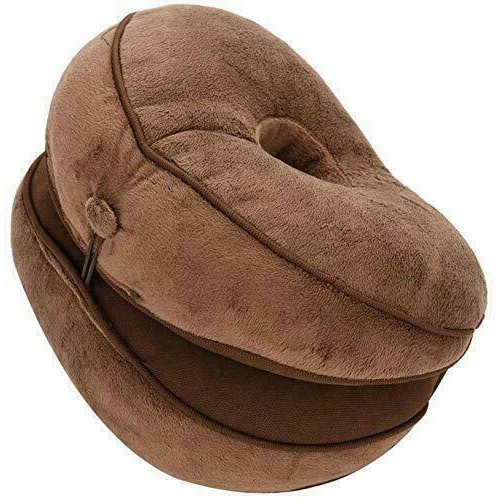
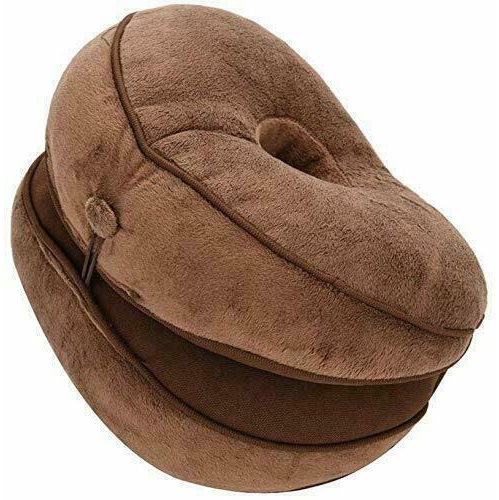
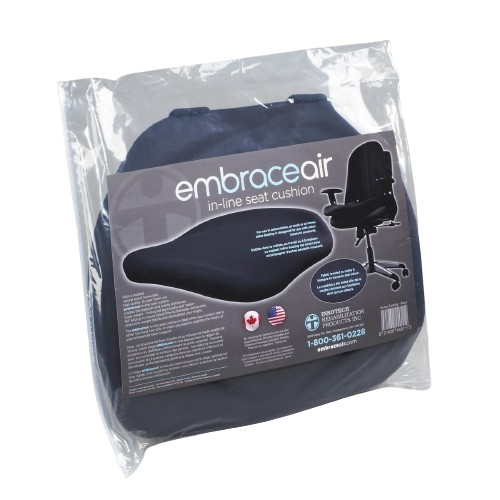
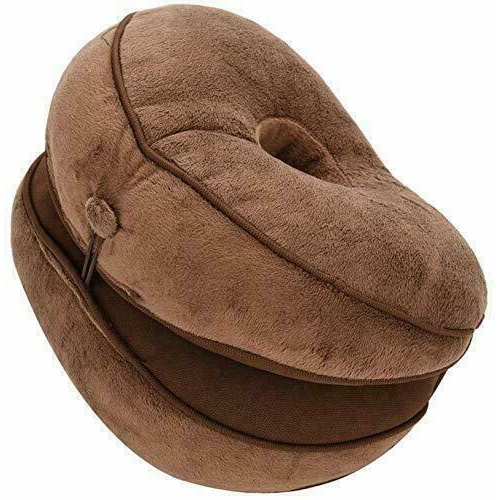
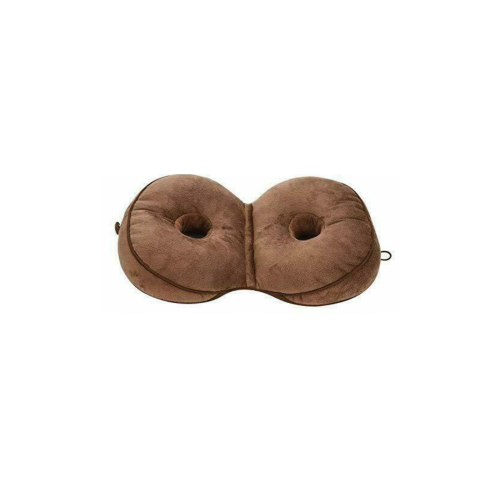
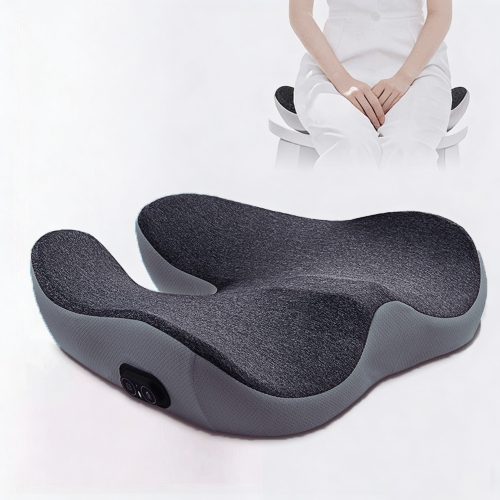
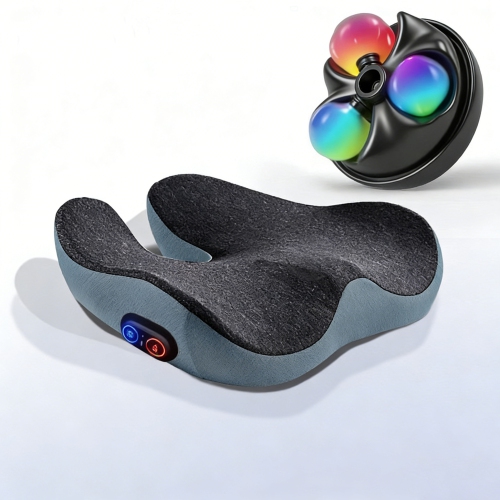
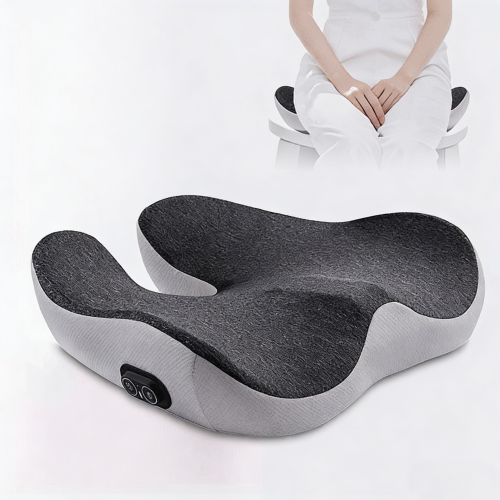
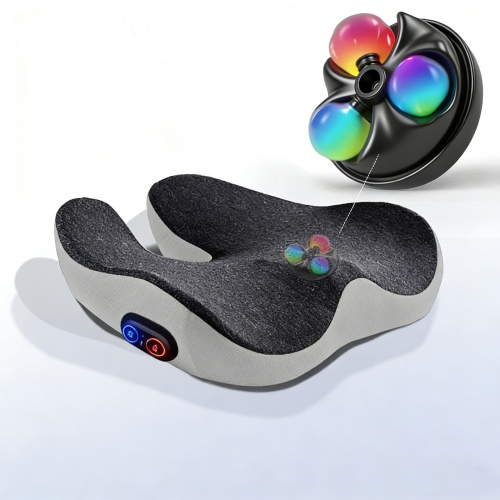
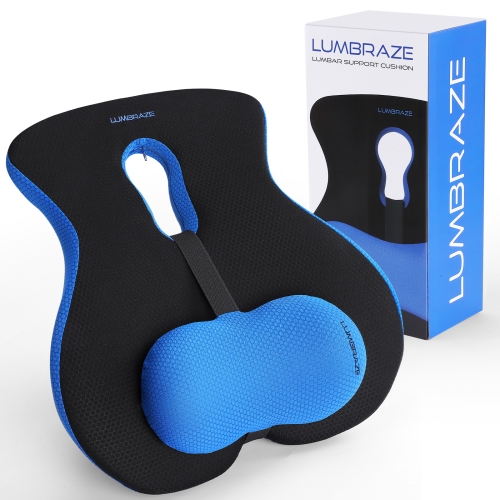
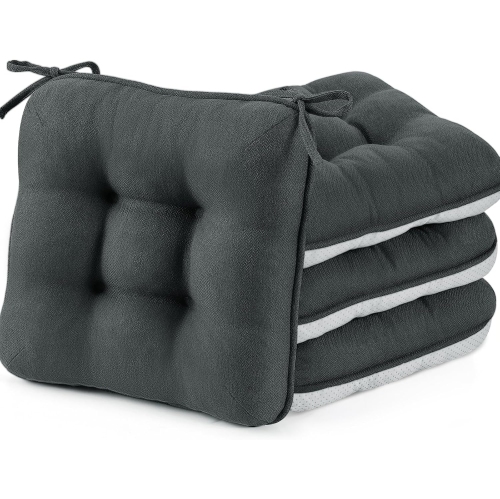
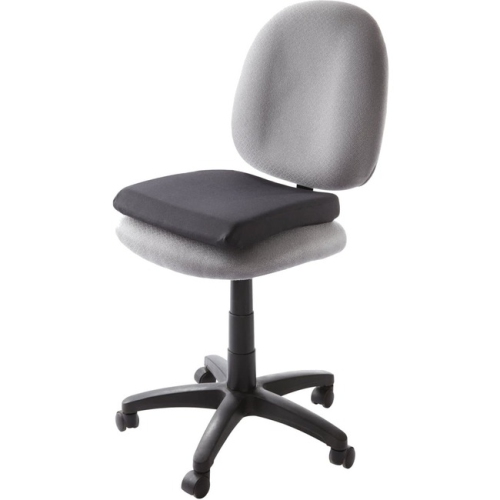
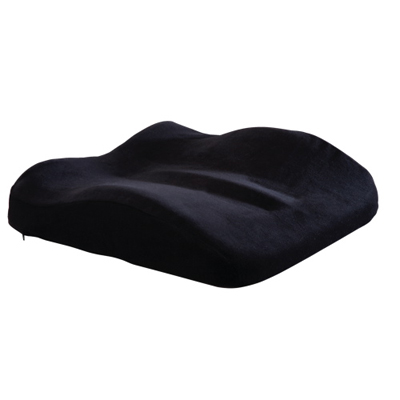
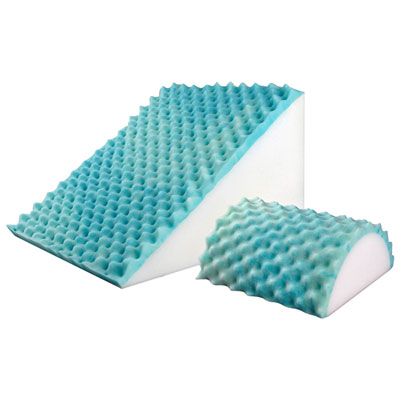
Tailbone seat cushions are shaped seating supports designed to reduce direct pressure on the coccyx, the small bone at the base of the spine. Often called coccyx cushions, they typically feature a rear cut-out or recessed section that leaves space beneath the tailbone while supporting the surrounding sitting area. This differs from an ordinary chair pad, which adds cushioning across the entire seat without necessarily creating clearance at the back. For someone who spends much of the day at a desk, finds a dining chair uncomfortably hard, or needs more support during a seated hobby, that difference in shape can matter as much as softness. Many tailbone cushions have a contoured surface, with raised sides or shallow channels intended to accommodate the hips and thighs. Others use a wedge profile that changes the angle of the seating surface. Neither shape suits everyone: comfort depends on body proportions, the chair underneath, and the way the cushion distributes weight. A cushion that feels comfortable for a short task may feel different after a longer stretch of sitting. Its intended use also matters, since a broad office chair, a narrow kitchen chair, and a deeply padded armchair provide very different foundations. A stable seat generally allows the cushion’s shape to work more predictably than a sagging or uneven surface. Tailbone support is also distinct from lumbar support, which sits behind the lower back rather than beneath the body. Some seating arrangements benefit from both, provided there is still enough room to sit comfortably without being pushed toward the front edge. A well-matched cushion should allow the feet to rest securely on the floor or a footrest, with the desk and armrests remaining at a comfortable height. It is an accessory for seated comfort, not a substitute for movement breaks, appropriate chair adjustment, or medical assessment when discomfort persists.
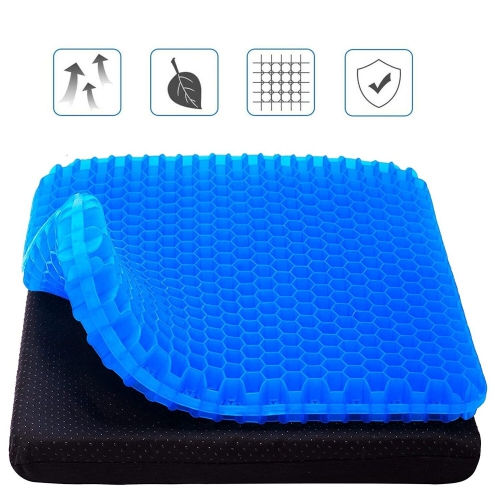
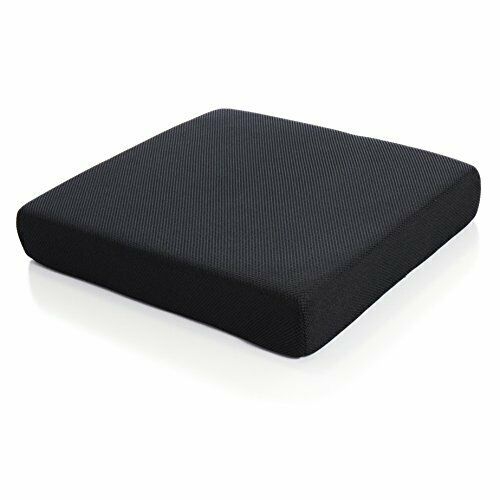
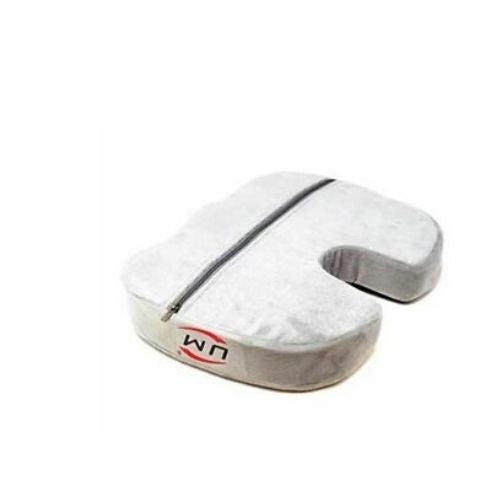
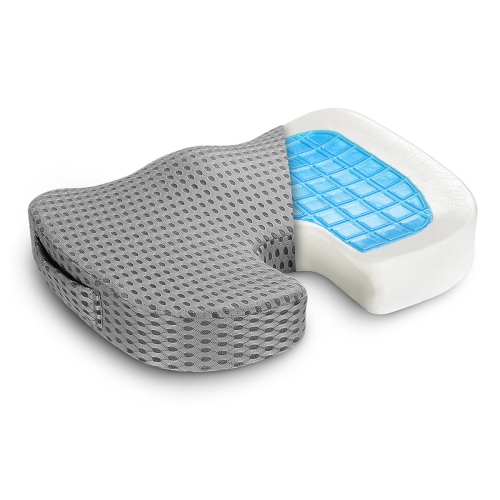
Materials influence how a tailbone cushion feels under body weight and how well it maintains its profile through repeated use. Memory foam gradually conforms to the seated shape, while other cushioning foams may feel more responsive when changing position. Foam density and firmness are related but different characteristics, so thickness alone does not indicate how supportive a cushion will feel. A very soft cushion may compress enough to reduce clearance beneath the tailbone, while an overly firm surface may feel uncomfortable around the sitting bones or thighs. Gel-and-foam constructions offer another feel, although a gel layer does not automatically make a cushion more supportive. The shape of the core and its response to the person using it remain important. Stated weight limits, where provided, help clarify intended use, but they do not replace checking the seat dimensions and cushion profile. Width should suit both the user and the chair, without curling against the armrests; depth should leave room behind the knees rather than pressing into them. Added height can also affect whether the thighs fit comfortably beneath a desk. The cover contributes to everyday comfort through its texture, seams, and ability to manage moisture. A removable, washable cover can be useful on a frequently used office chair or a cushion carried between locations. Care requirements vary, and a washable cover does not mean the foam insert can be washed in the same way. Manufacturer directions should determine whether the insert can be spot cleaned, how the cover should be dried, and whether the materials tolerate particular cleaning products. Fully drying any cleaned components before reassembly helps prevent trapped moisture. Durable stitching, a secure zipper, and a base that resists sliding are practical details for daily handling. Over time, persistent flattening, an uneven surface, damaged seams, or a core that no longer returns to its original shape can affect both comfort and the clearance the cushion was designed to provide.
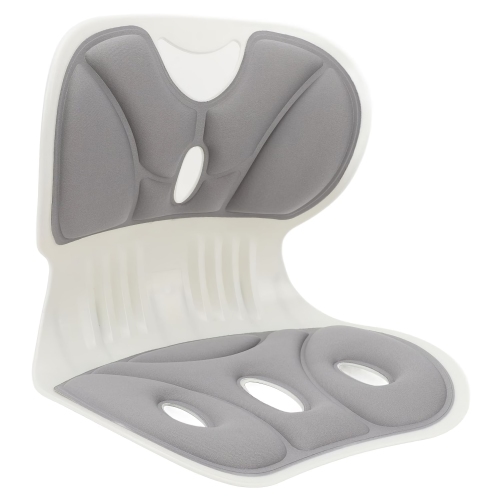
Daily routines often reveal which details make a tailbone cushion convenient rather than cumbersome. Someone moving between a home office and a shared workspace may appreciate a manageable weight and an integrated carry handle, while a cushion used mainly at one desk may benefit more from a secure base and a close fit to the chair. On smooth upholstery, a textured underside or fastening straps can help limit movement, though compatibility with the seating material still matters. The cut-out must be positioned as directed by the manufacturer; on many coccyx designs it belongs at the rear, but shapes and orientations vary. Within the broader category of Ergonomic Seat Cushions, tailbone-focused designs place particular emphasis on clearance around the coccyx rather than simply adding padding. They may appeal to office workers, students, people who sew or craft while seated, and others whose regular chair feels too hard in that area. Travel use calls for additional attention to seat size and stability. In a vehicle, extra seat height can change the driving position, so any cushion must be compatible with the vehicle’s seating instructions and must not interfere with safe pedal access, visibility, seat belts, or seat-mounted safety features. Wheelchair seating and pressure management require a more individual approach; a general-purpose tailbone cushion should not be assumed to meet those needs. A qualified healthcare professional can advise when there are mobility limitations, reduced sensation, skin concerns, or an existing injury. As a practical gift, a cushion is most thoughtful when the recipient’s chair dimensions, comfort preferences, and intended use are already known. Even then, personal fit matters more than a generous-looking amount of padding. The most useful combination is a suitable shape, stable placement, straightforward care, and support that remains comfortable during the activities the cushion is meant to accompany.
Top selling and popular products
-
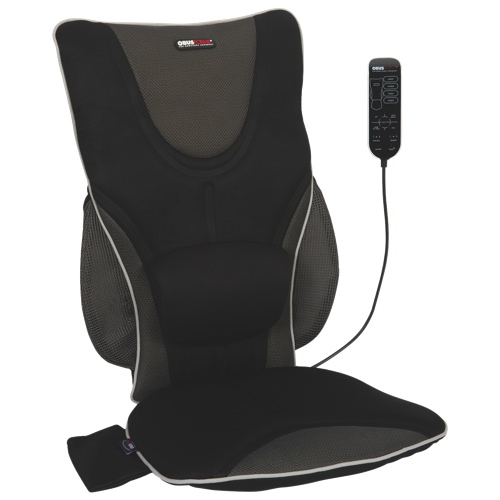 Your price for this item is $79.99
-
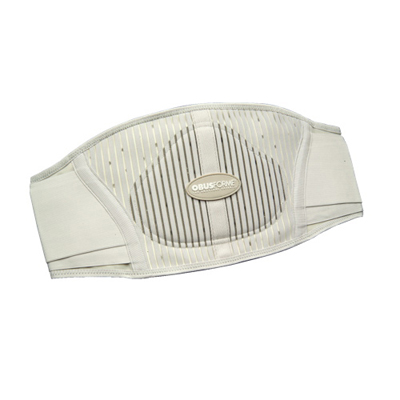 Your price for this item is $44.99
-
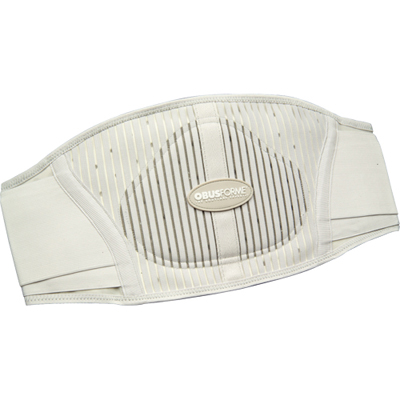 Your price for this item is $44.99
-
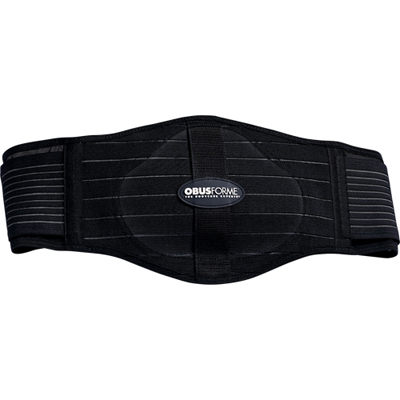 Your price for this item is $44.99
-
 Your price for this item is $44.99
-
 Your price for this item is $24.99
-
 Your price for this item is $42.99
-
 Your price for this item is $49.99
Discover more categories related to Tailbone Seat Cushions
Top Collections:
Best Black Friday Deals This Year, Best Black Friday Deals On Electronics, Kindle Devices, Pokemon Centers, Best Black Friday Deals On Apple Products, Best Cameras for Sports Photography, Dyson Airwrap, Pokémon 30th Celebration Cards, Apple iPhone 17 Pro, Canon G7X Cameras
Some products may be subject to Environmental Handling Fees
(EHF) depending on your province.
Learn more about EHFs.