Personal Sound Amplifiers
Experience clearer, more vibrant sound in your daily life with a Personal Sound Amplifier. Designed to help you stay connected and engaged, these devices offer an easy way to enhance audio in various environments. Whether you're enjoying conversations with friends or listening to your favorite shows, a Personal Sound Amplifier can provide the boost you need for a richer listening experience. Explore a range of options to find the perfect fit for your lifestyle and preferences.
Sort

Louder sound does not always mean clearer speech
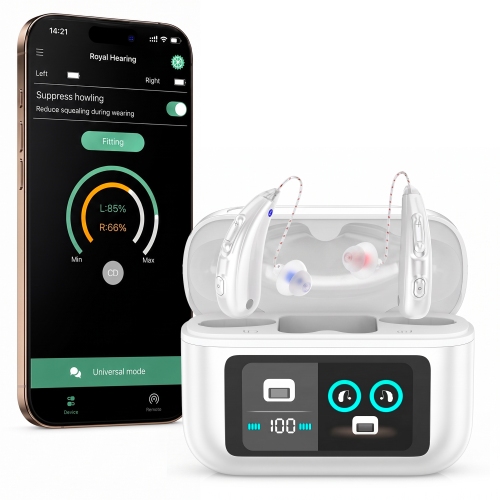
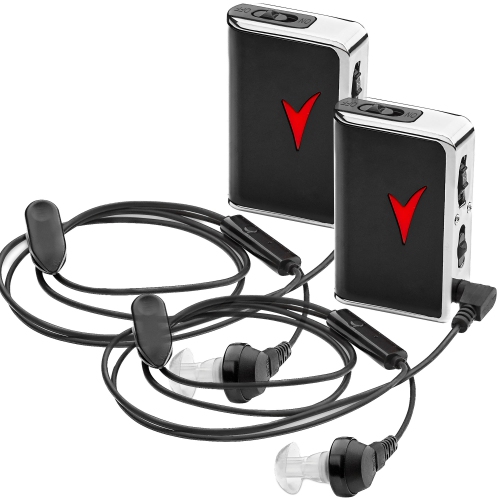
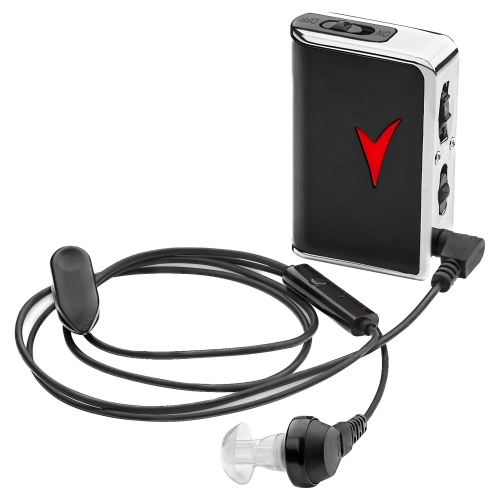
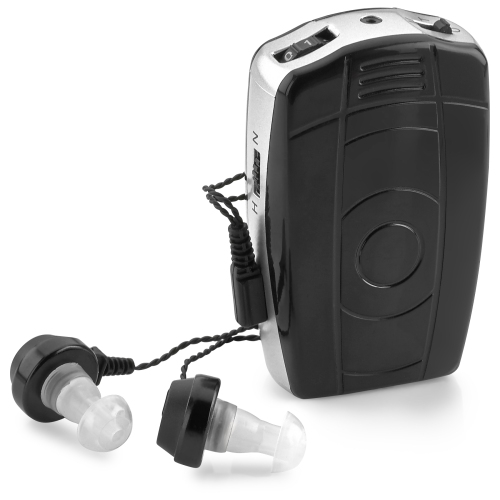
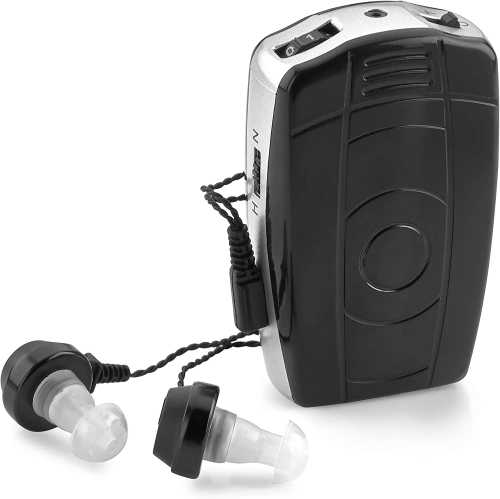
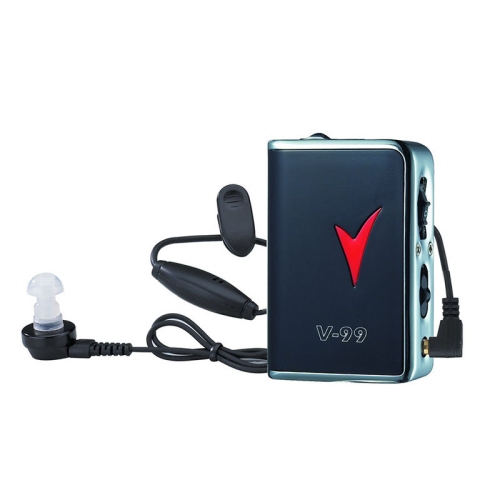
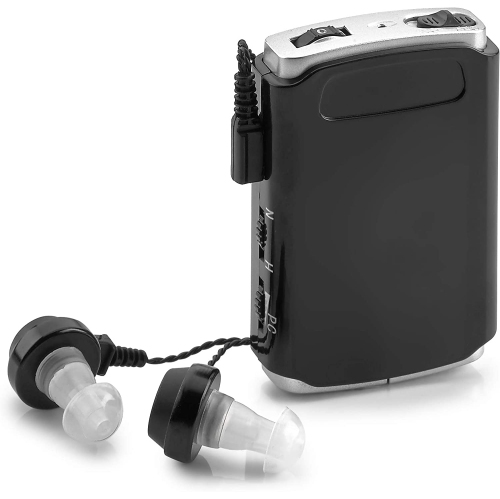
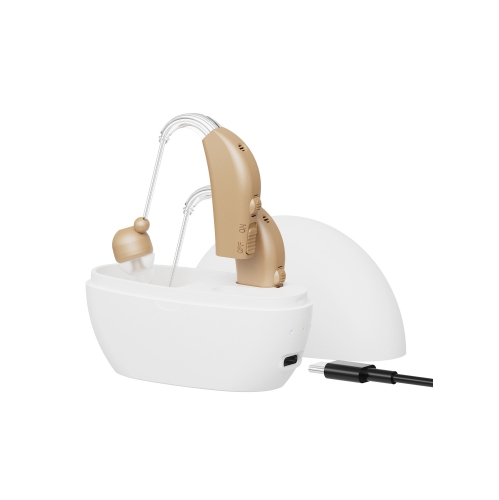
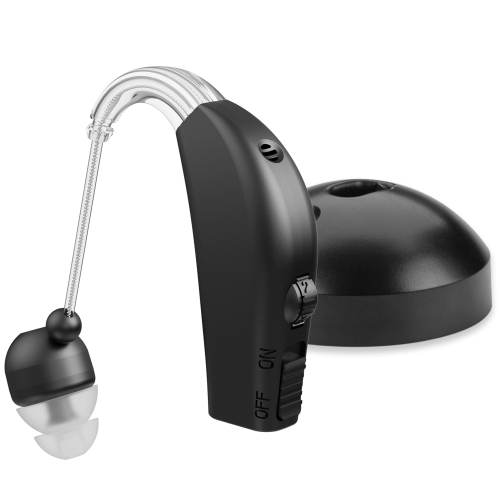
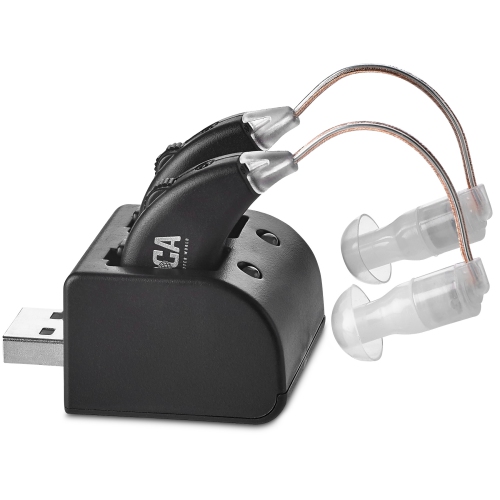
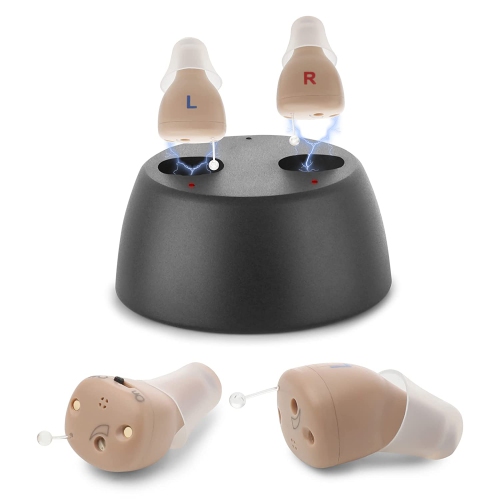
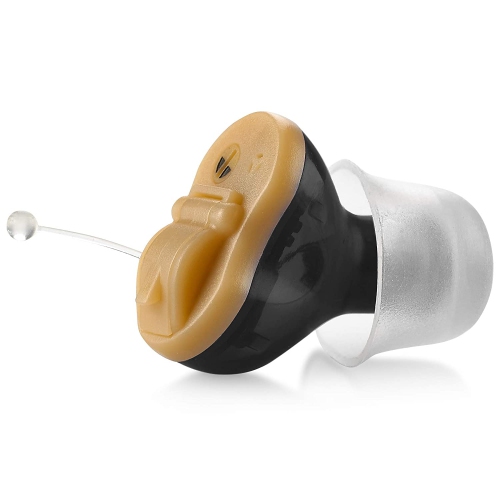
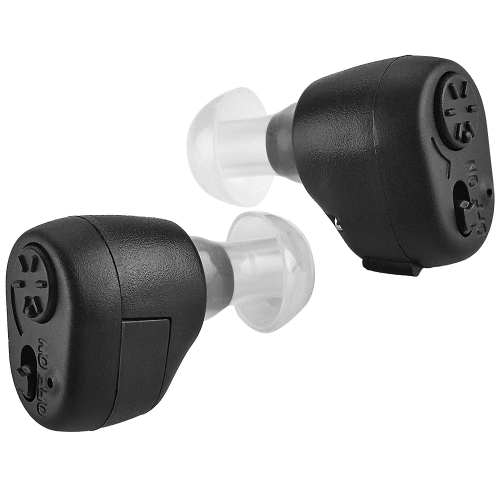
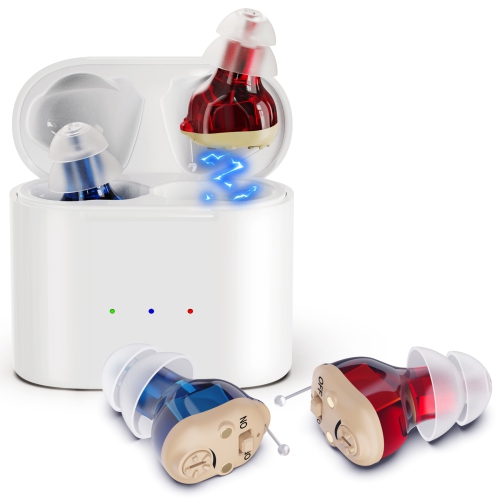
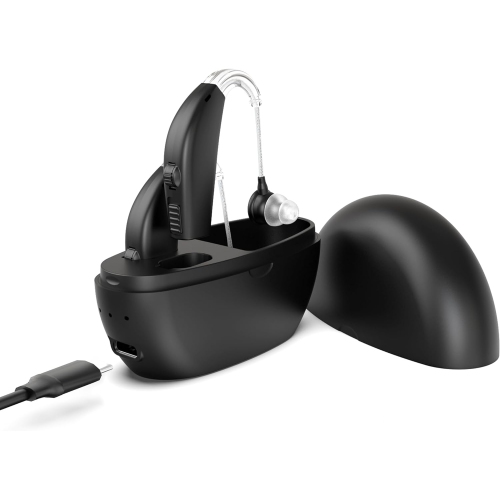
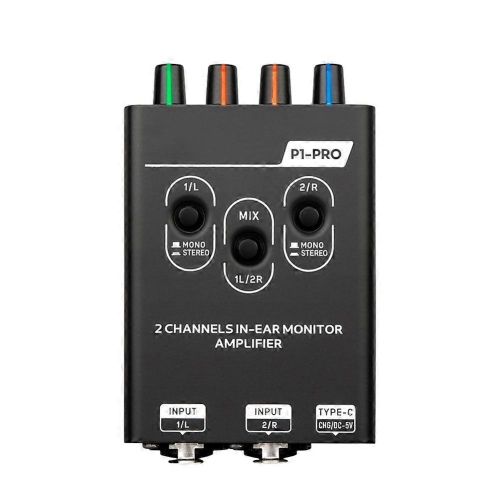
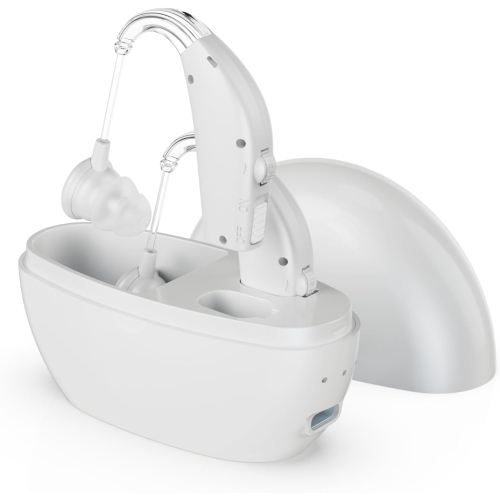
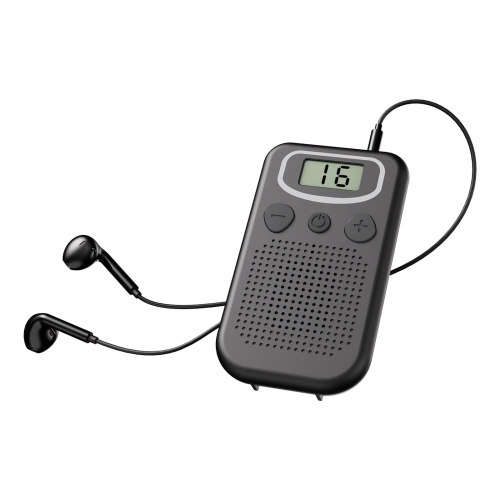
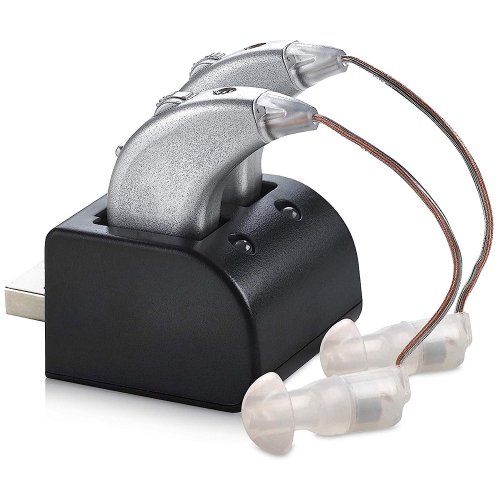
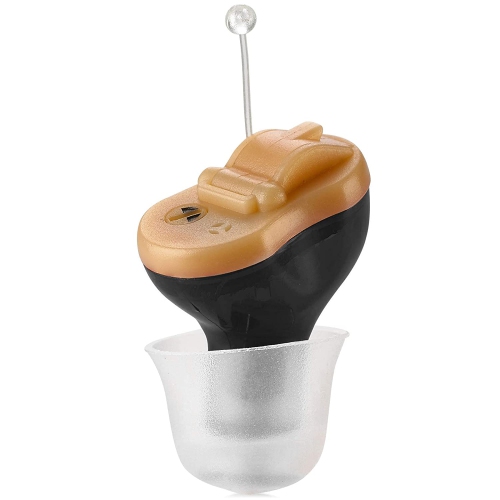
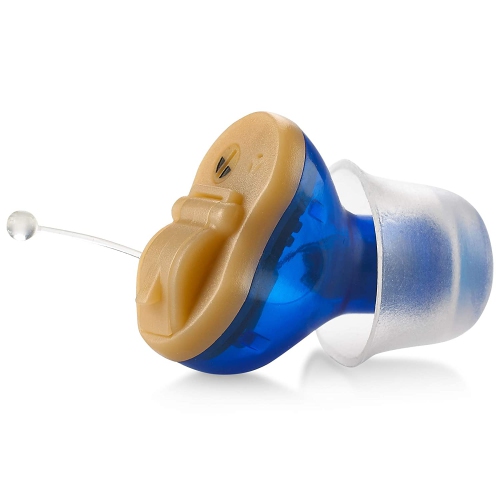
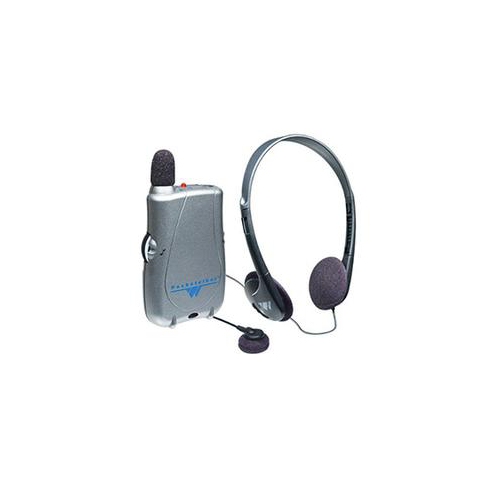
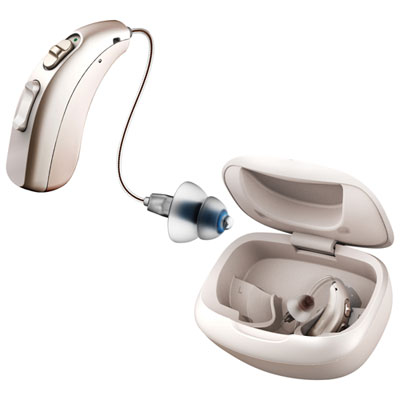
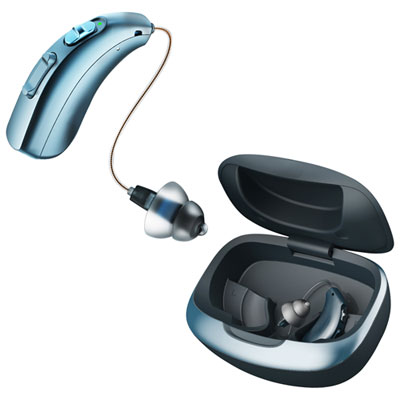
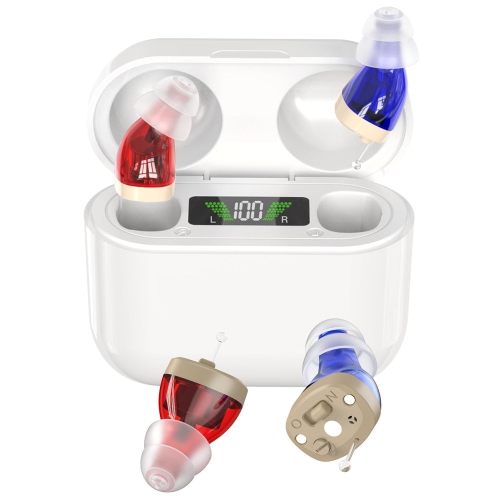
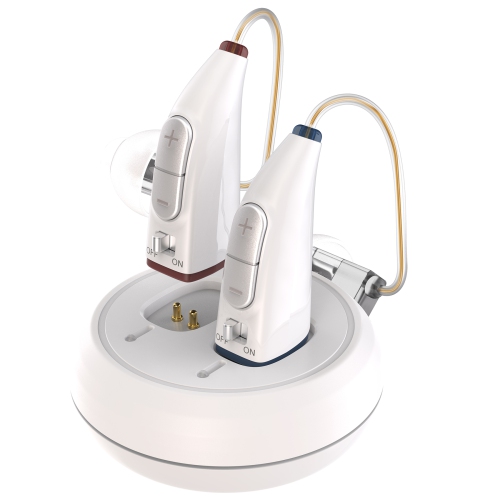
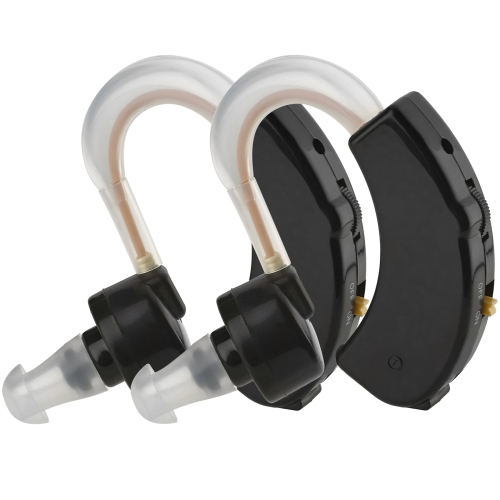
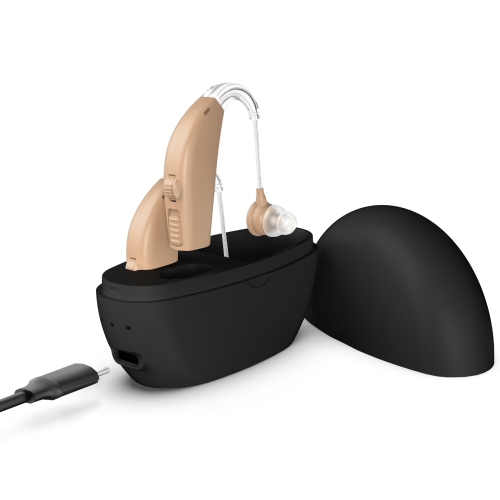
Personal sound amplifiers are consumer electronic devices that make surrounding sounds louder for people with normal hearing who want help listening in particular situations. Also called personal sound amplification products, or PSAPs, they use a microphone to pick up sound, electronic circuitry to amplify it, and an earpiece or headphones to deliver it to the listener. They are not hearing aids and are not intended to diagnose, treat, or compensate for hearing loss. Their role is situational listening: following a softly spoken presentation, hearing quiet dialogue on television, or listening for birdsong from a viewing spot. Amplification can make quieter sounds more noticeable, but it does not automatically separate a voice from everything around it. Footsteps, rustling clothing, nearby conversations, and other background sounds may also become louder. Results depend on the microphone, sound processing, distance from the source, and acoustics of the space. A lecturer speaking clearly in a quiet room presents a different listening task from several people talking across a busy dining table. Personal amplifiers come in several general formats. Pocket-style units typically have a separate microphone and control unit connected to headphones or earbuds, with a clip or carrying option that keeps controls within reach. Behind-the-ear and in-ear designs place more of the equipment at the ear, reducing the need to hold a separate unit. Some designs provide sound to one ear, while others support listening through both ears; the arrangement depends on the device and its intended use. Appearance alone does not establish whether an ear-worn device is a personal amplifier or a hearing aid, so its stated purpose matters more than its shape. Unlike the speaker and instrument equipment found under Sound Amplifiers, personal sound amplifiers focus on delivering sound to an individual listener rather than projecting it into a room. That distinction helps separate personal listening equipment from audio systems used for musical performance or larger audiences.
Comfort and straightforward operation matter just as much as amplification, particularly when a device will be worn through a television programme or a lengthy talk. Ear tips should sit securely without needing to be forced into place, and a behind-the-ear housing should rest comfortably alongside glasses. Where interchangeable tips are included, different sizes can affect both stability and the amount of outside sound that reaches the ear naturally. A loose fit may allow the device to shift or contribute to whistling, while an overly tight fit can create pressure and make longer listening sessions uncomfortable. Materials vary, but housings commonly use lightweight plastics, and ear tips may use soft silicone or foam. Anyone with a known material sensitivity should check the listed materials rather than assume that every soft tip has the same composition. For a pocket-style amplifier, consider the weight of the control unit, the grip of its clip, and whether the headphone cable allows comfortable movement while seated. A cable that brushes against a jacket or catches on an armrest can interrupt an otherwise relaxed listening experience. Controls should be easy to identify by touch, with volume adjustments that feel manageable rather than abrupt. Small buttons may suit someone who prefers a compact design, while larger controls can be easier to handle for someone with limited finger dexterity. Microphone placement also affects everyday use: a unit tucked beneath clothing may pick up fabric noise, and a microphone pointed away from a speaker may capture more surrounding activity than intended. Depending on the design, directional microphones, tone adjustments, or noise-reduction features may help shape the listening experience, but these features do not guarantee clear speech in every setting. Noise reduction is also not the same as hearing protection. For shared television viewing, comfort, cable reach, and the ability to hear someone speaking nearby may matter more than a long list of settings. For presentations, accessible controls and an unobstructed microphone may be the more useful priorities.
Power, care, and storage influence how convenient a personal amplifier remains over time. Rechargeable designs need a charging routine and a suitable place to keep the charger, while replaceable-battery designs require the correct battery type and a compartment the listener can open comfortably. Stated battery life depends on test conditions and may change with volume, features, and usage, so it is useful to consider the length of a typical listening session rather than a runtime figure alone. Small batteries must be kept away from children and pets, and charging should follow the device’s instructions. Daily care is usually straightforward: handle the amplifier with clean, dry hands, wipe accessible surfaces as directed, and remove ear tips for cleaning only when the design allows it. Moisture, skin oils, and earwax can collect around earpieces and microphone openings, affecting comfort or sound quality. Cleaning methods differ between materials and components, so an electronic housing should not be rinsed simply because a removable tip can be washed. Tips should be fully dry before reattachment, and sharp tools should not be pushed into sound openings. A protective case helps prevent cables from tangling and keeps small parts together between uses. Durability also depends on careful handling; water resistance, drop resistance, and suitability for active use should never be assumed from a compact or sturdy-looking shell. Begin listening at a low volume and increase it gradually only as needed, since excessive amplification can make sudden sounds uncomfortably loud. Personal amplifiers are not a substitute for appropriate protection around hazardous noise. Persistent difficulty understanding speech, ringing in the ears, pain, or a sudden change in hearing calls for assessment by a hearing healthcare professional rather than simply turning up the volume. As a gift, a personal amplifier is best considered with the recipient’s involvement, allowing their listening habits, comfort preferences, and ease of handling to shape the choice. A discreet earpiece and a pocket unit with larger controls serve different preferences, even when both are intended for occasional listening.
Top selling and popular products
-
 Your price for this item is $331.22
-
 Your price for this item is $499.99
-
 Your price for this item is $349.99
-
 Your price for this item is $289.99
-
 Your price for this item is $259.99
-
 Your price for this item is $36.24
-
 Your price for this item is $49.99
-
 Your price for this item is $82.99
Discover more categories related to Personal Sound Amplifiers
Top Collections:
Pokemon Centers, Best Cameras for Sports Photography, Kindle Devices, Samsung Galaxy Phones, Canon G7X Cameras, Pokémon 30th Celebration Cards, Refurbished Apple Laptops, iPhone 15 Apple, Laptops for Students, Budget Smartphones
Some products may be subject to Environmental Handling Fees
(EHF) depending on your province.
Learn more about EHFs.