Pilates Machines
Elevate your home fitness routine with a Pilates machine that brings the studio experience right into your living space. Whether you're a seasoned Pilates enthusiast or just starting your journey, these machines offer a versatile and effective way to enhance strength, flexibility, and balance. Designed to accommodate various skill levels, they provide a low-impact workout that targets core muscles while promoting overall wellness. Explore our selection of Pilates machines to find the perfect fit for your fitness goals, and transform your exercise regimen with the convenience and comfort of at-home sessions.
Sort








How space and setup shape controlled home workouts
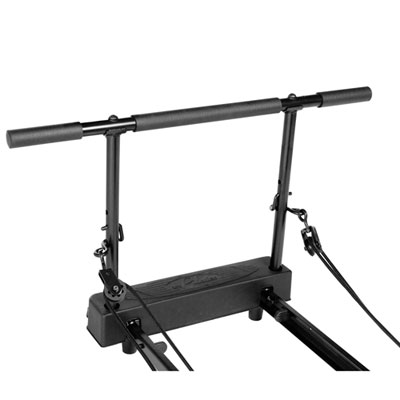
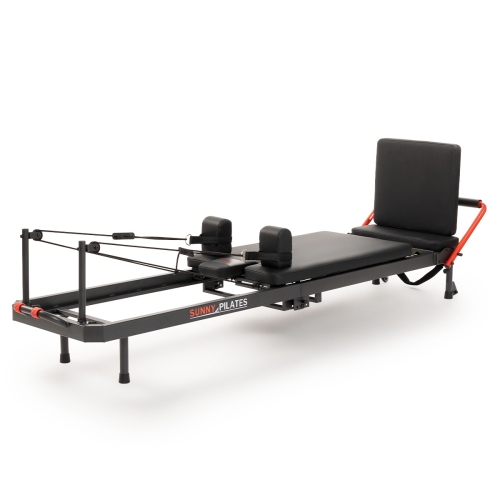
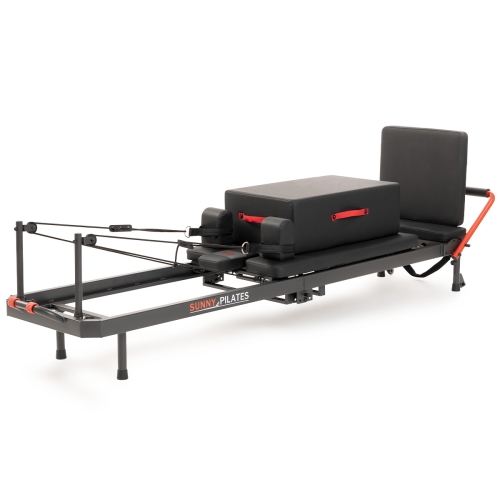
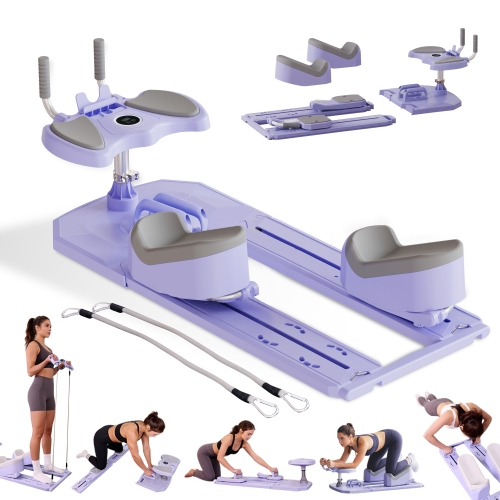
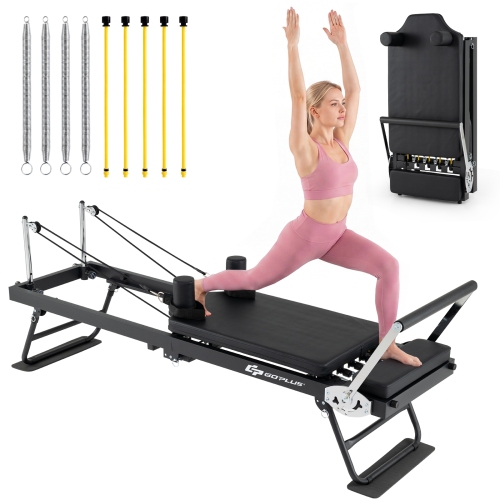
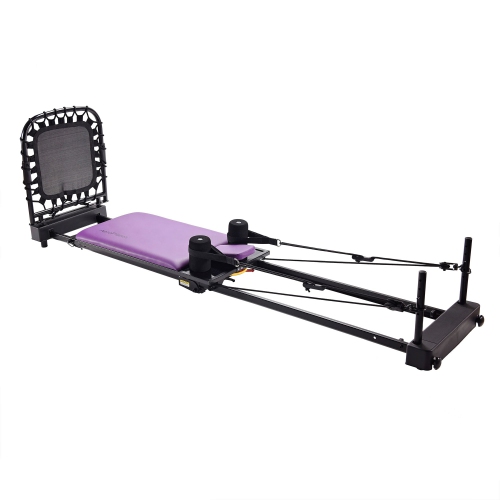
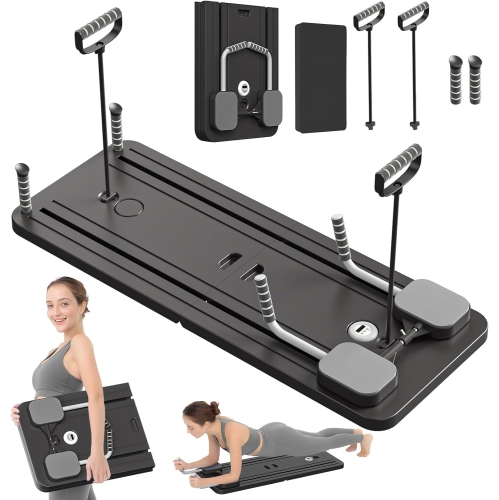
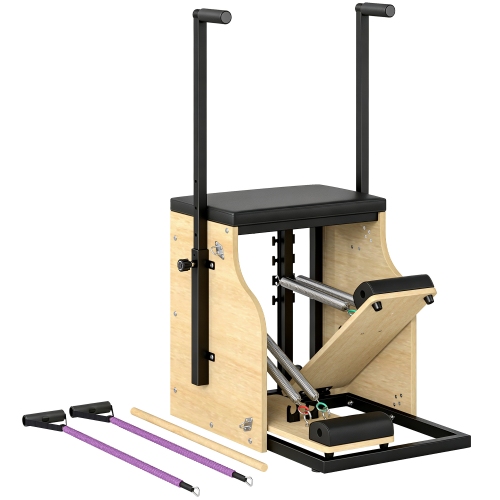
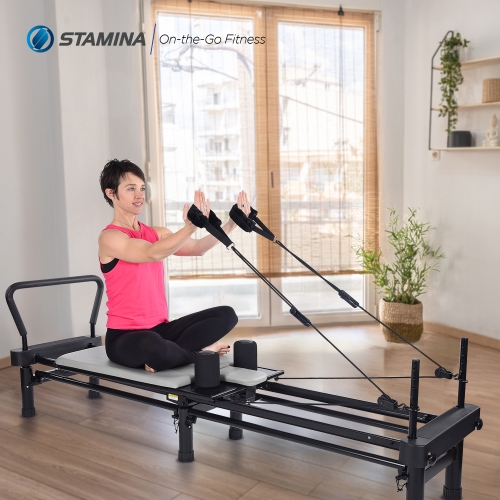
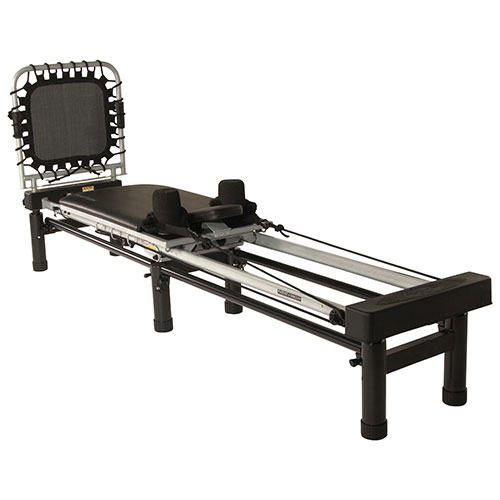
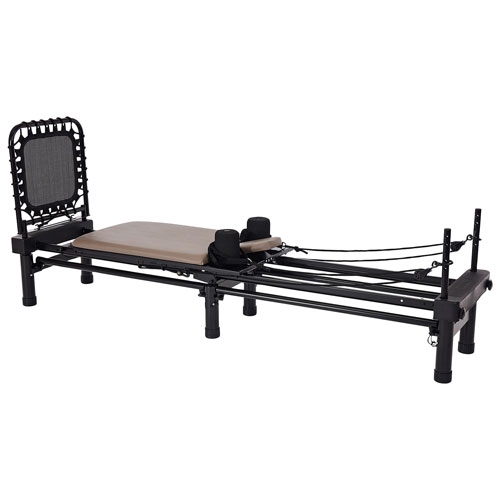
Pilates machines bring the controlled, flowing movements of a studio workout into a home fitness space. The most familiar type is the reformer, which uses a sliding carriage, adjustable springs, a footbar, and straps or ropes to create resistance while supporting a wide range of exercises. Depending on the setup, users can work the legs, hips, arms, back, shoulders, and deep abdominal muscles while also practising balance, posture, mobility, and coordination. The carriage glides beneath the body as the springs provide either gentle assistance or a greater strength challenge, making the same machine suitable for beginners and experienced users when adjusted appropriately. Other Pilates machines and apparatus can serve different purposes. A compact chair-style machine uses a pedal and springs for stability, single-leg work, and focused core exercises, while a barrel or spine corrector provides an arched surface for stretching, spinal articulation, and posture-focused movement. Larger frame-based systems may include overhead bars, straps, and attachment points for a broader selection of advanced exercises. When browsing Pilates Equipment for Home, consider the type of movement you enjoy, the guidance available to you, and whether the machine’s design matches your fitness goals. Pilates machines may appeal to people looking for low-impact strength training, athletes adding mobility work to their routine, adults returning to exercise after time away, or anyone who prefers deliberate, controlled movement over high-impact workouts. They can also be a thoughtful gift for someone setting up a home fitness area, provided the recipient has enough room and an interest in Pilates-based training.
Space is one of the most important considerations when choosing a Pilates machine. A traditional reformer may need a permanent position with clearance around the carriage, footbar, and straps, while a folding model can be stored against a wall or beneath suitable furniture between workouts. Before ordering, measure both the available floor area and the route the machine will take through the home, including doorways, stairs, and corners. It is also helpful to leave enough room to mount and dismount comfortably and to extend the arms and legs without contacting nearby walls or furniture. Construction affects the feel of every session. A sturdy frame helps keep the machine stable during controlled transitions, while a well-supported carriage should move smoothly rather than wobble, stick, or make excessive noise. Check the listed user weight capacity and compare it with the needs of everyone who may use the machine. Frame materials, carriage padding, shoulder rests, footbar positions, rope or strap adjustment, and the quality of the wheels or bearings can all influence comfort and performance. Resistance systems vary as well. Some machines use several springs with light, medium, and heavy settings; others use cords or combined resistance arrangements. More adjustment options allow users to fine-tune support for stretching, rehabilitation-style movement, endurance work, or progressive strength training. A padded carriage and supportive headrest can make longer sessions more comfortable, while adjustable footbars and straps help accommodate different heights and exercise preferences. For shared households, look for straightforward adjustment points that can be changed without tools. A machine that is easy to set up and return to its storage position is more likely to become part of a regular routine, especially when space also serves as a living room, bedroom, or work area.
Pilates machines are designed for controlled exercise, so proper setup and technique matter as much as resistance level. New users should begin with basic movements, learn how to align the spine and joints, and increase spring tension or exercise complexity gradually. The goal is not to rush the carriage or force a stretch; smooth breathing, steady control, and precise positioning are central to the experience. If a movement causes sharp pain, unusual pressure, or persistent discomfort, stop and seek advice from a qualified fitness professional or health-care provider. People recovering from an injury, managing a medical condition, pregnant individuals, or those new to resistance exercise may benefit from professional instruction before using a machine independently. Regular maintenance also helps preserve a smooth workout: inspect straps, ropes, springs, fasteners, and moving parts according to the manufacturer’s instructions, keep the carriage track clear, and store a folding unit securely when it is not in use. During the cooler months, a Pilates machine can make it easier to maintain an indoor movement routine without relying on a commute to a class, while its low-impact format can complement walking, cycling, strength training, or stretching as the weather warms. It may suit a quiet early-morning session, a short mobility break between tasks, or a longer full-body workout at the end of the day. With the right dimensions, resistance range, padding, and storage approach, a Pilates machine can turn an underused corner into a dedicated space for strength, flexibility, balance, and mindful movement.
Top selling and popular products
-
 Your price for this item is $2135.99
-
 Your price for this item is $249.99
-
 Your price for this item is $767.98
-
 Your price for this item is $1499.99
-
 Your price for this item is $815.99
-
 Your price for this item is $209.98
-
 Your price for this item is $868.99
-
 Your price for this item is $603.99
Discover more categories related to Pilates Machines
Top Collections:
Pokemon Centers, Best Cameras for Sports Photography, Kindle Devices, Samsung Galaxy Phones, Canon G7X Cameras, Pokémon 30th Celebration Cards, Refurbished Apple Laptops, iPhone 15 Apple, Laptops for Students, Budget Smartphones
Some products may be subject to Environmental Handling Fees
(EHF) depending on your province.
Learn more about EHFs.