Pilates Equipment for Home
Transform your living space into a personal Pilates studio with our curated selection of high-quality Pilates equipment for home. Elevate your fitness routine with versatile and durable gear designed to enhance strength, flexibility, and overall well-being. Whether you're a seasoned practitioner or new to Pilates, our range of equipment offers something for everyone looking to achieve their health and wellness goals from the comfort of home.
Sort









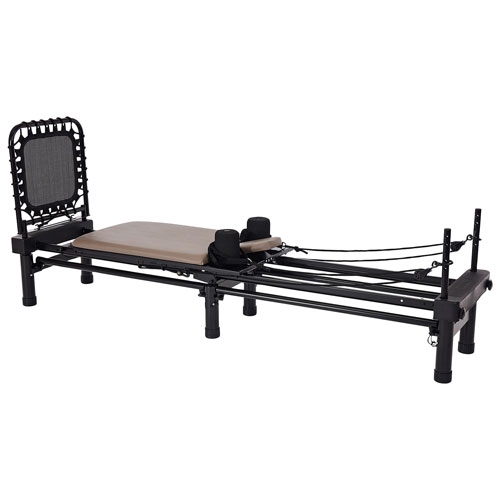


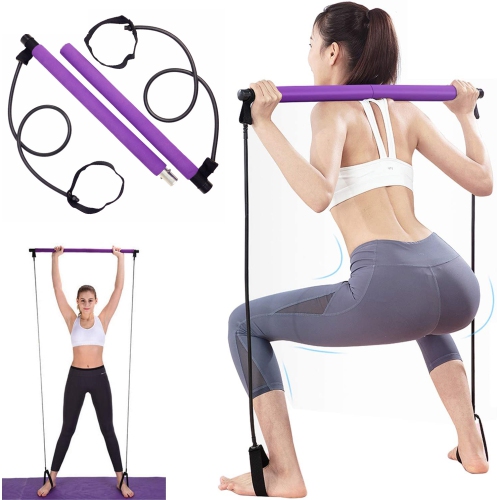
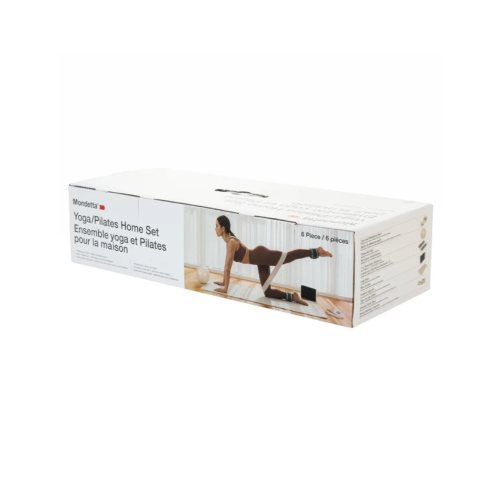
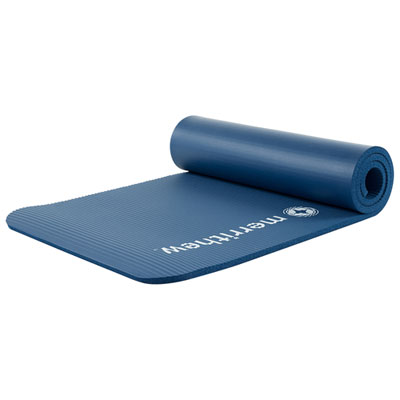





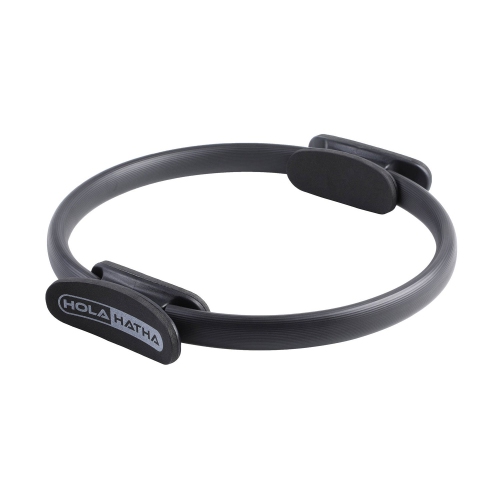
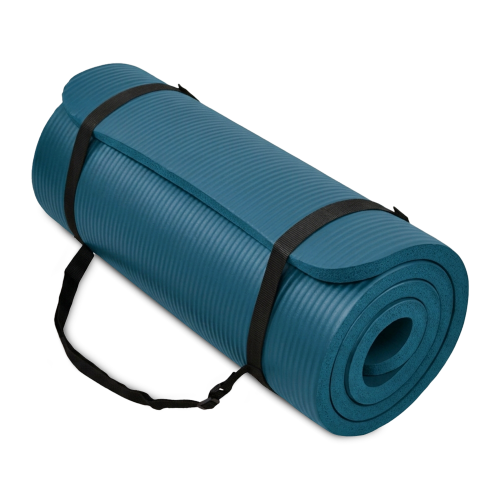
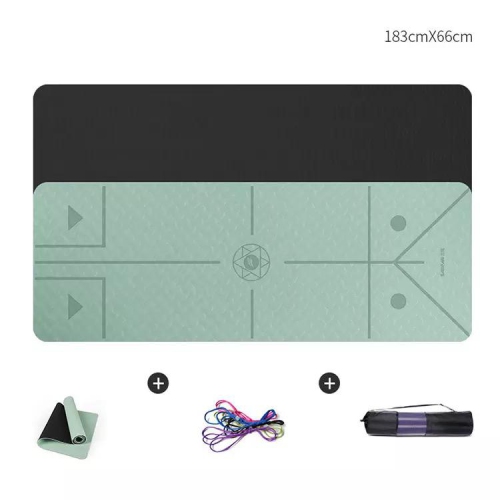
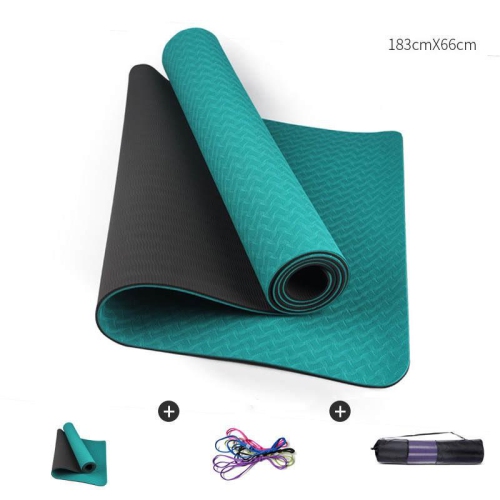
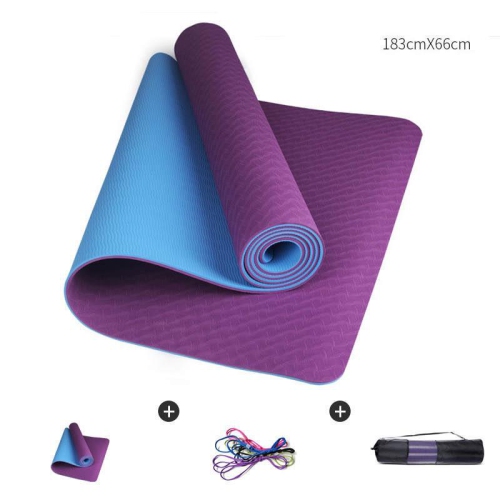
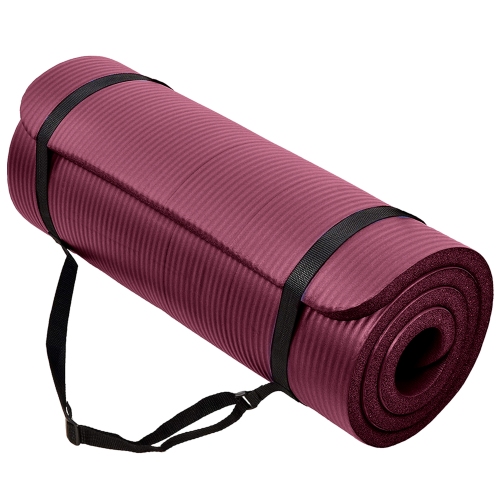
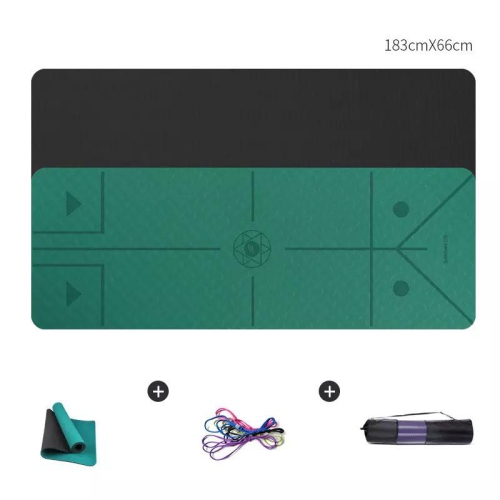
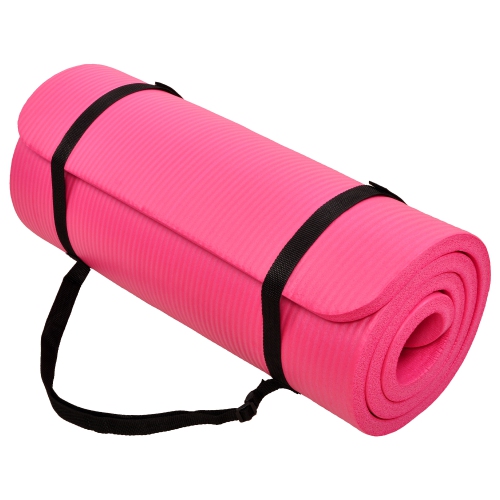
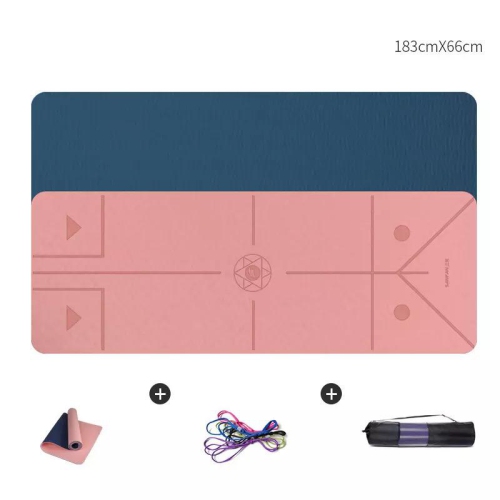

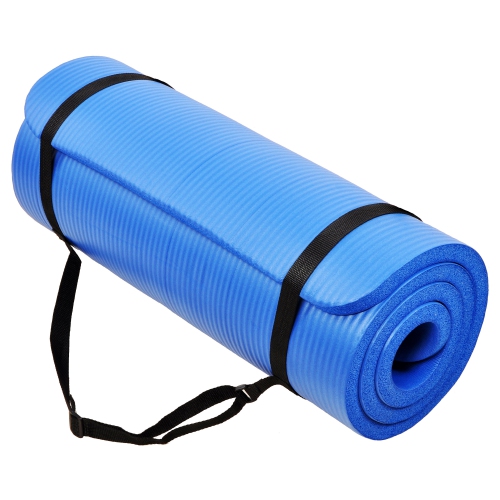
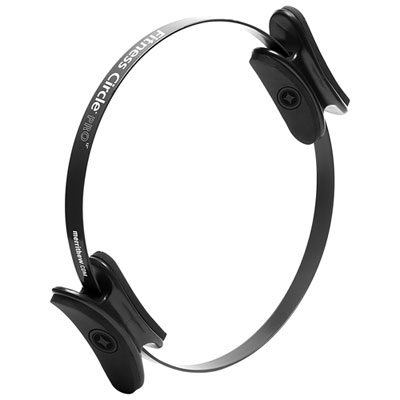
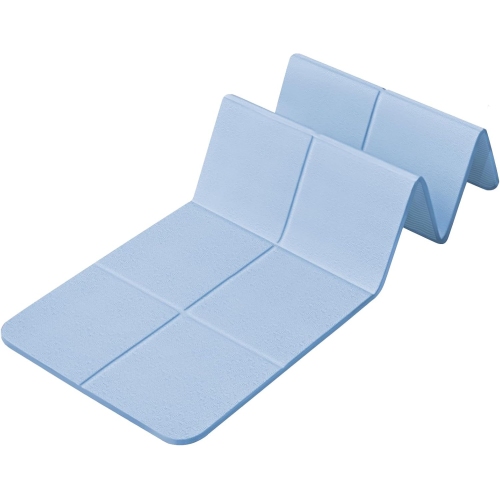

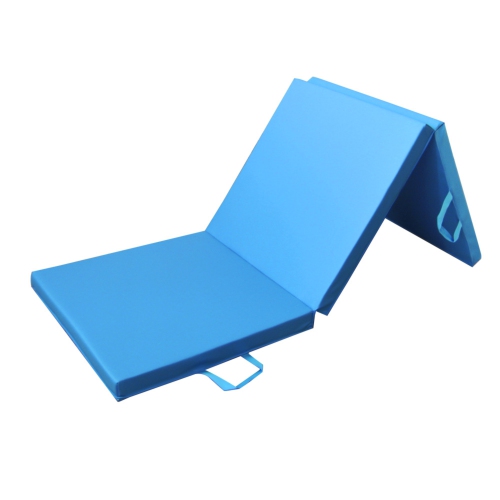
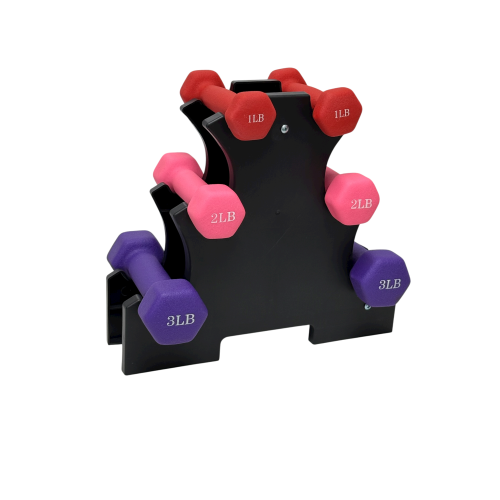
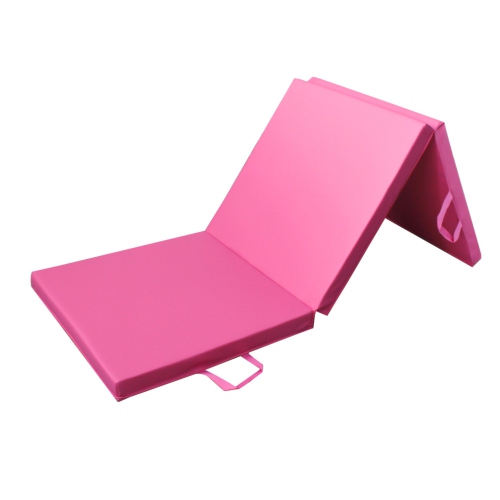
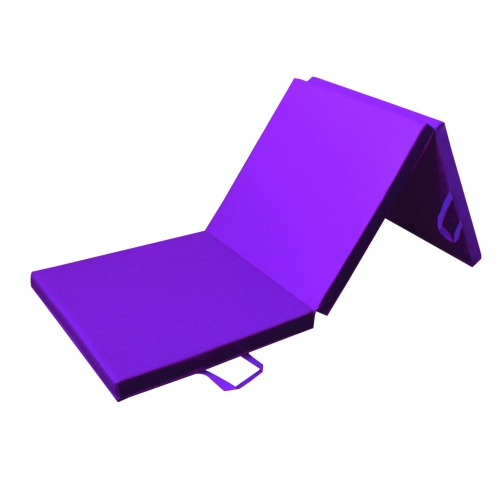

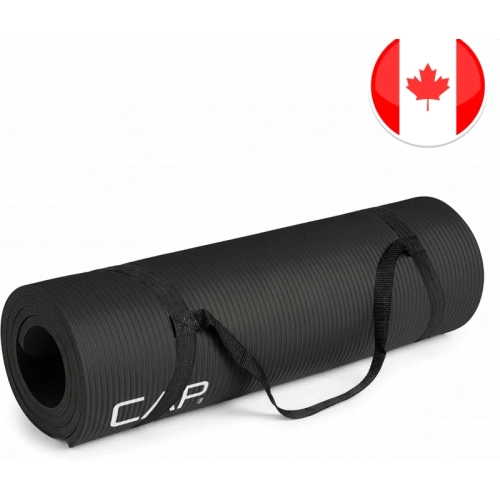
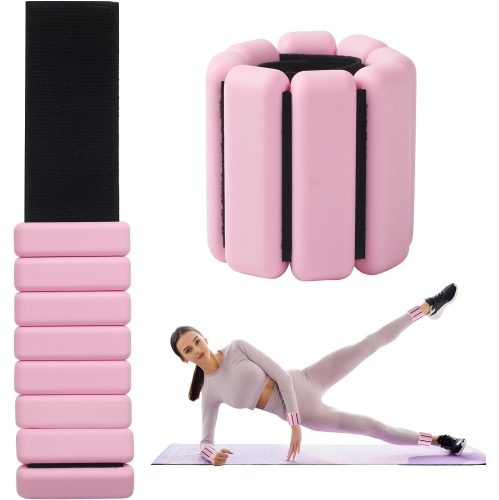
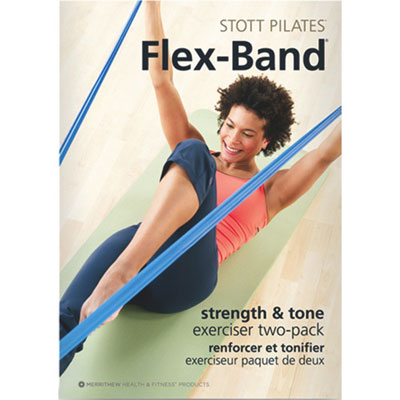
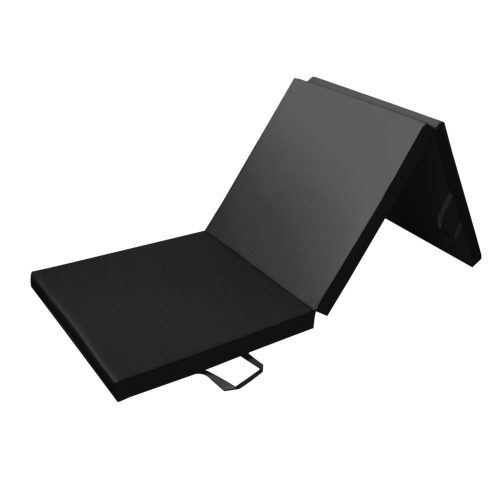
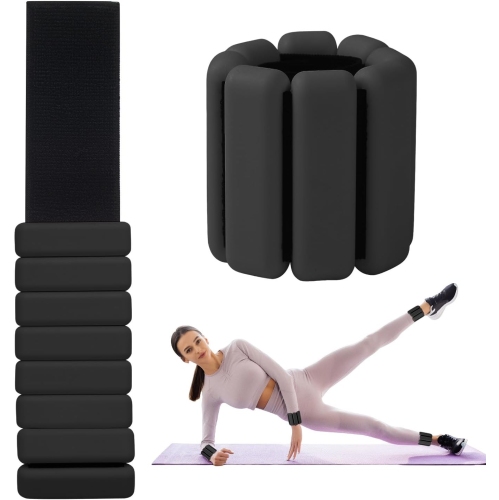

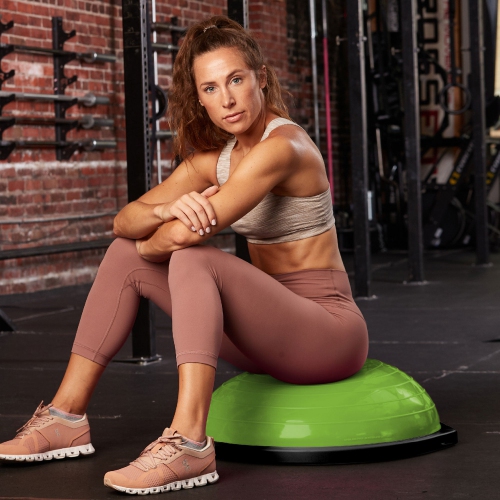

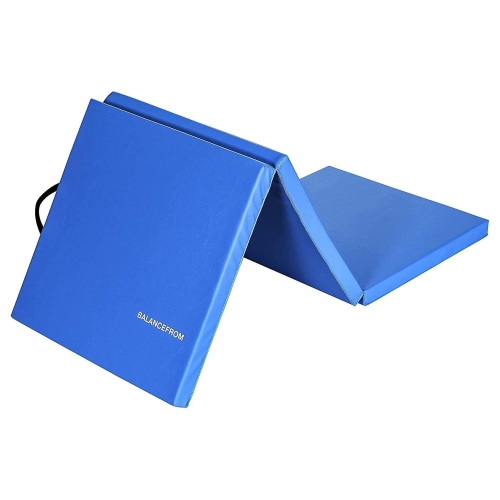
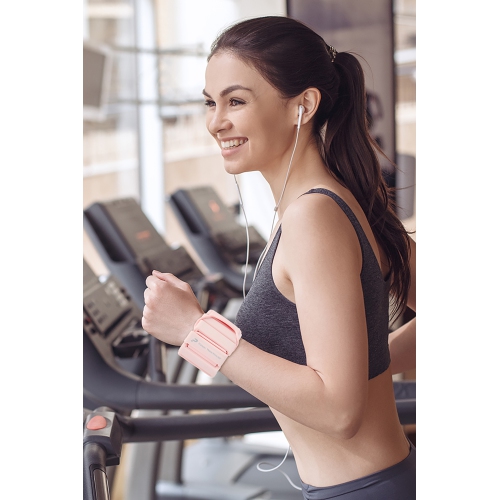


How mats and props change your Pilates practice
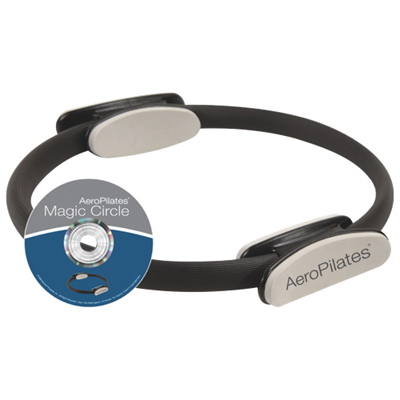
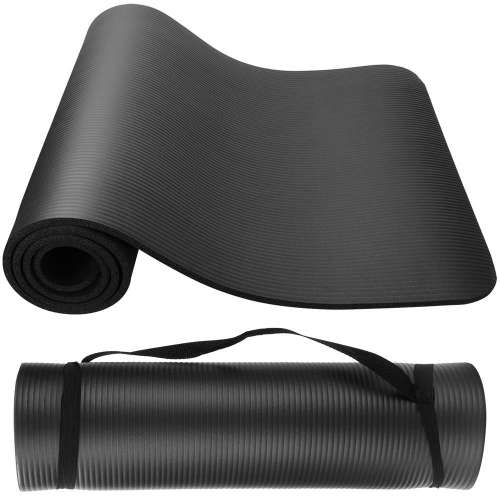
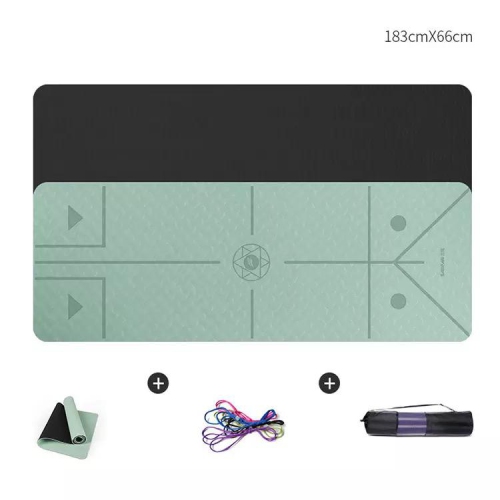
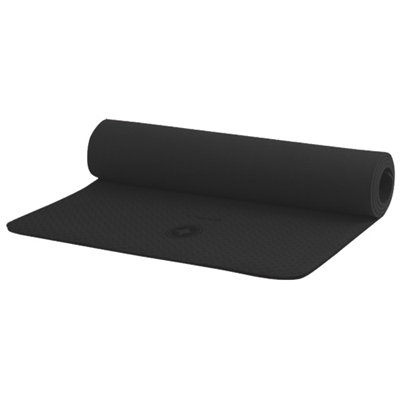
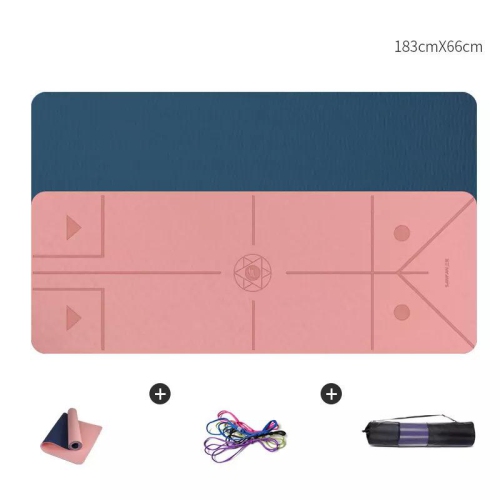
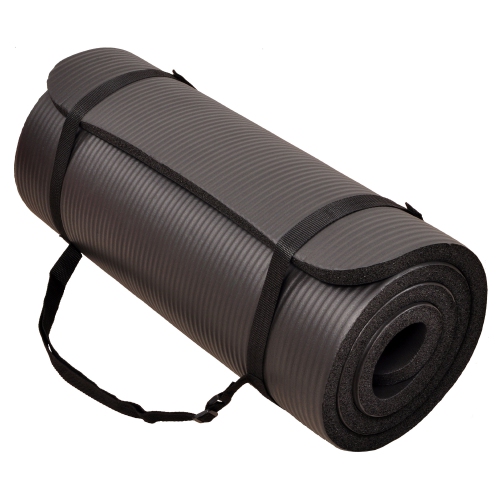
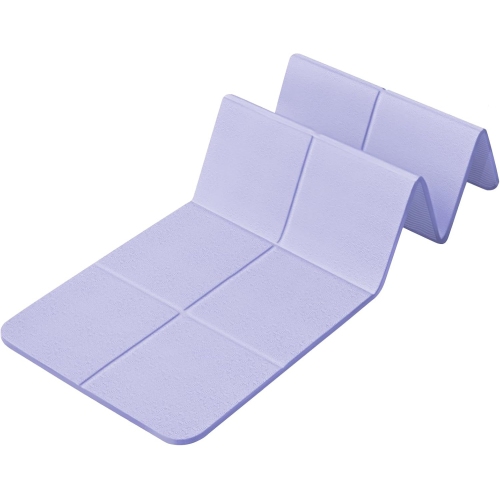
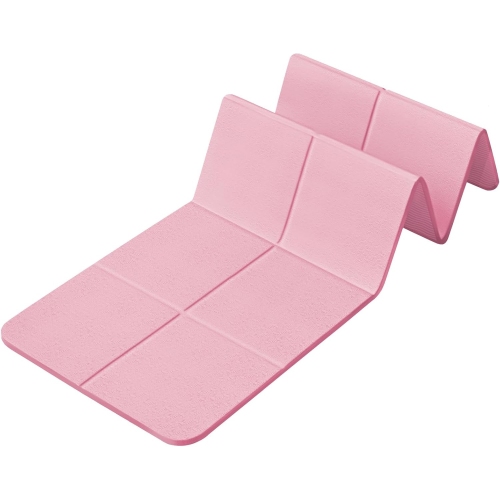
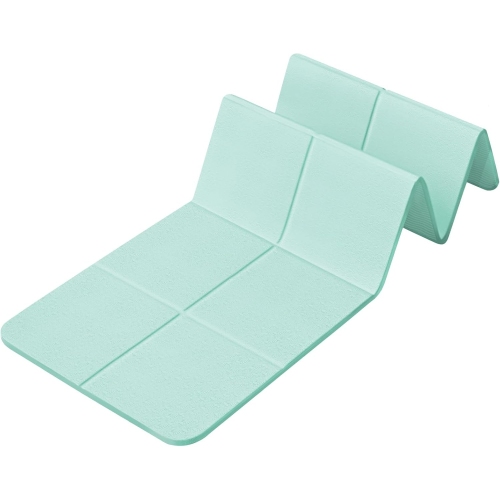
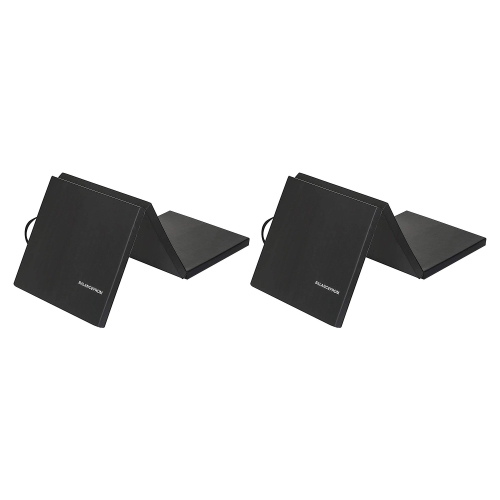
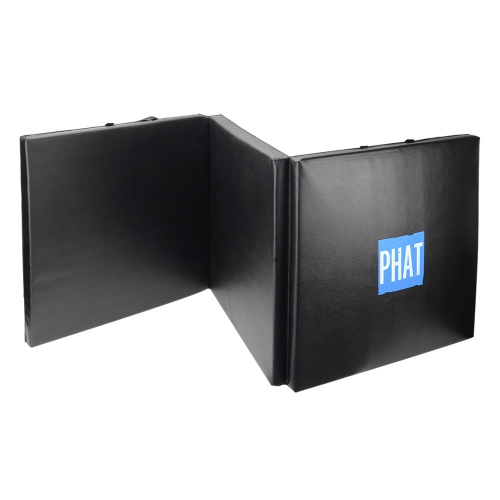
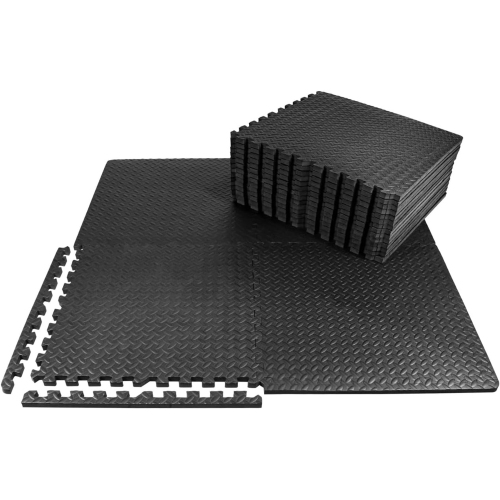
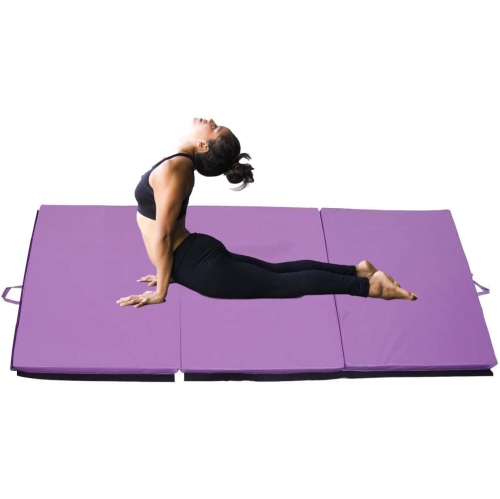
Pilates equipment for home supports controlled movement, strength, flexibility, and body awareness, with options ranging from a cushioned mat and small resistance props to a full reformer. The right setup depends on the kind of practice, the space available, and how much support or resistance each movement requires. Mat Pilates uses body weight as its foundation, while accessories can add feedback, change the challenge, or make certain positions more comfortable. A Pilates mat provides cushioning between the body and the floor, particularly during kneeling, side-lying, and rolling movements. Mats around 8 to 10 mm thick are a common starting point, although firmness matters as much as thickness: a very soft surface may feel comfortable under the spine but less steady beneath the hands or feet. A textured surface and a base that stays put help keep the practice area stable on smooth flooring. Small props add variety without taking over a room. A Pilates ring, sometimes called a magic circle, provides resistance when pressed between the hands or legs, while padded contact points help distribute pressure. Resistance bands offer a different feel, building tension as they stretch and allowing a range of upper- and lower-body movements. A small, soft Pilates ball can provide tactile feedback or gentle support in selected positions, with its placement and inflation affecting how it feels. Light hand weights may suit some arm sequences, but heavier is not automatically better when the goal is precise, controlled movement. For someone following a familiar mat routine before work or clearing a corner of the living room after dinner, a few well-chosen accessories can offer plenty of variety. Small props also suit homes where the workout space needs to return to everyday use once the session ends. A mat that rolls neatly, bands stored away from sharp edges, and a ring tucked onto a shelf make it easier to keep that space organized without leaving equipment underfoot.
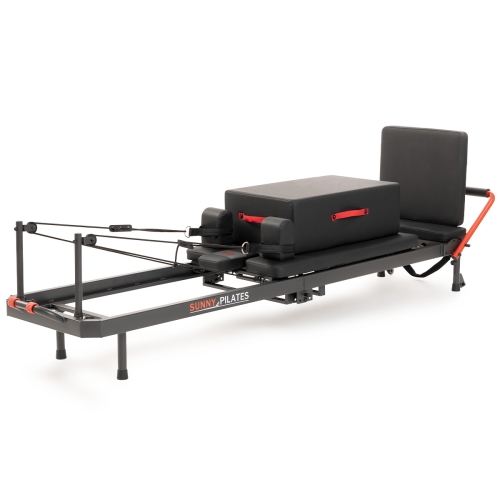
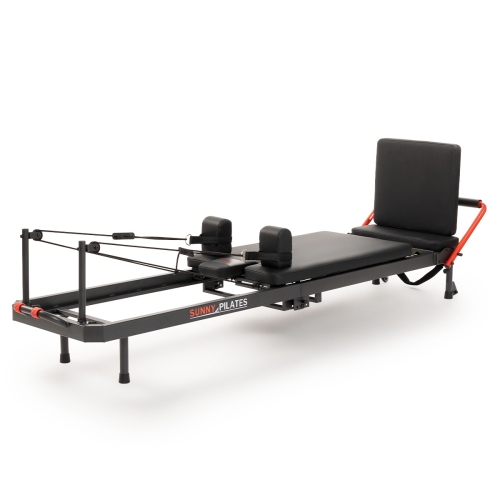
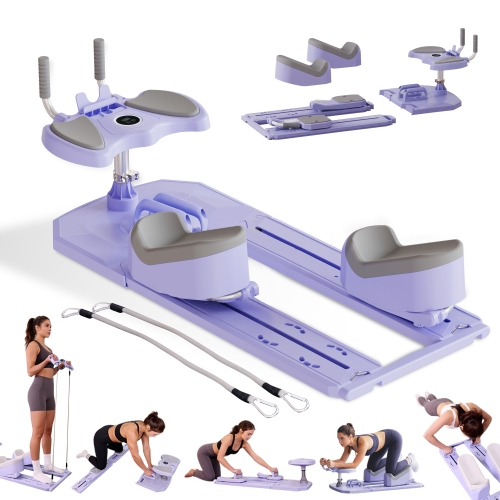
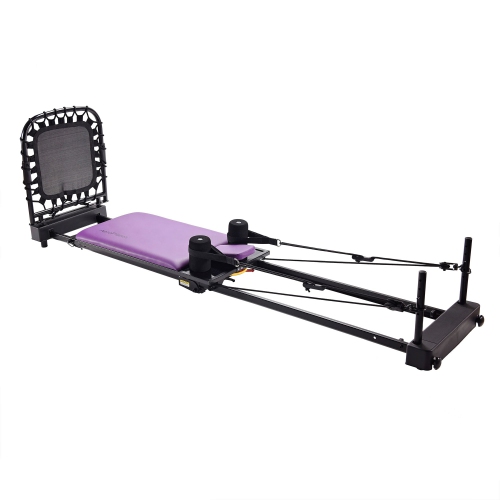
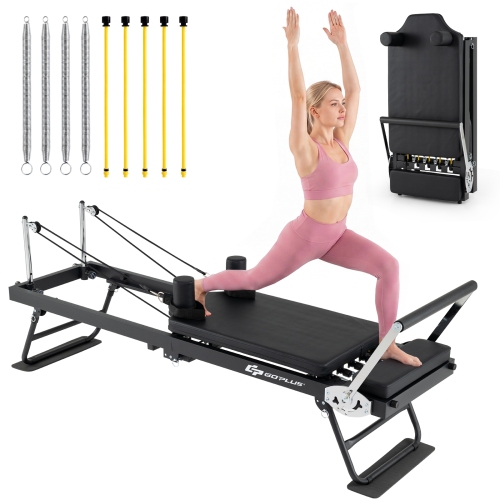
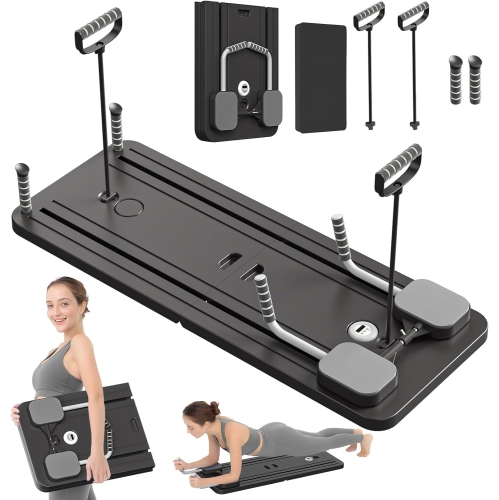
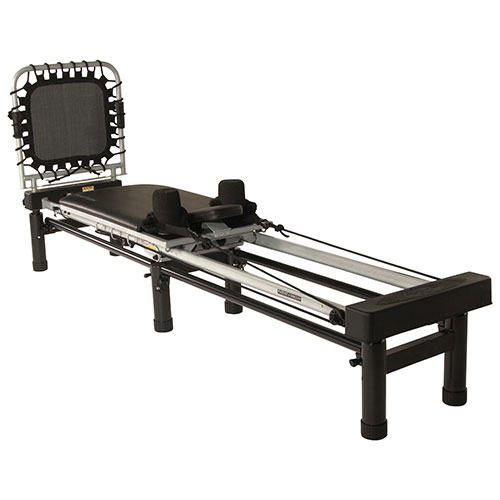
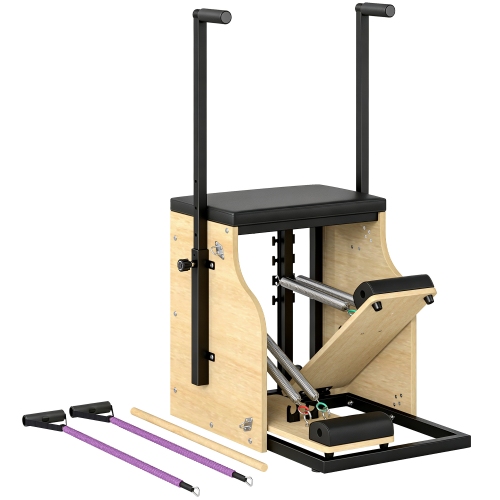
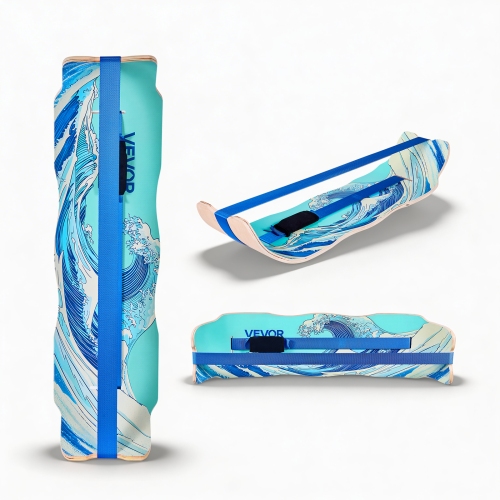
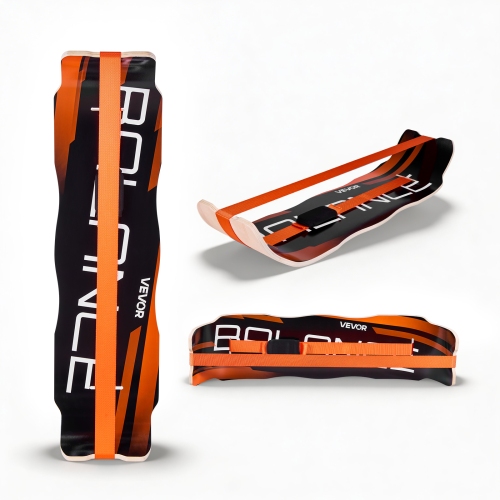
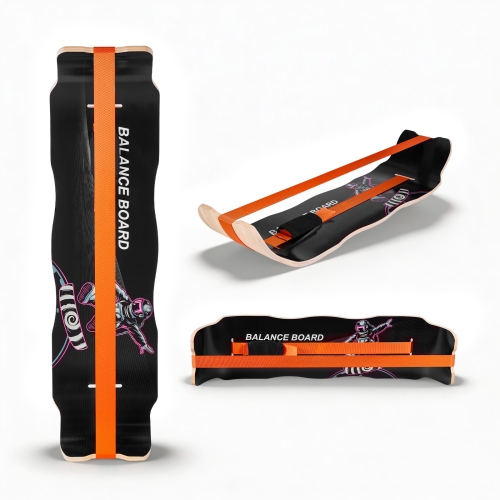
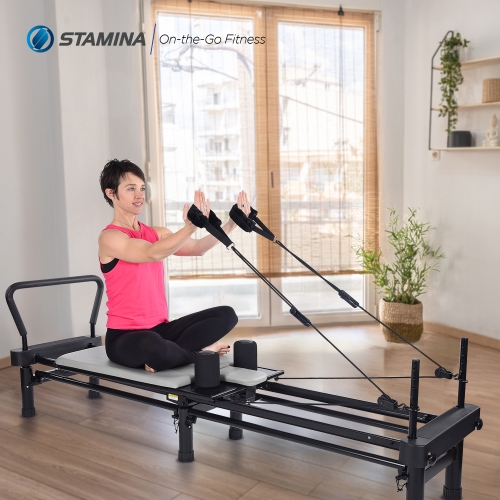
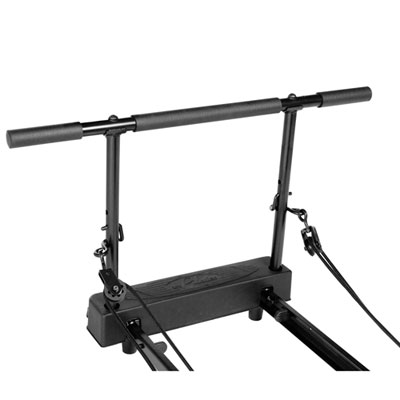
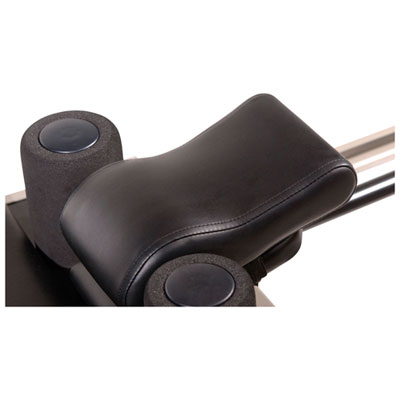
For a more substantial home setup, Pilates Machines include equipment designed around guided movement and adjustable resistance. A reformer typically combines a sliding carriage, a footbar, straps, and springs or another resistance system. Unlike a mat, its moving platform changes the relationship between support, balance, and effort. Resistance can either challenge or assist a movement depending on the exercise, so a lighter setting is not necessarily the easier choice. Smooth carriage travel, a stable frame, secure adjustment points, and comfortable padding all contribute to how the machine feels during use. Fit is especially important for equipment shared by people of different heights. Carriage length, footbar positions, strap adjustment, and the manufacturer’s stated height and weight limits help establish whether a machine suits its intended users. The footprint also extends beyond the frame itself: arms and legs need room to reach, and there should be clear access for getting on and off. In a spare bedroom, that may mean allowing space beside the bed as well as checking whether a door can open fully. In a multipurpose room, folding construction or transport wheels can make storage more practical, but the machine’s weight, folded dimensions, and approved storage position still matter. Moving a heavy frame across a threshold is a different task from rolling it a short distance over a level floor. Compact resistance boards and other small-format systems can offer additional movement options, but they should not be assumed to duplicate a reformer’s carriage travel, spring response, or exercise range. Wooden and metal frames each have their own finish and care requirements; neither material alone establishes quality. Stable joints, suitable hardware, well-finished edges, and components designed for repeated movement are more useful details to assess. For someone who already enjoys studio reformer sessions, familiar adjustments and a layout suited to their established practice may matter more than a long list of attachments. New users may benefit from qualified instruction before working independently with a moving carriage or spring-loaded equipment.
Materials, care, and everyday comfort have a direct effect on how well home Pilates equipment fits into a lasting routine. Closed-cell foam mats are often straightforward to wipe down, while rubber-based surfaces can feel different in grip, density, and weight. Material information is particularly useful for anyone with a latex sensitivity, since some bands and other accessories contain natural rubber. Fabric-covered bands may feel softer against the skin, but seams, elasticity, and cleaning requirements vary. On rings and handles, smooth edges and comfortably shaped grips can make repeated use more pleasant, especially when hands are warm or slightly damp. Upholstered surfaces should feel supportive without creating uncomfortable pressure points, and covers should be cleaned according to the manufacturer’s directions rather than treated with a general household spray. A simple care routine helps preserve these qualities: removing perspiration after use, letting surfaces dry before storage, and keeping equipment away from excessive heat or direct sunlight where instructed. Bands need regular checks for splits, thinning, or damaged connections. On machines, straps, springs, fasteners, and moving parts require inspection and maintenance at the intervals specified by the manufacturer; lubricants should only be used where approved. Storage is part of safe use, too. Loose bands, straps, and moving mechanisms belong out of reach of young children and pets, with folding frames secured as directed. Intended use matters just as much as upkeep. Someone building confidence with basic floor exercises may value cushioning and manageable resistance, while an experienced practitioner may prioritize precise adjustment and enough room for longer movement sequences. People who find getting down to or up from the floor difficult should consider access carefully rather than assuming any raised machine will meet their needs. Pilates accessories can also make thoughtful gifts for someone who has already expressed an interest in the practice, particularly when their preferred equipment and space are known. During the cooler months, a comfortable indoor setup can make a familiar movement routine easier to maintain. The most useful equipment is ultimately equipment that suits the person, works within the room, and feels practical to use and care for regularly.
Top selling and popular products
-
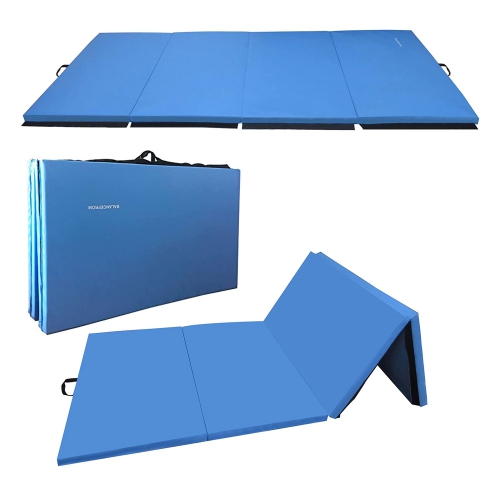 Your price for this item is $212.99
-
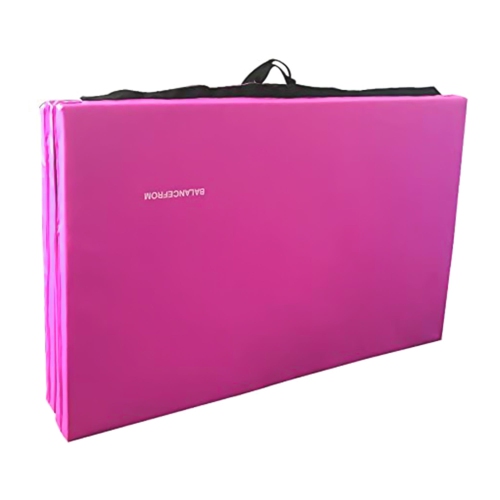 Your price for this item is $225.99
-
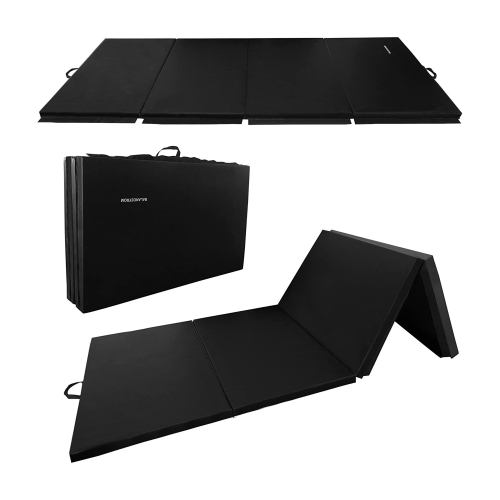 Your price for this item is $251.99
-
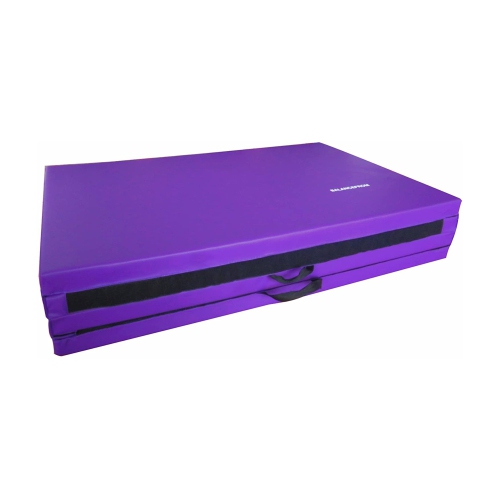 Your price for this item is $220.99
-
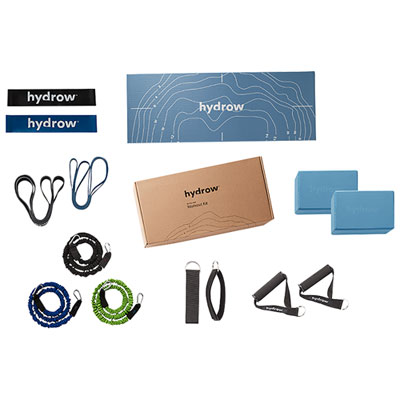 Your price for this item is $229.99
-
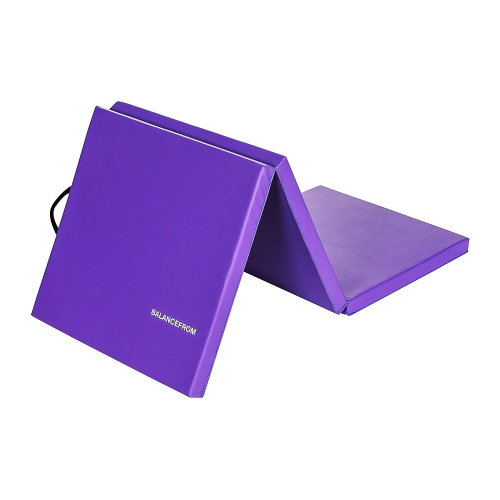 Your price for this item is $79.99
-
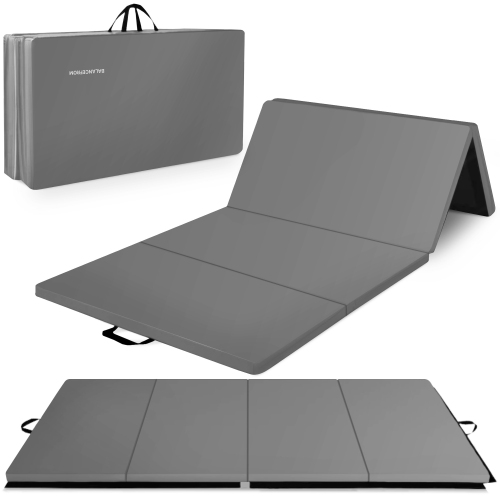 Your price for this item is $227.99
-
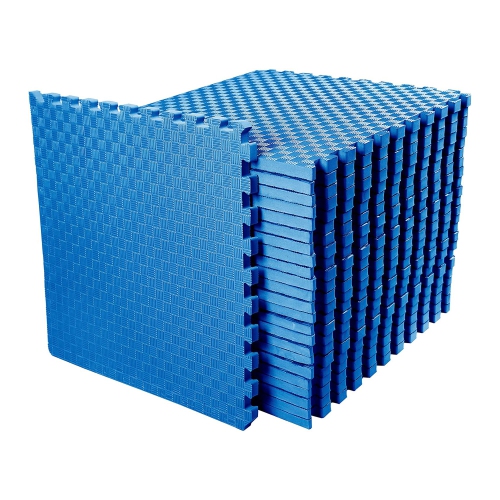 Your price for this item is $260.99
Discover more categories related to Pilates Equipment for Home
Top Collections:
Pokemon Centers, Best Cameras for Sports Photography, Kindle Devices, Samsung Galaxy Phones, Canon G7X Cameras, Pokémon 30th Celebration Cards, Refurbished Apple Laptops, iPhone 15 Apple, Laptops for Students, Budget Smartphones
Some products may be subject to Environmental Handling Fees
(EHF) depending on your province.
Learn more about EHFs.