Pull Up Stations
If you're looking to take your fitness routine to the next level, look no further than these pull-up stations. These versatile pieces of equipment are designed to help you build strength, improve posture, and target multiple muscle groups all in one go. Whether you're a beginner looking to add pull-ups to your workout or a seasoned fitness enthusiast seeking new challenges, this range of pull-up stations has something for everyone. With various designs and features available, you'll be able to find the perfect station to suit your needs and achieve your fitness goals.
Sort
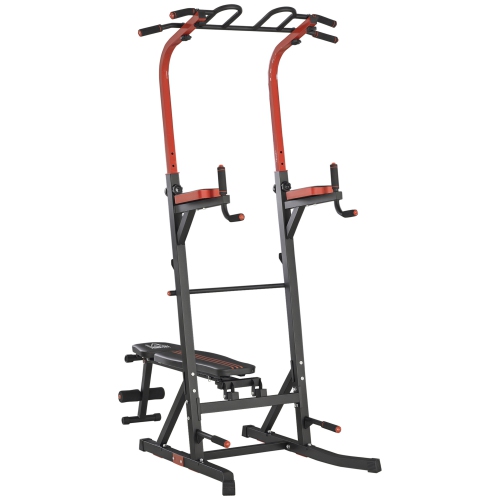


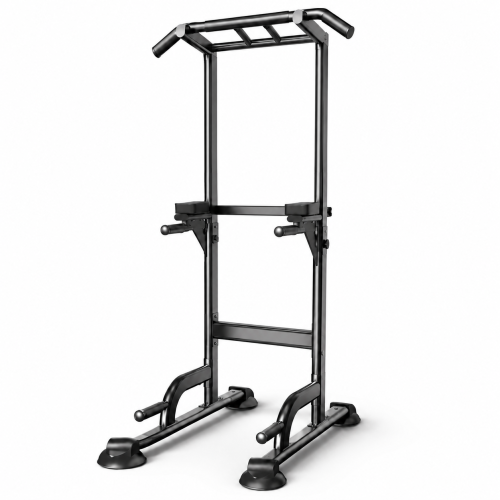


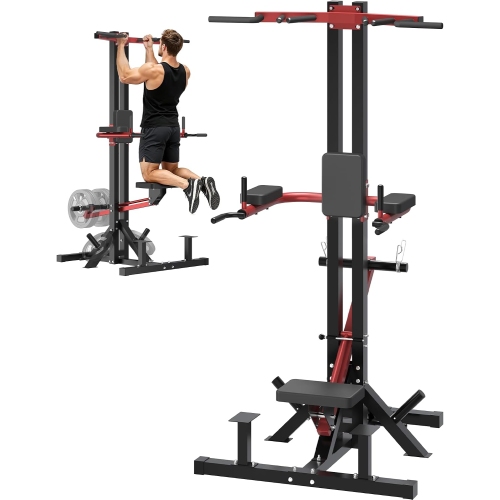


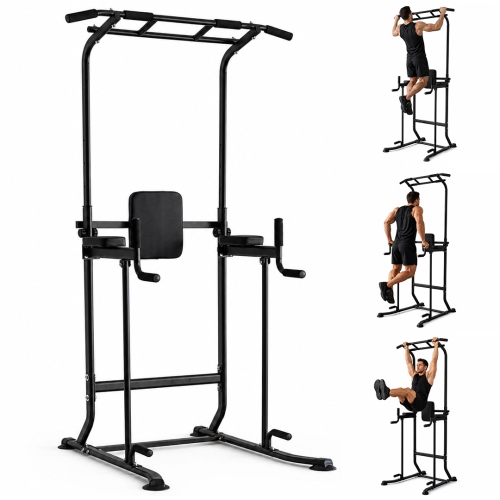


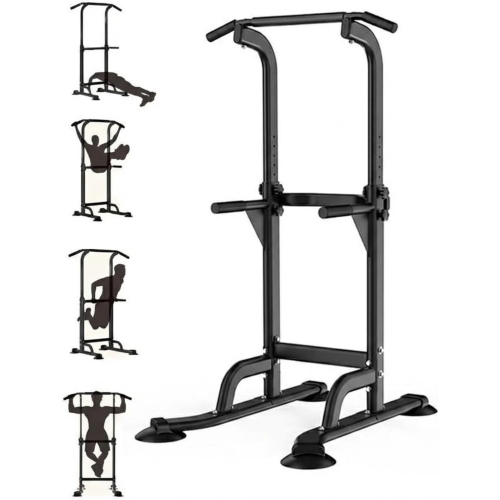

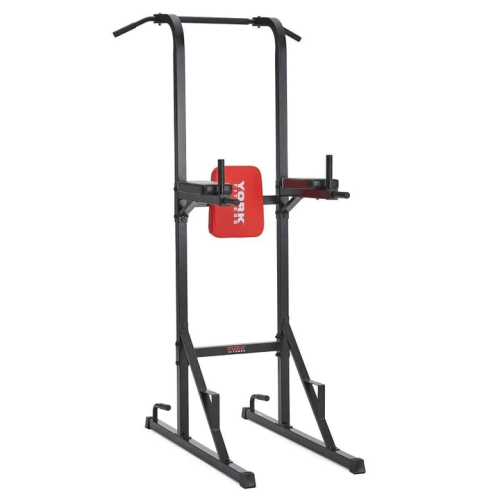
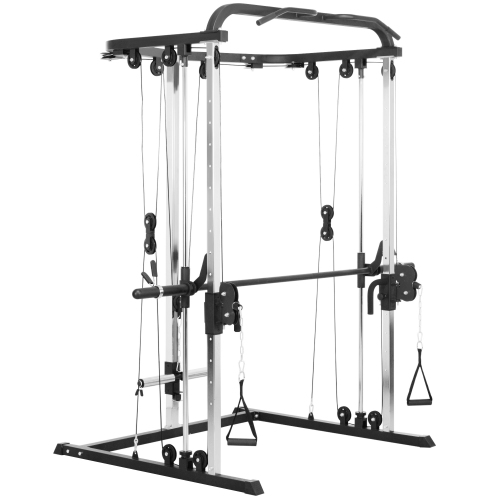


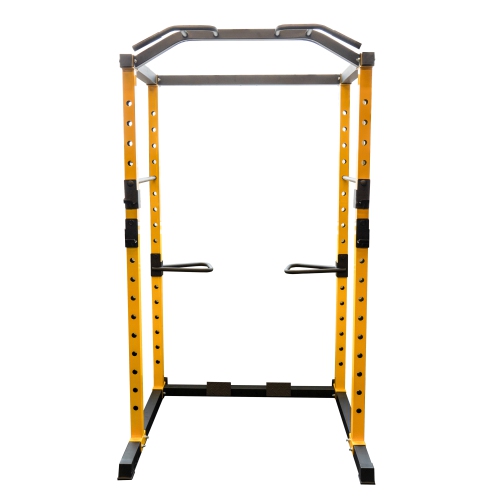
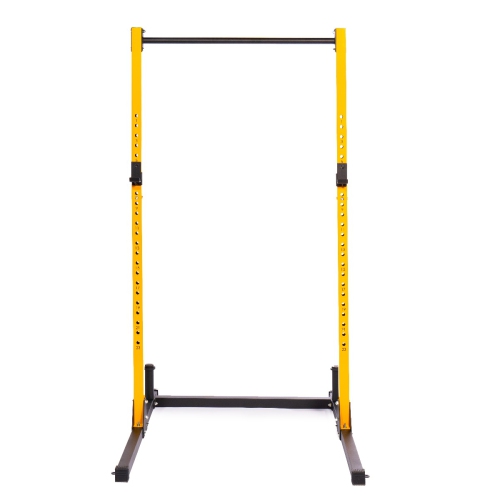

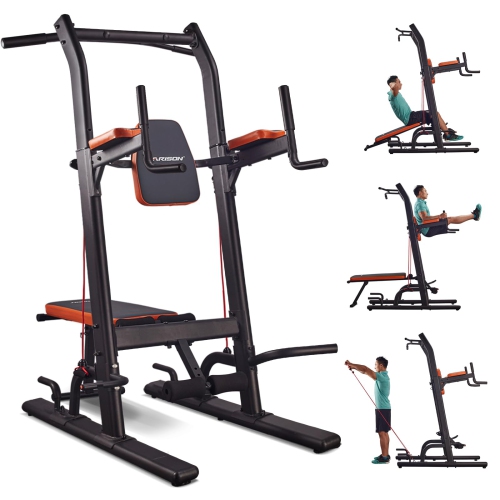
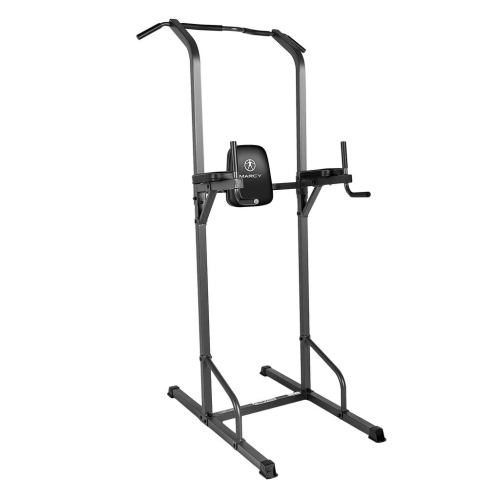
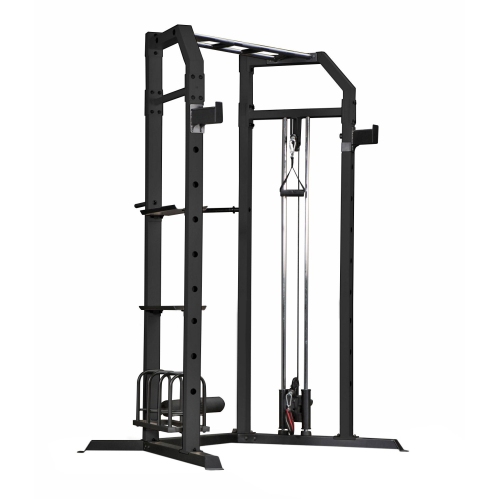






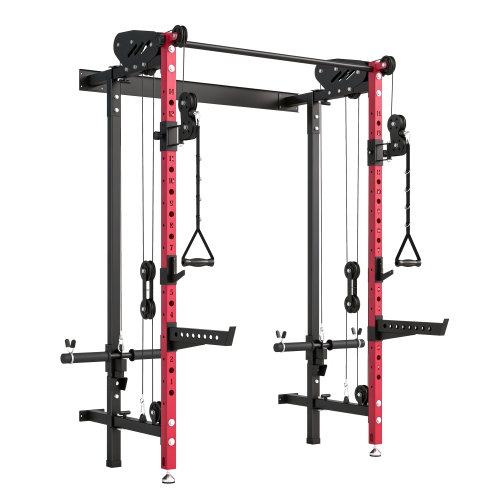

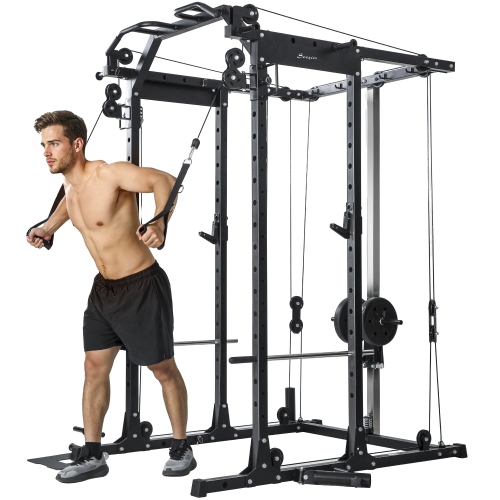


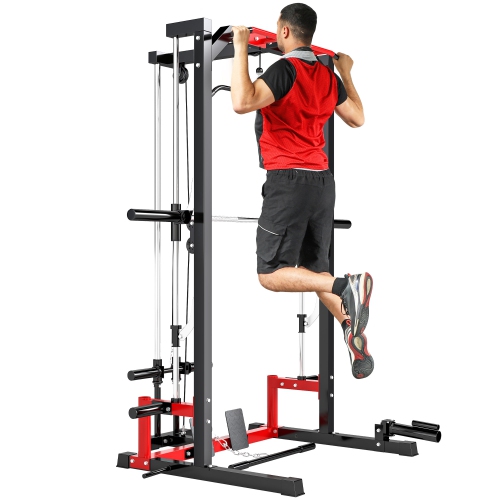


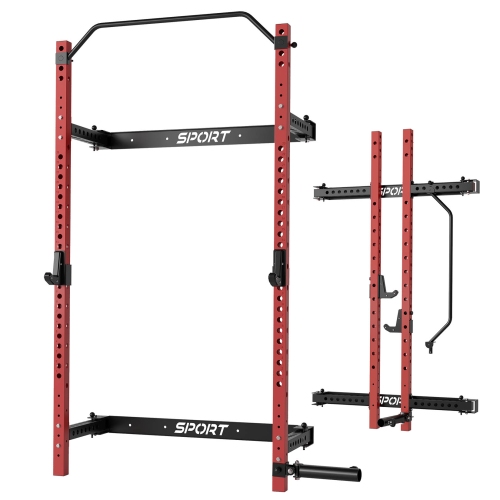
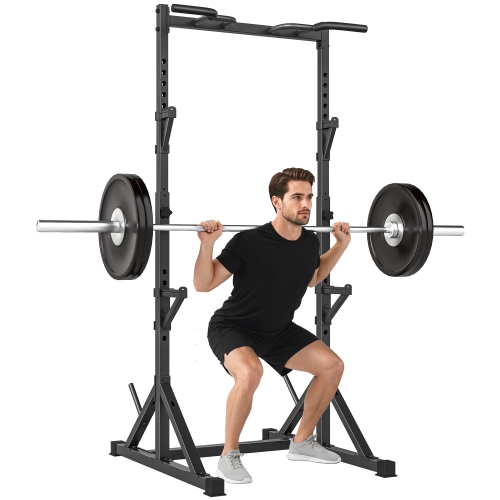

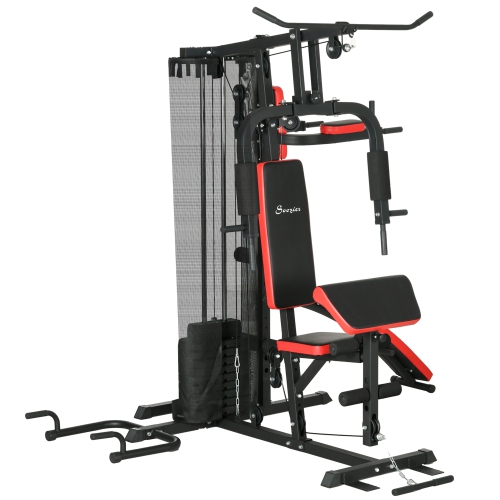
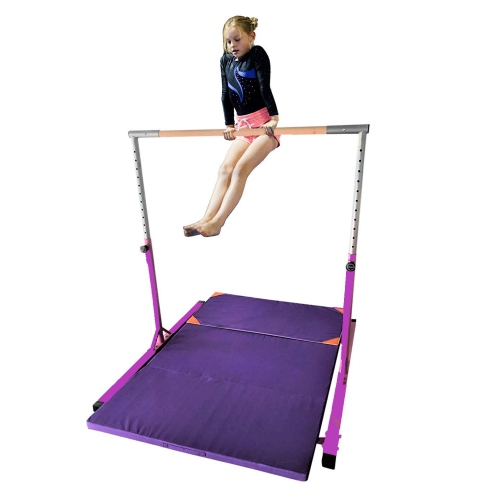
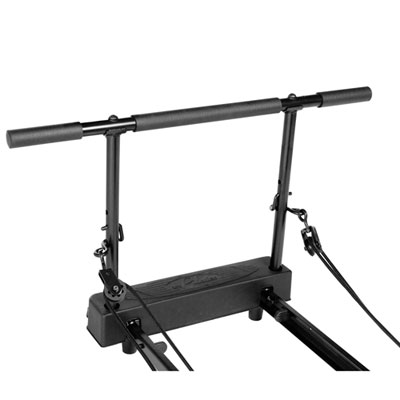
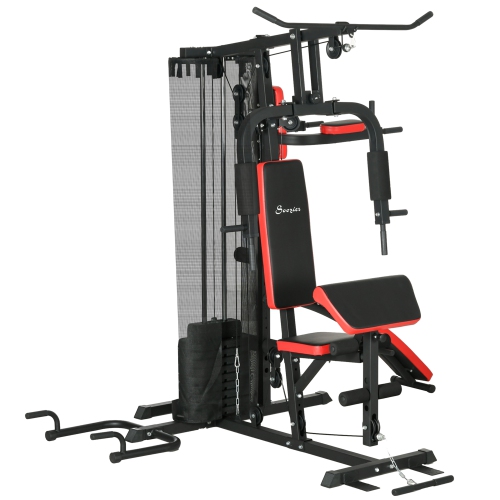
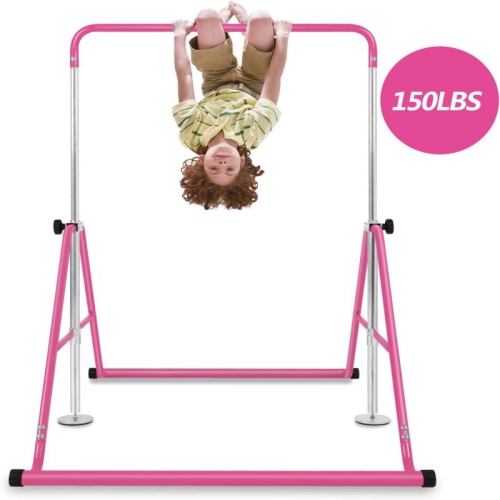
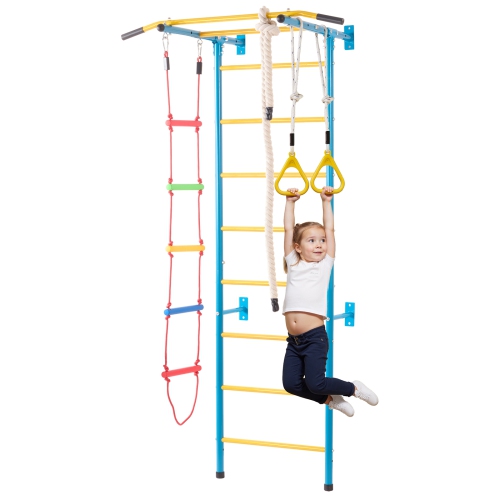
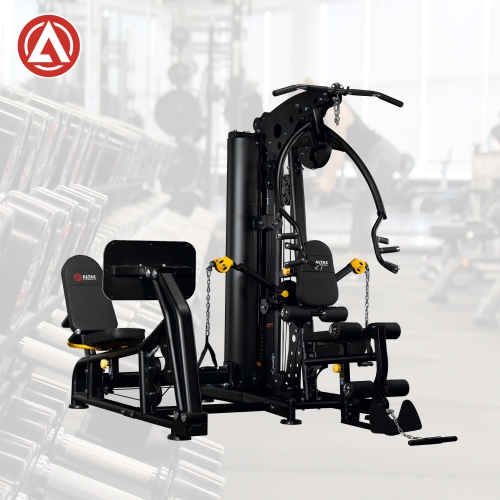

Versatile bodyweight training for strength, grip, and core
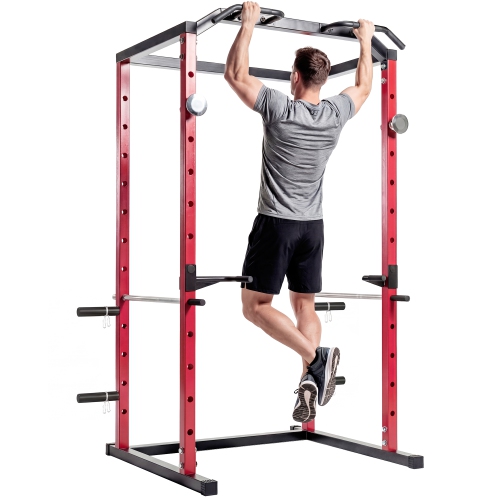
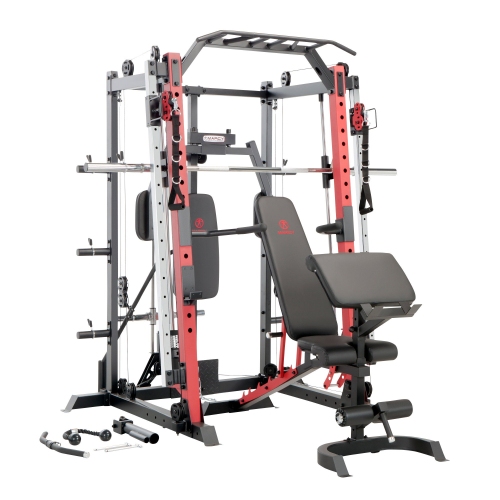
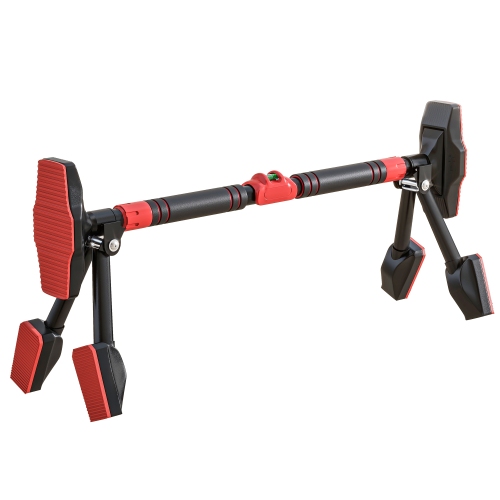
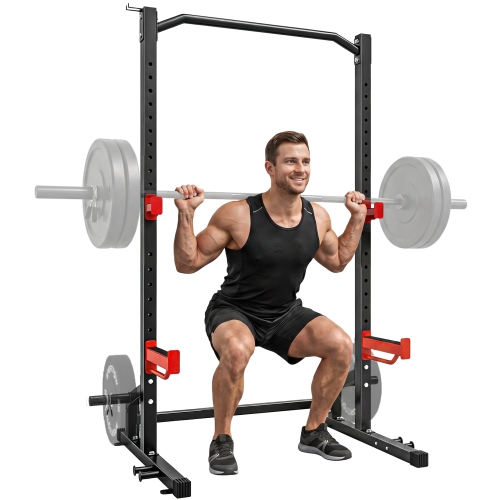
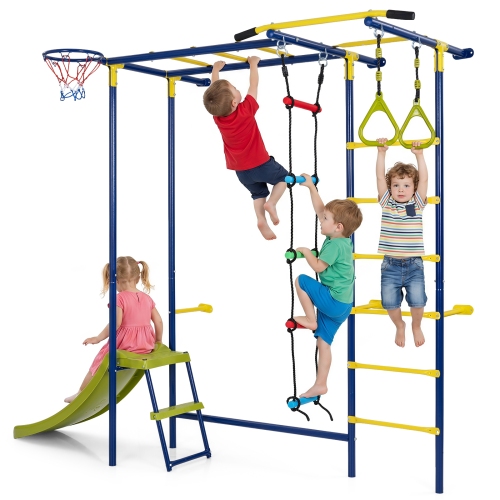
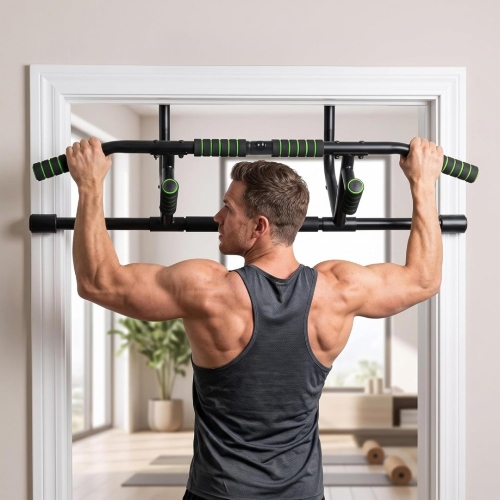
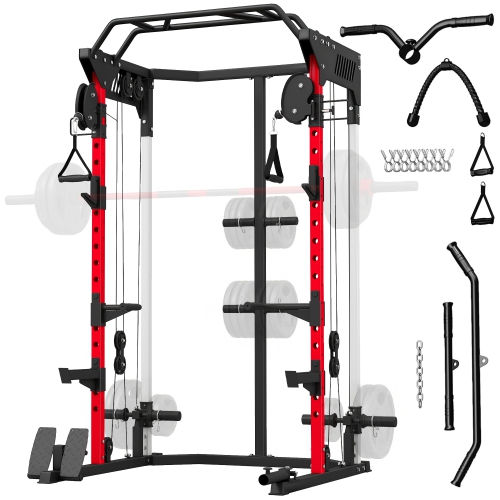
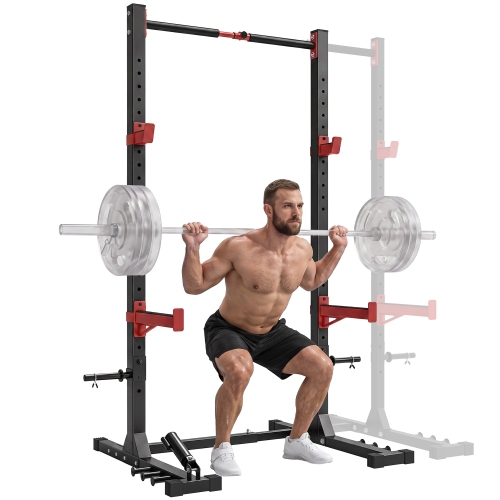
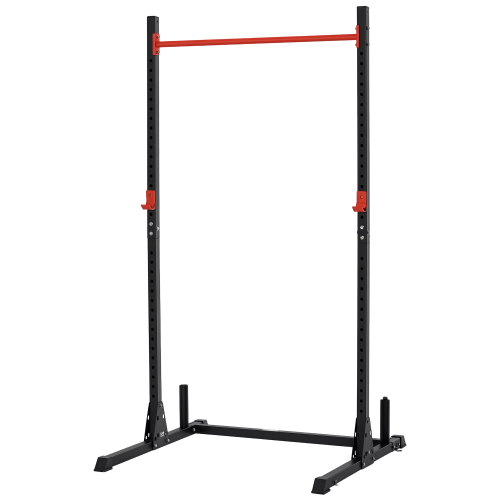
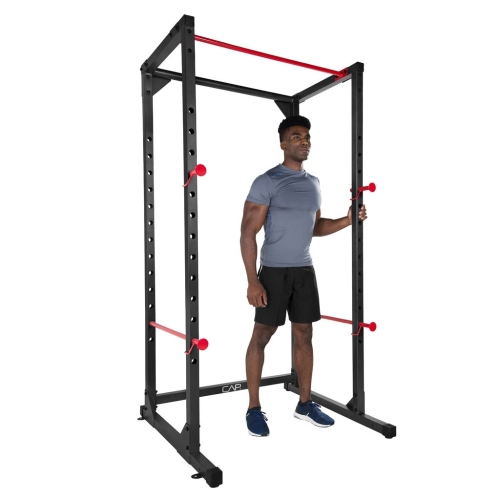
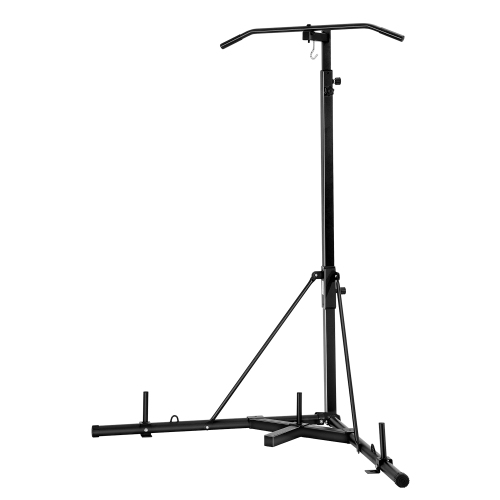
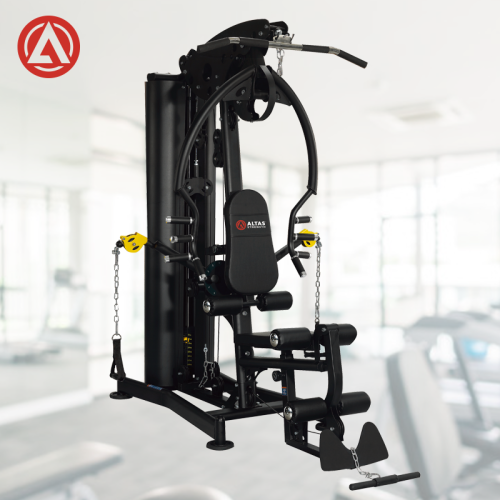
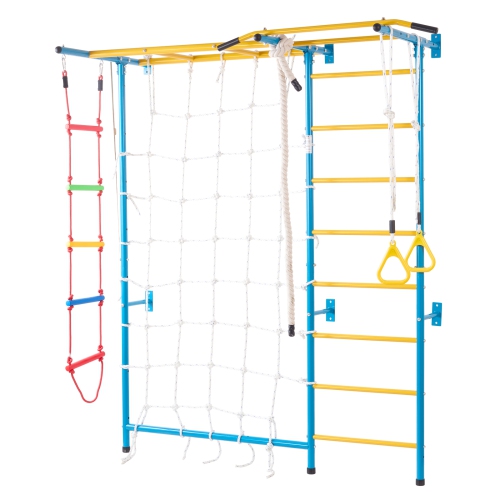
Pull-up stations bring a wide range of bodyweight exercises into a home workout space, combining upper-body and core training in one piece of equipment. Depending on the design, a station may include a high pull-up bar, parallel dip handles, push-up grips, a back or elbow support, and lower bars for movements such as inverted rows. Pull-ups and chin-ups use the back, shoulders, arms, and grip, while changing the hand position can shift the emphasis between different muscle groups. Dips engage the chest, shoulders, and triceps, and hanging knee raises or leg raises challenge the abdominal muscles while requiring control through the hips and torso. Because resistance comes from the user’s body weight, these stations can support many types of routines, from short sets between daily tasks to structured strength workouts with warmups, progressions, and rest periods. They can be useful for beginners building foundational strength, experienced athletes adding bodyweight movements to a larger training plan, and anyone who prefers simple exercises that do not depend on a large collection of weights. A pull-up station may also make a thoughtful gift for someone setting up a home gym, improving their calisthenics skills, or looking for a practical way to stay active indoors during the cooler months. For additional configurations that combine pull-up functionality with broader home-gym features, explore Multi Gym Pull Up Bars.
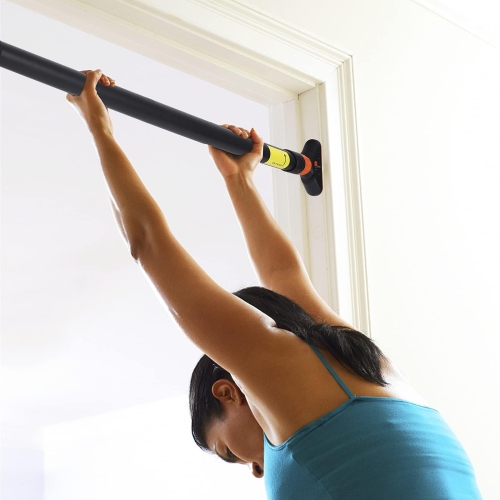
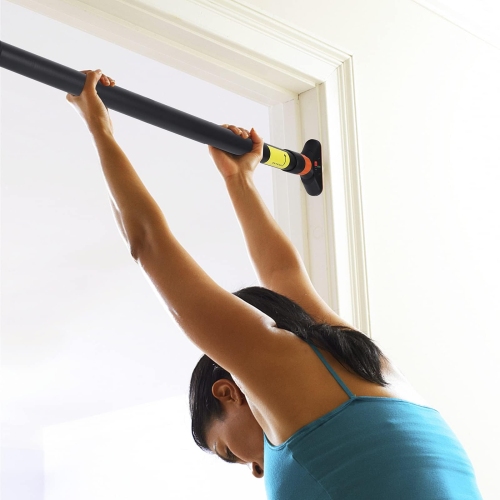
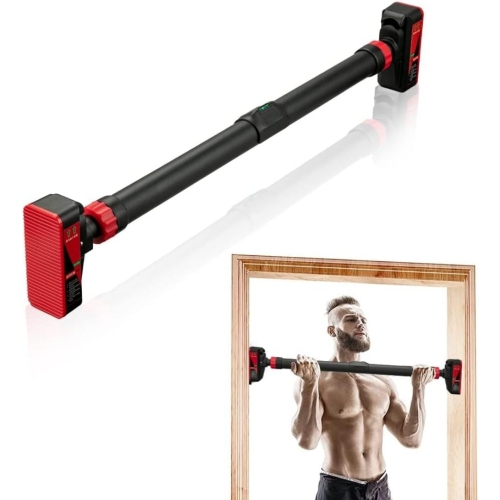
Choosing the right pull-up station starts with the available space, the intended exercises, and the level of stability required. Freestanding power towers stand on the floor and can provide several exercise points without drilling into a wall or ceiling. They are often a good fit for a dedicated workout room, a spare room, or a multi-purpose area where equipment can be moved when needed, although the base dimensions and surrounding clearance should be measured carefully. Wall-mounted and ceiling-mounted bars can leave more floor space open and offer a firm, fixed feel when installed into suitable structural studs or masonry. Installation requirements matter, since the mounting surface, hardware, ceiling height, and user’s range of motion all affect safety and comfort. Doorway pull-up bars are generally compact and convenient for smaller spaces, and some can be removed between workouts; however, the construction of the doorframe, the bar’s fit, and its recommended weight capacity should be checked before use. Across all styles, review the maximum user weight, frame construction, bar diameter, grip positions, padding, height adjustment, and assembly requirements. A wider range of grips can make workouts more versatile, while neutral-grip handles may feel more comfortable for users who prefer a different wrist position. Non-slip feet or secure mounting hardware can help reduce movement, but the station should still be placed on a level surface with enough room for the user to hang, swing-free, and complete each exercise without contacting nearby furniture, walls, or ceiling fixtures.
Pull-up stations can suit many training goals when used with gradual progression and consistent form. Someone who cannot yet complete a full pull-up can begin with supported holds, scapular movements, controlled lowering repetitions, resistance bands, or assisted variations, depending on the equipment and their comfort level. More advanced users may work towards multiple repetitions, longer hangs, wider or closer grips, L-sits, muscle-up progressions, or carefully controlled leg raises. A station with dip handles can add pressing exercises to balance pulling movements, while lower bars may support incline push-ups and rows for a full-body session. A simple routine might include a warmup, several manageable sets of pulling or pushing exercises, core work, and a cooldown, with rest between sessions to allow the muscles and joints to recover. Beginners should pay close attention to shoulder position, avoid uncontrolled swinging, and stop if an exercise causes sharp or unusual pain. Households may appreciate equipment that supports different fitness levels, from a teenager practising basic hangs to an adult following a strength programme at home. It can also be helpful for people who travel less during the cooler seasons and want a dependable training option close at hand. Before purchasing, consider who will use the station, where it will remain, how often it will be used, and whether the design supports the exercises that matter most. With the right fit, a pull-up station can turn a modest area into a flexible training space for building strength, coordination, grip endurance, and confidence through repeatable bodyweight movements.
Top selling and popular products
-
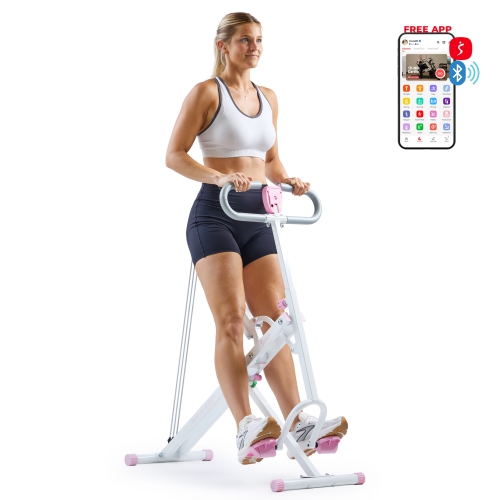 Your price for this item is $199.99
-
 Your price for this item is $188.99
-
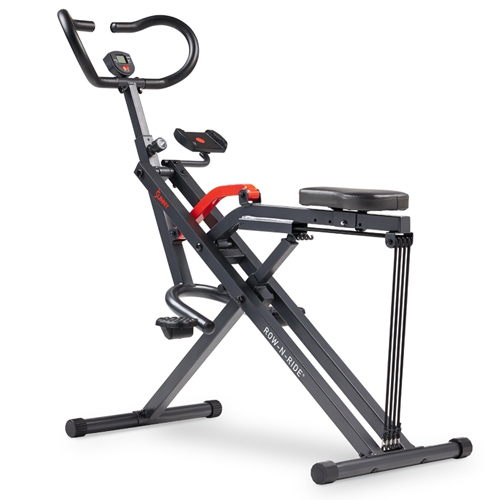 Your price for this item is $299.99
-
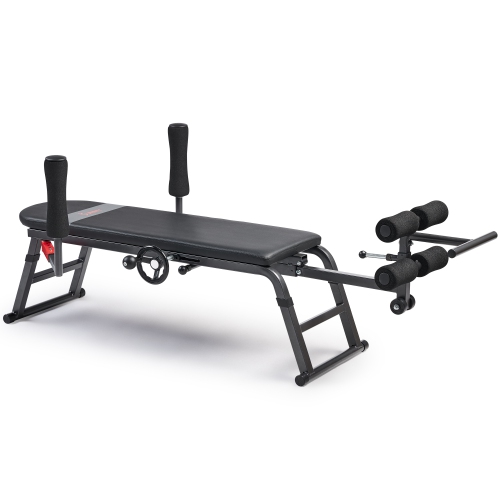 Your price for this item is $304.95
-
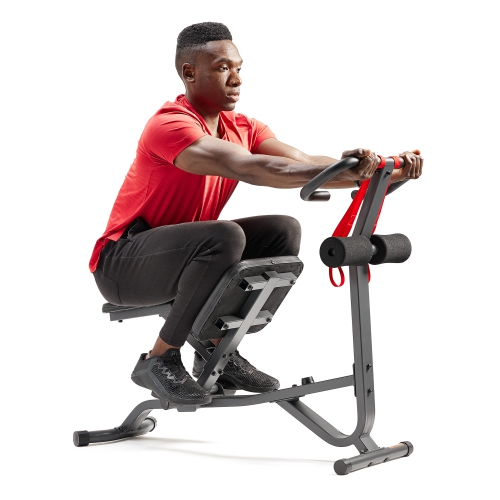 Your price for this item is $204.95
-
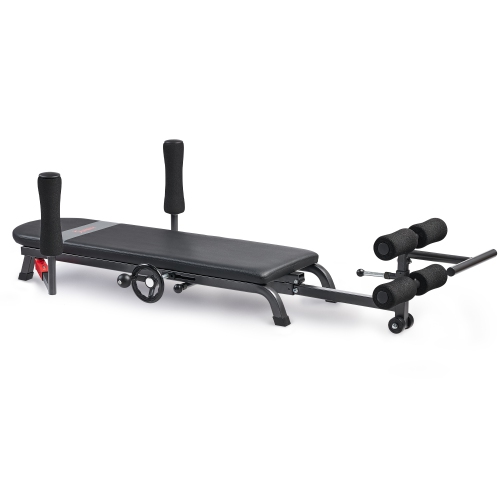 Your price for this item is $369.99
-
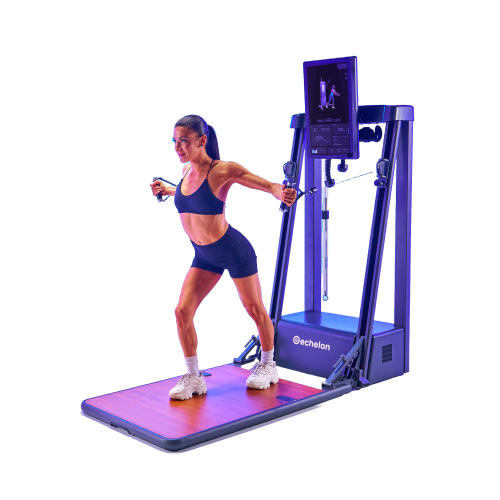 Your price for this item is $4109.99
-
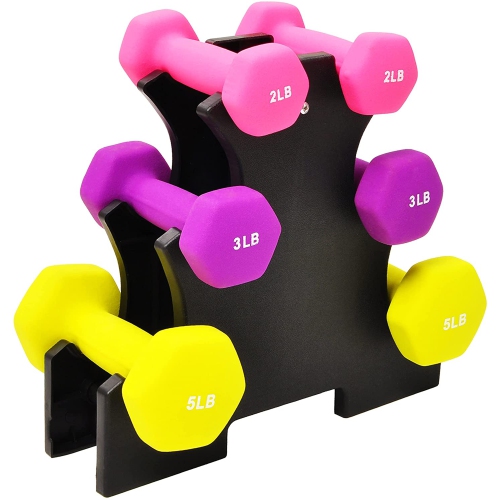 Your price for this item is $117.99
Discover more categories related to Pull Up Stations

Top Collections:
Pokemon Centers, Best Black Friday Deals This Year, Best Black Friday Deals On Electronics, Kindle Devices, Best Budget Office Chairs, Best Black Friday Deals On Apple Products, Best Cameras for Sports Photography, Pokémon 30th Celebration Cards, Dyson Airwrap, Canon G7X Cameras
Some products may be subject to Environmental Handling Fees
(EHF) depending on your province.
Learn more about EHFs.