Scooter Ramps
Looking to enhance your mobility and make your daily routine a breeze? Look no further than our selection of scooter ramps. These versatile and durable ramps are designed to provide smooth and safe access for scooters, wheelchairs, and other mobility devices. Whether you need to navigate steps, curbs, or door thresholds, our range of scooter ramps offers the perfect solution for easy and convenient accessibility. With various sizes and styles available, you'll find the ideal ramp to suit your needs and improve your independence. Say goodbye to obstacles and hello to effortless mobility with our top-notch scooter ramps.
Sort
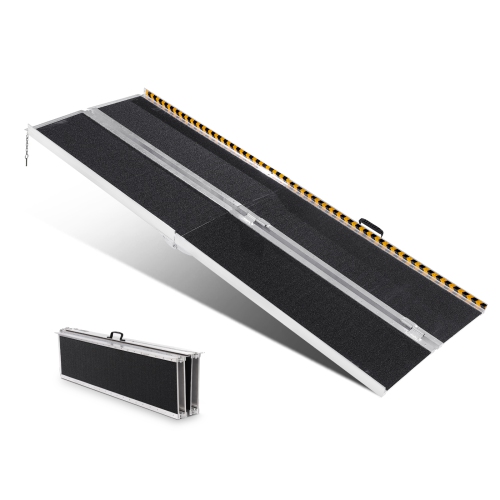
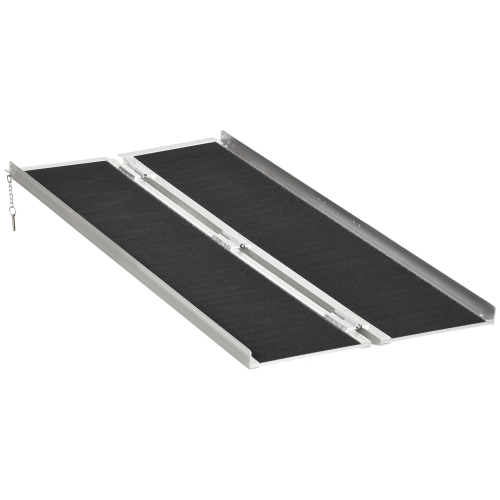
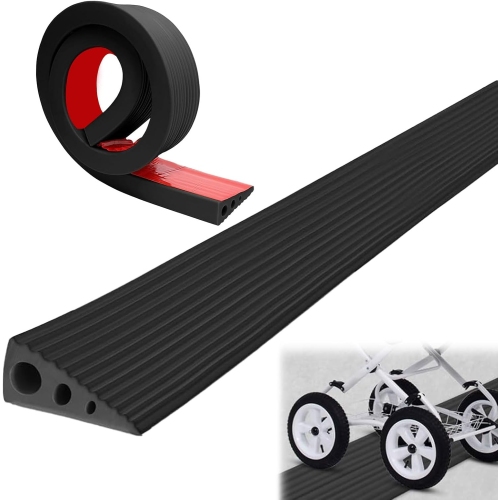
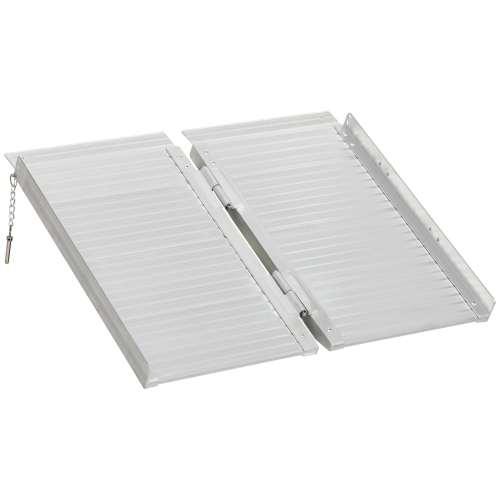
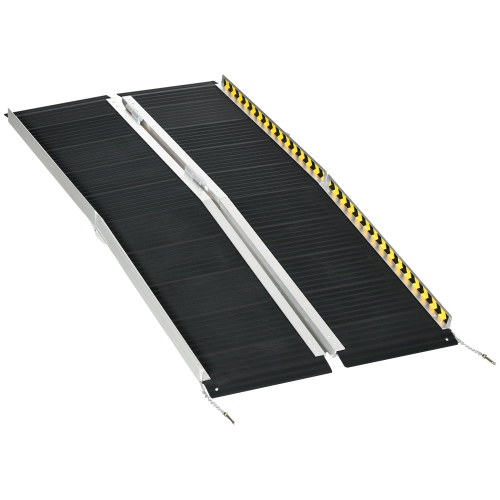
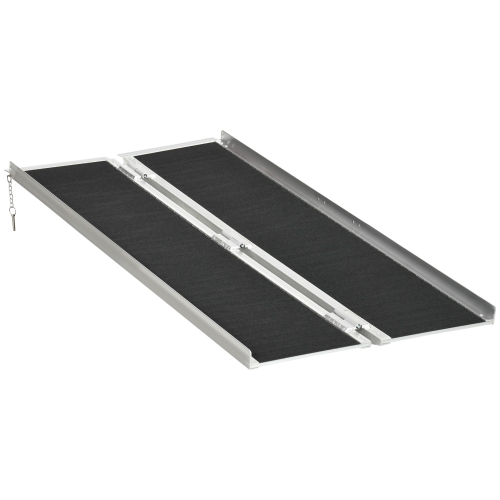
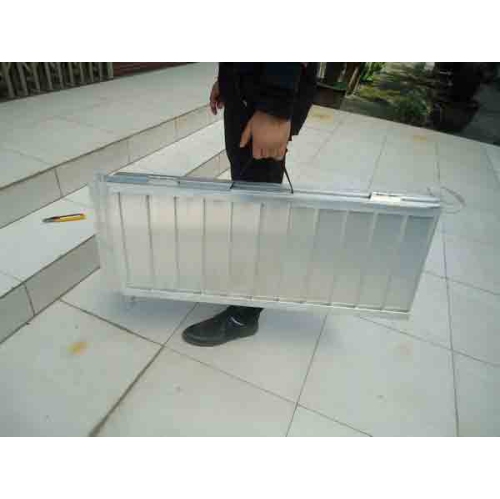
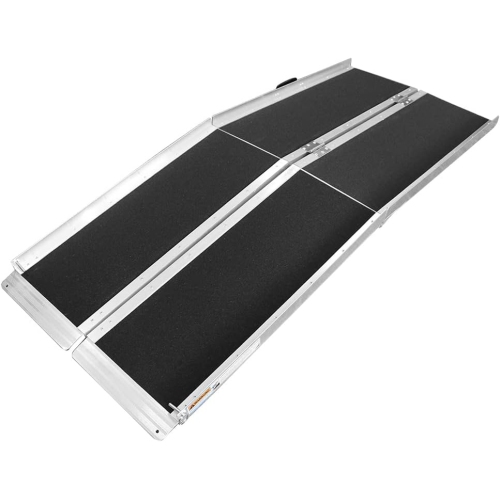
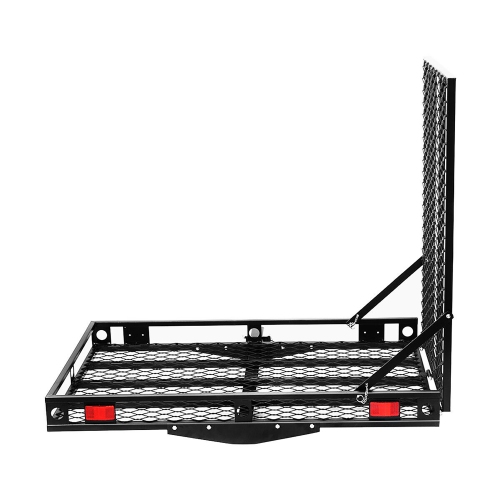
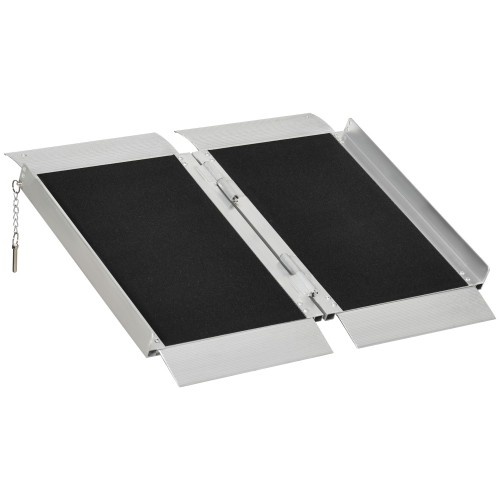
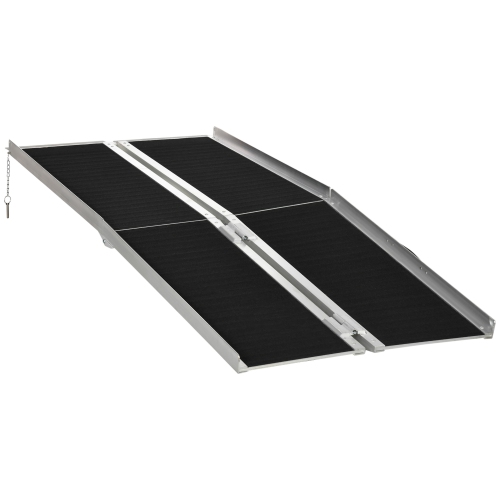
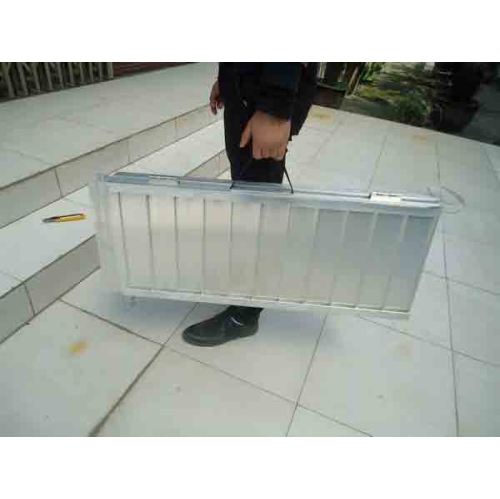
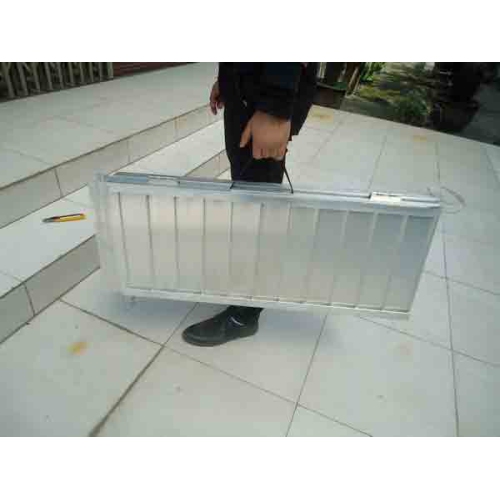
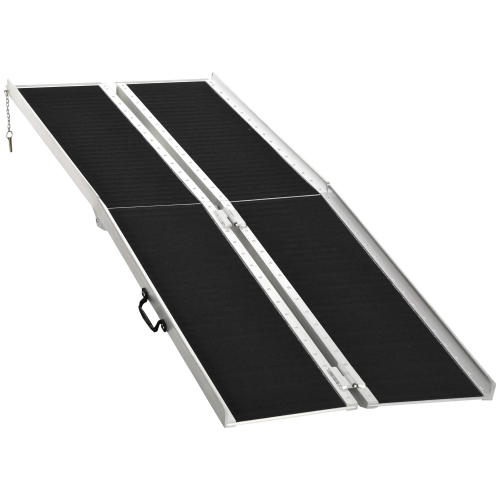
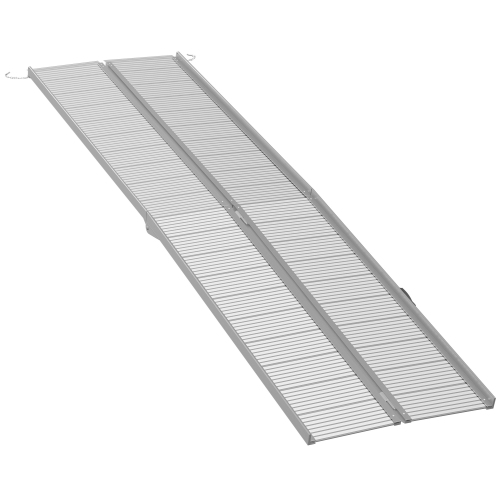
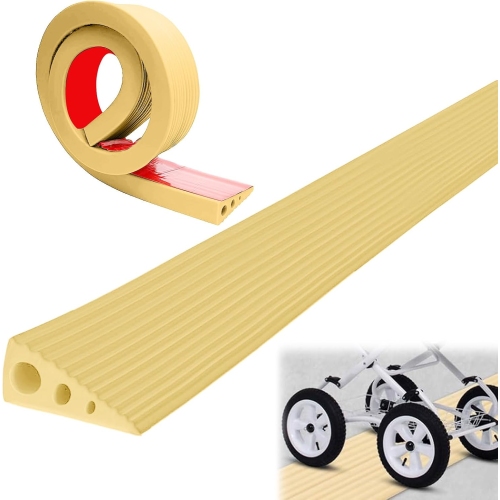
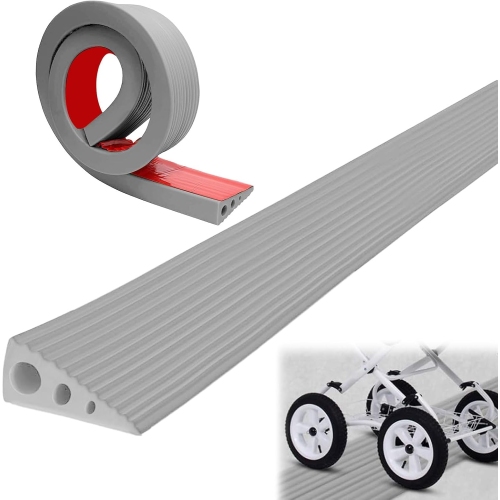
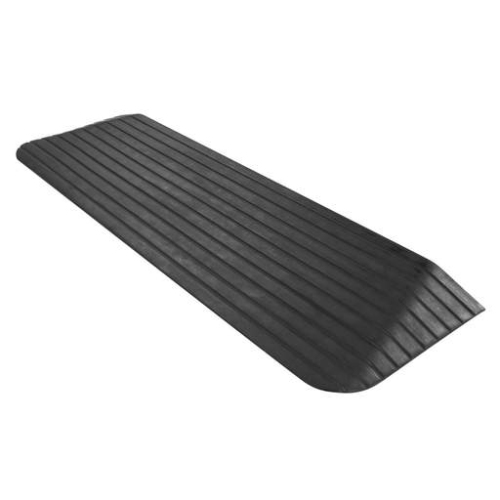
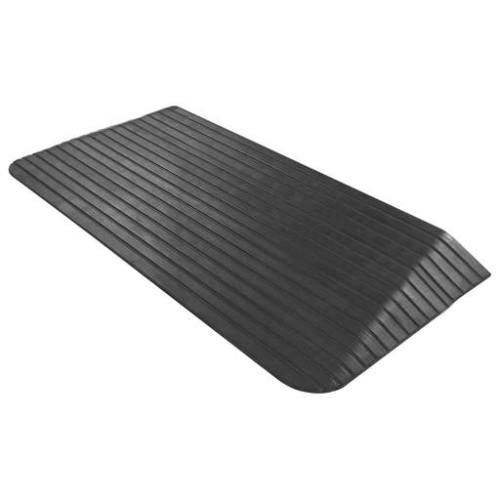
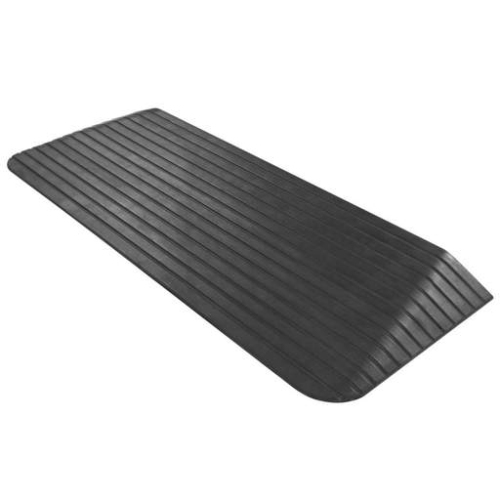
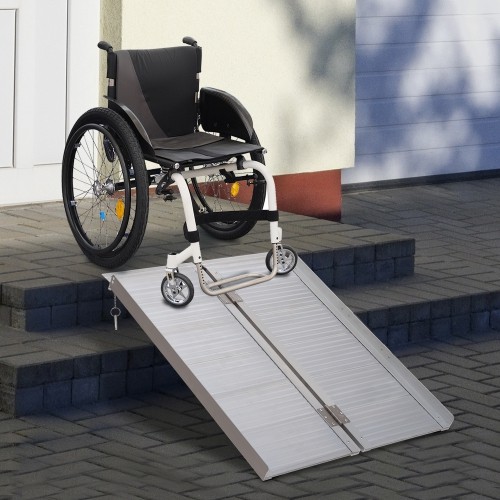
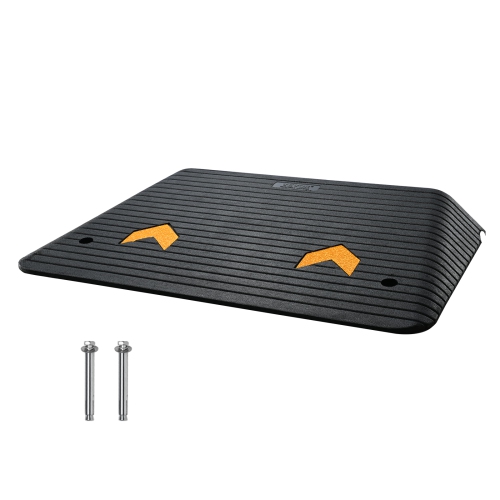

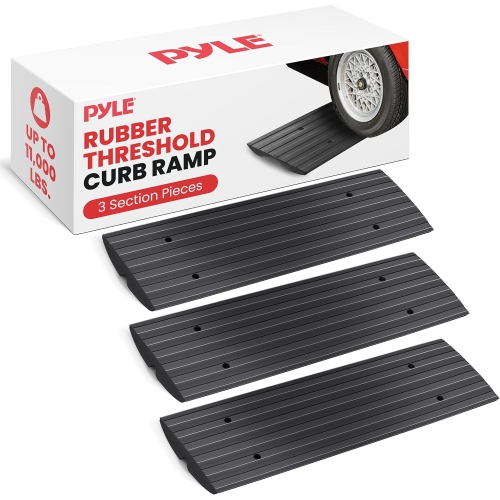
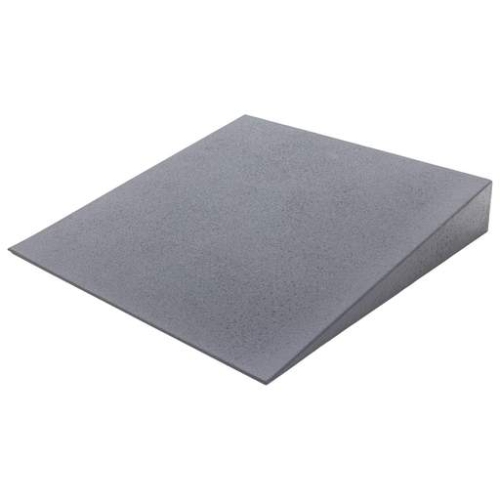
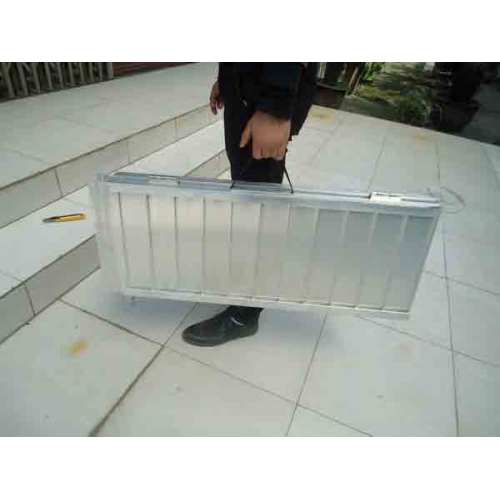
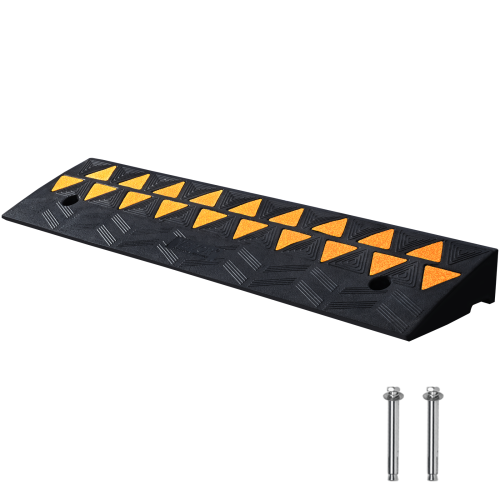
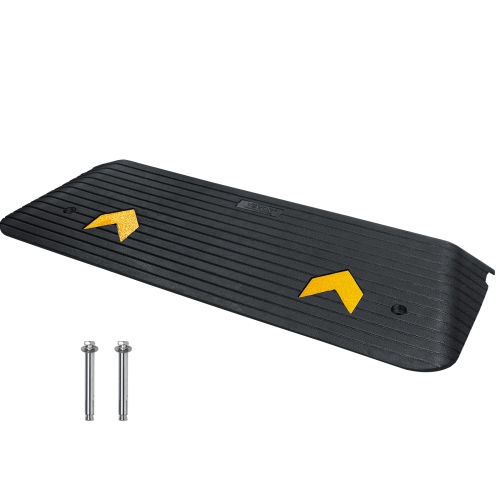
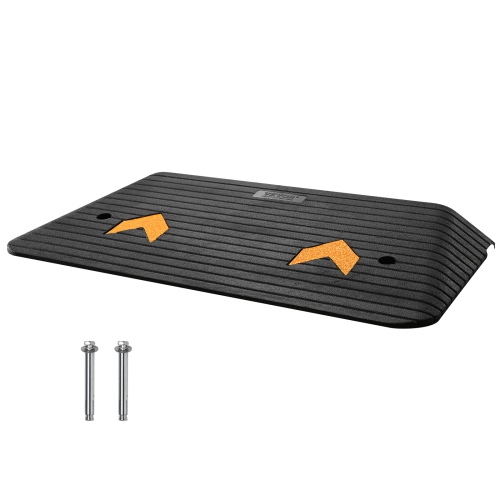
Two distinct ramp types serve different scooter needs
Scooter ramps can serve two very different purposes, so identifying the intended use is the first step towards choosing the right option. Mobility access ramps are designed to help mobility scooters, wheelchairs and other assistive devices move over thresholds, small steps, curbs or changes in floor height. Stunt scooter ramps, on the other hand, are built for recreational riding, jumping and practising tricks in a driveway, garage or dedicated riding area. The shape, materials, dimensions, weight capacity and safety features vary considerably between these categories. A mobility ramp typically has a gradual incline and a stable surface to support controlled movement, while a stunt ramp may have a curved transition, angled launch or compact kicker shape designed to create lift. Checking the product description carefully can help ensure the ramp matches the scooter and the setting where it will be used. For additional access solutions, explore Portable Ramps, including options intended for moving equipment over door sills, steps and other low obstacles. When comparing mobility scooter ramps, measure the full height of the step or threshold, the available approach and landing space, and the width of the scooter, including its wheels and any accessories. Ramp length matters because a longer ramp generally creates a gentler incline, while a shorter ramp may be easier to store but steeper to use. Weight capacity should account for the rider, scooter and any bags or equipment carried on board. Look for a surface that provides dependable traction, edge protection or raised side borders, and a design that sits securely without shifting as the scooter travels across it. Foldable and portable models can be useful for visits to friends, appointments or travel by vehicle, while threshold ramps are convenient for small, permanent changes in height around the home. During cooler months, inspect the ramp for moisture, frost, leaves or packed snow before use, as these conditions can affect grip and stability.
For riders using stunt scooters, the best ramp depends on experience level, riding space and the types of tricks they want to practise. A small kicker ramp can provide a straightforward launch for learning controlled jumps, while a quarter pipe or curved ramp can support more advanced transitions and aerial techniques. Beginners may appreciate a low, stable design that allows them to focus on balance, speed control and landing position before moving to larger features. Experienced riders often look for a sturdy construction that remains steady under repeated impacts, a smooth transition and a surface wide enough to approach confidently. Consider the ramp’s height, width, angle and recommended user level, along with the amount of room needed in front of and behind it. A driveway, backyard or indoor riding area should be free of vehicles, loose gravel, toys, garden equipment and other obstacles. Place the ramp on a level surface and check that it does not rock, slide or lift when pressure is applied. Protective equipment remains important even when practising familiar movements: a properly fitted helmet, wrist guards, knee pads and elbow pads can help reduce the impact of an unexpected fall. Younger riders should be supervised, particularly while learning to judge speed and landing distance. It is also worth considering noise and surface conditions when selecting a location, since a ramp used on rough pavement may behave differently from one placed on smooth concrete. A stunt ramp can be an engaging gift for a child, teen or recreational rider who enjoys spending time outdoors and refining new skills, especially when the recipient has a suitable scooter and a safe area for practice. For a gift, confirm the rider’s age, ability and available space rather than choosing solely by ramp size or appearance.
Whether the goal is easier access at home or a new challenge for scooter practice, practical details can make the experience more comfortable and dependable. A mobility ramp should be easy for the intended user or caregiver to position, remove and store, with a manageable weight and a length that suits the vehicle or doorway where it will be used. If it will be carried regularly, look for features such as a folding format, carrying handle or compact profile, while a ramp kept in one location may benefit from a broader platform and additional stability. Measure doorways and storage areas before purchasing, and compare the ramp’s usable width rather than relying only on its outside dimensions. For stunt ramps, think about how often the ramp will be moved, whether more than one rider will use it and how it will be stored between sessions. Repeated outdoor use can expose the ramp to changing temperatures and damp conditions, so follow the care and storage instructions provided with the product. Before every session, check joints, edges, fasteners and contact points for looseness or damage, and discontinue use if the ramp no longer sits securely. As the weather warms or during the cooler months, riding conditions can change quickly, making a clean, dry surface and clear visibility especially important. Taking a few minutes to confirm measurements, weight limits, rider needs and placement can help narrow the selection and support safer, more enjoyable use.
For riders using stunt scooters, the best ramp depends on experience level, riding space and the types of tricks they want to practise. A small kicker ramp can provide a straightforward launch for learning controlled jumps, while a quarter pipe or curved ramp can support more advanced transitions and aerial techniques. Beginners may appreciate a low, stable design that allows them to focus on balance, speed control and landing position before moving to larger features. Experienced riders often look for a sturdy construction that remains steady under repeated impacts, a smooth transition and a surface wide enough to approach confidently. Consider the ramp’s height, width, angle and recommended user level, along with the amount of room needed in front of and behind it. A driveway, backyard or indoor riding area should be free of vehicles, loose gravel, toys, garden equipment and other obstacles. Place the ramp on a level surface and check that it does not rock, slide or lift when pressure is applied. Protective equipment remains important even when practising familiar movements: a properly fitted helmet, wrist guards, knee pads and elbow pads can help reduce the impact of an unexpected fall. Younger riders should be supervised, particularly while learning to judge speed and landing distance. It is also worth considering noise and surface conditions when selecting a location, since a ramp used on rough pavement may behave differently from one placed on smooth concrete. A stunt ramp can be an engaging gift for a child, teen or recreational rider who enjoys spending time outdoors and refining new skills, especially when the recipient has a suitable scooter and a safe area for practice. For a gift, confirm the rider’s age, ability and available space rather than choosing solely by ramp size or appearance.
Whether the goal is easier access at home or a new challenge for scooter practice, practical details can make the experience more comfortable and dependable. A mobility ramp should be easy for the intended user or caregiver to position, remove and store, with a manageable weight and a length that suits the vehicle or doorway where it will be used. If it will be carried regularly, look for features such as a folding format, carrying handle or compact profile, while a ramp kept in one location may benefit from a broader platform and additional stability. Measure doorways and storage areas before purchasing, and compare the ramp’s usable width rather than relying only on its outside dimensions. For stunt ramps, think about how often the ramp will be moved, whether more than one rider will use it and how it will be stored between sessions. Repeated outdoor use can expose the ramp to changing temperatures and damp conditions, so follow the care and storage instructions provided with the product. Before every session, check joints, edges, fasteners and contact points for looseness or damage, and discontinue use if the ramp no longer sits securely. As the weather warms or during the cooler months, riding conditions can change quickly, making a clean, dry surface and clear visibility especially important. Taking a few minutes to confirm measurements, weight limits, rider needs and placement can help narrow the selection and support safer, more enjoyable use.
Top selling and popular products
-
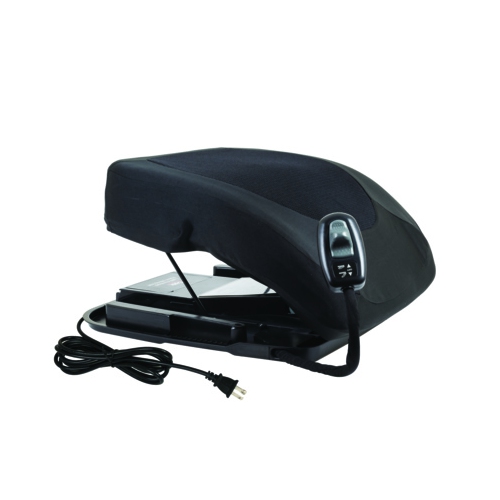 Your price for this item is $299.99
 -
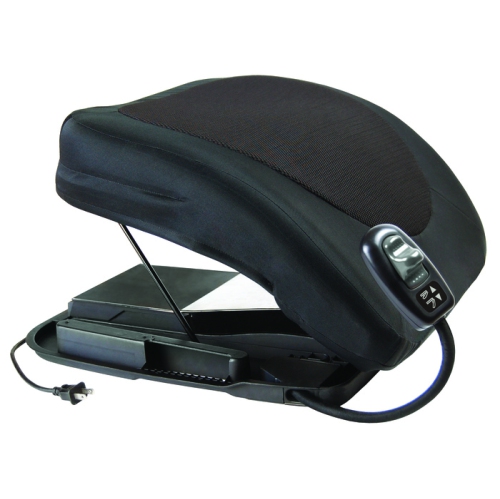 Your price for this item is $308.99
 -
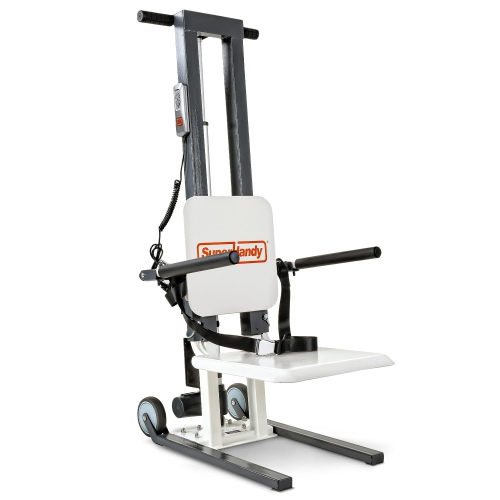 Your price for this item is $799.99
 -
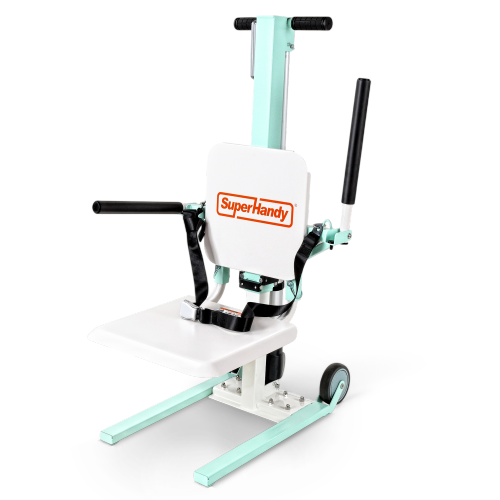 Your price for this item is $639.99
 -
 Your price for this item is $1339
 -
 Your price for this item is $1199.99
 -
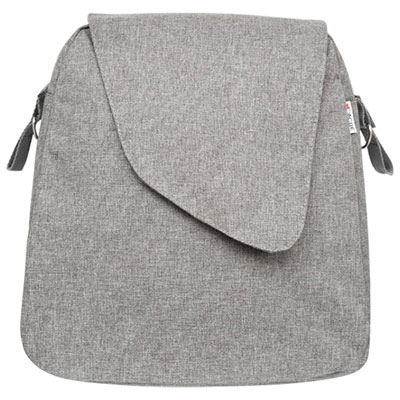 Your price for this item is $137.99
 -
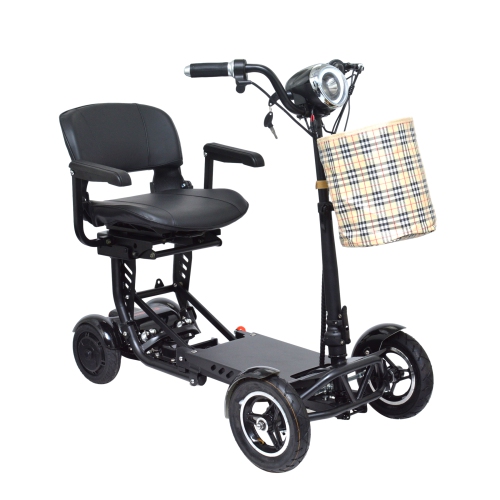 Your price for this item is $1999
Discover more categories related to Scooter Ramps
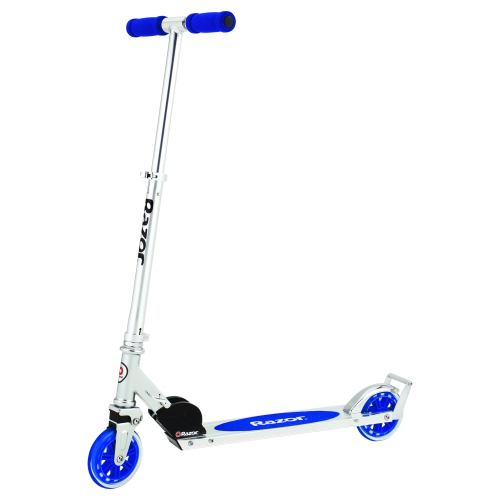
Top Collections:
Pokemon Centers, Kindle Devices, Best Budget Office Chairs, Apple iPhones 16, Best Laptops for Writers, iPhone 15 Apple, Canon G7X Cameras, Refurbished Apple Laptops, Alarm Clock, Motorola Razr Phones
Some products may be subject to Environmental Handling Fees
(EHF) depending on your province.
Learn more about EHFs.