Sleep Aids for Shift Workers
Sleep Aids for Shift Workers are designed to help those with non-traditional schedules achieve better rest, no matter the time of day. Whether you’re working nights, early mornings, or rotating shifts, finding effective solutions to support your sleep routine is essential for overall well-being and productivity. Explore a variety of options tailored to create a restful environment and promote relaxation, so you can recharge and wake up feeling refreshed. Discover the right sleep aids to fit your unique schedule and take the first step toward more restorative sleep.
Sort
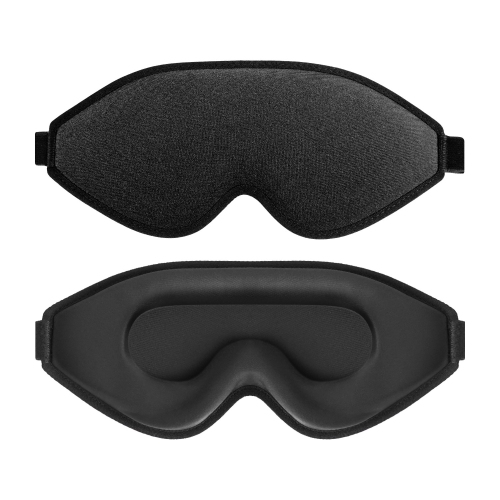
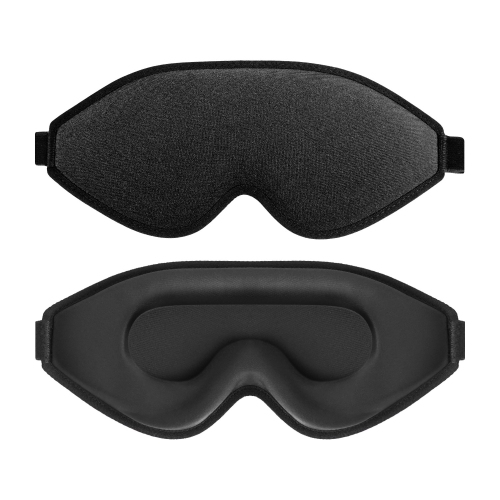
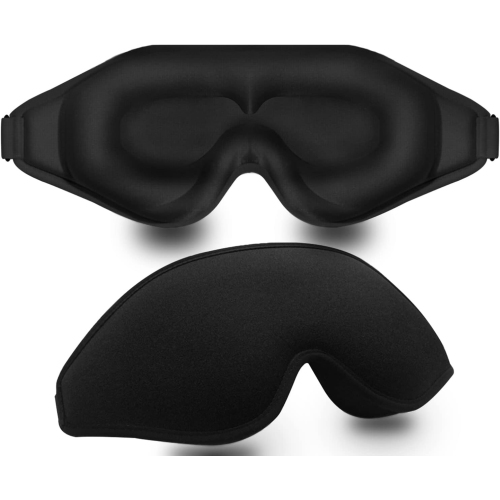
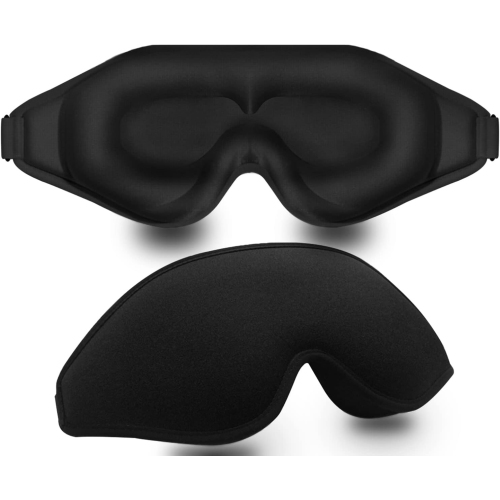
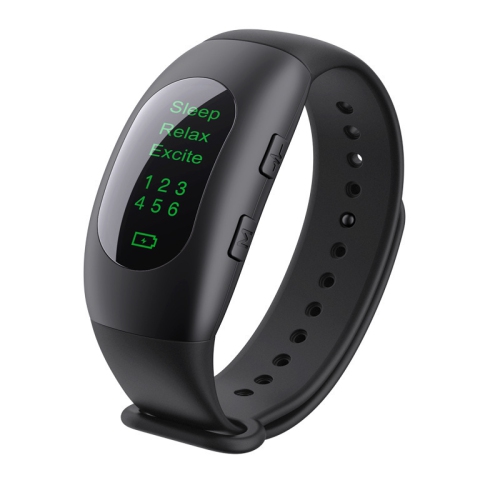
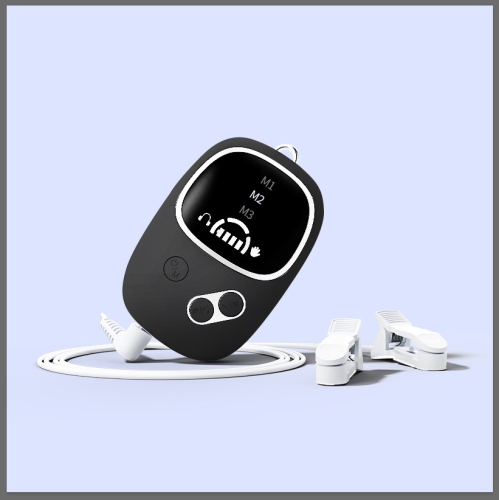
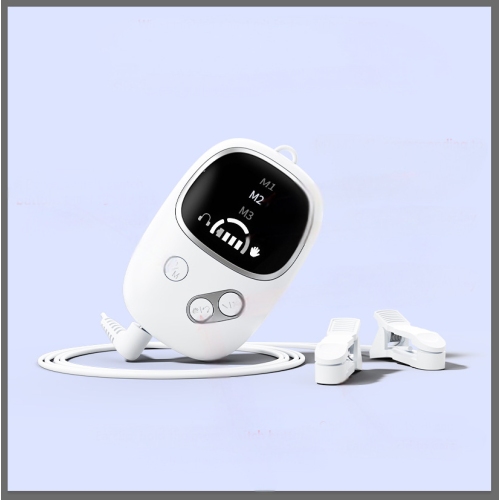
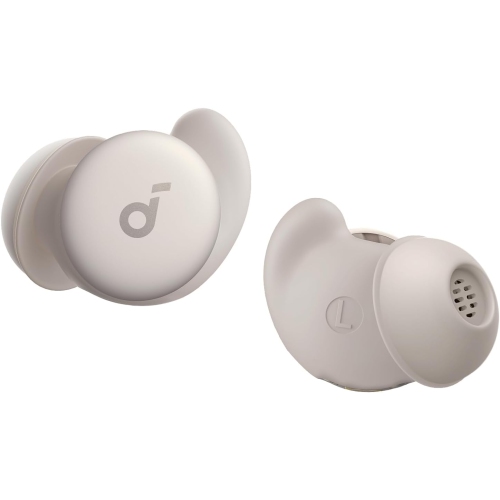

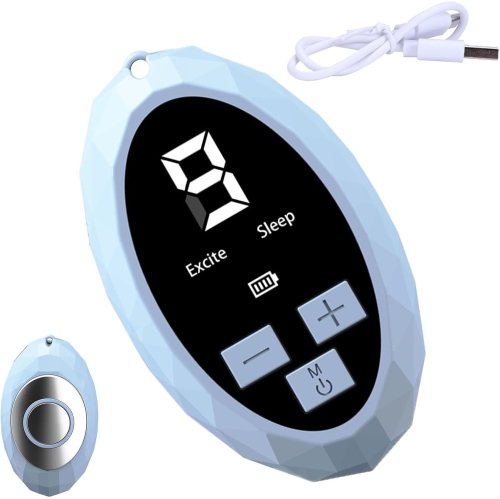
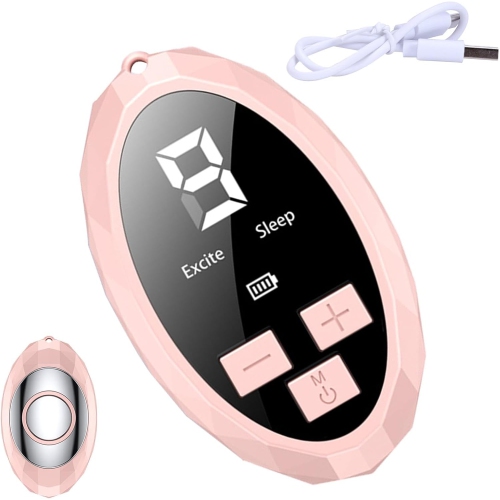

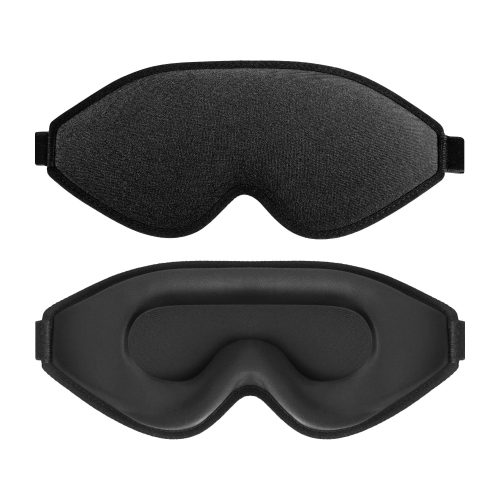
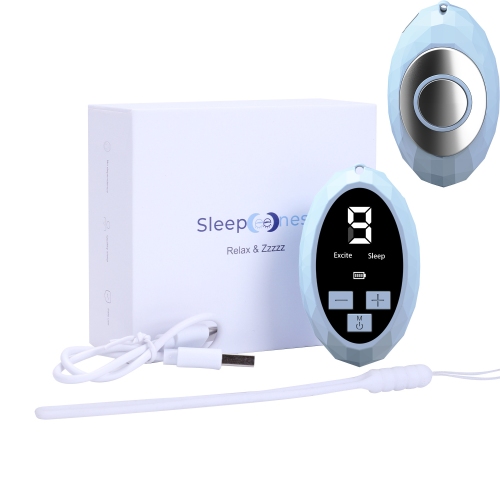
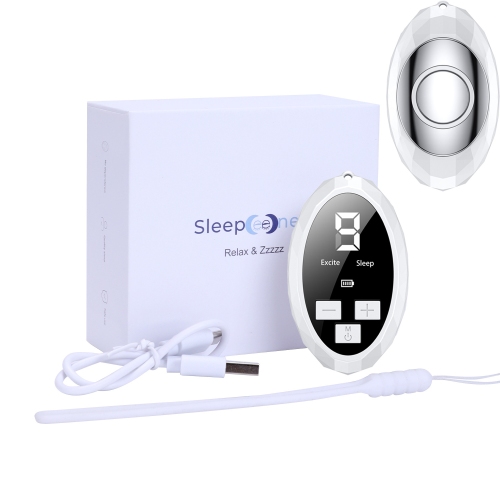
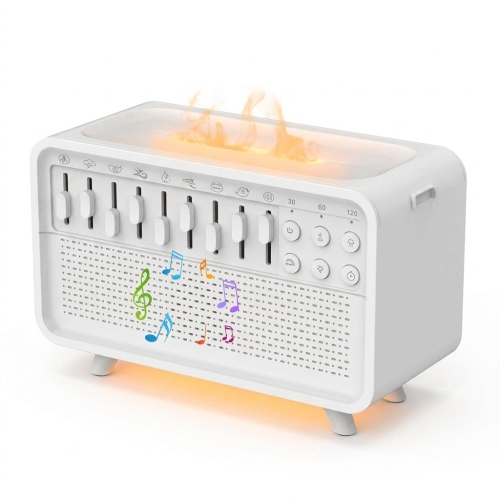

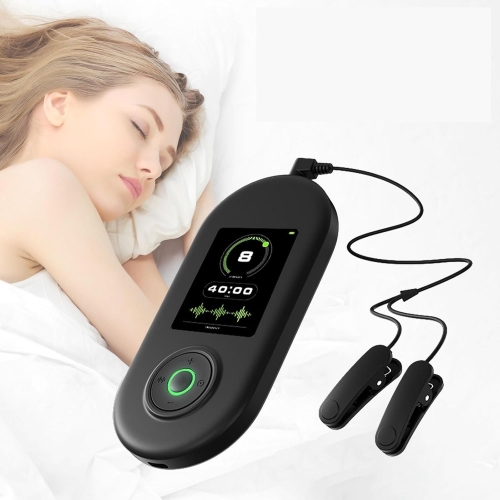


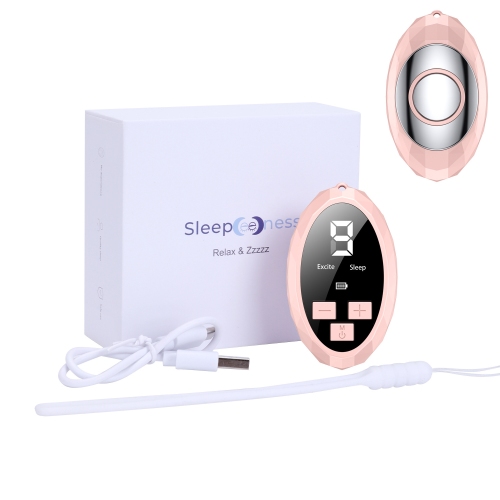

Less light and noise when daytime means bedtime
Sleep aids for shift workers are products that help reduce light, soften disruptive noise, and make rest more comfortable when sleep falls outside a conventional nighttime schedule. Blackout curtains, sleep masks, sound machines, and earplugs address different obstacles, so their usefulness depends on the sleeping space and the person using them. A nurse arriving home after an overnight shift may need to block daylight entering a bedroom, while a warehouse employee resting before an evening shift may be more bothered by conversations in the next room. These accessories can support a regular sleep routine, but they do not replace enough time set aside for rest or treatment for an underlying sleep condition. For light control, blackout curtains and room-darkening curtains are not necessarily interchangeable: blackout designs generally block more incoming light, while room-darkening fabrics may still allow a noticeable glow. Fabric density, backing, and coverage all matter, particularly where light slips around the edges or through a gap between panels. Measuring the window and allowing for overlap helps create a darker sleeping space without relying solely on the fabric’s label. Polyester, cotton blends, and lined fabrics have different care requirements, and coated backings may need gentler cleaning than an unlined curtain. A sleep mask offers another layer of light control, especially in a shared bedroom or a room where curtains cannot be changed. Contoured masks leave space around the eyes, while flatter designs can feel less bulky against a pillow. For someone who sleeps on their side, the position of a strap adjuster or a thick seam can make a noticeable difference. Soft fabric, a secure but gentle fit, and coverage around the nose help balance comfort with light blocking. Removable covers and washable designs can simplify regular care, although washing methods should follow the care label to protect padding, elastic, and shape. A mask that presses on the eyelids or needs frequent readjustment may be less useful than a simpler design that stays comfortably in place.
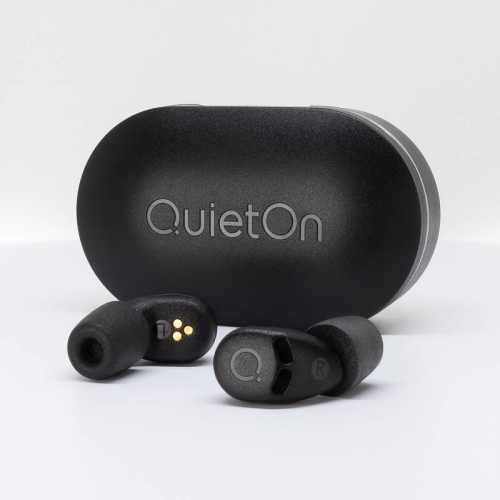
Sound-related sleep aids serve a different purpose: they help make unpredictable daytime noise less noticeable. A sound machine produces a steady audio background that may mask passing traffic, household conversations, or the sudden scrape of a chair outside the bedroom. It does not soundproof a room, and results vary with the type and volume of the disturbance. White noise has a broad, steady hiss; other sound settings may have a deeper tone, a fan-like hum, or recorded audio. Personal preference matters because a sound that feels unobtrusive to one sleeper can distract another. For someone resting through several hours of daytime activity, continuous playback may be more useful than a short timer that stops partway through sleep. Easily reached controls, dimmable indicator lights, and adjustable volume are practical details when the room is dark and another person is sleeping nearby. A compact design can suit travel between work locations, while a stable base and straightforward power connection may matter more for a device kept on a bedside table. The sound should remain at a comfortable level rather than being turned up to overpower every disturbance. Earplugs reduce incoming sound instead of adding a masking sound, and their fit is central to both comfort and performance. Disposable foam designs typically compress for insertion, while reusable designs may use soft silicone or other flexible materials. Insertion methods differ, so the manufacturer’s directions matter, especially for designs intended to sit over the ear opening rather than inside it. Reusable earplugs need cleaning and drying as directed; disposable ones should be replaced rather than washed unless their instructions specifically allow it. Side sleepers may prefer a low-profile shape that does not press against the pillow. Sleep headphones offer another way to listen to calming audio, but raised speakers, tight headbands, and bulky controls can become uncomfortable during longer rest periods. Any sound-blocking or audio accessory also needs to be considered alongside household responsibilities, including the need to hear alarms, children, or other important signals.
The most useful combination of sleep aids for shift workers often reflects the details of a working week rather than the number of accessories involved. Someone on permanent nights may benefit from a dependable bedroom setup that stays ready for daytime sleep, while a person on rotating shifts may place more value on portable accessories and controls that are easy to adjust. A lightweight mask and a protective earplug case can fit into a work bag for an approved rest break or an overnight stay away from home. Travel sound machines introduce other considerations, such as battery life, charging connections, and whether playback continues for the intended rest period. Cables, straps, buttons, and fabric seams are worth considering for durability because frequently handled accessories can wear at these points. Washable components, accessible cleaning instructions, and storage that keeps surfaces clean are especially helpful for products used close to the face or ears. These practical details also make sleep accessories thoughtful gifts for healthcare staff, emergency responders, transport workers, and others with unconventional hours, although fit and sound preferences are personal. The broader selection on Products for Night Shift Workers can provide context for other needs associated with working overnight. Sleep supplements belong in a separate consideration from light-blocking and noise-reducing accessories. Melatonin is sometimes used to help with sleep timing, but suitability and timing vary; a pharmacist or healthcare professional can advise on interactions, health conditions, and possible next-day drowsiness. A supplement is not automatically suitable simply because it is described as natural, and sedating products require particular caution when driving or operating equipment. Persistent difficulty sleeping, marked sleepiness during work, or difficulty staying alert on the journey home deserves medical attention rather than simply adding another accessory. For everyday product selection, comfort, manageable care, and compatibility with the sleeping space remain useful priorities. A well-fitting mask, reliable light coverage, or unobtrusive sound can make a planned rest period easier to settle into without promising perfect sleep.
Top selling and popular products
-
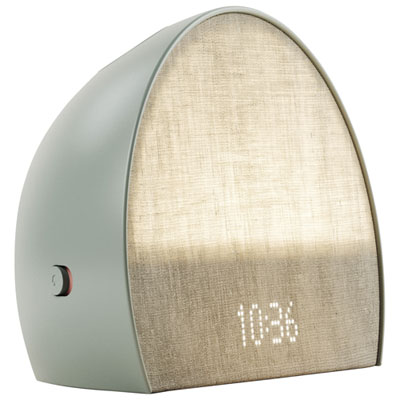 Your price for this item is $229.95
-
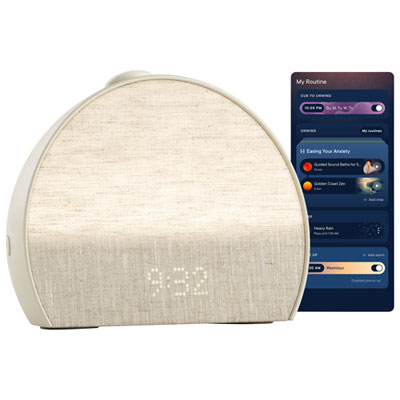 Your price for this item is $229.99
-
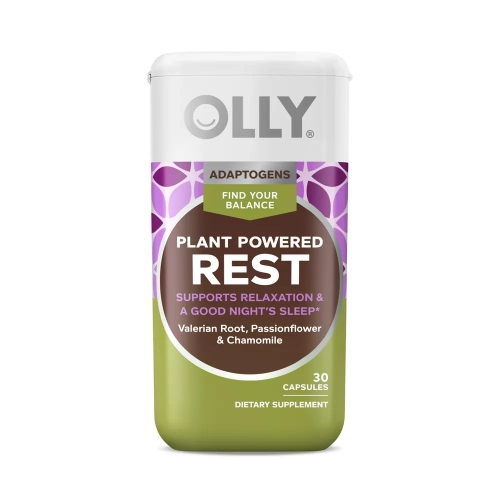 Your price for this item is $59.94
-
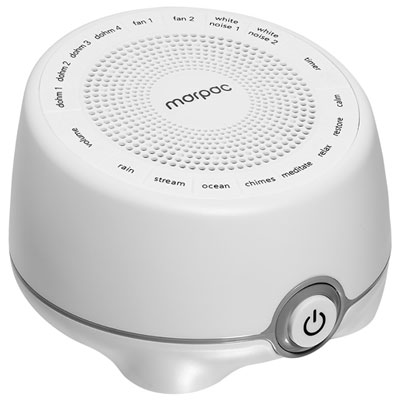 Your price for this item is $74.99
-
 Your price for this item is $32.99
-
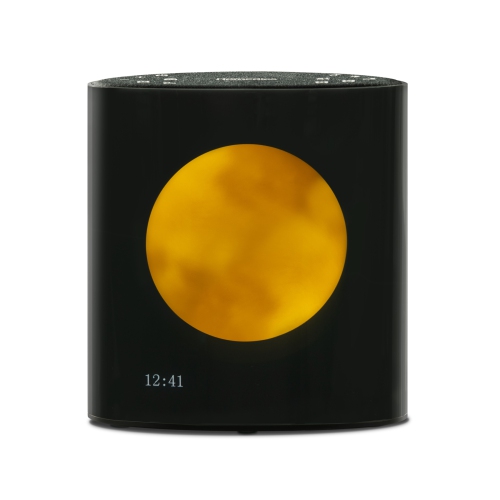 Your price for this item is $89.99
-
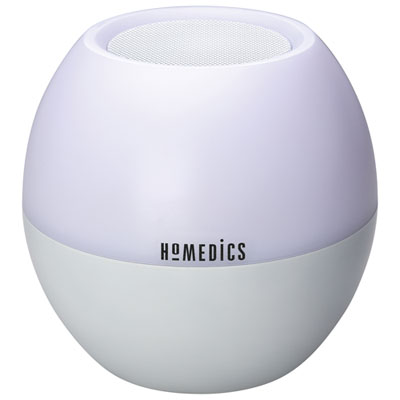 Your price for this item is $69.99
-
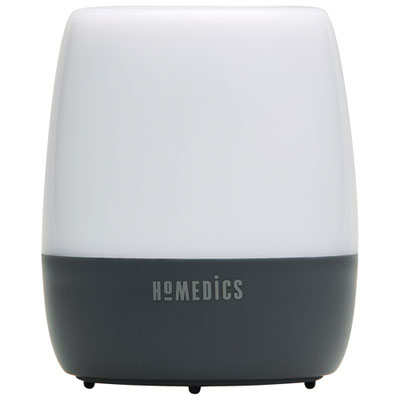 Your price for this item is $29.99
Discover more categories related to Sleep Aids for Shift Workers


Top Collections:
Pokemon Centers, Kindle Devices, Best Cameras for Sports Photography, Pokémon 30th Celebration Cards, Apple iPhones 16, Canon G7X Cameras, iPhone 15 Apple, Flip Phones, Samsung Galaxy Phones, Alarm Clock
Some products may be subject to Environmental Handling Fees
(EHF) depending on your province.
Learn more about EHFs.