Sleep Aids for Students
Sleep Aids for Students are designed to help create a restful environment and support better sleep routines during busy academic schedules. Whether managing late-night study sessions or adjusting to dorm life, students can explore a wide selection of solutions tailored to their needs. Discover options that fit any lifestyle and make it easier to unwind, recharge, and stay focused throughout the school year. Find the right sleep aids for students to promote relaxation and help achieve a more balanced routine.
Sort
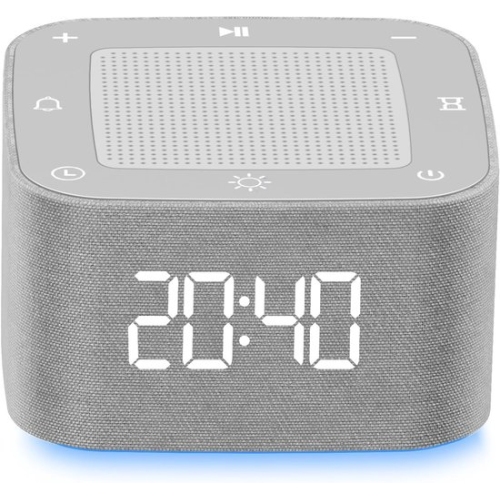
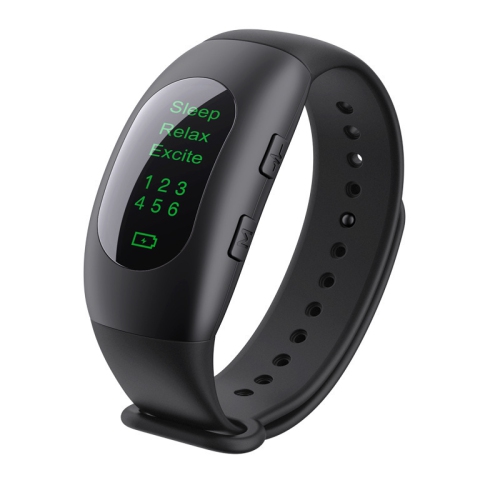


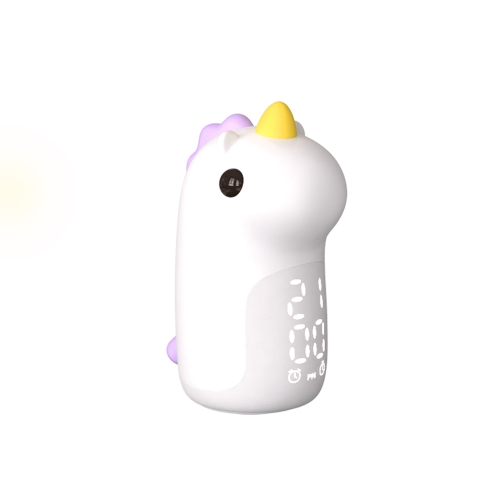
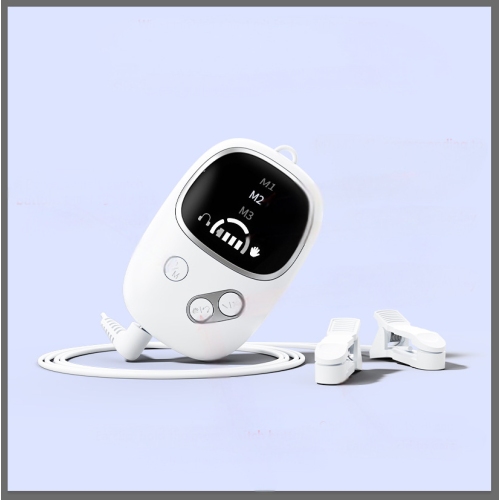
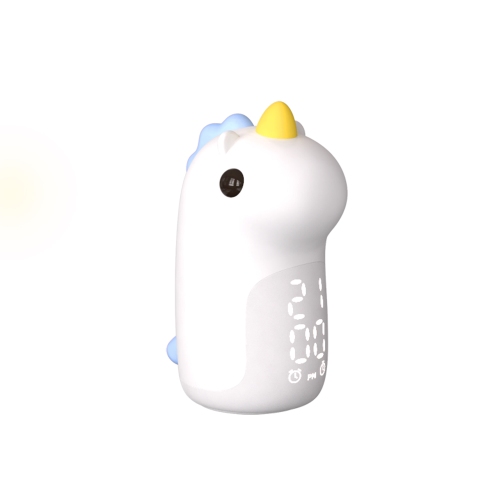
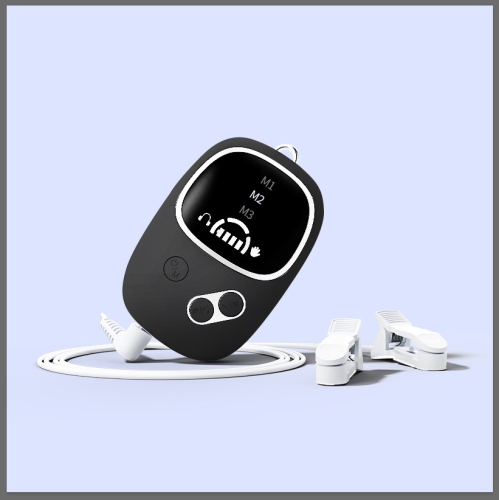
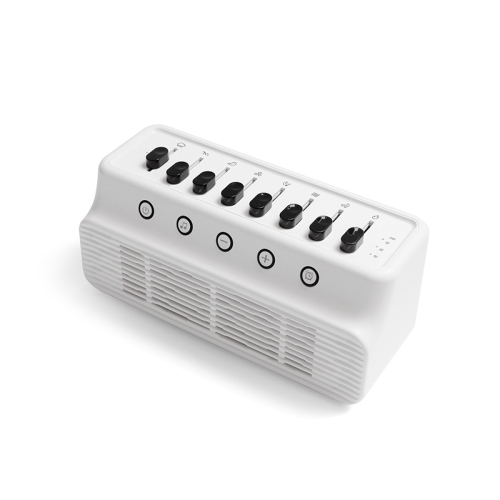


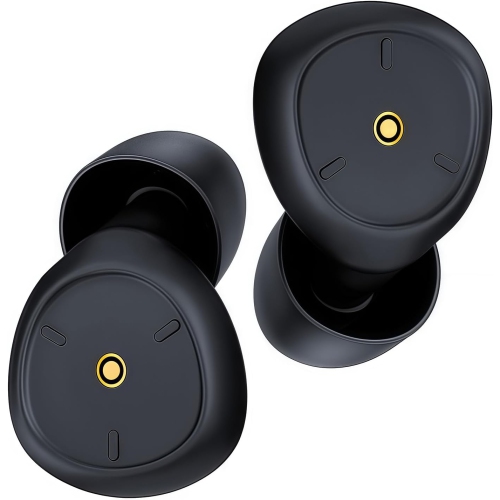


Bedtime comfort beyond a roommate’s light and noise
Sleep aids for students include products designed to reduce distracting light, soften the impact of background noise, and make bedtime feel more settled. For someone sharing a residence room, living near a busy street, or balancing coursework with a part-time job, the most useful choice often addresses a specific interruption rather than promising better sleep in every situation. A sleep mask can block the glow from a roommate’s desk lamp, while a sound machine can provide a steady backdrop when hallway conversations or household activity are hard to ignore. Earplugs offer another approach to noise, and comfortable bedding can make an unfamiliar bed feel more inviting. These non-medicinal sleep accessories support comfort and a regular bedtime routine; they do not treat insomnia or replace enough time set aside for sleep. The term sleep aid also covers supplements and medicines, which work differently from accessories. Melatonin is a hormone involved in sleep timing, not a general solution for every restless night. Whether it is appropriate depends on factors such as age, other medicines, health conditions, and the nature of the sleep difficulty. Herbal ingredients and “natural” labels do not automatically mean a product is safe or effective. A pharmacist or healthcare professional can help assess medicinal sleep aids, particularly for students under 18 or anyone taking other medication. Ongoing difficulty falling asleep, repeated waking, or daytime sleepiness that interferes with classes deserves medical attention rather than repeated trial and error with sleep products. For everyday accessories, the practical starting point is the sleeping space itself: light coming through a doorway calls for a different solution from an uncomfortable pillow or unpredictable noise. Products that match those details are more likely to become useful parts of student life than accessories chosen solely for a long feature list. Simple controls, a comfortable feel, and easy care matter when the same product needs to work after a late lab, an evening shift, or a full day of lectures.
Materials and fit shape how comfortable sleep accessories remain through regular use. Sleep masks vary in fabric, padding, strap construction, and coverage, with each detail affecting how they sit against the face. Smooth fabrics can feel gentle against the skin, while contoured designs leave space around the eyelids for students who dislike direct pressure. An adjustable strap should hold the mask securely without pulling hair or pressing tightly behind the ears. Side sleepers may notice bulky fasteners or thick edges more than back sleepers, especially where the mask meets the pillow. Washable construction is useful for something worn against the face night after night, although care requirements differ between fabrics and padded designs. Earplug comfort is similarly personal: shape, size, material, and correct insertion all influence the fit and the amount of sound reduction. Foam and reusable designs have different replacement and cleaning needs, and neither should be assumed to block every sound. Students still need to hear important alerts, so noise reduction should be considered alongside smoke alarms, residence notifications, and morning wake-up arrangements. Pillows and bedding bring another set of considerations, including sleep position, preferred firmness, dimensions, and the way a filling holds its shape. A pillow that feels supportive while sitting upright may feel quite different after several hours lying on one side. Removable covers and clear laundering instructions can make upkeep easier where laundry facilities are shared and storage space is limited. Weighted blankets require particular care in selection: they are not suitable for everyone, and the user must be able to remove the blanket independently. Suitability should follow the manufacturer’s directions and, where health or mobility concerns apply, professional advice. Across fabric accessories, durable seams, secure stitching, and adjustment parts that stand up to repeated handling are worth attention. Proper care also means allowing washed pieces to dry fully and replacing worn components when they no longer fit or function as intended. A compact design is helpful, but not at the expense of comfort or safe use.
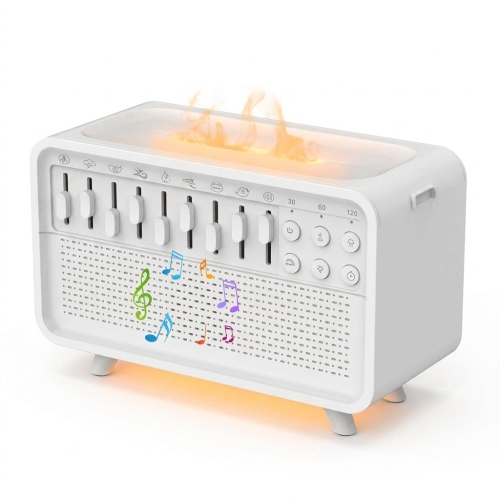
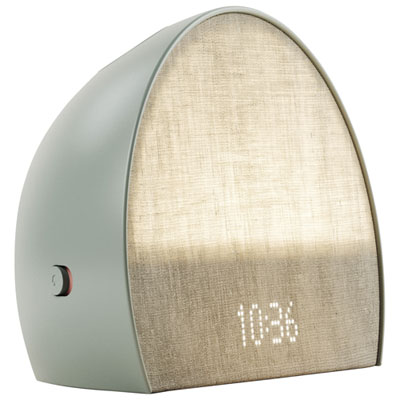
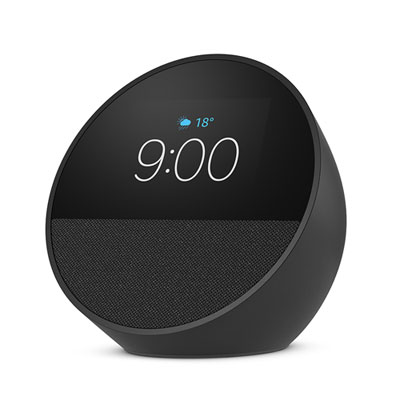
Electronic sleep aids bring their own practical details to a student bedroom. Sound machines may offer steady noise, nature sounds, or other audio, but the listening experience matters more than the number of selections. A noticeable loop or sudden change in volume can become a distraction of its own. Adjustable volume, an optional shut-off timer, and controls that are easy to find without turning on a bright light can make everyday use simpler. Sound should stay at a comfortable level rather than being turned up to overpower every nearby noise. In a shared room, a roommate’s preferences matter too; a sound that one person finds soothing may keep someone else awake. Display brightness and indicator lights deserve attention, particularly when the aim is to reduce light around the bed. Power requirements also affect placement. A cord needs to reach an appropriate outlet without crossing a walkway, while rechargeable accessories need a charging routine that fits daily use. Products that operate without a phone can help keep messages, social feeds, and coursework away from the pillow. For students who prefer a separate morning wake-up device, Alarm Clocks for Students can complement a bedside setup without making a smartphone the centre of the routine. Portable accessories may also suit students moving between campus housing and home, provided they pack easily and remain straightforward to clean. As gifts, non-medicinal sleep accessories can be thoughtful for someone starting college or university, moving into a shared apartment, or settling into a different study schedule. Personal preferences still matter: fabric feel, sound sensitivity, fit, and bedroom layout are difficult to judge for someone else. Easy-to-adjust designs and uncomplicated maintenance often have more lasting value than elaborate settings. Whether chosen for a residence room or a bedroom at home, student sleep aids are best understood as practical supports for rest, with their usefulness grounded in comfort, suitability, and the details of daily life.
Top selling and popular products
-
 Your price for this item is $229.95
-
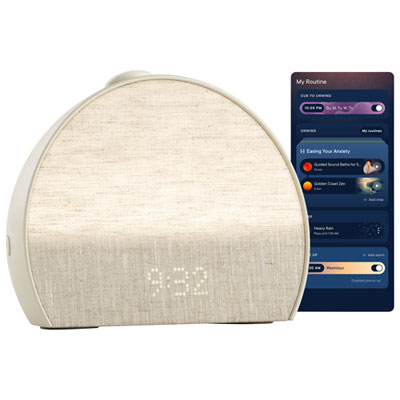 Your price for this item is $229.99
-
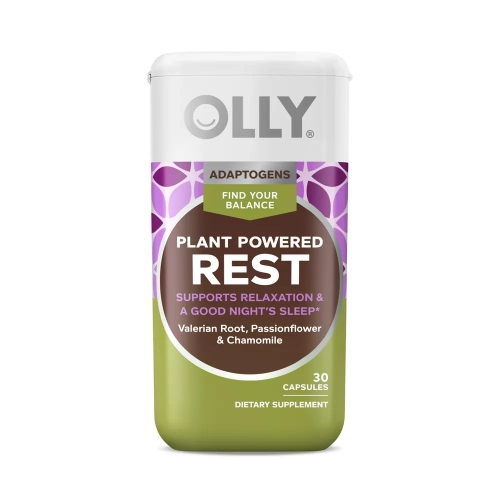 Your price for this item is $59.94
-
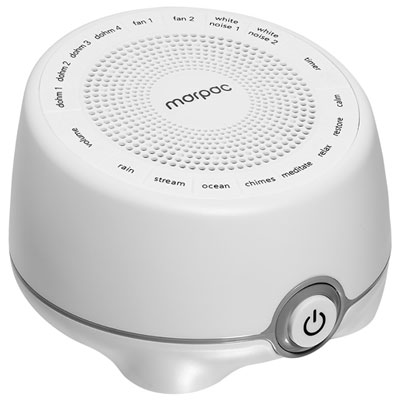 Your price for this item is $74.99
-
 Your price for this item is $32.99
-
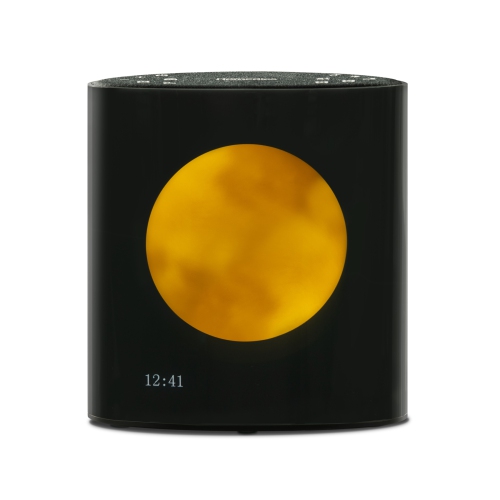 Your price for this item is $89.99
-
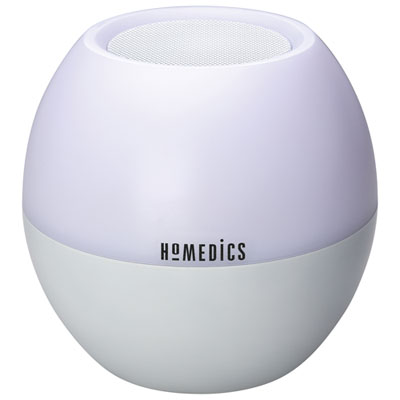 Your price for this item is $69.99
-
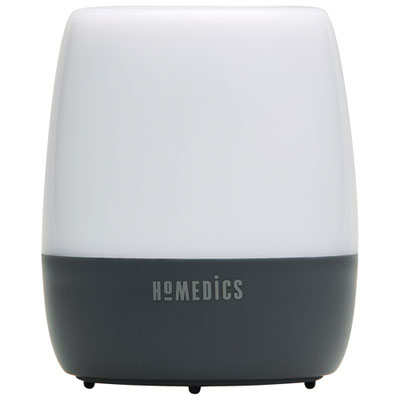 Your price for this item is $29.99
Discover more categories related to Sleep Aids for Students
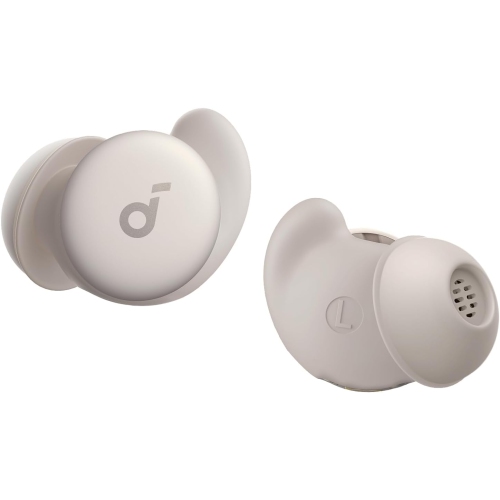
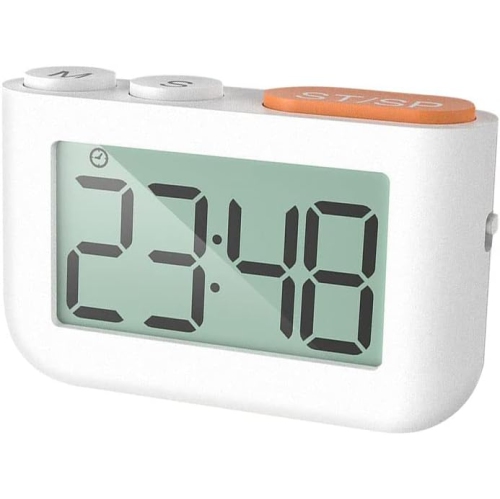

Top Collections:
Pokemon Centers, Kindle Devices, Best Cameras for Sports Photography, Pokémon 30th Celebration Cards, Apple iPhones 16, Canon G7X Cameras, iPhone 15 Apple, Flip Phones, Samsung Galaxy Phones, Alarm Clock
Some products may be subject to Environmental Handling Fees
(EHF) depending on your province.
Learn more about EHFs.