Sleep Technology
Upgrade your sleep experience with the latest advancements in sleep technology. From smart mattresses to sleep trackers and noise-canceling devices, we have everything you need to transform your bedroom into a sanctuary of relaxation and rejuvenation. Discover innovative solutions designed to improve your sleep quality, enhance comfort, and promote overall well-being. Explore our wide selection of cutting-edge sleep technology that will help you achieve a restful night's sleep like never before.
Sort

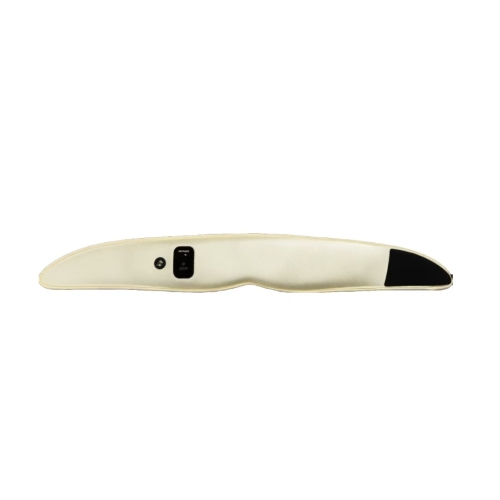
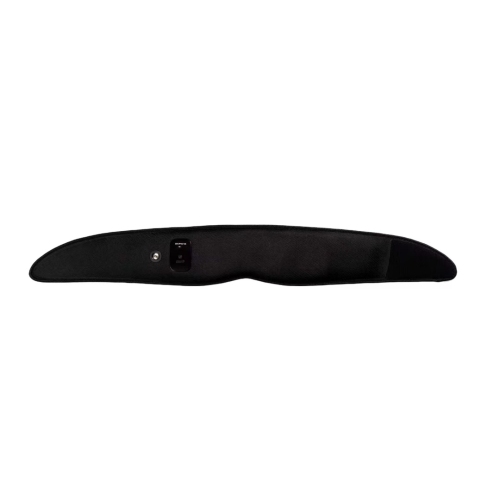

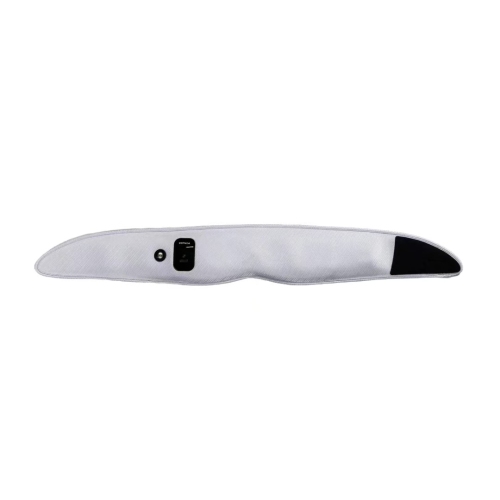

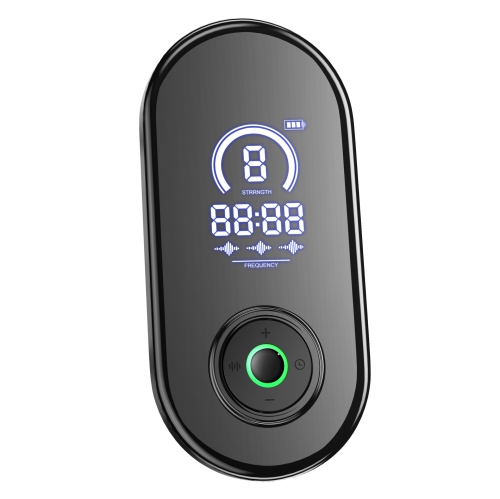

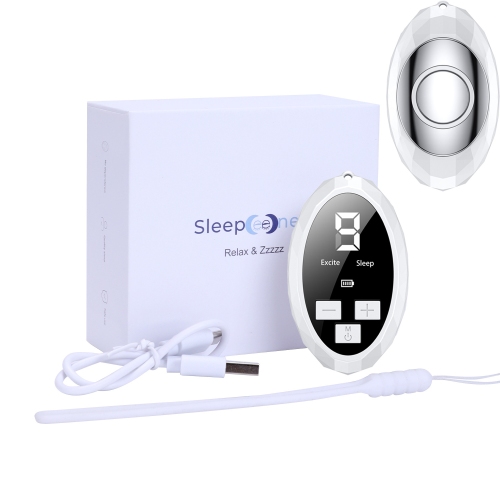

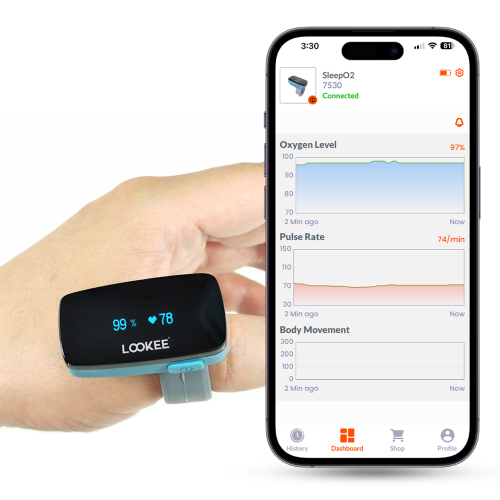
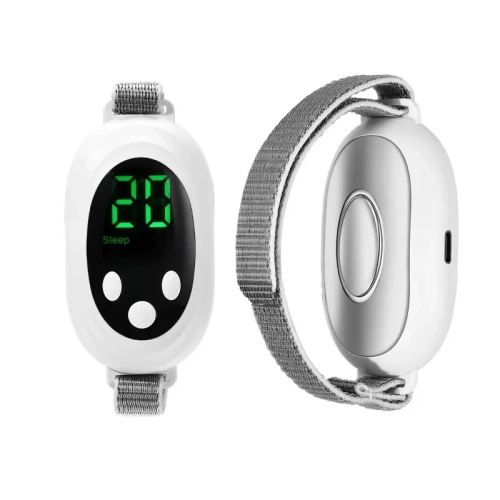
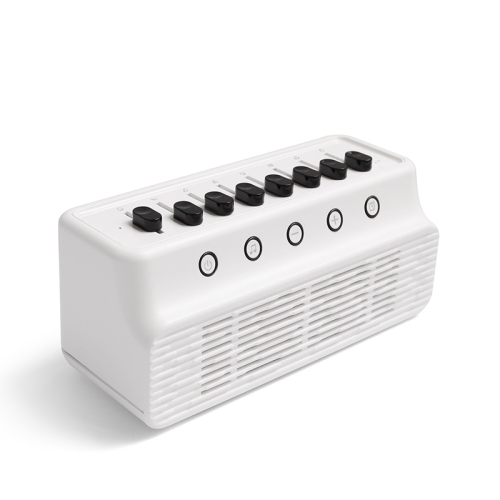
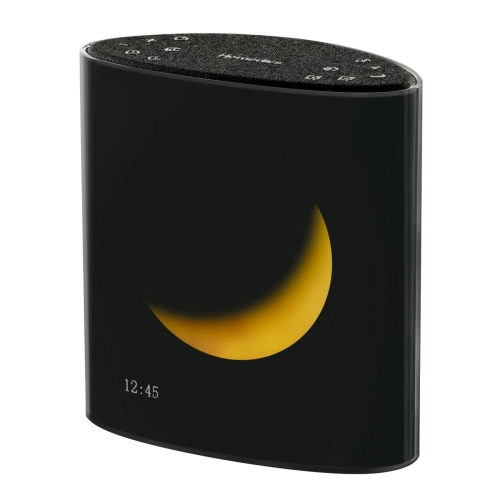
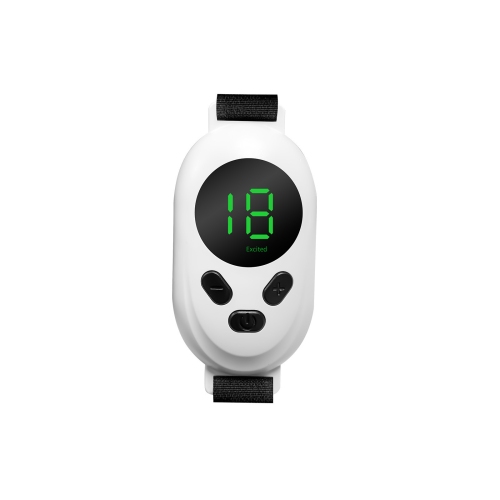
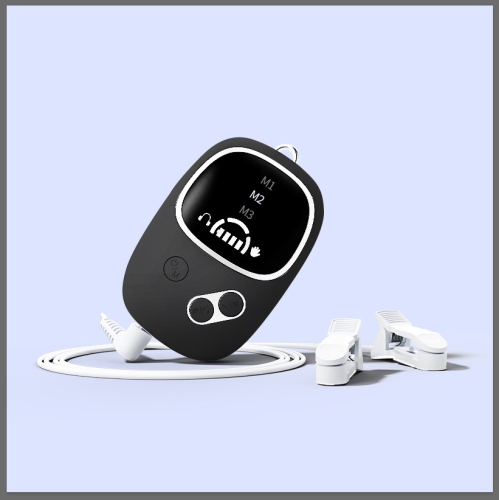
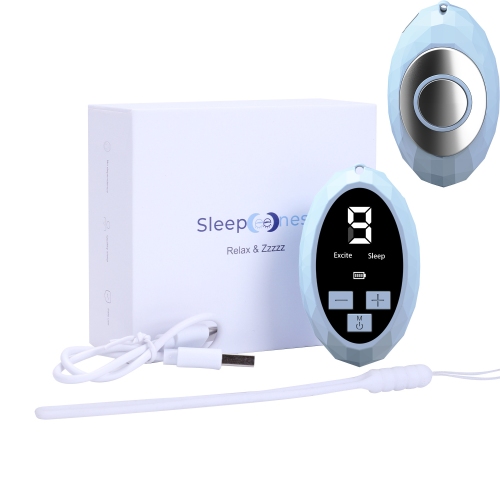
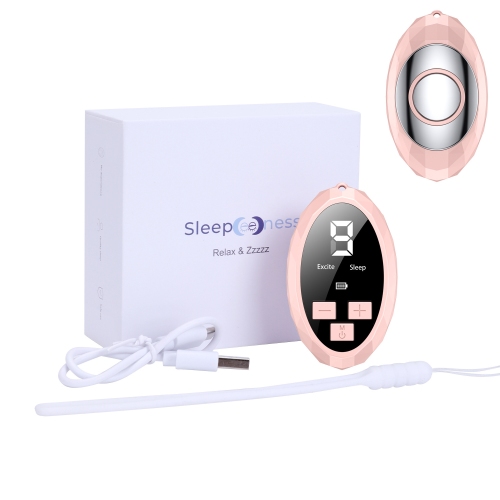

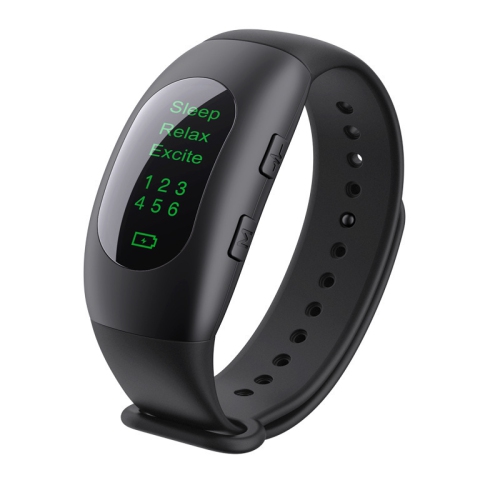
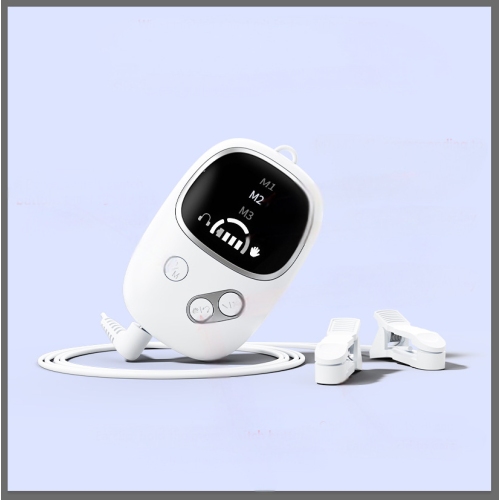


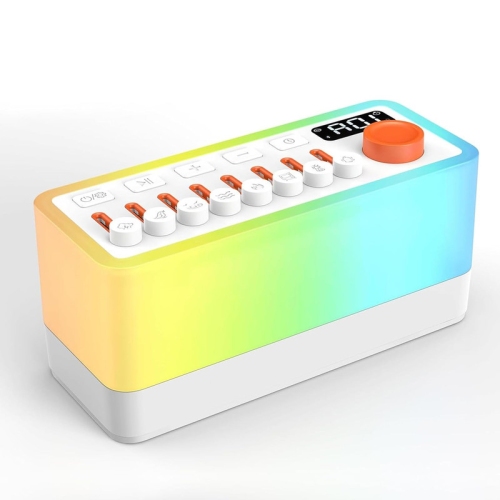


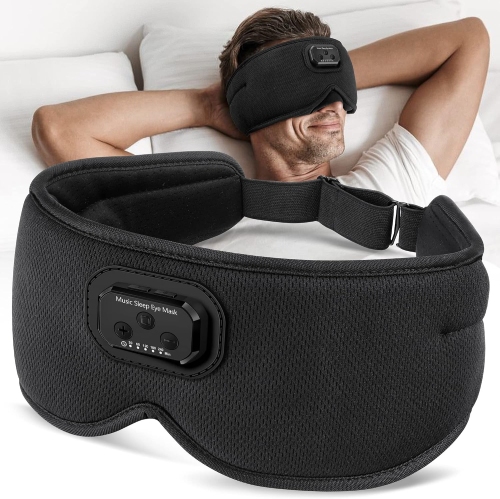
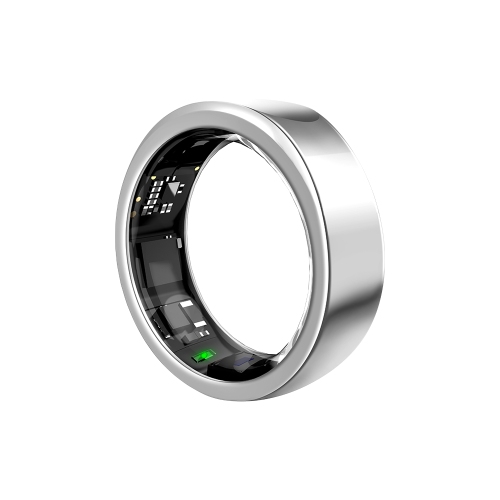
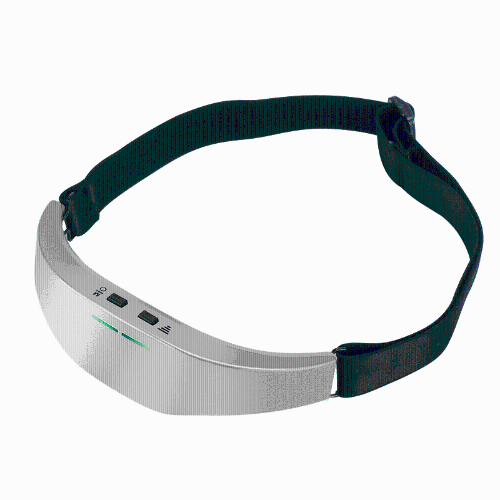


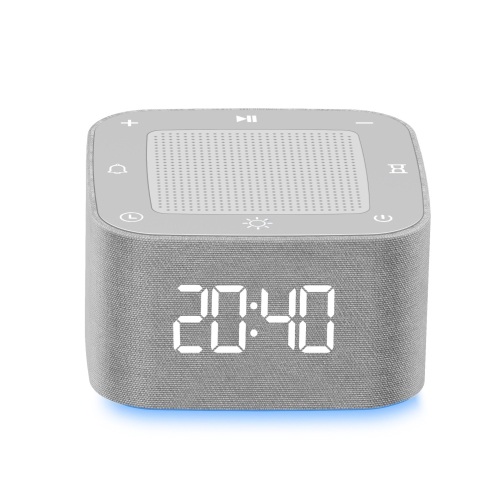







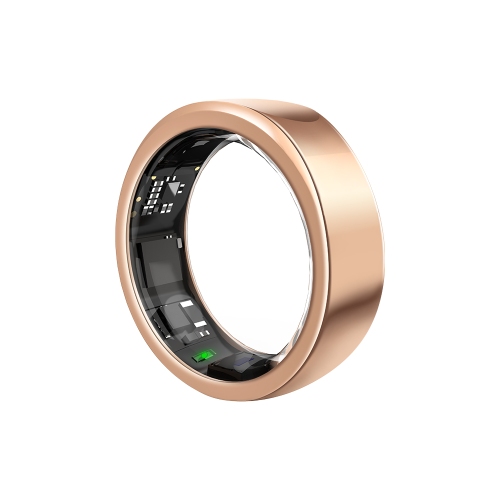

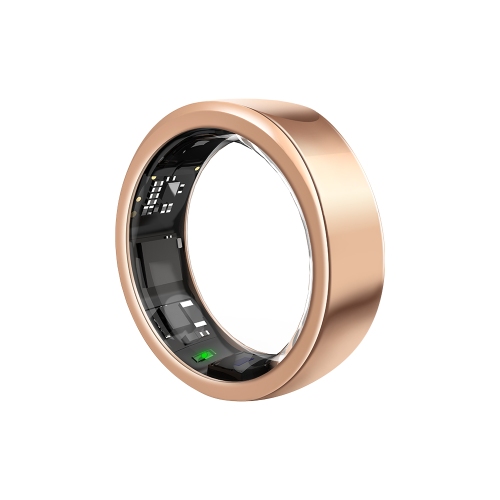


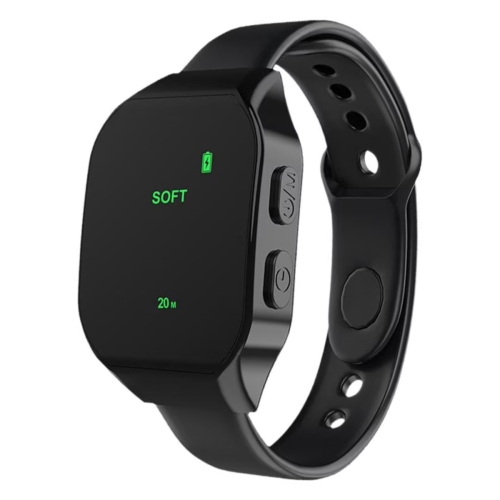
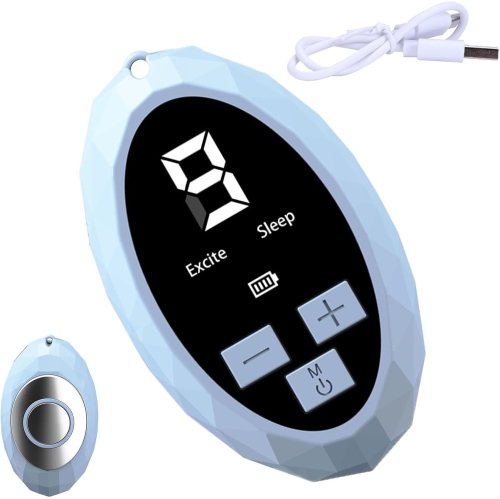
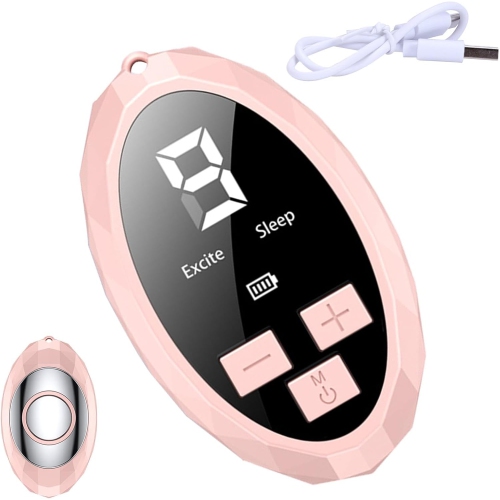

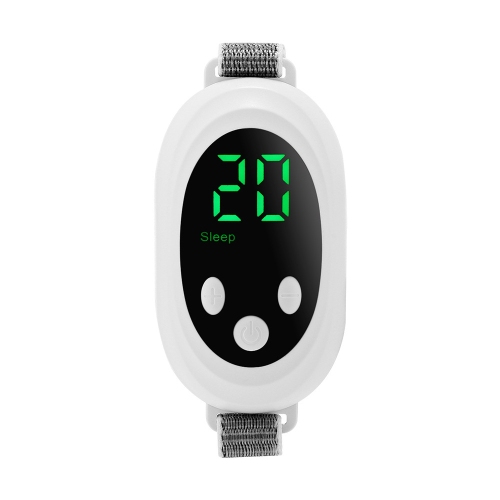


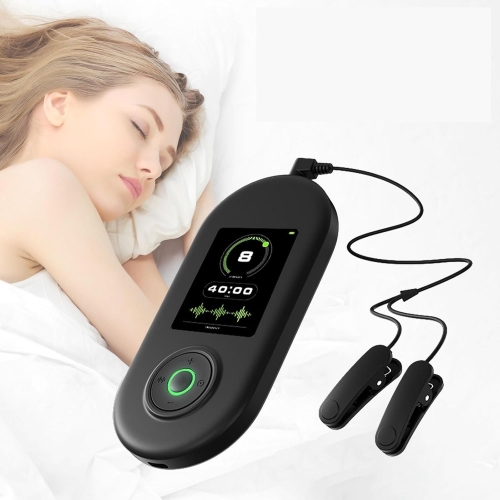
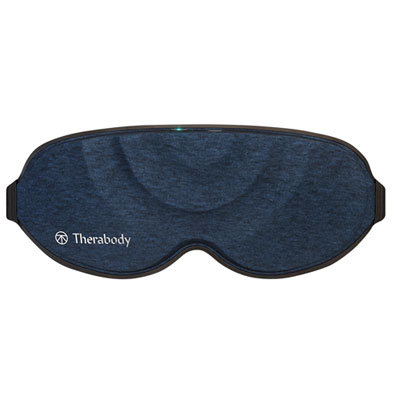
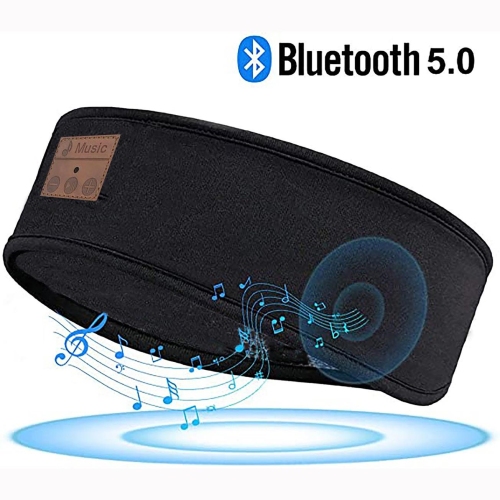
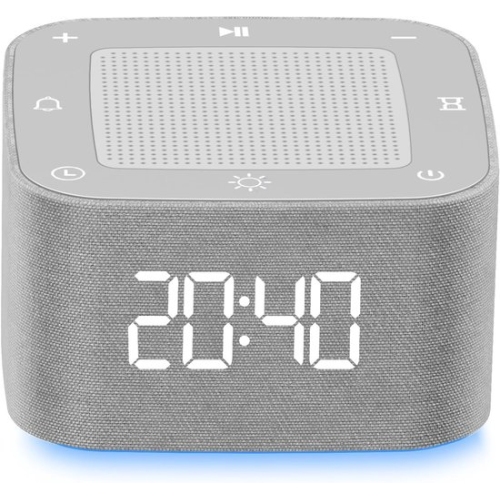
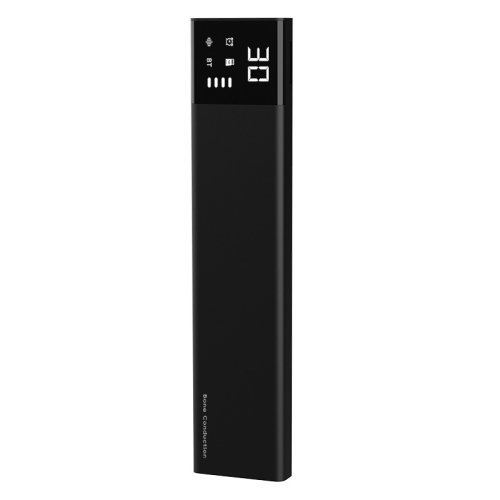
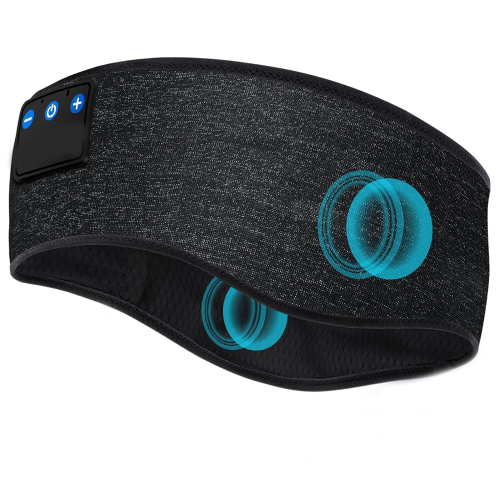
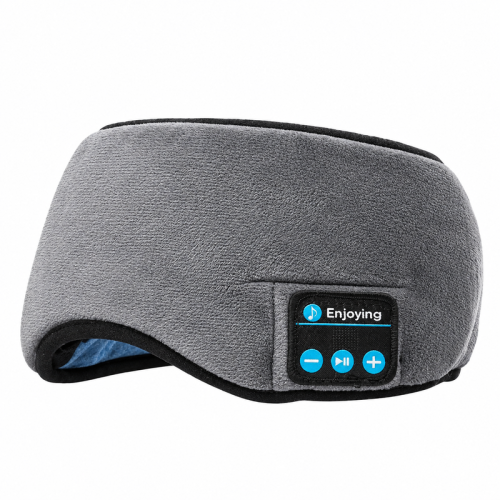

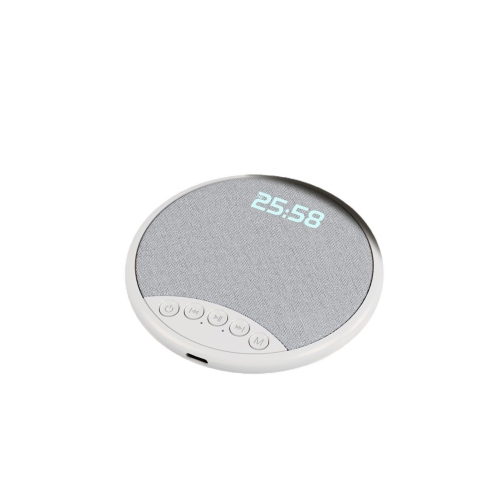

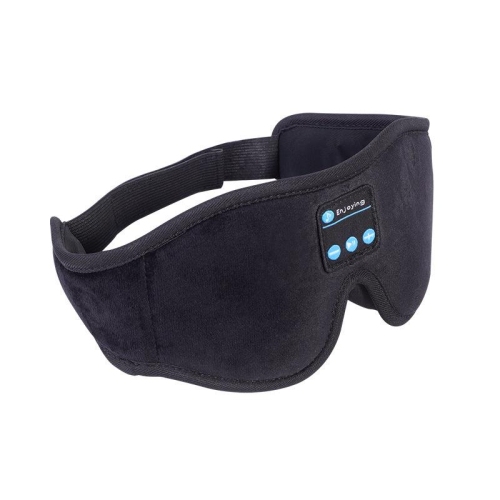

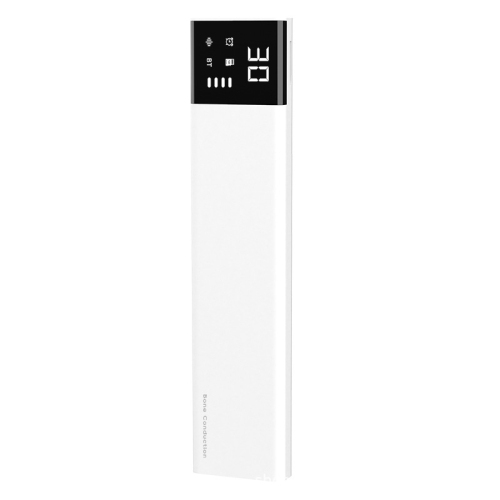
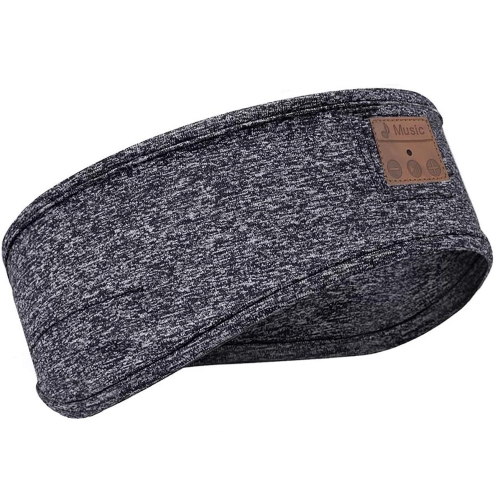
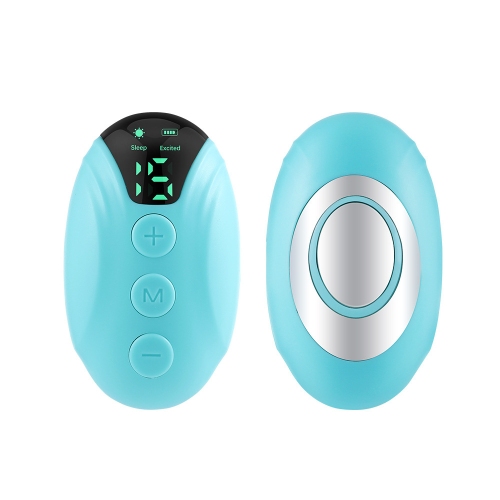

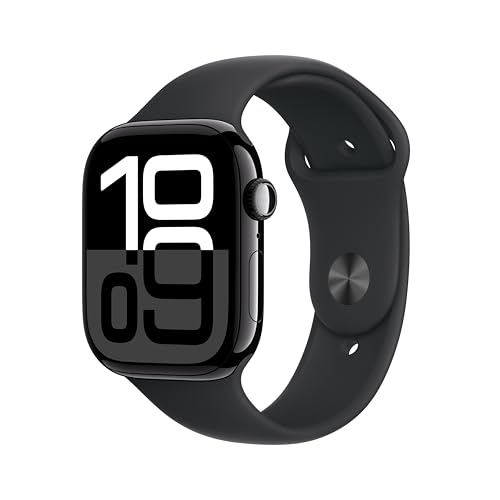

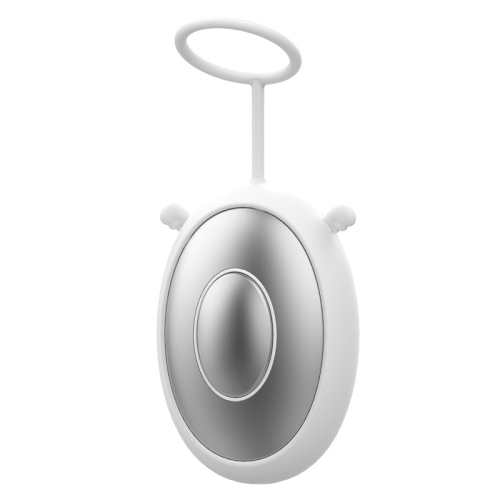
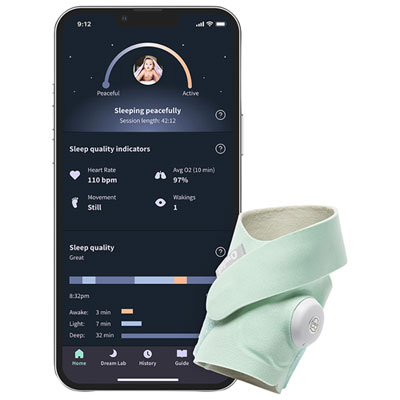
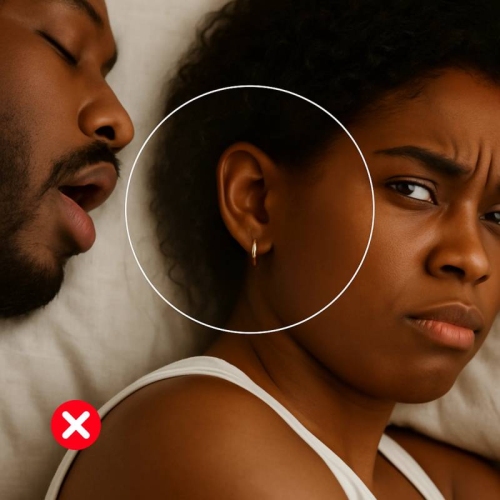
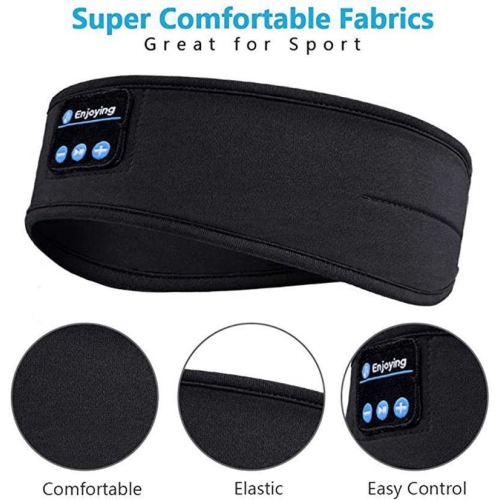



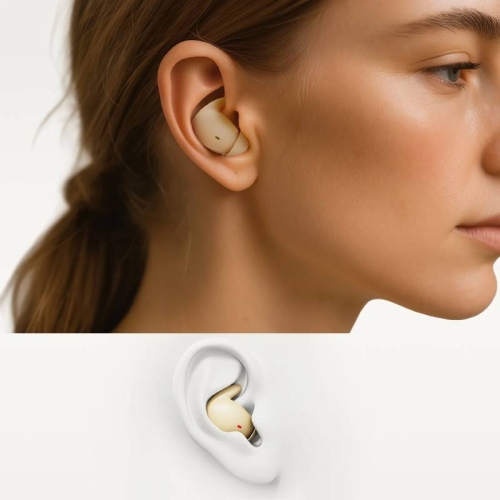
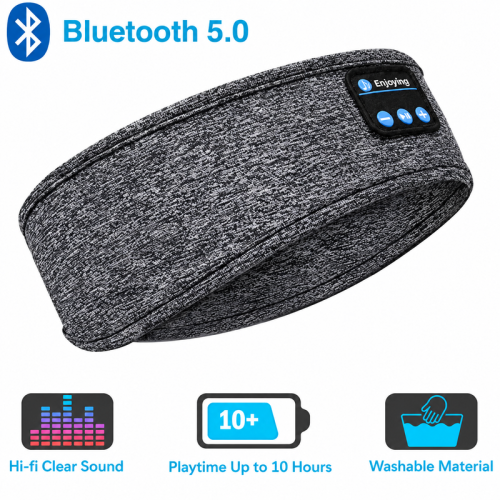
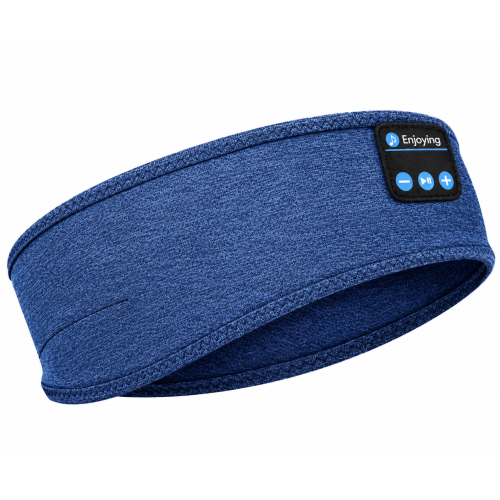

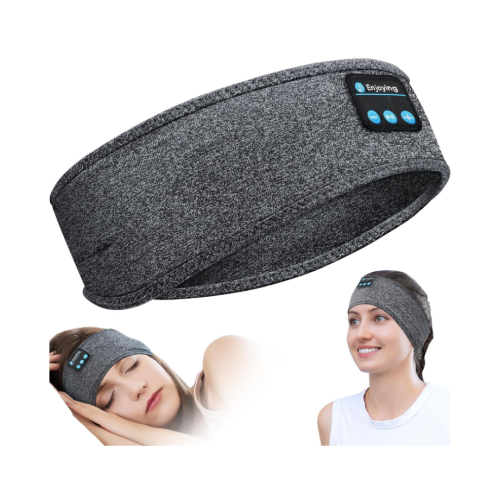
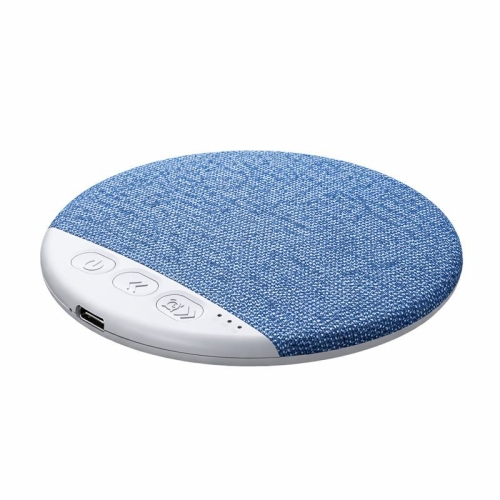

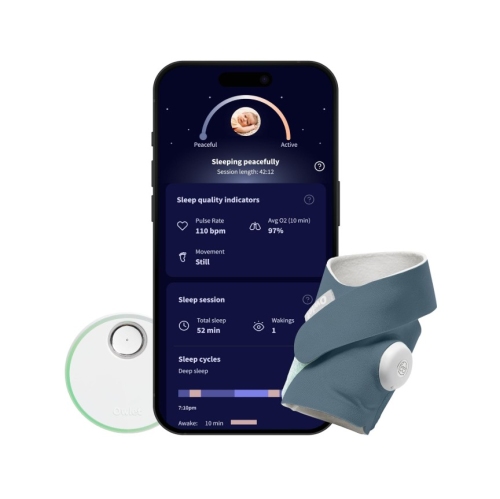
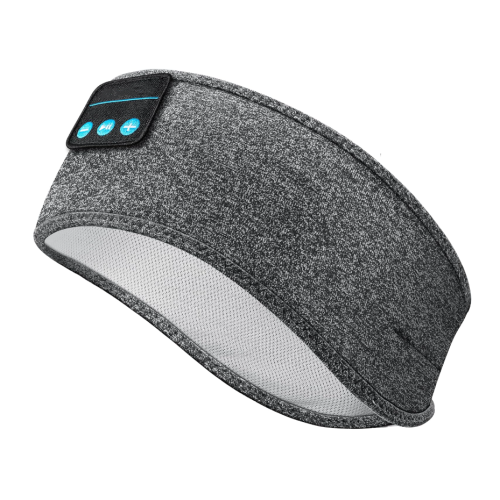
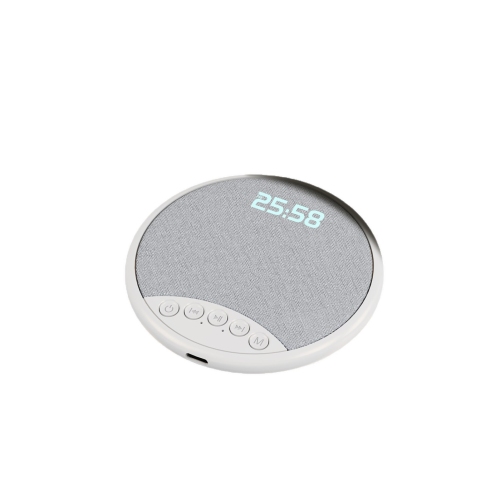
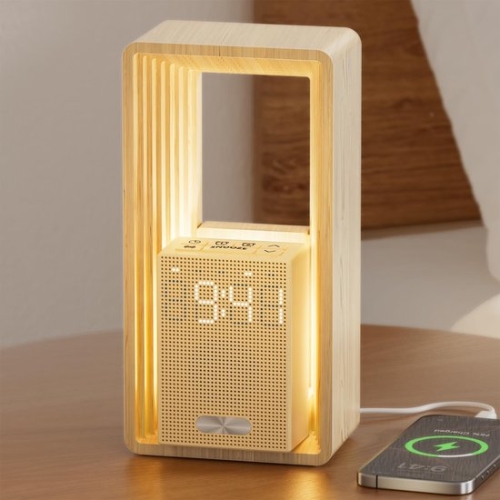
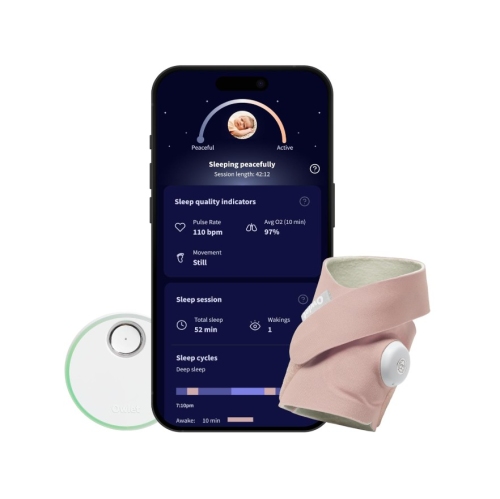
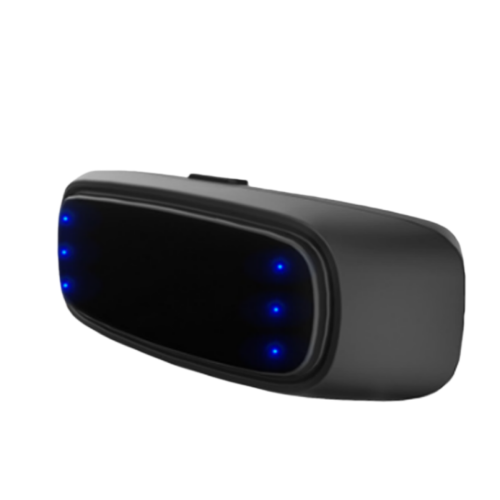


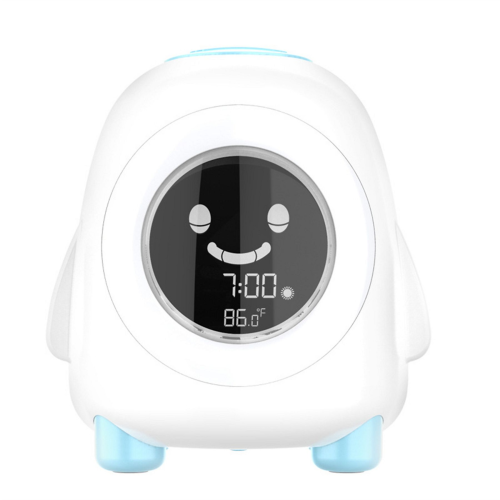






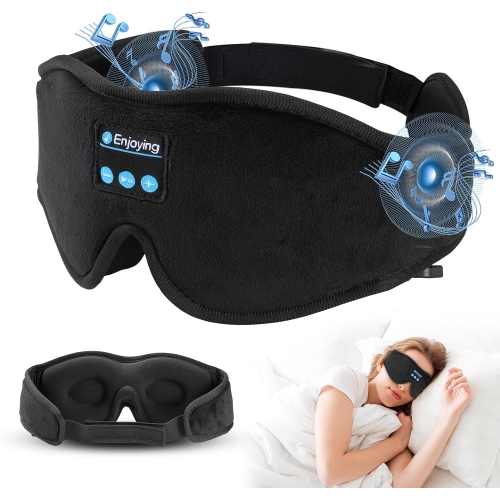
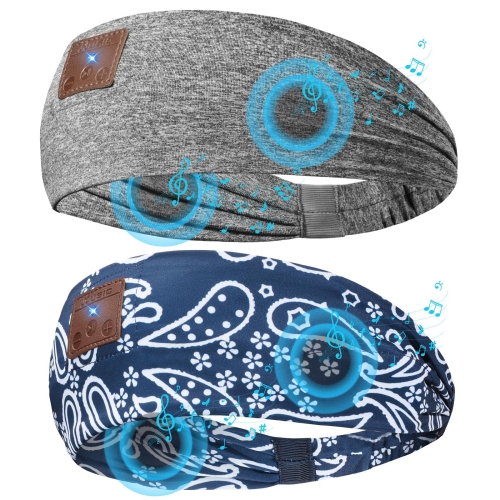
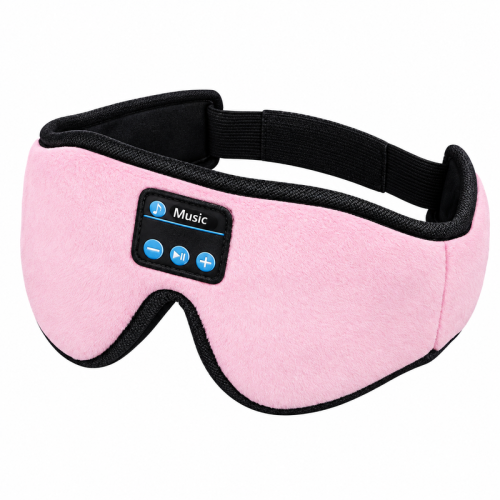
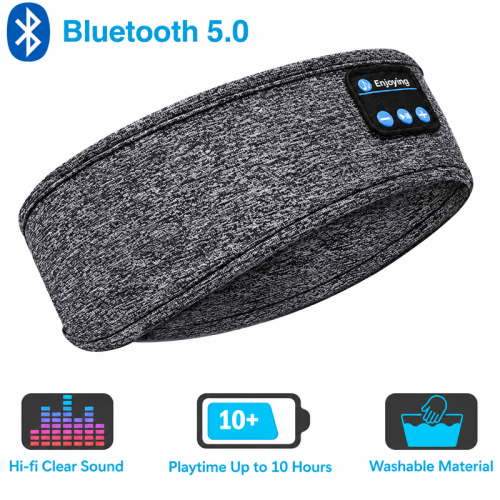
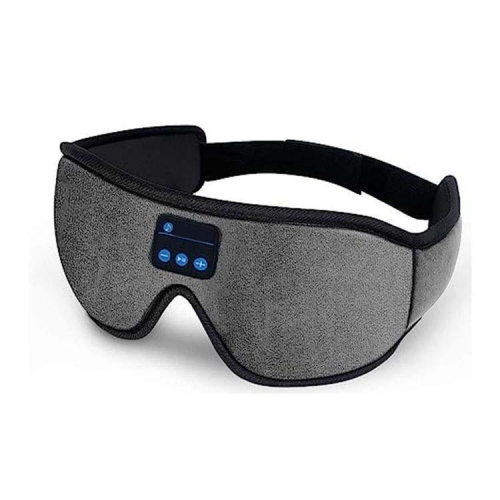
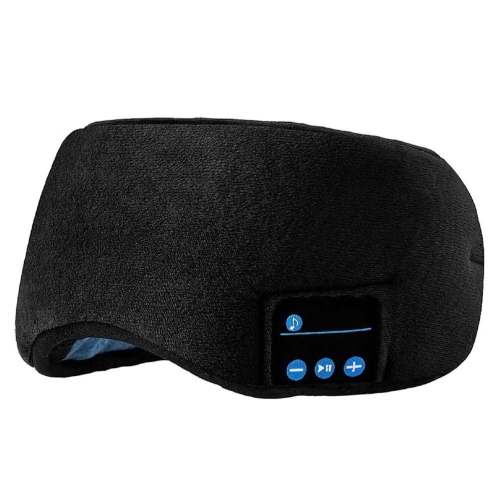

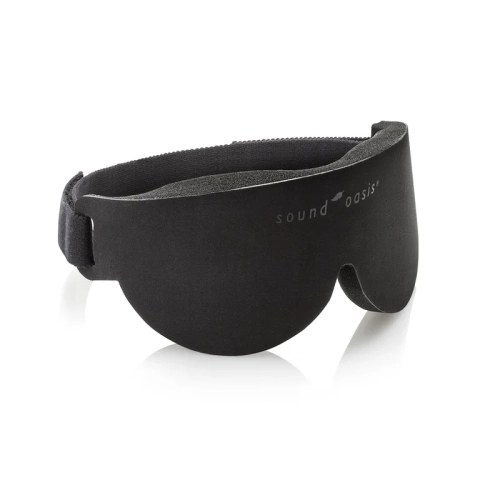
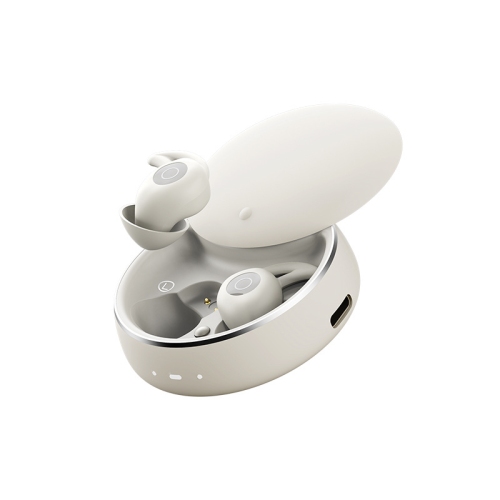


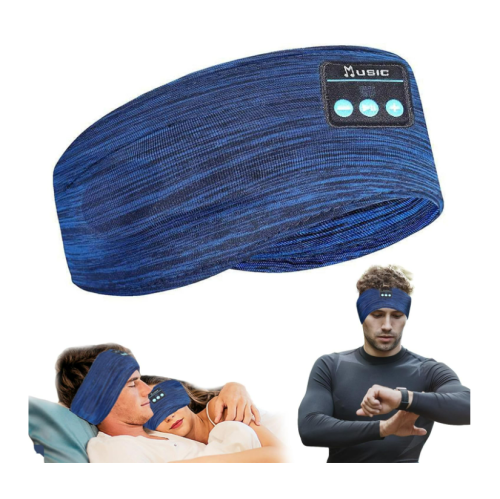

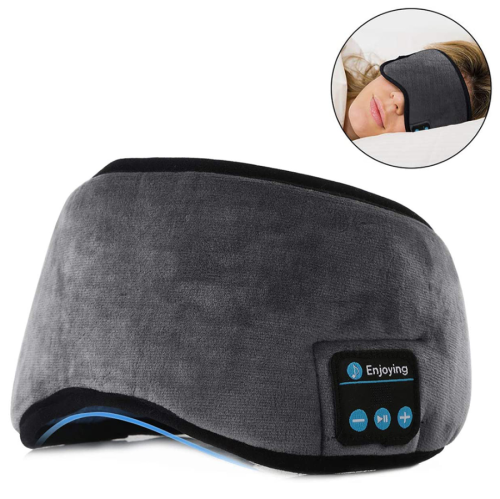
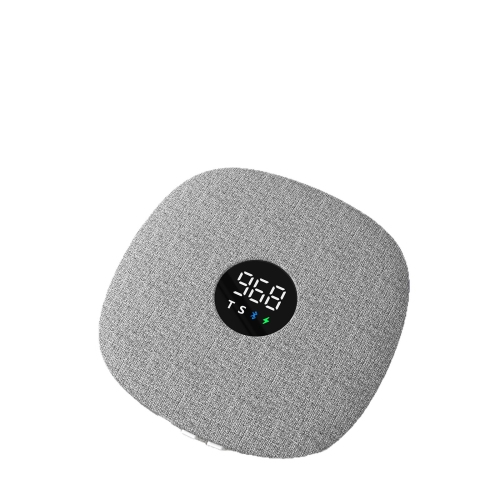
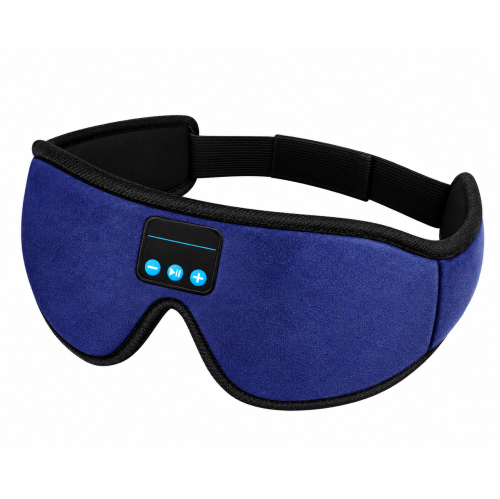


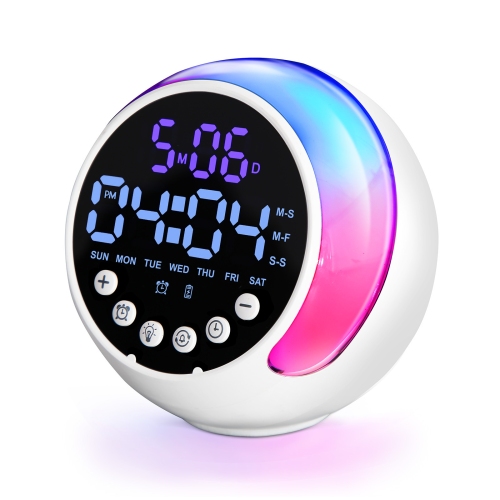
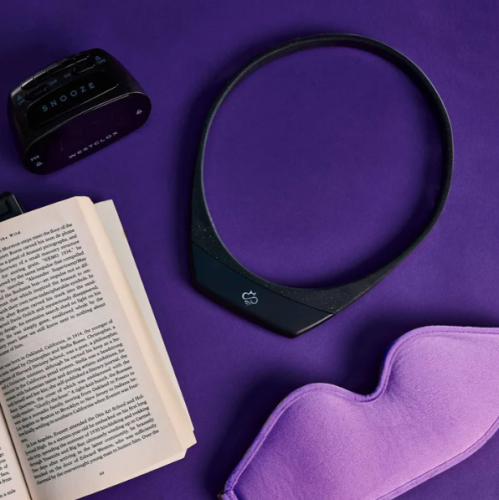

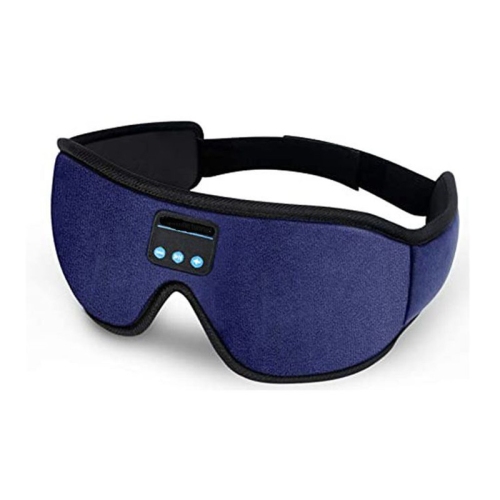


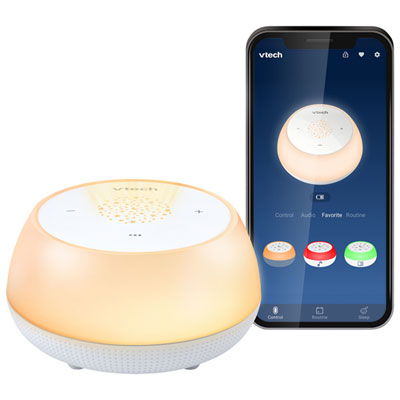












How sleep devices track rest and support comfort
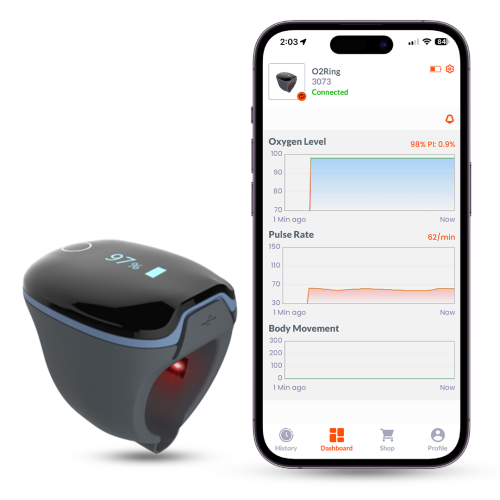
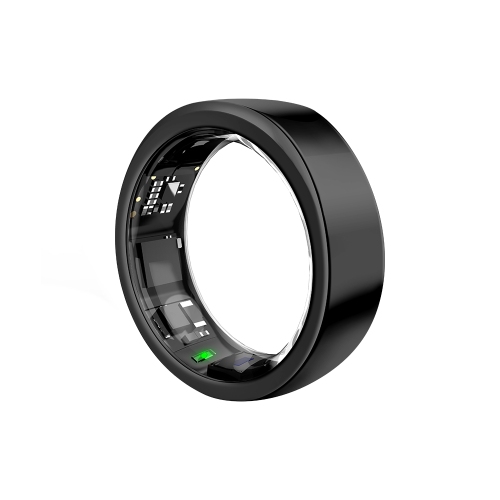
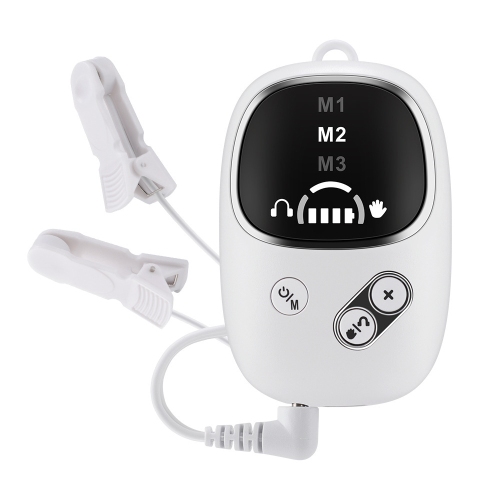
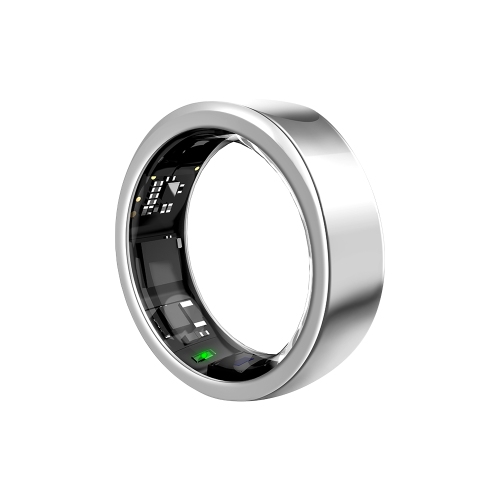
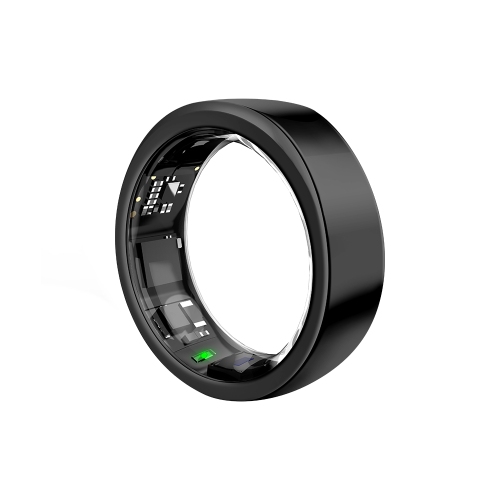
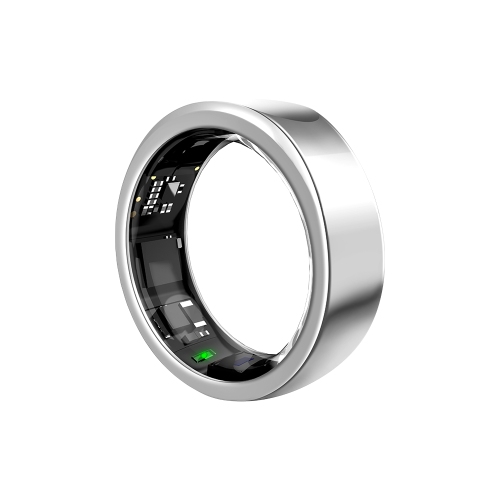
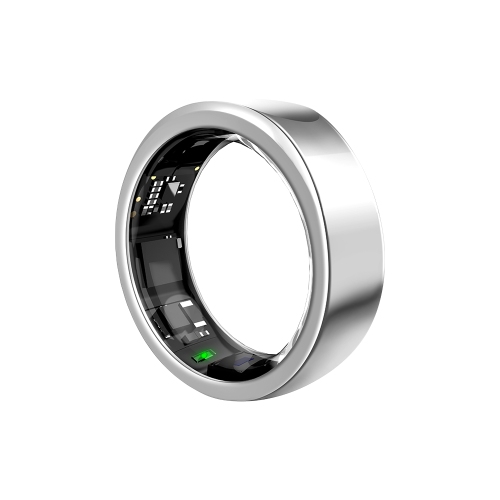
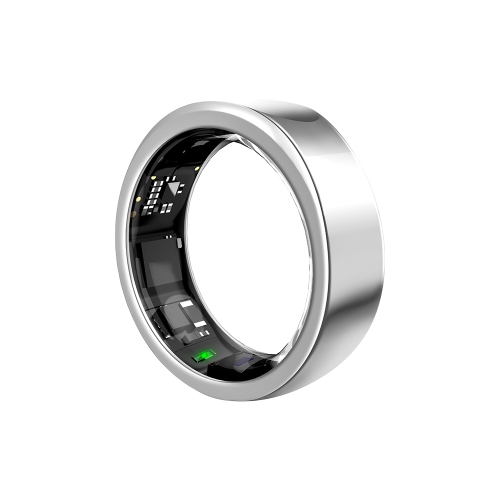
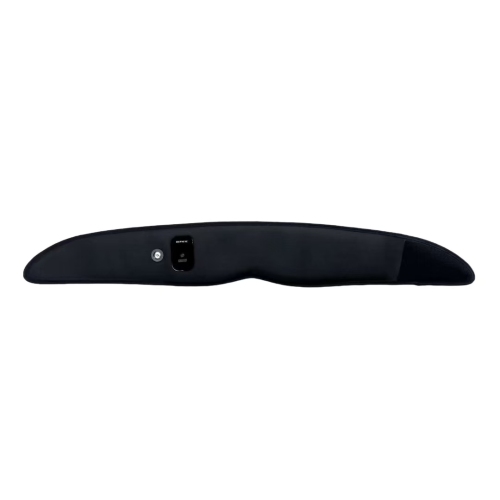
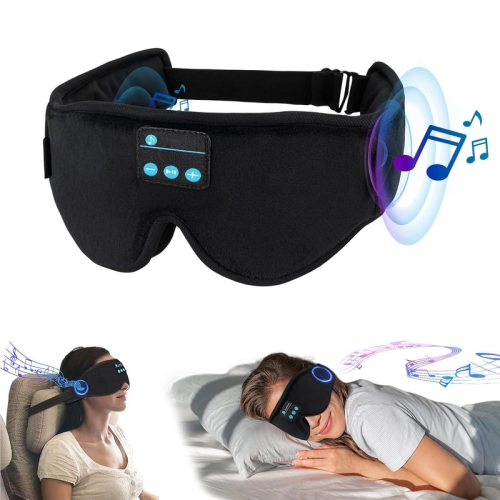
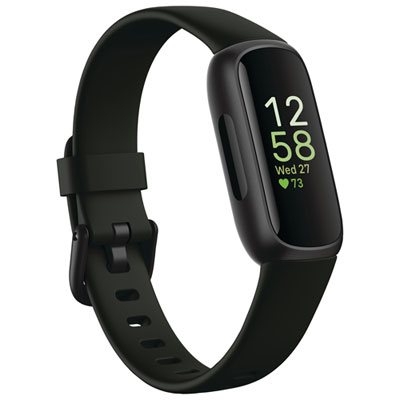
Sleep technology includes devices and connected accessories designed to monitor sleep patterns, support bedtime routines, and adjust the light, sound, or sleeping surface around you. The category spans wearable sleep trackers, bedside sound machines, light-based alarm clocks, and sensors placed on or beneath a mattress. Each serves a different purpose: a tracker provides information about rest, while a sound machine or dimmable light helps shape the setting in which it happens. Wearable devices typically use movement sensors and optical heart rate sensors to estimate sleep duration, interruptions, and time spent in different sleep stages. Some also track breathing rate or heart rate variability, the variation in time between heartbeats. These measurements can reveal patterns across several nights, but they are estimates rather than direct measurements of brain activity. Consumer sleep trackers cannot diagnose sleep disorders or replace a clinical assessment. A late bedtime, a restless stretch, or an unusually low sleep score is best understood alongside how rested someone feels during the day. Comfort also matters when a device stays on until morning. A smooth, correctly fitted band or ring should remain secure without feeling tight, and its materials should suit the wearer’s skin sensitivities. Adjustable straps and a low-profile shape can make overnight wear less noticeable, particularly for someone who tucks a hand beneath a pillow. Contact-free mattress sensors offer another approach for people who prefer not to wear anything to bed, although placement, mattress construction, and movement from a partner or pet may affect readings. Battery life and charging habits influence how consistently a tracker can collect information; charging during a shower or another regular daytime break may be more practical than leaving it plugged in overnight. Sleep data is most useful as a view of longer-term habits, not a nightly target that has to be perfected.
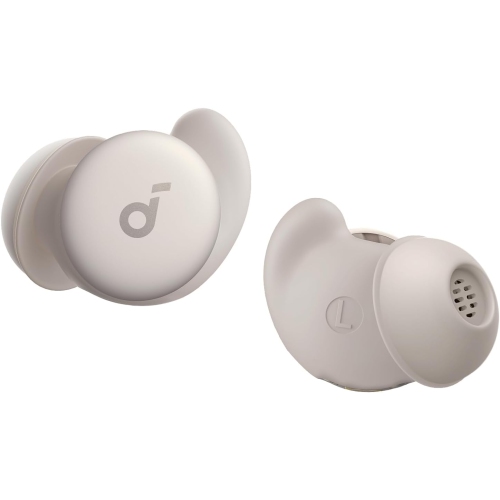
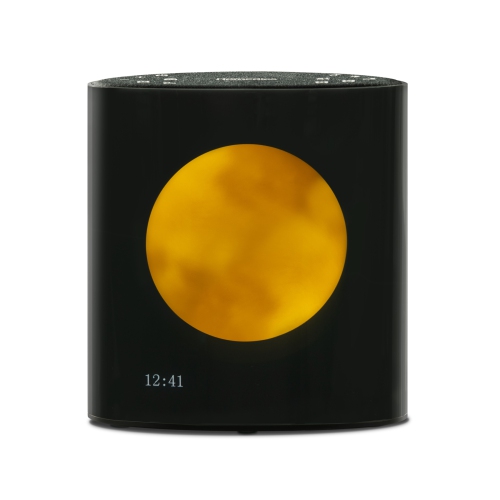
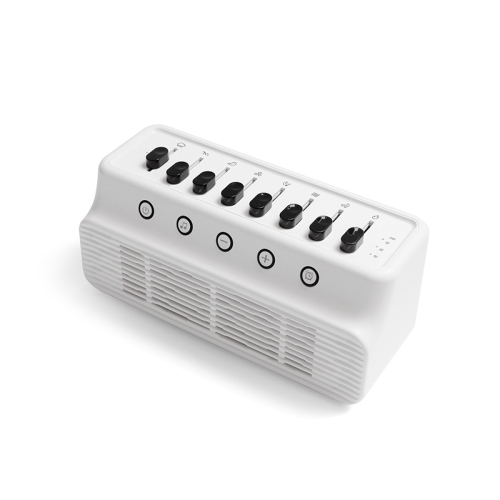
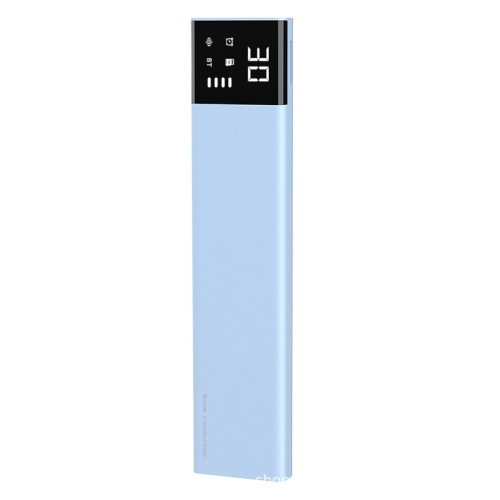
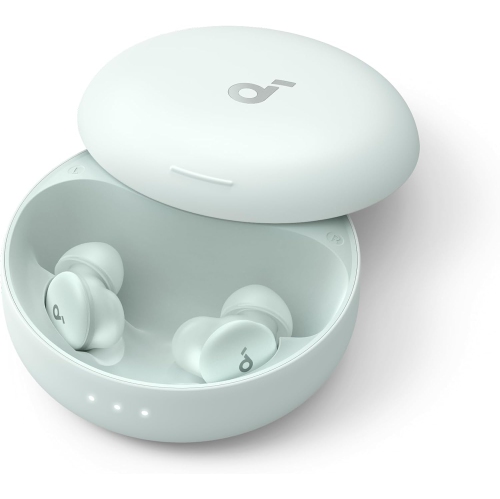
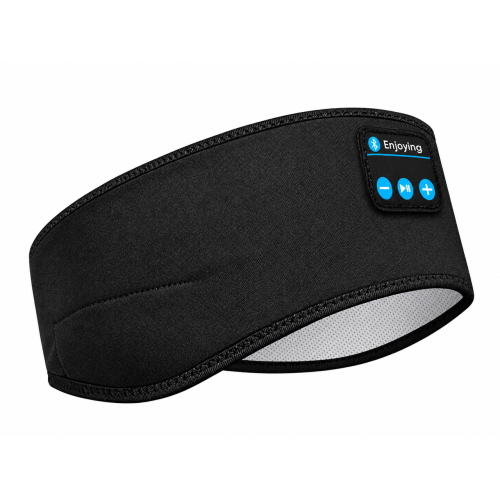
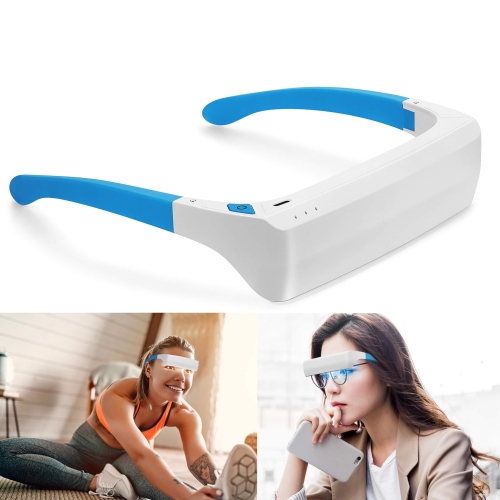
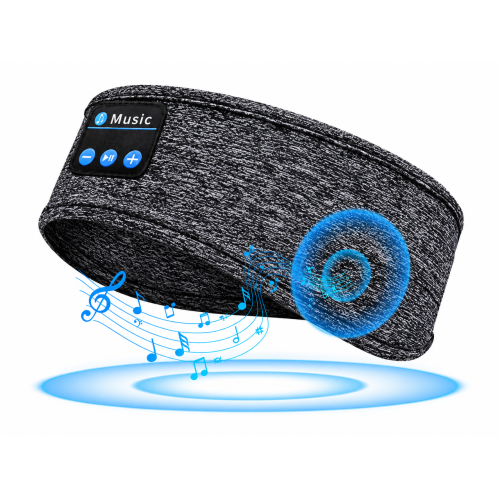
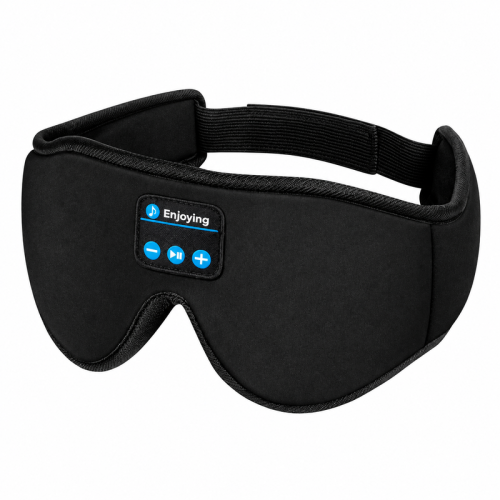
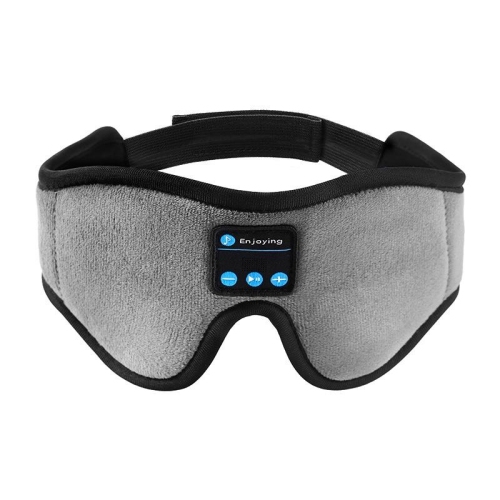
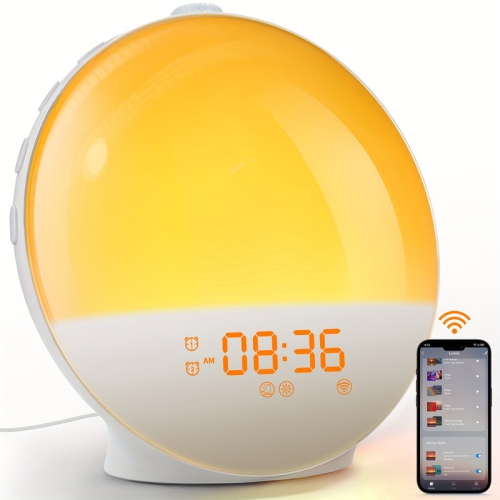
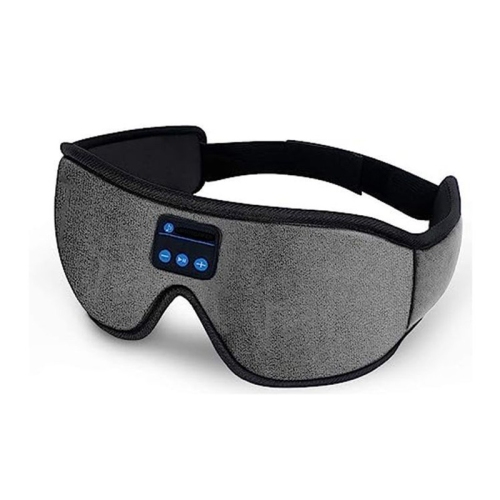
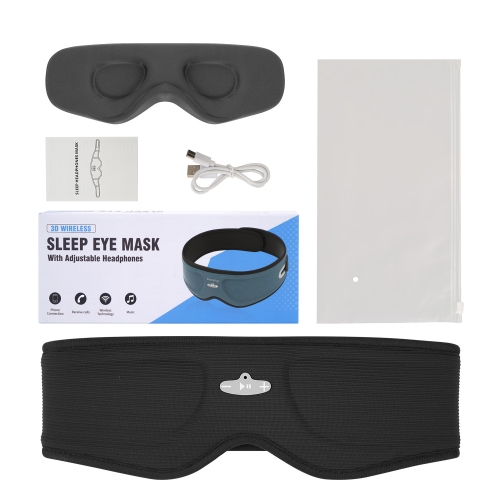
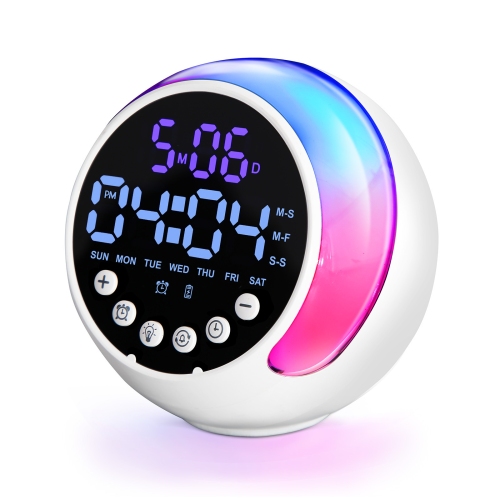
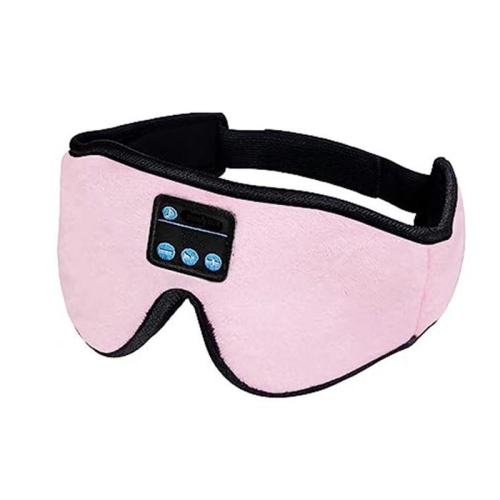
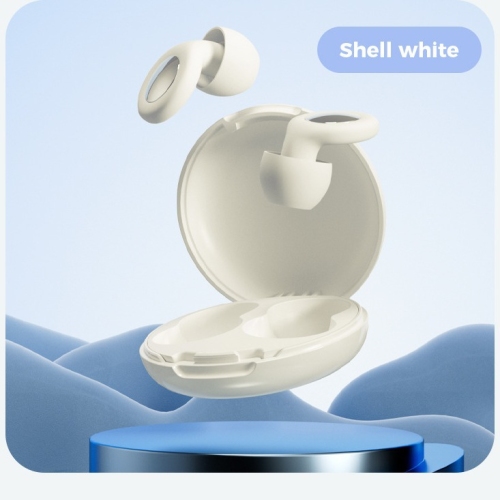
Sound and light devices focus less on measurement and more on the experience of settling down and waking up. A bedside sound machine can provide steady background audio that makes intermittent household or street noise less noticeable. White noise contains a broad range of frequencies, while pink noise places more emphasis on lower frequencies; nature recordings and gentle instrumental audio offer other listening options. The most comfortable sound is personal, and a seamless loop can matter as much as the selection itself when an obvious pause draws attention back to the speaker. Adjustable volume, a sleep timer, and controls that are easy to locate in the dark make these devices practical for everyday use. Someone sharing a bedroom may prefer a narrowly directed speaker or sleep audio worn close to the ears, while a standalone machine can suit someone who wants to keep a phone away from the bedside. For wearable audio, soft fabrics, removable electronic components, and minimal bulk near the ear are especially relevant to side sleepers. Washable covers help with routine care, provided the electronic parts are removed as directed. Light-based wake-up devices gradually brighten before an alarm, offering a visual cue alongside sound rather than relying only on a sudden tone. Dimming bedtime settings can create a less abrupt transition from reading to lights out. Brightness range, display dimming, and the option to turn off indicator lights are useful details for anyone sensitive to light in a dark room. Shift workers may value programmable schedules that follow their actual sleep hours, while couples may need separate alarms or vibration alerts to reduce disturbance. Tactile buttons, a readable display, and settings retained after a brief power interruption can make a bedside device easier to live with. For travel, size, charging requirements, and operation without an internet connection matter more than an extensive menu of connected features.
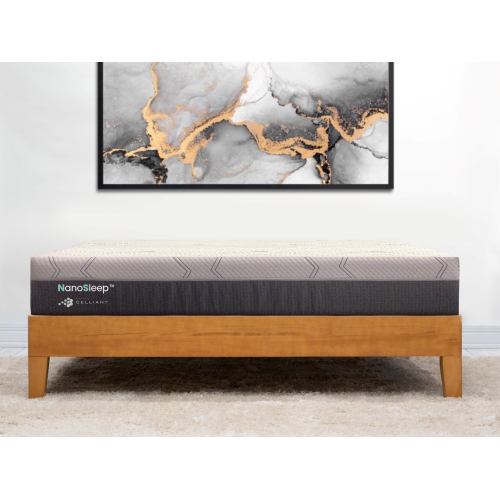
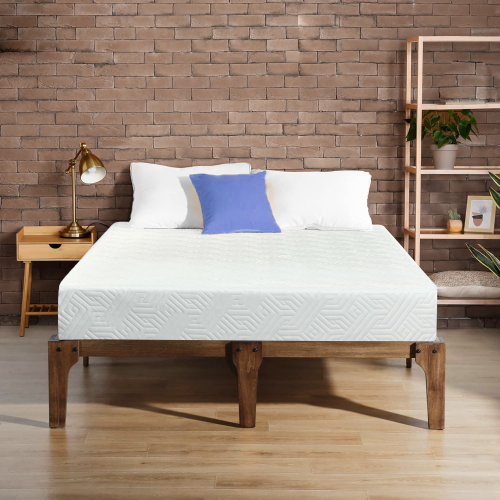
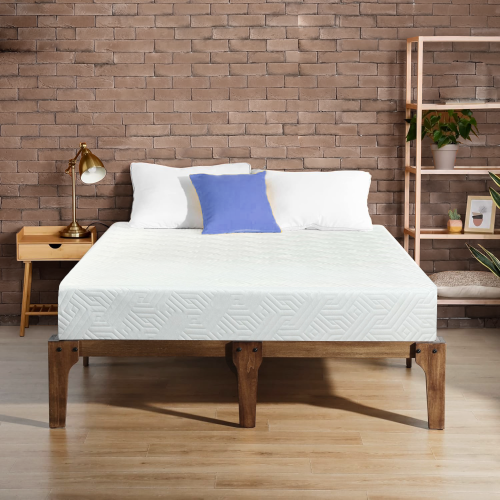
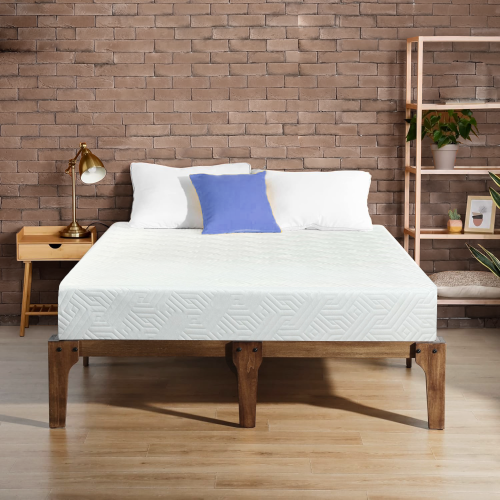
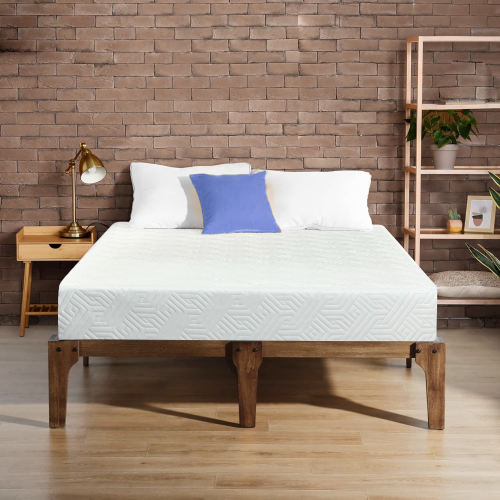
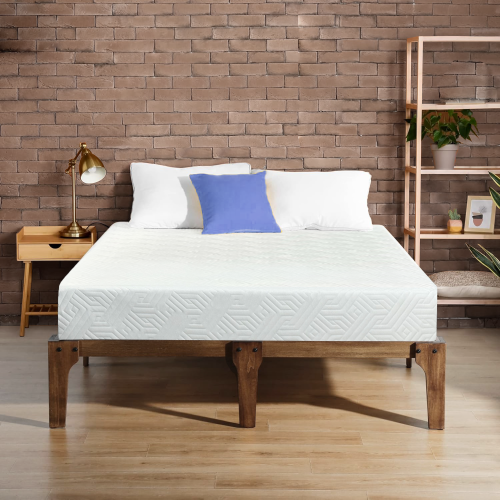
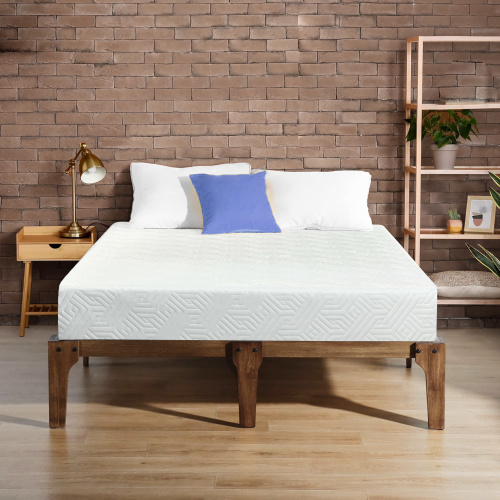
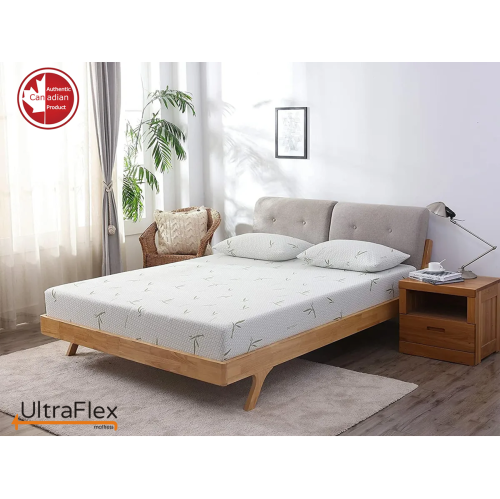
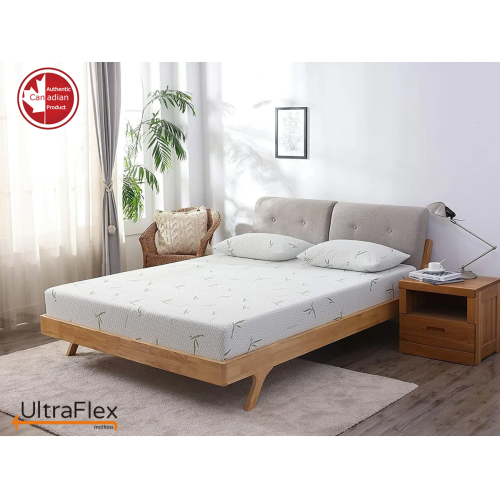
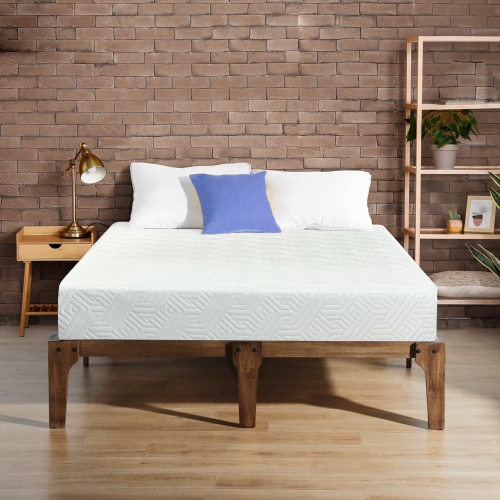
Bed-focused sleep technology includes adjustable bases and mattress accessories designed to change support or manage the warmth of the sleeping surface. These products serve a different need from tracking: their main role is physical comfort. A temperature-regulating cover or pad may use airflow or circulating water, depending on its design, and some offer separate settings for each side of the bed. That separation can be useful when partners have different comfort preferences. Mattress size, depth, and the way an accessory attaches affect fit, while stretch, seam placement, and surface texture influence how it feels beneath a fitted sheet. Breathable textiles and removable, washable layers make regular care more straightforward, but not every powered component or fabric section is machine washable. Care requirements may include keeping vents clear, cleaning a reservoir, or checking hoses and cables for wear. Durable stitching, secure connectors, and accessible replacement covers are relevant to products handled every time bedding is changed. Adjustable bases also need compatibility with the mattress and bed frame, along with enough clearance for movement. Beyond the bed itself, connected features bring practical considerations such as phone compatibility, Wi-Fi requirements, account setup, and whether essential controls still work offline. Sleep information can be personal, so privacy settings, data-sharing permissions, and the ability to delete stored information deserve attention. For a gift, familiar controls and a comfortable fit may be more welcome than detailed nightly statistics, especially when the recipient has not expressed an interest in tracking. Sound and light accessories can suit someone establishing a bedtime routine, while wearable choices are more dependent on personal preferences. The broader Sleeping Solutions collection provides context for pairing technology with everyday sleep essentials. A supportive mattress, a suitable pillow, and regular sleep hours remain important foundations. Technology can complement those basics, but persistent difficulty sleeping, loud snoring with breathing pauses, or ongoing daytime sleepiness warrants a conversation with a health care professional rather than reliance on a device score.
Top selling and popular products
-
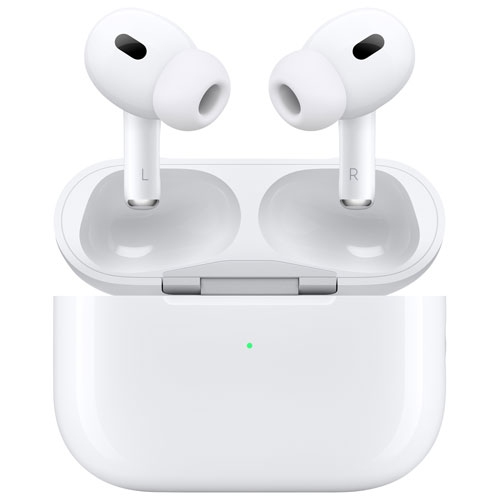 Your price for this item is $349.99
-
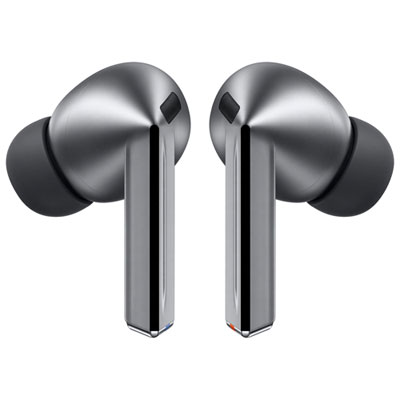 Your price for this item is $329.99
-
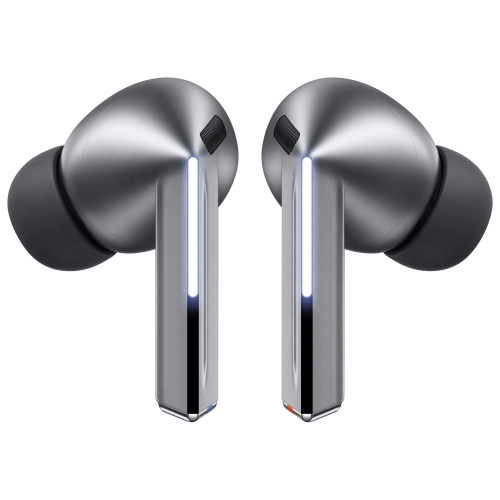 Your price for this item is $229
-
 Your price for this item is $215
-
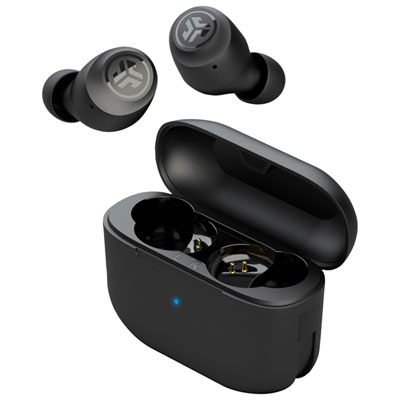 Your price for this item is $34.99
-
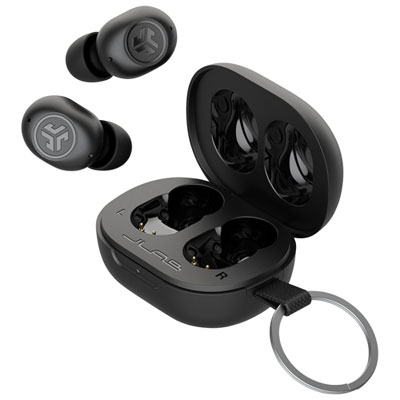 Your price for this item is $59.99
-
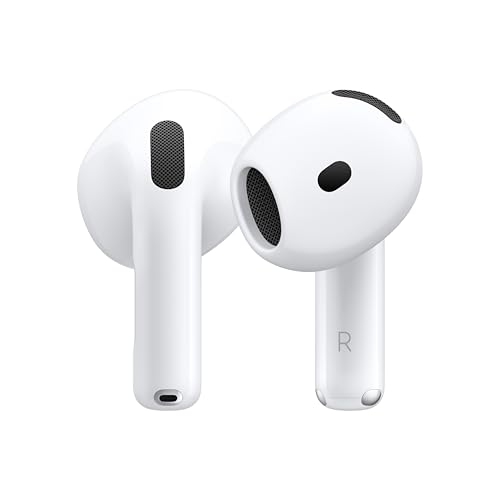 Your price for this item is $189
-
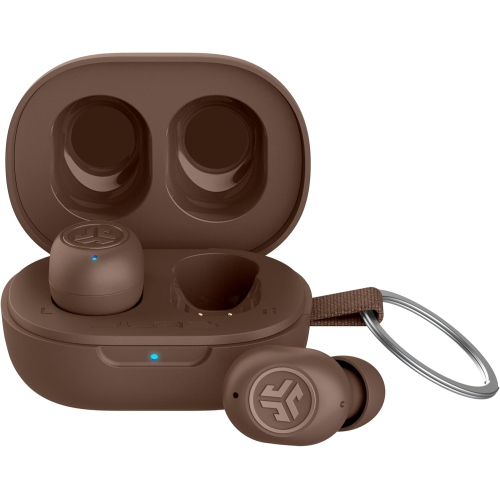 Your price for this item is $89.99
Discover more categories related to Sleep Technology
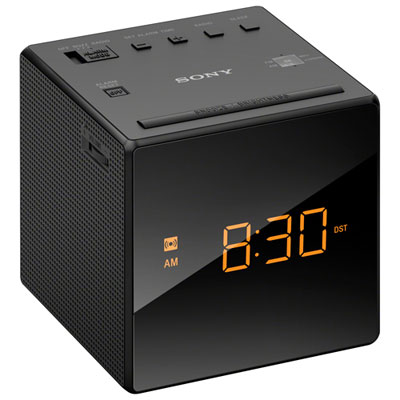

Top Collections:
Pokemon Centers, Kindle Devices, Best Cameras for Sports Photography, Best Budget Office Chairs, Pokémon 30th Celebration Cards, Apple iPhones 16, Canon G7X Cameras, iPhone 15 Apple, Flip Phones, Samsung Galaxy Phones
Some products may be subject to Environmental Handling Fees
(EHF) depending on your province.
Learn more about EHFs.