TENS Pads
TENS Pads are essential accessories designed to help you get the most from your TENS therapy device. Offering a secure and comfortable fit, these pads are available in a variety of shapes and sizes to suit your individual needs. Whether you’re looking to replace worn-out pads or stock up for future use, explore a wide selection of TENS Pads that make it easy to maintain your device’s performance and enjoy consistent results. Find the right options to support your wellness routine with convenient choices for home or on-the-go use.
Sort










Why electrode fit matters for reliable skin contact
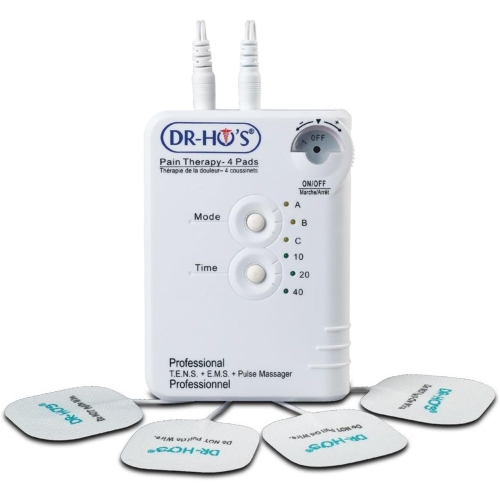
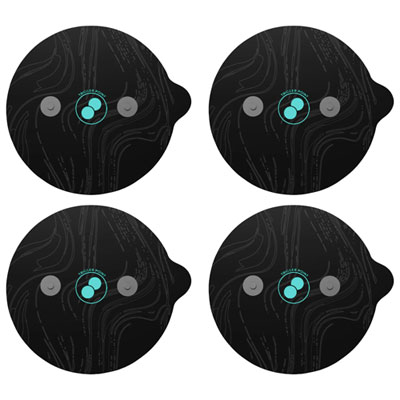
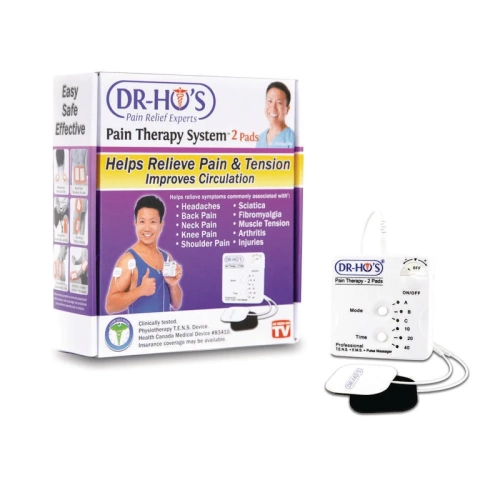
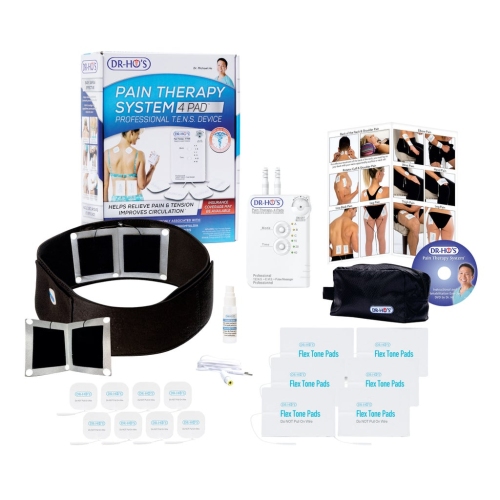
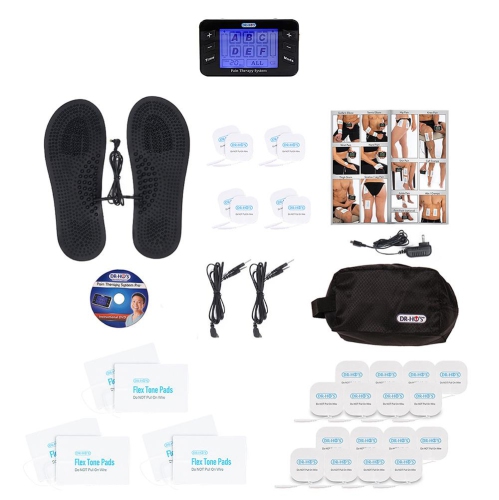
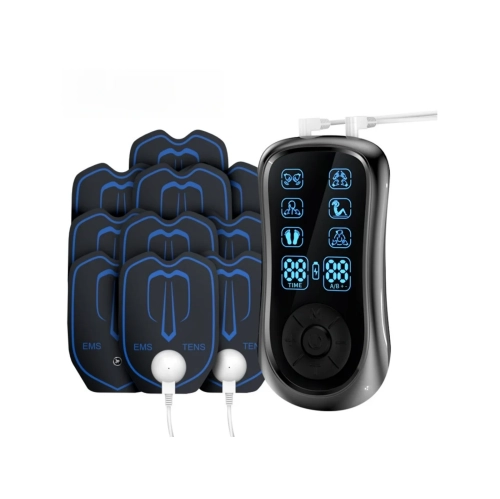
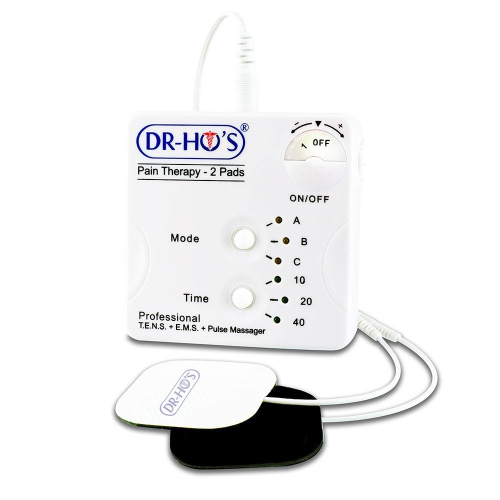
TENS pads are adhesive electrode patches that attach to the skin and connect to a compatible transcutaneous electrical nerve stimulation machine. They carry the machine’s mild electrical pulses to the treatment area, where stimulation may provide temporary relief from certain types of pain. The pads themselves do not generate electricity or contain pain medication; their role is to create consistent contact between the device and the skin. For someone who already uses a TENS unit, replacement electrode pads help maintain that connection as the original adhesive wears down. Most reusable pads combine a flexible backing, a conductive layer and a gel adhesive that holds the electrode against clean, dry skin. A soft, pliable construction helps the pad follow body contours without feeling overly stiff, while an intact gel surface supports even contact. Compatibility is the first distinction between replacement pads: the connector must match the machine’s lead wires, and the pad type must be suitable for the device. Pin, sometimes called pigtail, connections commonly use a lead-wire pin that fits into a socket on the pad’s short attached cable. Some use a 2 mm pin, but dimensions vary. Snap connections fasten onto a matching stud rather than sliding into a socket. These styles are not interchangeable simply because the electrodes look similar, and some devices require a dedicated pad design. The device manual and pad specifications provide the clearest match for connector style, dimensions and supported use. Pads labelled for electrical muscle stimulation are not automatically suitable for every TENS machine, even when the connection appears familiar. A secure fit should not require forcing a pin into place or stretching a cable to reach the treatment area. For people incorporating TENS into a clinician-approved pain-management routine, these practical details matter more than the appearance of the pad: a comfortable electrode needs both the right electrical connection and reliable contact with the skin.
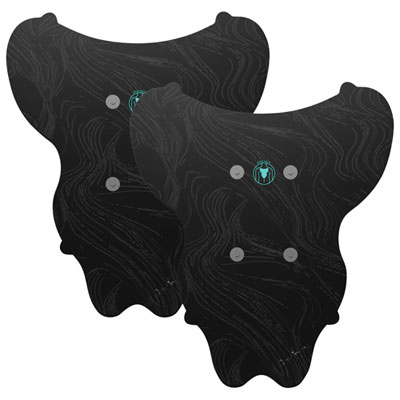
Pad shape and size influence how comfortably an electrode sits on a particular area. Smaller square pads, including common 2 inch by 2 inch formats, can offer placement flexibility where space is limited, while larger rectangular or contoured pads may suit broader areas such as the lower back. Round, oval and curved designs provide other options for following body contours, although shape alone does not establish whether a pad is appropriate for a treatment location. Around a knee or shoulder, for example, a flexible edge may sit more comfortably than a rigid corner, but placement should still follow the machine’s instructions or advice from a healthcare professional. A larger electrode spreads stimulation across a larger contact area; it is not inherently stronger or more effective. Changing pad size can change how stimulation feels, so the dimensions specified for the device remain important. Good fit means the full adhesive surface rests against the skin without folds, lifted corners or overlapping electrodes. Clothing that catches on a cable or rubs repeatedly against an edge can loosen that contact, especially when sitting down or changing position. The backing should flex with the treatment area, and the lead connection should sit without pulling on the pad. People with sensitive skin may also want to check adhesive ingredients and any latex information rather than assuming all gel pads use the same materials. Claims such as “latex-free” apply only when stated by the manufacturer, and no adhesive is guaranteed to suit every skin type. TENS may be used by adults managing certain ongoing aches or temporary discomfort when appropriate for their condition, but it does not identify or treat the underlying cause of pain. New, severe or unexplained pain warrants medical assessment. Anyone with a pacemaker or another implanted electronic device should seek medical advice before using TENS, as should anyone who is pregnant. Pads should not be placed on broken, irritated, infected or numb skin, on the head or front of the neck, or in an arrangement that sends current across the chest.
The useful life of reusable TENS electrode pads depends on the adhesive formulation, skin preparation, storage and frequency of use rather than a fixed number of sessions. Body oils, lotion, perspiration and lint can interfere with adhesion, leaving a pad that lifts at the edges or feels uneven during stimulation. Clean, dry skin gives the gel a better surface to grip; lotion or oil beneath an electrode can make it slip even when the adhesive is relatively new. Heavy body hair may also limit contact, although shaving immediately before application can irritate the skin. After a session, switching the machine off before removing the pads helps avoid unexpected stimulation. Gently lifting each pad by its edge, rather than tugging on the wire, protects both the backing and the cable connection. Reusable pads generally go back onto their original protective liners and into the sealed packaging specified by the manufacturer, away from heat and direct sunlight. Cleaning methods differ: some gel surfaces allow limited care with water, while others should not be washed, so household cleaners, alcohol and extra adhesive are not substitutes for the supplied care instructions. Replacement is appropriate when the pad no longer adheres fully, the gel becomes damaged or heavily soiled, or the backing, cable or connector shows wear. Increasing the intensity to compensate for poor contact can make stimulation uncomfortable and does not repair a worn electrode. Pads are best kept for one person’s use, with their liners protected from dust between sessions. For an established TENS user, correctly matched replacement pads can be a thoughtful practical gift, provided the device requirements and personal preferences are known. Those comparing related formats can also explore Body Pain Pads, keeping in mind that adhesive pain-care products may work in different ways and are not necessarily TENS-compatible electrodes. The most useful choice remains one that matches the machine, fits the intended treatment area and retains dependable contact throughout use as directed.
Top selling and popular products
-
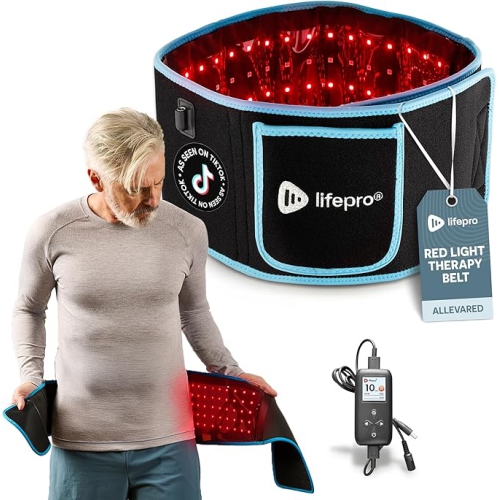 Your price for this item is $249.99
-
 Your price for this item is $139.99
-
 Your price for this item is $24.99
-
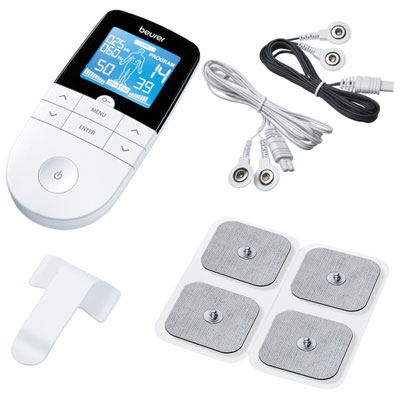 Your price for this item is $84.99
-
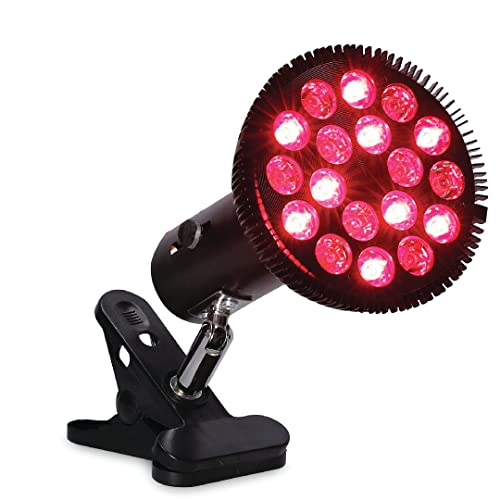 Your price for this item is $79.99
-
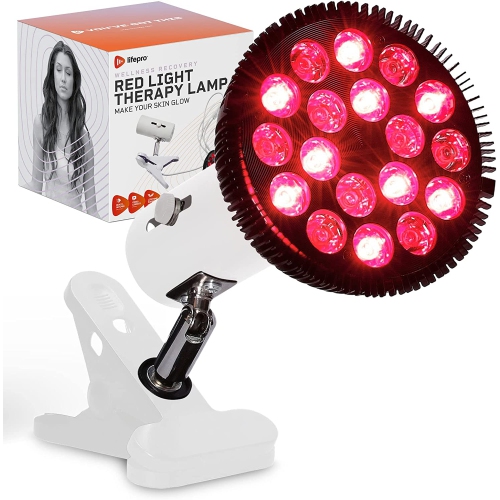 Your price for this item is $79.99
-
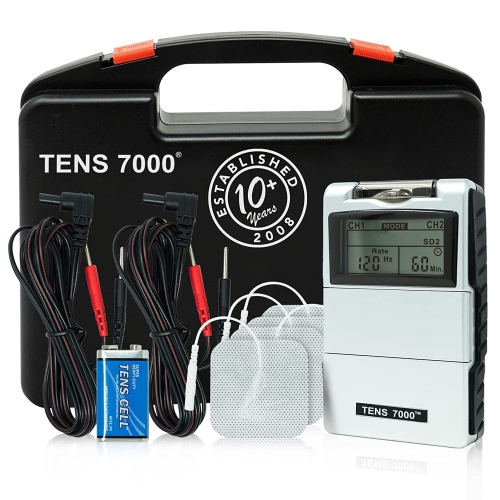 Your price for this item is $56.99
-
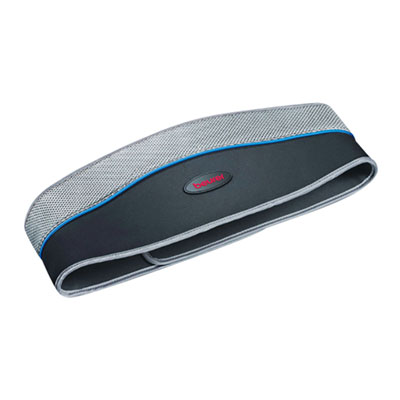 Your price for this item is $99.99
Discover more categories related to TENS Pads

Top Collections:
Pokemon Centers, Pokémon 30th Celebration Cards, Best Budget Office Chairs, Kindle Devices, Best Cameras for Sports Photography, Canon G7X Cameras, Best Black Friday Deals On Electronics, Best Laptops for Writers, iPhone 15 Apple, Jackery Power Stations
Some products may be subject to Environmental Handling Fees
(EHF) depending on your province.
Learn more about EHFs.