Mattress Pads
Transform your sleep experience with a high-quality mattress pad, designed to add an extra layer of comfort and protection to your bed. Whether you're looking to enhance the softness of your mattress or safeguard it from everyday wear and tear, a mattress pad is an essential addition to any bedroom. Explore a variety of options that cater to different needs, from hypoallergenic materials for sensitive sleepers to cooling technologies perfect for those warm summer nights. Elevate your sleeping sanctuary and enjoy restful nights with the right mattress pad that suits your lifestyle.
Sort
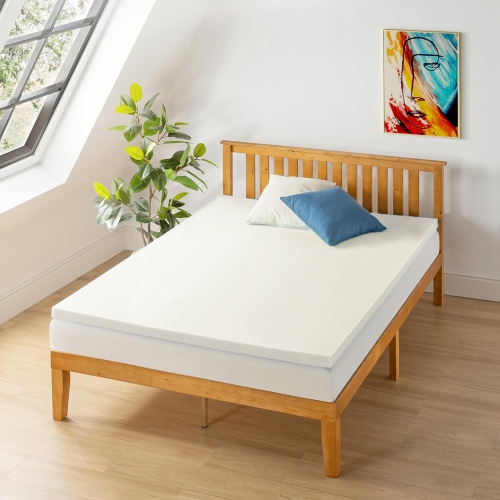
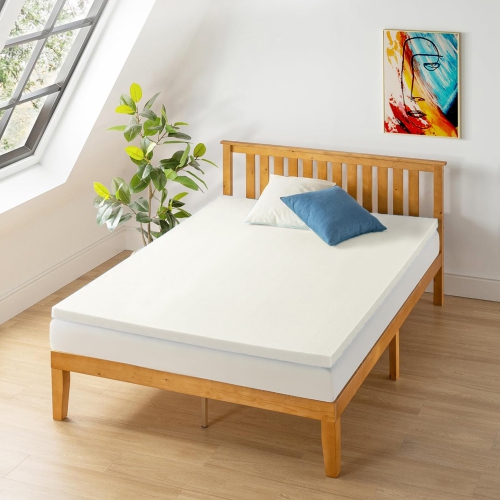
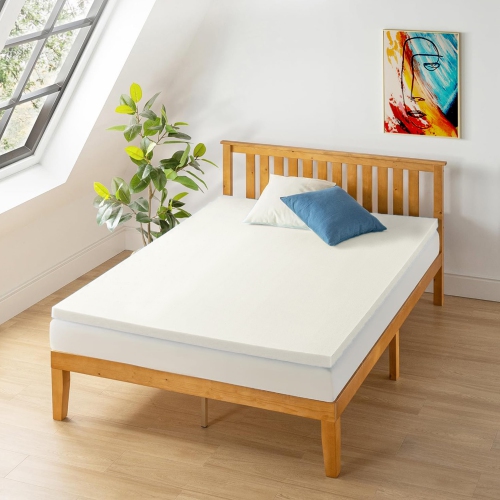
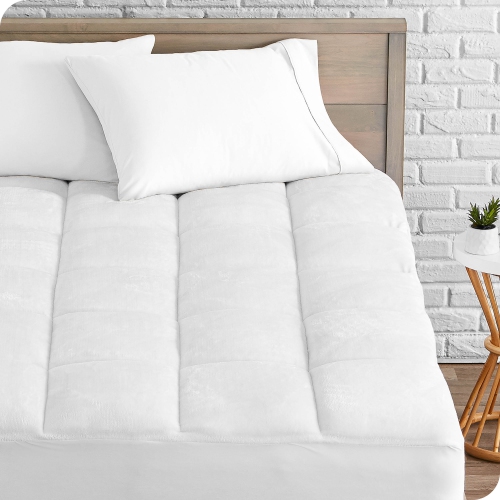
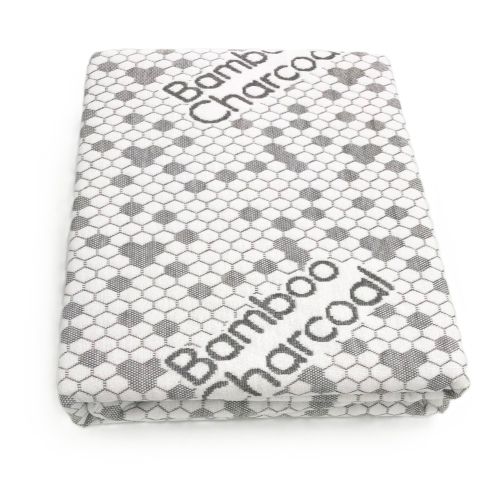

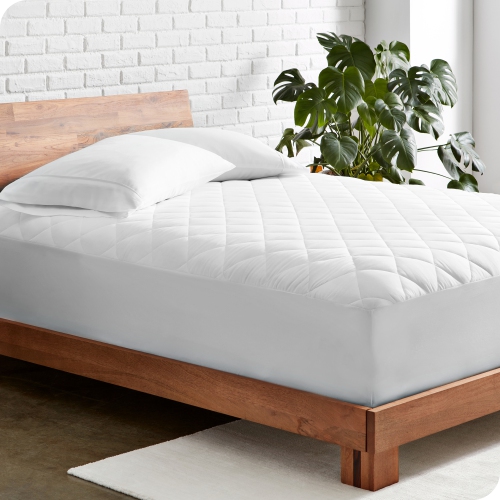

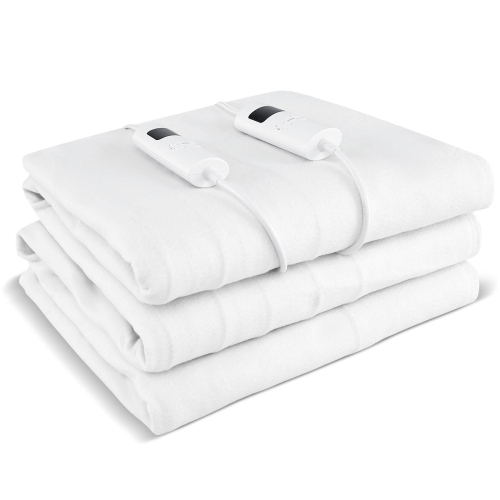
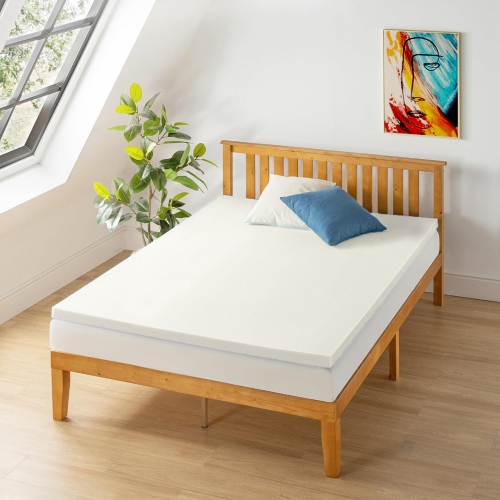
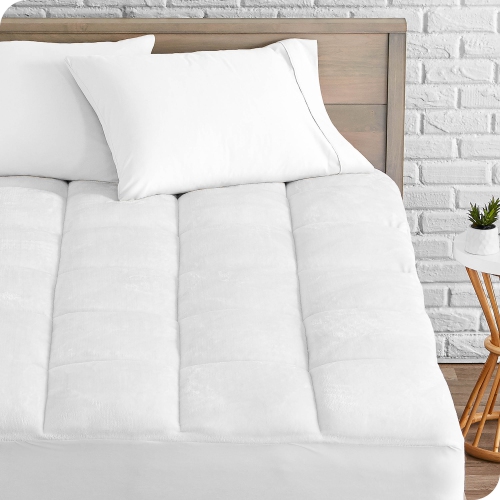


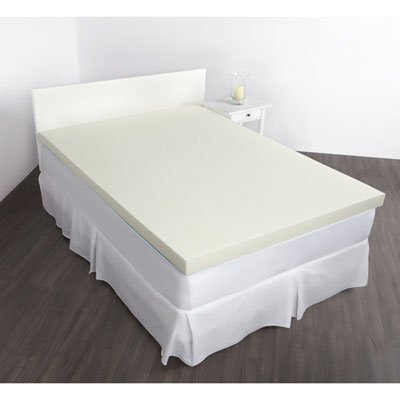

A softer surface for an already supportive mattress
A mattress pad is a thin layer of bedding that sits on top of a mattress and beneath a fitted sheet, adding light cushioning and basic surface protection. Most mattress pads have a quilted or lightly padded top with an elasticated skirt or corner straps to hold them in place. They are suited to beds that already feel supportive but could use a softer sleeping surface, whether that means taking the edge off a firm guest bed or adding a little loft to an everyday mattress. The distinction between a mattress pad, mattress topper, and mattress protector comes down mainly to purpose. A pad adds modest softness; a thicker topper is intended to make a more noticeable change to the bed’s feel; and a protector focuses on shielding the mattress, often with little or no cushioning. Some pads combine padding with a waterproof backing, but a quilted surface alone does not make a pad waterproof. Materials influence how the layer feels beneath the sheet. Cotton covers tend to feel soft and breathable, while polyester and microfibre covers can offer a smooth finish and straightforward care. Polyester fill, including fill described as down alternative, provides cushioning without feathers. Wool-filled pads can help manage moisture and provide a different feel from airy synthetic fill, although their washing requirements may be more particular. Down and feather blends bring softness but call for attention to fill composition, care directions, and personal sensitivities. Quilting helps keep fill distributed across the sleeping surface, reducing the chance of it gathering at one end. For someone who likes the support of their mattress but finds its surface a little unforgiving, a lightly cushioned pad can be a practical finishing layer. It will not correct deep sagging, broken springs, or an uneven mattress, and it should not be expected to provide the substantial contouring of a thick foam topper. Its role is a smaller, more subtle adjustment to comfort.
Fit matters as much as softness, particularly on a bed used every night. Mattress pads are commonly made for twin, twin XL, double or full, queen, and king beds, but the stated dimensions should match the mattress rather than relying on the size name alone. Twin and twin XL mattresses differ in length, for example, and an overly short pad may pull at the corners or bunch beneath the sheet. Mattress depth is another important measurement. A deep-pocket mattress pad needs enough skirt depth to reach around the full mattress, including any topper that will sit underneath it. Conversely, excess fabric around a shallow mattress can leave the sleeping surface less secure. A fitted skirt with elastic around the lower edge generally provides coverage along the sides, while corner straps leave more of the mattress exposed and depend on a snug attachment. On an adjustable bed, a flexible pad that stays anchored as the head and foot sections move can help prevent folds beneath the sleeper. The fitted sheet also needs enough depth to accommodate the added padding without tugging the pad out of place. Protection requirements depend on how the bed is used. A lightly padded layer can help intercept everyday perspiration and minor surface soiling, but spills, bedwetting, and other liquids call for a pad explicitly described as waterproof. Even then, protection may cover only the top rather than the mattress sides, so coverage details matter. For a smaller, targeted layer over a frequently affected area, Bed Protector Pads can serve a different purpose from a full fitted mattress pad. Breathability and waterproofing are separate features: a breathable fabric is not necessarily liquid-resistant, and a waterproof backing can change airflow and feel. Anyone who sleeps warm may prefer lighter padding and a breathable cover rather than dense plush fill. Cooling descriptions can refer to different fabric treatments or constructions, and the resulting comfort also depends on sheets, blankets, room temperature, and the mattress underneath.
Care requirements have a direct effect on how useful a mattress pad will be over time. Many fabric-filled pads are machine washable, but washing temperature, detergent restrictions, and drying methods vary with the cover, fill, and backing. A pad that fits easily in a home washing machine is more convenient for regular laundering than a bulky layer that crowds the drum. Larger sizes and heavily filled designs may need a higher-capacity machine so water and detergent can move through the fabric properly. Complete drying is important before the bed is remade, particularly around quilted seams and thicker edges where moisture can linger. Excessive dryer heat, bleach, or fabric softener may damage certain fibres, finishes, or waterproof membranes, making the care label more useful than a general bedding routine. For households dealing with occasional nighttime accidents, a washable pad and a spare bedding layer can make changing the bed less disruptive. In a guest room, modest padding can add softness without dramatically changing a mattress that needs to suit different visitors. Students moving into a residence may appreciate a fitted pad that matches the supplied mattress dimensions and can be laundered without special equipment. Couples may prefer an even, low-profile layer that cushions the whole surface without creating a pronounced ridge down the middle. During the cooler months, a loftier pad can make a bed feel cosier, though someone who already sleeps hot may still be more comfortable with a thinner construction. Durability depends on more than thickness: secure stitching, neatly finished seams, resilient elastic, and evenly distributed fill all contribute to a pad that keeps its shape through use and washing. Flattened fill, persistent bunching, stretched corners, or peeling waterproof backing are signs that a pad may no longer perform as intended. A mattress pad can also be a thoughtful housewarming gift when the recipient’s bed size, mattress depth, and fabric preferences are known. For everyday use, the most suitable combination is one that fits securely, adds the desired amount of softness, and works with the household’s laundry routine.
Top selling and popular products
-
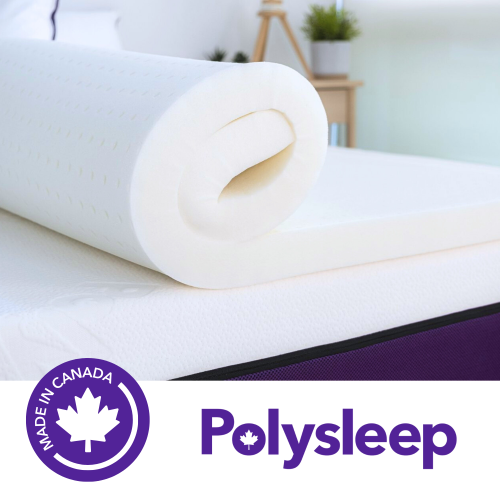 Your price for this item is $275
-
 Your price for this item is $350
-
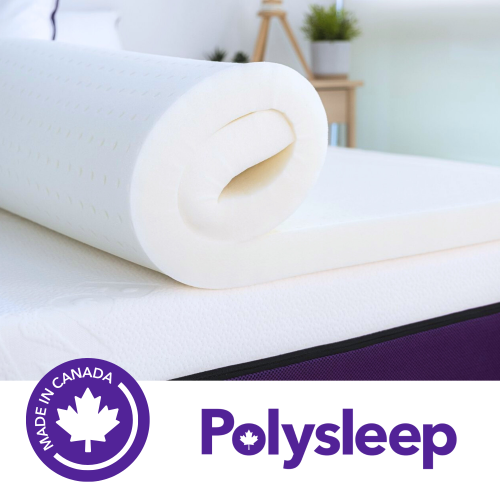 Your price for this item is $375
-
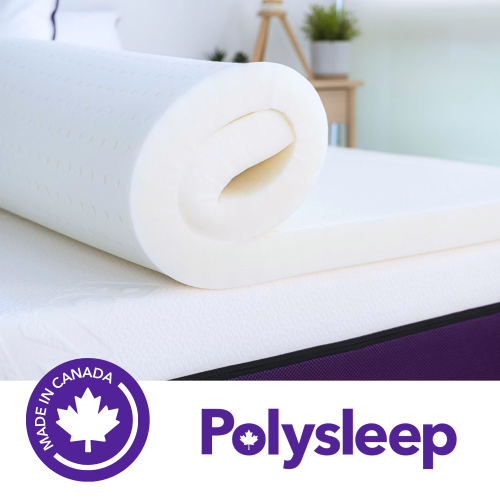 Your price for this item is $325
-
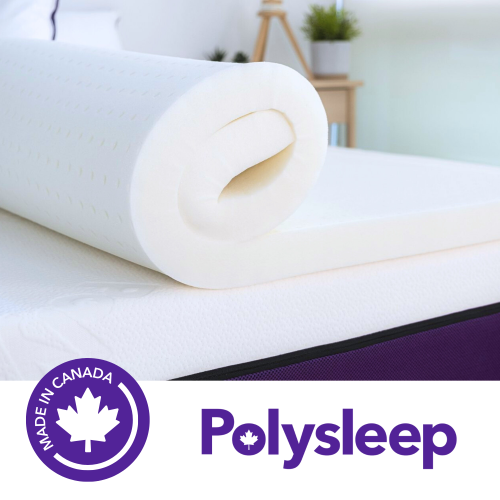 Your price for this item is $250
-
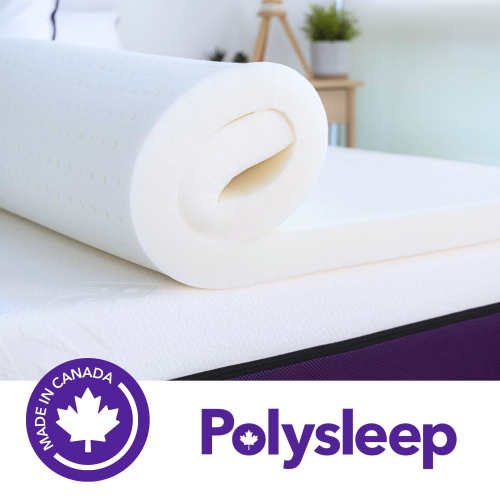 Your price for this item is $375
-
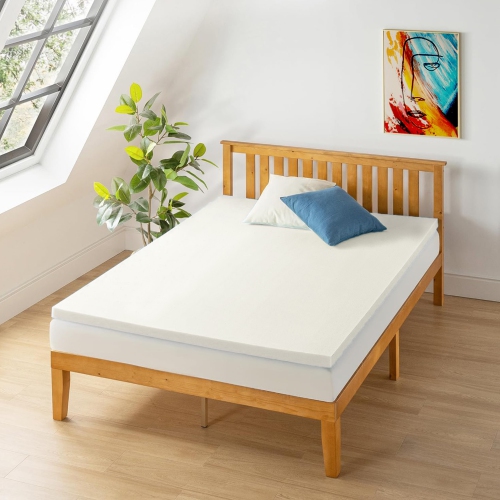 Your price for this item is $169.99
-
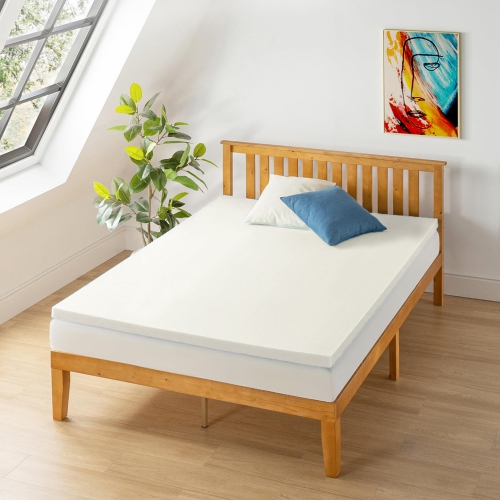 Your price for this item is $99.99
Discover more categories related to Mattress Pads
Top Collections:
Pokemon Centers, Kindle Devices, Best Cameras for Sports Photography, Pokémon 30th Celebration Cards, Apple iPhones 16, Canon G7X Cameras, iPhone 15 Apple, Flip Phones, Samsung Galaxy Phones, Alarm Clock
Some products may be subject to Environmental Handling Fees
(EHF) depending on your province.
Learn more about EHFs.