Treadmills With Auto Incline
Get ready to elevate your home workout routine with our selection of treadmills featuring auto incline functionality. Say goodbye to flat, monotonous runs and experience the challenge of varying incline levels that mimic outdoor terrain. Whether you're a seasoned runner looking to push your limits or a beginner aiming to add intensity to your cardio sessions, these treadmills are designed to take your fitness journey to new heights. Discover the benefits of incorporating auto incline technology into your workouts and achieve your fitness goals faster and more efficiently.
Sort
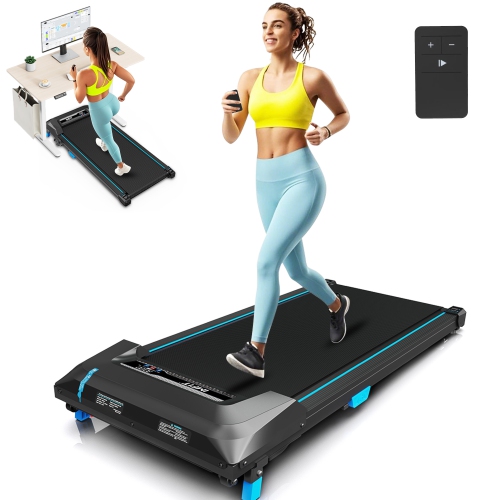
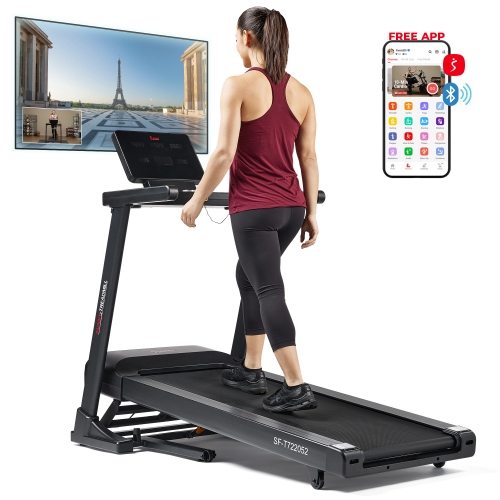

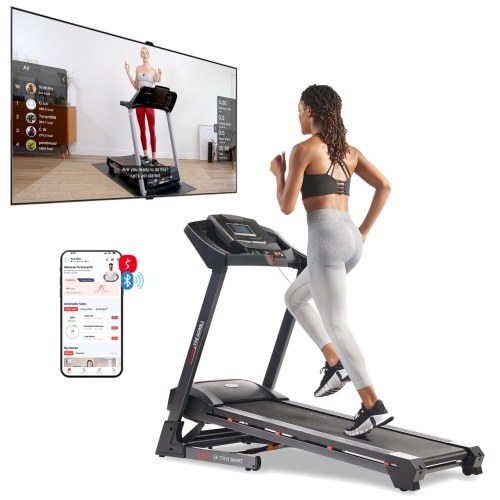
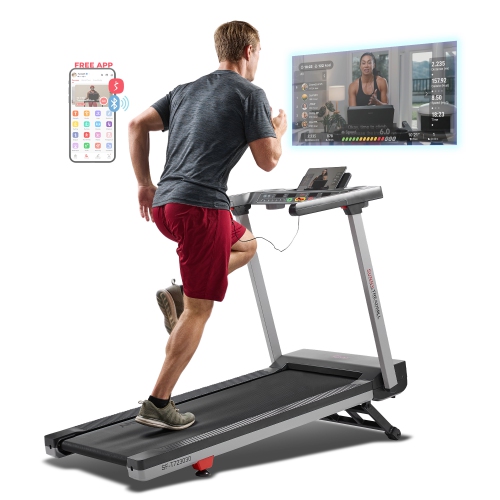
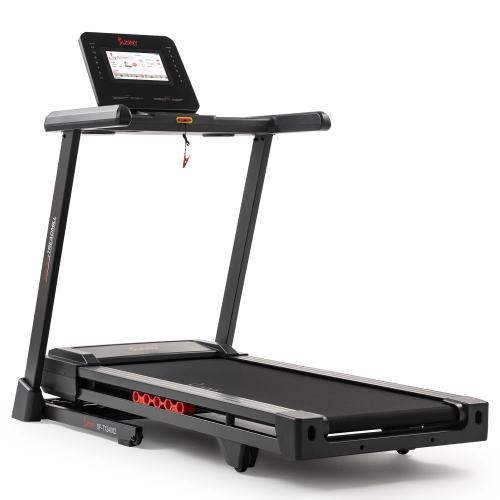
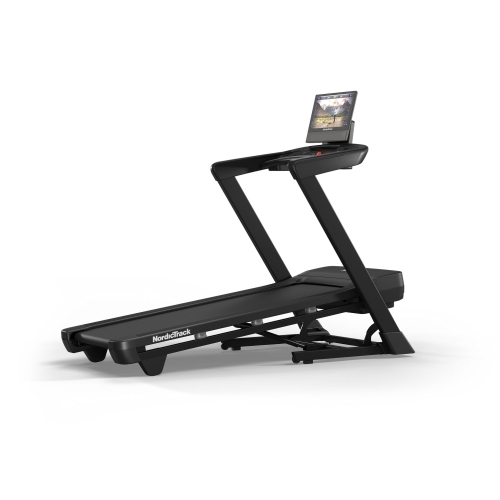
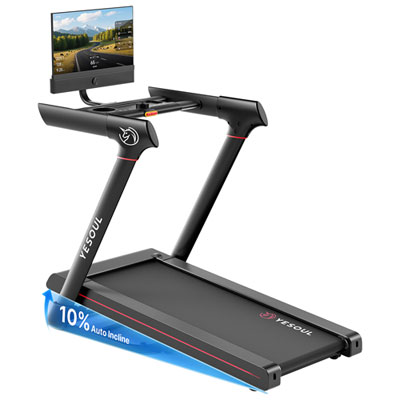
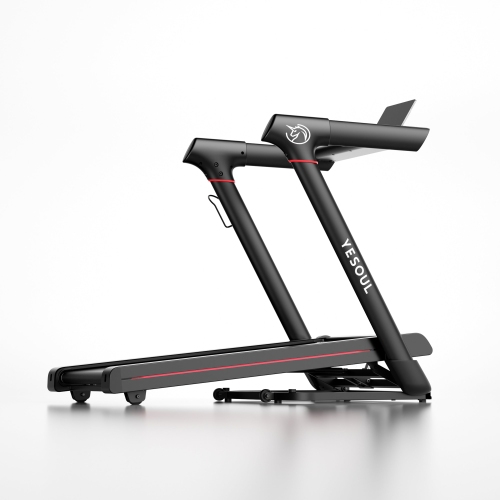

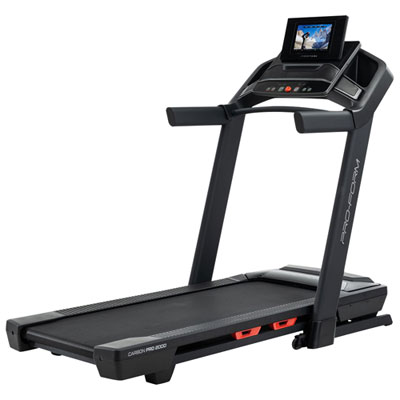
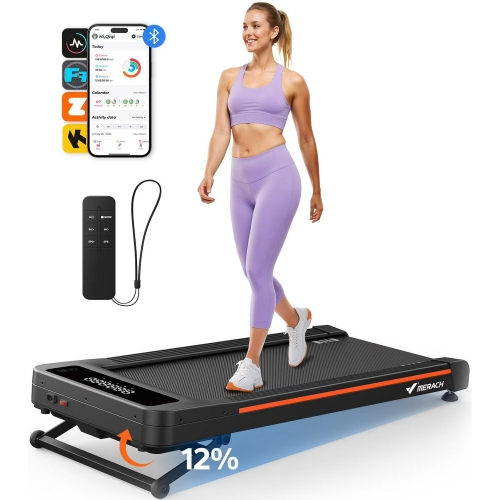
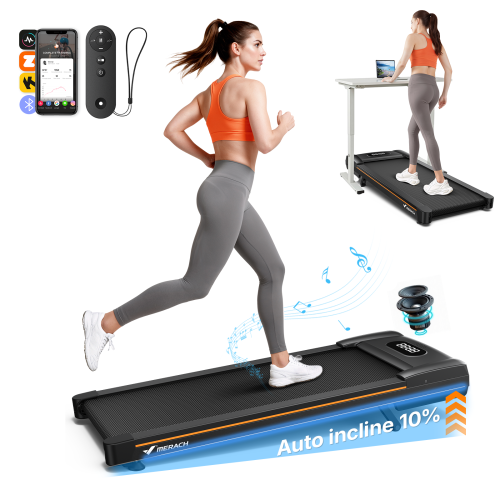
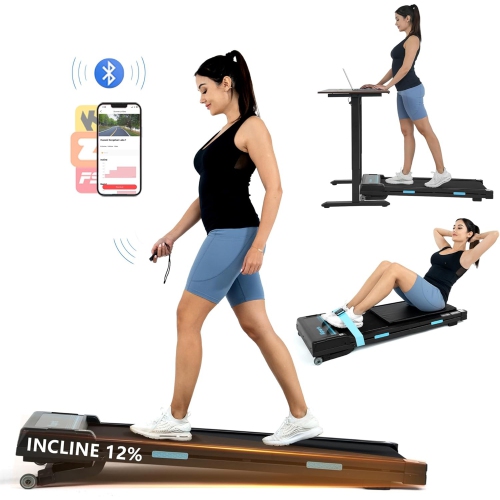
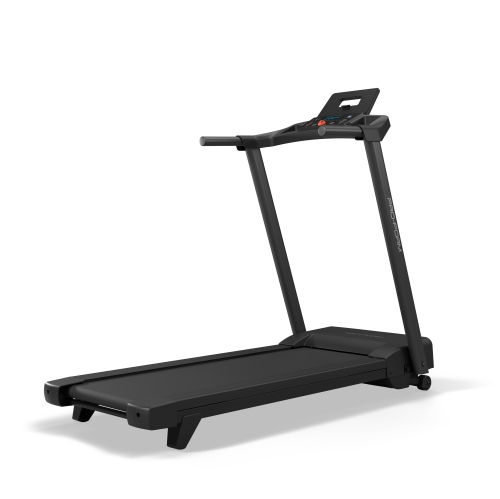

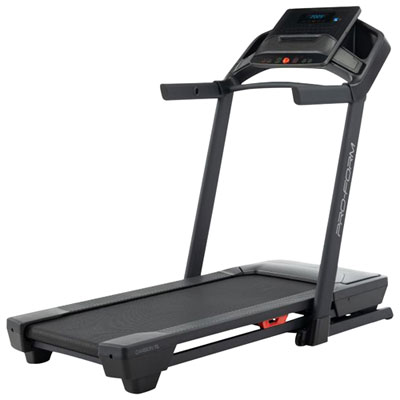
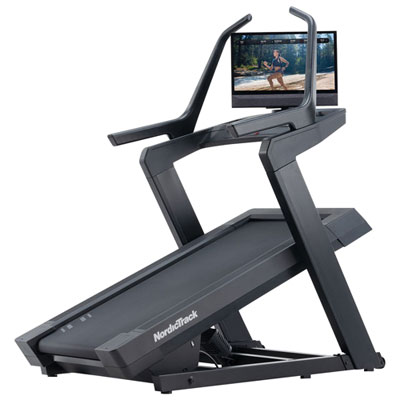
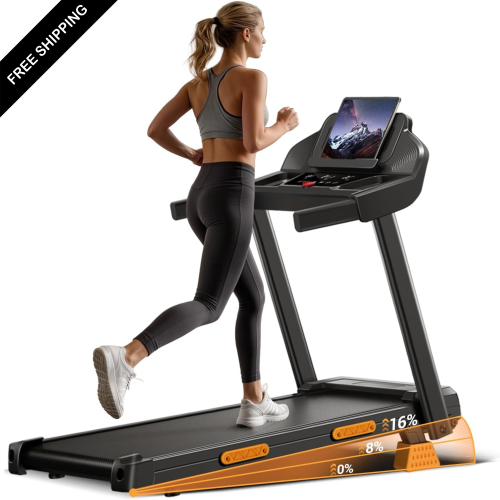
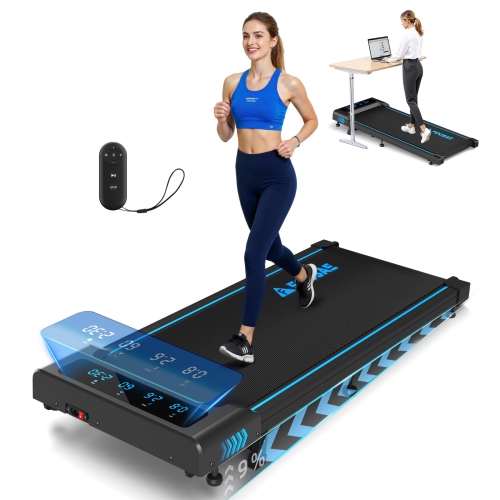
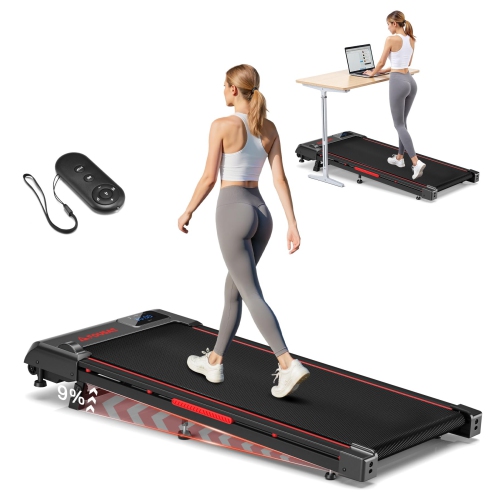
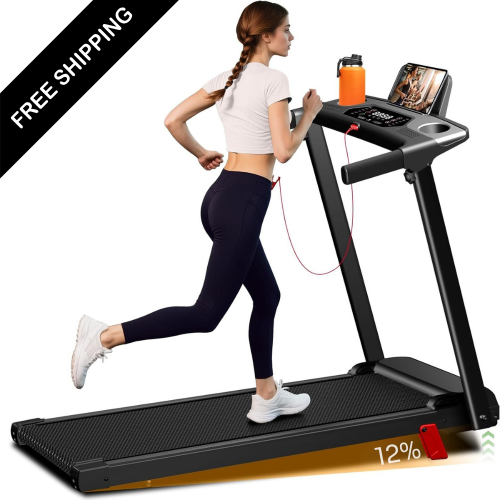
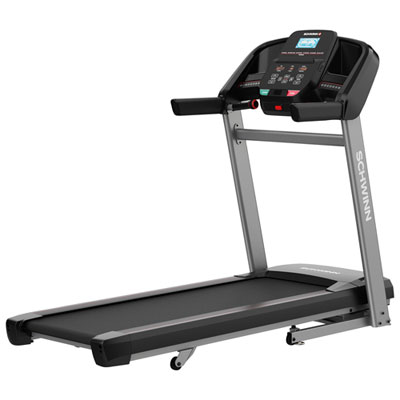
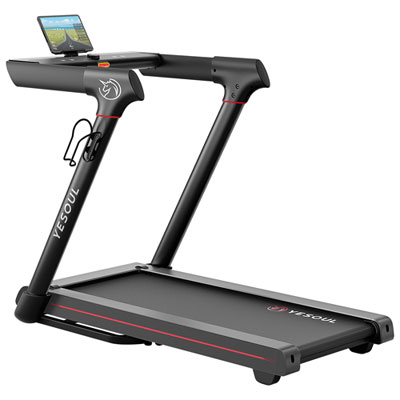
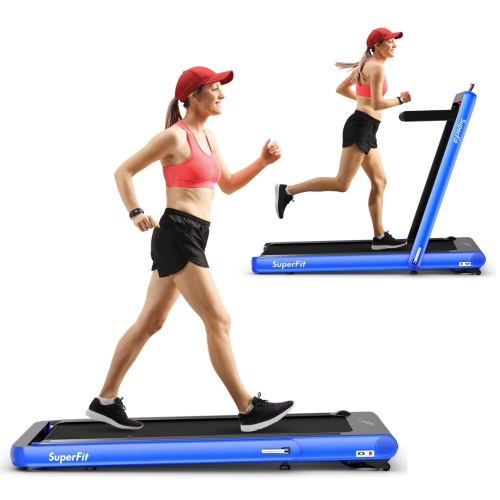
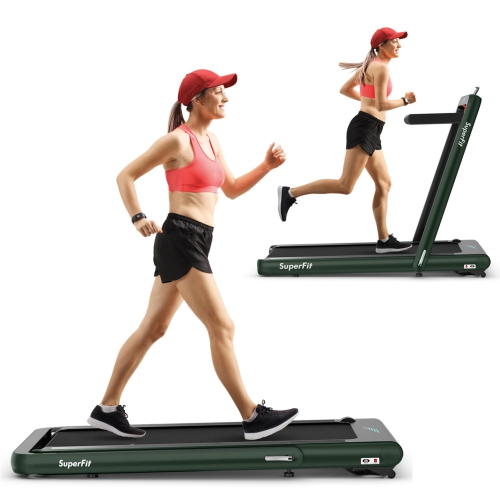
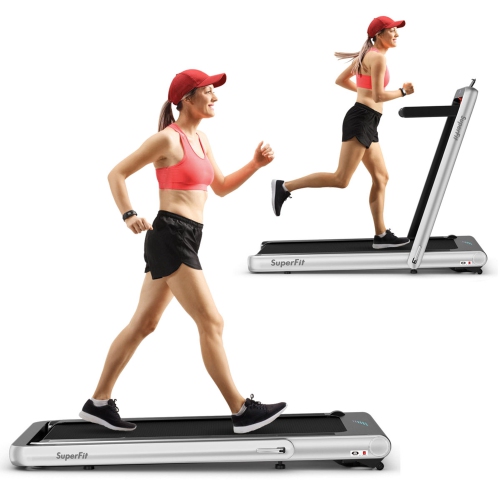
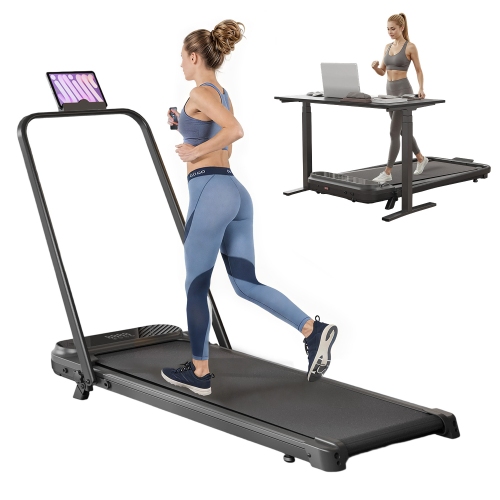
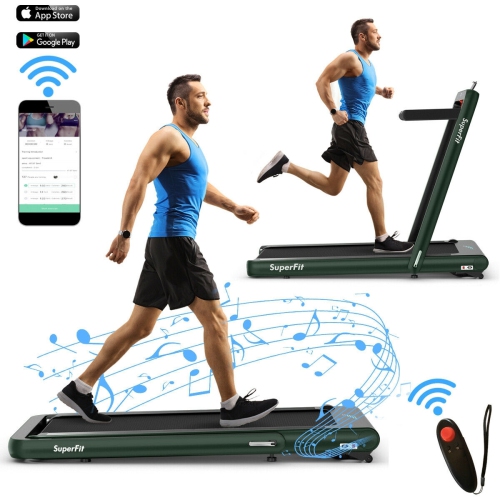
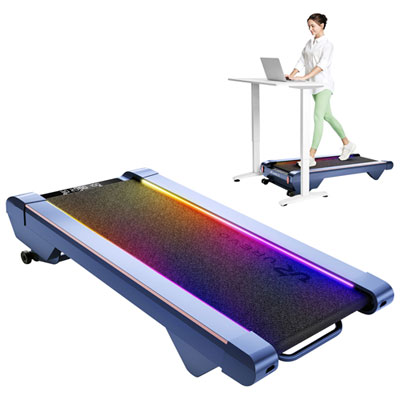
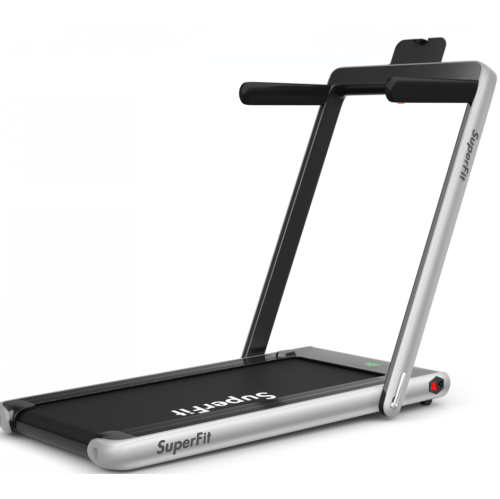
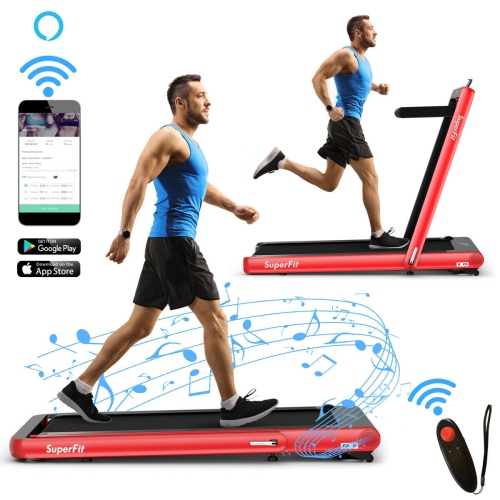
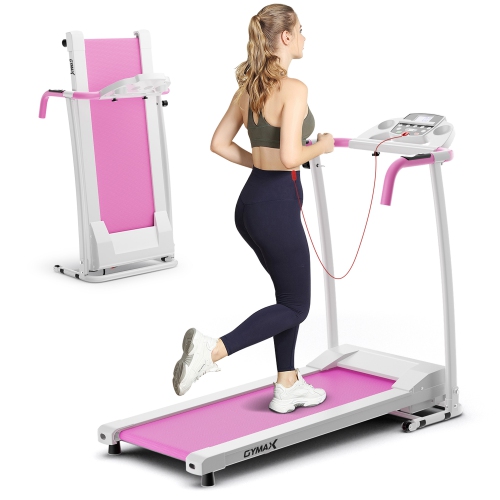
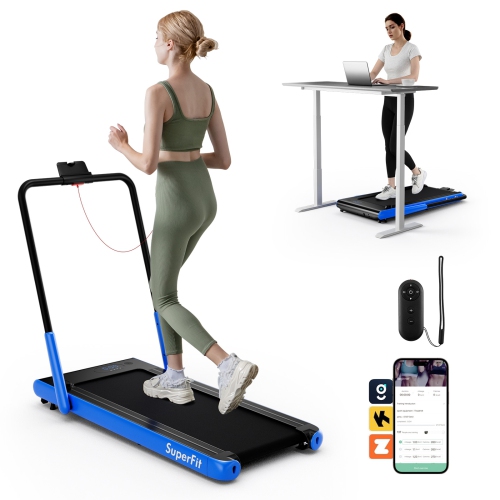

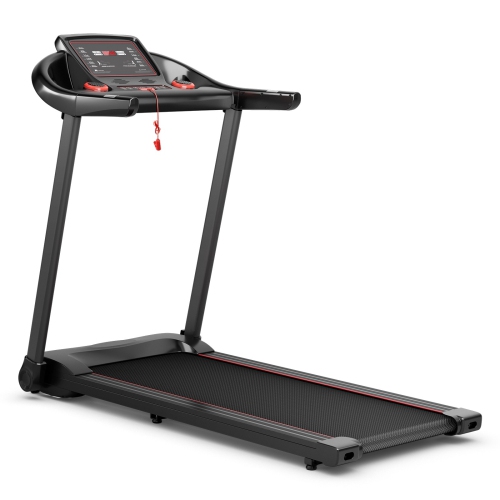
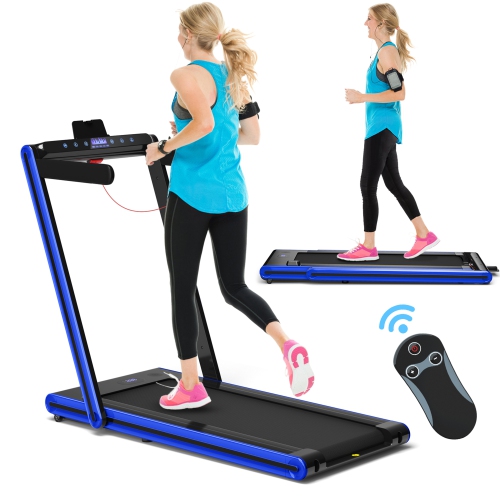
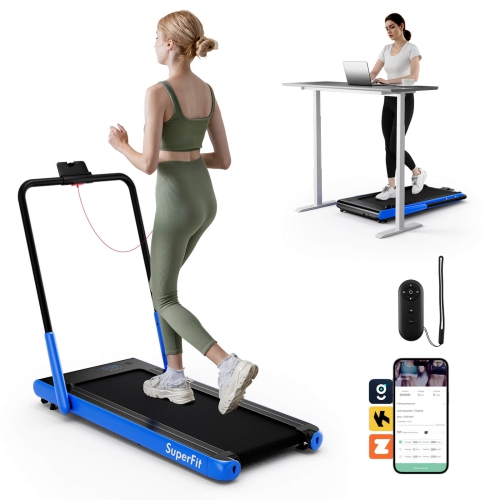
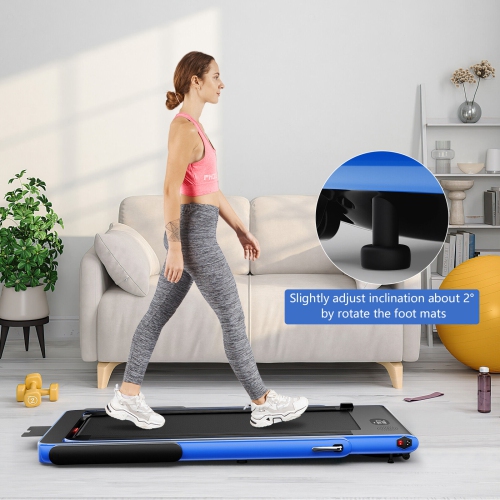
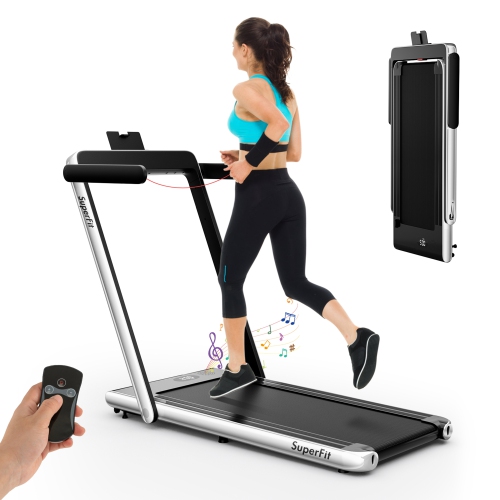
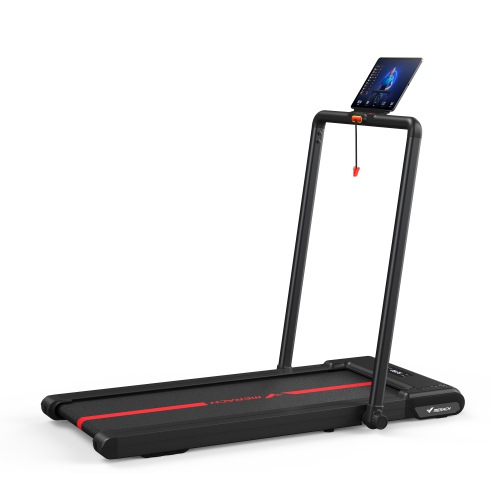
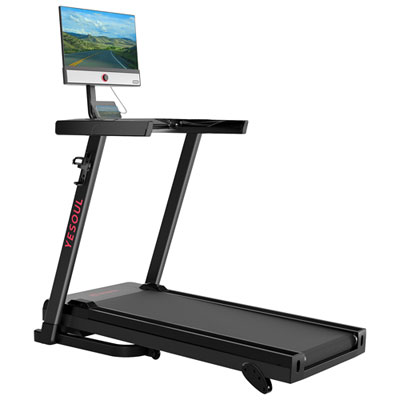

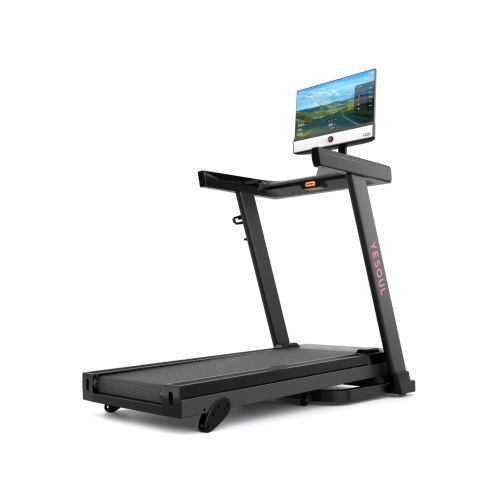
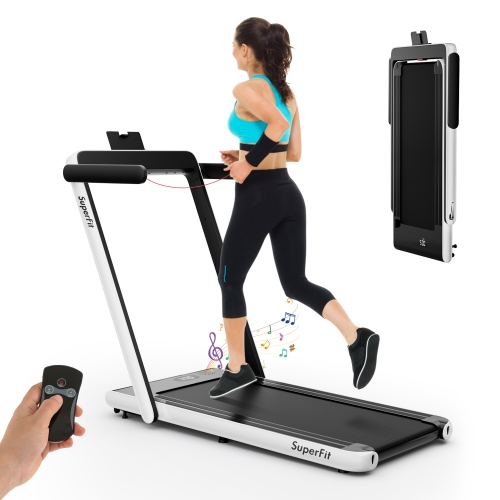
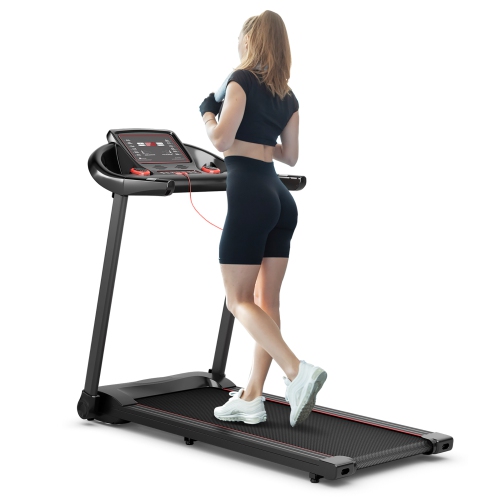
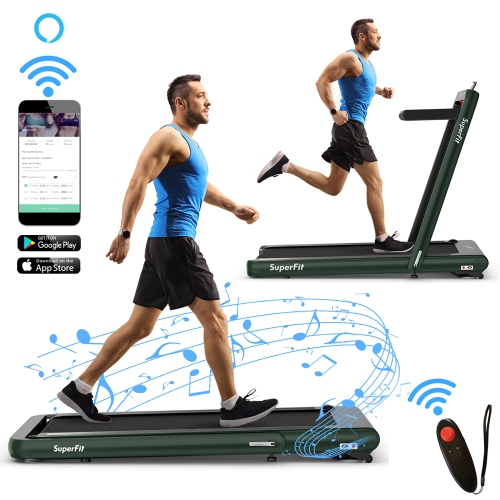
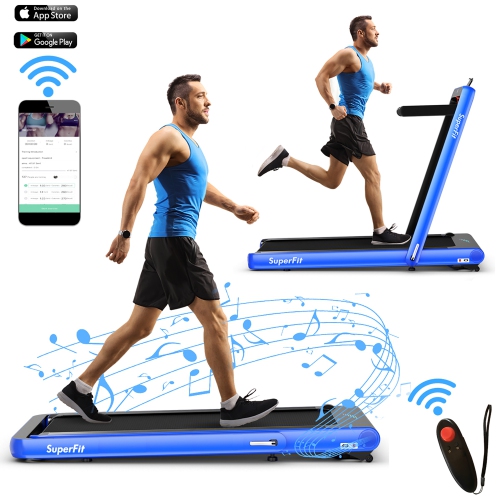
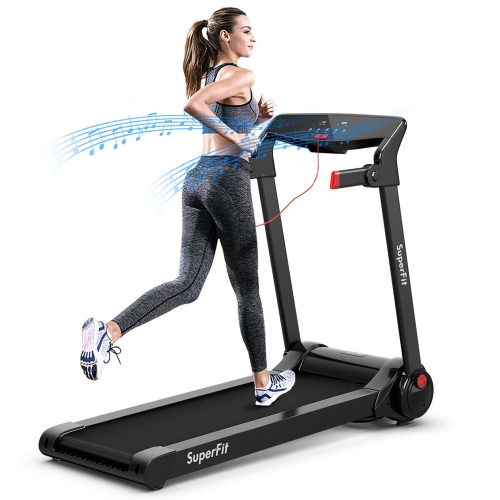
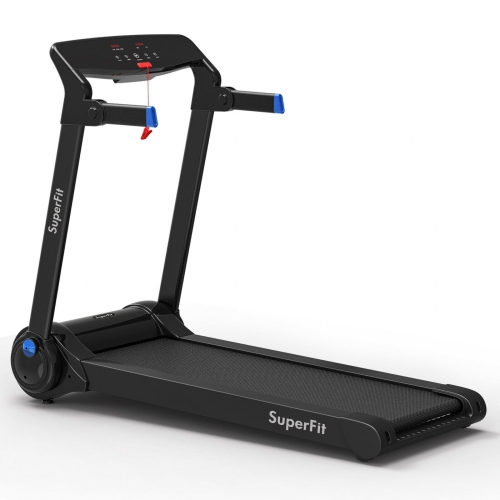
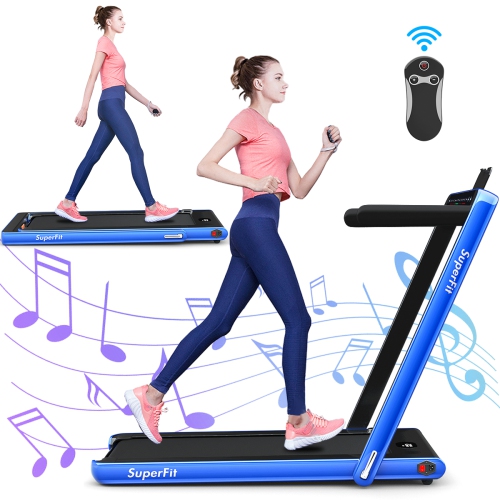
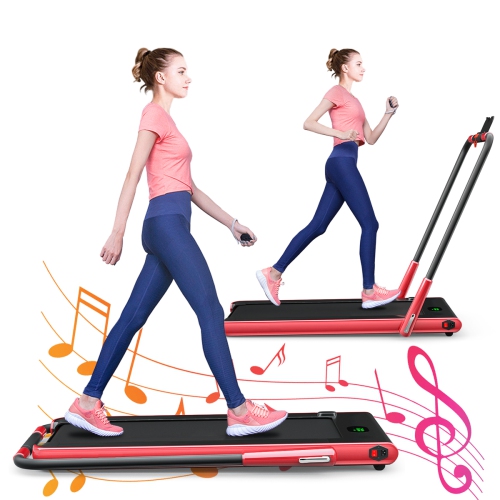
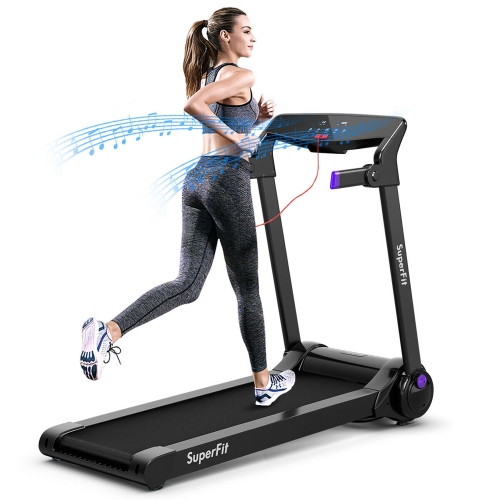
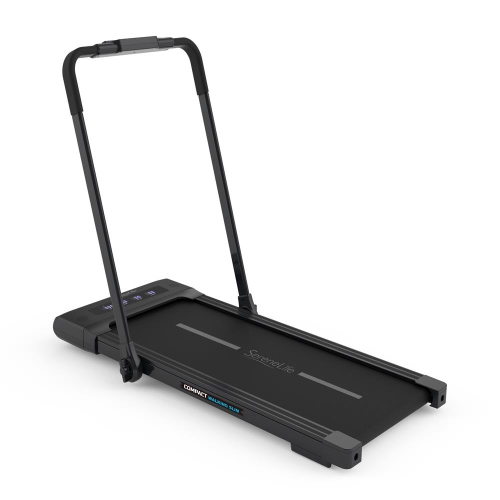
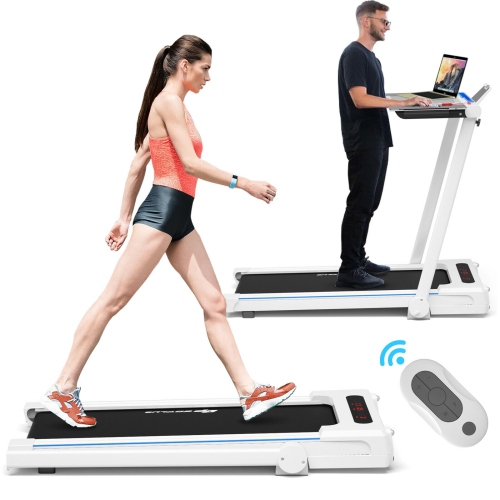
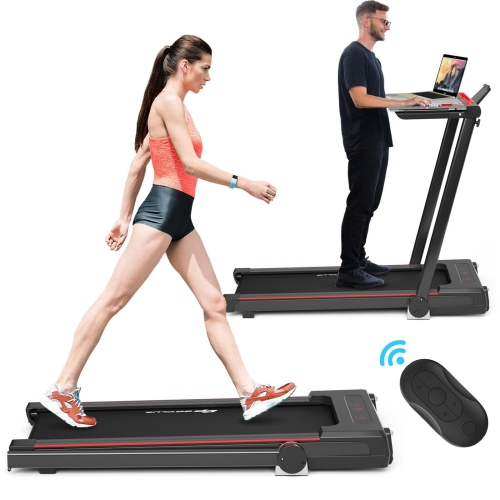
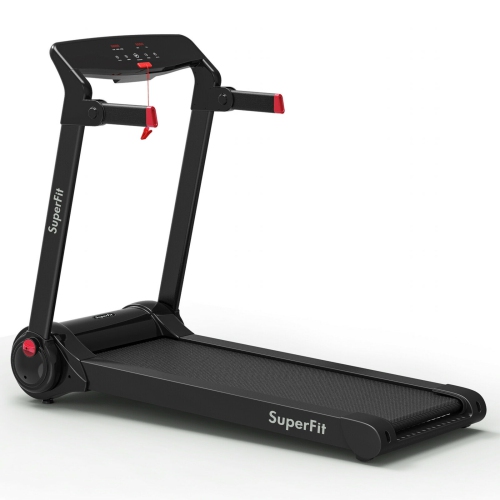
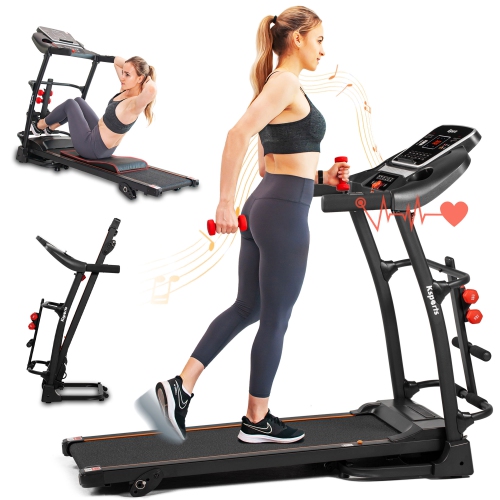
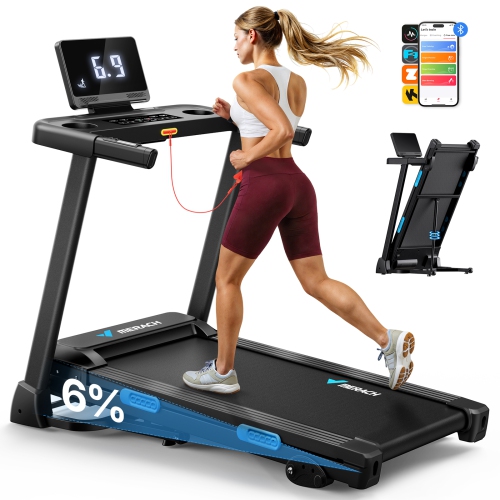
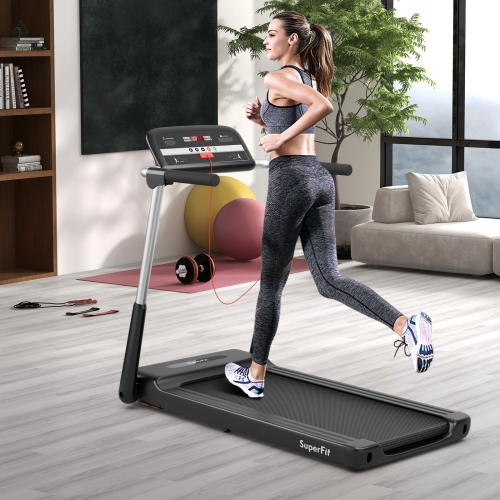
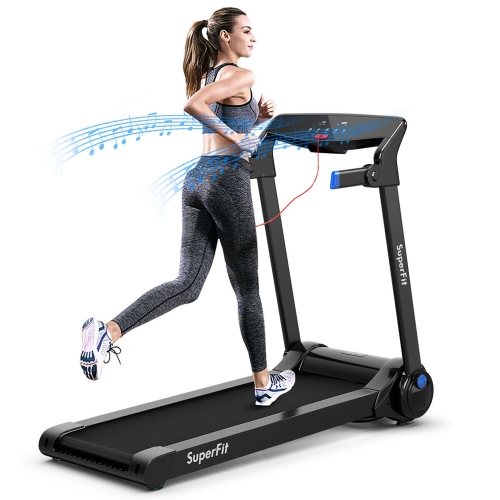
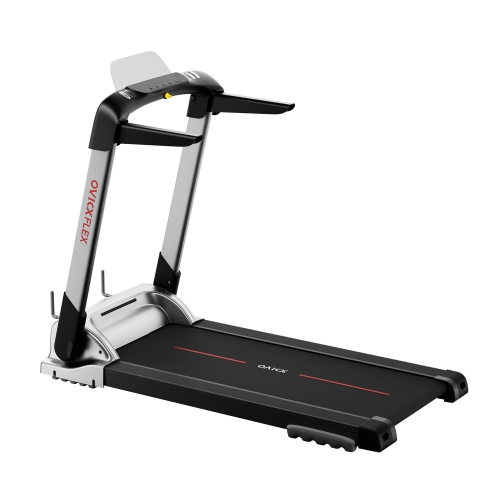
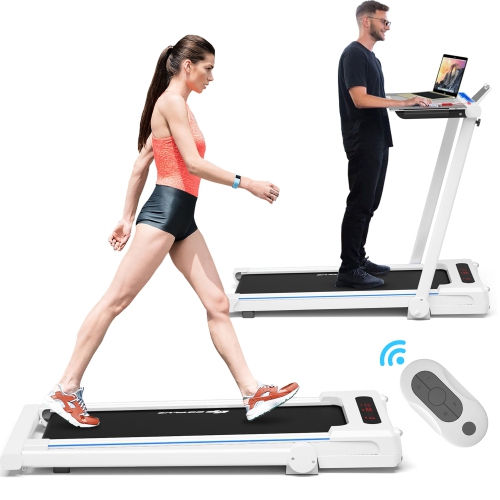
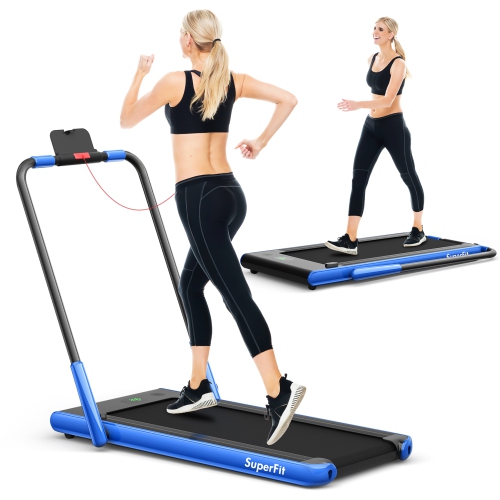
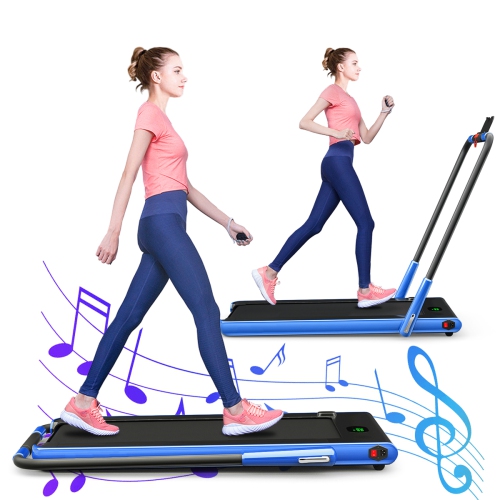

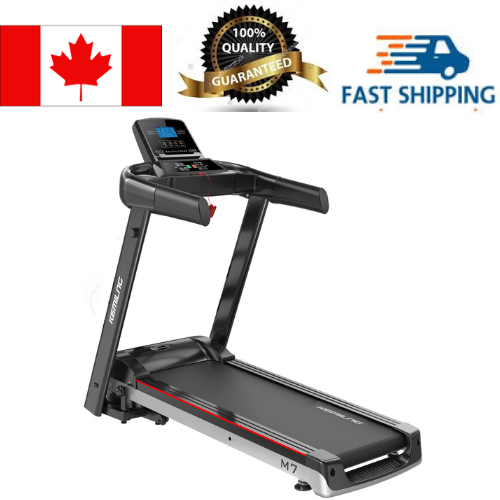
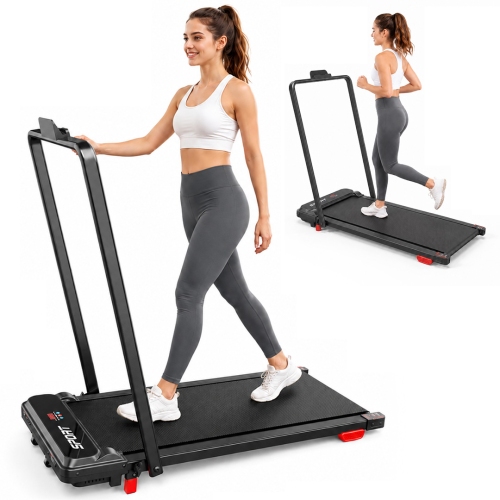
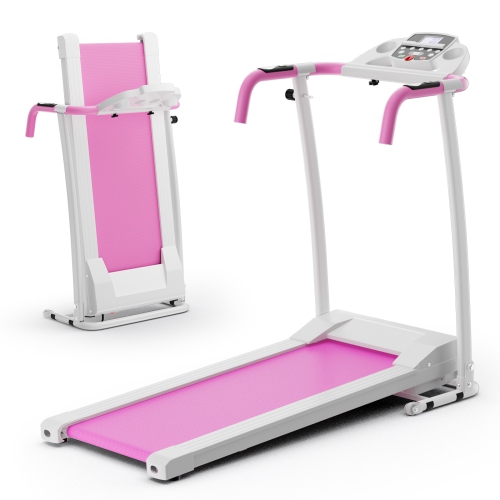
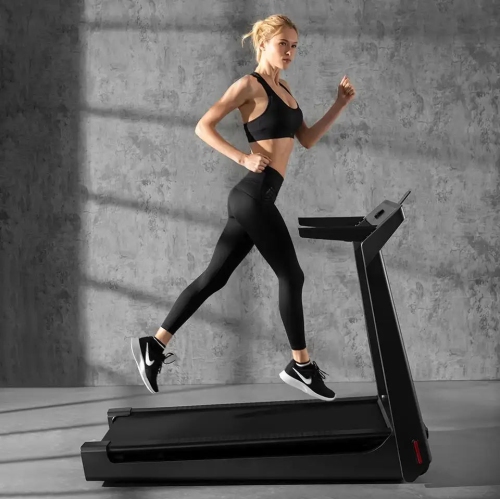
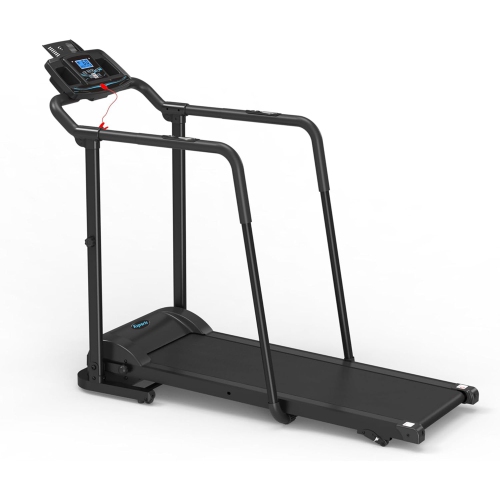
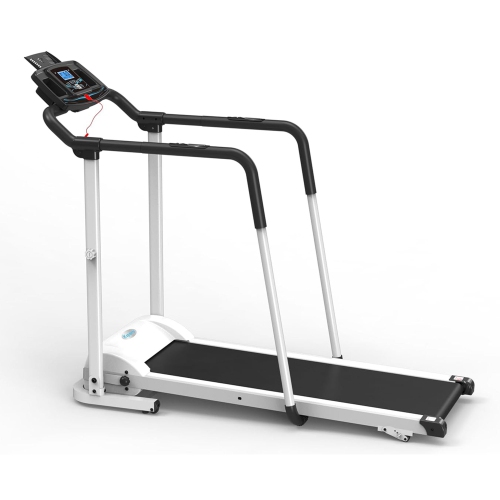
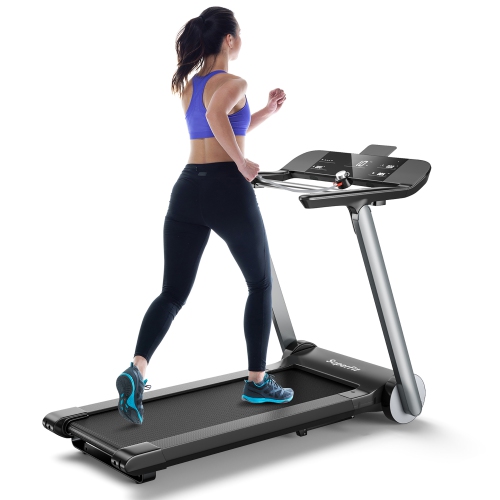
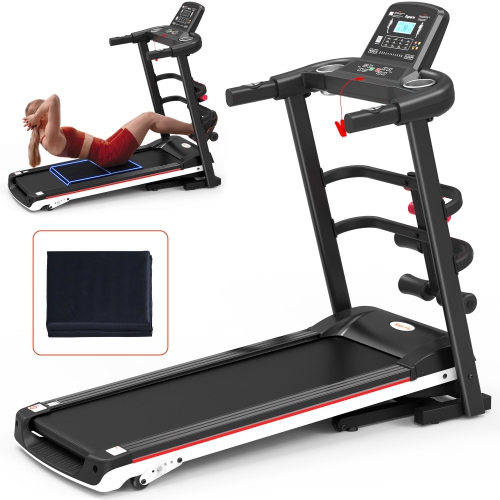
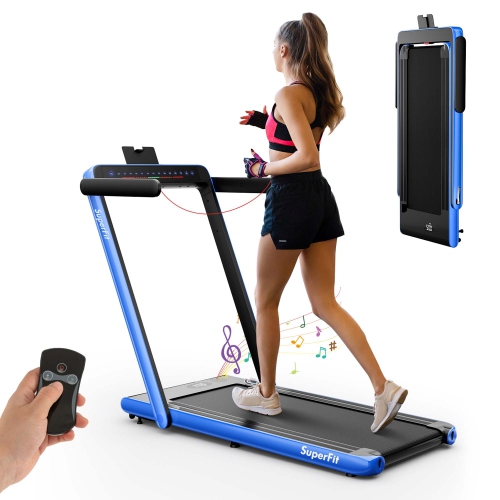
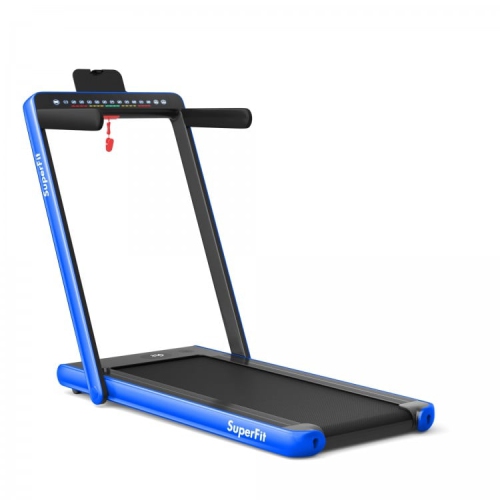
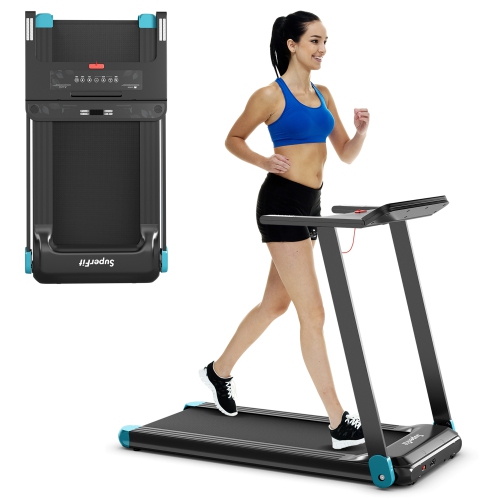
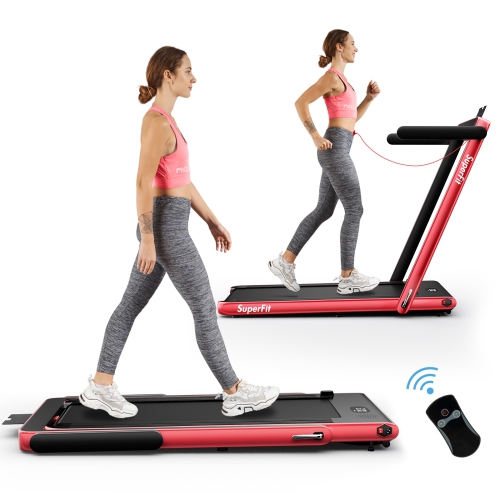
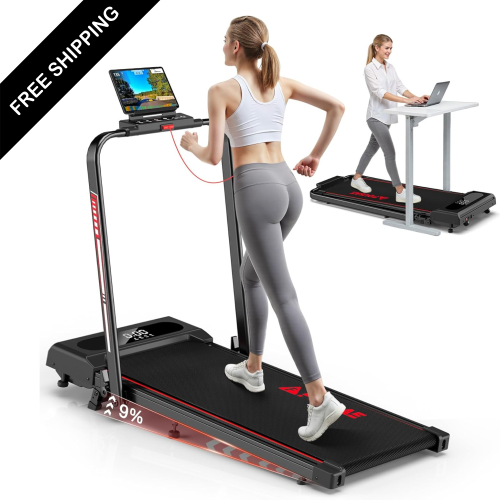
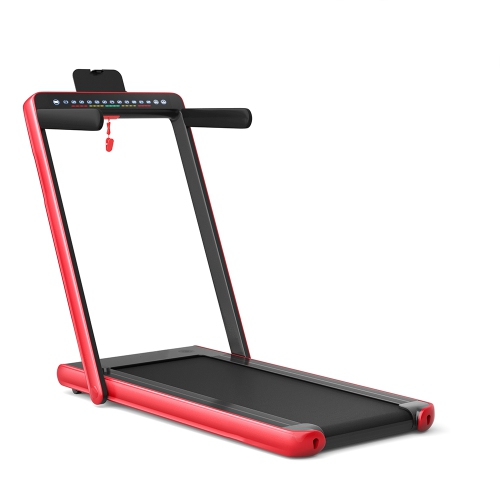
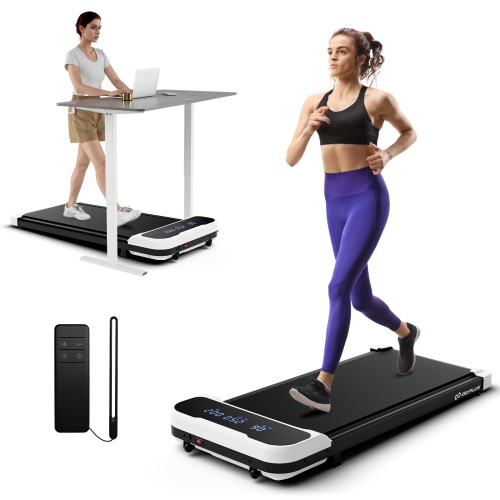
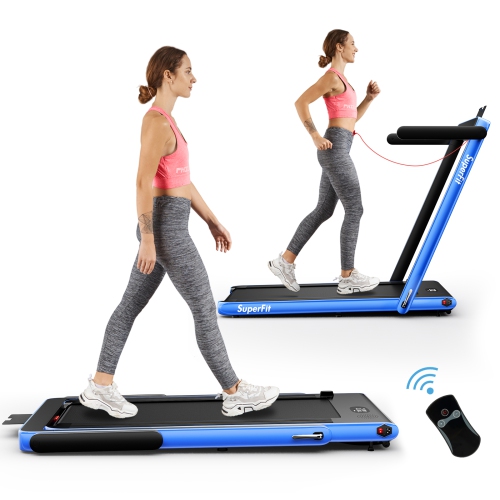
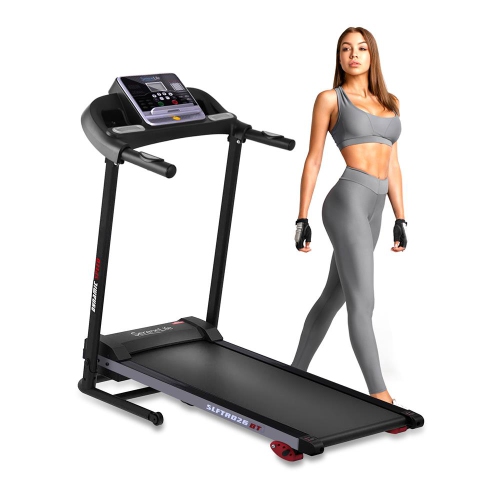
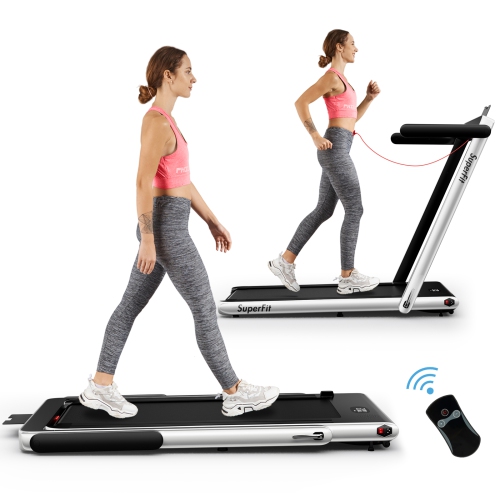
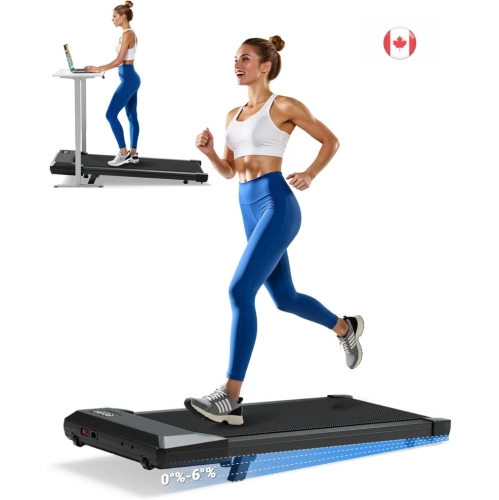
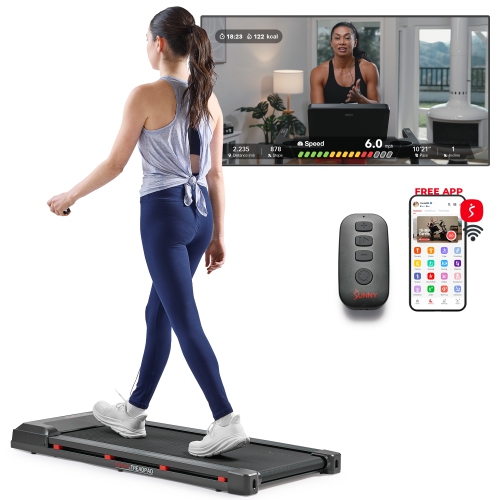
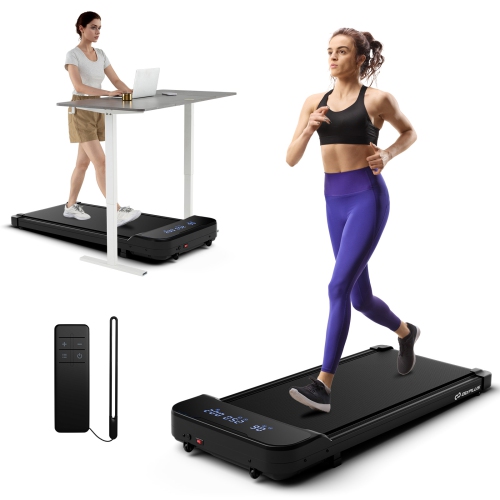
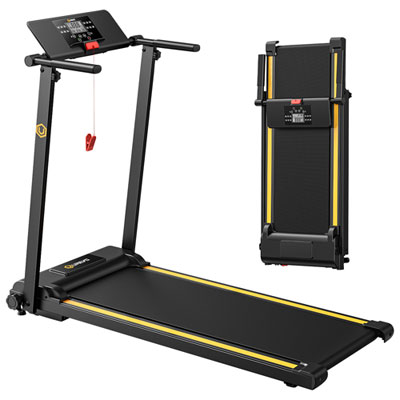

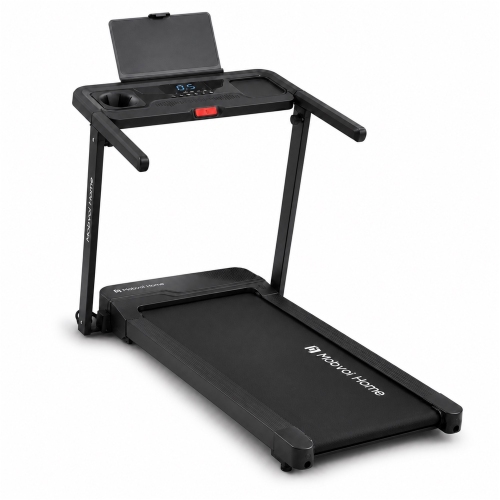
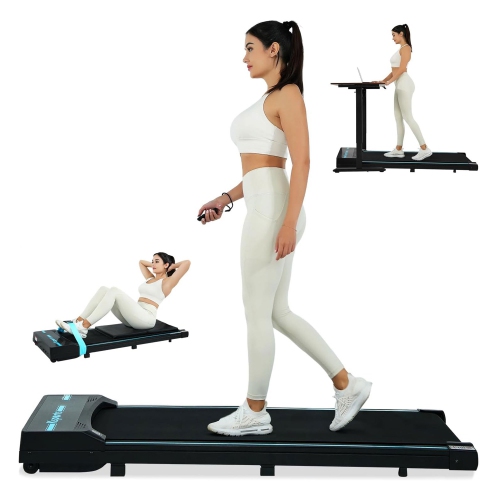
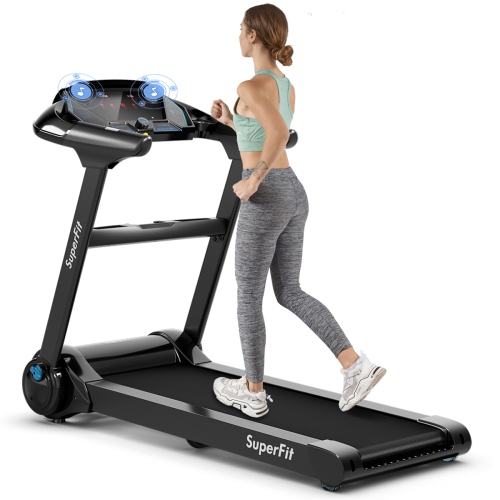
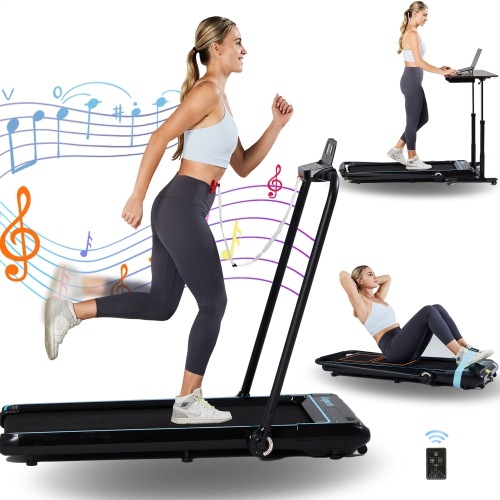
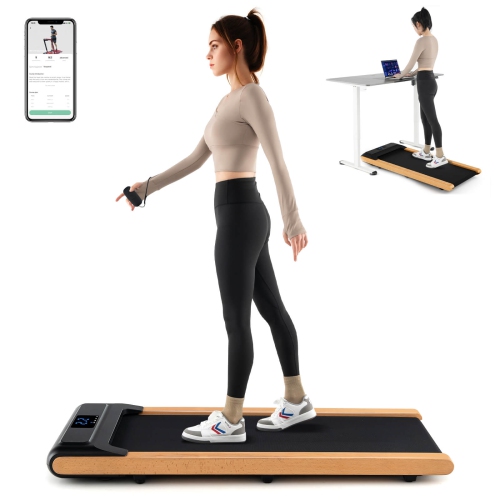
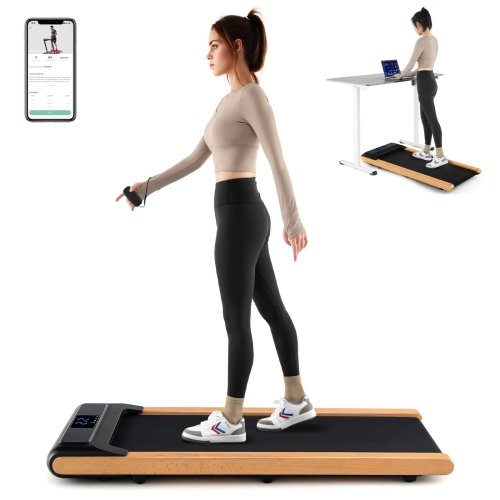
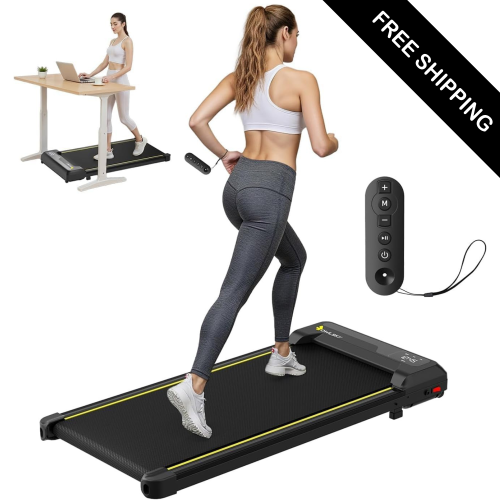
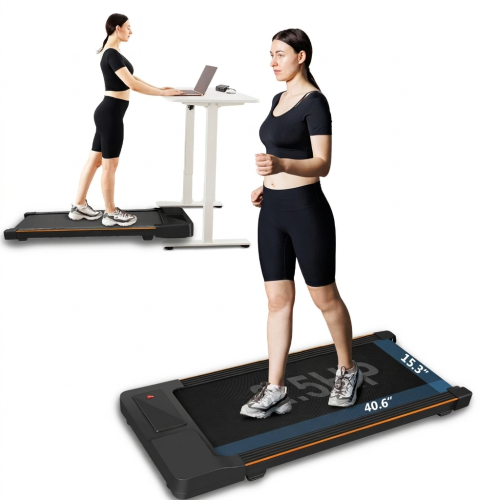
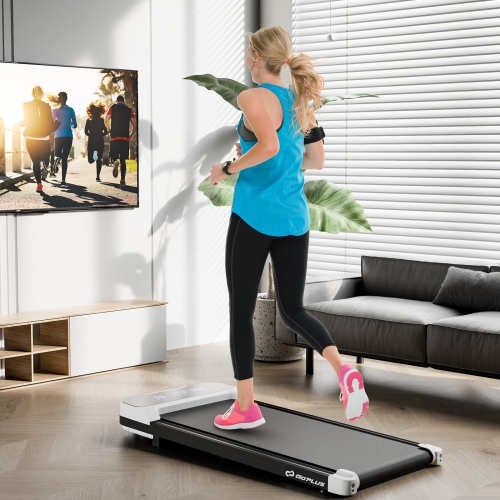
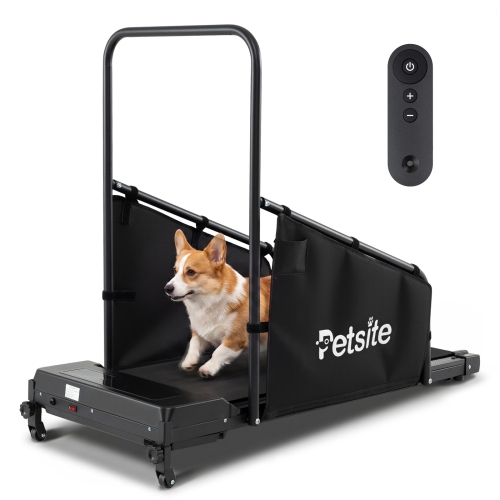
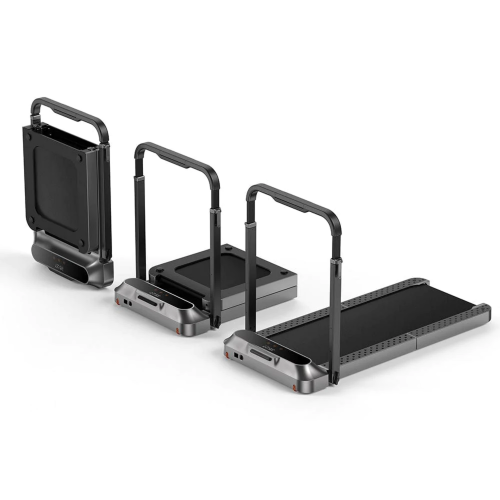
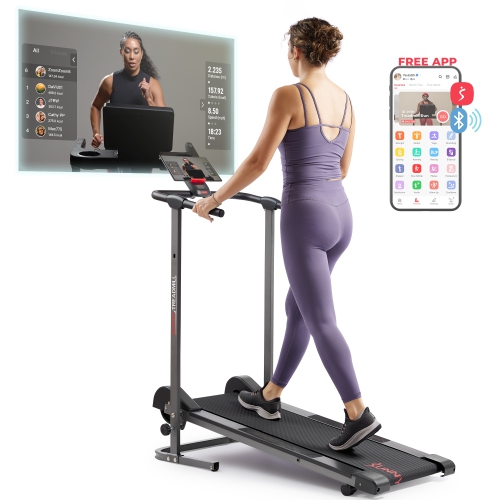
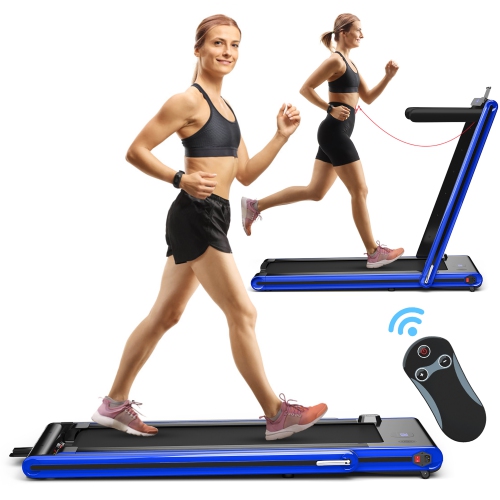
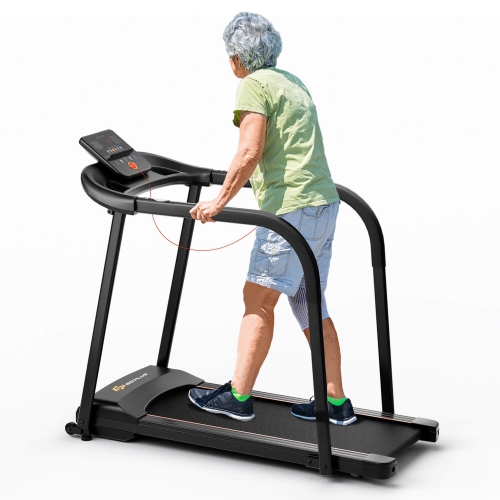
More uphill effort without increasing your pace
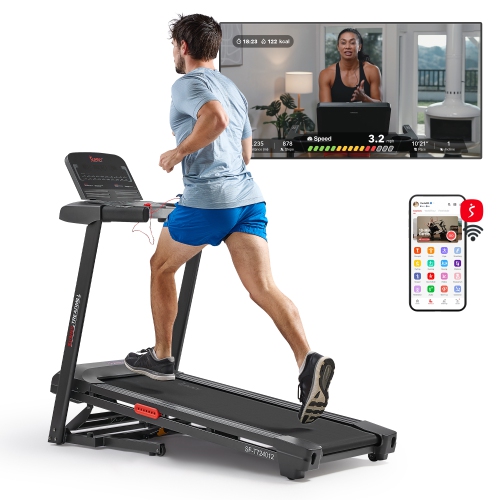
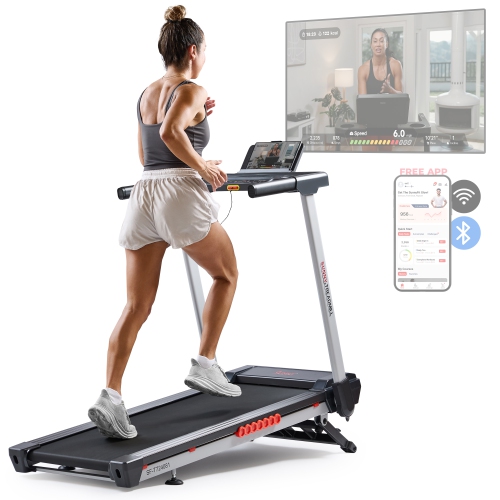
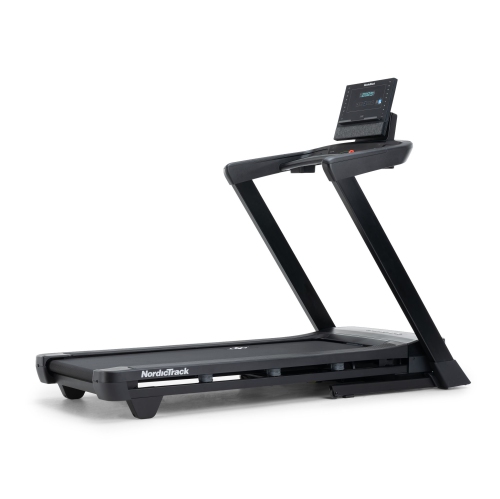
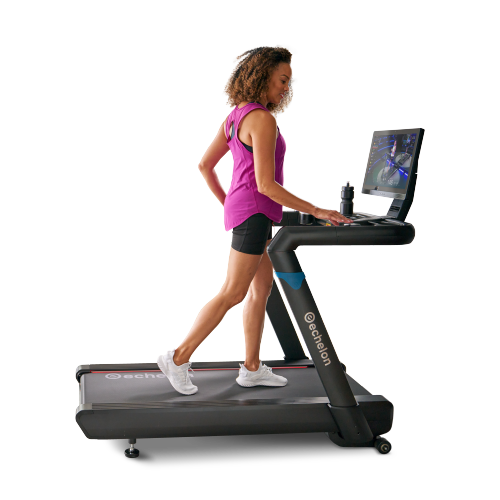
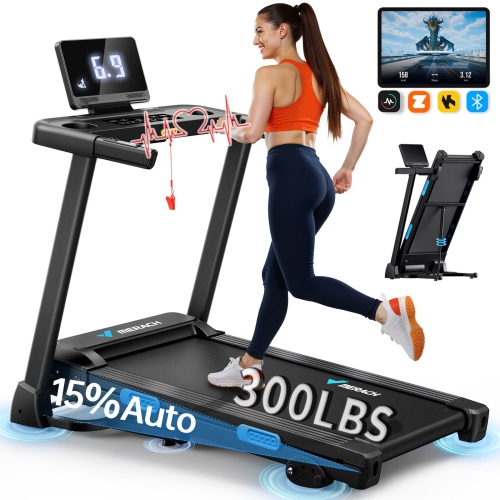
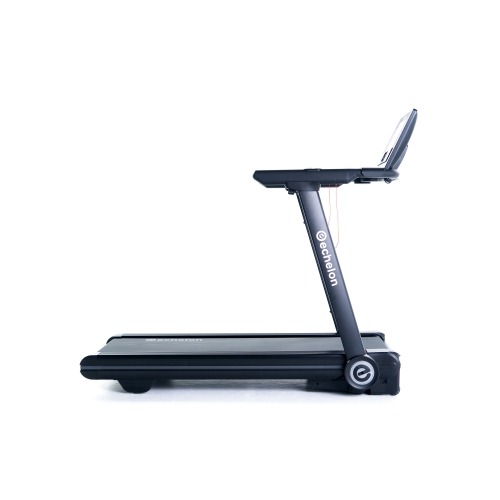
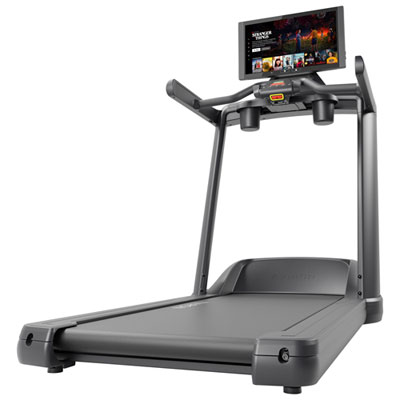
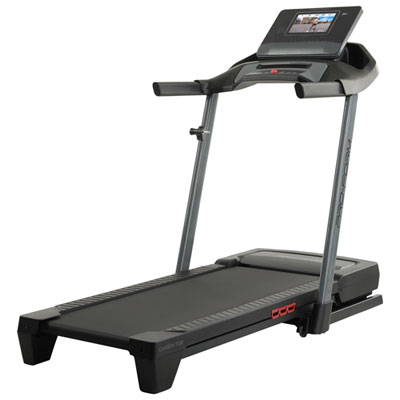
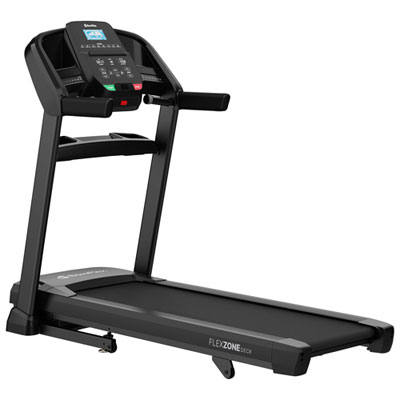
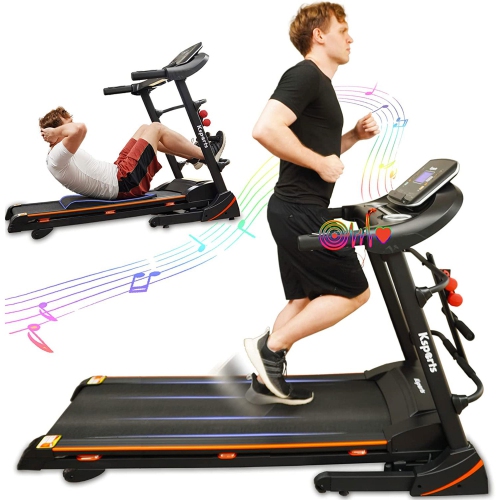
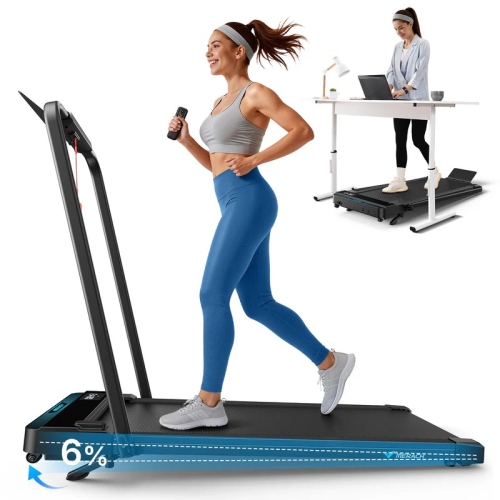
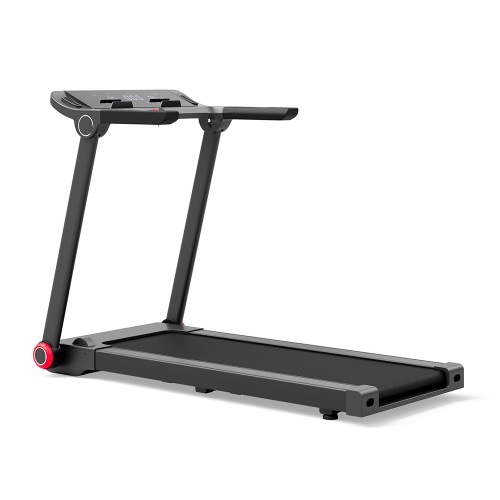
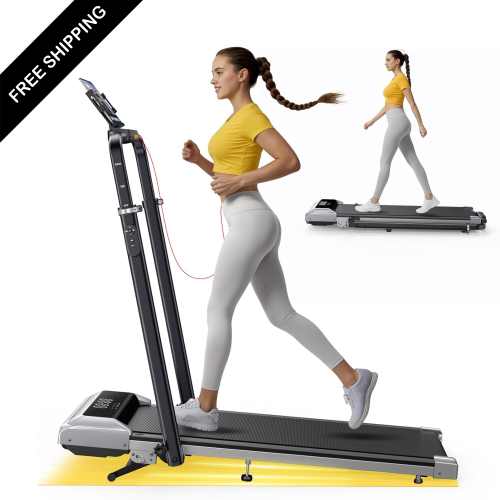
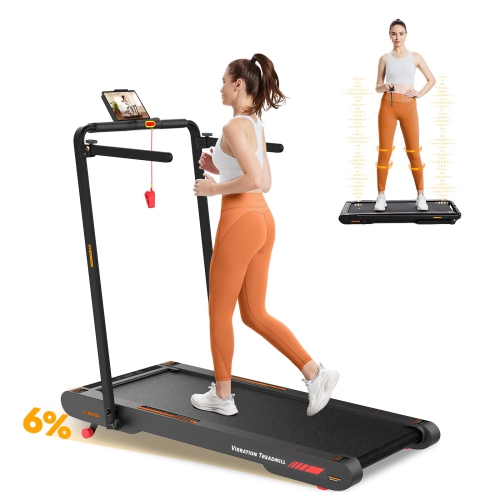
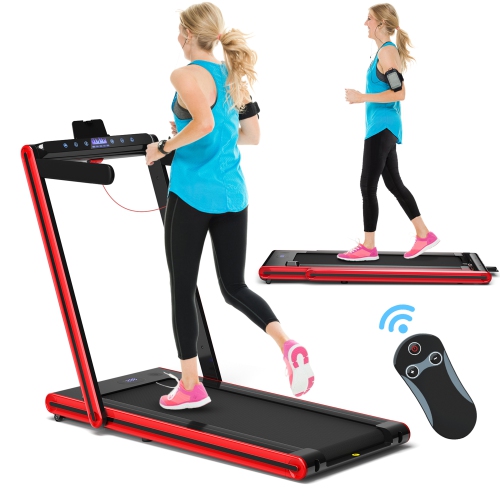
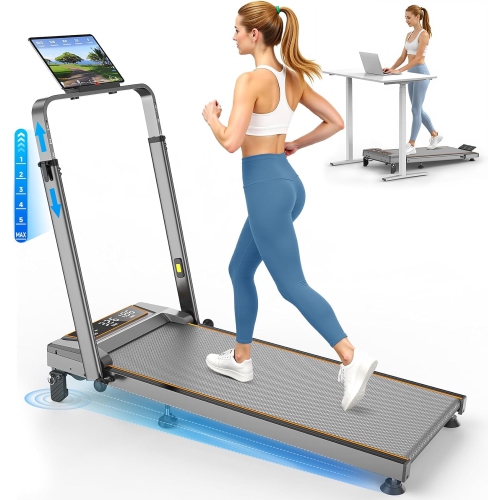
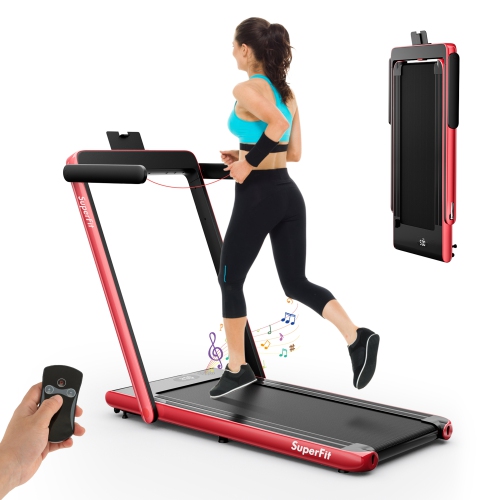
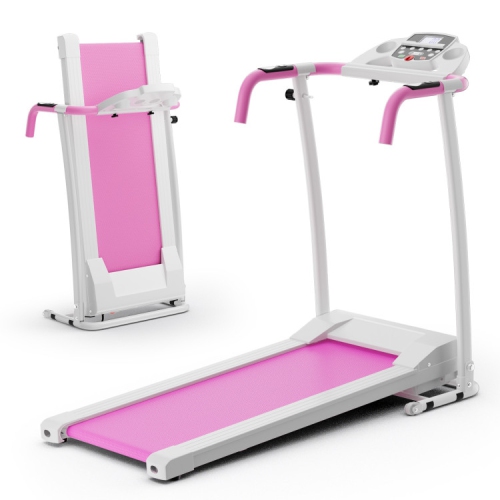
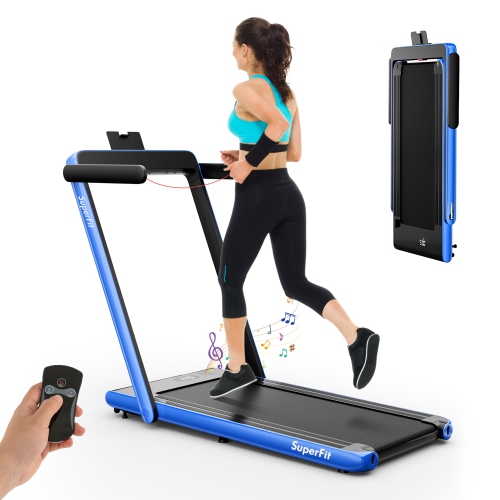
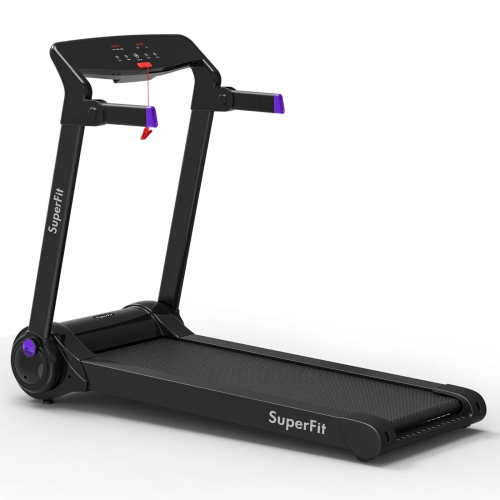
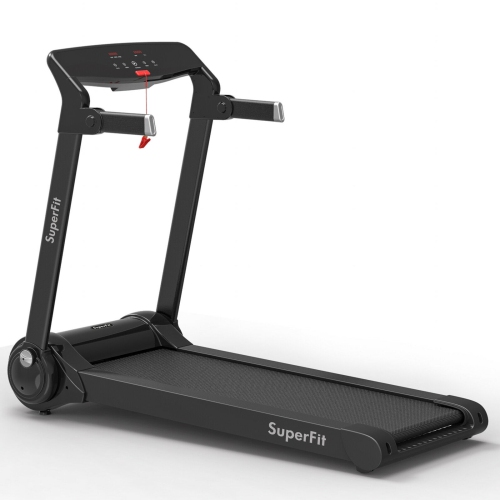
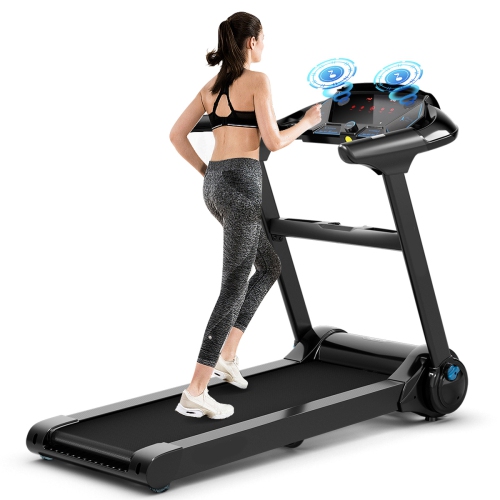
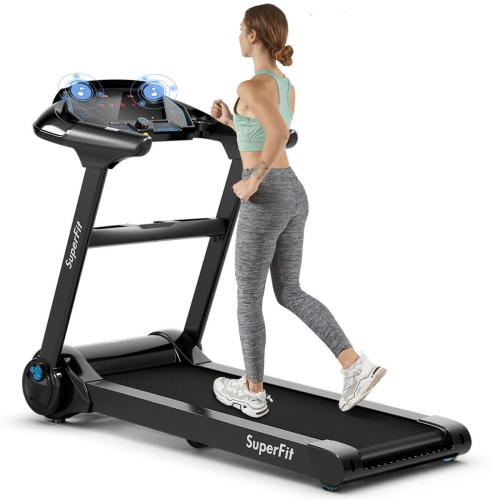
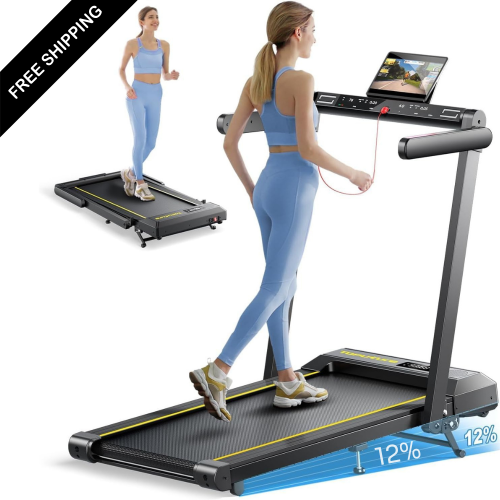
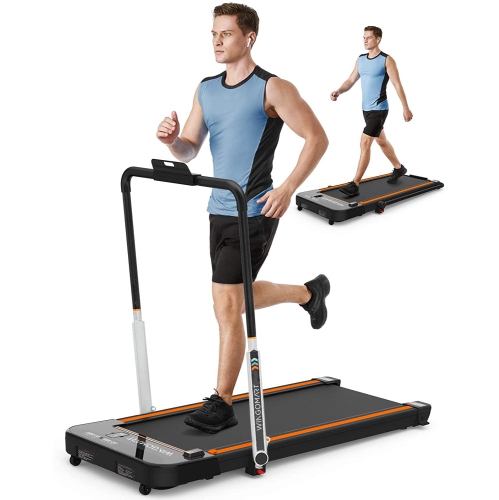
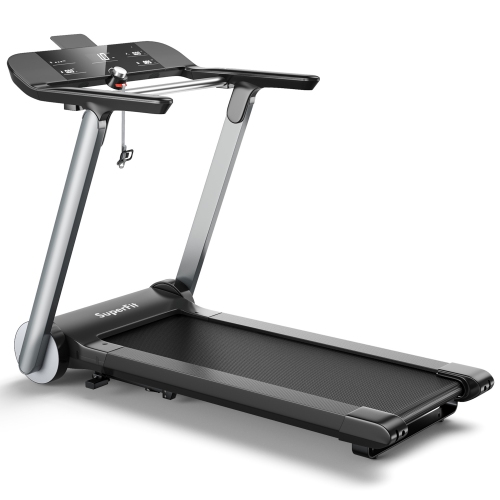
Treadmills with auto incline bring uphill movement into a home workout by raising the front of the running deck electronically. Instead of stopping to reposition the deck by hand, the user can adjust the incline through console controls or, on suitably equipped models, a remote or compatible app. Some treadmills also change the incline automatically within preset workouts, creating a sequence of flatter sections and climbs while the belt keeps moving. This makes automatic incline useful for brisk walking, steady jogging, and running sessions that call for changes in effort without constant changes in pace. A walker might keep a comfortable speed and add a gentle slope for a more demanding stretch, while a runner might alternate level recovery periods with short uphill efforts. Incline is commonly expressed as a percentage rather than an angle: a 10% grade represents a rise of 10 units for every 100 units of horizontal distance, not a 10-degree slope. The distinction matters when comparing specifications, because a treadmill advertised with several incline levels does not necessarily offer the same maximum grade as one displaying a percentage. Maximum incline, adjustment increments, and the way the deck moves between settings all shape the workout experience. Smaller increments can make gradual changes easier, particularly when several people with different fitness levels share the same machine. Automatic incline does not always mean automatic speed adjustment, so the available programme controls deserve equal attention. Features found on Treadmills With Interval Training can complement incline workouts by supporting repeated work and recovery periods, although the exact combination of speed and slope control varies. For someone building a consistent exercise routine, the practical appeal is flexibility: a single treadmill can accommodate an easy walk, a sustained climb, or a more varied session without requiring a different piece of equipment. Changes in slope should remain manageable, with enough time to settle into each setting rather than chasing the steepest incline.
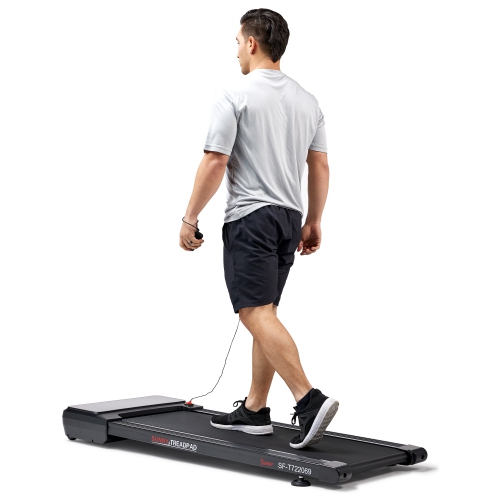
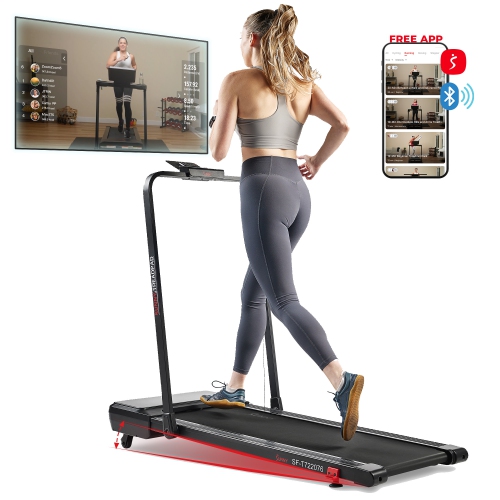
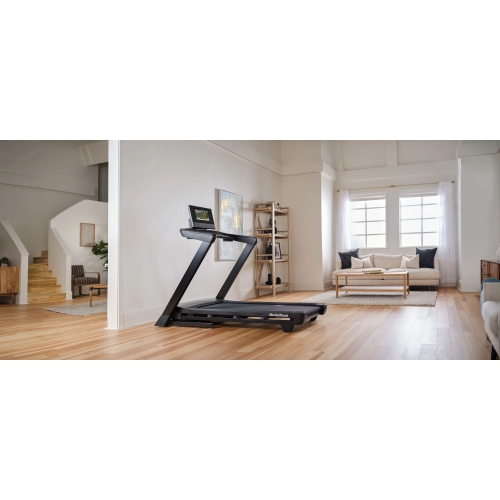
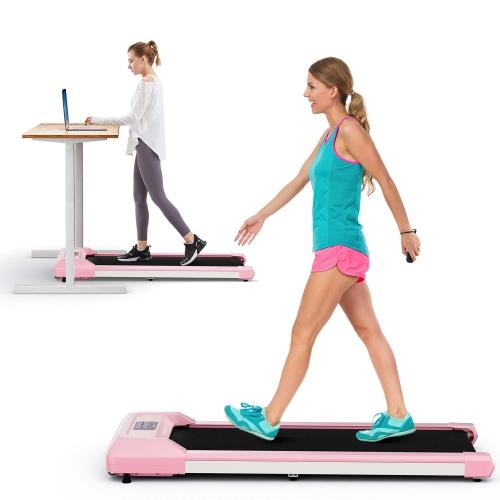
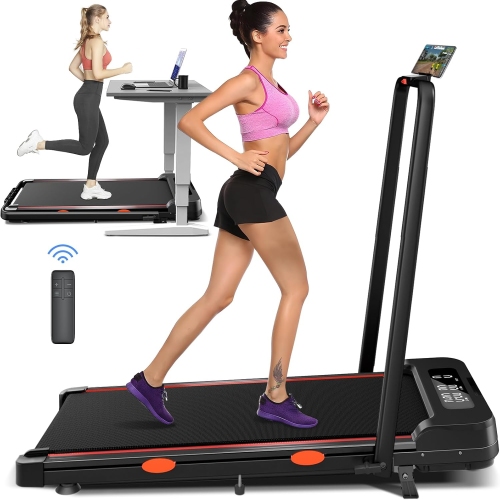
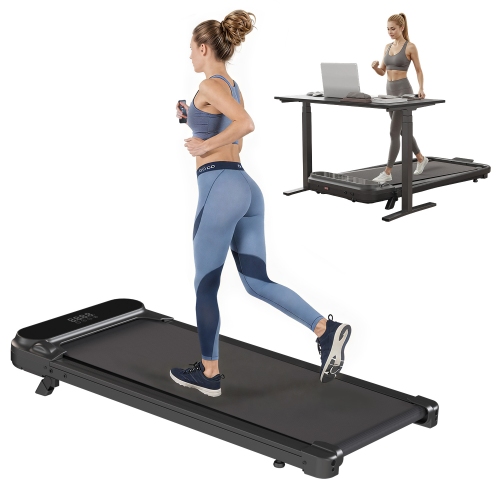
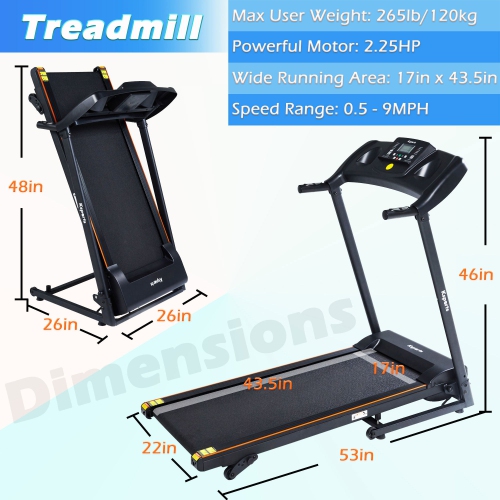
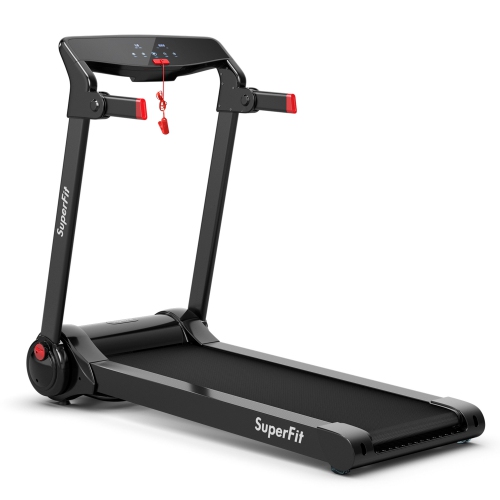
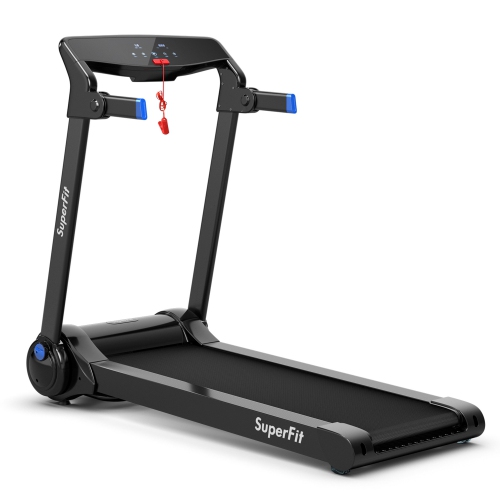
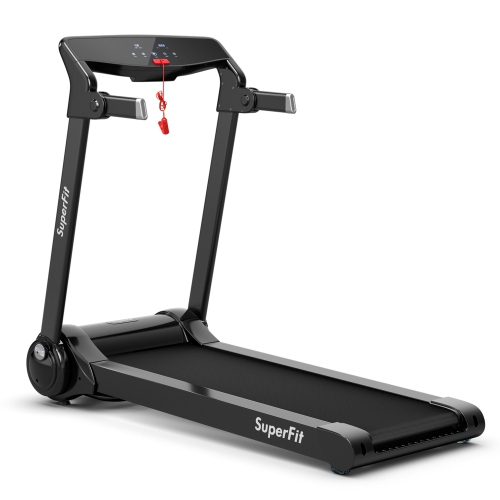
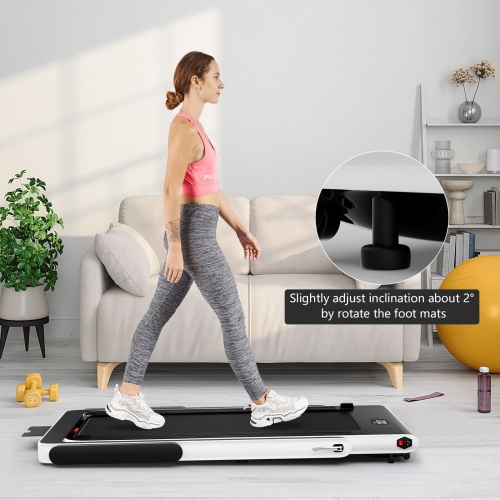
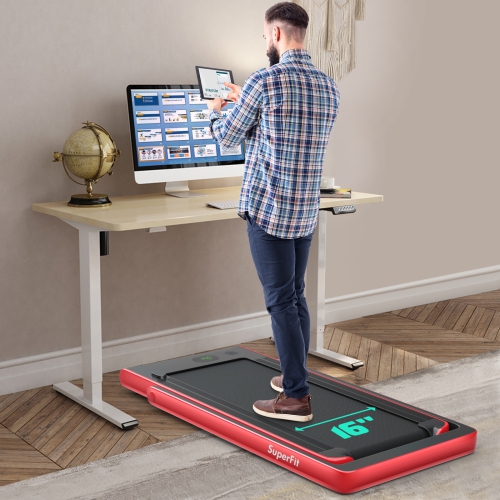
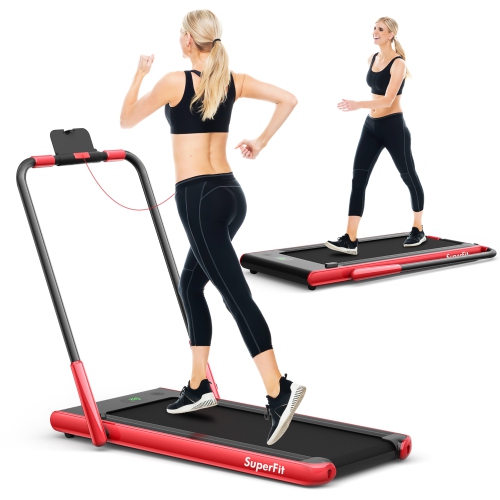
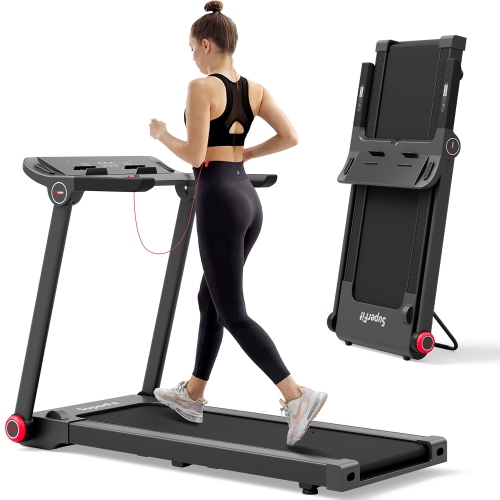
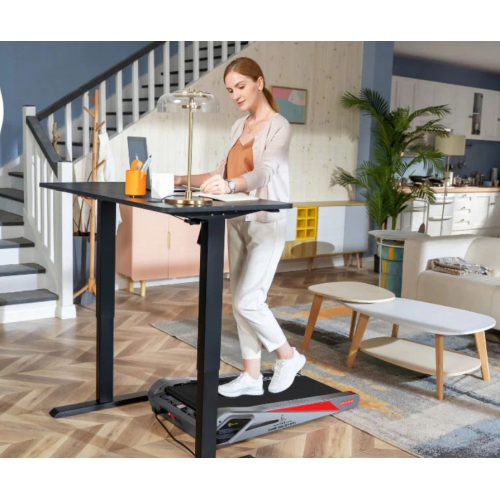
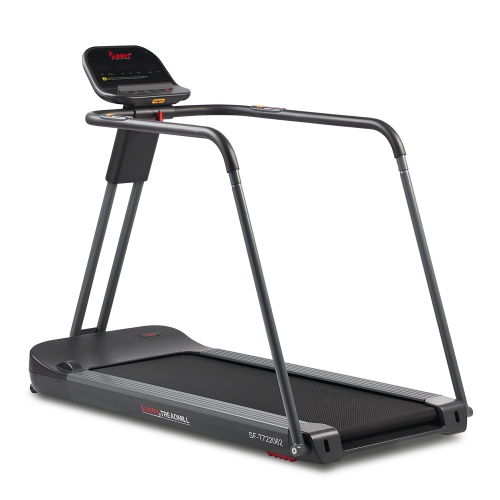
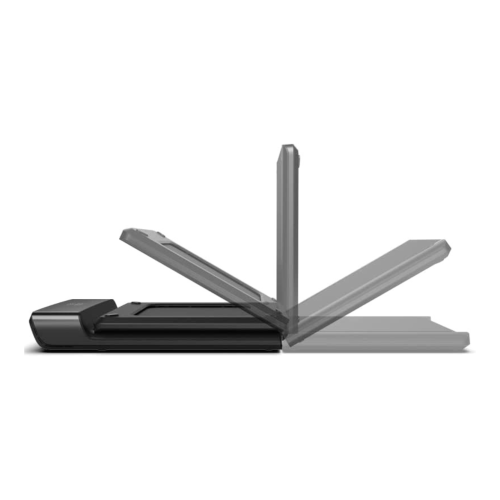
The right physical fit depends on both the person using the treadmill and the space where it will stay. Full-size treadmills typically provide an upright console, handrails, and a deck intended for walking, jogging, or running, depending on their specifications. Compact walking treadmills take up less room, but their speed limits, belt dimensions, controls, and support features can make them better suited to walking than faster exercise. Not every low-profile treadmill has powered incline, and a fixed sloped deck or manually adjustable support is not the same as automatic incline. Belt length and width are especially important for comfortable movement. A taller person or someone with a long running stride generally needs more room from front to back, while additional width can help prevent the feeling of having to place every step precisely down the centre. Handrails should be accessible without forcing an awkward reach, and the console should be easy to read while maintaining a natural head position. A substantial frame, often made from steel, supports the deck and incline mechanism, while the belt, rollers, and deck surface work together to keep movement consistent. Cushioning systems vary; some soften the feel of each landing, but a cushioned deck is not a guarantee of pain-free exercise or a substitute for appropriate footwear. User weight capacity, motor specifications, and the manufacturer’s intended use help establish whether a treadmill suits occasional walks, regular running, or repeated sessions by multiple household members. Space planning extends beyond the machine’s footprint. The deck rises during incline use, so ceiling clearance needs to account for the user’s height as well as the elevated walking surface. Manufacturer-specified clearance behind and beside the treadmill also needs to remain open. Folding designs can make a room easier to share, but the folded dimensions, lifting mechanism, transport wheels, and machine weight determine how practical storage will feel after a workout. A sturdy mat approved for the flooring can help protect the surface beneath the treadmill, although it will not eliminate motor noise or the vibration of running footsteps.
Everyday usability often comes down to details that are easy to overlook in a specification table. Clearly marked incline controls are helpful when a user wants to make a small adjustment without searching through a touchscreen menu. Quick-access buttons, readable workout data, and a conveniently placed emergency stop can make the console easier to use during movement. A bottle holder and a secure place for a phone or tablet can also be useful, provided the device does not obscure essential controls. Connected features may include workout tracking, guided sessions, or compatible app integration, but their requirements and operation differ; core speed and incline controls should suit the intended routine whether or not connected content is used. For shared households, saved preferences or user profiles can reduce repeated setup, while straightforward controls may matter more than an extensive programme library for someone who mainly wants a daily walk. Automatic incline adds moving components beneath the deck, making routine care important for dependable operation. Dust and debris should be kept away from the belt and motor area, and cleaning, belt alignment, tension checks, and lubrication should follow the manufacturer’s instructions. Some belts require a specified lubricant, while others have different maintenance requirements, so applying oil without checking the manual can cause problems. Cleaning or servicing should take place with the treadmill powered down and disconnected as directed. A level, stable floor and the specified electrical connection support proper operation. Children and pets need to stay clear of the belt and incline mechanism, and a folding deck should be secured with its intended lock before storage. For new users, comfortable speeds and modest slopes allow time to get familiar with the controls and maintain a steady stride. People returning to exercise after an injury should follow appropriate professional advice. As a gift for someone who has expressed interest in home fitness, an auto-incline treadmill is most useful when its dimensions, workout capabilities, and maintenance needs match the recipient’s space and routine.
Top selling and popular products
-
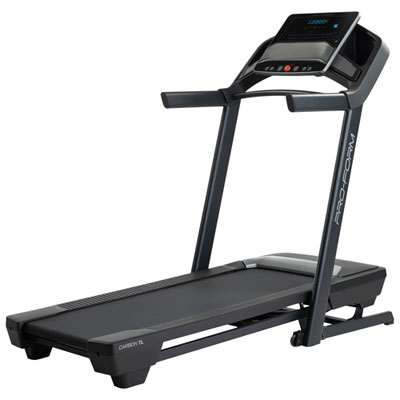 Your price for this item is $1099.98
-
 Your price for this item is $2901.98
-
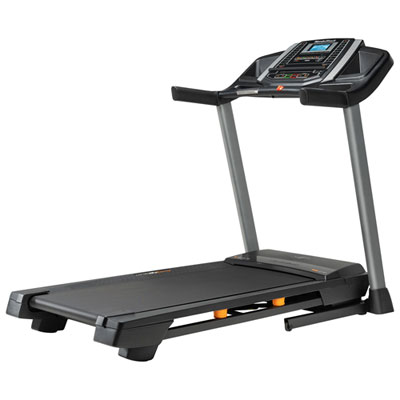 Your price for this item is $995.98
-
 Your price for this item is $1278.98
-
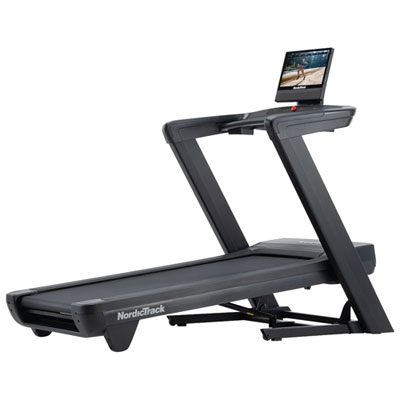 Your price for this item is $2501.98
-
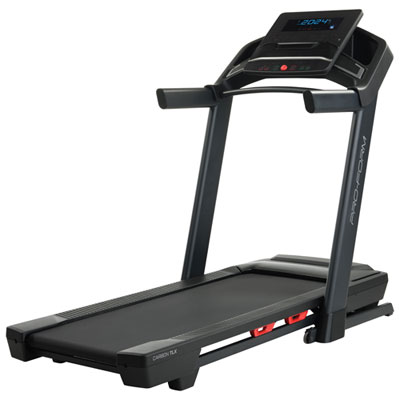 Your price for this item is $1399.99
-
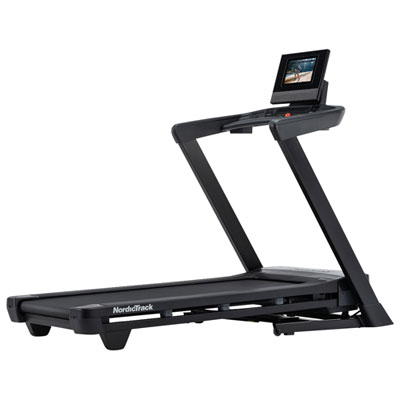 Your price for this item is $1799.99
-
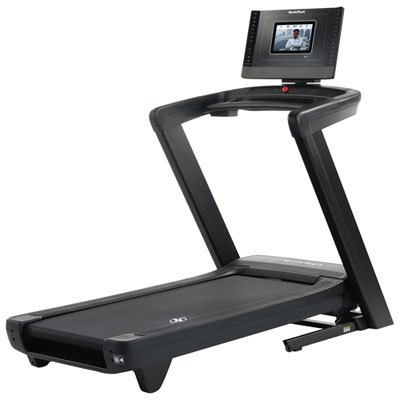 Your price for this item is $2698.98
Discover more categories related to Treadmills With Auto Incline
Top Collections:
Pokemon Centers, Best Cameras for Sports Photography, Kindle Devices, Samsung Galaxy Phones, Canon G7X Cameras, Pokémon 30th Celebration Cards, Refurbished Apple Laptops, iPhone 15 Apple, Laptops for Students, Budget Smartphones
Some products may be subject to Environmental Handling Fees
(EHF) depending on your province.
Learn more about EHFs.