Incline Running Treadmills
Looking to take your indoor running routine to the next level? Incline treadmills might just be the perfect addition to your home gym. Designed to simulate uphill terrain, these treadmills offer a challenging and effective workout that can help you build strength, endurance, and burn calories. Whether you're a seasoned runner or just starting out, incline treadmills provide a versatile and convenient way to elevate your fitness journey.
Sort
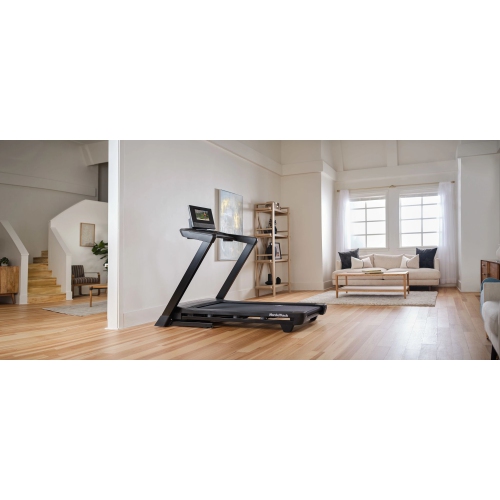
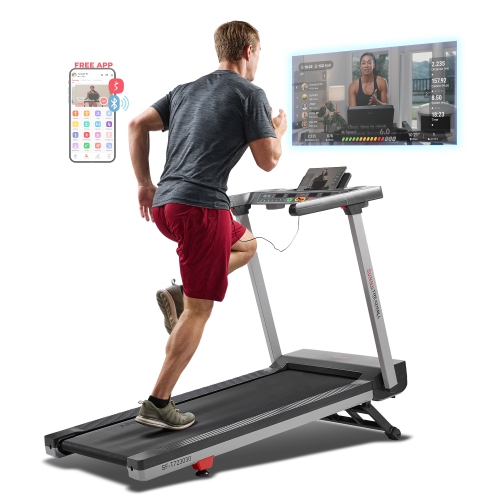
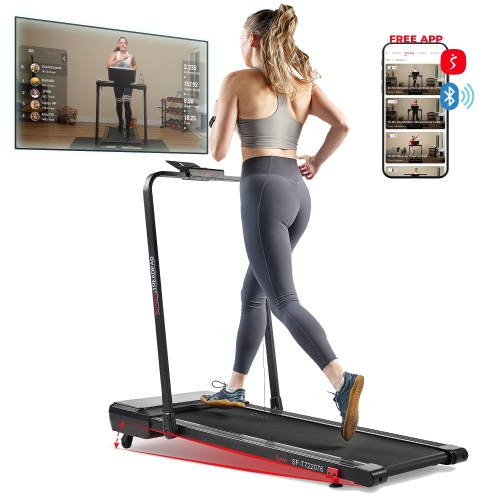
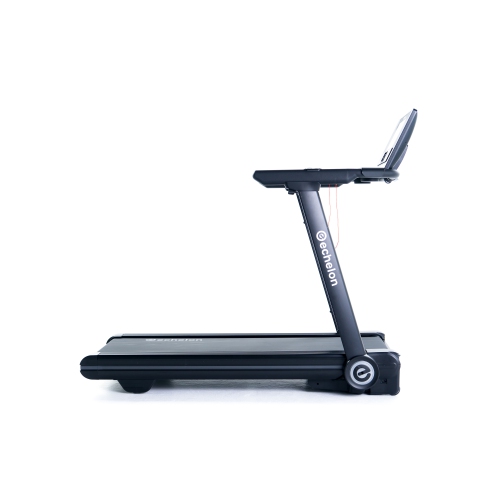
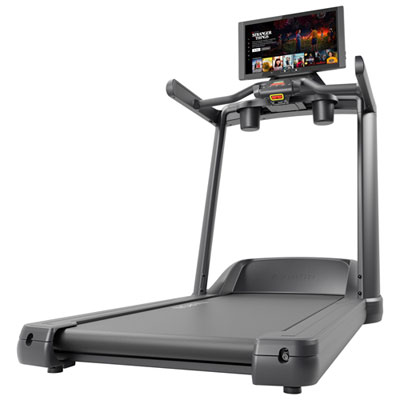
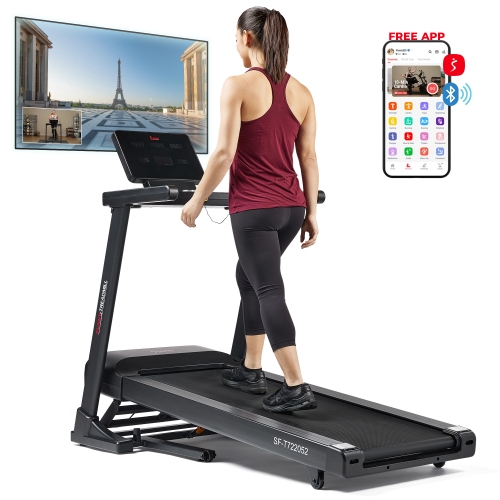
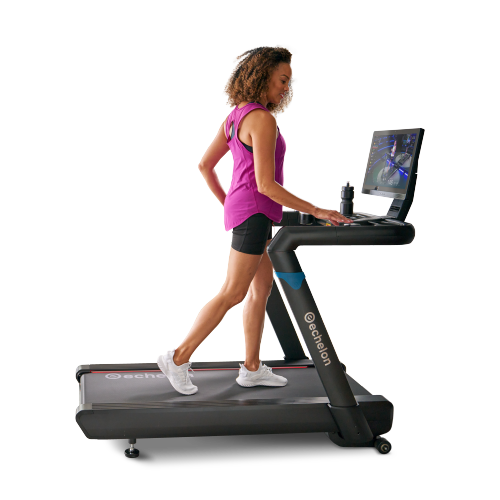
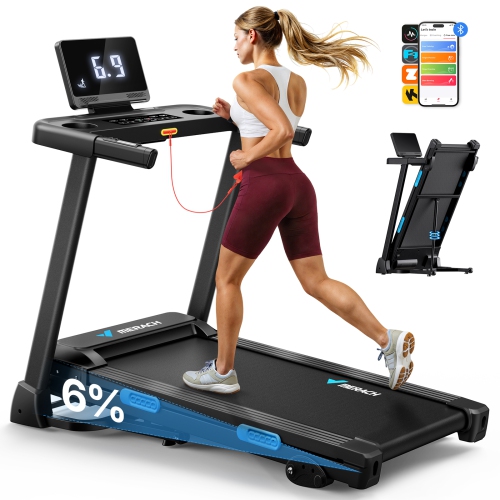
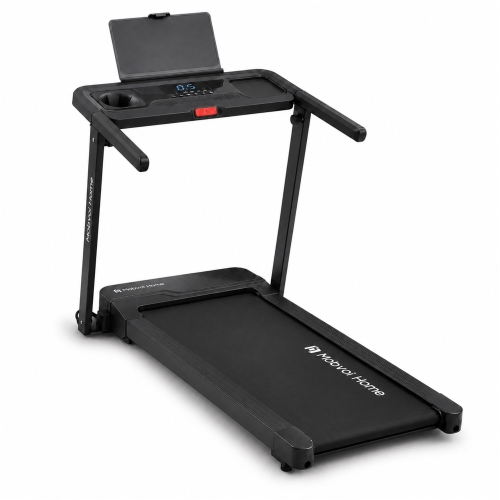
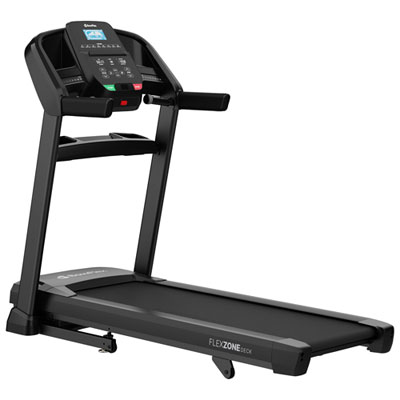
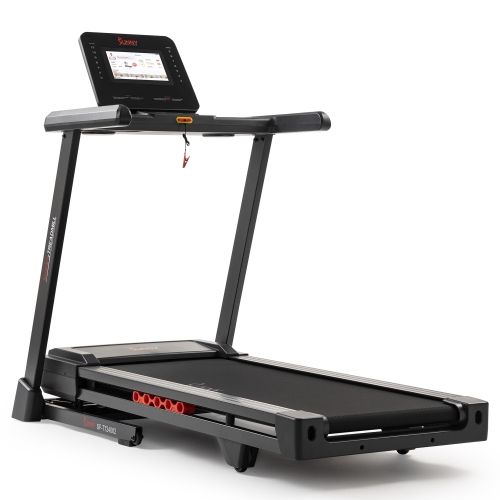
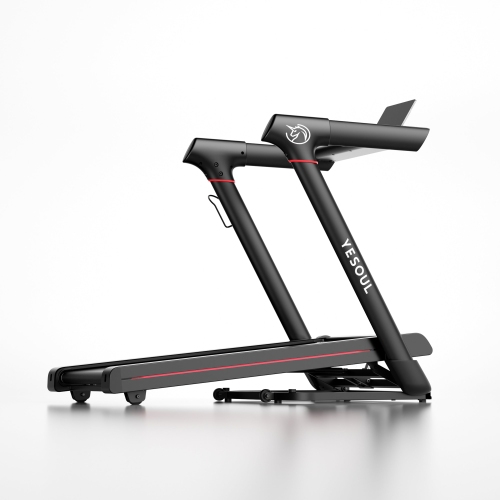
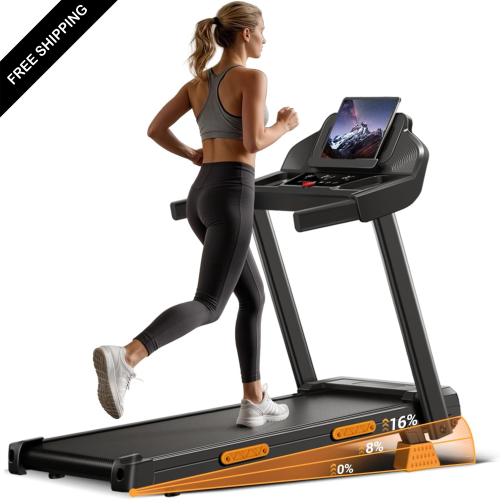
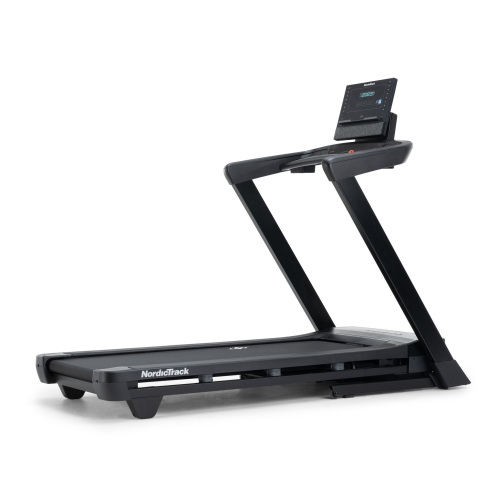

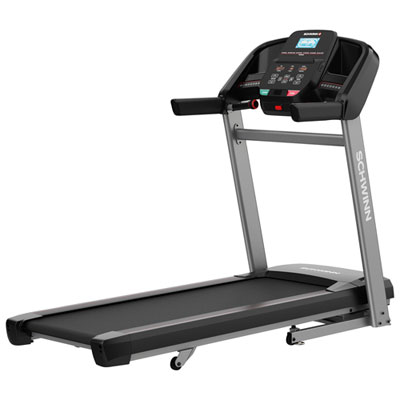
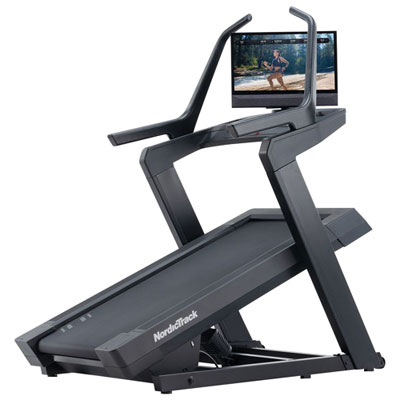
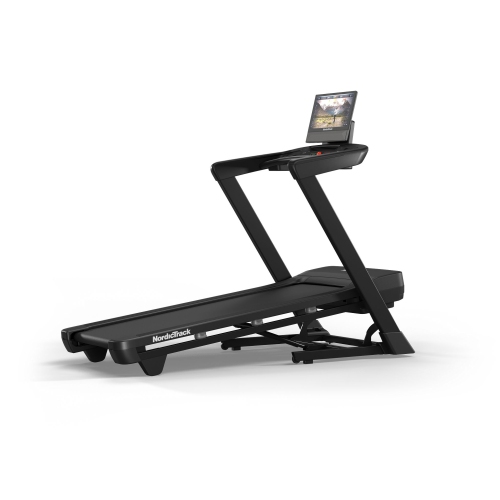
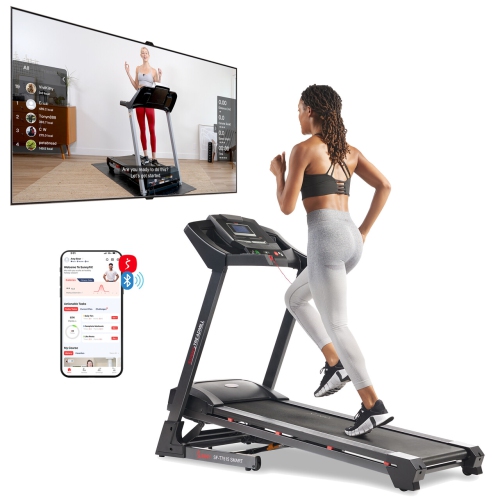
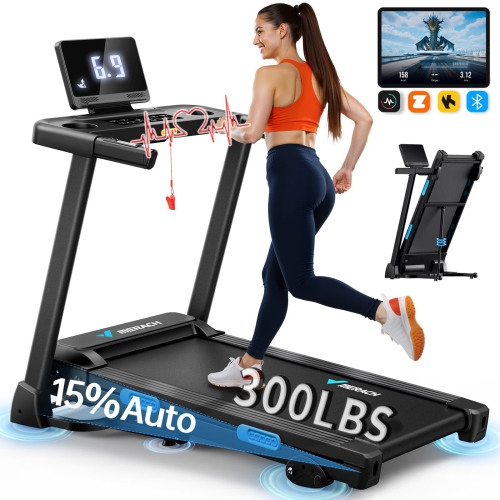
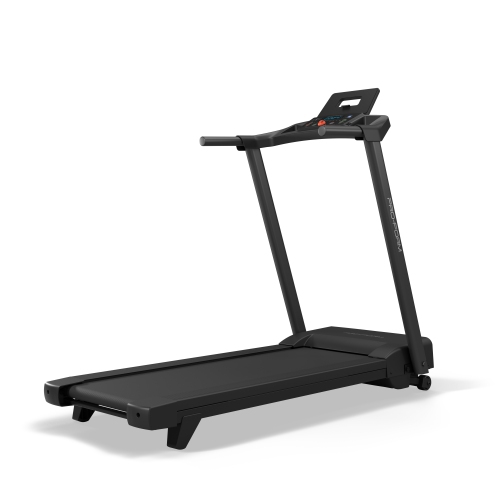

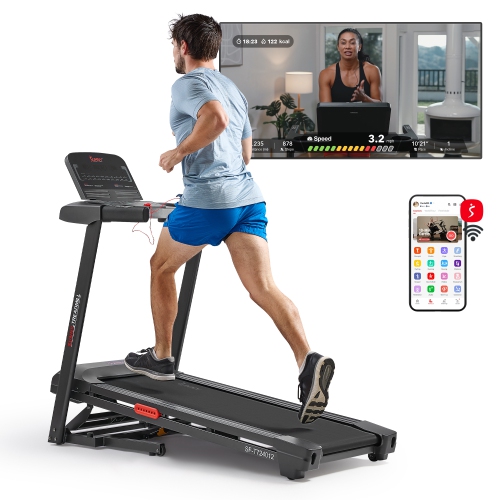
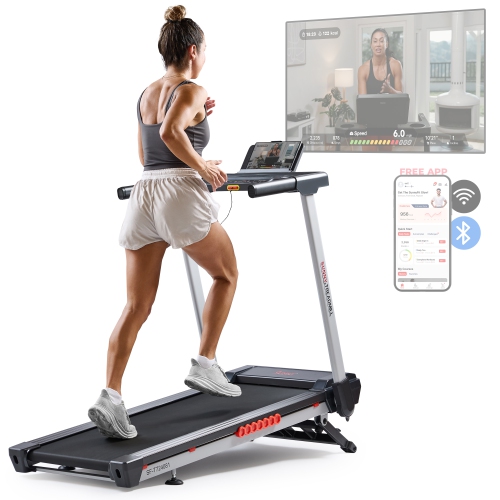
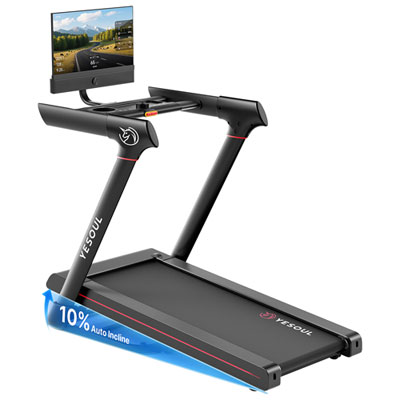

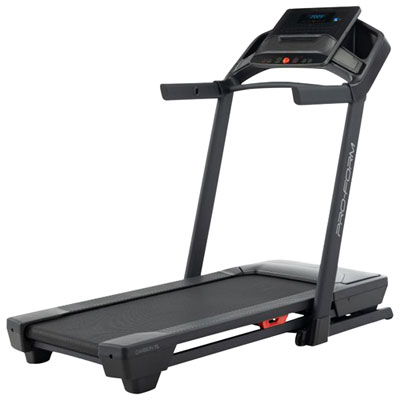
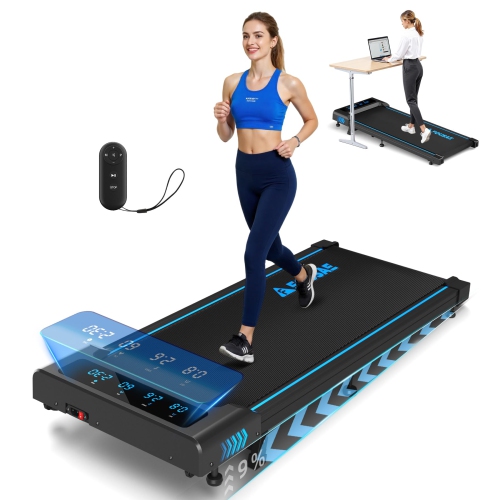
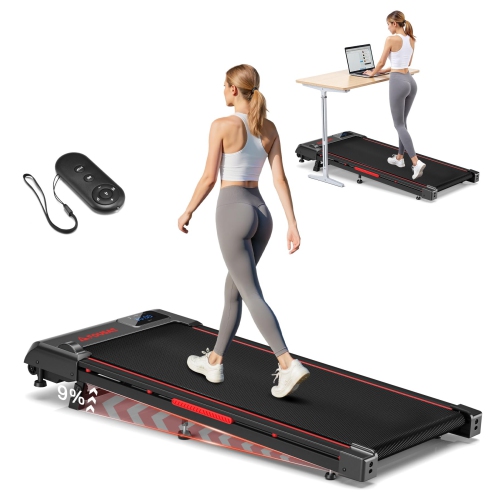
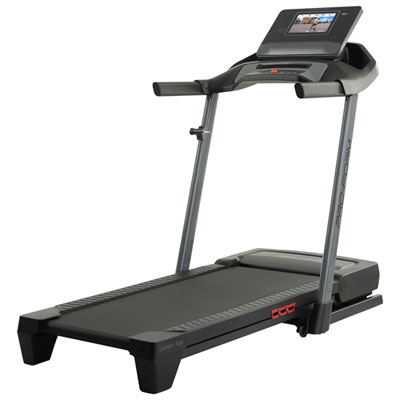
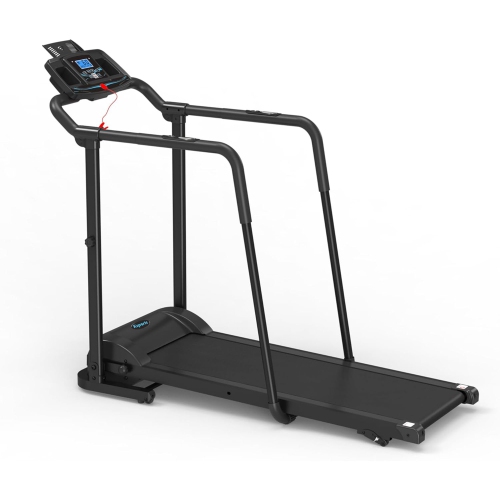
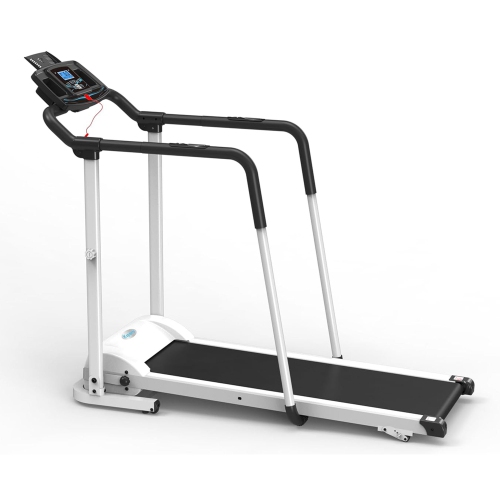
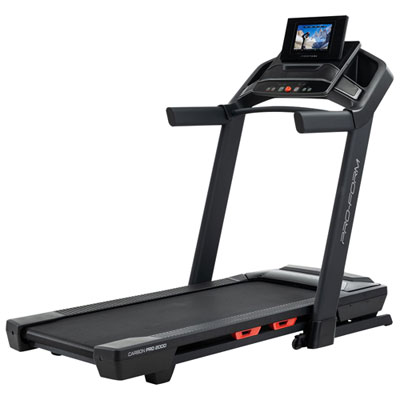
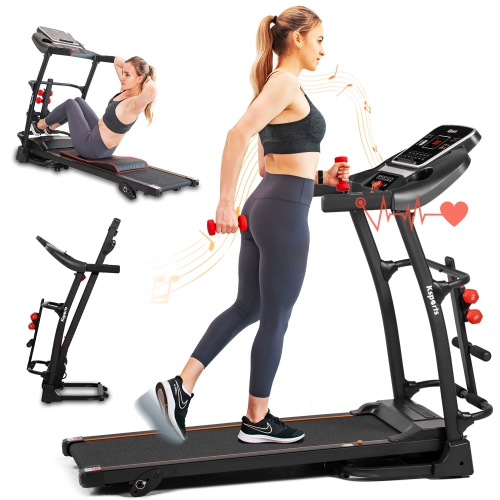
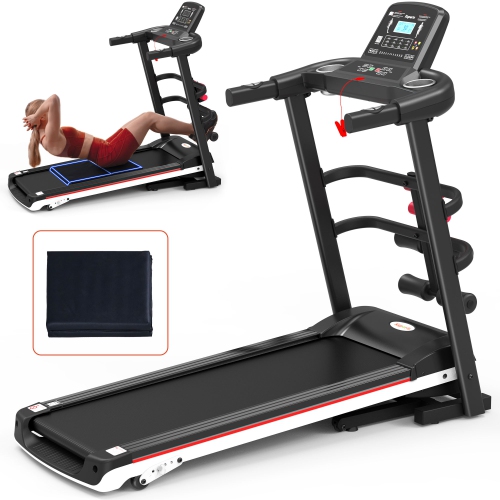
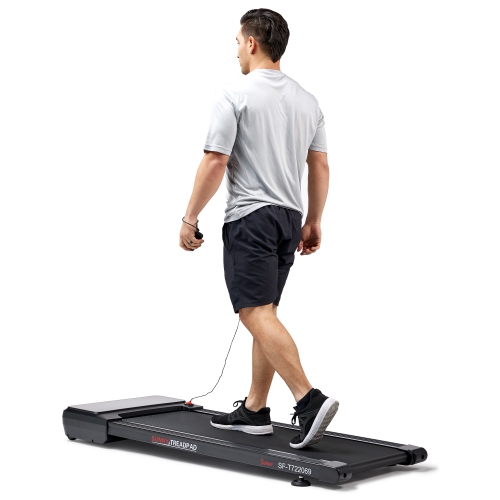
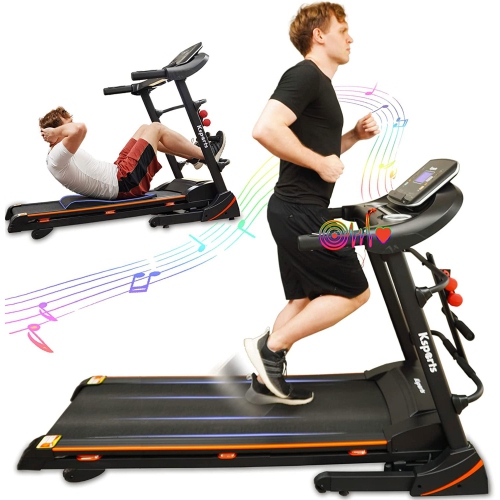
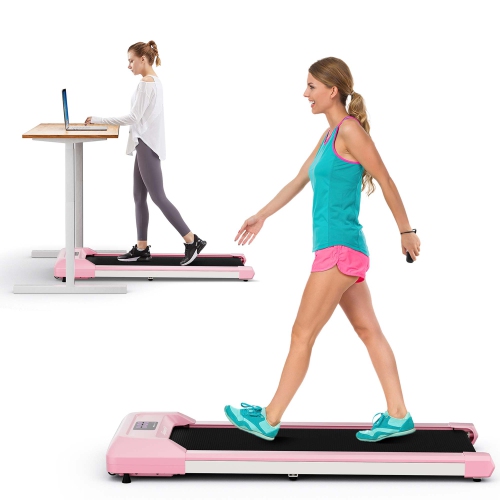
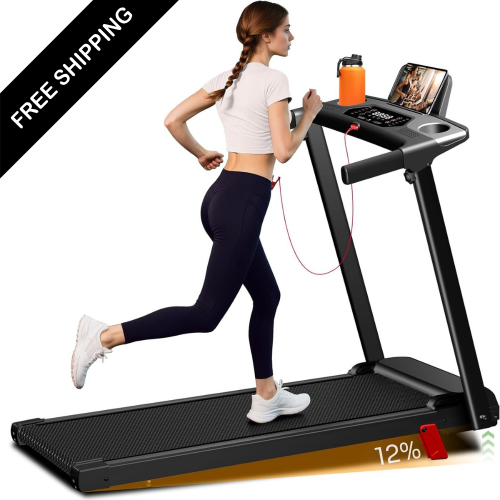
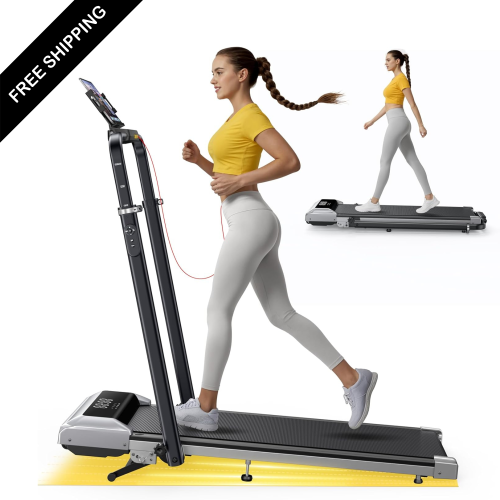
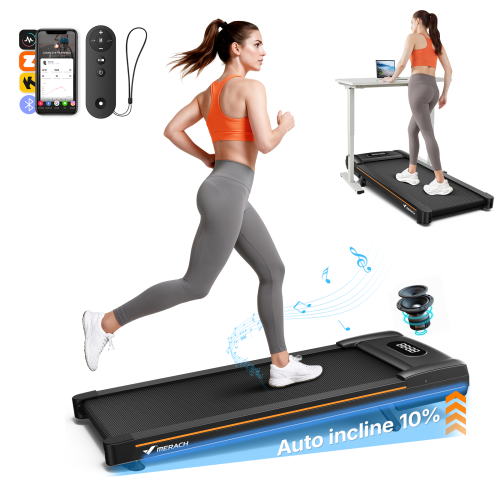
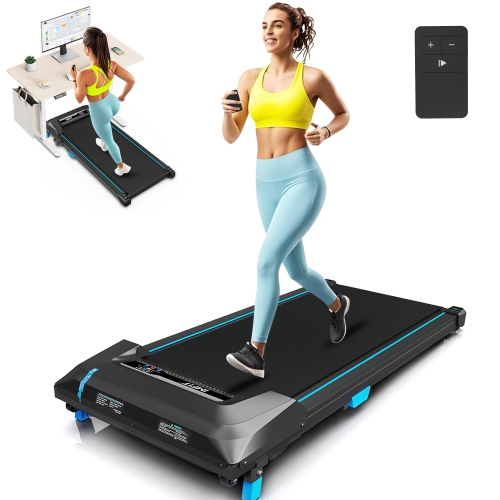
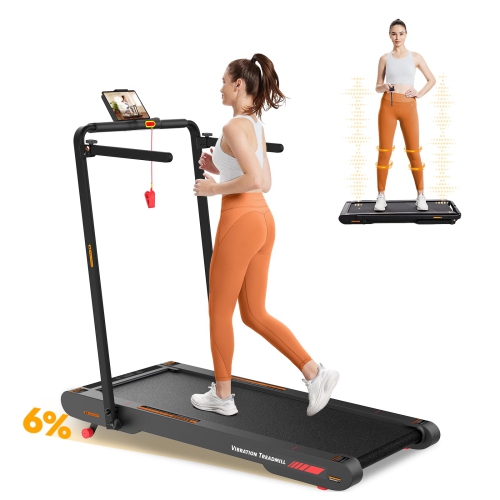
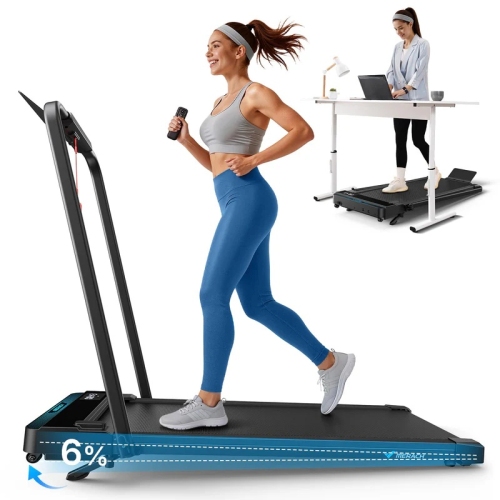
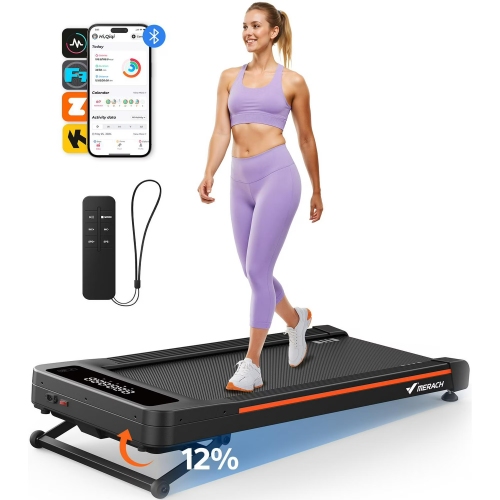
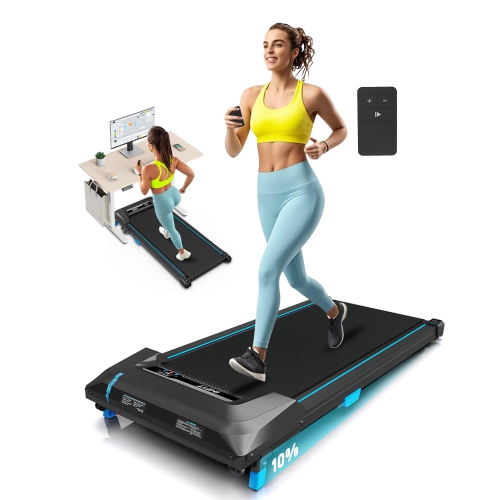
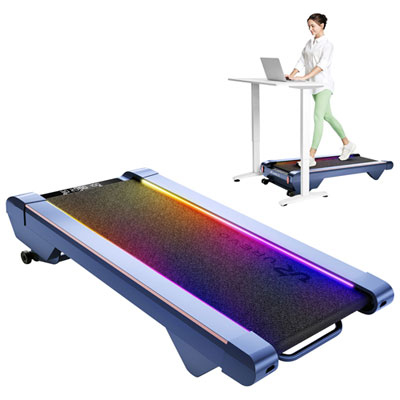
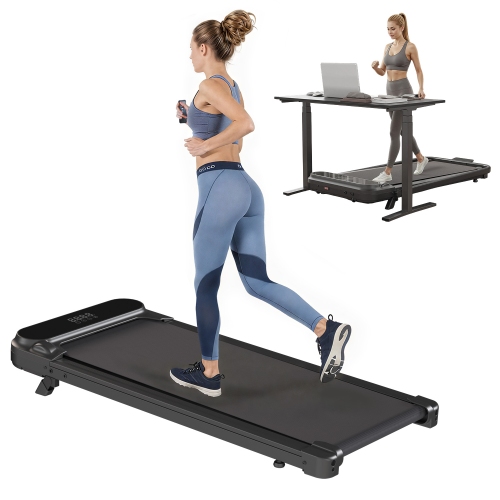
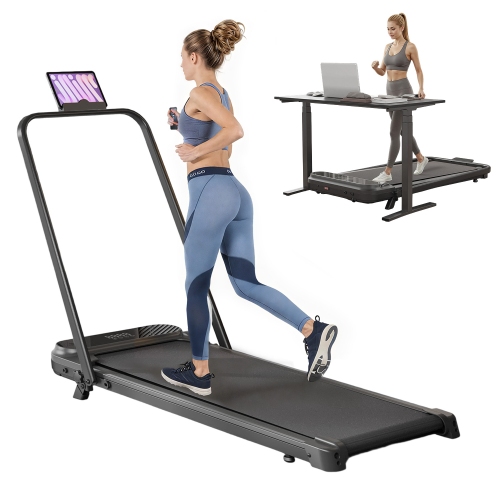
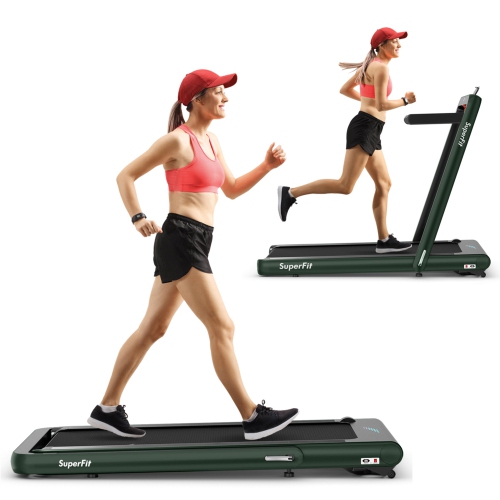
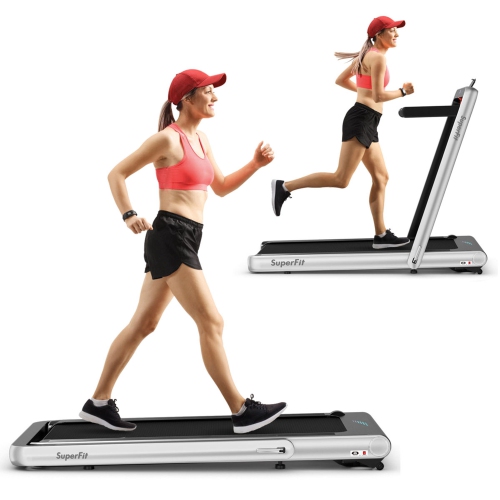
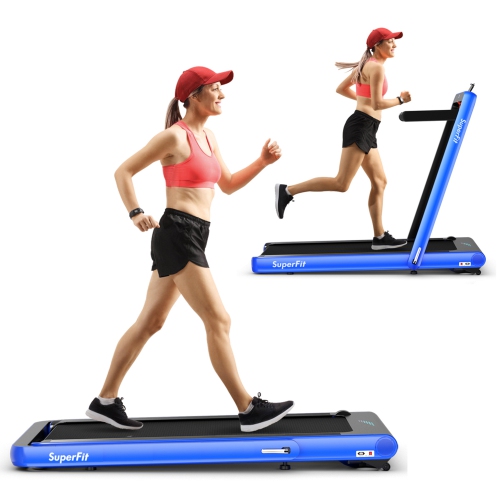
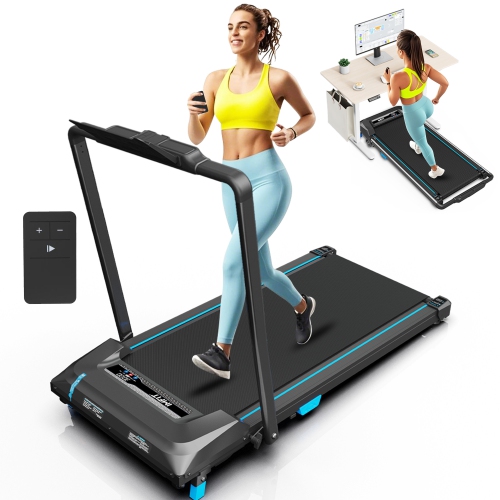

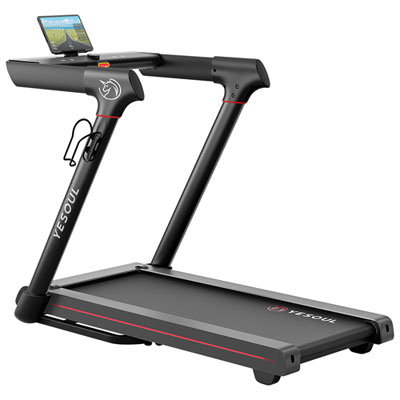
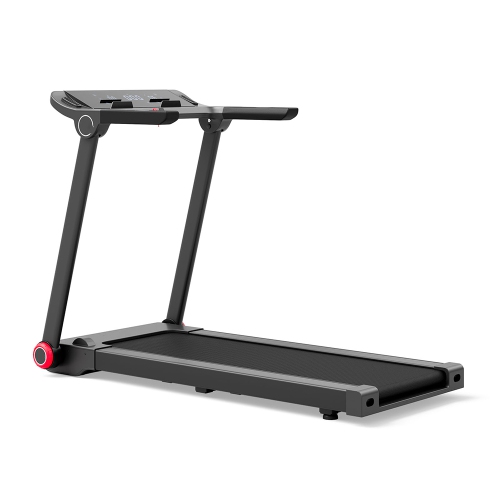
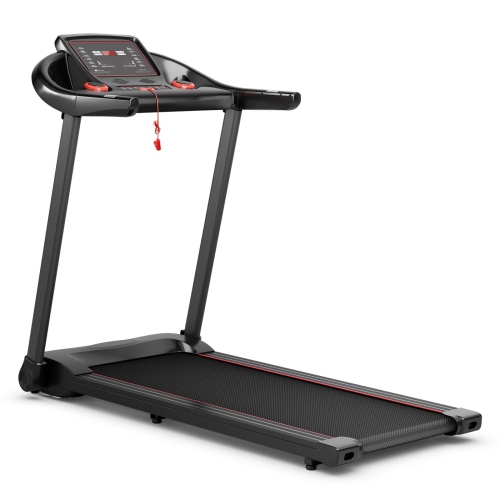
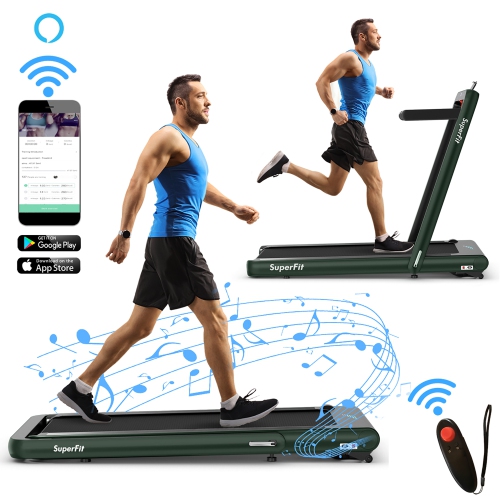
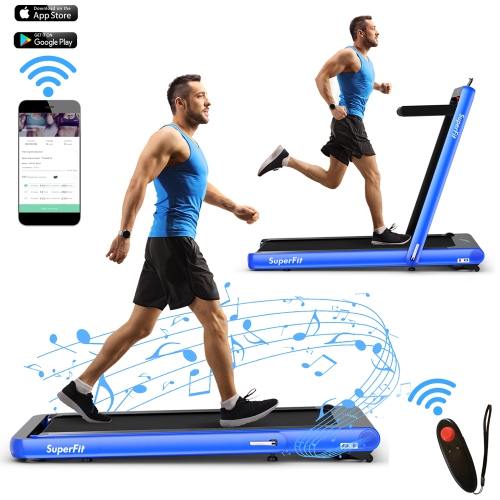
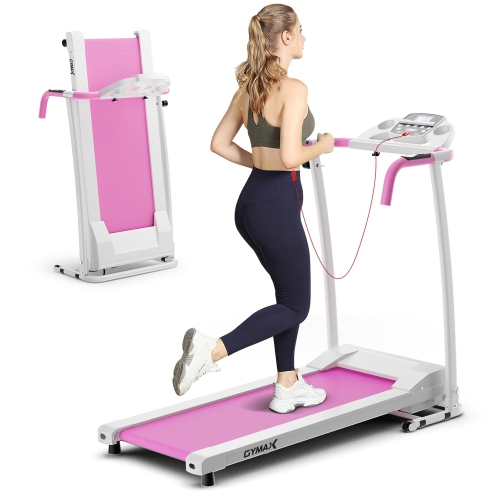
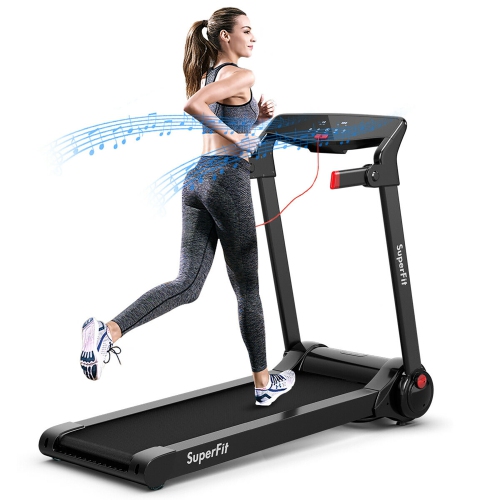
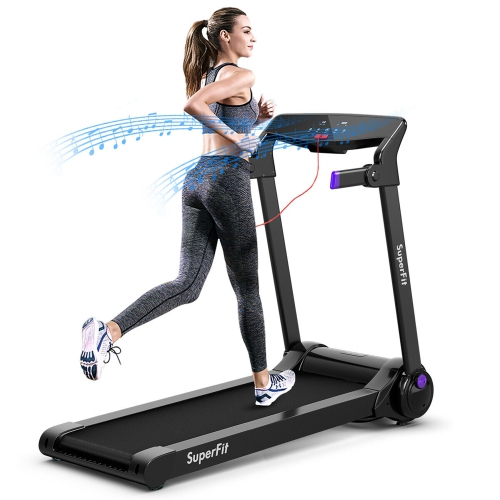
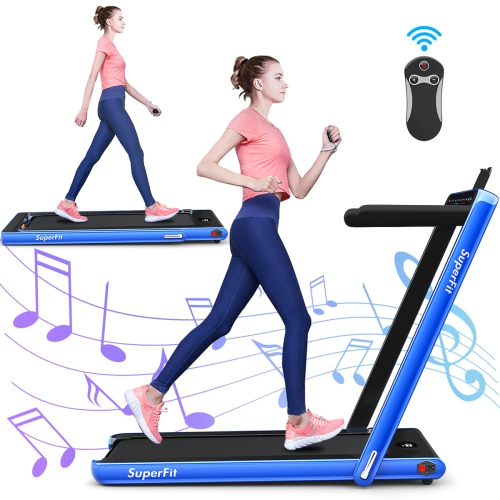
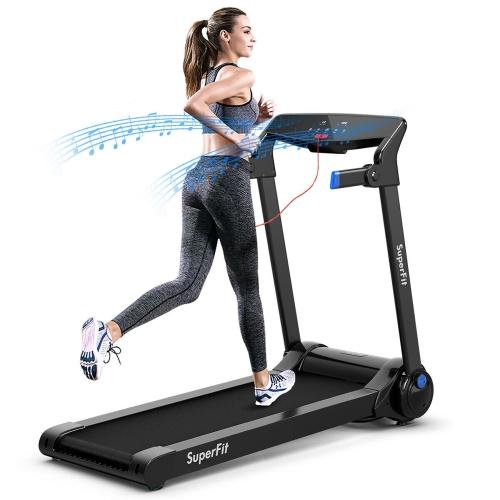
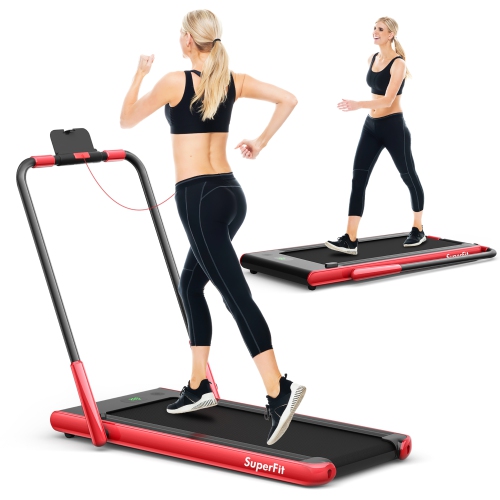
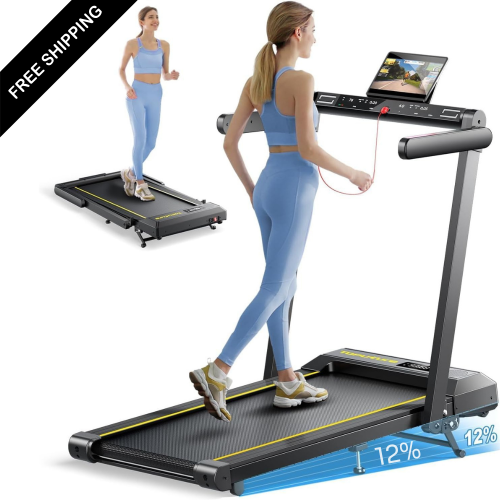
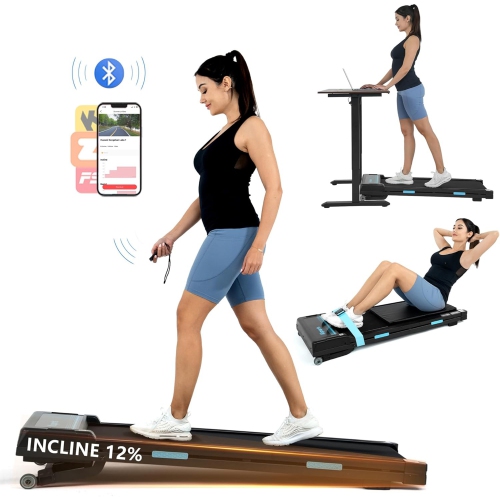
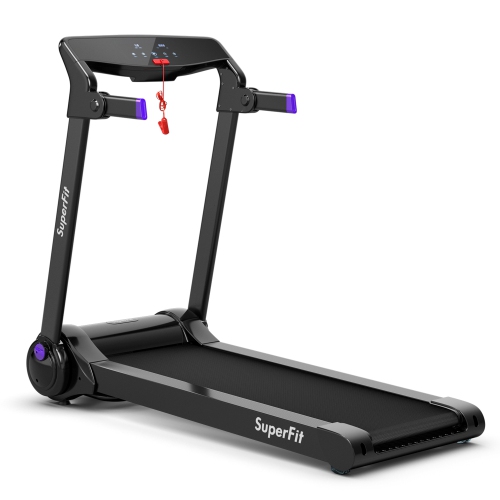
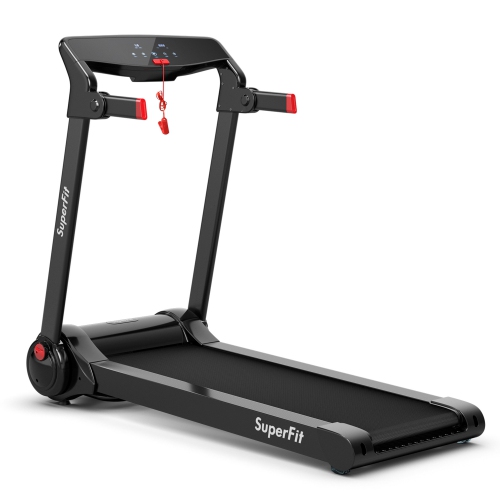
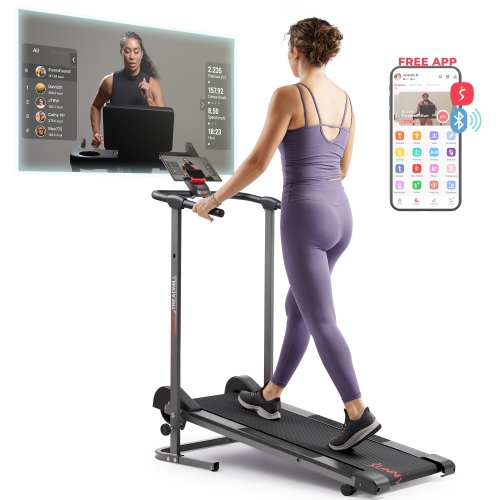
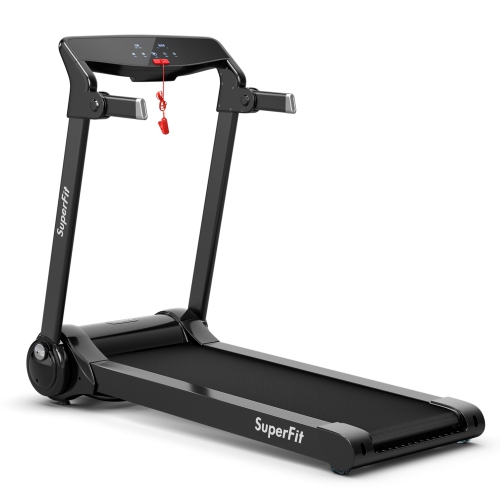
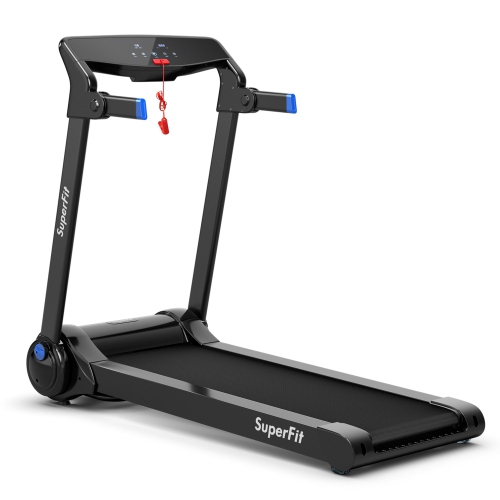
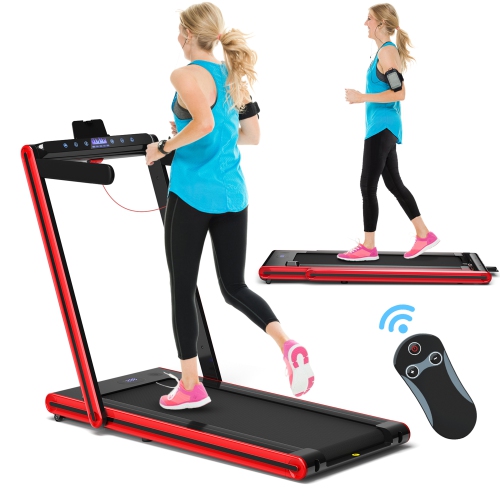
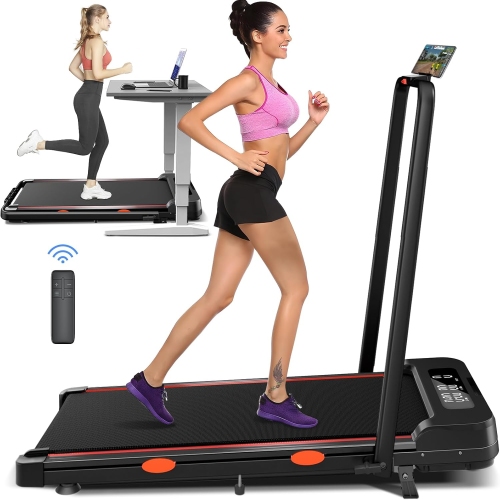
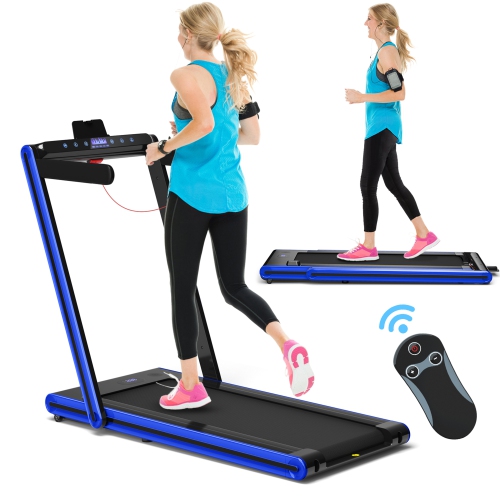
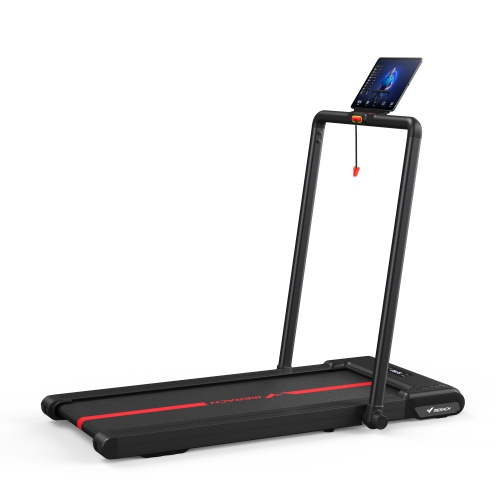
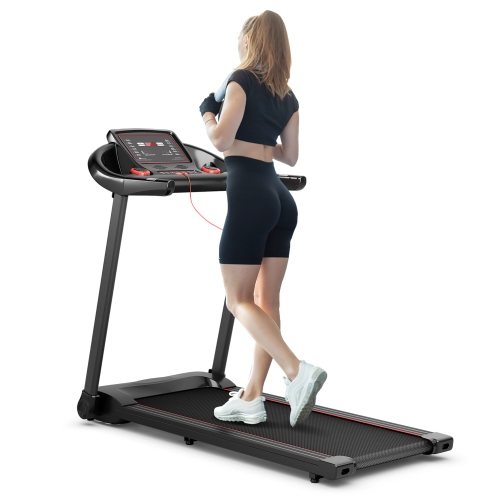
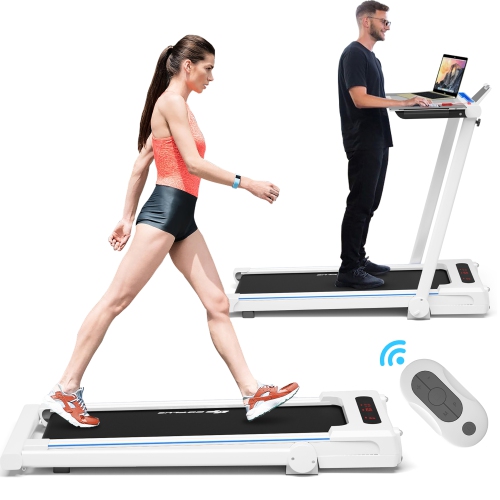
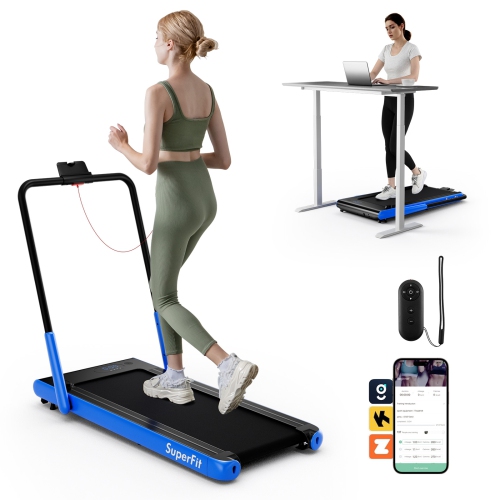
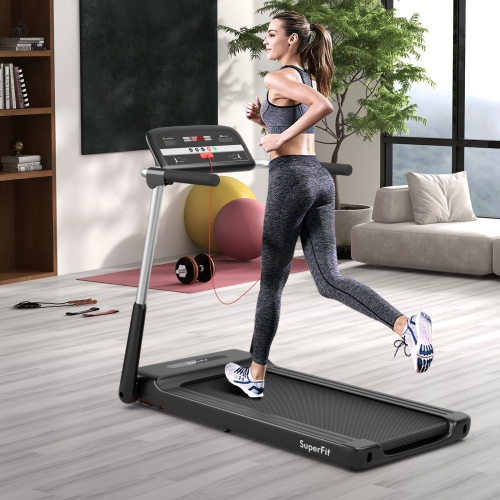
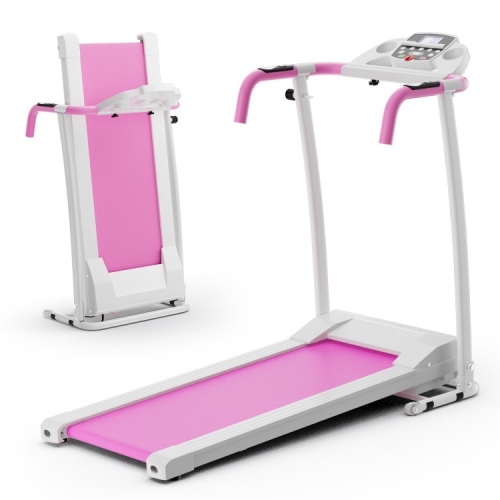
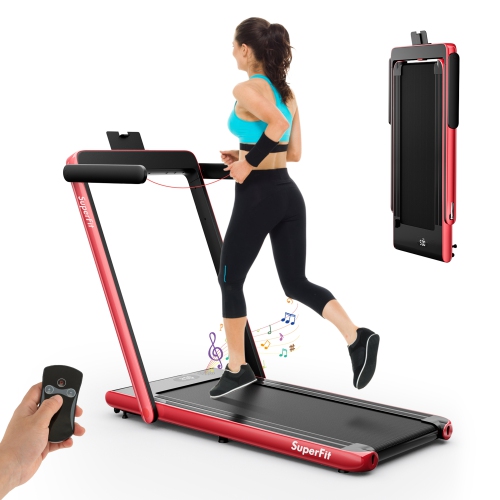
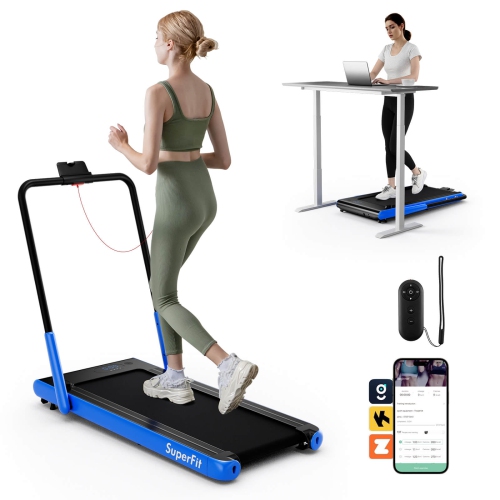
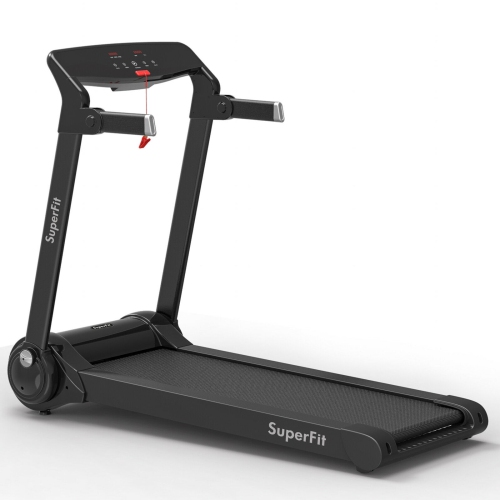
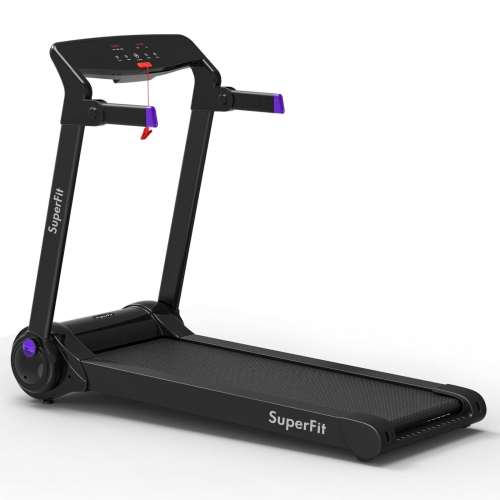
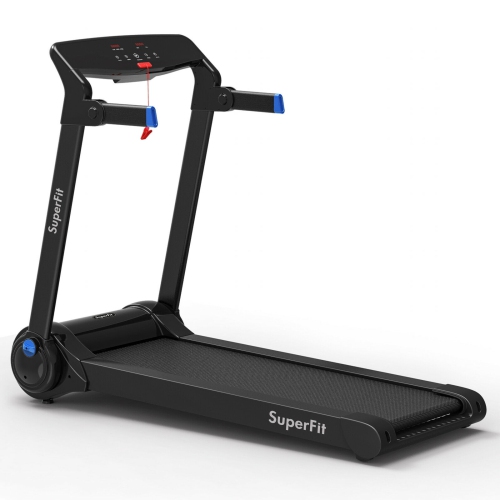

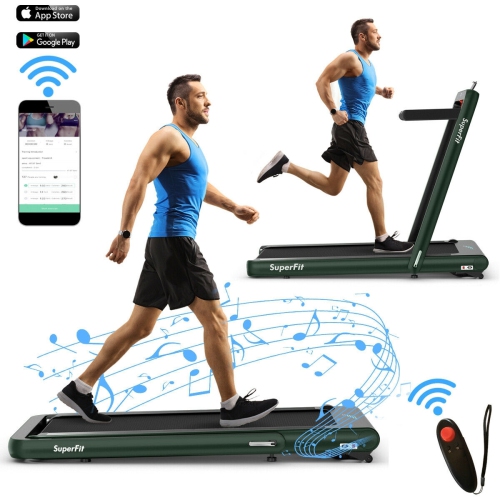
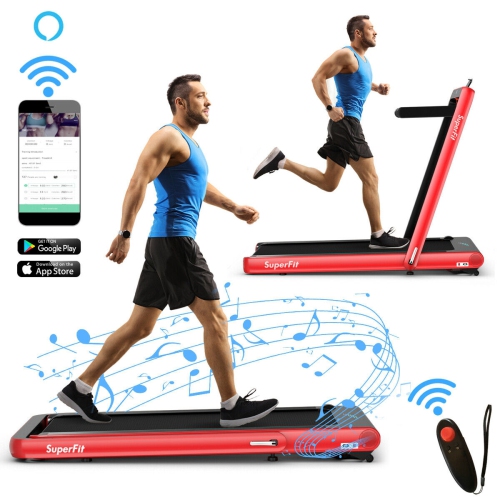
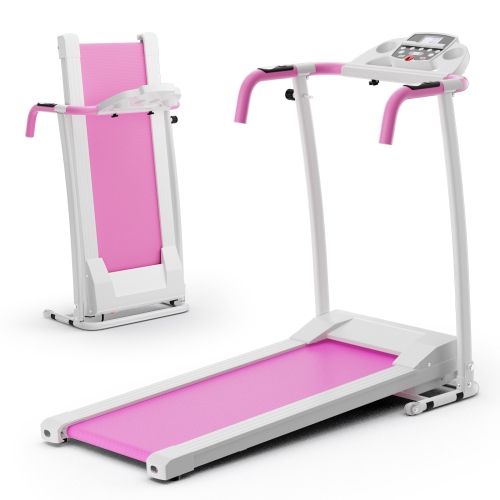
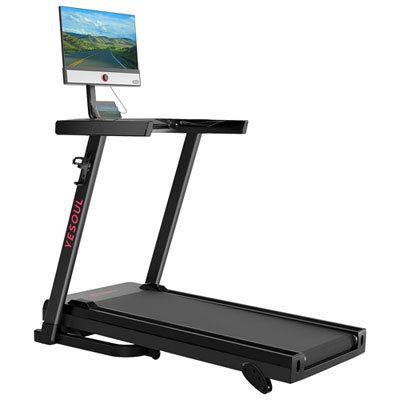
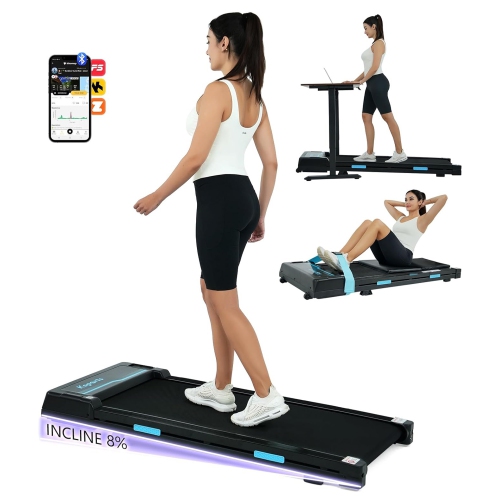
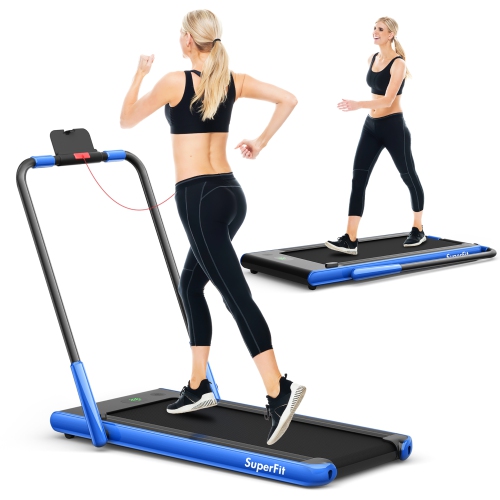
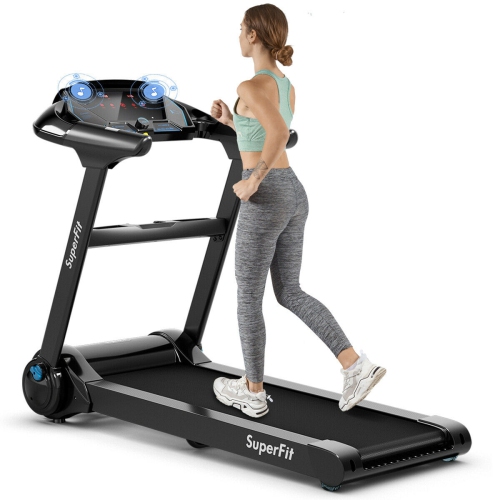
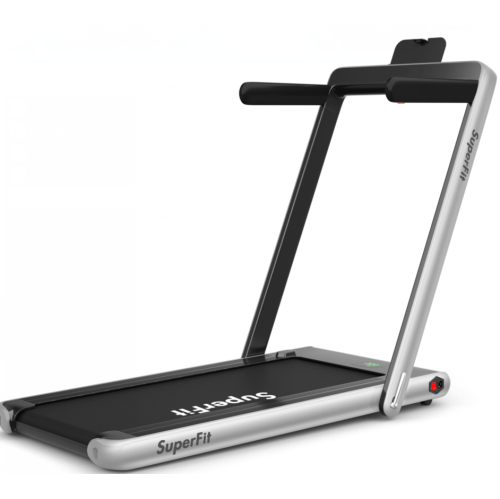
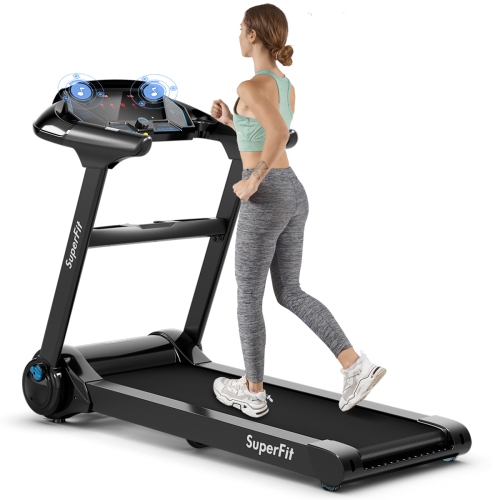
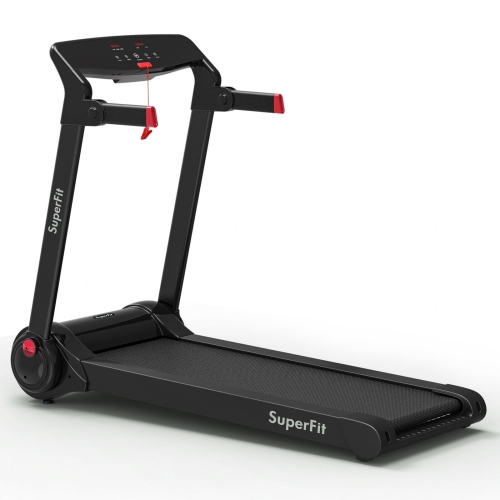
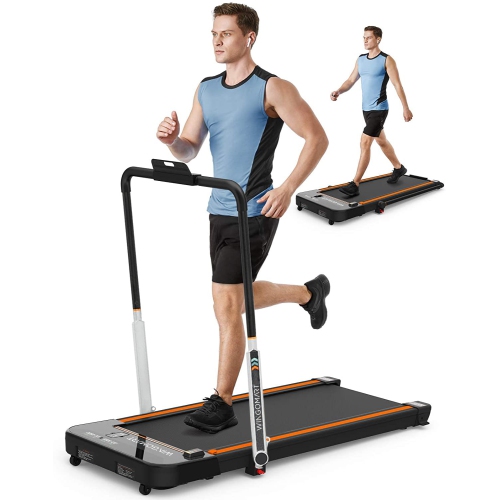
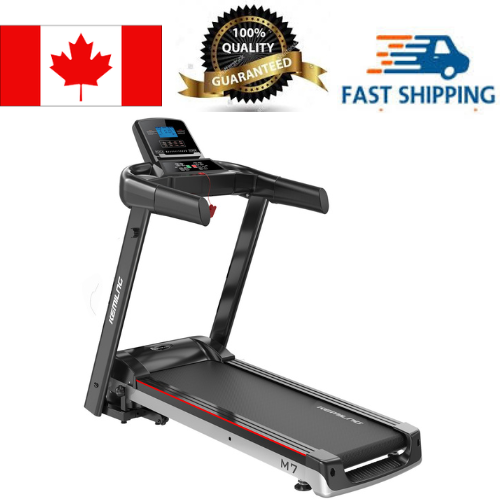
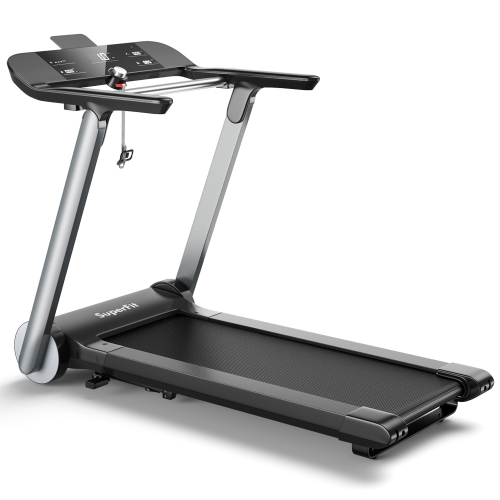
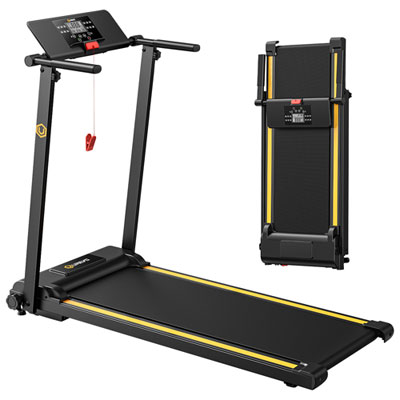
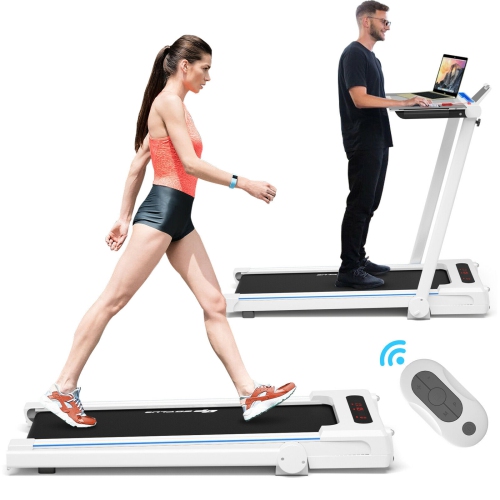
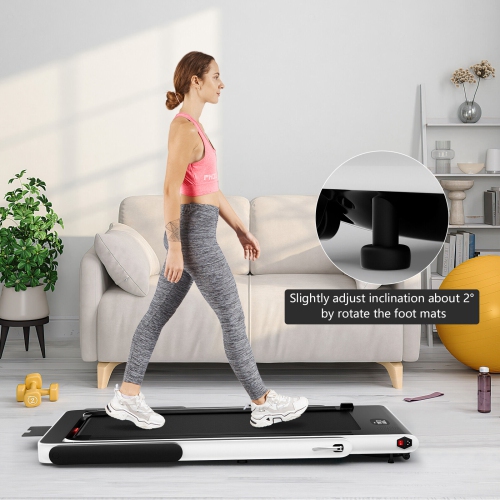
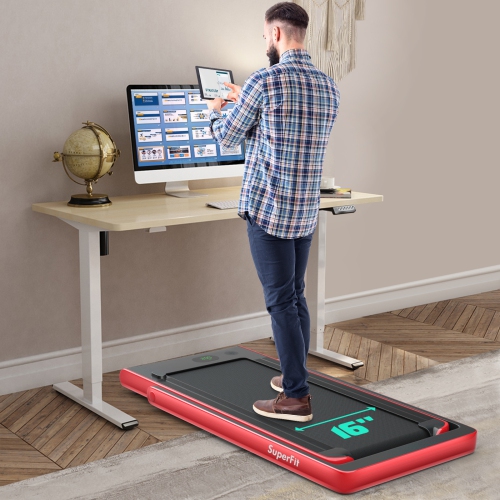
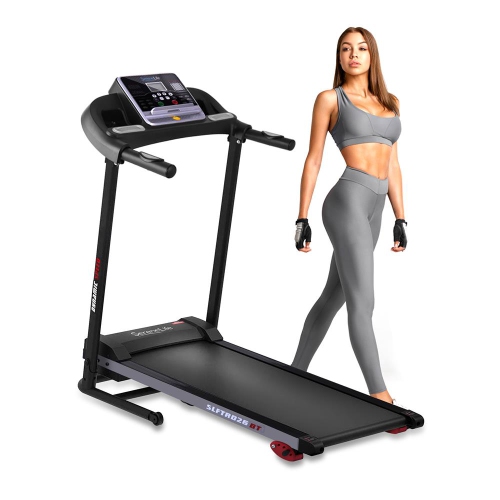
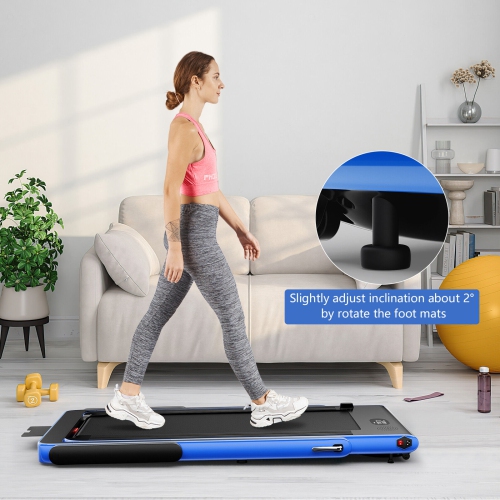
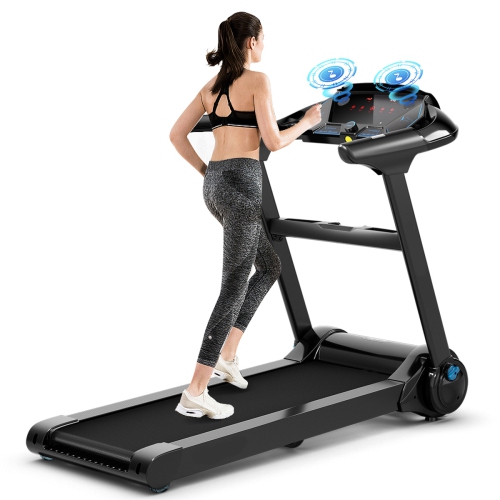
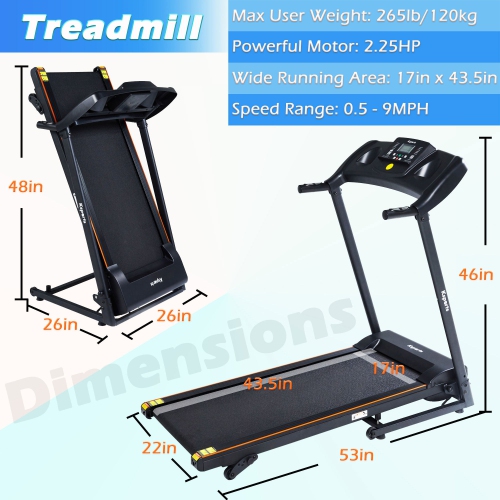
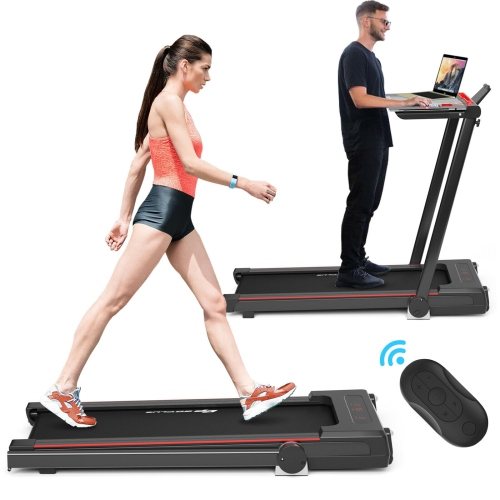
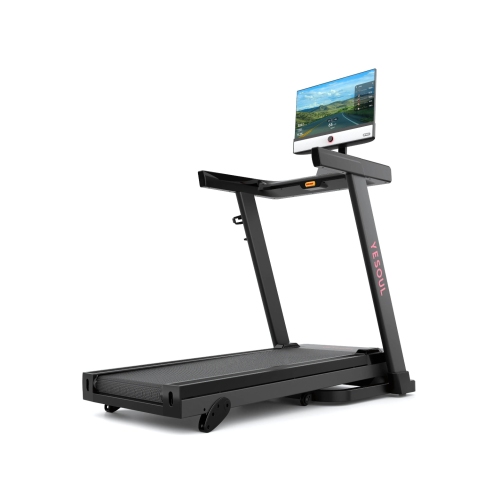
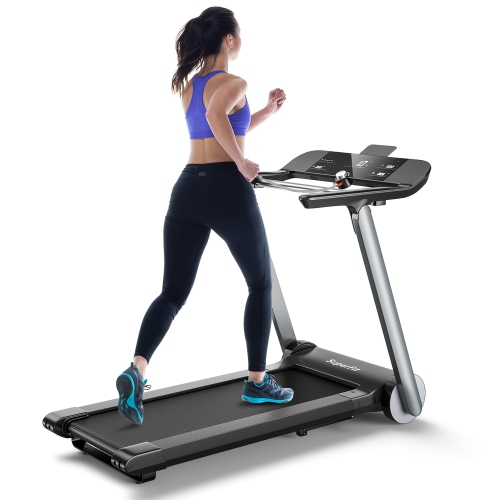
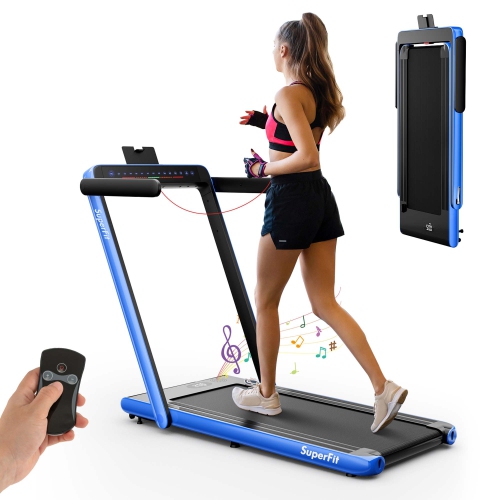

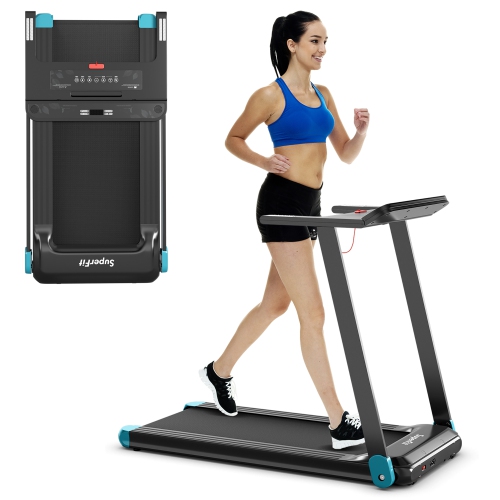
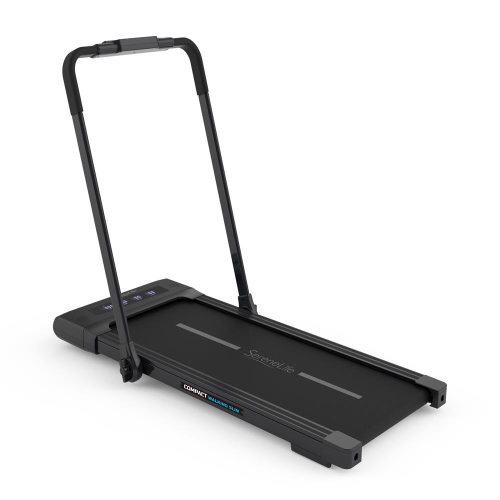
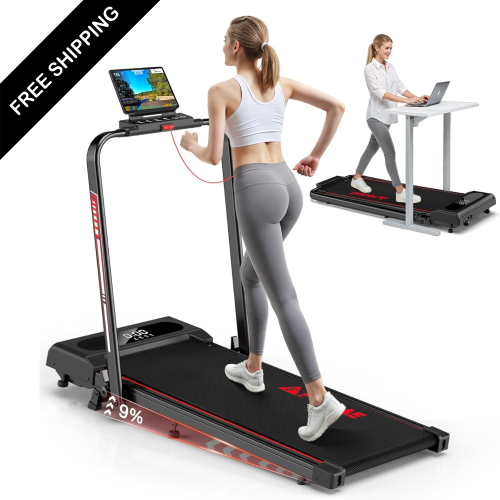
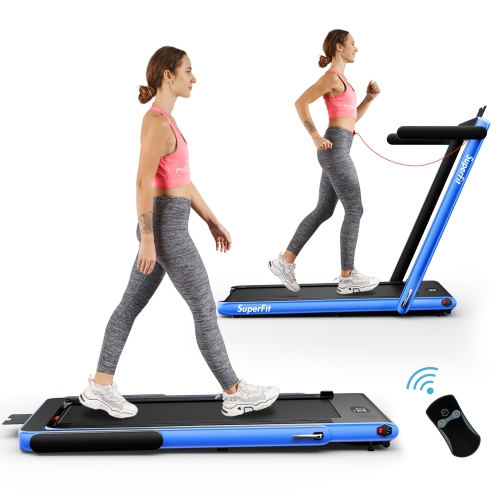
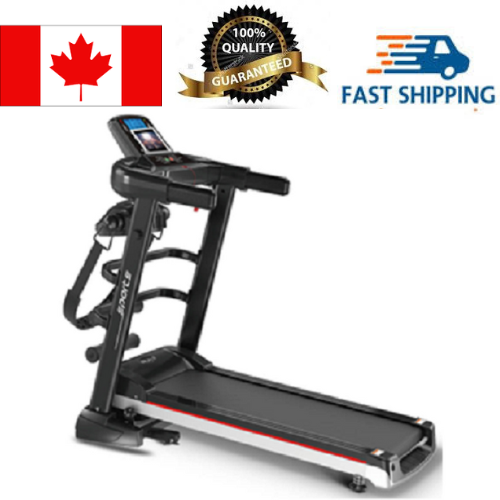
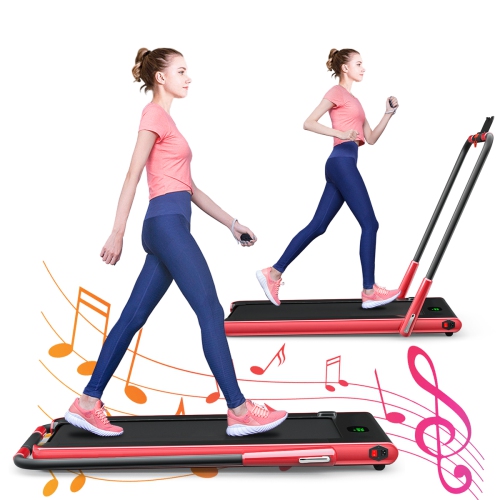
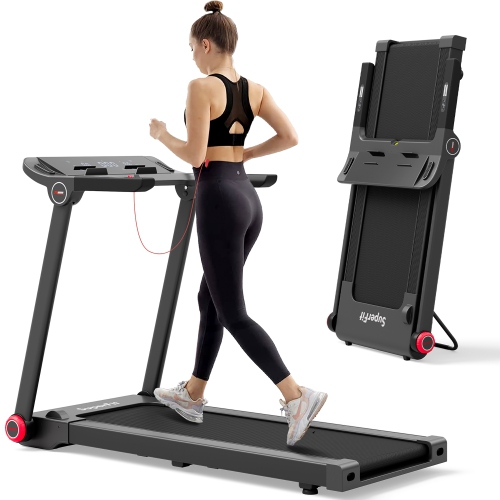
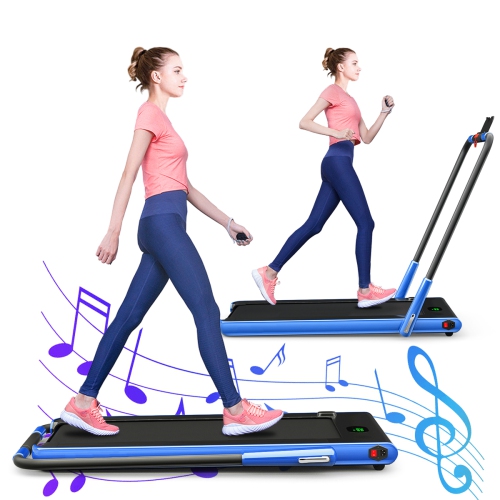
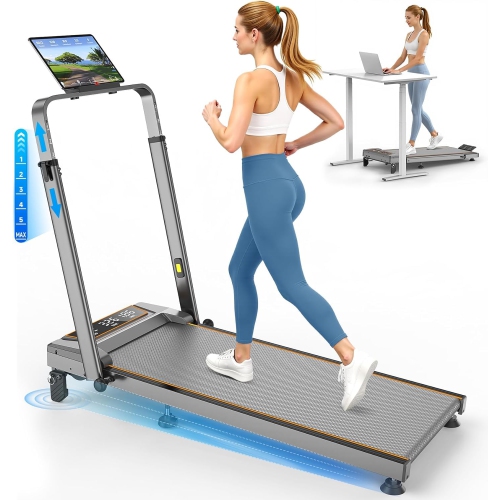
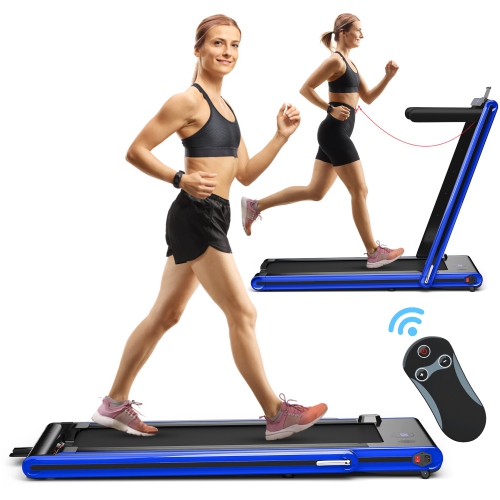
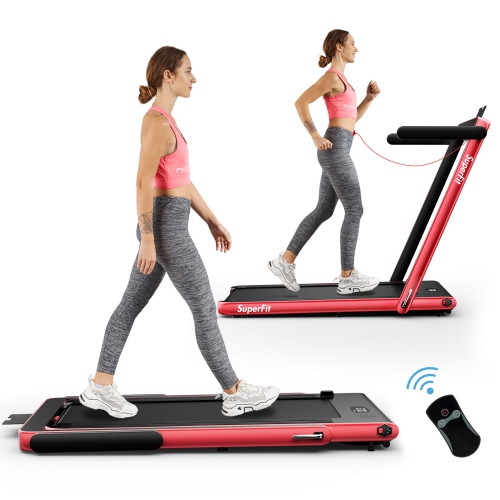
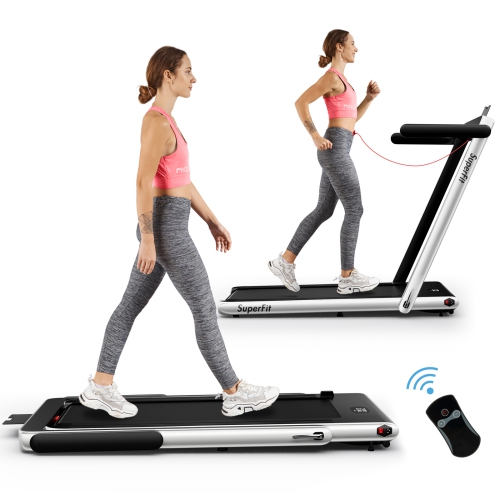
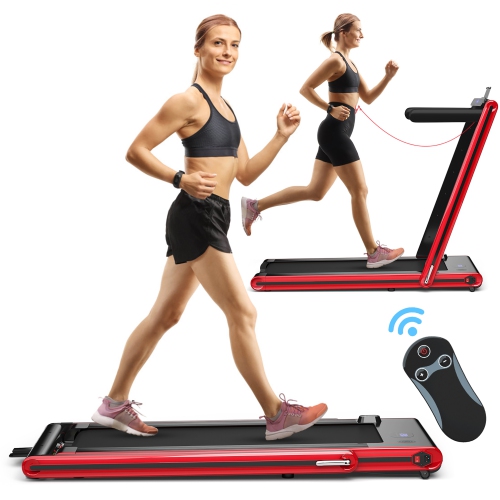
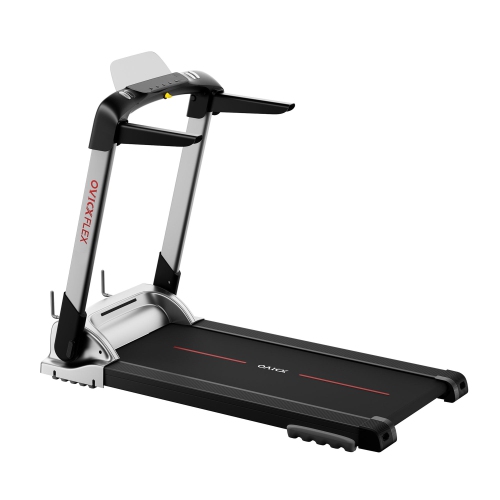
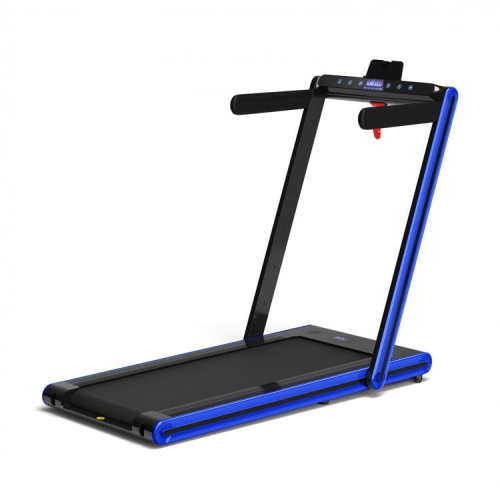
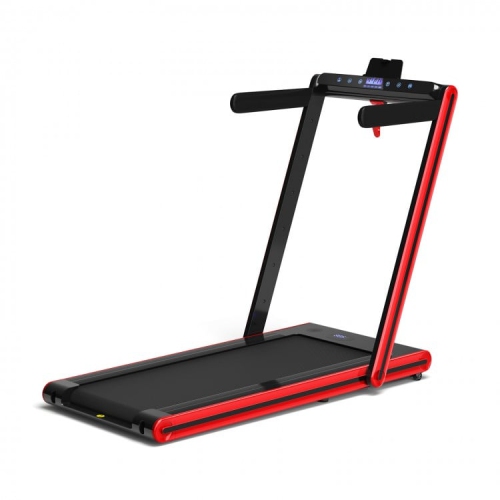
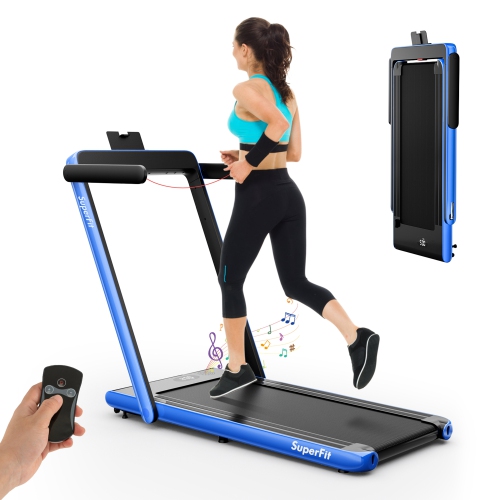
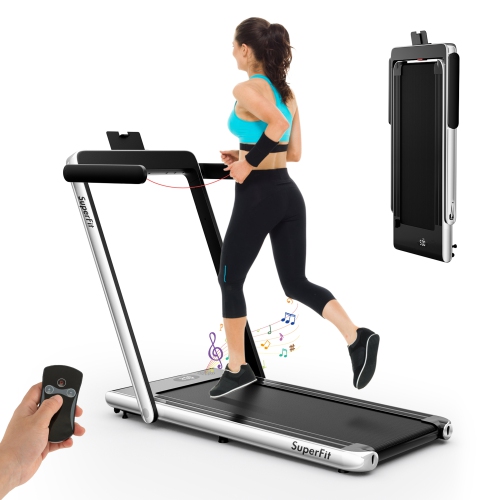
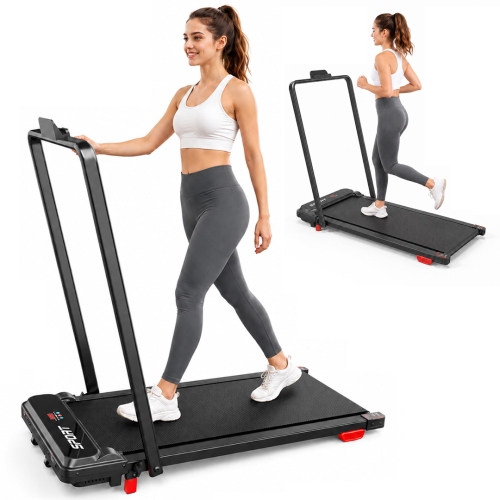
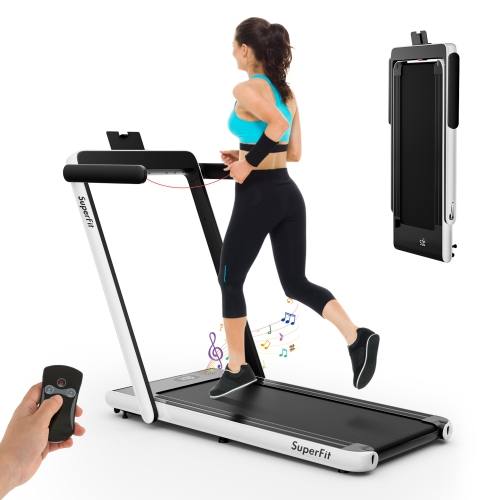
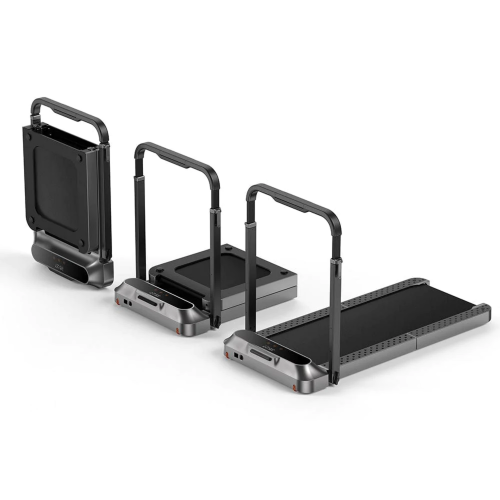
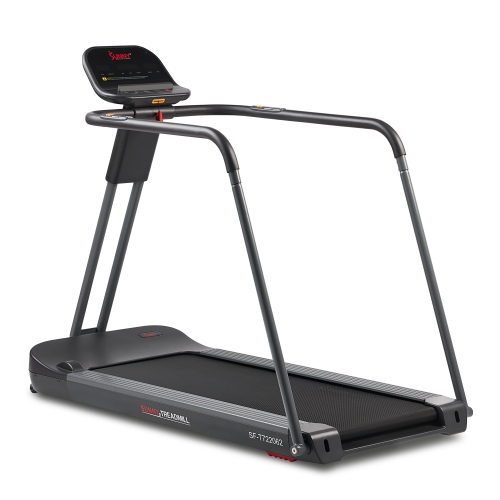
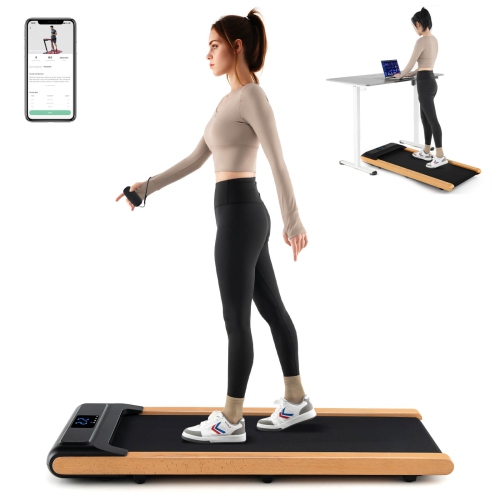
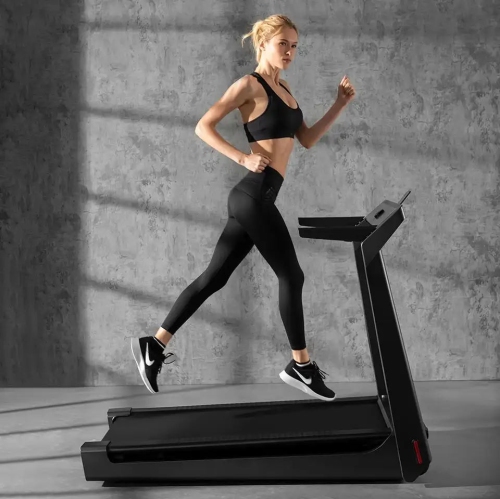
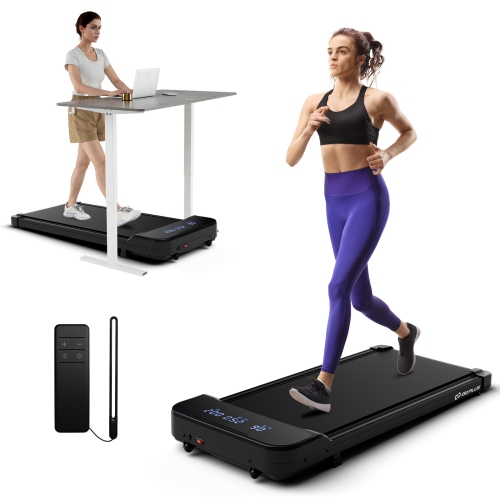
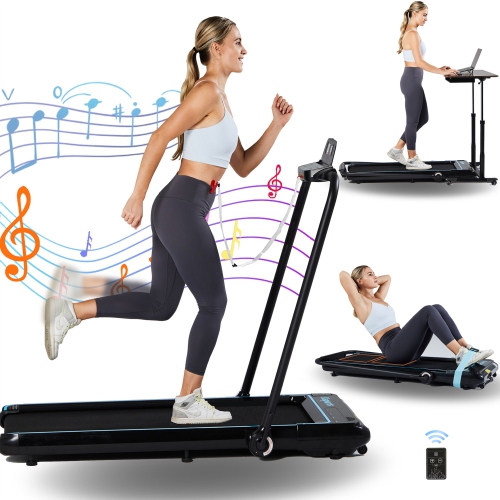
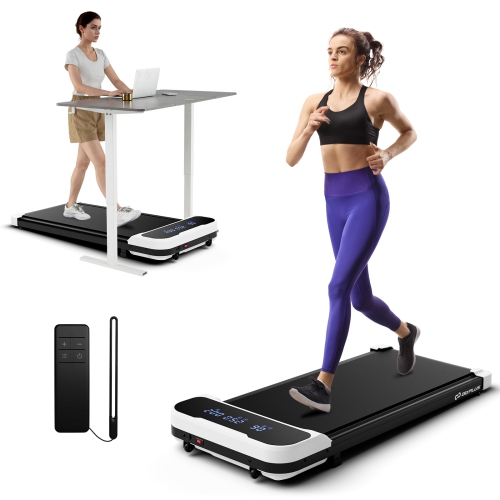
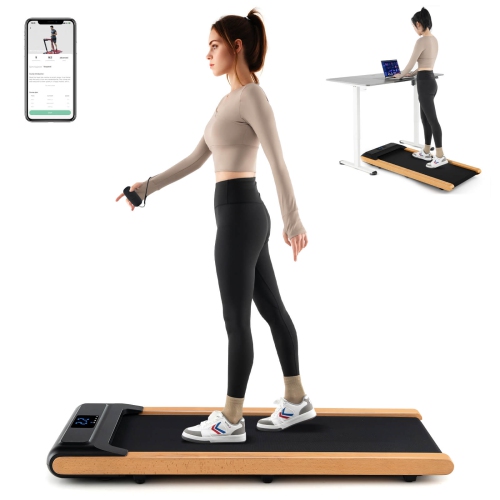
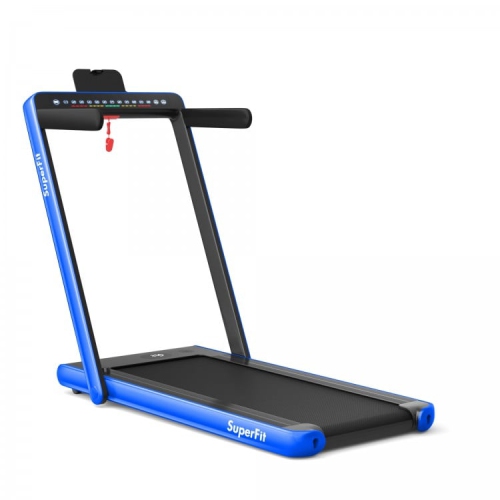
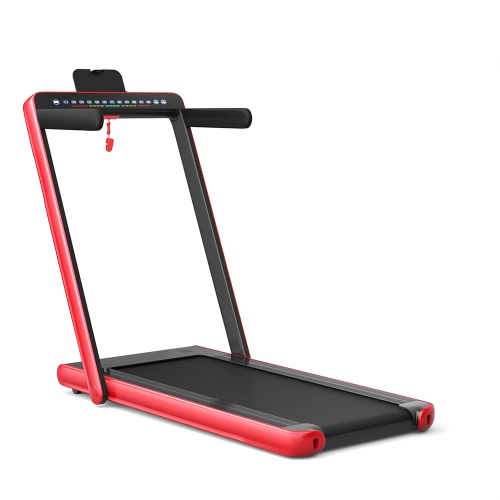
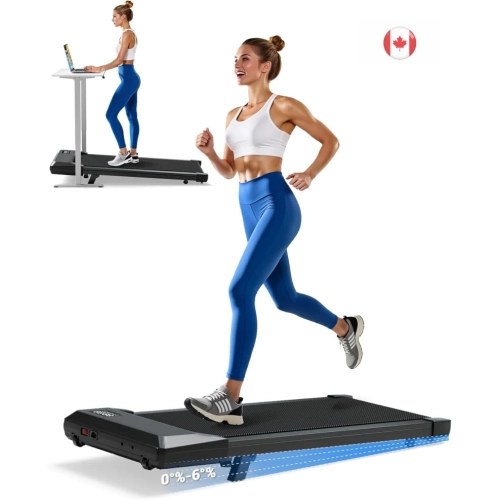
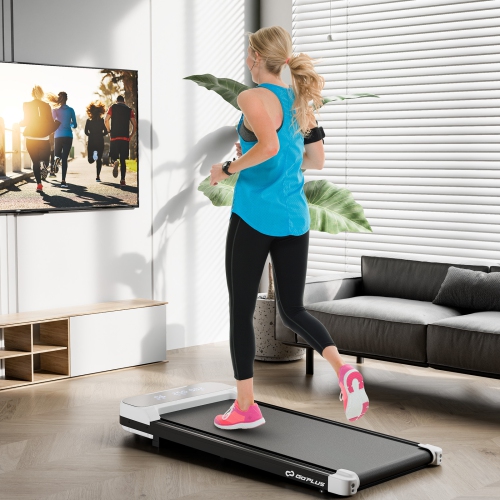
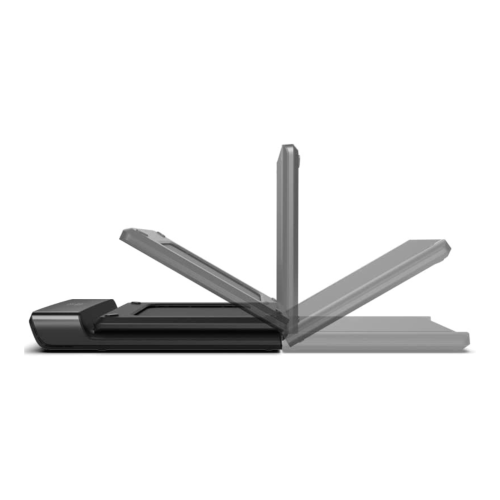
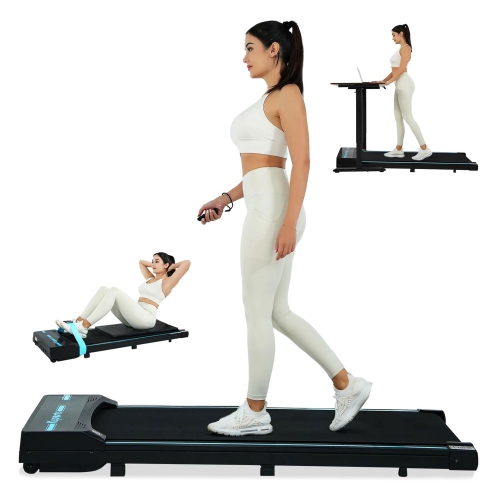
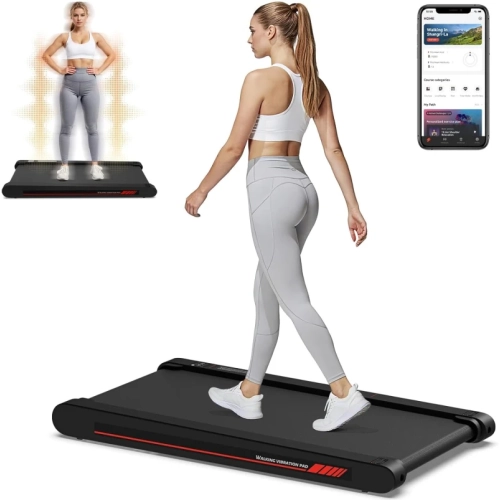
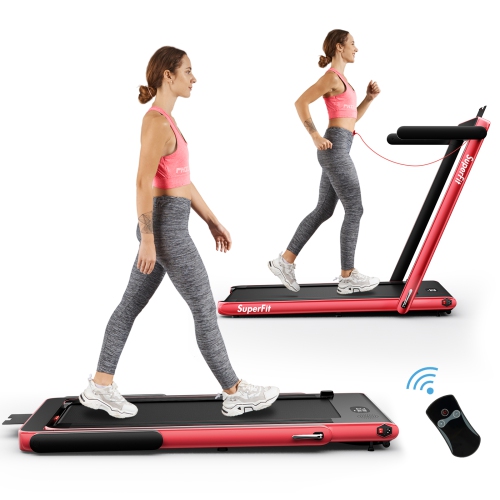
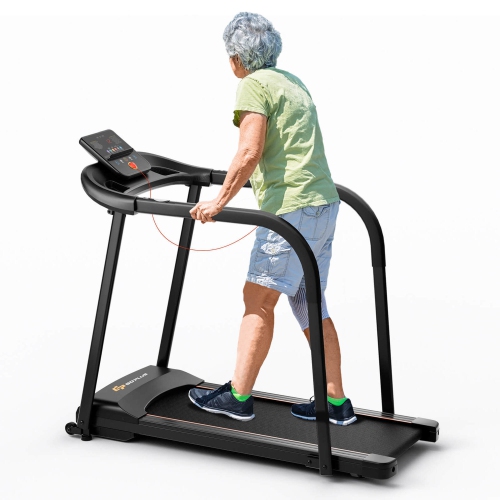
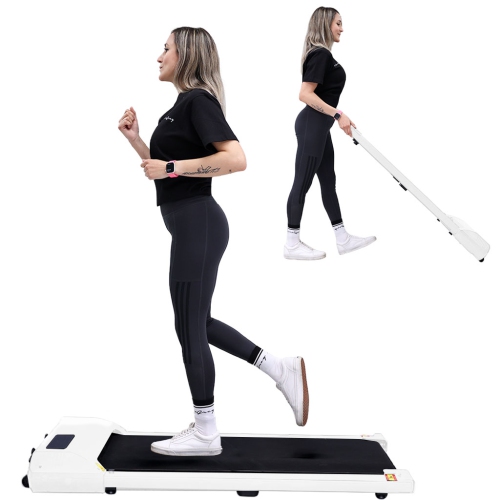
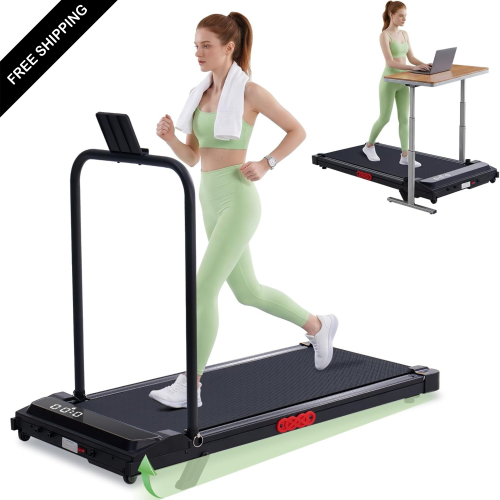
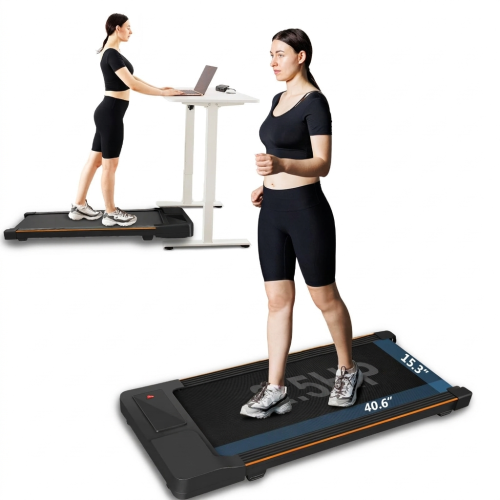
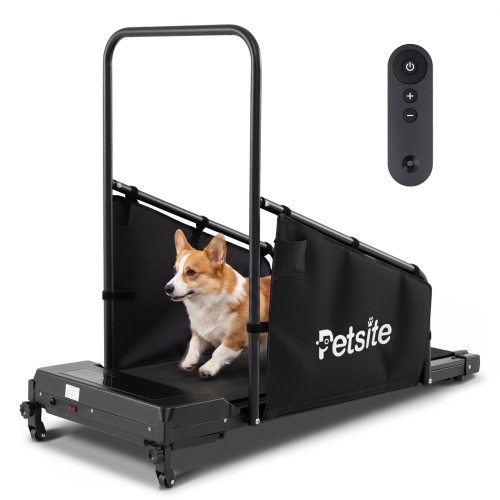
Structured indoor hill training for every fitness level
Incline running treadmills bring the challenge of outdoor hills into a controlled indoor setting, making it easier to keep a consistent routine through changing weather and busy schedules. With an adjustable deck that rises from a level position to a steeper grade, these treadmills can support walking, jogging, interval training, and serious running in one machine. A gentle incline of around 3% to 5% can add variety to a steady walk or run while creating a more uphill feel, whereas higher settings are suited to shorter, more demanding efforts that engage the calves, hamstrings, glutes, and other lower-body muscles. Raising the deck also increases the effort required at a given speed, which may elevate the heart rate and increase calorie expenditure without requiring a faster pace. That can be useful for people who prefer brisk incline walking, are returning to exercise gradually, or want to add hill work without travelling outdoors. Some users may also find that a slight incline feels more natural than running completely flat, although comfort varies from person to person and proper form remains important. Incline running treadmills are suitable for home gyms, spare rooms, basements, and dedicated workout spaces, particularly when outdoor routes are too flat, crowded, hot, wet, or icy. They can be used for a short uphill interval before work, a longer endurance session while listening to music or a podcast, or a low-speed walking workout while watching a show. For guidance on models that adjust their elevation at the touch of a control, explore Treadmills With Auto Incline.
When comparing incline running treadmills, start with the way you expect to use the machine rather than choosing the highest possible incline or speed rating. Walkers and occasional joggers may appreciate a compact design, a simple control panel, and a moderate incline range, while frequent runners should look closely at running surface dimensions, cushioning, maximum speed, and motor performance. A longer and wider belt can provide more room for a natural stride, especially for taller runners or anyone who changes pace often. Check the available floor space carefully, allowing additional clearance around the treadmill for safe access and ventilation. Folding designs can be practical in multipurpose rooms, but confirm the folded height and weight before selecting a storage location. A sturdy frame and higher user weight capacity may help reduce movement during steeper sessions, while a quieter motor can be preferable in apartments or shared living spaces. Auto-incline controls allow the deck to change elevation during programmed workouts or manual intervals, reducing the need to interrupt a run. Some machines offer decline as well as incline, which can add downhill simulation and expand training options, though incline-only models may be a better fit for users focused on hill climbing and calorie-burning walks. Look for clear speed and incline controls, an easy-to-read display, emergency stop features, handrails that feel secure, and a deck that is comfortable underfoot. Connectivity features, workout libraries, heart-rate tracking, speakers, and device holders can make sessions more engaging, but they should complement the core requirements of a stable deck, reliable controls, and a motor suited to your typical pace. Before delivery, measure doorways, stairwells, and turns leading to the workout area, since a treadmill that fits the room may still be difficult to move into it. It is also worth considering the treadmill’s total weight, assembly requirements, warranty coverage, and the amount of maintenance recommended for the belt and deck.
An incline running treadmill can be a thoughtful choice for someone building a home gym, training for a hilly race, or trying to stay active during the cooler months when outdoor routes are less inviting. It may suit a runner who wants structured hill repeats without relying on the same local slope, a walker who enjoys a more challenging workout at a manageable speed, or a household that wants one piece of equipment for several fitness levels. Parents with busy routines may value the ability to fit in a short session at home, while experienced athletes can use changing elevations to practise controlled climbs, tempo efforts, and recovery walks. The machine can also be useful for people who live in areas with limited sidewalks or steep outdoor terrain, provided they follow their own fitness level and any advice from a qualified health professional. Begin with a warm-up at a low speed and modest elevation, then increase one variable at a time so the body can adjust. When climbing, keep your posture tall, avoid leaning heavily on the handrails, and shorten your stride slightly if the grade becomes demanding. Cooling down at a lower setting can help bring the session to a comfortable close. During warmer weather, an indoor treadmill provides a convenient alternative when outdoor heat makes longer runs uncomfortable; during rainy or colder periods, it offers a dependable surface close to home. With thoughtful placement and a routine that balances easy sessions with purposeful incline work, these treadmills can turn a spare corner into a versatile training space for walking, jogging, running, and hill-focused workouts.
When comparing incline running treadmills, start with the way you expect to use the machine rather than choosing the highest possible incline or speed rating. Walkers and occasional joggers may appreciate a compact design, a simple control panel, and a moderate incline range, while frequent runners should look closely at running surface dimensions, cushioning, maximum speed, and motor performance. A longer and wider belt can provide more room for a natural stride, especially for taller runners or anyone who changes pace often. Check the available floor space carefully, allowing additional clearance around the treadmill for safe access and ventilation. Folding designs can be practical in multipurpose rooms, but confirm the folded height and weight before selecting a storage location. A sturdy frame and higher user weight capacity may help reduce movement during steeper sessions, while a quieter motor can be preferable in apartments or shared living spaces. Auto-incline controls allow the deck to change elevation during programmed workouts or manual intervals, reducing the need to interrupt a run. Some machines offer decline as well as incline, which can add downhill simulation and expand training options, though incline-only models may be a better fit for users focused on hill climbing and calorie-burning walks. Look for clear speed and incline controls, an easy-to-read display, emergency stop features, handrails that feel secure, and a deck that is comfortable underfoot. Connectivity features, workout libraries, heart-rate tracking, speakers, and device holders can make sessions more engaging, but they should complement the core requirements of a stable deck, reliable controls, and a motor suited to your typical pace. Before delivery, measure doorways, stairwells, and turns leading to the workout area, since a treadmill that fits the room may still be difficult to move into it. It is also worth considering the treadmill’s total weight, assembly requirements, warranty coverage, and the amount of maintenance recommended for the belt and deck.
An incline running treadmill can be a thoughtful choice for someone building a home gym, training for a hilly race, or trying to stay active during the cooler months when outdoor routes are less inviting. It may suit a runner who wants structured hill repeats without relying on the same local slope, a walker who enjoys a more challenging workout at a manageable speed, or a household that wants one piece of equipment for several fitness levels. Parents with busy routines may value the ability to fit in a short session at home, while experienced athletes can use changing elevations to practise controlled climbs, tempo efforts, and recovery walks. The machine can also be useful for people who live in areas with limited sidewalks or steep outdoor terrain, provided they follow their own fitness level and any advice from a qualified health professional. Begin with a warm-up at a low speed and modest elevation, then increase one variable at a time so the body can adjust. When climbing, keep your posture tall, avoid leaning heavily on the handrails, and shorten your stride slightly if the grade becomes demanding. Cooling down at a lower setting can help bring the session to a comfortable close. During warmer weather, an indoor treadmill provides a convenient alternative when outdoor heat makes longer runs uncomfortable; during rainy or colder periods, it offers a dependable surface close to home. With thoughtful placement and a routine that balances easy sessions with purposeful incline work, these treadmills can turn a spare corner into a versatile training space for walking, jogging, running, and hill-focused workouts.
Top selling and popular products
-
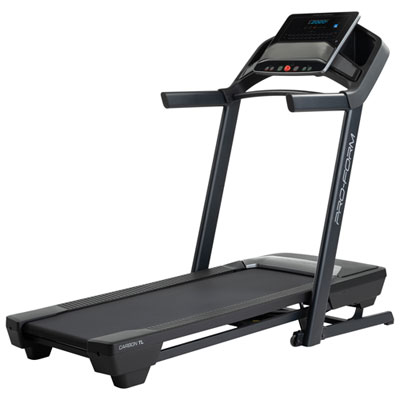 Your price for this item is $1099.98
 -
 Your price for this item is $2901.98
 -
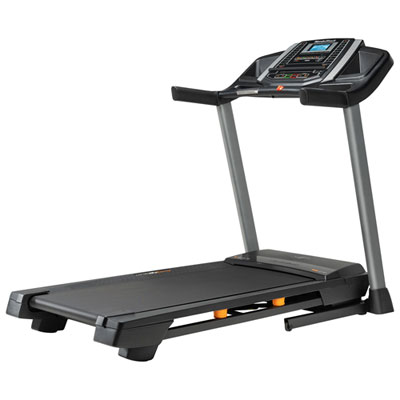 Your price for this item is $995.98
 -
 Your price for this item is $1278.98
 -
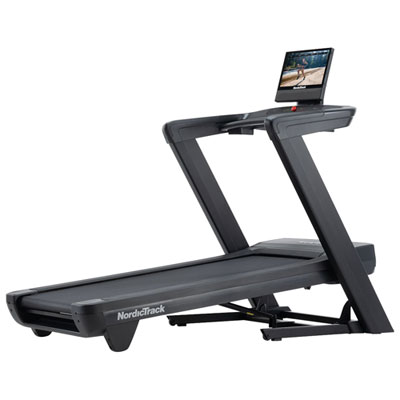 Your price for this item is $2501.98
 -
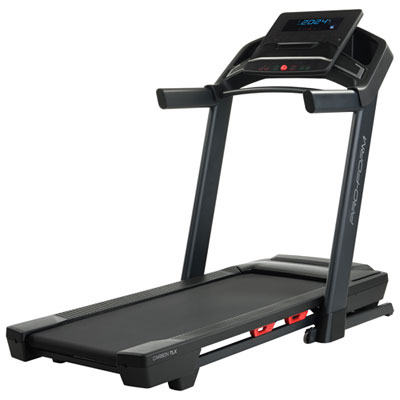 Your price for this item is $1399.99
 -
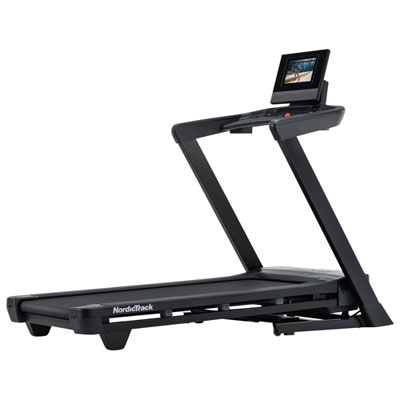 Your price for this item is $1799.99
 -
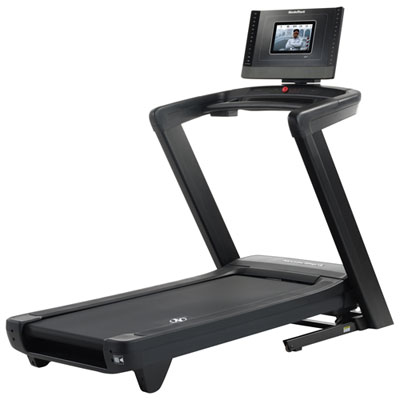 Your price for this item is $2698.98
Discover more categories related to Incline Running Treadmills
Top Collections:
Pokemon Centers, Best Cameras for Sports Photography, Kindle Devices, Samsung Galaxy Phones, Canon G7X Cameras, Pokémon 30th Celebration Cards, Refurbished Apple Laptops, iPhone 15 Apple, Laptops for Students, Budget Smartphones
Some products may be subject to Environmental Handling Fees
(EHF) depending on your province.
Learn more about EHFs.