Treadmills With Interval Training
Treadmills are a great way to get a workout in without having to leave your home. They are also a great way to burn calories and build strength and endurance. Here are some of the best treadmills for interval training.
Sort
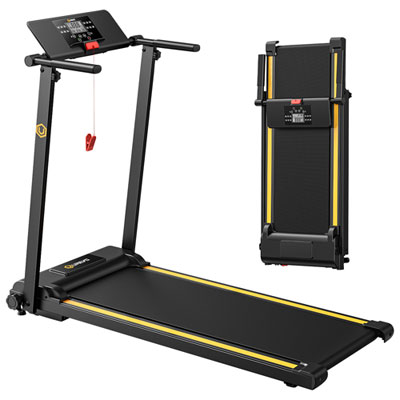
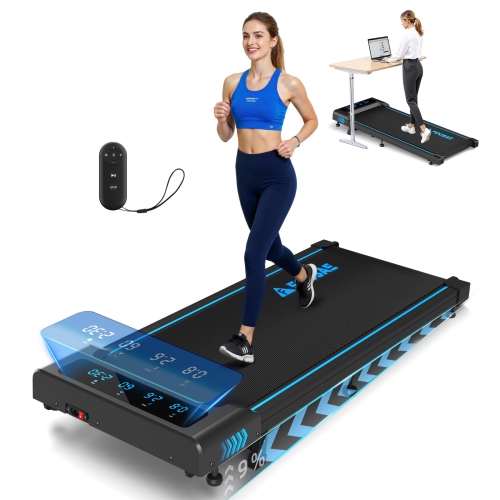
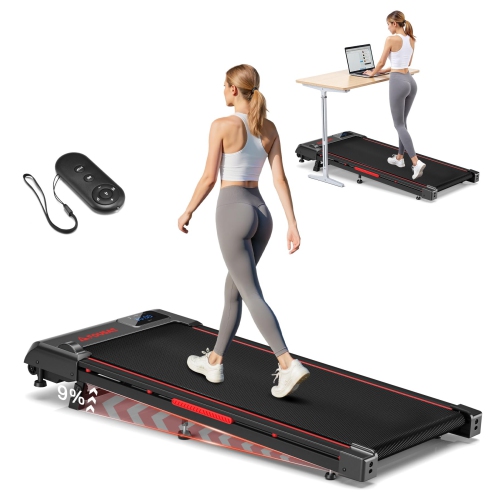
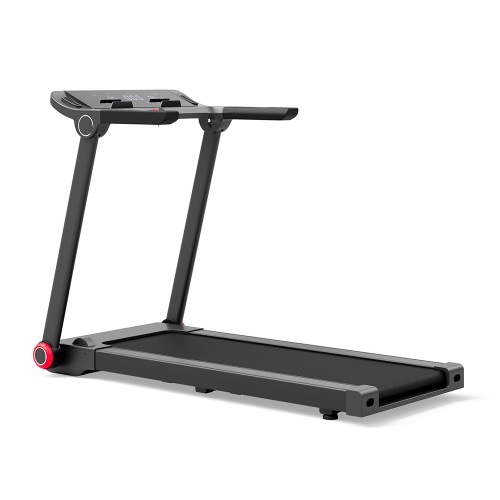

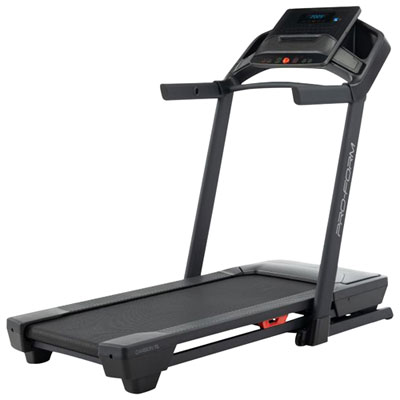
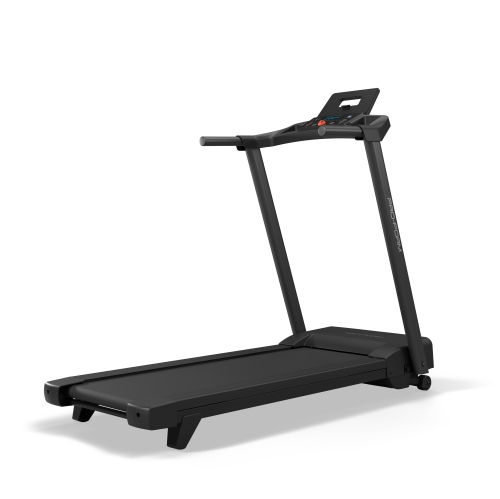
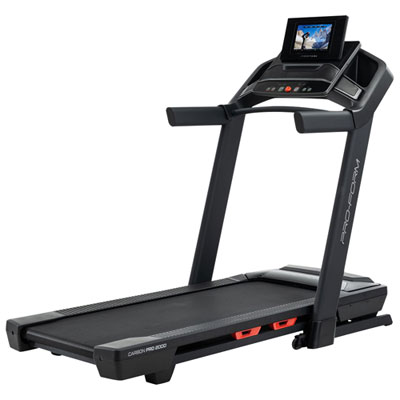
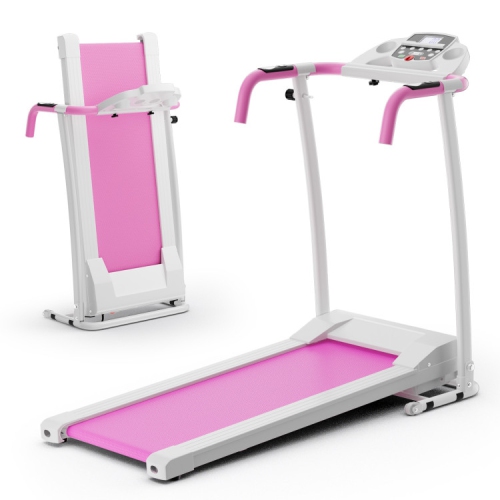
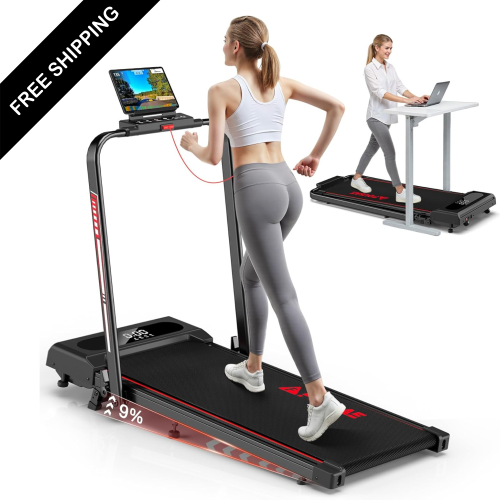
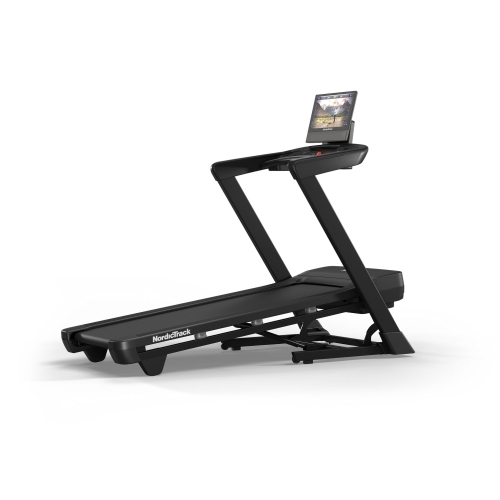
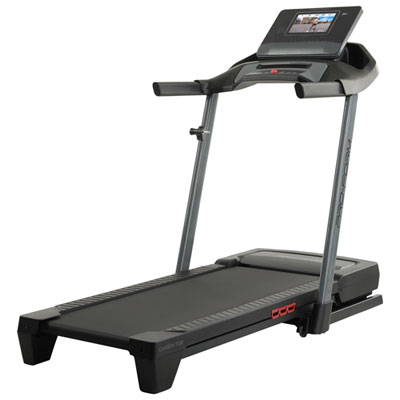
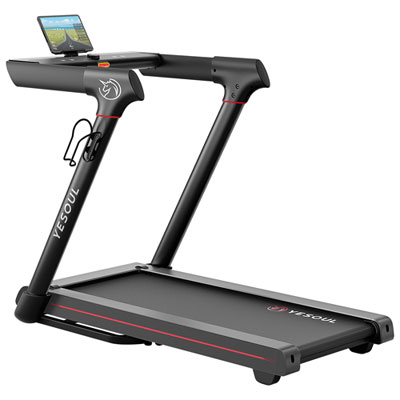

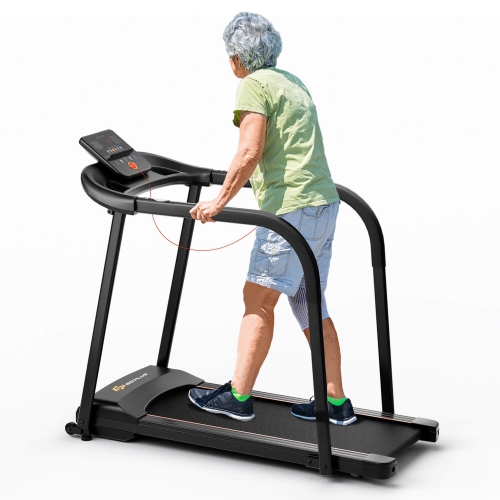
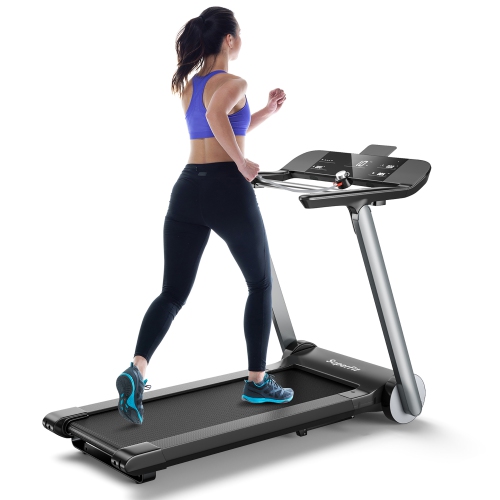
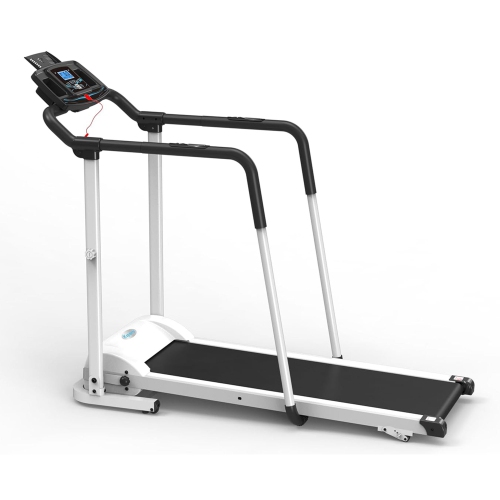
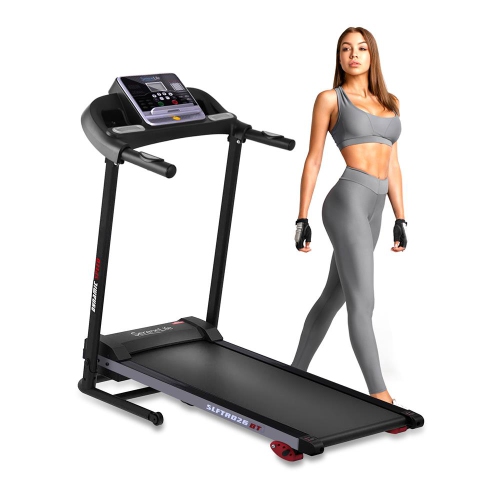
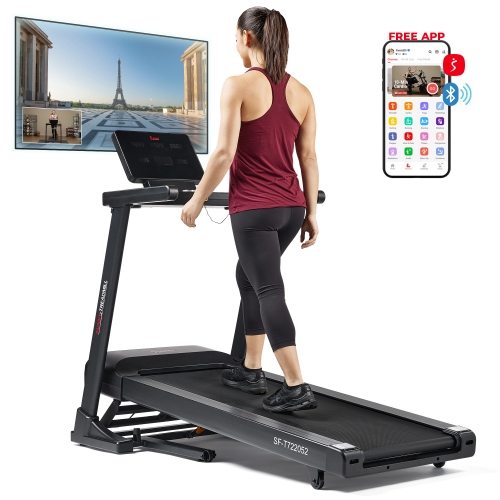
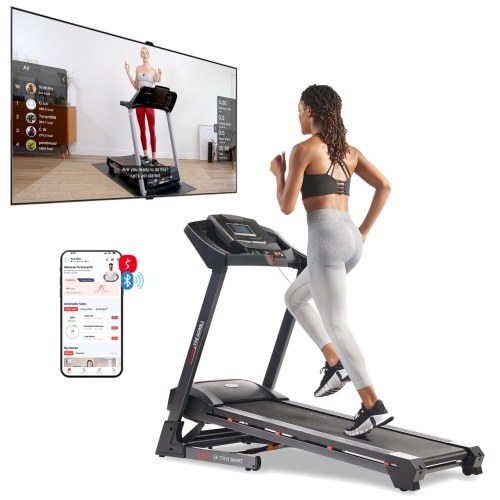
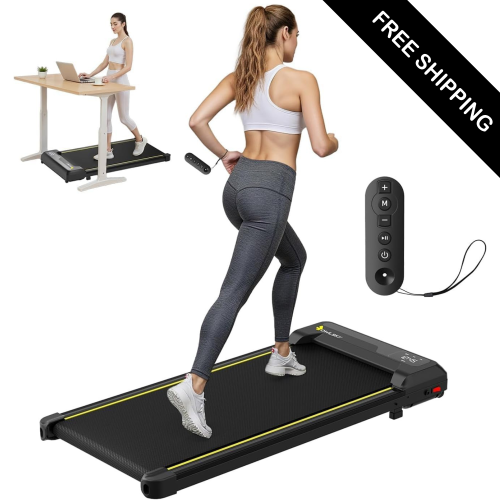
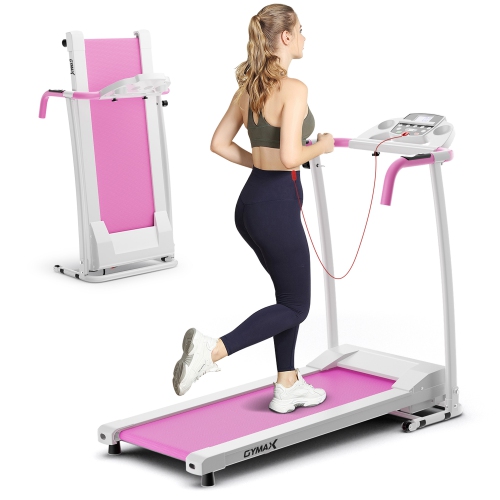

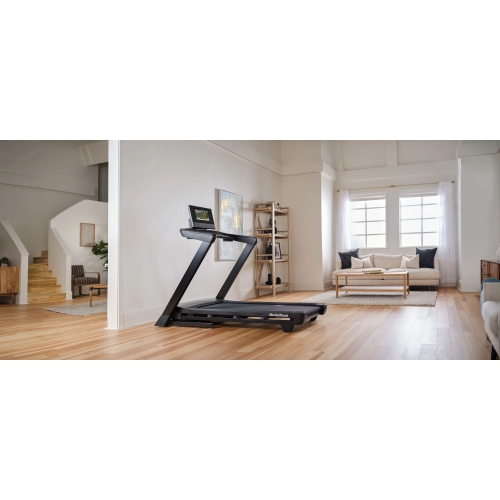
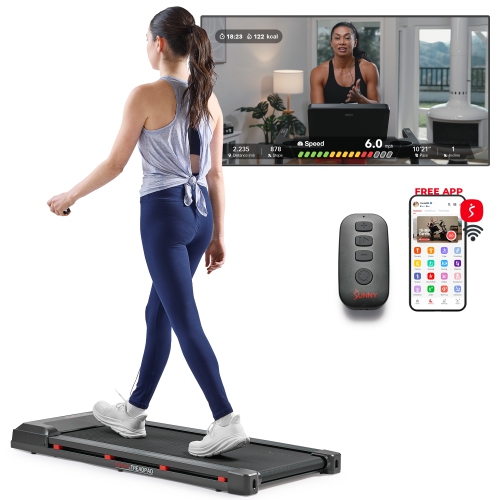
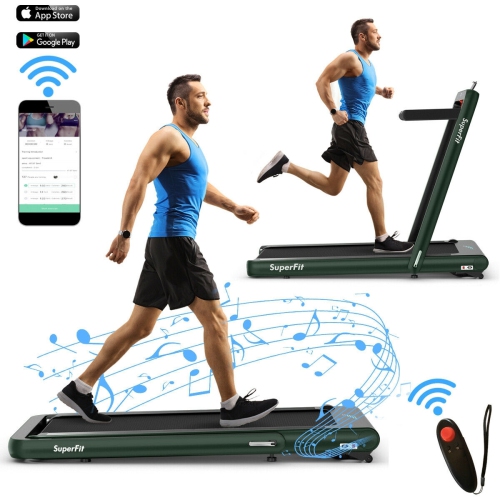
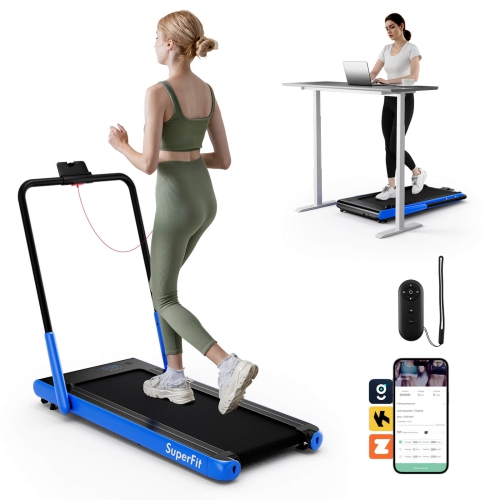
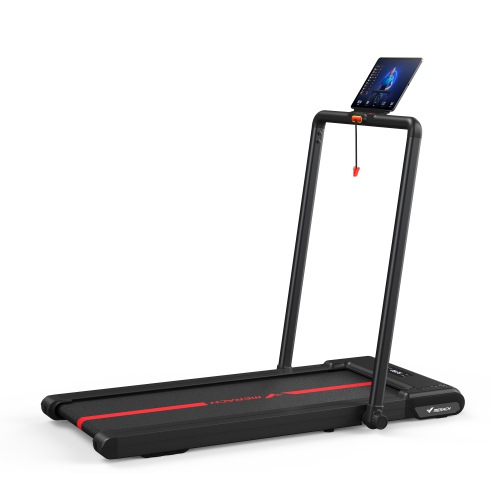
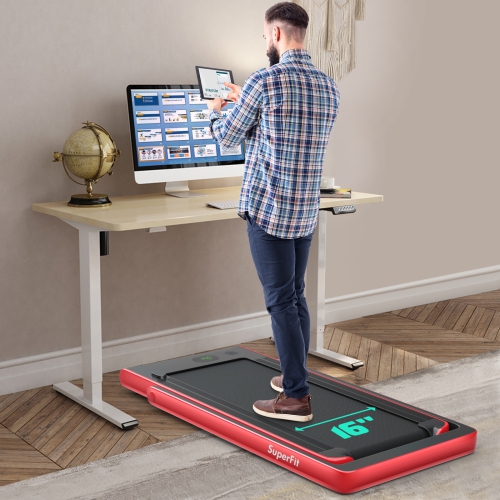
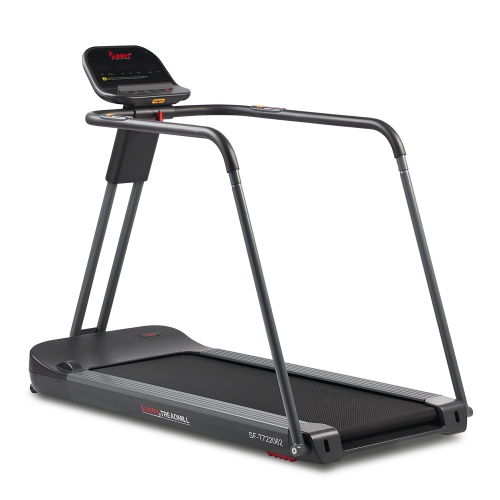
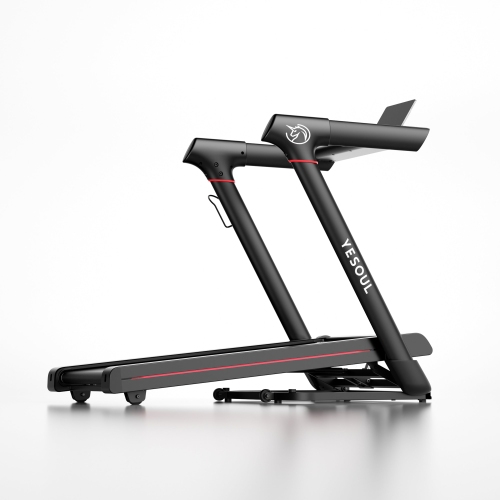
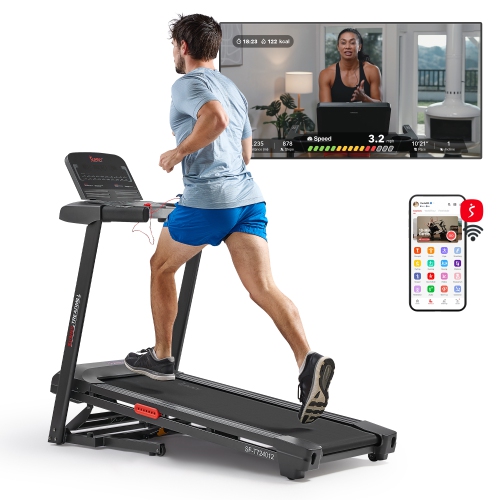
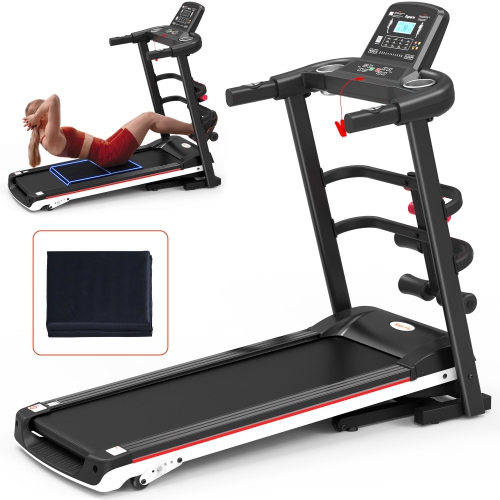
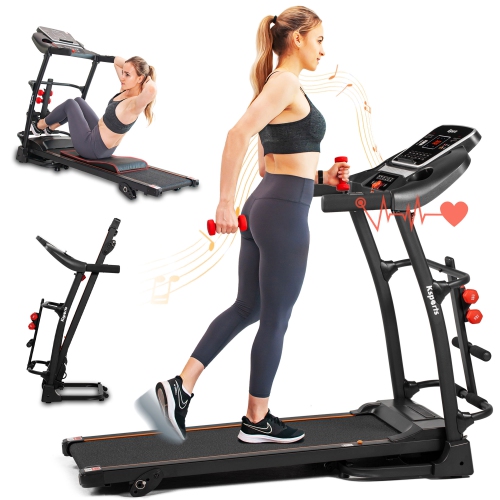
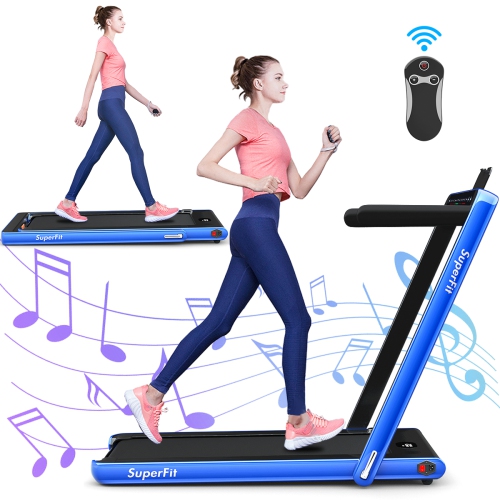
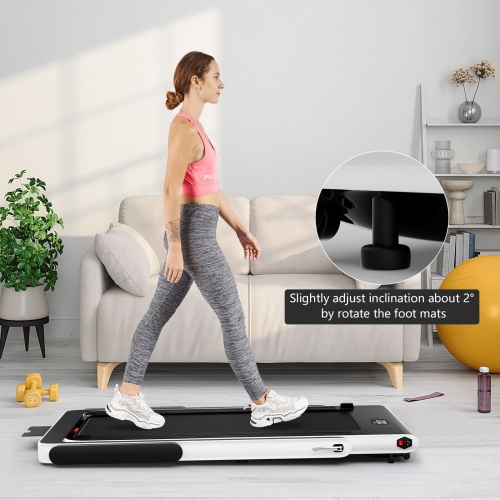


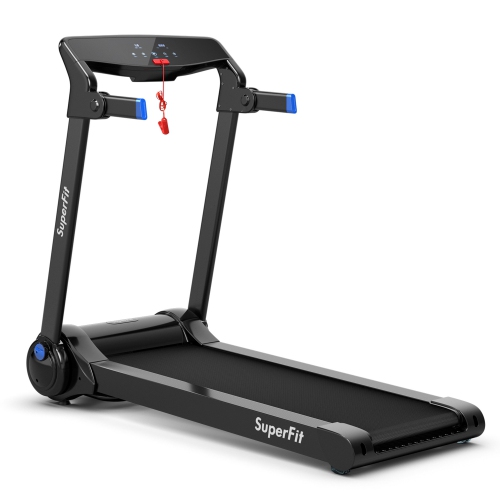
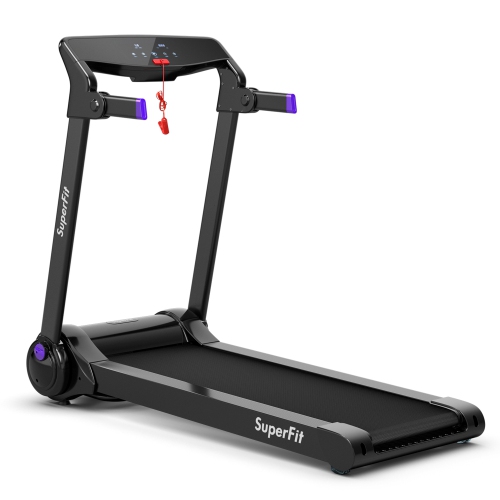
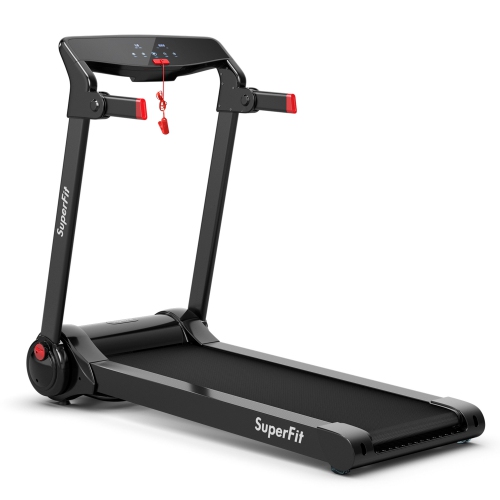
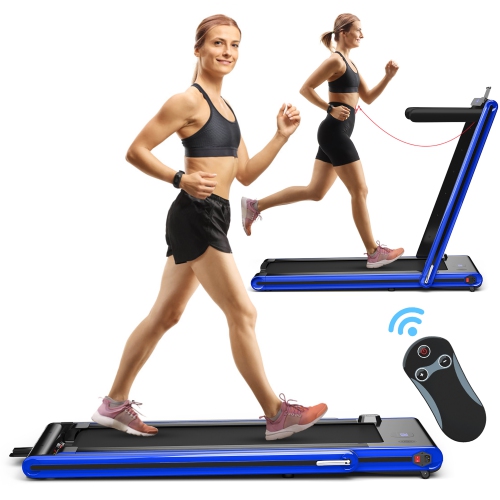
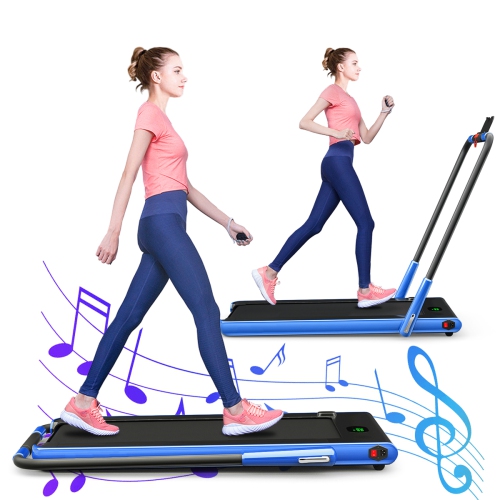
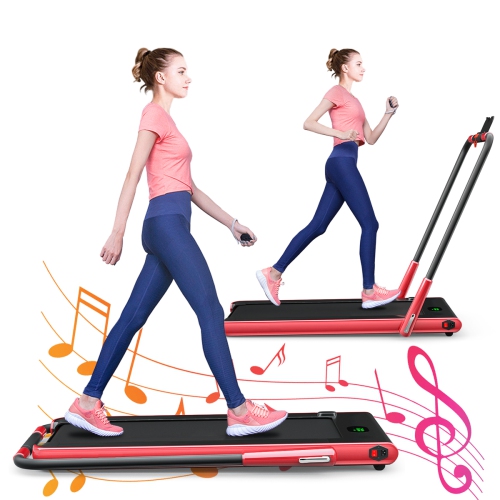
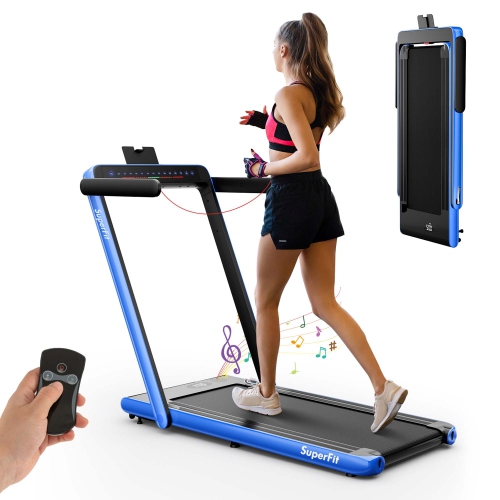
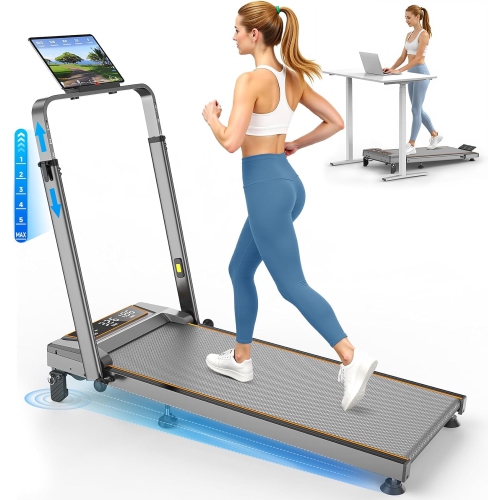

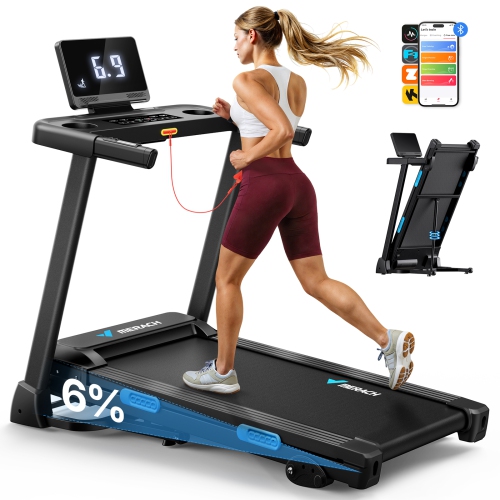
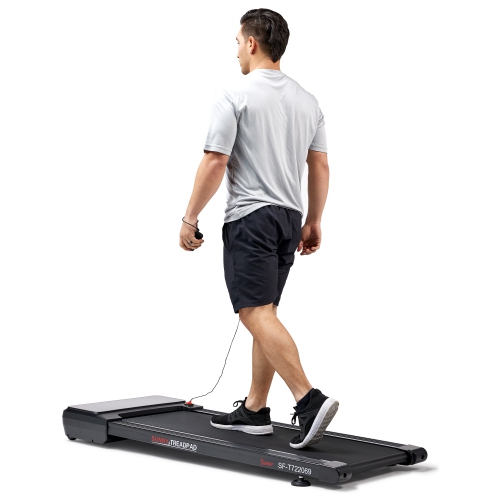
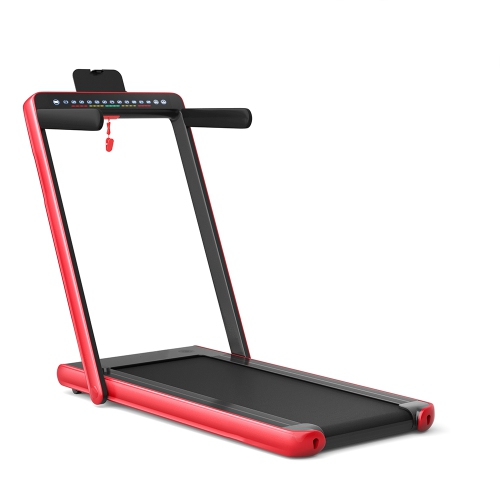
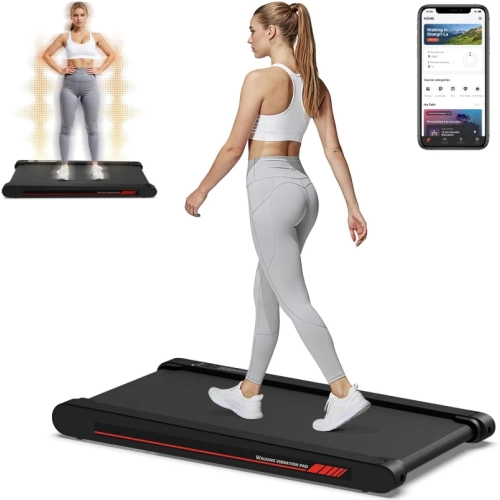
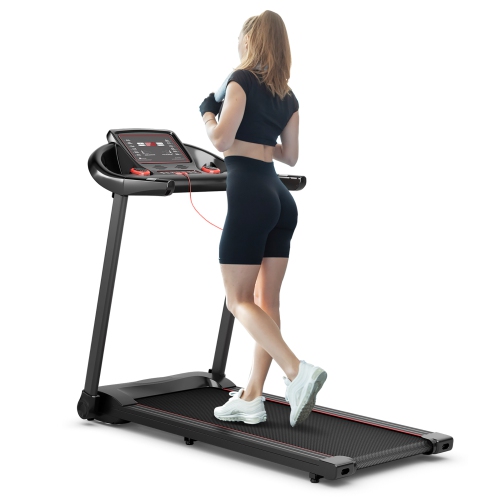
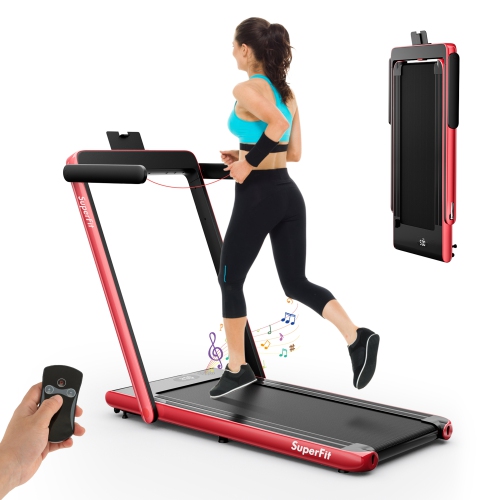
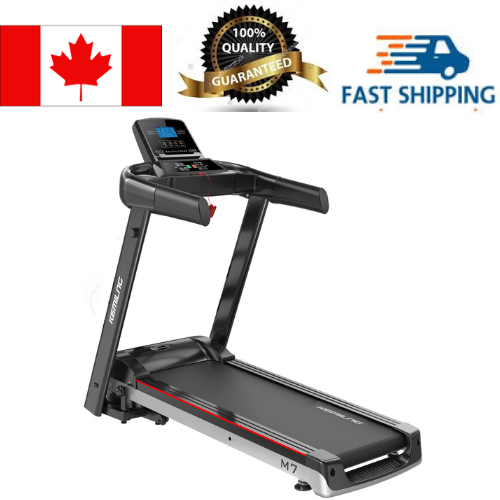
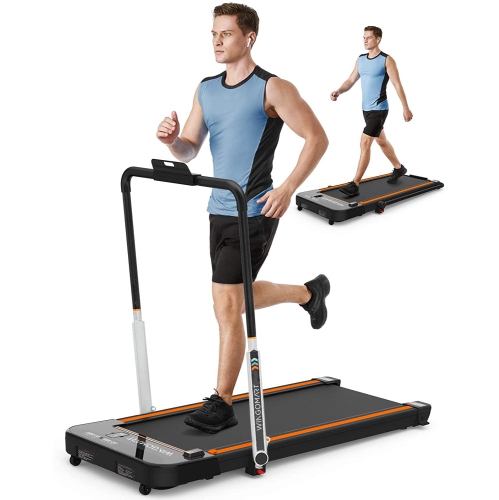
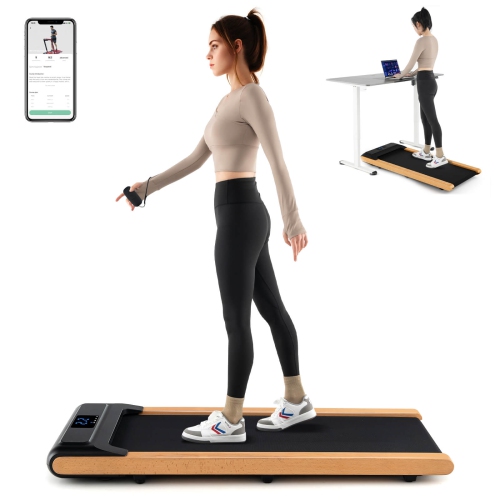
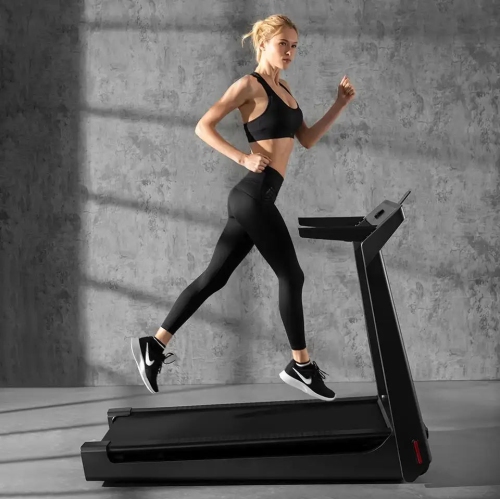
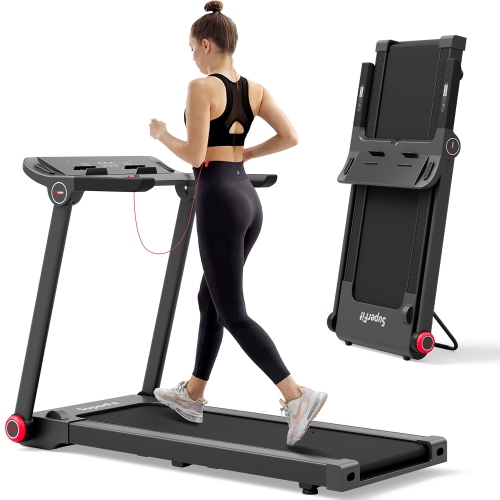
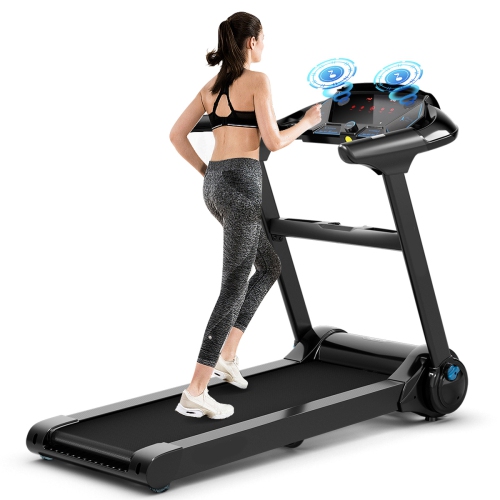
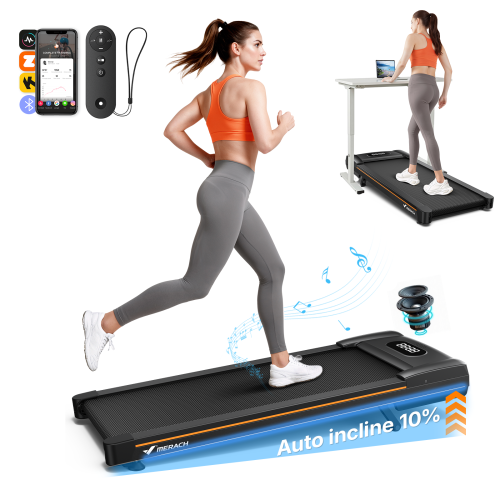
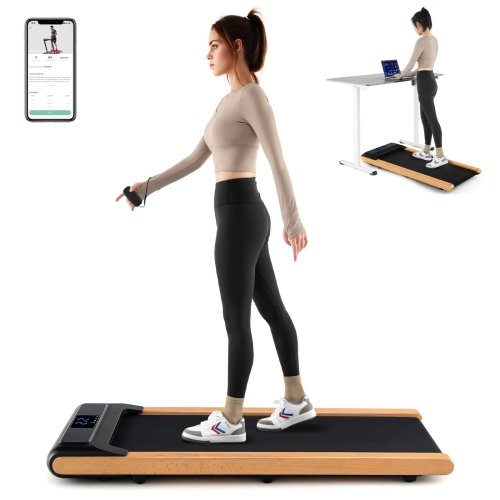
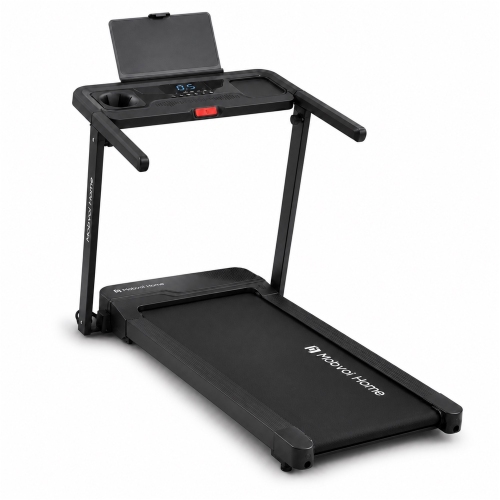
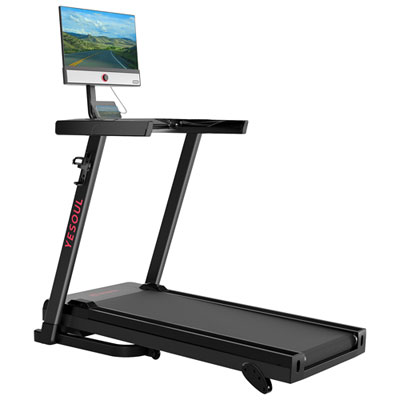

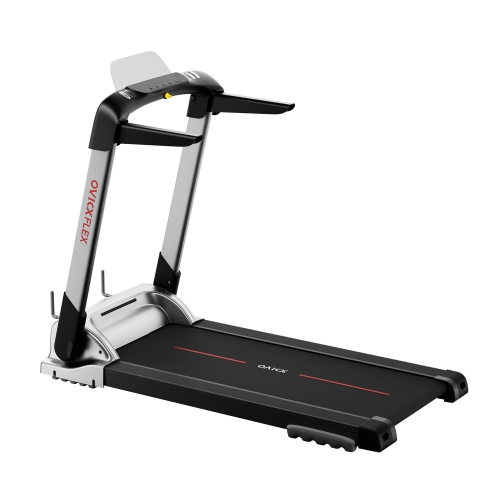
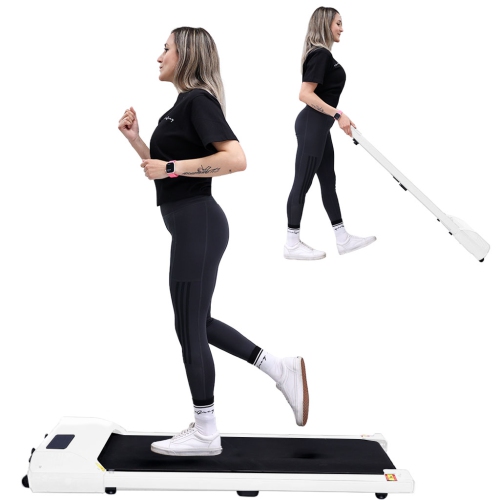
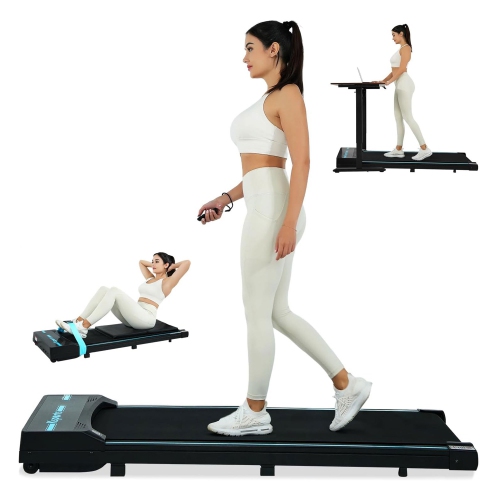
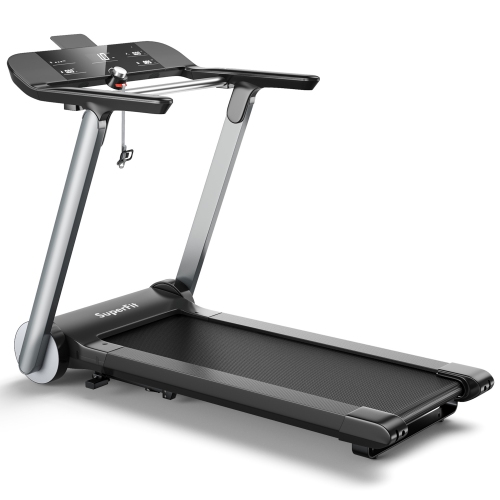
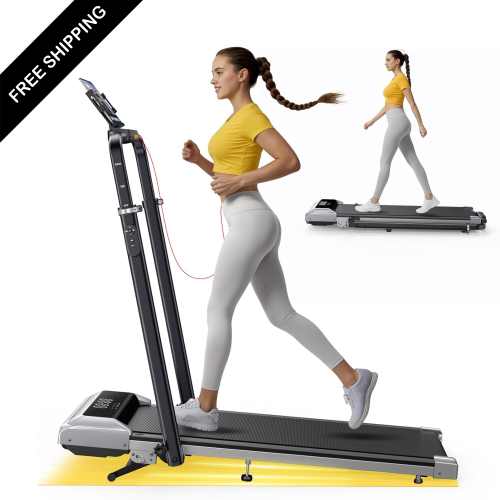
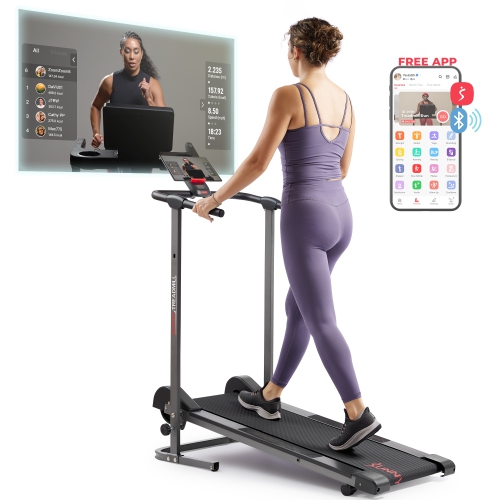
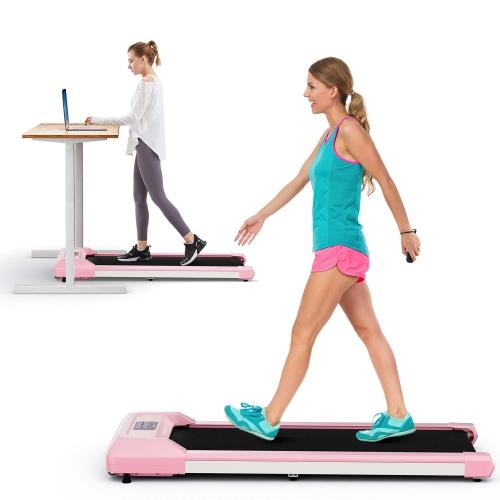
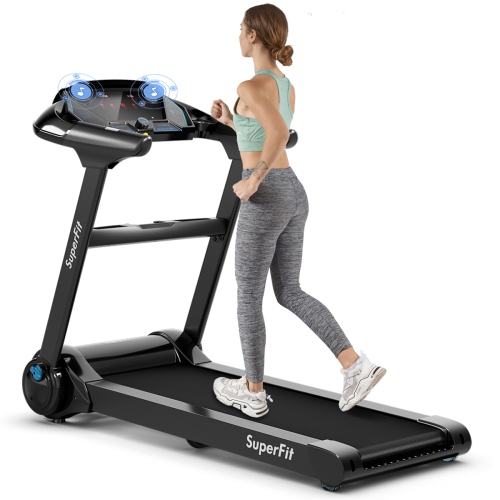
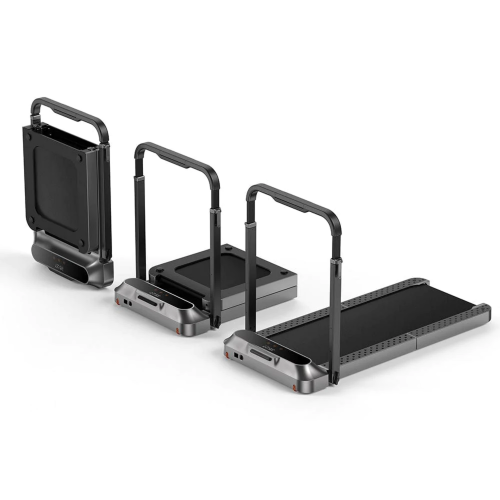
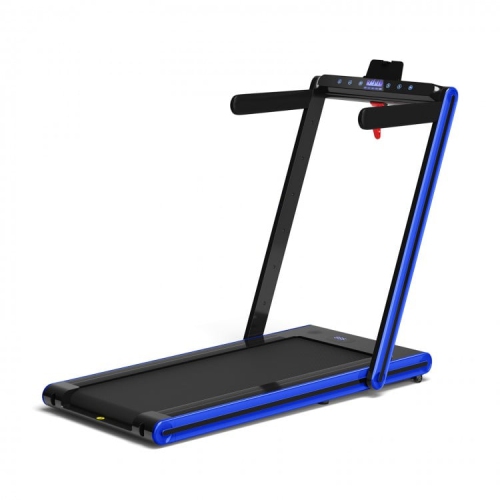
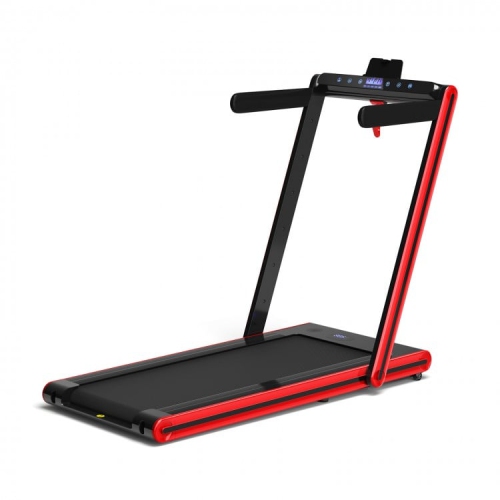
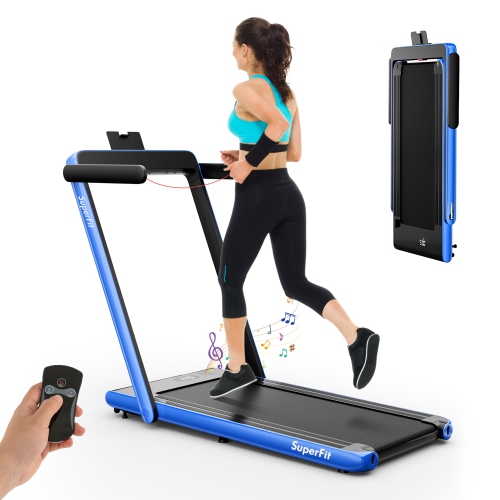
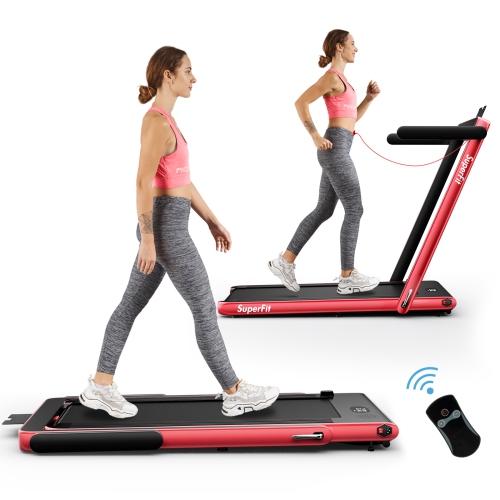
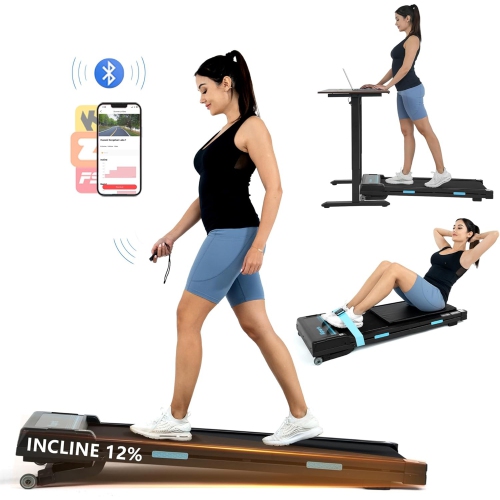
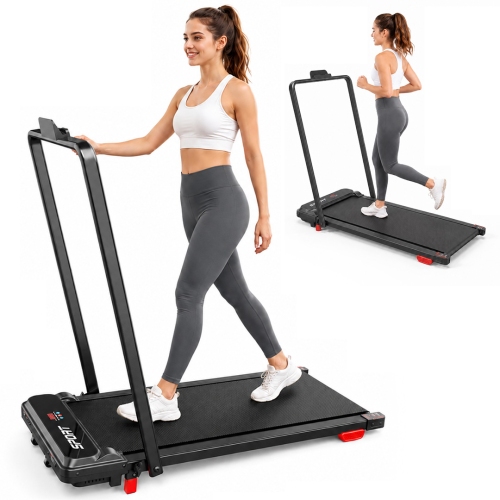
Changing effort matters more than chasing speed
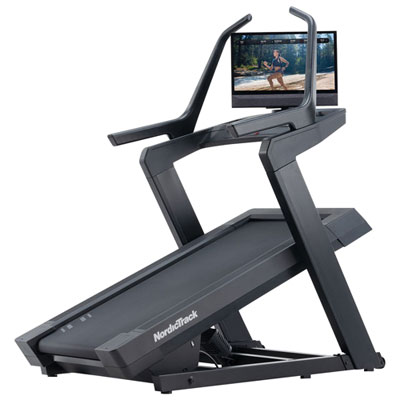
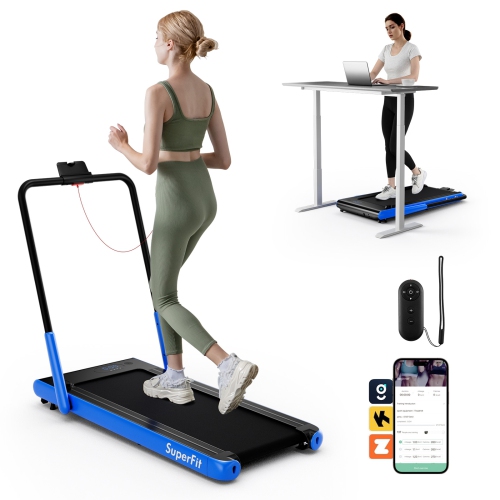
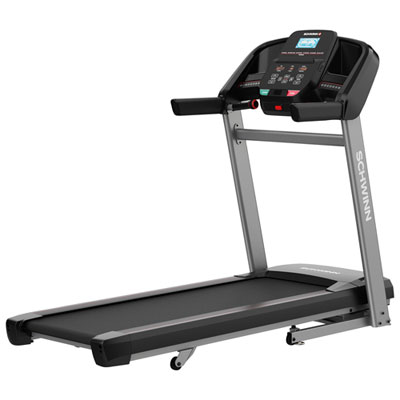
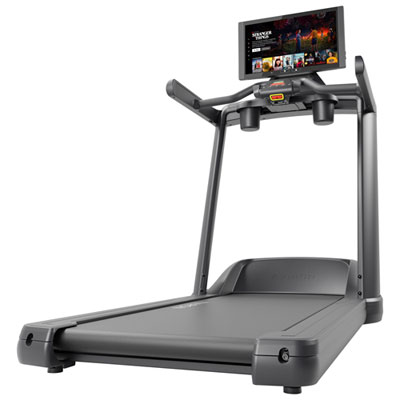
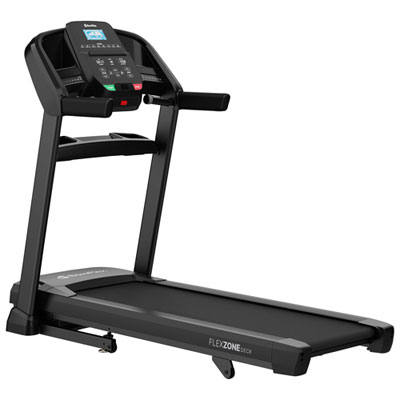
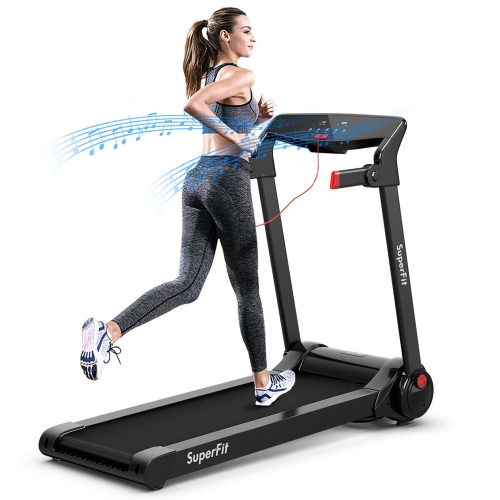
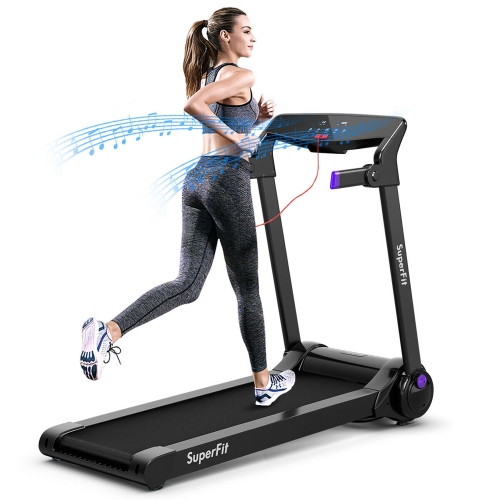
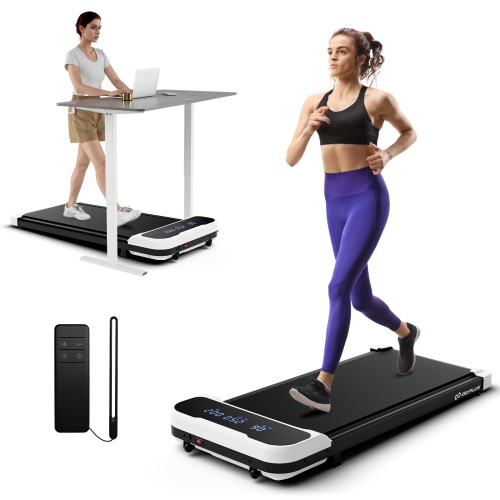
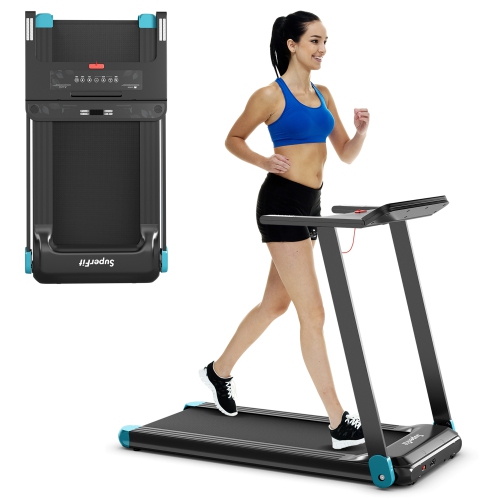
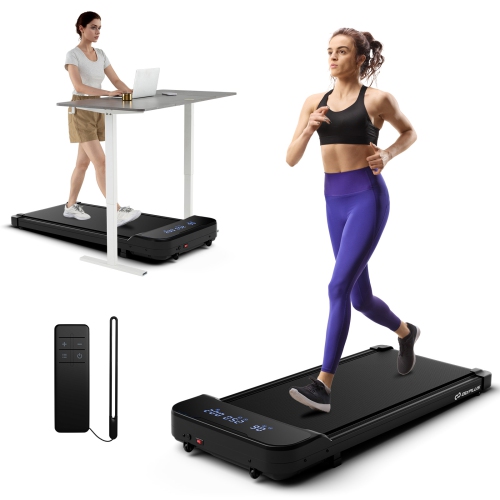
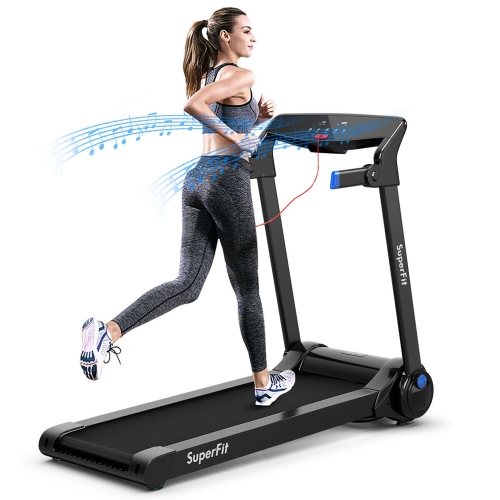
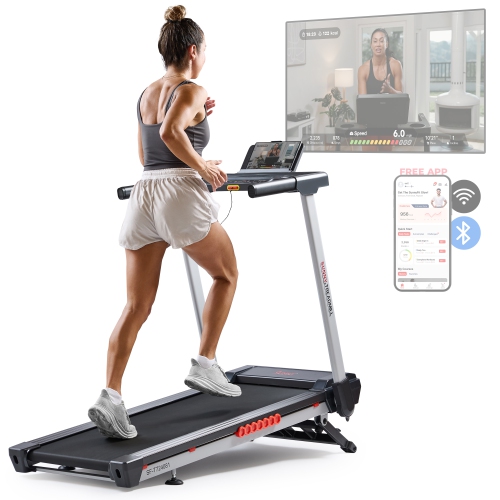
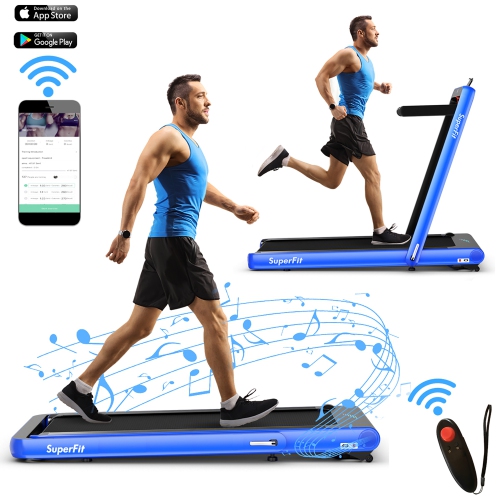
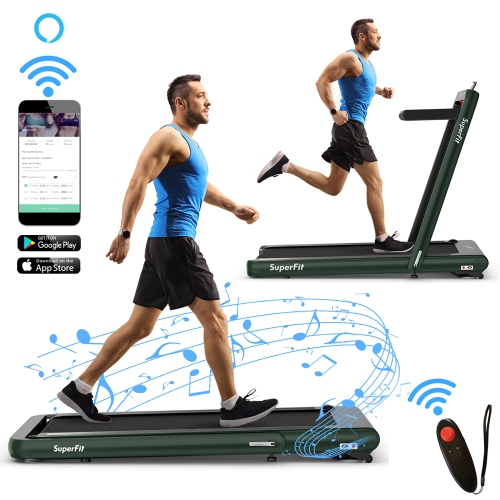
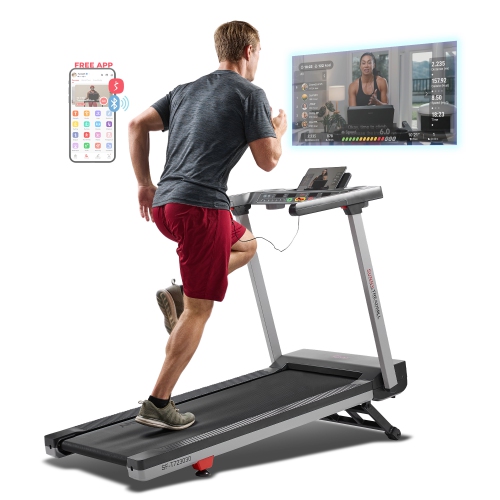
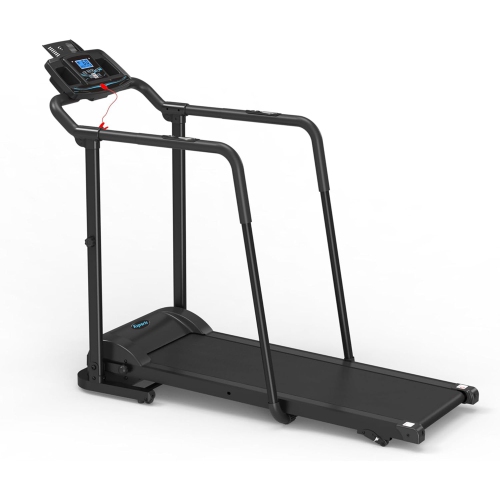
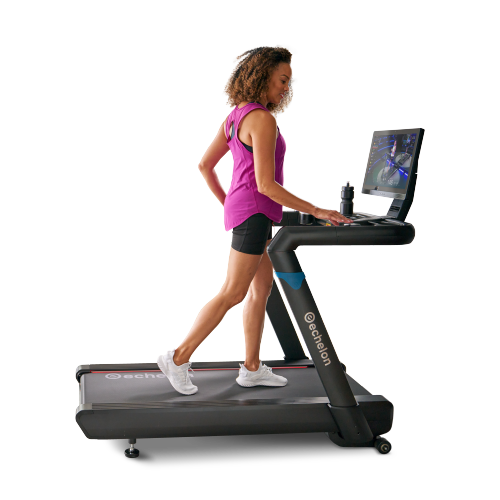
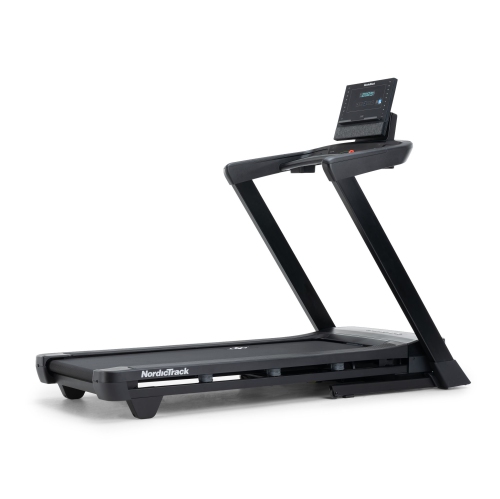
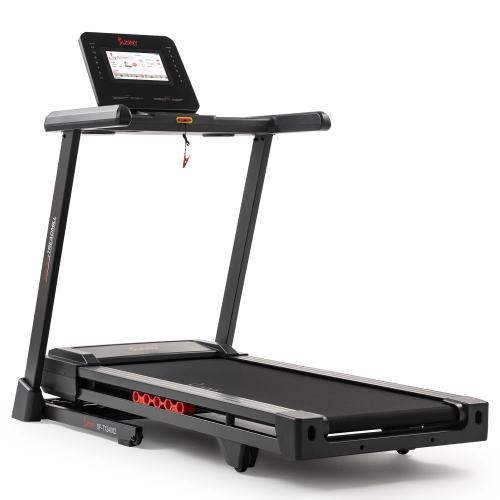
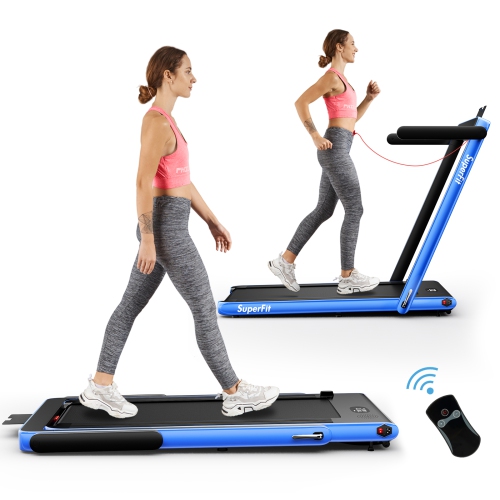
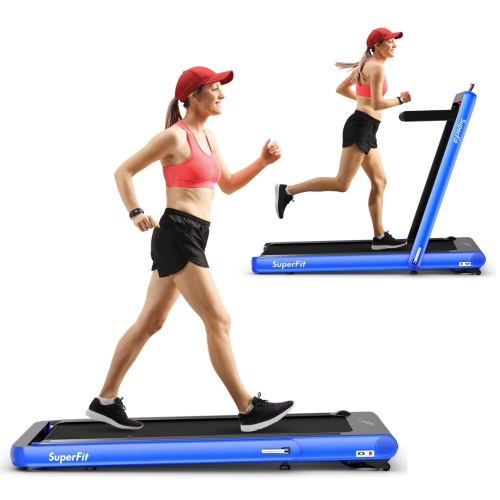
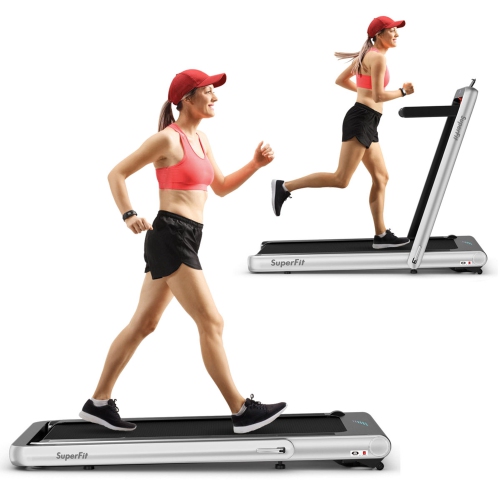
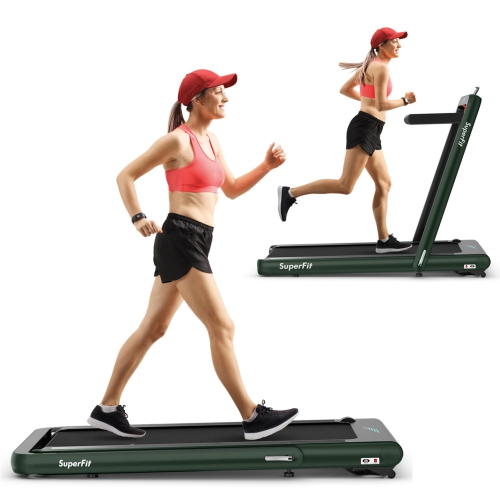
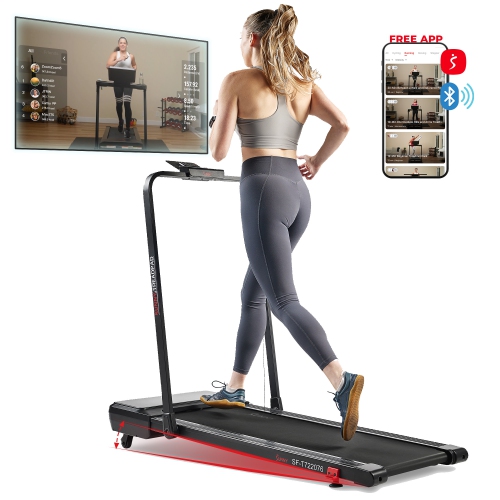
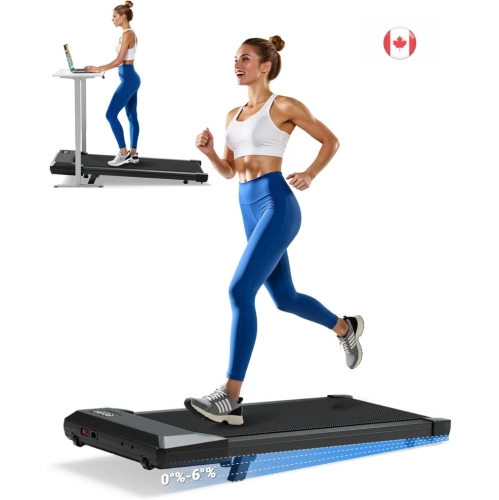
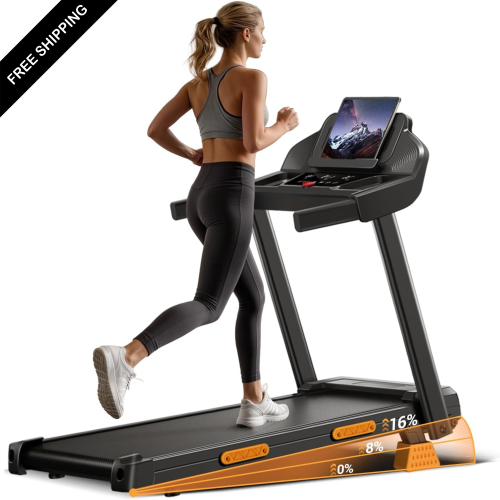
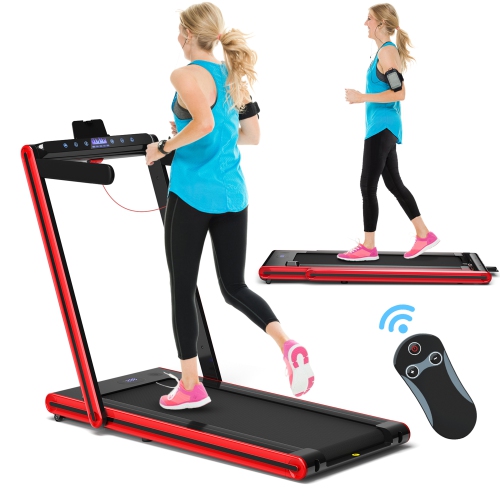
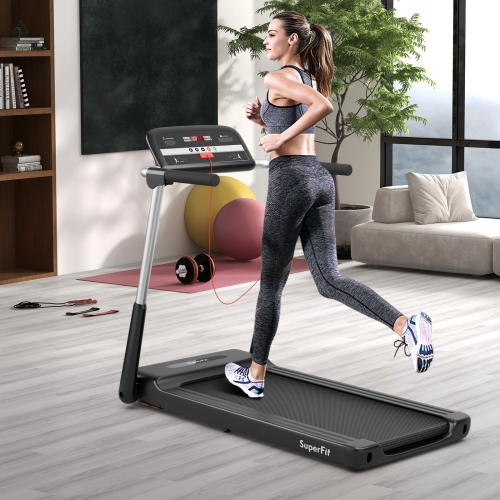
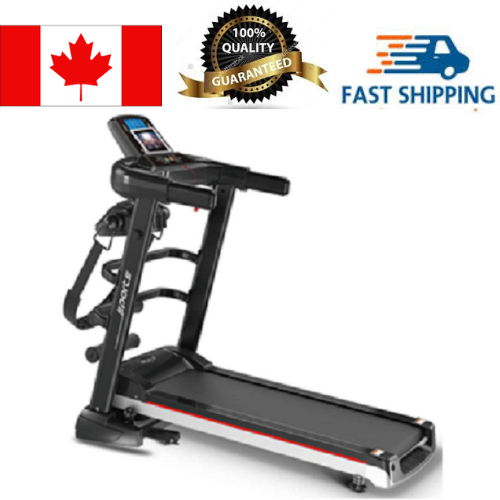
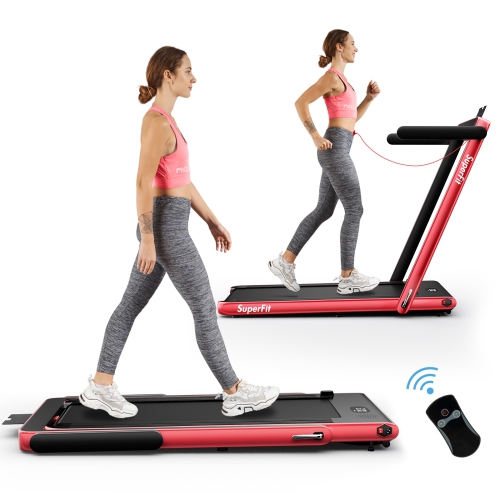
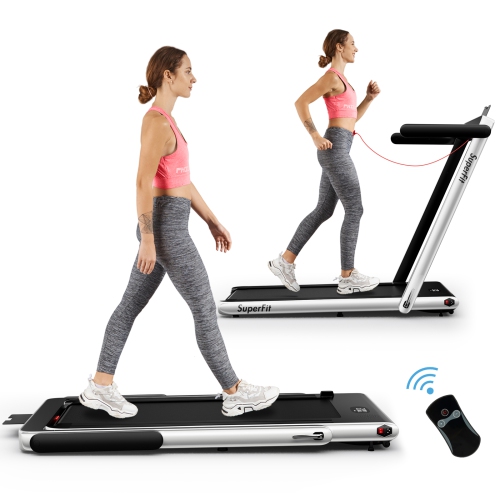
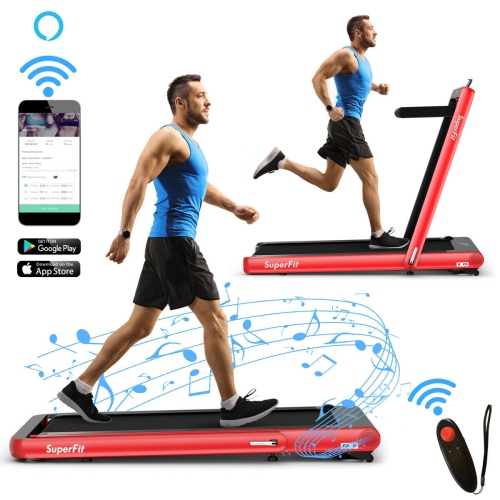
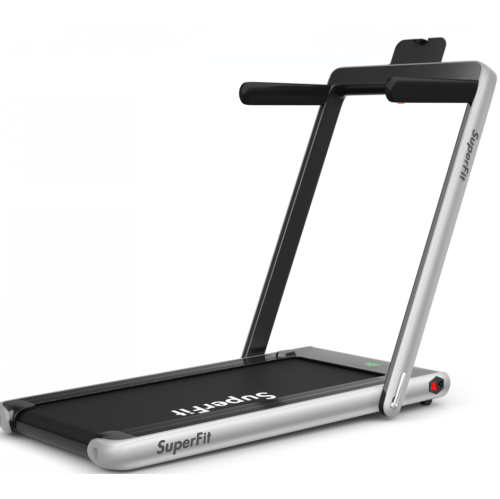
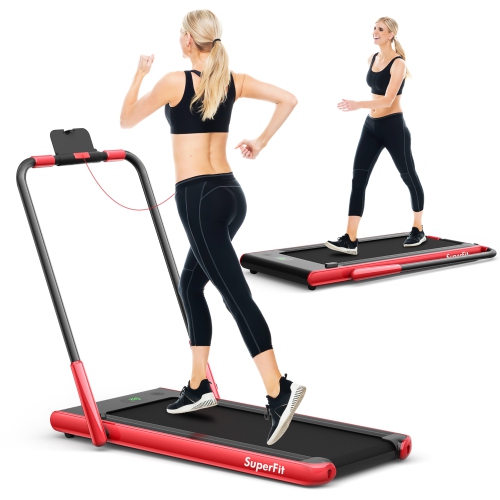
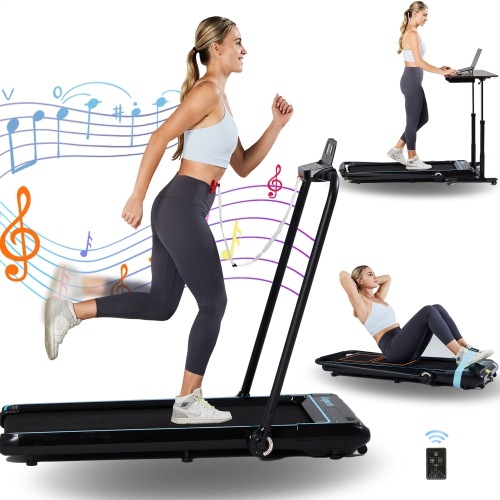
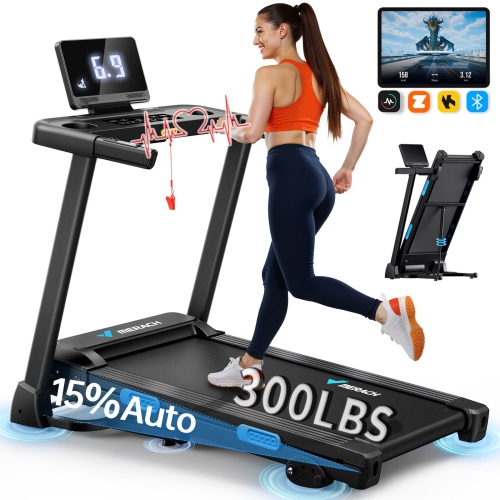
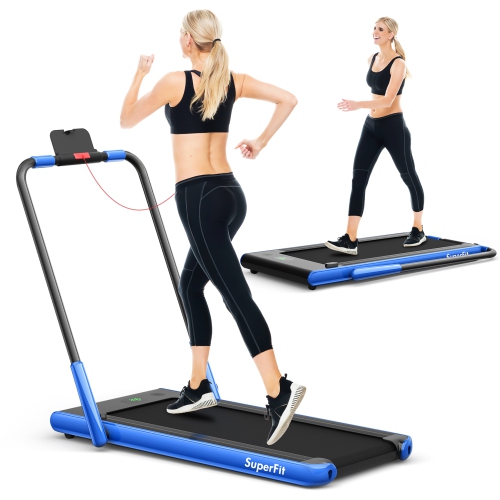
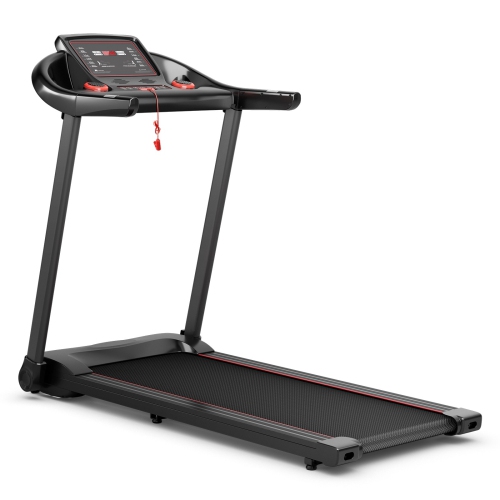
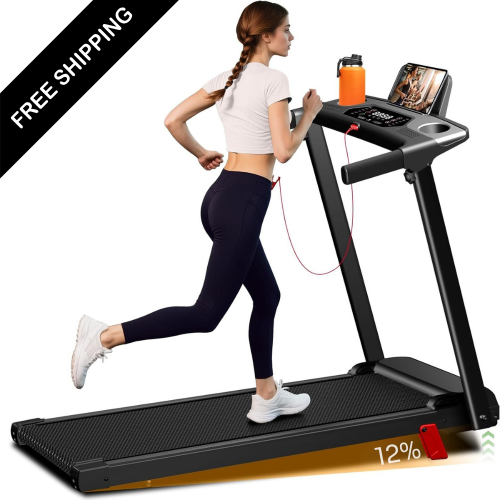
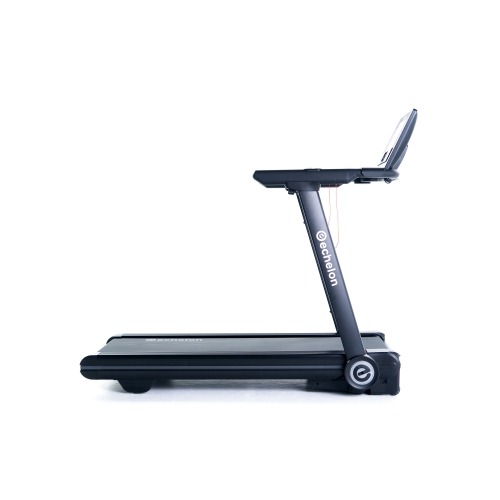
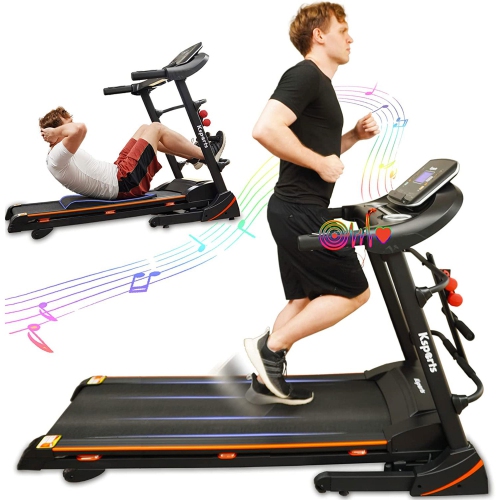
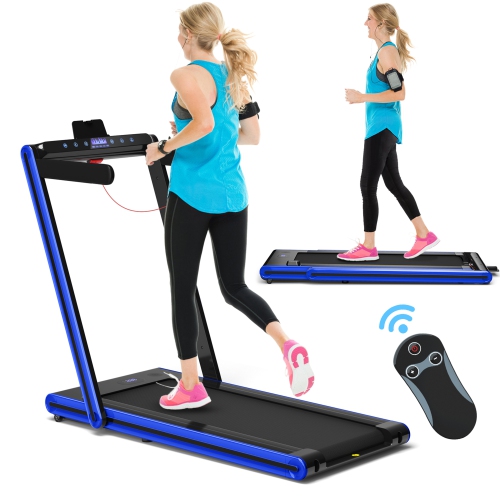
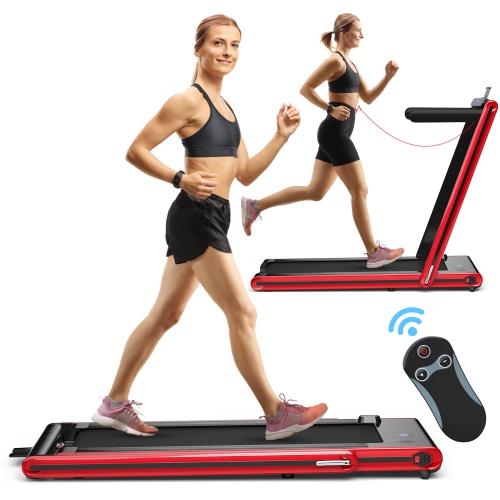
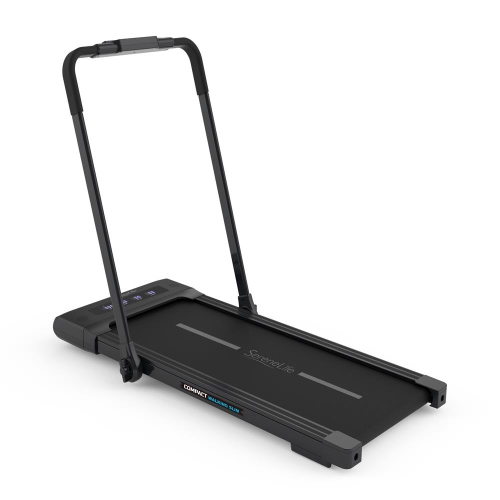
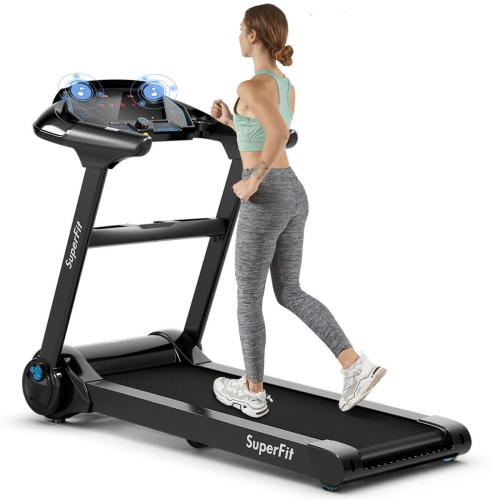
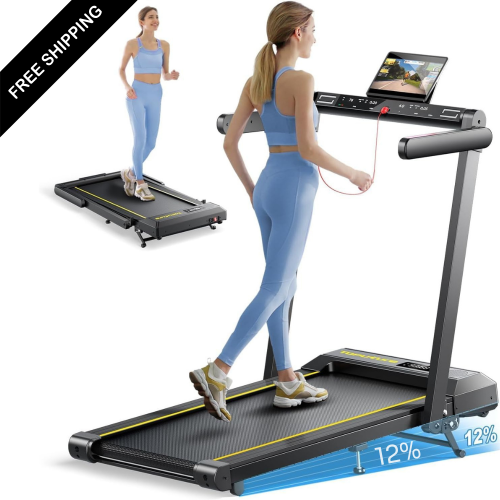
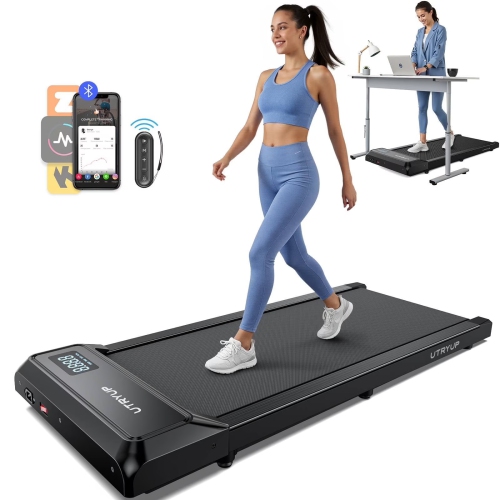
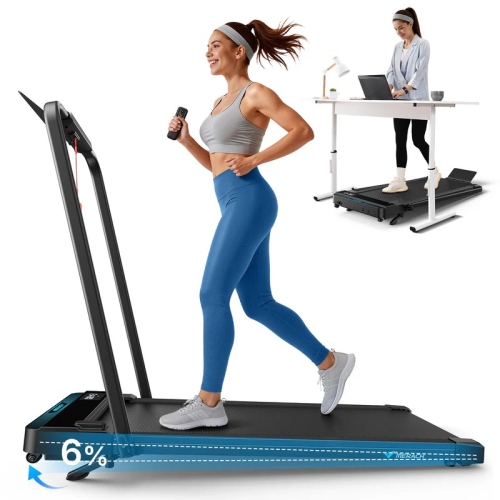
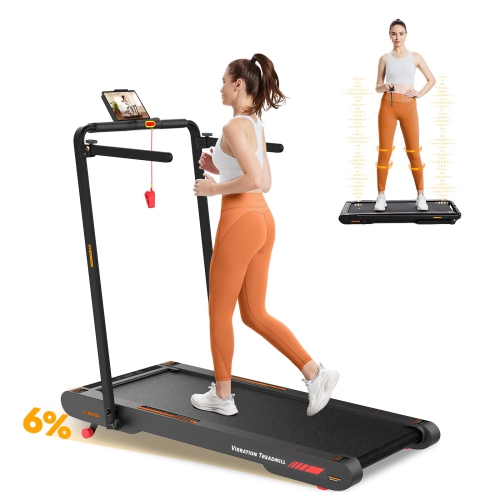
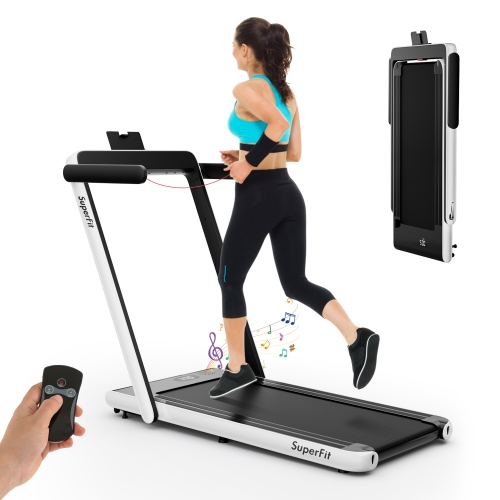
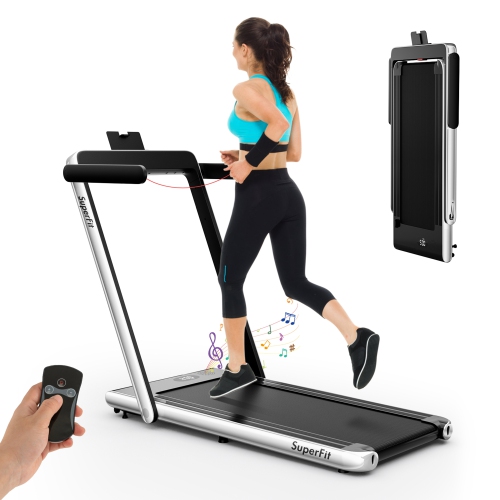
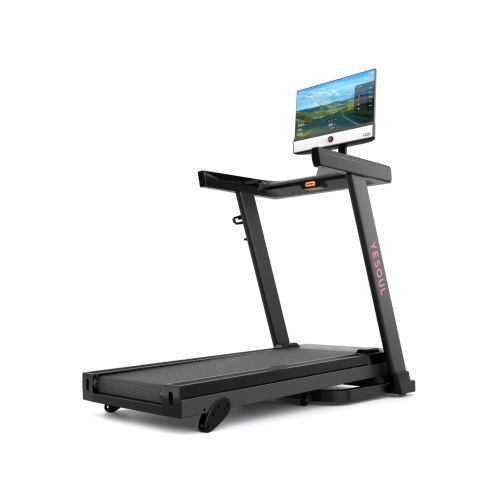
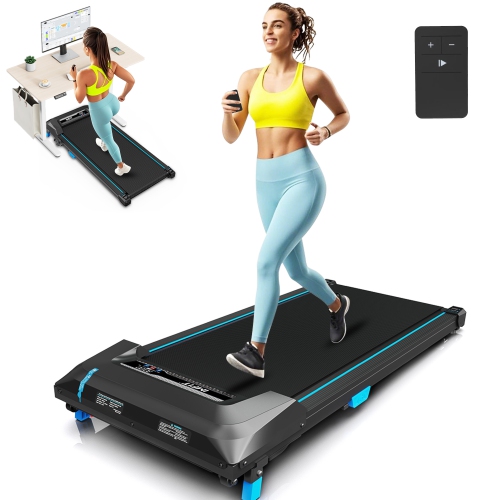
Treadmills with interval training support workouts that alternate higher-effort periods with easier recovery periods, using changes in belt speed, incline, or both. This format can help develop cardiovascular fitness and endurance while making room for different starting points and training goals. An interval does not have to mean an all-out sprint: a brisk walk followed by a comfortable stroll is one option, while an experienced runner might alternate faster running with a relaxed jog. The defining feature is the change in effort, not a particular speed. Treadmills designed to support this approach may include built-in interval programs, custom workout settings, quick-access controls, or connections to compatible fitness apps. These features serve different purposes. A preset program provides a repeatable sequence, while custom settings can let a user adjust work and recovery periods to match a preferred session. Manual controls remain useful for anyone who wants to change the pace without following a fixed routine. Clearly labelled speed and incline buttons are especially helpful during transitions, when scrolling through several menus can interrupt concentration. The way the machine changes settings matters, too. A displayed speed change is not necessarily immediate at the belt, and a gradual incline adjustment can take up part of a short interval. Smooth, predictable transitions make it easier to settle into each effort without feeling rushed or thrown off balance. Some consoles display the remaining time in a segment alongside total workout time, helping users distinguish a brief push from the session as a whole. Others offer audible cues or visual prompts, although the exact functions depend on the treadmill and its connected features. App-based workouts may require a compatible device, an account, or an internet connection, so it is useful to distinguish those functions from programs stored directly on the console. For a household that prefers straightforward exercise, accessible controls and dependable onboard programs may be more practical than an elaborate screen. For someone who enjoys structured sessions, adjustable intervals and saved routines can make repeated workouts easier to follow and compare.
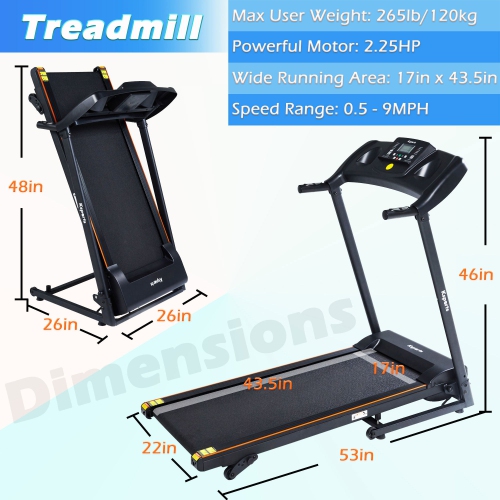
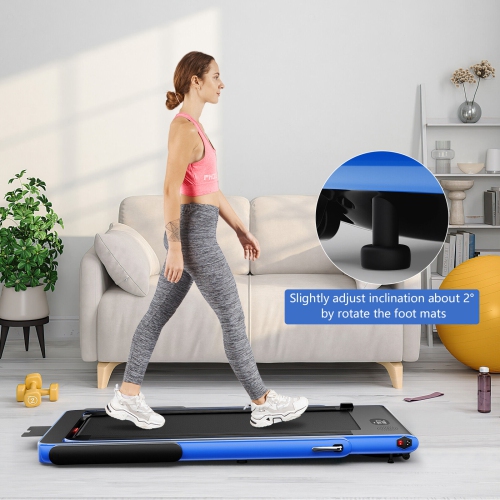
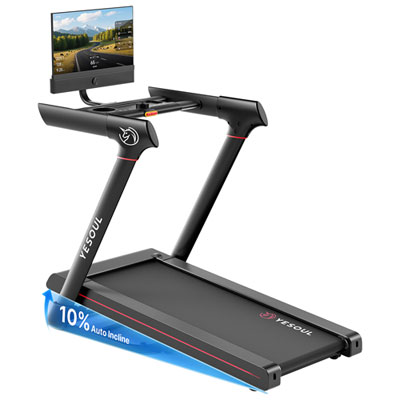
The physical design of a treadmill becomes particularly important when pace and effort change repeatedly. Belt length should accommodate the user’s stride at the fastest intended pace, while sufficient belt width provides room for a natural movement pattern without feeling confined. A walking-focused routine and a running-focused routine place different demands on the same machine, so maximum speed alone does not describe suitability. Motor performance, the manufacturer’s intended-use guidance, and any stated limits on session length help establish whether a treadmill suits regular walking, jogging, or more demanding running. A stable frame and a deck that feels secure underfoot are valuable during faster efforts, especially when several household members will use the machine. Steel framing, quality joints, and well-fitted components can contribute to a solid feel, but overall construction and maintenance matter more than a material name on its own. Cushioning affects the sensation of each foot strike; a softer deck is not automatically the right fit for every runner, and comfort can vary with body size, footwear, and stride. The stated user weight limit should suit everyone who will use the treadmill, with other performance specifications considered alongside it. Incline adds another way to vary effort without relying entirely on faster belt speeds, which can appeal to walkers as well as runners. Not every treadmill offers automatic incline adjustment, and the available range differs between designs. Heart rate tracking can add context to these changes in workload. Related treadmills with heart rate monitors may use handgrip sensors or support compatible wearable sensors, depending on the model’s specifications. Compatibility should be confirmed rather than assumed, since not every watch or chest strap connects to every console. Readings can lag behind a change in effort, and handgrip measurements can be affected by movement and contact. Heart rate information is therefore best viewed alongside perceived effort, rather than as an instruction to chase a particular number. A readable display, reachable controls, and a comfortable running surface remain central to the experience.
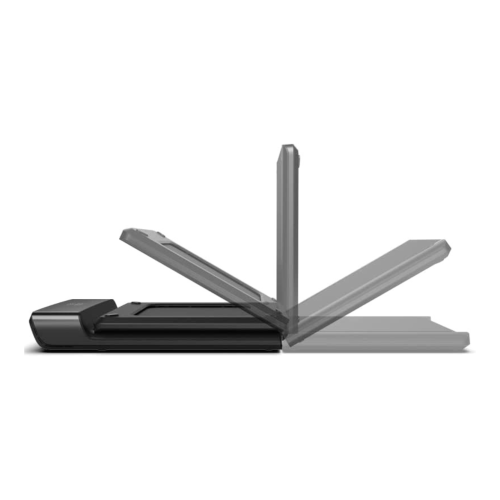
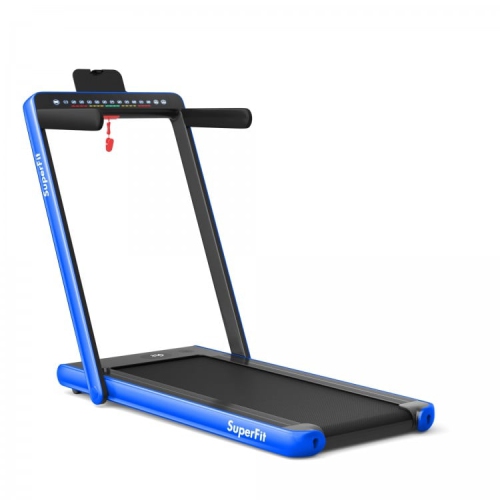
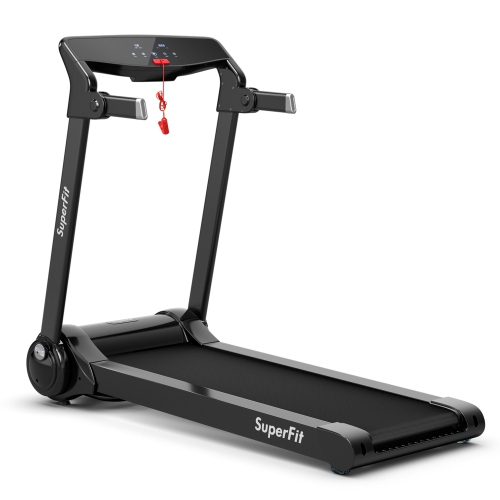
Room layout and everyday upkeep also influence how well an interval-training treadmill fits into a home. The usable space includes more than the machine’s footprint: manufacturer-specified clearance behind and around the treadmill provides room for safe access and movement. Ceiling height deserves attention when incline is involved, since the deck rises and the user stands above floor level. Folding designs can free up floor space between sessions, but the folded dimensions, lifting mechanism, locking system, and transport wheels determine how manageable storage will be. A treadmill that folds is not necessarily light or easy to move between rooms. In a shared living space, motor sound and the impact of repeated foot strikes are separate considerations; a floor mat may help protect an appropriate surface, but it cannot eliminate vibration or replace a stable, level foundation. Small details become noticeable in regular use. A bottle holder within comfortable reach, a shelf that holds a device securely, and controls that remain accessible when a tablet is in place can all make a session less awkward. Safety features deserve the same attention as workout programs. An emergency stop control and a correctly attached safety key provide a way to stop the belt if needed, while clear space around the machine helps keep children, pets, and loose objects away from moving parts. Speed changes are best made through the controls rather than by jumping onto or off a moving belt. For care, the manufacturer’s instructions should govern belt adjustment, lubrication, cleaning, and inspection; some systems require particular lubricants, while others have different maintenance requirements. Once the belt has stopped, switching off and unplugging the treadmill before cleaning helps avoid accidental operation. Removing dust, wiping away perspiration with an appropriate cloth, and checking for loose hardware or belt wear can help keep the machine working as intended. A treadmill suited to the user’s stride, available space, and preferred interval format is more likely to become a practical part of a regular routine, from short walking sessions to structured running workouts.
Top selling and popular products
-
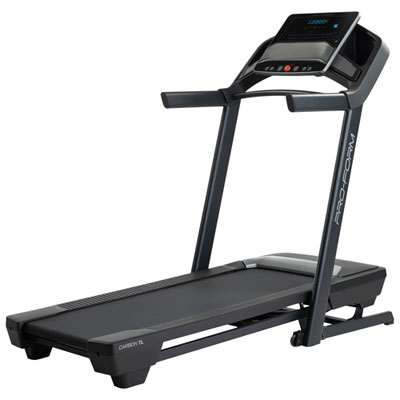 Your price for this item is $1099.98
-
 Your price for this item is $2901.98
-
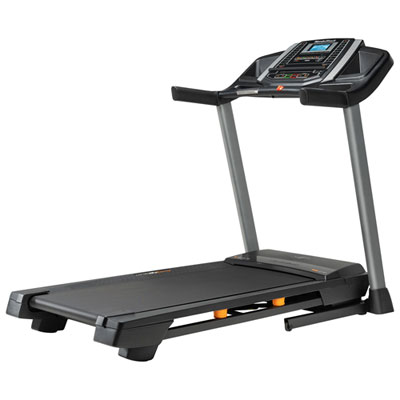 Your price for this item is $995.98
-
 Your price for this item is $1278.98
-
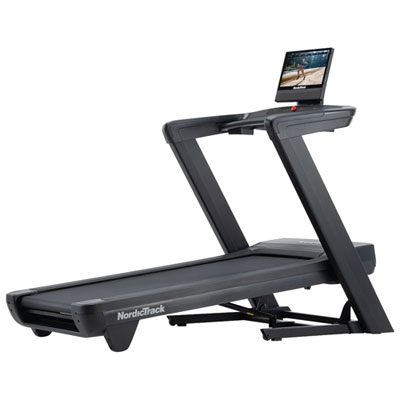 Your price for this item is $2501.98
-
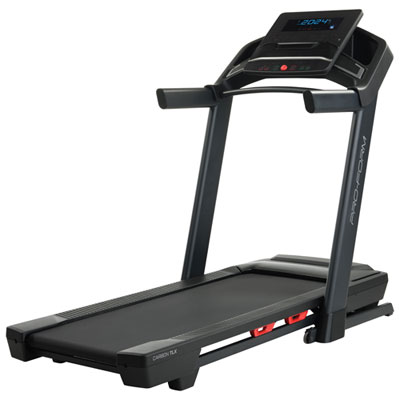 Your price for this item is $1399.99
-
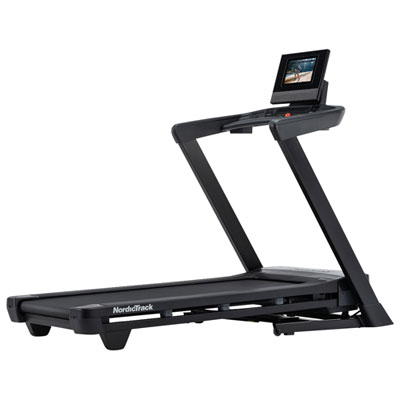 Your price for this item is $1799.99
-
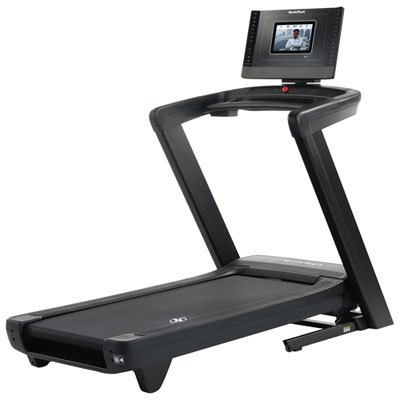 Your price for this item is $2698.98
Discover more categories related to Treadmills With Interval Training
Top Collections:
Pokemon Centers, Best Cameras for Sports Photography, Kindle Devices, Samsung Galaxy Phones, Canon G7X Cameras, Pokémon 30th Celebration Cards, Refurbished Apple Laptops, iPhone 15 Apple, Laptops for Students, Budget Smartphones
Some products may be subject to Environmental Handling Fees
(EHF) depending on your province.
Learn more about EHFs.