Treadmills for Running Home Use
If you're looking to get fit or stay in shape, a treadmill might be the best option for you. These treadmills provide a great way to burn calories and get a heart-pumping workout without having to leave your home. Here are some of the best treadmills for home use.
Sort
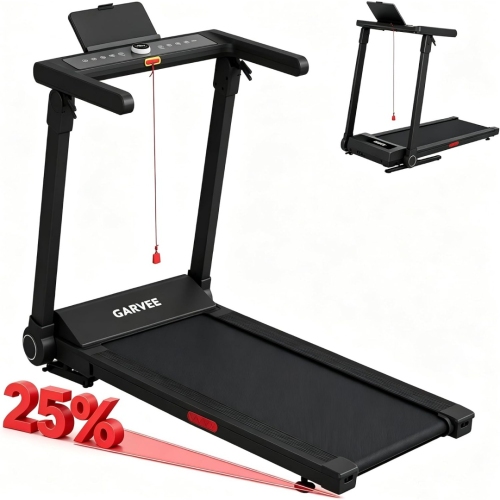
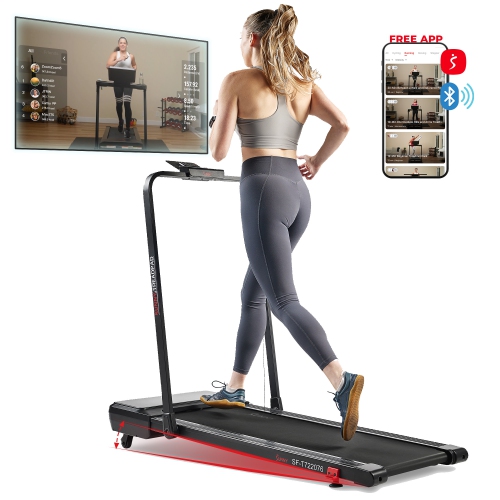
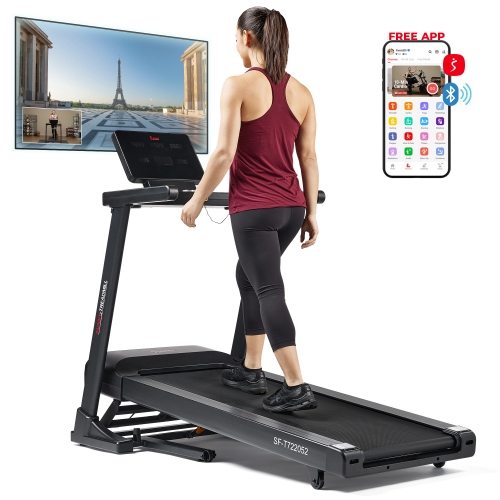
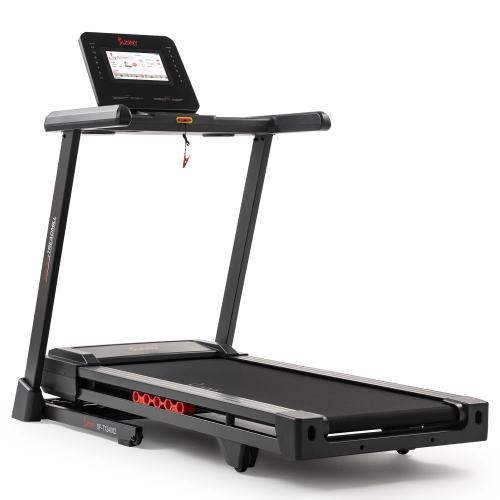
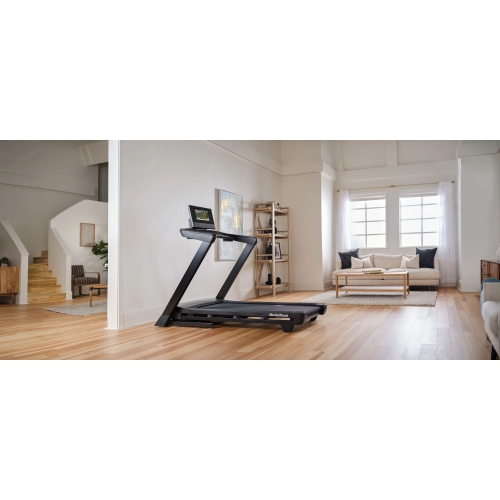
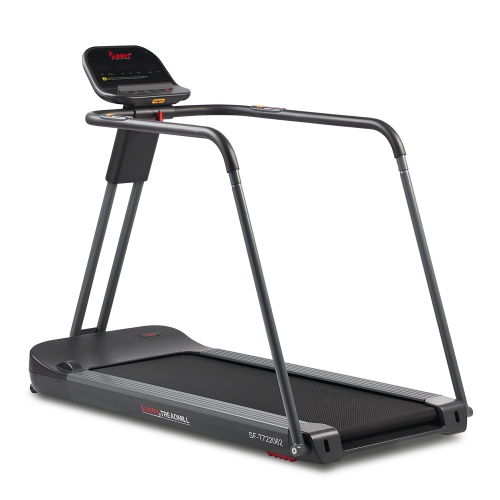
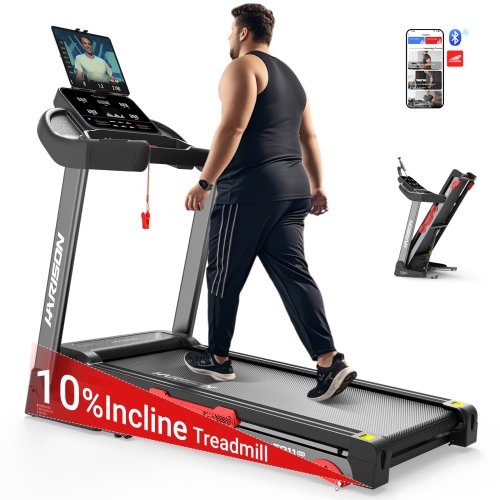
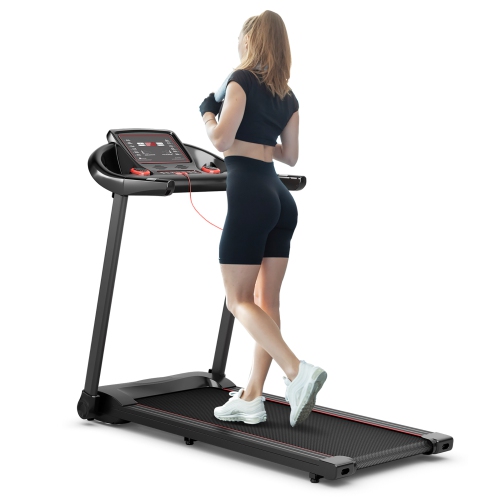
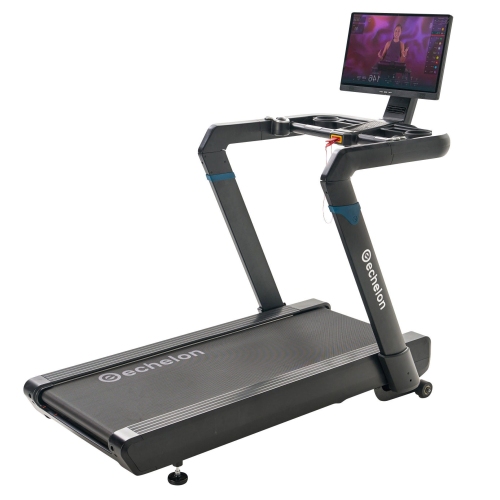
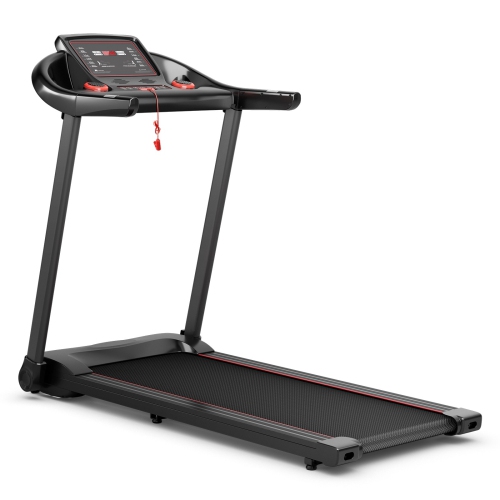

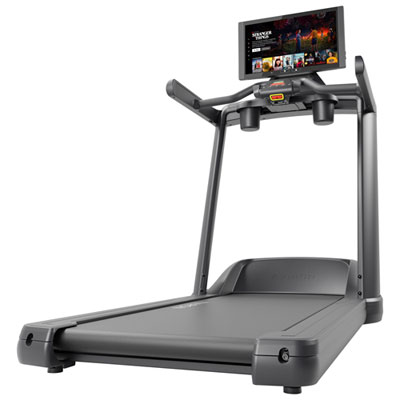
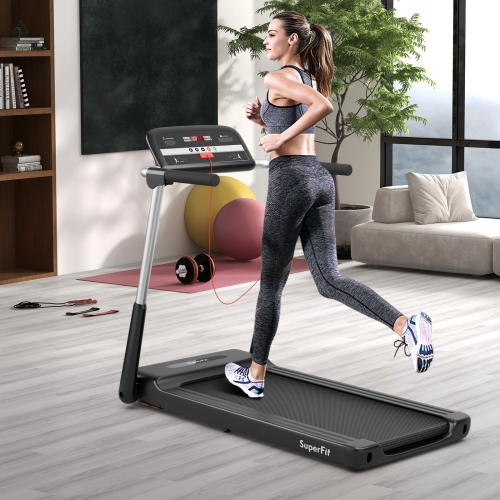
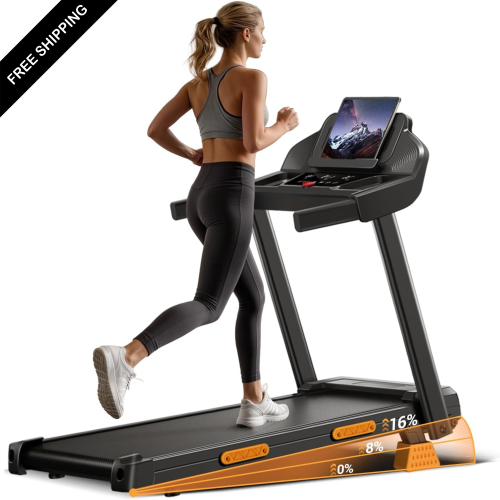

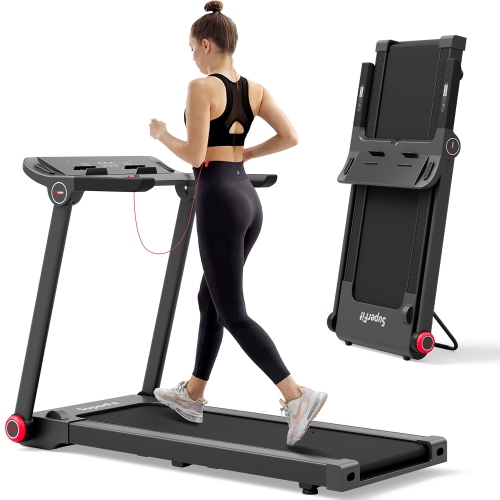
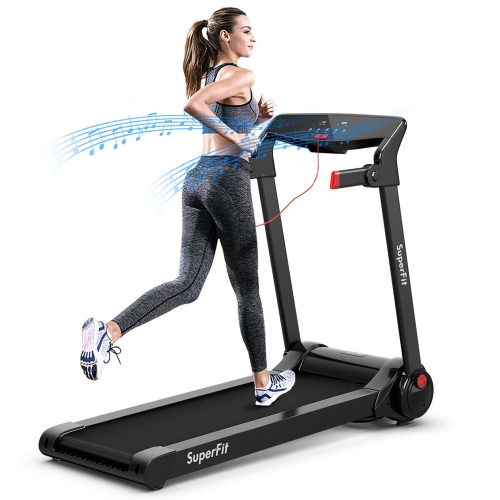
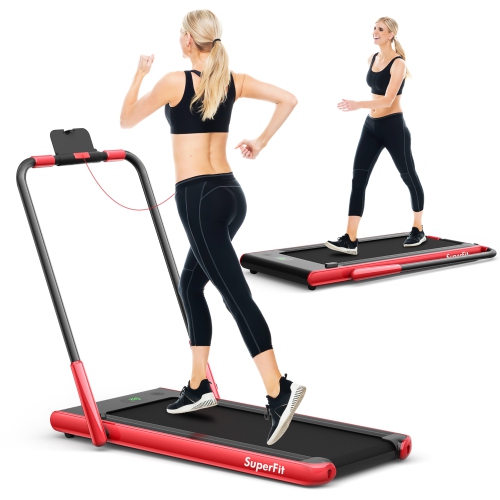
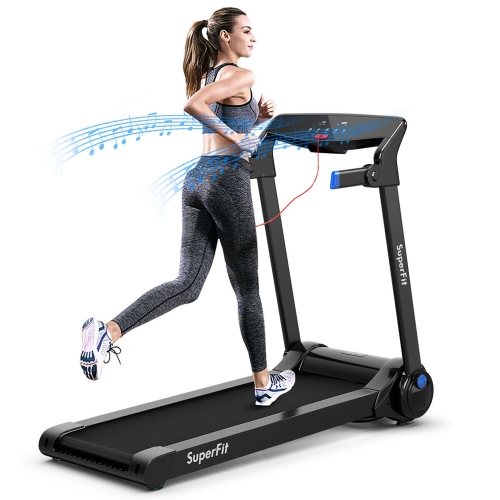
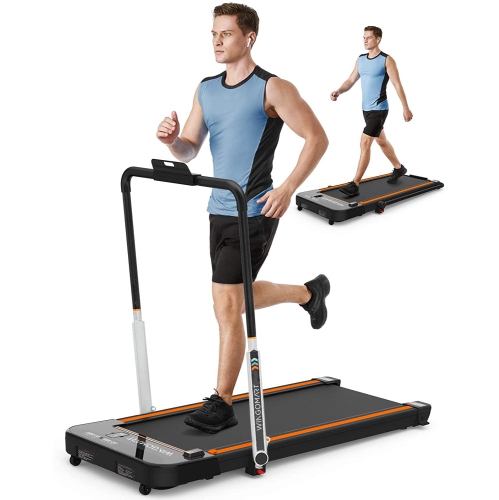
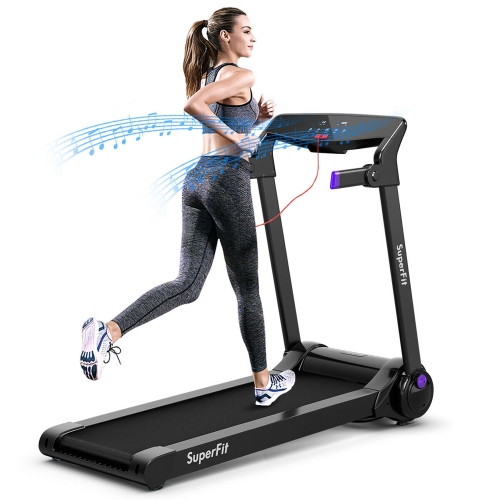

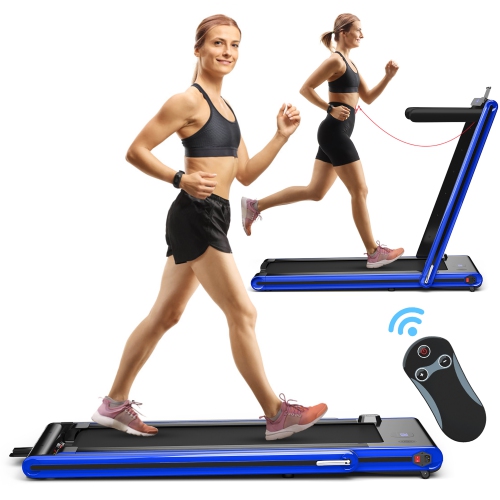
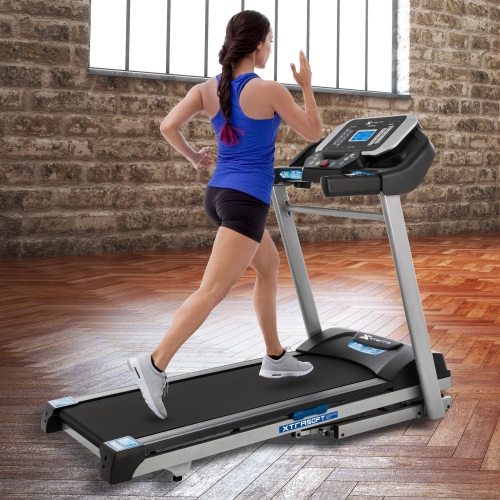
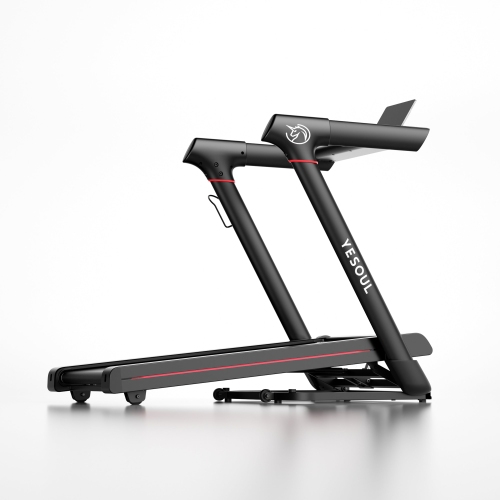
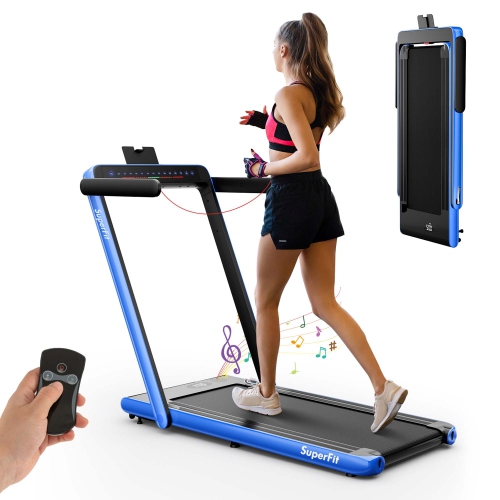
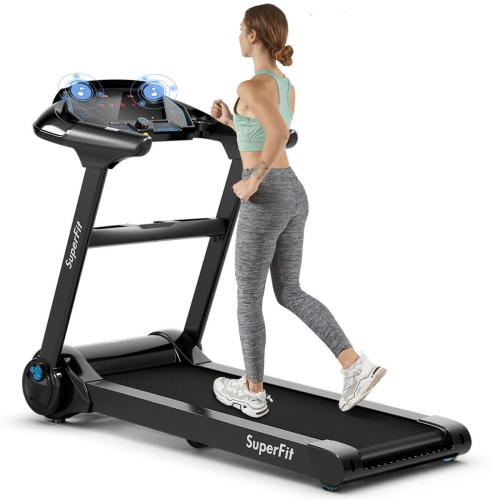
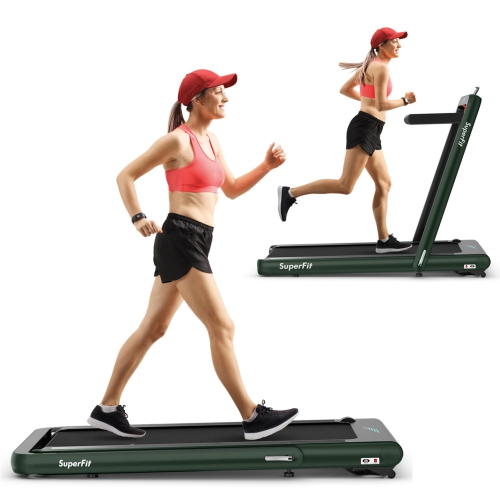
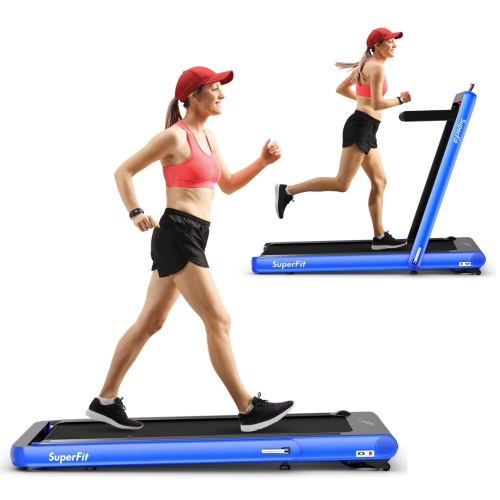
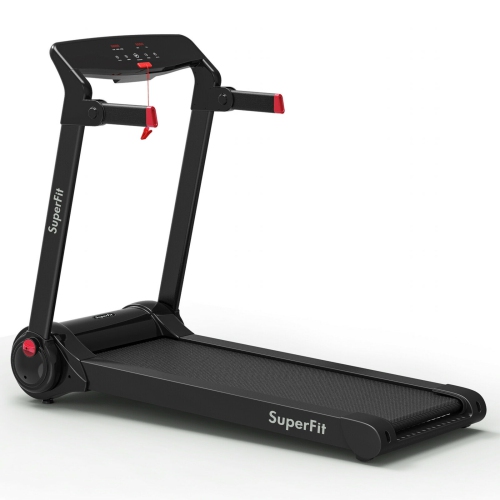
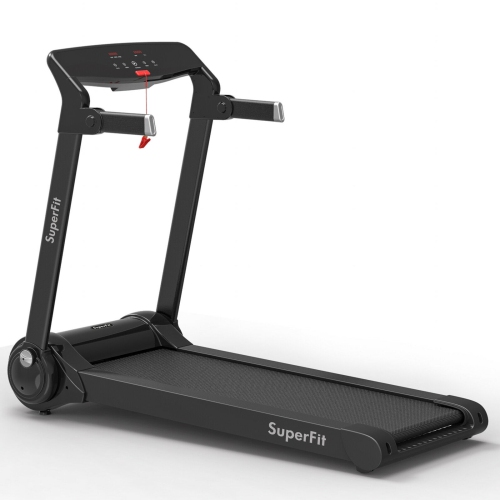
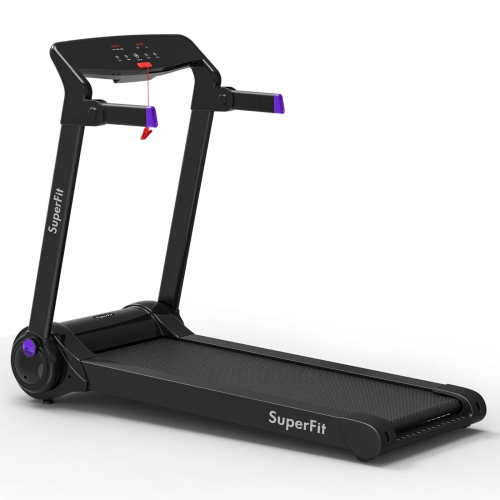
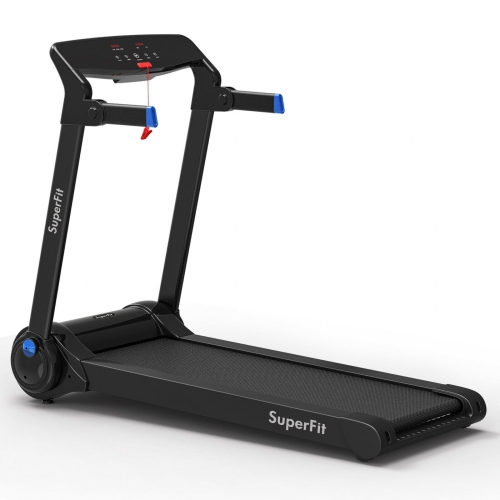
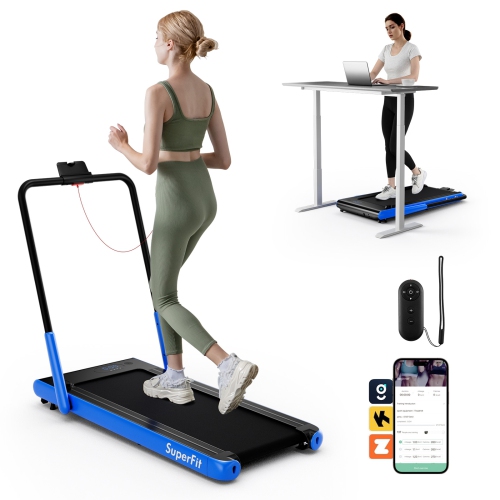
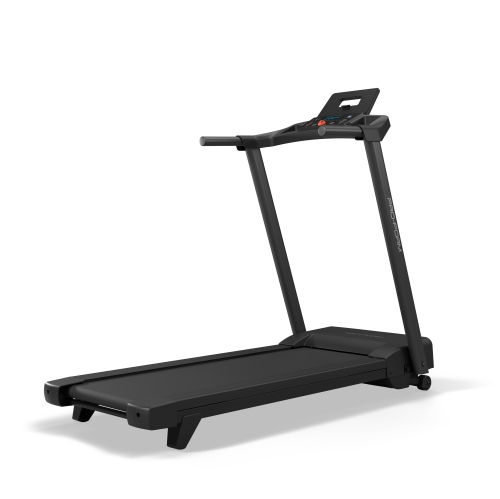
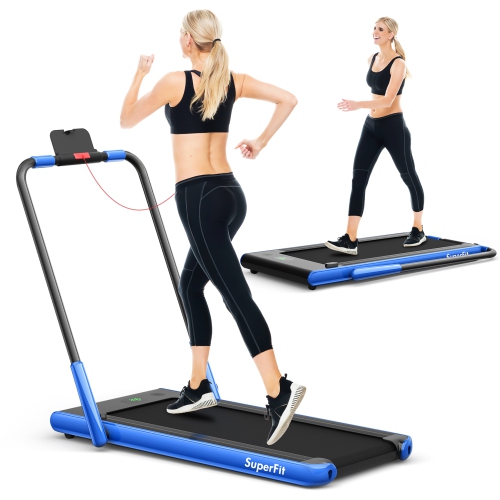
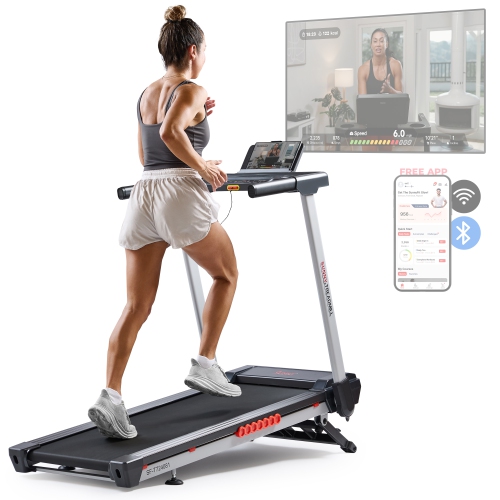
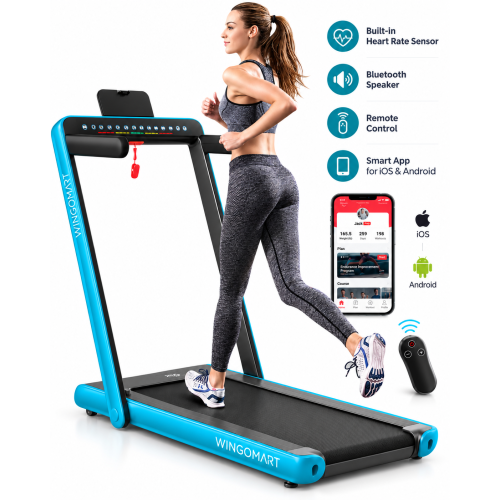
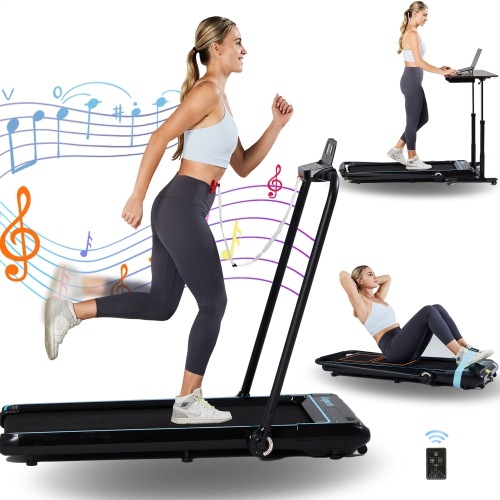
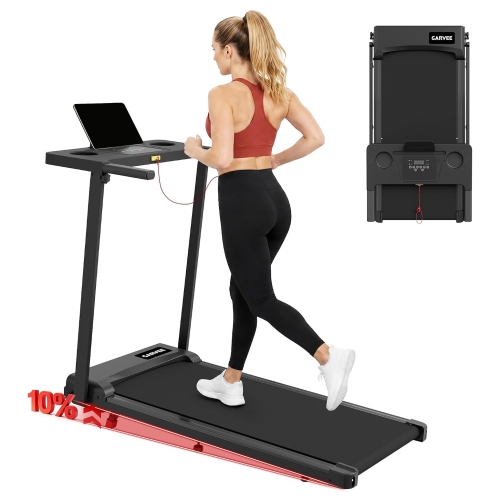
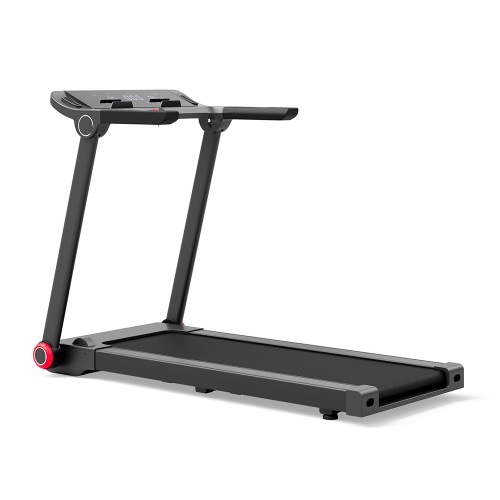
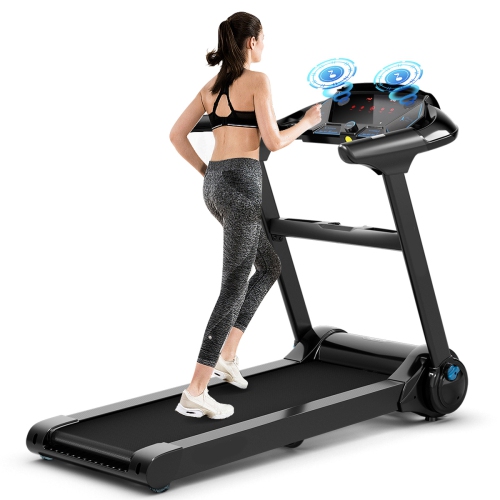
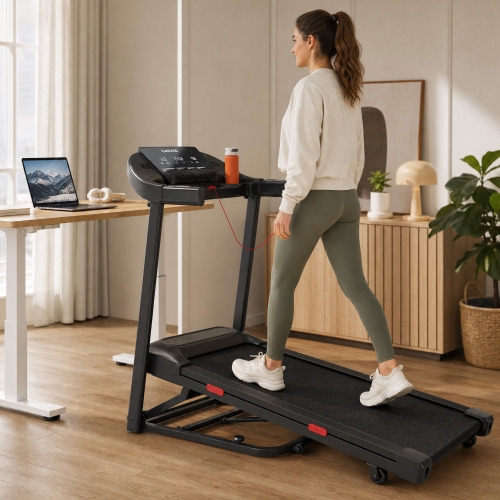
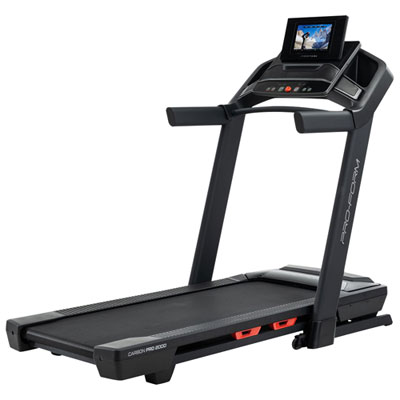
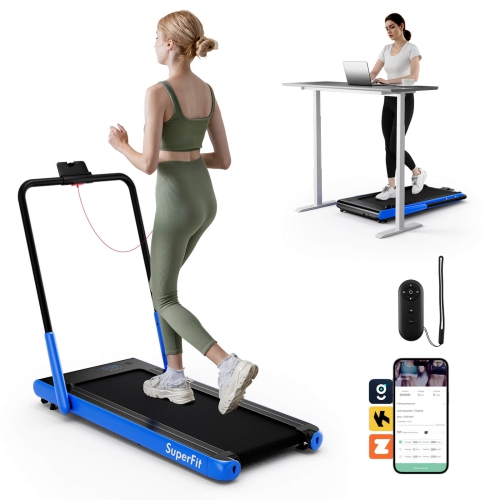
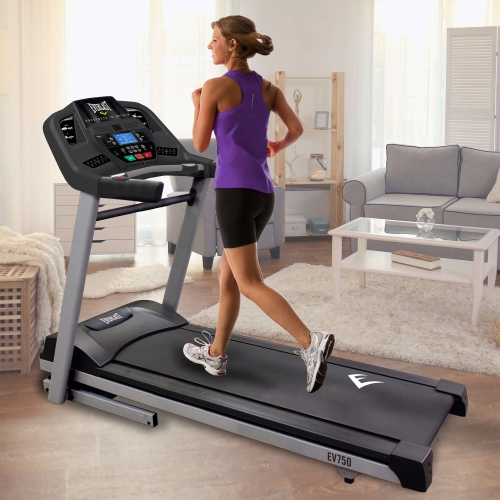
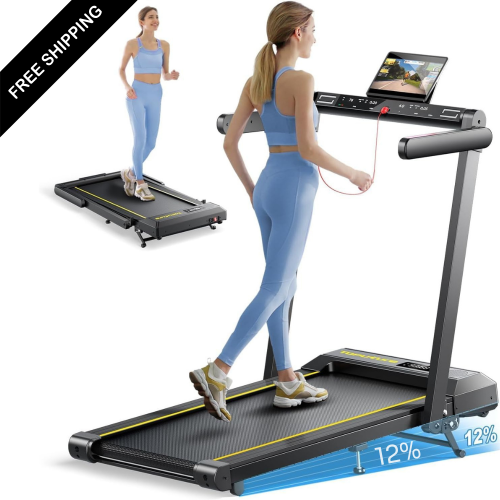
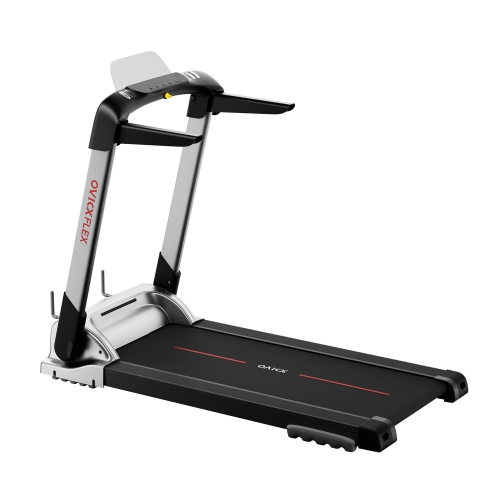

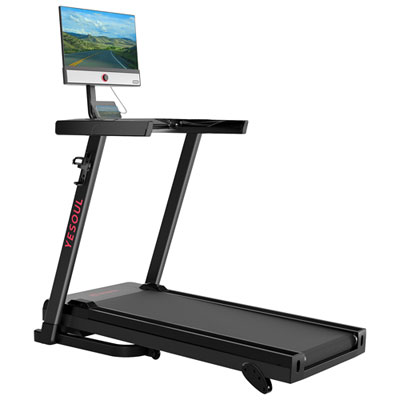
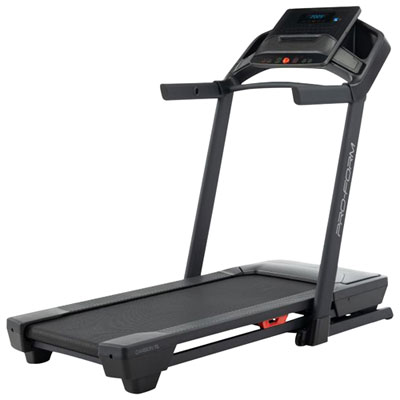
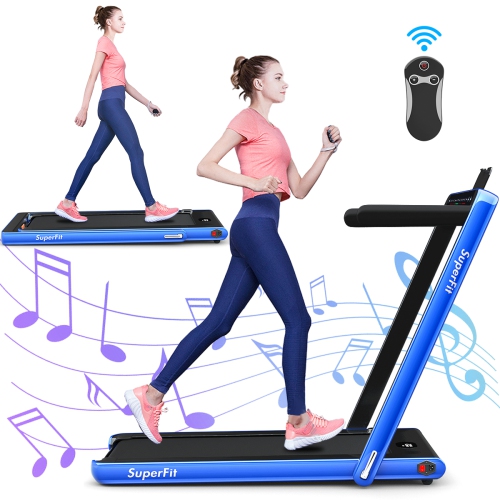
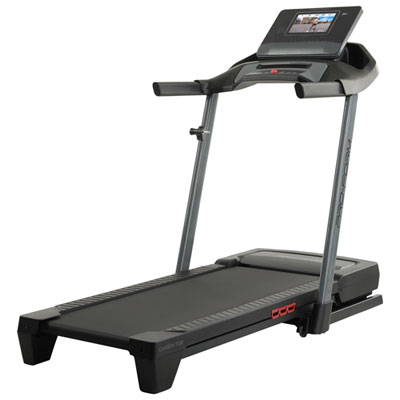
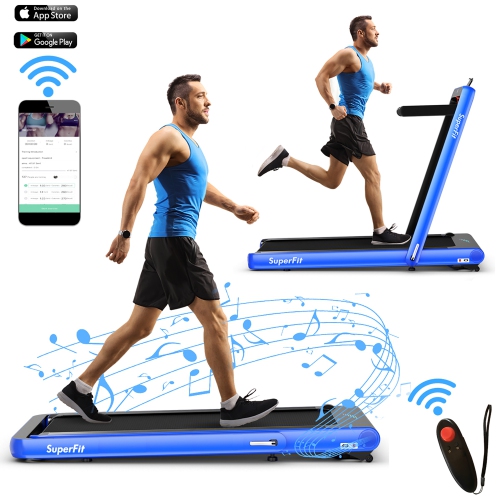
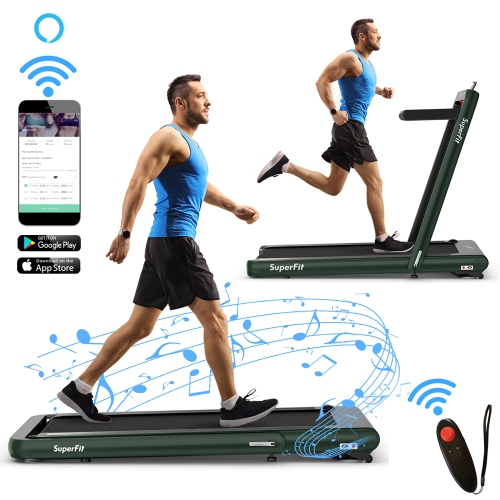
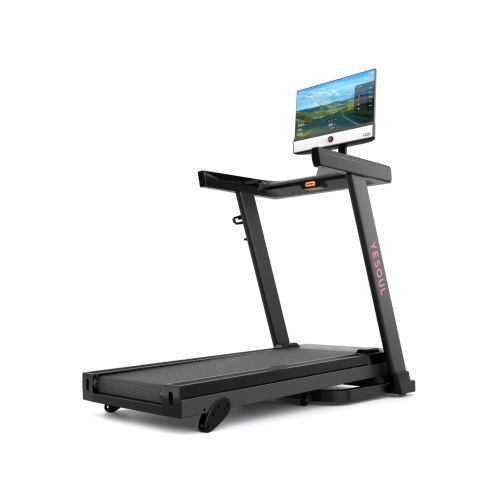
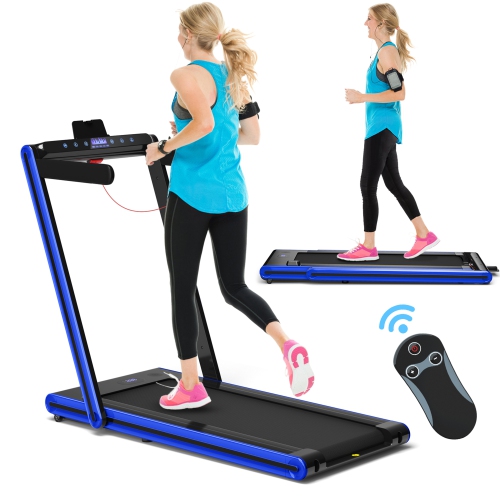
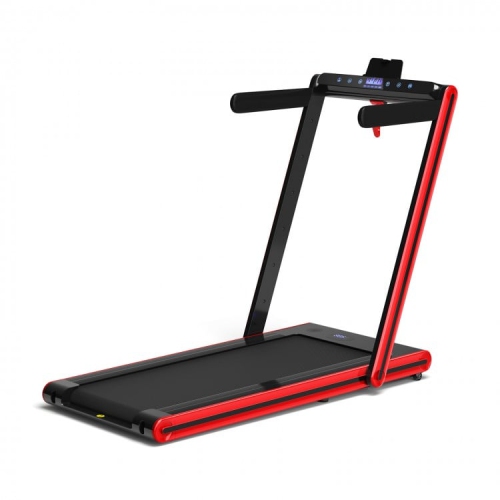
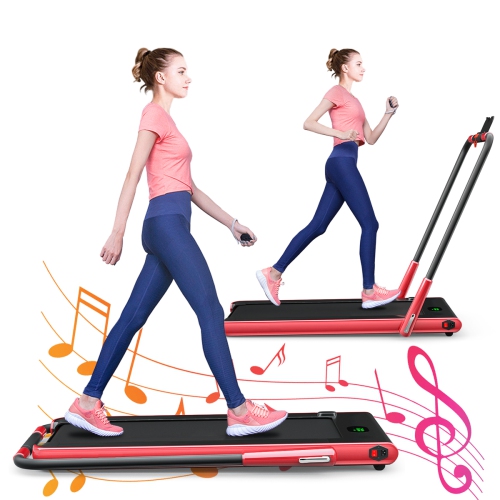
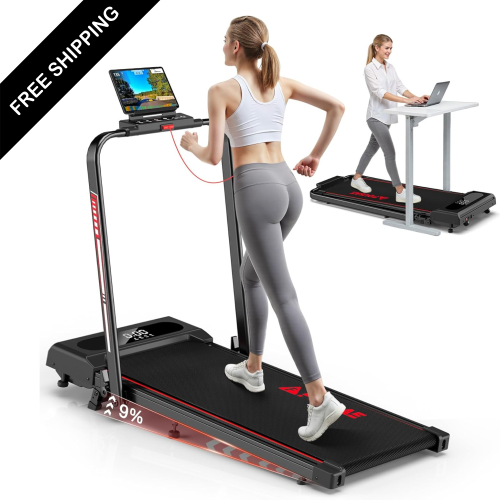
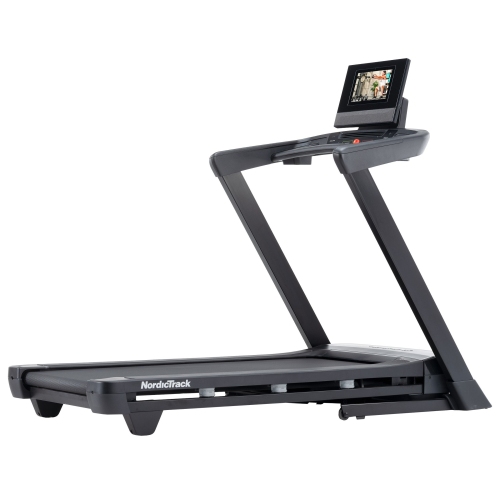
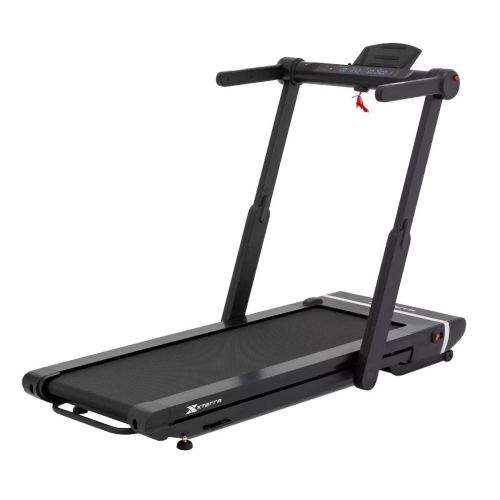
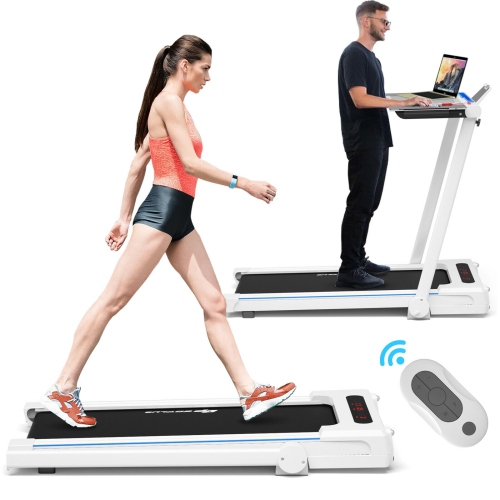
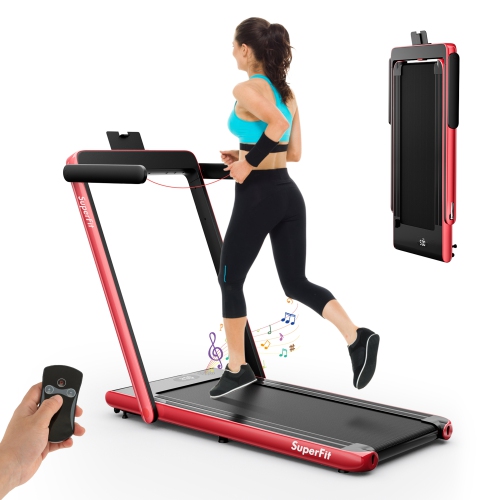
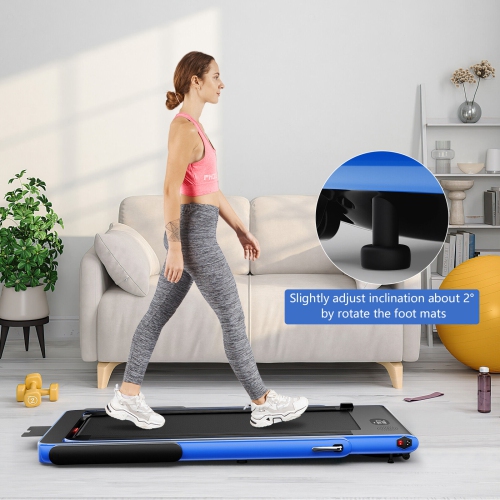
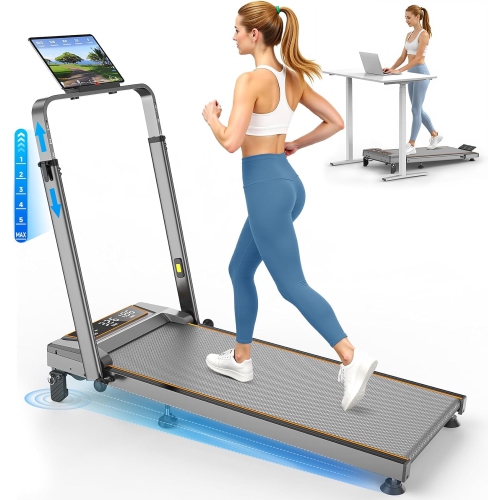
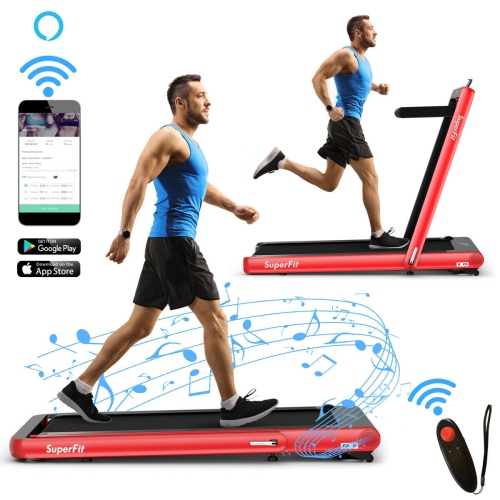
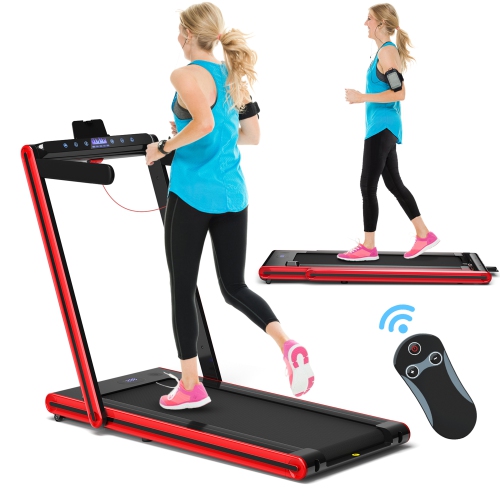
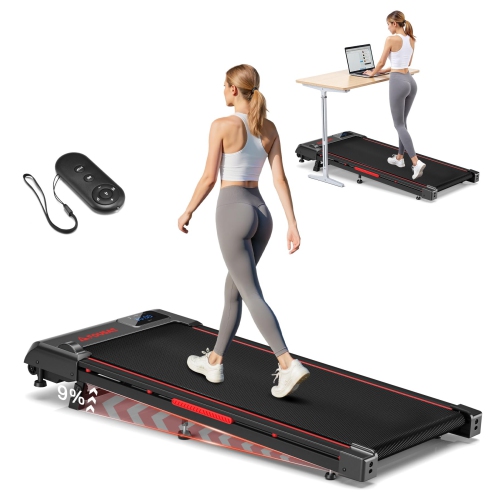
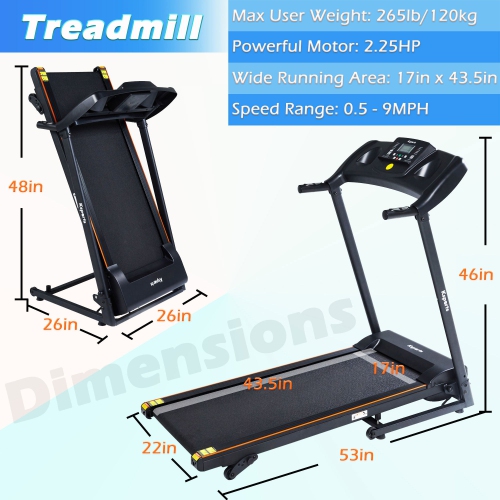
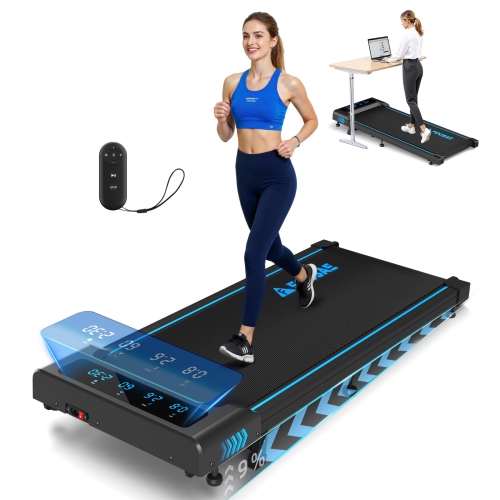
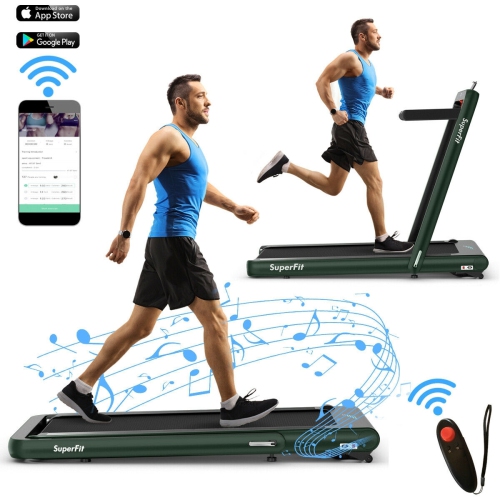
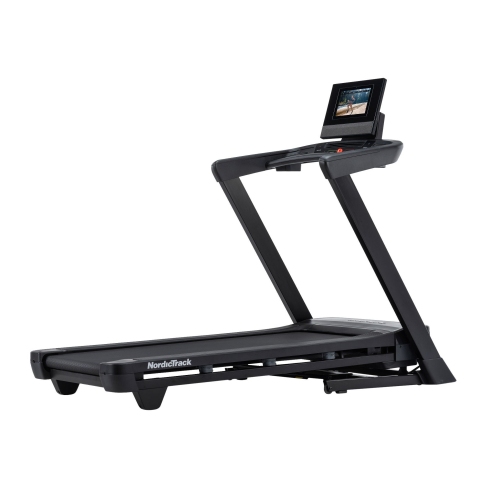
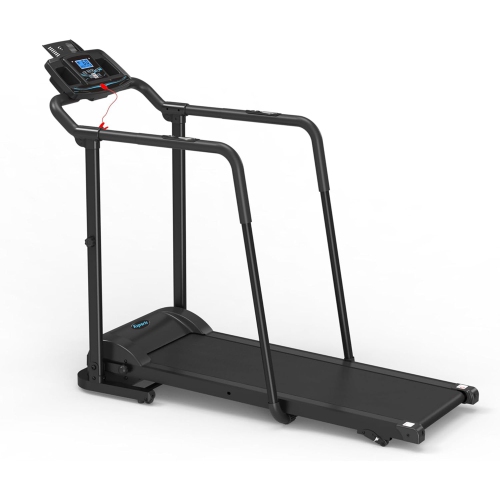
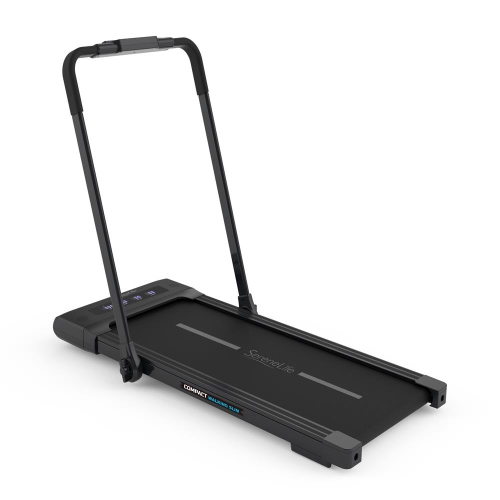
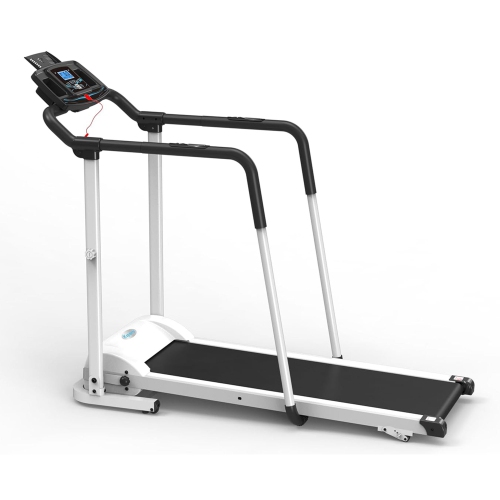
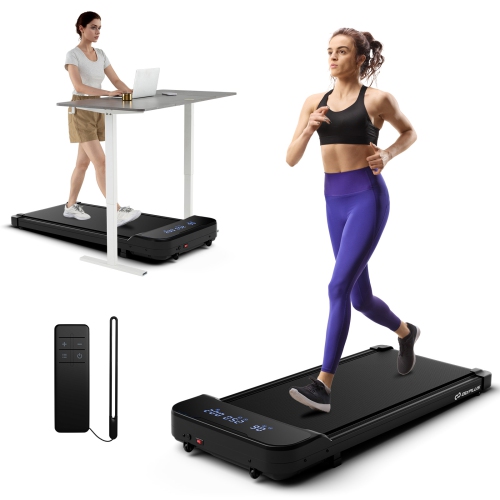
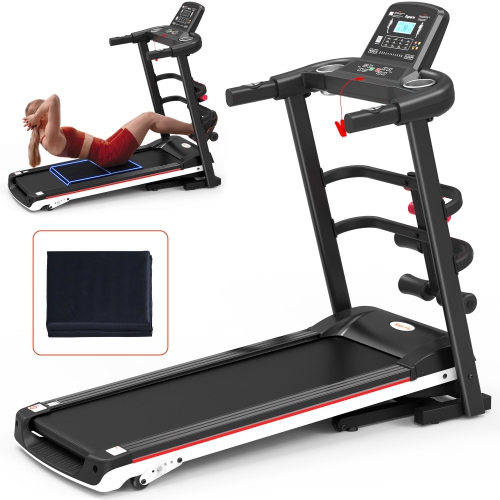
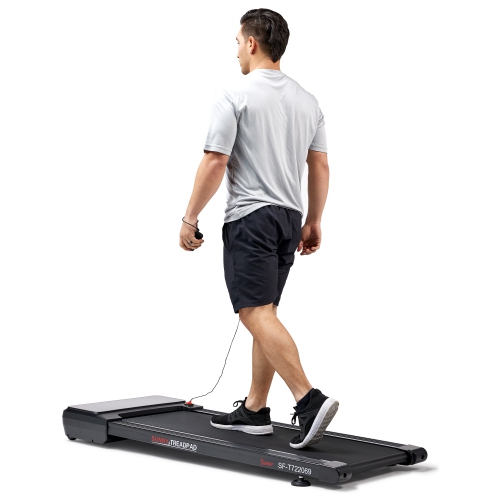
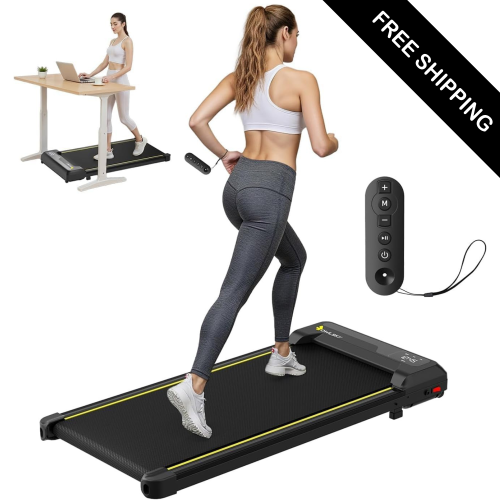
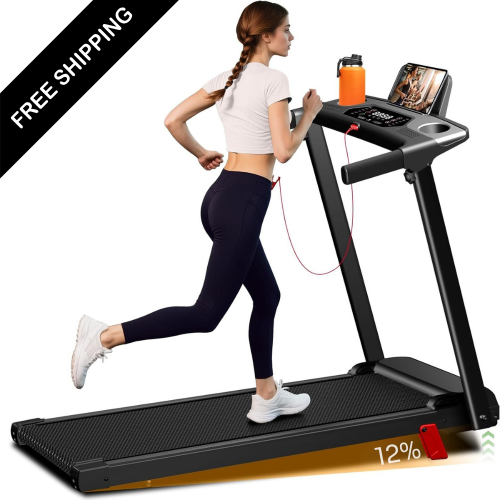
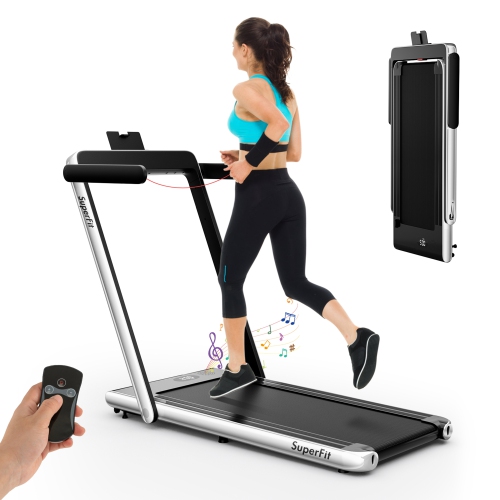
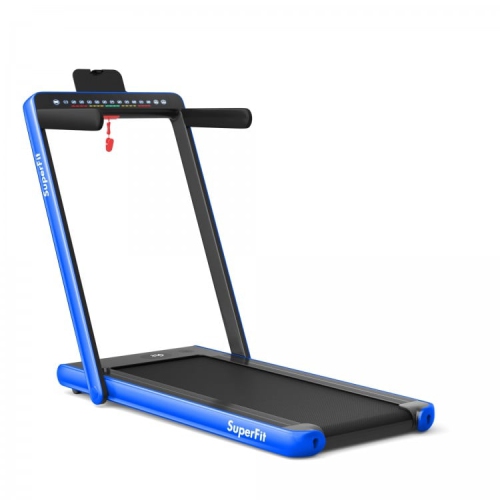
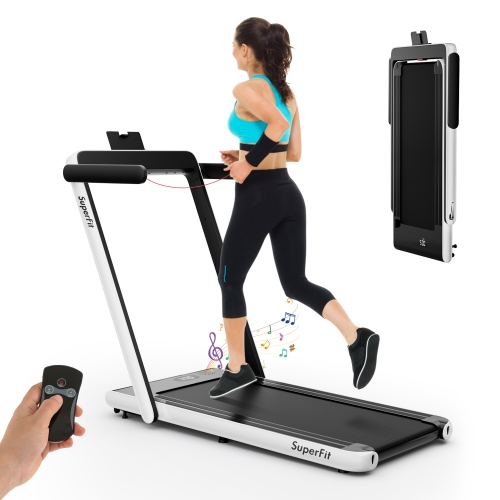

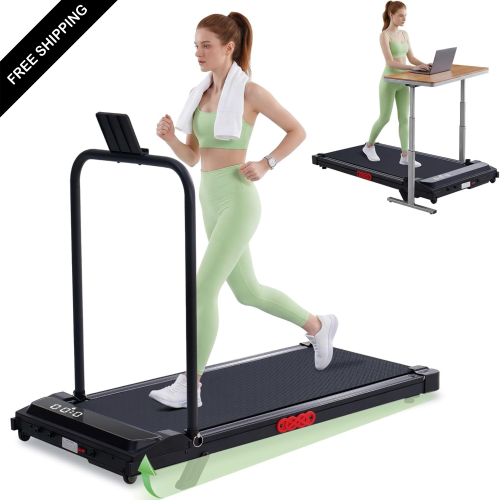
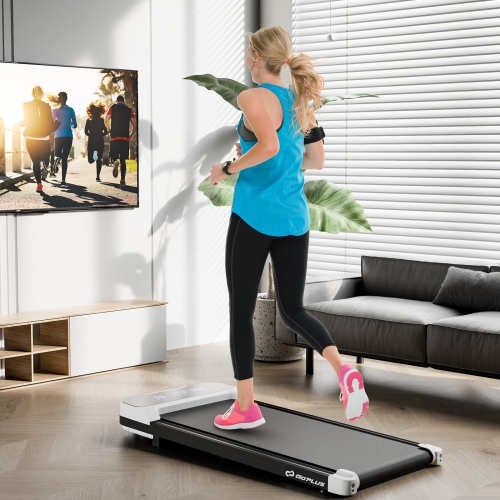
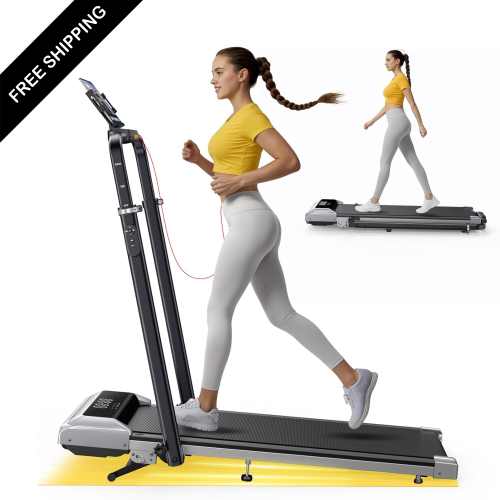
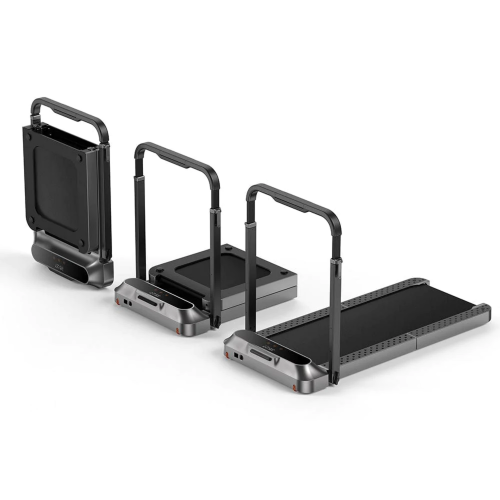
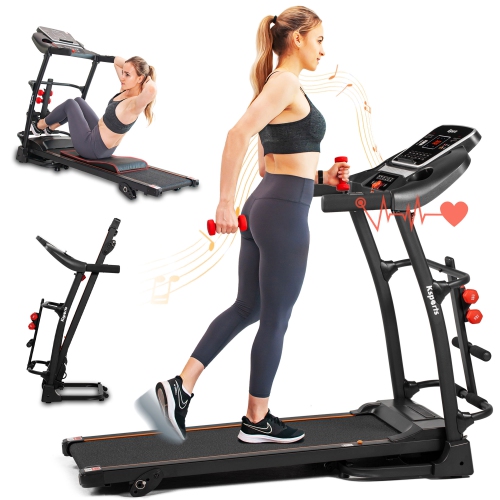
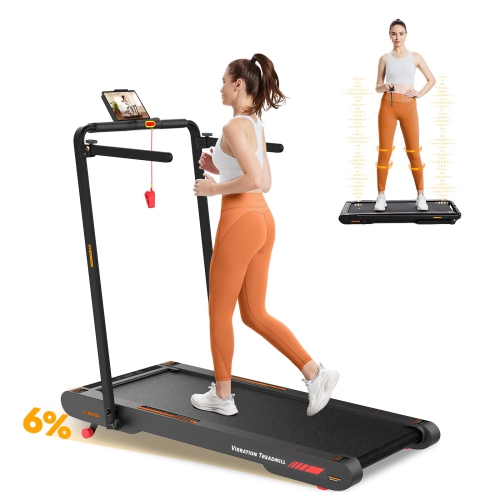
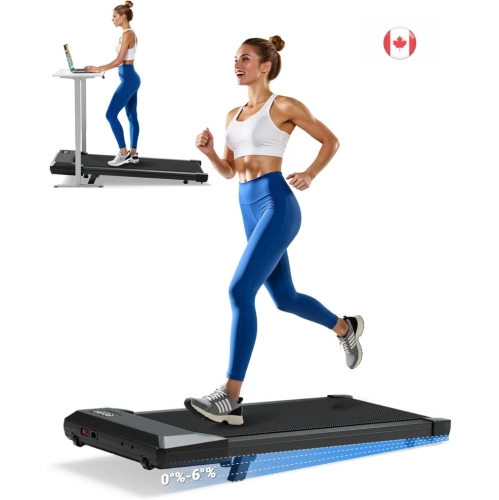
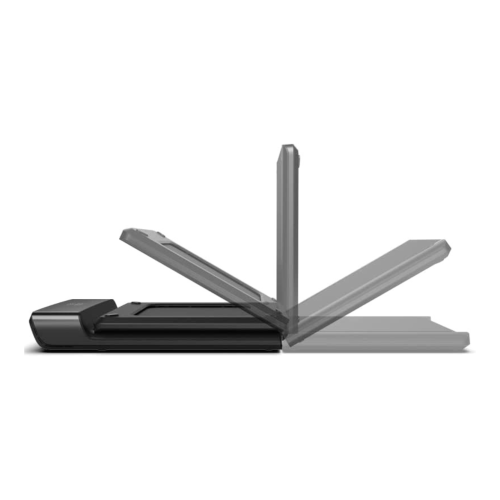
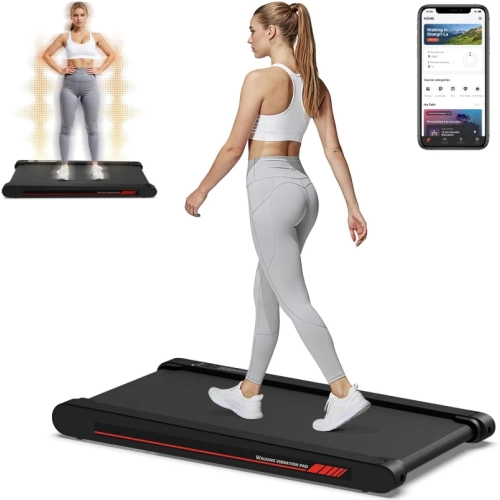
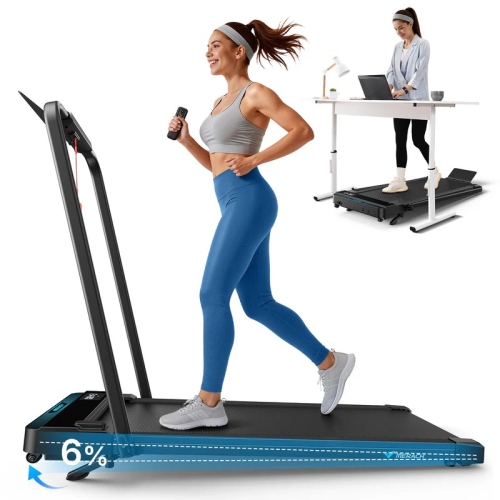
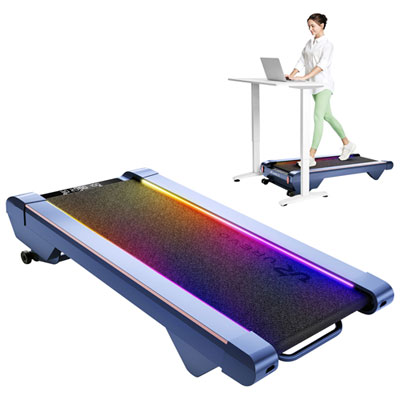
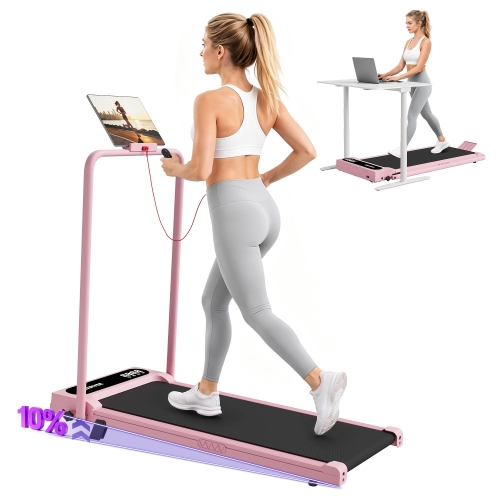
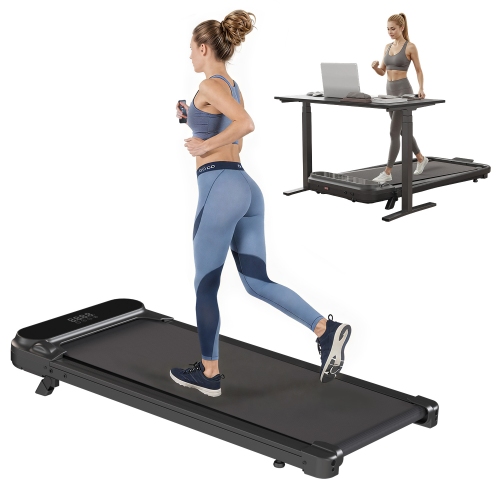
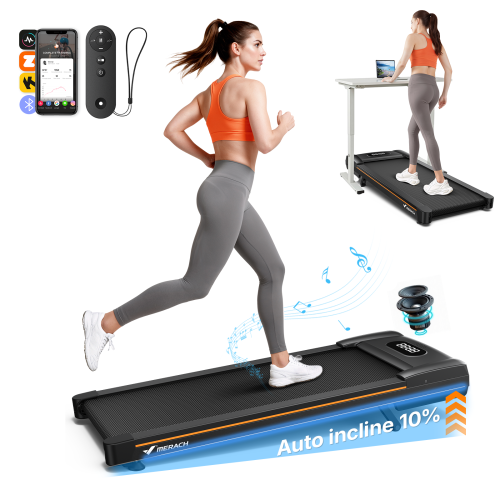
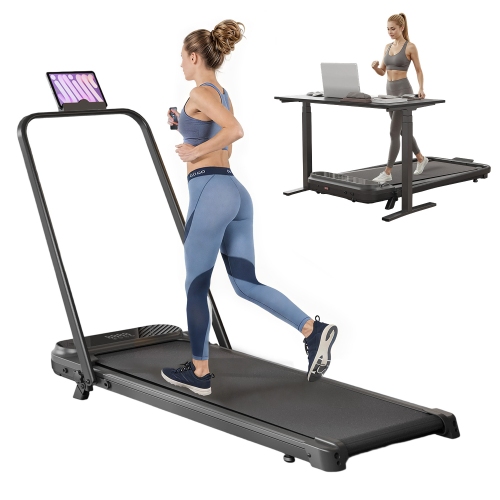
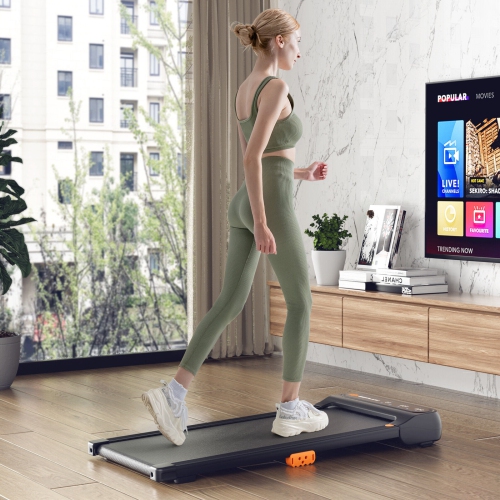
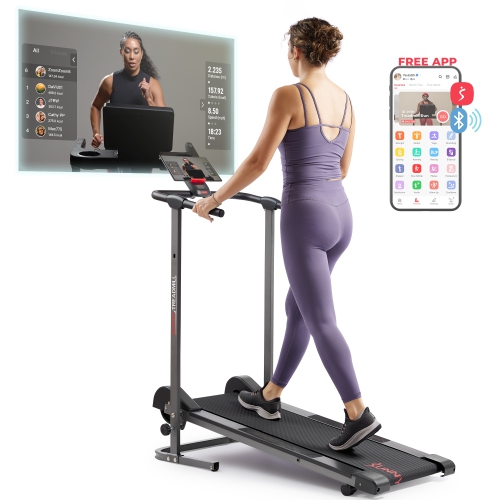
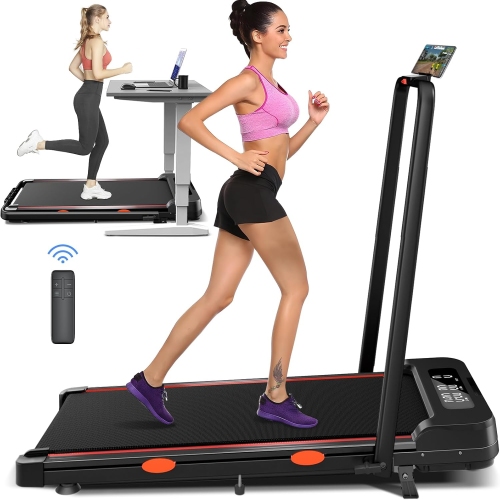


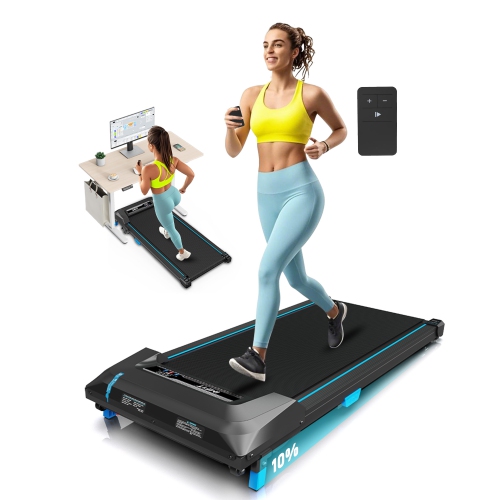
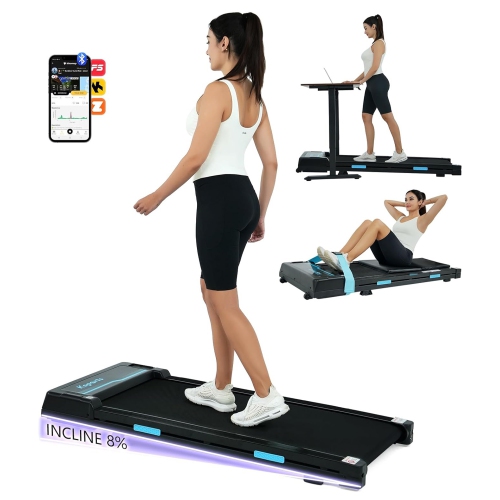
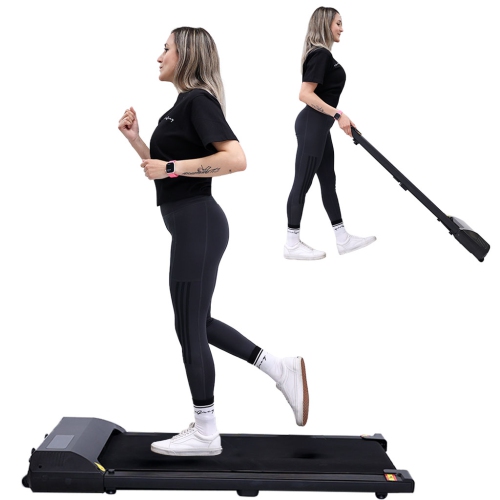
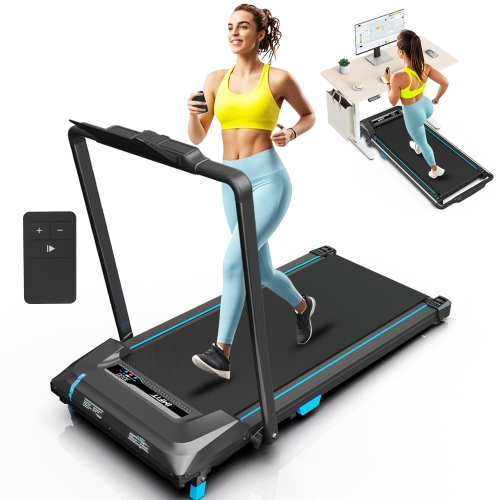
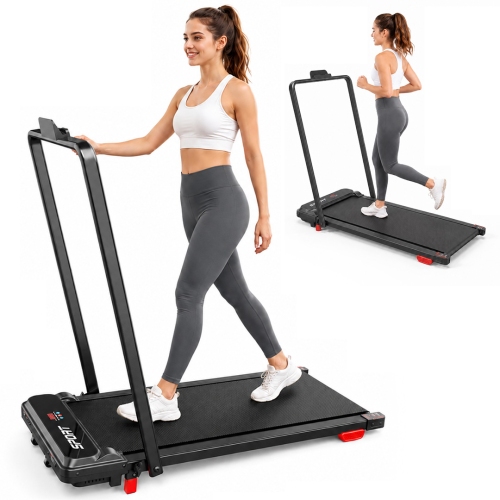
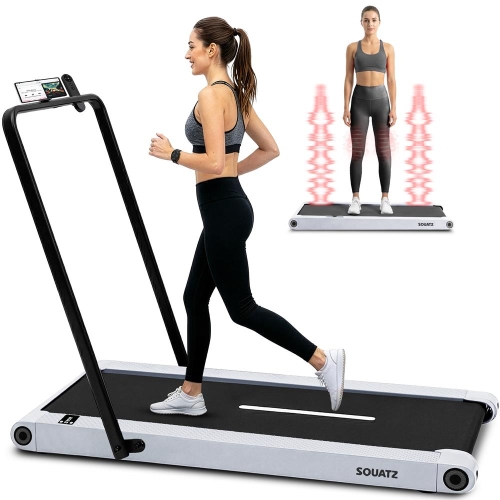
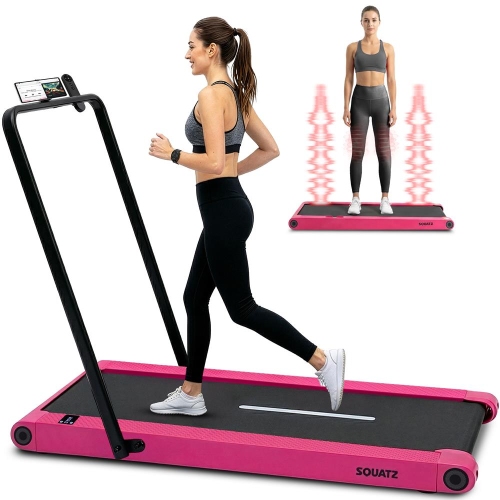
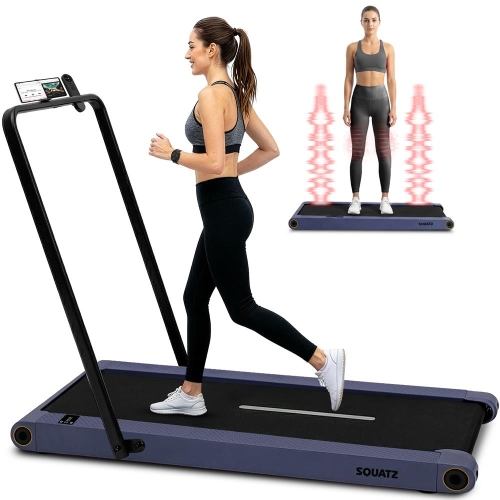
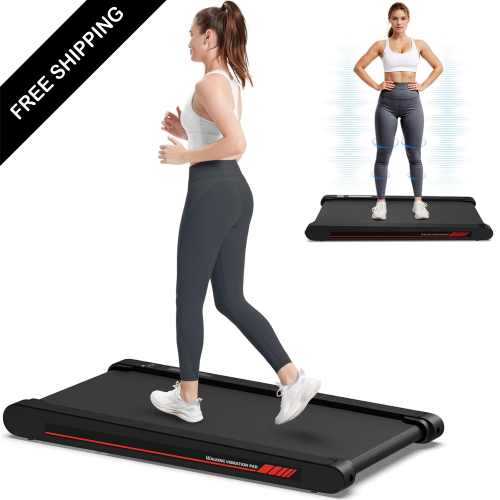
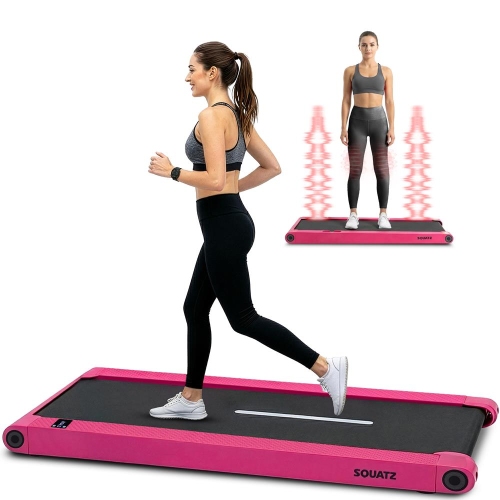
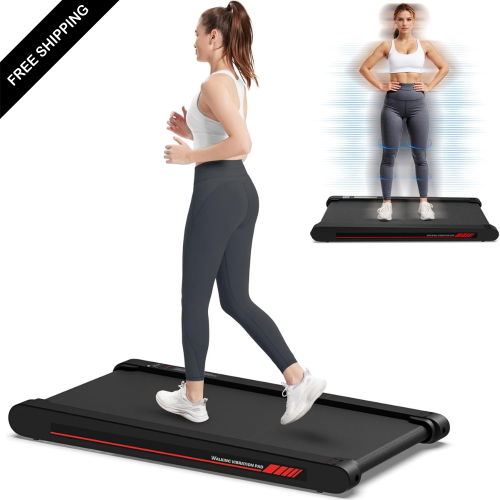
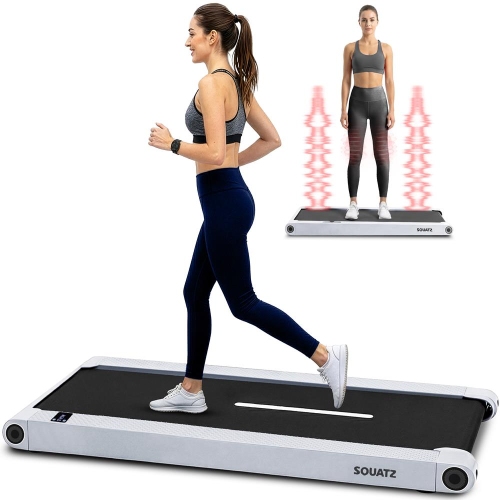
What makes a treadmill ready for regular running
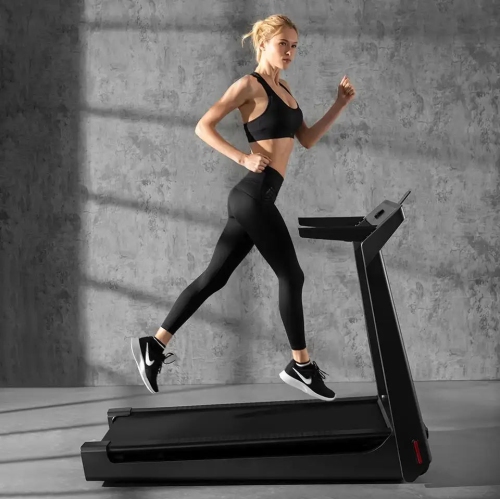
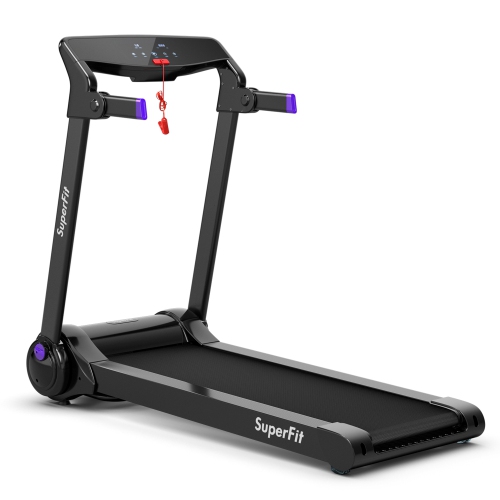
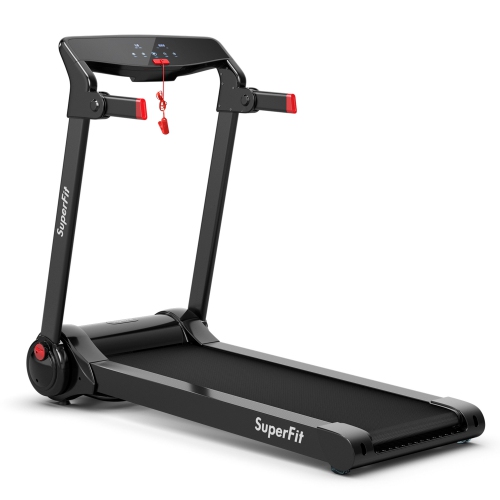
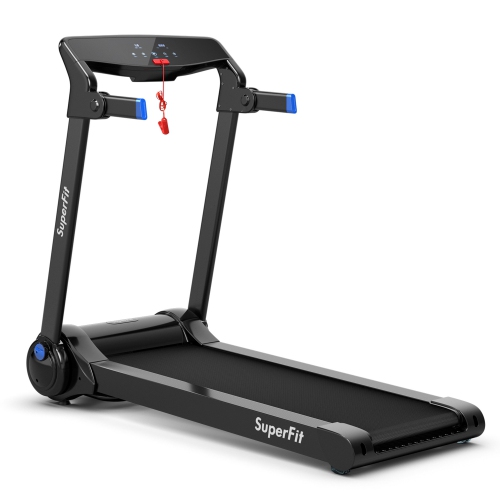
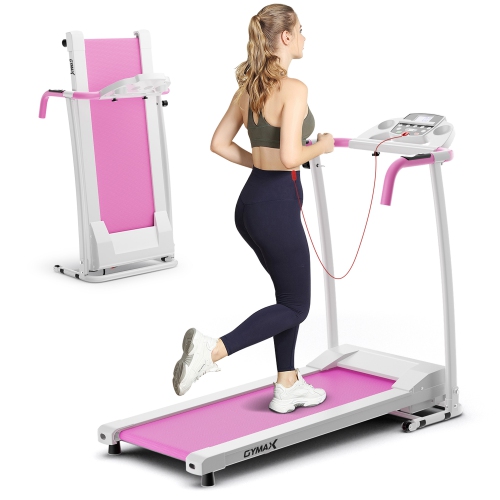
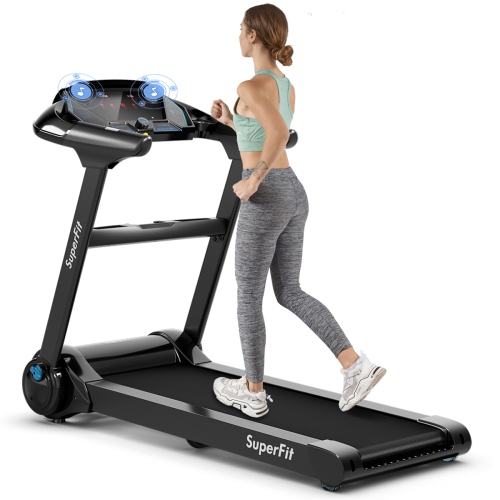
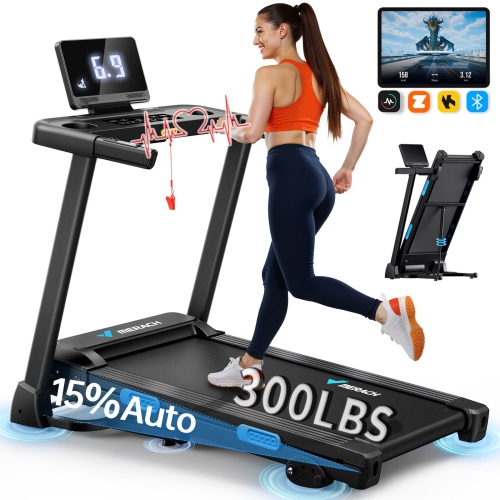
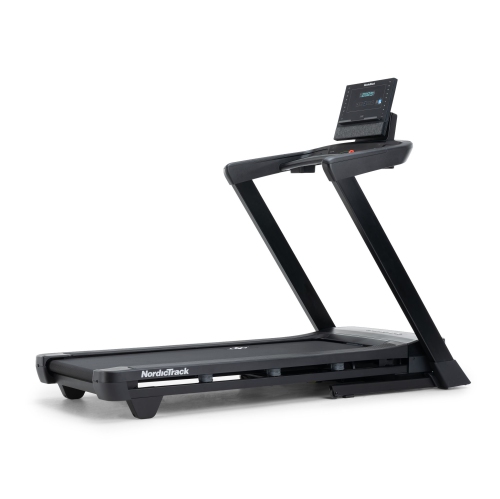
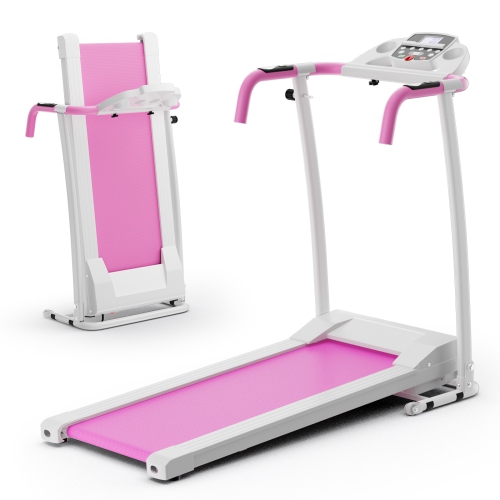
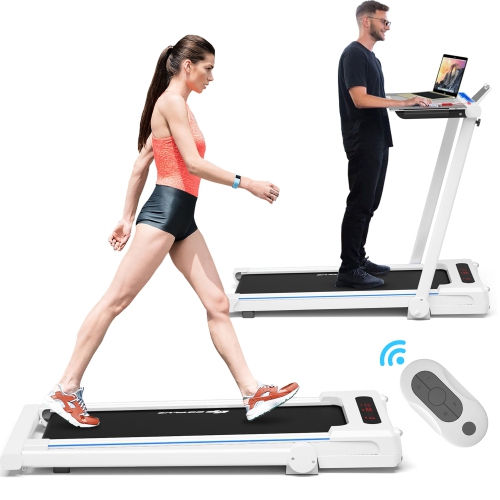
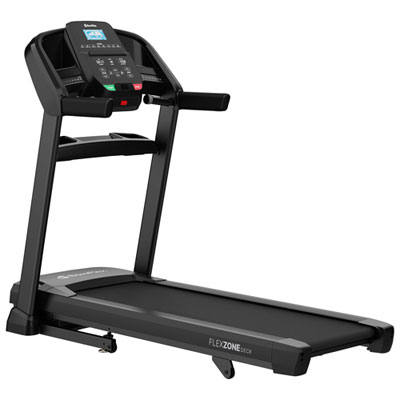
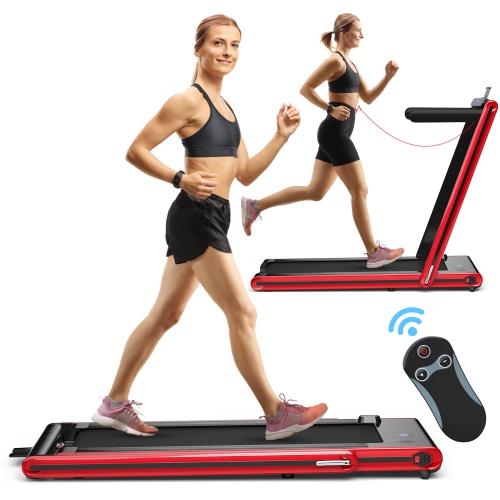
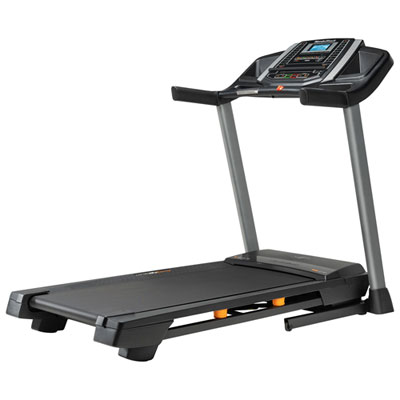
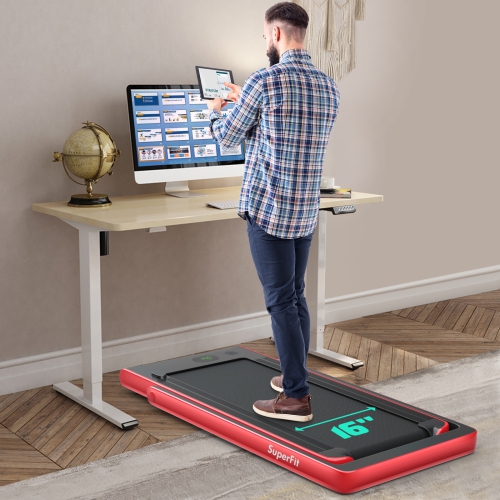
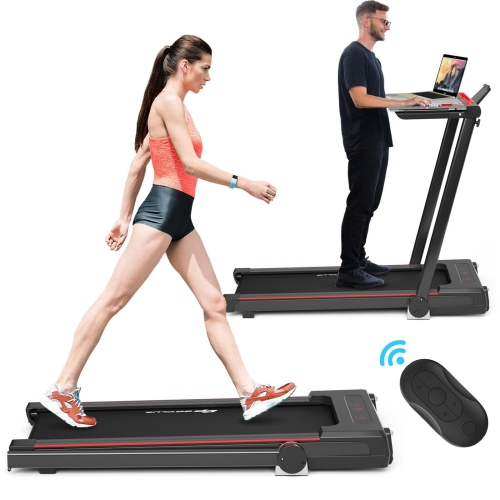
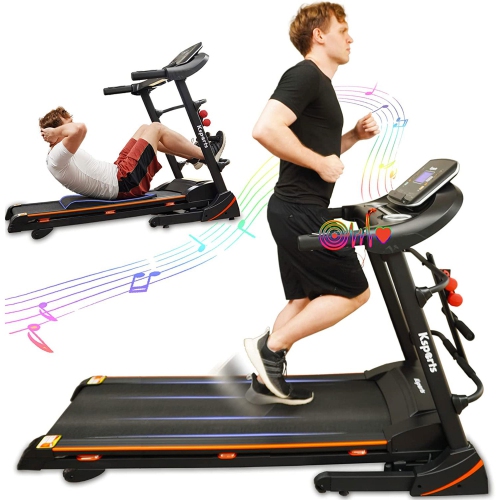
Treadmills for running at home provide a dedicated space for easy jogs, steady distance sessions, hill workouts, and faster intervals without travelling to a fitness facility. A running treadmill differs from a walking-only treadmill in its intended speed range, usable belt area, frame stability, and ability to support repeated running sessions. Those differences matter when a comfortable walking pace becomes a longer stride with both feet briefly leaving the belt. A spacious running deck gives the runner room to move naturally without crowding the front cover or drifting toward the rear edge. A belt around 20 inches wide and 60 inches long is a useful reference point for running, although individual stride length, height, and pace determine how much space feels comfortable. Taller runners and people who regularly practise faster intervals may appreciate additional room, while a shorter stride does not necessarily require the longest deck. Motor specifications also need context: peak horsepower describes a different measure from continuous output and does not, by itself, establish suitability for sustained running. The manufacturer’s intended use, user weight limit, speed range, and session recommendations offer a fuller picture. In a household where several people share the equipment, the treadmill needs to accommodate the heaviest user and the most demanding planned workouts. Steel frames, well-supported decks, and securely fitted components can contribute to a planted feel underfoot, but overall construction matters more than any single material claim. Deck cushioning varies, too. Some runners prefer a softer landing, while others favour a firmer surface that feels closer to their usual running route. Neither preference replaces proper footwear or an appropriate training load. Within the broader selection of Treadmills for Home, running-focused designs place particular importance on stride room, stability, and sustained performance. They suit beginners building a consistent routine as well as experienced runners who want a predictable setting for structured workouts.
The space a treadmill occupies includes more than the rectangle beneath its frame. A home running setup needs the operating clearances specified by the manufacturer, including unobstructed space behind the belt and around the sides. Ceiling height deserves equal attention because the deck raises the runner above floor level, and an incline raises that position further. A basement with exposed beams or a room with a low light fixture may feel generous until the tallest household member stands on an elevated deck. Doorways, stair turns, and the route to the final location also affect whether a large, heavy treadmill can be moved into place. Folding designs can make a multipurpose room easier to share, but their stored dimensions, lifting mechanism, and transport wheels matter just as much as the folded footprint. Folding does not necessarily make equipment light enough to carry between floors or convenient to move after every run. A level surface and properly adjusted feet help prevent rocking, while a suitable equipment mat can protect flooring and reduce some vibration. A mat will not eliminate impact noise, particularly in an upstairs room or a shared building, where the structure of the floor influences how sound travels. Noise also comes from foot strikes, belt movement, and the motor, rather than a single component. The location should allow access to the electrical connection specified in the owner’s manual without trailing cords across a walkway. Safety features belong within easy reach: an accessible stop control, a correctly attached safety key, and side rails provide practical support when used as directed. Children and pets should remain away from moving equipment, and a folded treadmill still needs secure storage. For regular runners, a permanent position with comfortable lighting, ventilation, and room to step on and off can make the equipment easier to use consistently than a setup that requires rearranging furniture before every session.
Everyday usability often determines how well a running treadmill fits into home life. Clear speed and incline controls make a difference during intervals, when reaching through several menus can interrupt the rhythm of a workout. Direct-access buttons are useful for moving between familiar settings, while gradual changes may feel more comfortable during steady sessions. Incline adds variety and changes the demands of a run, although available ranges and adjustment methods differ. Preset programs can structure changes in pace or elevation, and manual controls leave the runner free to follow a separate training plan. A readable console makes elapsed time, distance, pace, and incline easier to check at a glance without repeatedly looking down. User profiles can help members of a shared household keep their settings separate. Connected features may support workout apps, training records, or heart-rate accessories, but compatibility and any ongoing account requirements vary. A built-in screen is not essential for effective exercise; for some runners, a secure tablet holder and straightforward controls are a better fit. Shelves and bottle holders should keep essentials accessible without encouraging awkward reaching while the belt is moving. Heart-rate readings from hand sensors or paired devices can provide useful context, but they are not a medical assessment. Durability also depends on care between workouts. Perspiration should be wiped from suitable surfaces with a soft cloth using the cleaning method specified by the manufacturer, rather than sprayed directly onto the console. Dust and debris around the deck can contribute to wear, so keeping the surrounding floor clean is worthwhile. Belt alignment, tension, lubrication requirements, and service intervals are model-specific; some belts require periodic lubrication, while others use different maintenance systems. Following the correct schedule helps preserve smooth operation without applying products the treadmill was not designed to use. A well-matched home running treadmill combines appropriate capacity, a comfortable stride area, manageable upkeep, and controls that remain practical after the novelty of the first few workouts has passed.
Top selling and popular products
-
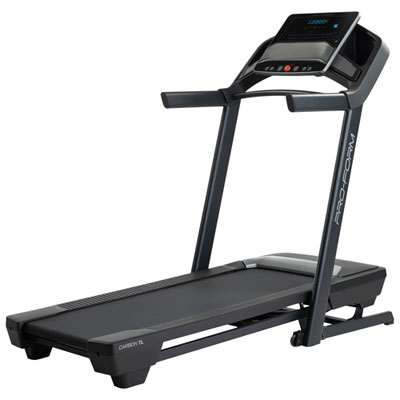 Your price for this item is $699.98
-
 Your price for this item is $2729.99
-
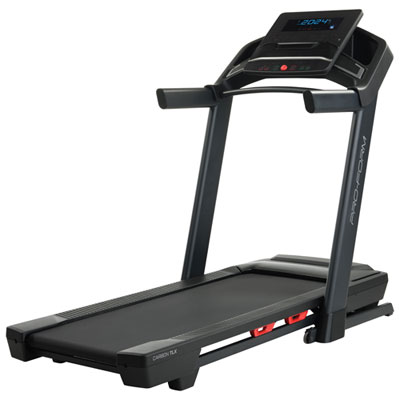 Your price for this item is $1399.99
-
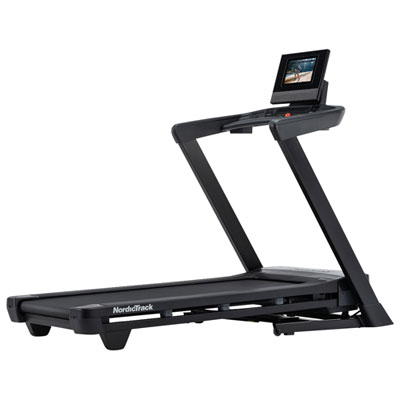 Your price for this item is $1399.98
-
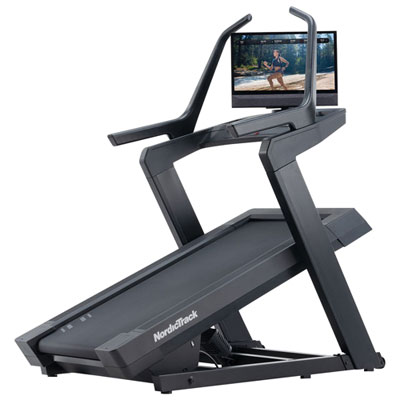 Your price for this item is $3998.98
-
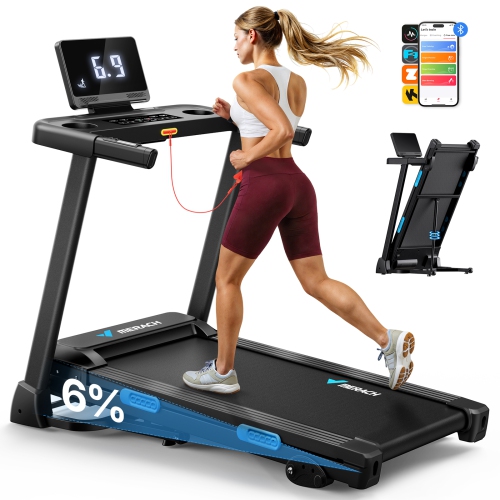 Your price for this item is $429.99
-
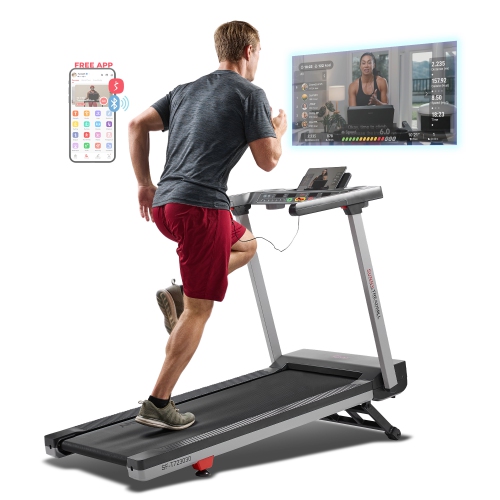 Your price for this item is $1199.99
-
 Your price for this item is $3289.98
Discover more categories related to Treadmills for Running Home Use
Top Collections:
Best Black Friday Deals This Year, Best Black Friday Deals On Electronics, Kindle Devices, Dyson Airwrap, Best Cameras for Sports Photography, Best Black Friday Deals On Apple Products, PS5 Pro Consoles, Portable Snow Blowers, Canon G7X Cameras, Pokémon 30th Celebration Cards
Some products may be subject to Environmental Handling Fees
(EHF) depending on your province.
Learn more about EHFs.