Treadmills for Running
Running on a treadmill can be a great way to get fit and stay in shape. It's a convenient way to burn calories and get a good workout at the same time. The best treadmills for running are those that provide a challenging yet comfortable run for the user. When looking for the right treadmill, there are several factors to consider. Here are the products recommended for your goal of staying fit, healthy, and active.
Sort
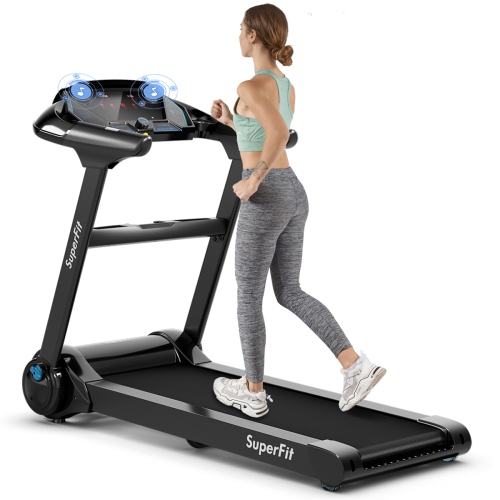
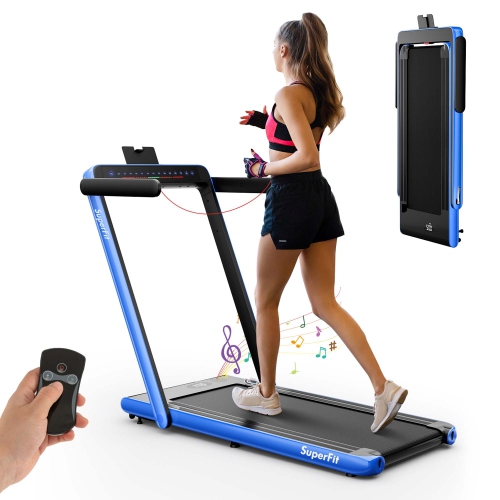
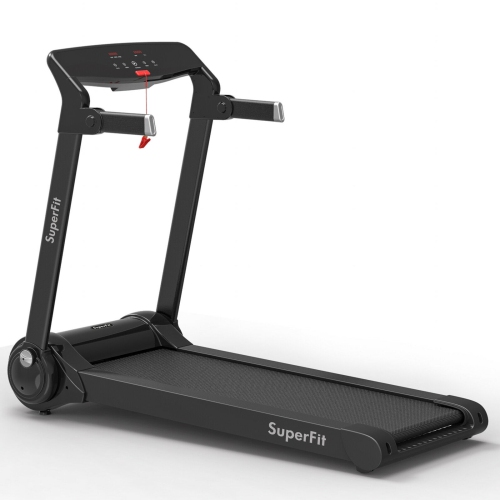
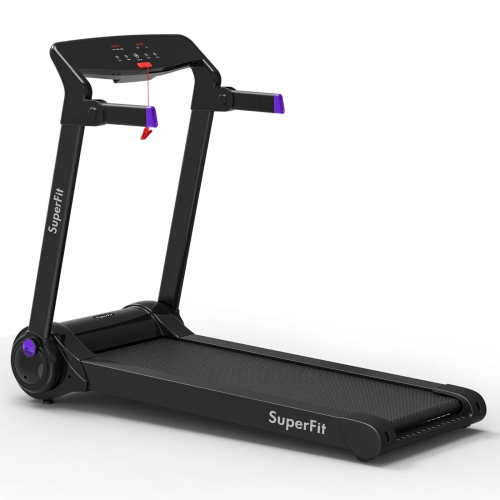
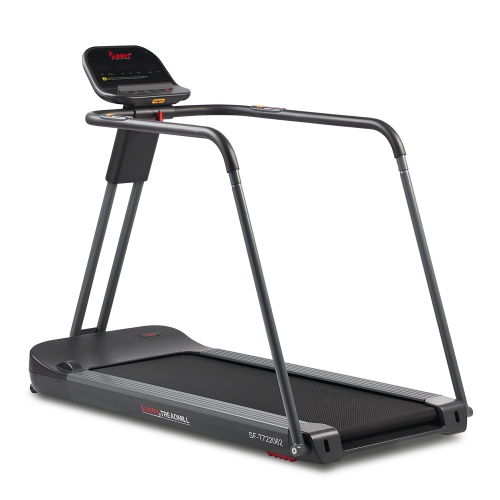
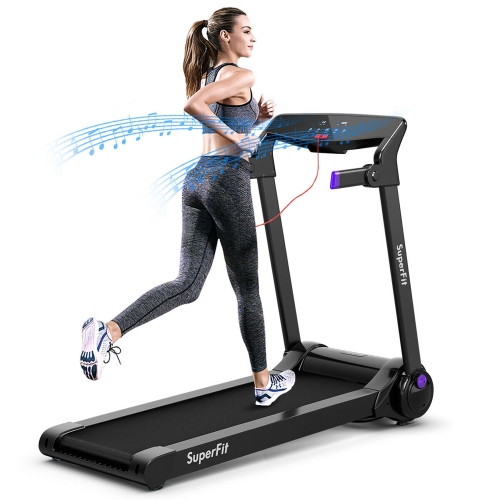
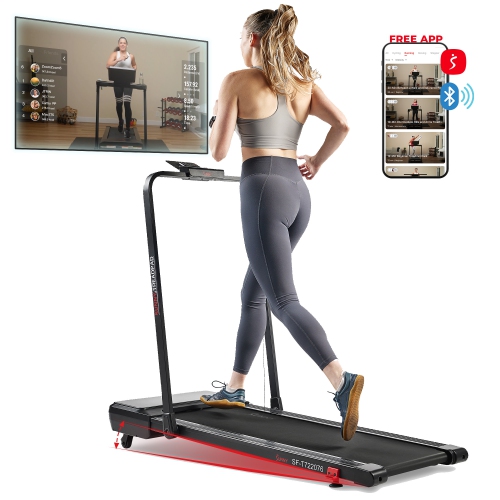
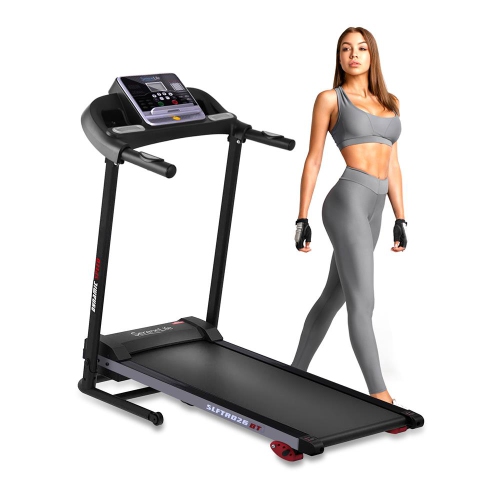
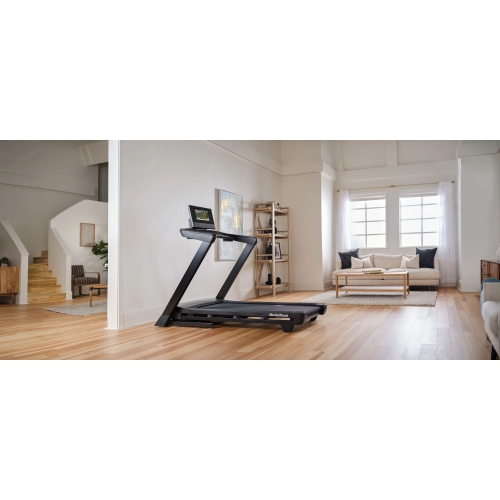
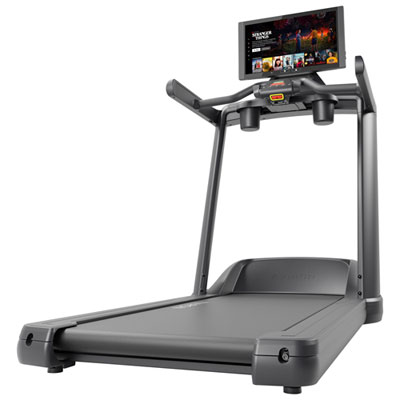
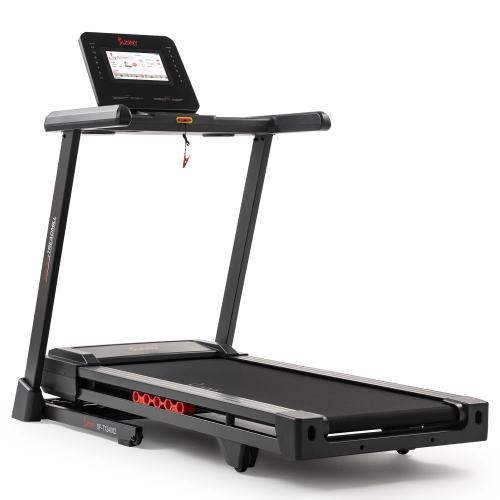
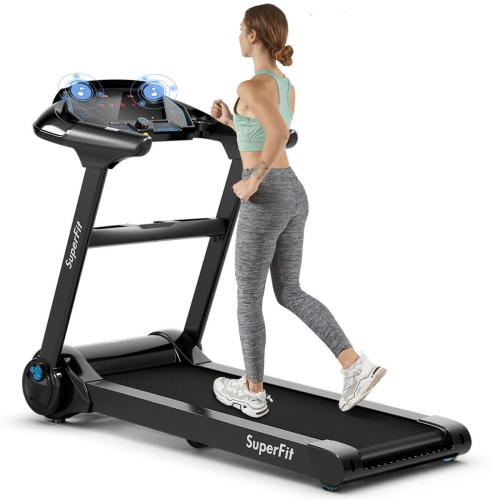
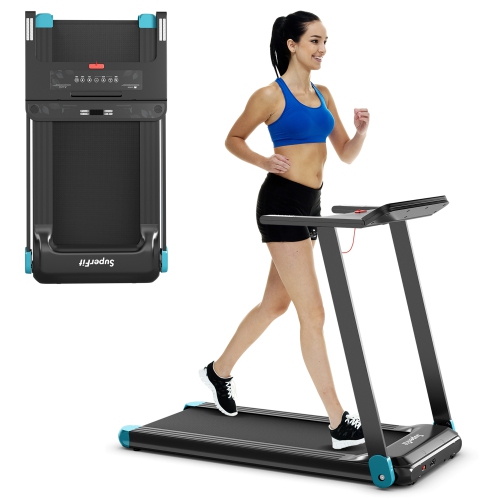


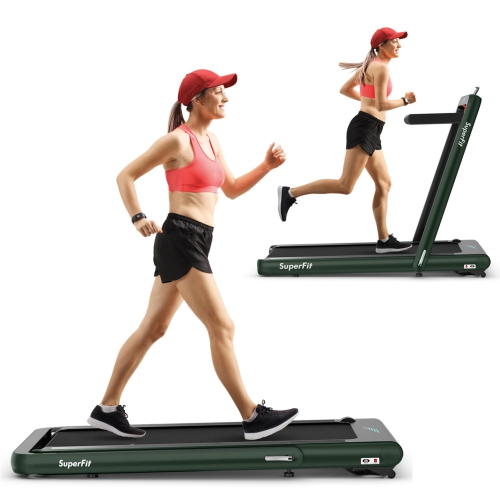
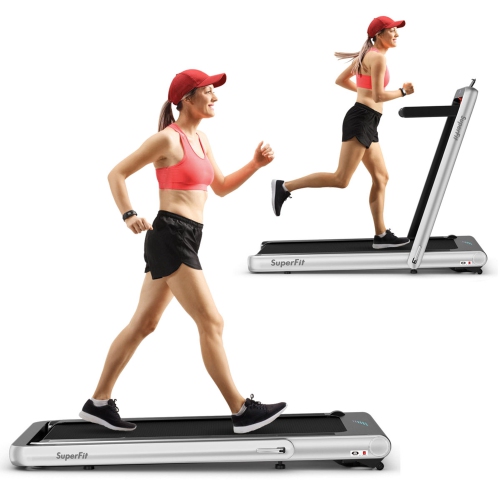

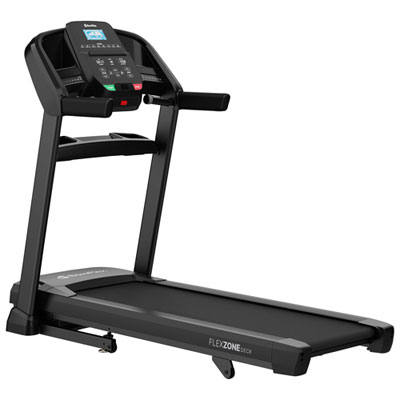
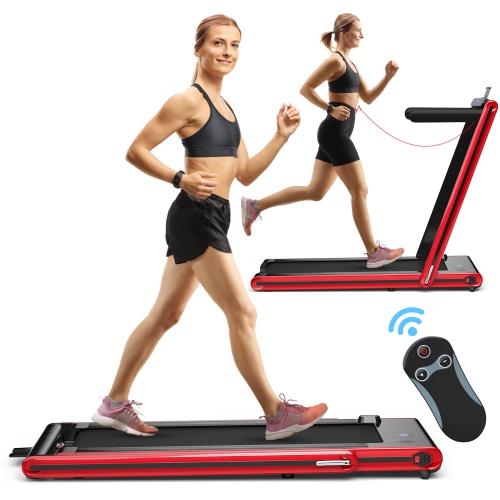
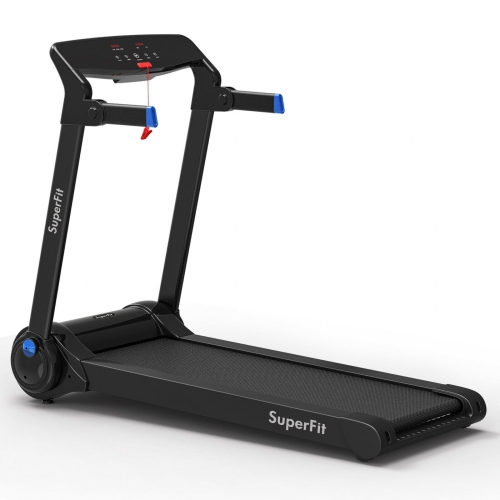
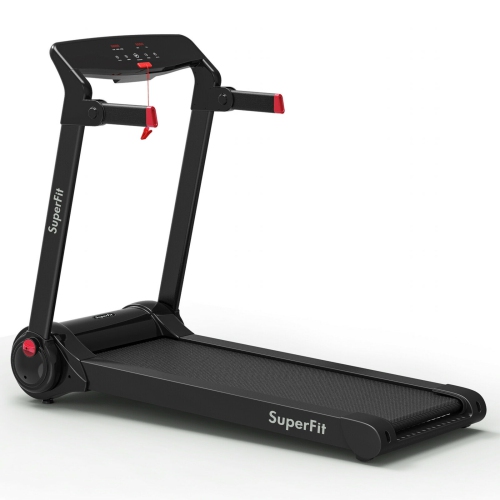
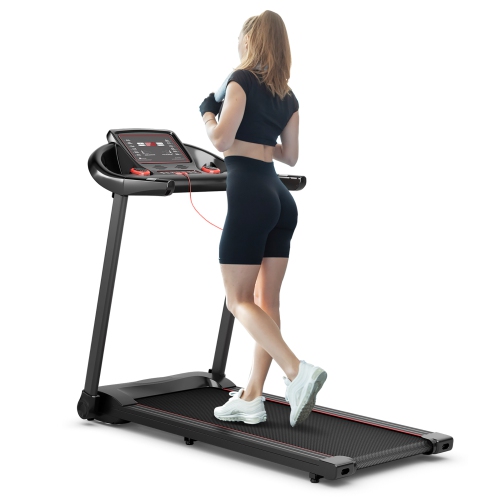
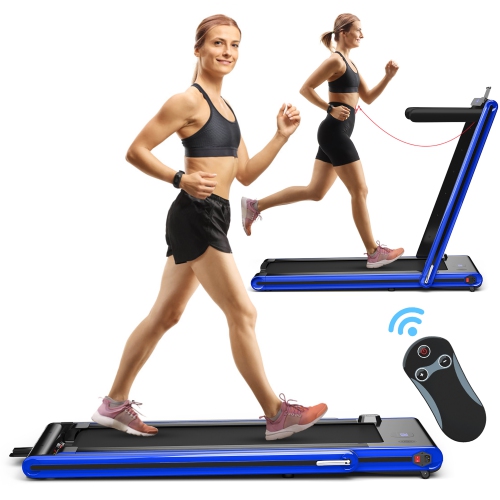
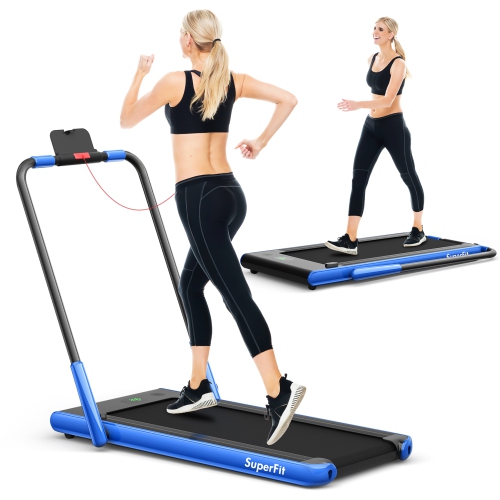
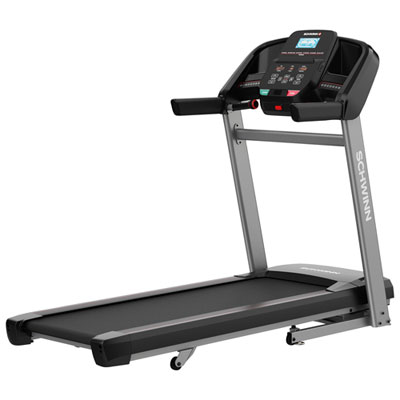
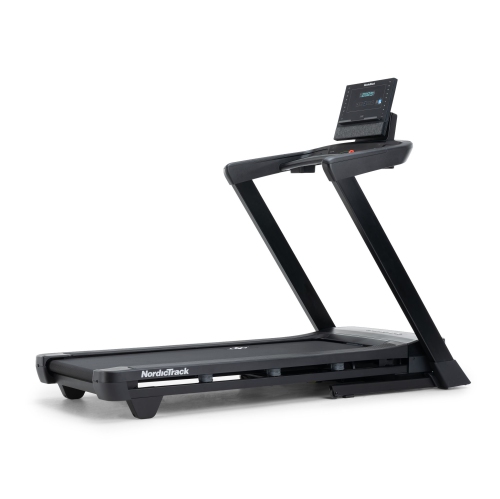
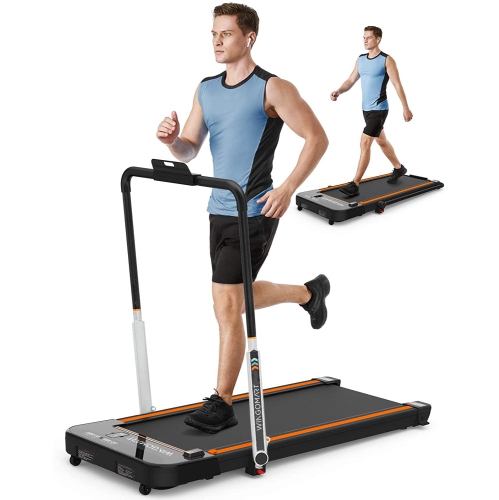
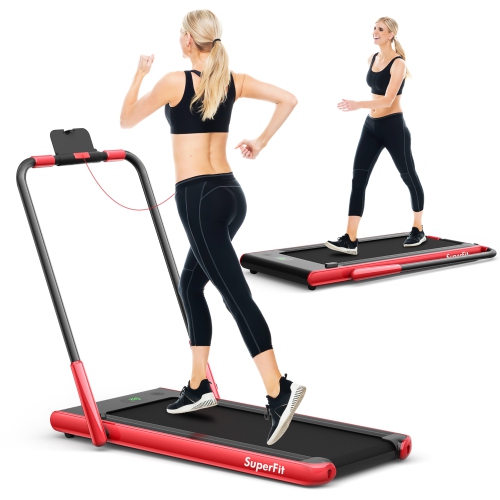
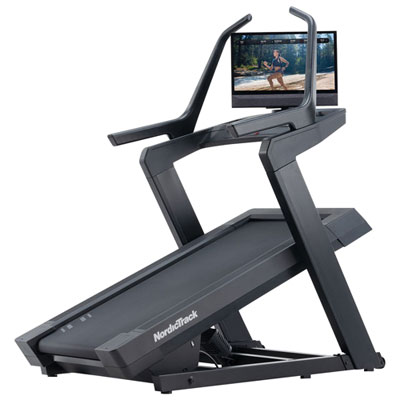

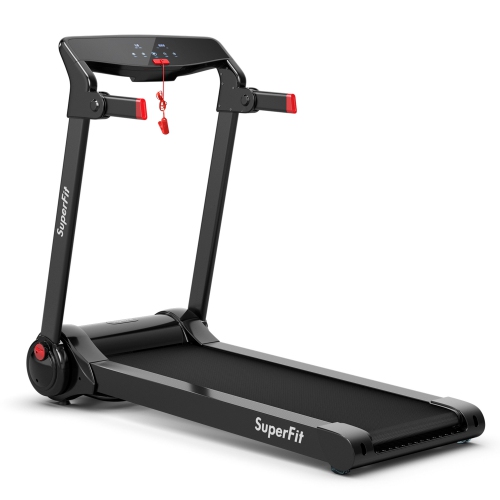
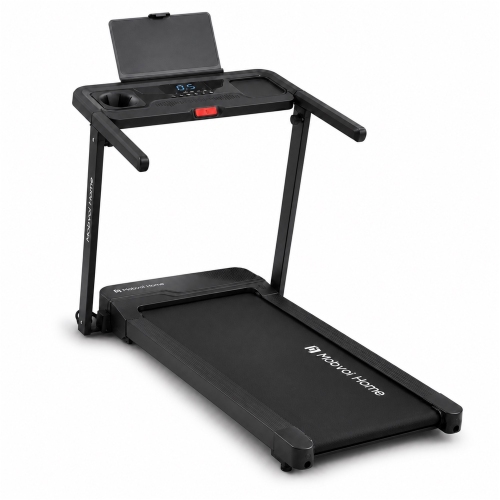
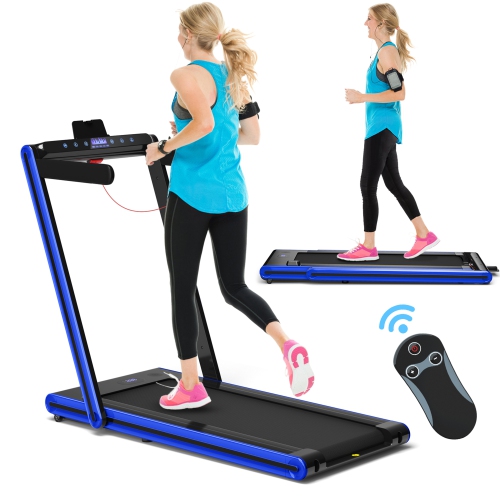
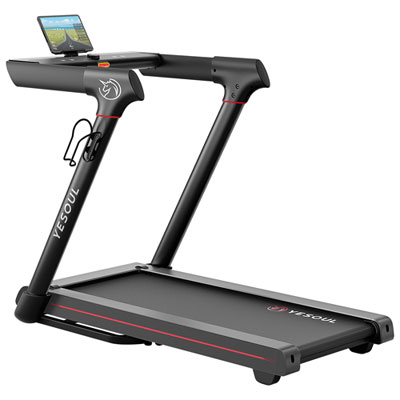
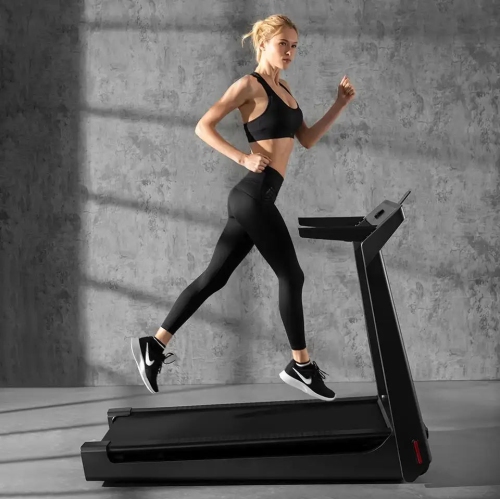
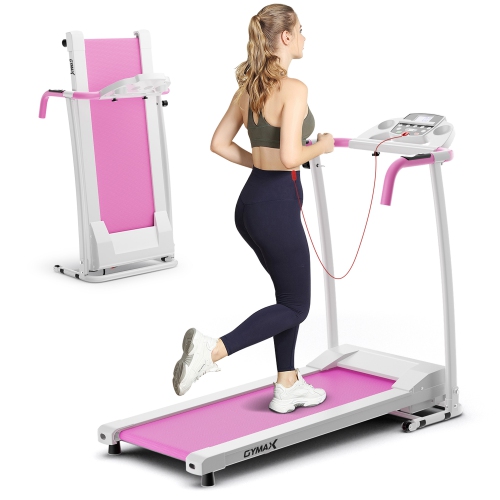
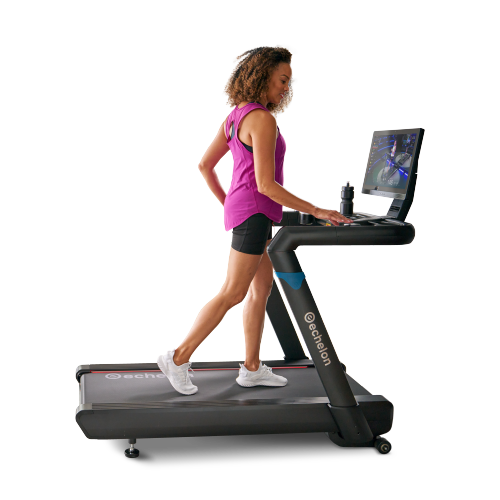
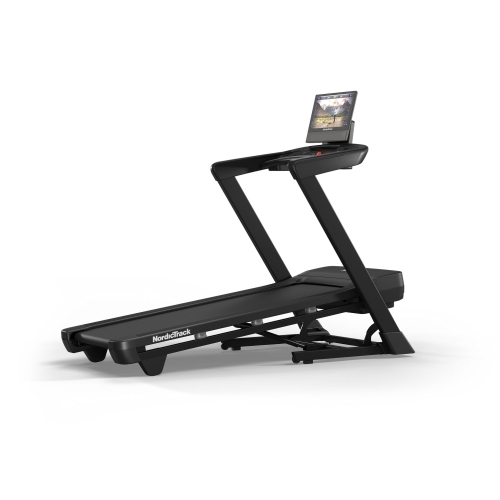
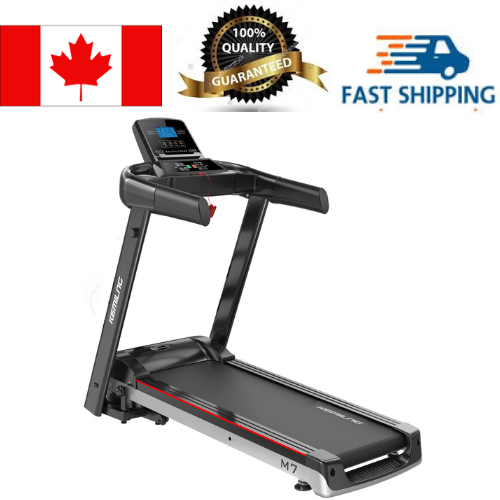
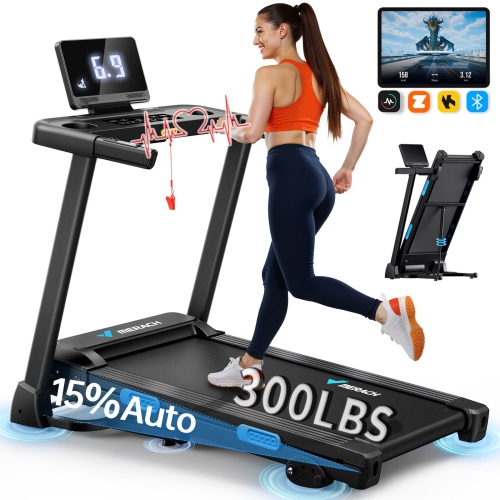
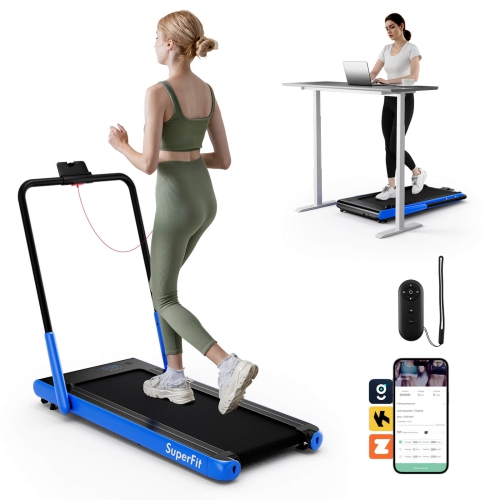
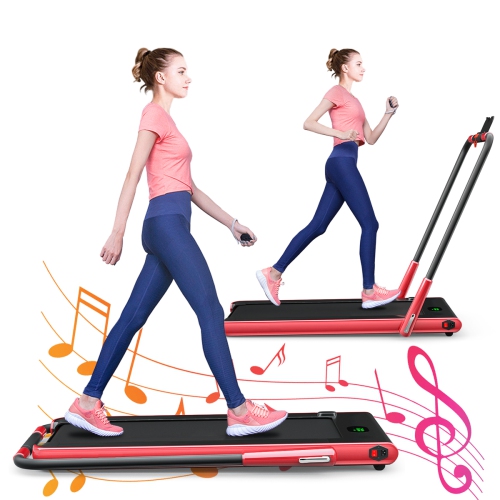
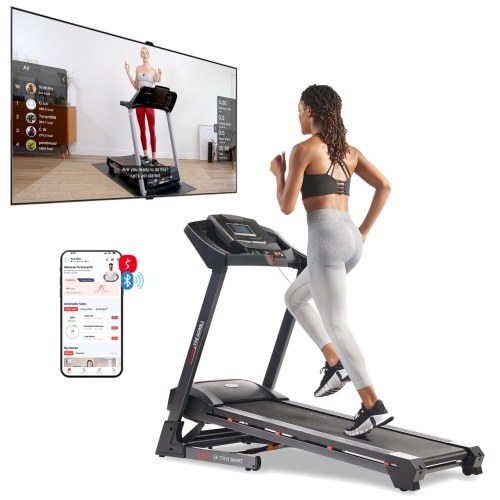
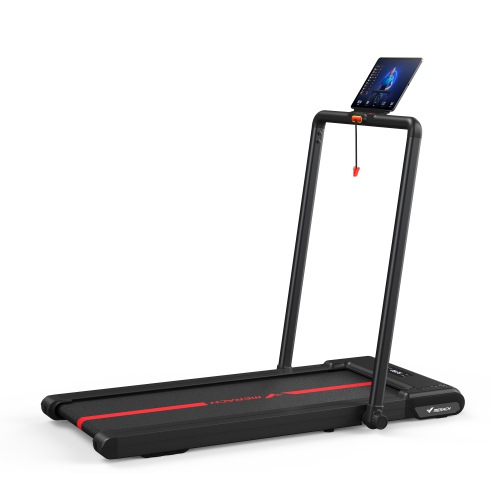
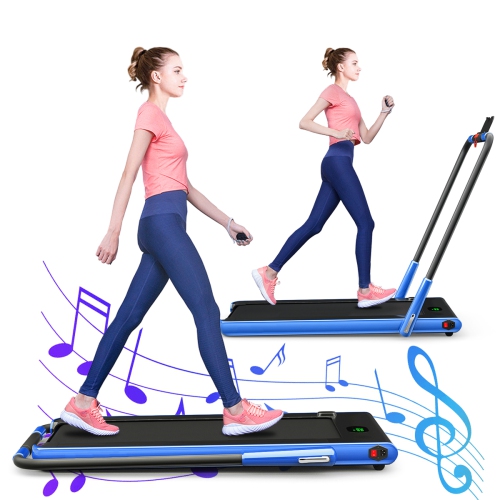
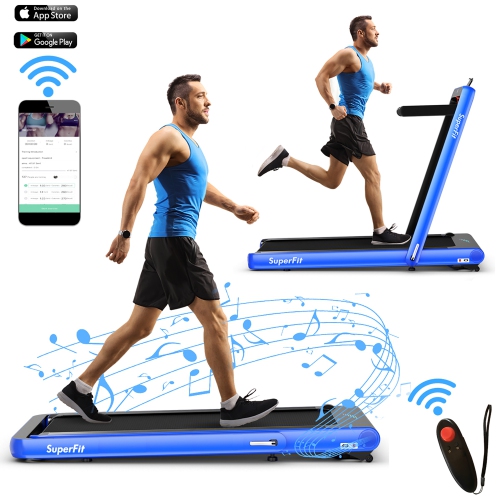
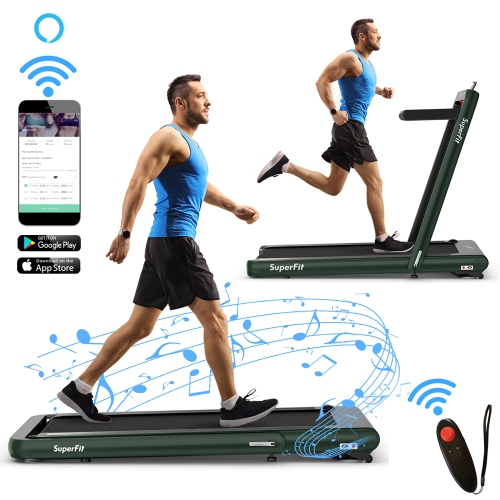
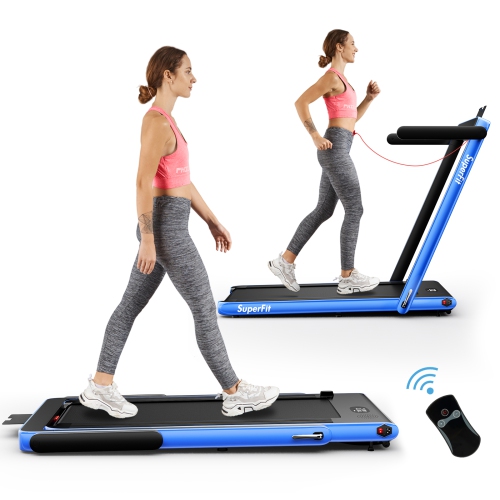
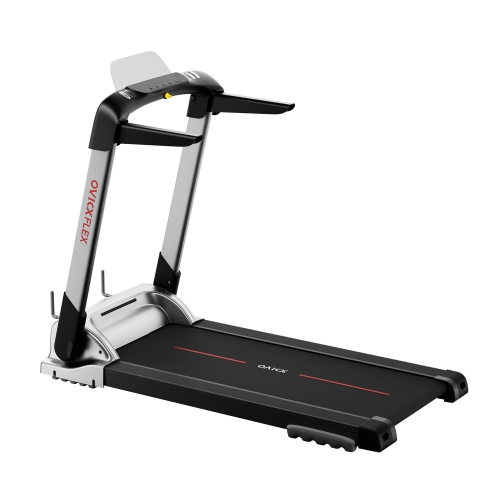

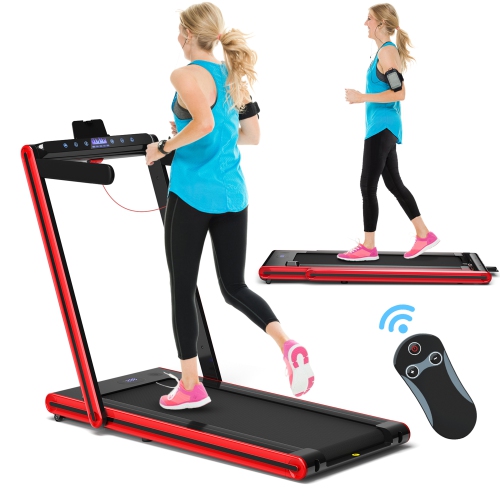
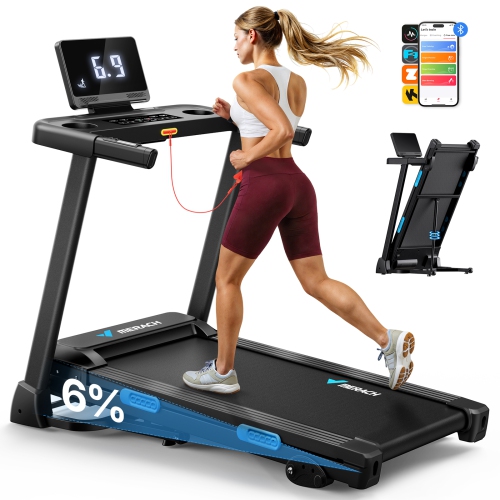
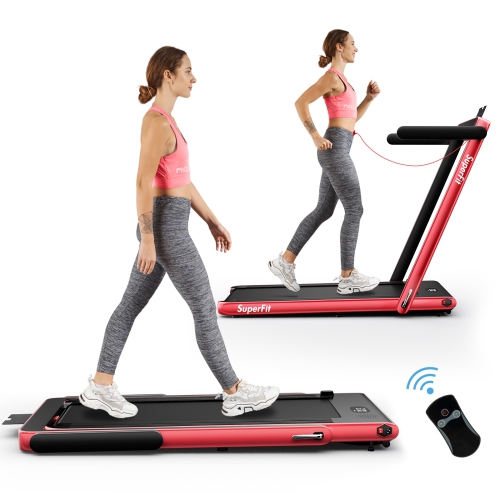
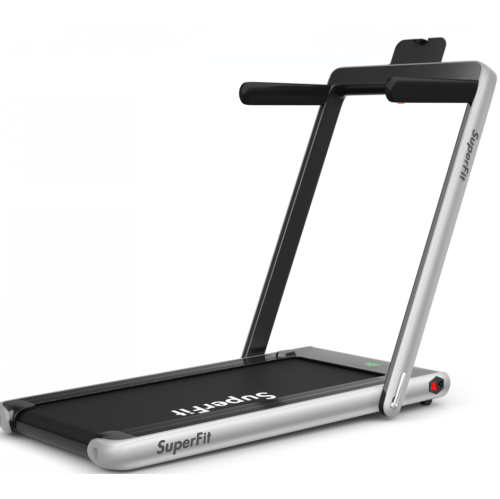
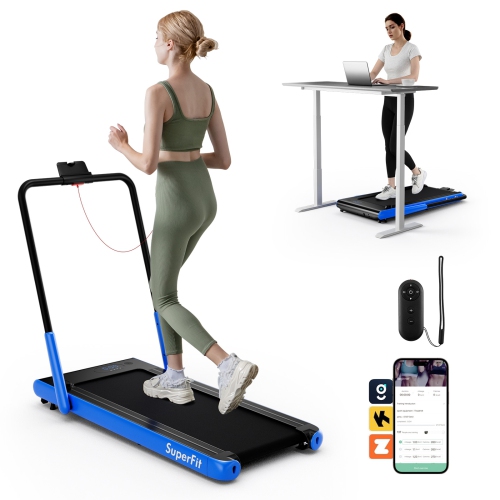
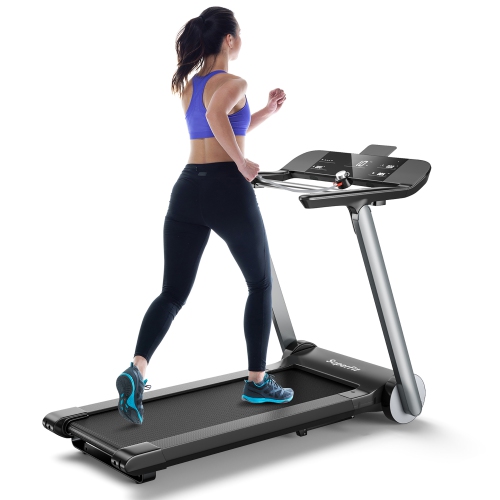
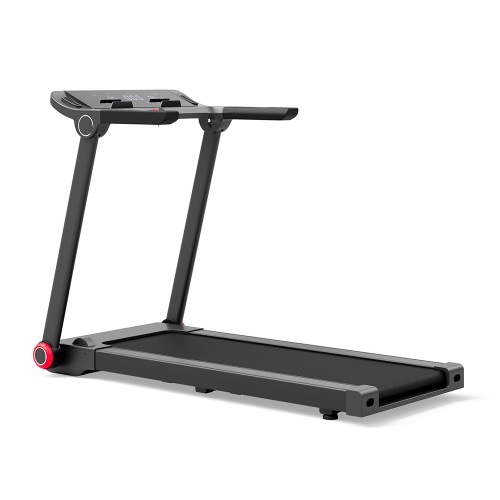
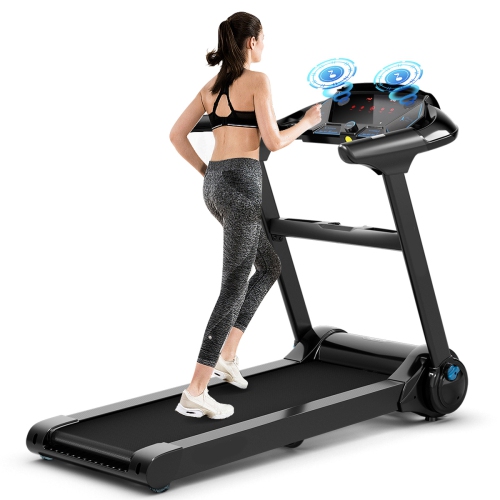
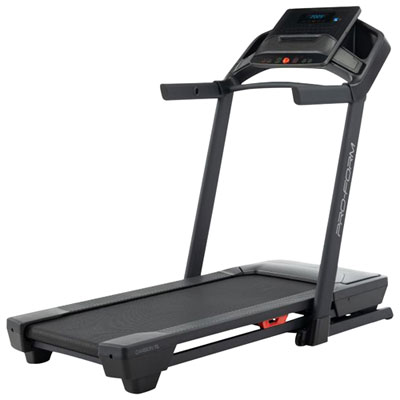
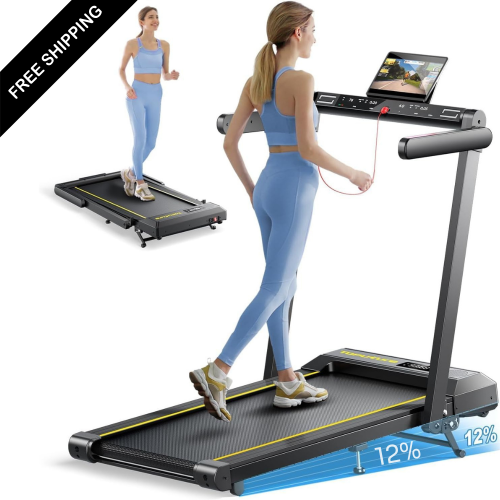
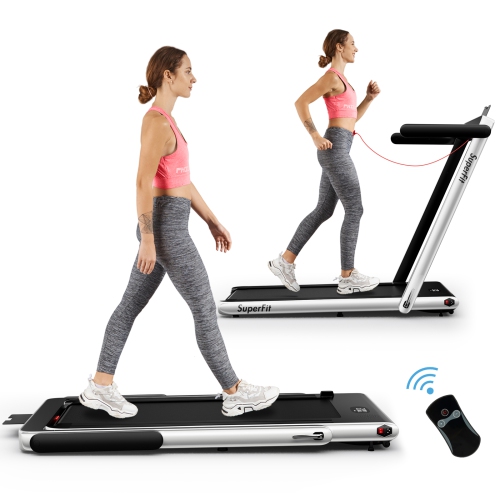
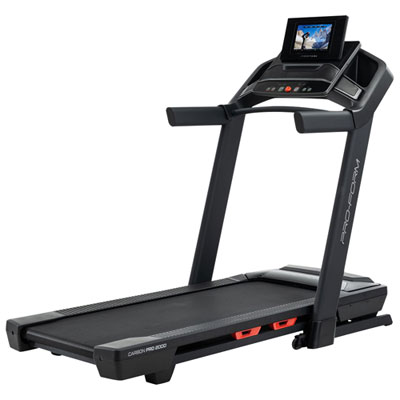
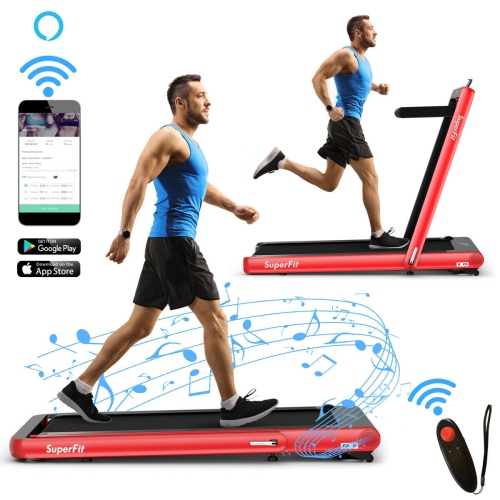
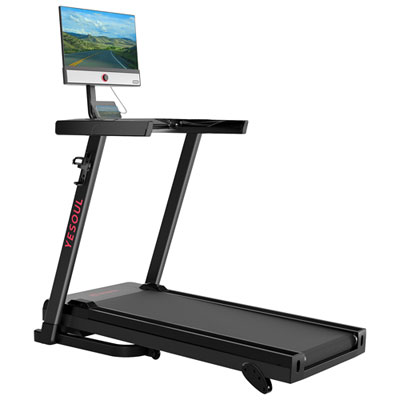
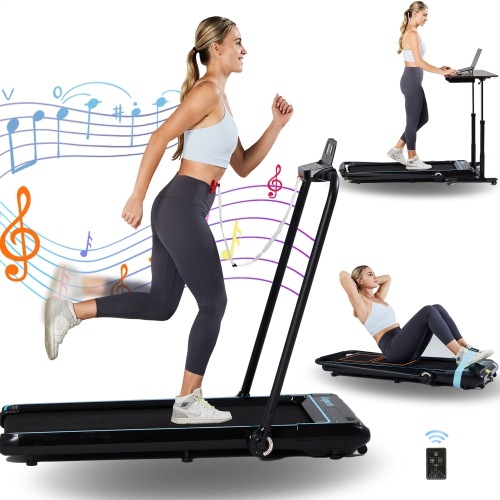
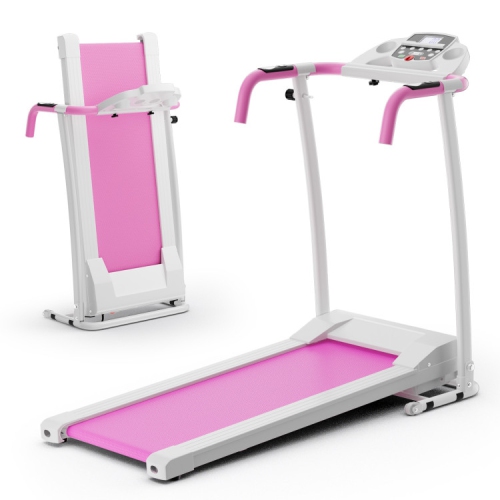
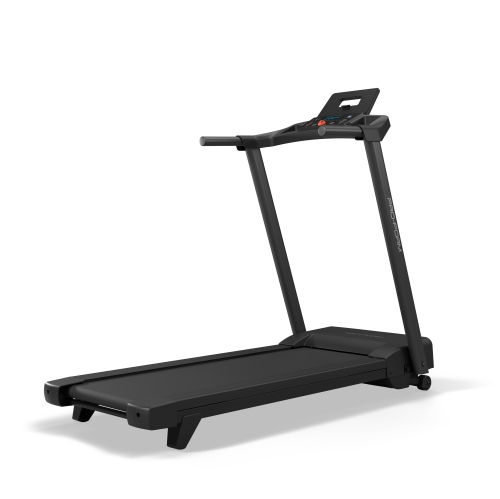
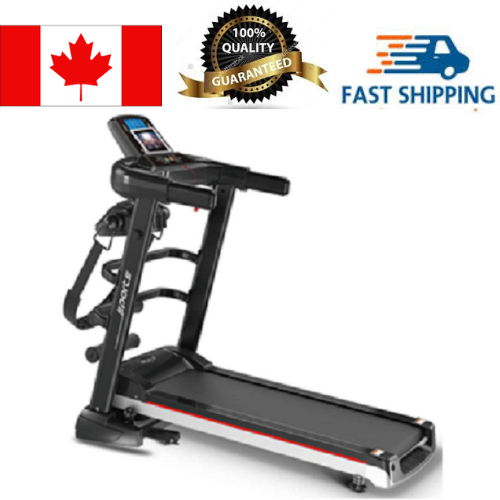
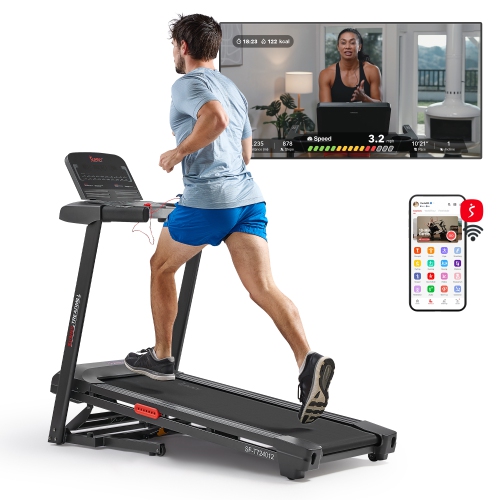
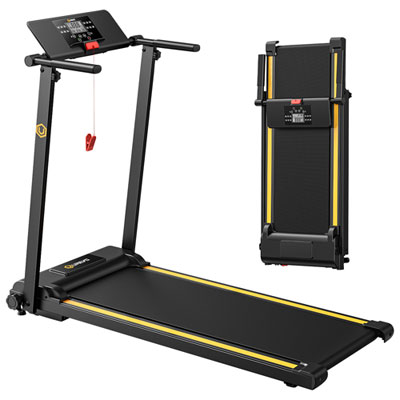
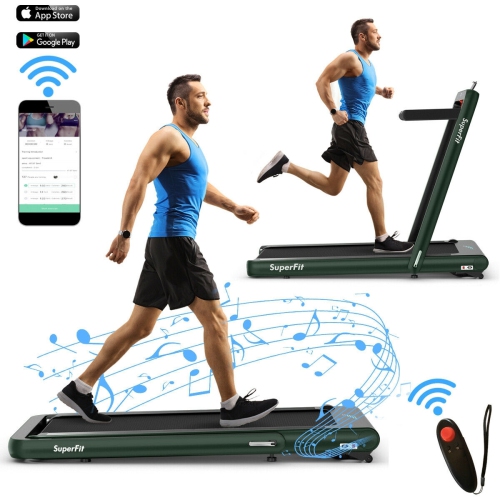
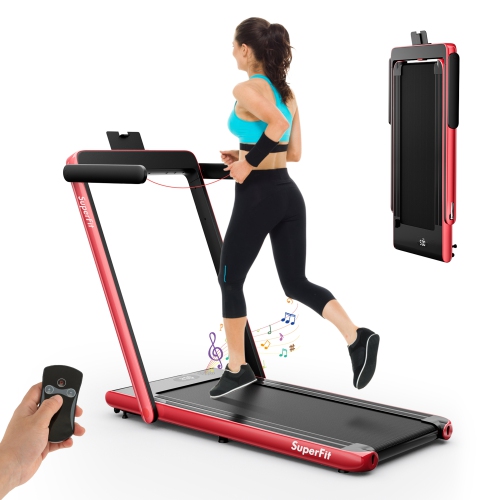
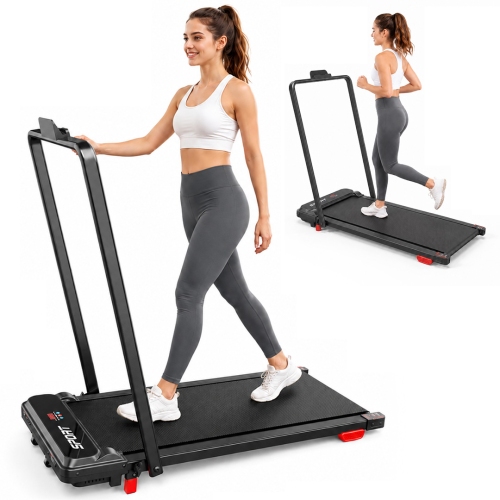
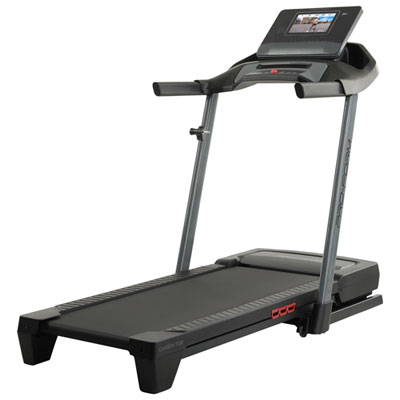
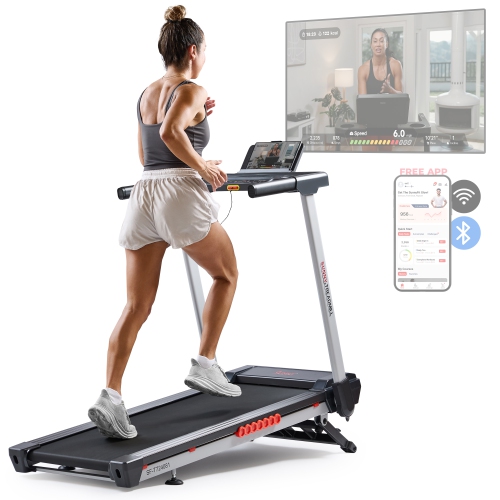
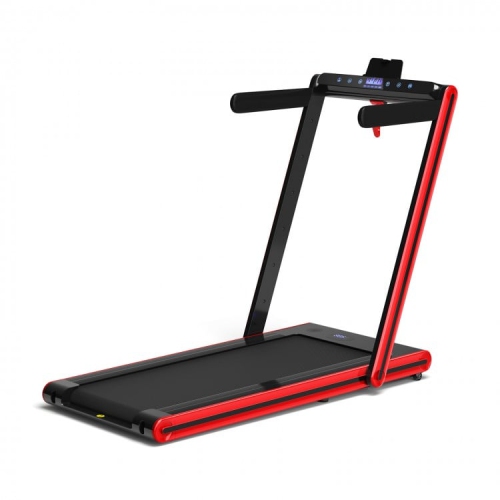
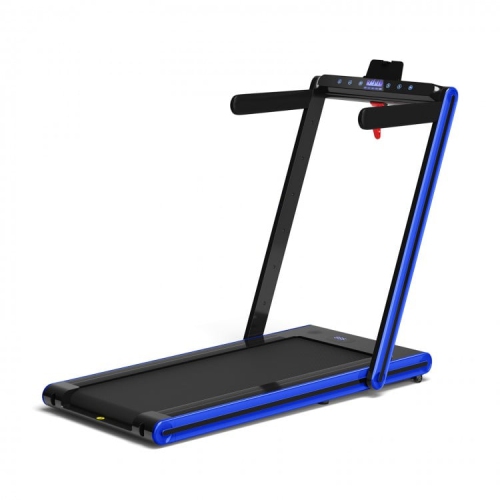
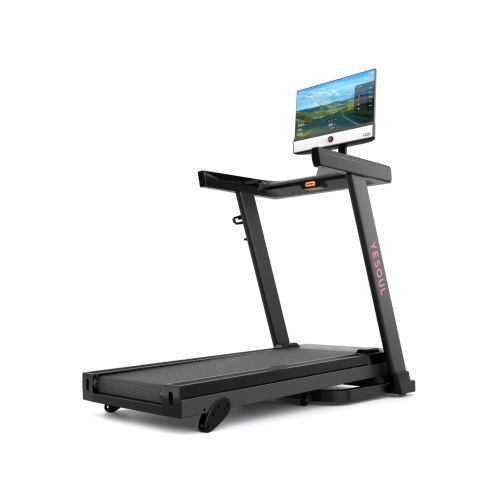
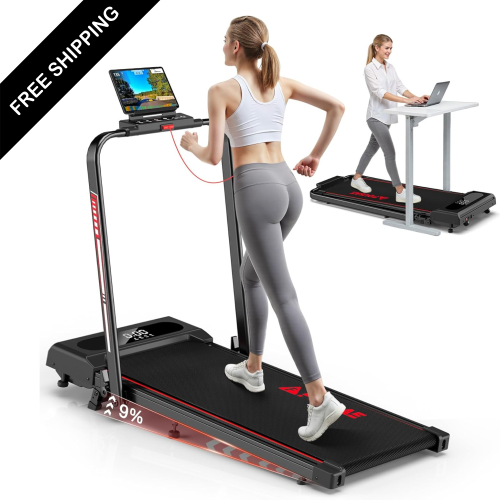
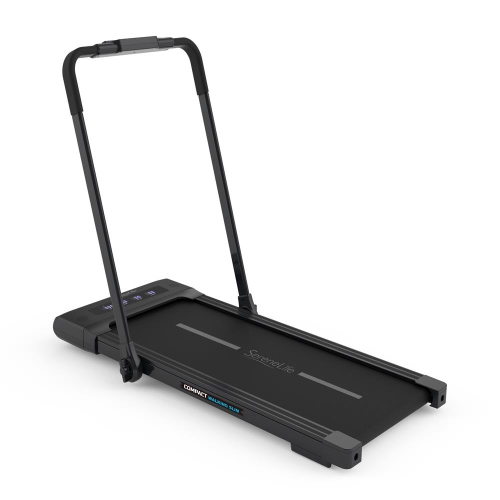
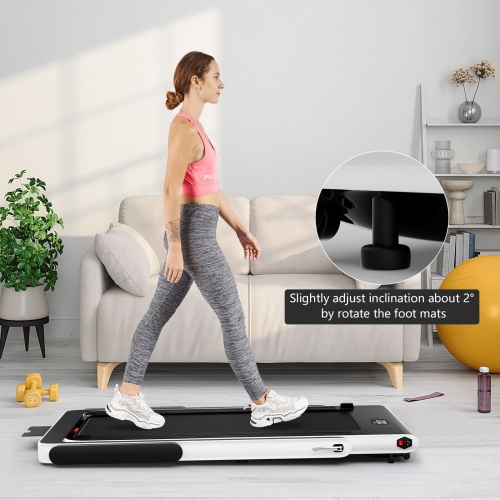
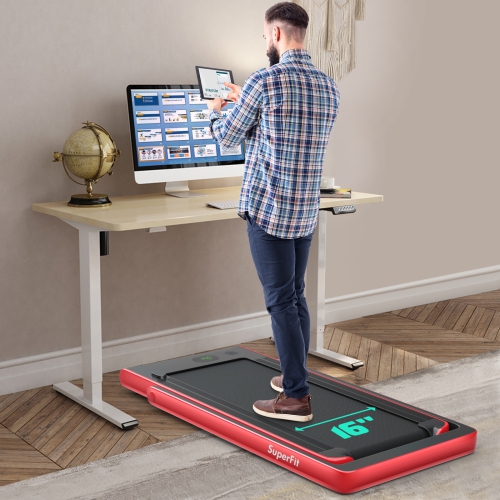
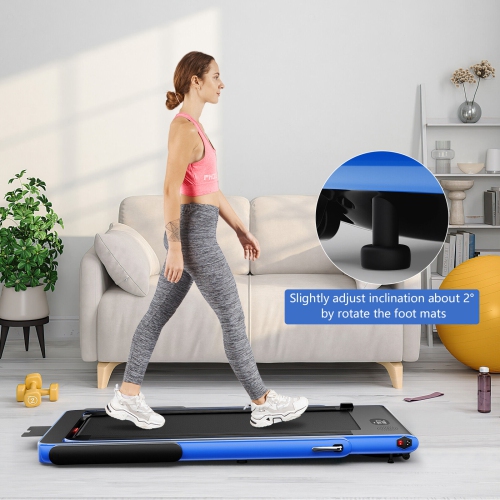
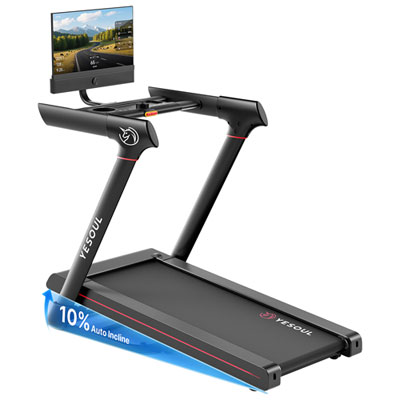
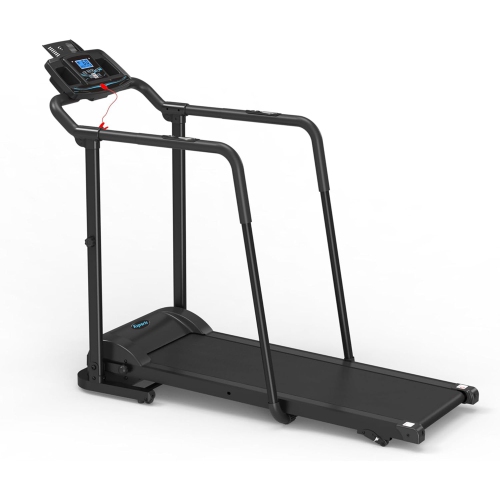
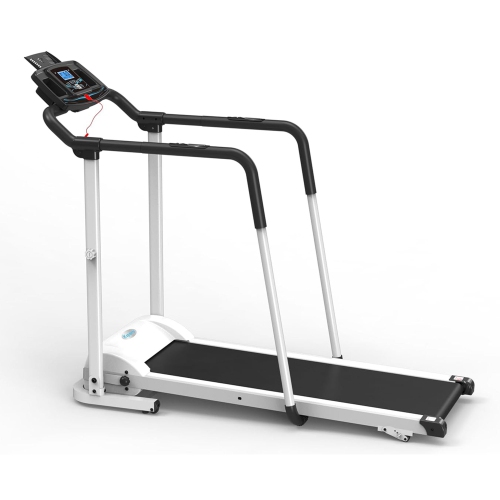

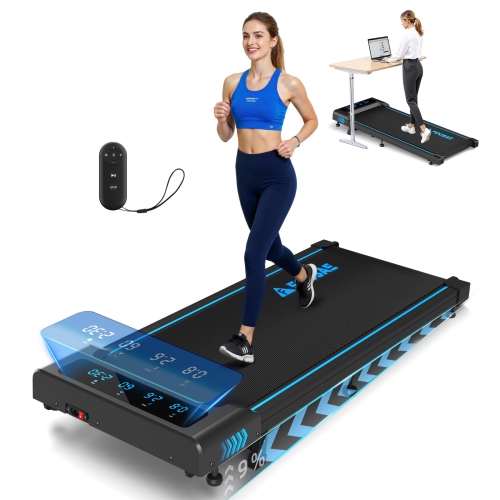

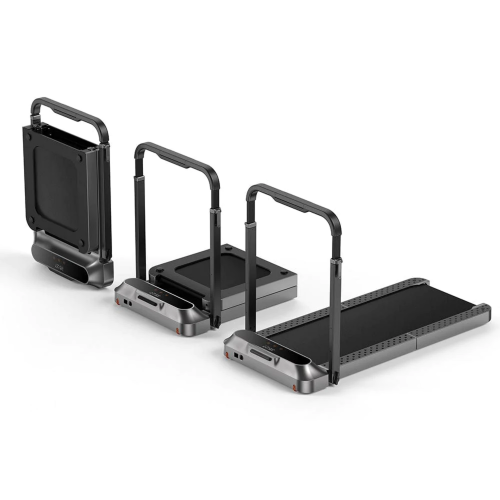
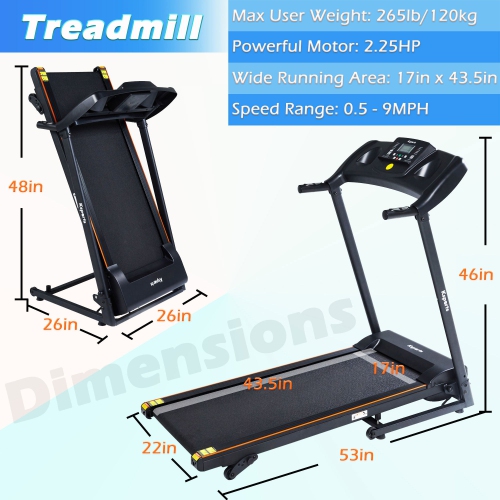
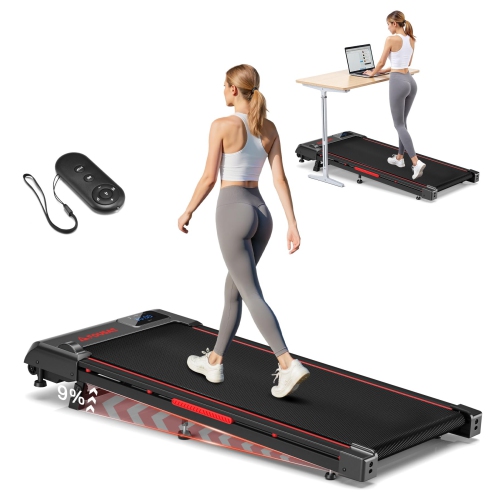
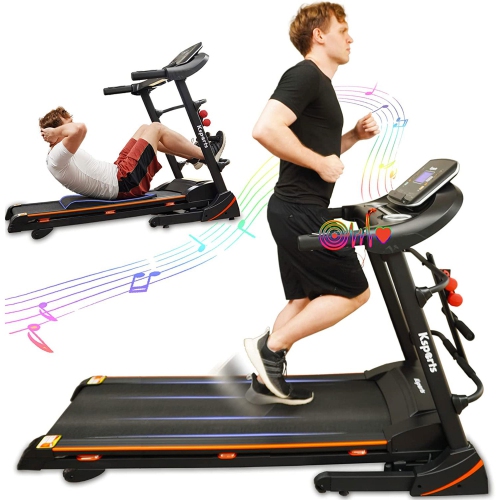
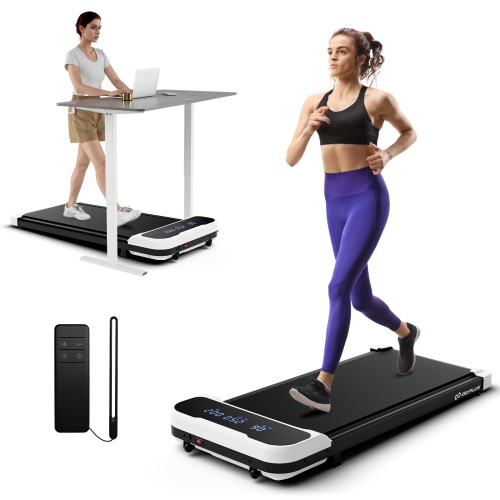
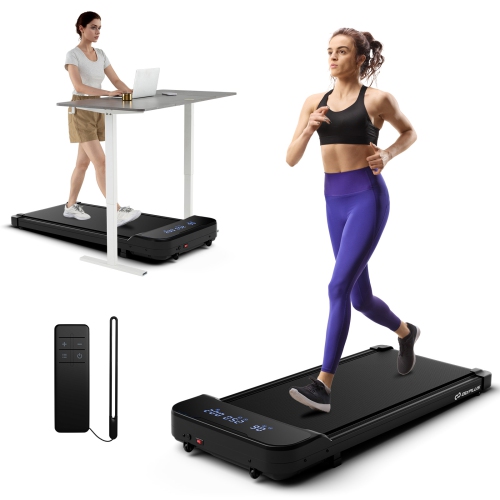
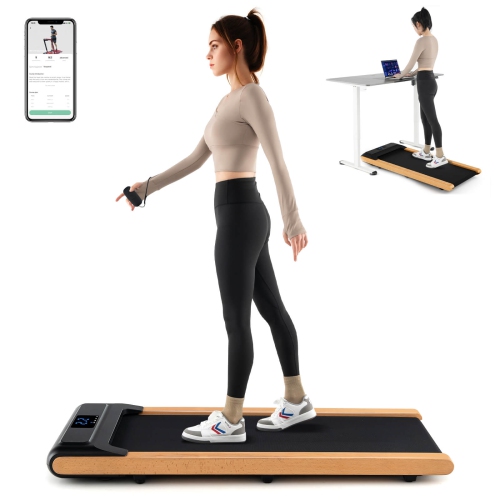
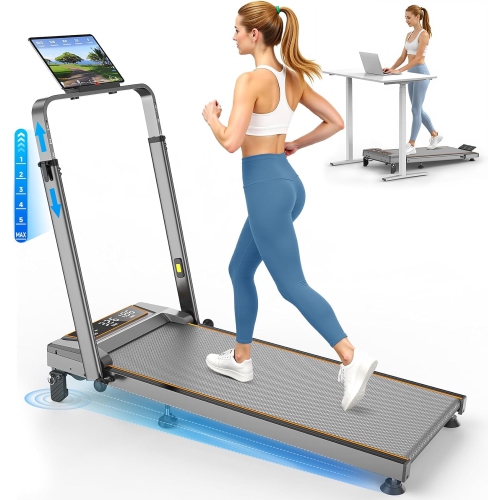
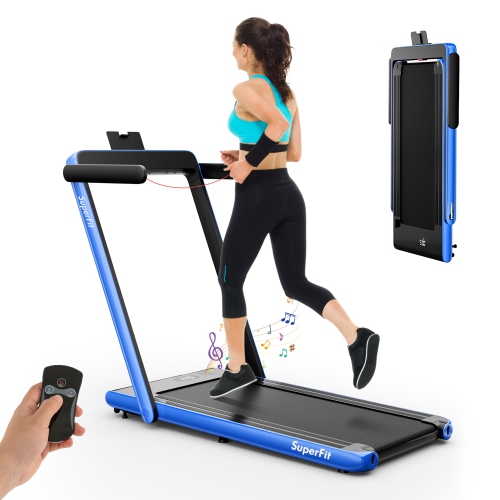
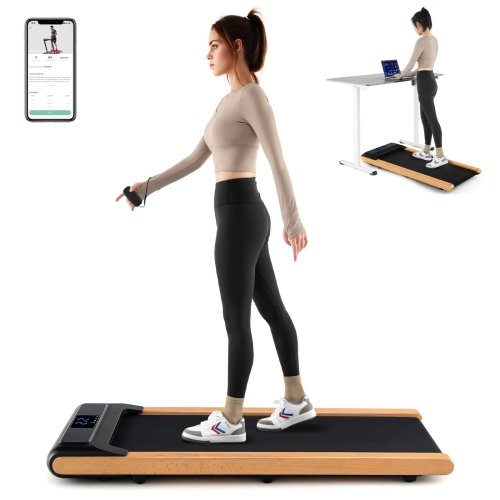
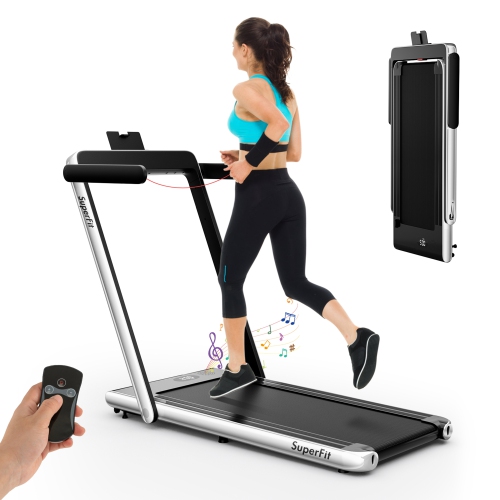
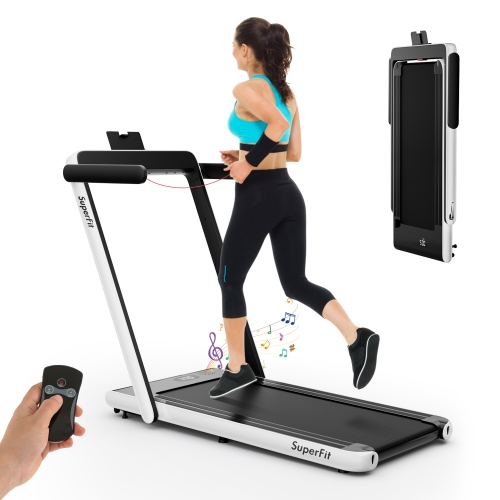
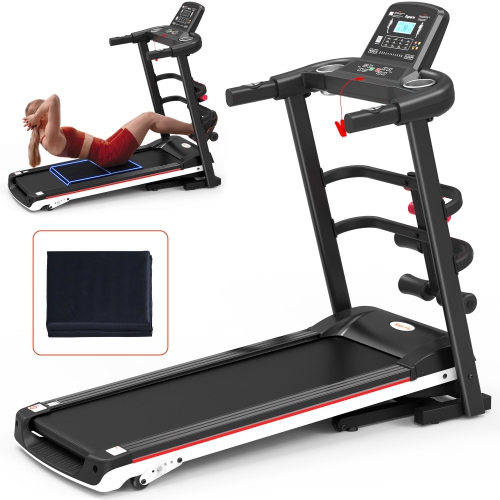
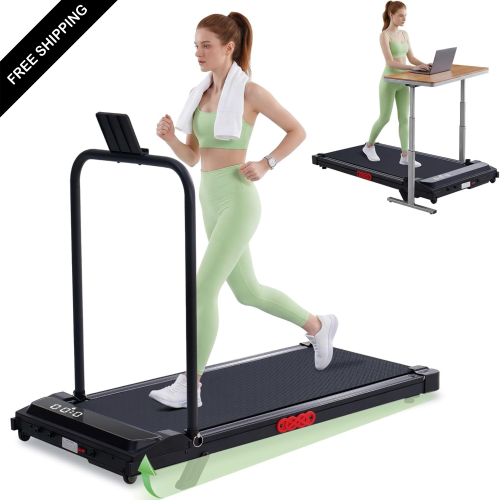
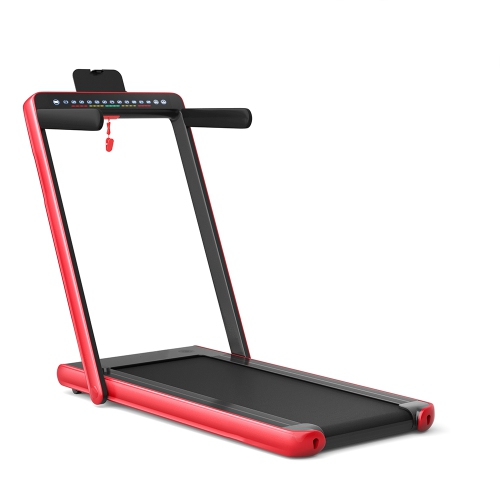
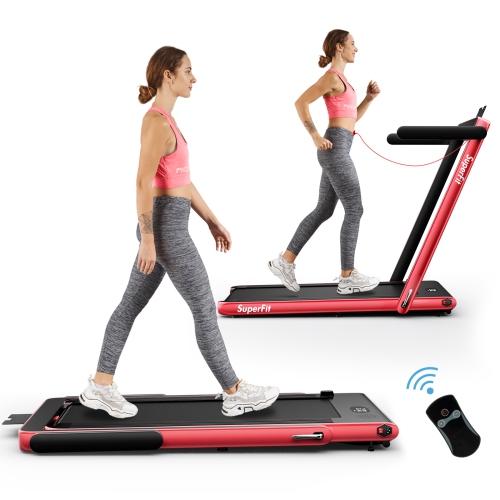
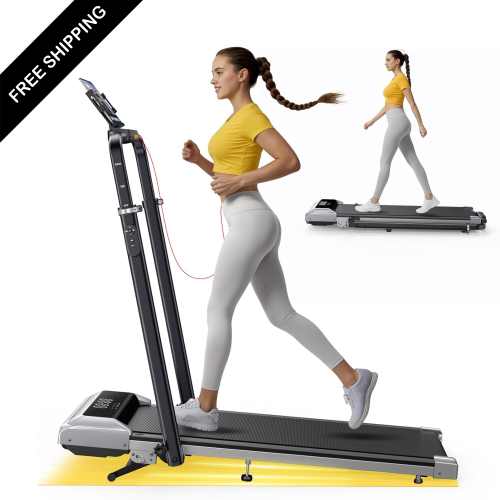
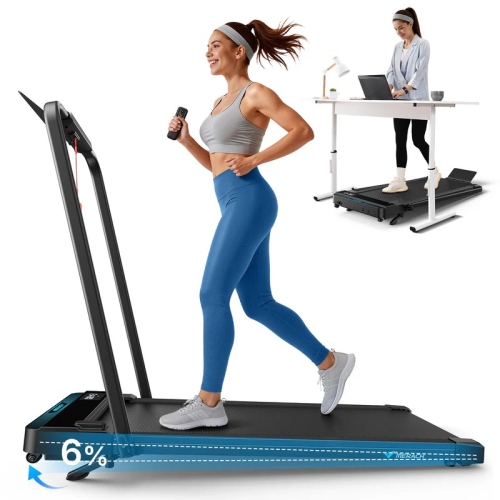
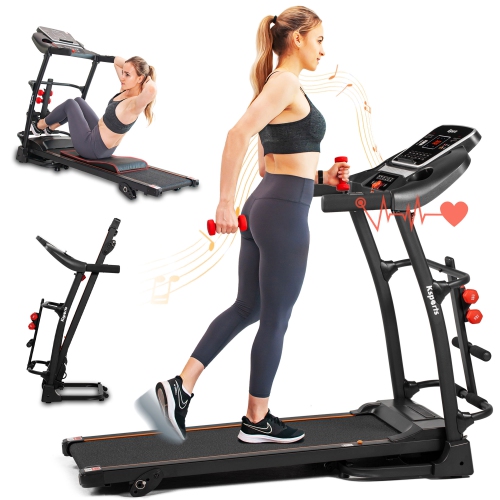
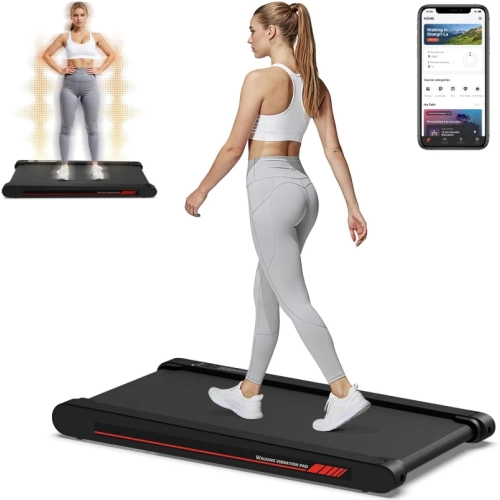
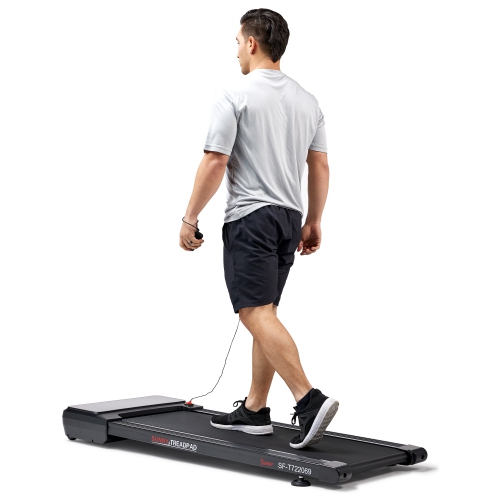

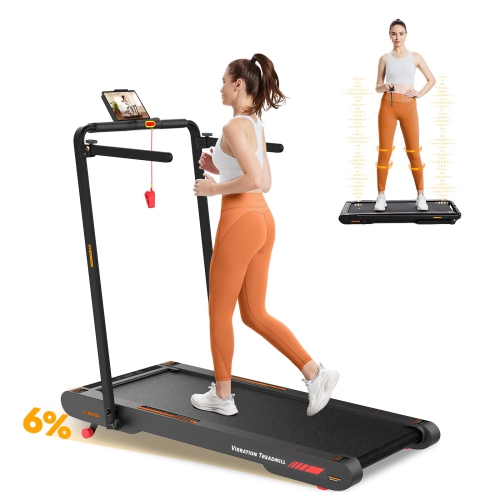
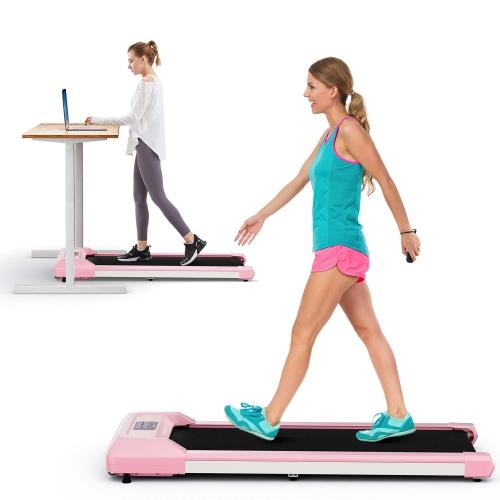
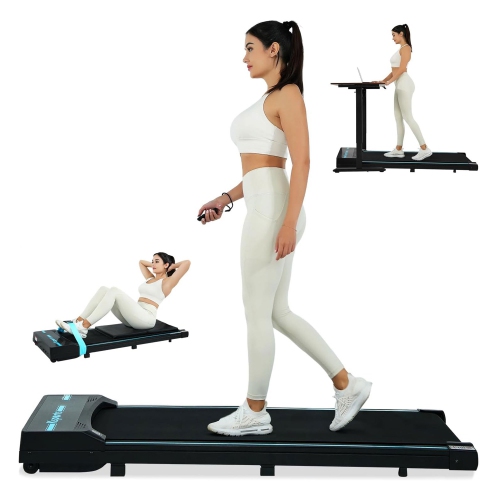
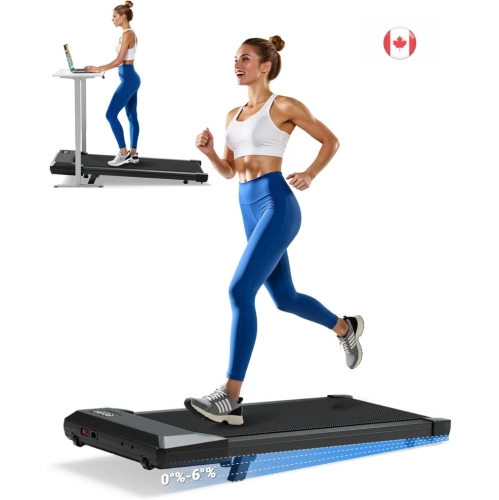
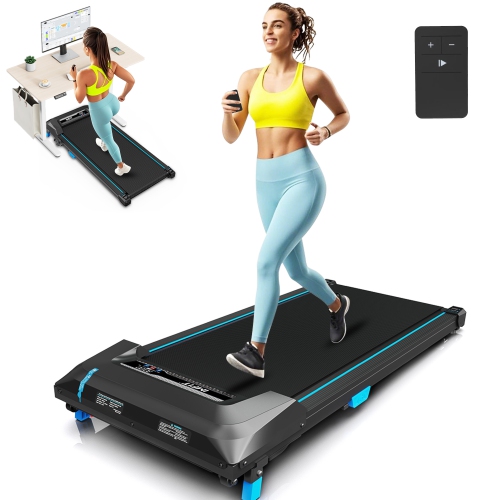
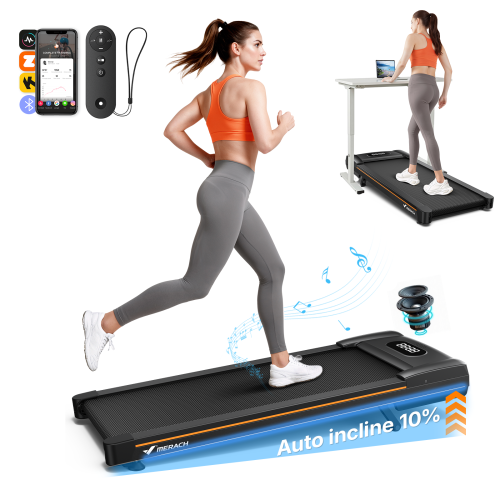
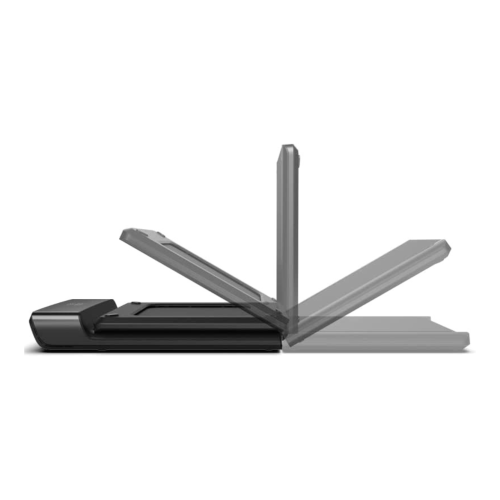
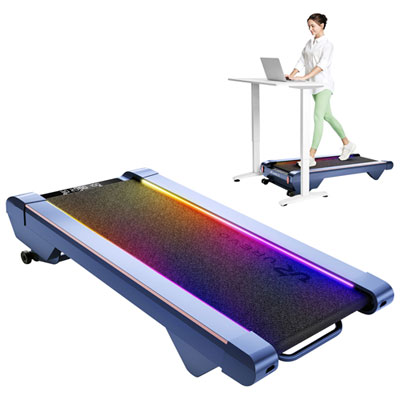
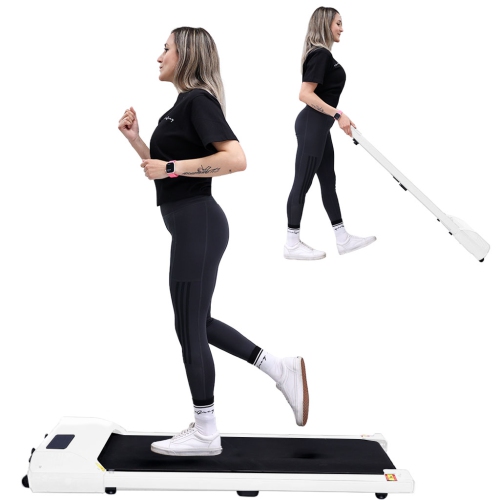
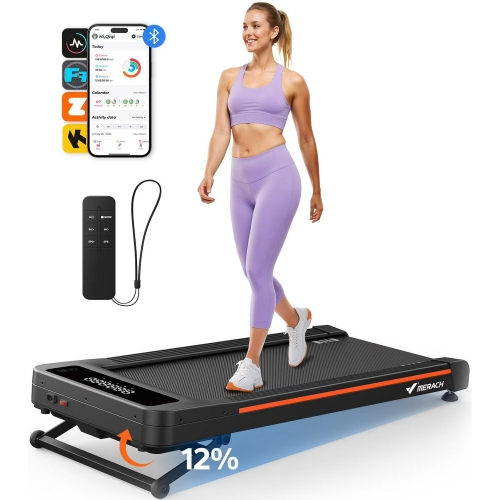
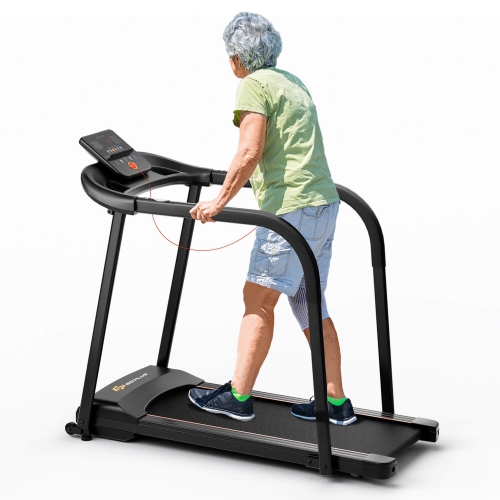
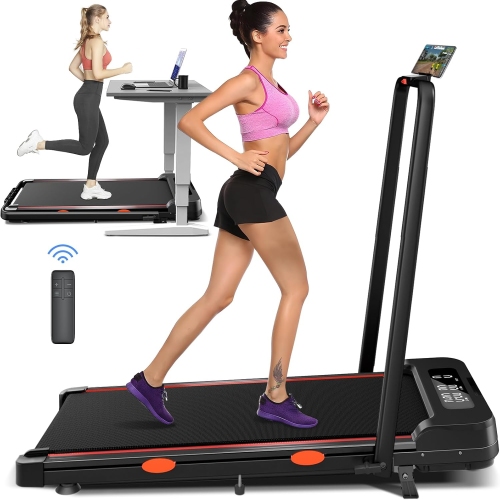
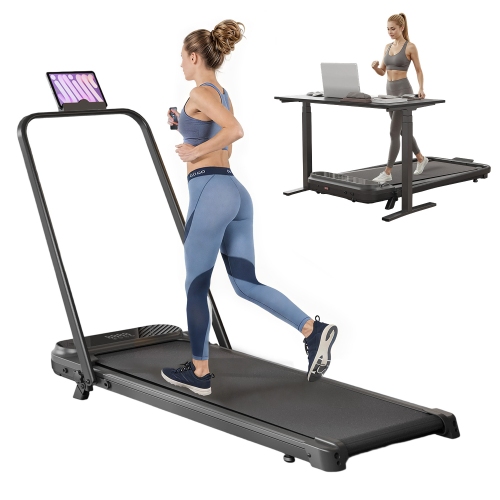
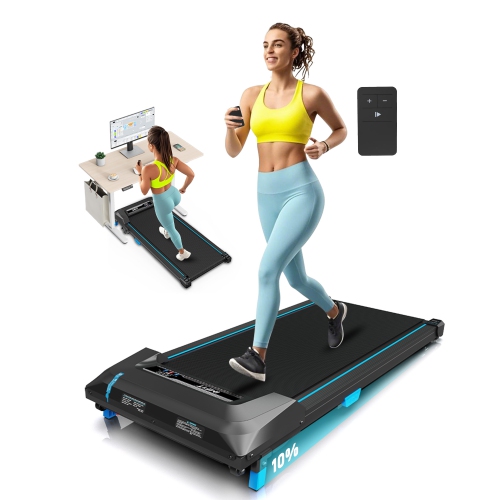
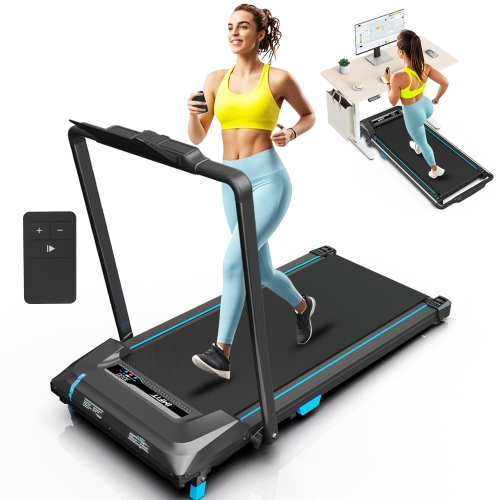

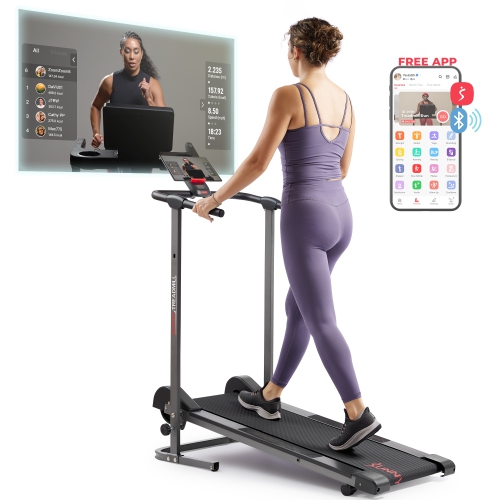
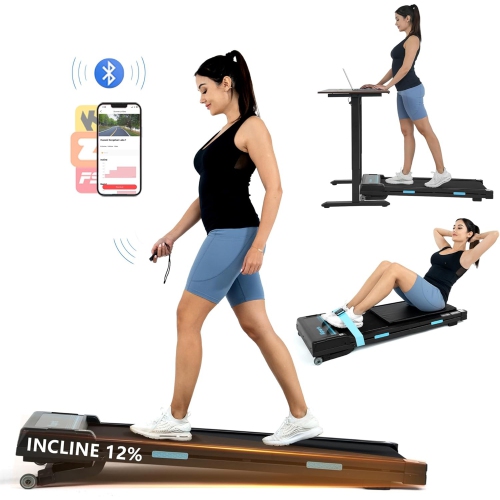
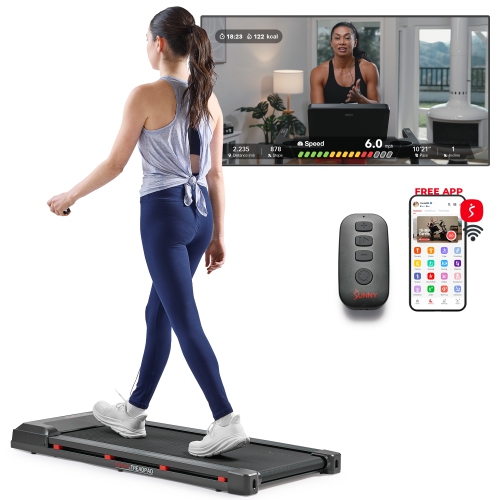
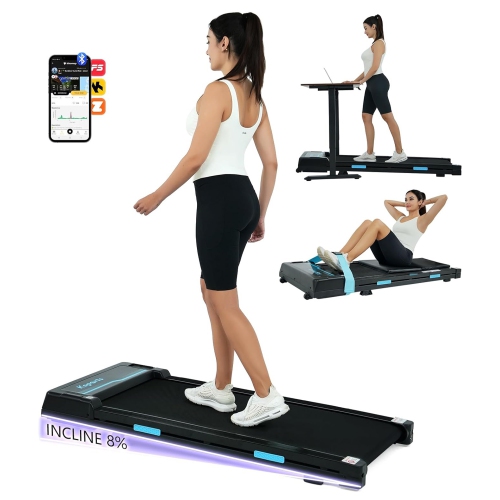

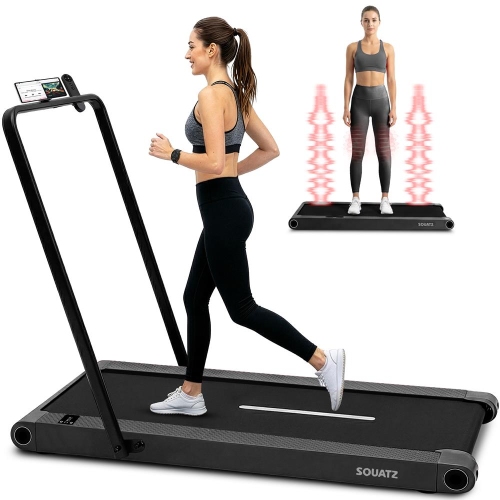
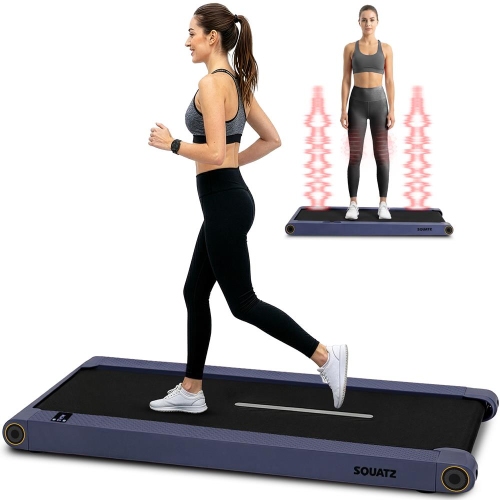
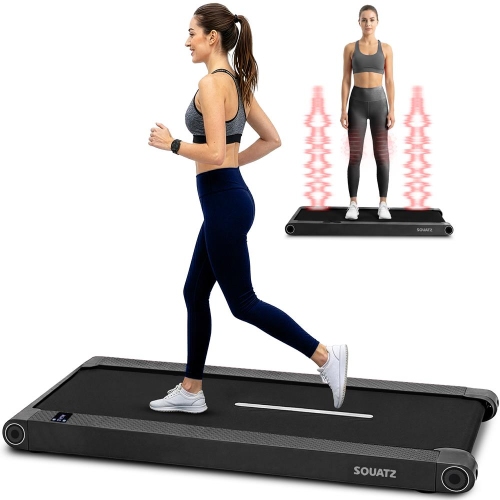


The right treadmill fit goes beyond belt size
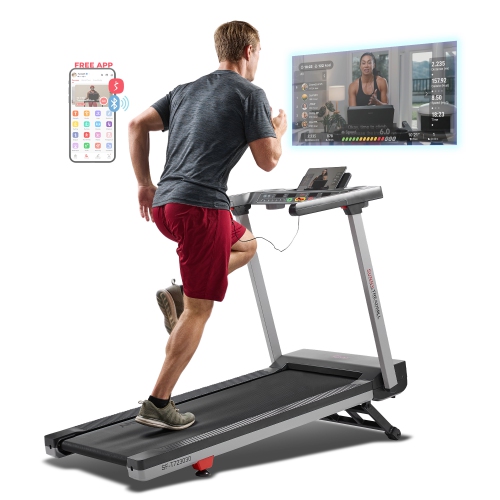
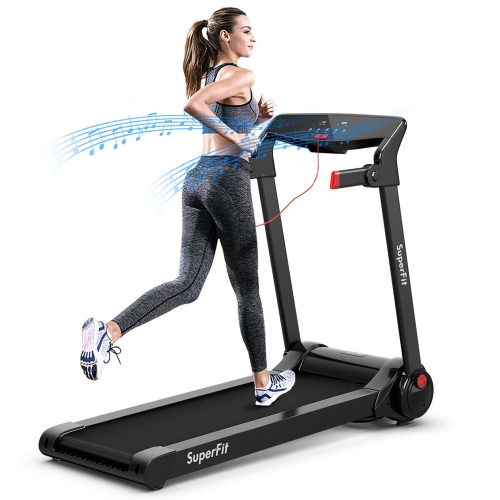
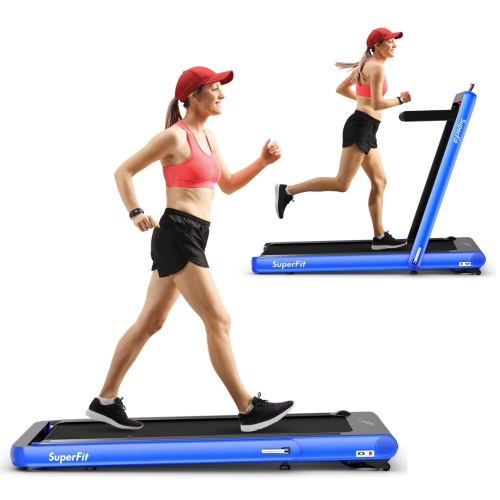
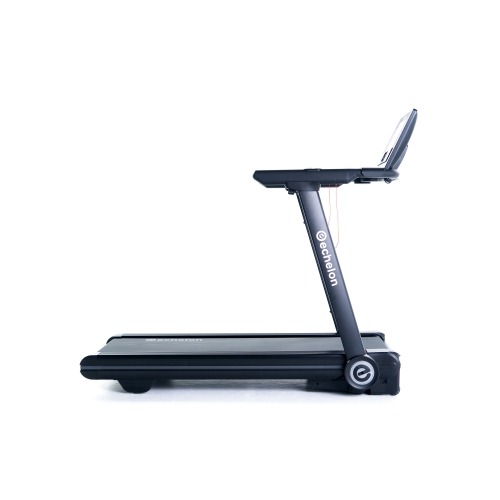
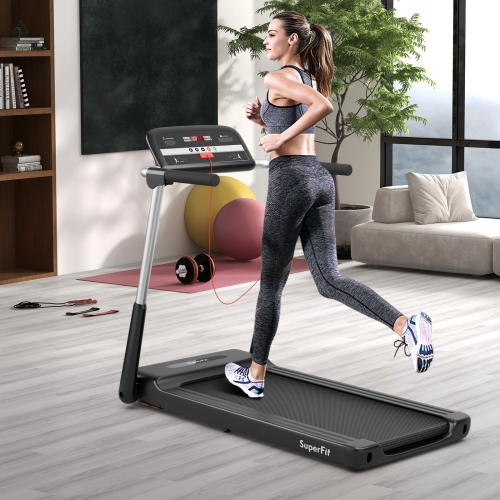
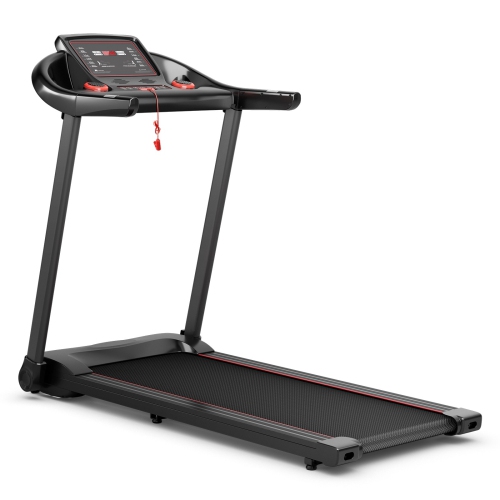
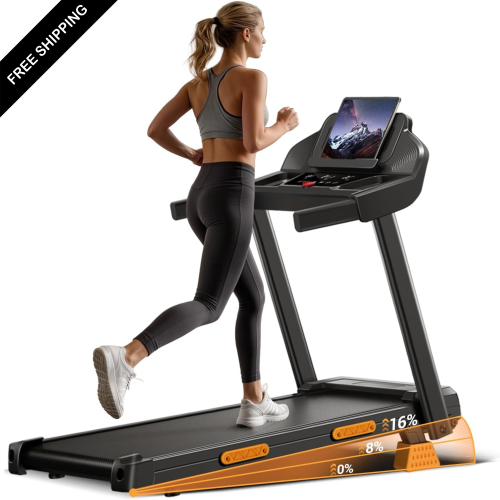
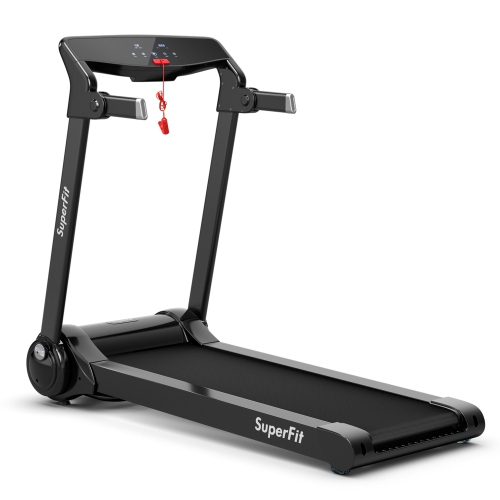
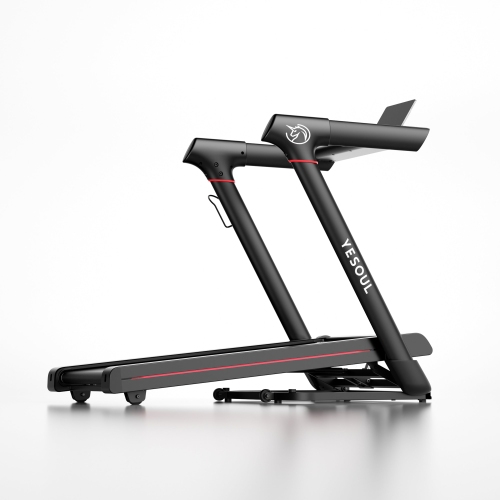
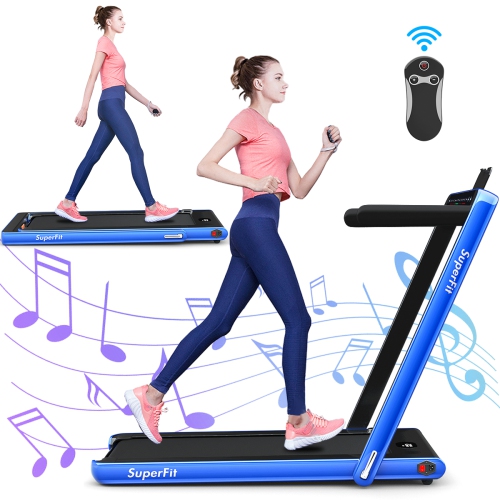
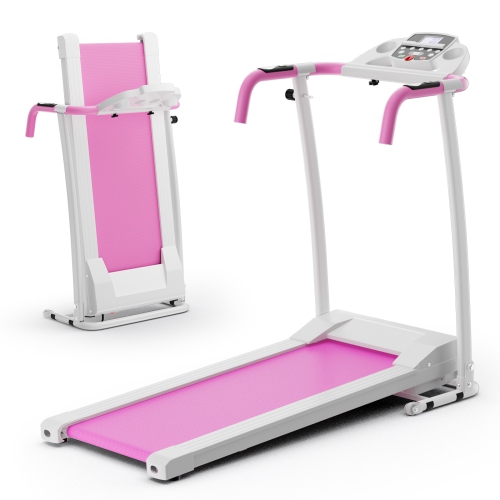
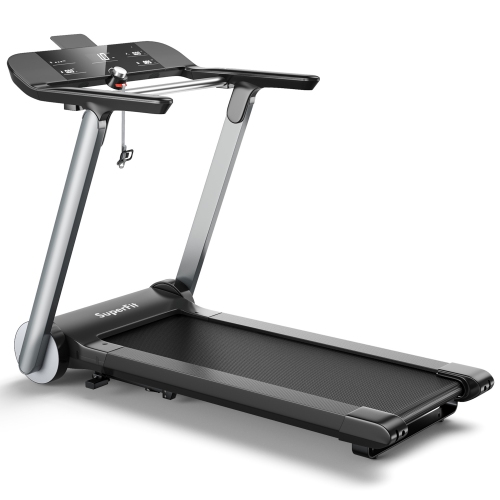
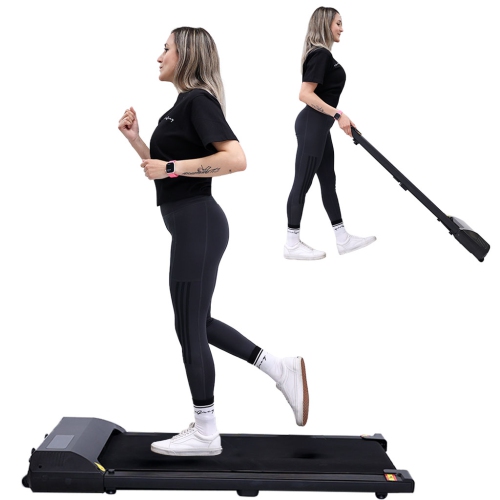
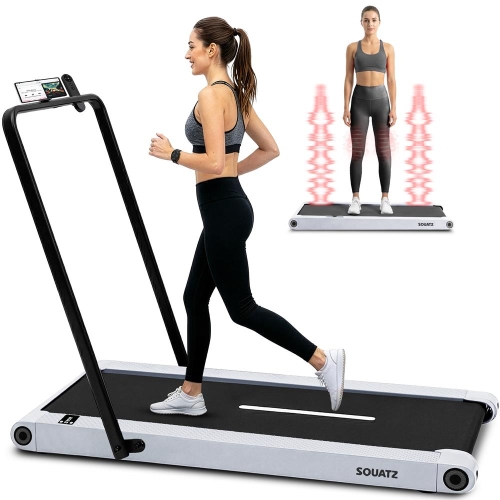
Treadmills for running bring steady runs, interval sessions, and hill workouts into a controlled indoor setting, with speed and incline adjustments that make training easier to repeat. The main distinction between a running treadmill and equipment intended primarily for walking is its ability to support a longer stride and sustained use at higher speeds. A suitable machine combines enough belt space, a stable frame, responsive controls, and a motor designed for the intended workload. Running surface dimensions matter more than the machine’s overall width: a deck roughly 51 cm wide and 152 cm long can provide useful room for many runners, although individual needs vary with height, stride, and pace. Taller runners and anyone doing faster intervals may appreciate additional space behind each footfall. Maximum speed should also leave room for planned workouts rather than simply matching an easy jogging pace. For example, a runner who regularly trains at 12 km/h needs additional speed capacity for quicker efforts. Motor specifications deserve similar attention. Continuous horsepower describes sustained output, while peak horsepower describes a short-duration maximum; the two figures are not interchangeable. Motor ratings are most useful alongside the manufacturer’s intended use, user weight limit, and guidance on session length. A household with several runners places different demands on a treadmill than one person completing a few short runs each week. Incline adds another dimension, allowing uphill efforts without relying entirely on faster belt speeds. Powered incline is convenient when a workout alternates between level running and hills, while decline, where included, creates a different training experience. Cushioning affects how the deck feels underfoot, but a softer surface is not automatically the right fit for every runner. Some prefer a firmer, more responsive platform; others favour more give during easy kilometres. The most useful combination is enough room to move naturally, a deck that feels stable at the intended pace, and controls that allow adjustments without disrupting running form.
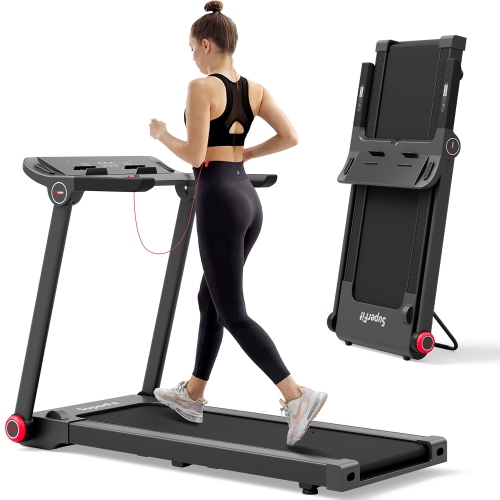
The way a treadmill fits into a room is just as important as the way it fits a stride. Measure the operating footprint, not only the folded dimensions, and allow the rear and side clearances specified by the manufacturer. Ceiling height needs to accommodate the runner standing on the deck, including the additional elevation created by incline. A room that feels spacious for stretching can become restrictive once the treadmill is raised for a hill session. For a personal workout area, explore Treadmills for Running Home Use with doorway widths, delivery routes, and everyday access in mind. Folding designs can free up floor space between workouts, but folding does not necessarily make a treadmill light or easy to move. Check the lifting mechanism, transport wheels, folded height, and whether the machine can be manoeuvred without awkward turns. A fixed-frame design may suit a dedicated exercise room where the treadmill can remain ready for use. Construction also shapes the running experience: a robust frame, secure upright supports, and a properly supported deck help the machine feel planted as footfalls become quicker. Belt materials and deck components need to withstand repeated contact, while accessible adjustment points make routine care more manageable. The stated user weight limit should accommodate every intended runner, though that limit alone does not establish how comfortable or stable the machine will feel. Noise includes both motor sound and the impact of running shoes, so placement matters in shared homes and rooms above living spaces. A suitable equipment mat can protect flooring and may reduce some vibration, but it cannot eliminate impact noise transmitted through a building. Keep the treadmill on a level surface and follow the manufacturer’s electrical requirements. An accessible stop control and a safety key clipped to clothing are important practical features. Children and pets should remain away from the belt, including during startup and shutdown, and the safety key should be stored securely when the machine is not in use.
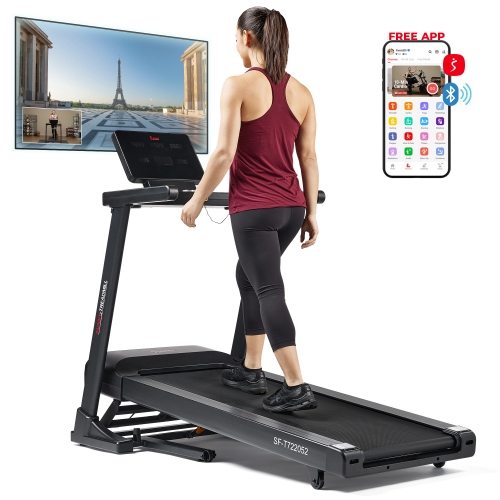
Console design can make the difference between a workout that flows naturally and one interrupted by repeated adjustments. Large, readable speed and incline displays are useful during a hard effort, while direct-access buttons make it easier to move between familiar settings. A runner alternating short efforts with easy jogging benefits from controls that are straightforward to locate without leaning forward or reaching across a screen. Preset workouts can add structure, and custom settings can help repeat a preferred session. Connected features may include guided workouts, training records, or compatibility with fitness apps, but the details vary. Check whether particular functions require Wi-Fi, a separate device, an account, or a subscription, and which basic treadmill controls remain usable independently. A tablet holder should keep the screen secure without covering essential workout information, and a bottle holder should be reachable without changing stride. Heart rate features can help track effort, although handgrip readings are difficult to use continuously while running; compatibility with a separate sensor may be more practical for that purpose. Everyday comfort also depends on suitable running shoes, enough ventilation around the workout area, and space to step on and off safely. Beginners may value simple controls and gradual speed adjustments, while experienced runners may place greater emphasis on belt length, speed range, and consistent performance during longer sessions. In a shared household, saved profiles can help separate training records, but the machine’s physical fit still needs to suit each person. Routine care supports dependable operation: wipe perspiration from accessible surfaces, keep debris away from the belt, and inspect for unusual wear or movement. Belt alignment, tension, lubrication, and servicing should follow the manufacturer’s instructions rather than a generic schedule. Warranty terms may distinguish between frame, motor, parts, labour, and permitted use, so those details deserve attention. A well-matched running treadmill supports the workouts that will actually happen, from a relaxed half-hour run to a carefully paced interval session, without making daily setup or maintenance unnecessarily complicated.
Top selling and popular products
-
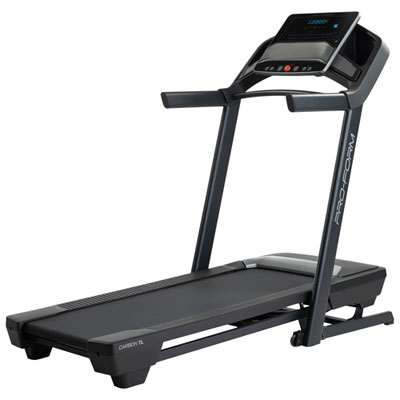 Your price for this item is $1099.98
-
 Your price for this item is $2901.98
-
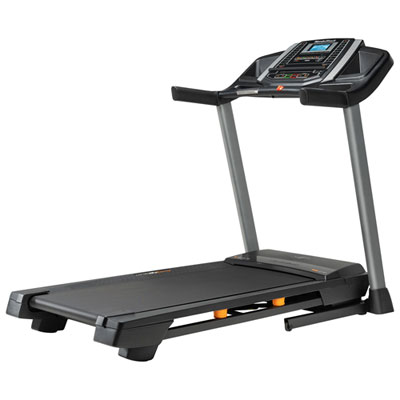 Your price for this item is $940.98
-
 Your price for this item is $1293.98
-
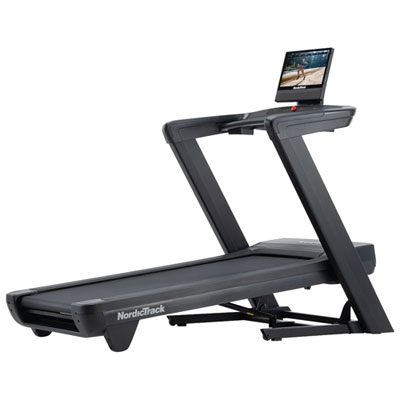 Your price for this item is $2501.98
-
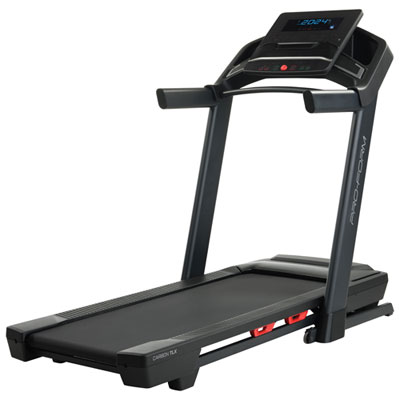 Your price for this item is $1399.99
-
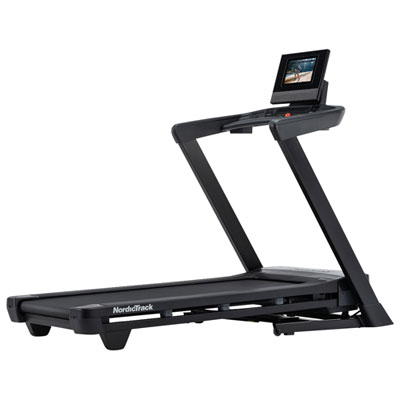 Your price for this item is $1799.99
-
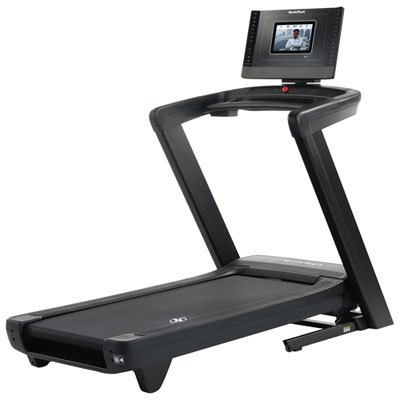 Your price for this item is $2698.98
Discover more categories related to Treadmills for Running
Top Collections:
Pokemon Centers, Kindle Devices, Best Budget Office Chairs, Canon G7X Cameras, Apple iPhones 16, Samsung Galaxy Phones, Refurbished Apple Laptops, Laptops for Students, iPhone 15 Apple, Budget Smartphones
Some products may be subject to Environmental Handling Fees
(EHF) depending on your province.
Learn more about EHFs.