Wall-Mounted Pull-Up Bars
Elevate your home fitness routine with a wall-mounted pull-up bar, the perfect addition to any workout space. Designed for easy installation and versatility, these bars help you maximize upper body strength training without taking up valuable floor space. Whether you're building a dedicated home gym or adding new equipment to your exercise area, a wall-mounted pull-up bar offers a convenient way to enhance your workouts and achieve your fitness goals. Explore a range of options to find the ideal fit for your space and training needs.
Sort


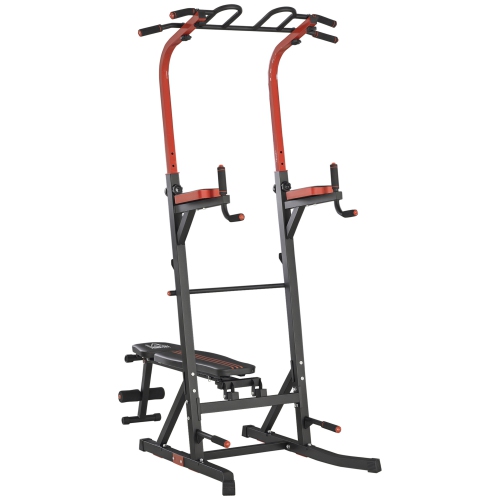
Dedicated upper-body training without a freestanding tower’s footprint
Wall-mounted pull-up bars bring a dedicated upper-body training station into a home gym without the footprint of a freestanding tower. Fixed to a suitable structural wall, they provide a stable place for pull-ups, chin-ups, controlled hangs, and other exercises supported by the bar’s design. Their main appeal is a permanent setup: there is no bar to position across a doorway before each session, and the floor beneath can remain clear between workouts. That makes them a practical fit for a basement training area, a garage gym, or a spare room where floor space also needs to accommodate a bench or exercise mat. Pull-ups primarily challenge the back and arm muscles, while maintaining a controlled body position also involves the shoulders, grip, and core. An overhand grip is commonly used for pull-ups, while an underhand grip changes the movement to a chin-up and typically increases the contribution of the biceps. Multi-grip designs add parallel handles for neutral-grip training, which some people find more comfortable for their wrists and shoulders. Straight bars offer a simpler layout with room to adjust hand spacing, while angled handles provide additional positions within a fixed frame. The best fit depends on the movements someone intends to practise rather than the number of handles alone. A person working towards a first unassisted repetition may value a comfortable grip and a setup compatible with an assistance band; an experienced lifter may place greater emphasis on usable bar width and a load rating appropriate for their training. For shoppers comparing permanent wall fixtures with doorway or freestanding formats, Pull Up Bars for Home offers a broader starting point for considering different home setups. Wall-mounted designs are particularly suited to spaces where a dedicated exercise area can stay in place, including during the cooler months when indoor workouts may become a more regular part of the routine.
A wall-mounted pull-up bar is only as dependable as its frame, mounting hardware, supporting wall, and installation together. Steel tubing is common because it provides a rigid structure, while welded joints, bracing, and mounting plates help distribute the forces created during use. Larger-looking brackets do not automatically mean a higher usable capacity, so the manufacturer’s stated load rating and installation requirements matter more than appearance. That rating also needs to suit the intended activity: a controlled bodyweight pull-up places different demands on a mounting system than swinging, kipping, or training with added weight. A high stated capacity alone does not establish that a bar is suitable for dynamic movements. Wall compatibility is especially important. Drywall alone is not an appropriate support for a pull-up bar; the mounting system must attach to a structural substrate approved by the manufacturer, such as suitable wood studs or specified masonry. Concrete, solid brick, hollow block, and other wall constructions are not interchangeable, and each can require different anchors and assessment. Included hardware is not necessarily suitable for every wall. In a finished basement, the surface may conceal framing whose spacing does not match the mounting plates; in a garage, visible masonry still needs to be checked for condition and compatibility. Professional installation is a sensible option when the wall structure or fastening requirements are uncertain. Fit also includes the space around the bar. Wall clearance affects whether the body can travel through an exercise without knees, feet, or elbows contacting the wall, while overhead clearance must allow the head to rise above the bar during a full pull-up. More demanding movements need additional space and explicit support from the equipment’s specifications. A high ceiling does not compensate for inadequate wall projection, and a long projecting bracket does not solve a low ceiling. Bar height, reach from the floor, nearby shelving, garage door tracks, and the room needed for a stable step platform all influence how comfortably the station works in daily use.
Grip feel and everyday upkeep make a noticeable difference once a pull-up bar becomes part of a regular routine. Bare metal, textured finishes, rubberized grips, and padded handles each have a distinct feel in the hand. A textured surface can improve purchase, although aggressive texture may feel rough during longer sets. Padded grips may feel softer but need attention as they wear, loosen, or compress. Bar diameter matters as well: a thicker bar can place greater demands on grip strength, while a diameter that suits the user’s hands may make controlled repetitions more comfortable. Usable width should allow the intended hand positions without forcing an awkward reach around brackets or angled sections. Powder-coated finishes help protect steel surfaces from everyday wear, but chips, scratches, and persistent moisture can leave exposed areas vulnerable to rust. This is worth considering in an unheated garage where temperature changes can lead to condensation. Wiping away sweat with a soft cloth, following the manufacturer’s cleaning directions, and keeping grip surfaces free of oily residue help maintain a secure feel. Periodic checks of fasteners, welds, handles, and the surrounding mounting area are also part of owning permanently installed exercise equipment. New movement at the brackets, cracking around anchors, or a shifting grip warrants stopping use until the cause has been addressed. For everyday training, these bars suit people who enjoy bodyweight strength work, lifters adding a pulling movement to their home routine, and active household members sharing a dedicated workout space. Resistance bands, suspension accessories, or hanging attachments should only be used where the bar manufacturer permits them, since extra attachments can change how force is applied. As a gift for a fitness enthusiast, a wall-mounted bar is most useful when the recipient has confirmed both a suitable installation location and permission to alter the wall. A well-matched setup brings together comfortable hand positions, sufficient movement space, appropriate structural support, and straightforward care, making the bar a practical fixture for steady, repeatable home training.
Top selling and popular products
-
 Your price for this item is $2135.99
-
 Your price for this item is $249.99
-
 Your price for this item is $767.98
-
 Your price for this item is $1499.99
-
 Your price for this item is $815.99
-
 Your price for this item is $209.98
-
 Your price for this item is $603.99
-
 Your price for this item is $868.99
Discover more categories related to Wall-Mounted Pull-Up Bars

Top Collections:
Pokemon Centers, Best Cameras for Sports Photography, Kindle Devices, Samsung Galaxy Phones, Canon G7X Cameras, Pokémon 30th Celebration Cards, Refurbished Apple Laptops, iPhone 15 Apple, Laptops for Students, Budget Smartphones
Some products may be subject to Environmental Handling Fees
(EHF) depending on your province.
Learn more about EHFs.