Wireless Monitoring Systems
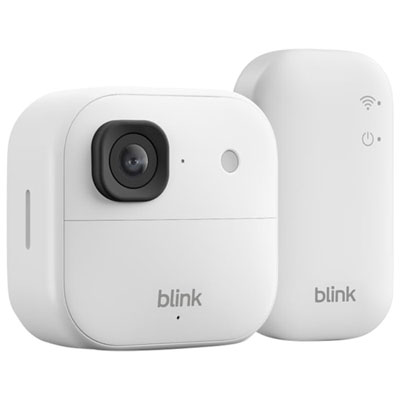
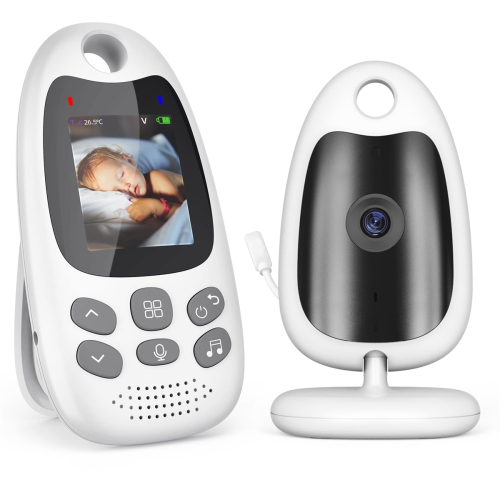
Transform your home or office into a secure and connected space with our range of wireless monitoring systems. Keep a watchful eye on your property, loved ones, or valuable assets with these cutting-edge solutions that offer peace of mind and convenience. Whether you're looking for a comprehensive home security system, a baby monitor to ensure your little one's safety, or surveillance cameras to monitor your business premises, our selection of wireless monitoring systems has you covered. Explore our wide range of options and find the perfect solution to meet your unique needs.
Sort


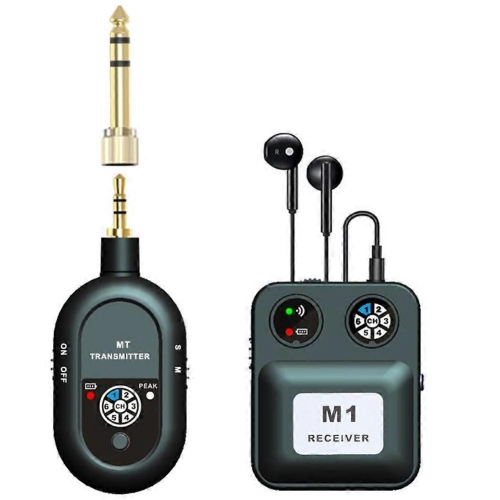
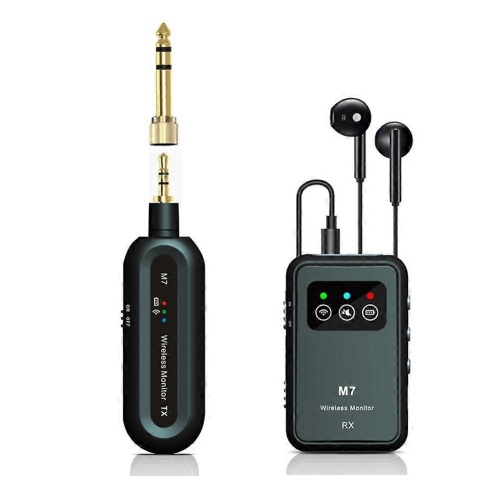
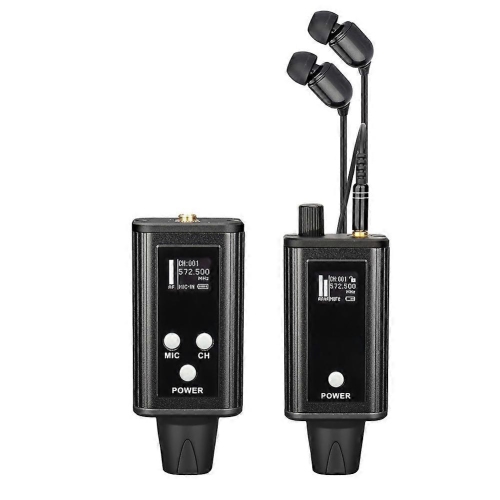
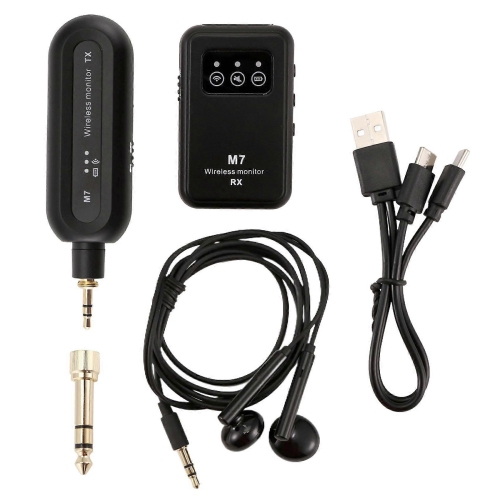
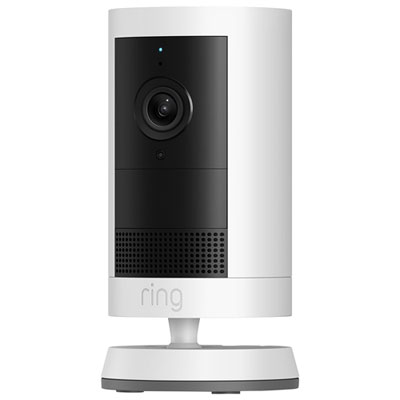
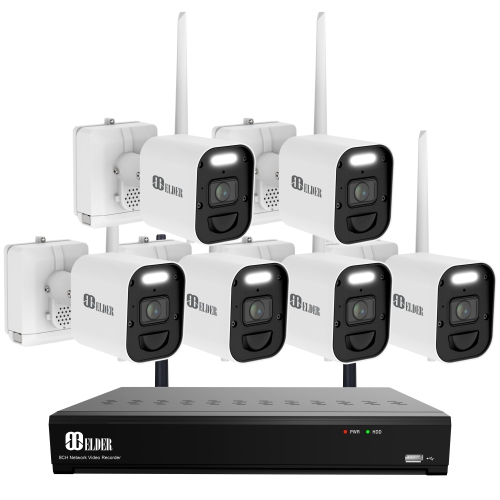
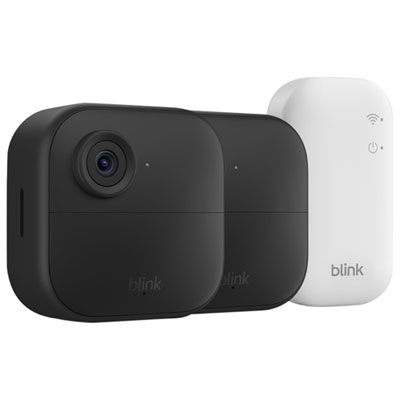
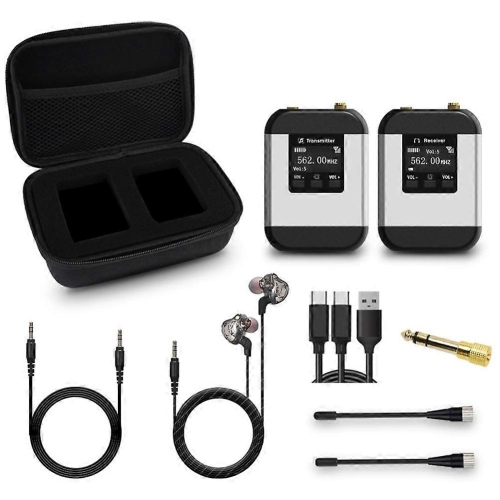
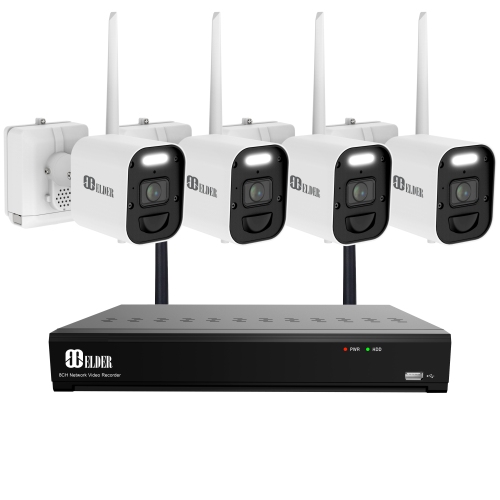

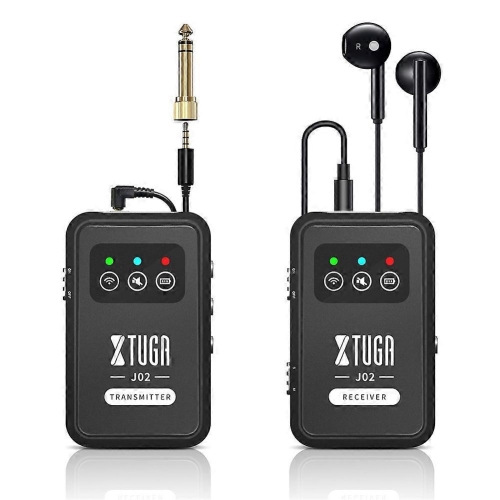

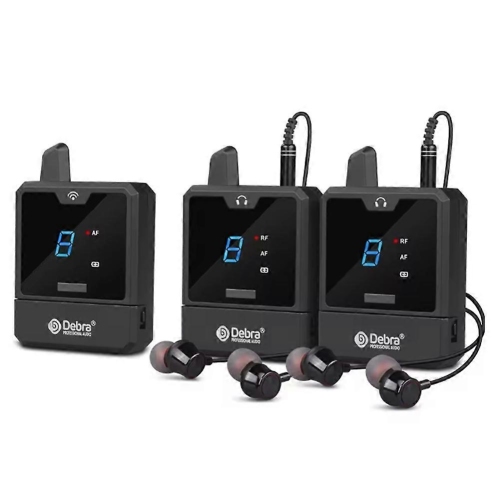
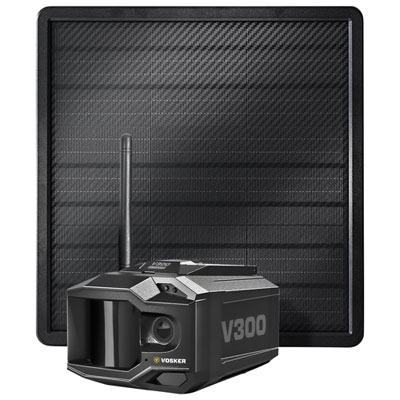
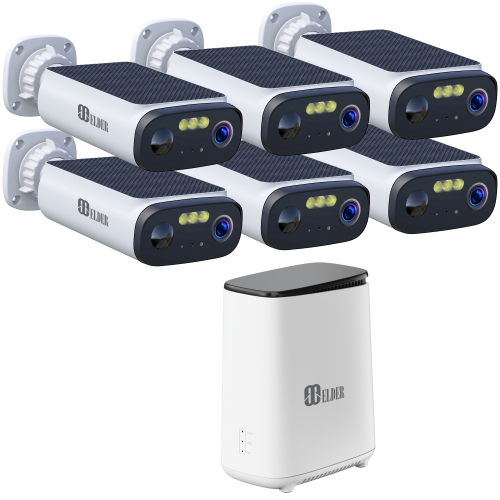
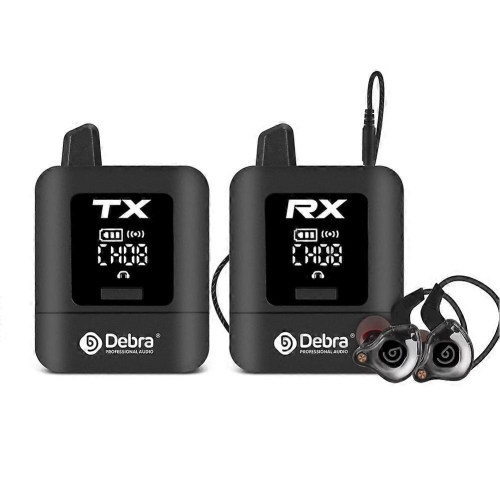
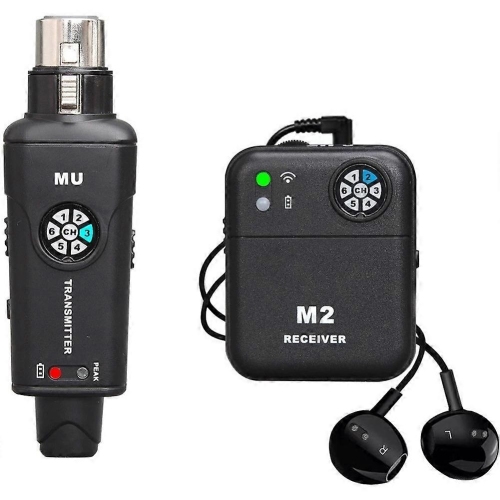



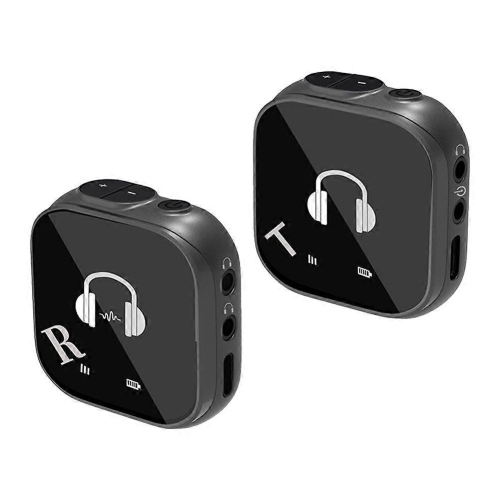
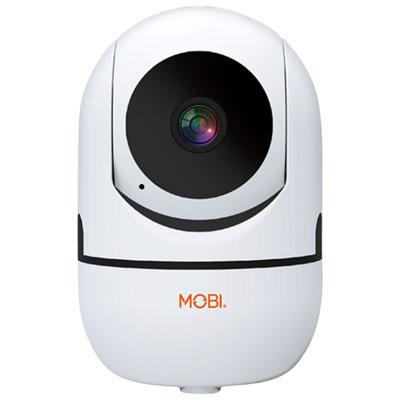
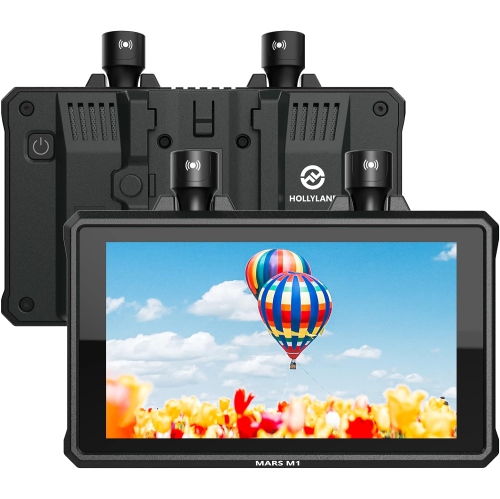
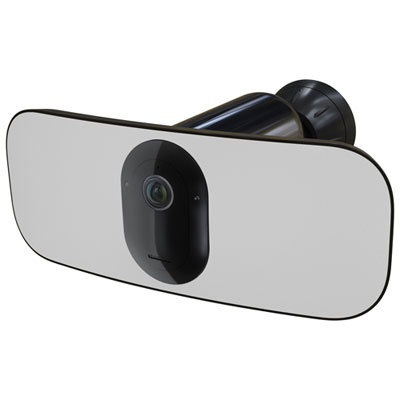
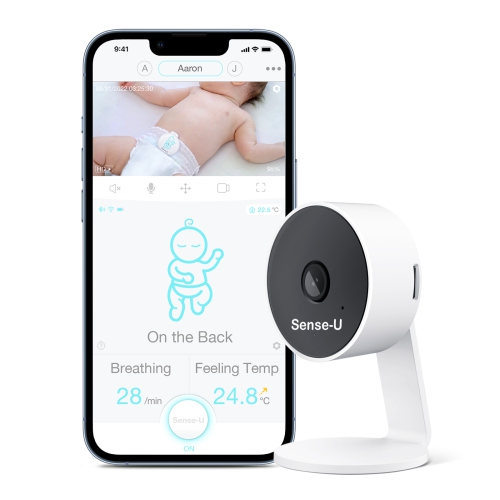
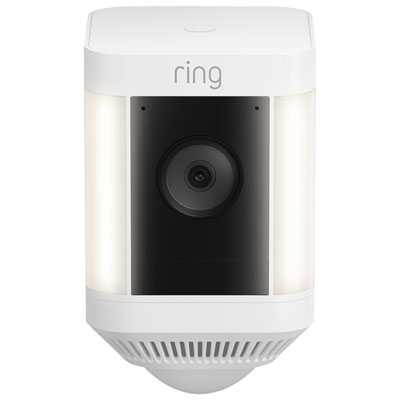
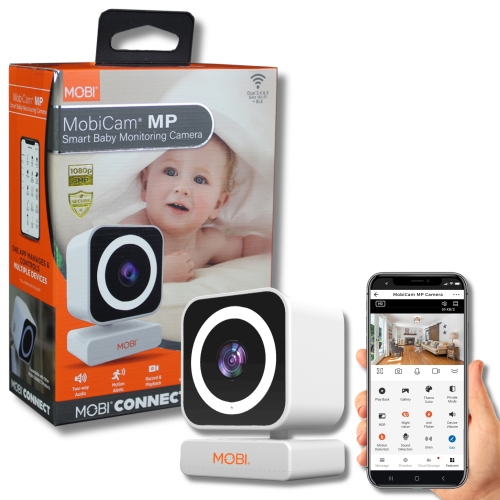


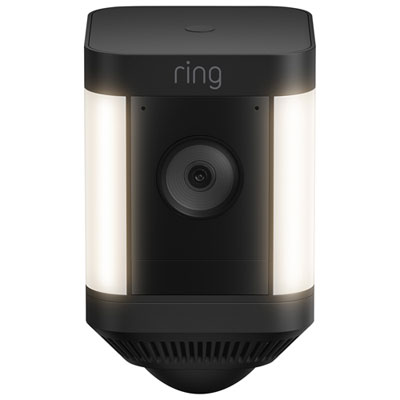
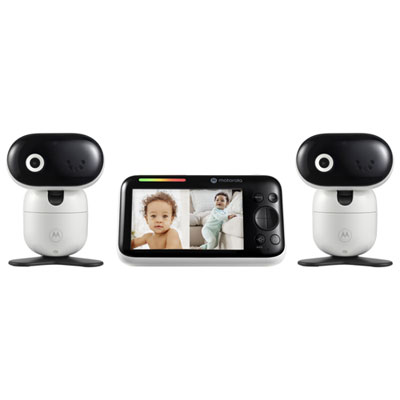
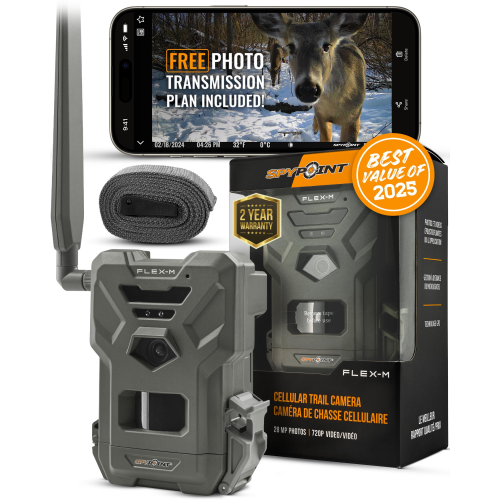
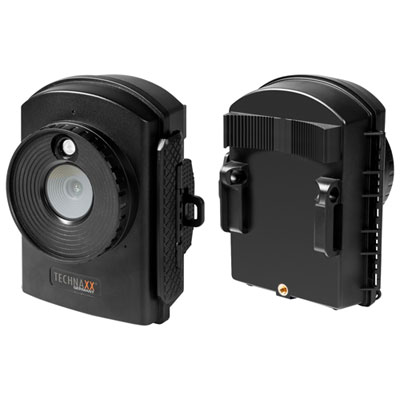
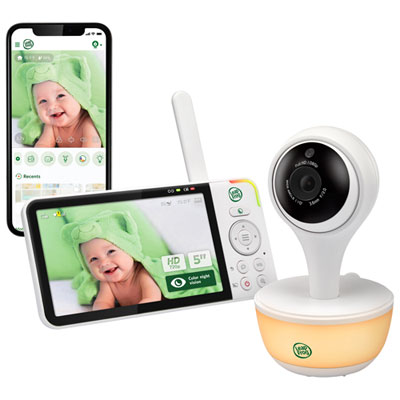
















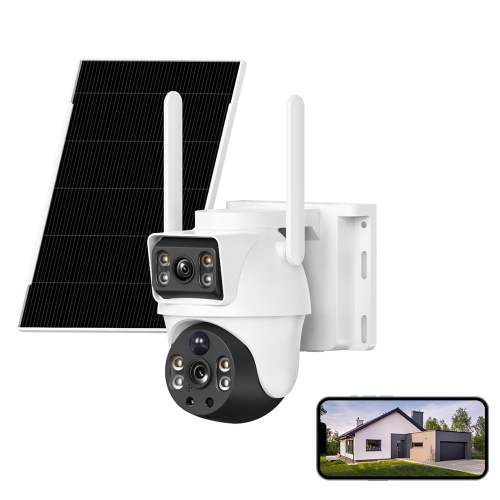


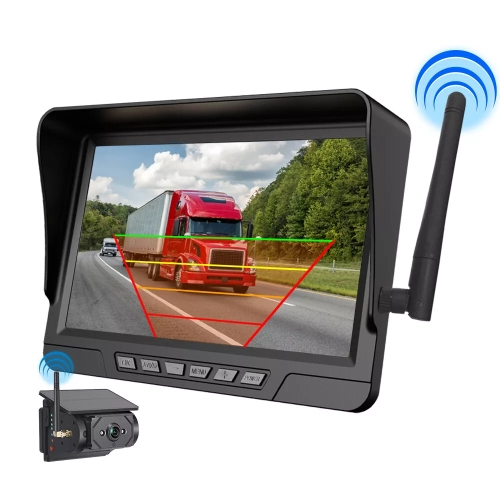

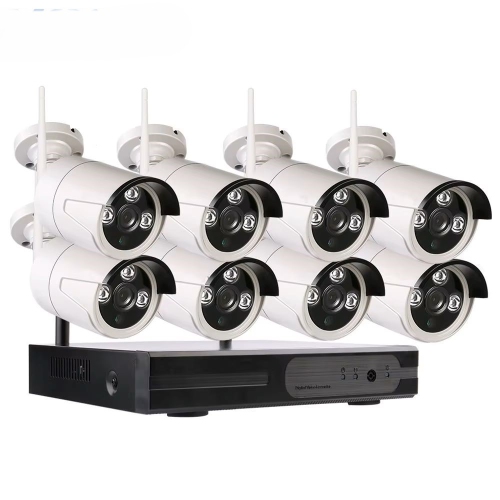




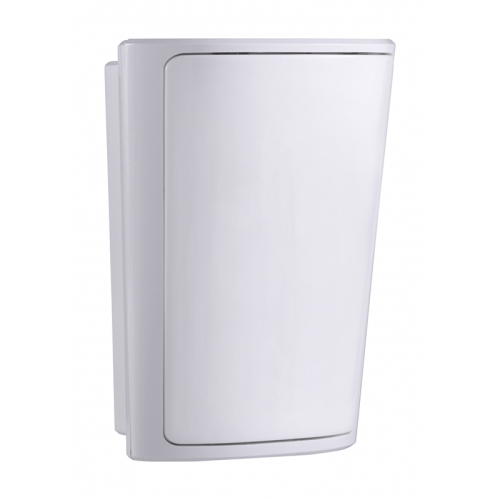


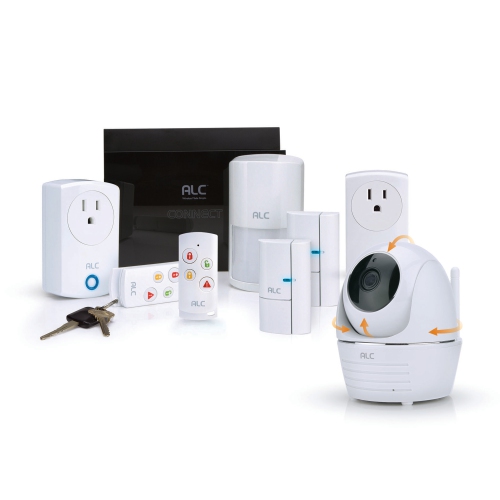
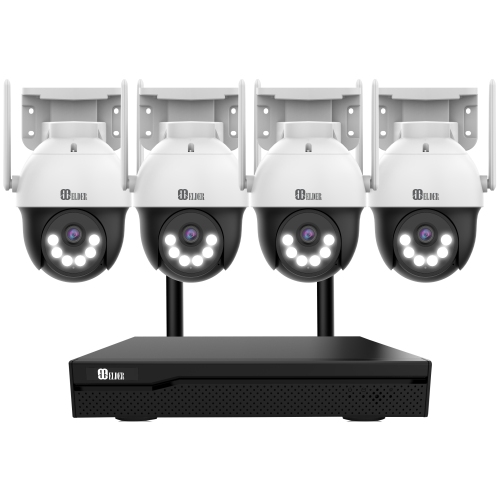
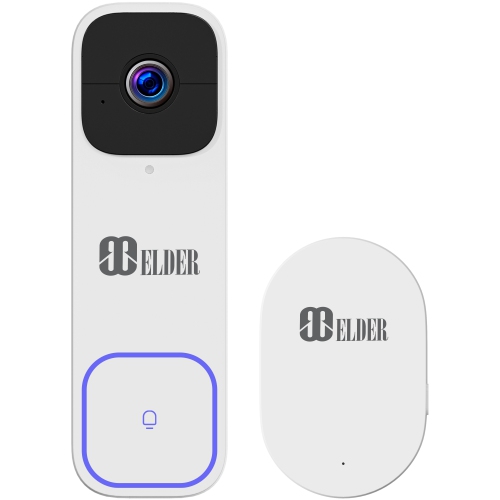

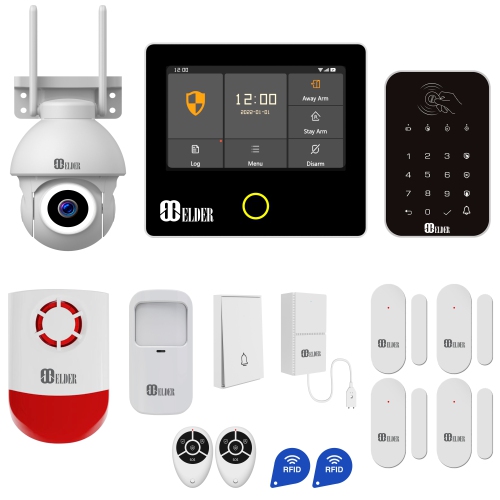
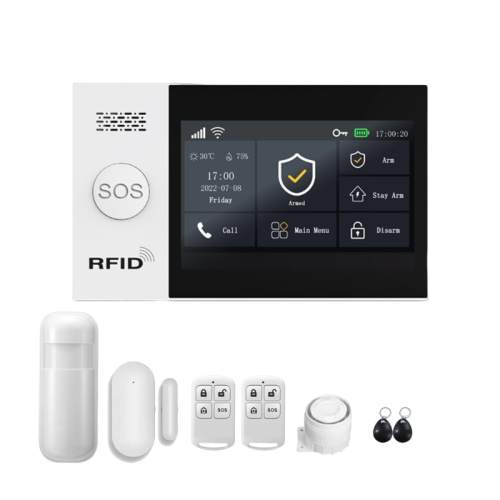

Sound and picture feeds with more freedom to move
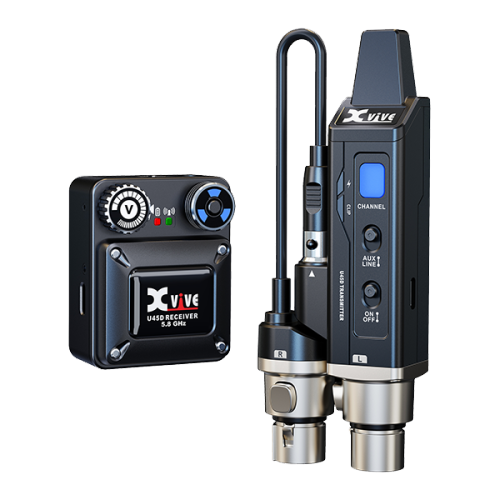
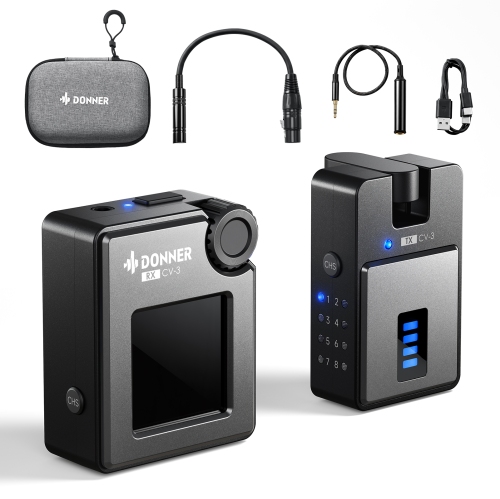
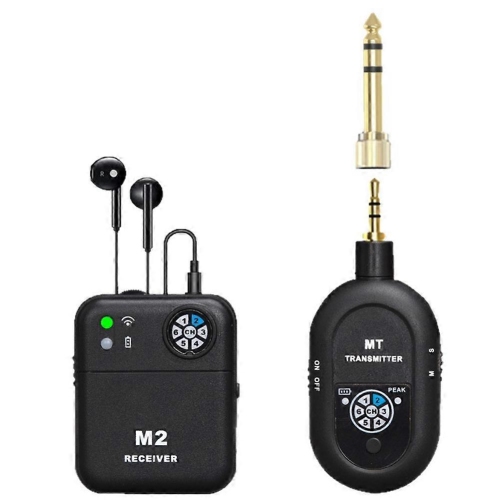
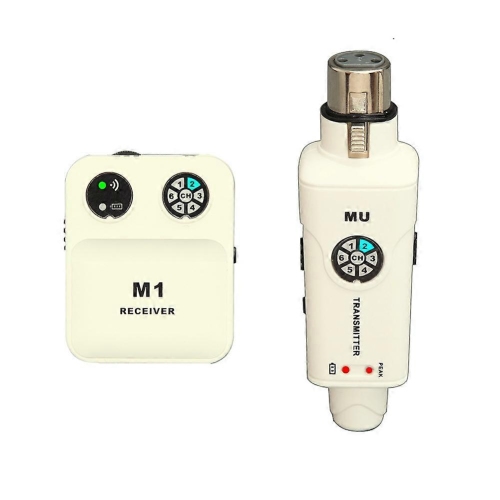
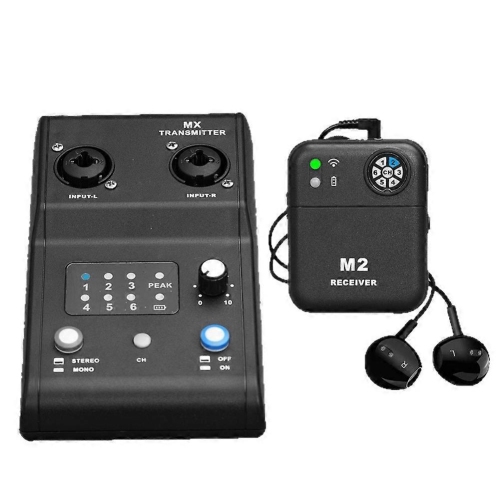
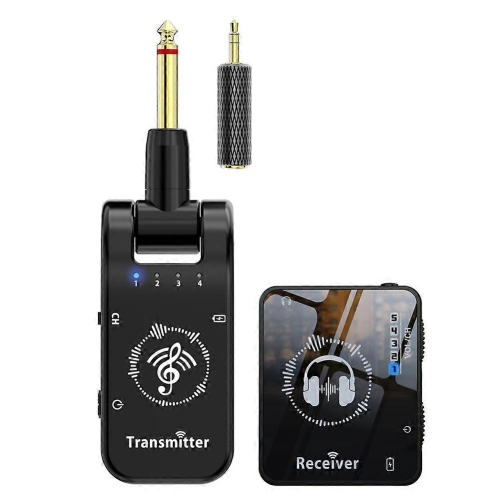
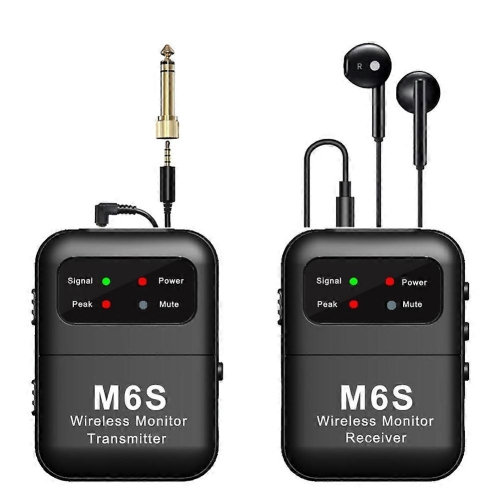
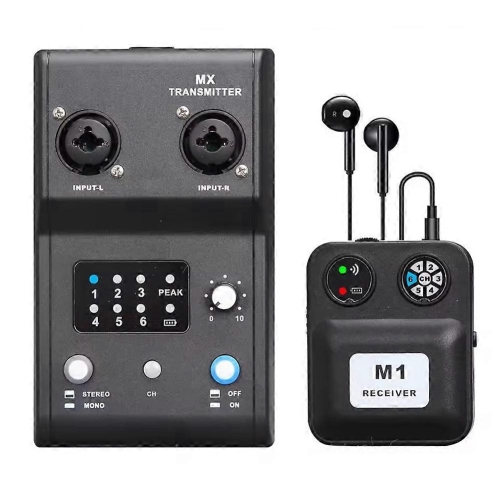
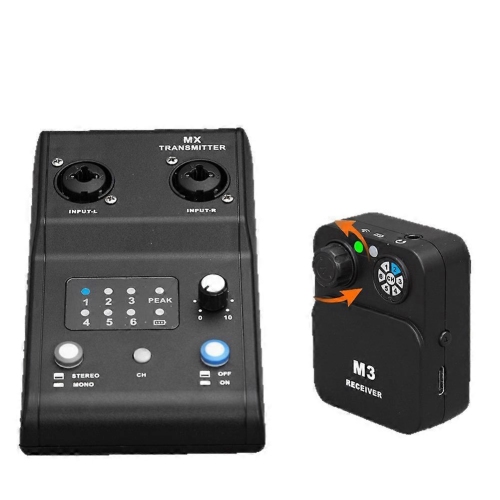
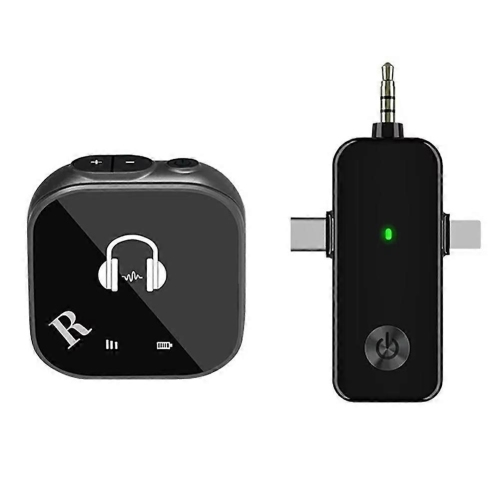
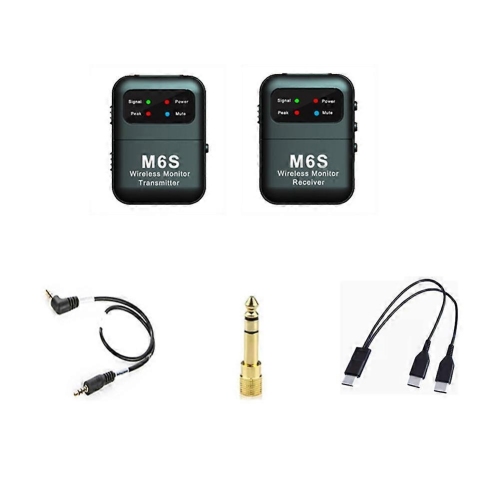
Wireless monitoring systems transmit an audio or video feed from a source to a compatible receiver, letting someone listen or view without a signal cable running between those points. In live sound, the term commonly refers to wireless in-ear monitoring systems, which send a monitor mix from a mixing console to a bodypack receiver and connected earphones. In video production, it can describe a transmitter and receiver setup that carries a camera feed to a separate display, or a monitor with wireless receiving functions built in. These uses share a practical benefit: greater freedom to move while keeping important sound or picture details close at hand. For a vocalist moving across a stage, an in-ear mix can make it easier to follow their voice alongside the instruments they need to hear. A drummer may need a clear click track and bass line, while a keyboard player may prefer more vocals and less percussion. The mix comes from the connected audio equipment; a wireless link delivers it rather than automatically creating a separate balance for every performer. On a filming set, a wireless picture feed lets a director watch framing away from the camera operator, or gives a client a view without gathering everyone around a small camera screen. Musicians, presenters, audio technicians, camera crews, and content creators can all use wireless monitoring, but their requirements differ enough that audio and video systems are not interchangeable. The distinction also matters when comparing a complete system with a transmitter, receiver, or monitor sold as an individual component. A functioning setup needs compatible parts, suitable connections, and power for each device. Wireless describes the transmission link, not necessarily the whole installation: an audio transmitter may still connect to a mixer by cable, earphones usually plug into a bodypack, and a video receiver may need a cable to its display. Understanding that signal path helps clarify what the system will do in a rehearsal room, performance venue, studio, or production space.
For wireless in-ear monitoring systems, the most useful differences often involve mix control, radio performance, earphone fit, and the way the receiver feels during a full session. A stereo system can preserve left-and-right placement in a mix when the source and connections support it. Mono operation delivers a single-channel feed, while some systems offer a dual-mono or balance function that allows a performer to adjust the relationship between two feeds. Those functions vary, so the number of input sockets alone does not establish how much personal control is possible. Input type and level also need to suit the mixer’s outputs; a headphone output and an auxiliary line output are not automatically equivalent connections. Latency is another consideration, particularly when a singer hears their own voice through the system or a player follows a tightly timed rhythm part. Lower transmission delay generally supports more immediate monitoring, although the total delay also includes other equipment in the audio chain. Wireless range depends on placement, obstacles, nearby radio activity, and the system’s design, rather than distance alone. A clear path between antennas can help, while walls, metal structures, and people may affect reception. For several performers sharing a stage, compatible channel planning matters just as much as the stated operating range. Equipment should use frequencies permitted for its intended operation in Canada, and multiple receivers do not necessarily provide multiple independent mixes. Some compatible receivers can share one transmitter’s feed, while separate mixes may require additional transmission channels and mixer outputs. Physical comfort deserves equal attention. A secure bodypack clip keeps the receiver from shifting on a waistband or strap, and accessible controls make small adjustments easier between songs. Silicone or foam ear tips can provide different fits and levels of isolation; a proper seal supports consistent bass response without relying on excessive volume. Earphones that sit comfortably beneath hair, glasses, or a hat are more likely to stay comfortable through rehearsals and performances. Isolation does not make high listening levels safe, so sensible volume settings and breaks remain important even when the sound feels clear.
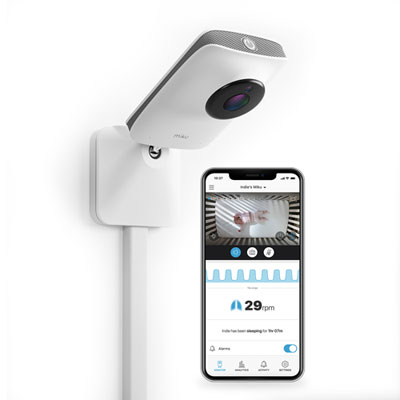
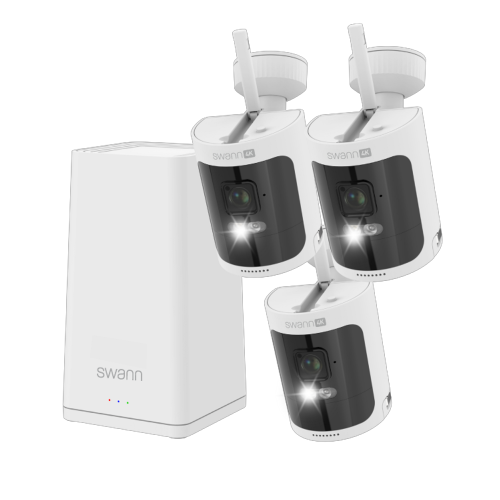
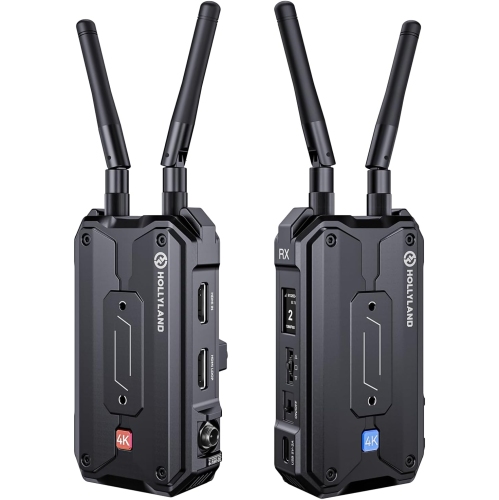
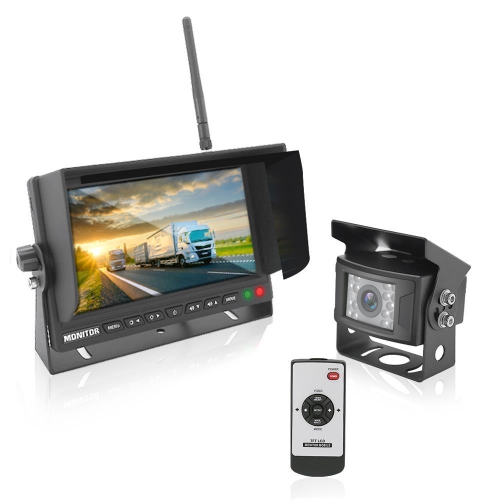
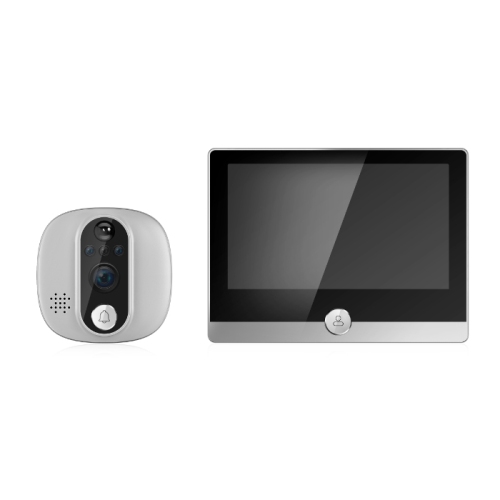
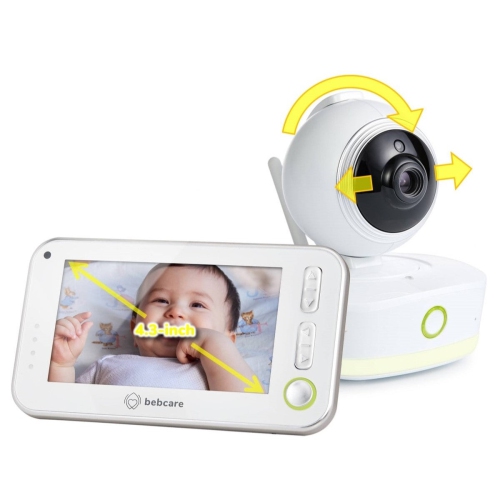
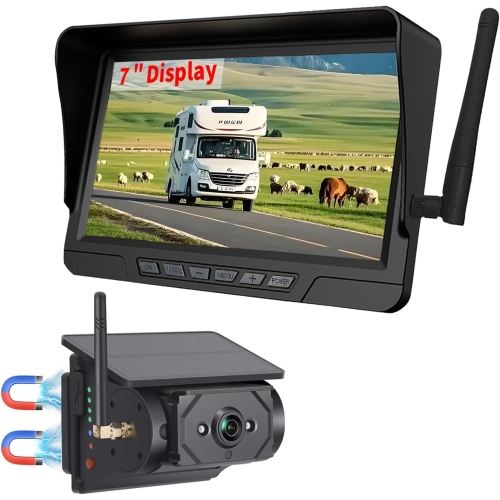
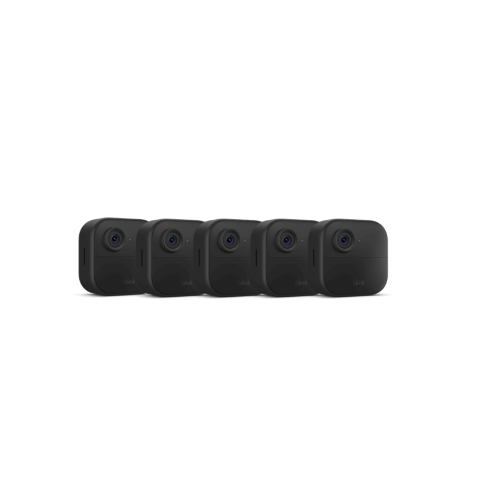
Wireless video monitoring systems bring a different set of considerations, centred on signal compatibility, picture visibility, delay, and mounting. Camera output resolution and frame rate need to match what the transmitter accepts, and the receiver’s output must suit the connected monitor. A system’s supported transmission resolution is not always the same as a display’s native resolution. HDMI and SDI connections serve different workflows, and adapters do not guarantee that every format or camera function will pass through. A clear, responsive feed can help with composition and timing, but critical focus work may require closer attention to transmission quality, compression, and latency. Viewing tools such as focus peaking, exposure aids, and image magnification are useful when supported by the monitor; they are not inherent to every wireless link. Screen size and brightness affect how comfortably someone can assess a shot, while viewing angle matters when several people share a display. A handheld monitor benefits from manageable weight and secure grips, whereas a camera-mounted setup needs suitable mounting points and careful cable routing so connectors are not pulled during movement. Some systems support viewing on compatible mobile devices, but app requirements, connection limits, and delay can differ from dedicated receiver arrangements. Monitoring should also be distinguished from recording: receiving a live picture does not necessarily mean the display can save footage. Property surveillance is another distinct use, with priorities such as camera coverage, alerts, and access to saved footage; Video Monitoring Systems can be relevant when that is the intended application. Across audio and production-video setups, durable housings, protected connectors, and replaceable batteries or supported external power can make daily handling easier. Metal and moulded plastic housings each offer different weight and construction characteristics, so material alone does not establish durability. Regular care includes wiping housings with a suitable soft cloth, cleaning ear tips according to their instructions, checking cables and antenna fittings, and storing components in a protective case. These practical details help keep a monitoring setup comfortable to use, straightforward to transport, and suited to the work it needs to support.
Top selling and popular products
-
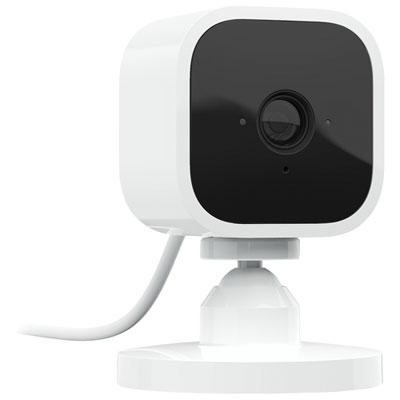 Your price for this item is $14.97
-
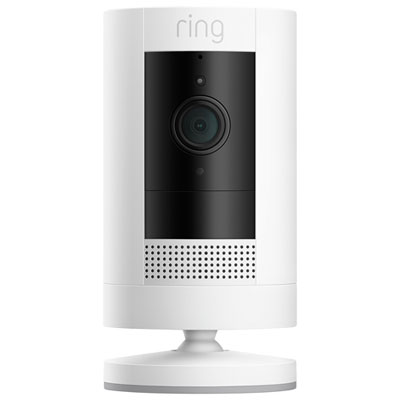 Your price for this item is $109.99
-
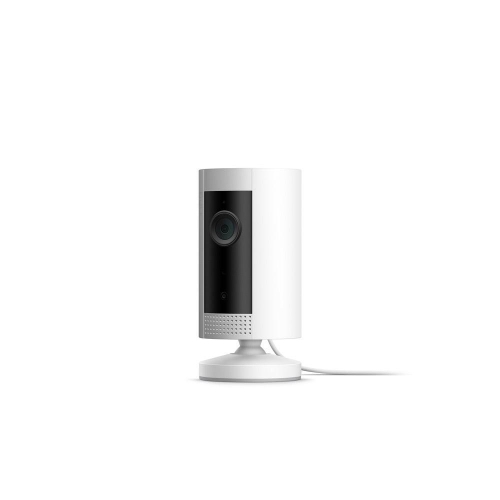 Your price for this item is $79.25
-
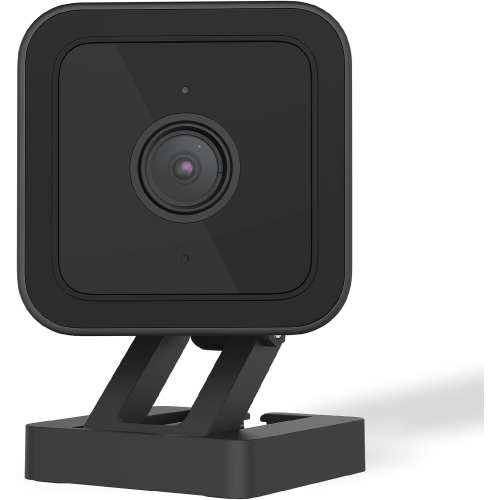 Your price for this item is $95.99
-
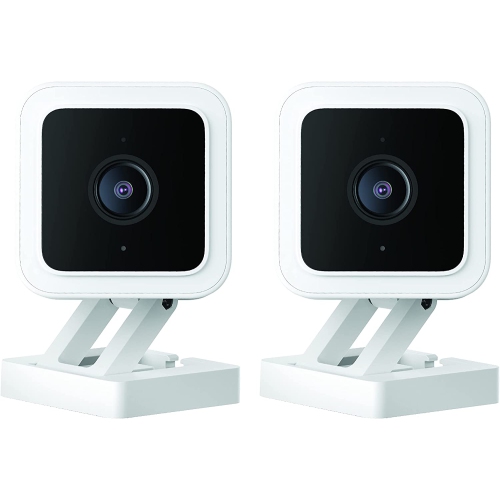 Your price for this item is $110.48
-
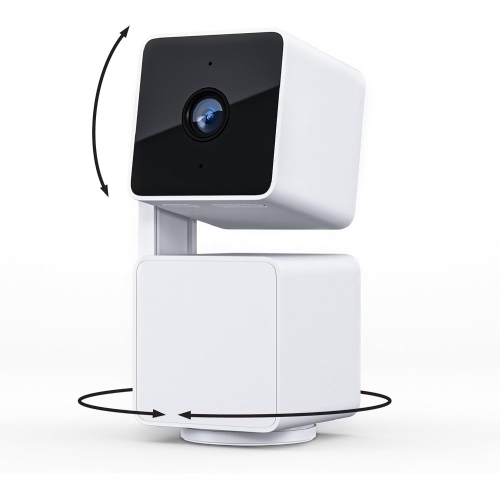 Your price for this item is $110.99
-
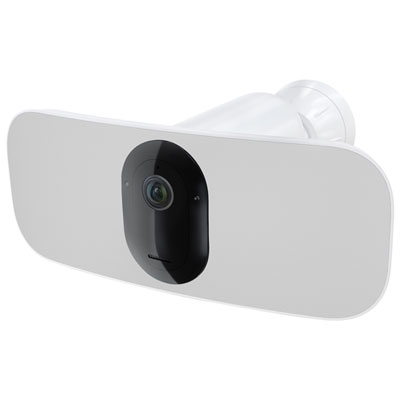 Your price for this item is $329.95
-
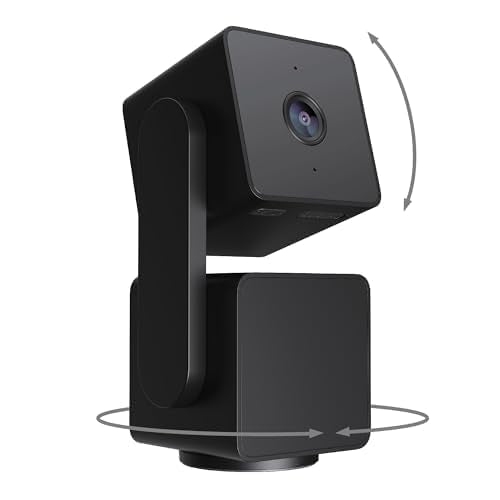 Your price for this item is $105.99
Discover more categories related to Wireless Monitoring Systems
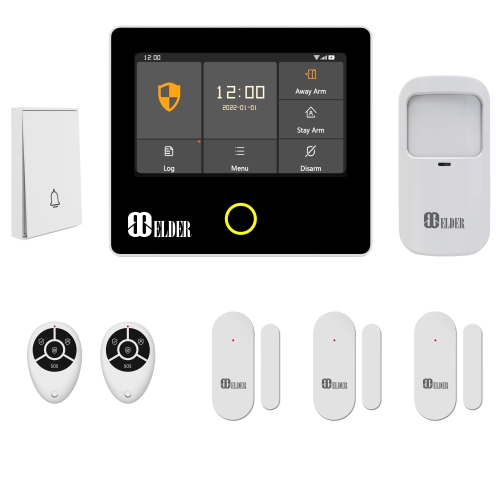
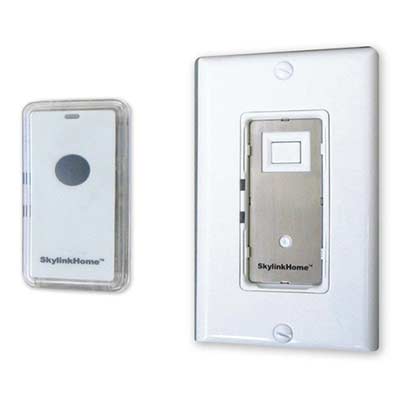
Top Collections:
Pokemon Centers, Kindle Devices, Best Cameras for Sports Photography, Pokémon 30th Celebration Cards, Apple iPhones 16, Canon G7X Cameras, iPhone 15 Apple, Flip Phones, Samsung Galaxy Phones, Alarm Clock
Some products may be subject to Environmental Handling Fees
(EHF) depending on your province.
Learn more about EHFs.