Wireless Home Control Systems
Wireless home control systems are a great way to make your home more convenient. They can help you turn on the lights, heat, or air conditioner from anywhere in your house or even outside. They are also easy to use and can be programmed to suit your lifestyle. Here are some great options available on the market.
Sort

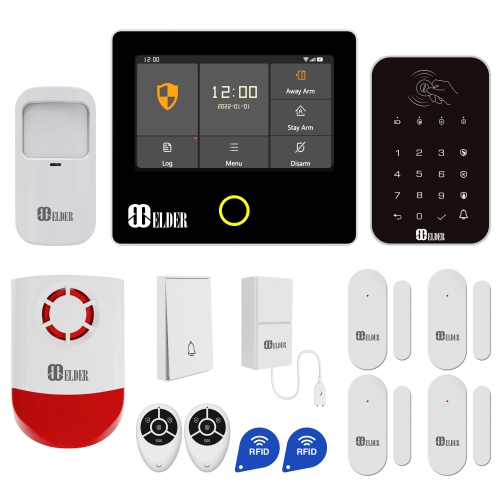
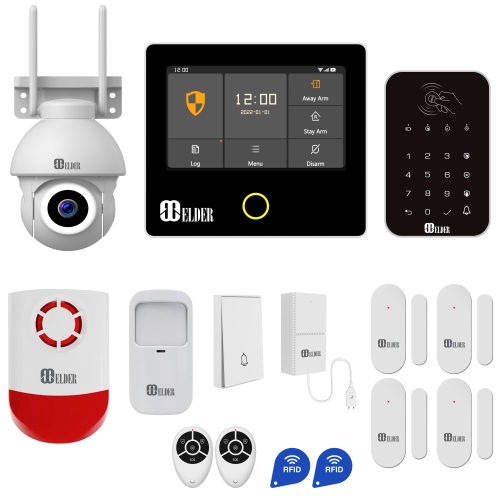
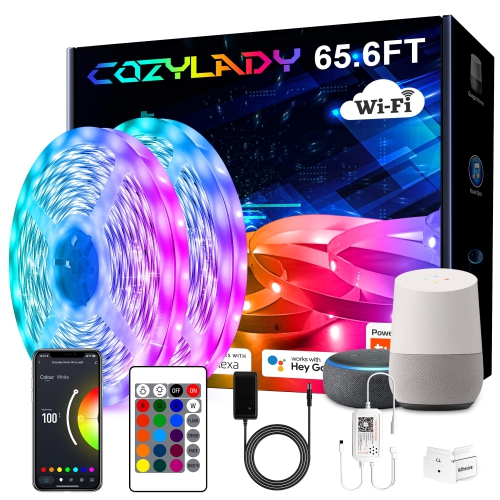
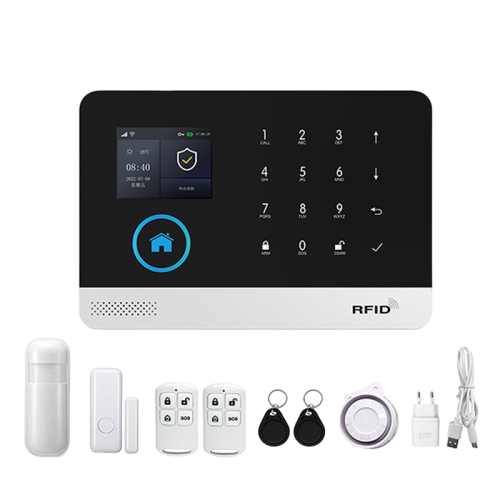
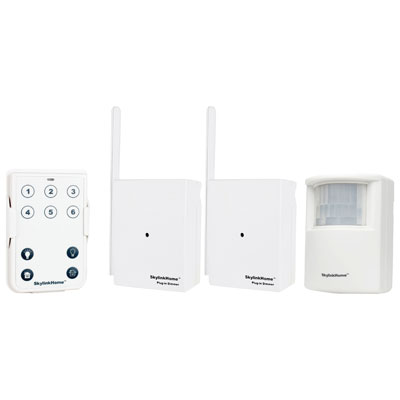
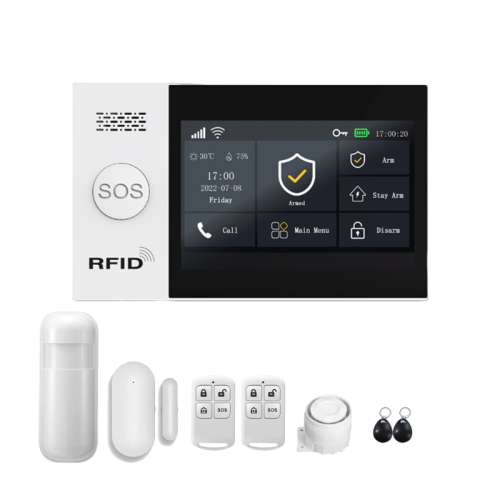
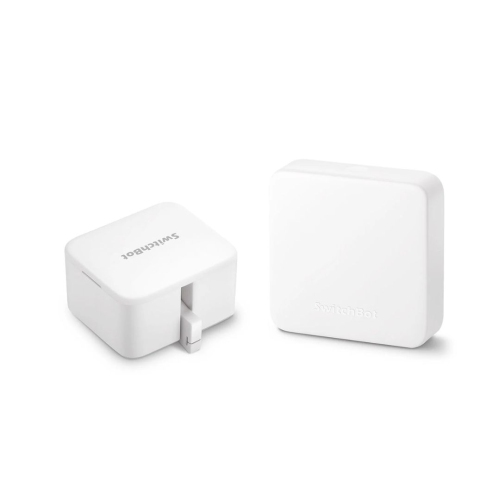
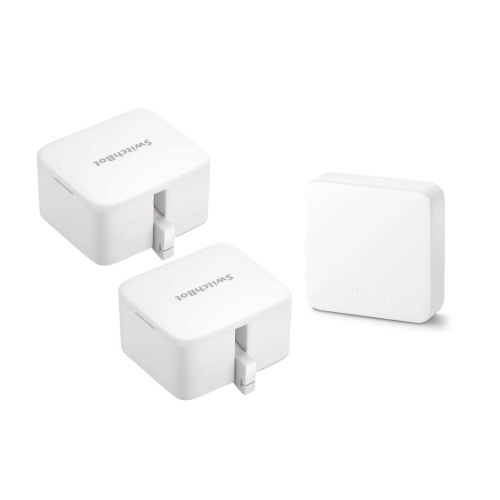
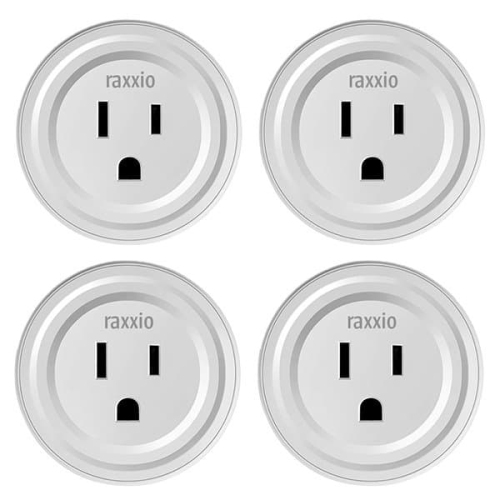
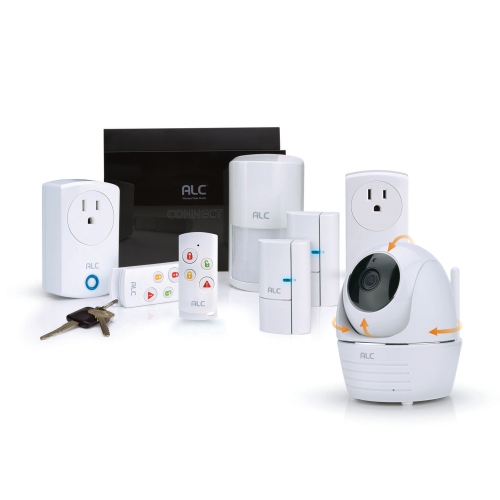
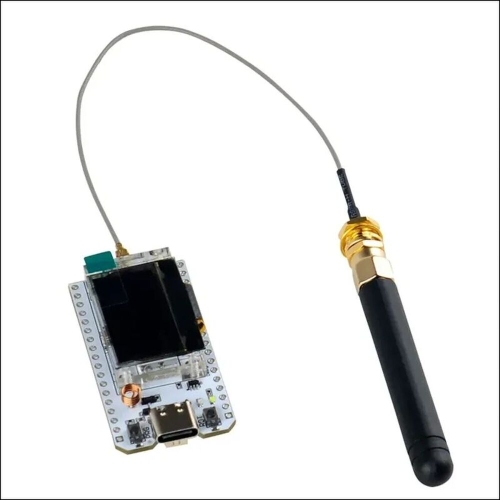
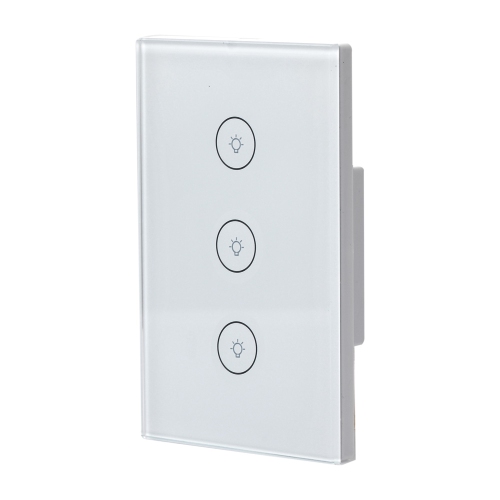
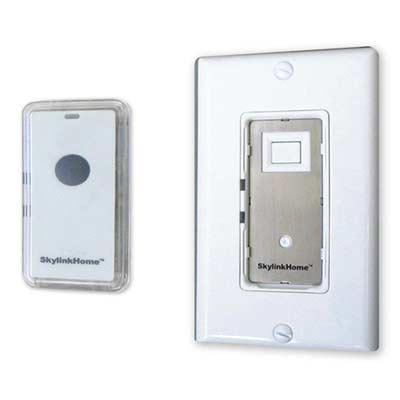
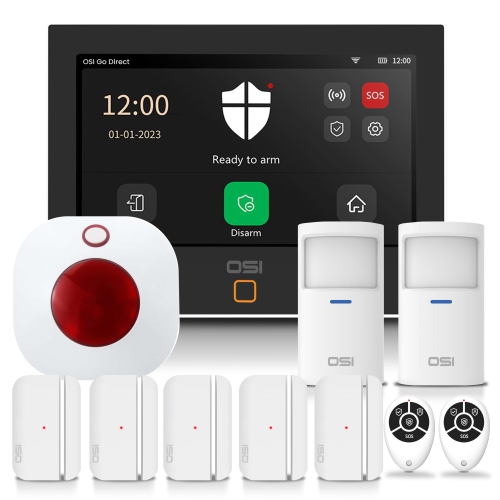
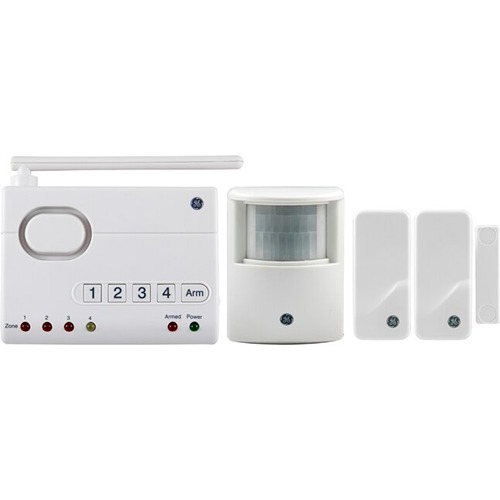
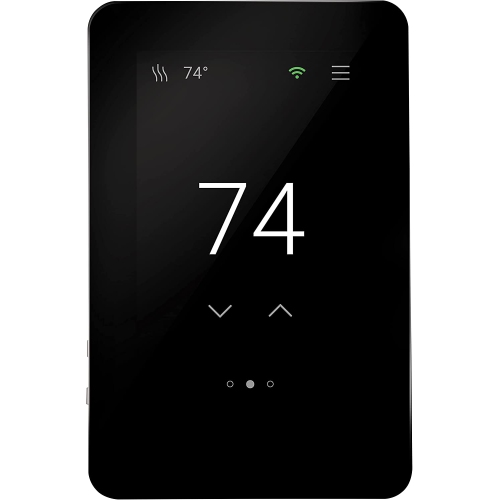
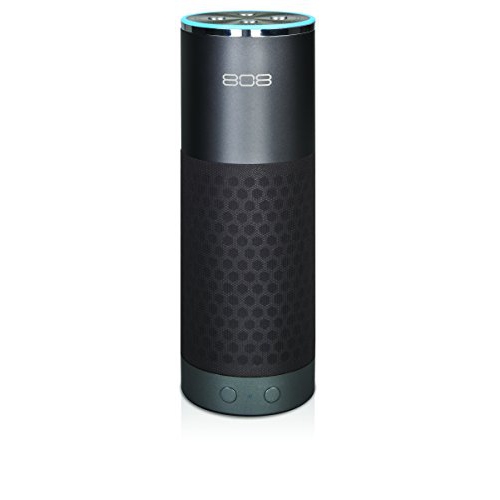
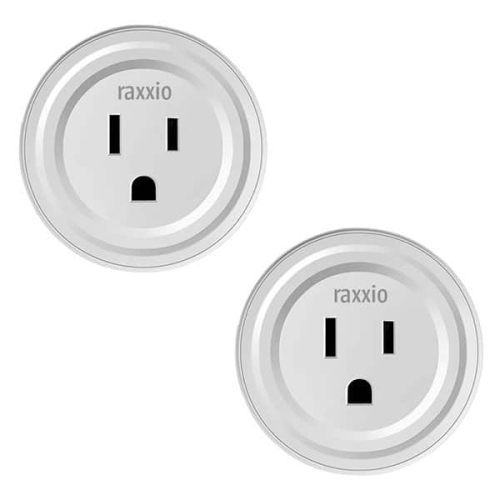
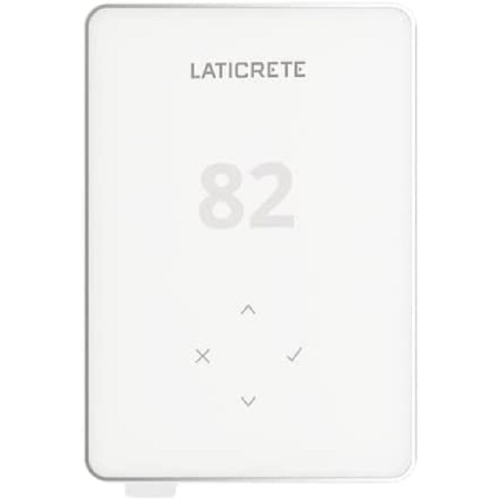
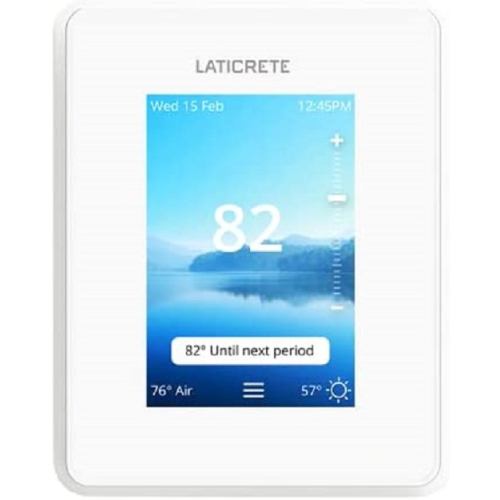
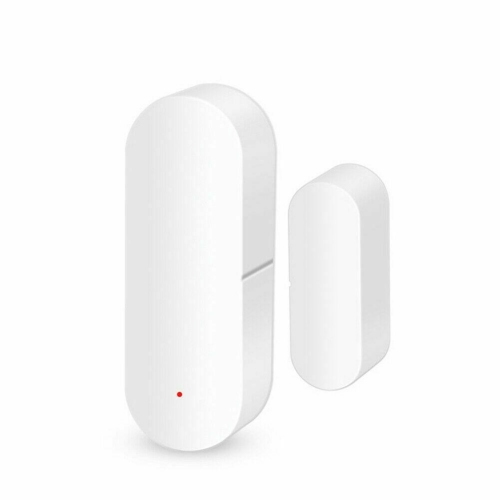
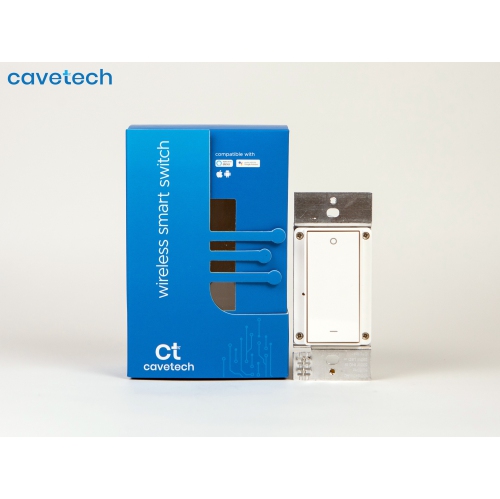
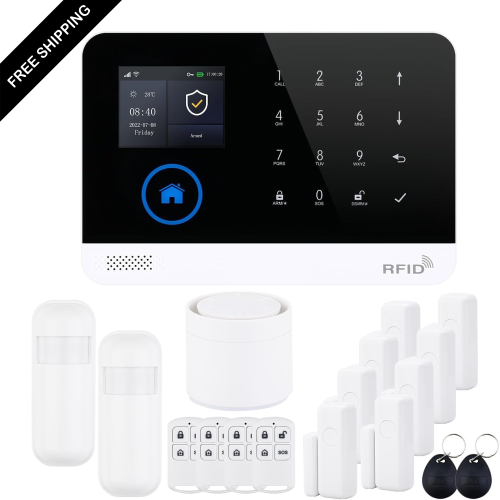
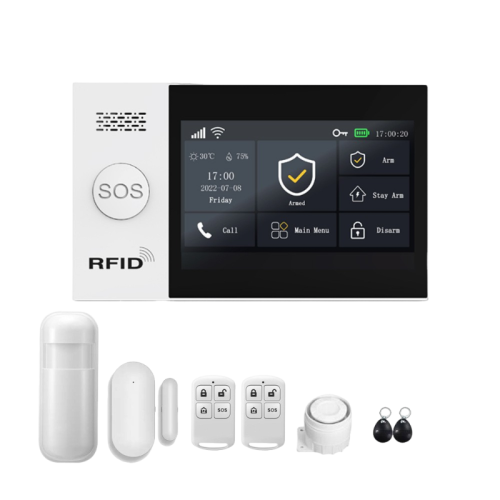
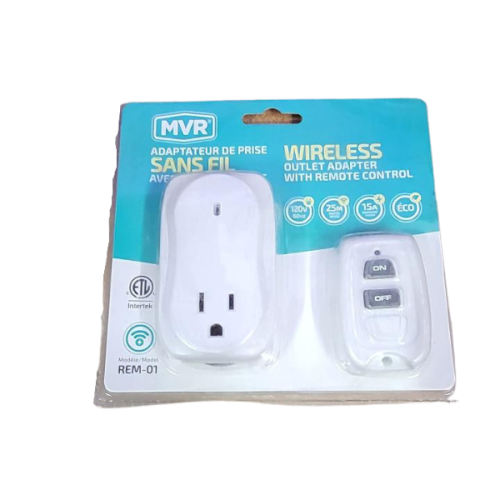
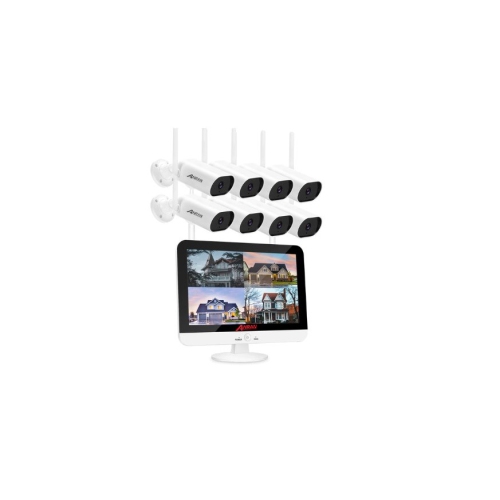
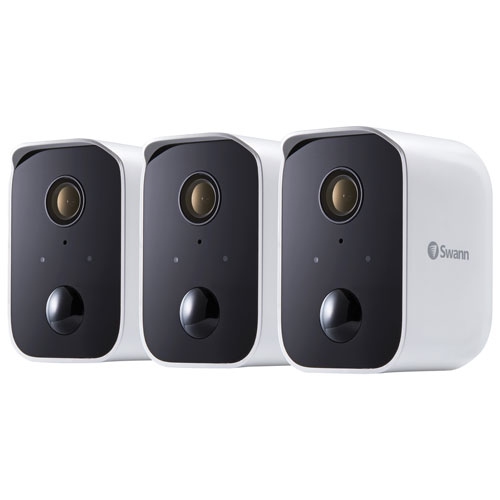
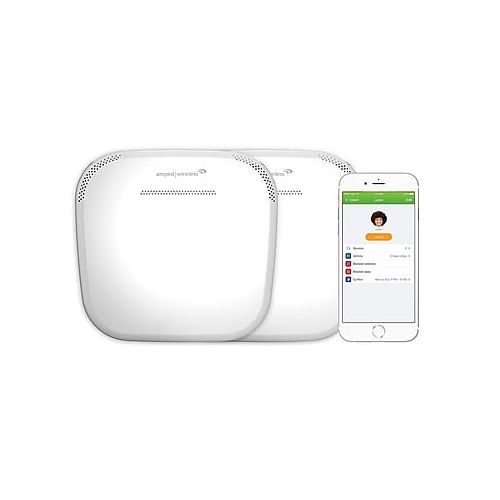
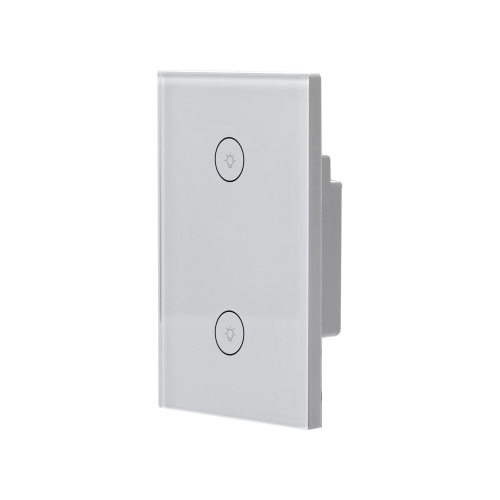
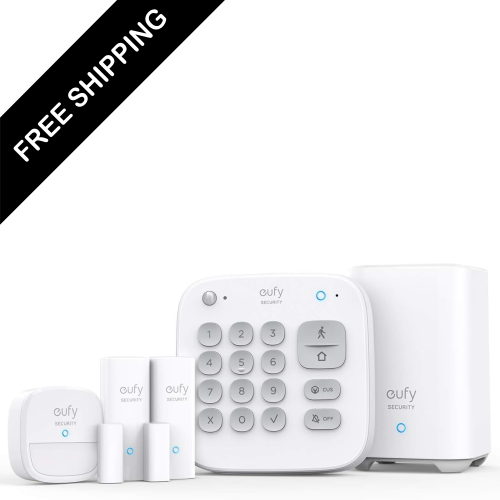
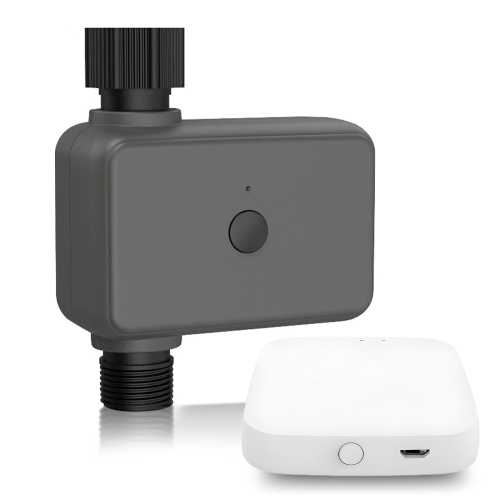
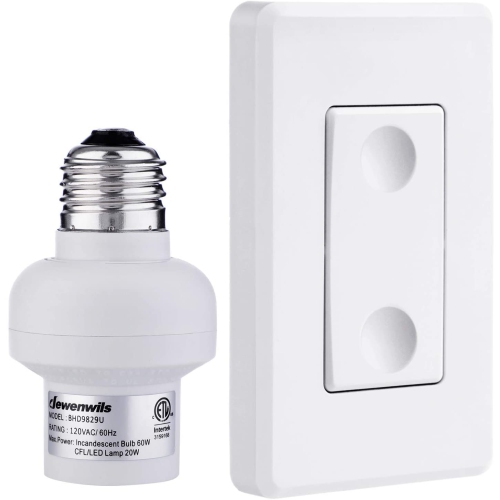
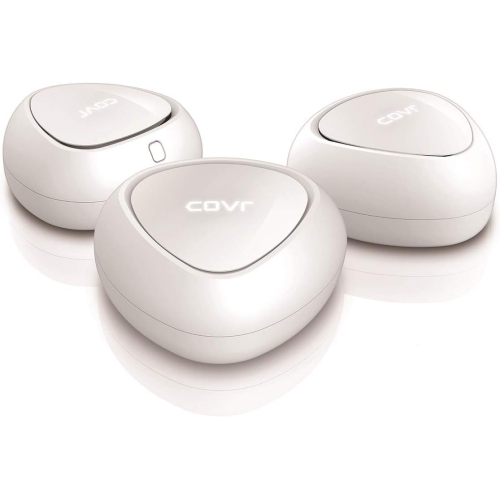
Understand compatibility, control options, and wireless setup considerations
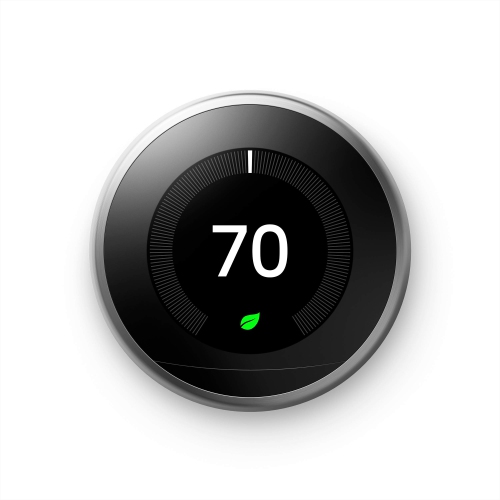
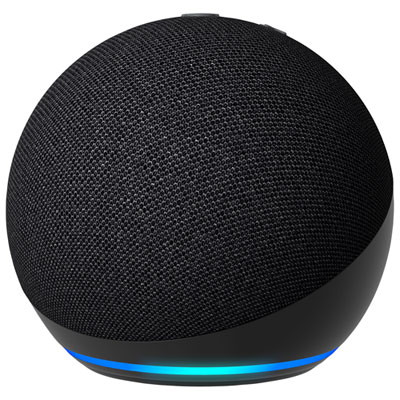
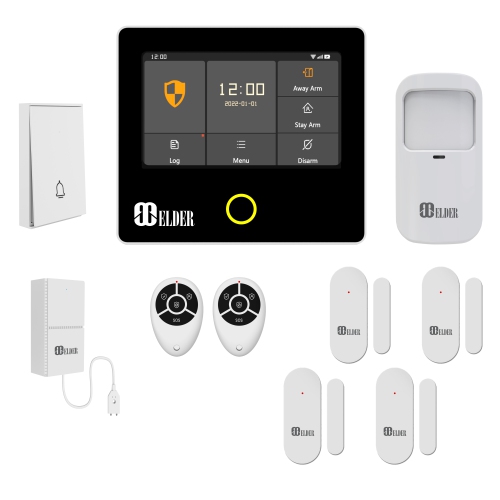
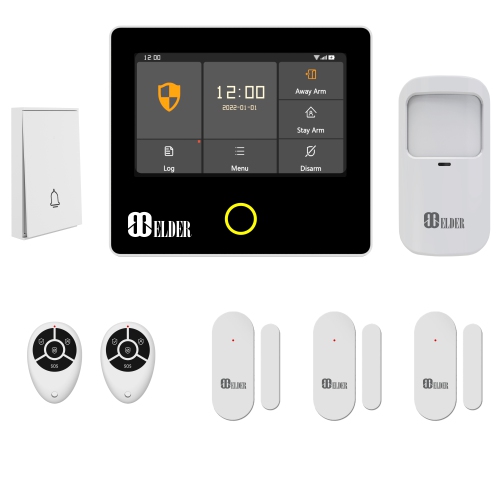
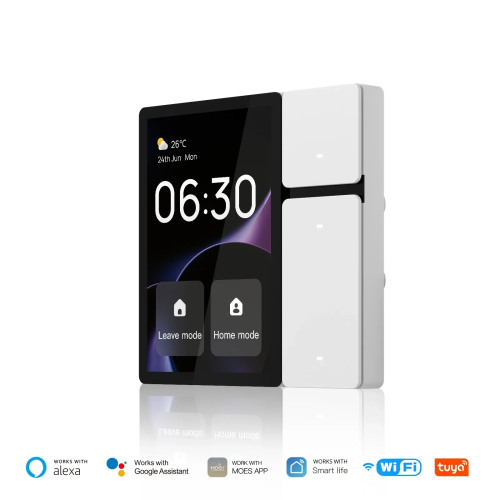
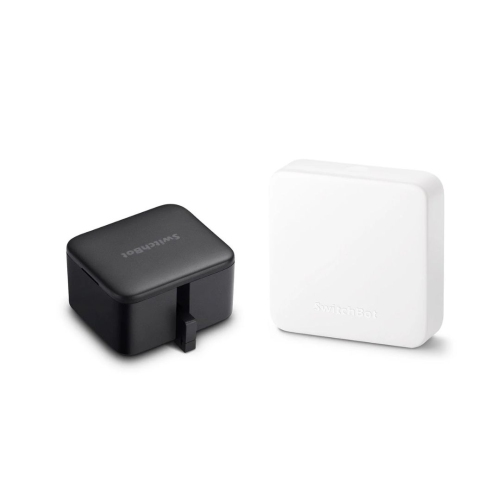
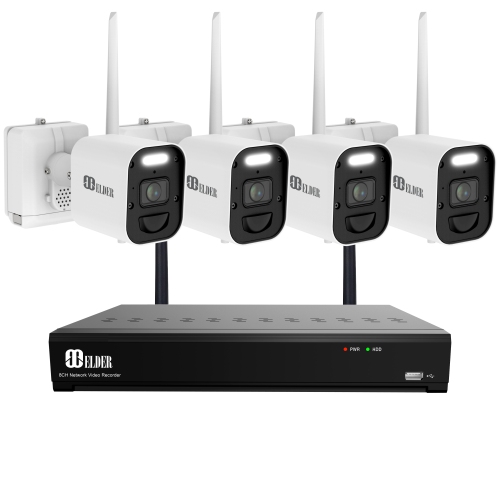
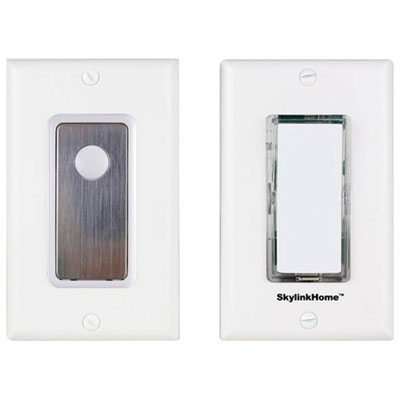
Wireless home control systems bring everyday household functions together through a connected hub, app, voice interface, or a combination of all three. Depending on the system, you can adjust lights, manage heating and cooling, check door and window sensors, control compatible plugs, and create routines that respond to your schedule or the conditions at home. Wireless communication may use Wi-Fi, Zigbee, Z-Wave, Matter, Bluetooth, or more than one protocol, so checking compatibility is one of the most important steps before choosing a system. A hub that supports several protocols can provide more flexibility when adding devices over time, while a simpler system may be a better fit for someone who wants straightforward setup and fewer components. Some systems rely mainly on cloud services for remote access, voice commands, and automation, while others can process many commands locally for faster response and continued operation when the internet connection is interrupted. Product descriptions can help clarify whether a hub, bridge, sensors, or other accessories are included, as well as which phones, operating systems, wireless networks, and control platforms are supported. Shoppers who are building a connected home from the ground up may want to begin with a central controller that leaves room for expansion. Those replacing an existing setup should confirm that new equipment works with devices already installed rather than assuming that all wireless products communicate in the same way.
The best wireless home control system depends on how a household lives and how much control each person wants over setup. A renter may appreciate wireless installation that does not require opening walls or changing permanent wiring, while a homeowner might use a system as the foundation for connected lighting, entry monitoring, climate control, and room-by-room routines. Someone who spends long hours away from home can use app-based access to check selected devices, receive alerts from sensors, or adjust settings before arriving. Families may find scheduled routines useful for reducing the number of small tasks in a busy morning, such as turning on selected lights, adjusting the temperature, or switching off equipment at bedtime. Older adults and people with mobility limitations may value voice commands or centralised control that reduces the need to move from room to room. A wireless control system can also be a thoughtful gift for a new homeowner, a person moving into a first apartment, or anyone interested in making a familiar space more convenient. For gift shoppers, an easy-to-install starter system with clear app support is often more approachable than a highly configurable setup that requires technical knowledge. A person who enjoys experimenting with automation may prefer a system with advanced scheduling, scenes, sensor triggers, custom integrations, and local processing options. The Electrical Home Automation assortment can help shoppers explore related ways to connect household controls, including solutions designed for lighting and other wired electrical functions.
Before bringing a wireless home control system home, consider the layout of the space, the strength of the wireless network, and the number of devices you expect to connect. Thick walls, multiple floors, metal shelving, and a distant router can affect signal reliability, so a system with mesh support or strategically placed hubs may be useful in a larger home. Think about the controls that feel natural in daily life: an app may be ideal for detailed settings, voice control can be convenient while cooking or carrying laundry, and physical buttons or schedules may be preferable when a phone is not close by. Security and privacy also deserve careful attention. Look for clear information about account protection, encryption, permissions, software updates, remote access, and whether automations can continue locally. It is worth checking how many users can be added and whether each person can receive selected notifications without having access to every setting. Simple naming also makes a difference; labels such as “front entry,” “kitchen lights,” and “upstairs temperature” are easier for the whole household to understand than generic device names. During the cooler months, routines can welcome people with comfortable lighting and a suitable temperature, while entry sensors and scheduled lights can help a home feel occupied when residents are away. As daylight changes and routines shift, schedules can be adjusted without rewiring or replacing the whole system. Start with the areas that would benefit most from convenient control, test each routine carefully, and expand gradually as your needs become clearer. A well-matched wireless home control system should feel like a natural part of the household: helpful in the background, simple to adjust, and flexible enough to grow with the way you use your home.
The best wireless home control system depends on how a household lives and how much control each person wants over setup. A renter may appreciate wireless installation that does not require opening walls or changing permanent wiring, while a homeowner might use a system as the foundation for connected lighting, entry monitoring, climate control, and room-by-room routines. Someone who spends long hours away from home can use app-based access to check selected devices, receive alerts from sensors, or adjust settings before arriving. Families may find scheduled routines useful for reducing the number of small tasks in a busy morning, such as turning on selected lights, adjusting the temperature, or switching off equipment at bedtime. Older adults and people with mobility limitations may value voice commands or centralised control that reduces the need to move from room to room. A wireless control system can also be a thoughtful gift for a new homeowner, a person moving into a first apartment, or anyone interested in making a familiar space more convenient. For gift shoppers, an easy-to-install starter system with clear app support is often more approachable than a highly configurable setup that requires technical knowledge. A person who enjoys experimenting with automation may prefer a system with advanced scheduling, scenes, sensor triggers, custom integrations, and local processing options. The Electrical Home Automation assortment can help shoppers explore related ways to connect household controls, including solutions designed for lighting and other wired electrical functions.
Before bringing a wireless home control system home, consider the layout of the space, the strength of the wireless network, and the number of devices you expect to connect. Thick walls, multiple floors, metal shelving, and a distant router can affect signal reliability, so a system with mesh support or strategically placed hubs may be useful in a larger home. Think about the controls that feel natural in daily life: an app may be ideal for detailed settings, voice control can be convenient while cooking or carrying laundry, and physical buttons or schedules may be preferable when a phone is not close by. Security and privacy also deserve careful attention. Look for clear information about account protection, encryption, permissions, software updates, remote access, and whether automations can continue locally. It is worth checking how many users can be added and whether each person can receive selected notifications without having access to every setting. Simple naming also makes a difference; labels such as “front entry,” “kitchen lights,” and “upstairs temperature” are easier for the whole household to understand than generic device names. During the cooler months, routines can welcome people with comfortable lighting and a suitable temperature, while entry sensors and scheduled lights can help a home feel occupied when residents are away. As daylight changes and routines shift, schedules can be adjusted without rewiring or replacing the whole system. Start with the areas that would benefit most from convenient control, test each routine carefully, and expand gradually as your needs become clearer. A well-matched wireless home control system should feel like a natural part of the household: helpful in the background, simple to adjust, and flexible enough to grow with the way you use your home.
Top selling and popular products
-
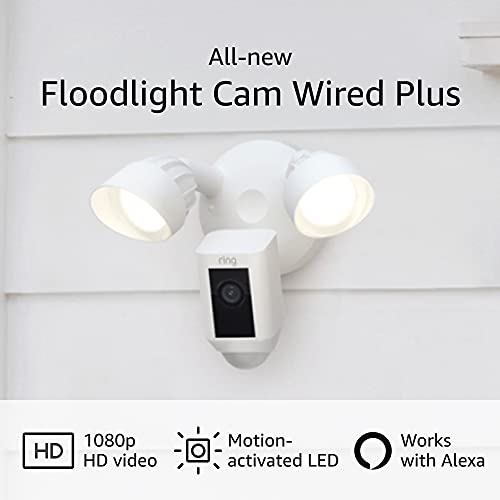 Your price for this item is $349.99
 -
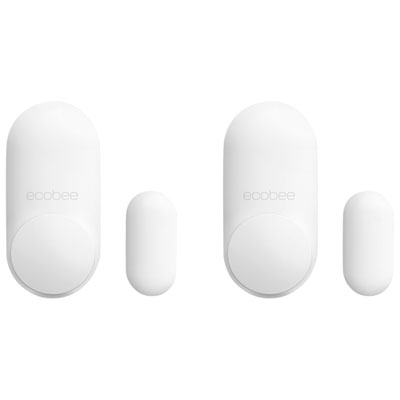 Your price for this item is $53.98
 -
 Your price for this item is $99.99
 -
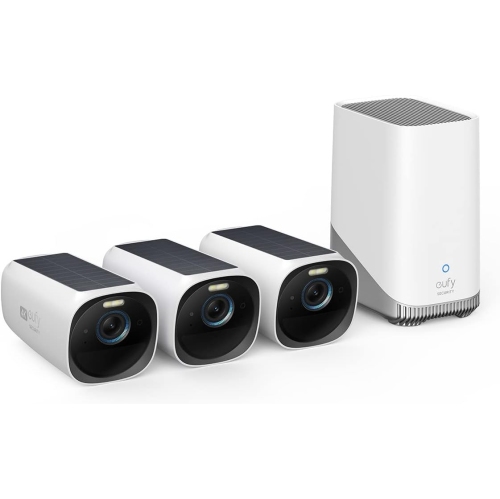 Your price for this item is $799.99
 -
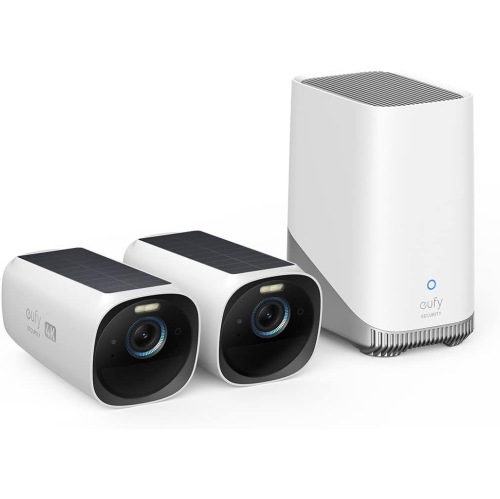 Your price for this item is $549.99
 -
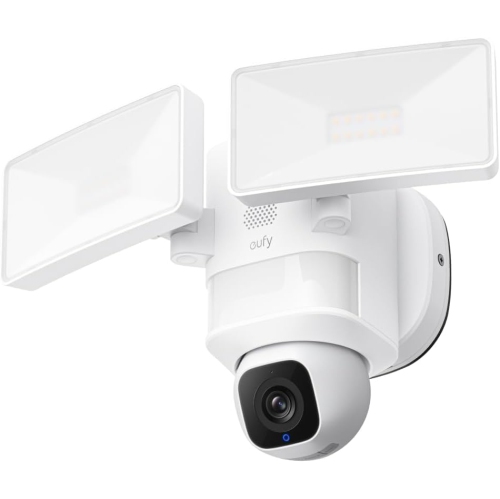 Your price for this item is $229.99
 -
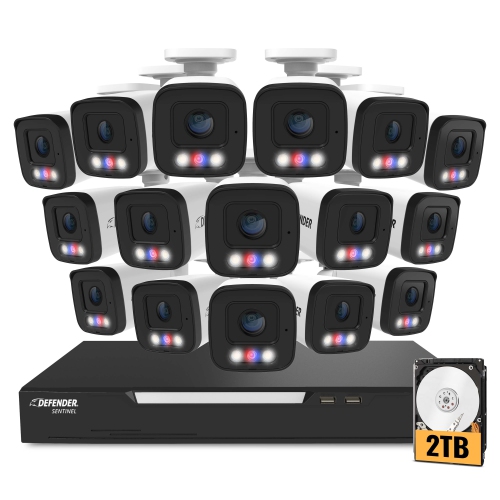 Your price for this item is $1859.99
 -
 Your price for this item is $899.99
Discover more categories related to Wireless Home Control Systems
Top Collections:
Pokemon Centers, Kindle Devices, Best Budget Office Chairs, Apple iPhones 16, Best Laptops for Writers, iPhone 15 Apple, Canon G7X Cameras, Refurbished Apple Laptops, Alarm Clock, Motorola Razr Phones
Some products may be subject to Environmental Handling Fees
(EHF) depending on your province.
Learn more about EHFs.