Heavy Duty Drills
Explore the power and versatility of heavy duty drills, designed to tackle the toughest tasks with ease. Whether you're a professional contractor or a DIY enthusiast, these robust tools are essential for any project that demands strength and precision. Engineered to perform in demanding environments, heavy duty drills offer reliability and efficiency, making them a must-have addition to your toolkit. Discover the perfect drill to meet your needs and elevate your craftsmanship to new heights.
Sort
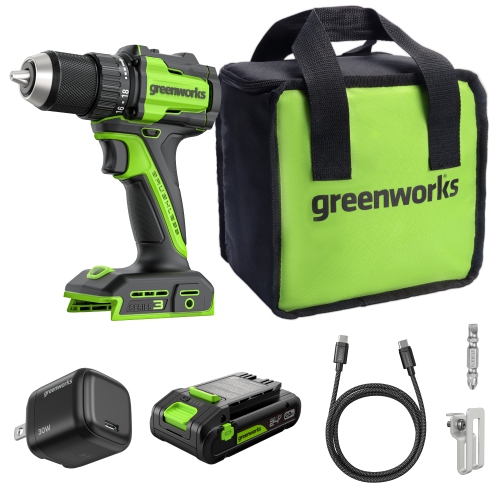
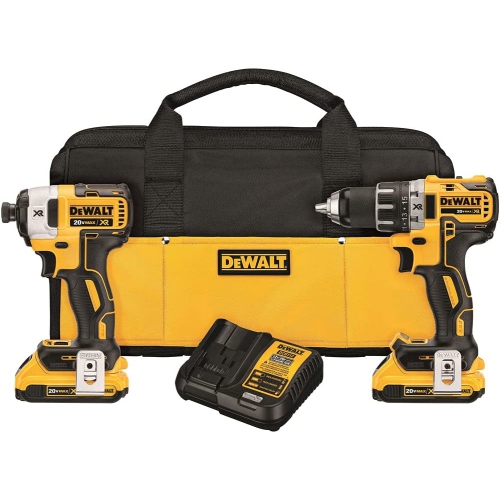
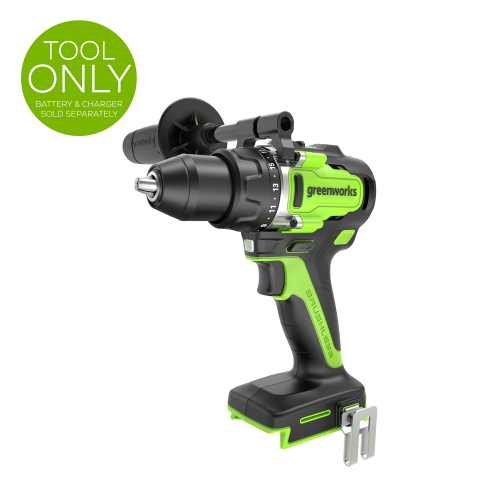
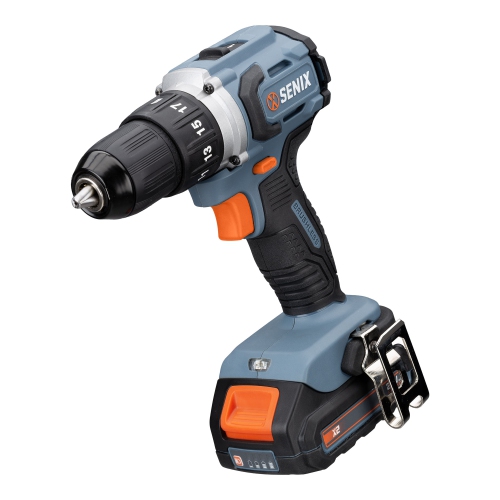
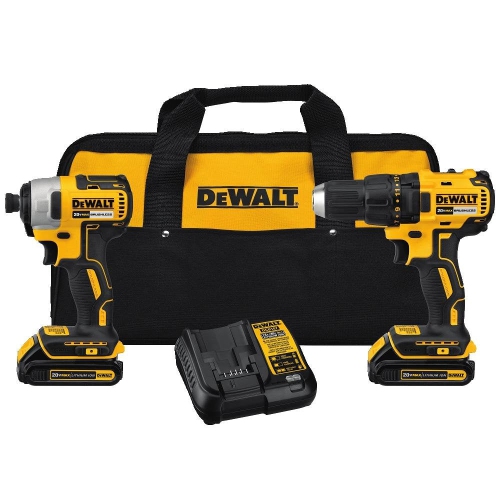
Power and control for demanding drilling projects
Heavy duty drills are made for demanding work that goes well beyond hanging a picture or assembling flat-pack furniture. They are designed to deliver the power, control, and durability needed for drilling into thick wood, metal, brick, concrete, and other dense materials, making them useful for serious home renovations, construction, repair work, and trade applications. Within this category, you may find several distinct drill styles. A hammer drill combines rotary motion with a rapid hammering action to help break through masonry, while a rotary hammer is built for tougher concrete, brick, and stone work and may also support chiselling or light demolition with the right attachment. Right-angle drills and spade-handle drills are shaped for high-torque tasks in tight spaces, including boring large holes for plumbing, electrical wiring, framing, and other building projects. Choosing among them starts with the materials and tasks on your list. A hammer drill can be a practical choice for occasional masonry drilling around the home, such as installing shelving into a concrete wall or anchoring a railing to brick. A rotary hammer is better suited to repeated work in hard concrete or stone, especially when larger holes, deeper drilling, or chipping is involved. A right-angle model can make a noticeable difference when working between joists, inside wall cavities, or beneath cabinets, where a conventional drill may be awkward to position. For more information about equipment suited to demanding jobs, explore Heavy Duty Tools and compare the options that fit your workspace and project plans.
Power is one of the most important considerations when choosing a heavy duty drill. Corded models are useful for extended work because they can provide consistent power without interruptions for battery changes, and their amperage can help indicate the tool’s capacity for sustained drilling. A higher-amperage drill may be well suited to large bits, thick lumber, or repeated masonry work, although the tool’s design, gearing, and intended application matter just as much as the number on the label. Cordless models offer freedom of movement around a job site, in a garage, or outdoors, and higher-voltage platforms are commonly selected for heavy-duty drilling and high-torque applications. If you already use cordless tools, choosing a drill that works with batteries and chargers you own can make setup simpler; if not, consider the runtime, charging time, battery size, and weight of the complete tool rather than evaluating the drill on its own. A 1/2-inch chuck is a common feature on heavy duty drills because it can accommodate larger bits and secure substantial shanks, which is helpful when boring through dense materials or using hole saws. Keyless chucks make bit changes convenient, while specialized systems such as SDS-style holders are designed for compatible masonry and demolition accessories. Look for variable speed and adjustable torque settings when the same tool may be used for both careful fastening and demanding drilling. A low-speed, high-torque setting can help when driving large fasteners or using a self-feed bit, while higher speeds may be appropriate for smaller bits and lighter materials. A safety clutch is another valuable feature: if a bit catches or binds, it can help limit the sudden transfer of torque to your hands and wrists. Vibration control, auxiliary handles, and balanced construction also deserve attention, particularly for longer jobs where comfort and control can affect both accuracy and fatigue.
Heavy duty drills can be valuable additions to a professional tool collection, but they also make sense for experienced do-it-yourselfers who regularly take on substantial repair and renovation projects. A contractor may use one for framing, masonry anchors, structural repairs, or site work; a plumber may need high torque for large-diameter holes through wood; and an electrician may rely on a right-angle design to route wiring through studs and joists. Around the house, these tools can help with building a backyard structure, installing a workbench, repairing a deck, mounting heavy fixtures, or preparing surfaces for fasteners. They can also be thoughtful gifts for a new homeowner, a tradesperson, or someone setting up a workshop, especially when paired with compatible drill bits, masonry accessories, hole saws, extra batteries, or a sturdy storage case. Before purchasing, check the tool’s weight and handle design, since a powerful drill that is difficult to control may be frustrating during overhead or confined-space work. Match each bit to the material, use eye and hearing protection, secure the workpiece, and follow the manufacturer’s instructions for speed, pressure, and accessory compatibility. When drilling concrete or masonry, expect dust and vibration and plan the work area accordingly; when drilling metal, use the appropriate bit and steady pressure to avoid overheating. As the weather warms, a heavy duty drill can support outdoor repairs and building projects, while during the cooler months it remains useful for workshop maintenance, indoor renovations, and preparing a home for changing conditions. Comparing power source, chuck type, torque, impact action, ergonomics, and included accessories can help you select a dependable drill for the materials you work with most often.
Power is one of the most important considerations when choosing a heavy duty drill. Corded models are useful for extended work because they can provide consistent power without interruptions for battery changes, and their amperage can help indicate the tool’s capacity for sustained drilling. A higher-amperage drill may be well suited to large bits, thick lumber, or repeated masonry work, although the tool’s design, gearing, and intended application matter just as much as the number on the label. Cordless models offer freedom of movement around a job site, in a garage, or outdoors, and higher-voltage platforms are commonly selected for heavy-duty drilling and high-torque applications. If you already use cordless tools, choosing a drill that works with batteries and chargers you own can make setup simpler; if not, consider the runtime, charging time, battery size, and weight of the complete tool rather than evaluating the drill on its own. A 1/2-inch chuck is a common feature on heavy duty drills because it can accommodate larger bits and secure substantial shanks, which is helpful when boring through dense materials or using hole saws. Keyless chucks make bit changes convenient, while specialized systems such as SDS-style holders are designed for compatible masonry and demolition accessories. Look for variable speed and adjustable torque settings when the same tool may be used for both careful fastening and demanding drilling. A low-speed, high-torque setting can help when driving large fasteners or using a self-feed bit, while higher speeds may be appropriate for smaller bits and lighter materials. A safety clutch is another valuable feature: if a bit catches or binds, it can help limit the sudden transfer of torque to your hands and wrists. Vibration control, auxiliary handles, and balanced construction also deserve attention, particularly for longer jobs where comfort and control can affect both accuracy and fatigue.
Heavy duty drills can be valuable additions to a professional tool collection, but they also make sense for experienced do-it-yourselfers who regularly take on substantial repair and renovation projects. A contractor may use one for framing, masonry anchors, structural repairs, or site work; a plumber may need high torque for large-diameter holes through wood; and an electrician may rely on a right-angle design to route wiring through studs and joists. Around the house, these tools can help with building a backyard structure, installing a workbench, repairing a deck, mounting heavy fixtures, or preparing surfaces for fasteners. They can also be thoughtful gifts for a new homeowner, a tradesperson, or someone setting up a workshop, especially when paired with compatible drill bits, masonry accessories, hole saws, extra batteries, or a sturdy storage case. Before purchasing, check the tool’s weight and handle design, since a powerful drill that is difficult to control may be frustrating during overhead or confined-space work. Match each bit to the material, use eye and hearing protection, secure the workpiece, and follow the manufacturer’s instructions for speed, pressure, and accessory compatibility. When drilling concrete or masonry, expect dust and vibration and plan the work area accordingly; when drilling metal, use the appropriate bit and steady pressure to avoid overheating. As the weather warms, a heavy duty drill can support outdoor repairs and building projects, while during the cooler months it remains useful for workshop maintenance, indoor renovations, and preparing a home for changing conditions. Comparing power source, chuck type, torque, impact action, ergonomics, and included accessories can help you select a dependable drill for the materials you work with most often.
Top selling and popular products
-
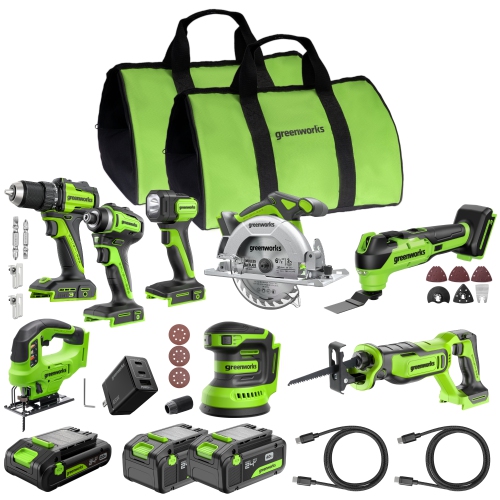 Your price for this item is $759.99
 -
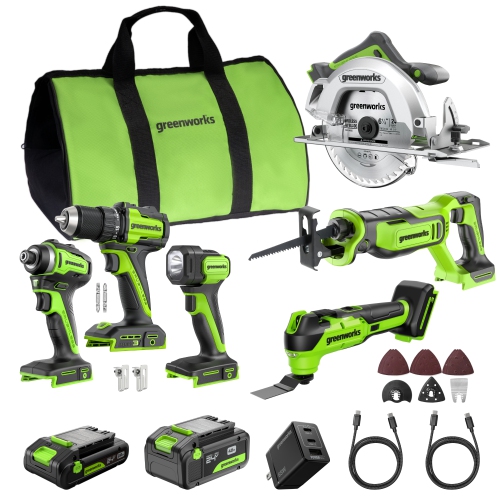 Your price for this item is $391
 -
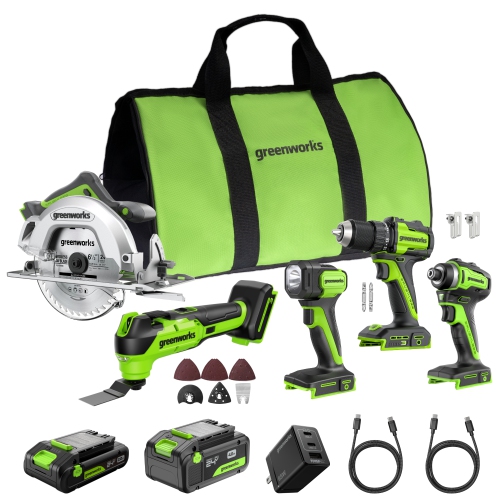 Your price for this item is $499.99
 -
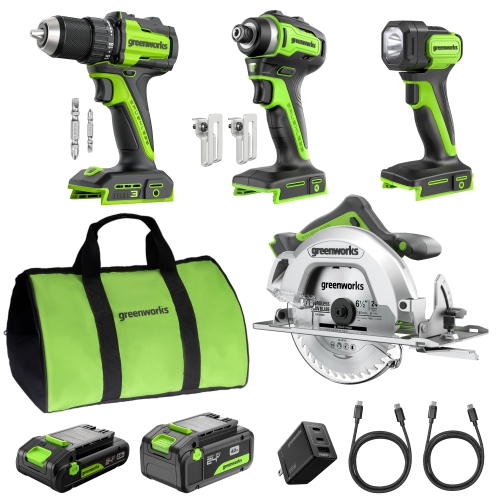 Your price for this item is $234.92
 -
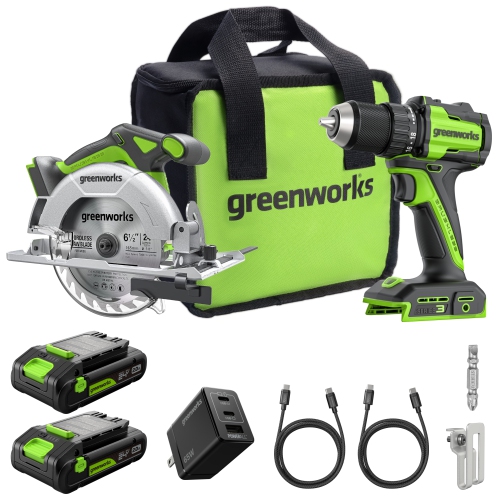 Your price for this item is $207.79
 -
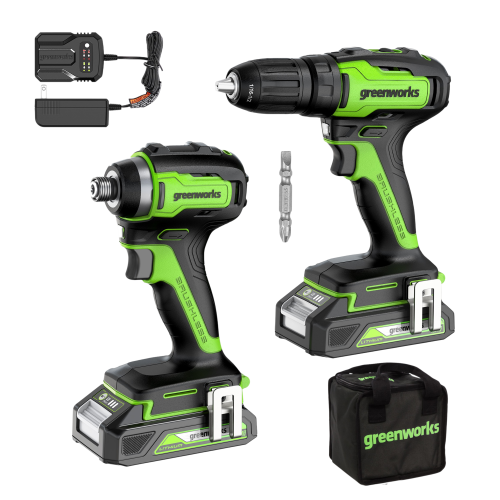 Your price for this item is $175
 -
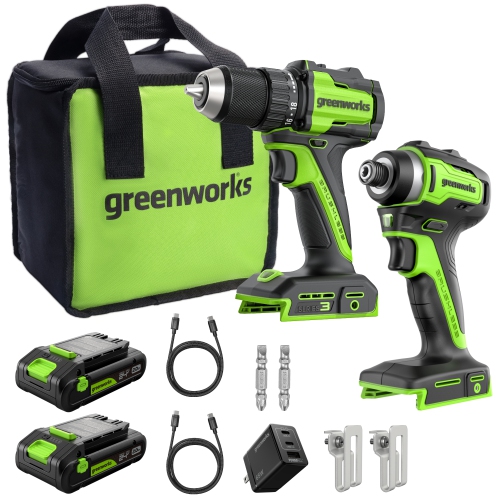 Your price for this item is $249.99
 -
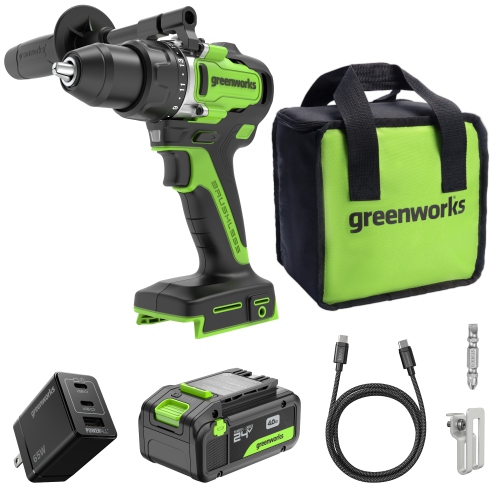 Your price for this item is $155
Discover more categories related to Heavy Duty Drills
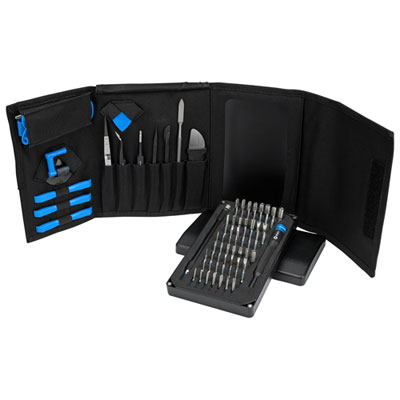
Top Collections:
Pokemon Centers, Kindle Devices, Best Budget Office Chairs, Apple iPhones 16, Best Laptops for Writers, iPhone 15 Apple, Canon G7X Cameras, Refurbished Apple Laptops, Alarm Clock, Motorola Razr Phones
Some products may be subject to Environmental Handling Fees
(EHF) depending on your province.
Learn more about EHFs.