Heavy Duty Tools
When it comes to tough jobs and DIY projects, having the right heavy-duty tools can make all the difference. From wrenches and hammers to power drills and saws, this selection of robust tools is designed to withstand the most demanding tasks. Whether you're a professional tradesperson or a weekend warrior, equipping yourself with reliable heavy-duty tools will help you get the job done efficiently and effectively. Explore this range of durable and high-performance tools that are built to last, so you can tackle any project with confidence.
Sort

































































![DODVIN 21V Cordless Impact Wrench Drill Set] Deluxe Power Tool Kit w 2 Batteries, Charger, 6 Sockets & Plastic Carry Case | Electric Impact Gun For](https://multimedia.bbycastatic.ca/multimedia/products/500x500/195/19580/19580191.webp)

Why the right fit matters as much as strength
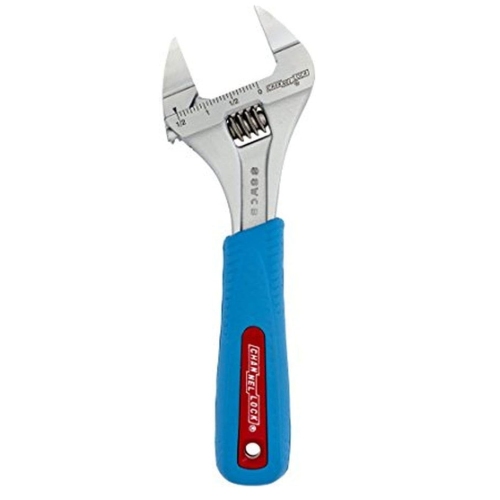
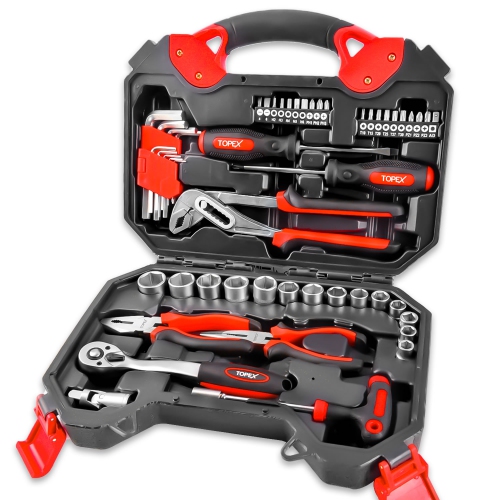
Heavy-duty tools are built for demanding work, from loosening stubborn fasteners and drilling dense materials to gripping pipe and handling repeated repairs. The category includes power tools, hand tools, and workshop equipment designed to deliver useful force while standing up to frequent use. For contractors, mechanics, maintenance teams, and experienced home renovators, that can mean a tool that holds its grip through a long task or keeps working consistently across a series of holes, cuts, or connections. Heavy-duty is a broad description rather than a single performance rating, so construction, capacity, and suitability for the job matter more than the label alone. A tool used to assemble furniture needs different qualities from one used to remove corroded hardware or prepare framing for a renovation. Materials help explain those differences. Forged, heat-treated steel is common in demanding hand-tool applications, while chrome vanadium alloys are widely used in sockets and wrenches. Chrome molybdenum alloys are also commonly used in impact-rated sockets, although material alone does not establish whether a socket is suitable for powered impact use. Jaw design, head construction, handle attachment, and the quality of moving parts all contribute to durability. Protective finishes can help resist corrosion, but they do not replace cleaning and proper storage. Fit is equally important: a correctly sized socket seats securely on a fastener, adjustable jaws need sufficient opening capacity, and a handle must leave enough clearance for the intended movement. Metric and imperial sizing remain relevant in many repair settings, particularly when working across vehicles, machinery, and household fittings. A deep socket may reach a recessed nut or accommodate a protruding stud, while a shallow socket can be easier to position where space is limited. These practical details separate a tool that simply looks substantial from one that suits the work. Heavy-duty tools are most useful when their strength is paired with the right dimensions, controlled operation, and access to the work area.
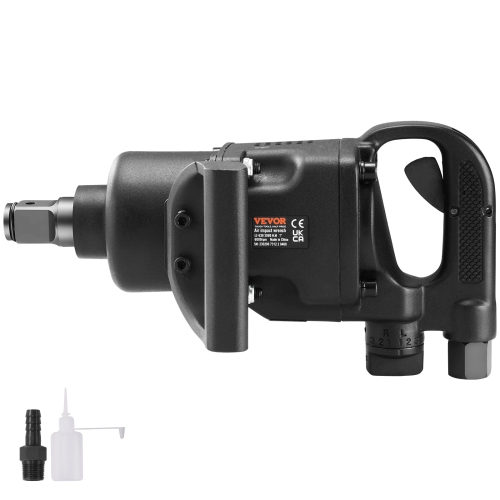
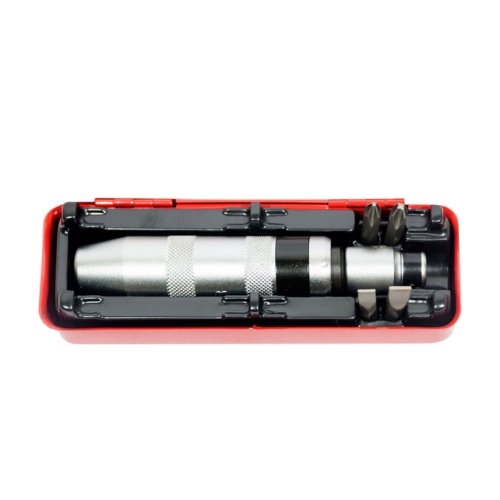
Power, speed, and control take on different roles across heavy-duty power tools. Torque describes twisting force, while rotational speed affects how a tool drives or drills under the conditions for which it was designed. Higher figures are not automatically better for every application: delicate hardware, smaller fasteners, and finished surfaces often benefit from more precise control rather than maximum output. An impact driver generally suits fastening tasks, while an impact wrench is designed around square-drive sockets and applications that can require greater fastening or loosening force. Published fastening and breakaway torque figures describe different actions and may be measured under different test conditions, so they are not interchangeable. Where a fastener has a specified final torque, a suitable torque wrench provides the controlled tightening that an impact tool alone cannot guarantee. Drilling brings another set of considerations, including chuck capacity, bit compatibility, speed ranges, and the material being drilled. For projects that involve repeated drilling or larger holes, Heavy Duty Drills are relevant to tasks where capacity and handling deserve close attention. Hammer drilling can help with suitable masonry applications, while rotary hammers use a different mechanism and may be better suited to repeated work in concrete. Wood, metal, and masonry each require appropriate bits; using the correct accessory matters as much as the tool itself. Corded designs provide power without battery changes but require a suitable electrical supply and manageable cord routing. Cordless designs offer freedom of movement, with battery capacity, tool load, and charging arrangements affecting working time. Battery compatibility must be confirmed within the specified tool system rather than assumed from voltage alone. Brushless motors can offer efficiency and reduced motor maintenance, although overall performance still depends on the complete design. In a cramped utility space or beneath a workbench, head length, balance, auxiliary handles, and accessible controls can be just as important as headline power specifications.
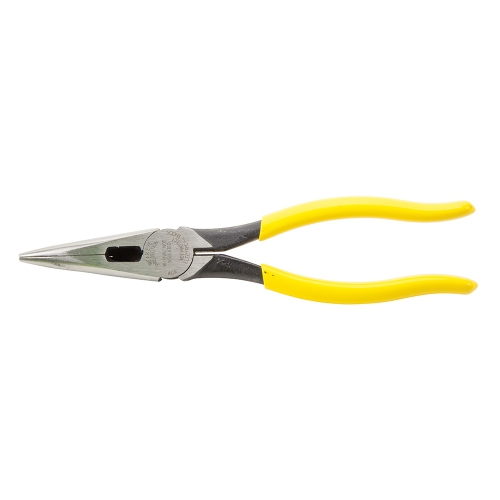
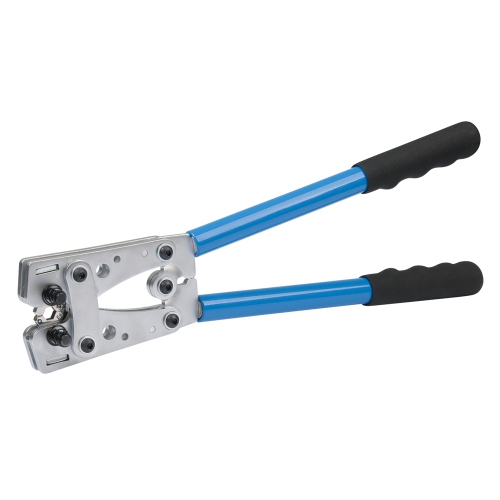
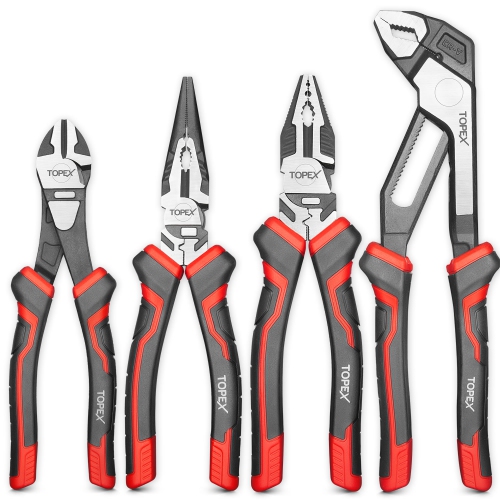
Heavy-duty hand tools earn their place through secure contact and predictable handling. Pliers need jaws shaped for the work, whether that involves holding round pipe, gripping flat material, or reaching a damaged fastener. Hardened teeth can improve purchase on suitable surfaces, but aggressive jaws may mark decorative fittings or softer materials. Wrenches and sockets work best when their size and profile match the fastener, helping reduce slipping and rounded edges. Longer handles provide leverage, but extra length also changes clearance and the force applied to the connection; an extension should never be assumed safe unless the tool is designed for it. Striking tools bring weight, handle length, head security, and grip comfort into focus. A heavier head can suit forceful work, yet it also demands more control and may be tiring over repeated swings. For any tool used regularly, comfort is part of practical durability. Balanced weight, sufficient knuckle clearance, and handles that remain manageable with appropriate work gloves can make repetitive tasks less awkward. Storage and care help preserve those qualities. Metal filings, masonry dust, and grit can interfere with jaws, chucks, and moving joints, while damaged cords, loose handles, cracked housings, or worn accessories are reasons to stop using a tool until it has been assessed. Manufacturer-recommended cleaning, lubrication, inspection, and storage keep maintenance appropriate to the design. Protective cases and organized drawers also make matched sizes easier to find and help keep cutting edges and precision surfaces from knocking together. Eye protection, hearing protection where needed, and proper dust control remain important even when a tool feels sturdy and familiar. As gifts, heavy-duty tools can suit a tradesperson, an automotive hobbyist, or someone who enjoys substantial home projects, provided the choice reflects their actual work and existing equipment. A compatible addition to an established setup is often more useful than simply the largest or most powerful option. The most practical assortment combines strength, accurate fit, manageable handling, and tools intended for the tasks at hand.
Top selling and popular products
-
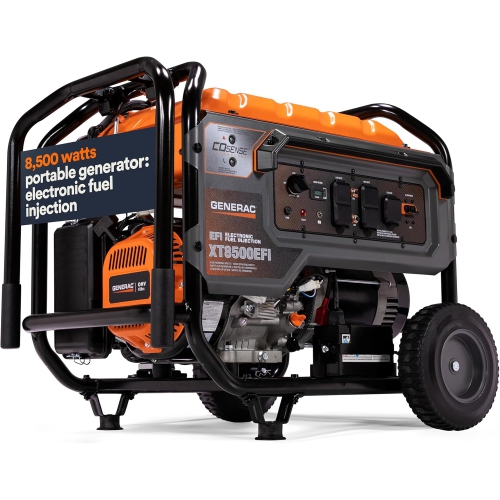 Your price for this item is $3000
-
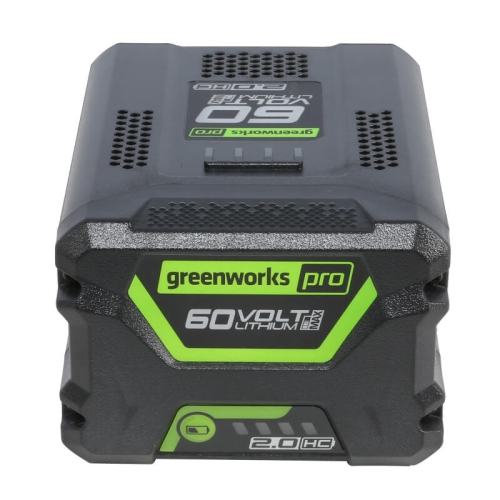 Your price for this item is $152.99
-
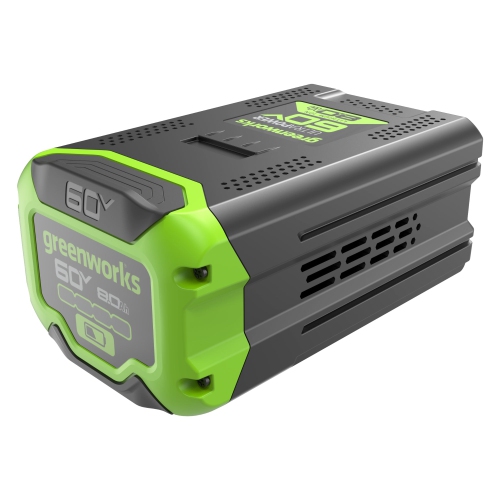 Your price for this item is $329.99
-
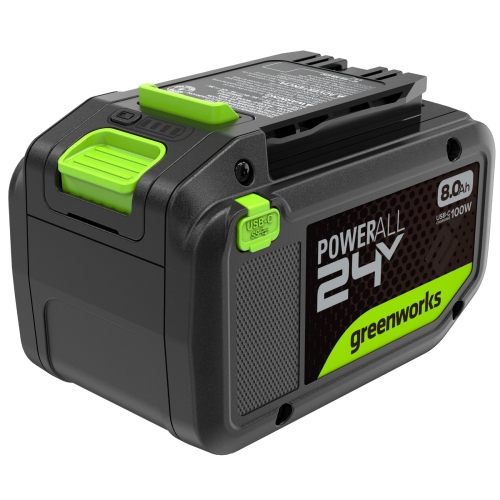 Your price for this item is $144.49
-
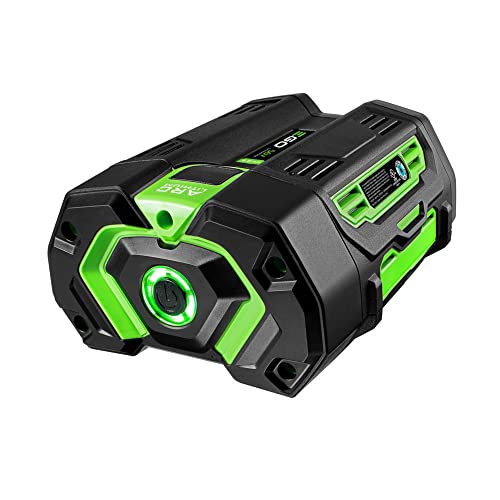 Your price for this item is $255
-
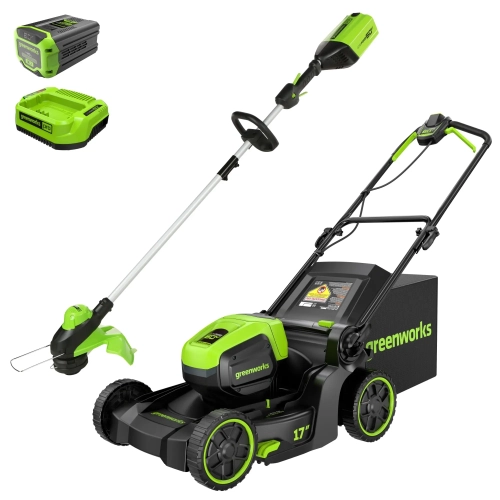 Your price for this item is $779.99
-
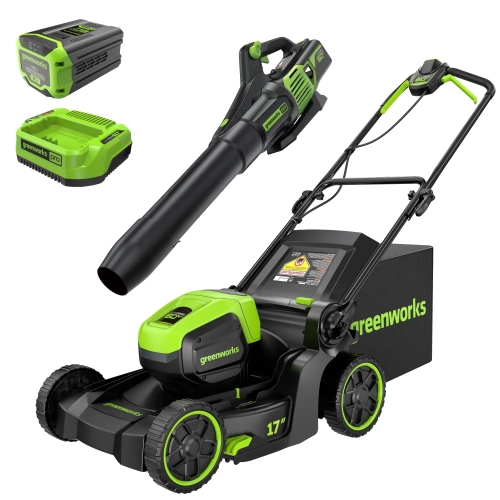 Your price for this item is $659.99
-
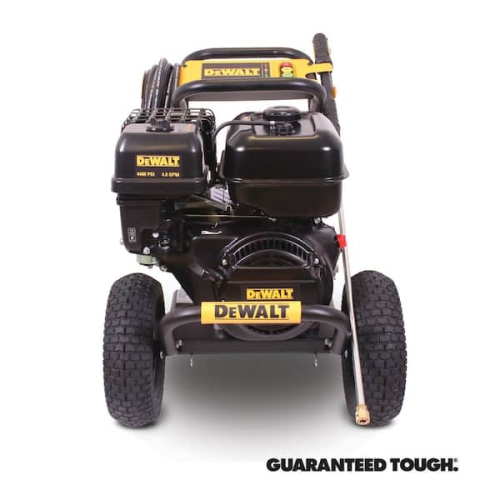 Your price for this item is $999.99
Discover more categories related to Heavy Duty Tools
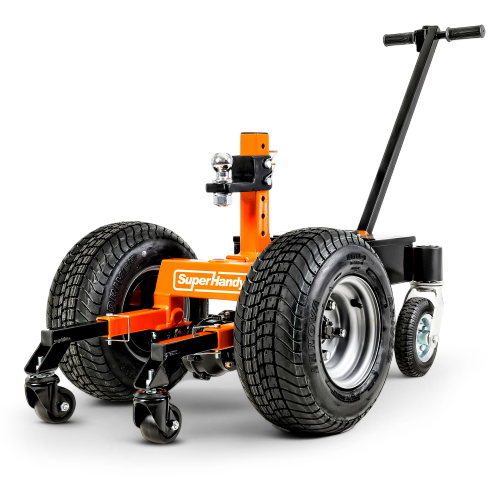

Top Collections:
Best Black Friday Deals This Year, Best Black Friday Deals On Electronics, Kindle Devices, Pokemon Centers, Best Black Friday Deals On Apple Products, Best Cameras for Sports Photography, Dyson Airwrap, Pokémon 30th Celebration Cards, Apple iPhone 17 Pro, Canon G7X Cameras
Some products may be subject to Environmental Handling Fees
(EHF) depending on your province.
Learn more about EHFs.