High Quality Drones

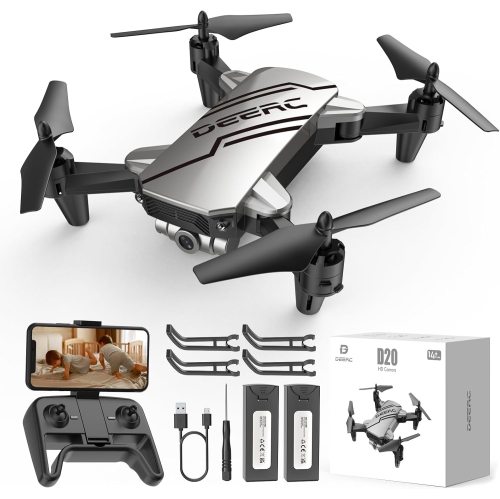
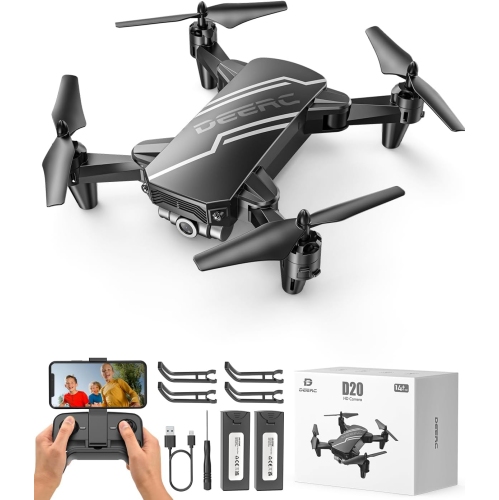
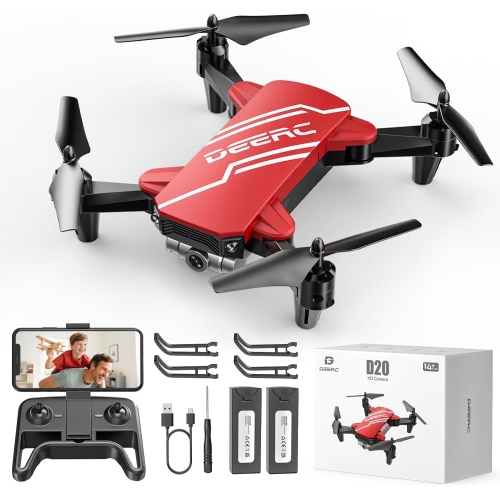
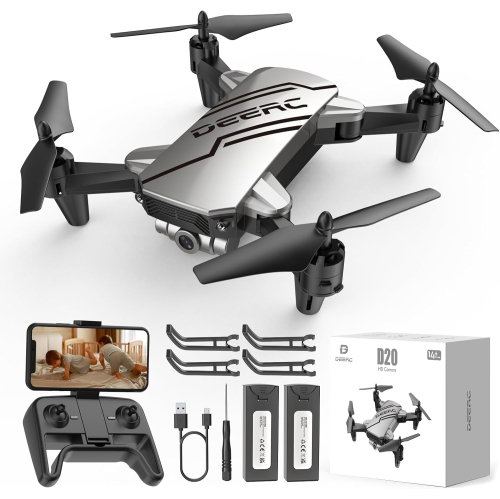
Explore high-quality drones for recreational flying or aerial photography by comparing flight time, camera capabilities and control options. Review each model’s specifications and included accessories to find a fit for your experience level, and check which Canadian drone rules apply before you fly.
Sort

Why drone quality goes beyond camera resolution

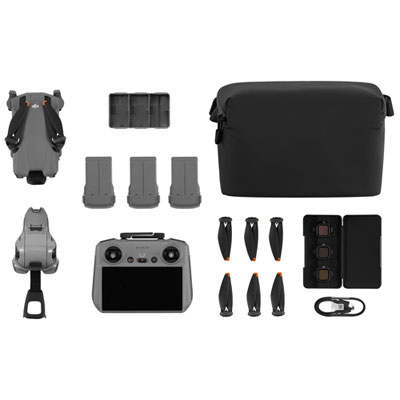
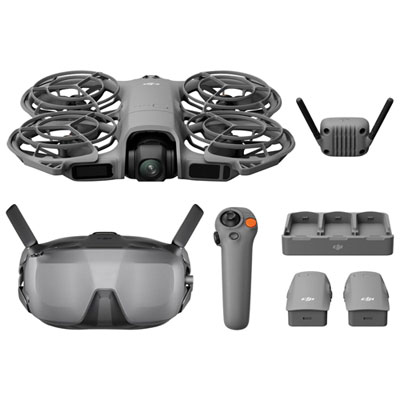
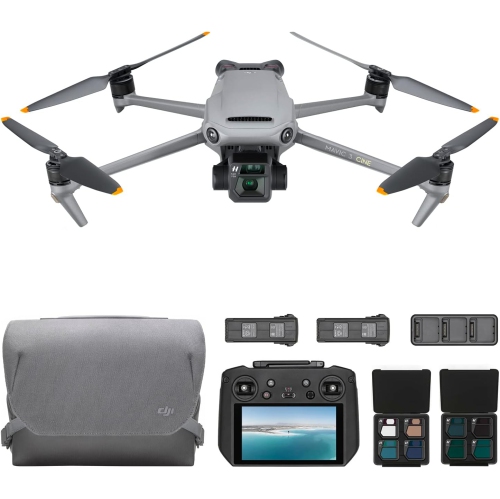
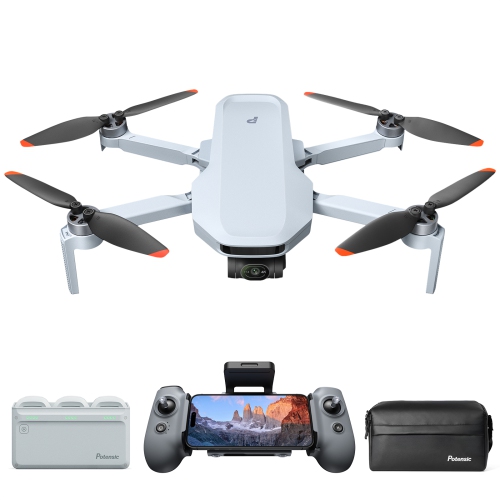
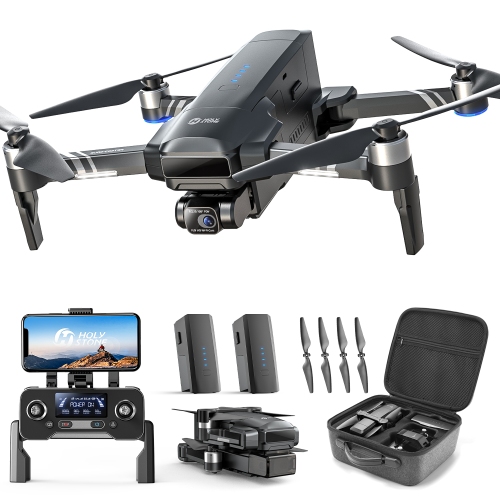
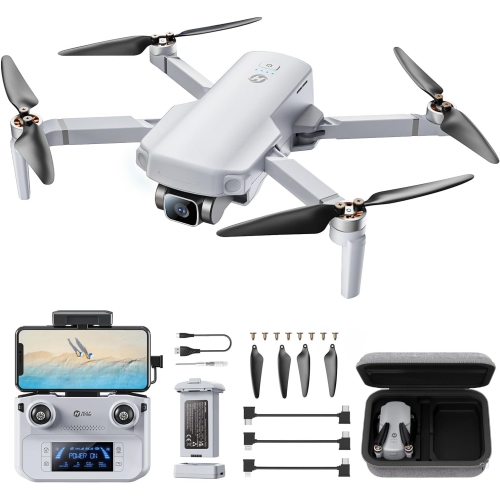
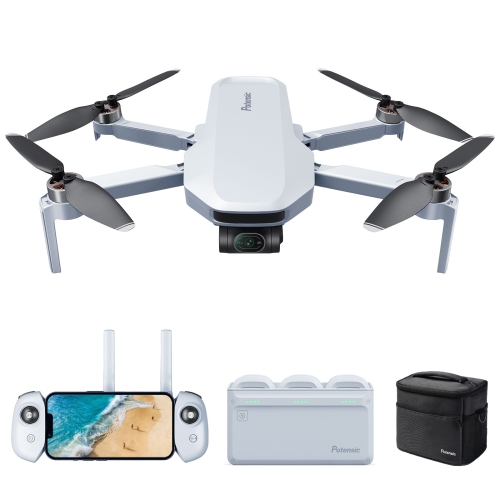
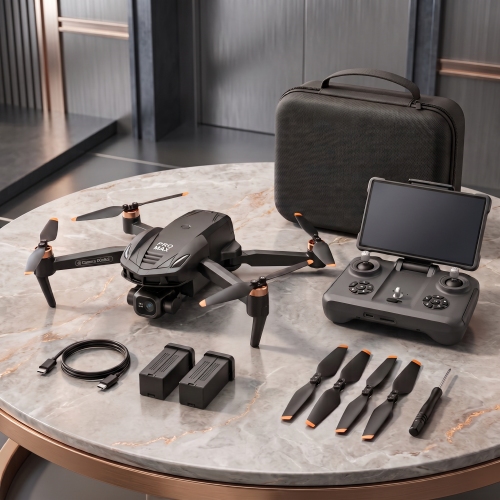
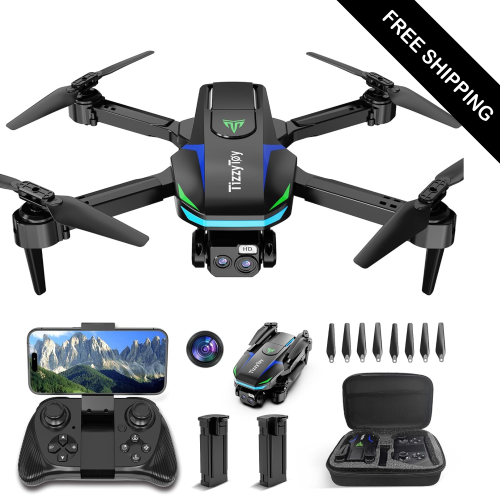
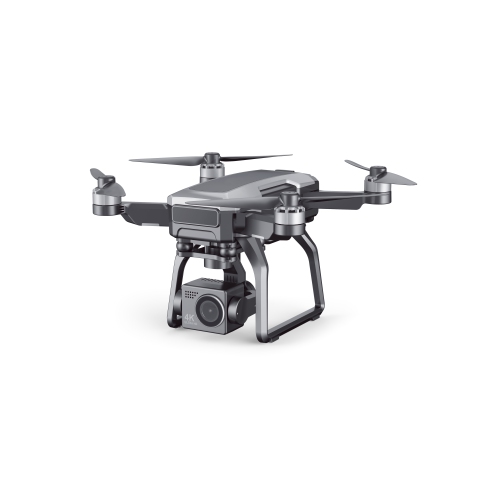
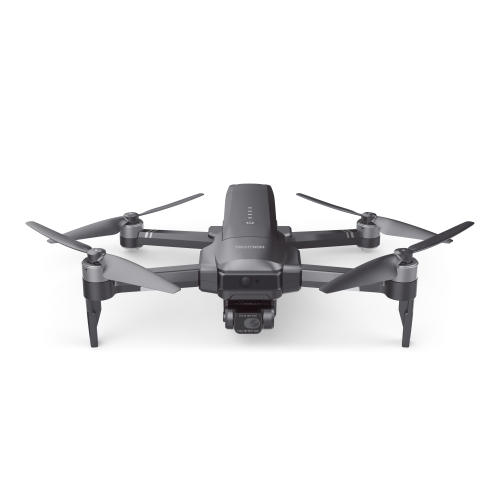
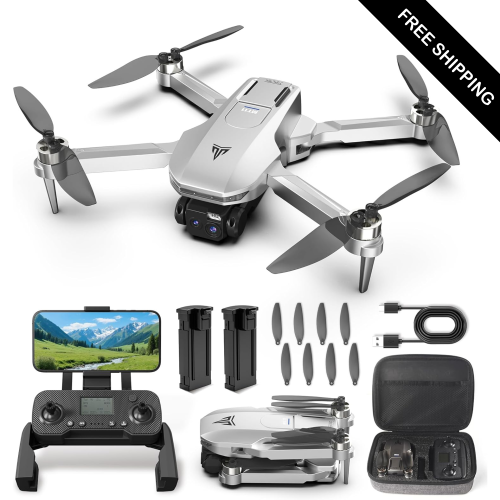
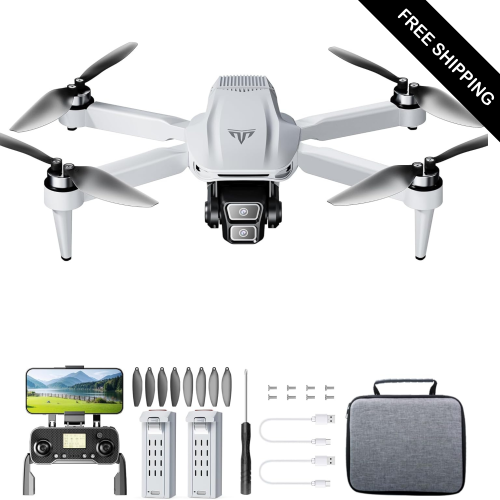
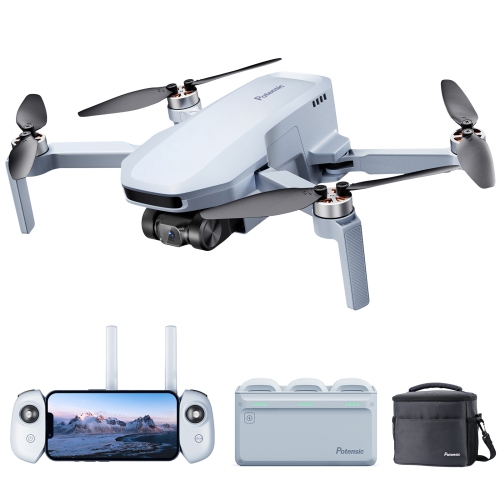
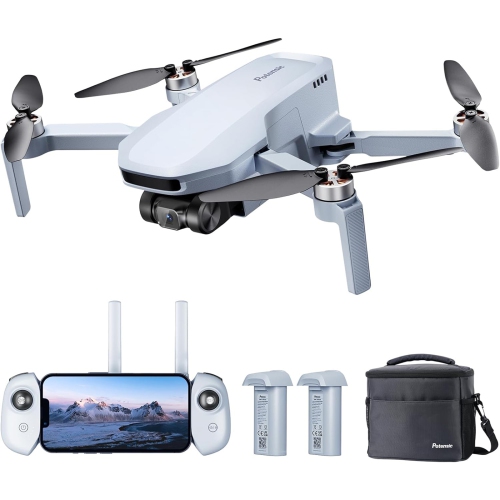
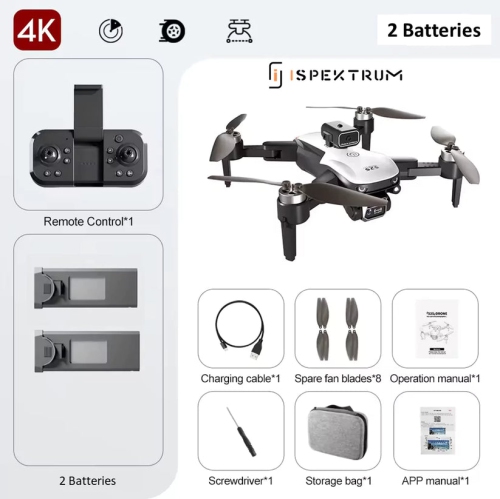
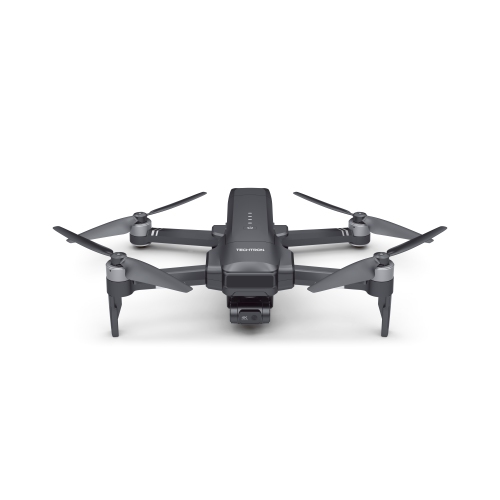
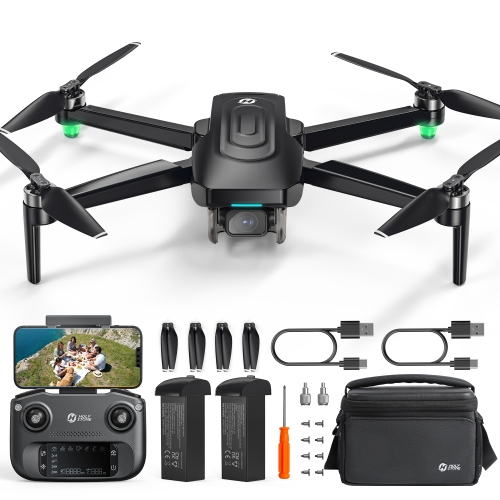
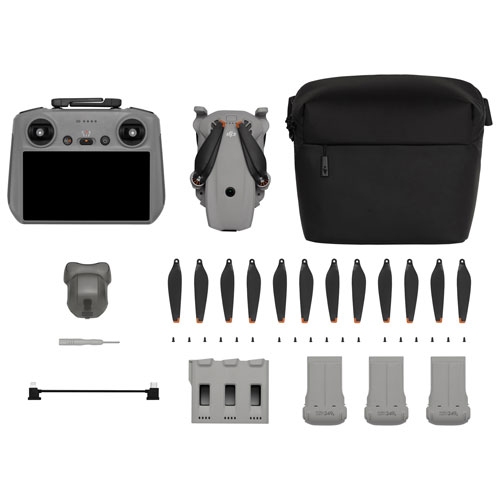
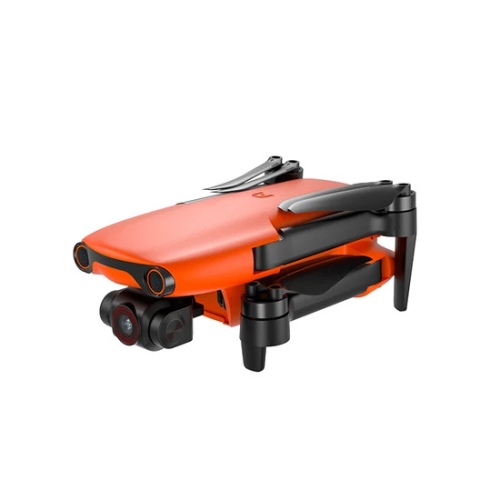
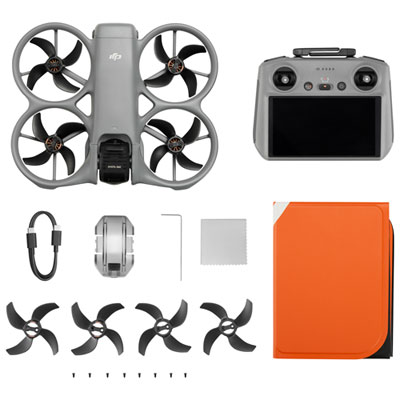
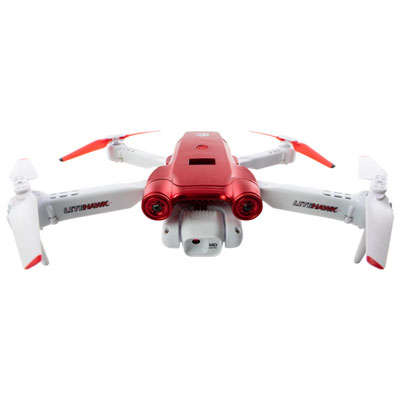
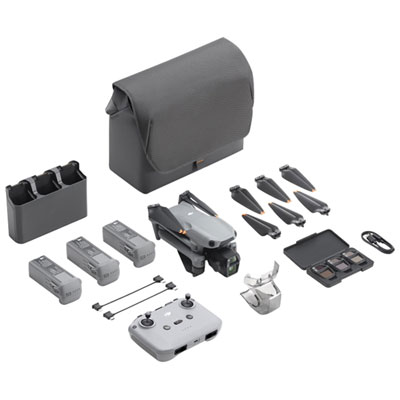
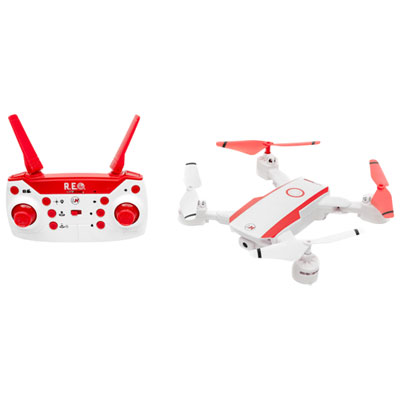
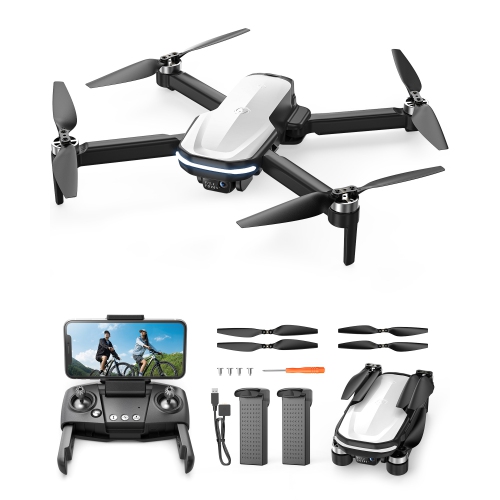
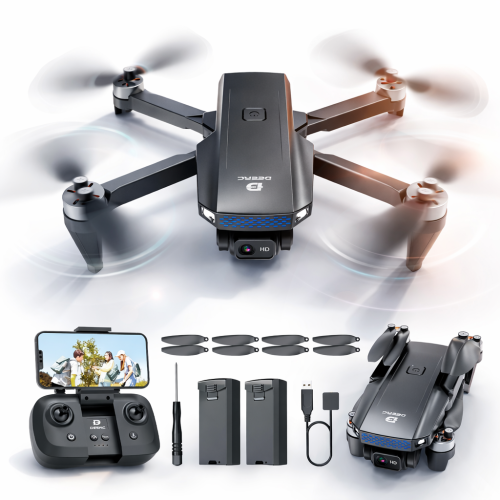
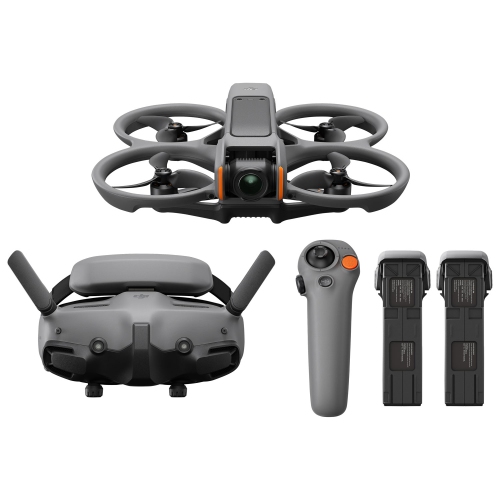
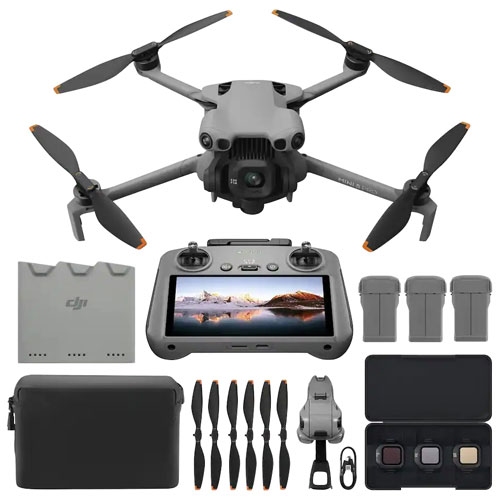
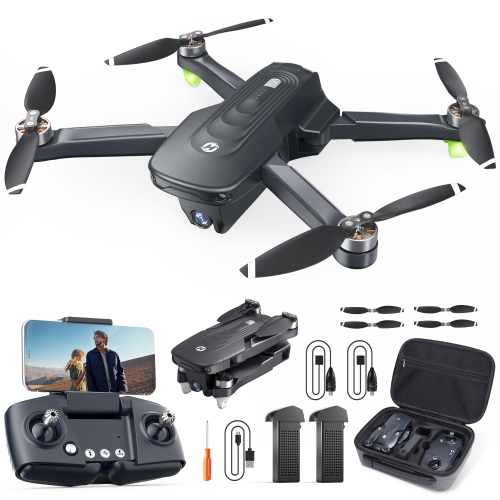
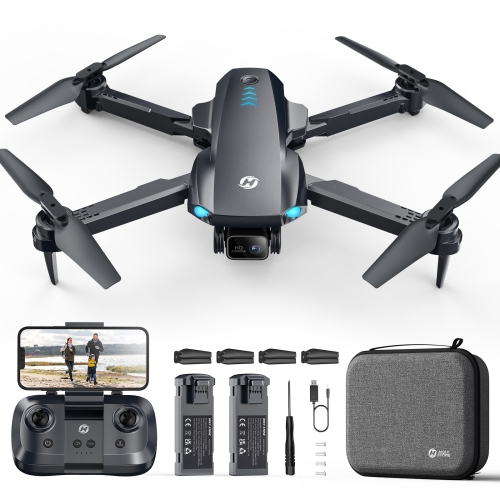
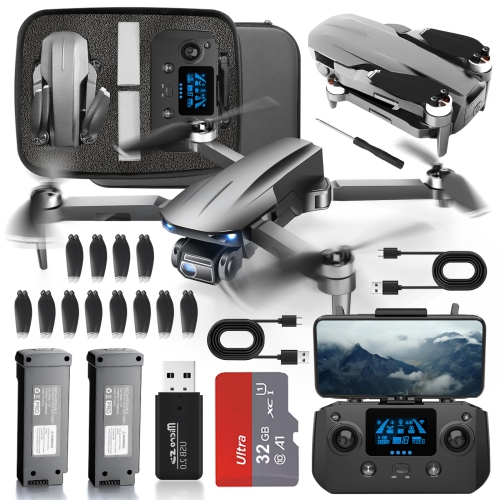
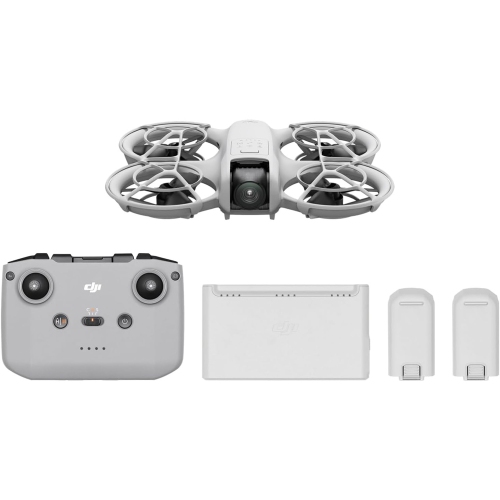
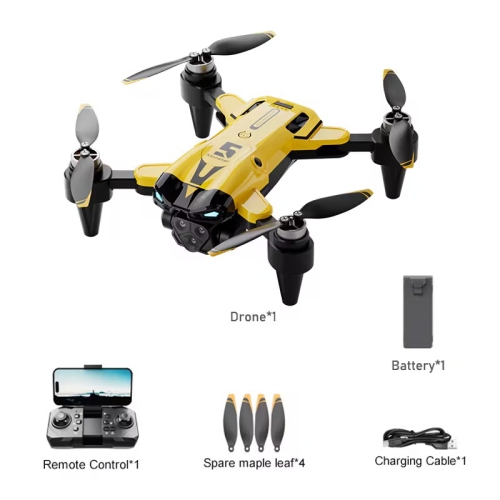
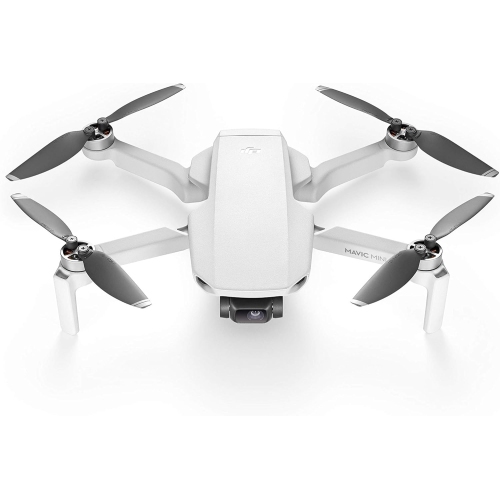
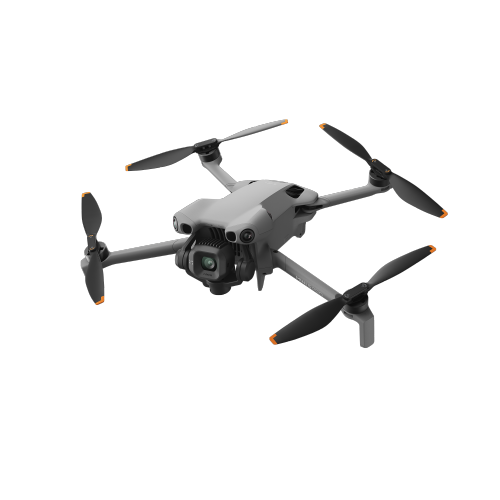
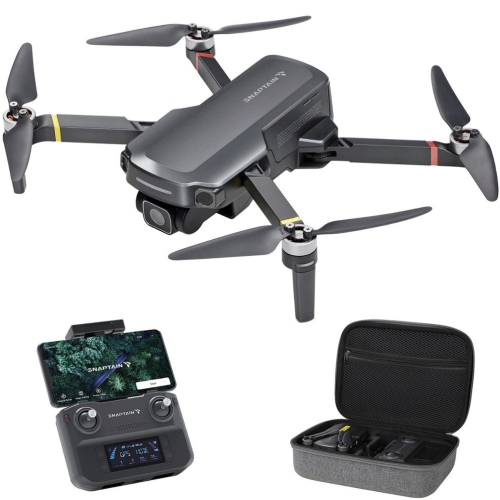
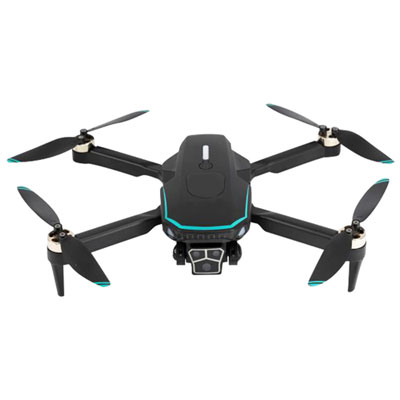
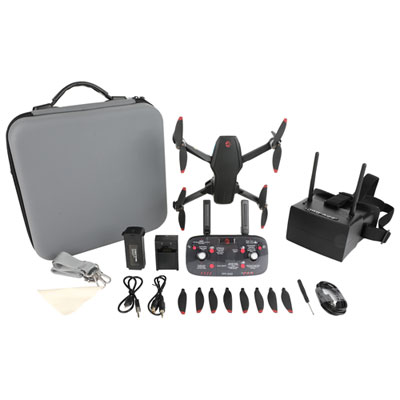
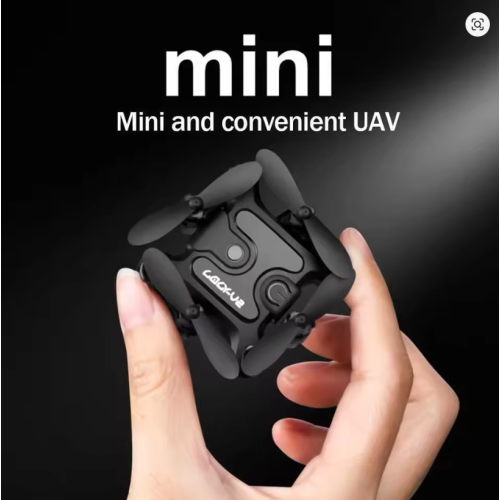
High-quality drones combine dependable flight control, solid construction and capabilities that suit the way they will be used. For aerial photography, that usually means a capable camera, effective stabilization and predictable handling. For travel, low weight and a compact folded shape can matter just as much as image resolution. For immersive flying, first-person-view (FPV) systems emphasize responsive control and a live view from the aircraft, often displayed through compatible goggles. These categories can overlap, but they serve different priorities: a photographer composing a wide landscape has different needs from a pilot practising precise turns on a designated course. Camera quality is best understood through several features working together rather than a single megapixel figure. Sensor size, lens quality, image processing and dynamic range all influence how much detail remains visible in bright skies and shaded ground within the same scene. A mechanical gimbal helps keep footage level as the aircraft moves, while electronic stabilization may crop the image to smooth movement. Video resolution and frame rate affect detail and motion, but recording bitrate and compression also influence the finished result. Higher frame rates can support slow-motion footage, provided the recording settings and editing software support the intended workflow. Photographers who edit their images may appreciate RAW capture, while creators working on more involved video projects may value colour profiles designed for adjustment during editing. For casual sharing, pleasing results straight from the camera can be more useful than an extensive set of manual controls. Adjustable camera angles also make a practical difference, allowing a scene to be framed without relying entirely on aircraft movement. The strongest match is therefore not necessarily the drone with the longest feature list, but one whose camera, controls and carrying requirements fit the intended use. Exploring Best Drones can provide additional context when comparing portable camera platforms, photography-focused aircraft and immersive flying options.

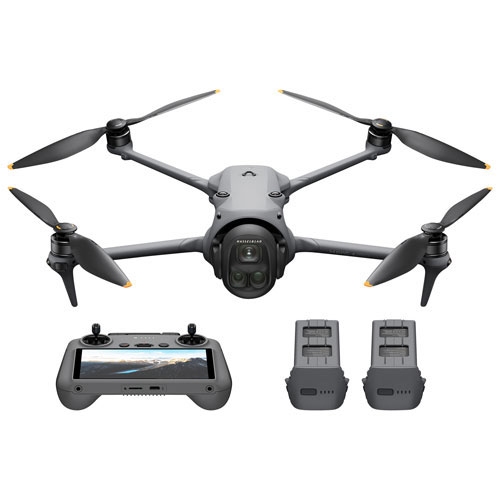
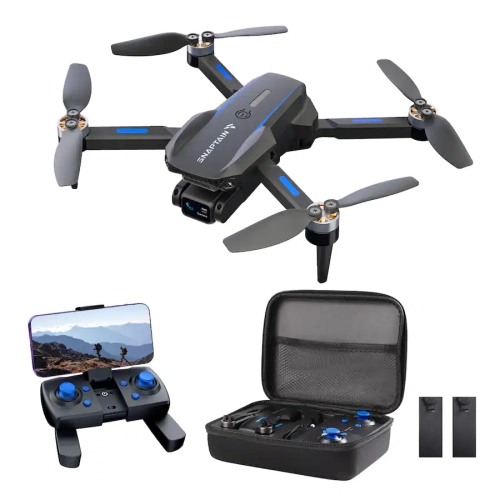
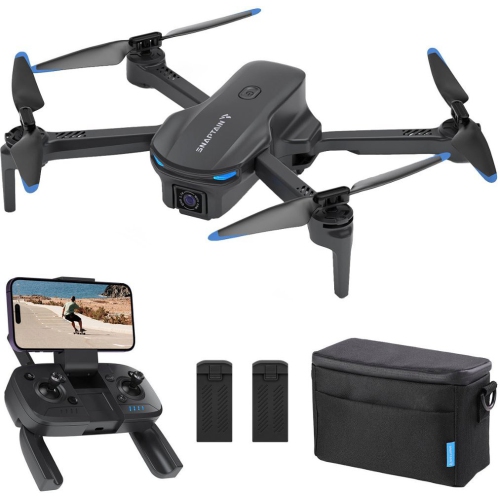
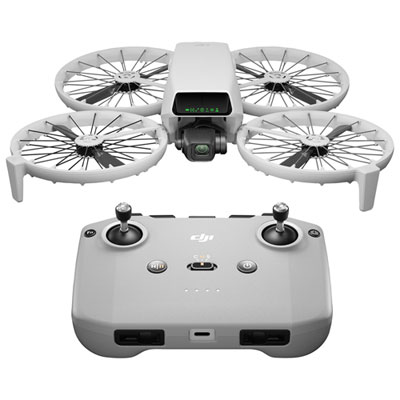
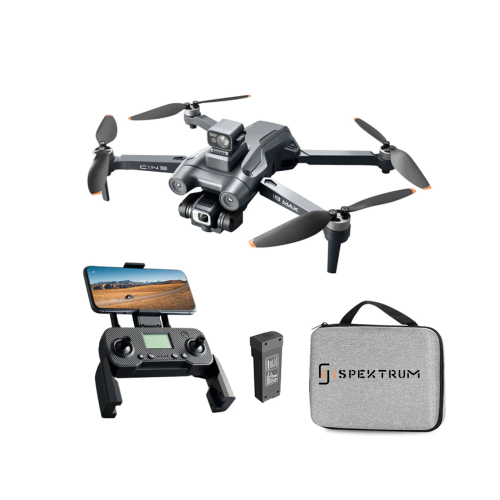
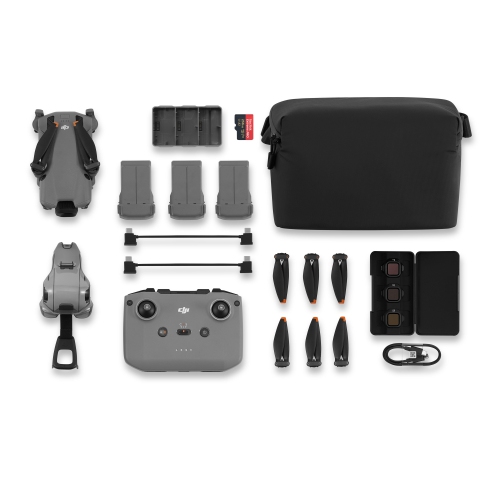
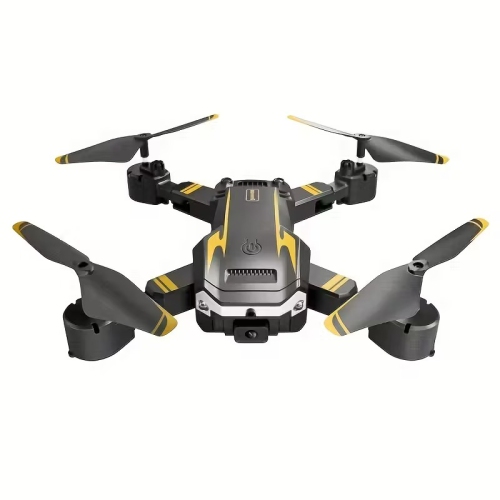
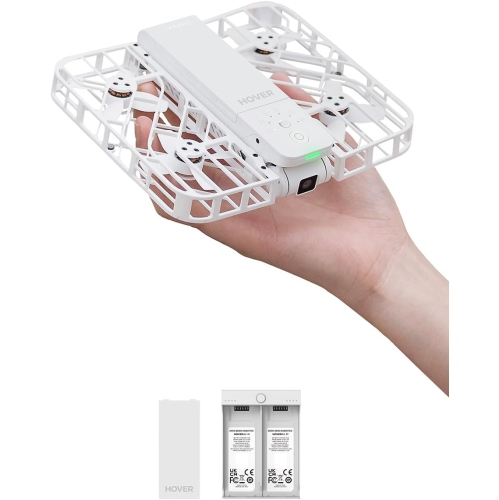
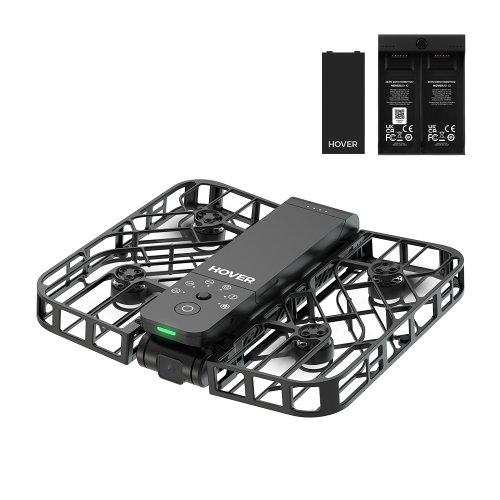
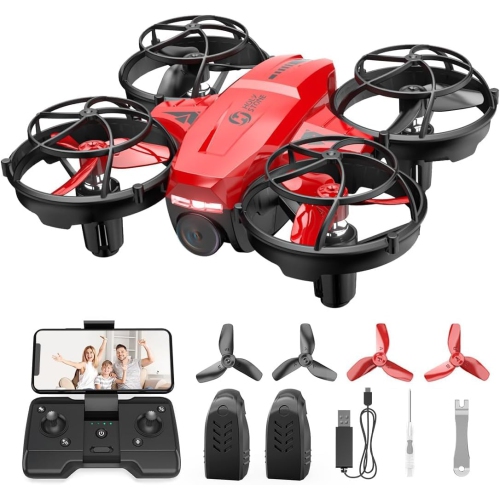
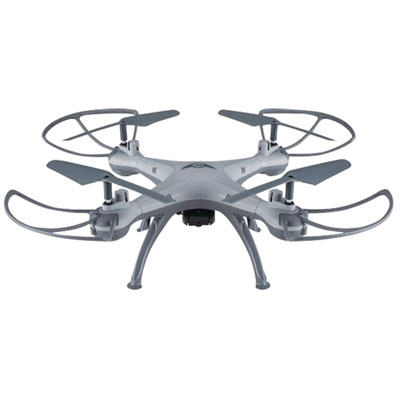
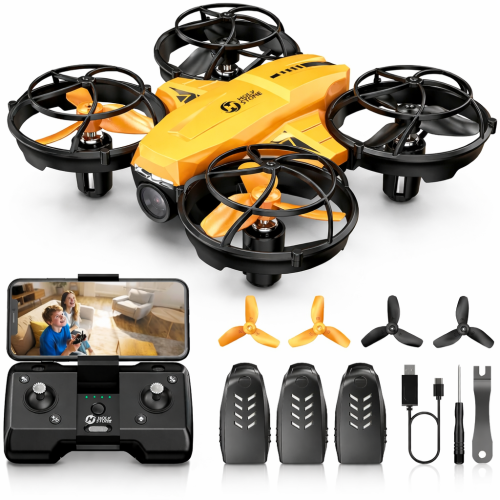
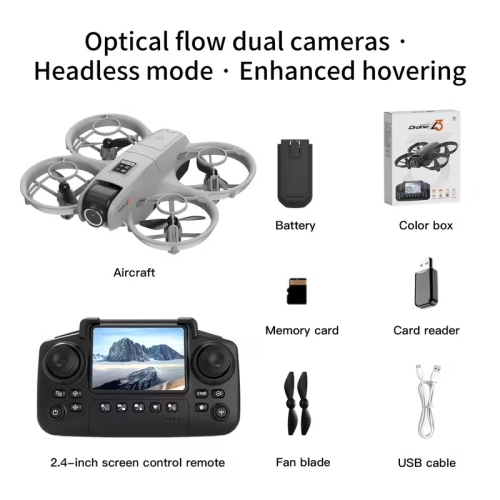
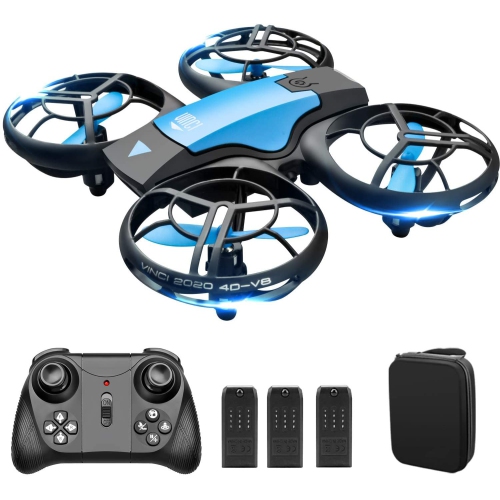
Flight quality becomes especially noticeable during everyday manoeuvres: holding a steady position while framing a photograph, making a gradual turn through a video sequence or returning smoothly to a landing area. Satellite positioning and downward-facing sensors can help an aircraft maintain its position, although their effectiveness depends on the surroundings and available positioning information. Some systems also provide obstacle sensing, subject tracking and automated camera movements. These features can make complex shots easier to repeat, but their coverage and limitations vary. Thin branches, wires, reflective surfaces and poorly lit areas may be difficult for sensing systems to detect, so assistance features are not a substitute for attentive piloting. A clear live camera feed, readable flight information and comfortably placed controls contribute to confidence behind the controller. Controller fit matters during longer sessions: balanced weight, accessible buttons and an adjustable phone holder can make small inputs easier to manage. A built-in display may simplify setup, while a phone-based controller introduces compatibility, screen visibility and device battery considerations. Advertised transmission distance should not be confused with a suitable operating distance; safe operation and applicable flight rules determine where and how far a drone can be flown. Battery performance deserves similar context. Published flight times are generally measured under defined test conditions, and actual usable time changes with flight speed, payload, recording activity and battery condition. A sensible landing reserve leaves room for the return journey rather than treating the stated maximum as a target. Construction also affects long-term satisfaction. Well-fitted folding joints, secure battery latches and accurately balanced propellers help an aircraft feel consistent from one flight to the next. Rigid frames and lightweight materials can support portability without unnecessary bulk, but no material makes a drone immune to impact damage. Replaceable propellers, clear maintenance information and access to compatible replacement components can be more valuable over time than decorative styling. Propeller guards may be useful for certain practice settings, provided they are approved for the aircraft and their effect on flight performance is understood.
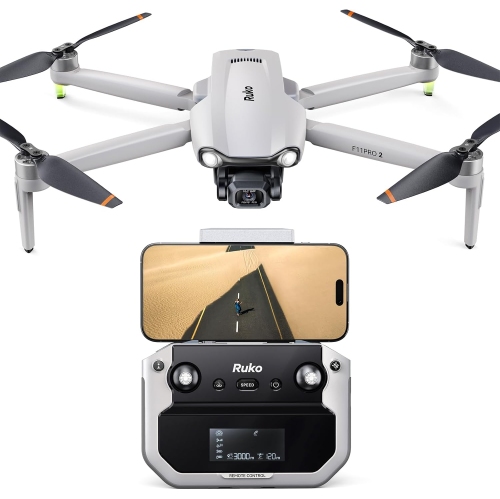
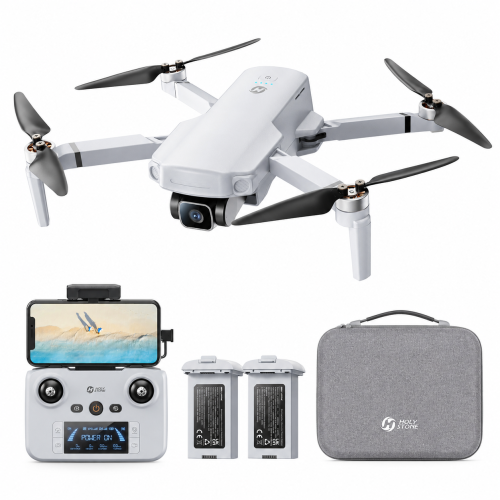
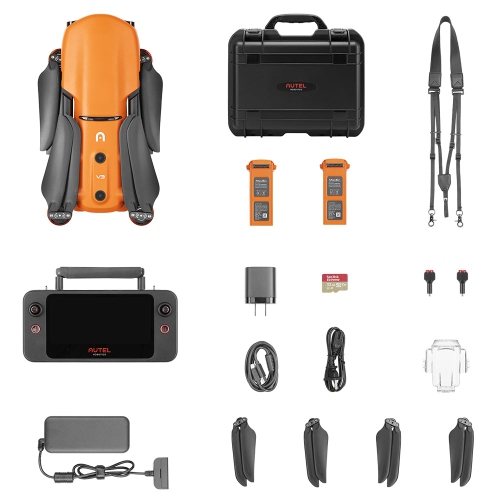
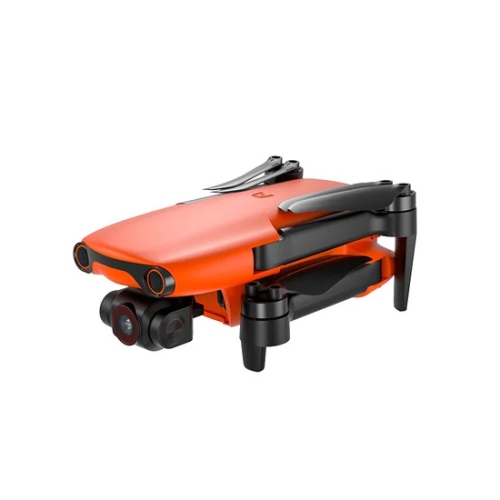
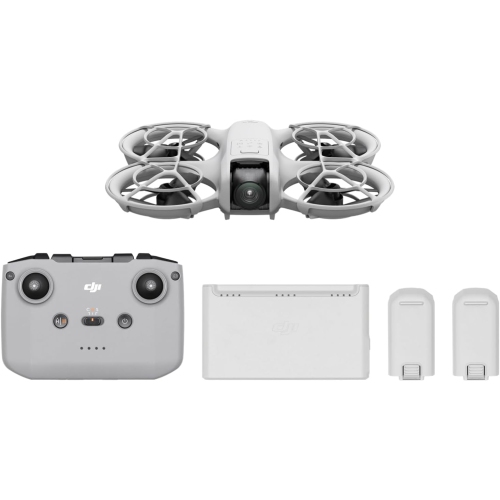
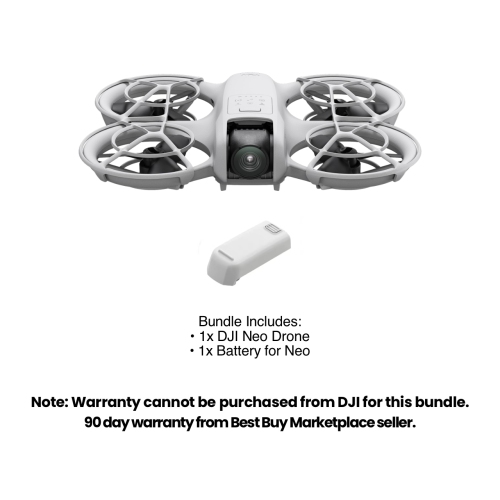
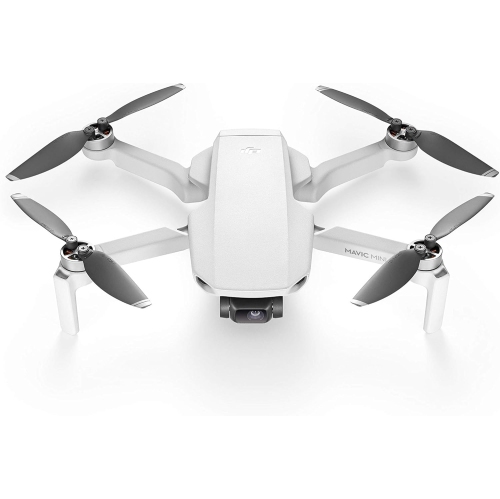
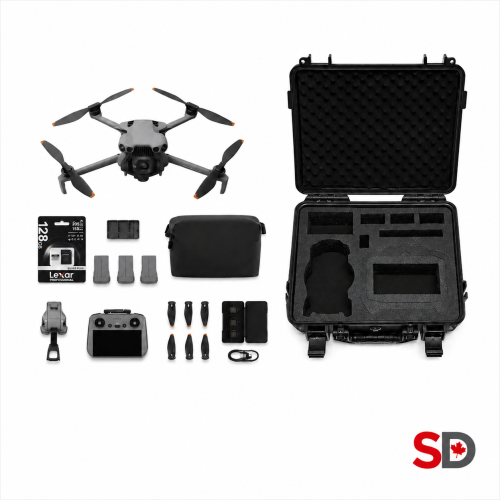
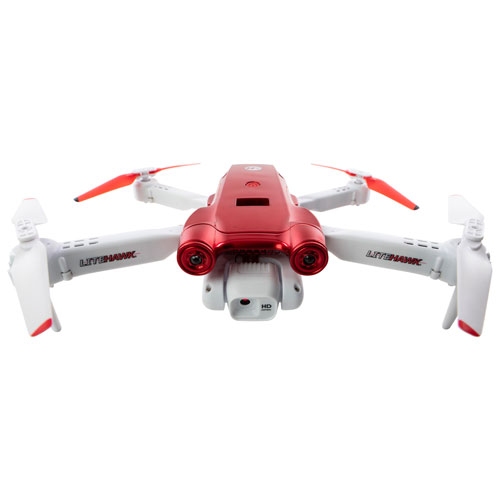
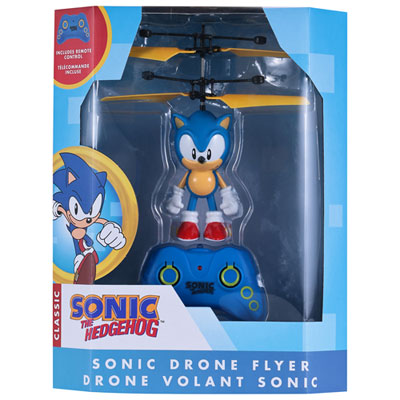
Intended use helps bring these details into focus. A traveller photographing a shoreline may prefer an aircraft that fits neatly into a protective case beside a camera, while a creator producing property footage may prioritize repeatable camera movement, detailed images and convenient file transfer. FPV pilots often place greater emphasis on control response, goggle comfort and the relationship between the live video feed and the aircraft’s movement. Beginners benefit from clear setup procedures, understandable flight information and controls that allow room to build skills, rather than relying on automation alone. A drone can also be a thoughtful gift for an adult interested in photography, technology or aviation, particularly when its operating requirements match the recipient’s experience and willingness to practise. Weight is worth considering beyond carrying comfort because Canadian requirements can differ according to the aircraft’s weight, the type of operation and the location. Registration, pilot certification or additional permissions may be required, and a very light drone is not exempt from every rule. Transport Canada requirements, airspace restrictions, site permissions and privacy obligations all remain relevant to responsible flying. Flights near airports, emergency operations or uninvolved people require particular care and may be restricted or prohibited. Practical ownership continues after landing. Motors, propellers, arms and battery contacts benefit from regular inspection, especially after a hard landing or contact with debris. Damaged propellers should be replaced according to the manufacturer’s instructions rather than bent back into shape. A fitted case protects delicate gimbal assemblies and keeps loose accessories from pressing against the aircraft in transit. Lenses are best cleaned with suitable optical materials, while batteries should be charged, stored and transported according to their specific instructions. File handling matters too: compatible memory cards, adequate storage and a straightforward backup routine help preserve the photographs and footage that make each flight worthwhile. Taken together, these considerations distinguish a well-suited drone from one that simply looks impressive on paper, supporting enjoyable flying and useful results as skills develop.

FAQ

Some products may be subject to Environmental Handling Fees (EHF) depending on your province. Learn more about EHFs.