100W Light Bulbs
Illuminate your home or workspace with the reliable brightness of a 100W Light Bulb. Perfect for a variety of fixtures and rooms, these bulbs provide the illumination you need for everyday tasks and activities. Whether you’re updating your lighting or replacing old bulbs, find options that suit your preferences and enhance your environment. Discover the ideal 100W Light Bulb to keep your spaces shining bright.
Sort









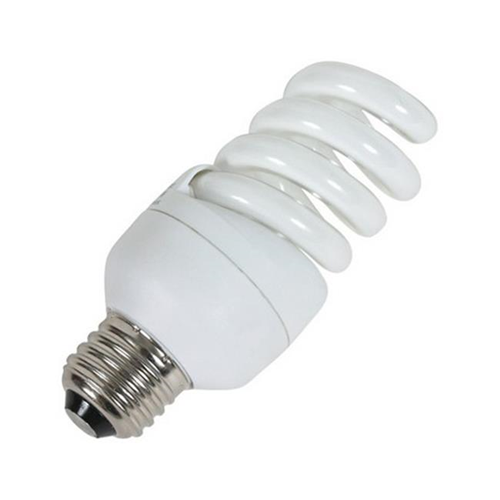


Bright light depends on more than wattage
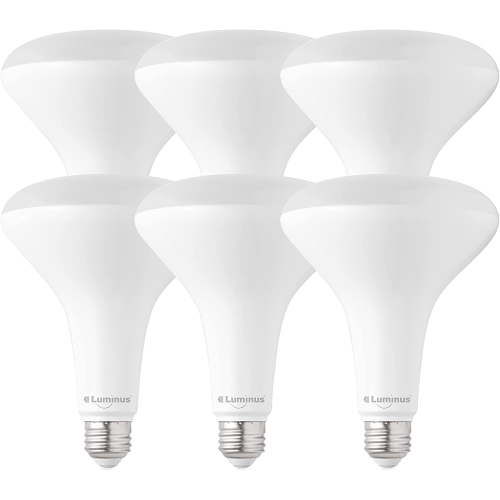
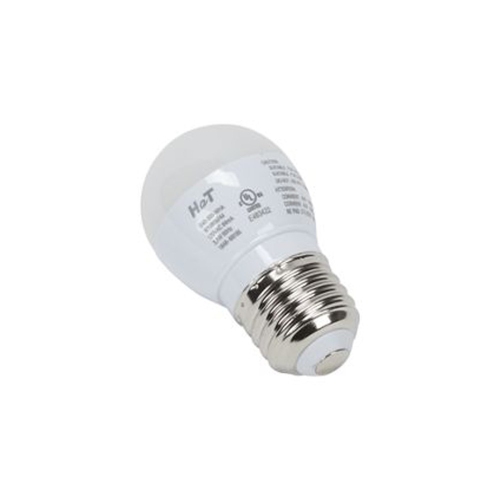
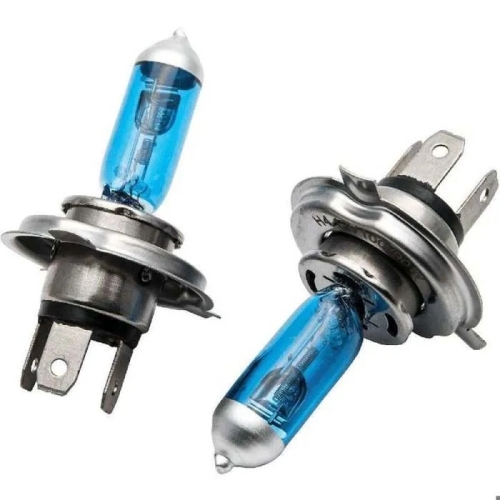
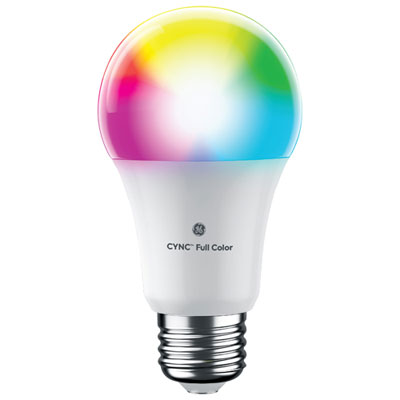
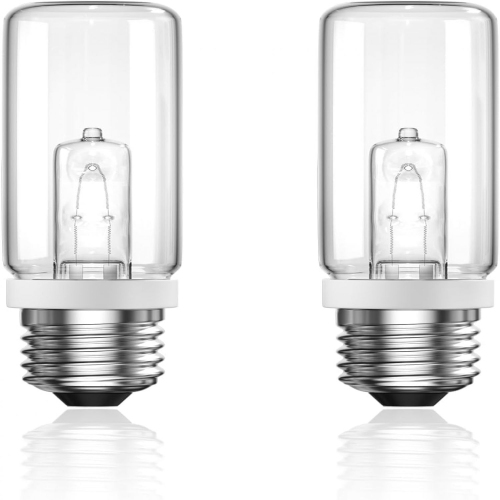
100W light bulbs provide the bright, full illumination often wanted for reading lamps, kitchen fixtures, work areas, and other spaces where a lower-output bulb can leave details in shadow. For LED bulbs, “100W equivalent” describes brightness comparable to a traditional 100-watt incandescent bulb, not the electricity the LED uses. Many 100W-equivalent LED bulbs produce approximately 1,500 to 1,600 lumens while drawing around 11W to 15W, although the exact light output and power consumption vary. Lumens measure brightness; watts measure power use. Those two figures make it easier to compare bulbs without assuming that a higher wattage always means more light. A bulb labelled as an actual 100-watt bulb is different from a 100W-equivalent LED, so the distinction matters when matching a bulb to a fixture. This brightness level can suit a floor lamp beside an armchair, a shaded table lamp used for paperwork, or a ceiling fixture that supplies general room lighting. The result also depends on the fixture: a dark fabric shade absorbs more light than a pale one, while a deep shade can direct most of the illumination downwards. In a room with several bulbs, the combined output may be much brighter than a single-bulb comparison suggests. Wall colours, ceiling height, and the distance between the bulb and the work surface also affect how useful that light feels. A frosted bulb helps soften the appearance of the light source, particularly where the bulb is visible from a seated position. Clear glass and exposed-filament styles create a more distinct point of light and a different appearance in open fixtures. For someone reading fine print, sorting craft supplies, or working at a desktop, useful illumination means enough light on the task without a bright bulb shining directly into their eyes. Bulb brightness and fixture placement work together to achieve that balance.
Physical fit and electrical compatibility are just as important as brightness when comparing 100W-equivalent light bulbs. Many household lamps use an E26 medium screw base, but the base marking on the existing bulb or fixture is a more reliable reference than appearance alone. Bulb shape and dimensions need separate attention: A19 and A21 bulbs can share a base while having different widths and lengths, and a larger bulb may not fit beneath a narrow shade or inside a shallow glass cover. Clearance around the bulb also matters for heat management. LED bulbs use less power than incandescent bulbs with similar brightness, but their electronic components still generate heat. A fully enclosed ceiling fixture needs a bulb specifically rated for enclosed use; a bulb intended for an open lamp is not automatically suitable. The fixture’s maximum wattage applies to the bulb’s actual power consumption rather than its incandescent-equivalent rating, and any additional restrictions on the fixture still apply. Switching controls introduce another compatibility check. Dimmable LED bulbs need a compatible dimmer, and a non-dimmable bulb should not be treated as dimmable simply because it fits the socket. An unsuitable bulb-and-dimmer combination can cause flickering, buzzing, or an uneven adjustment range. Even compatible LEDs may have different minimum brightness levels, which can matter in a living room where the same fixture supports both reading and quieter evening lighting. Three-way lamps require bulbs designed for three-way operation to provide their intended settings; an ordinary dimmable bulb does not perform that function on its own. Bathrooms, covered exterior fixtures, and other locations with moisture exposure require the appropriate damp- or wet-location rating, along with a suitable fixture. Glass and plastic bulb housings also differ in weight and resistance to accidental knocks, although neither should be assumed to be shatterproof. These details help distinguish bulbs that merely screw into a socket from bulbs that suit the fixture’s dimensions, controls, and intended use.
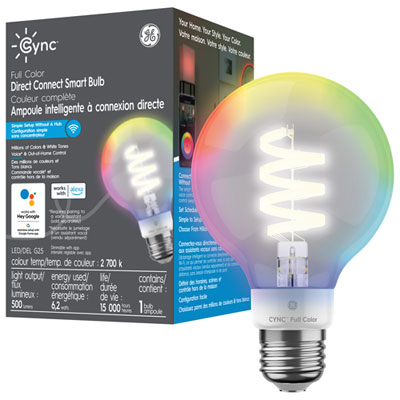
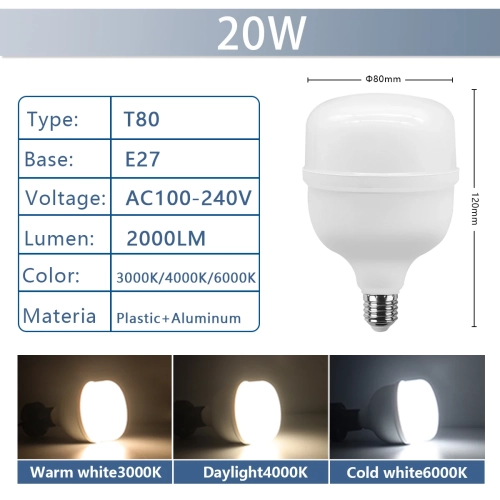
Light colour gives 100W-equivalent bulbs much of their character, even when their lumen ratings are similar. Colour temperature is expressed in kelvins, with approximately 2700K commonly associated with soft white light and 3000K offering a slightly less golden warm white appearance. These tones can feel comfortable in living rooms and bedrooms, especially beside wood furniture, warm paint colours, and fabric lampshades. Around 4000K, the light generally looks more neutral, while 5000K is commonly described as daylight and has a crisper appearance that some people prefer for kitchens, utility areas, and detailed tasks. These names are useful starting points, but the kelvin rating provides a clearer basis for comparing bulbs from different ranges. Matching colour temperature across bulbs in the same fixture helps avoid an uneven mix of yellowish and bluish light. Colour rendering is a separate characteristic: a higher colour rendering index, or CRI, can help fabrics, food, artwork, and skin tones appear more natural. A CRI of 90 or above can be useful where distinguishing similar colours matters, such as at a sewing table or near a mirror. Not every lamp needs the output of a 100W-equivalent bulb; 60W LED Bulbs offer a lower-brightness option for smaller lamps, accent lighting, or fixtures where several bulbs contribute to the room’s illumination. For bulbs that remain in place for years, lifespan ratings and warranty terms are worth considering alongside brightness and light colour. Rated life is an estimate based on specified operating conditions, not a guarantee that every bulb will last that long. Heat buildup, incompatible controls, and frequent operation outside the bulb’s ratings can affect performance. Basic care is straightforward: switch off power, allow the bulb to cool, and follow the manufacturer’s cleaning directions. Keeping shades and covers free of dust also helps light reach the room without unnecessary obstruction. A well-matched bulb brings together comfortable light, a secure fit, suitable controls, and the durability needed for everyday use.
Top selling and popular products
-
 Your price for this item is $269
-
 Your price for this item is $55
-
 Your price for this item is $55
-
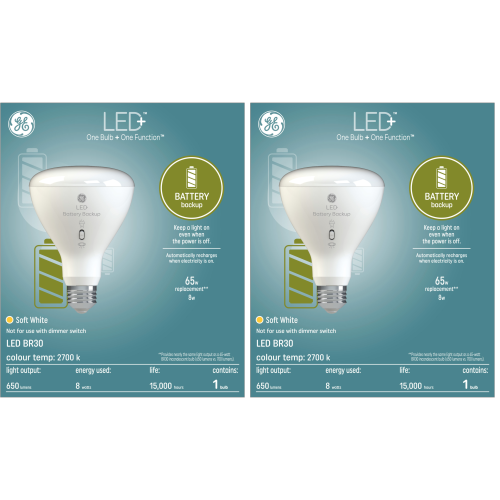 Your price for this item is $45.98
-
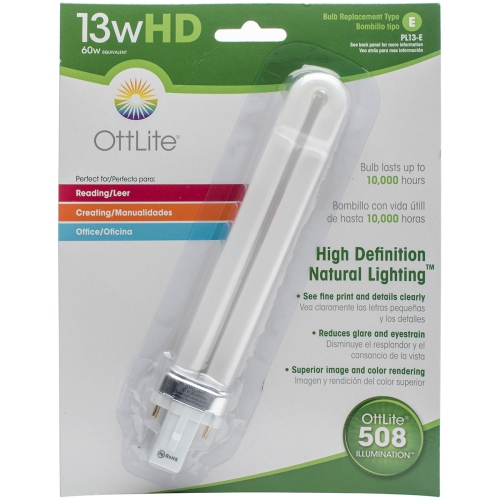 Your price for this item is $55
-
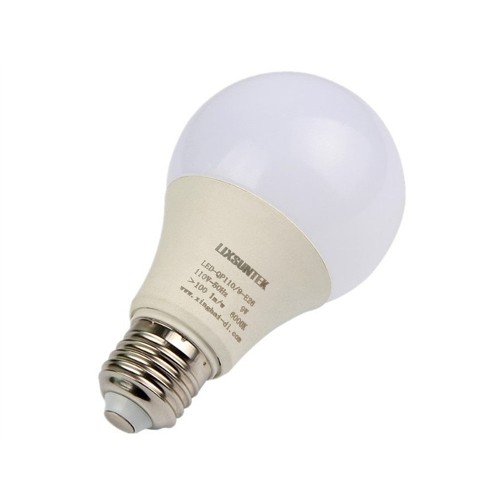 Your price for this item is $9.99
-
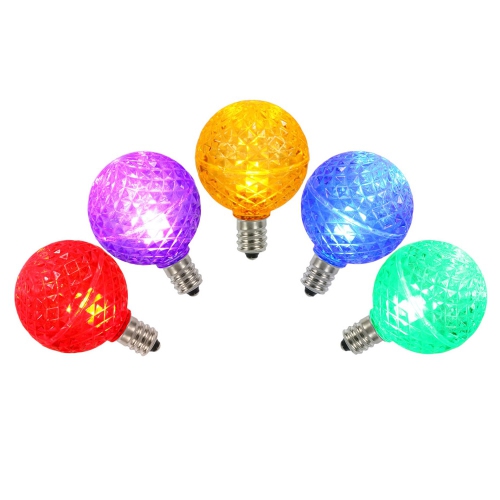 Your price for this item is $74.99
-
 Your price for this item is $125.95
Discover more categories related to 100W Light Bulbs
Top Collections:
Pokemon Centers, Best Budget Office Chairs, Kindle Devices, Best Cameras for Sports Photography, Pokémon 30th Celebration Cards, Best Laptops for Writers, Canon G7X Cameras, iPhone 15 Apple, Best Cell Phones Under $300, Apple iPhones 16
Some products may be subject to Environmental Handling Fees
(EHF) depending on your province.
Learn more about EHFs.