Desk Lamp Light Bulbs
Brighten up your workspace with the perfect desk lamp light bulb. Whether you're studying, working from home, or simply need some extra illumination, a reliable and energy-efficient light bulb is essential. With a wide range of options available, you can find the ideal bulb to suit your needs and create a well-lit environment that enhances productivity and reduces eye strain.
Sort
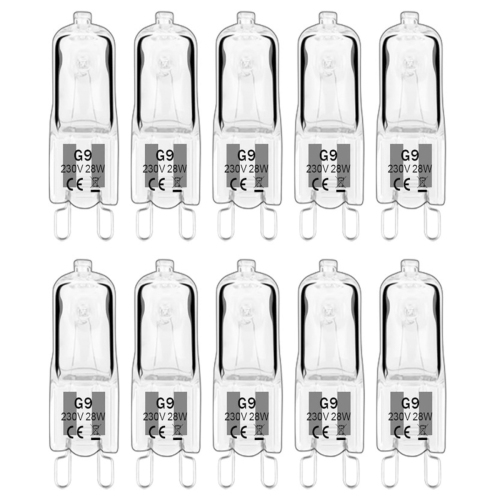


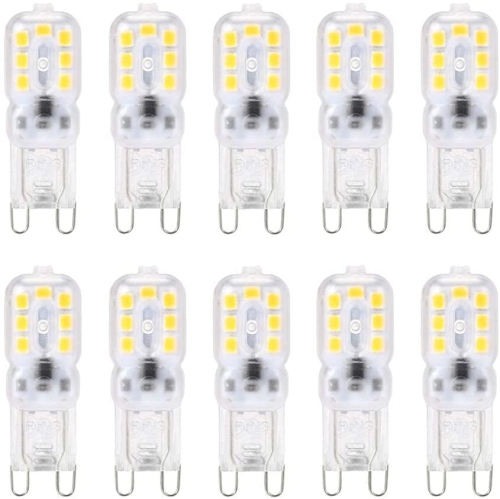
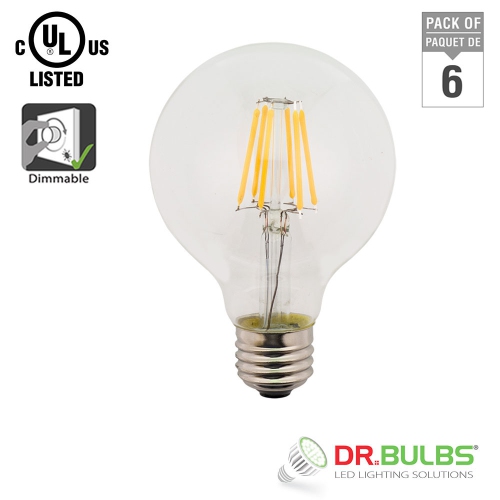
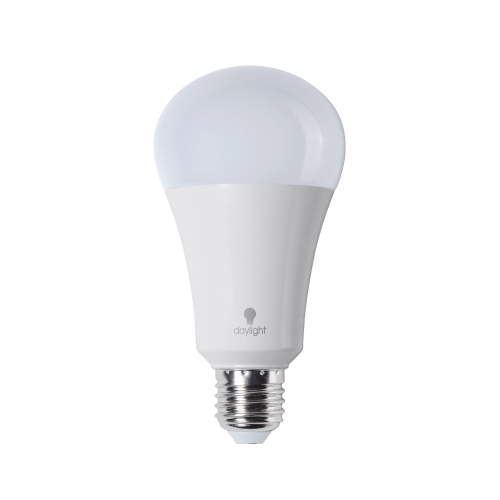
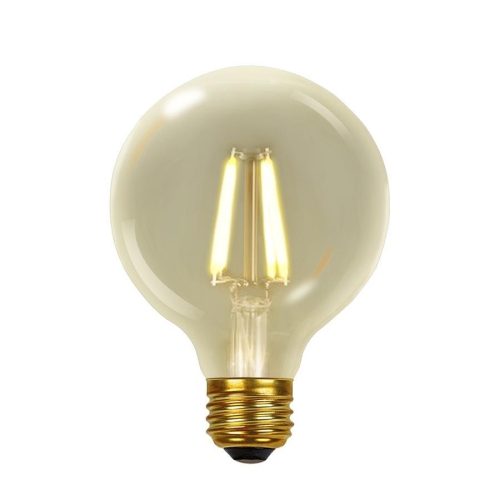
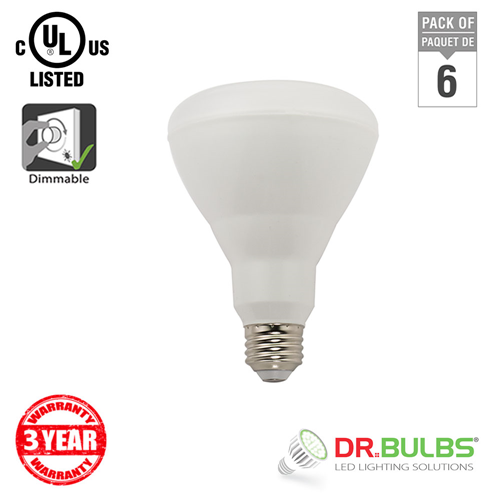

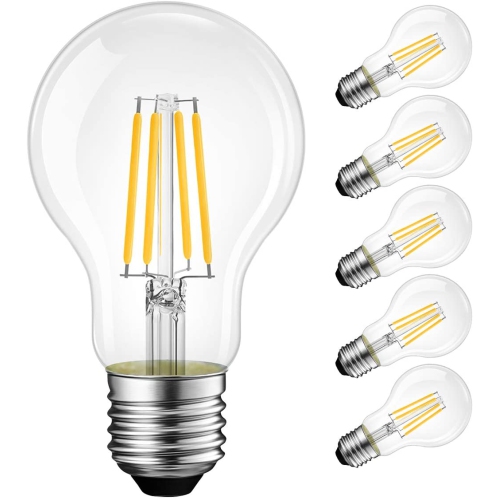
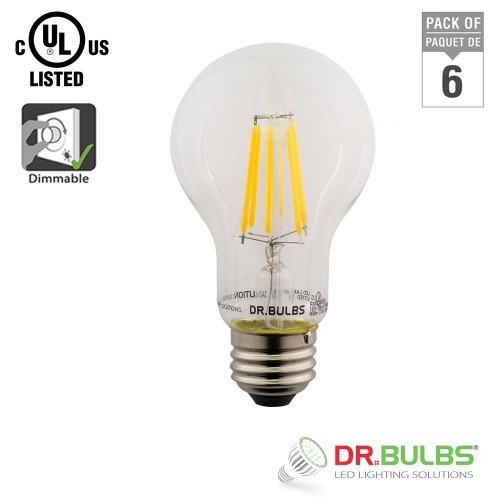

















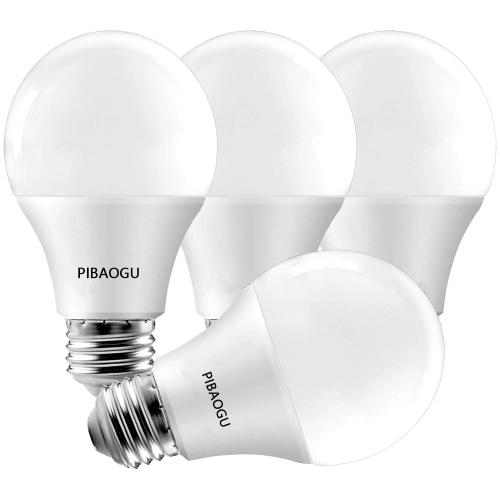
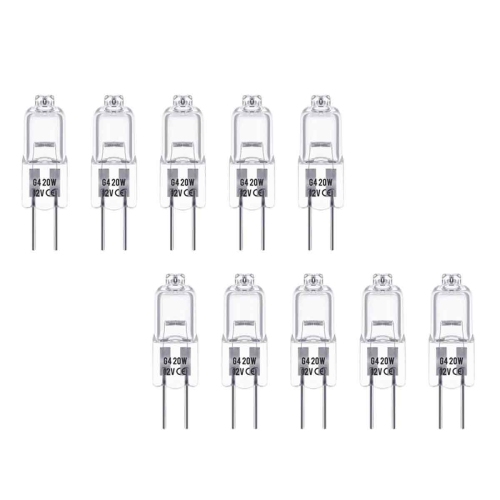

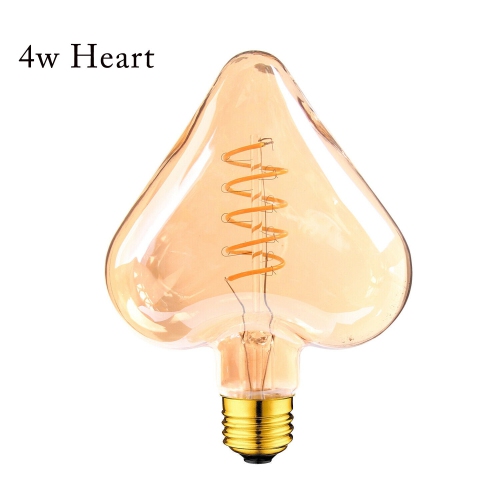








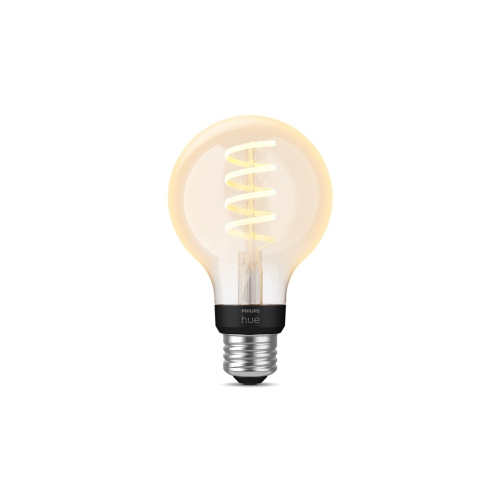
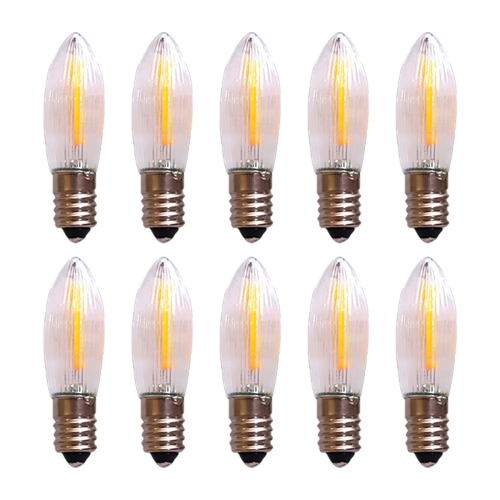

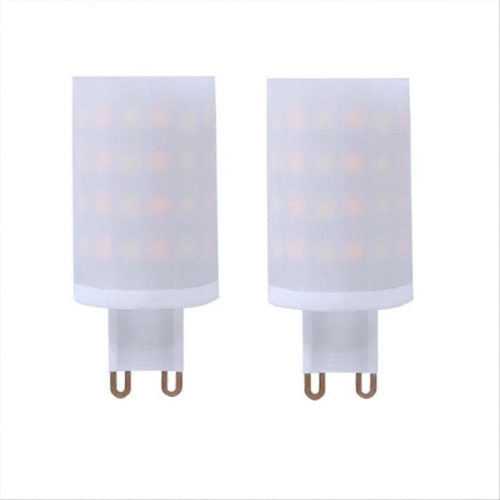

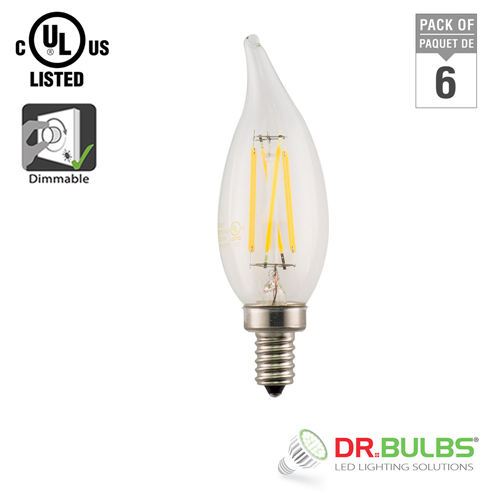
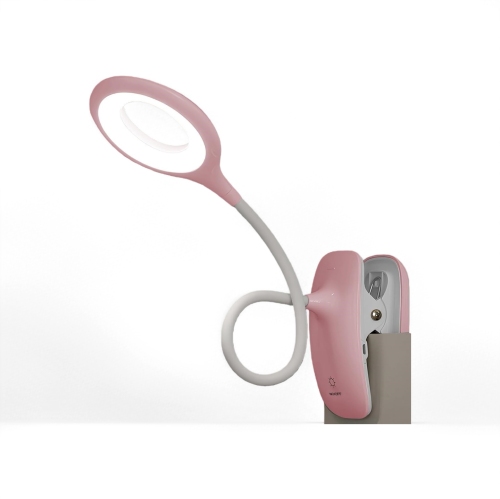


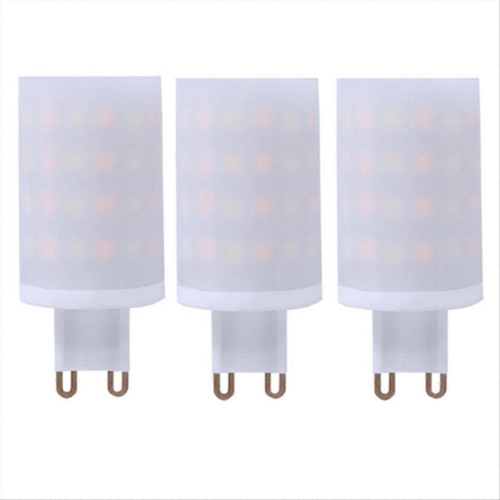
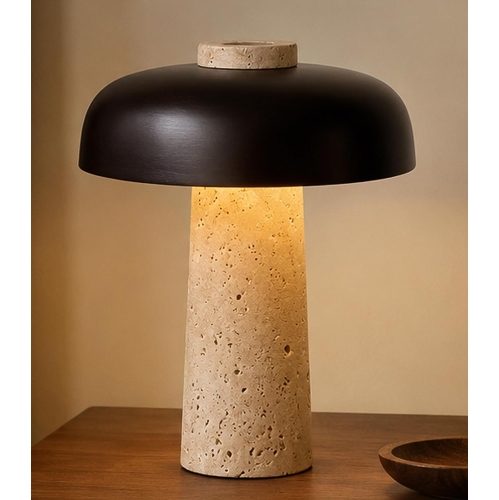
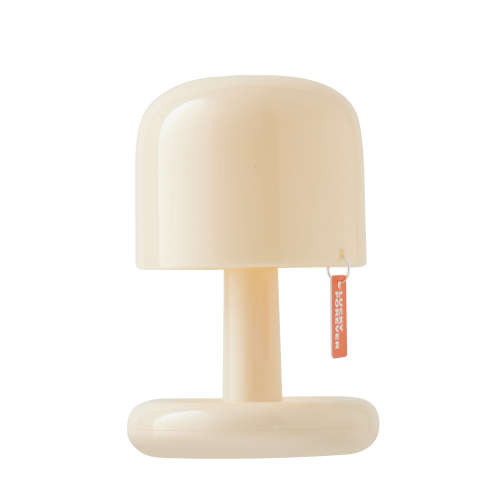




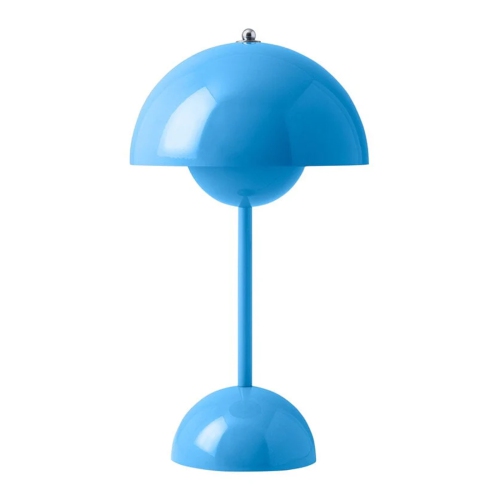

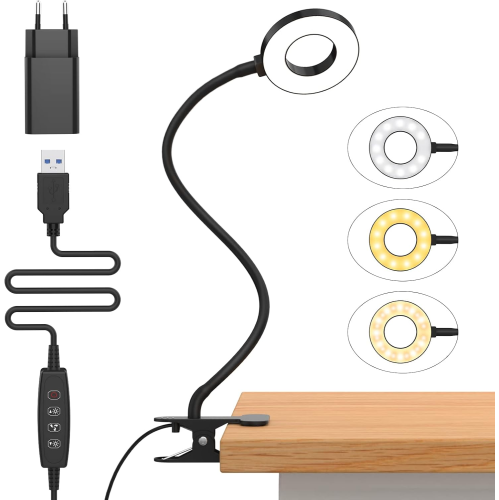


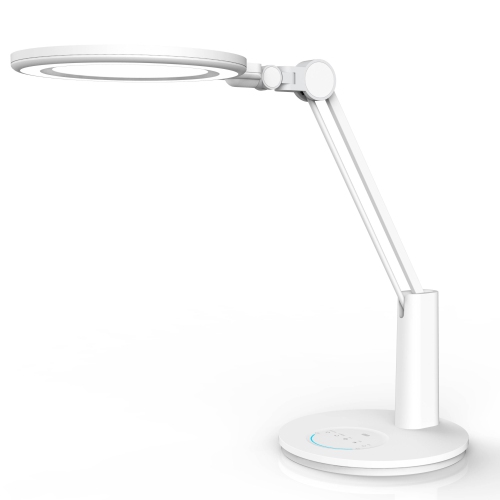


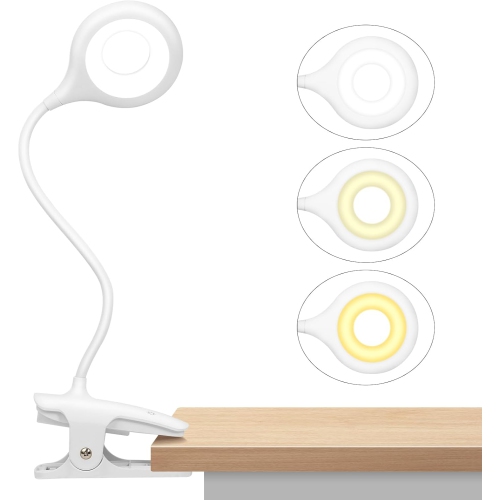


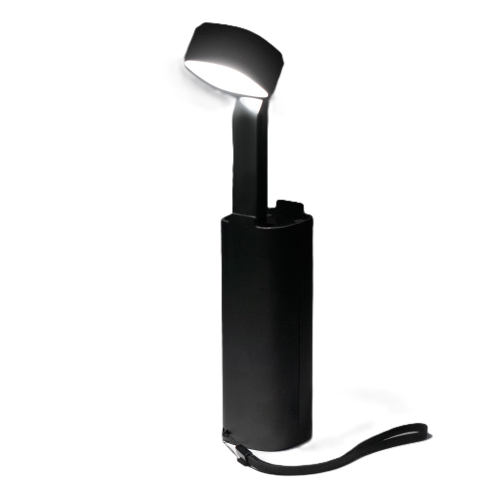


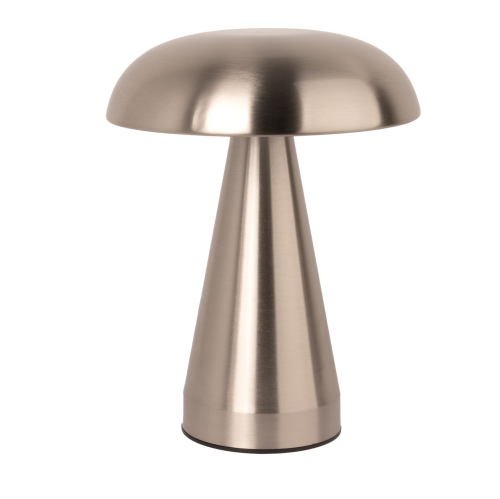
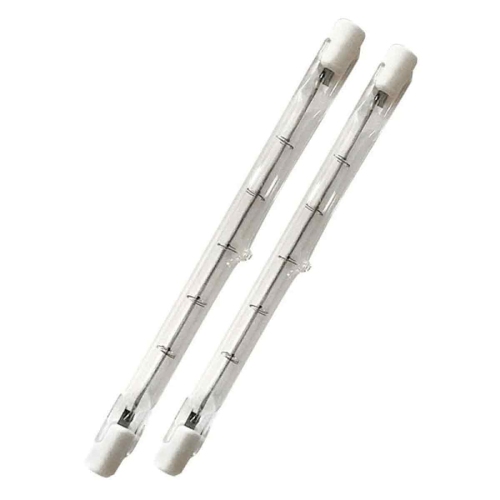






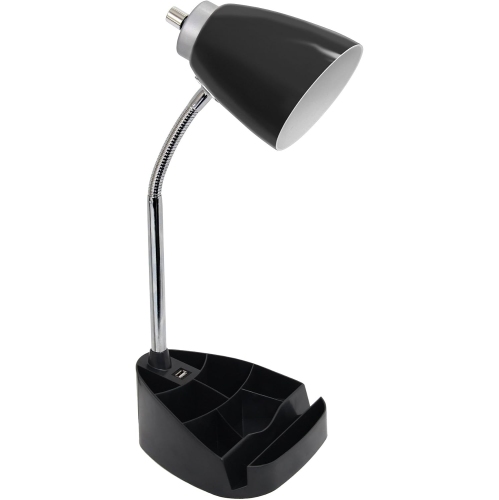
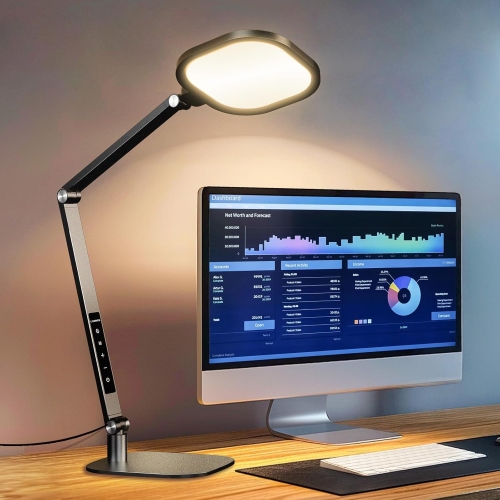


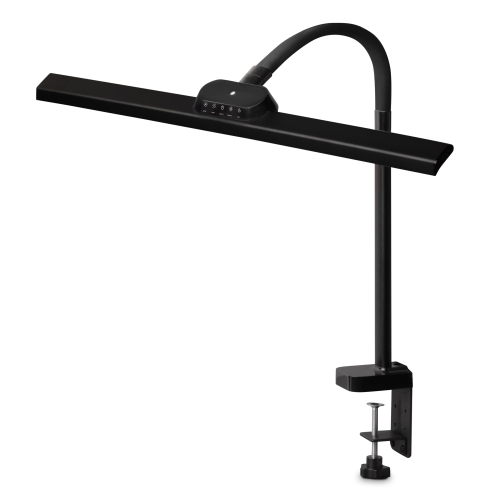


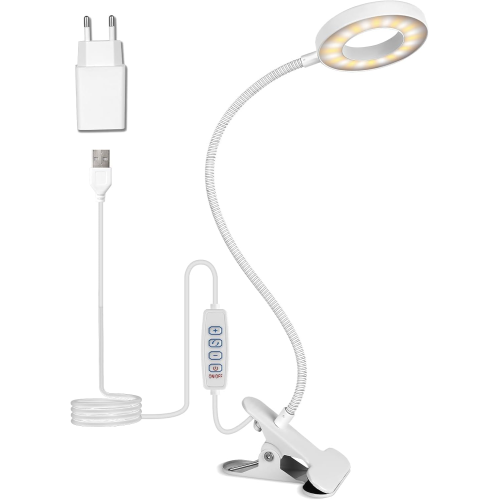

The right bulb fit goes beyond the socket
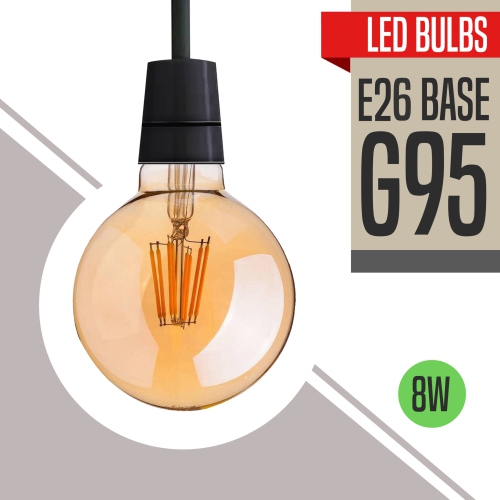
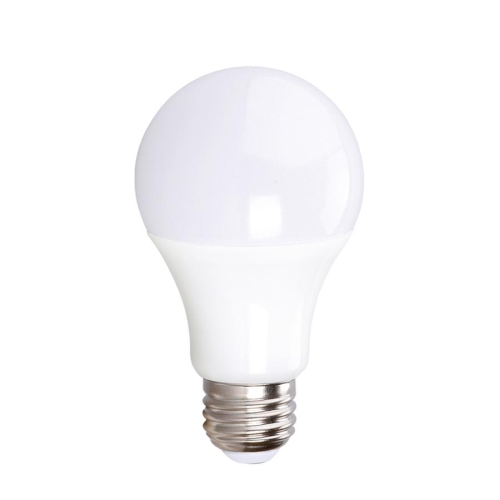
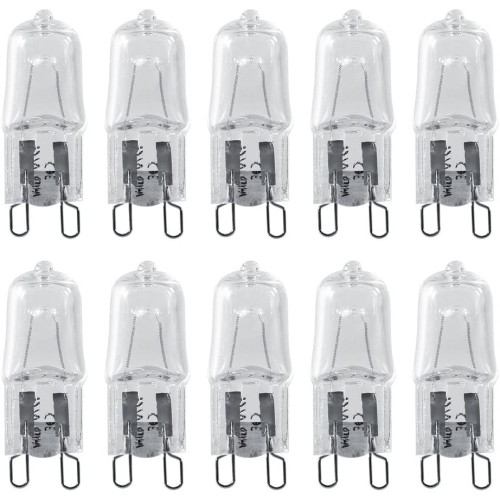
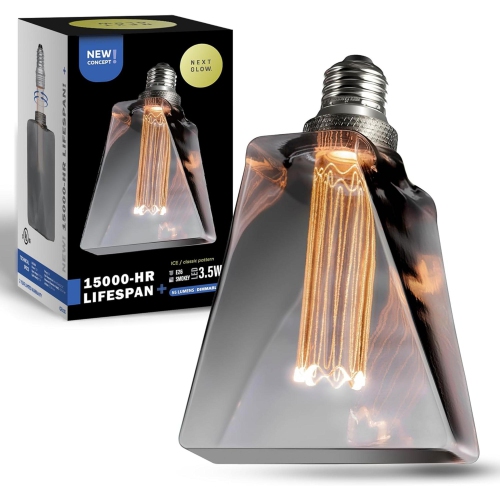
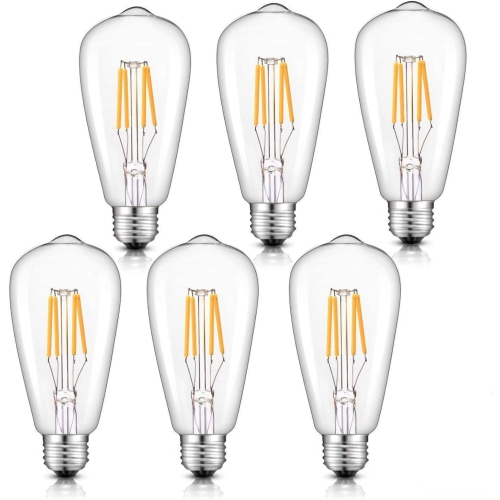
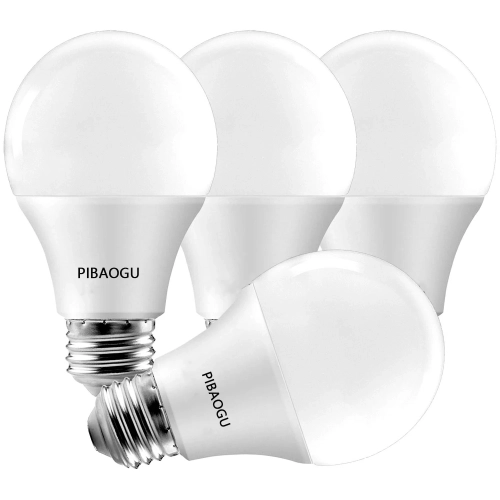
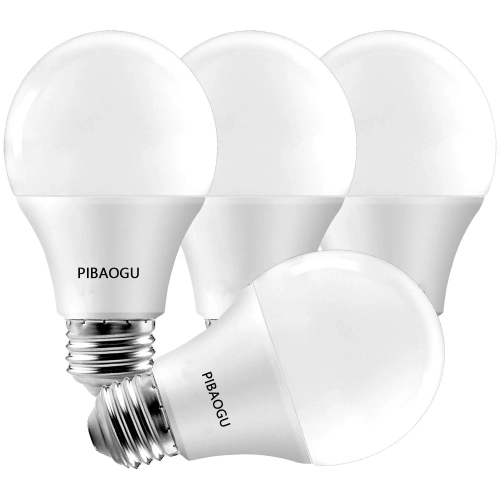
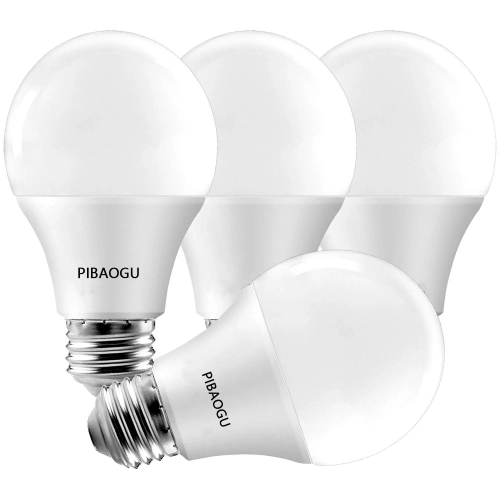
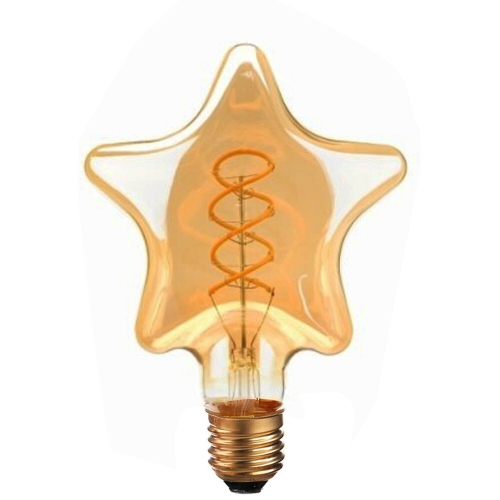
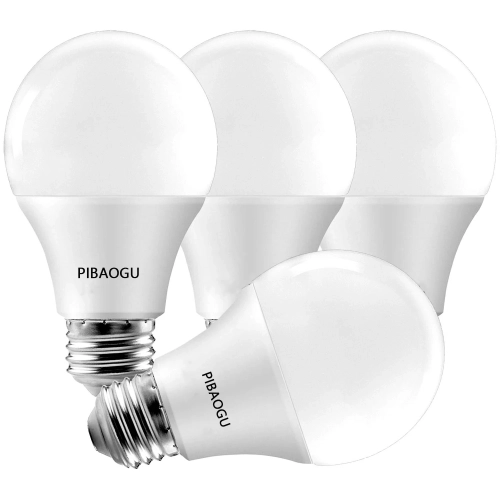
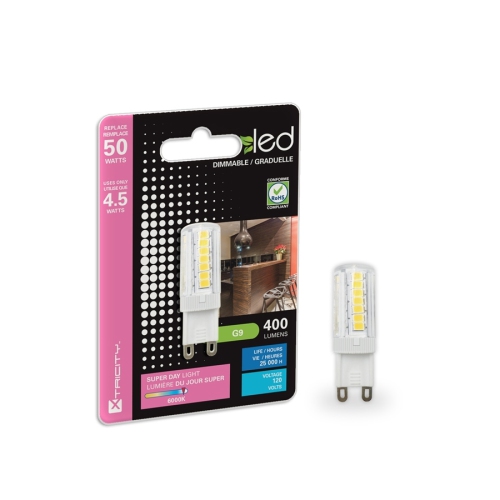
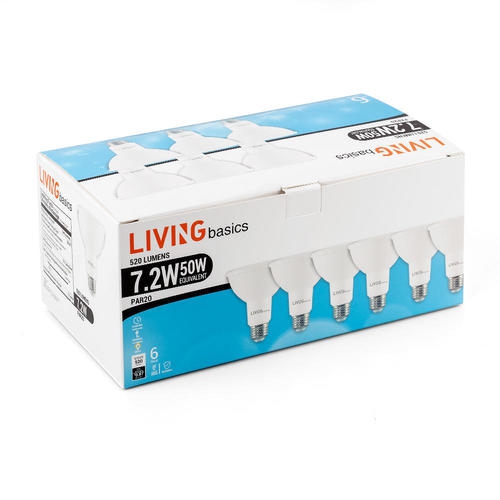
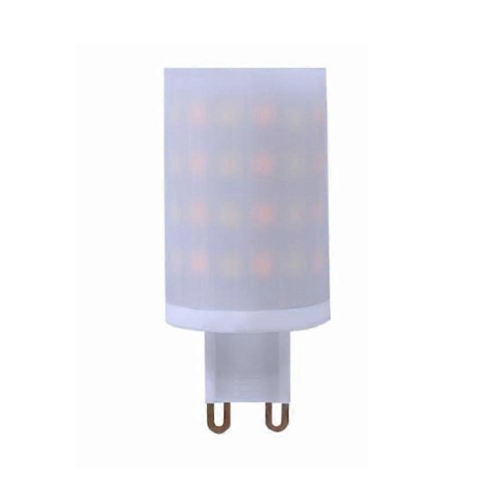
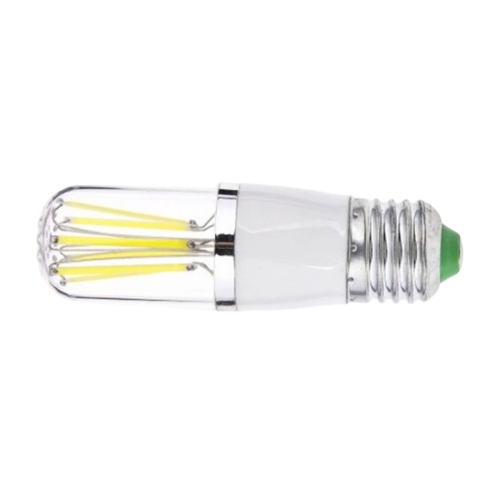
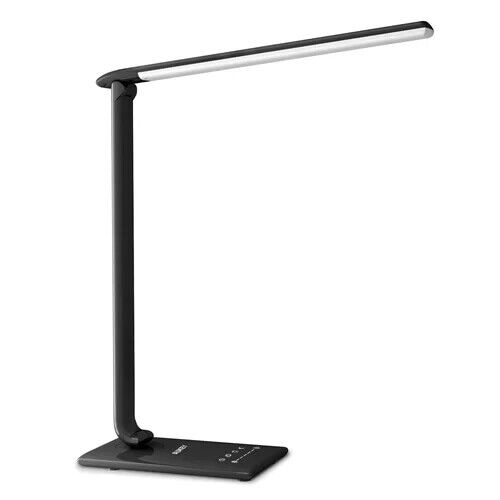
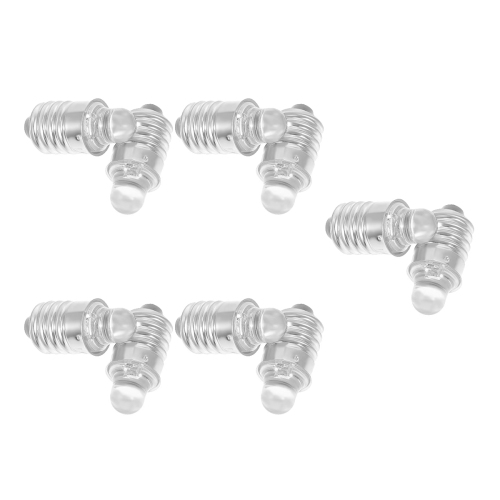
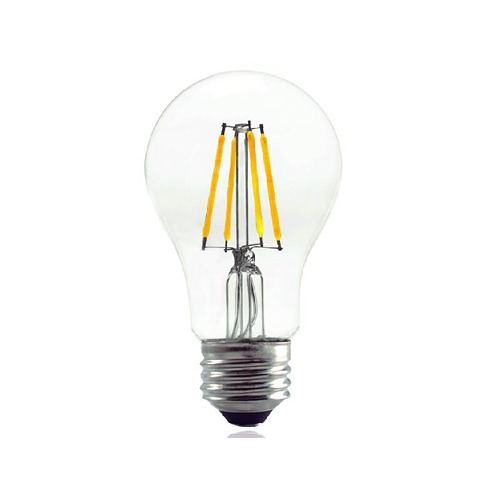
Desk lamp light bulbs provide focused illumination for reading, writing, studying, and detailed work, with the right fit depending on the lamp’s socket, shade, and electrical rating. Many desk lamps in Canada use an E26 medium screw base, often paired with an A19 bulb shape, while compact lamps may use an E12 candelabra base or a specialty pin fitting. These markings describe different parts of the bulb: E26 identifies the screw base, while A19 identifies the familiar rounded shape and its approximate diameter. A bulb can have the correct base yet still be too wide or too tall for a small shade, so the space around the socket matters as much as the connection itself. The lamp’s label or manual is the most reliable reference for base type, permitted bulb types, and maximum wattage. An E27 marking should not be treated as an automatic substitute for E26; the replacement needs to meet the fixture’s stated requirements, including voltage. For an LED replacement, actual wattage—not the incandescent-equivalent figure—must stay within the lamp’s limit, and the bulb must be suitable for the fixture’s design. A shade that traps heat may require a bulb specifically rated for enclosed fixtures. Slender shades, adjustable metal heads, and decorative glass covers can each leave a different amount of clearance around the bulb. Compact shapes can sit neatly inside shallow shades, whereas a larger rounded bulb may project below the rim and shine directly into the user’s eyes. Lamps with integrated LEDs are different from lamps with replaceable bulbs and may not accept a separate bulb at all. These distinctions are especially useful when replacing a bulb in a favourite reading lamp, setting up a student’s desk, or bringing an older task lamp back into everyday use. Matching the original bulb’s markings with the fixture’s requirements helps narrow the choice without relying on appearance alone.
Brightness and light colour shape how a desk feels during everyday tasks. Lumens measure the amount of visible light a bulb produces, while watts describe its power use, so comparing lumen ratings is more useful than comparing wattage when choosing brightness across bulb technologies. Around 450 to 800 lumens can be a useful starting range for many desk lamps, although the amount of light reaching the work surface also depends on shade design, distance, and the room’s other lighting. A small pool of light beside a laptop serves a different purpose from illumination spread across textbooks, handwritten notes, and a large drawing pad. Higher output is not automatically more comfortable: an exposed bright bulb can create glare, particularly beside a glossy monitor or above a pale desktop. Frosted bulbs diffuse light across their surface and can soften the appearance of the light source, while clear bulbs leave the internal light source more visible. Colour temperature, measured in kelvins, describes whether white light looks warm or cool. Warm white around 2700K to 3000K gives paper and wood finishes a softer appearance; neutral white around 3500K to 4000K offers a less yellow tone; and daylight-style light around 5000K to 6500K has a cooler appearance. These are visual preferences rather than measures of brightness, and a cooler bulb does not necessarily produce more light. For drawing, crafts, or comparing fabric colours, a colour rendering index of 90 or higher can help colours appear more faithful under the lamp. A reading corner may call for a warm, diffused glow, while a shared study desk may benefit from adjustable brightness for different users. Placement makes a difference, too: positioning the lamp opposite the writing hand can reduce shadows over the page. Keeping the bulb out of the direct line of sight and balancing task lighting with some room lighting can make the contrast between a bright desk and its surroundings less abrupt.
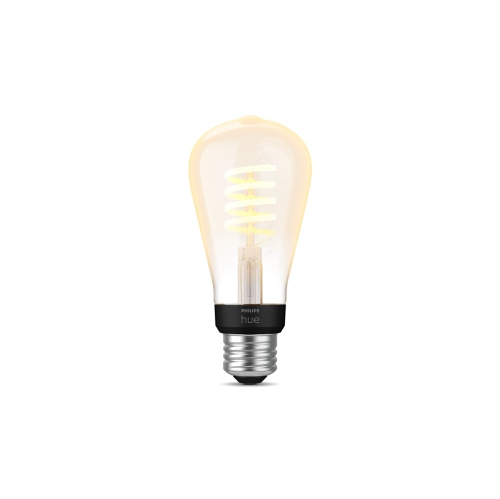
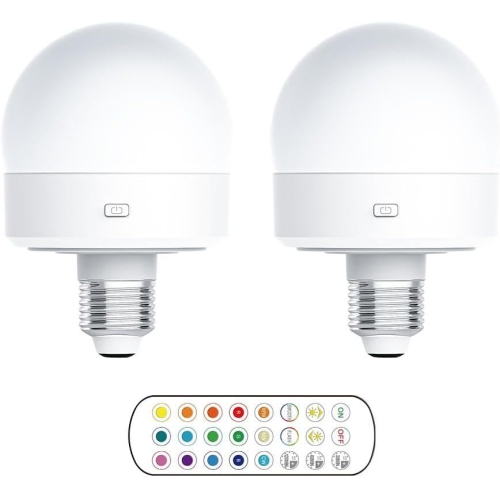
Desk lamp bulbs also differ in their controls, construction, and suitability for regular use. Dimmable LEDs offer flexibility for a desk that moves between paperwork, screen use, and relaxed reading, but both the bulb and the lamp’s dimmer must be compatible. A bulb labelled dimmable may still flicker, buzz, or have a limited dimming range when paired with an unsuitable control. Touch-sensitive lamps and lamps with three-way sockets can have additional requirements, so a standard replacement bulb may not preserve every setting. Smart bulbs can add scheduling, adjustable white tones, or app control where the lamp and connection requirements allow. Some connect through Wi-Fi, while others use Bluetooth or a separate hub; many need continuous power to remain reachable through their controls. Switching the lamp off at its physical switch generally prevents remote operation until power is restored. These features can suit a home office that also serves as a hobby space, but a straightforward fixed-output bulb may be all that is needed for a dedicated reading lamp. Glass and plastic outer covers are both common, with handling needs that vary by design. Neither should be forced into a tight shade or overtightened in the socket, and even an LED bulb can become hot during use. Turning off and unplugging the lamp, then allowing the bulb to cool, makes replacement and cleaning safer. A soft, dry cloth can remove dust once the bulb is cool, while moisture should be kept away from the socket and electrical contacts. Rated lifespan is an estimate rather than a guarantee; heat buildup and incompatible controls can affect performance and durability. For a student, an avid reader, or someone who enjoys model building and other close-up hobbies, a compatible replacement bulb can be a practical addition to a desk setup or lamp gift. Lower-level lighting elsewhere in the home serves a different purpose: Night Light Bulbs are intended for gentle illumination rather than a concentrated work area. For a desk, the strongest match brings together secure fit, suitable brightness, comfortable light colour, and controls that work properly with the lamp.
Top selling and popular products
-
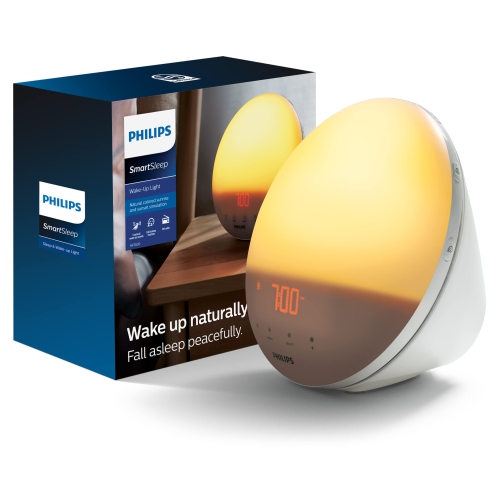 Your price for this item is $269
-
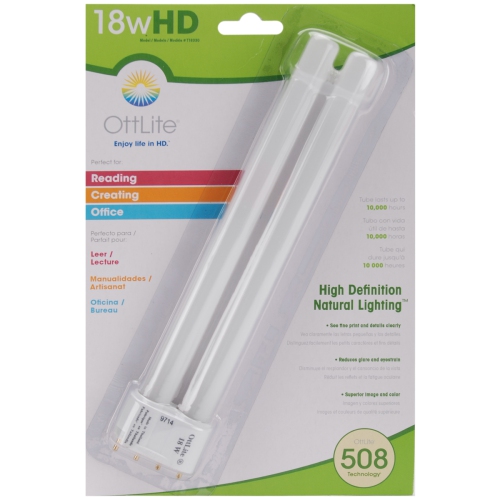 Your price for this item is $55
-
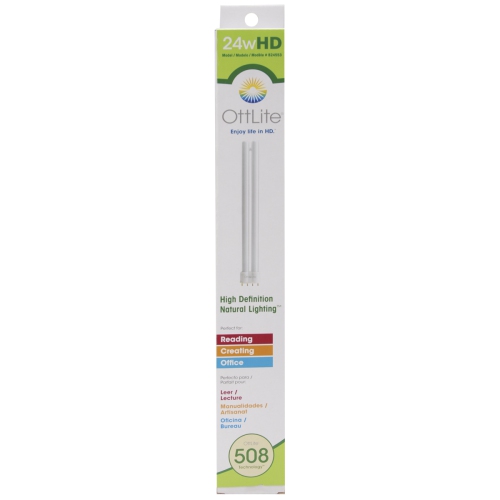 Your price for this item is $55
-
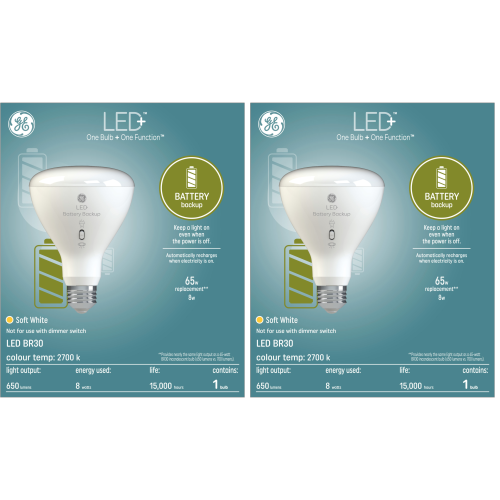 Your price for this item is $45.98
-
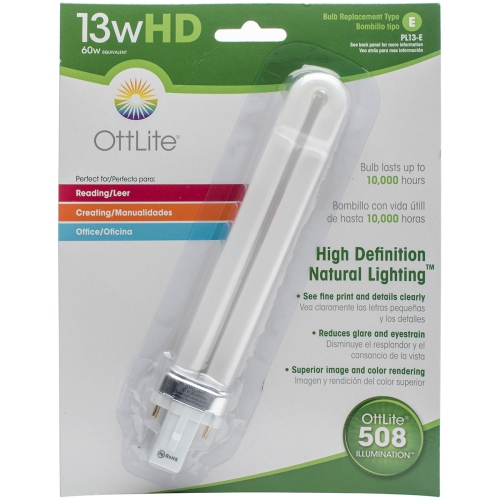 Your price for this item is $55
-
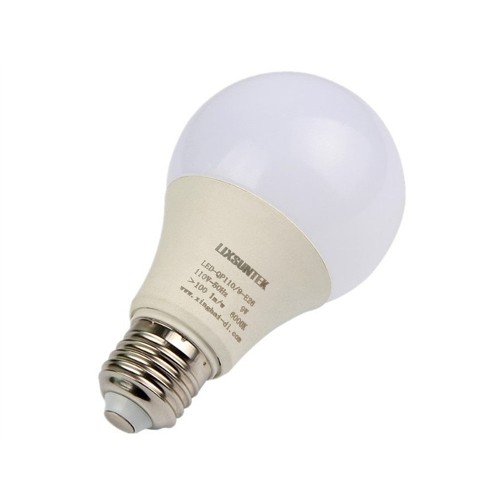 Your price for this item is $9.99
-
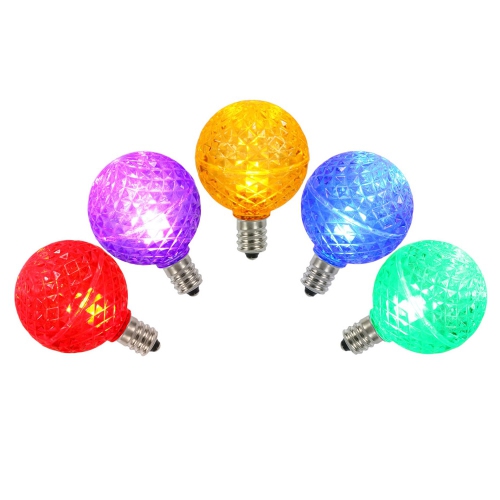 Your price for this item is $74.99
-
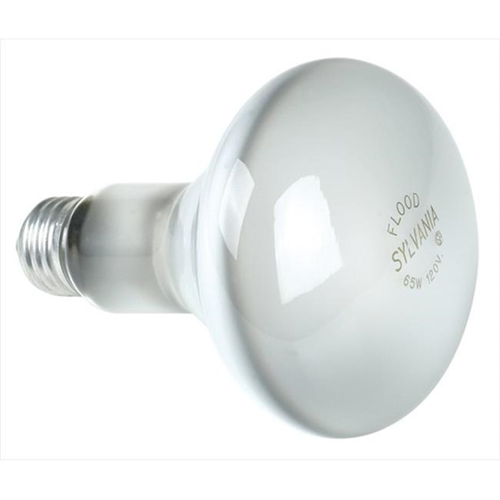 Your price for this item is $125.95
Discover more categories related to Desk Lamp Light Bulbs

Top Collections:
Pokemon Centers, Best Budget Office Chairs, Kindle Devices, Best Cameras for Sports Photography, Pokémon 30th Celebration Cards, Best Laptops for Writers, Canon G7X Cameras, iPhone 15 Apple, Best Cell Phones Under $300, Apple iPhones 16
Some products may be subject to Environmental Handling Fees
(EHF) depending on your province.
Learn more about EHFs.