60W LED Bulbs
Upgrade your lighting with our selection of 60-watt LED bulbs that offer energy-efficient and long-lasting illumination for almost any space. Whether you're looking to brighten up your living room, office, or outdoor area, these LED bulbs provide a cost-effective and eco-friendly lighting solution. With a variety of styles and shapes available, you can easily find the perfect 60-watt LED bulb to suit your needs and enhance the ambiance of your home or workspace.
Sort


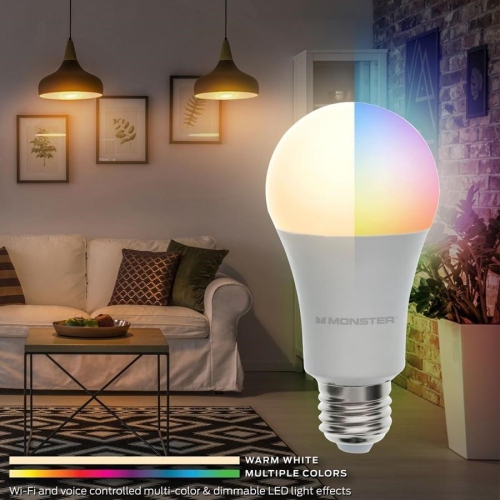
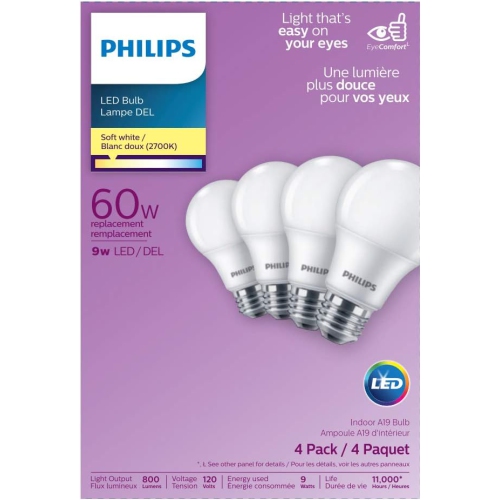
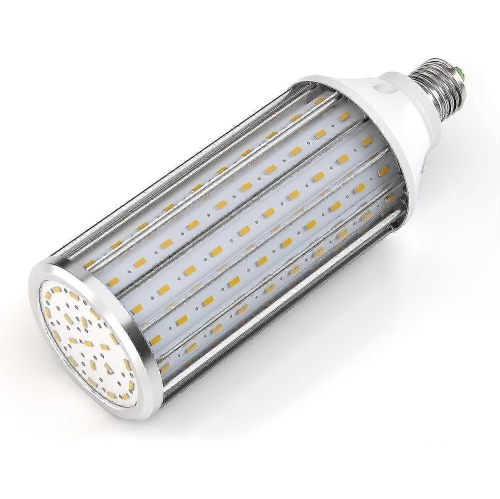


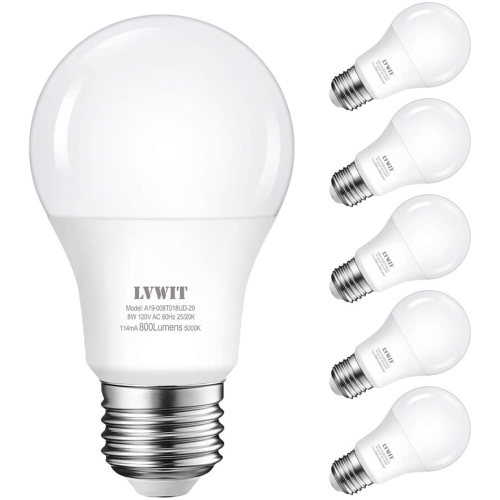










Why lumens matter more than wattage for brightness
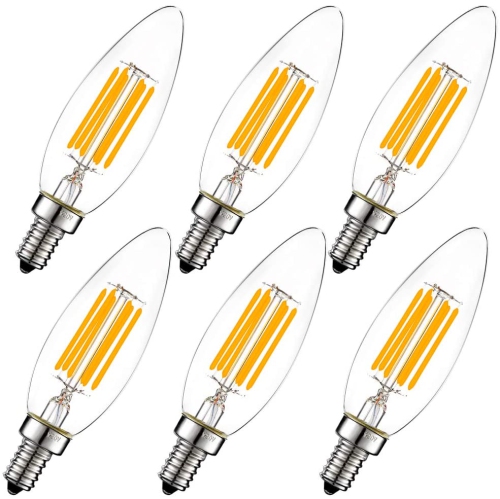
60W LED bulbs bring familiar, everyday brightness to table lamps, bedside lights, ceiling fixtures, and other lighting used throughout the home. Most bulbs in this category are 60-watt equivalent LEDs: they produce approximately as much light as a traditional 60W incandescent bulb while typically drawing only 8 to 11 watts of electricity. That distinction matters when comparing packages, because the large wattage-equivalent number describes the brightness you can expect, not the bulb’s actual power consumption. For a familiar replacement, look for an output of around 800 lumens. Lumens measure light output, making them a more useful comparison than wattage when choosing between different LED designs. An 800-lumen bulb can suit a bedside lamp or a reading light beside an armchair, while a larger room will often need several light sources to feel evenly lit. The shade and fixture matter, too: a dark fabric shade absorbs more light than a pale one, and a frosted glass cover softens the light reaching the room. A bulb that feels bright in an open pendant may look noticeably gentler behind a thick shade. Before buying, check the base type, bulb dimensions, and fixture requirements rather than relying on brightness alone. A19 describes a common pear-shaped bulb, while E26 describes the medium screw base used in many household lamps; these details identify different parts of the fit and are not interchangeable. Compact shades, narrow glass covers, and shallow fixtures can limit which bulb shapes will fit, even when the screw base is correct. Check the bulb’s actual wattage against the fixture’s maximum rating, along with any restrictions on bulb type. If a space needs more light from each socket, 100W Light Bulbs offer another brightness category to consider, provided the selected bulb’s dimensions, actual wattage, and intended use are compatible with the fixture.
Colour temperature makes an equally noticeable difference to how 60W equivalent LED bulbs feel at home. Measured in kelvins, it describes the appearance of the light rather than how much light the bulb produces. Soft white light around 2700K has a warm, yellowish tone that works well in bedrooms, living rooms, and dining areas. Picture a lamp beside the sofa on a dark evening: warm light keeps the corner inviting without giving the room the crisp feel of a workspace. Light around 3000K stays warm but looks a little less golden, making it a useful option where living and working areas overlap. Neutral white around 4000K offers a less yellow appearance, while daylight around 5000K looks crisp and can suit kitchens, home offices, laundry areas, or garages, depending on personal preference. A daylight bulb is not automatically brighter than a soft white bulb; two bulbs rated at 800 lumens have comparable light output even if their tones look quite different. Checking the kelvin value is useful because colour names can vary between manufacturers. Keeping colour temperatures consistent within a shared fixture helps prevent a patchy appearance, particularly over a bathroom mirror or across a row of kitchen pendants. For spaces where accurate colours matter, such as a craft table or dressing area, a colour rendering index, or CRI, of 90 or higher is worth considering when that information is available. Dimming is another detail best checked before purchase. Not every LED bulb is dimmable, and a dimmable bulb still needs a compatible dimmer to work properly. Older controls designed for incandescent lighting can cause flickering, buzzing, or a limited dimming range with some LEDs. Compatibility information and minimum load requirements help narrow the choice. Standard dimmable LEDs generally retain their colour temperature as they dim, whereas bulbs specifically described as warm-dimming shift towards a warmer tone. That difference can be especially appealing in a room used for both daytime tasks and relaxed evenings.
Choosing between individual bulbs and multipacks often comes down to how many fixtures need attention and how consistent you want the lighting to look. A single replacement makes sense for a favourite desk lamp, while a matching pack can simplify refreshing a hallway, a group of bedside lamps, or a multi-bulb ceiling fixture. Keep a note of the lumen output, colour temperature, base, and dimming requirements so future replacements are easier to match. For renters, students setting up a study space, and anyone furnishing a first home, 60W equivalent LED light bulbs are a practical way to make existing lamps more useful without changing the fixtures themselves. They can also be a thoughtful addition to the gift of a reading lamp, provided the bulb suits both the lamp and the recipient’s preferred lighting. During the cooler months, when indoor lights may stay on longer, the difference between a harsh overhead light and a comfortable mix of lamps becomes particularly noticeable. Beyond appearance, check the operating conditions printed on the packaging. LEDs still produce heat, particularly around the base, so a bulb used inside a fully enclosed fixture needs an explicit enclosed-fixture rating. For a covered porch or another location exposed to moisture, choose the appropriate damp- or wet-location rating and check the stated operating temperature range. Canadian winter conditions can fall outside the limits of bulbs intended for indoor use. Rated lifespan is another useful comparison, though it is an estimate rather than a guarantee; heat, usage patterns, and fixture suitability can affect service life. Where smart features are available, confirm whether the bulb requires Wi-Fi, a hub, or a particular control system, and check compatibility before pairing it with an existing wall dimmer. For straightforward lighting, a standard bulb may be all that is needed. The most useful choice is one that fits properly, delivers enough light, and feels comfortable through the ordinary routines of reading, cooking, working, and winding down.
Top selling and popular products
-
 Your price for this item is $269
-
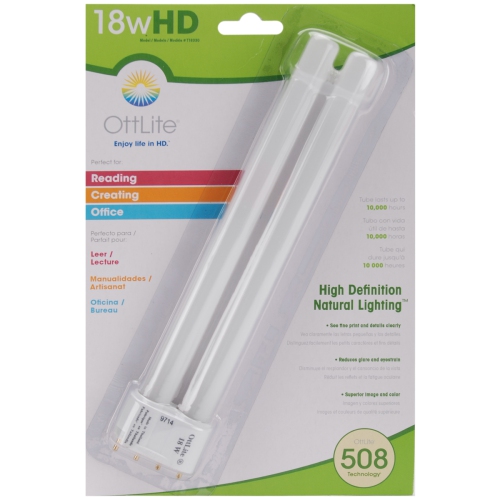 Your price for this item is $55
-
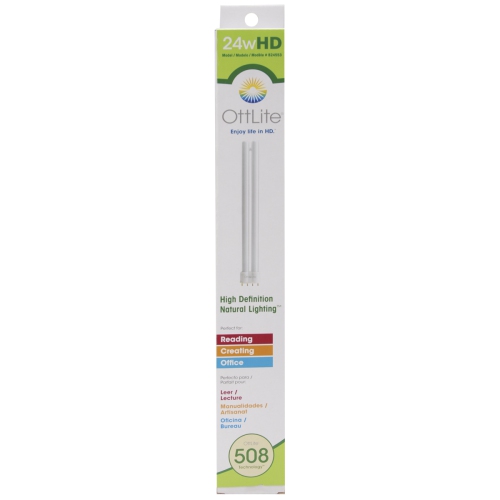 Your price for this item is $55
-
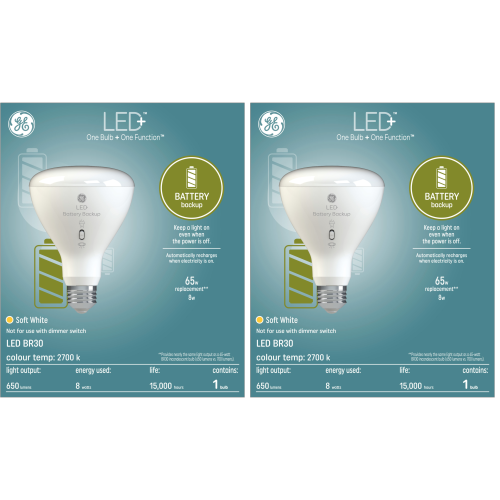 Your price for this item is $45.98
-
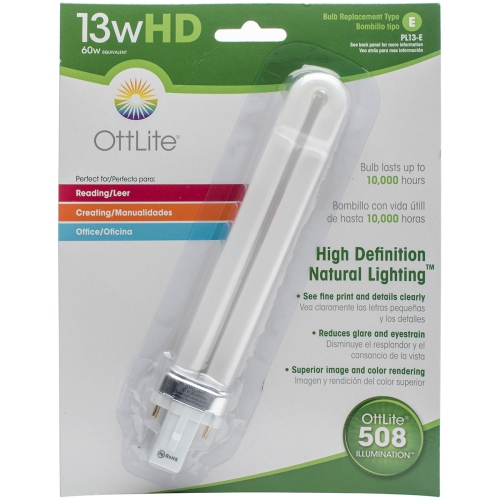 Your price for this item is $55
-
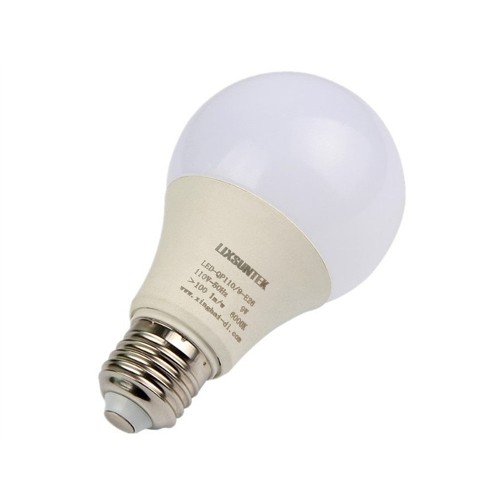 Your price for this item is $9.99
-
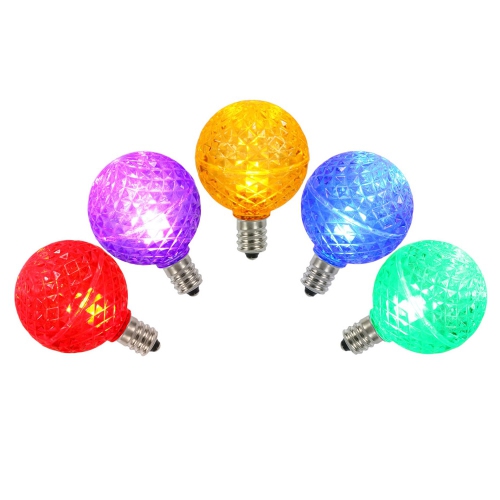 Your price for this item is $74.99
-
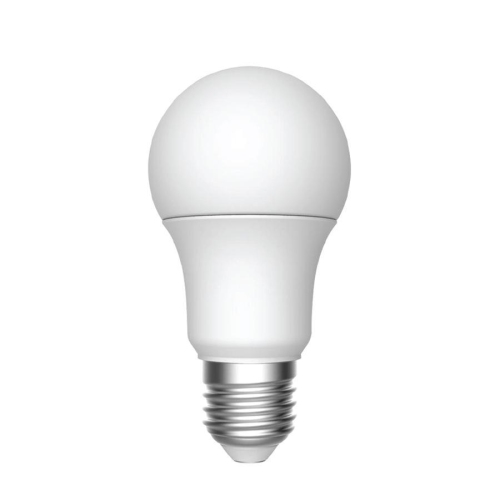 Your price for this item is $4.97
Discover more categories related to 60W LED Bulbs
Top Collections:
Pokemon Centers, Kindle Devices, Best Cameras for Sports Photography, Pokémon 30th Celebration Cards, Canon G7X Cameras, Samsung Galaxy Phones, iPhone 15 Apple, Best Black Friday Deals On Electronics, Jackery Power Stations, Solar Generators for Home
Some products may be subject to Environmental Handling Fees
(EHF) depending on your province.
Learn more about EHFs.