10x10 Gazebos
Create a cozy outdoor retreat with our selection of 10x10 gazebos. Perfect for adding shade and style to your backyard, patio, or garden, these versatile structures provide a charming space to relax and entertain guests. Whether you're hosting a summer BBQ, enjoying a quiet afternoon with a book, or simply seeking shelter from the sun, a 10x10 gazebo is an ideal addition to any outdoor space. Explore our range of options to find the perfect gazebo to enhance your outdoor living experience.
Sort
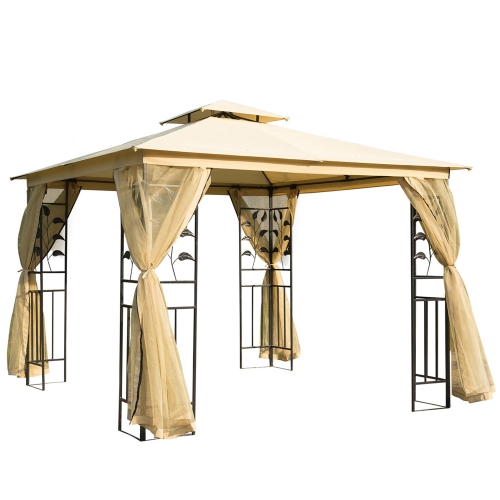
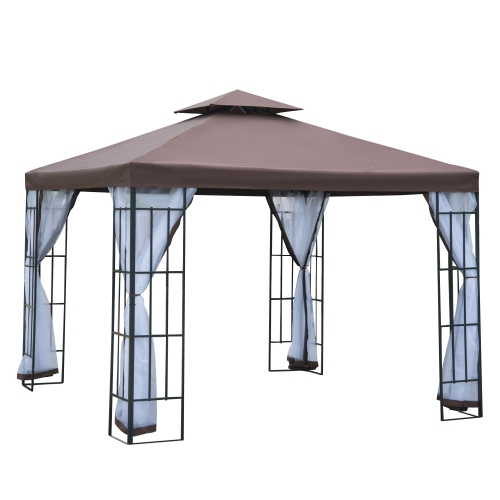
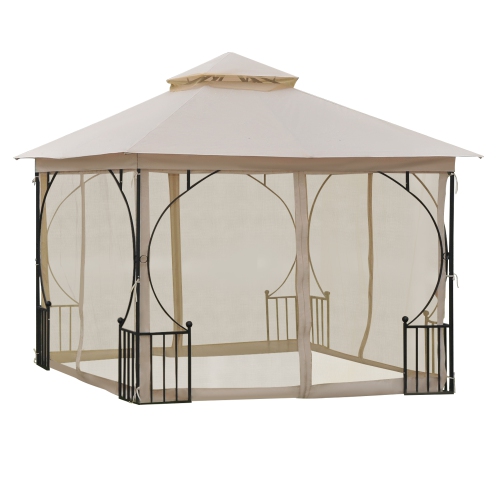
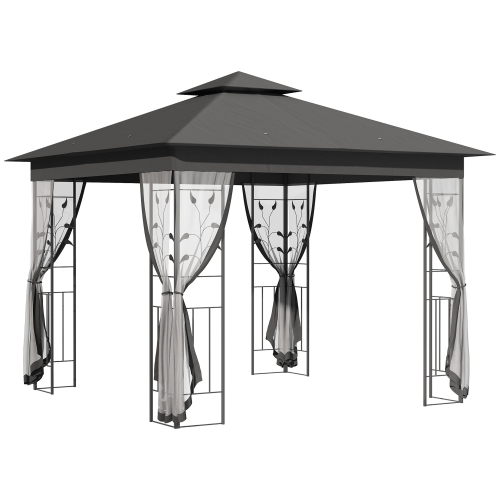








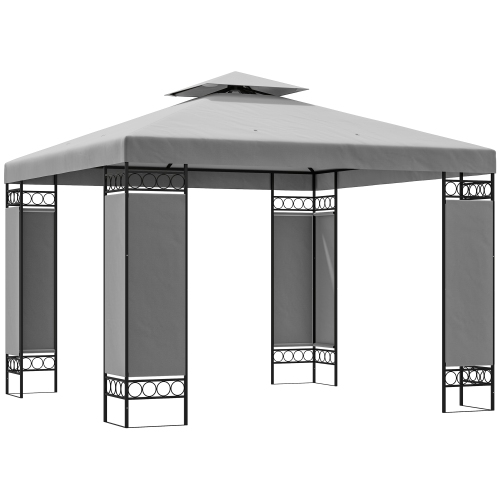
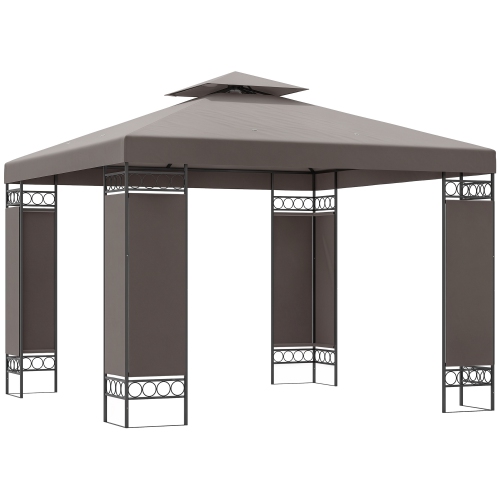

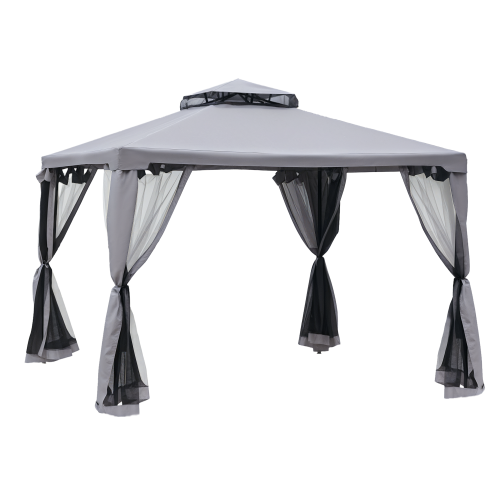

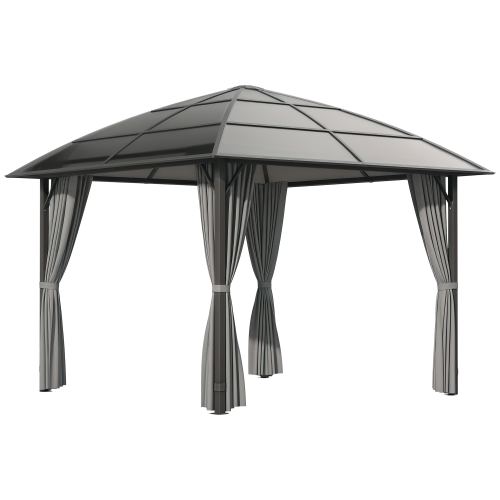
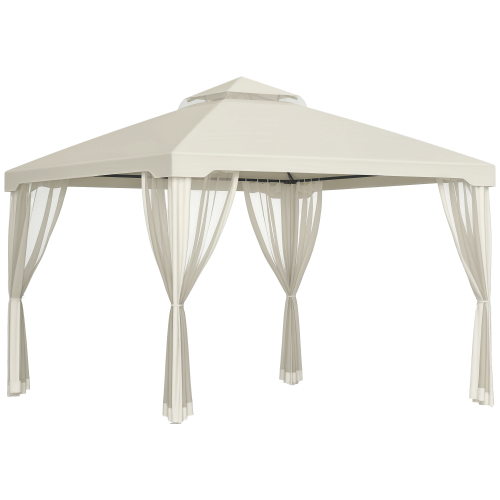

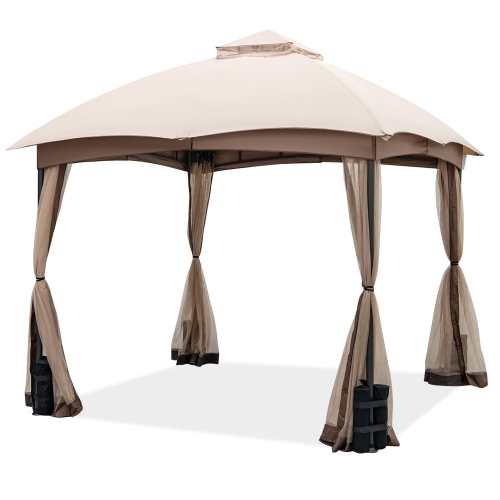
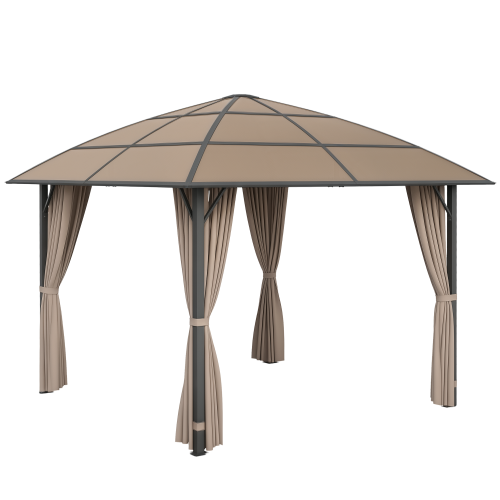


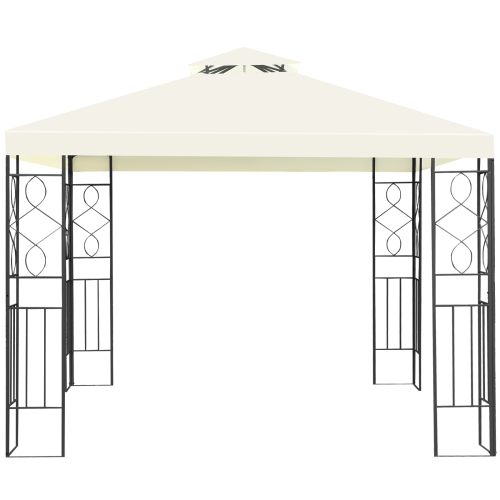
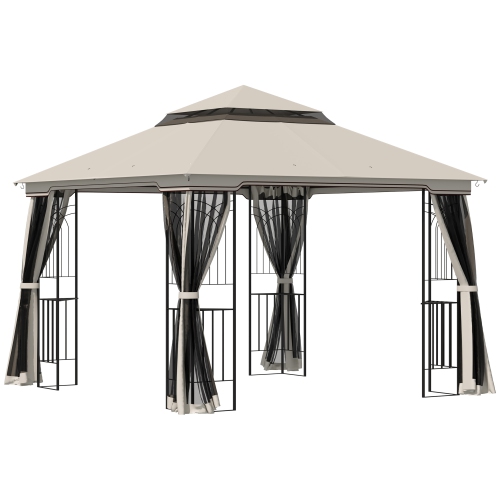
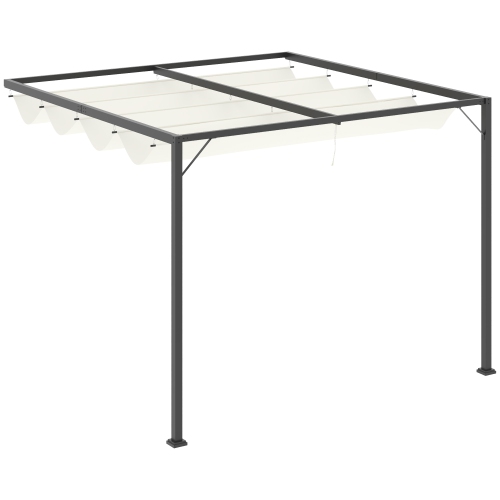
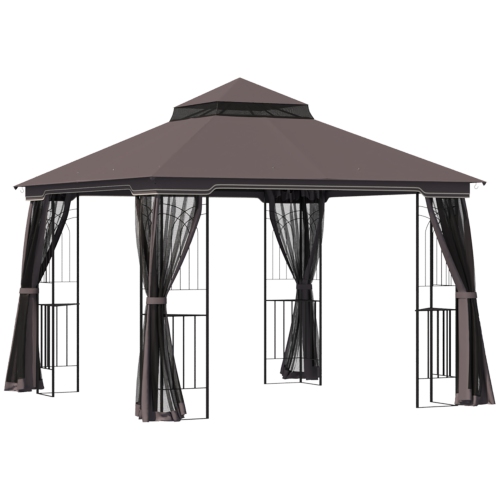
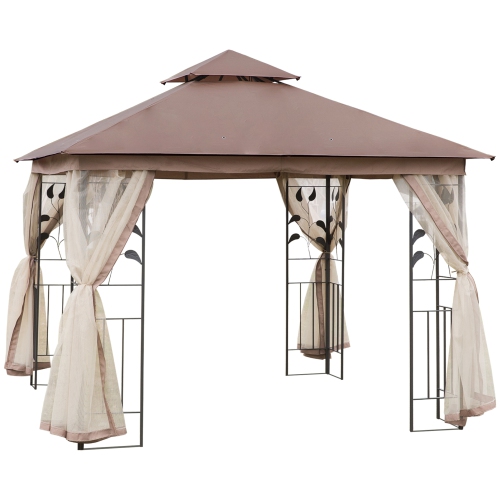

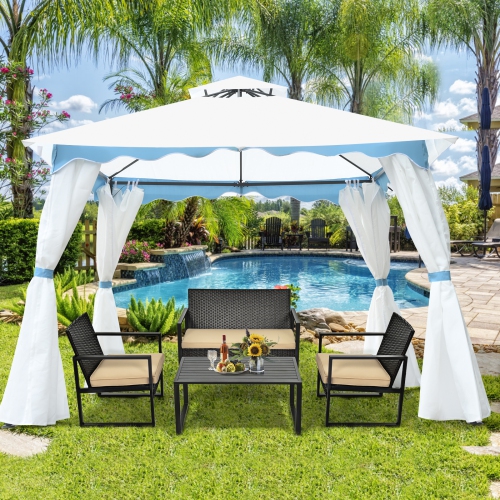
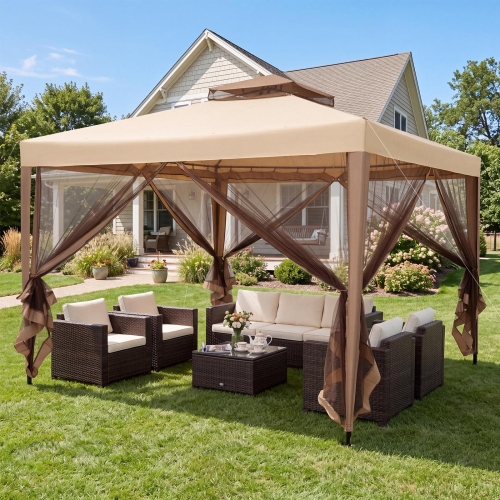


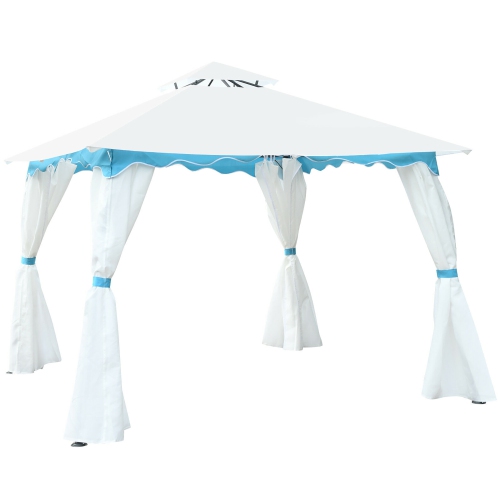
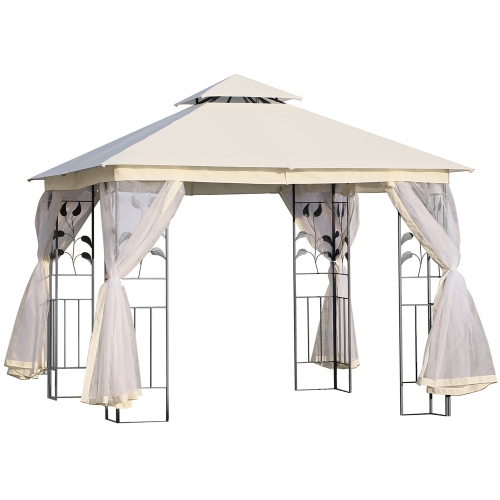
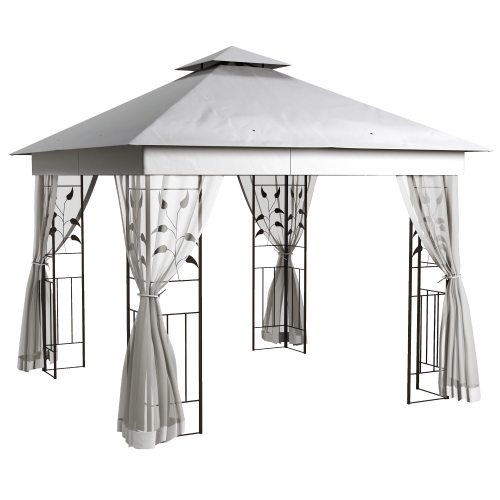
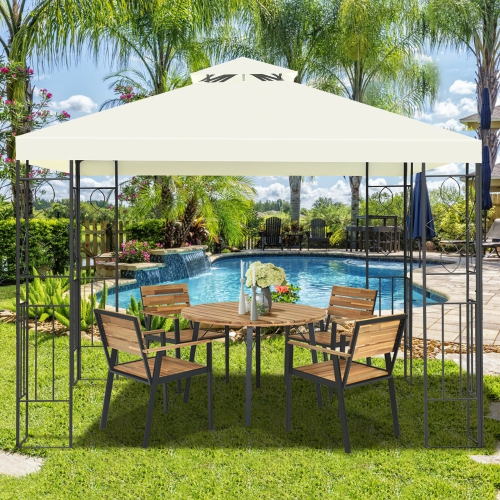

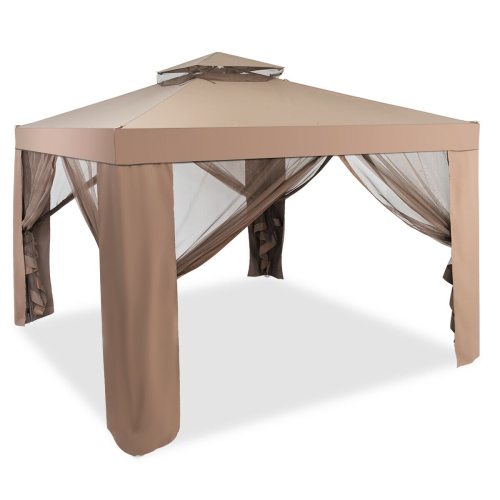

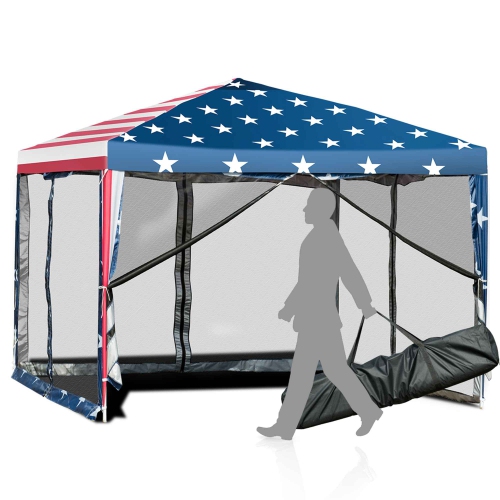



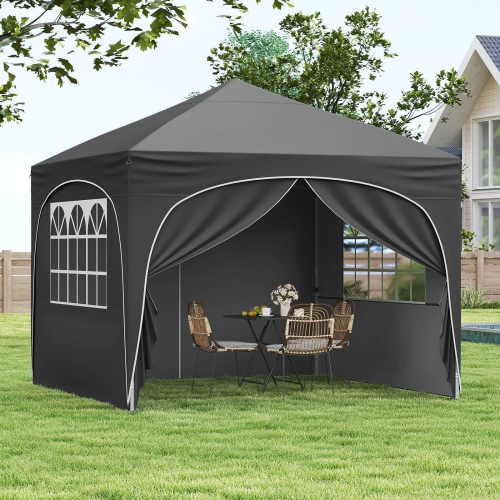


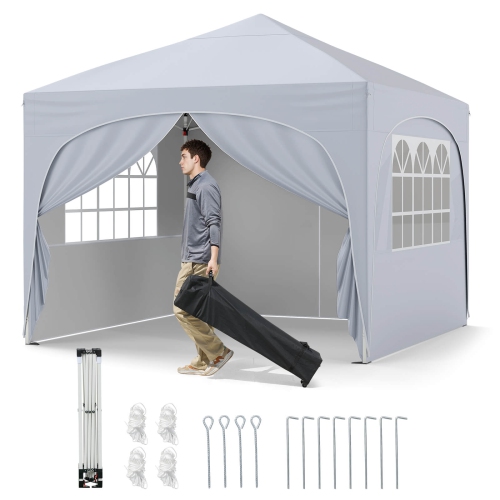
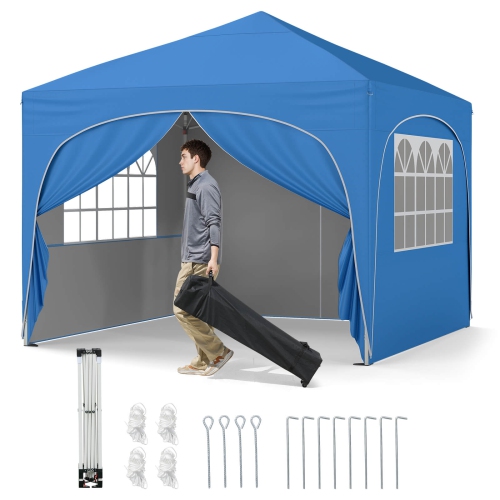
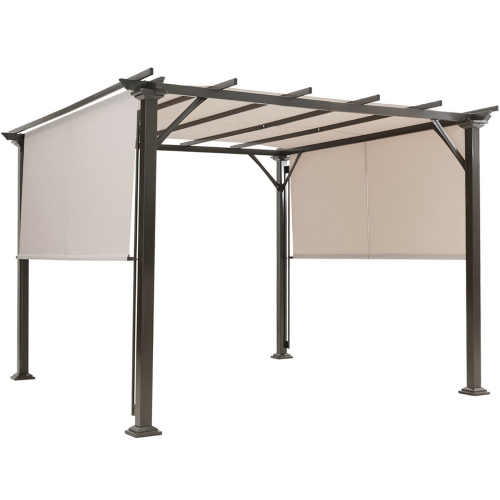


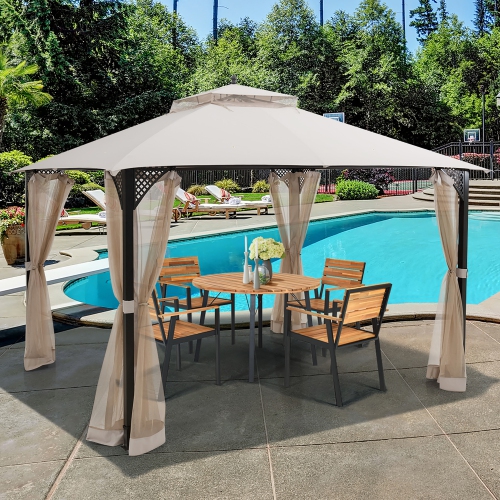

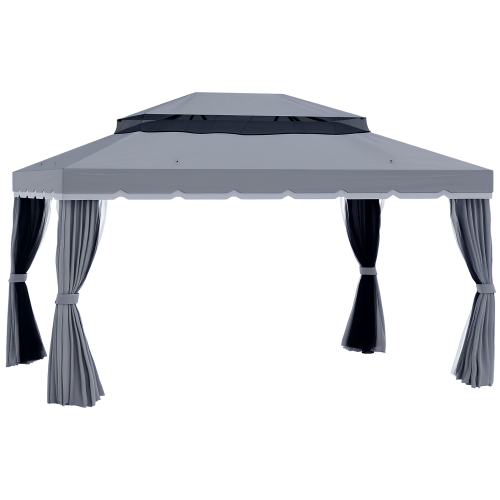
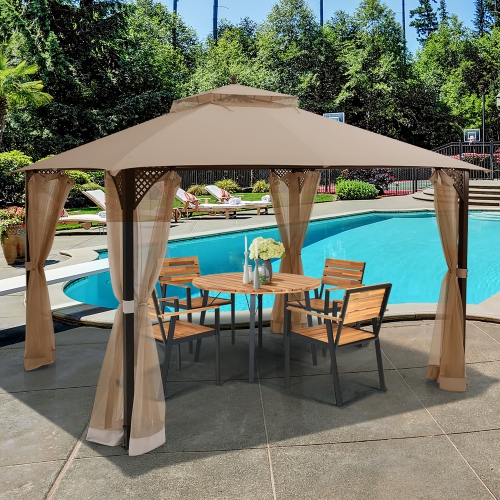

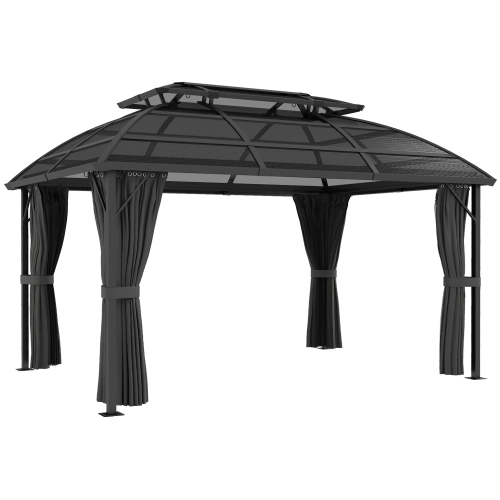




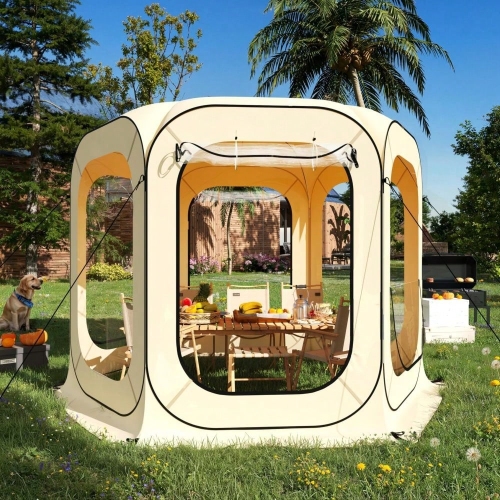


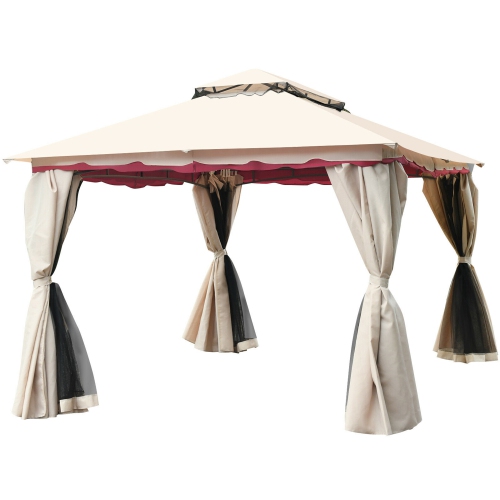
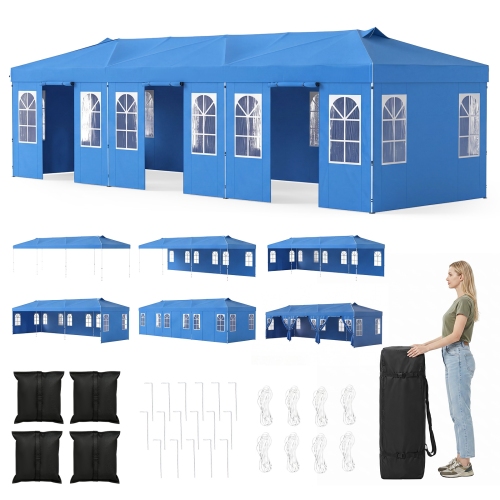
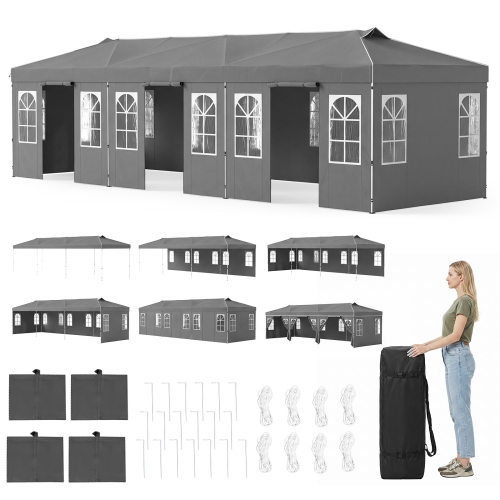
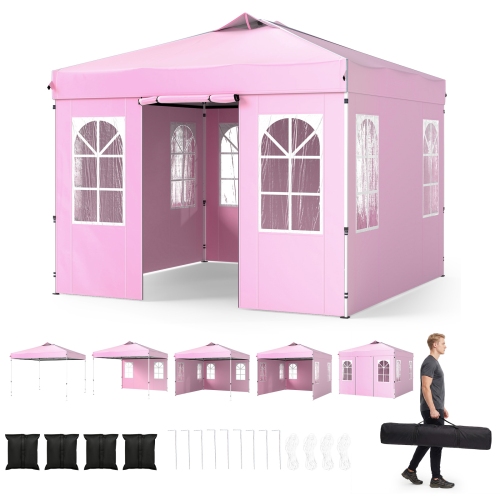
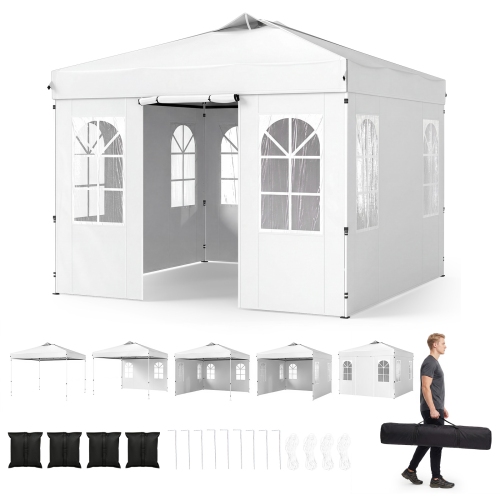
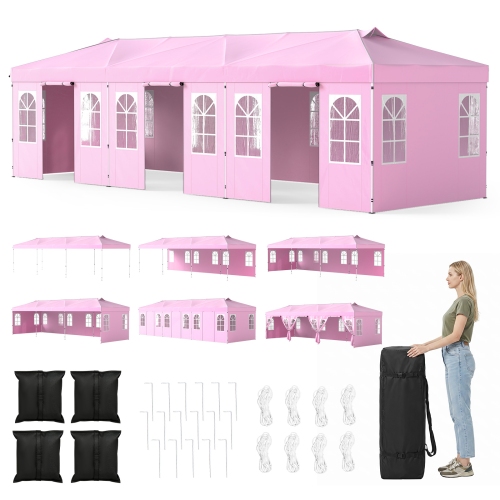
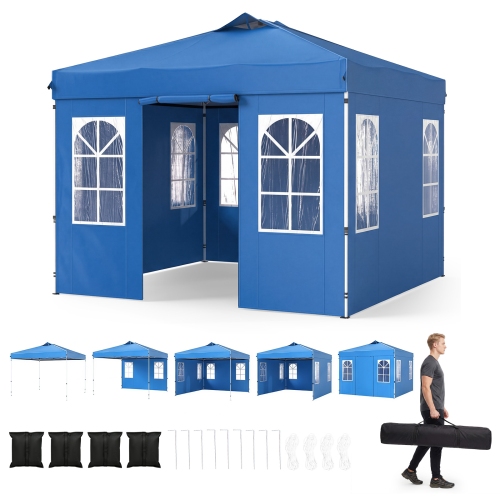

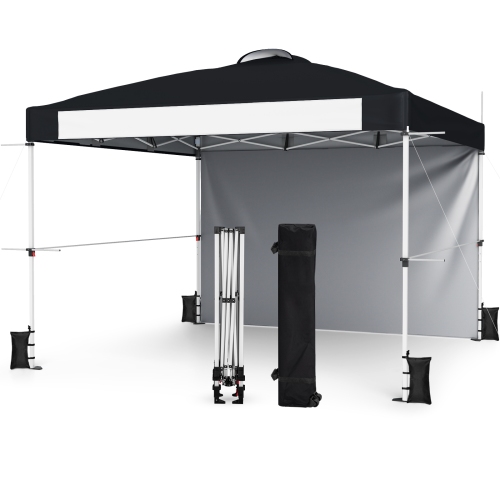


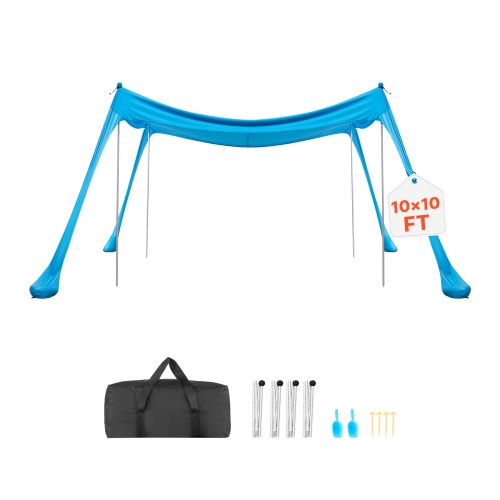
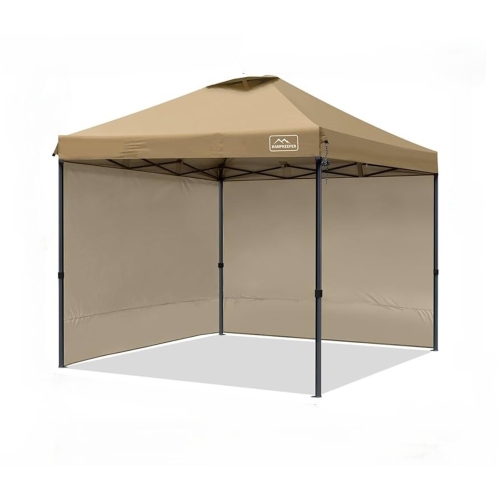
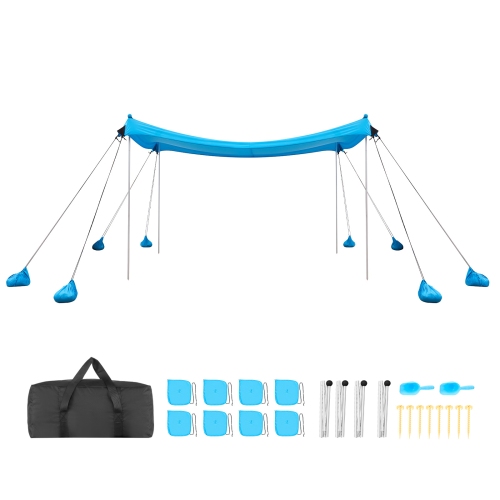







Room to relax depends on more than square footage
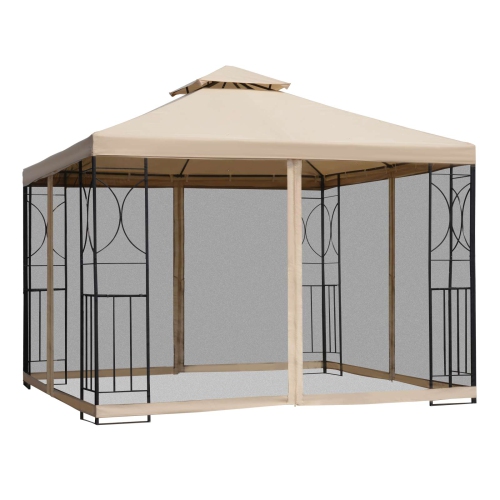
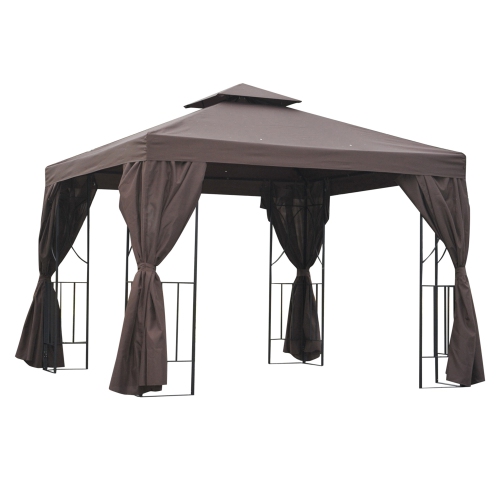
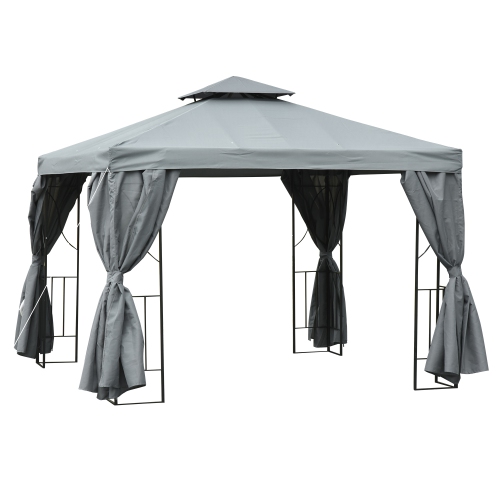
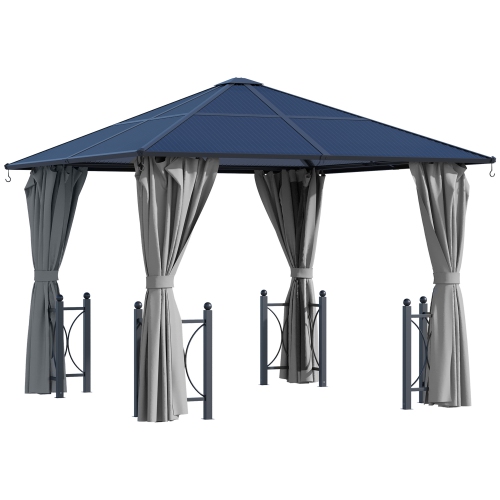
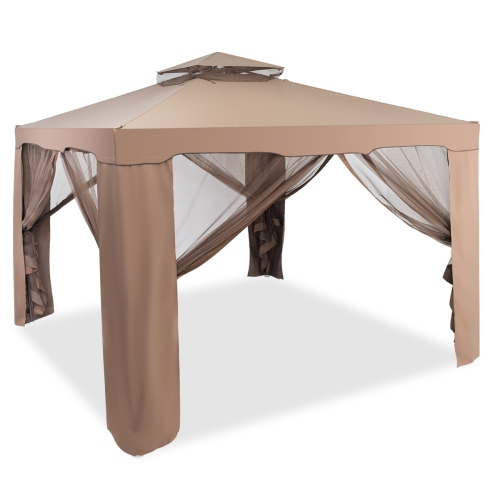
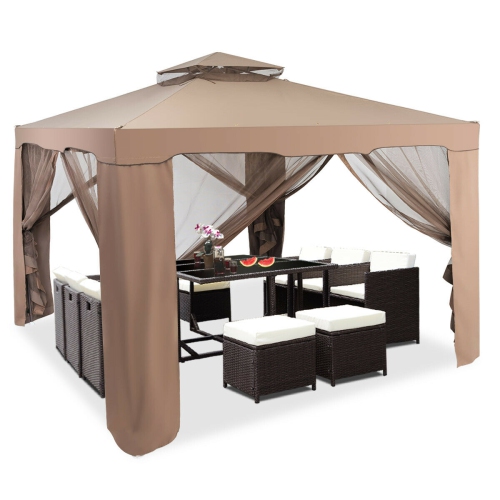
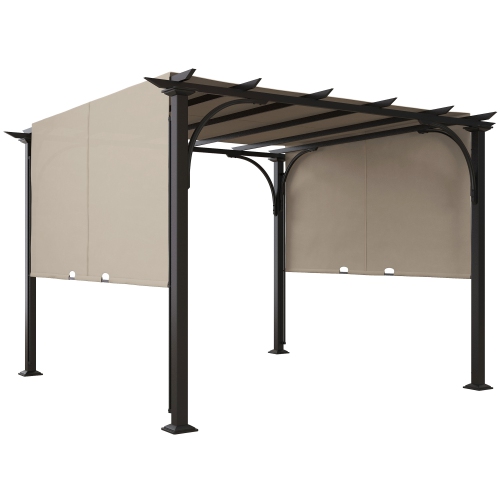
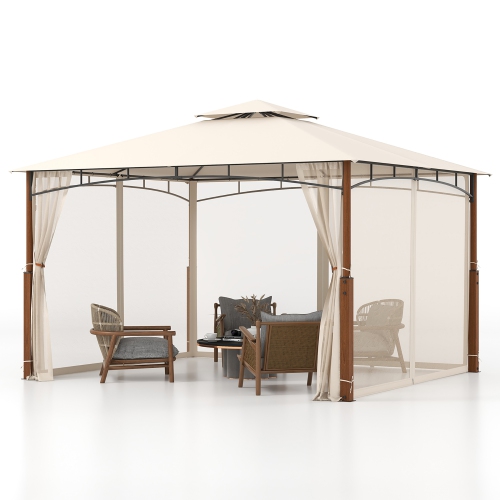
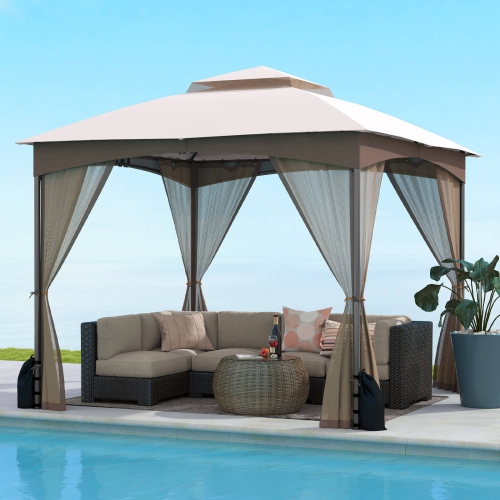
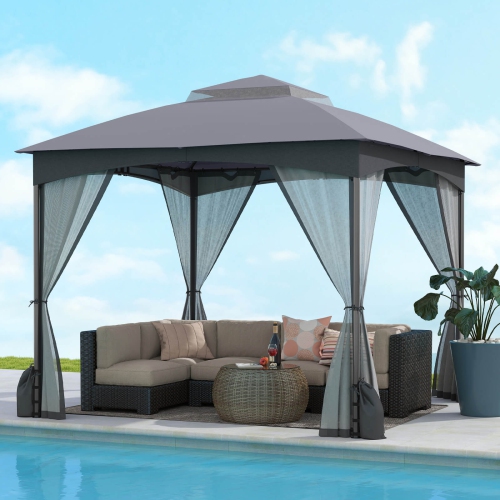
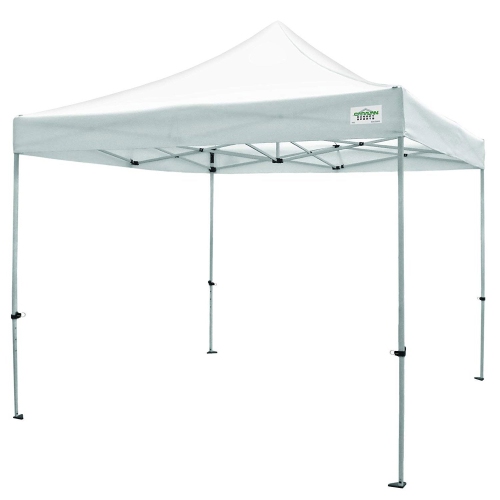
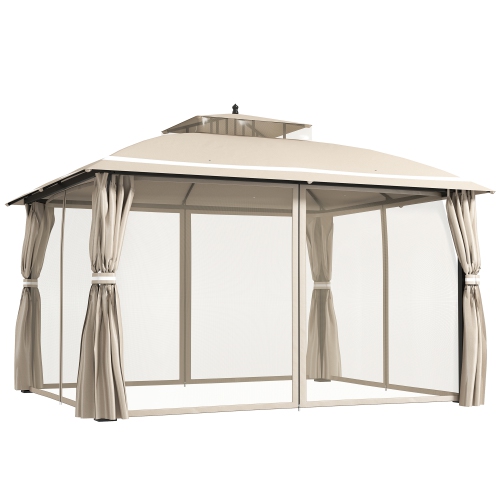
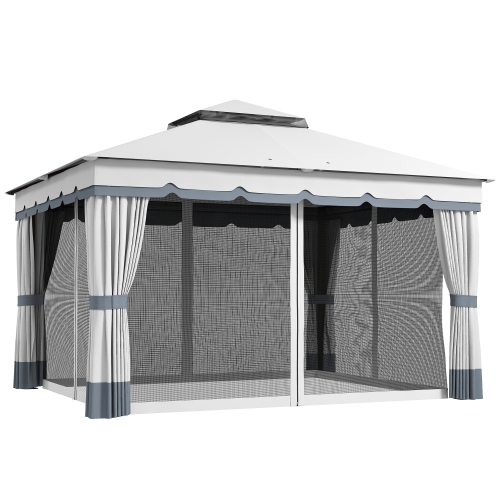
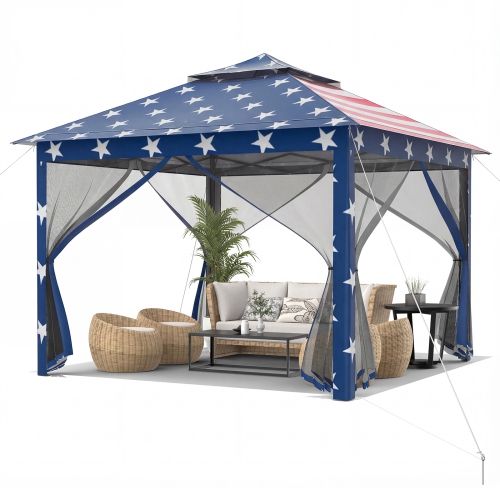
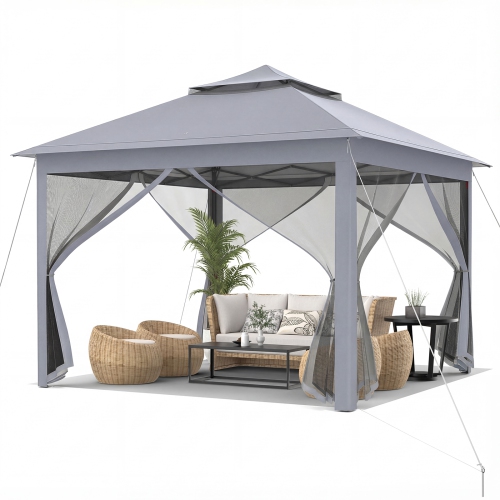
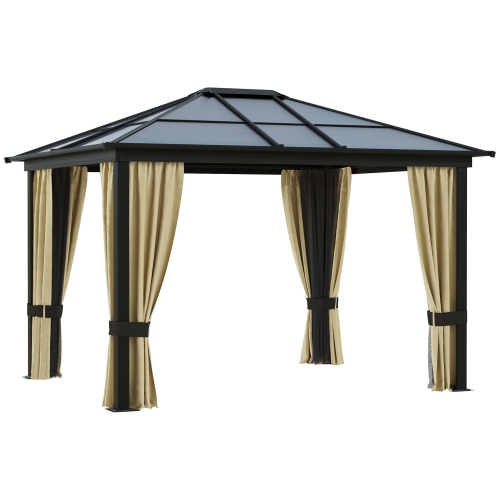
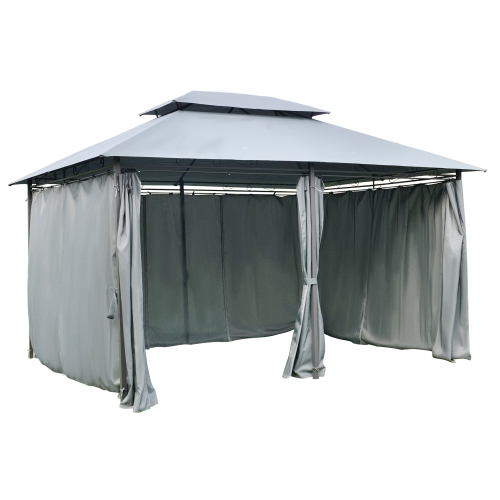
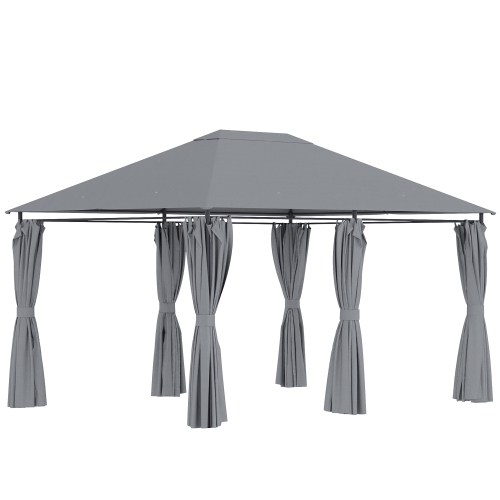
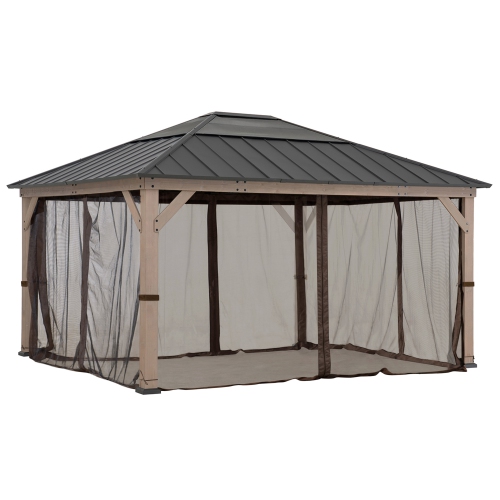
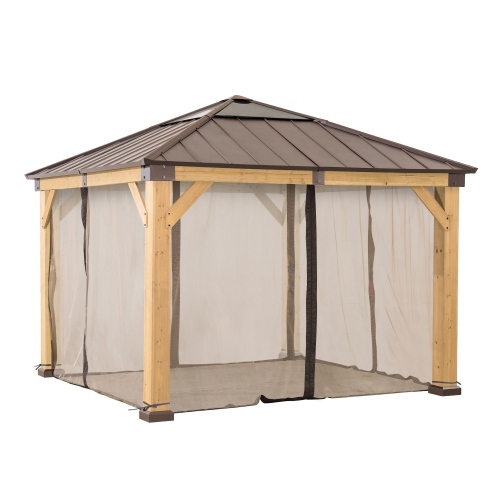
A 10x10 gazebo creates a defined outdoor gathering space with a nominal footprint of 10 feet by 10 feet, or approximately 3.05 metres by 3.05 metres. That size represents about 100 square feet of coverage, although the usable space between the posts may be smaller, depending on how the manufacturer measures the structure. For a patio, deck, or backyard seating area, the square shape offers a practical balance between shelter and room to move. It can frame a dining table for relaxed meals, bring a pair of lounge chairs and a low table together, or provide overhead coverage for a small hot tub where clearances permit. The most comfortable arrangement leaves space to pull out chairs, walk around furniture, and open any nearby doors without bumping into a post. A compact dining set may fit easily where a deep sectional would crowd the same footprint, so furniture depth matters as much as the number of seats. Roof overhangs, base plates, and curtain panels also affect the space a gazebo needs beyond its stated dimensions. Measuring both the installation area and the furniture layout helps distinguish a structure that simply fits from one that feels comfortable in everyday use. Overhead clearance deserves the same attention, particularly beneath tree branches or near eaves. For households that enjoy eating outside, reading in a shaded corner, or gathering with friends, a 10x10 gazebo gives an open patio a more settled, room-like feel without enclosing the whole yard. Shade coverage changes with the sun’s position, so the roof alone may not shade every seat throughout the day. Privacy curtains can help with low-angle light, while mesh panels allow a more open view. Placement should also account for drainage, access to the house, and the route people take across the yard. A level, properly prepared base makes furniture easier to arrange and supports installation according to the gazebo’s requirements; a sloping lawn or loose paving stones may need attention before assembly.
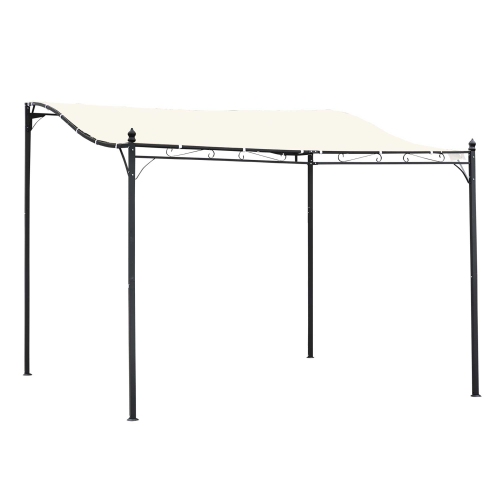
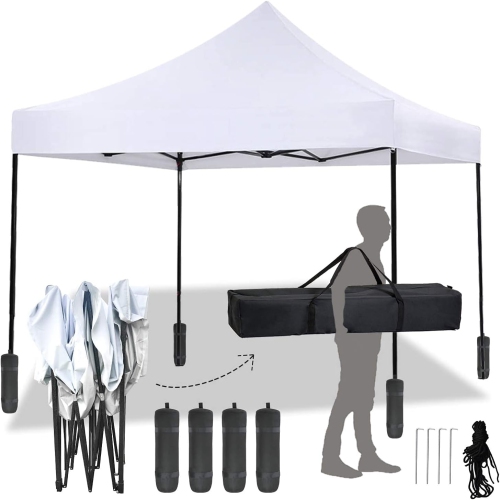
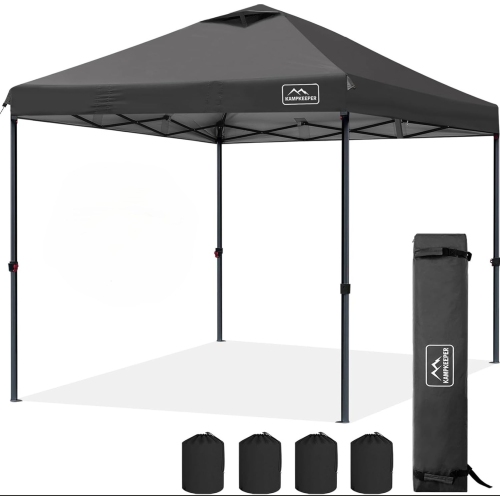
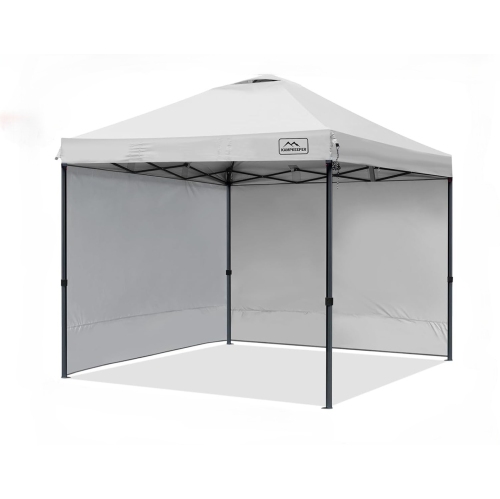
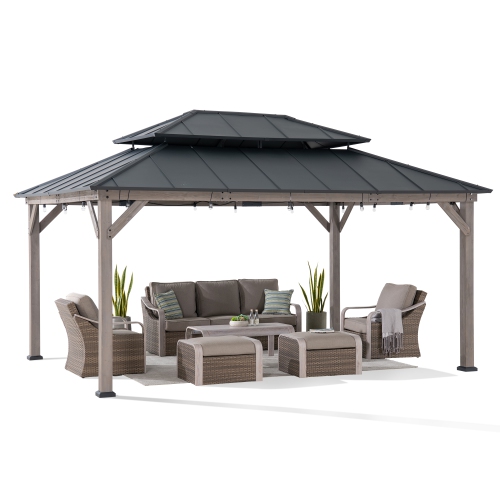
The main differences among 10x10 gazebos are the roof construction, frame material, and type of enclosure. Soft-top gazebos use a fabric canopy, often polyester, to create shade with a lighter-looking profile. They can suit seasonal patio use, but their performance depends on the fabric, seams, coating, and frame design. Water-resistant fabric should not be assumed to be fully waterproof, and a canopy needs the correct tension to limit sagging and water pooling. Hardtop gazebos use rigid roofing, which may include metal or polycarbonate panels, and generally offer a more substantial overhead structure. An opaque metal roof blocks direct sunlight, while some polycarbonate designs admit filtered light; the amount of shade and ultraviolet protection depends on the panel specifications. A hardtop is not automatically suitable for every Canadian winter. Wind resistance and snow-load capacity are model-specific, and anchoring, installation, and maintenance requirements remain important regardless of roof type. Frame materials bring their own practical differences. Aluminum is relatively lightweight and does not develop iron rust, although finishes and hardware still need care. Steel offers strength but benefits from protective coatings, especially around joints, fasteners, and scratched areas where corrosion can begin. Galvanized steel has a zinc coating that helps resist rust, while powder-coated surfaces provide an additional protective finish when kept intact. Wood frames create a warmer, more architectural appearance and can complement timber decking or garden furniture. Cedar has natural resistance to decay, but exposure still changes its colour, and finishing requirements vary by construction and manufacturer. Roof shape is worth considering alongside material: a peaked or sloped roof directs water towards its edges, which affects where runoff lands around seating and walkways. Vented designs can encourage airflow, but a vent does not make a gazebo stormproof. Mosquito netting and solid curtains serve different purposes, and either may be included or supplied separately. Mesh helps limit insects when fully closed, while curtains offer privacy and additional shade. Neither turns an open-sided gazebo into a sealed indoor room.
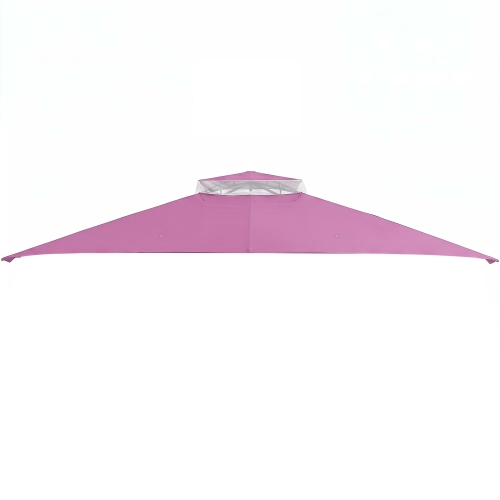
Long-term satisfaction with a 10x10 gazebo often comes down to installation details and routine care rather than appearance alone. A permanent structure needs anchoring suited to its base, whether that involves concrete, a properly designed deck attachment, or another manufacturer-approved installation method. Fastening a gazebo to deck boards alone may not provide adequate support; the structure beneath the boards and the specified hardware both matter. Local permit requirements, property setbacks, and building or condominium rules may also affect placement. Assembly usually calls for more than one person, particularly when lifting roof sections, and access around all four sides makes the work more manageable. Once installed, regular checks of bolts, brackets, canopy attachments, and curtain tracks can catch loosening or wear before it becomes a larger problem. Fabric roofs should be cleaned according to their care instructions and dried thoroughly before storage to reduce the risk of mildew. Leaves and debris should not be allowed to collect on roofing or obstruct drainage channels. For seasonal soft-top designs, removing and storing fabric components when required helps protect them from conditions they were not built to withstand. Hardtop owners should follow the stated snow-management requirements rather than assume accumulated snow can remain indefinitely. Replacement fabric can extend the usefulness of a sound frame, but a nominal 10x10 measurement does not establish compatibility. When browsing 10x10 Gazebo Tops, matching the frame model, roof shape, vent dimensions, and attachment points is more reliable than choosing by size alone. The same care applies to replacement netting and curtains, since track systems and panel heights differ. Everyday accessories also need to suit outdoor use and the structure’s limits: lights should be outdoor-rated, and nothing should hang from roof members unless the manufacturer permits it. Barbecues, fire pits, and heaters require their own clearances and should never be assumed safe beneath a gazebo. With the right fit, construction, and upkeep, this compact outdoor structure can make a dining corner or quiet seating area feel thoughtfully arranged and comfortable to use.
Top selling and popular products
-
 Your price for this item is $2016.99
-
 Your price for this item is $2197.99
-
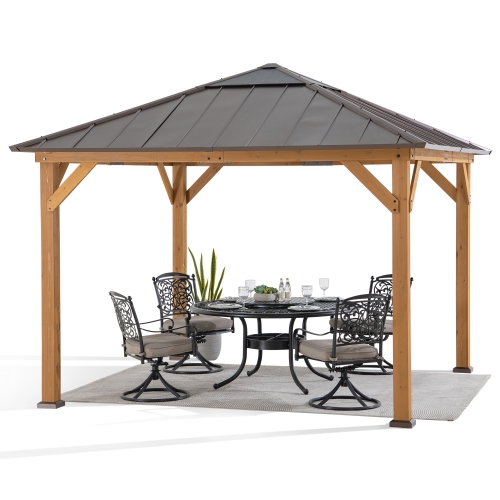 Your price for this item is $1479.99
-
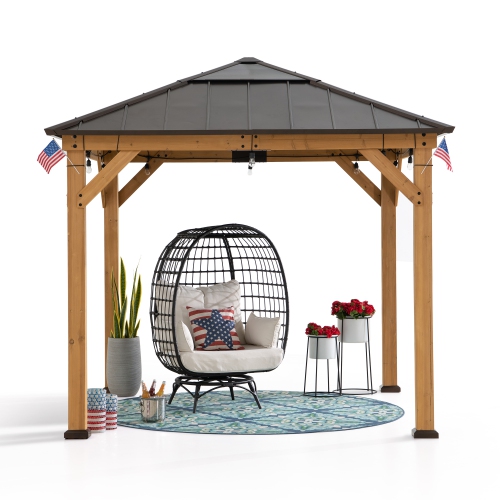 Your price for this item is $1598.99
-
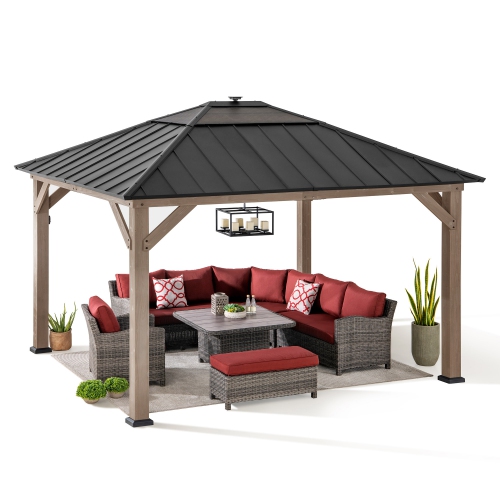 Your price for this item is $1843.99
-
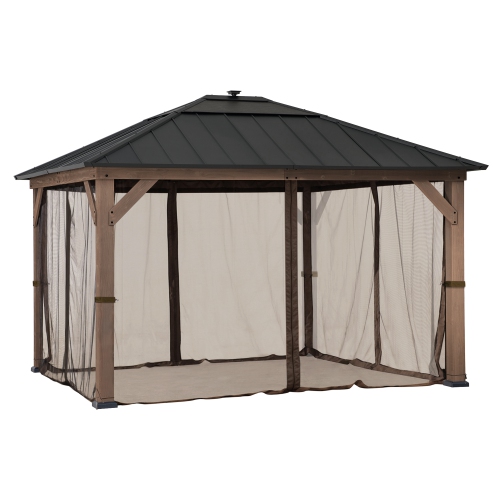 Your price for this item is $95.99
-
 Your price for this item is $107.99
-
 Your price for this item is $85.99
Discover more categories related to 10x10 Gazebos

Top Collections:
Pokemon Centers, Best Cameras for Sports Photography, Kindle Devices, Samsung Galaxy Phones, Canon G7X Cameras, Pokémon 30th Celebration Cards, Refurbished Apple Laptops, iPhone 15 Apple, Laptops for Students, Budget Smartphones
Some products may be subject to Environmental Handling Fees
(EHF) depending on your province.
Learn more about EHFs.