10x12 Gazebo
Create a stylish and functional outdoor oasis with our selection of 10x12 gazebos. Perfect for adding shade and shelter to your backyard, patio, or deck, these gazebos provide a versatile space for relaxing, entertaining, or enjoying the great outdoors. With durable construction and a variety of styles to choose from, you can find the perfect 10x12 gazebo to enhance your outdoor living area and create a comfortable retreat for family and friends.
Sort
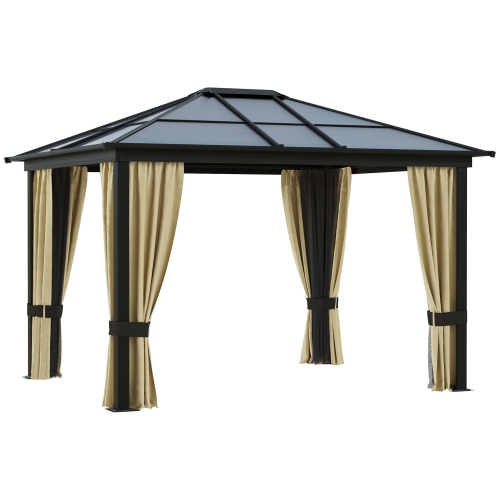

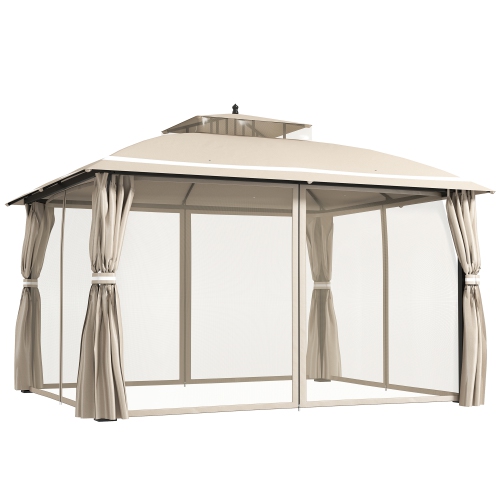

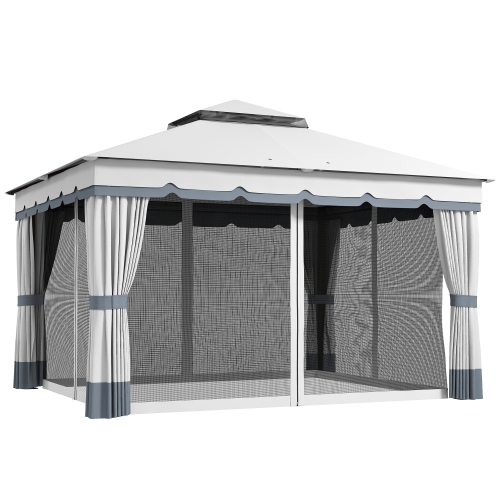

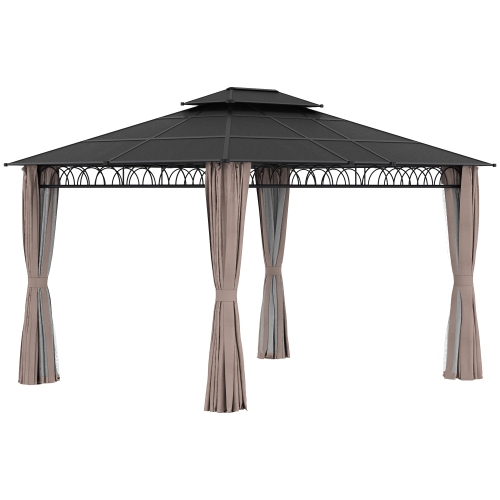

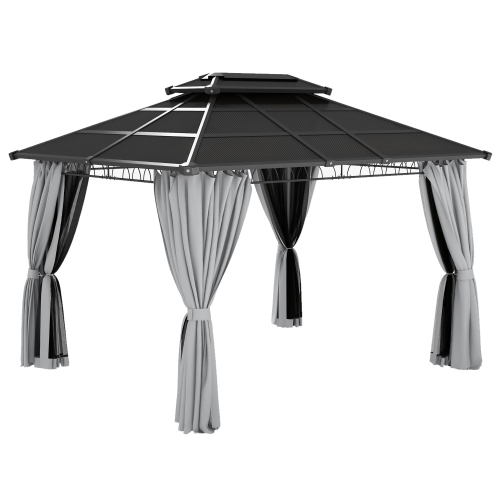


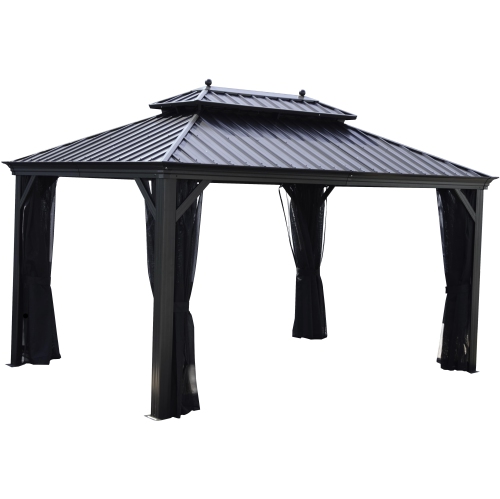


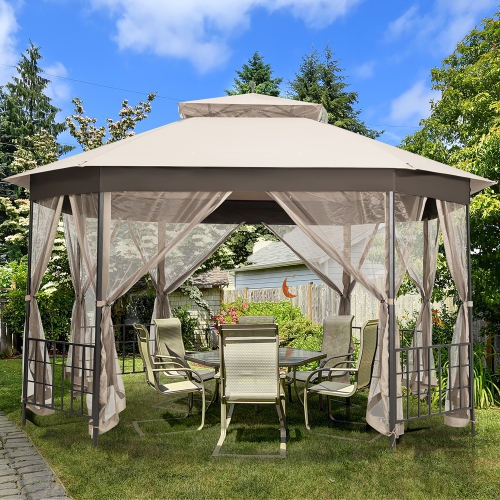
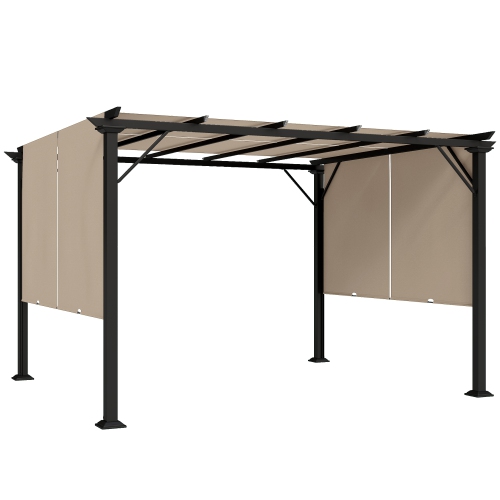
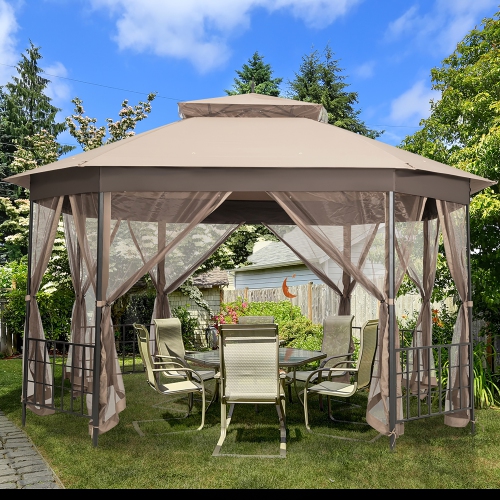
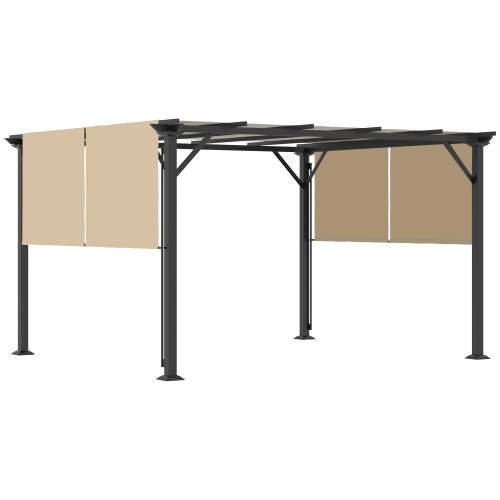


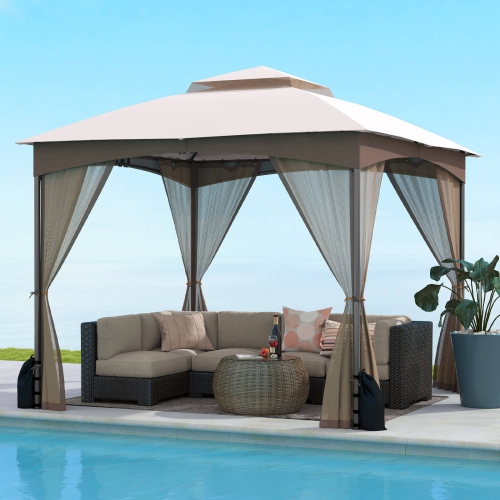
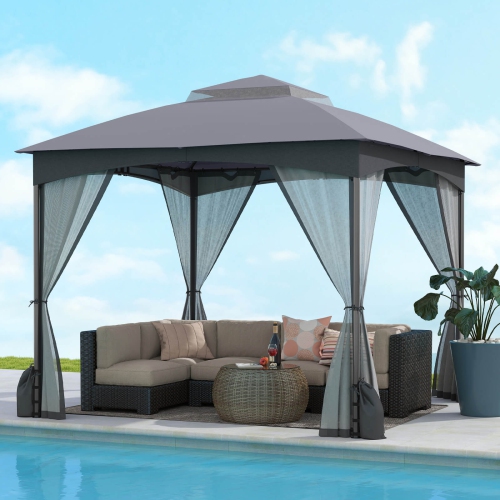


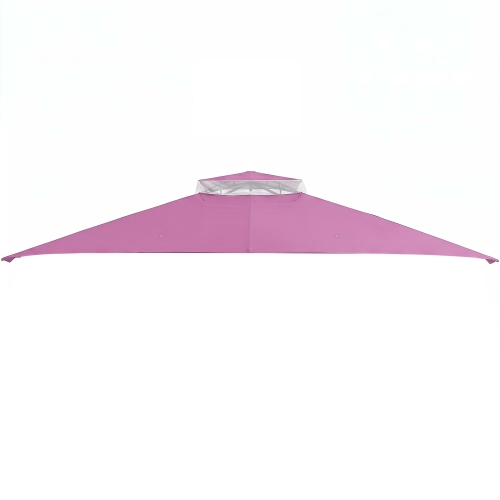
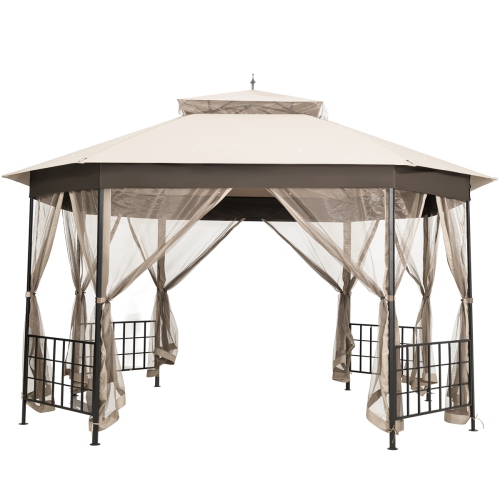

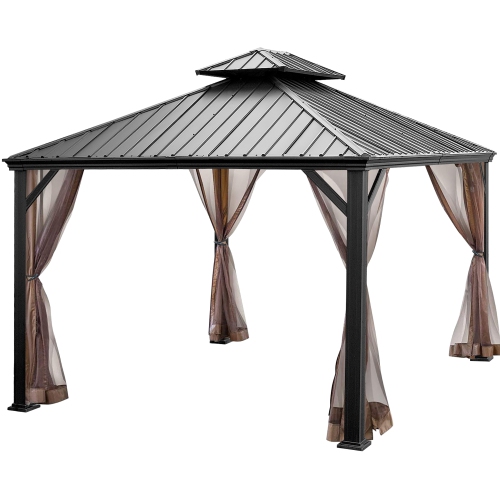
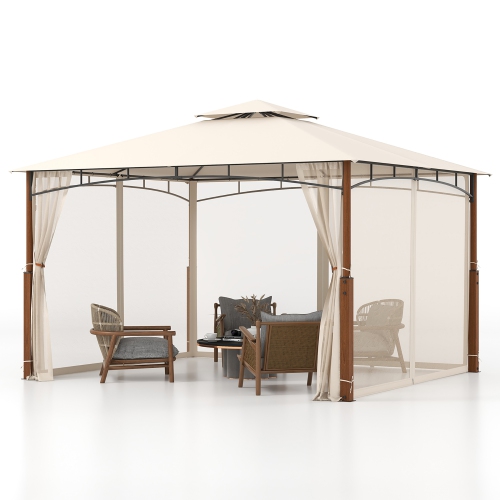
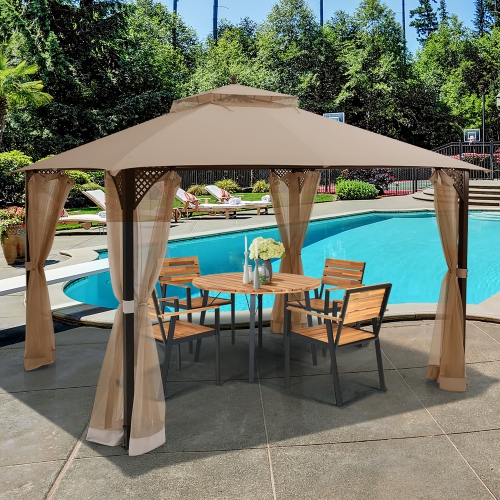
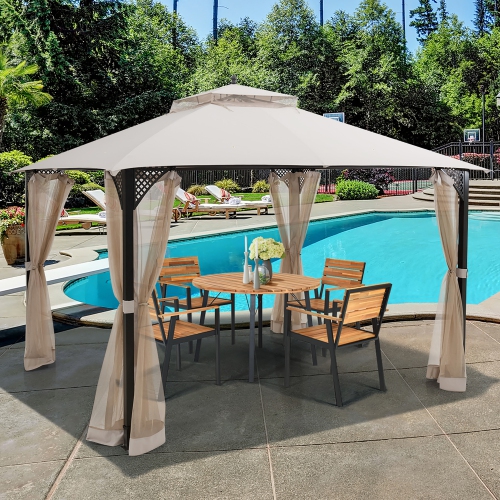


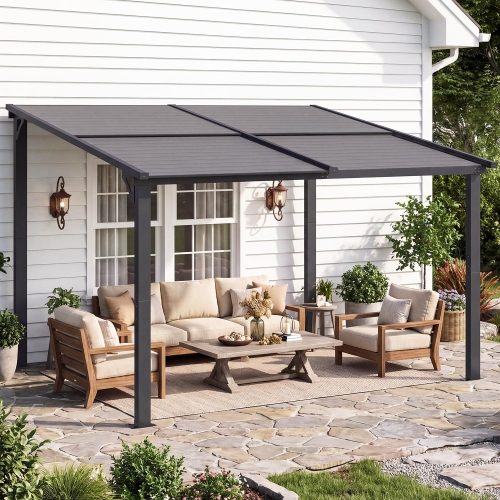


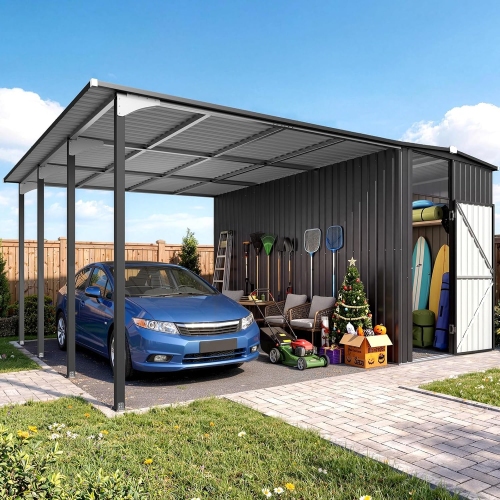
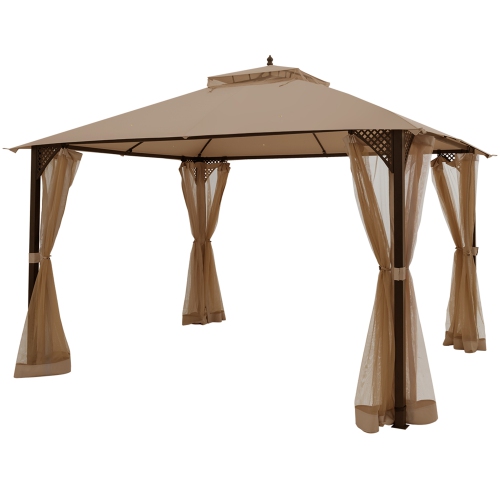
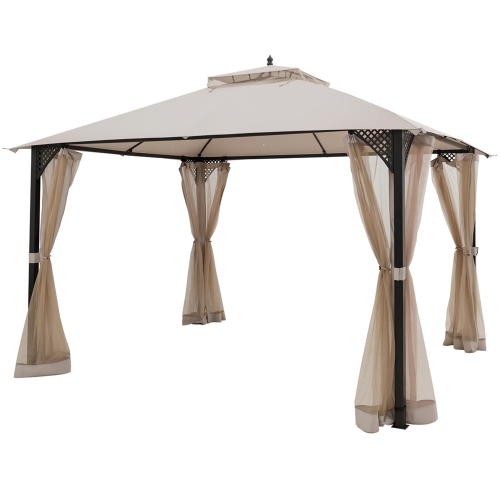
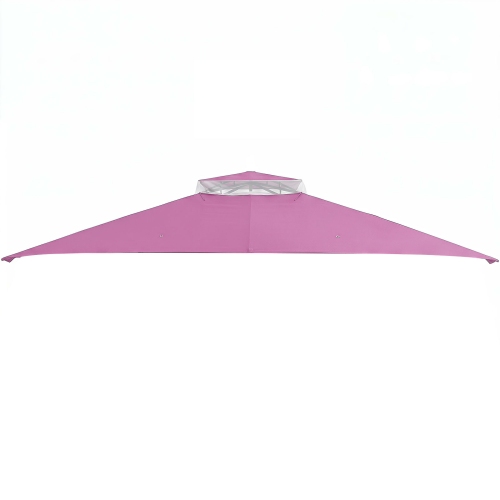
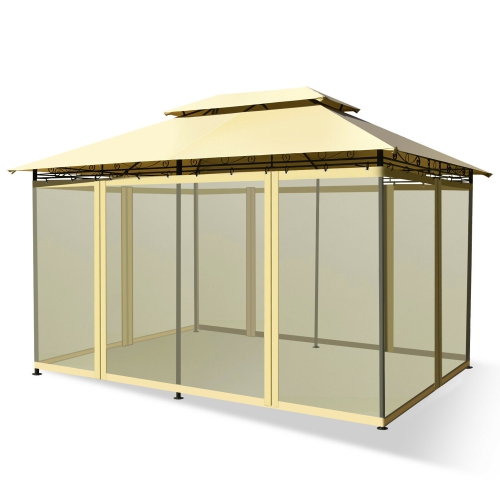

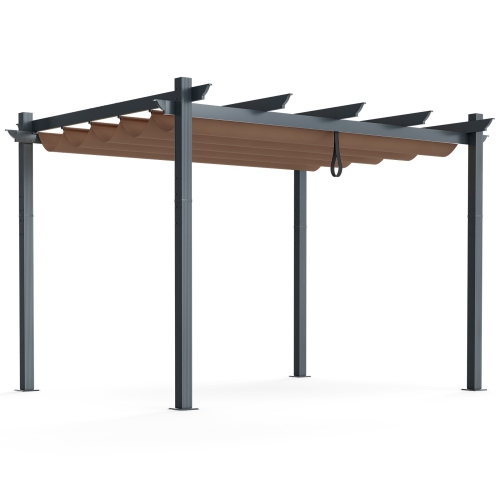

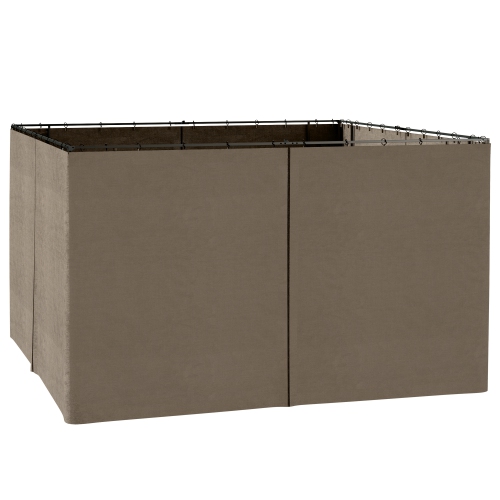


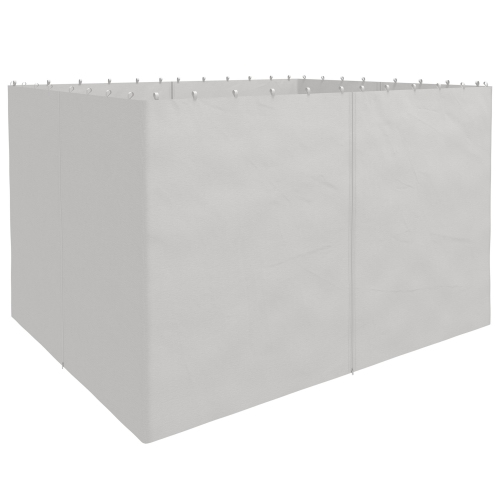


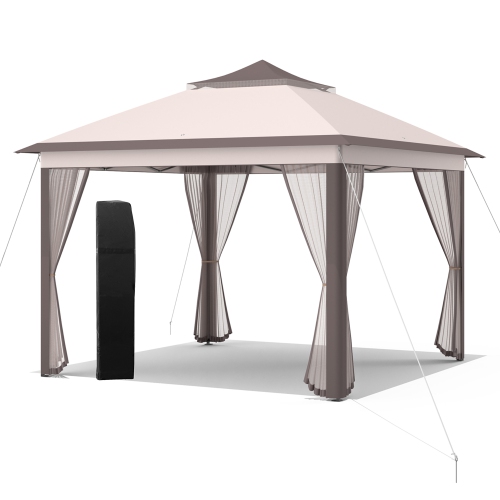
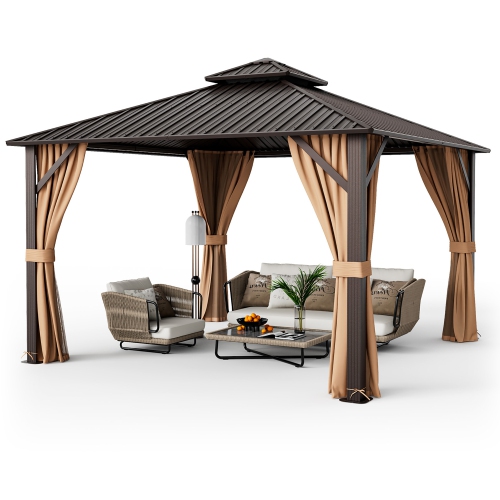
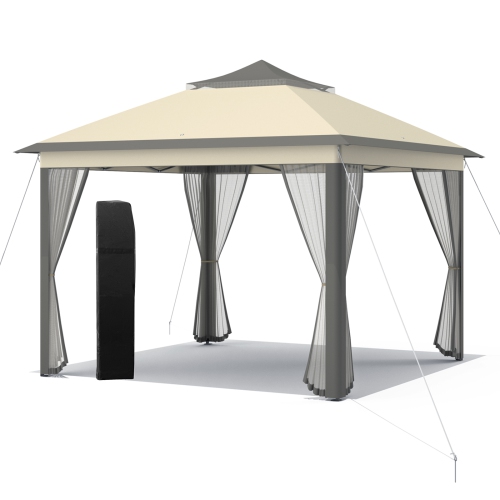
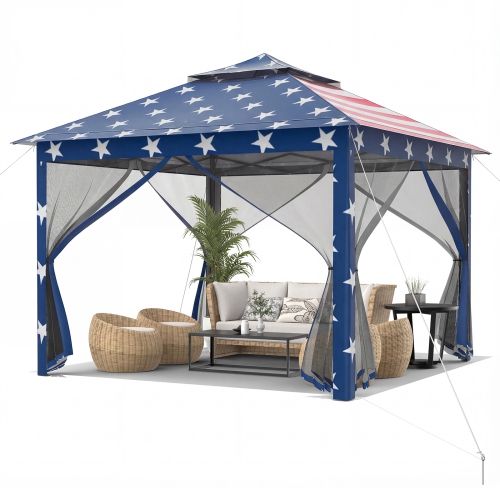
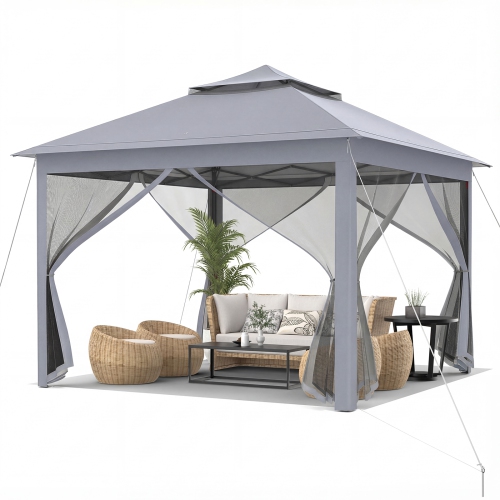


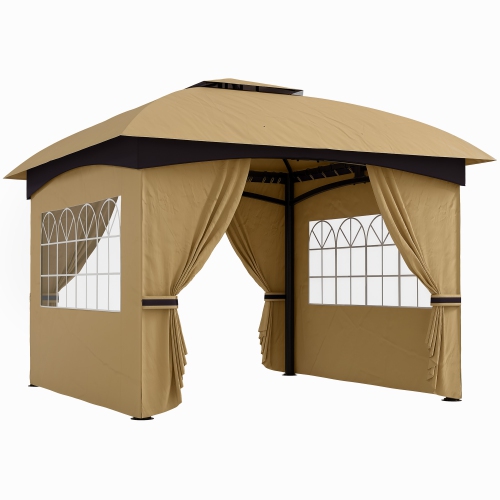
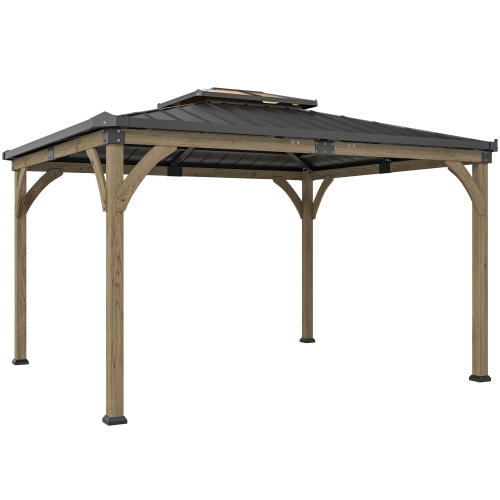


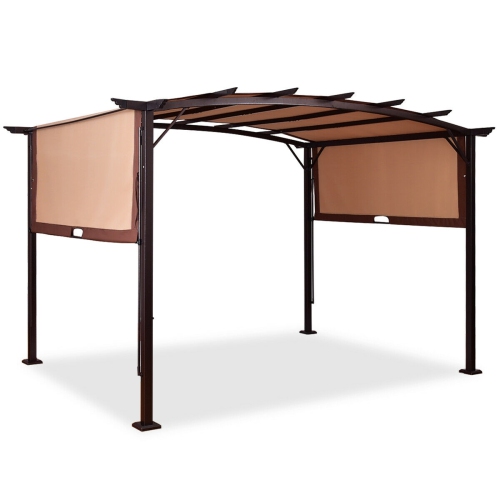



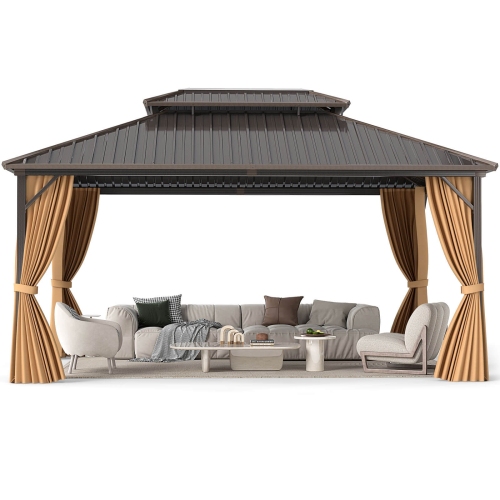


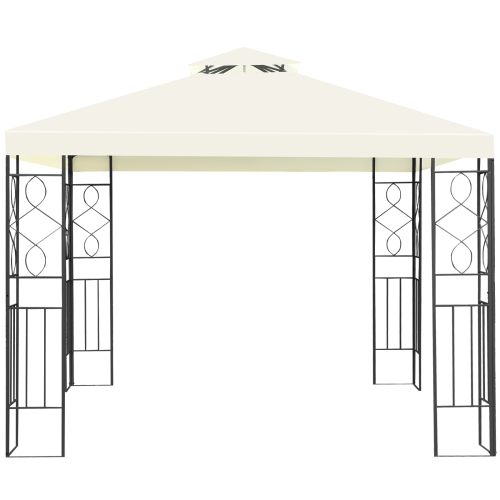

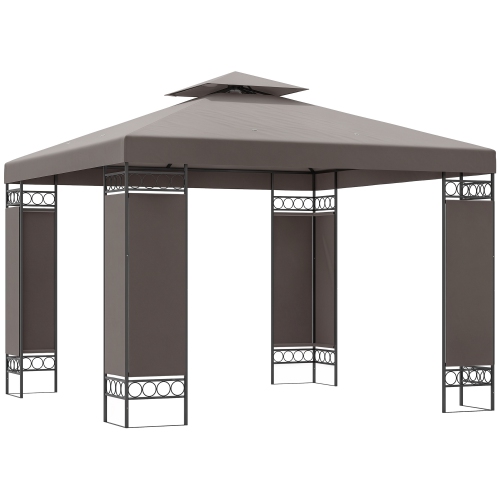
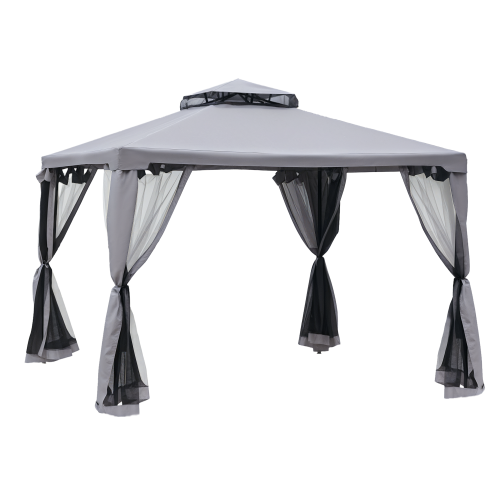

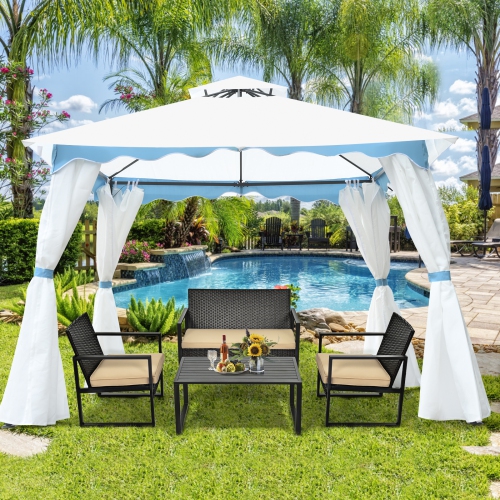

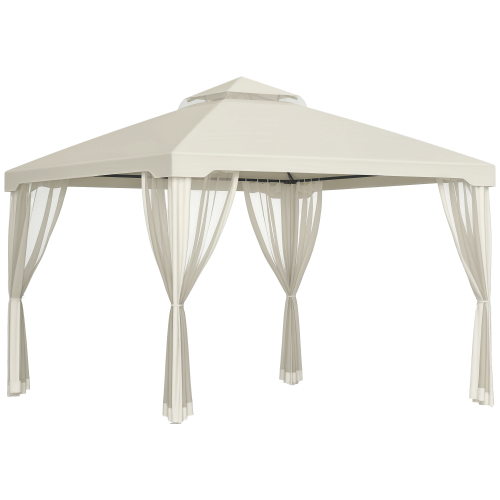


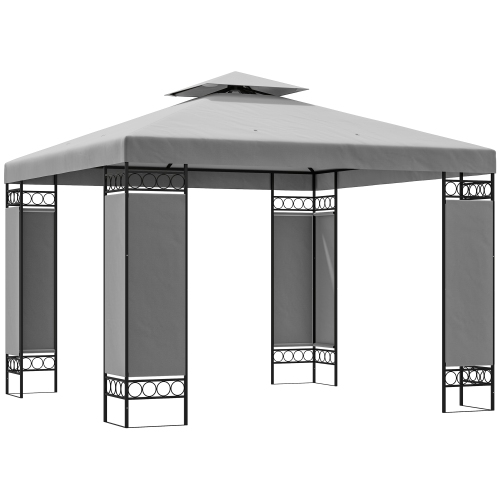
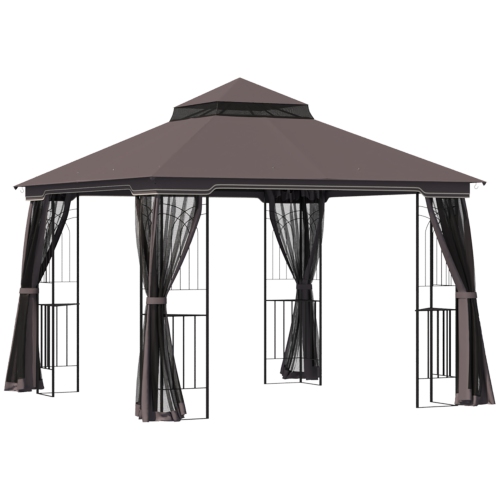
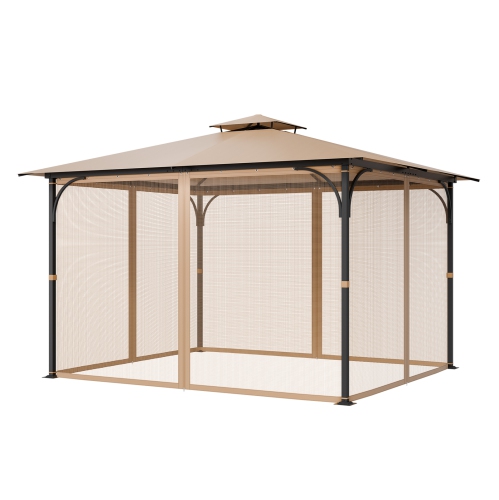
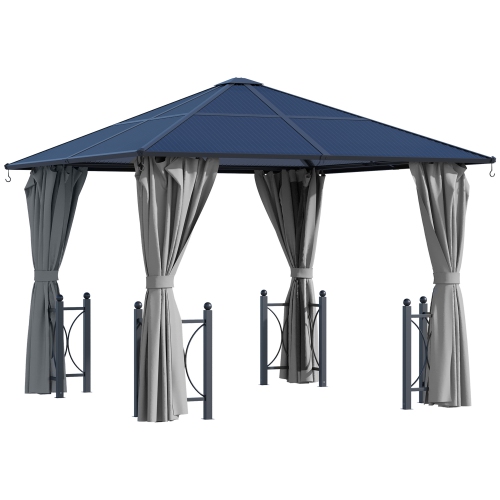
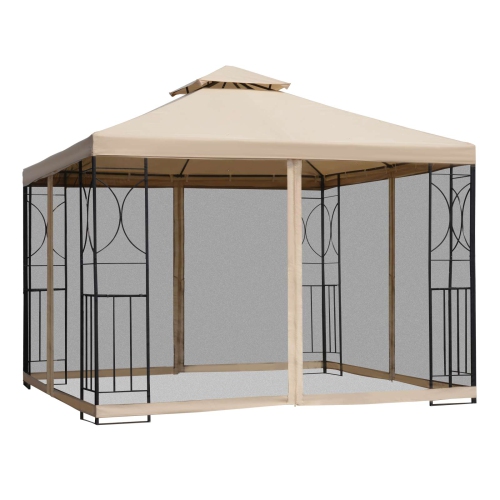

Room for outdoor dining without crowding your backyard
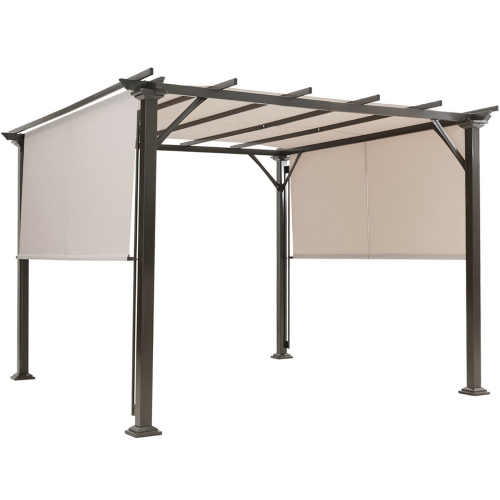
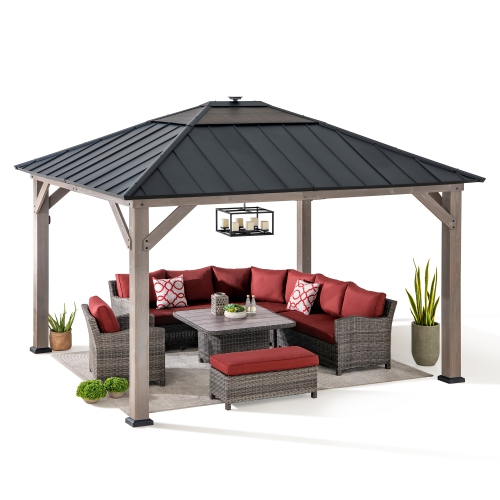
A 10x12 gazebo creates a defined outdoor living area without taking over an entire backyard. Its nominal dimensions of 10 feet by 12 feet represent roughly 120 square feet, a mid-sized footprint suited to a patio dining arrangement, a conversation set, or a pair of lounge chairs with room between them. The usable space depends on how the dimensions are measured: some gazebos are sized by the outer roof edges, while others reference the frame, so the distance between posts may be smaller than the listed footprint. That distinction matters when fitting a rectangular dining table, pulling out chairs, or leaving a clear route from the back door to the garden. A dining arrangement needs space for people to sit and stand comfortably, while a lounge setup benefits from enough clearance around a coffee table and any reclining seats. The rectangular shape offers flexibility, with the longer side accommodating a sofa or dining table and the shorter side helping define an entrance. For households that enjoy meals outdoors, it can make a paved area feel like a separate dining space; for someone who prefers reading or quiet conversation, it provides a sheltered focal point away from the house. Placement influences how comfortable that space feels. Roof coverage provides overhead shade, but low-angle sunlight can still enter through the open sides, making the direction of the opening and the position of nearby buildings worth considering. Roof height, entrance clearance, and the relationship to doors, stairs, eaves, and tree branches also affect the fit. A gazebo should feel proportionate to its surroundings rather than crowding a walkway or blocking access to the yard. Where the patio is closer to square or a little less floor space is needed, a 10 X 10 Gazebo offers a related size to consider alongside the longer 10x12 format.
Frame and roof materials give 10x12 gazebos distinct appearances and maintenance needs. Aluminum frames resist rust and are relatively lightweight, while steel frames can provide a substantial structure but depend on protective finishes to limit corrosion. Scratches, exposed fasteners, and joints deserve attention because moisture can collect at those points. Powder-coated finishes offer a uniform appearance, although they still benefit from gentle cleaning and touch-ups where the manufacturer permits them. Wood frames bring visible grain and a warmer visual presence to patios with timber furniture, stone paving, or planted borders. Cedar and other wood species differ in their natural resistance to decay, and their appearance can change with exposure. Periodic staining or sealing may be needed according to the wood type and finish. Roof construction is equally important. Hardtop gazebos commonly use metal or polycarbonate panels, while soft-top designs use fabric canopies that may require removal and protected storage when conditions fall outside their intended use. An opaque metal roof blocks direct sunlight overhead; polycarbonate panels can admit varying amounts of light depending on their colour, thickness, and treatment. Fabric roofs offer a different look and feel, but their resistance to fading, tearing, and water penetration depends on the material and construction. Water-resistant fabric should not be assumed to provide the same protection as a roof designed and specified as waterproof. Vented or double-roof designs can allow warm air to escape, though comfort underneath still depends on sun exposure, airflow, and the surrounding space. Roof material alone does not establish wind resistance or snow capacity. Those limits depend on the complete structure, its installation, and the manufacturer's stated ratings. For a gazebo expected to remain assembled through Canadian winter conditions, documented load limits and snow-removal requirements are more useful than broad descriptions such as heavy-duty. A durable choice is one whose materials, construction, and care requirements suit the location and the amount of upkeep the household can reasonably manage.
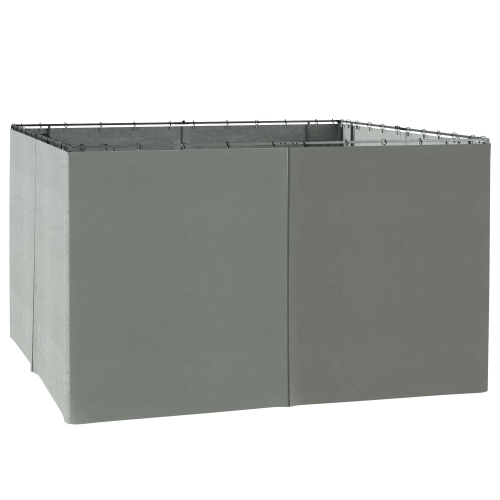
Side panels and finishing details shape how a gazebo works in everyday use. Mosquito netting can make outdoor dining and evening conversation more comfortable by helping keep insects out, especially when the panels close fully and meet neatly around the frame. Privacy curtains offer a more enclosed setting for closely spaced backyards, although neither curtains nor netting turn a gazebo into a sealed indoor room. Separate tracks can make it easier to adjust privacy and insect screening independently. Curtain tiebacks keep entrances open, while accessible zippers and smoothly moving panels are useful when carrying a tray or moving between the table and patio. Any roof hook or hanging point needs a stated weight limit before it supports lighting or another accessory, and electrical additions need to be suitable for outdoor use and installed as required by applicable codes. Beneath those details, the supporting surface and anchoring determine whether the structure is properly installed. A flat, stable base helps posts sit correctly and roof sections align as intended. A concrete patio, a prepared foundation, or a deck assessed for the added weight and anchoring loads may be appropriate, depending on the gazebo's requirements. Surface boards or loose paving stones alone should not be assumed to provide adequate anchorage. Fasteners and anchors must match both the structure and the supporting material; mounting hardware is not necessarily included or suitable for every installation. Local permit requirements, property setbacks, and clearance from nearby structures can also affect placement. Assembly often involves long beams and large roof panels, making sufficient workspace and the specified number of helpers important. Once installed, routine care usually includes clearing leaves from roof channels, checking fasteners, inspecting finishes, and cleaning panels with approved methods. Removable fabric should be thoroughly dry before storage to help prevent mildew. Cooking equipment, fire pits, and patio heaters need their own required clearances, and a gazebo roof should never be assumed to make an open flame safe underneath. With the right dimensions and construction, a 10x12 gazebo can bring a dining table, comfortable seating, and open-air gathering space together in a way that feels purposeful, inviting, and easy to use.
Top selling and popular products
-
 Your price for this item is $2016.99
-
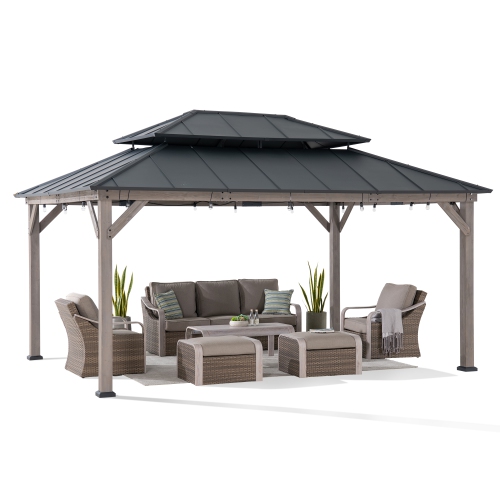 Your price for this item is $2197.99
-
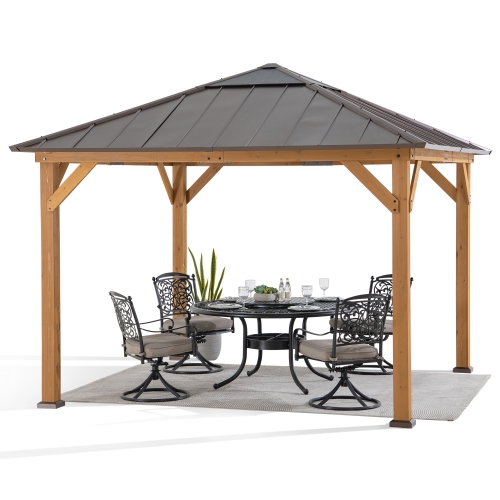 Your price for this item is $1479.99
-
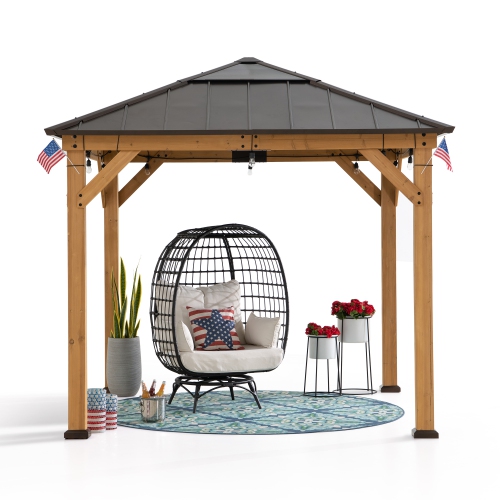 Your price for this item is $1598.99
-
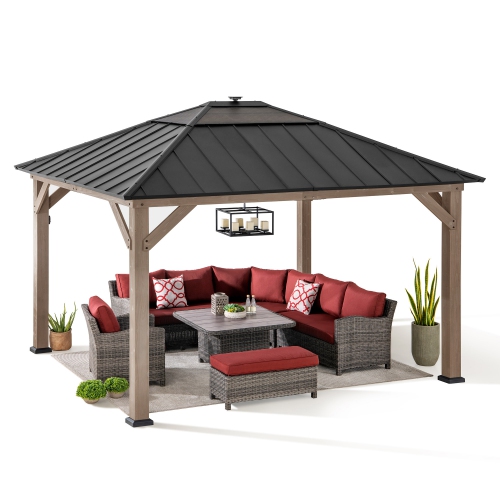 Your price for this item is $1843.99
-
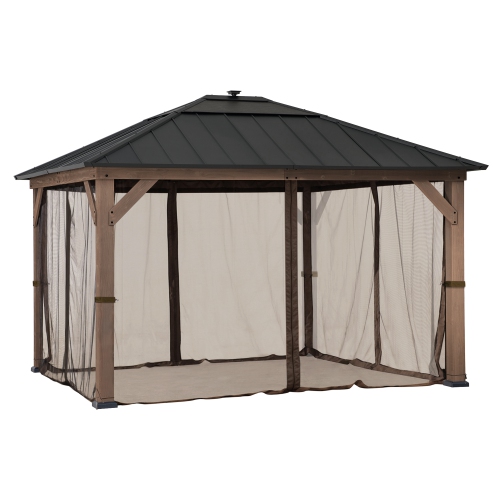 Your price for this item is $95.99
-
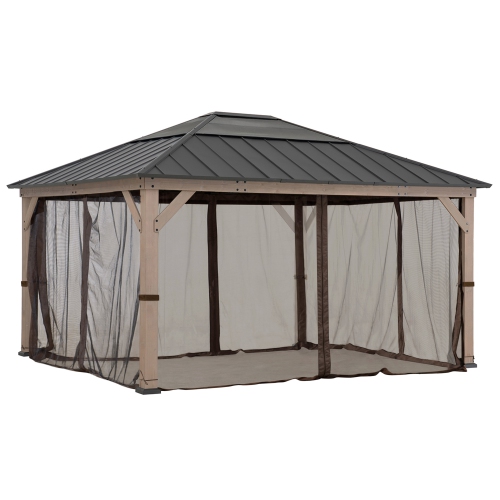 Your price for this item is $107.99
-
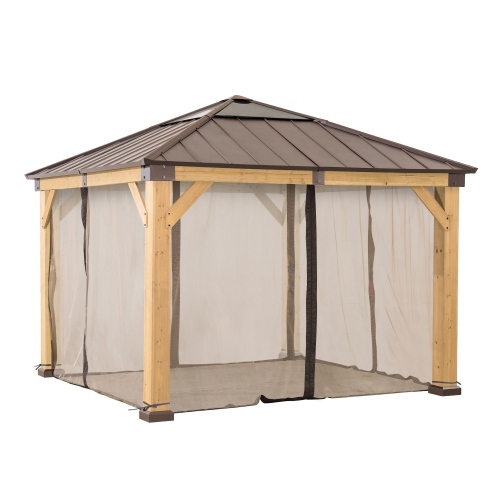 Your price for this item is $85.99
Discover more categories related to 10x12 Gazebo
Top Collections:
Pokemon Centers, Best Cameras for Sports Photography, Kindle Devices, Samsung Galaxy Phones, Canon G7X Cameras, Pokémon 30th Celebration Cards, Refurbished Apple Laptops, iPhone 15 Apple, Laptops for Students, Budget Smartphones
Some products may be subject to Environmental Handling Fees
(EHF) depending on your province.
Learn more about EHFs.