16 Inch Skillets
Upgrade your kitchen with a 16 Inch Skillet, the perfect addition for anyone who loves cooking large meals or entertaining guests. With ample cooking space, these skillets are ideal for preparing family-sized dishes, searing meats, sautéing vegetables, or crafting delicious one-pan recipes. Whether you're a home chef or just need extra room for your favorite recipes, a 16 Inch Skillet offers versatility and convenience to help you achieve impressive results every time you cook. Explore a variety of options designed to suit your culinary needs and elevate your cooking experience.
Sort

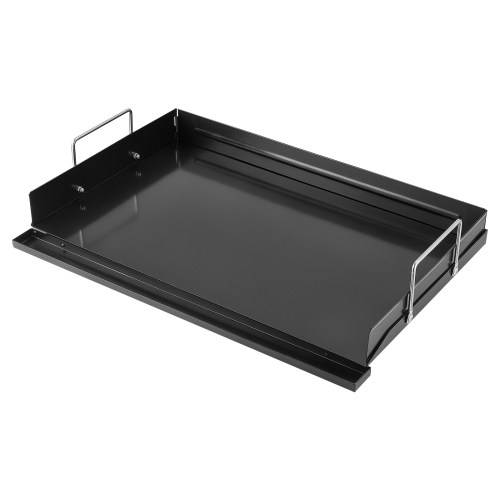
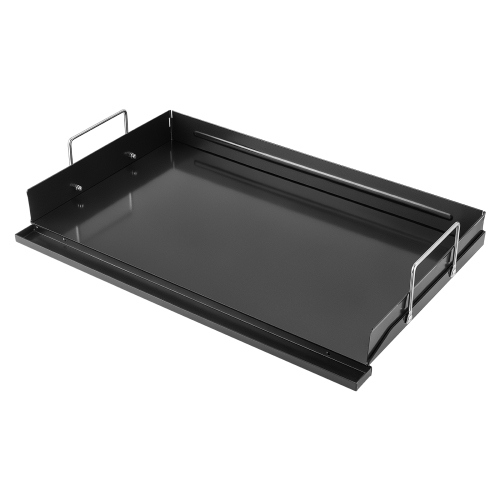
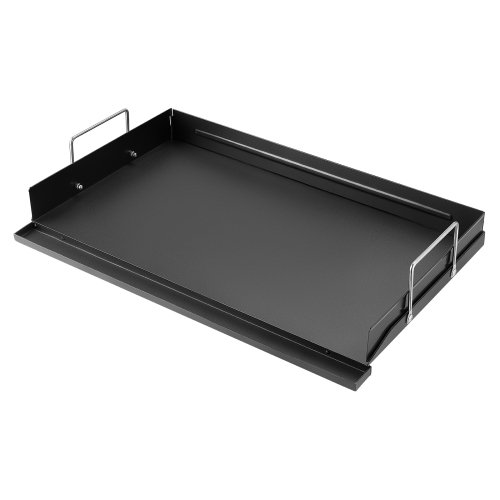
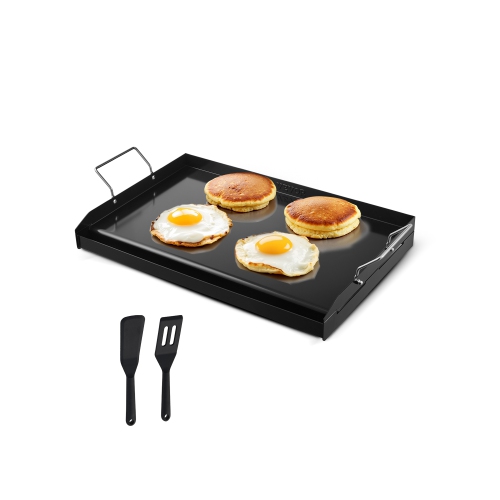
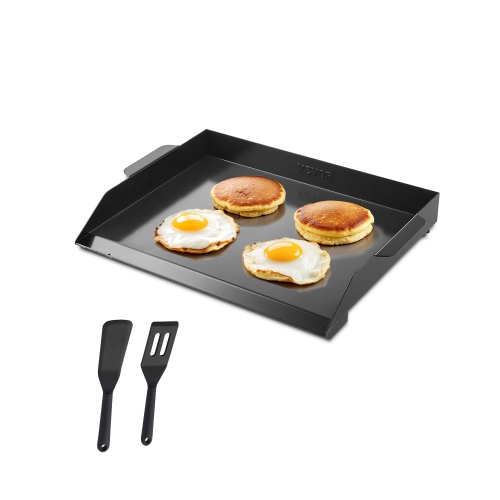
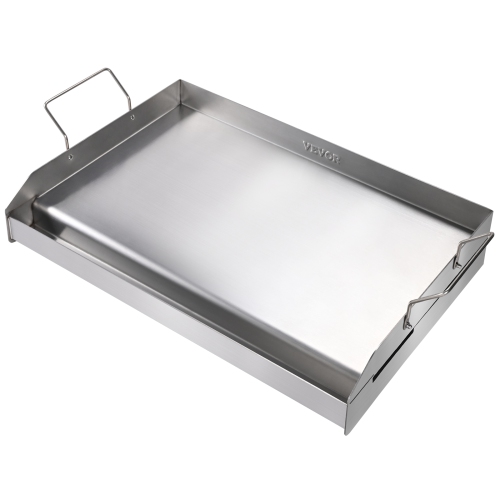
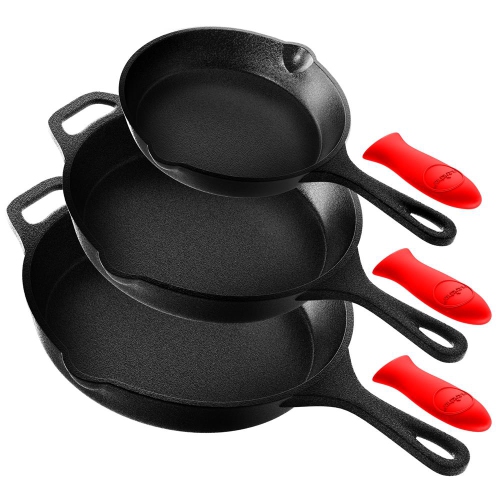
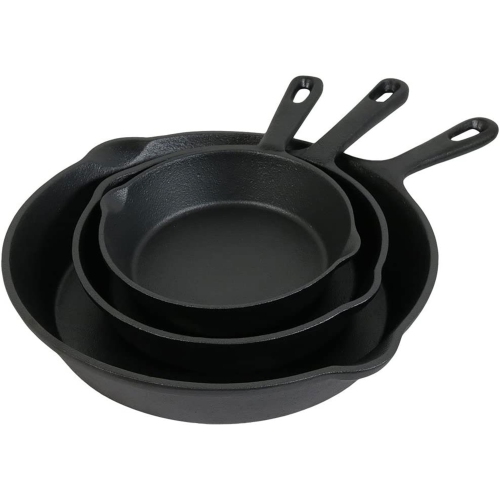

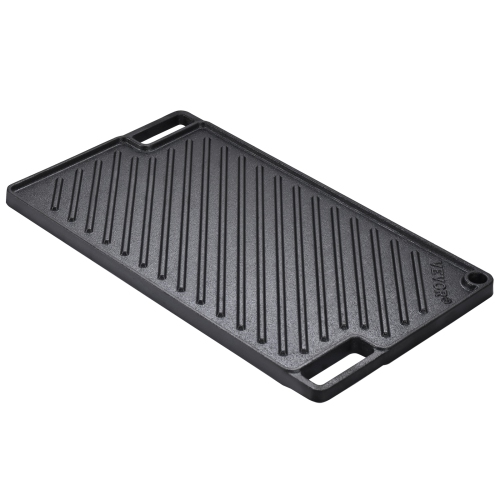
More room for browning and family-sized meals
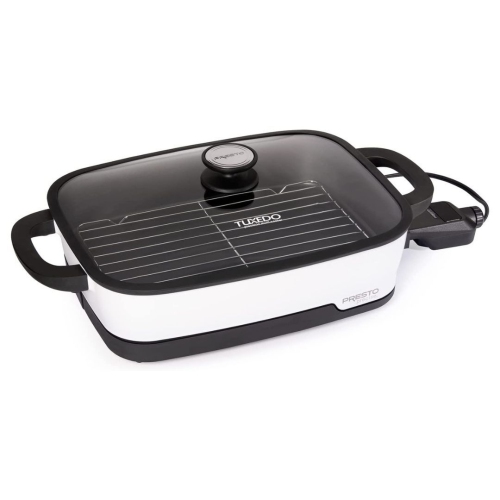
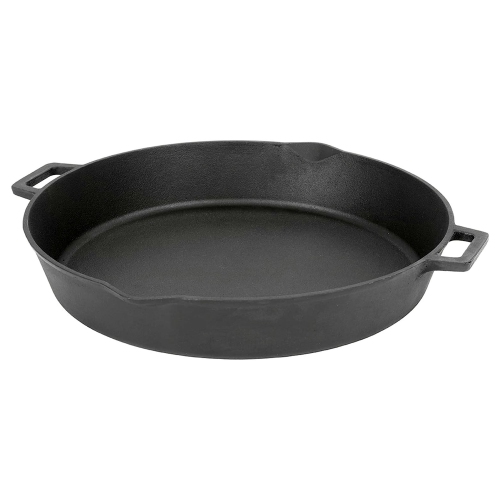
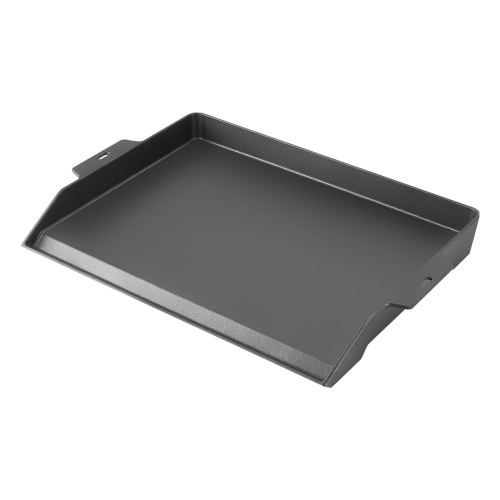
16 inch skillets offer a generous cooking surface for family meals, shared breakfasts, and dishes that need room to brown rather than crowd together. Their size makes them useful for cooking several portions of chicken, arranging fish fillets in a single layer, or tossing vegetables without repeatedly transferring food to a separate bowl. A wide pan also leaves space between ingredients, helping moisture escape so mushrooms can develop colour and potatoes can form crisp edges. For households that regularly cook larger portions, this extra room can reduce the need to work in several batches, although the amount a skillet can comfortably hold depends on its shape, depth, and usable flat base. On round skillets, the stated measurement generally refers to the diameter across the upper rim rather than the cooking surface underneath. Electric models may use a width measurement, and their square or rectangular shape can accommodate food differently from a round stovetop pan. Sloped sides make it easier to reach beneath eggs or slide food onto a plate, while deeper sides provide more room for stirring rice dishes, simmering sauces, and turning substantial portions. Neither shape replaces checking the actual dimensions, especially when a pan needs to fit a particular burner or cupboard. Traditional stovetop skillets draw heat from a cooking element, while electric skillets have their own heating system and temperature control. The distinction matters in everyday use: a stovetop model works within an existing cookware routine, whereas an electric version can provide a separate cooking surface near a suitable outlet. Both formats suit meals prepared in one vessel, from a generous vegetable scramble to browned chicken finished in sauce. A larger cooking area still benefits from sensible portions and an appropriate heat setting. Filling the pan too densely can trap steam, and a small burner beneath a broad base may leave the outer edges cooler than the centre. The best fit is therefore about cooking habits and heat coverage as much as the nominal 16 inch size.
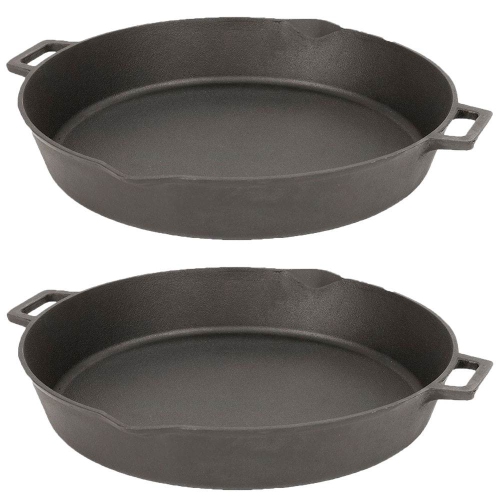
Materials influence how a large skillet heats, how much it weighs, and the care it needs between meals. Cast iron retains heat well once thoroughly preheated, making it useful for searing, shallow frying, and dishes that benefit from steady heat. Its weight becomes particularly noticeable at this size, especially when the pan is full, so a second handle can make lifting more manageable. Bare cast iron needs prompt drying and care of its seasoned surface; prolonged soaking and extended contact with acidic sauces can affect that finish. Carbon steel also develops seasoning and often offers a lighter alternative to cast iron, although thickness and construction determine the actual weight. It responds well to cooking techniques that build a browned surface, but it still needs drying and protection from rust. Stainless steel offers an uncoated cooking surface suited to browning meat and developing the flavourful browned bits used in pan sauces. Its heating performance depends on construction, including whether heat-conducting layers extend through the body or are concentrated in the base. Aluminum conducts heat readily and is often used in coated skillets and electric cooking vessels. Non-stick surfaces can simplify cooking delicate foods such as eggs and fish, with utensil choice and cleaning methods playing an important role in preserving the coating. Wood, silicone, or other utensils approved by the manufacturer help limit scratches, while gentle washing avoids unnecessary abrasion. Coated cookware also has temperature limits that should be respected, particularly during preheating or oven use. Across materials, a thicker base can help moderate temperature changes, but it does not guarantee identical heating on every cooktop. Durability comes from both construction and everyday handling: allowing a hot pan to cool before washing helps reduce the risk of warping, and keeping cooking surfaces from rubbing against other cookware can limit damage during storage. Dishwasher suitability varies, so the care information for the complete skillet, including its handles and finish, matters more than a general assumption about the metal alone.
Fit and handling are especially important with 16 inch skillets because the overall footprint usually extends beyond the cooking vessel itself. A long handle, helper handle, lid knob, or electric control connection can add substantially to the space needed on a cooktop, countertop, or shelf. On a stovetop, the base should sit securely without interfering with neighbouring cookware, and induction use requires a compatible magnetic base that meets the cooktop manufacturer’s requirements. Oven use depends on the temperature rating of every component, including the lid and handles; a metal pan body alone does not establish that the complete skillet is oven-safe. For electric skillets, useful considerations include the temperature range, how clearly the controls are marked, lid design, and whether the cooking vessel separates from the electrical components for cleaning. Only parts specifically identified as immersible should go into water. A lid can help contain splashes and retain moisture for covered cooking, while a glass lid allows the food to remain visible without frequent lifting. Handles need enough clearance for a secure grip with oven mitts, and a full skillet is easier to move when its weight can be supported from both sides. Storage deserves the same attention as cooking space: a deep drawer may accommodate the pan body but not a tall lid, while stacking calls for protection between delicate surfaces. For kitchens where a smaller everyday pan would complement a larger vessel, 12 Inch Frying Pans offer another size to consider for smaller portions and more compact cooking spaces. A 16 inch skillet is particularly useful for enthusiastic home cooks, larger households, and people who regularly prepare food to share. It can also make a thoughtful housewarming or wedding gift when the recipient’s cooktop, storage space, and preferred cooking style are known. The most useful choice combines sufficient cooking room with a manageable weight, suitable heating compatibility, and a care routine that fits comfortably into everyday kitchen life.
Top selling and popular products
-
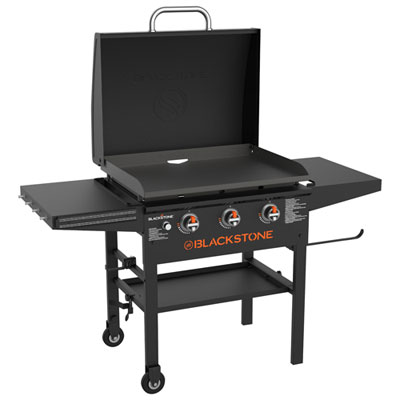 Your price for this item is $619.99
-
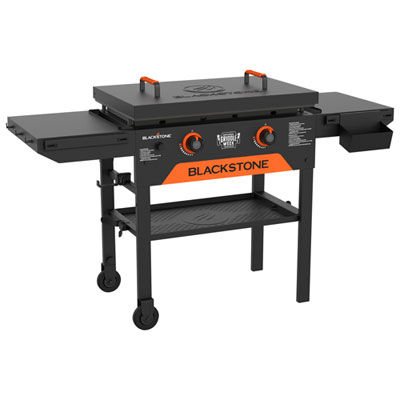 Your price for this item is $599.99
-
 Your price for this item is $272.98
-
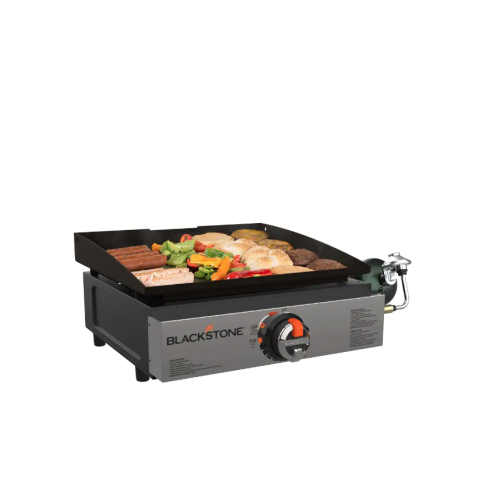 Your price for this item is $317.89
-
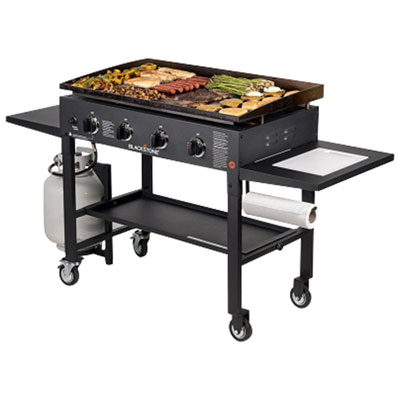 Your price for this item is $639.99
-
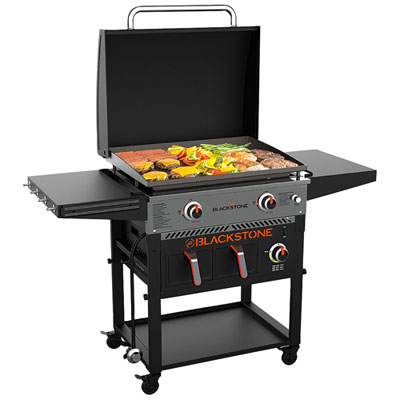 Your price for this item is $913.99
-
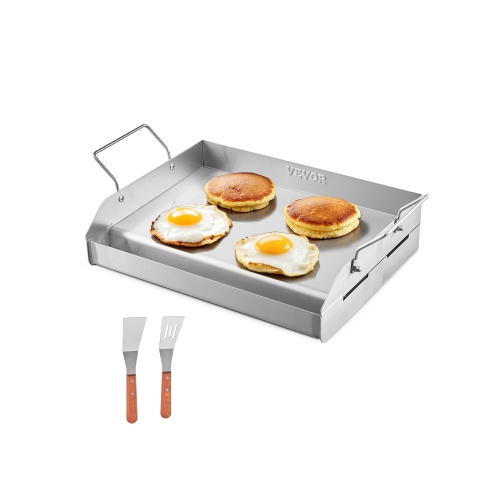 Your price for this item is $80.9
-
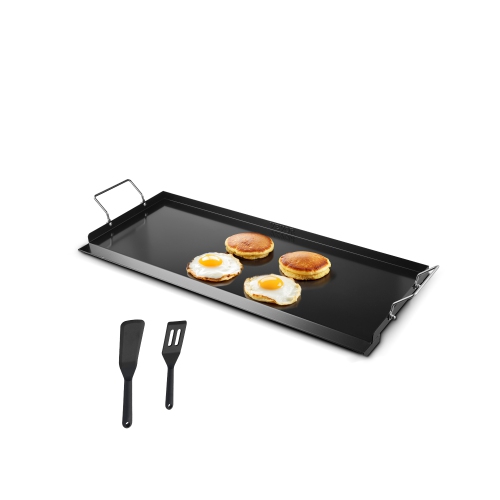 Your price for this item is $65.38
Discover more categories related to 16 Inch Skillets


Top Collections:
Best Black Friday Deals This Year, Best Black Friday Deals On Electronics, Kindle Devices, Pokemon Centers, Best Black Friday Deals On Apple Products, Best Cameras for Sports Photography, Dyson Airwrap, Pokémon 30th Celebration Cards, Apple iPhone 17 Pro, Canon G7X Cameras
Some products may be subject to Environmental Handling Fees
(EHF) depending on your province.
Learn more about EHFs.