24 Inch Counter Stools
Upgrade your kitchen or bar area with these 24-inch counter stools. These stylish and functional seating options are the perfect addition to almost any home, providing comfort and convenience without compromising on style. Whether you're looking for a sleek and modern design or a classic and timeless look, this range of 24-inch counter stools offers something for every taste and decor. With a variety of materials, colors, and finishes to choose from, finding the perfect counter stool to enhance your space has never been easier.
Sort
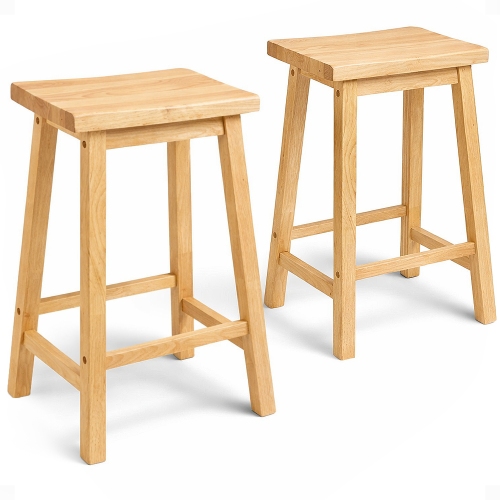


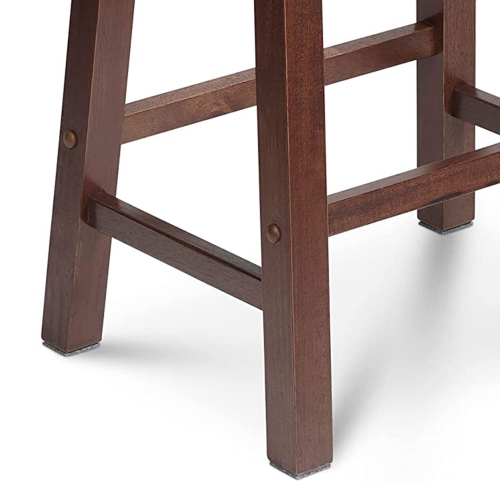
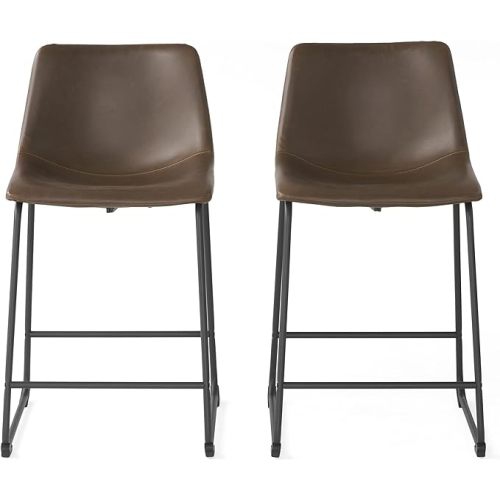


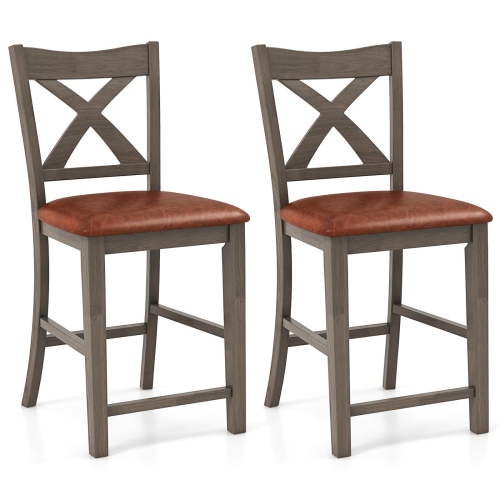





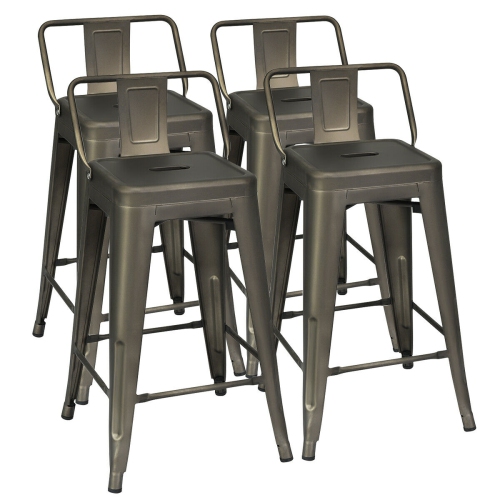
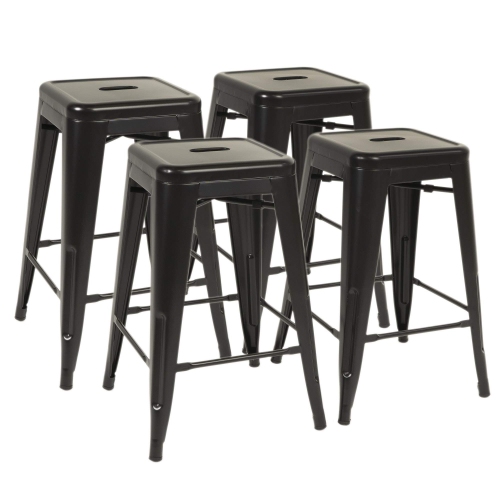

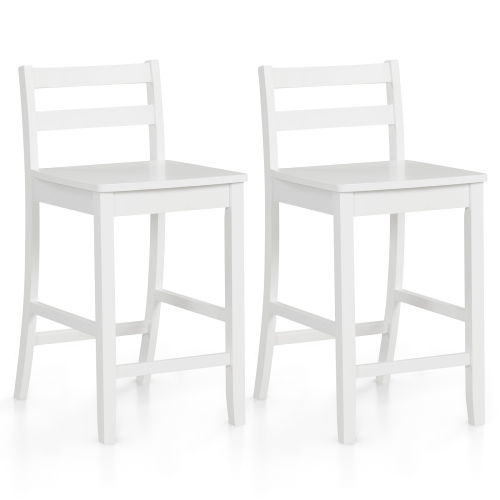

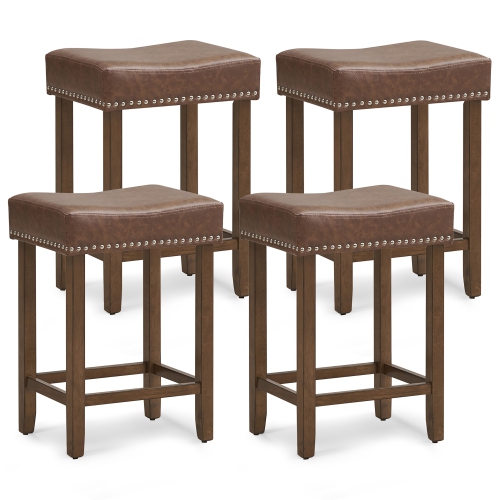
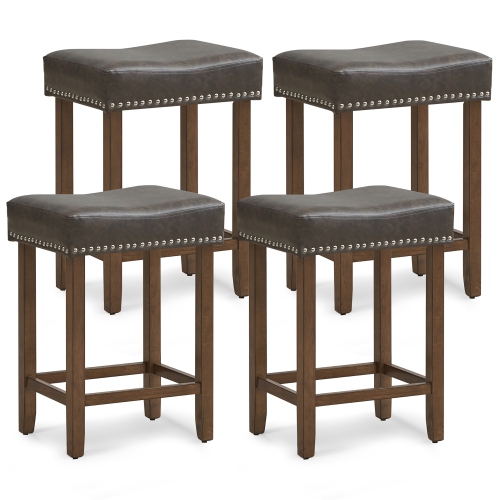
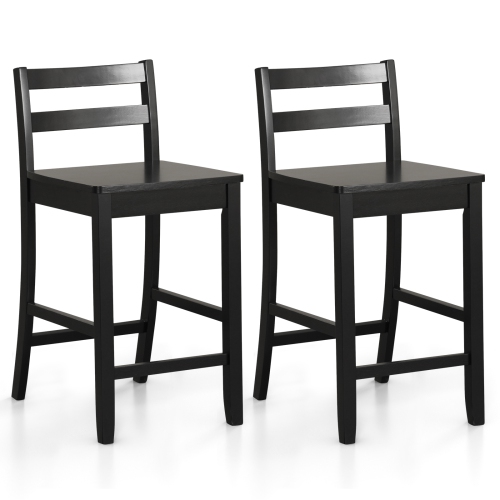


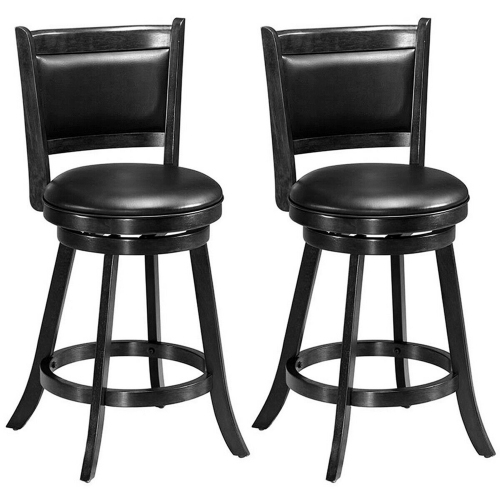
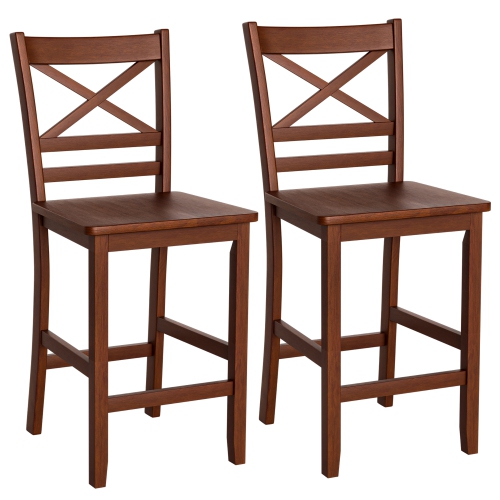
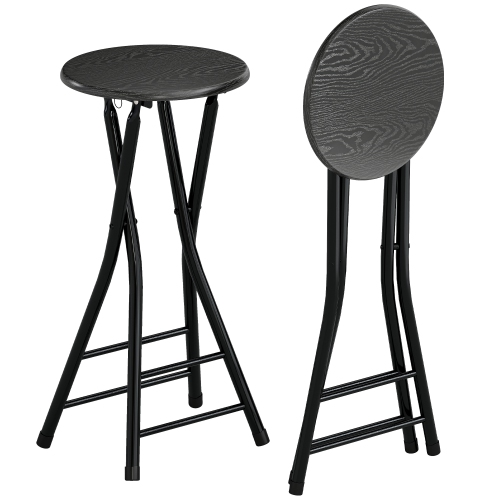


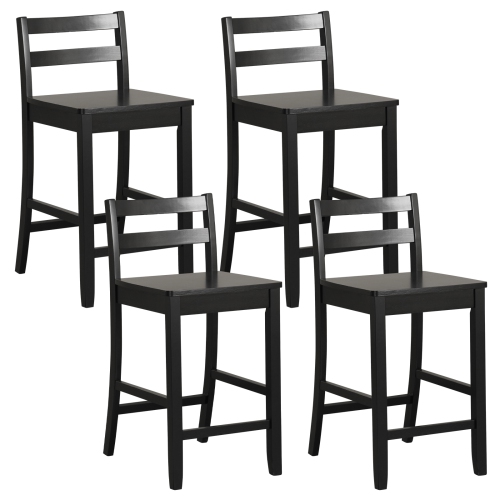
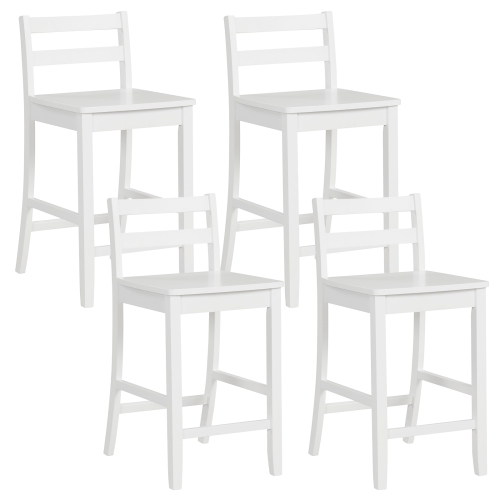

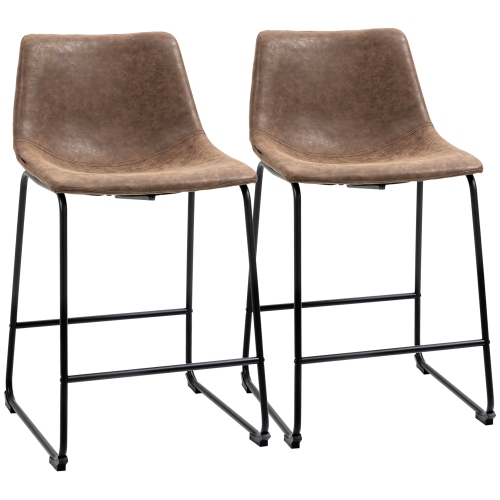







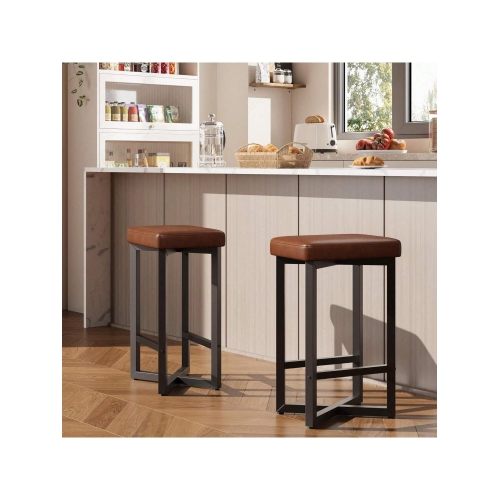
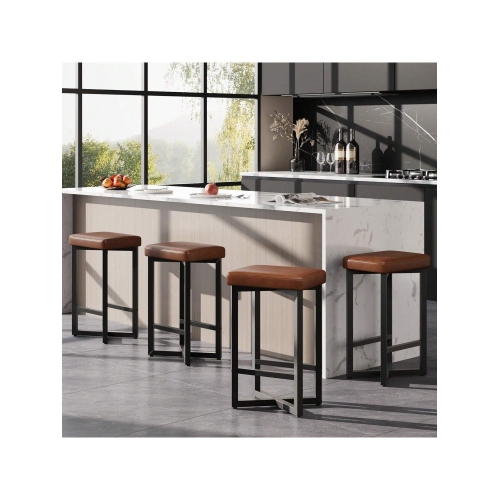
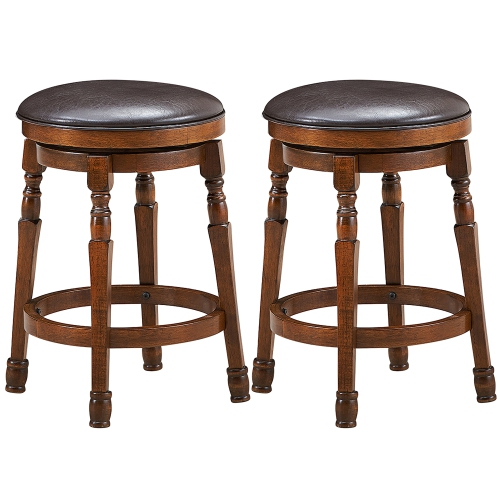
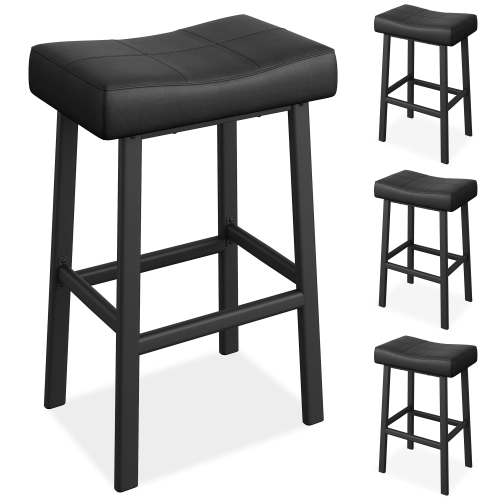

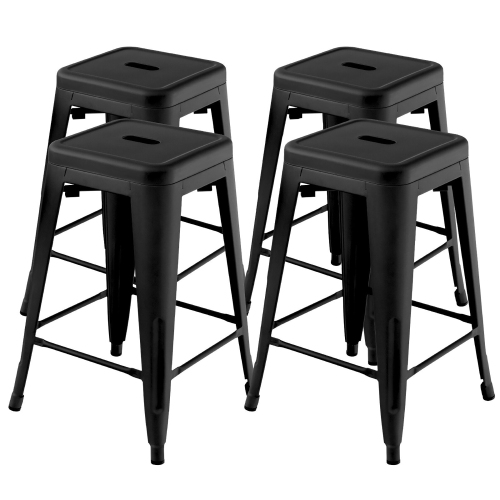

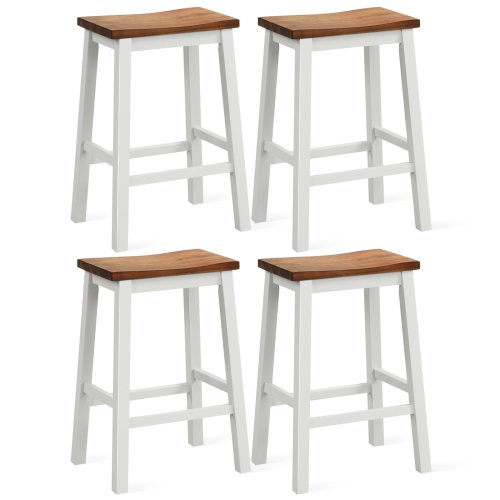
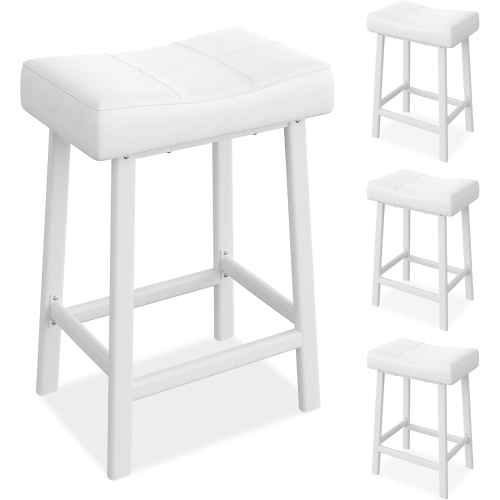
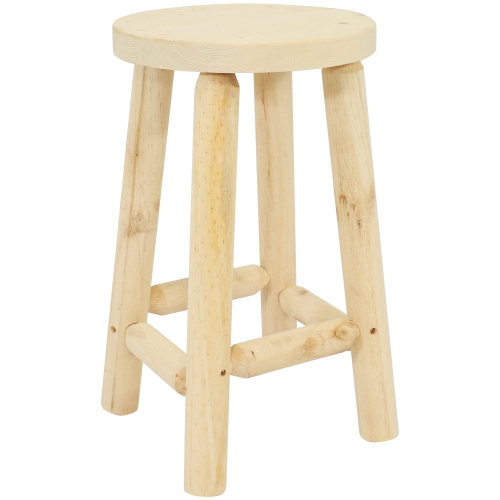
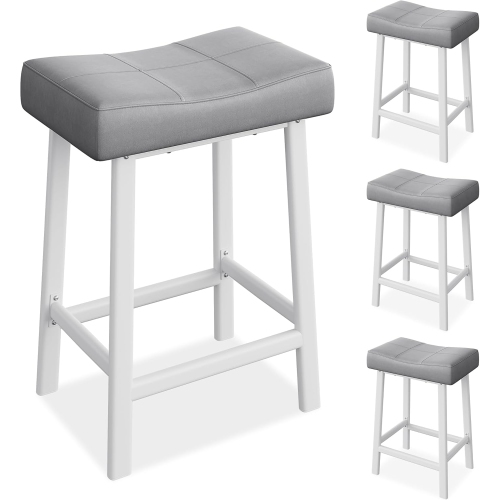
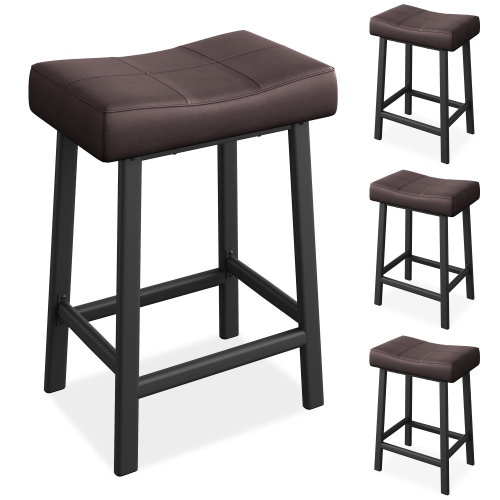
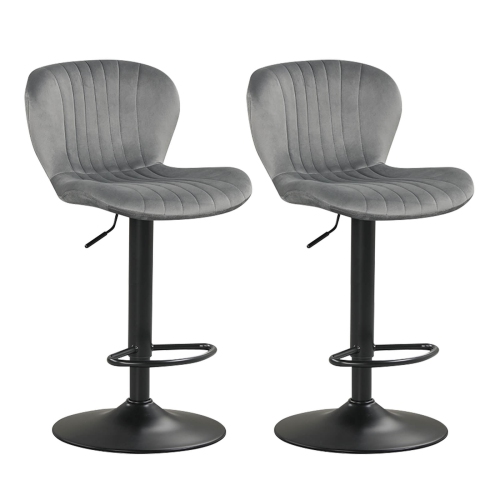
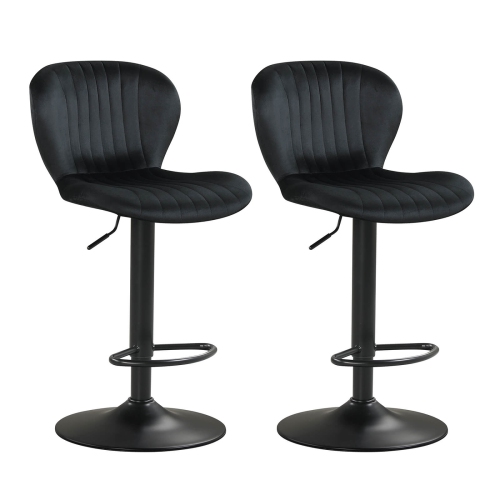
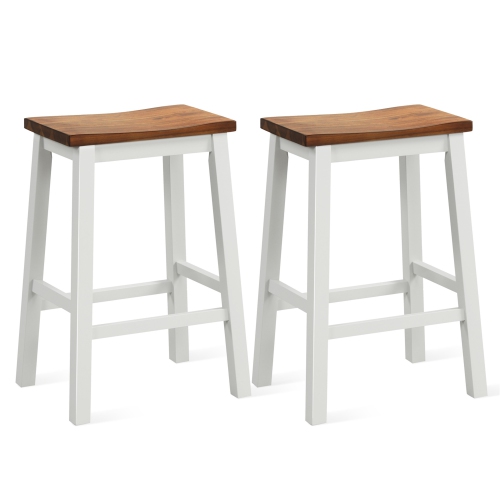
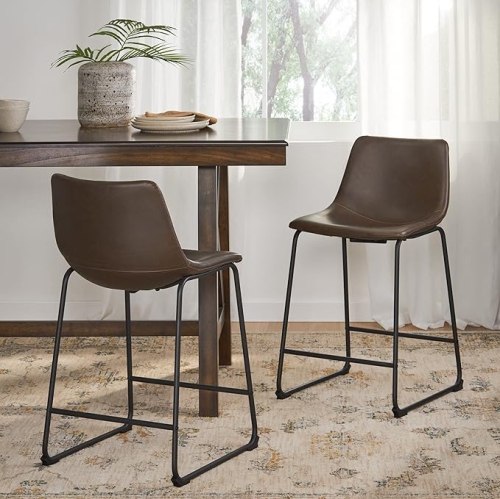
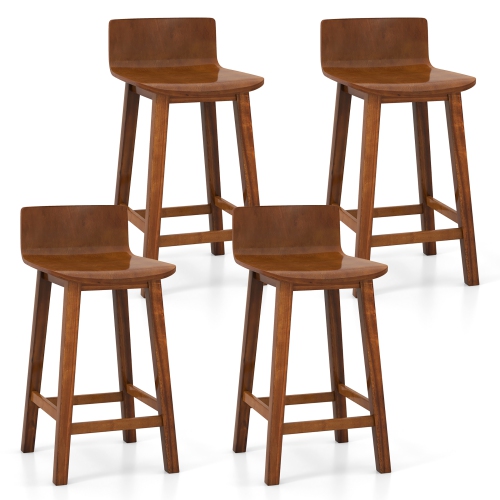
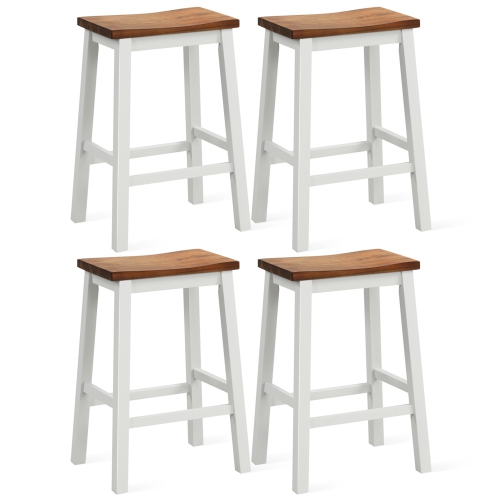
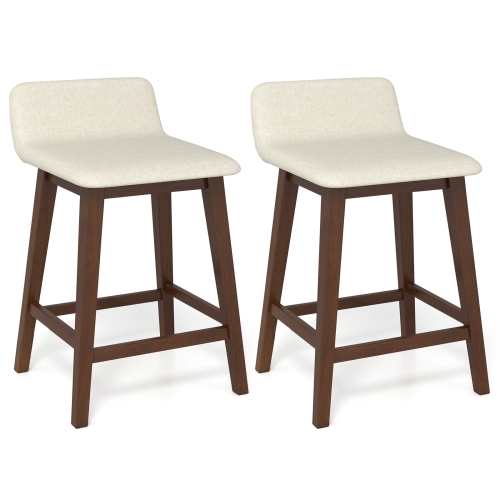
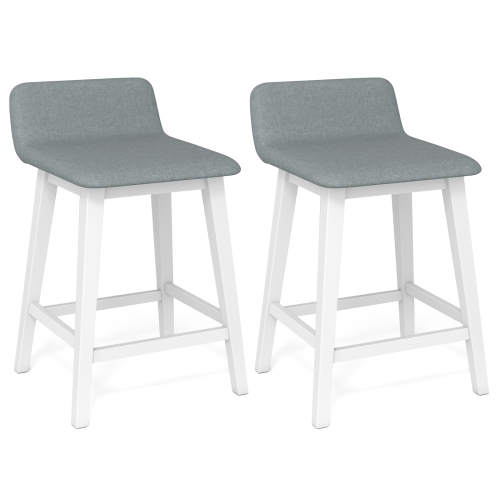


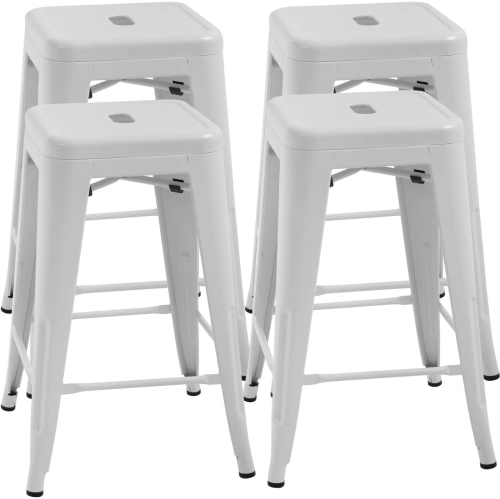
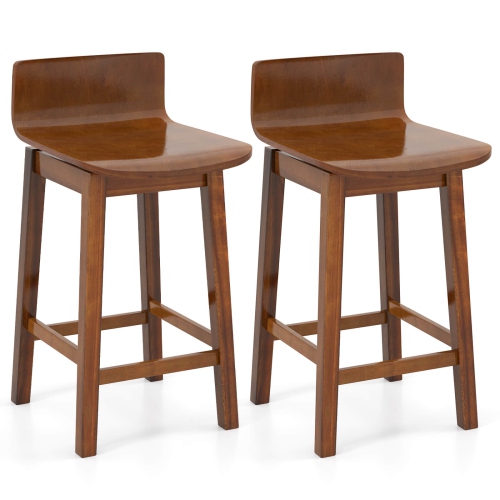
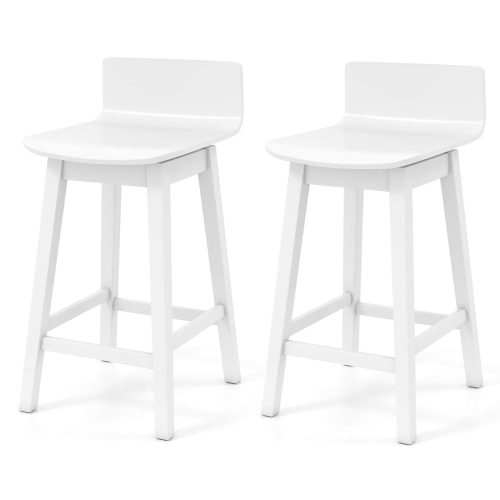

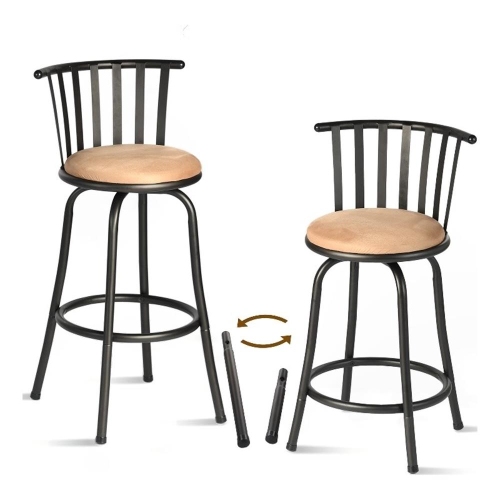
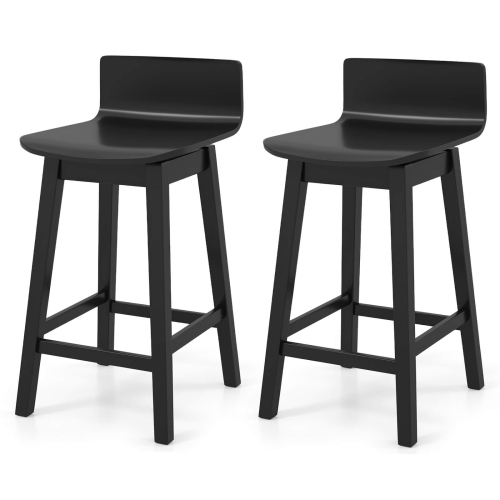
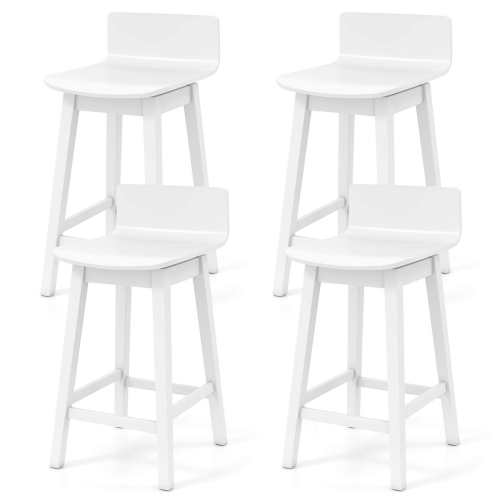
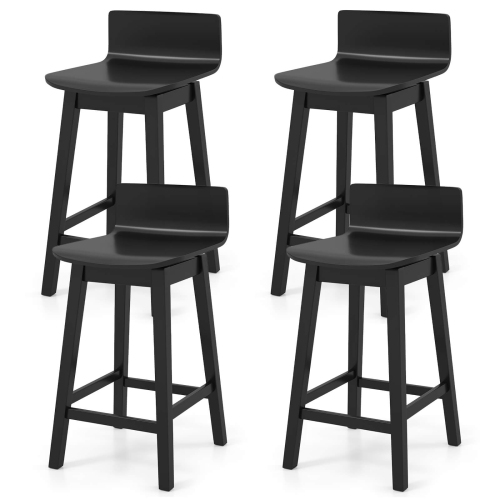

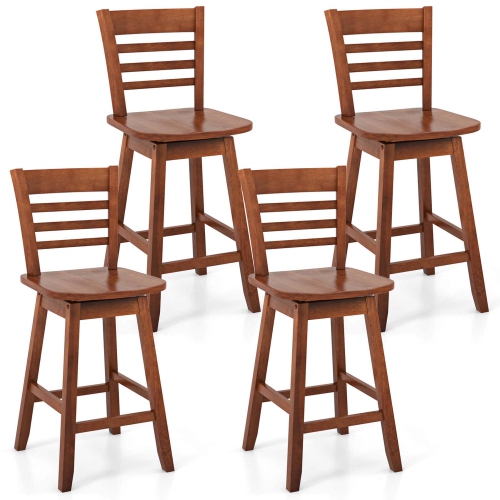

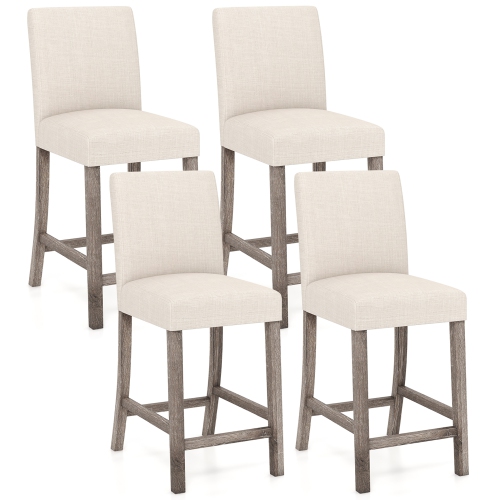
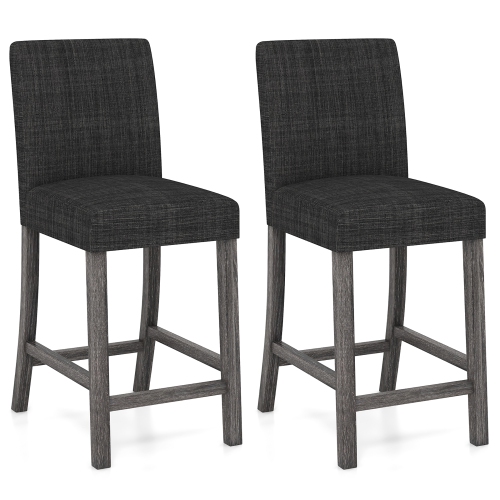
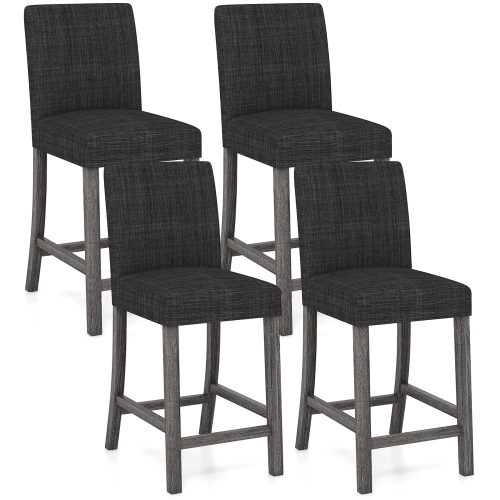


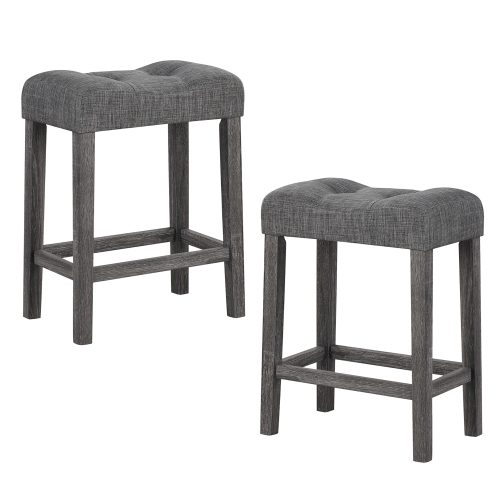


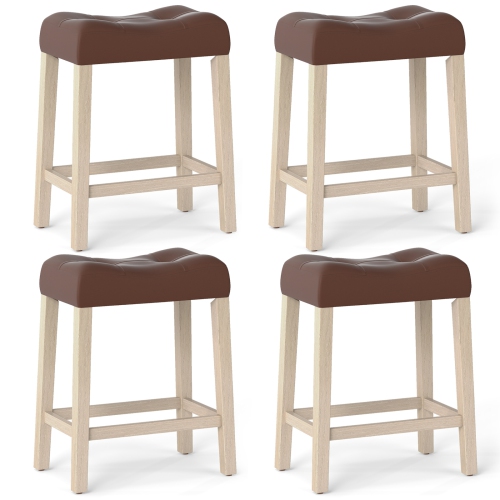

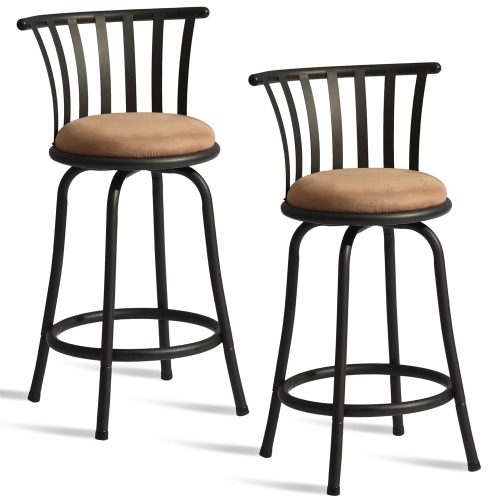






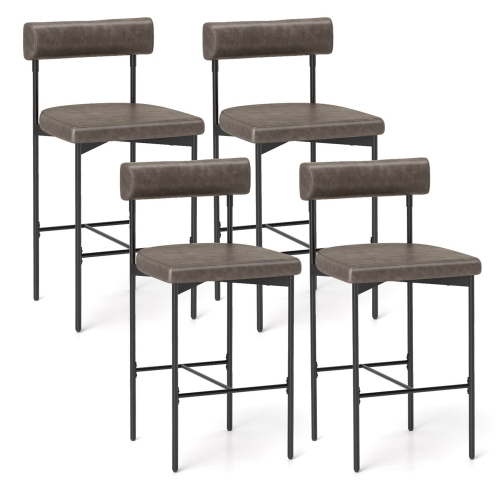
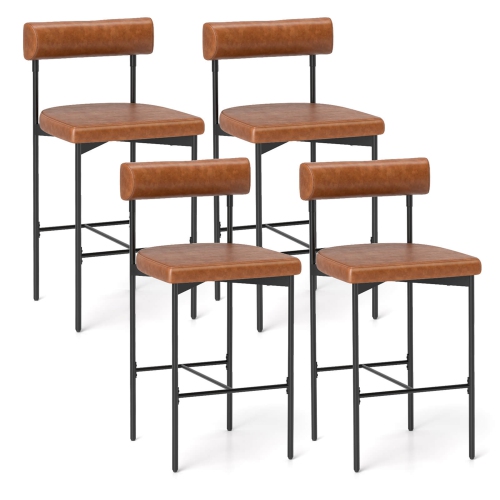


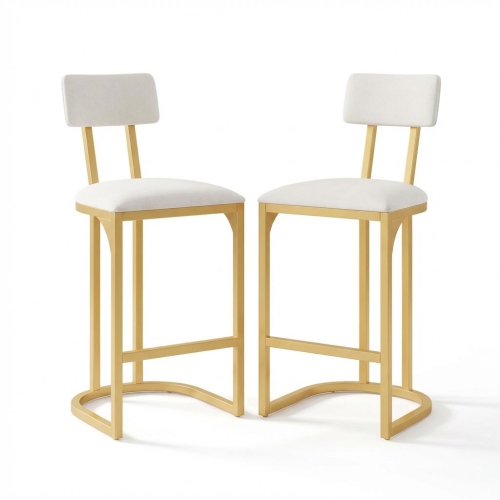
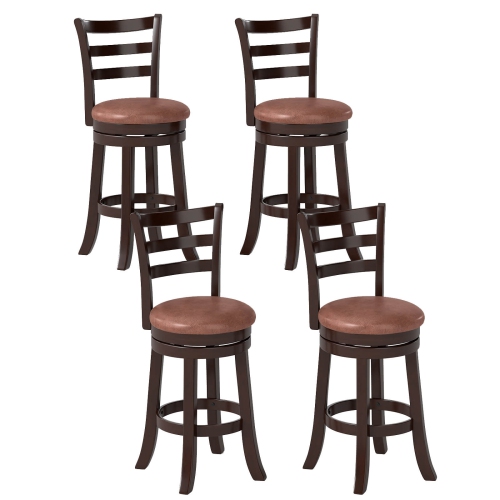


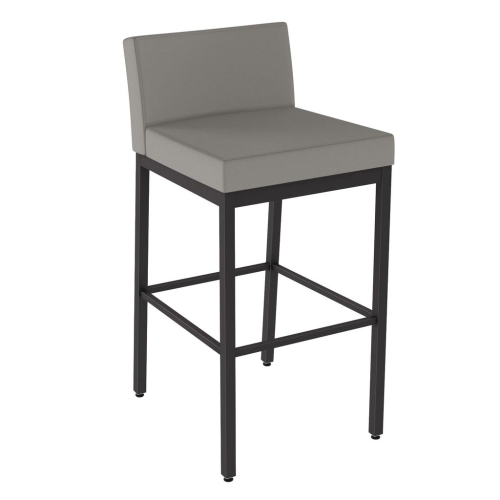
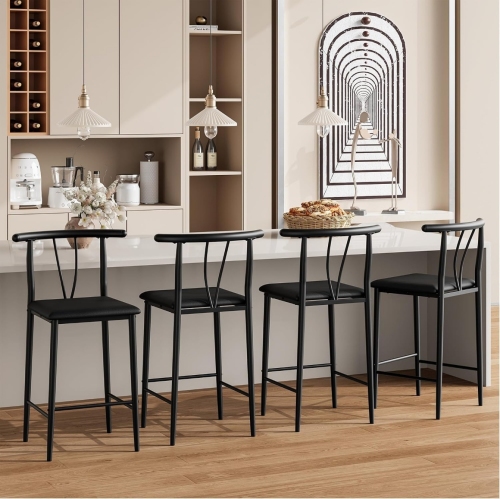

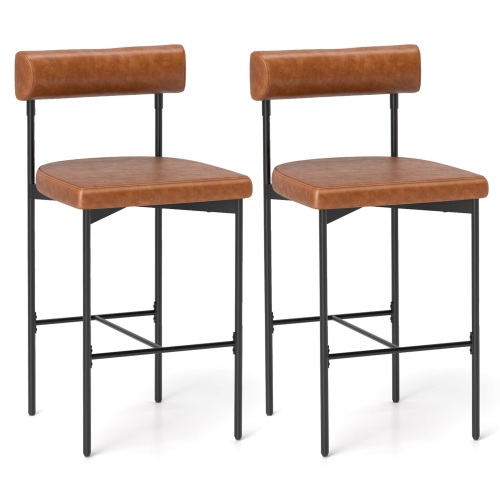
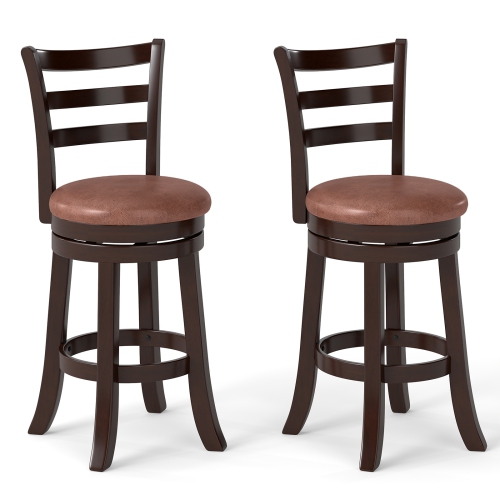


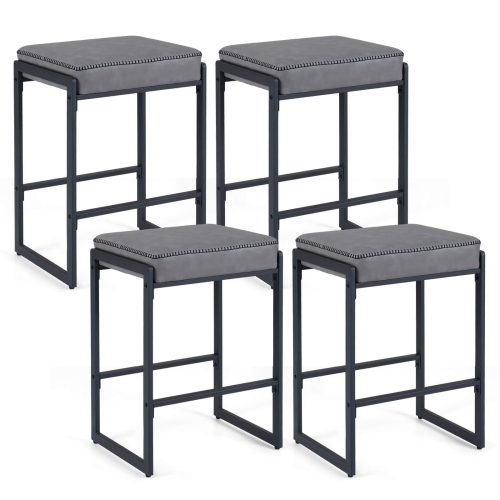

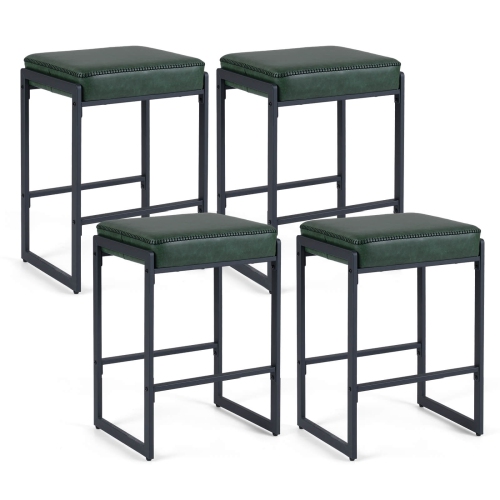
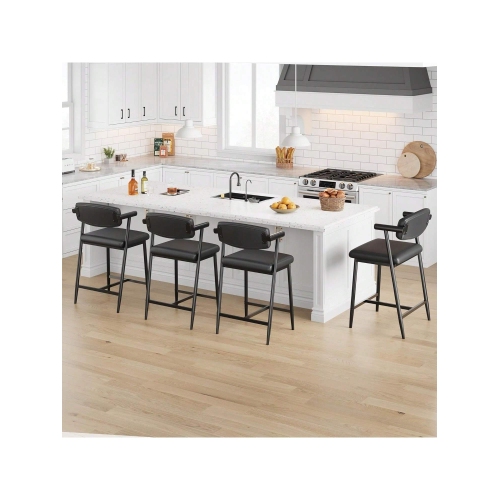
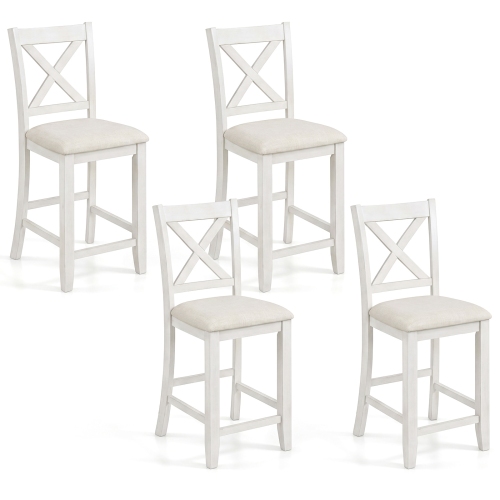
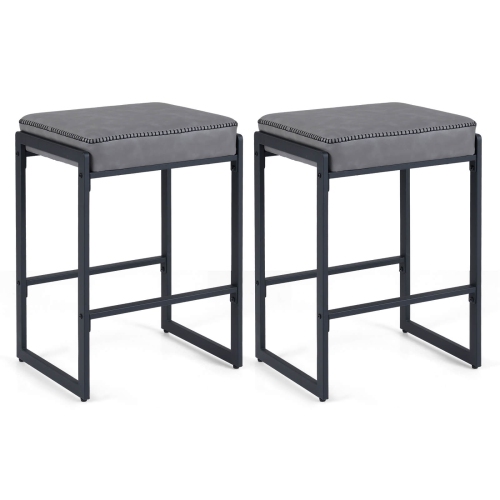
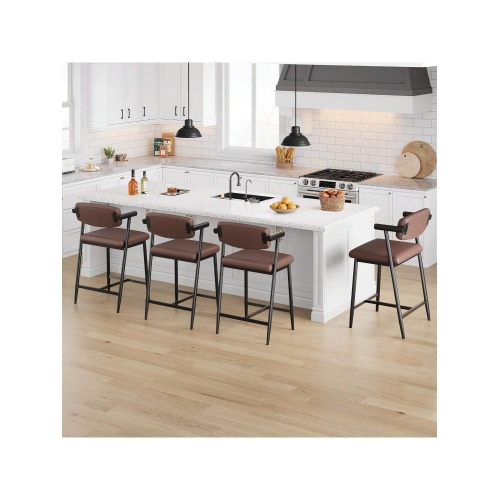
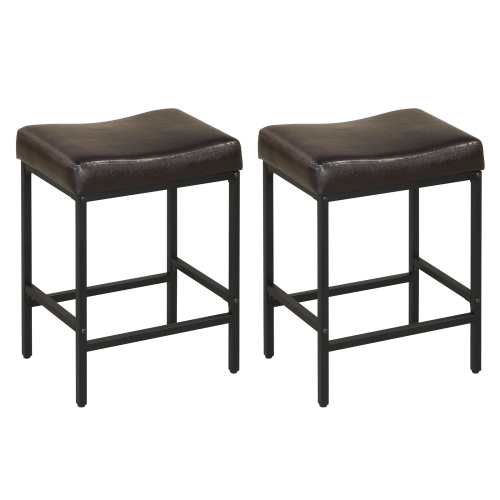
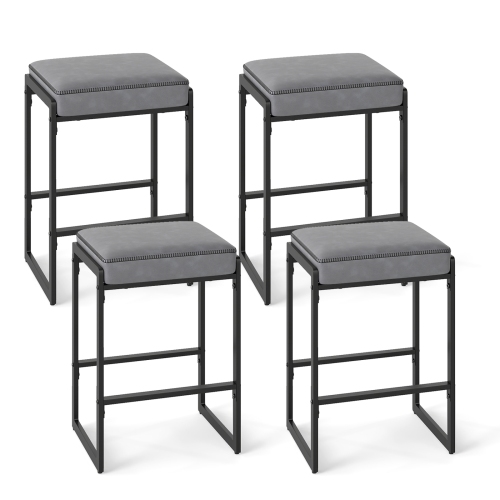

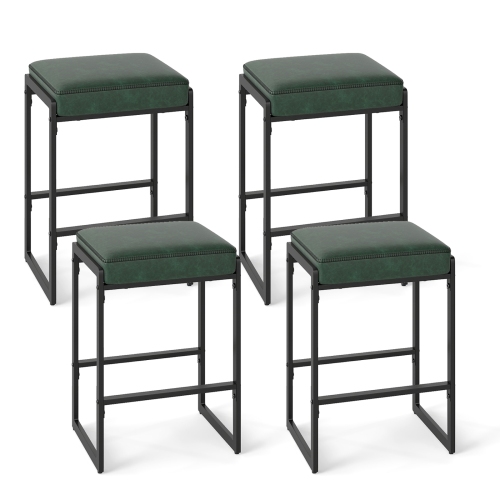
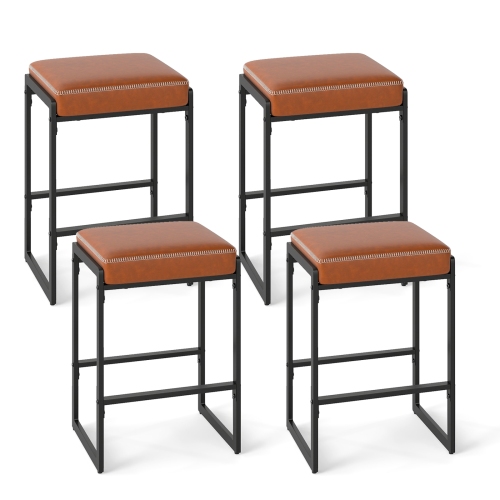

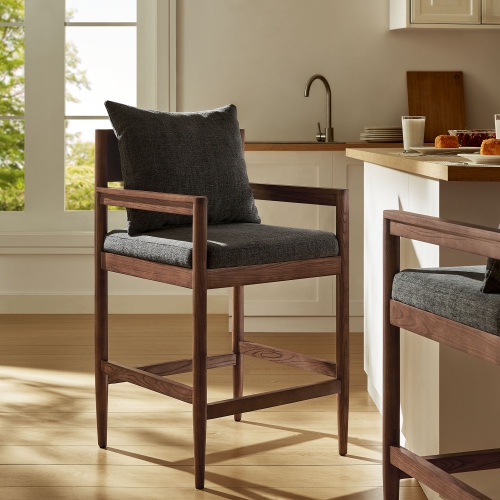
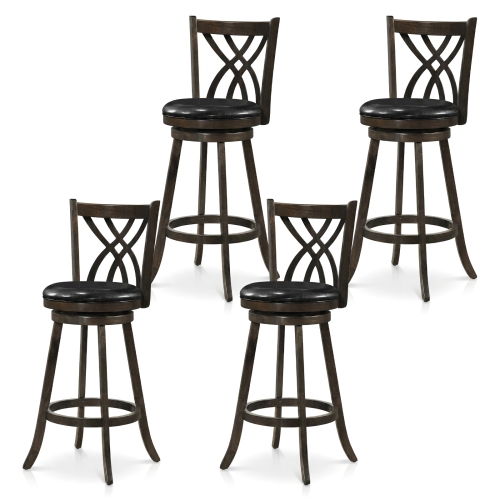


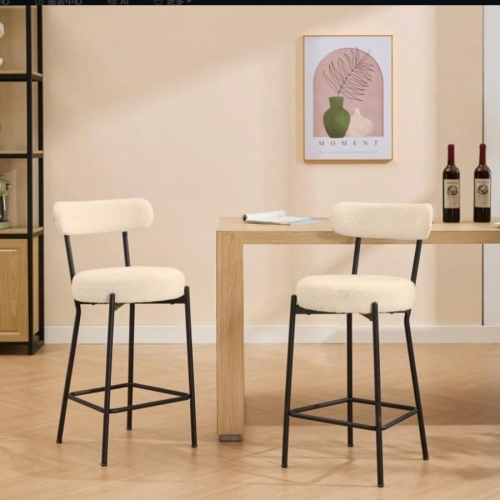


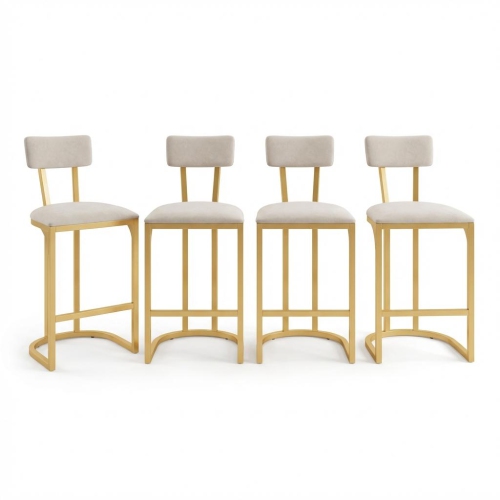


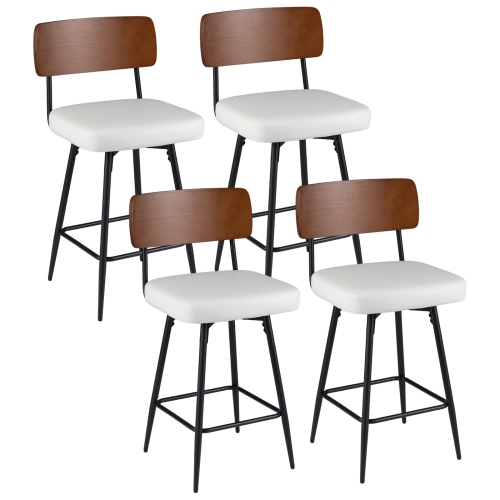
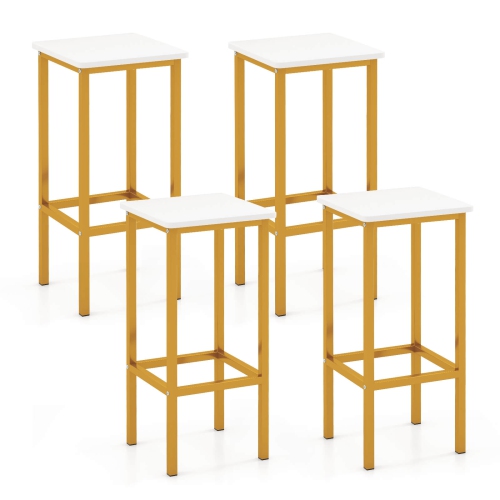

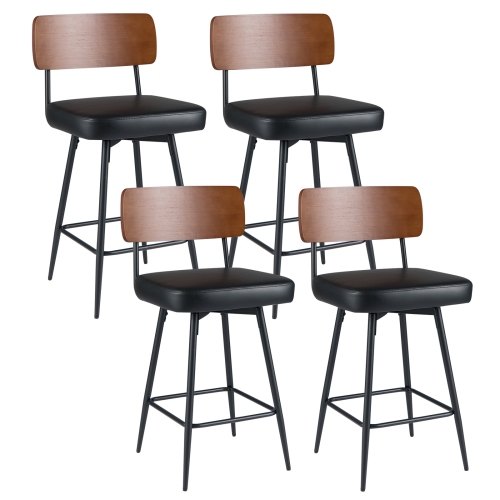


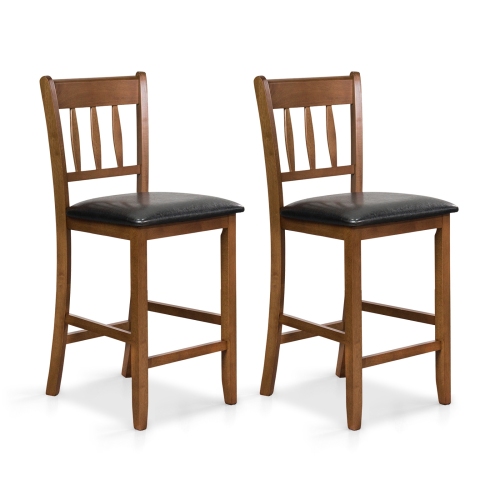
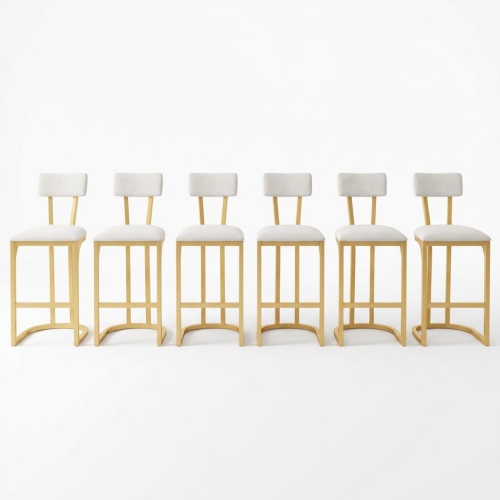

Comfortable counter seating starts with the right clearance
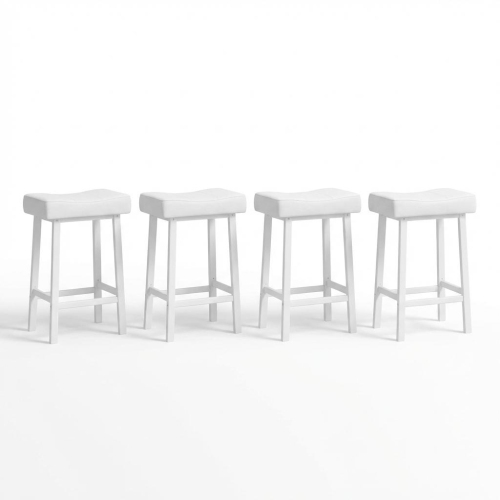
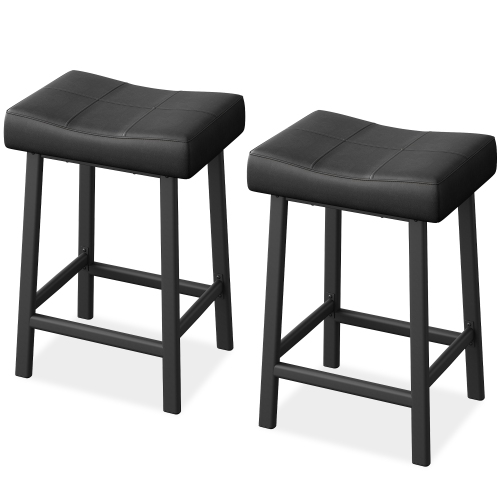
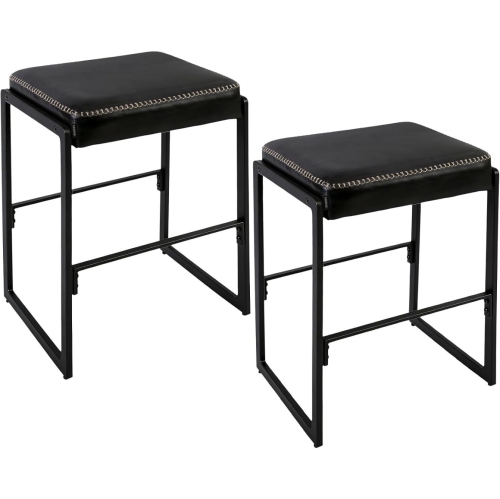
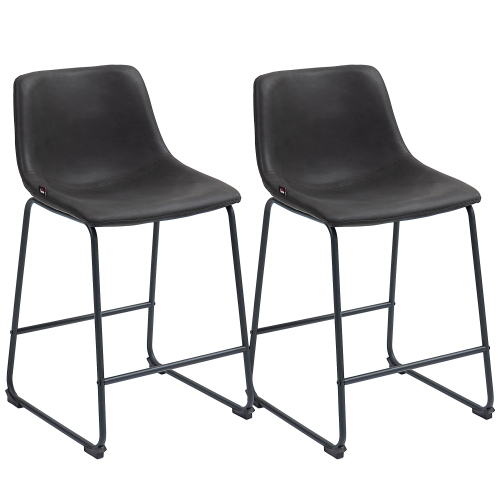
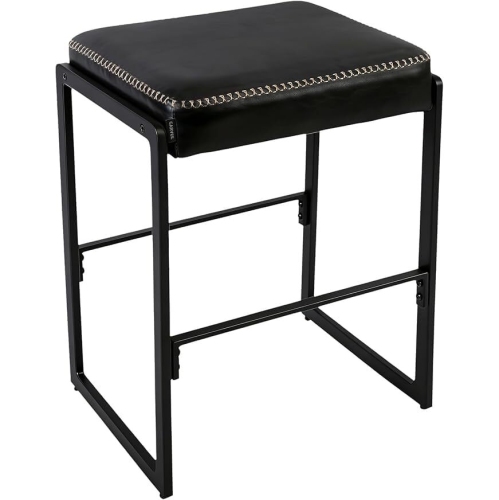
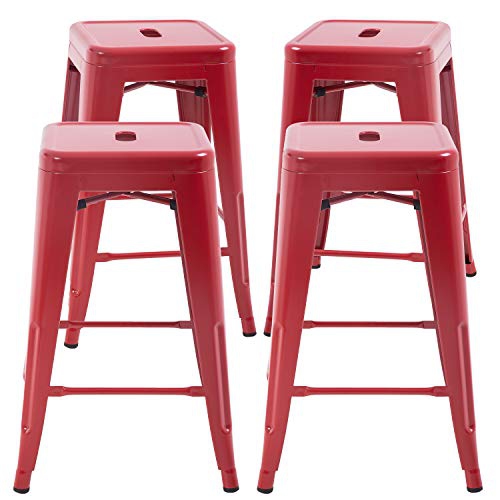
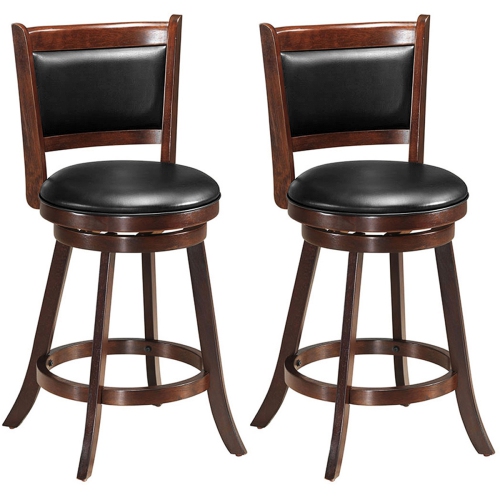
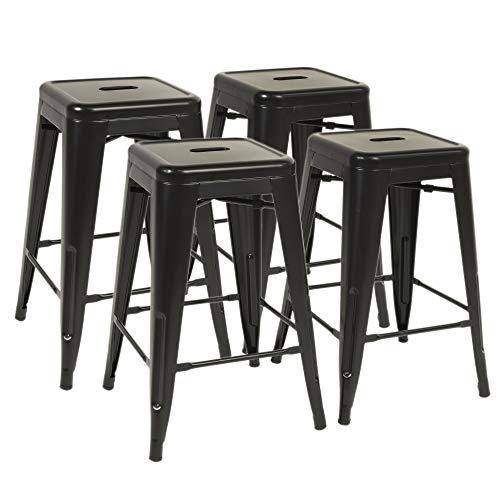
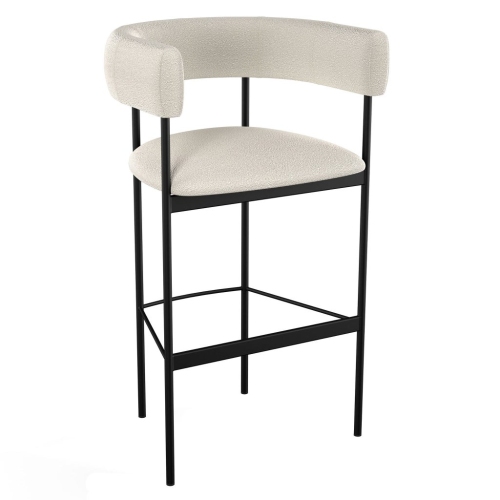
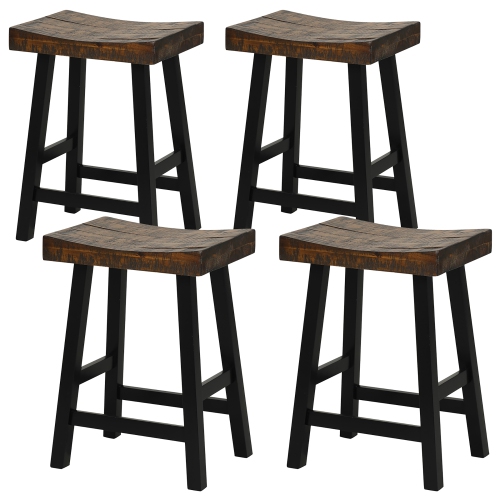
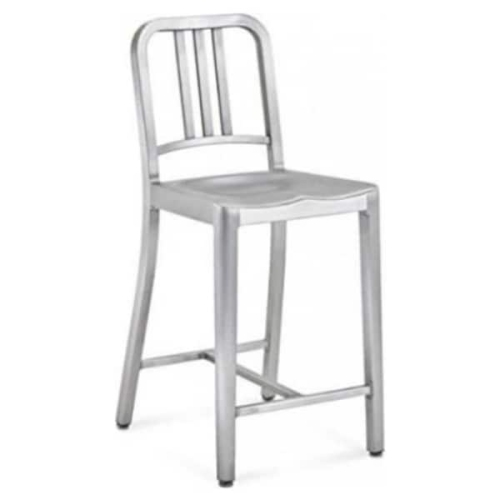
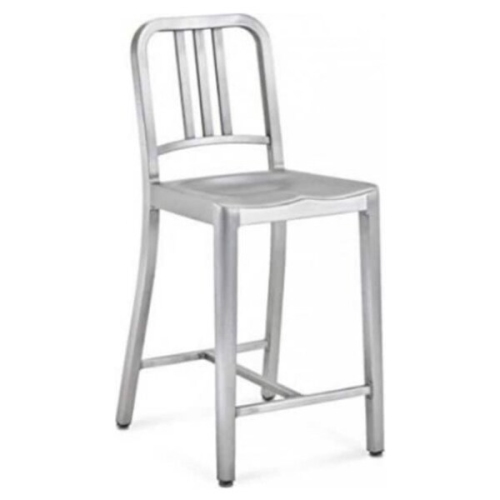
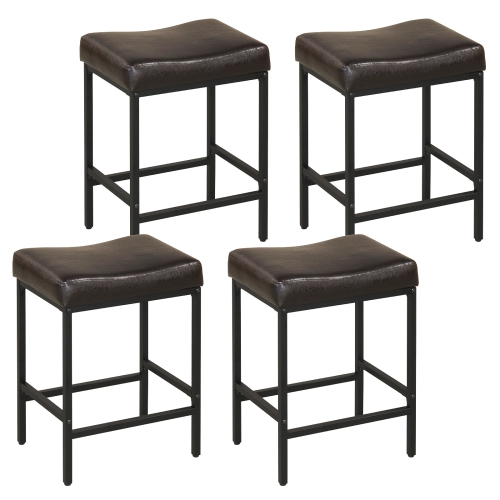
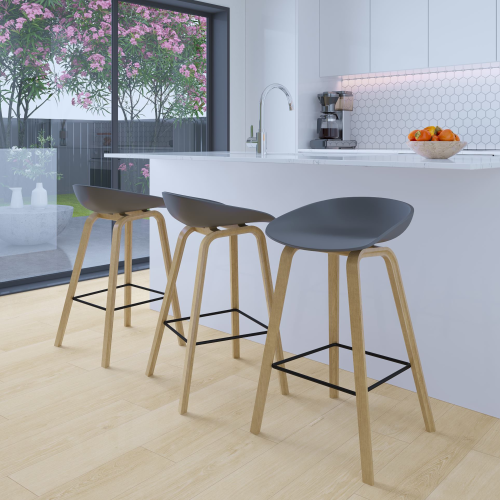
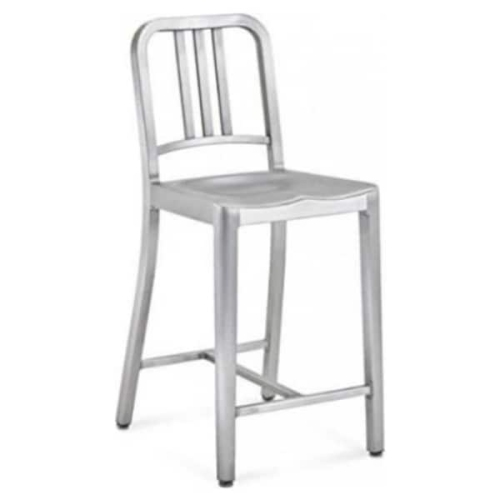
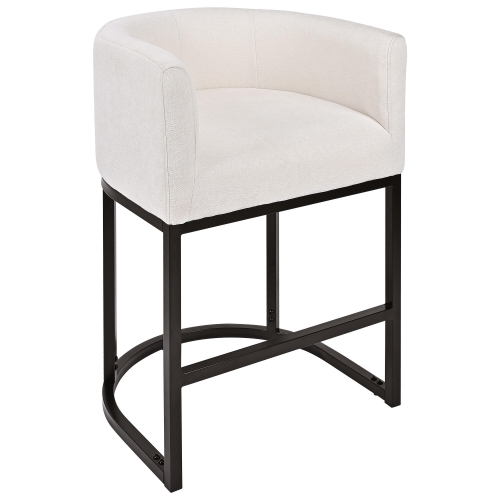
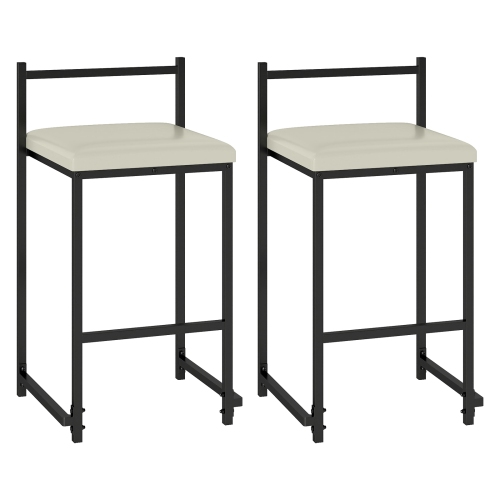
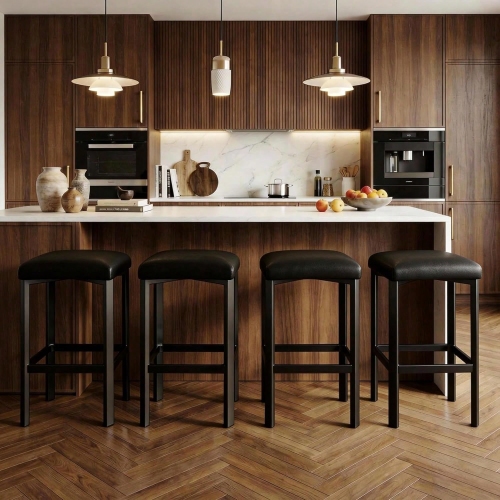
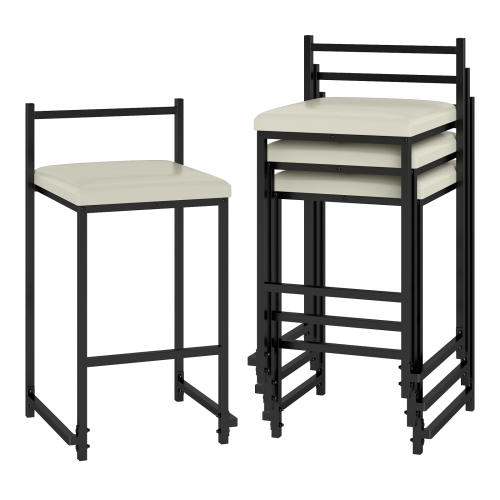
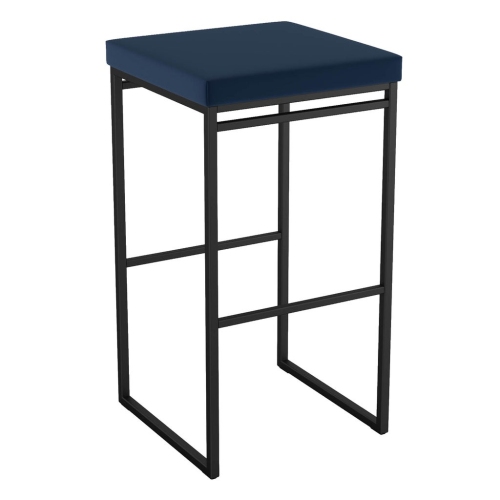
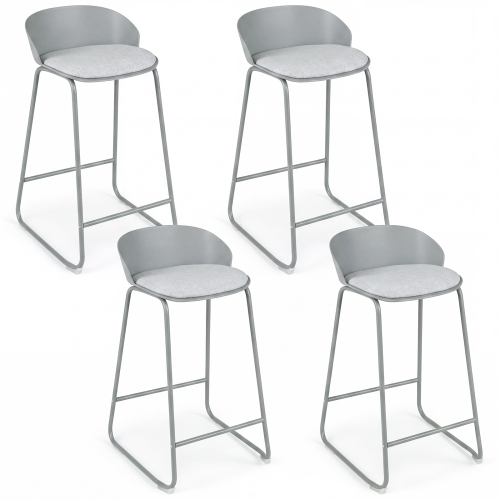
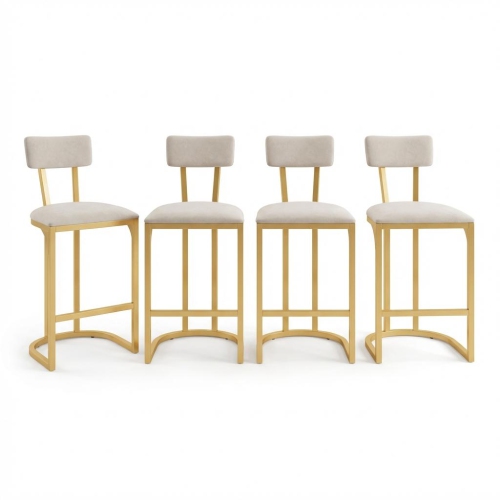
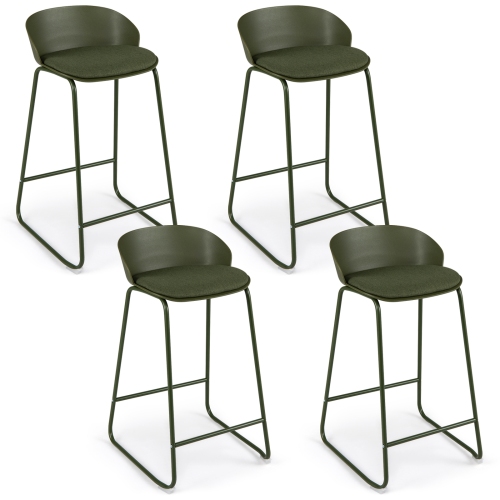
24-inch counter stools bring comfortable, raised seating to kitchen islands, breakfast counters, and counter-height dining tables without the extra height of a bar stool. The 24-inch measurement generally refers to the distance from the floor to the top of the seat, not the overall height of a stool with a backrest. This seat height typically suits counters approximately 34 to 36 inches high, including many standard kitchen counters. A useful fit allowance is about 9 to 12 inches between the seat and the underside of the counter, giving seated adults room for their thighs and enough space to shift position. Counter thickness, support brackets, and decorative aprons can reduce that clearance, so the underside matters as much as the height of the work surface. At a kitchen island where breakfast shares space with homework or meal preparation, the right proportions let someone sit close enough to the counter without hunching forward or squeezing their knees beneath it. Width is equally important: allow roughly 24 inches of counter length per stool as a starting point, with more room for broad seats, armrests, or swivel movement. Three narrow stools may fit along a six-foot counter, but wider designs can make two seats a more comfortable arrangement. The footprint at floor level also deserves attention, since angled legs can extend beyond the seat and take up walking space. Backless counter stools often tuck neatly beneath an overhang, helping keep a compact kitchen or condo dining area open between meals. Designs with backs create a more defined seating area and offer support during longer conversations or casual meals. For either style, a usable footrest is an important comfort feature because most adults cannot rest their feet flat on the floor from a 24-inch seat. A well-positioned footrest supports a relaxed sitting posture, while enough space behind the stool lets someone pull it out without blocking a cupboard, dishwasher, or nearby doorway.
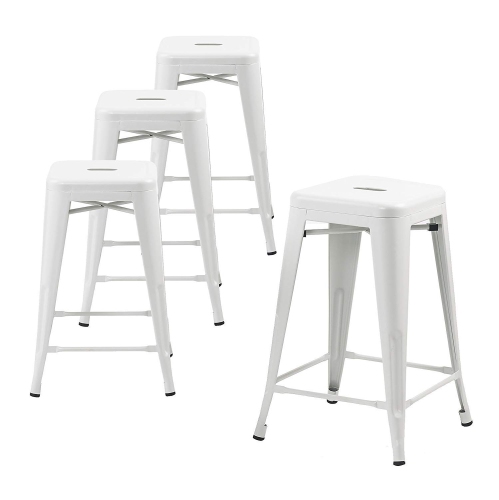
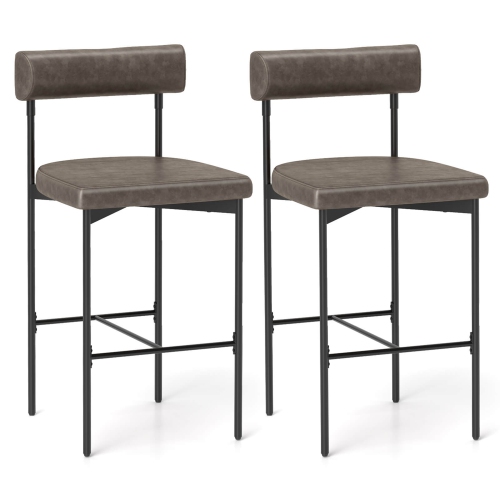
Materials shape both the appearance of 24-inch counter stools and how they feel in everyday use. Wood brings visible grain and a familiar furniture finish to a kitchen, whether the surrounding cabinetry is painted, stained, or a mix of both. Solid wood seats can be flat, gently scooped, or shaped with a saddle profile; those small differences become noticeable when sitting through a meal rather than stopping briefly for a coffee. A contoured seat can provide comfort without upholstery, while a smooth, well-finished edge is easier on the backs of the legs. Metal frames tend to have slimmer lines and can suit industrial, contemporary, or understated interiors. Their durability depends on the quality of the joints, finish, and overall construction, not simply the presence of metal. Powder-coated surfaces offer a finished layer over the frame, though dragging stools together or striking the legs with a vacuum can still leave marks. Upholstered counter stools add cushioning and texture, with woven fabric, leather, and faux leather each offering a different feel and care routine. Fabric can soften the look of a kitchen filled with hard surfaces, but seams and textured weaves may need more attention after crumbs or spills. Leather and faux leather are distinct materials, and neither should be assumed to tolerate every household cleaner. Manufacturer care directions are the best reference for suitable cleaning products and methods. For routine upkeep, prompt blotting of spills, gentle dusting, and cleaning with an appropriate cloth help preserve the seat and frame. Wood generally benefits from avoiding prolonged moisture, while upholstered seats may need vacuuming around piping and creases. Colour choices also affect daily practicality: pale upholstery makes a light visual impression, while patterned or textured finishes may make minor marks less conspicuous. Protective glides suited to the flooring can reduce scraping and noise, particularly where stools move frequently across hardwood or tile. Secure joints, sound welds, an even stance, and a stated weight capacity appropriate to the intended user are more useful indicators of dependable seating than appearance alone.
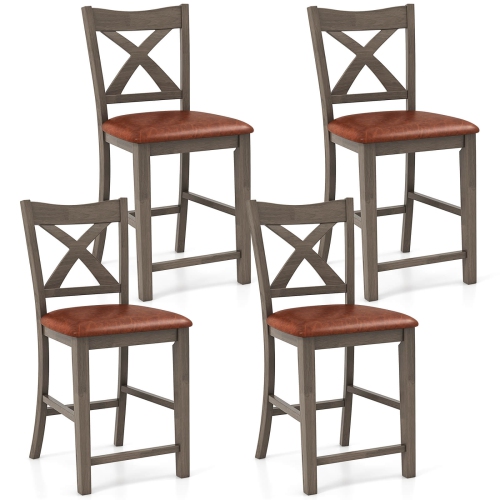
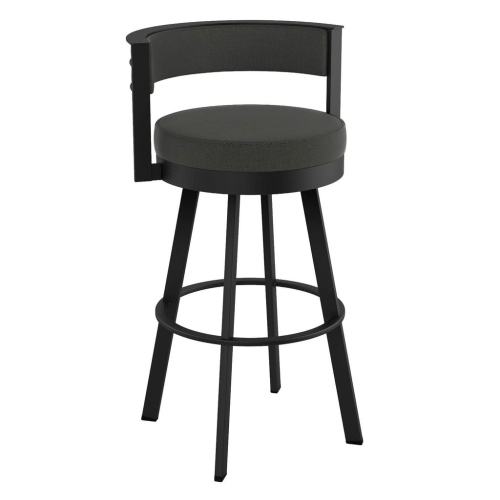
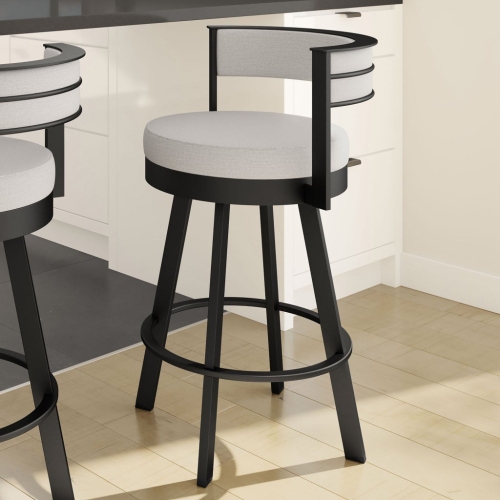
The choice between fixed, swivel, backless, and backed seating often comes down to how the counter is used. A backless stool keeps sightlines clear across an open-plan room and offers an easy perch for a short snack, while a supportive backrest is often more comfortable for someone reading, working on a laptop, or lingering over lunch. Low backs provide some support without rising far above the counter; taller backs have a stronger visual presence and can make island seating feel closer to a dining area. Armrests may add comfort, but their height needs to clear the counter overhang if the stool is expected to slide underneath. Swivel seats let someone turn towards a conversation or step away from the counter with less repositioning of the base. For seating that combines rotation with a backrest, 24-inch swivel counter stools with backs bring those features together in a counter-height format. The turning space still matters: a backrest or arm should not strike the countertop, neighbouring stool, or wall as the seat rotates. Fixed stools have fewer moving parts and can be a straightforward choice for a busy breakfast spot, though hardware on any assembled design may need periodic checks according to the manufacturer's directions. Households with children should consider stability and age-appropriate seating rather than treating an adult counter stool as a substitute for a high chair or booster. A footrest is intended to support feet while seated, not to serve as a climbing step. For adults furnishing a first condo, updating a shared kitchen, or adding seating to a counter-height table, matching the stool to the room's actual routines makes a lasting difference. A compact seat that disappears beneath the counter may suit occasional use, while generous cushioning and back support can make more sense at an island that serves as the main dining space. Coordinating the frame finish with nearby hardware or choosing a seat colour that complements the cabinetry can tie the room together without requiring every surface to match.
Top selling and popular products
-
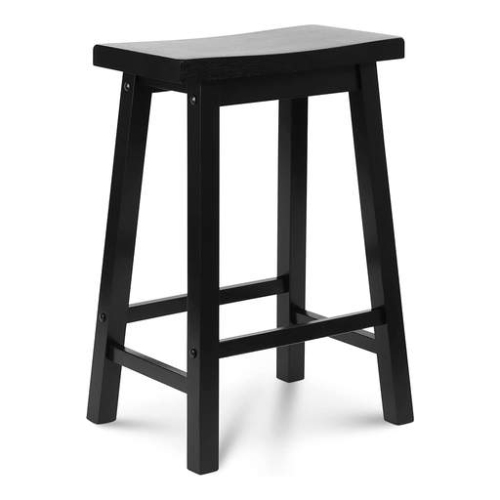 Your price for this item is $88.99
-
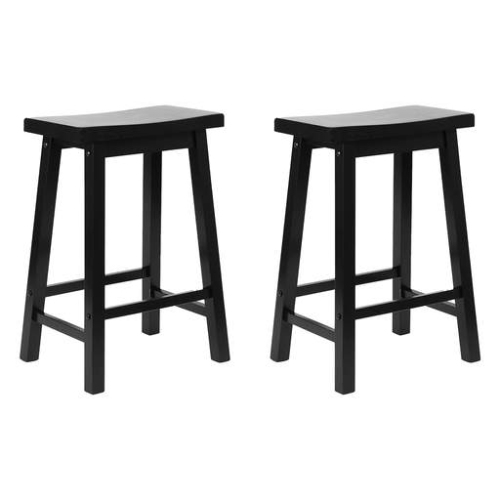 Your price for this item is $174.99
-
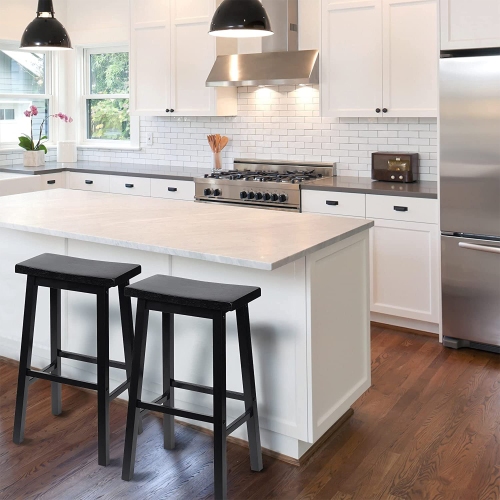 Your price for this item is $437.99
-
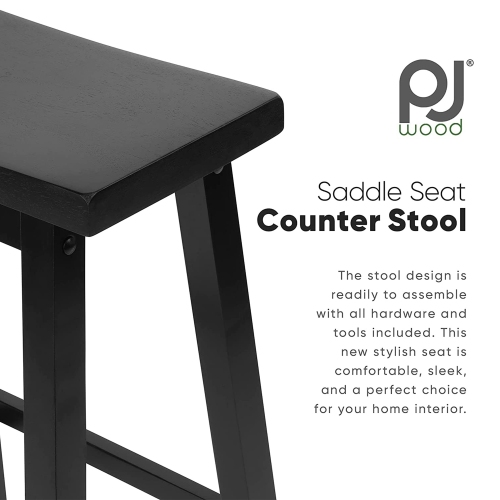 Your price for this item is $173.99
-
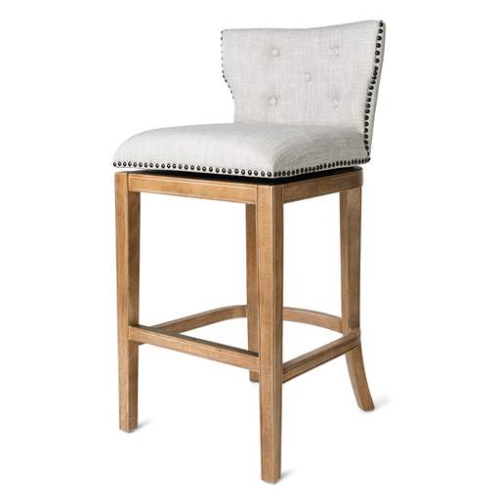 Your price for this item is $406.99
-
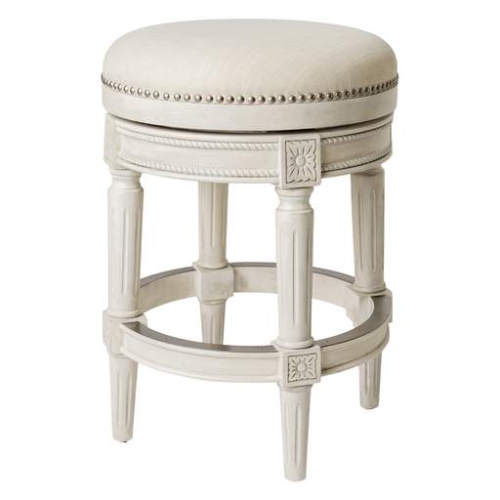 Your price for this item is $350.99
-
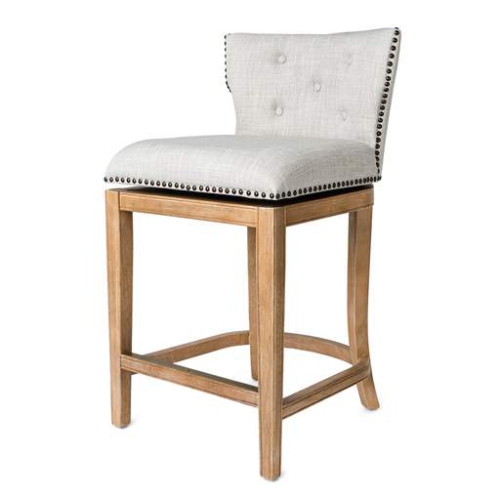 Your price for this item is $431.99
-
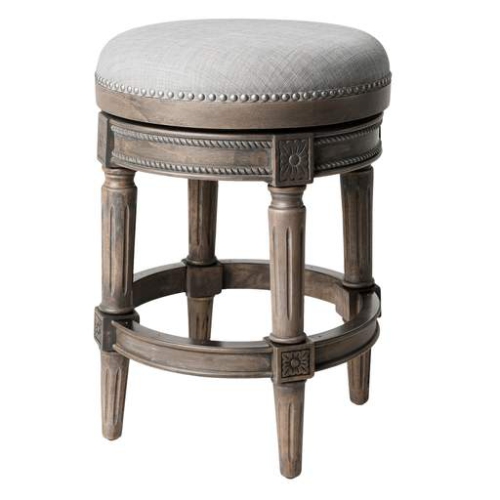 Your price for this item is $364.99
Discover more categories related to 24 Inch Counter Stools

Top Collections:
Pokemon Centers, Best Cameras for Sports Photography, Kindle Devices, Samsung Galaxy Phones, Canon G7X Cameras, Pokémon 30th Celebration Cards, Refurbished Apple Laptops, iPhone 15 Apple, Laptops for Students, Budget Smartphones
Some products may be subject to Environmental Handling Fees
(EHF) depending on your province.
Learn more about EHFs.