30 Inch Bar Stools
Looking to add a touch of elegance and functionality to your home bar or kitchen counter? Look no further than our collection of 30-inch bar stools. These kitchen bar stools are designed to elevate your space while providing utmost comfort. Whether you're looking for a sleek and modern design or a more traditional and rustic feel, our wide range of 30-inch kitchen bar stools has something to suit every taste and decor. From sturdy metal frames to plush cushioned seats, explore our selection and find the perfect kitchen bar stools to complete your home's aesthetic.
Sort


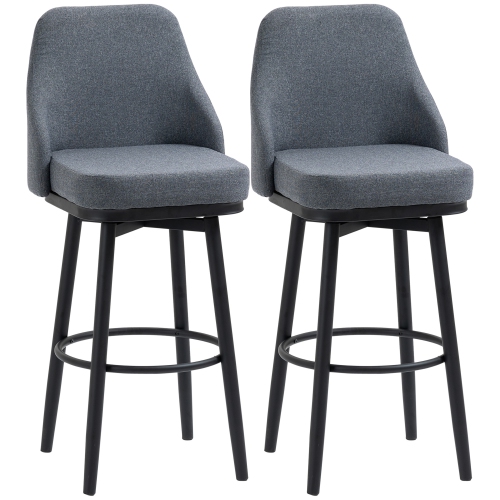


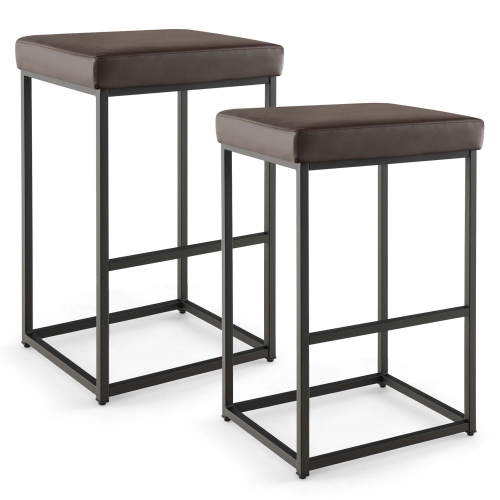
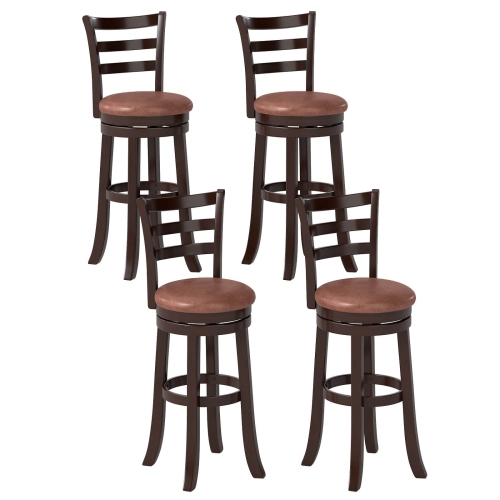
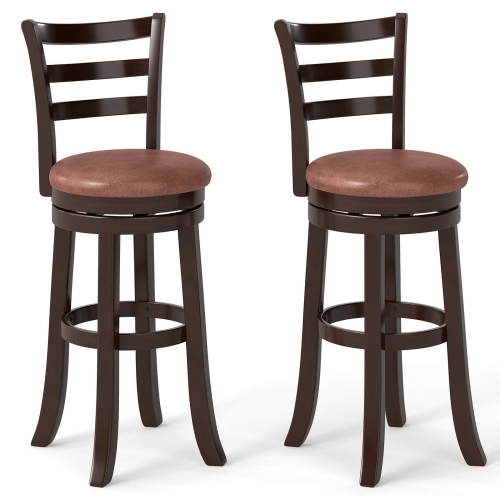

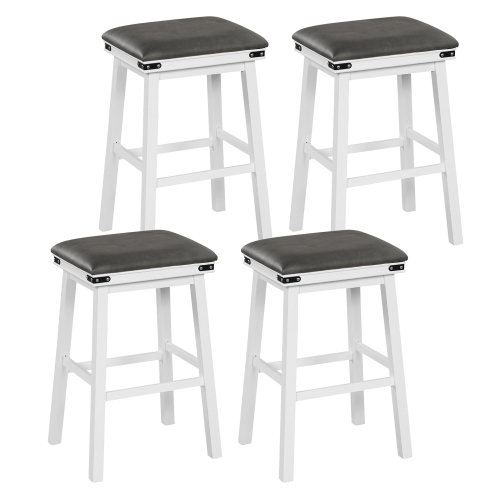


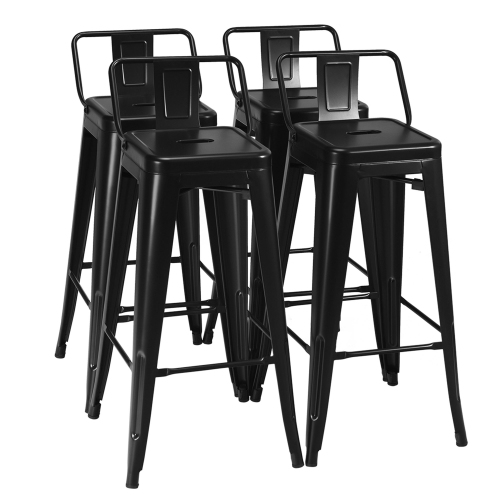
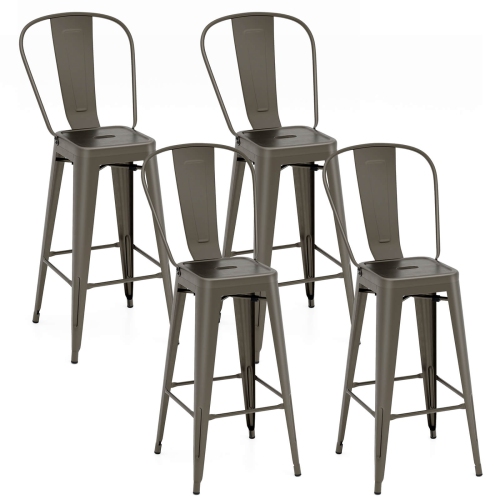
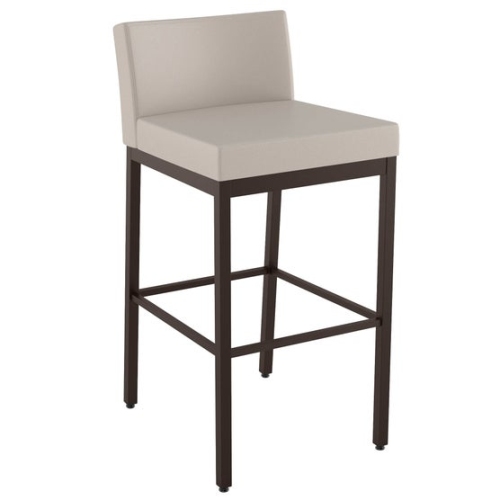
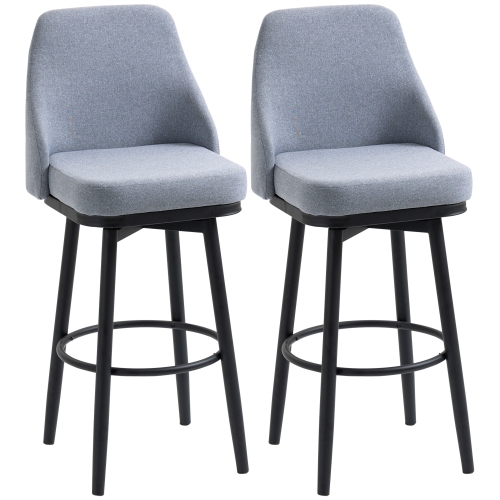

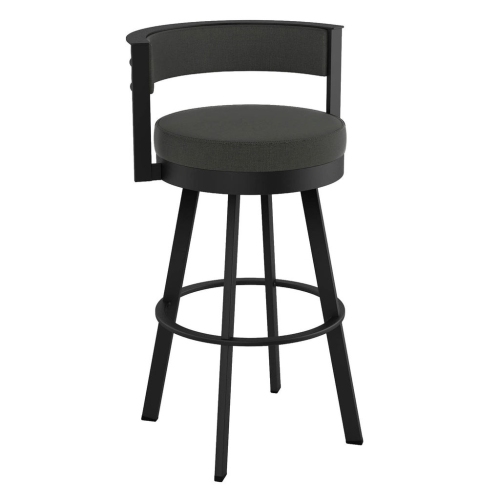
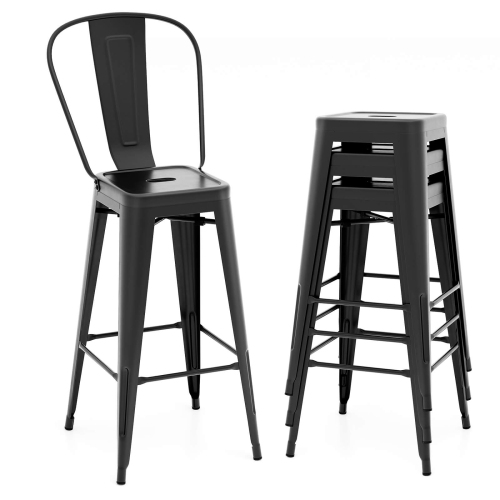
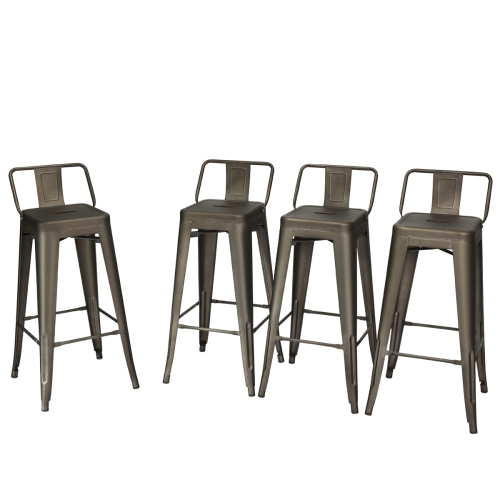


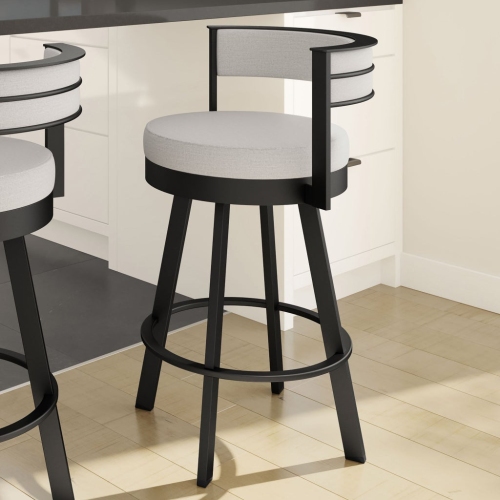


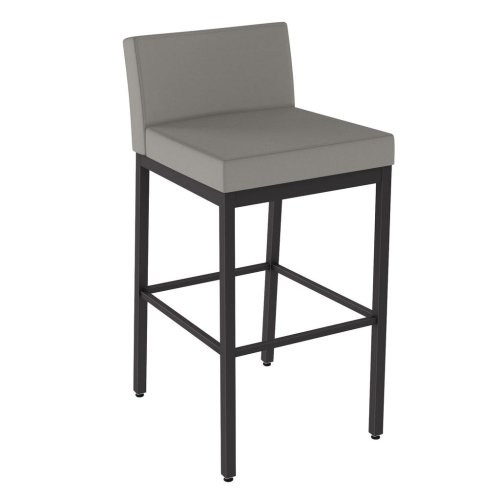

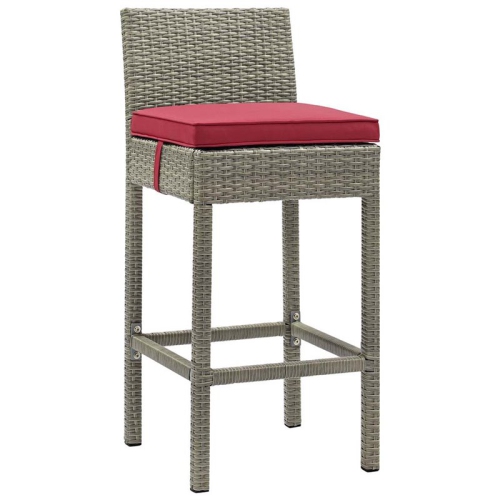

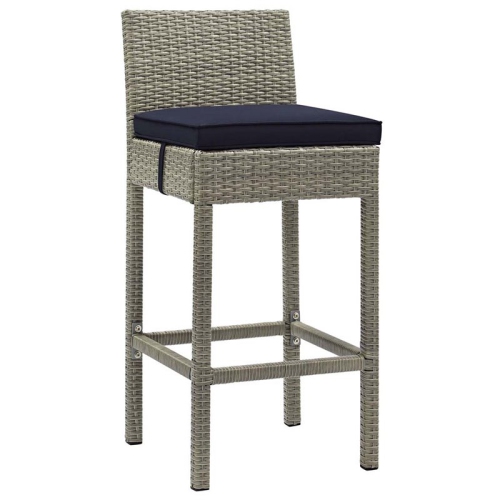

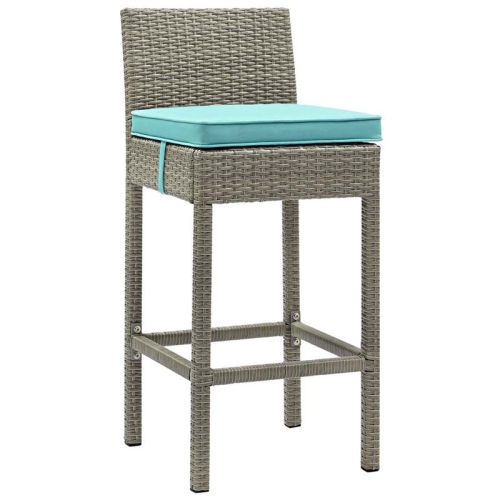


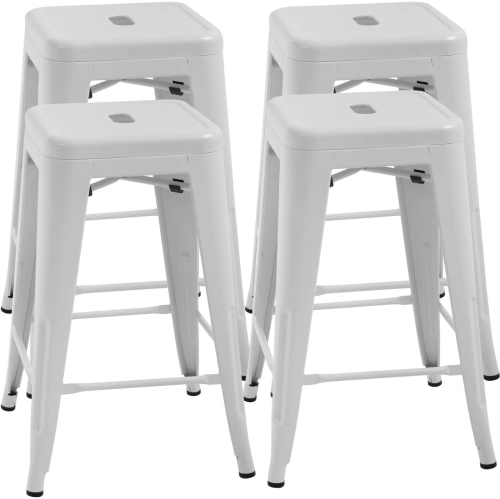
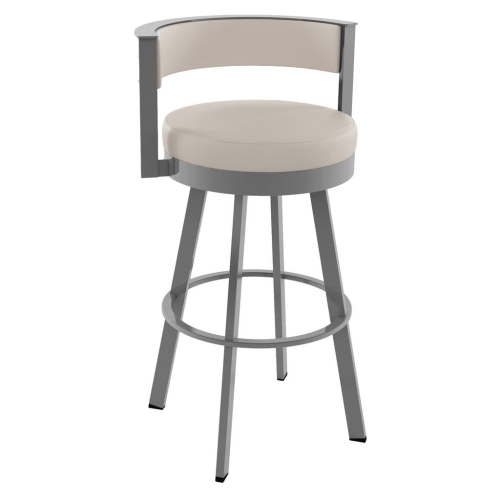
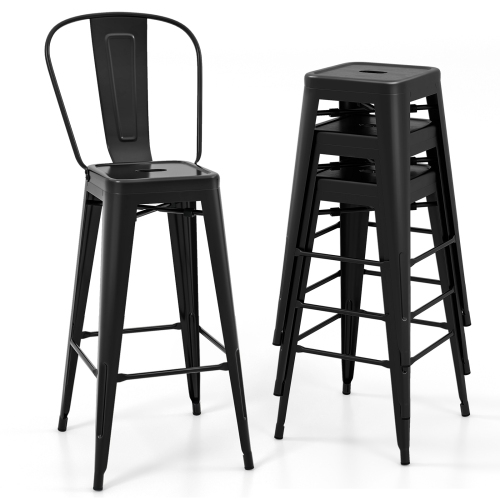
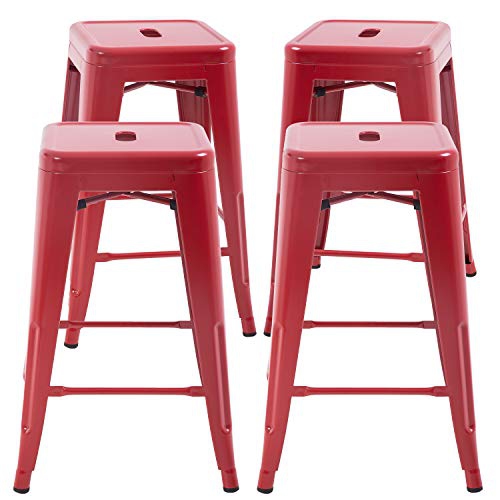
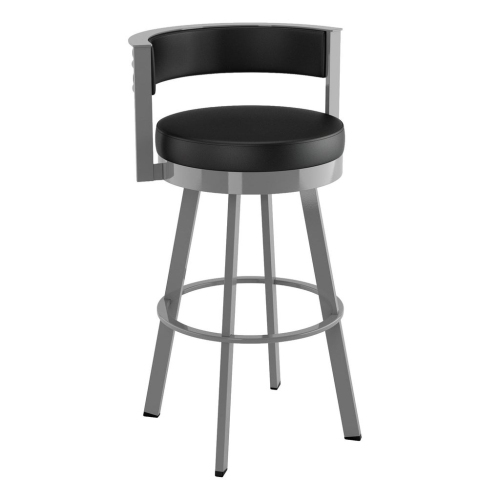
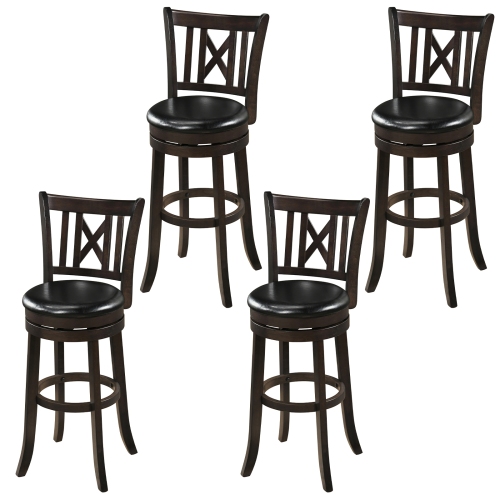
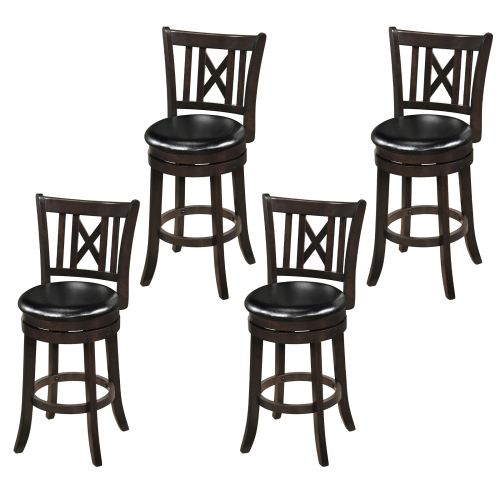
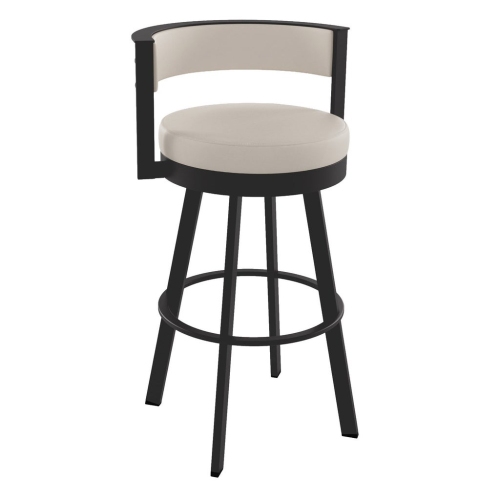
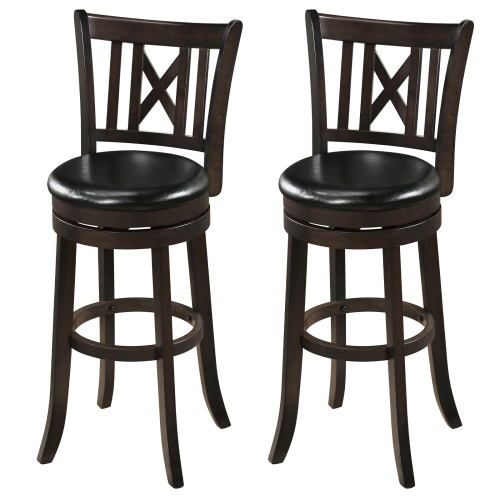
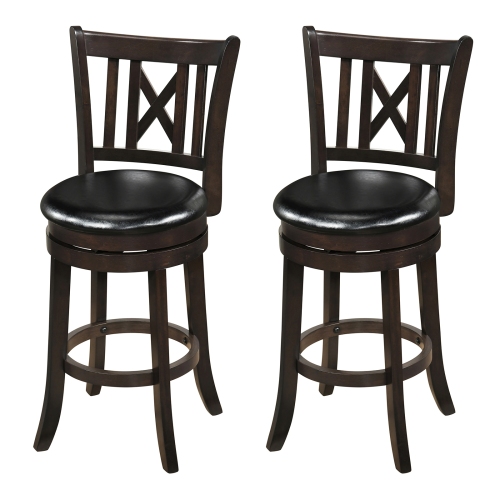
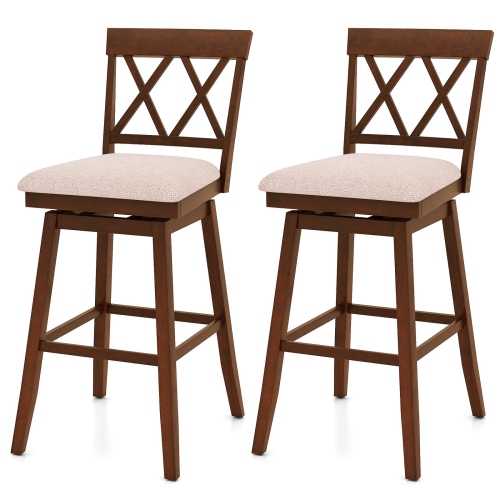
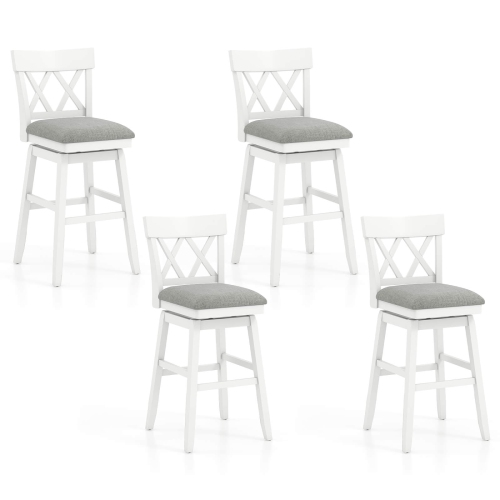
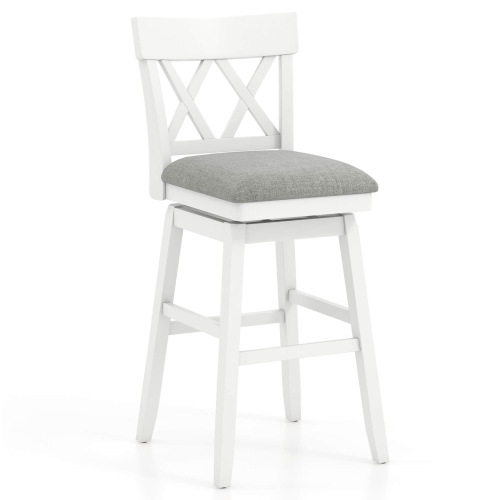
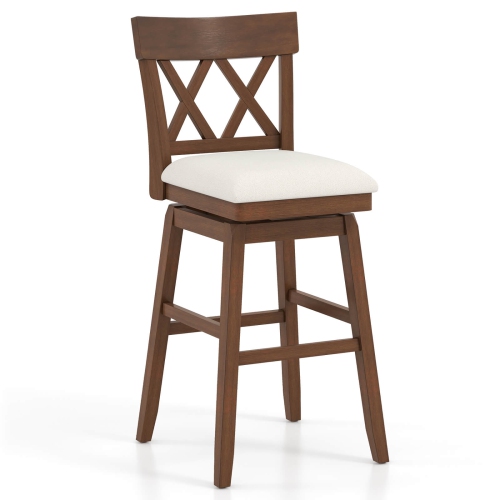
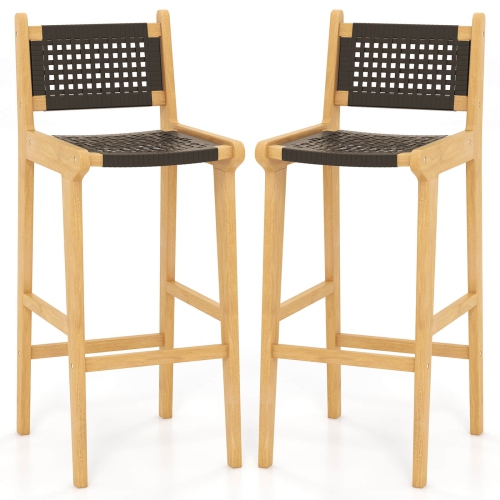
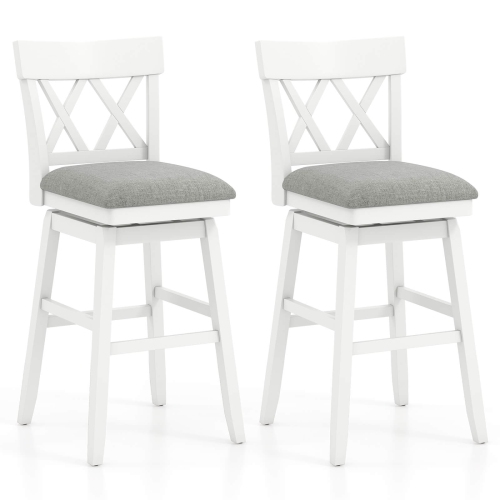


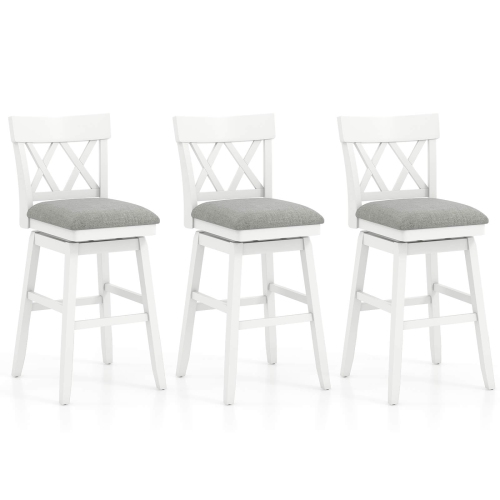
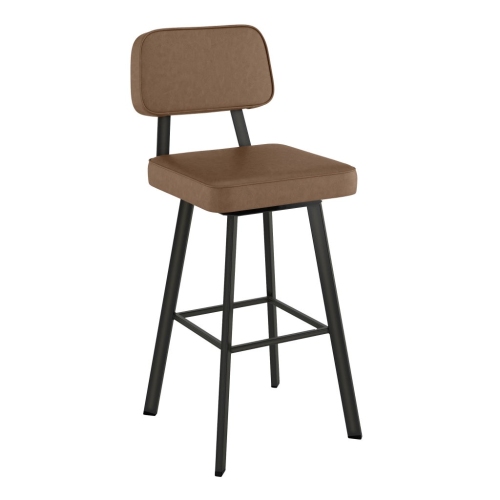
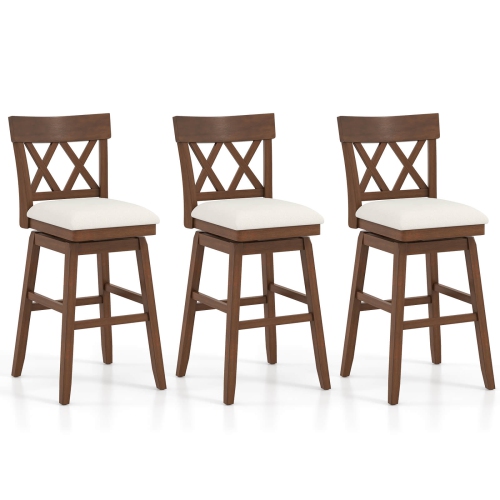
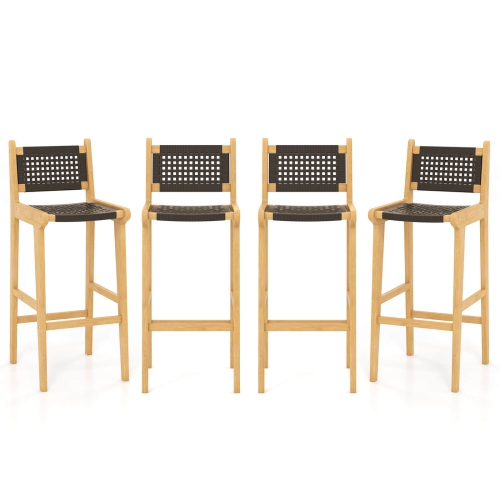

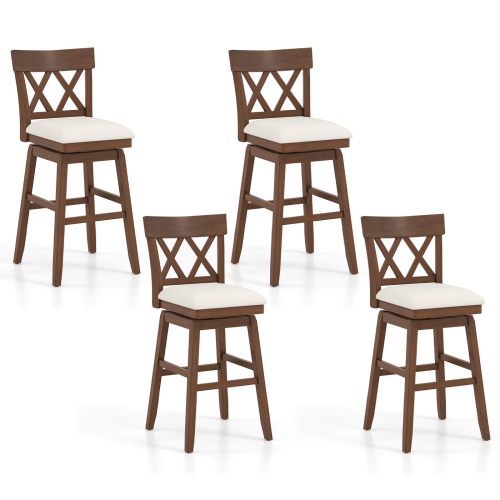
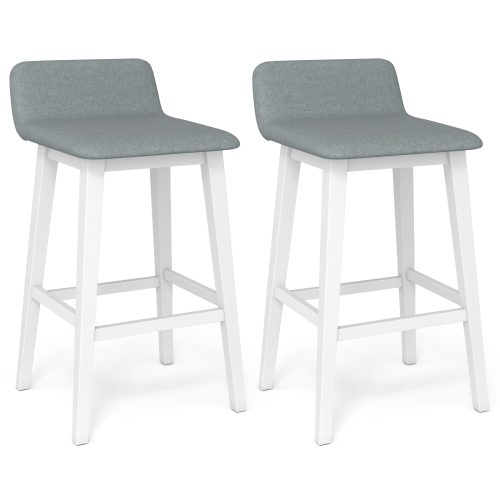


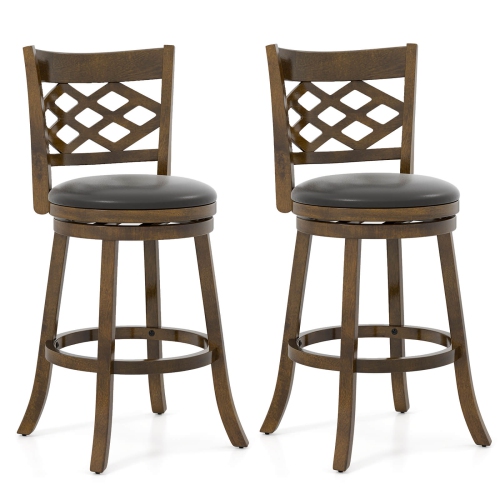
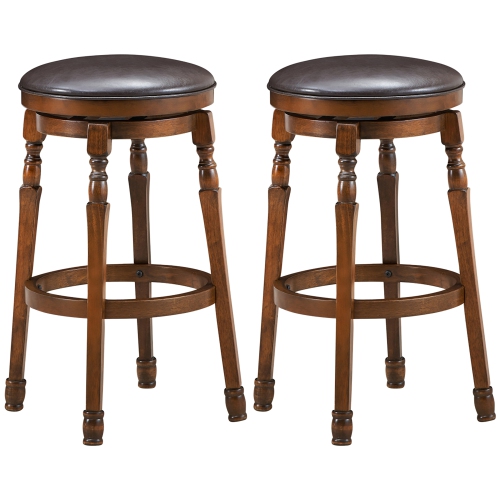


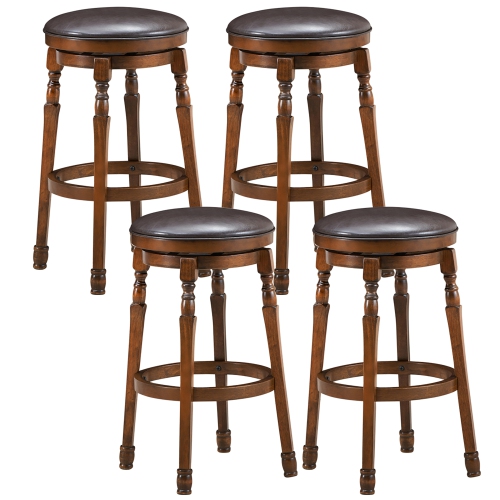
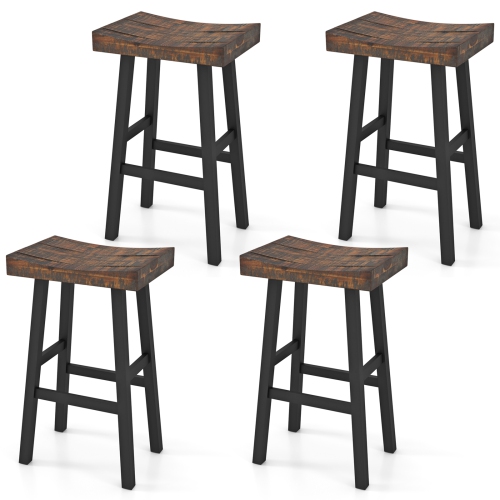


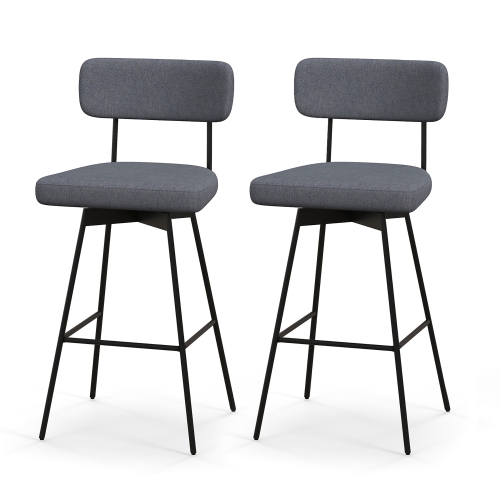

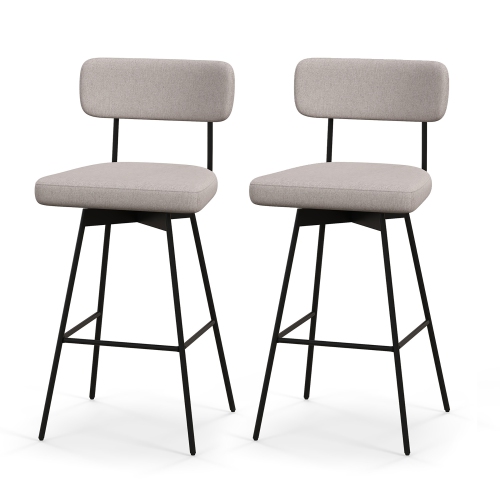


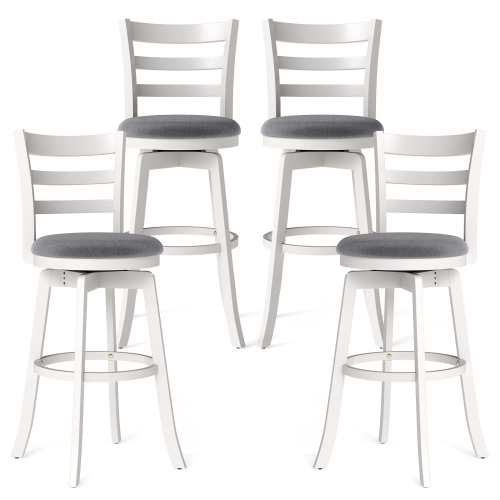


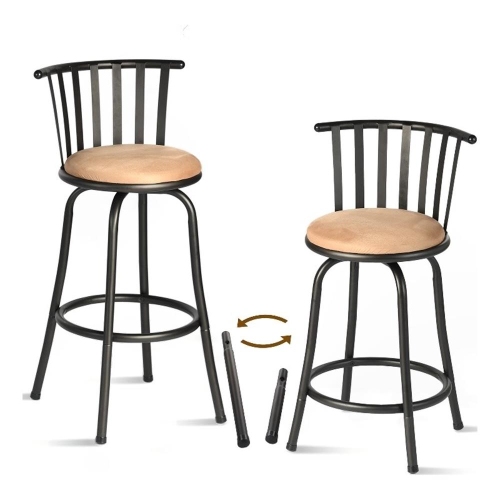


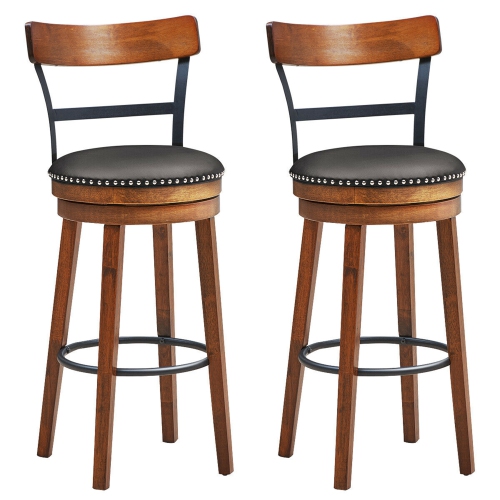
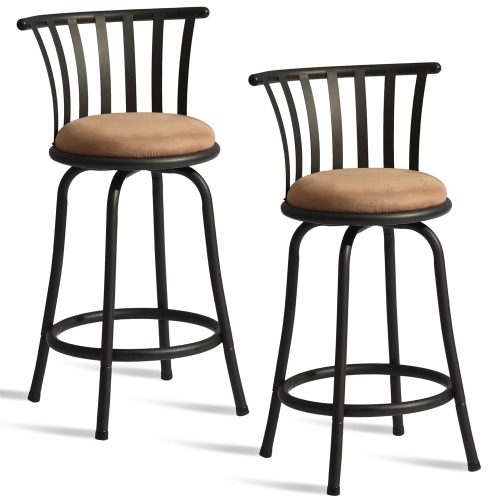


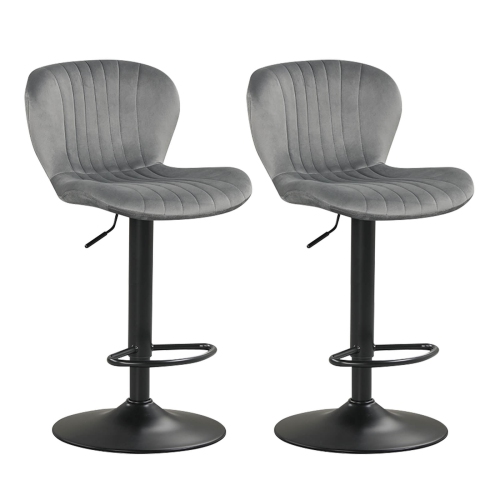

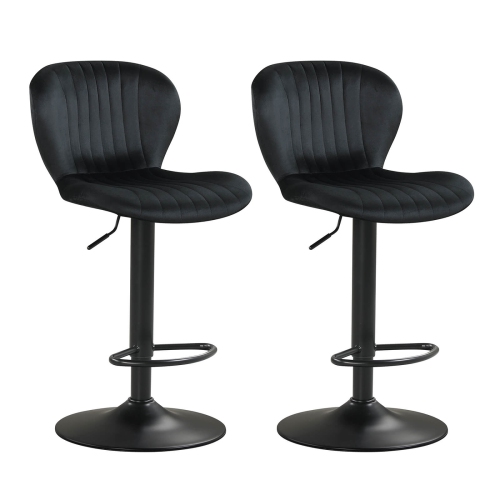
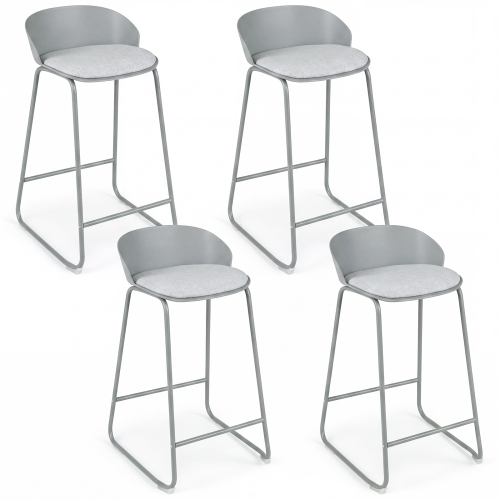
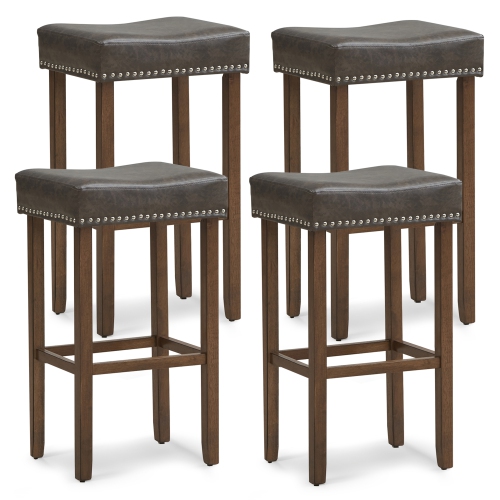
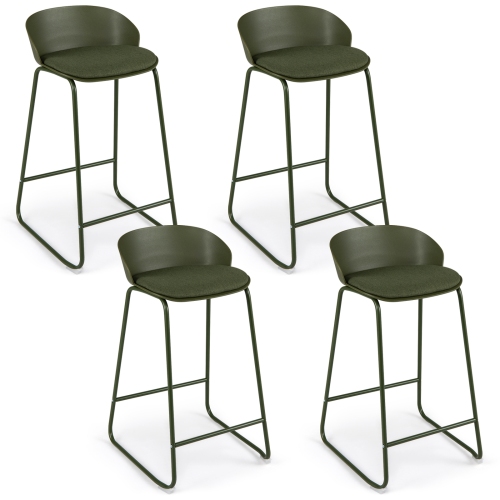

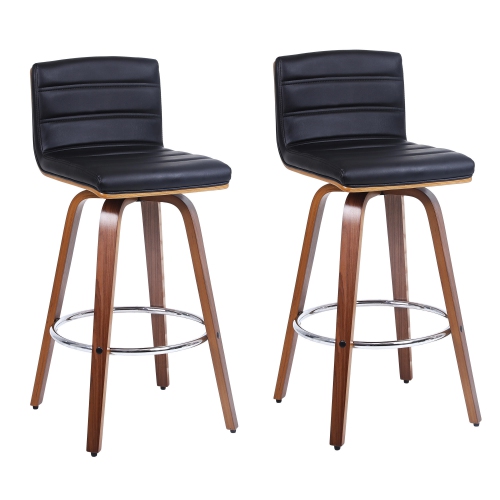
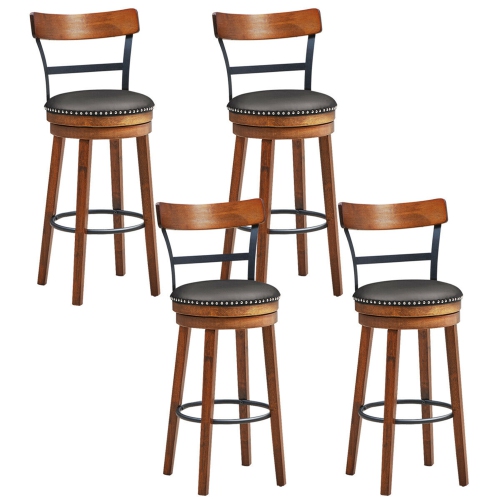


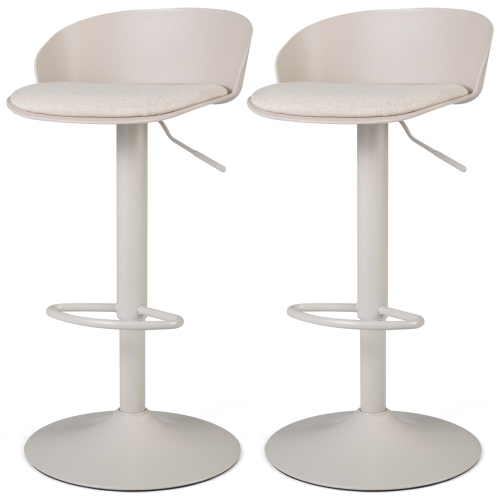
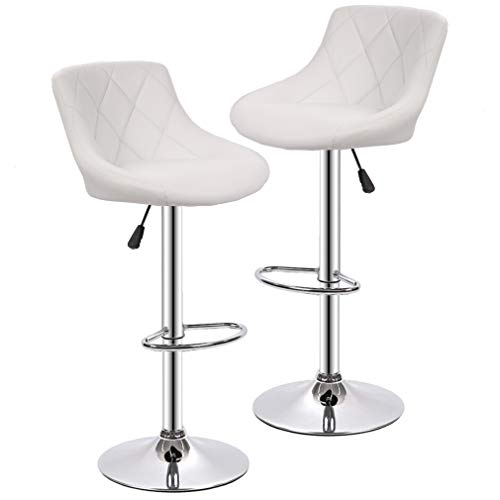

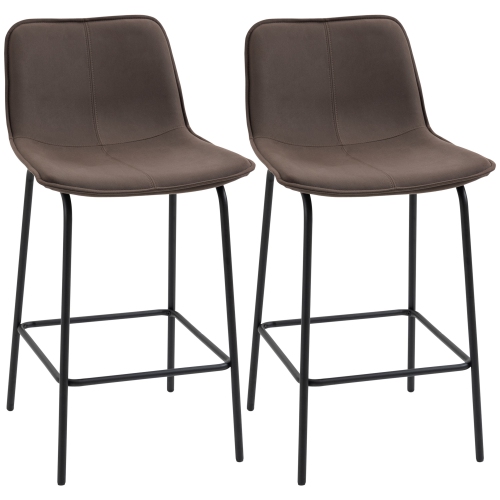


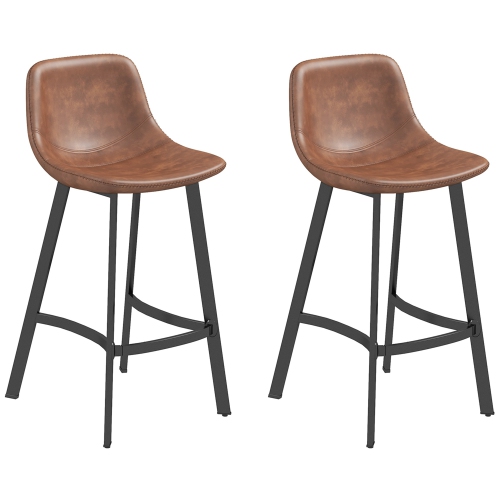


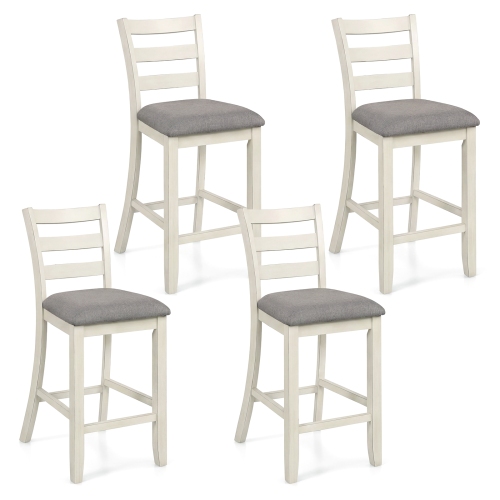


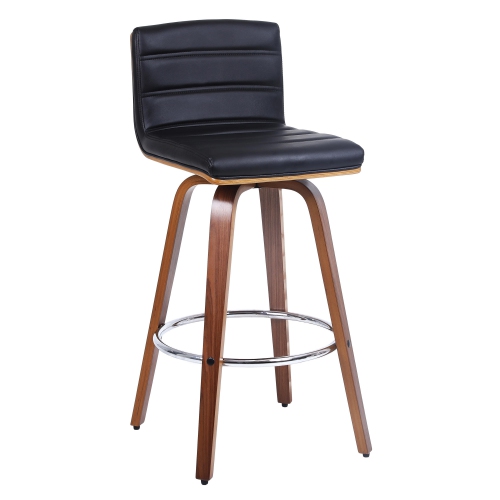


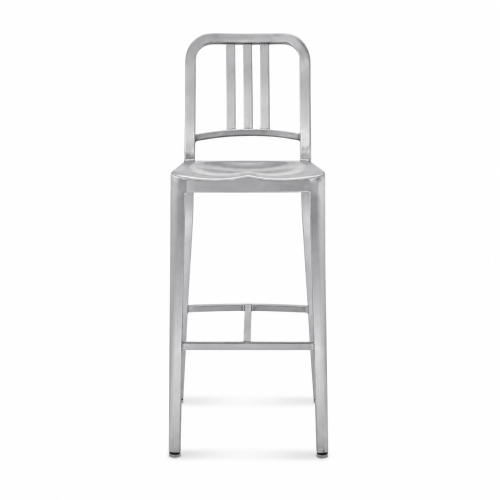

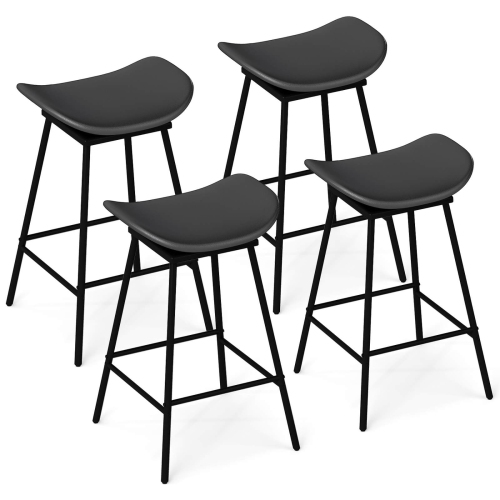

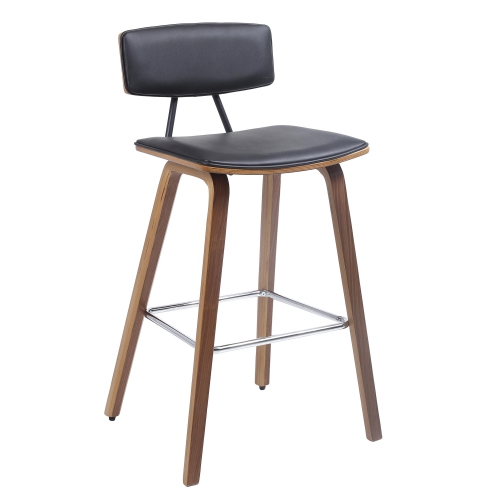
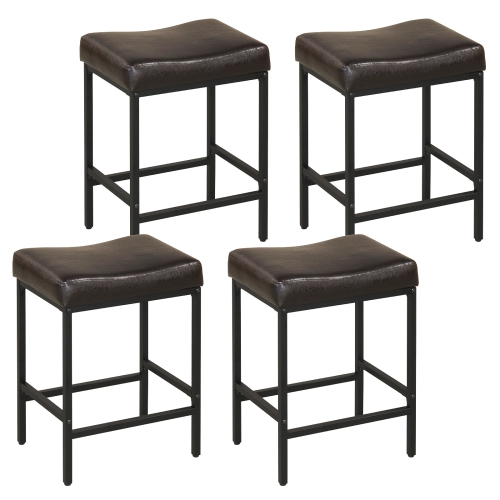

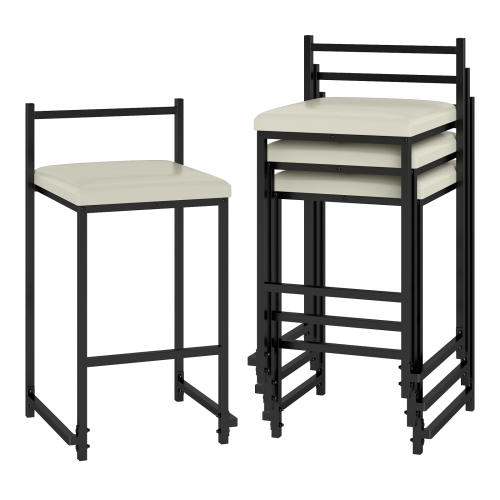
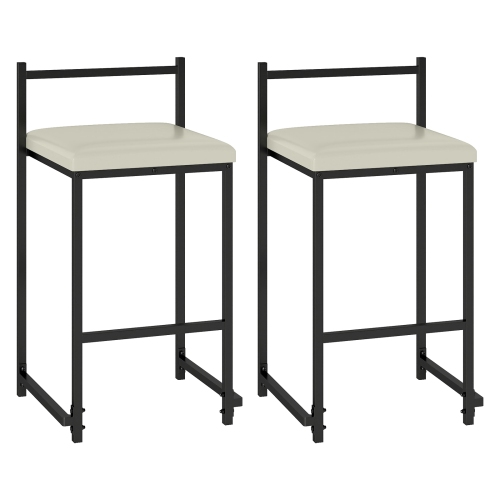


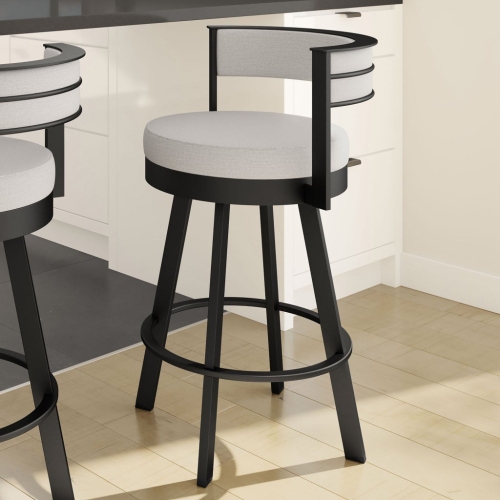
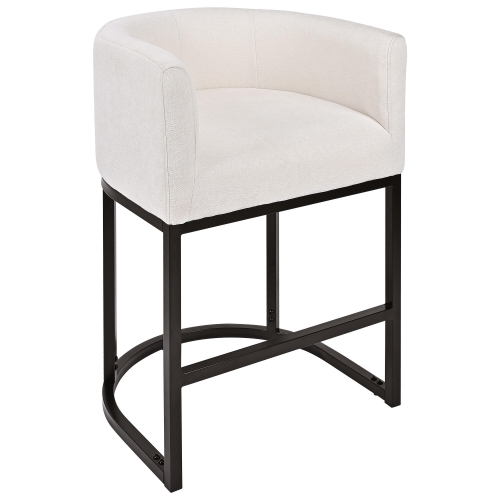


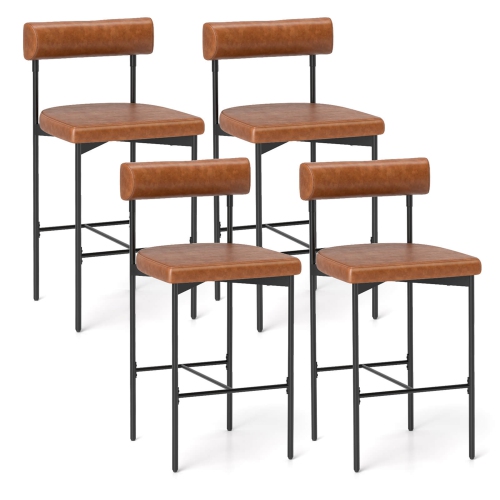

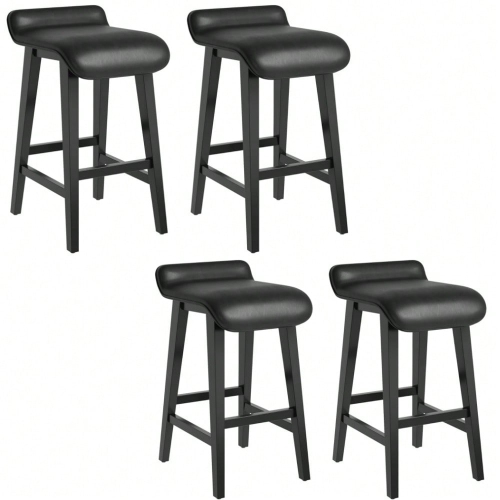
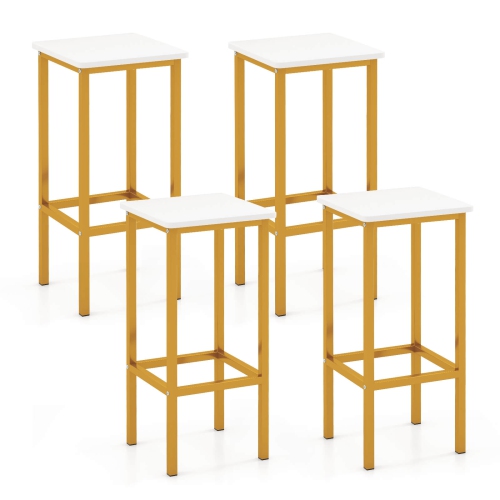


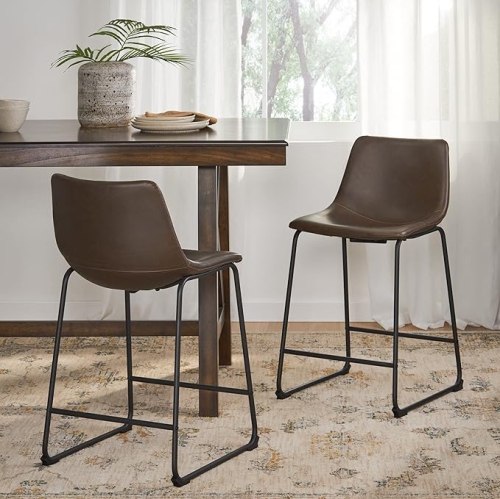
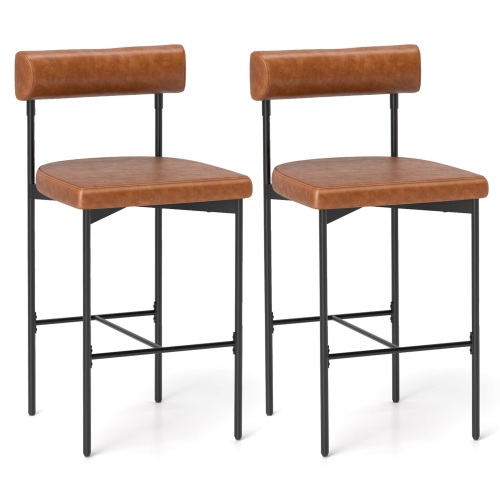
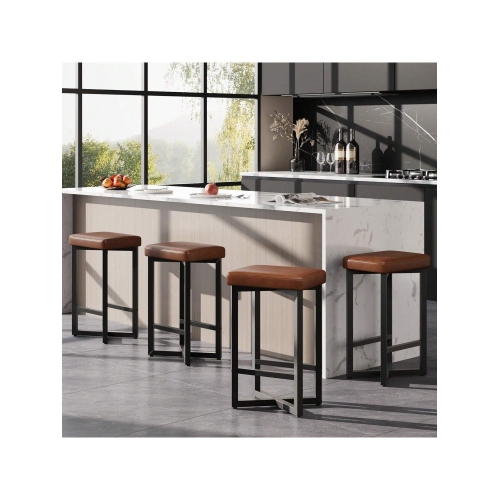
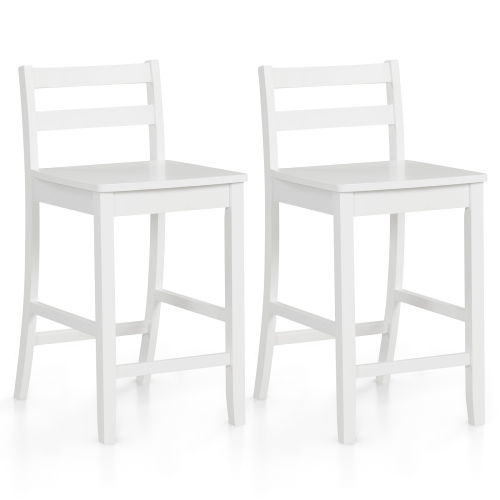
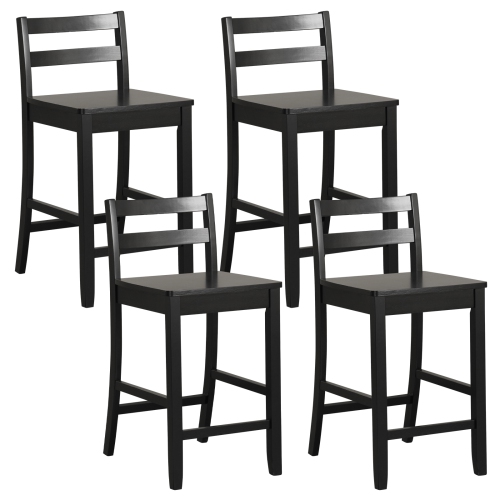
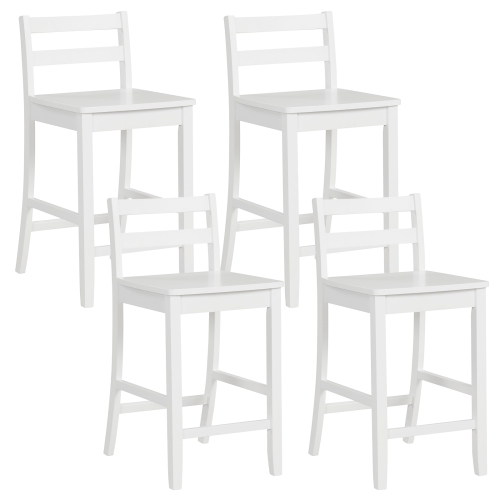

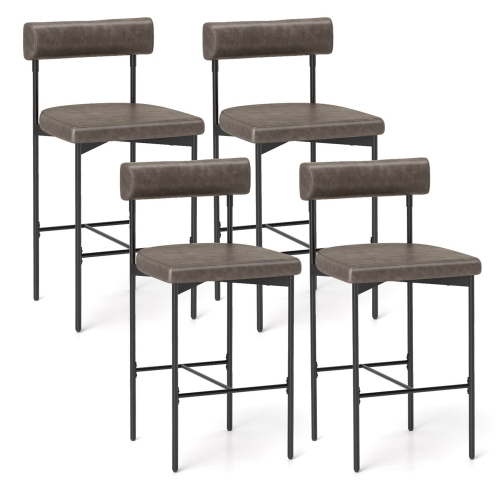
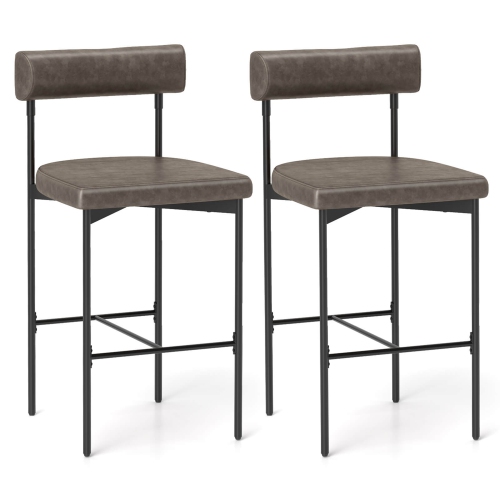
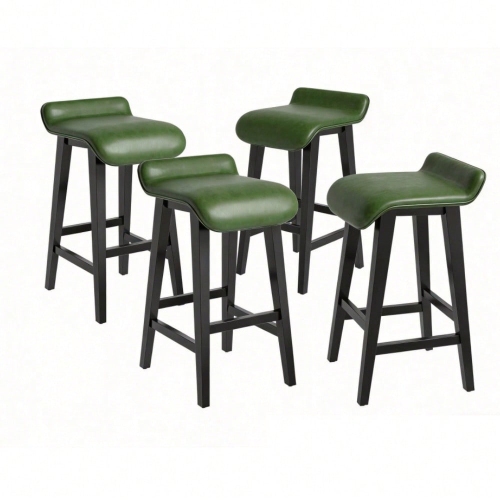
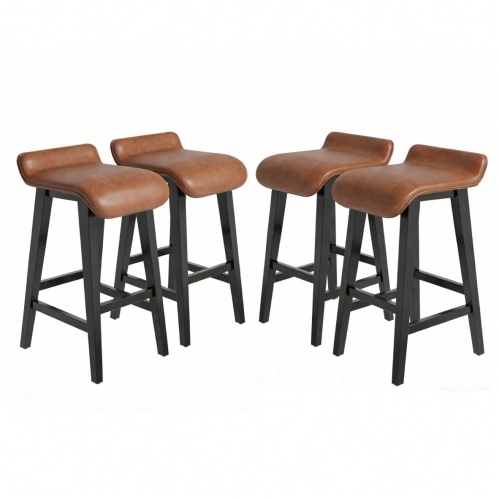

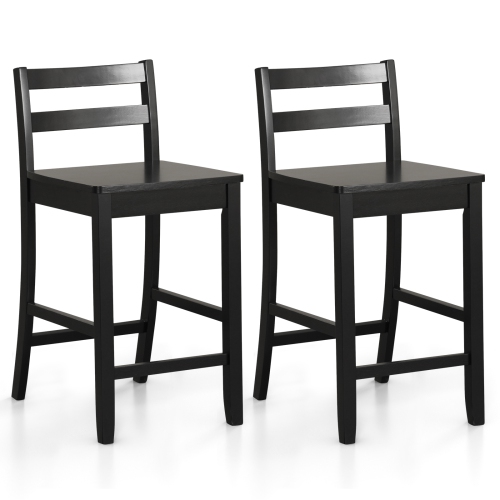

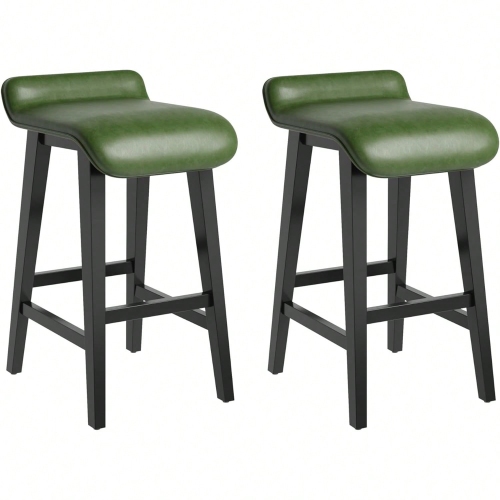


Comfortable bar seating goes beyond seat height
30 inch bar stools bring seating to raised kitchen bars, home bar counters, and tall dining surfaces without the footprint of a full dining chair. Their height creates a comfortable place to share a meal, chat with someone preparing food, or settle in for a board game at a bar-height table. The measurement generally refers to the distance from the floor to the seat, not the top of the backrest, so a stool with a tall back can stand considerably higher overall. A 30 inch seat often suits a surface around 40 to 42 inches high; a standard kitchen counter around 36 inches high usually needs a shorter stool. Countertop thickness, support brackets, and decorative trim can all affect usable legroom, making the space beneath the surface as important as its overall height. A deep overhang gives knees room to tuck underneath, while a shallow ledge may leave someone sitting farther from the counter than expected. Seat width also affects how many people can sit comfortably together. Narrow, backless designs can make a compact breakfast bar feel less crowded, whereas wide upholstered seats need more space between neighbours. Enough clearance between stools lets people get seated without bumping elbows, and swivel designs need additional room to turn without striking nearby cabinetry. In an open-plan room, the stool’s depth matters too: a seat that projects into a walking route can interrupt movement between the kitchen and living area. Adjustable-height designs can accommodate different surfaces when their stated height range includes the required position. For surfaces where a slightly lower seat may offer a better fit, 29 inch bar stools provide a nearby size to compare. A single inch can change how the seat feels beneath a thick countertop, particularly when the stool has generous cushioning or fixed armrests. Dimensions considered together give a clearer picture of fit than seat height alone.
Materials give bar stools much of their character, but they also influence weight, upkeep, and how well the seating suits everyday use. Solid wood brings visible grain and a substantial feel to a kitchen or home bar, with finishes that can coordinate with cabinetry, flooring, or a dining table nearby. A stained wooden seat may show variations in grain, while a painted frame offers a more uniform colour. Metal frames lend themselves to slender profiles and can work particularly well alongside stone counters, simple cabinetry, and exposed hardware. Their appearance can range from softly brushed finishes to darker powder-coated surfaces, each contributing a different texture without requiring a bulky frame. Mixed-material stools combine these qualities, such as a wooden seat on a metal base or an upholstered seat supported by timber legs. Fabric upholstery offers a softer surface and introduces texture, whether the room calls for a quiet neutral or a more noticeable accent colour. Smooth leather and leather-look coverings have a different feel and care routine, and their suitability depends on the finish and the manufacturer’s cleaning directions. In a household where snacks and drinks regularly reach the bar, seams, tufting, and woven surfaces deserve attention because crumbs can collect in recessed areas. Removable seat pads or covers, where included, may make routine cleaning more manageable, though washing instructions vary. Durability depends on the construction as well as the visible material. Secure joints, sound welds, firmly attached footrests, and an appropriate stated weight capacity all matter for seating used every day. A broad base can offer a reassuring stance, while floor protectors help limit marking when the stool moves across tile, laminate, or hardwood. Heavier stools may feel substantial but take more effort to reposition; lighter frames are easier to move aside for sweeping. These practical differences are especially noticeable when the same seats serve breakfast, homework, and evening conversation.
The choice between backless, low-back, and full-back bar stools often comes down to how the space is used. Backless seats can tuck beneath a generous overhang, keeping sightlines open and allowing a decorative countertop to remain the focus. They suit shorter visits to the bar, though they do not provide the support of a backrest. Low backs offer a defined seat without rising far above the counter, while taller backs can make a raised dining area feel more like a dedicated place to sit. For longer meals or conversation, the shape of the backrest, the depth of the seat, and the position of the footrest all influence comfort. A well-placed footrest gives feet somewhere to rest instead of leaving legs dangling from the elevated seat. Contoured seats can feel supportive without thick padding, while cushioned designs add softness but may have a slightly different seated height once compressed. Armrests provide another place to rest, although they can prevent a stool from sliding beneath the counter if the clearance is too tight. Swivel seats make it easier to turn towards a conversation or step away from the bar without dragging the whole stool across the floor. Their movement is useful in shared spaces, but nearby walls, counter edges, and other seats still need clearance. Raised seating also deserves extra consideration in homes with young children or anyone who finds climbing onto a high seat difficult; a bar stool is not a substitute for age-appropriate child seating. Routine care helps preserve both appearance and function: prompt attention to spills, cleaning suited to the surface, and occasional checks of fasteners can keep everyday wear from becoming a larger issue. With the right proportions and features, 30 inch bar stools can support anything from a quick coffee at a narrow ledge to an unhurried meal at a raised table, while fitting naturally into the room around them.
Top selling and popular products
-
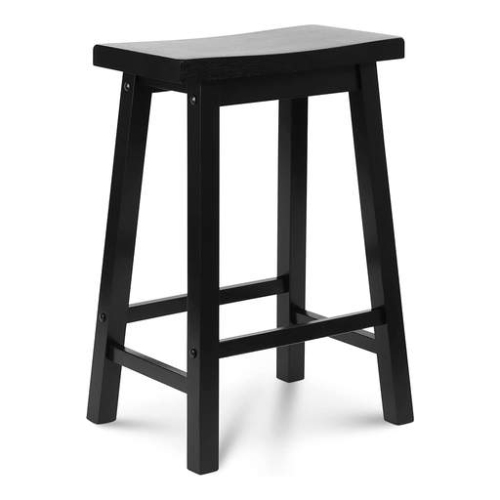 Your price for this item is $88.99
-
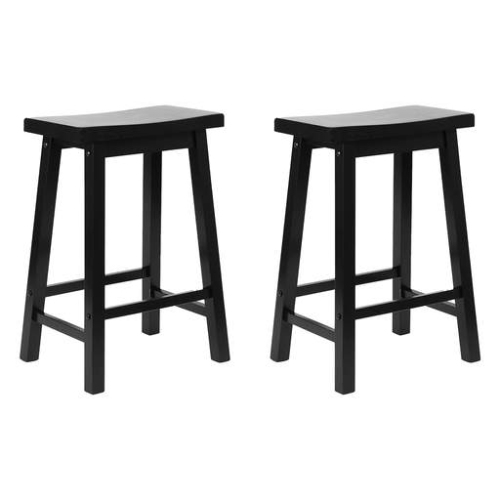 Your price for this item is $174.99
-
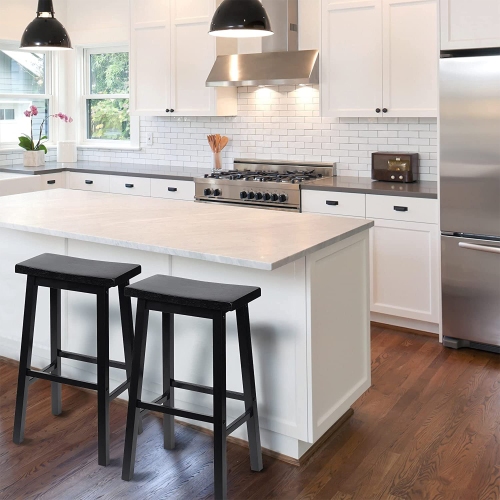 Your price for this item is $437.99
-
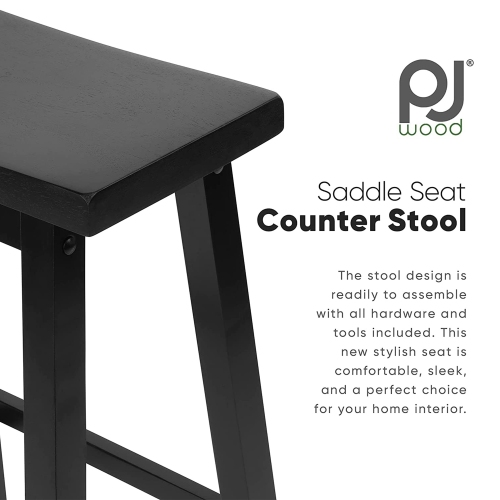 Your price for this item is $173.99
-
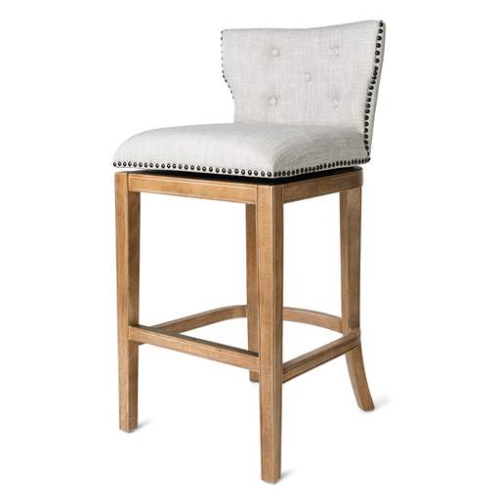 Your price for this item is $406.99
-
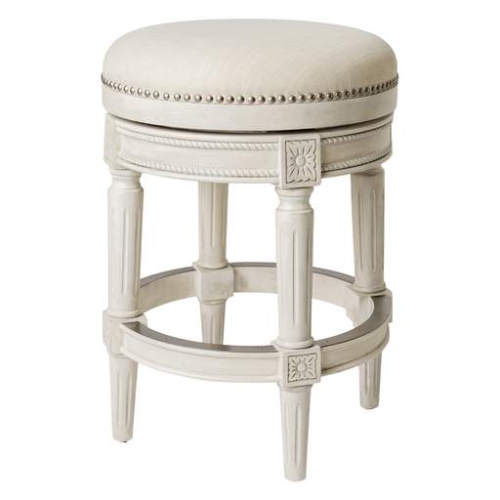 Your price for this item is $350.99
-
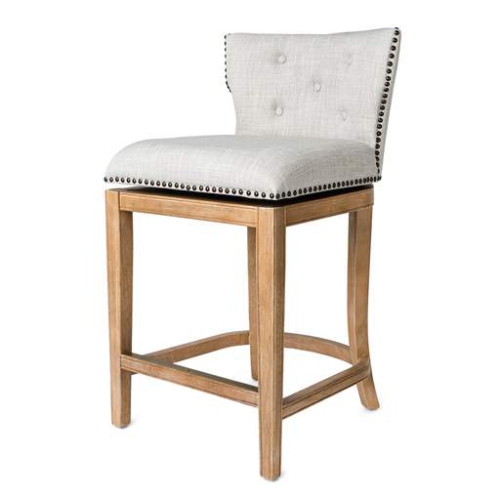 Your price for this item is $431.99
-
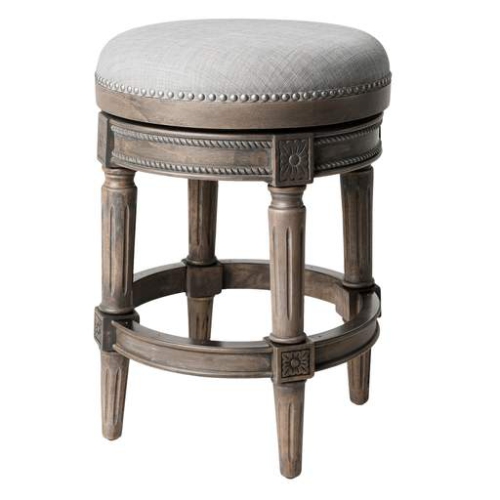 Your price for this item is $364.99
Discover more categories related to 30 Inch Bar Stools


Top Collections:
Pokemon Centers, Best Cameras for Sports Photography, Kindle Devices, Samsung Galaxy Phones, Canon G7X Cameras, Pokémon 30th Celebration Cards, Refurbished Apple Laptops, iPhone 15 Apple, Laptops for Students, Budget Smartphones
Some products may be subject to Environmental Handling Fees
(EHF) depending on your province.
Learn more about EHFs.