30 Inch Round Tables
Looking for the perfect table to complete your dining room or outdoor space? Look no further than our collection of 30-inch round tables. These versatile pieces are not only functional but also add a touch of elegance to any setting. Whether you're hosting a dinner party, enjoying a family meal, or simply looking for a stylish dining table, our 30-inch round tables offer the perfect solution. With a variety of styles, materials, and finishes to choose from, you'll find the ideal table to suit your taste and fit seamlessly into your space. Explore our selection today and elevate your dining experience with a 30-inch round table.
Sort
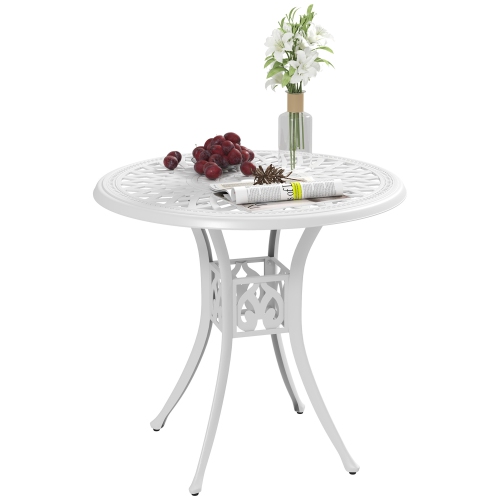
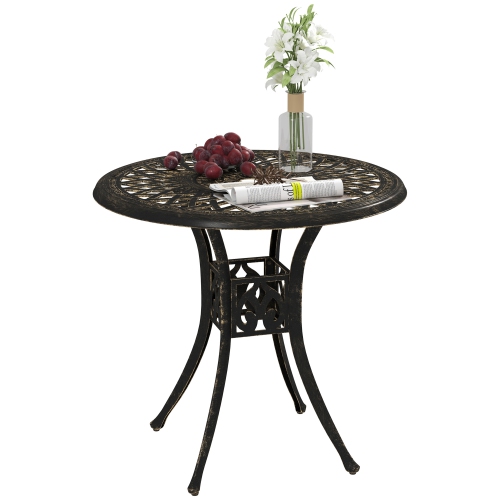
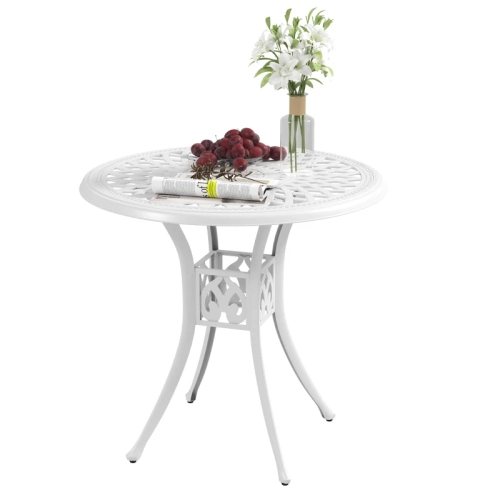

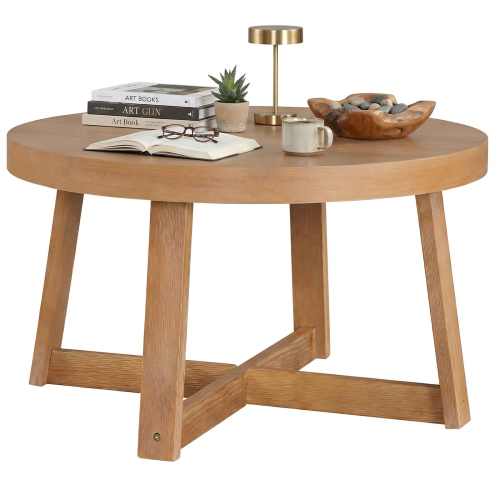
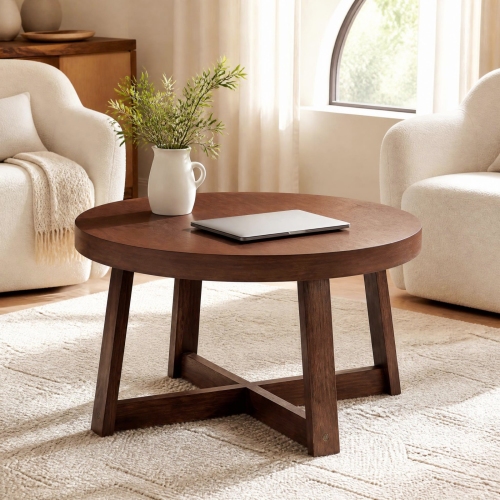
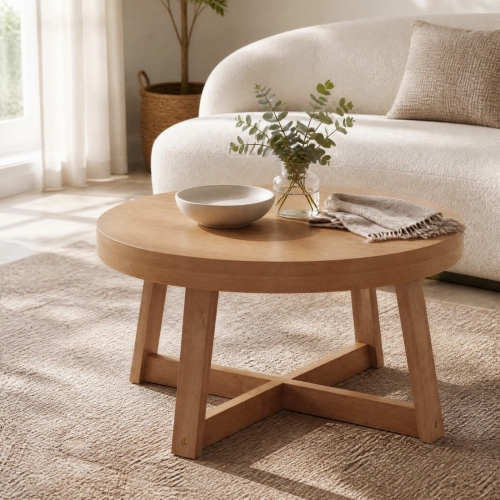
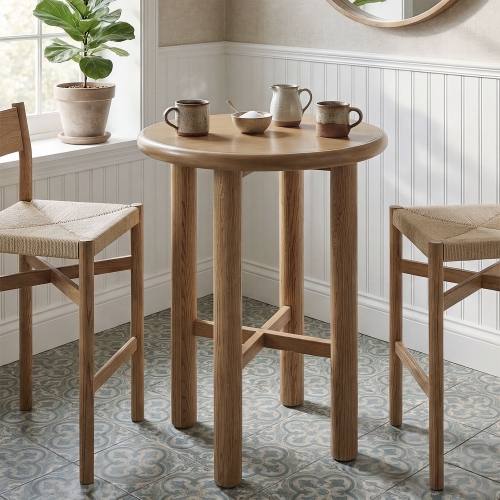


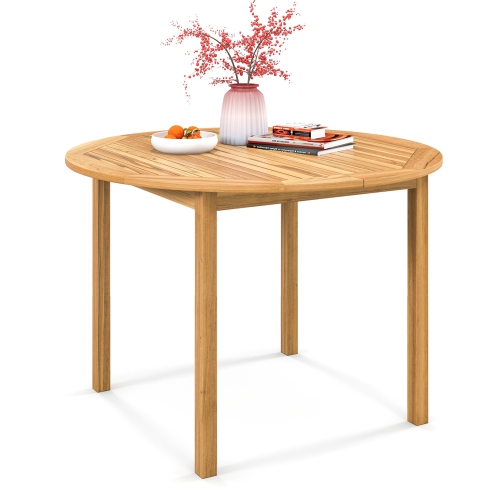
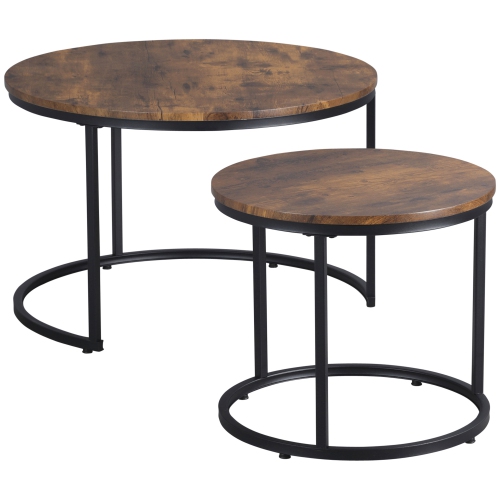

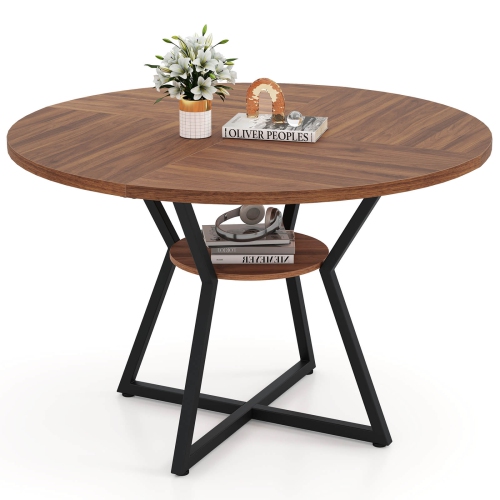

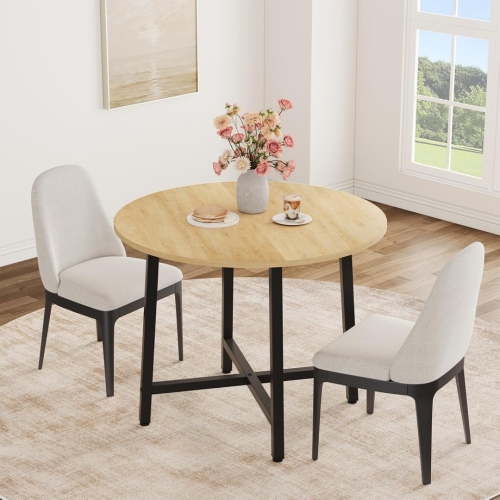
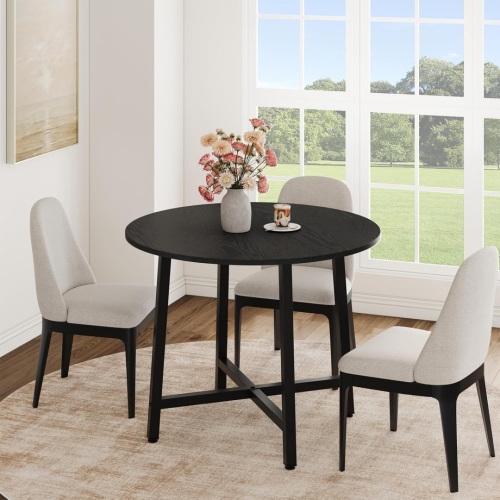
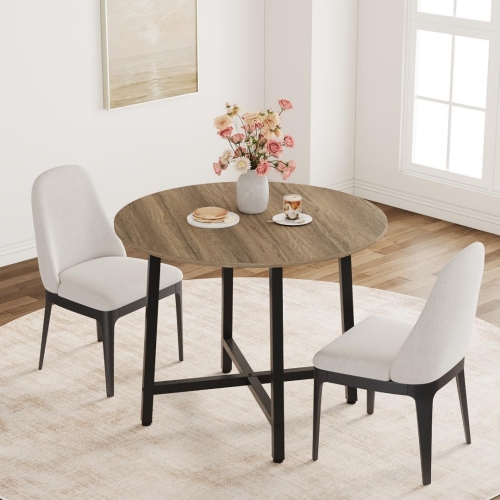
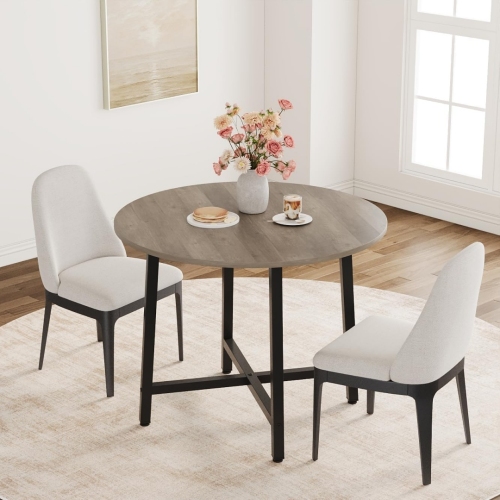
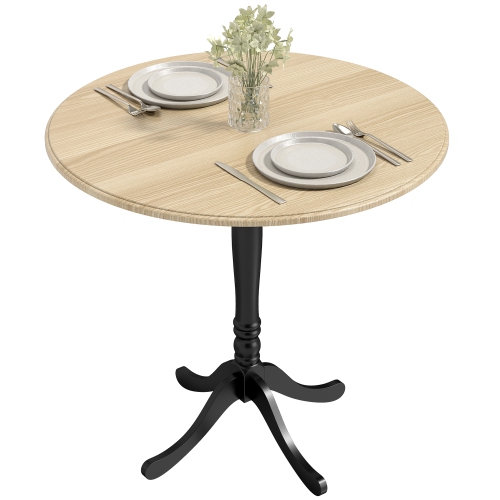
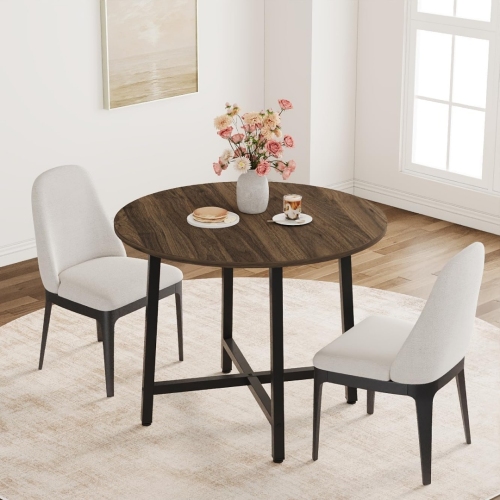

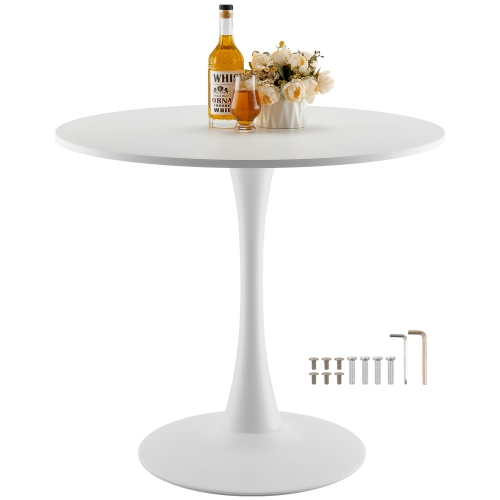
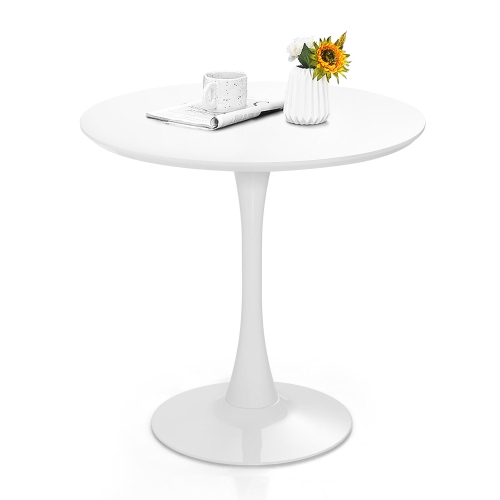

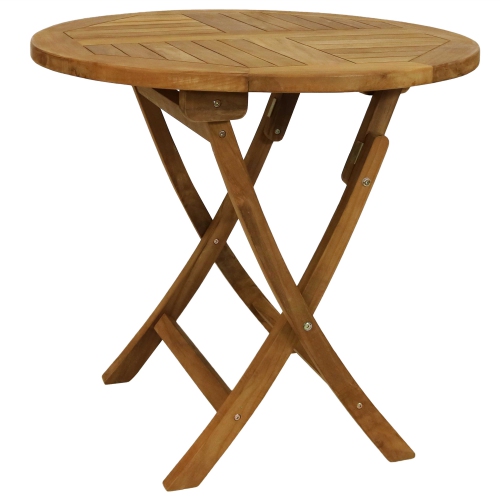
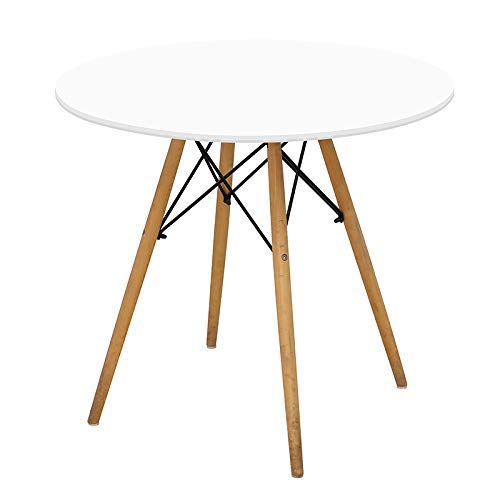


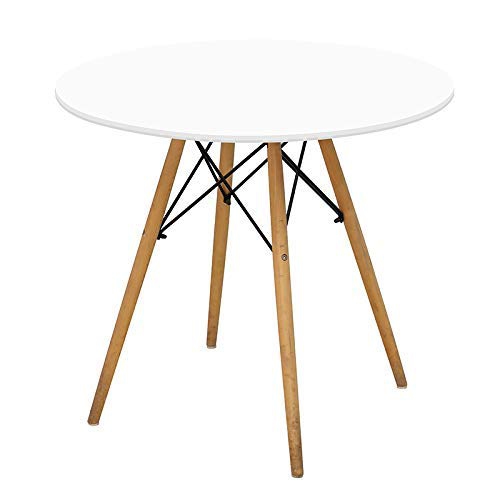


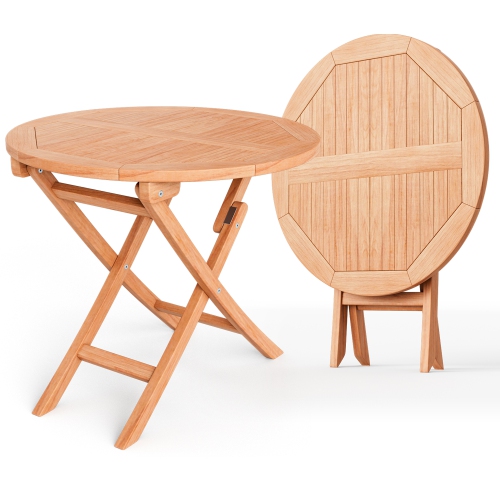
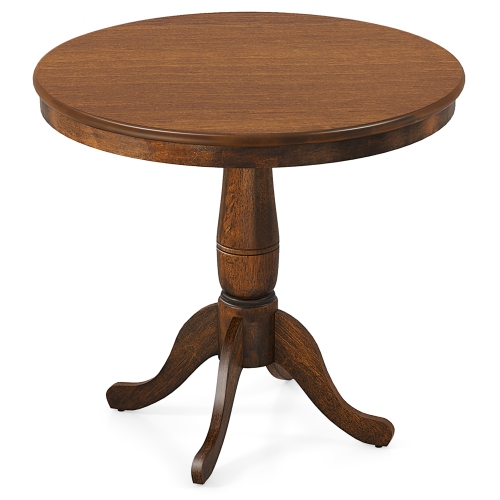


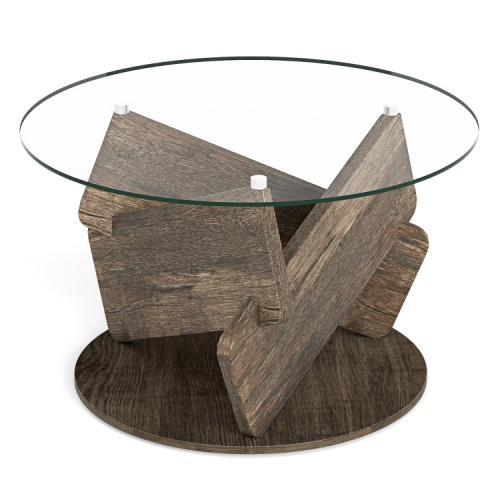
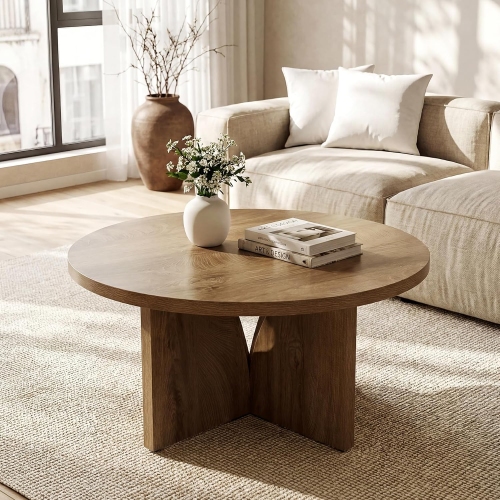

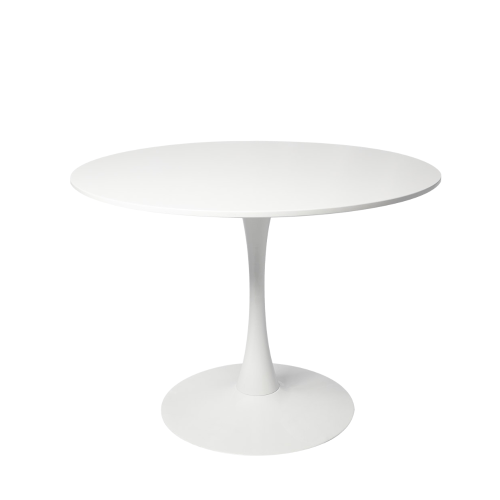
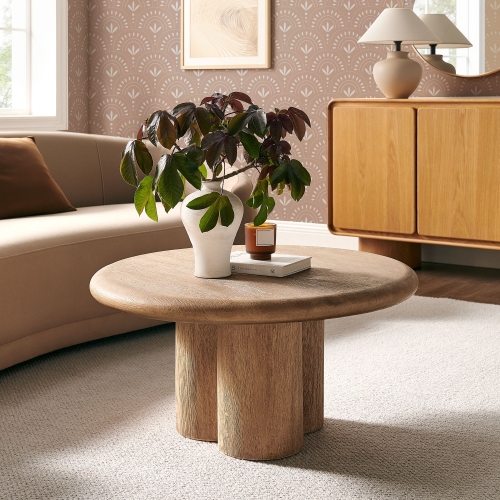
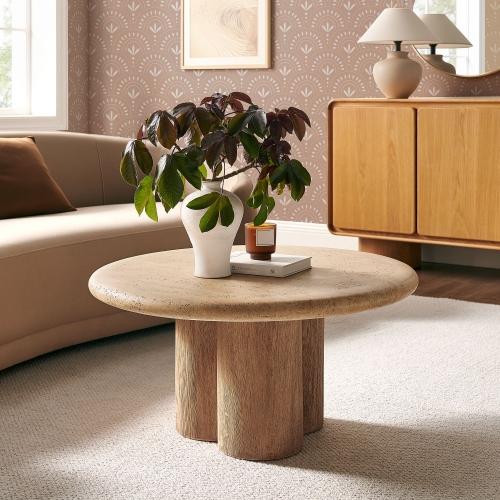
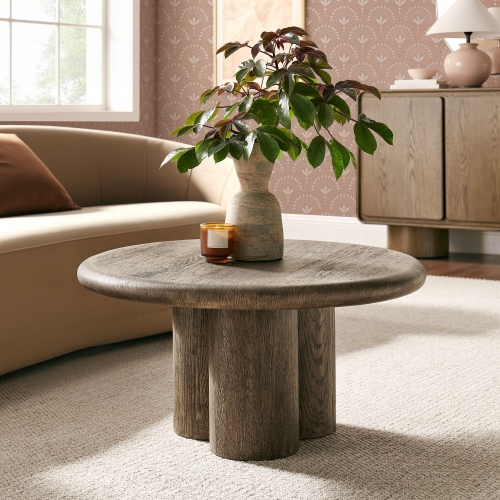


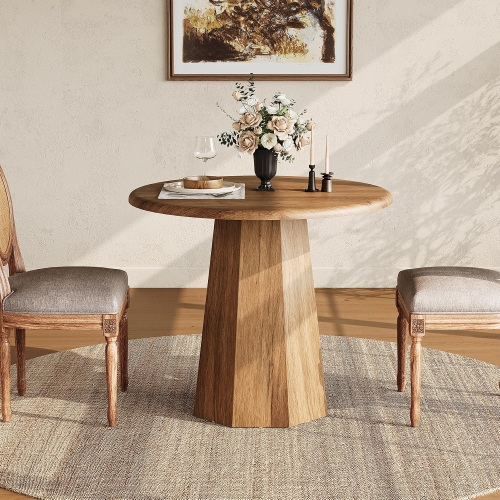
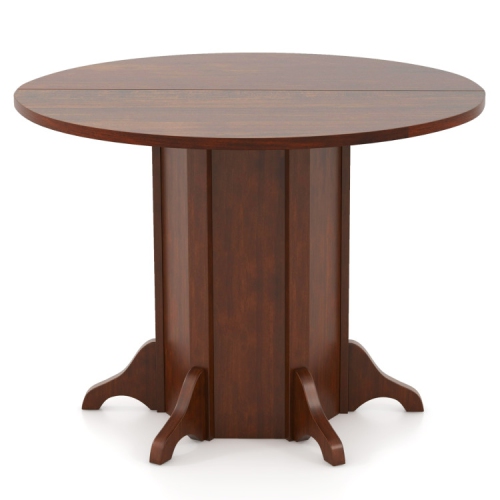
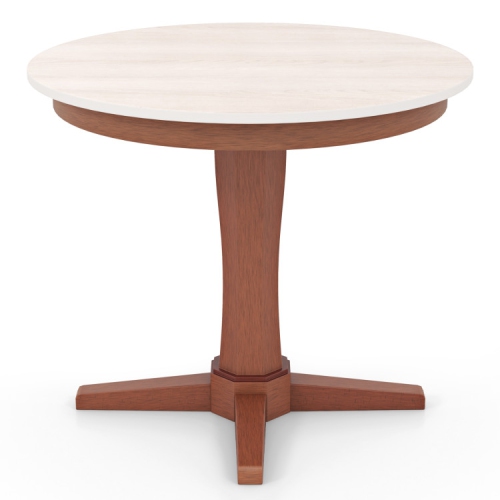
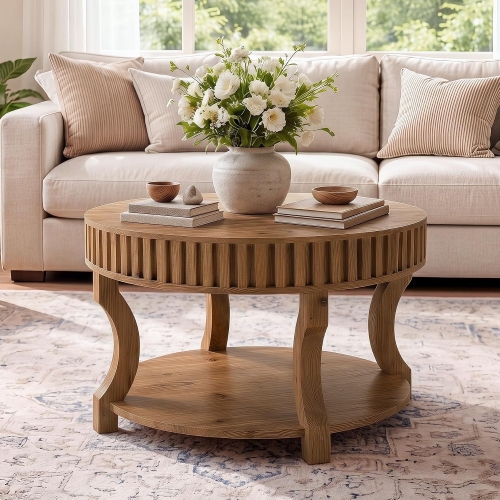
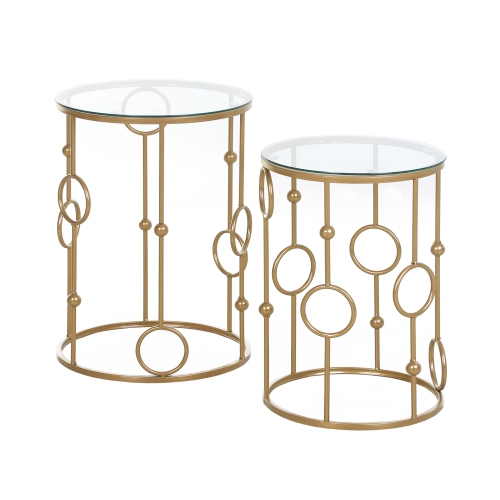

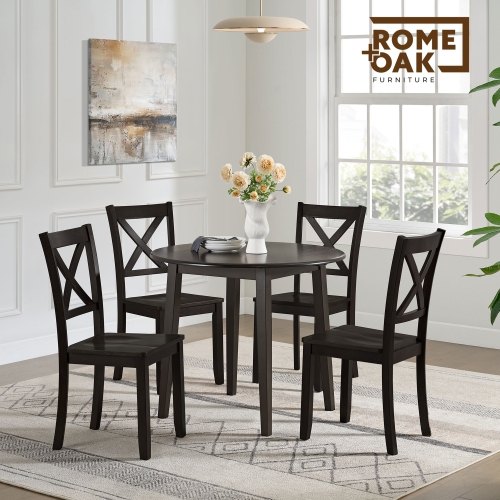
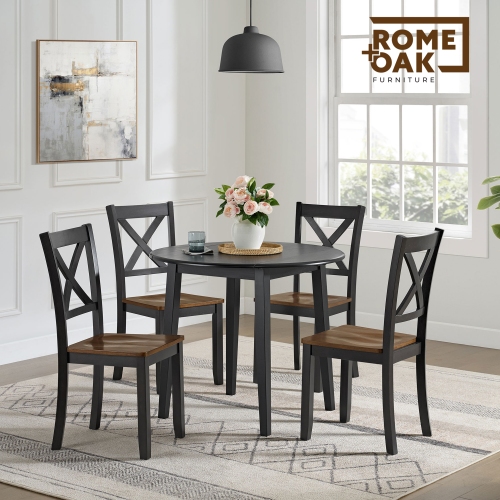
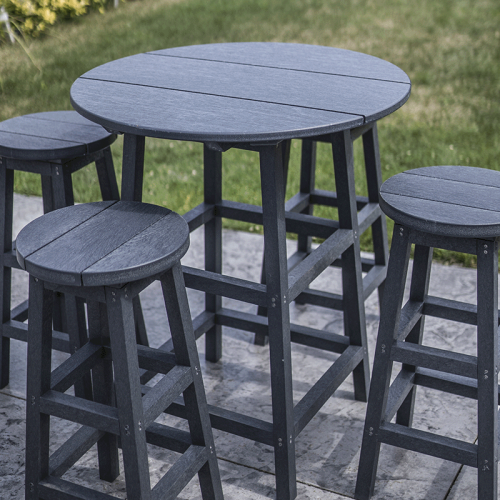


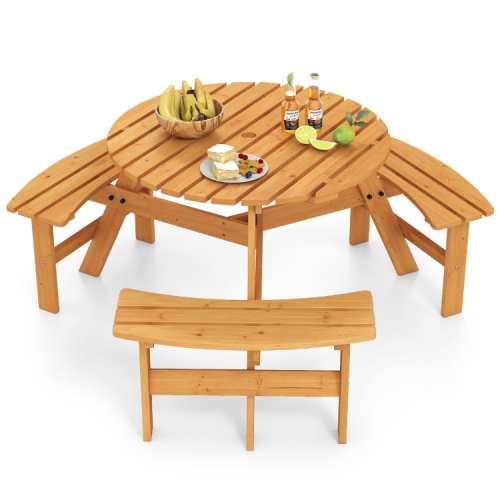
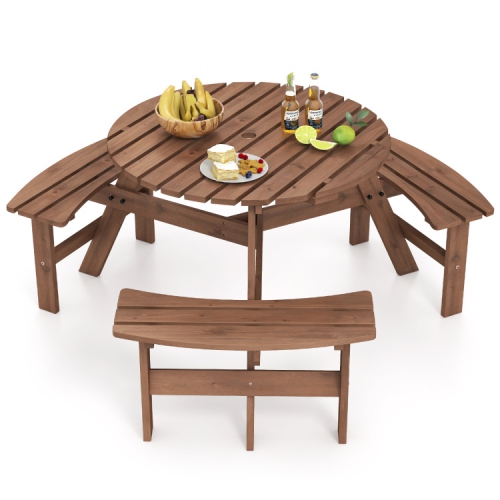
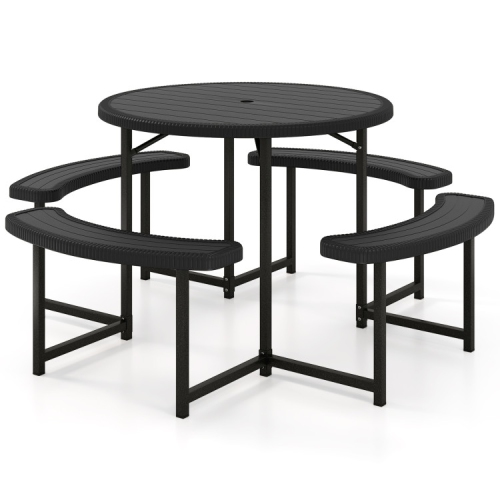


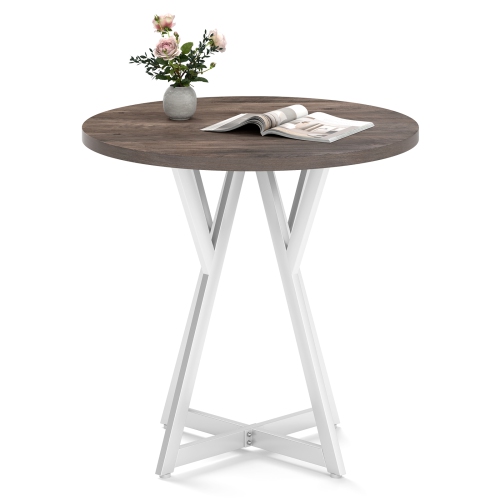


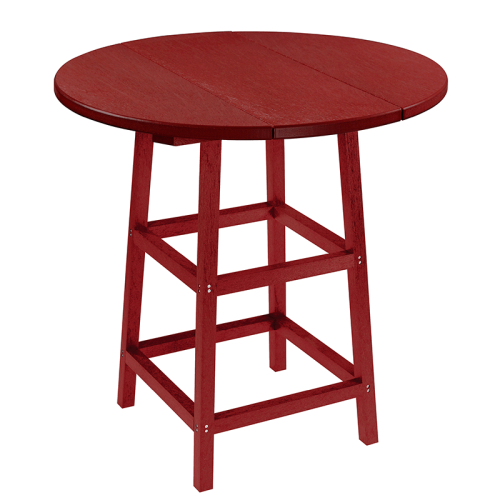

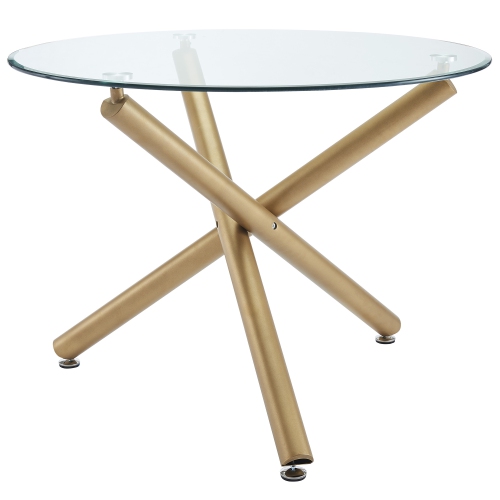
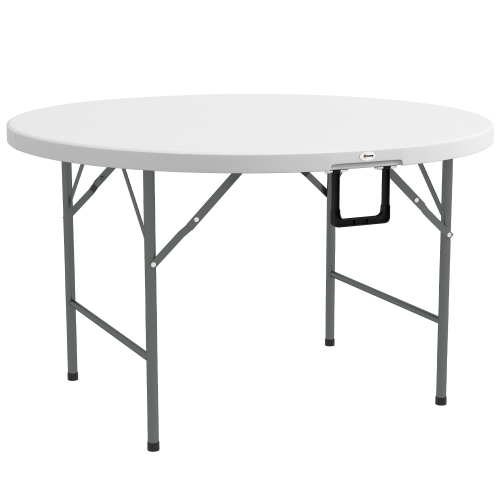


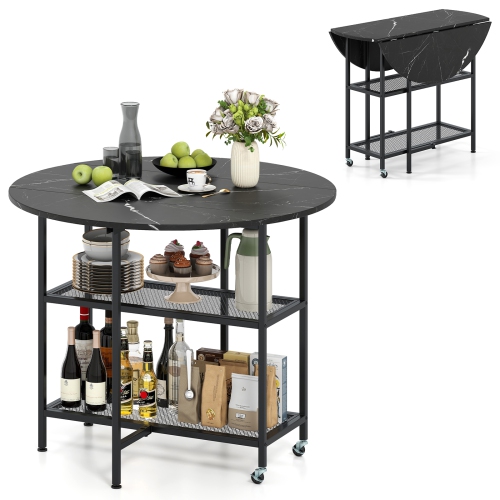
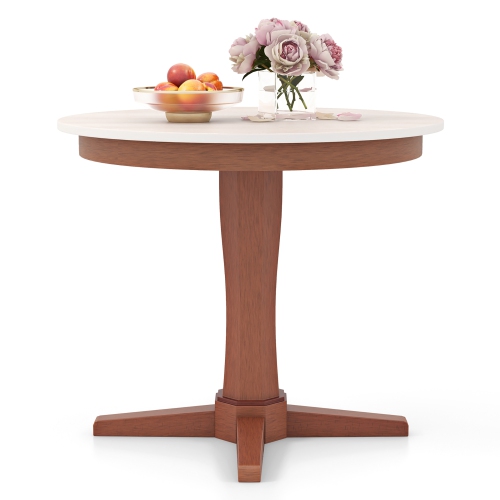
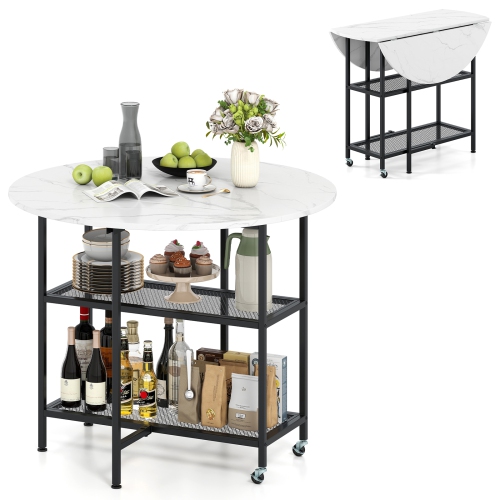
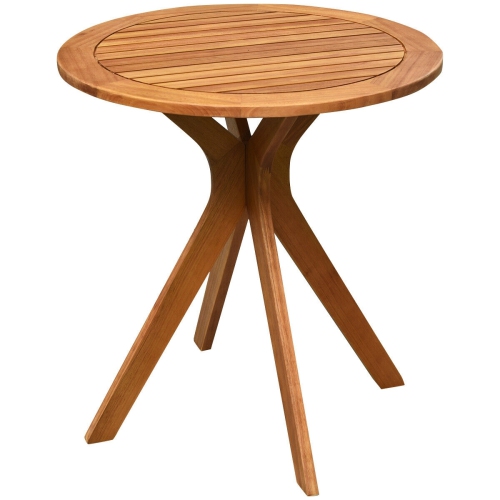

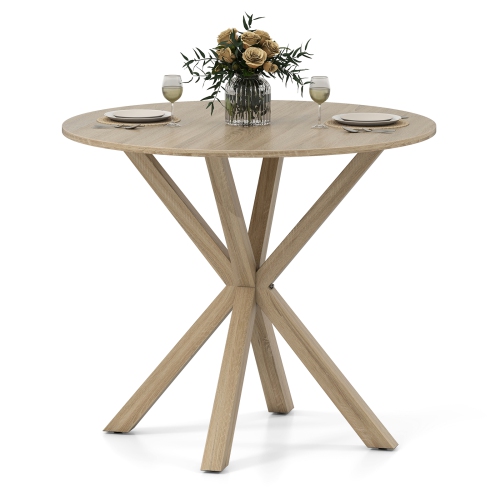

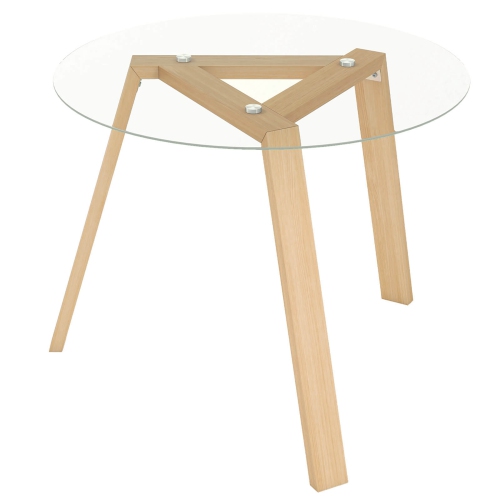
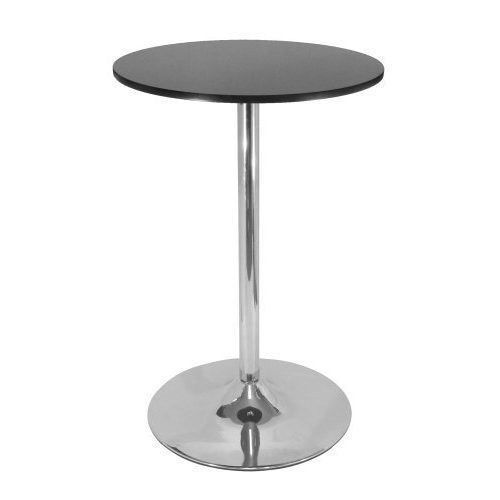
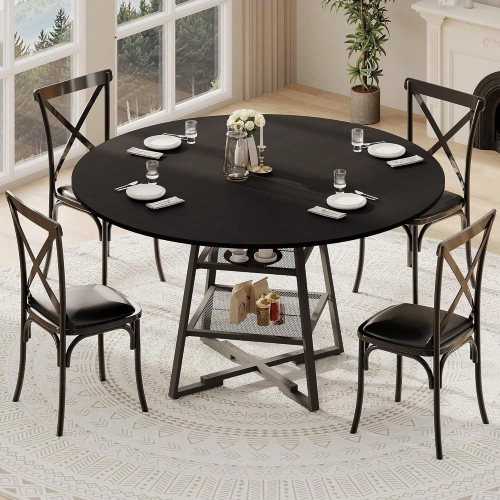

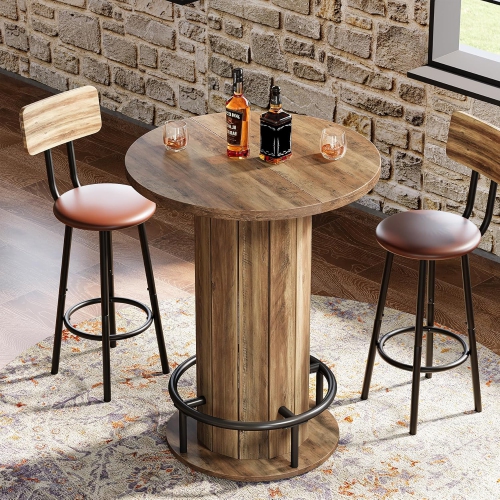
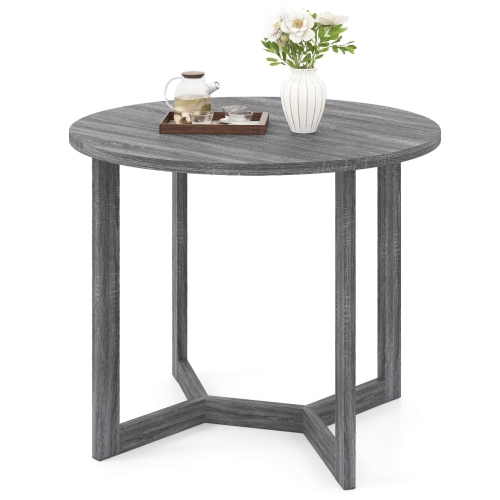


Room for two without overwhelming your dining nook
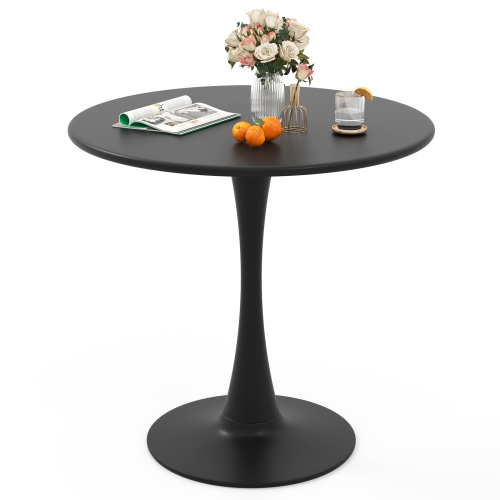
A 30-inch round table offers a compact surface for meals, conversation, and everyday tasks without taking up the footprint of a larger dining table. At approximately 76 centimetres across, it generally suits two people for regular dining, with space for plates, glasses, and a small serving dish. Seating three or four may be possible for drinks or a brief snack, but full place settings become crowded, particularly with wide chairs or a centrepiece on the tabletop. That balance makes 30-inch round tables a practical fit for breakfast nooks, condo kitchens, studio apartments, and small dining areas where a table needs to feel useful rather than oversized. The curved edge eliminates projecting corners, which can make walking around the table more comfortable, although the chairs and base still determine how much floor space the arrangement needs. A diameter of 30 inches describes the tabletop’s width through its centre, not its height, so dining, counter-height, and bar-height designs serve different purposes even when their tops are the same size. Standard dining tables are often approximately 28 to 30 inches high and pair with dining chairs, while taller versions require appropriately sized stools. Around 10 to 12 inches between the seat and the underside of the tabletop is a useful starting point for legroom, with any apron or support hardware taken into account. In a small room, allow roughly 36 inches between the table edge and a wall or nearby furniture where possible, and more where people regularly pass behind occupied chairs. A pair of armless chairs that tuck close to the top can help keep a nook tidy between meals. For an even tighter spot, 24 inch tables provide a smaller footprint, though their heights and shapes also need to suit the intended use. The right fit leaves room not just for the table, but also for sitting down, standing up, and opening nearby cupboards.
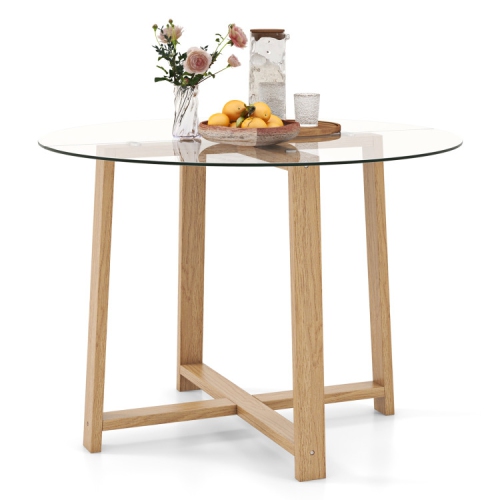
Materials give round tables much of their character and influence how they stand up to daily use. Solid wood brings natural grain and variation to a room, with finishes ranging from pale, understated tones to deeper colours that complement traditional furniture. Its resistance to marks depends on the wood species and finish; some surfaces acquire visible dents or scratches more readily than others. Wood veneer offers a real wood surface over a supporting core, but its thin face needs protection because deep damage can be difficult to repair. Laminate and other manufactured surfaces can be practical for frequent meals, homework, and craft projects, particularly when their edges are well finished and spills are wiped away promptly. Glass creates a lighter visual impression in a compact dining area, allowing the base and surrounding floor to remain visible. It also shows fingerprints and benefits from regular cleaning with a suitable product. Where glass is used, the product specifications should identify its construction and any relevant safety features rather than leaving these details to appearance alone. Marble and other natural stone tops bring distinctive veining and substantial weight, but care requirements vary: some need sealing, and acidic spills can mark certain surfaces. Ceramic and stone-look finishes offer a different mix of texture, weight, and maintenance needs, so the actual surface material matters more than the visual effect. Underneath, a pedestal base can free up space around the perimeter for chair placement, while a four-leg design offers a familiar silhouette and defined seating positions. Neither layout guarantees stability on its own. Base width, tabletop weight, floor contact, and the quality of the connections all contribute to how steady a table feels. A broad pedestal foot may compete with chair legs or feet, and a deep apron can limit knee clearance. Smooth edges, secure fasteners, protective floor glides, and well-fitted joints are worthwhile details on a table that will be used several times a day. Where included, adjustable feet can help compensate for a slightly uneven floor.
The appeal of a small round dining table is often clearest in the ordinary moments it supports: breakfast for two beside the kitchen, a quiet lunch away from a desk, or a place to sort paperwork without occupying the main dining area. For one person, a 30-inch top can hold a laptop and notebook for occasional work, although it is not usually a substitute for a full desk with a monitor, keyboard, and other equipment. In a shared apartment, it can establish a dining spot within an open living area; in a guest suite, it provides a useful surface for coffee or a light meal. A compact table can also make a thoughtful housewarming gift when the recipient’s measurements, seating needs, and preferred style are known. Visual proportions matter alongside dimensions. A slim top and open base tend to look less imposing, while a thicker top or substantial wooden pedestal gives the same diameter a stronger presence. Matching the table exactly to every chair is not essential, but compatible seat heights, comfortable clearances, and a shared colour or material can help the arrangement feel intentional. For café, reception, or other shared settings, tables should be specifically rated for the intended level of use; a residential design is not automatically suitable for frequent commercial use. Day-to-day care begins with the manufacturer’s instructions for the exact finish. Coasters and placemats help limit rings and scuffs, while trivets protect surfaces from hot serving dishes. A soft cloth and prompt attention to spills are sensible habits, especially near seams and exposed edges. Abrasive pads and harsh cleaners can dull or damage finishes, even when a tabletop appears hard-wearing. Lifting rather than dragging the table helps protect its joints and the floor, and checking assembly hardware periodically can address loosening from repeated movement. With suitable seating, a stable base, and a finish matched to household routines, a 30-inch round table can serve as a comfortable, frequently used part of a small space rather than simply filling an empty corner.
Top selling and popular products
-
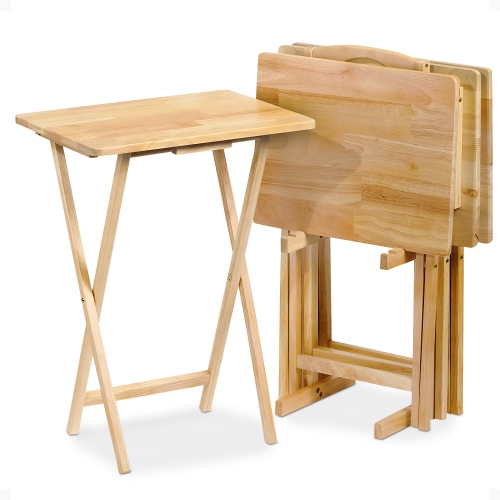 Your price for this item is $162.99
-
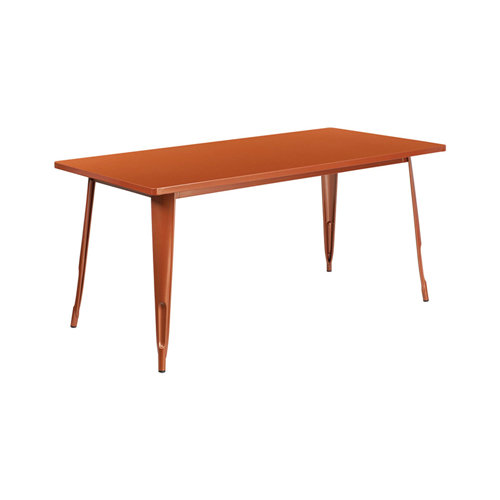 Your price for this item is $516.69
-
 Your price for this item is $115.99
-
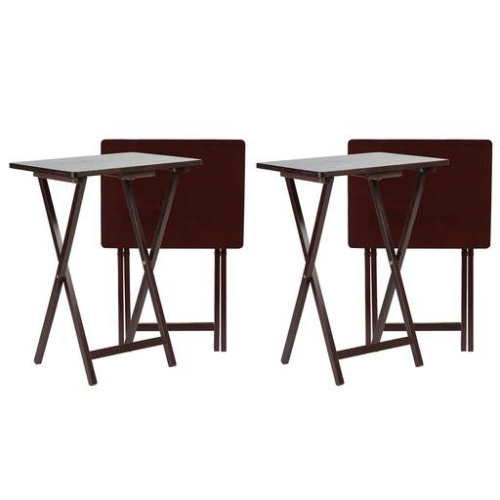 Your price for this item is $180.99
-
 Your price for this item is $149
-
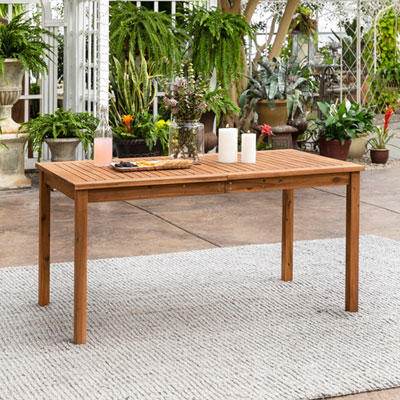 Your price for this item is $550.99
-
 Your price for this item is $259.99
-
 Your price for this item is $299.95
Discover more categories related to 30 Inch Round Tables
Top Collections:
Pokemon Centers, Best Cameras for Sports Photography, Kindle Devices, Samsung Galaxy Phones, Canon G7X Cameras, Pokémon 30th Celebration Cards, Refurbished Apple Laptops, iPhone 15 Apple, Laptops for Students, Budget Smartphones
Some products may be subject to Environmental Handling Fees
(EHF) depending on your province.
Learn more about EHFs.