30 Inches Wall Mount Range Hoods
Looking to upgrade your kitchen with a sleek and efficient range hood? 30-inch wall-mount range hoods are a great option for your kitchen. These stylish and functional appliances are designed to remove smoke, odors, and grease from your cooking area, ensuring a clean and fresh atmosphere. Here are some great options available.
Sort
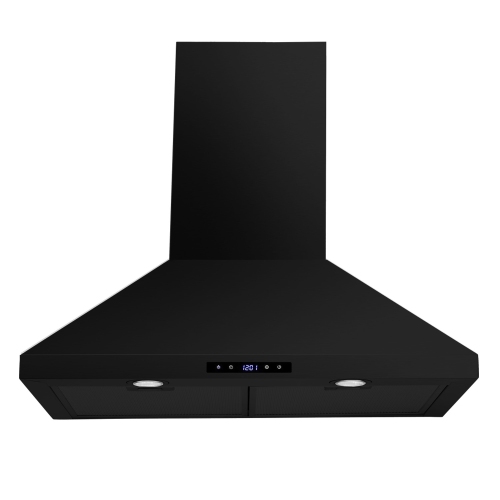
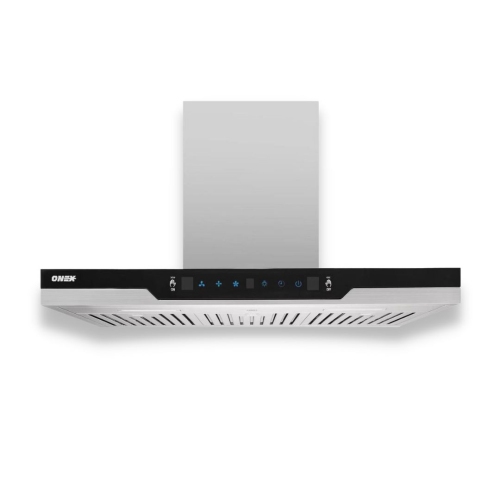
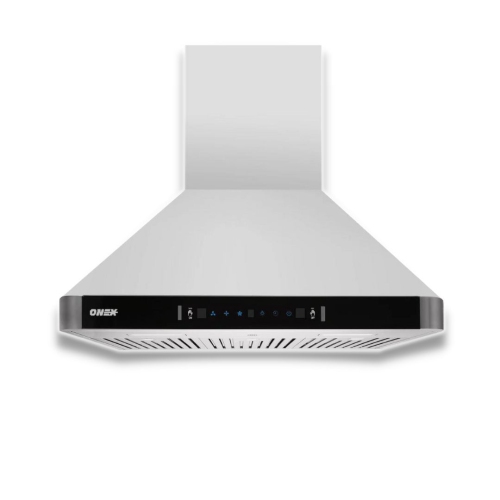
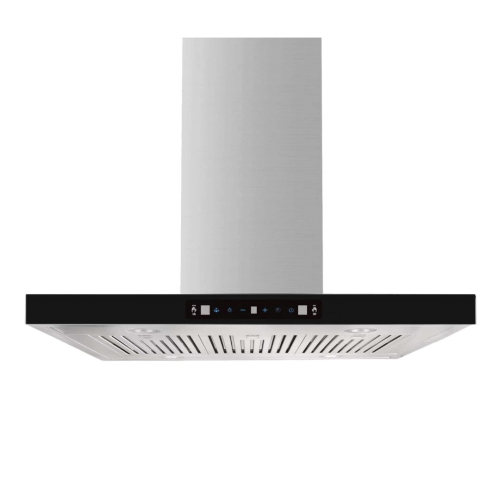
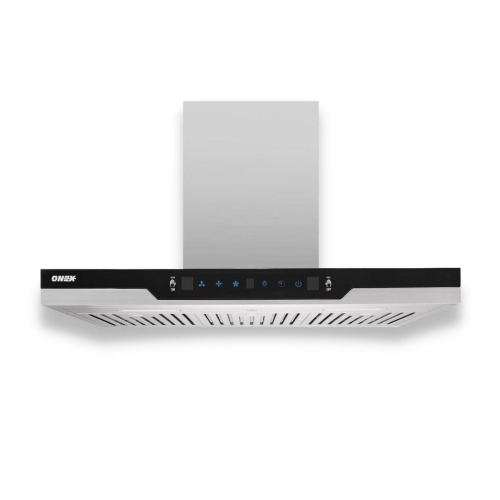
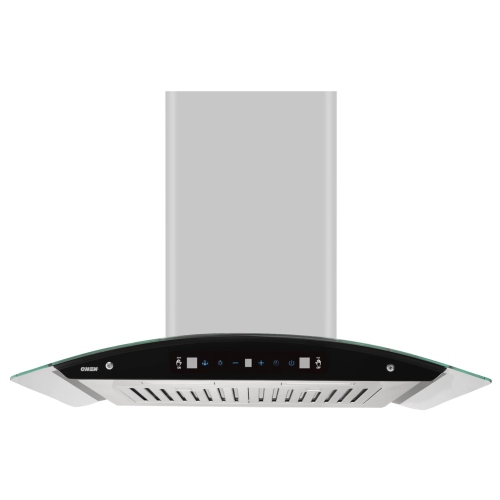
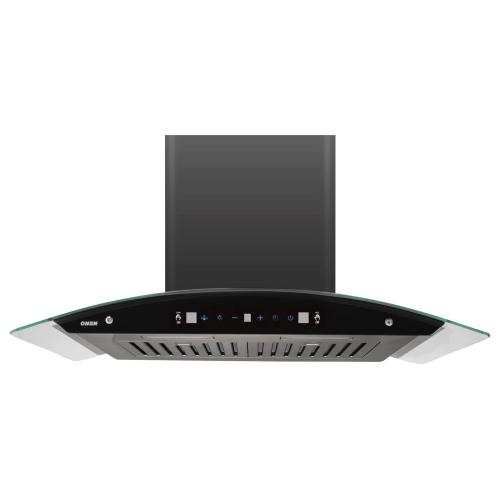
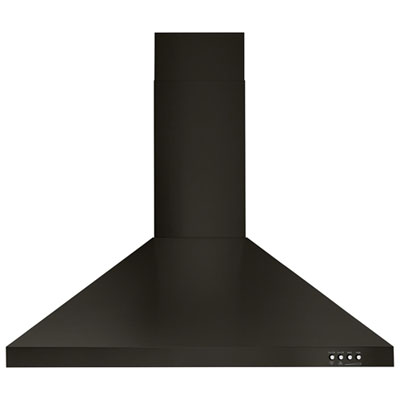
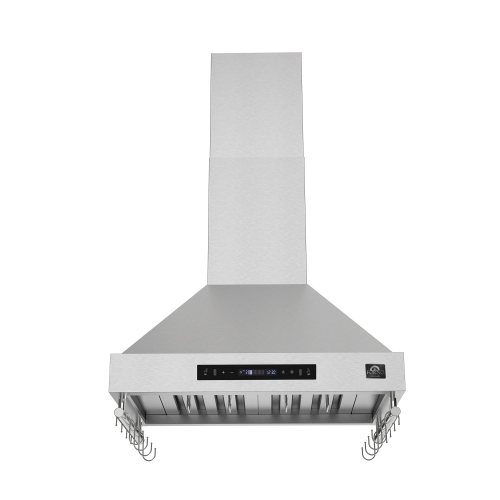
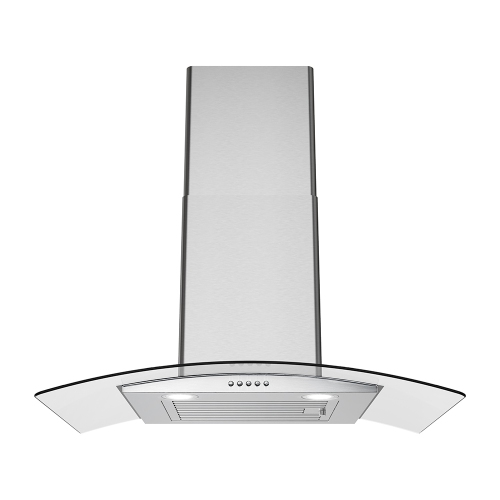
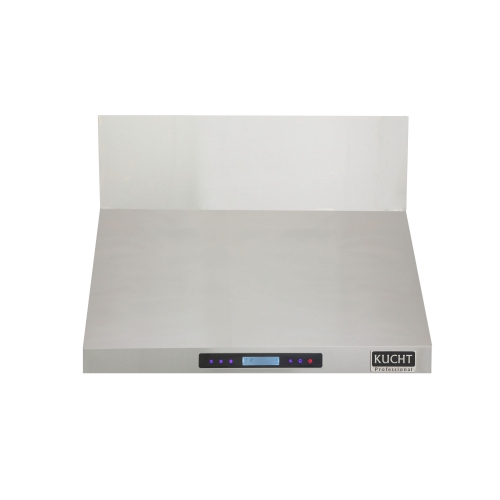
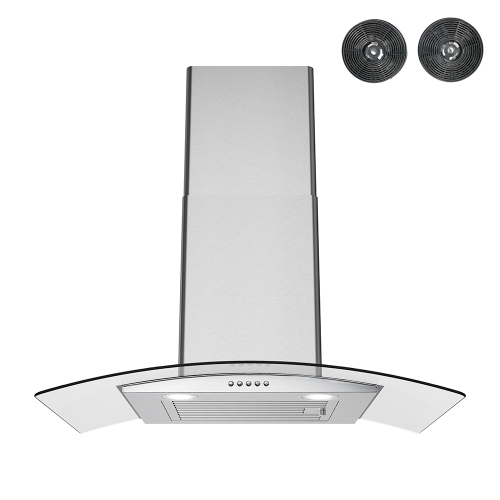
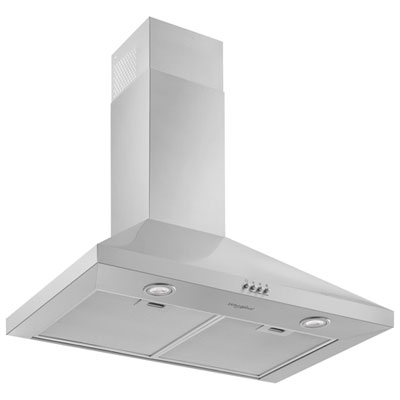
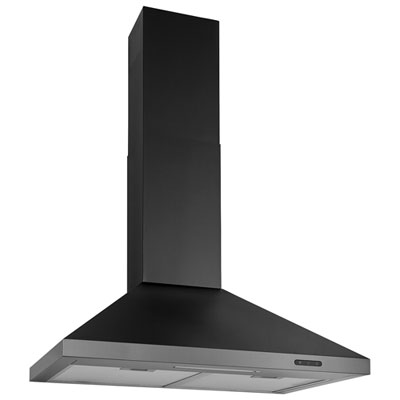
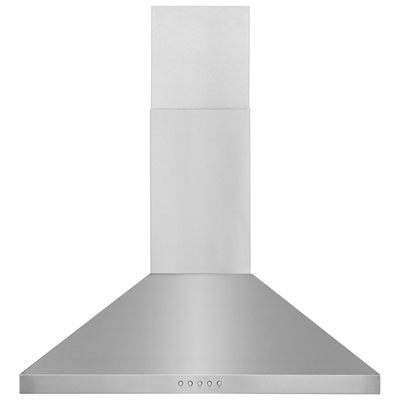
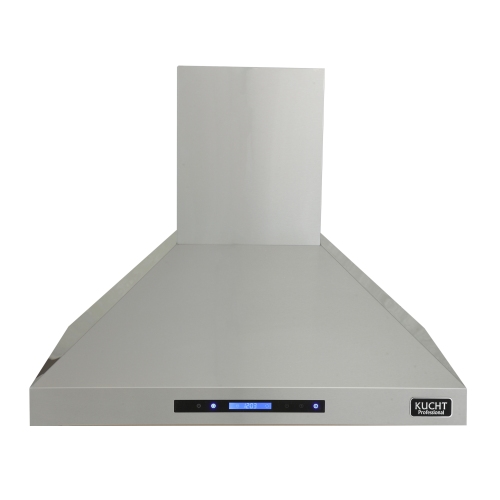
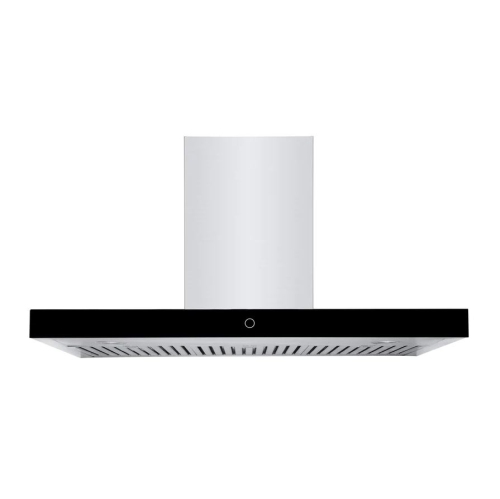
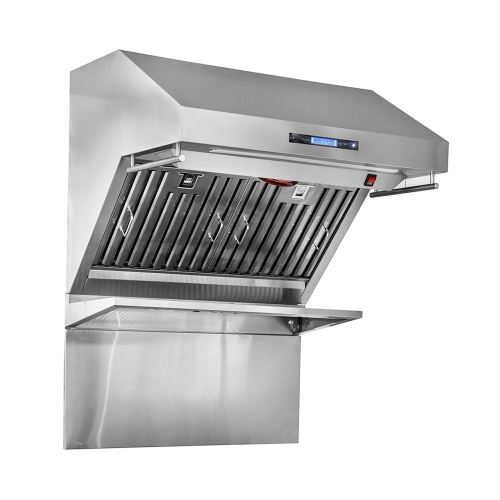
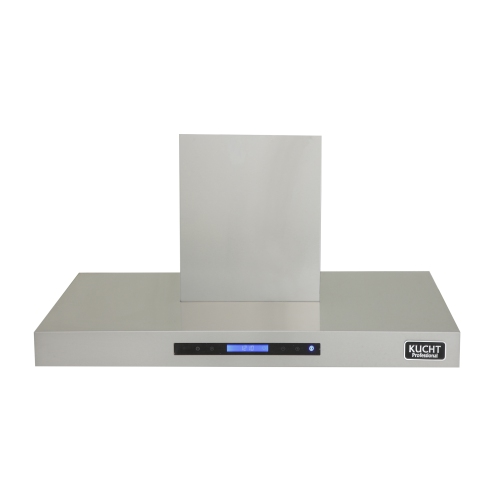
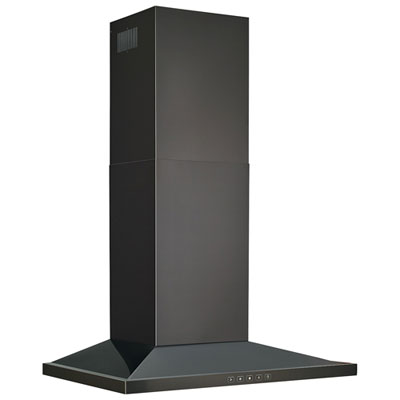
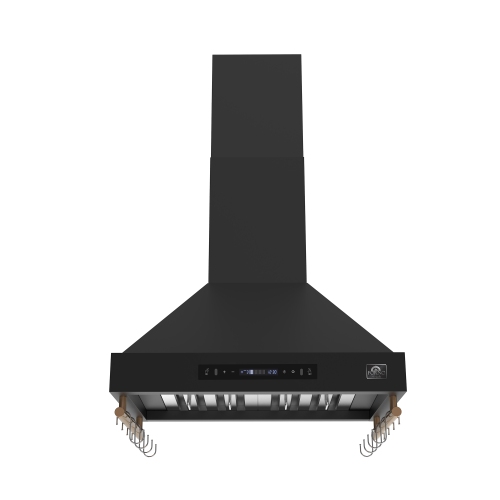
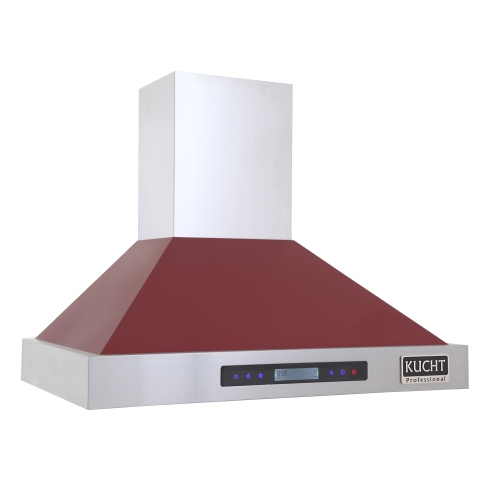
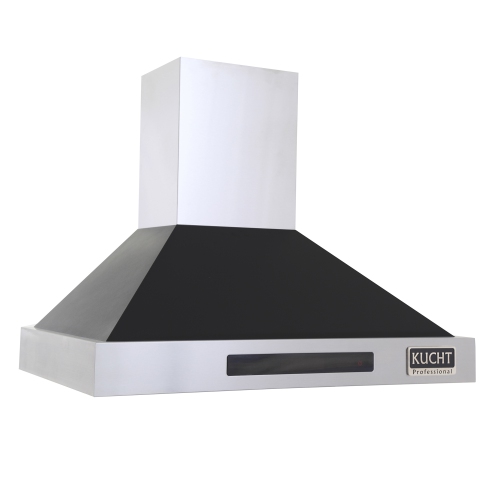
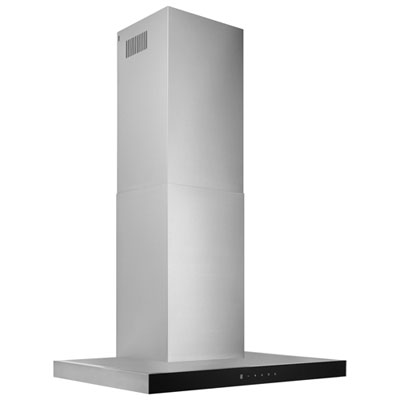
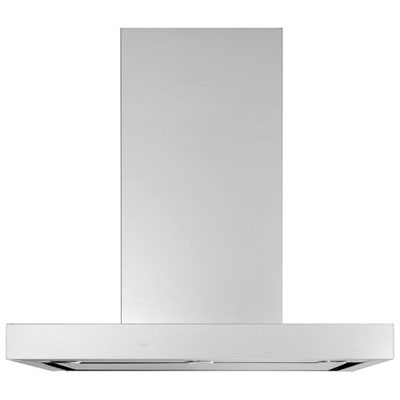
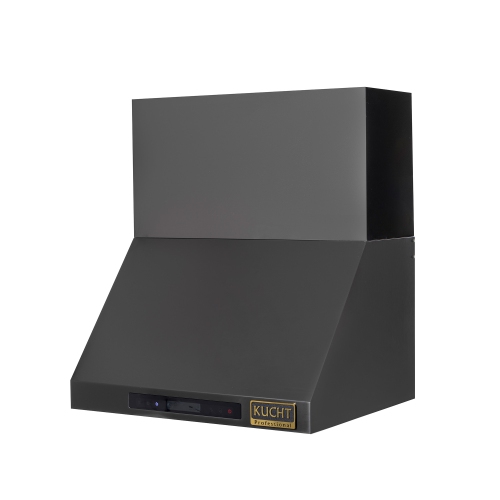
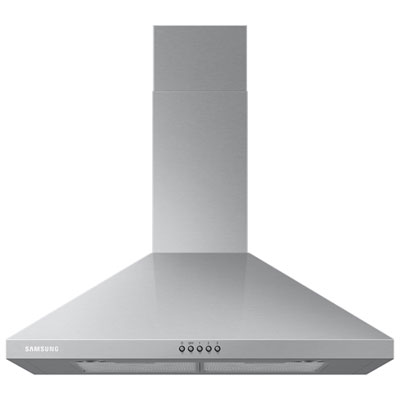
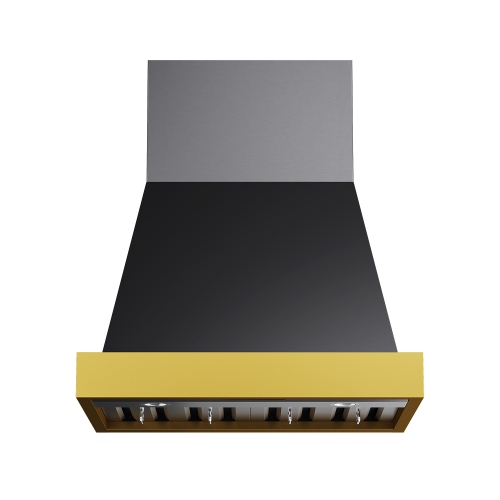
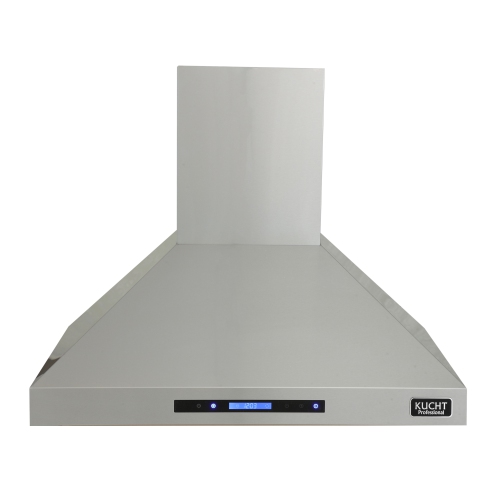
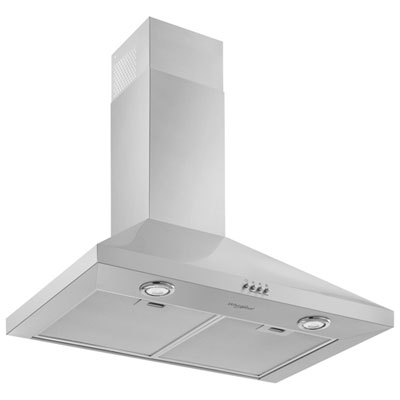
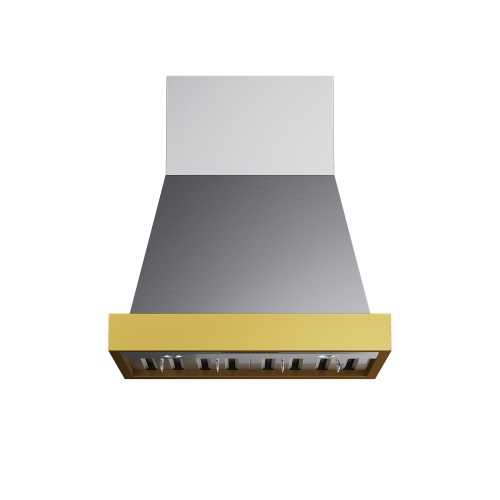
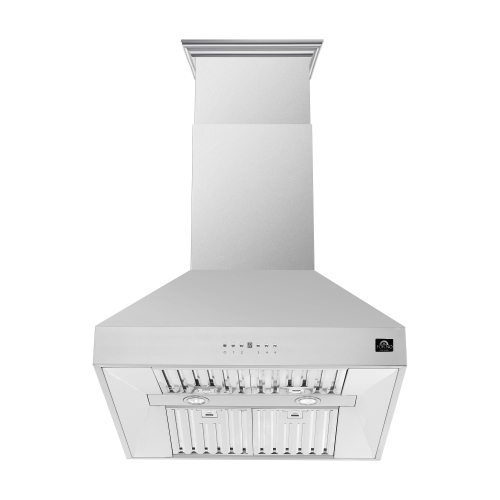
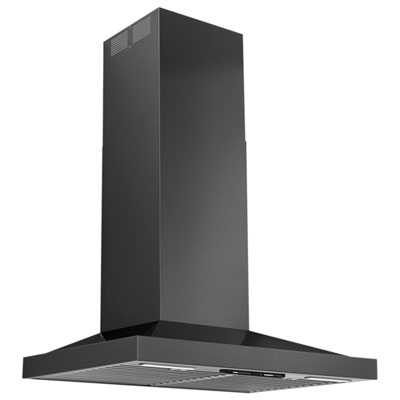
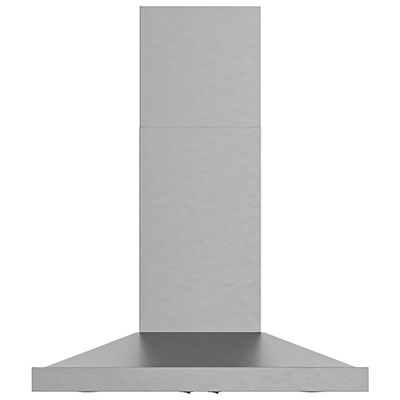

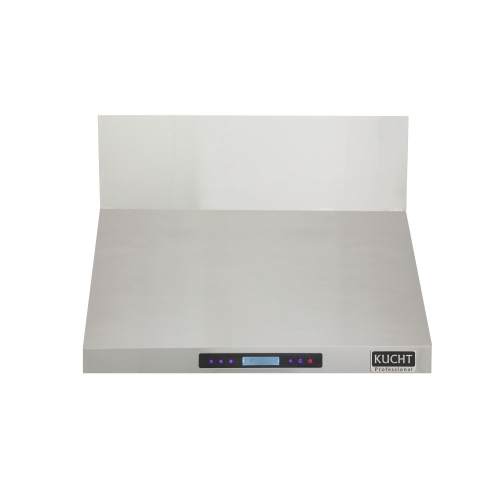
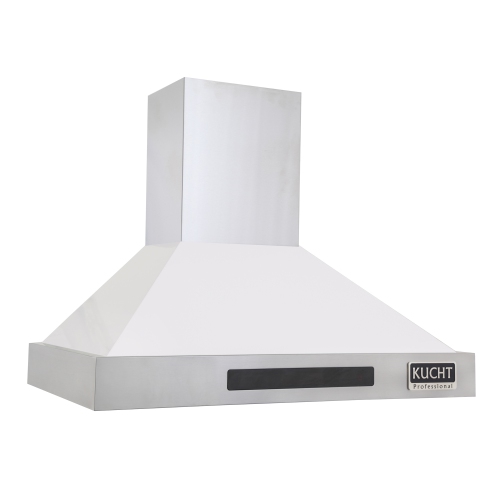
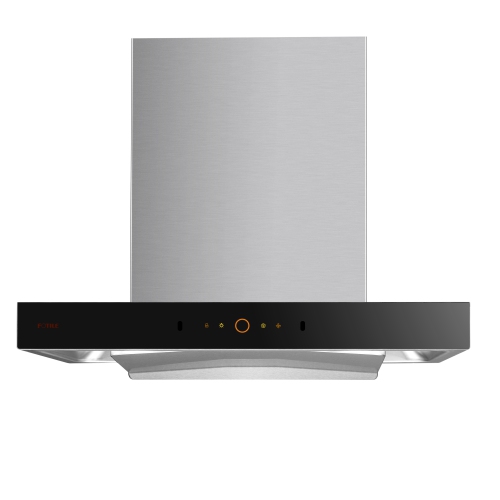
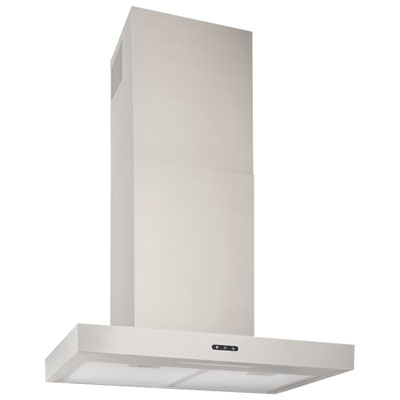
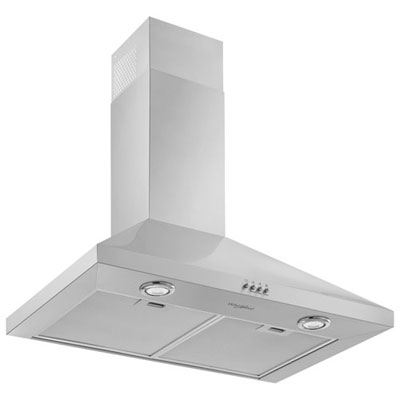
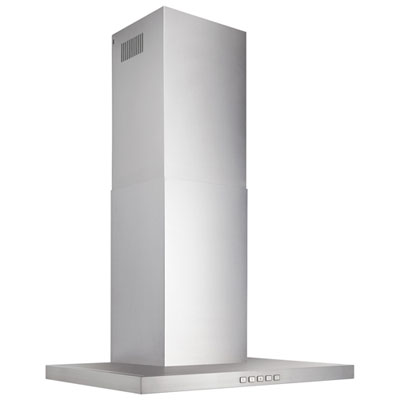


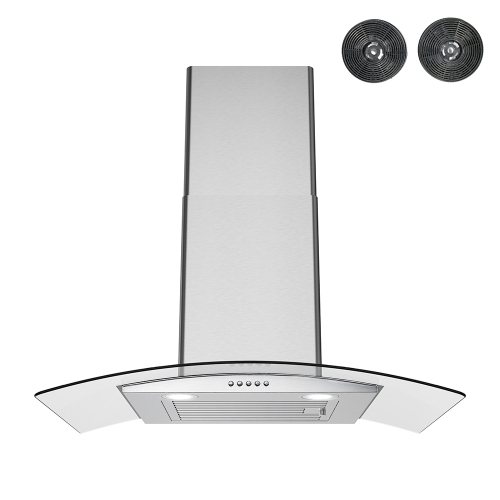
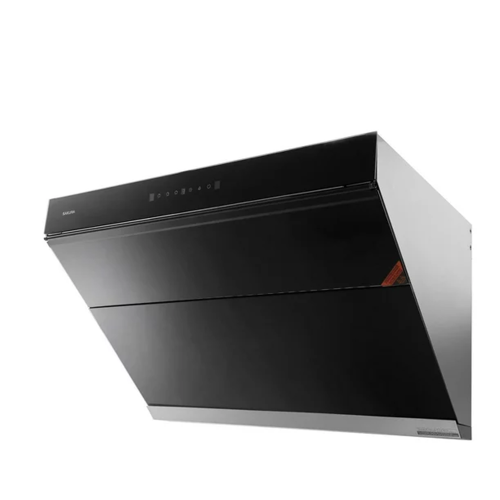
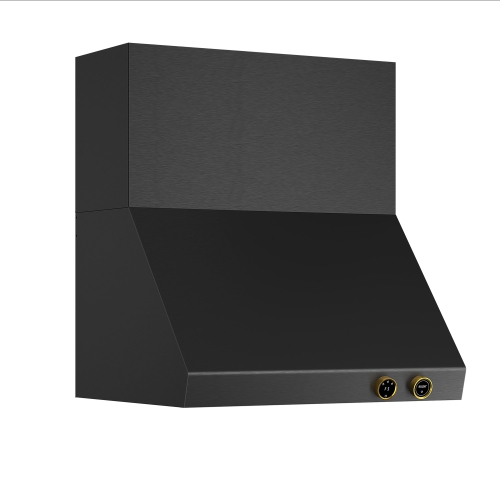
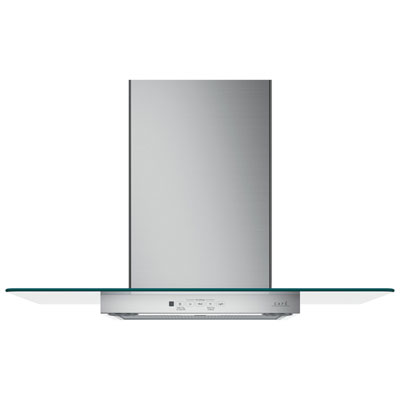
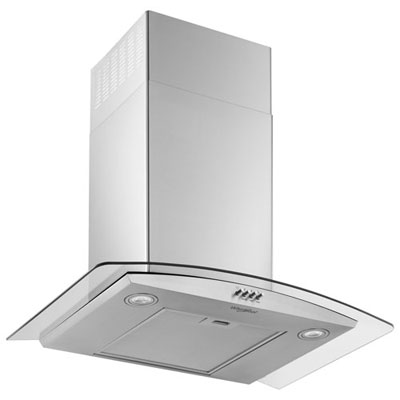
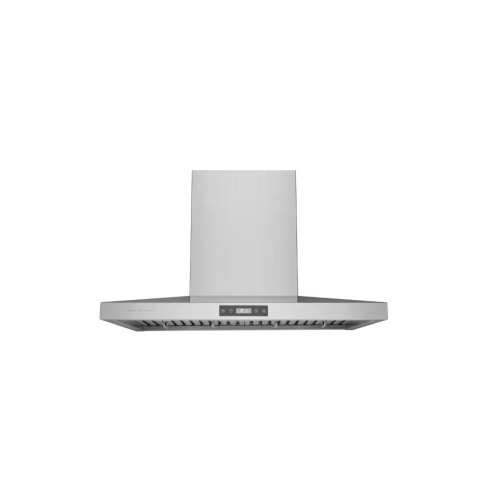
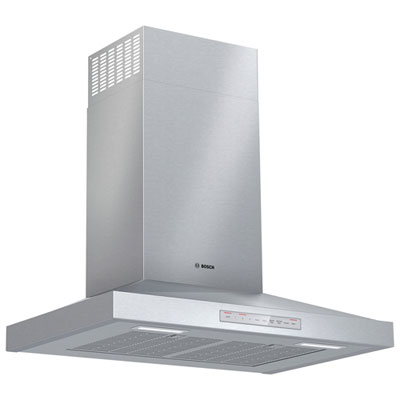
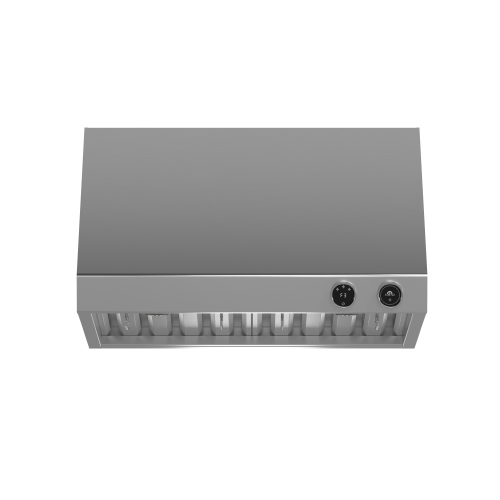
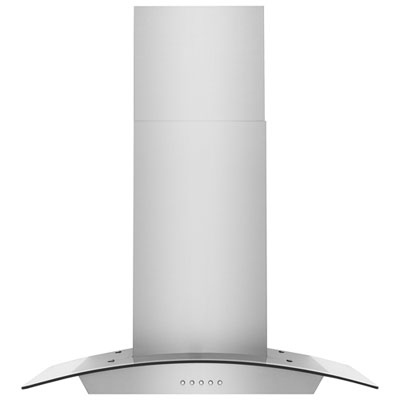
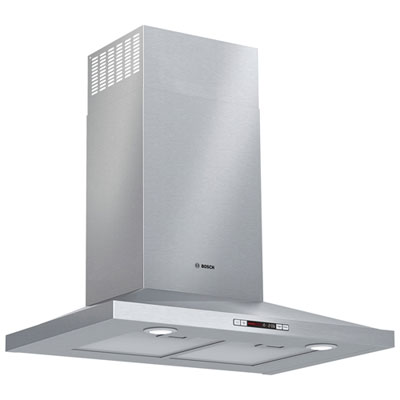
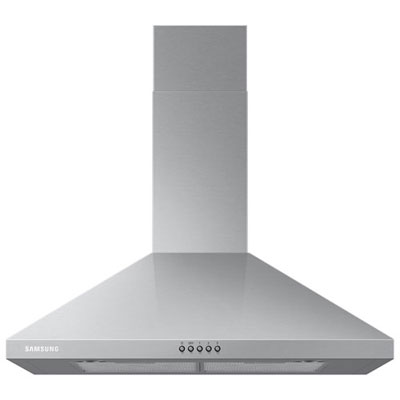
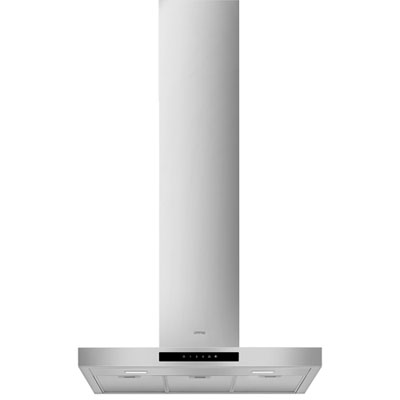

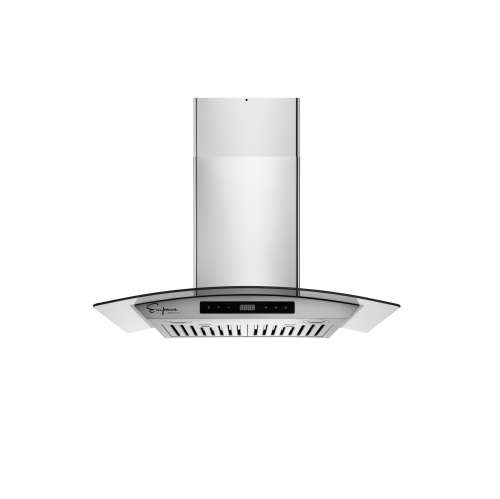
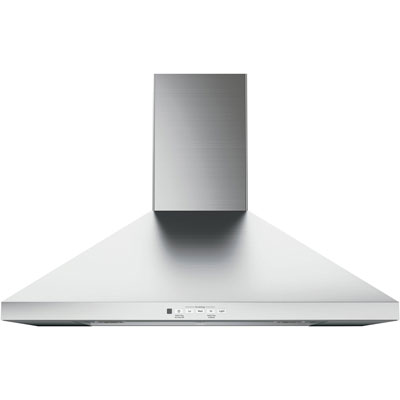
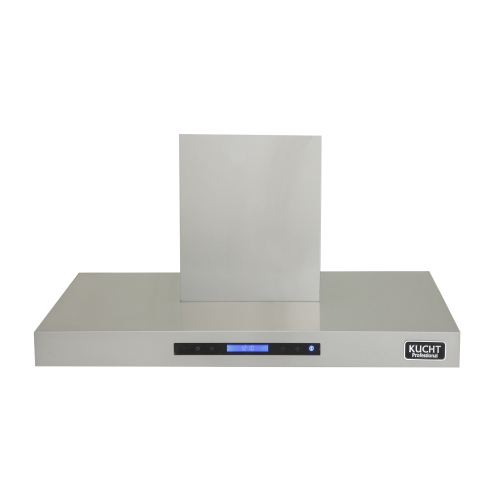
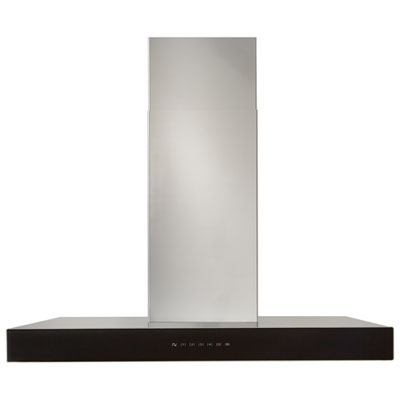
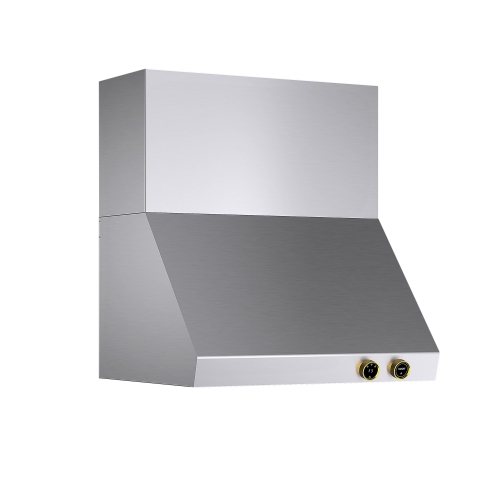


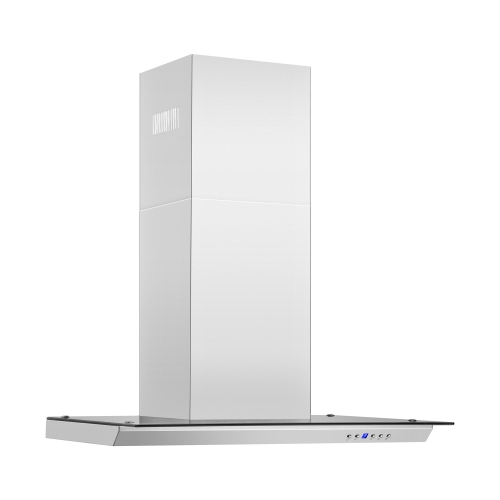
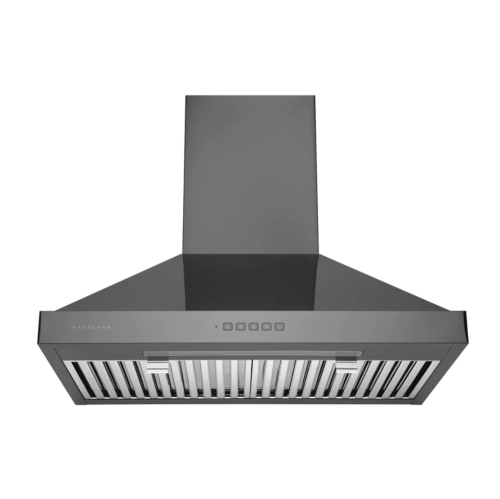
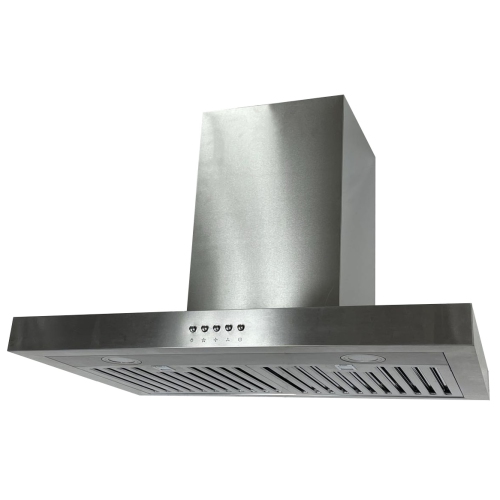

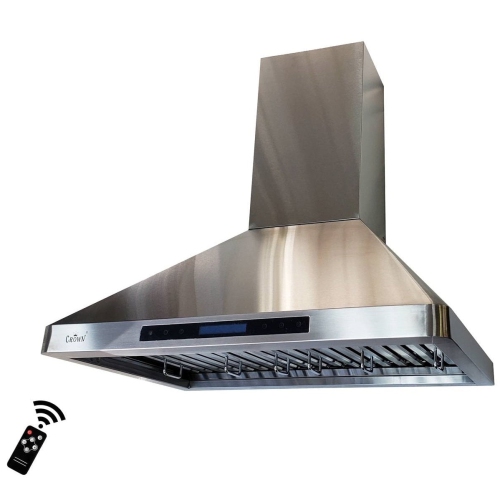
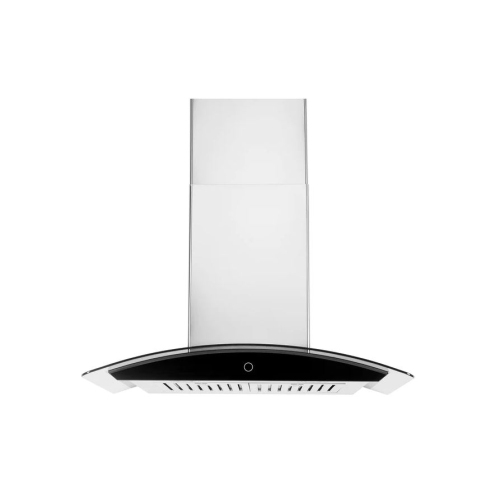
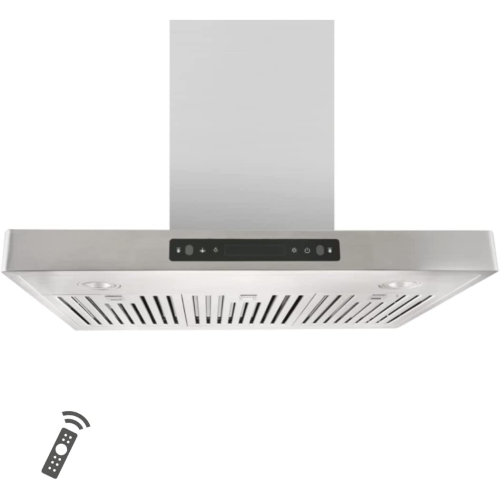
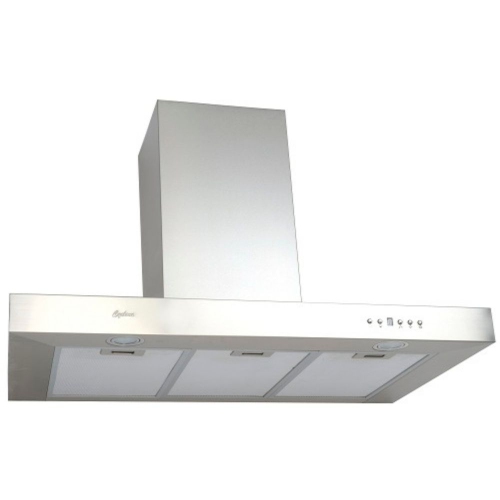
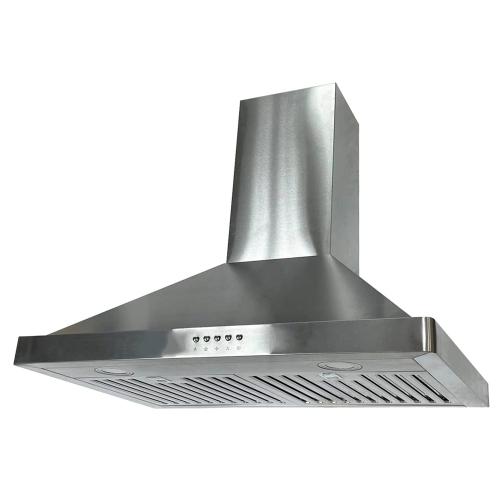
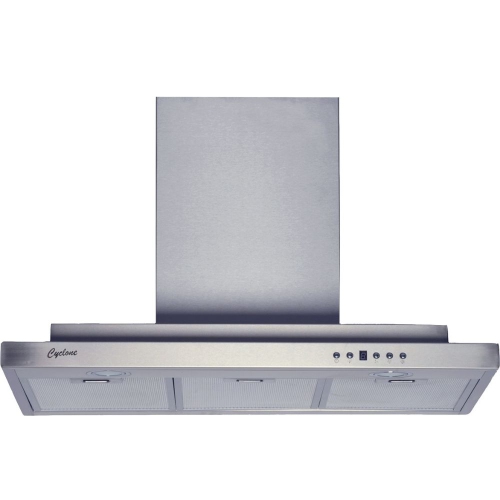
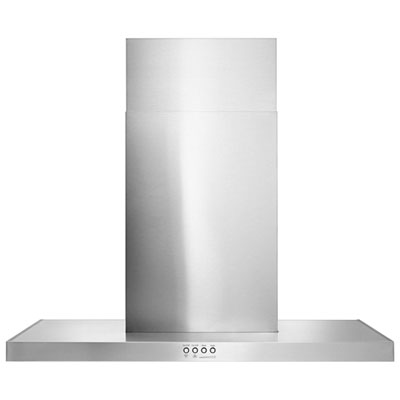
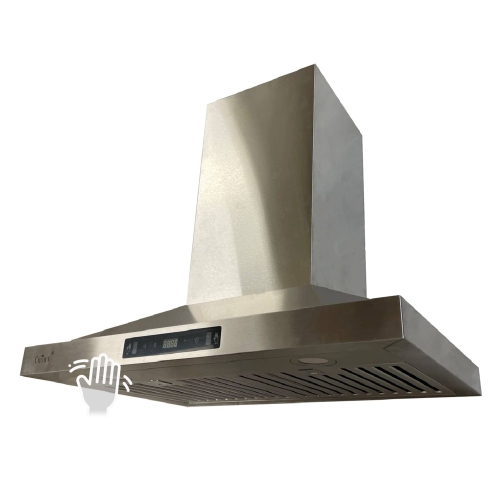
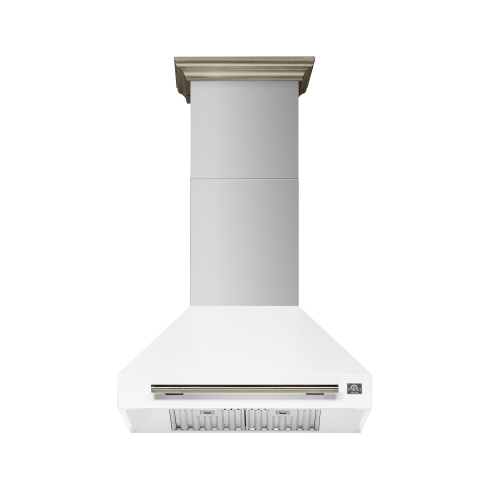
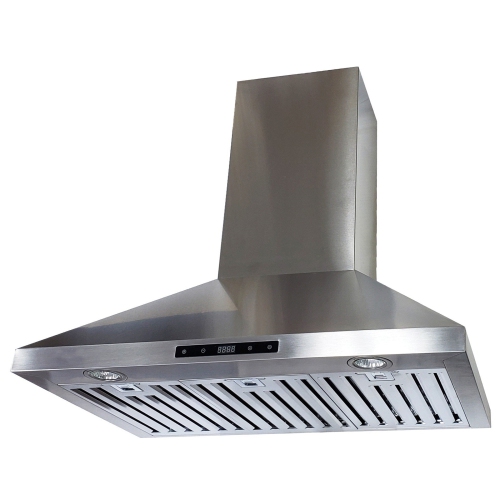
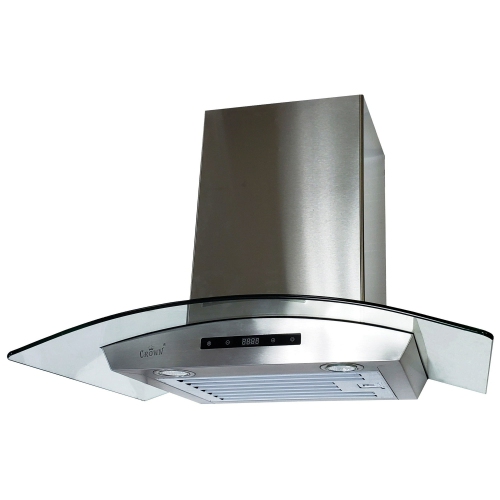

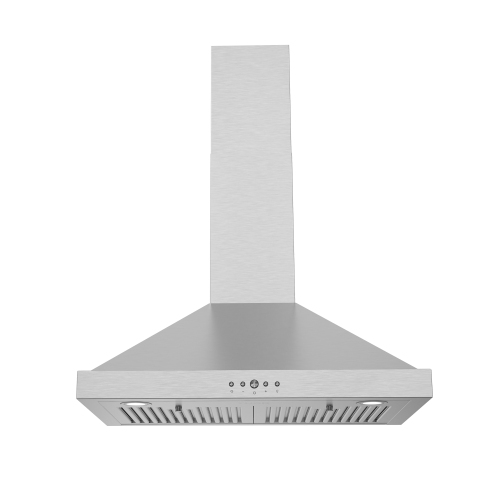
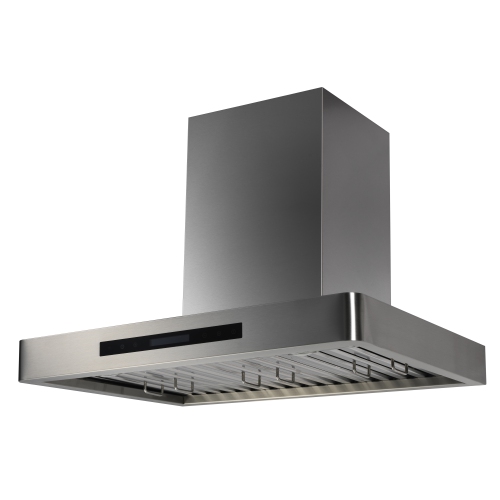
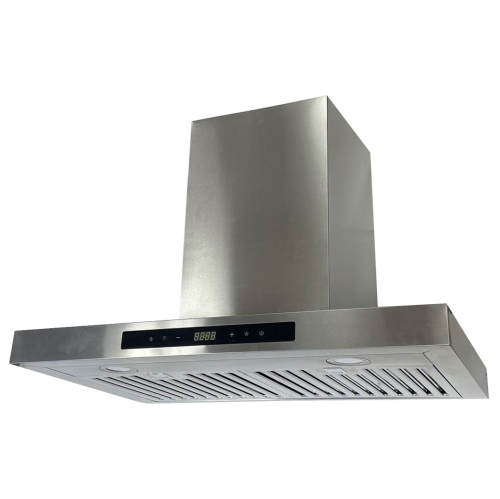
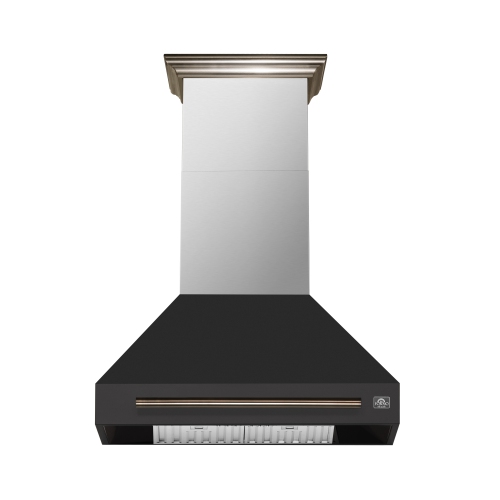
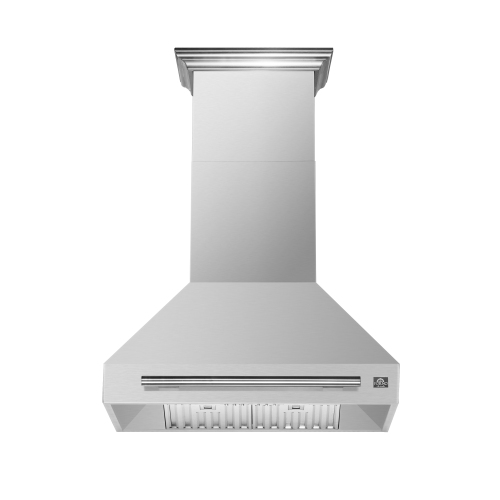
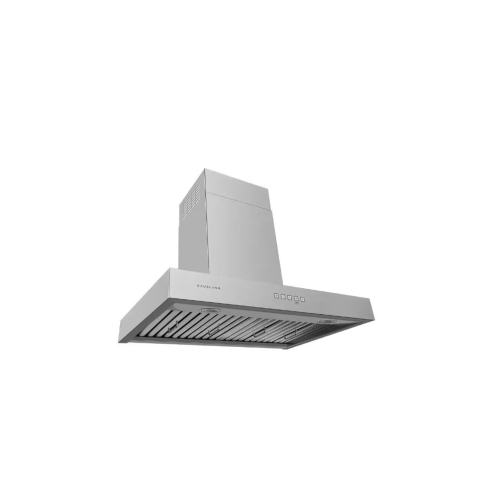
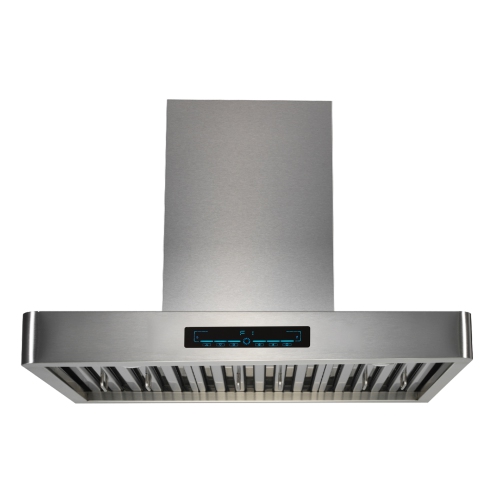
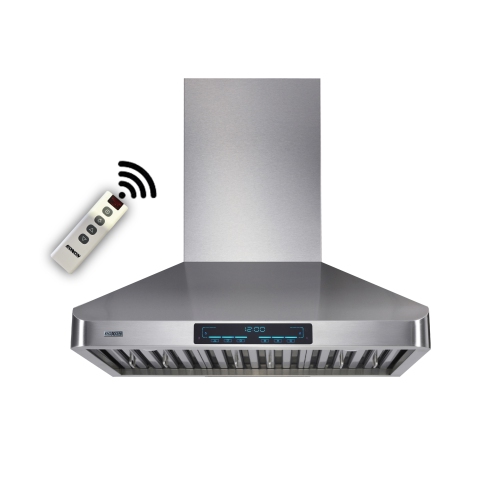
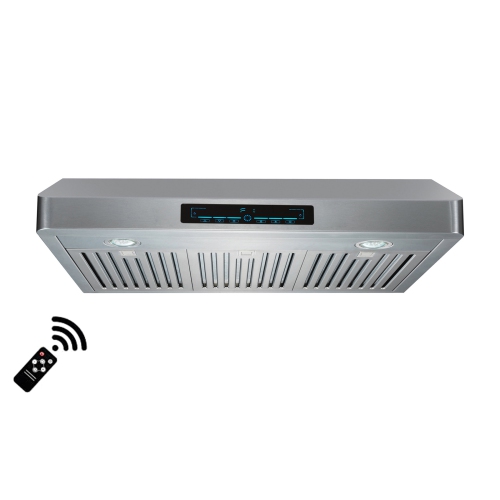
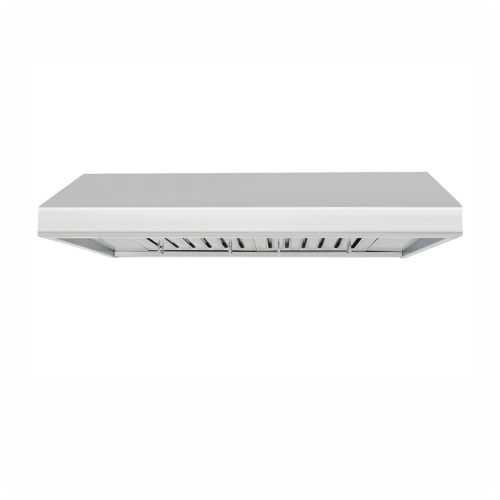
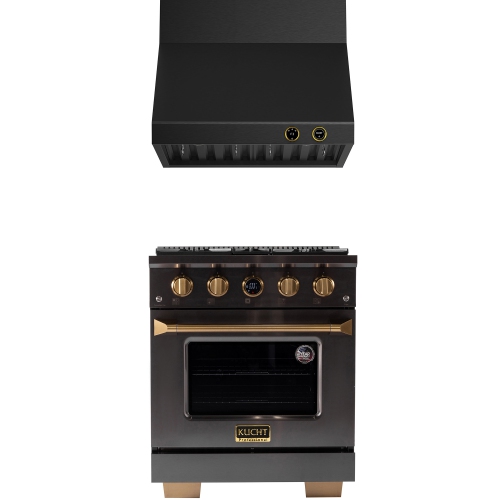
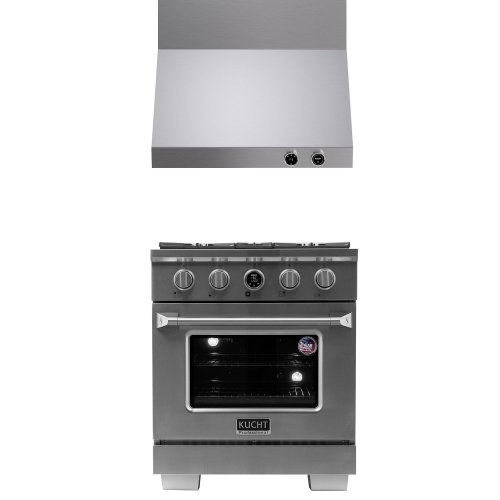
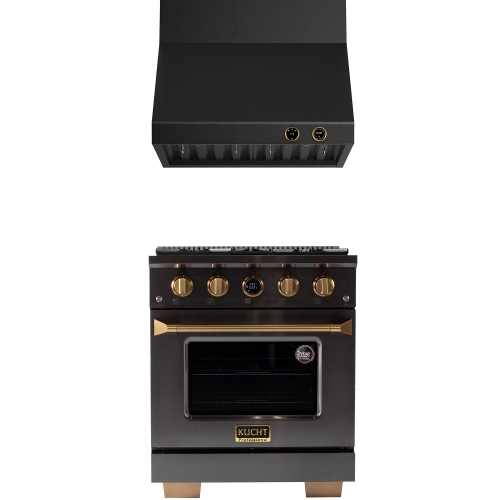
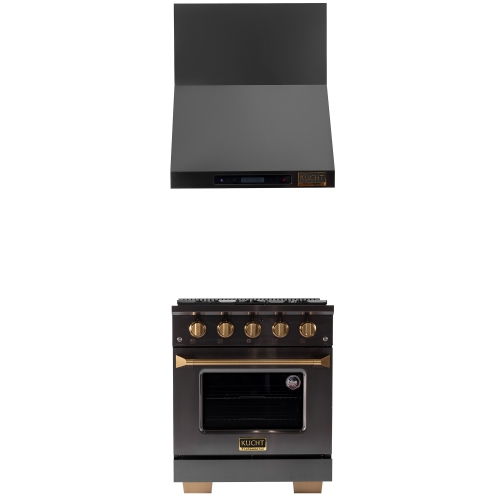
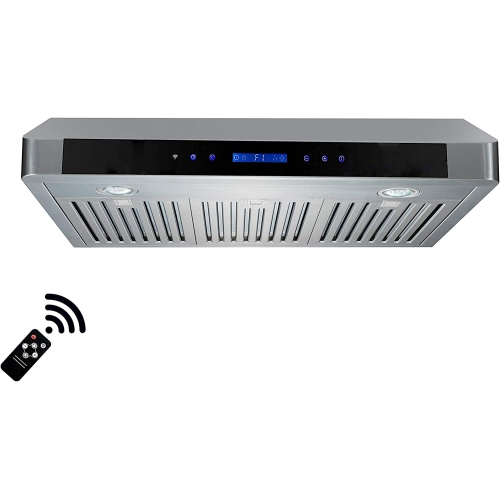
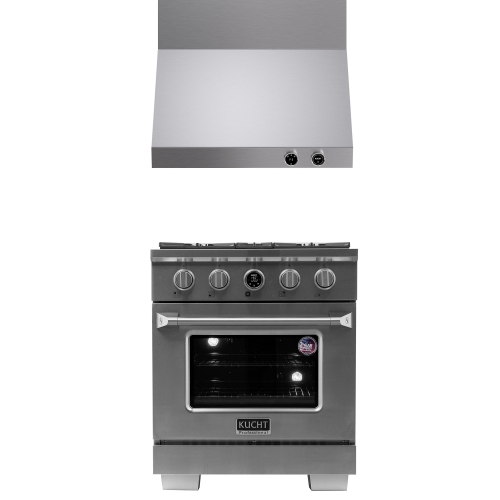
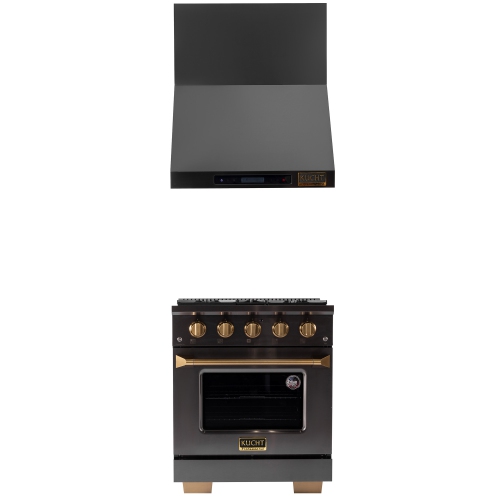
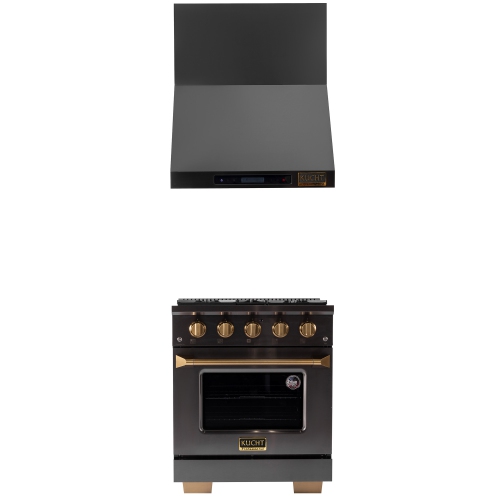
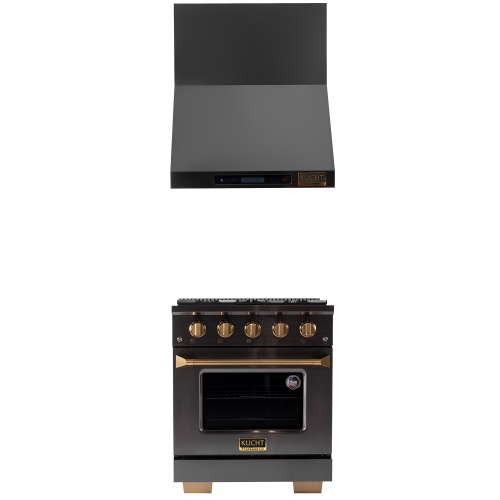
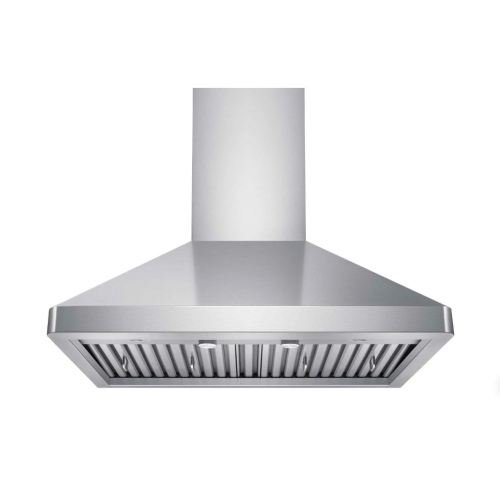
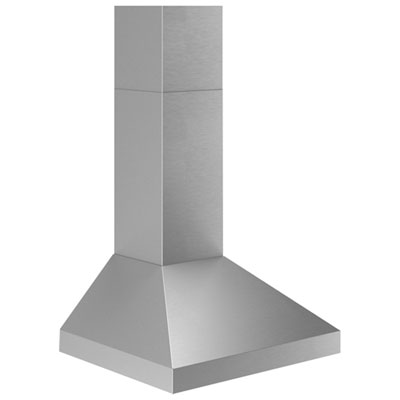
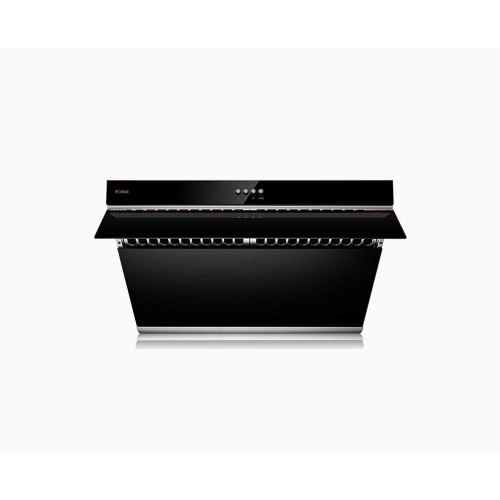
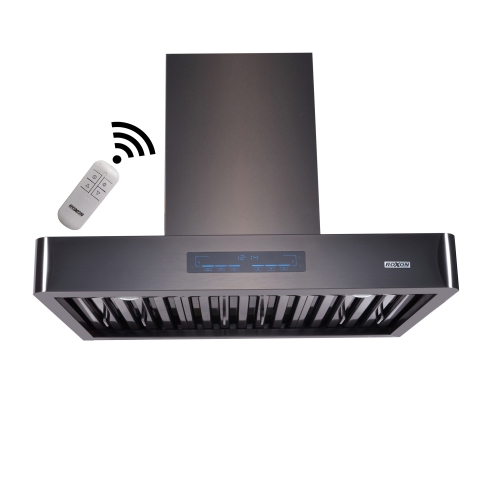
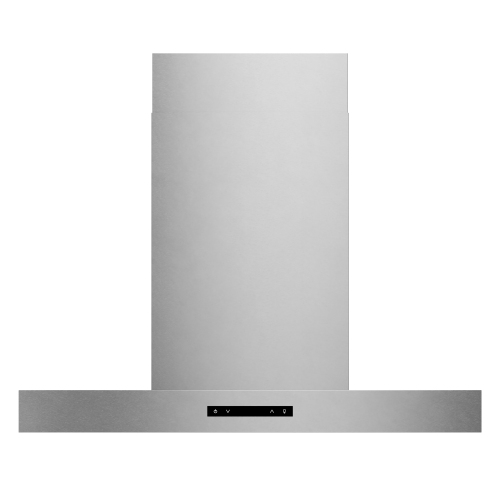

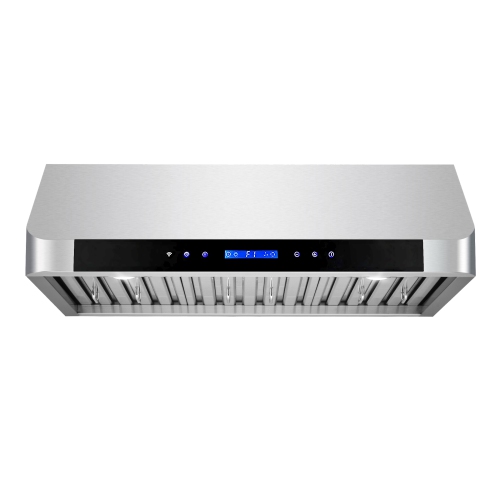
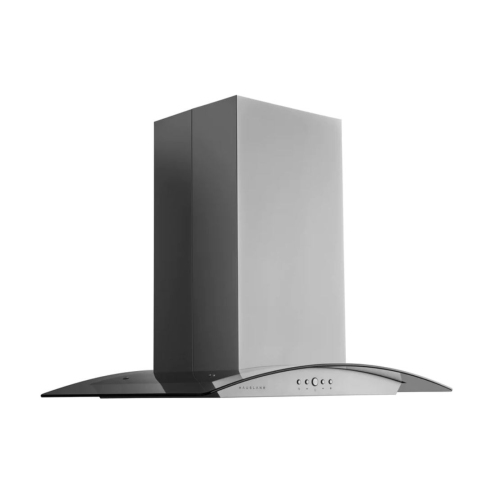
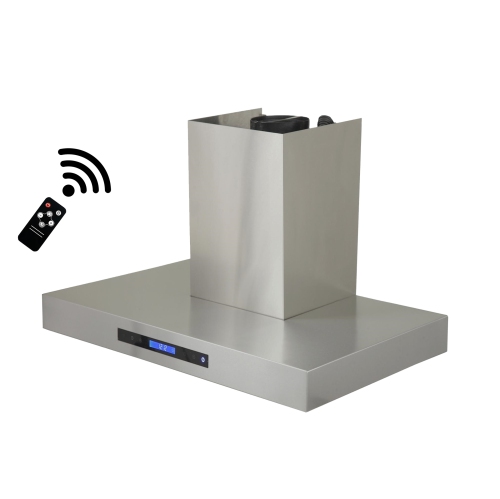
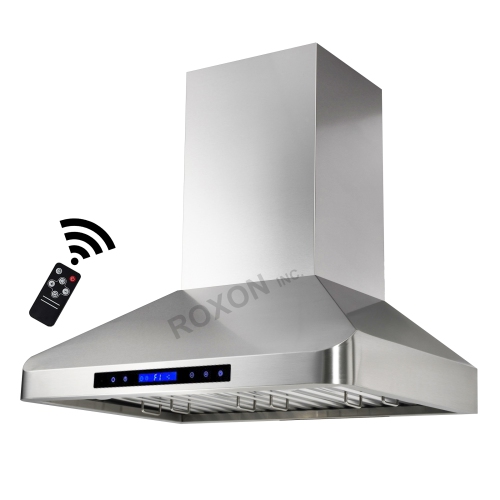
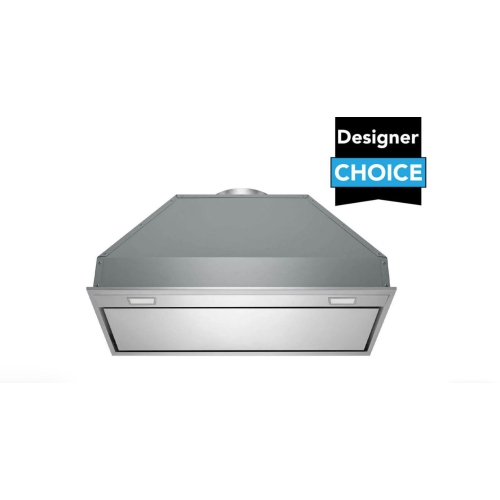
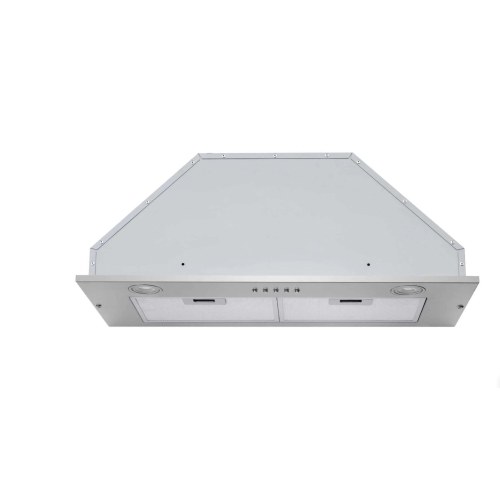

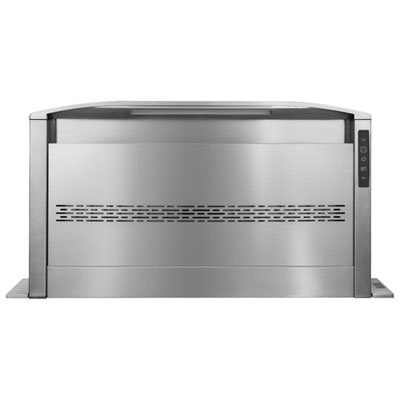

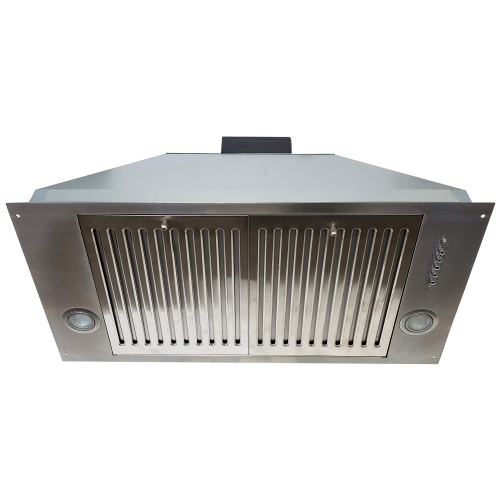
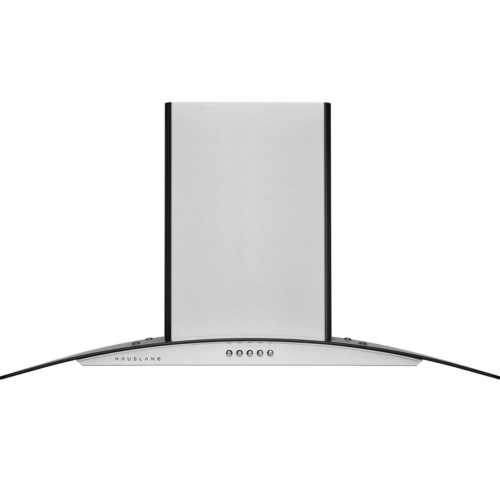
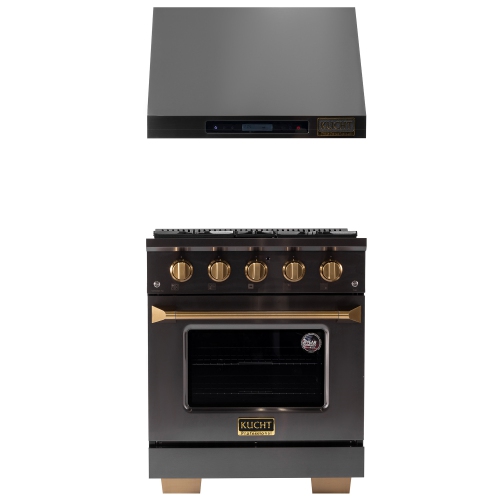
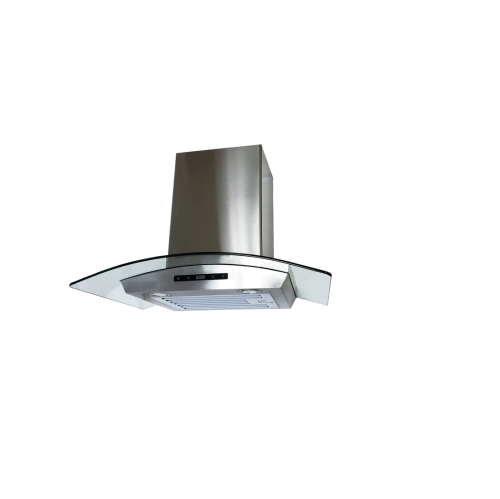
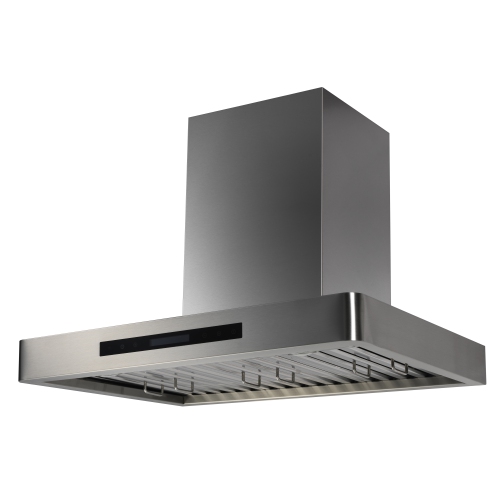
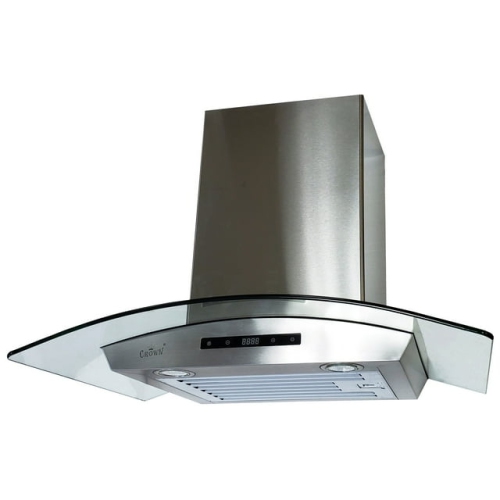
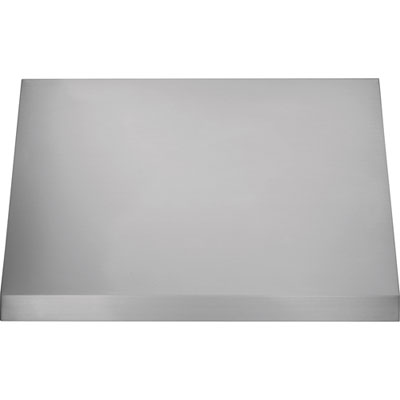
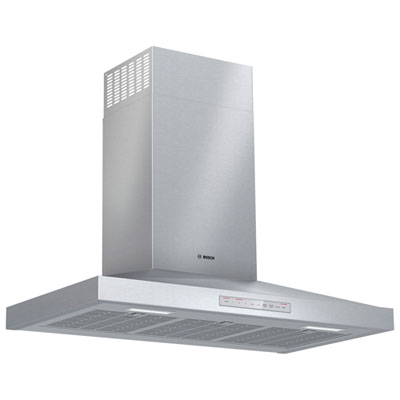

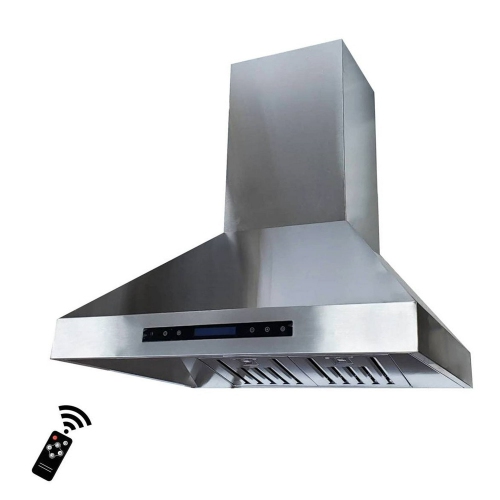
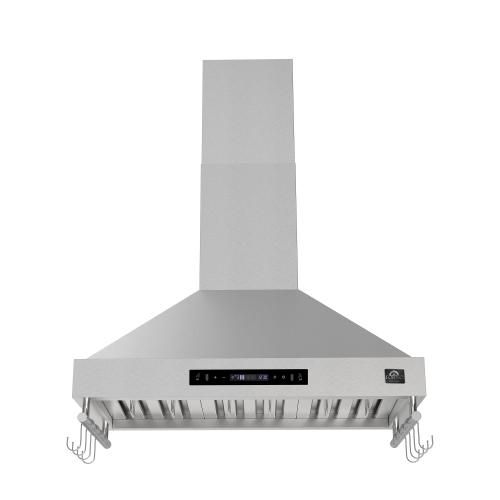
Why hood fit matters as much as airflow
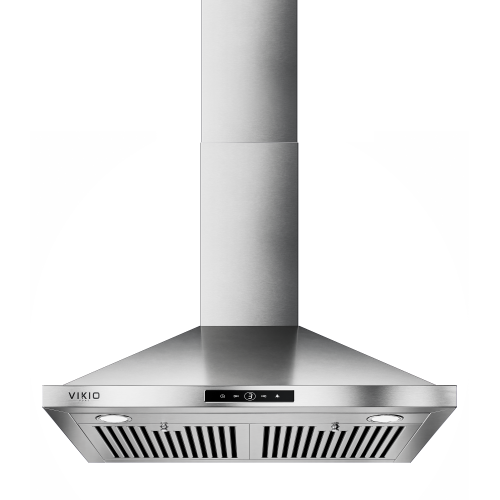
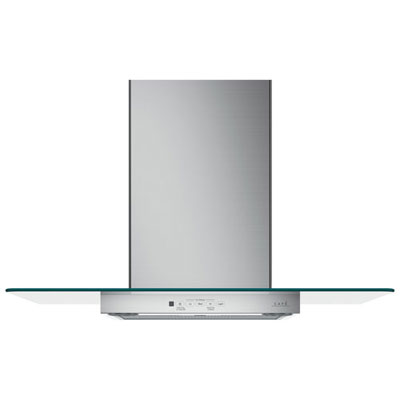
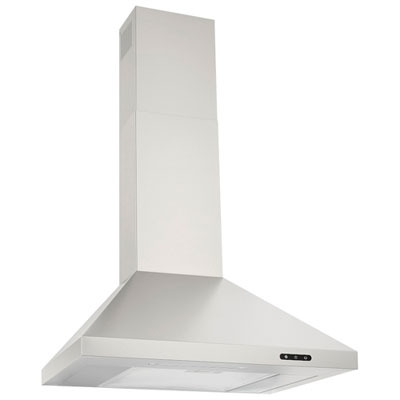
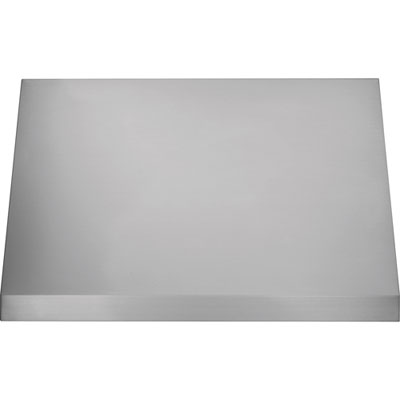
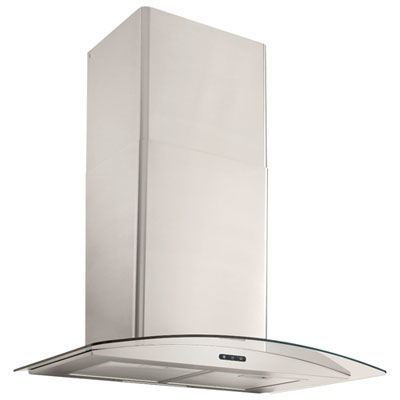
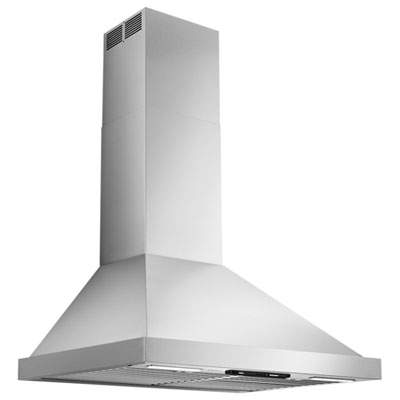
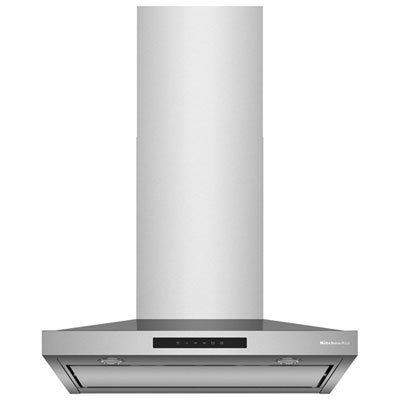
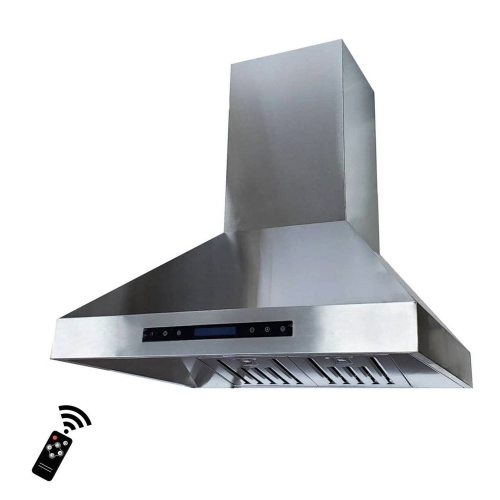
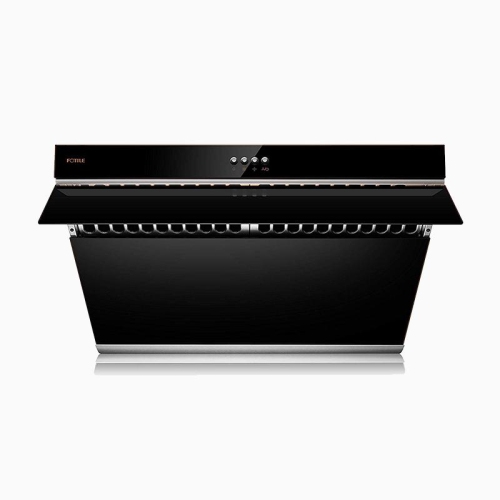
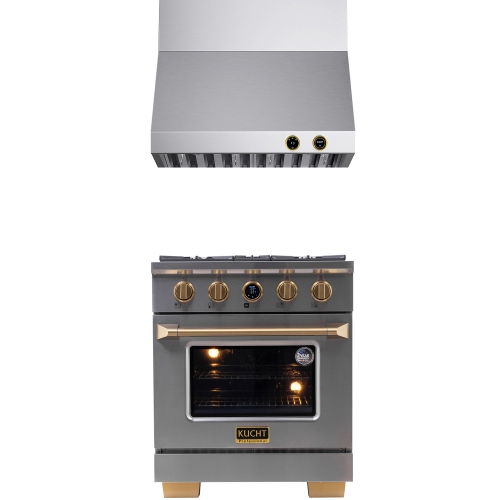
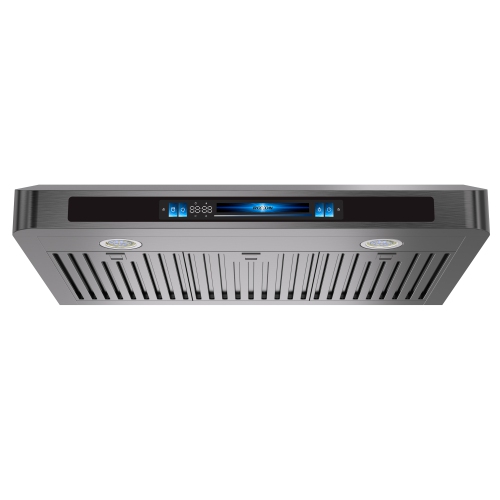
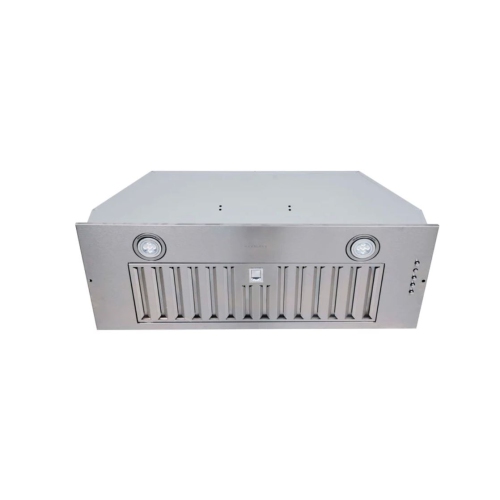
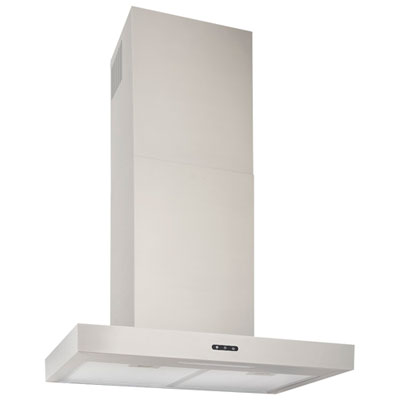
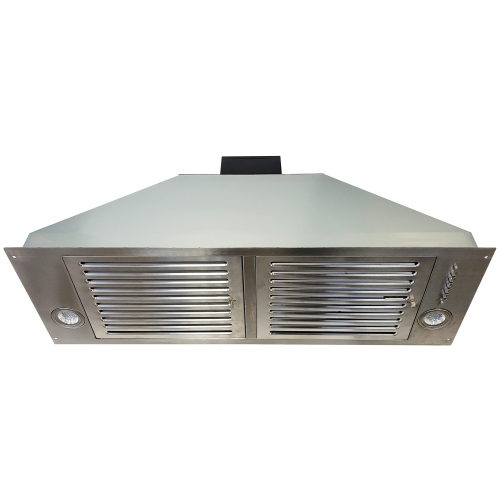
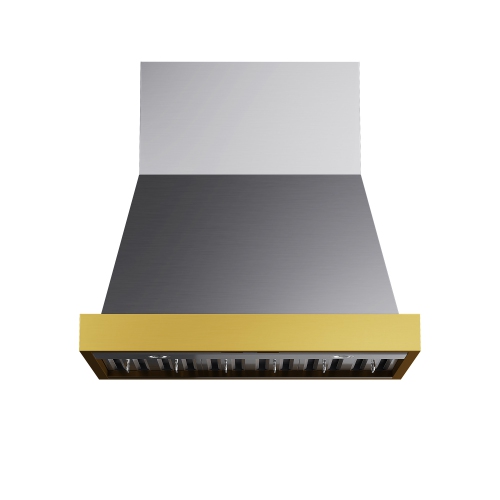
30-inch wall mount range hoods sit above a range or cooktop against a wall, creating a dedicated capture area for cooking fumes without relying on an overhead cabinet for support. Their canopy draws in grease-laden air and cooking odours, while a chimney-style cover gives the installation a finished appearance. A ducted hood also carries steam and other airborne cooking by-products outdoors. This format suits kitchens where the cooking area has open wall space above it, whether the surrounding cabinetry is traditional, contemporary or somewhere in between. The 30-inch width is a familiar match for many residential cooking appliances, but matching the stated widths is only the starting point. The cooktop manufacturer’s ventilation requirements, the hood’s actual dimensions and the required mounting height all affect suitability. Canopy depth matters, too: a shallow hood may not extend as far over the front burners as a deeper design. Picture a frying pan on the front burner and a tall stockpot at the back; the hood’s position and coverage influence how effectively it captures the rising plume from both. Stainless steel is a common material because it tolerates regular kitchen use and coordinates easily with other appliances. Brushed finishes soften reflections, while smooth painted surfaces offer a different visual effect. Glass accents can make a canopy appear less visually heavy, although fingerprints and grease may be more noticeable on exposed glass. Construction details such as neatly finished edges, secure filter fittings and accessible controls contribute to everyday comfort and long-term usability. Beyond the canopy, the chimney cover needs to suit the ceiling height and wall layout. Check its minimum and maximum extension, along with any requirements for an additional chimney section. A sloped ceiling, tiled backsplash or nearby shelf can complicate the fit even when the hood’s width looks suitable. For a kitchen renovation or an appliance replacement, confirming these measurements early helps keep the hood proportionate to the space and properly positioned over the cooking surface.
Ventilation type is one of the most important distinctions among 30-inch wall mount range hoods. A ducted installation sends captured air outside through a dedicated duct, making it useful for removing moisture as well as cooking odours and airborne grease. A ductless, or recirculating, installation passes air through grease filters and an odour-reducing filter before returning it to the kitchen. Recirculation does not remove moisture or combustion gases the way outdoor exhaust does, so it should not be treated as an equivalent solution for every cooking appliance or installation. Convertible hoods can support either arrangement when fitted with the appropriate components, but conversion kits, filters and installation requirements vary. Existing ductwork deserves close attention during a replacement: the outlet size, route, exterior termination and number of bends can all affect performance. A short, direct route with properly sized rigid ducting generally allows air to move more freely than a long route with several sharp turns. Reducing the duct size to fit an existing opening can restrict airflow and increase noise, so the installation should follow the hood manufacturer’s specifications. Airflow is expressed in cubic feet per minute, or CFM, but a higher number does not automatically mean a better match. Someone who mainly simmers sauces and reheats meals has different ventilation demands from someone who regularly sears meat, stir-fries vegetables or cooks on several burners at once. The cooking appliance’s heat output and ventilation requirements also matter, particularly with gas cooking. Published airflow figures describe rated performance; the installed duct system influences what the hood can achieve in the kitchen. Higher-capacity exhaust systems may require make-up air provisions under applicable building rules, which a qualified installer can assess. Noise is another practical consideration, especially when the kitchen opens onto a dining or living area. Compare sound ratings at similar fan settings and note whether the figures are given in sones or decibels. Multiple speeds provide flexibility: a lower setting may suit gentle simmering, while a higher setting can help capture the concentrated fumes from searing. Starting the fan before cooking and letting it run briefly afterwards can help clear lingering odours.
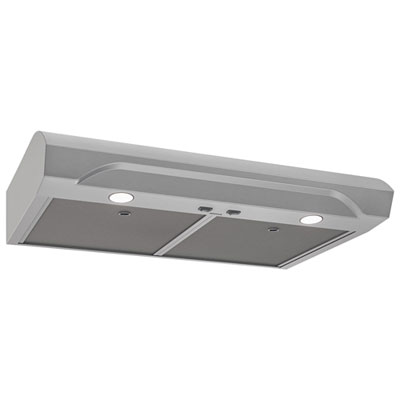
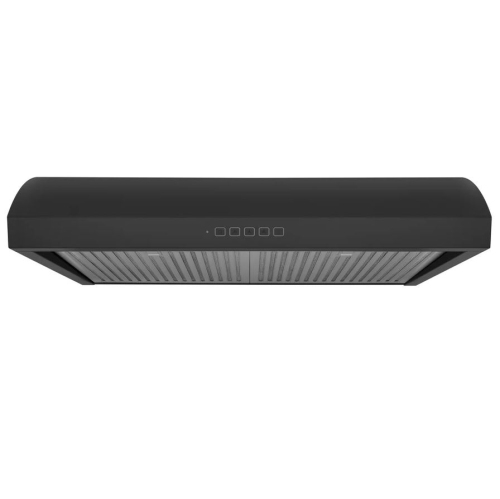
Everyday usability becomes clearer when imagining a full cooking session rather than looking only at the hood’s appearance. Controls should be easy to locate while standing at the cooktop, with fan settings and lighting functions that are straightforward to distinguish. Push buttons offer a tactile feel, while touch controls create a smooth surface to wipe down; either style works best when the layout is legible and accessible. Integrated lighting helps illuminate chopping checks, pan contents and the back burners, though brightness, light placement and whether the lamps are replaceable vary by design. Filter access is just as important. Mesh filters trap grease across a fine layered surface, while baffle filters redirect airflow through channels that collect grease. Both need regular cleaning to maintain airflow and reduce buildup. Dishwasher cleaning is appropriate only when the manufacturer permits it; otherwise, the specified hand-cleaning method helps protect the filter material and finish. Charcoal filters used for recirculation usually need replacement rather than washing unless they are specifically designed to be cleaned and reused. Households that fry frequently may need to clean grease filters more often than those that mostly boil or steam food. A gentle wipe of the canopy after cooking helps keep splashes from becoming stubborn deposits, and cleaning stainless steel along the grain can reduce visible streaking. Abrasive pads and unsuitable cleaners can damage decorative surfaces, so care should match the material. Durability also depends on a secure installation, suitable wall support and correct electrical connections, not simply on the thickness or appearance of the canopy. A wall mount hood should attach to appropriate structural support, with professional installation where required. For households replacing an older hood, checking the duct opening and electrical arrangement helps identify work that may be needed beyond the appliance itself. Those comparing this width with other installation styles can explore 30 Inch Range Hoods. The right fit brings together capture coverage, ventilation compatibility, manageable sound and easy maintenance, making the hood a useful part of the kitchen for both quick meals and more involved cooking.
Top selling and popular products
-
 Your price for this item is $566.99
-
 Your price for this item is $611.99
-
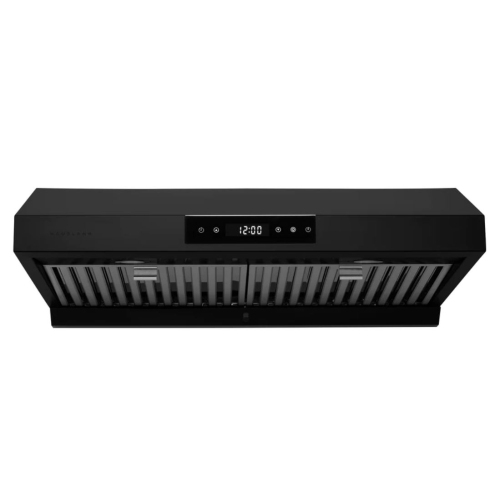 Your price for this item is $566.99
-
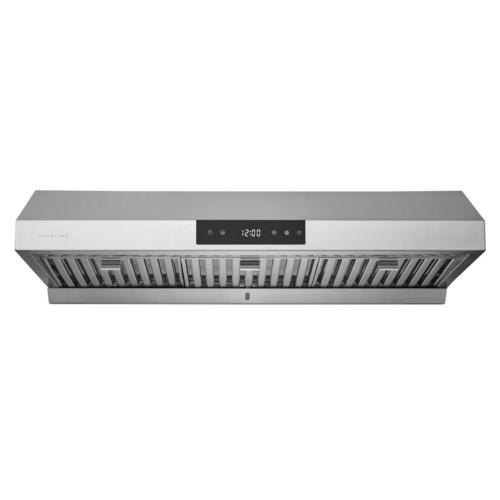 Your price for this item is $611.99
-
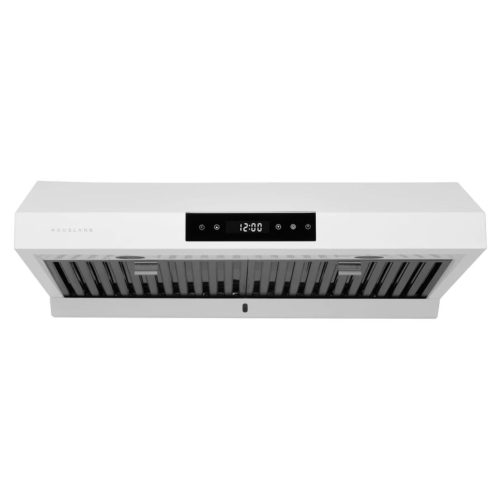 Your price for this item is $566.99
-
 Your price for this item is $611.99
-
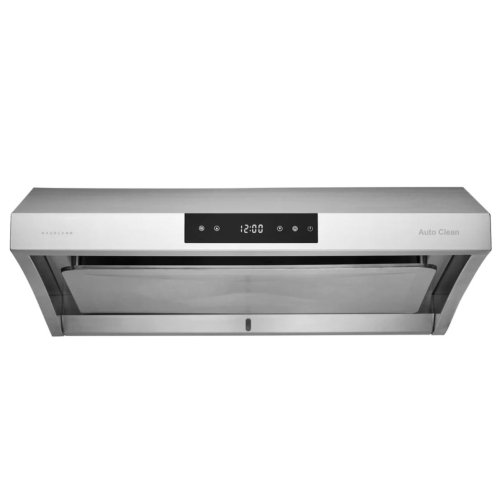 Your price for this item is $701.99
-
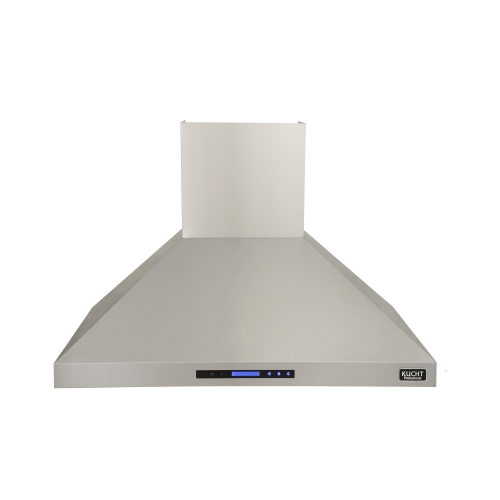 Your price for this item is $2455
Discover more categories related to 30 Inches Wall Mount Range Hoods
Top Collections:
Best Black Friday Deals This Year, Best Black Friday Deals On Electronics, Kindle Devices, Pokemon Centers, Best Black Friday Deals On Apple Products, Best Cameras for Sports Photography, Dyson Airwrap, Pokémon 30th Celebration Cards, Apple iPhone 17 Pro, Canon G7X Cameras
Some products may be subject to Environmental Handling Fees
(EHF) depending on your province.
Learn more about EHFs.