Wood Cabinets With Glass Doors
Transform your space with the timeless elegance of a wood cabinet with glass doors. These versatile furniture pieces combine functionality and style, offering a beautiful storage solution for almost any room in your home. Whether you're looking to showcase your favorite collectibles, organize your books and media, or display your fine china, wood cabinets with glass doors add a touch of sophistication to almost any decor. Here are some great options available.
Sort
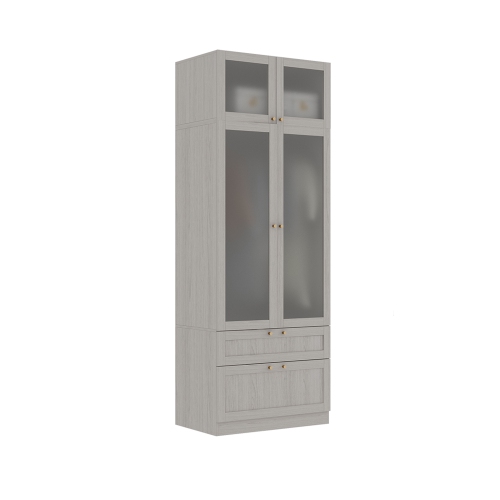
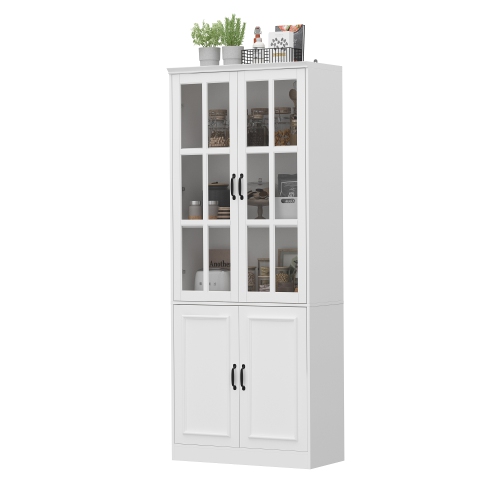
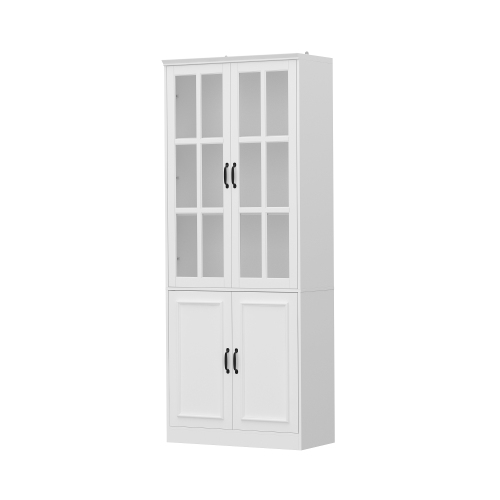
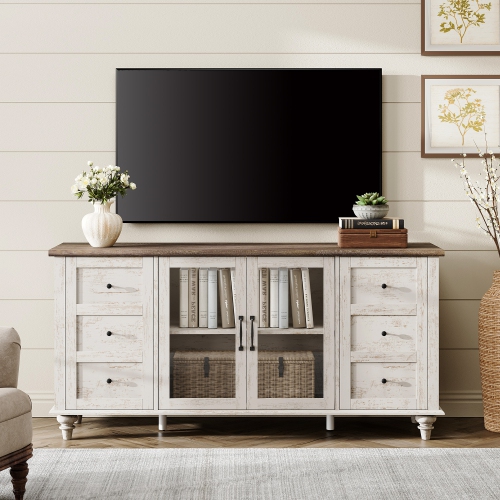
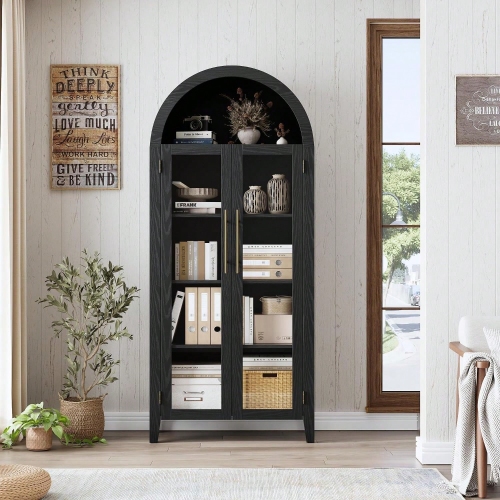
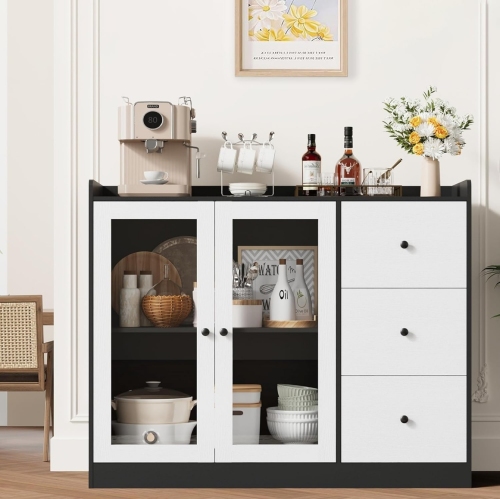
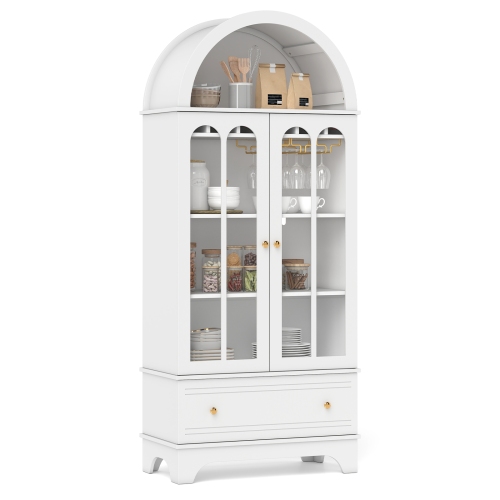
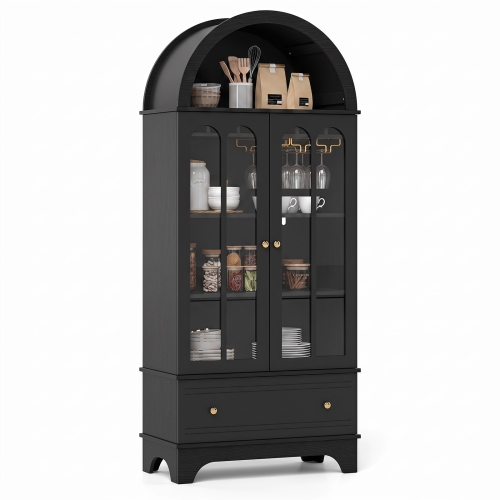
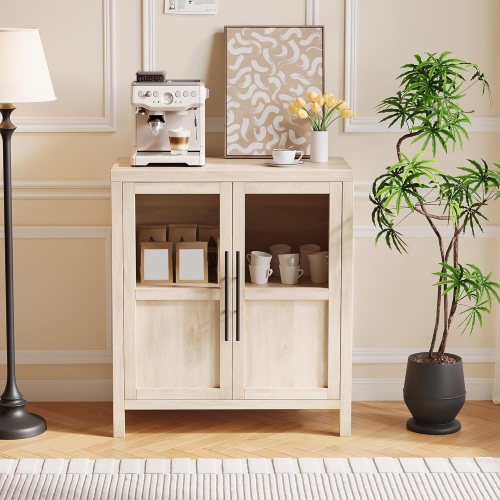
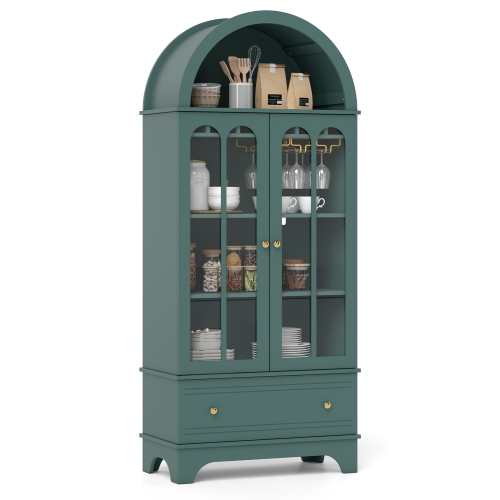
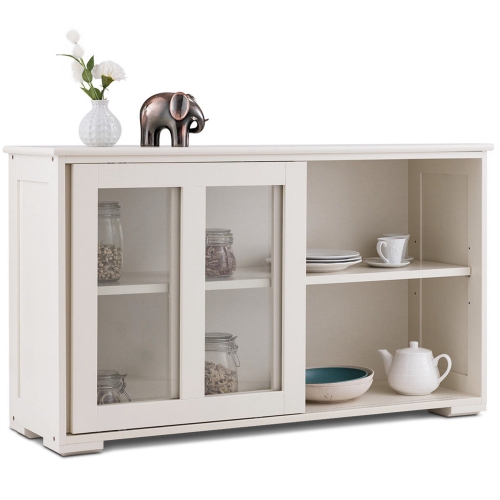
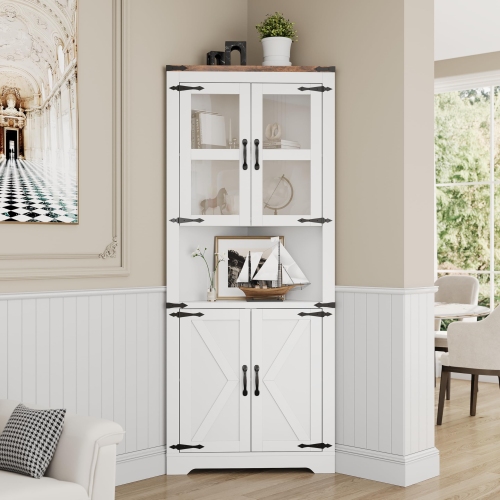
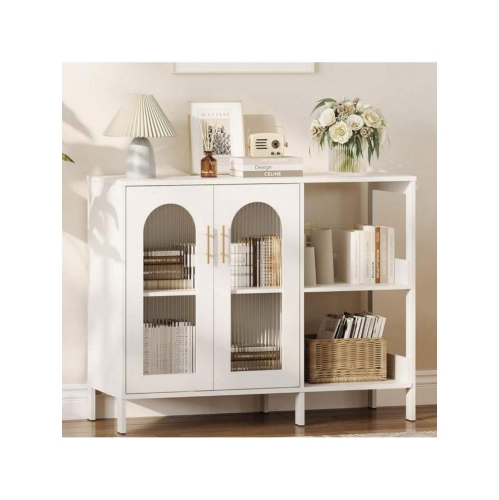
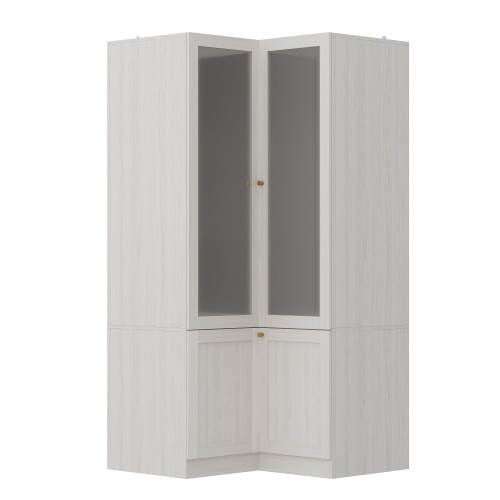
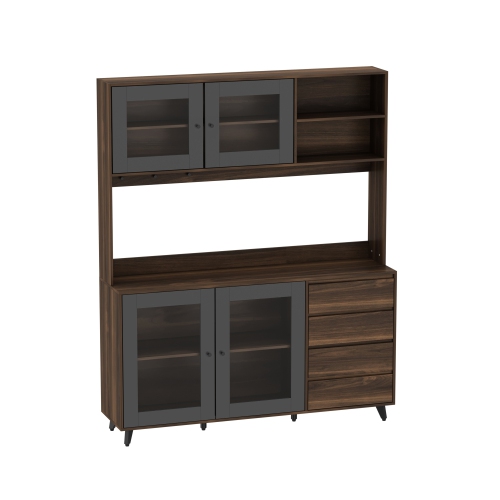
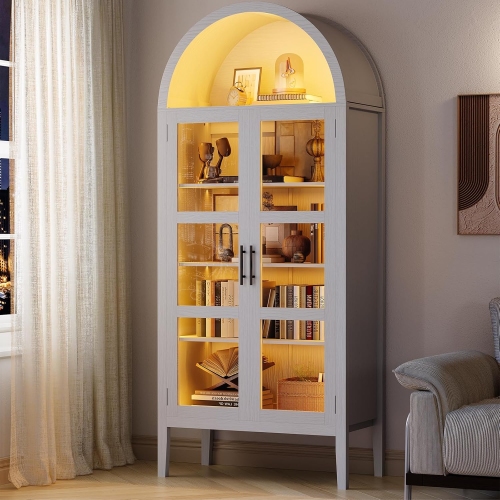
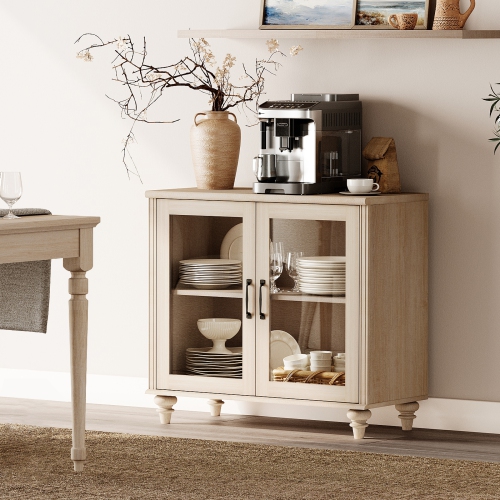
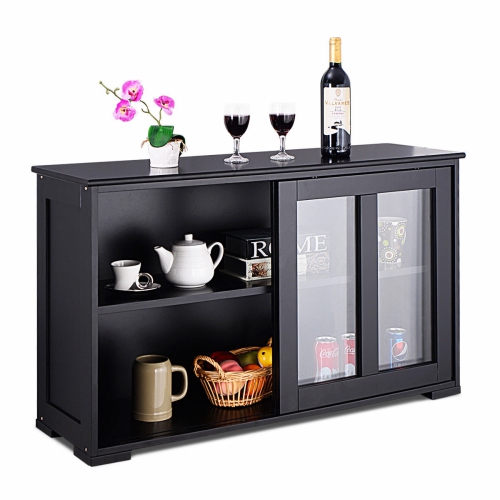
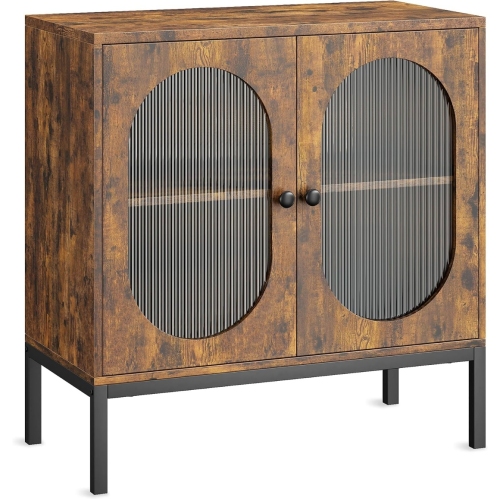
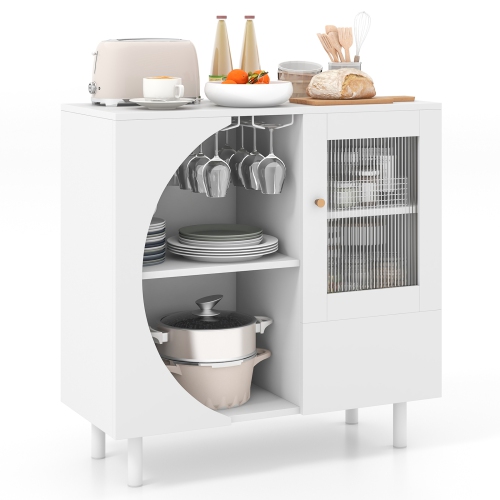
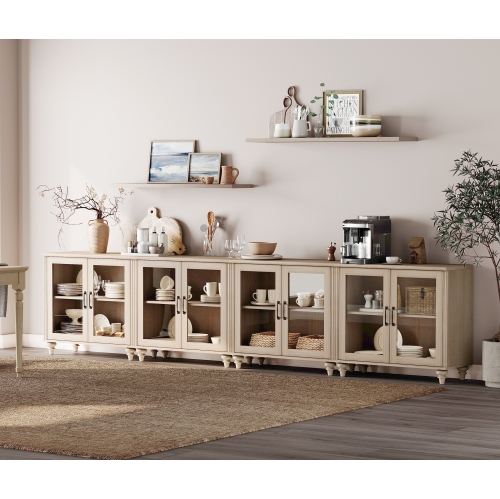
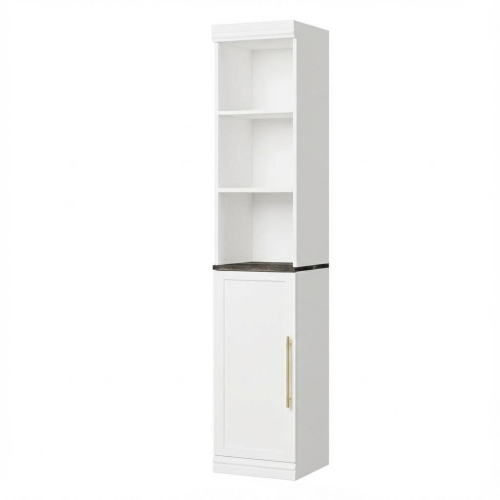
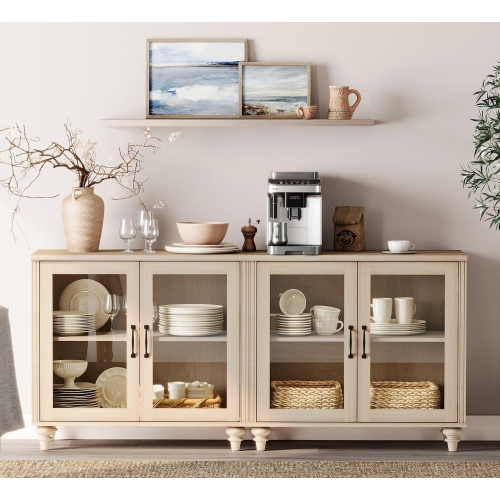
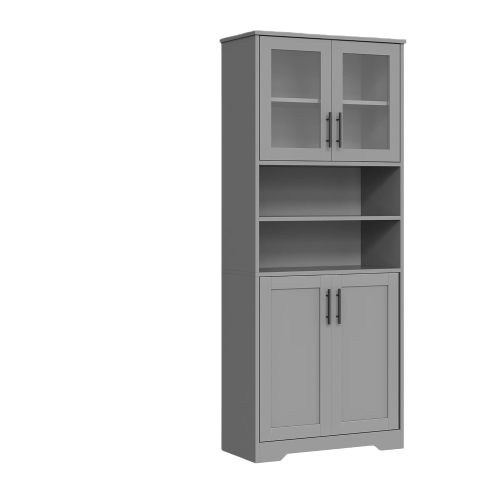
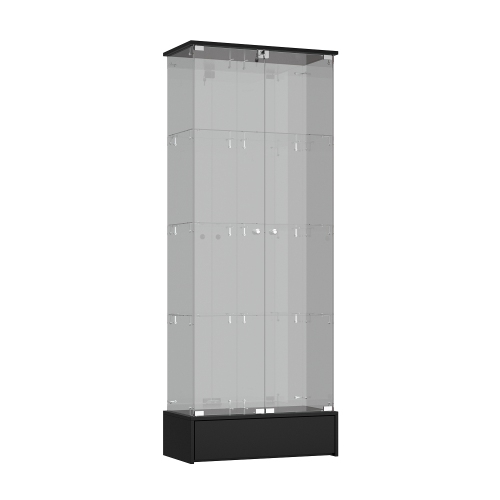
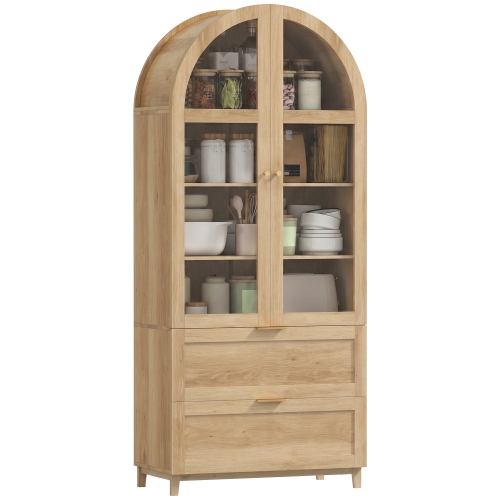
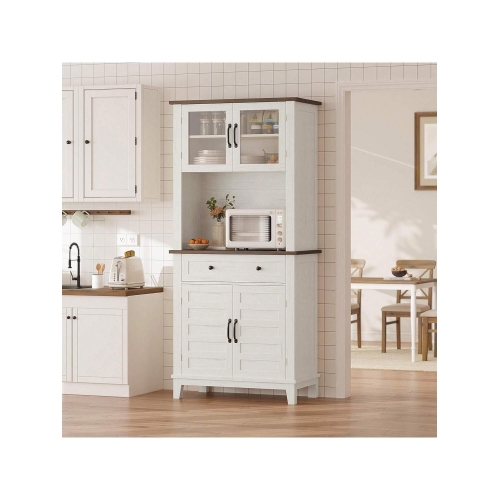
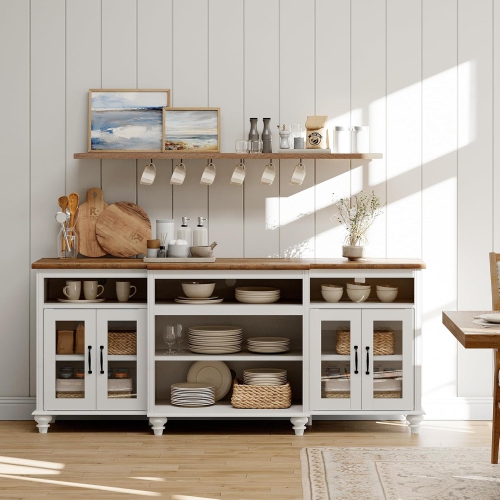
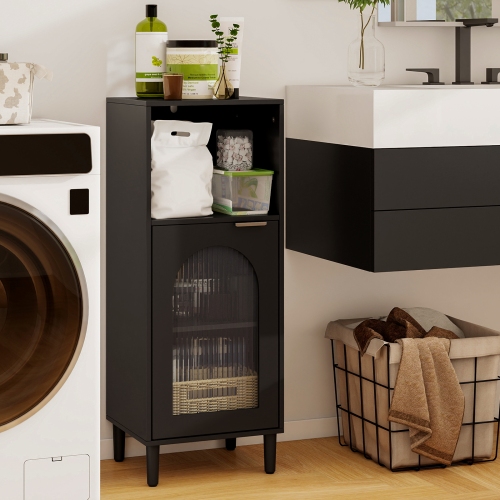
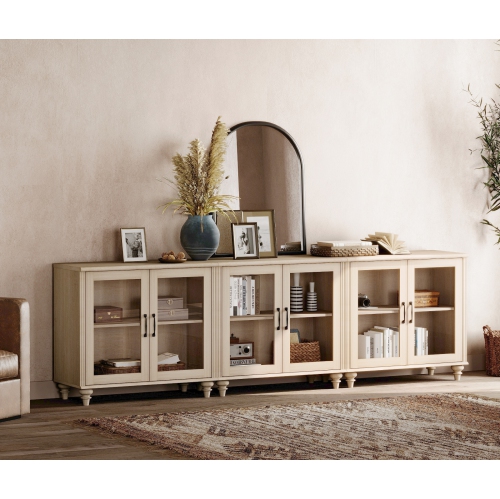
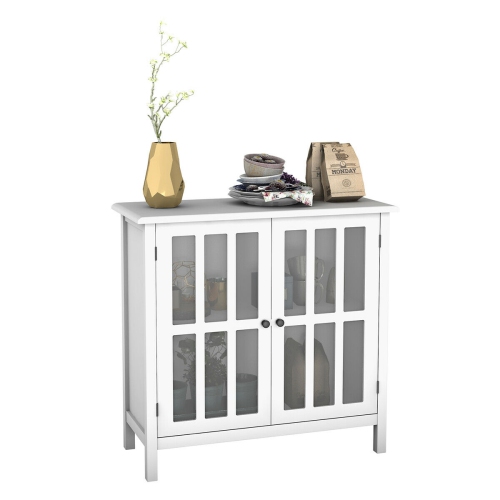
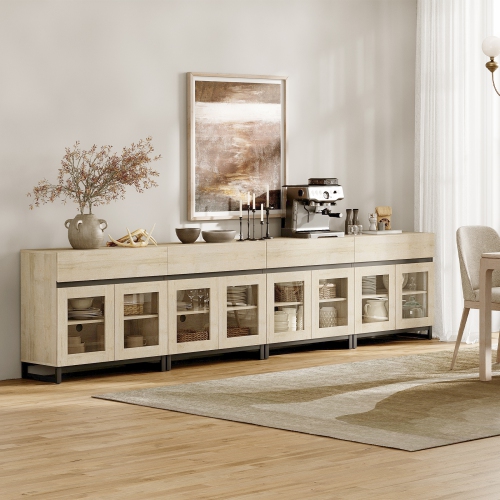
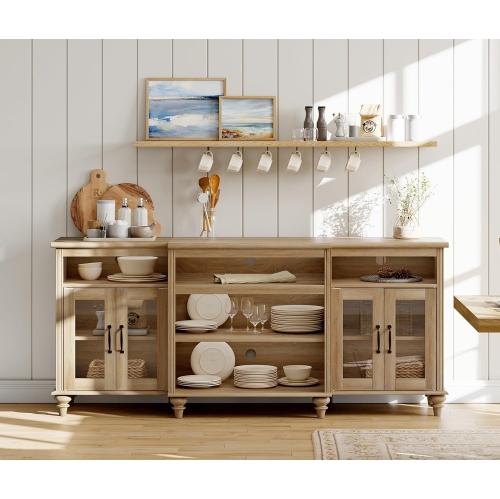
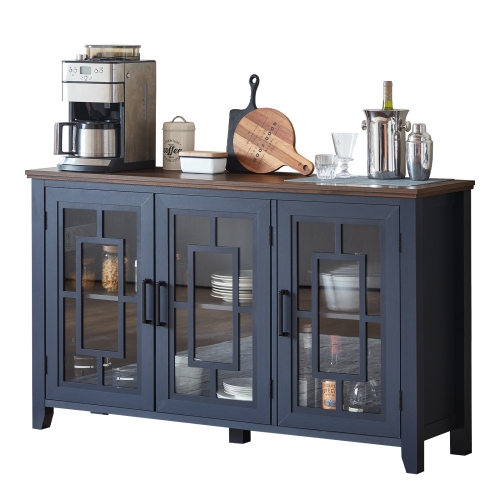
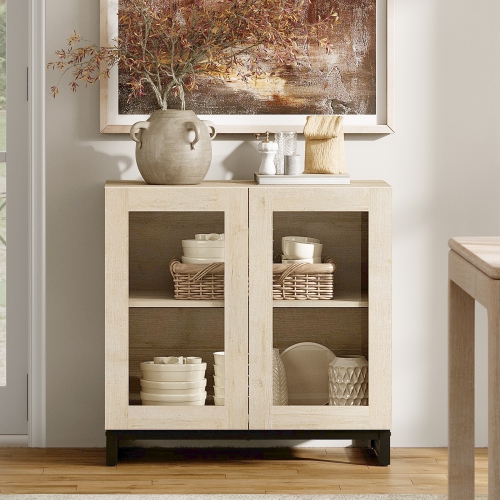
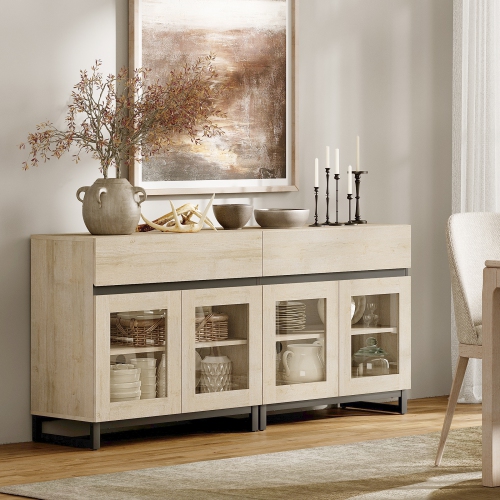
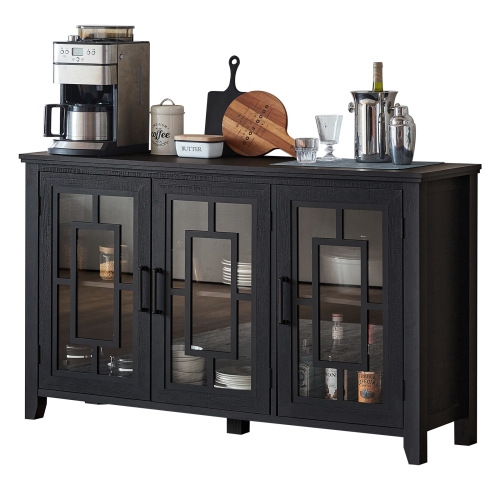
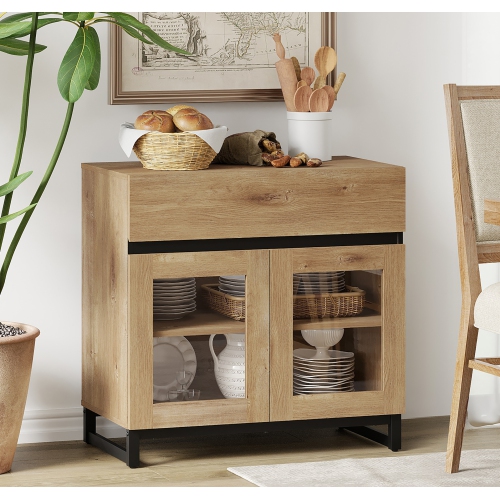
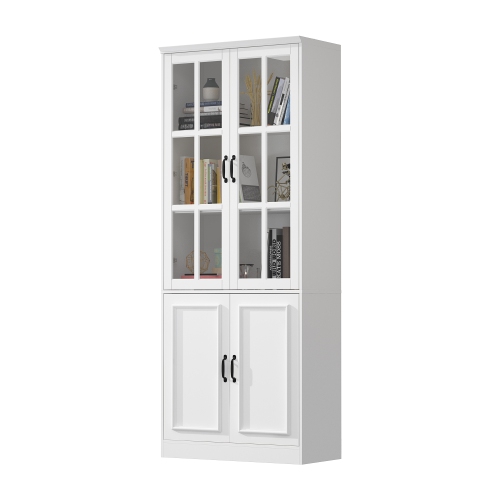
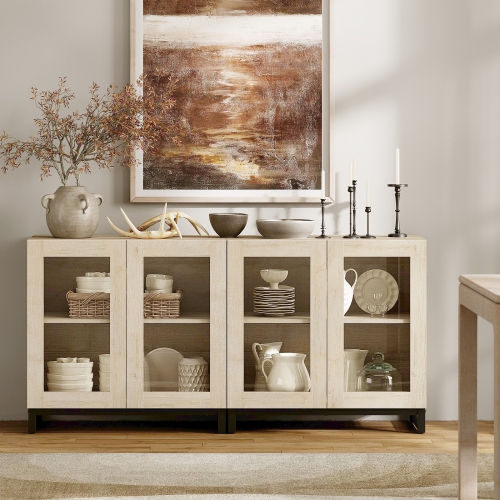
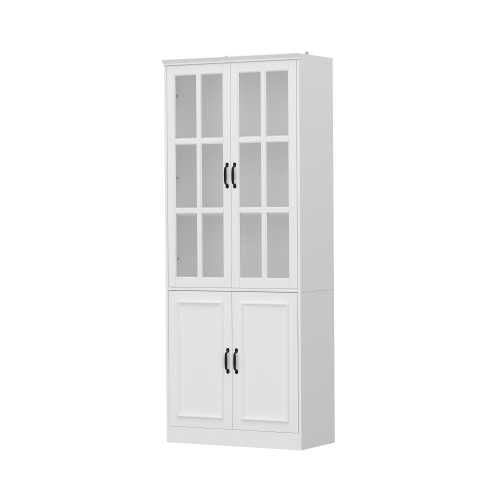
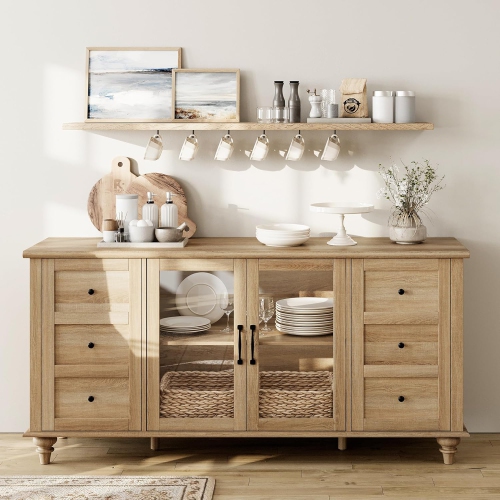
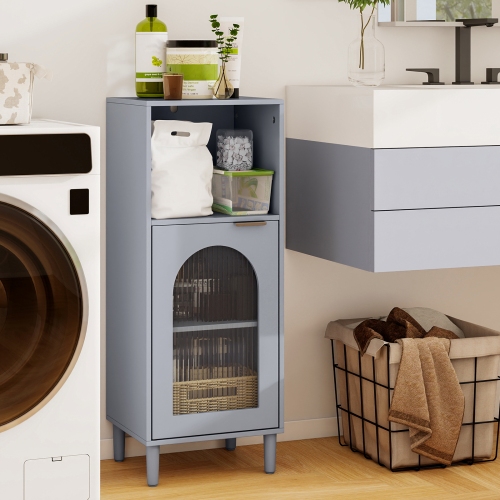


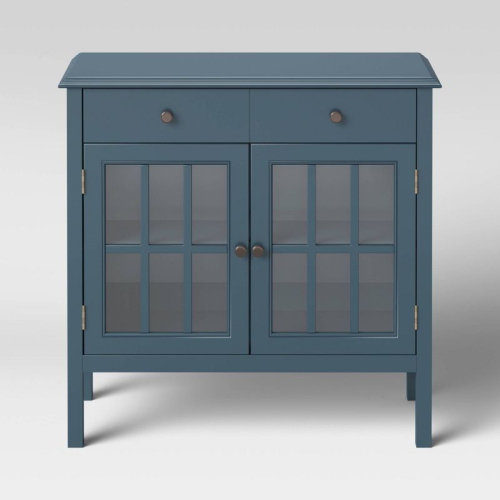

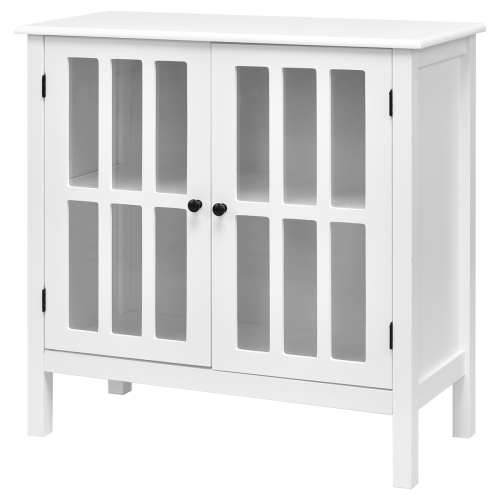
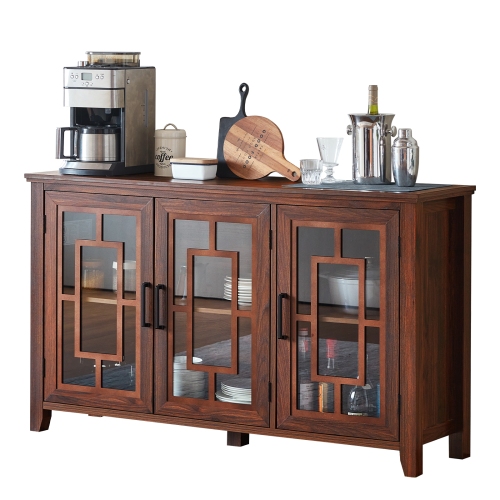
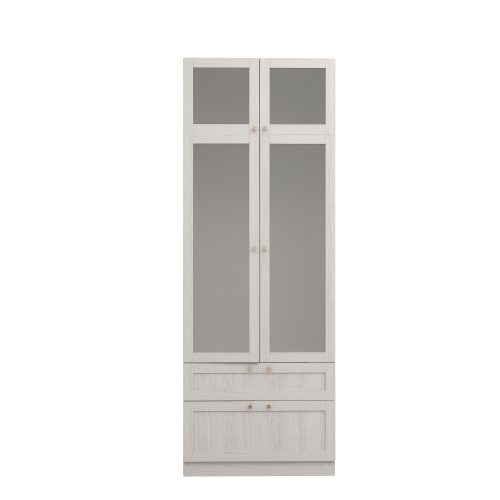
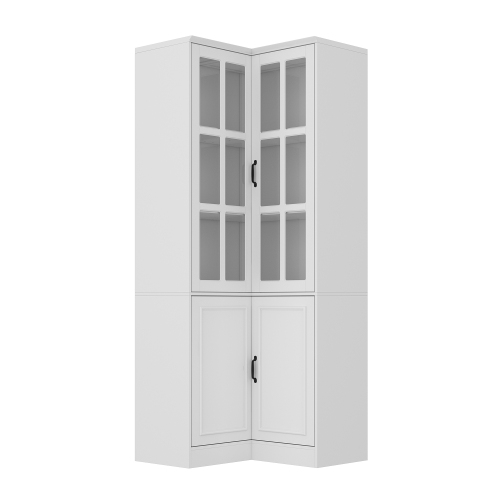
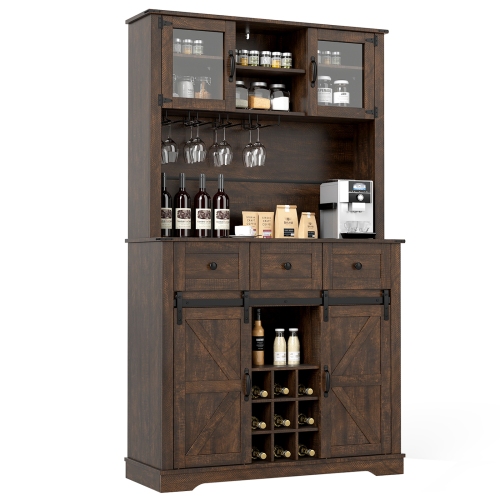
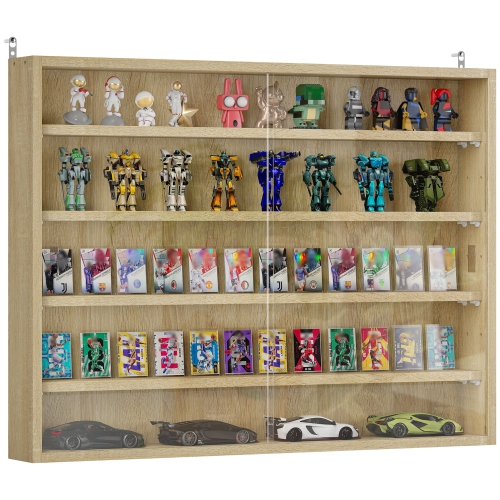
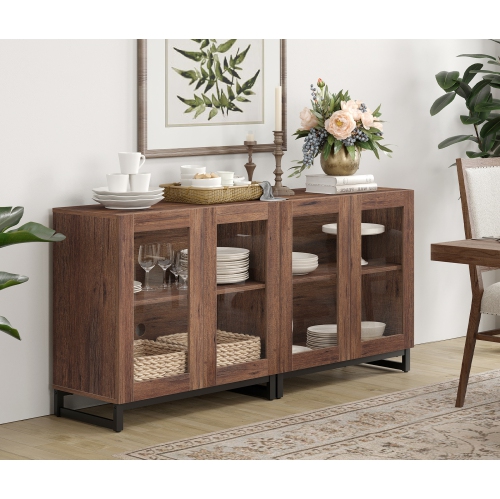
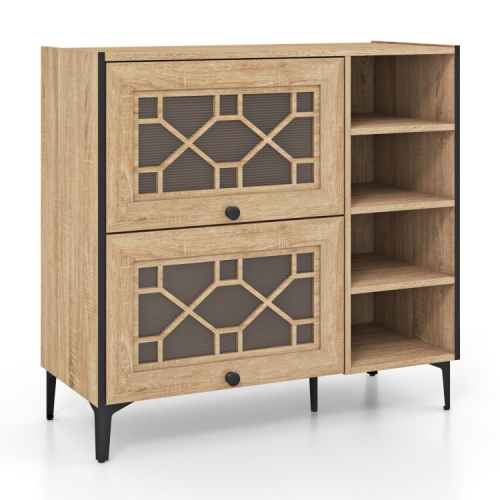
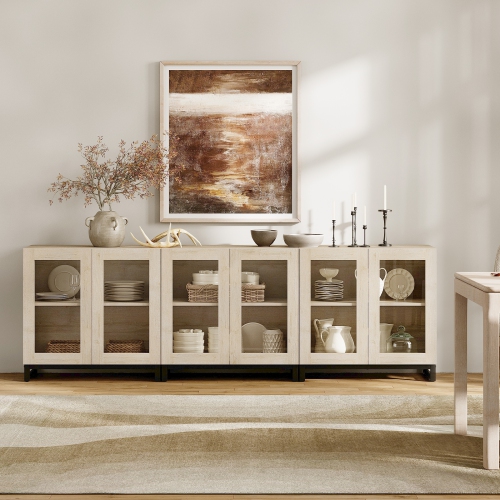
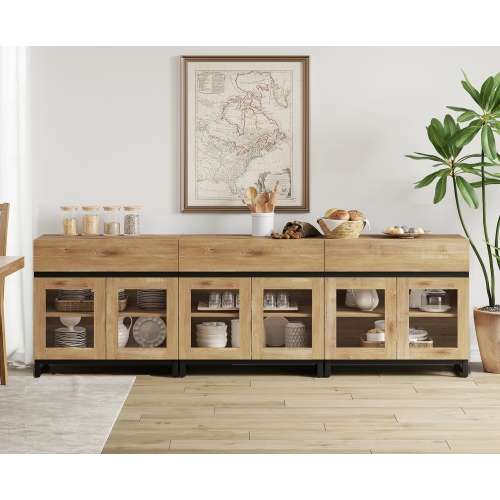
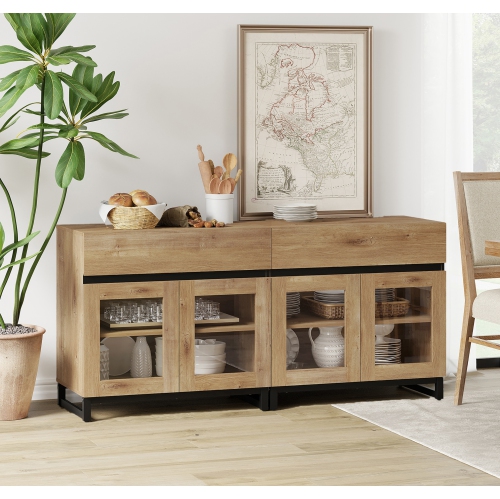
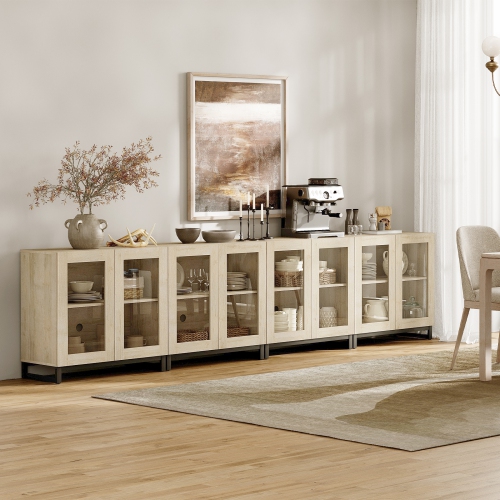
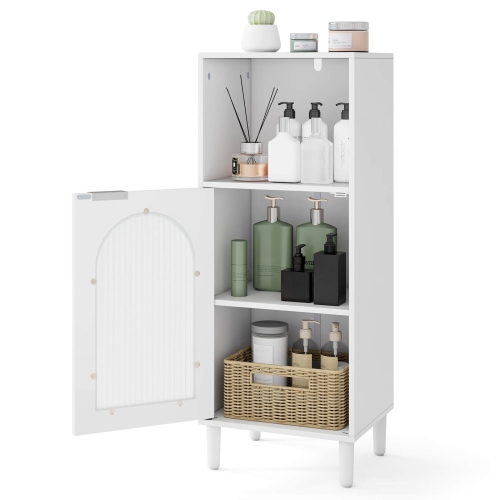
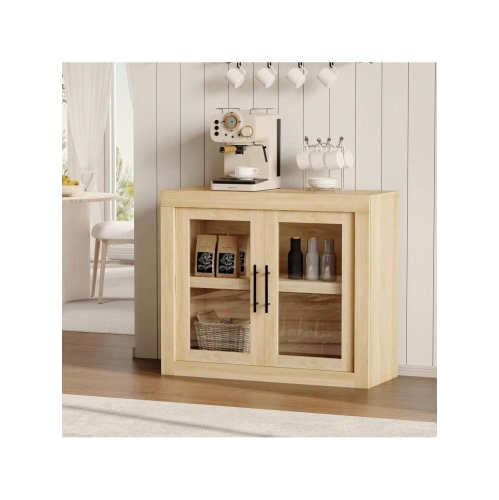
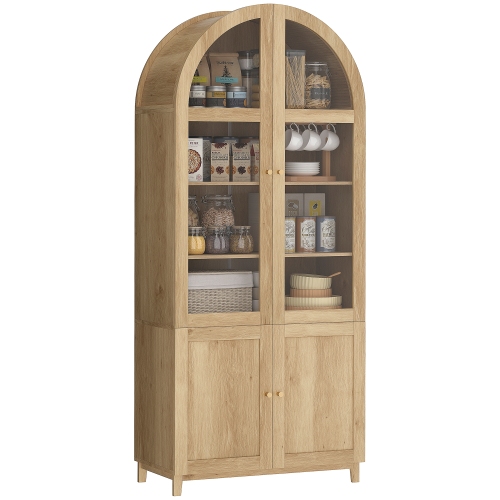
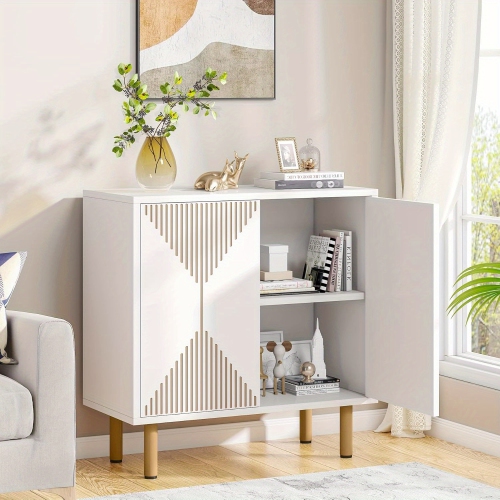
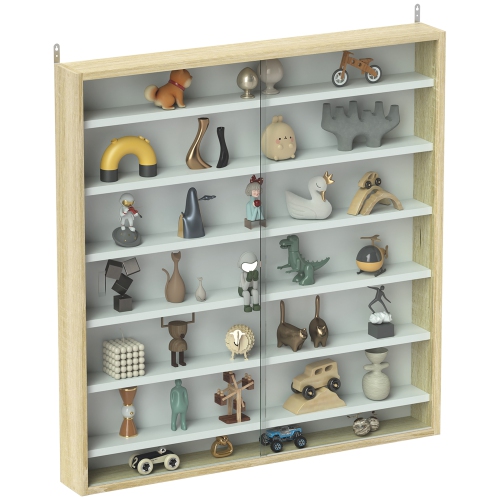
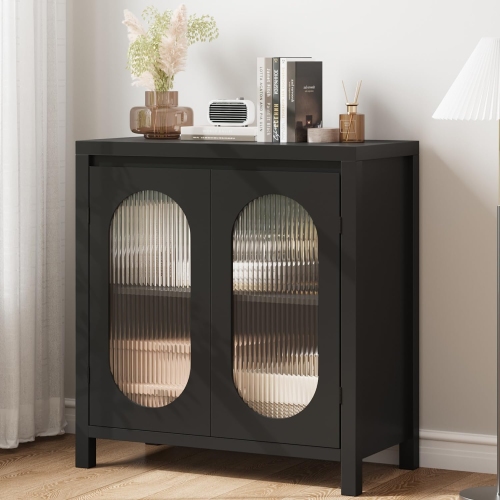
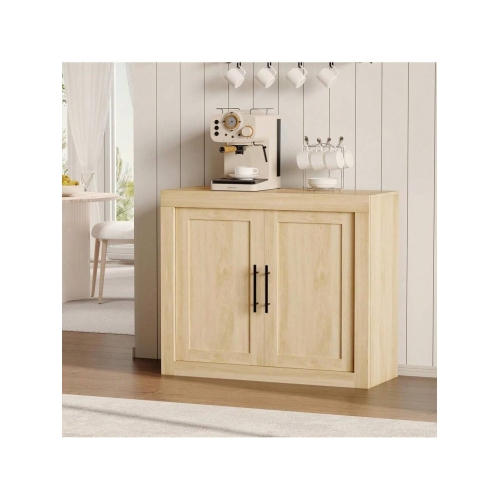
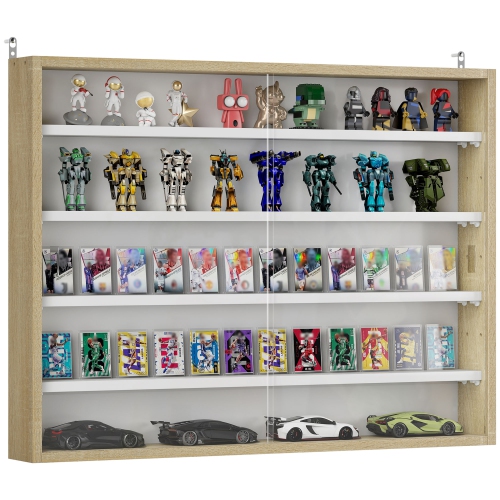
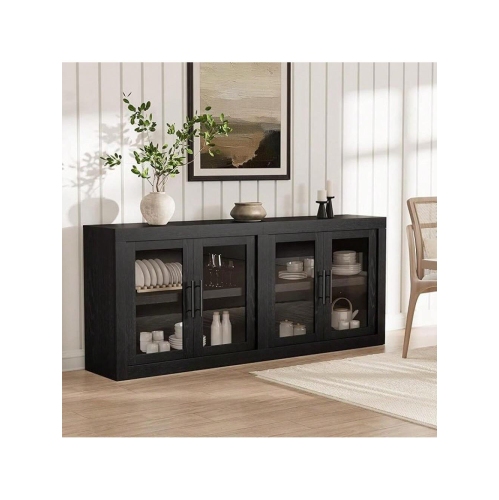
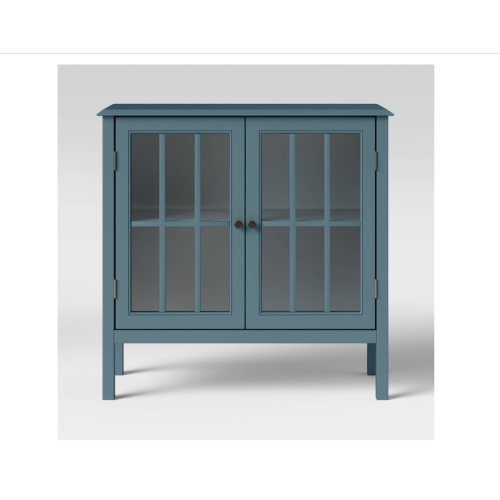
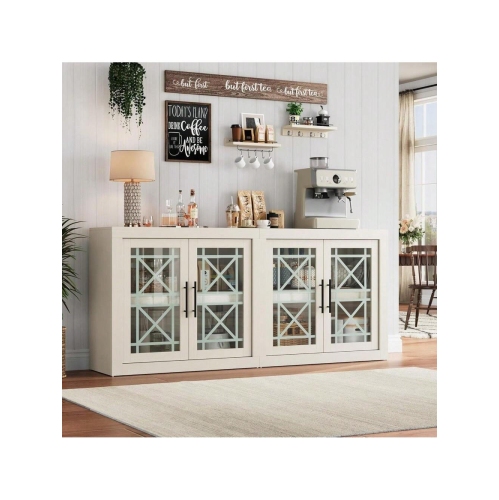

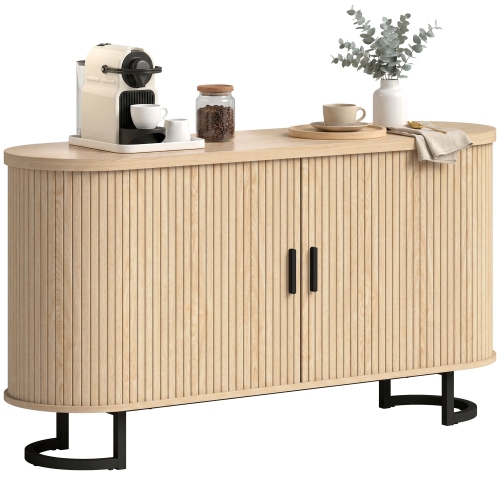
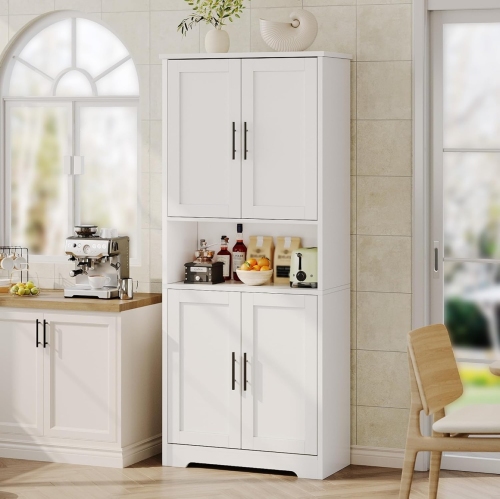
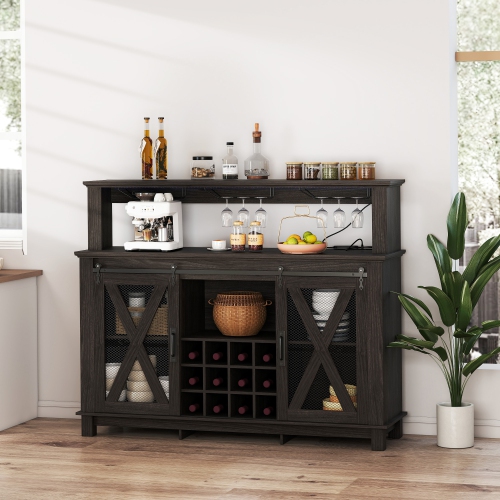
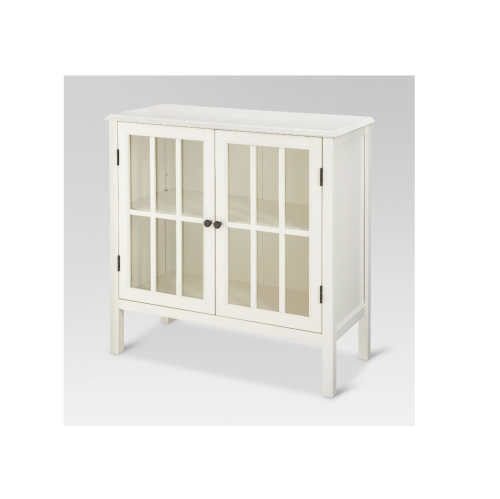
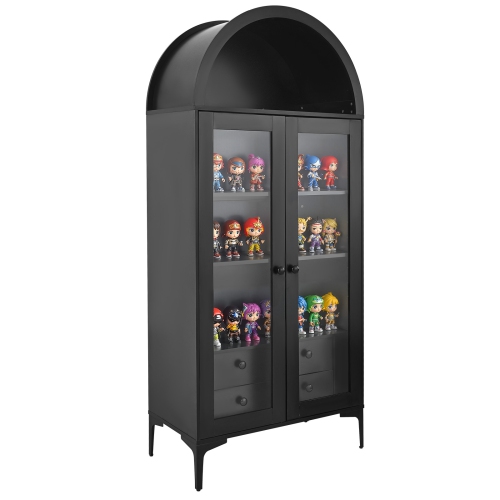
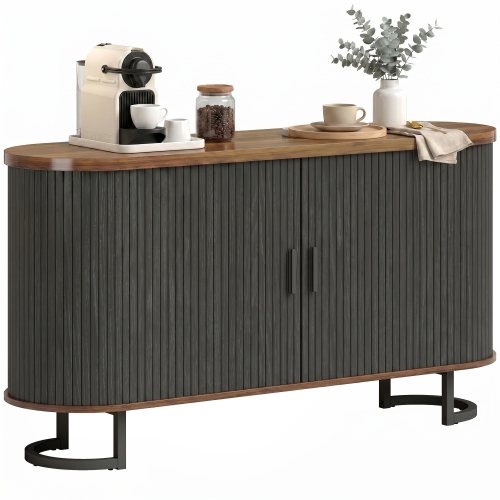
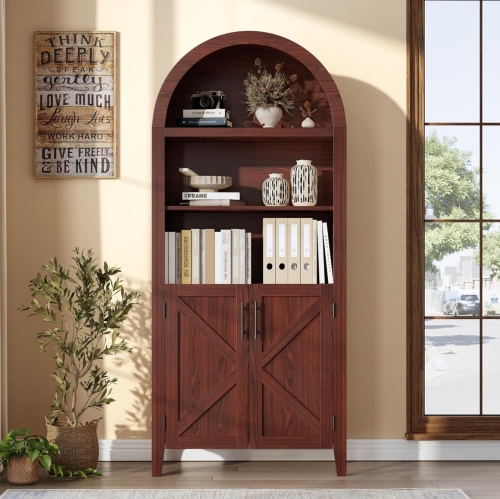

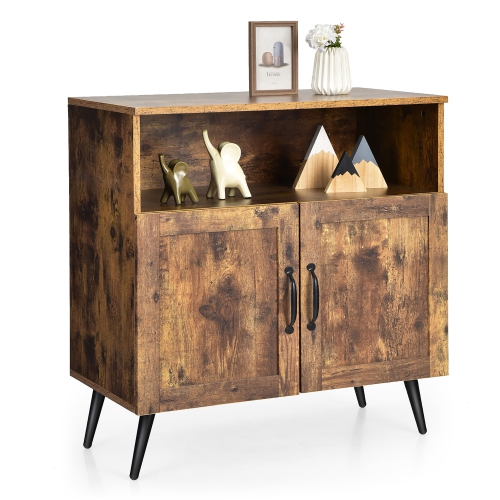
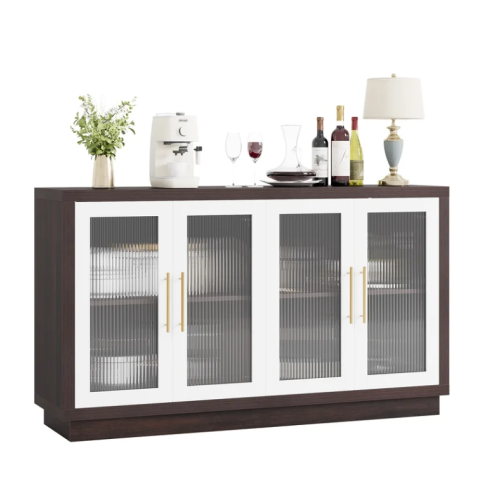
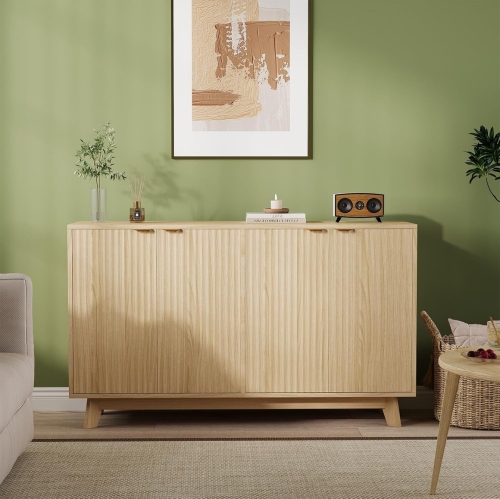
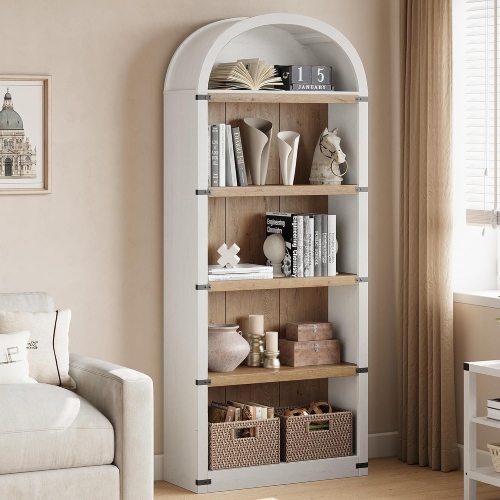
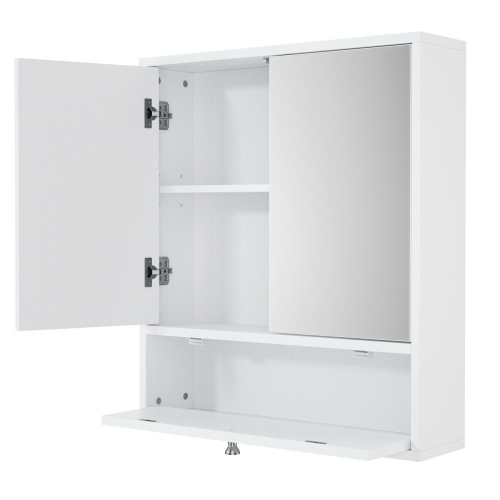
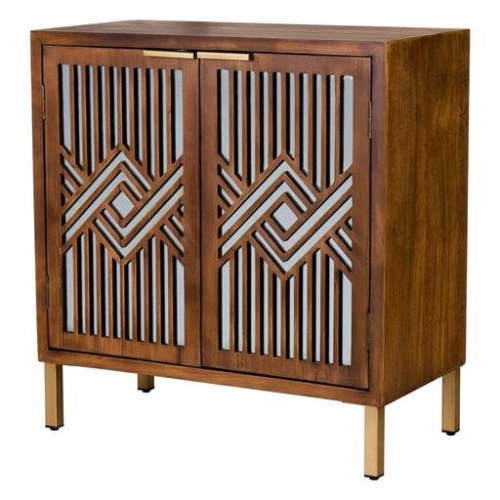
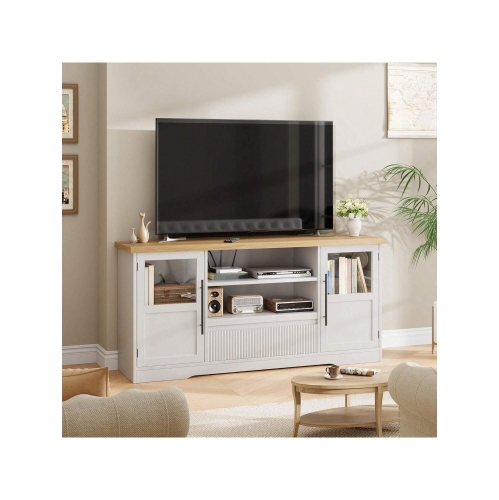
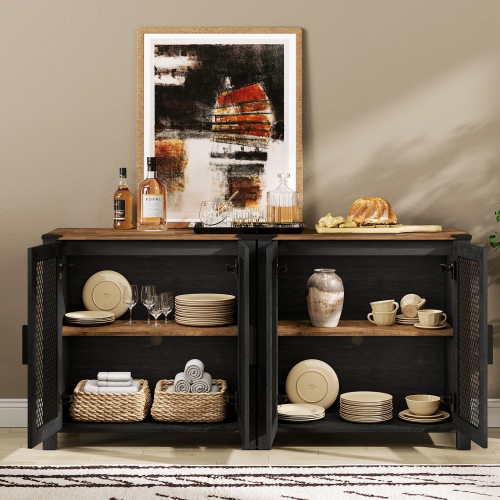
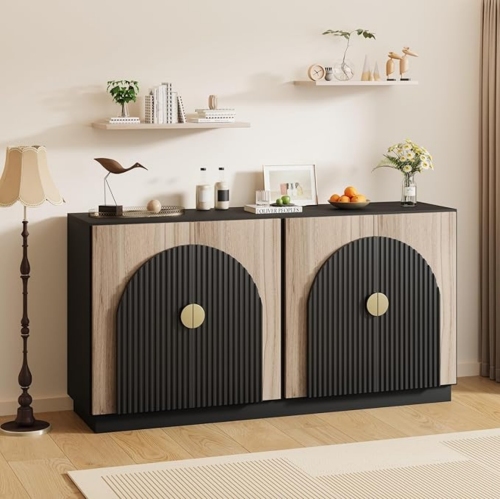
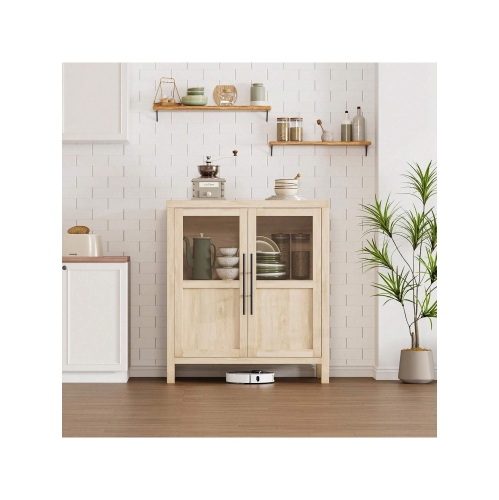
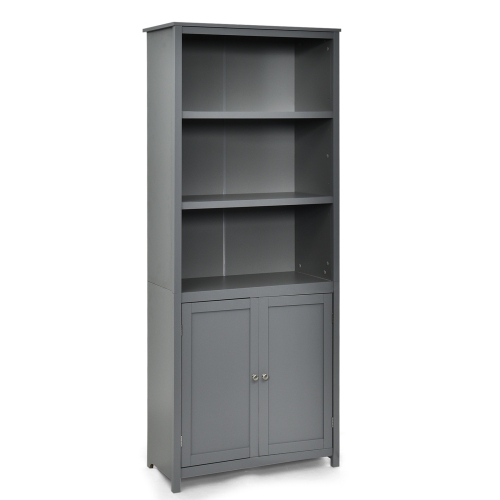

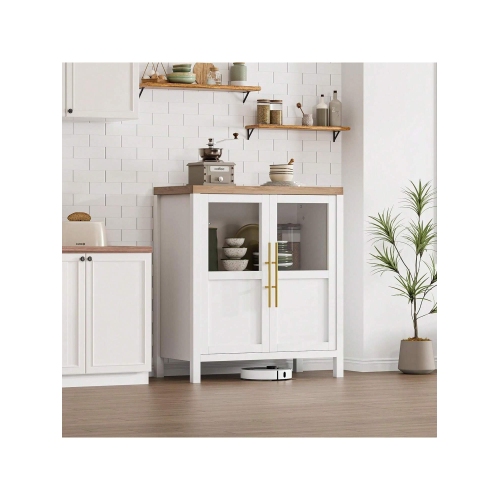
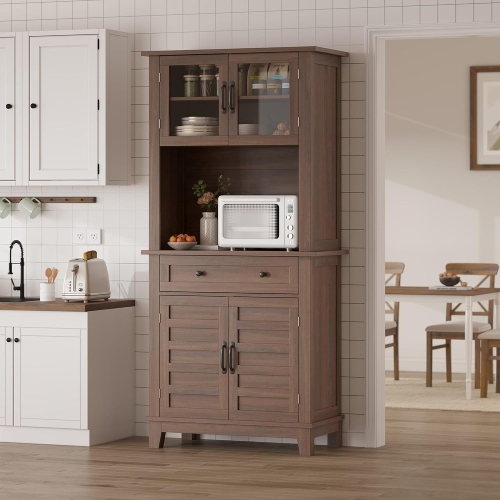
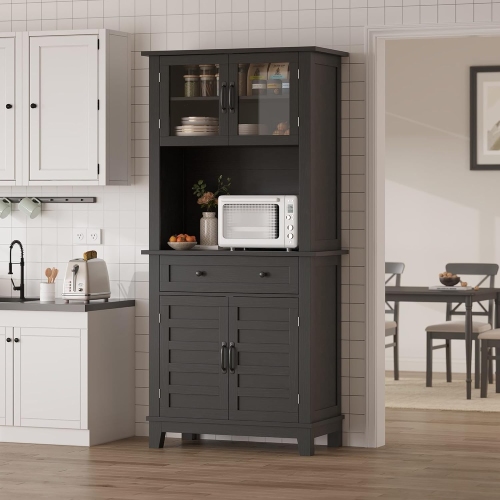
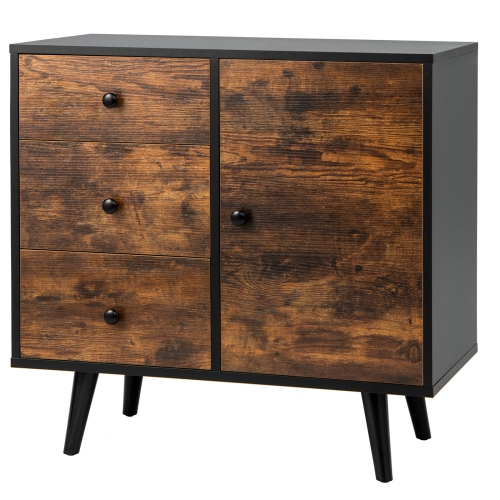
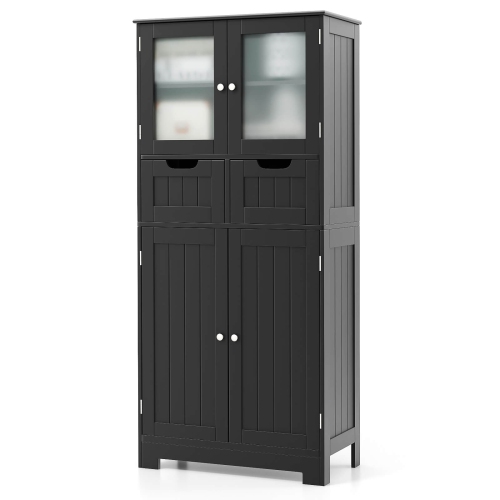
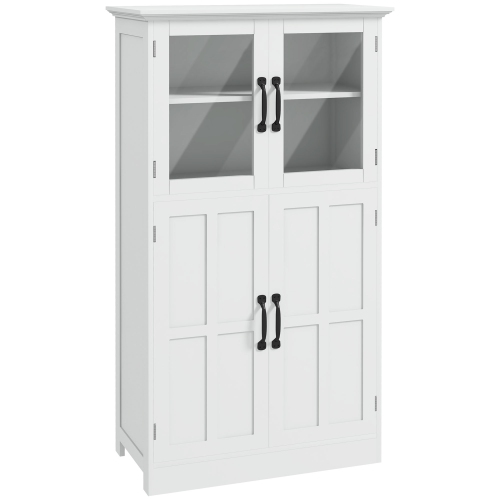
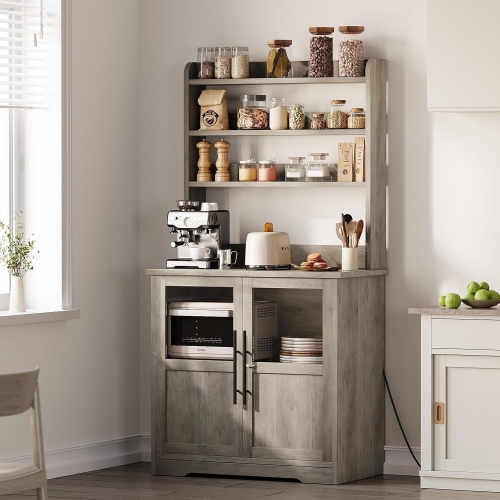
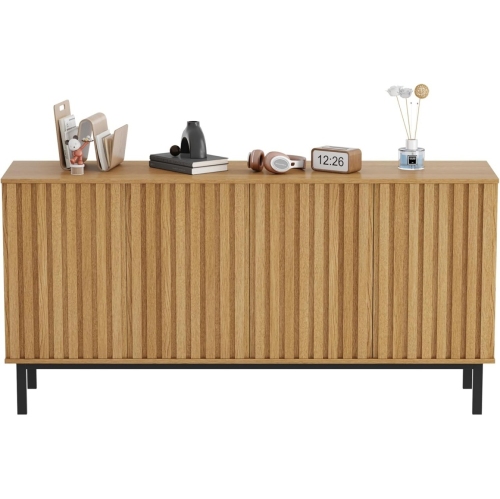
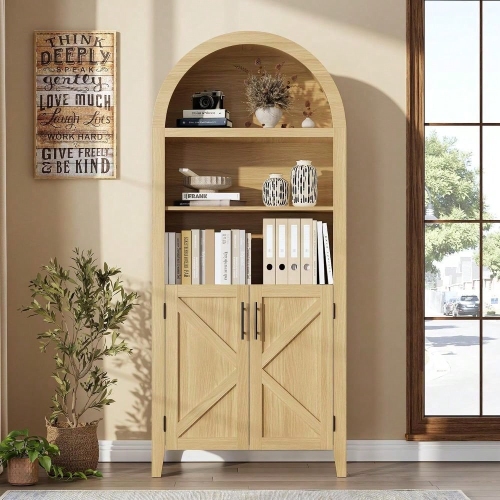
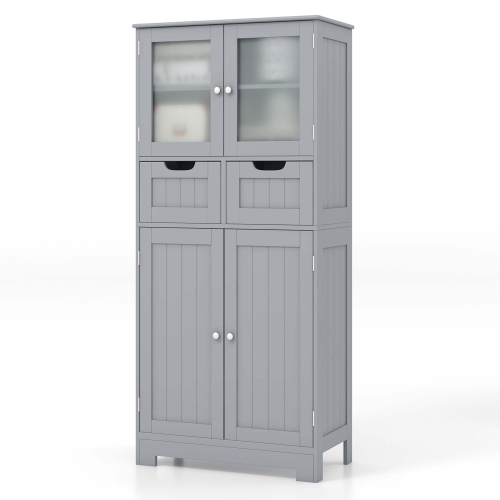
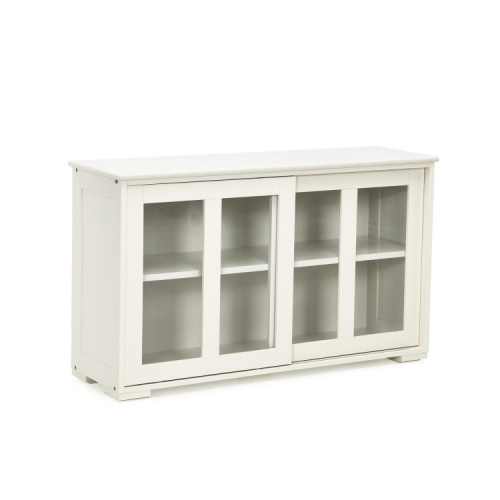
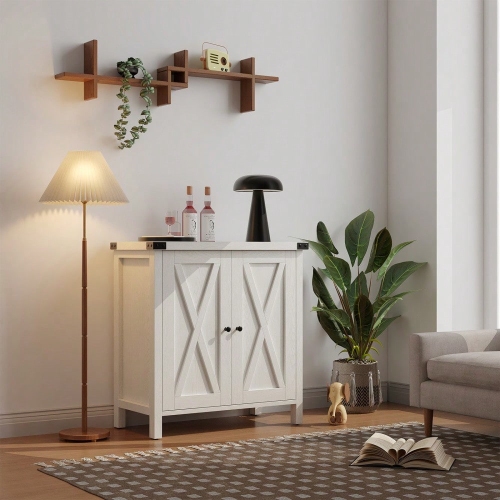
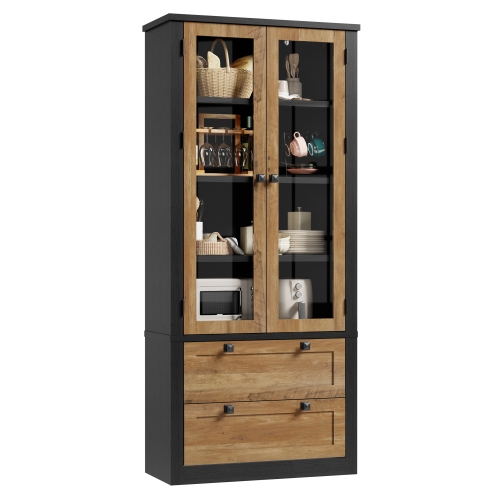
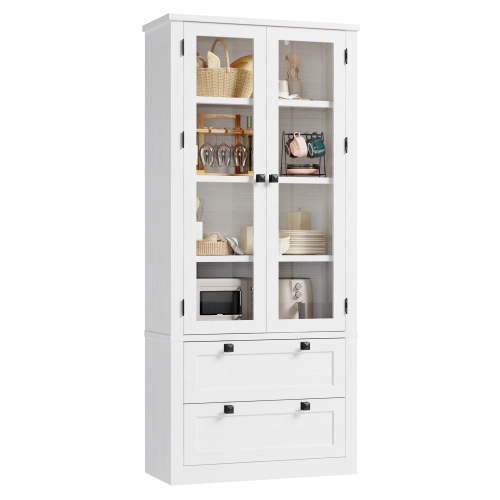
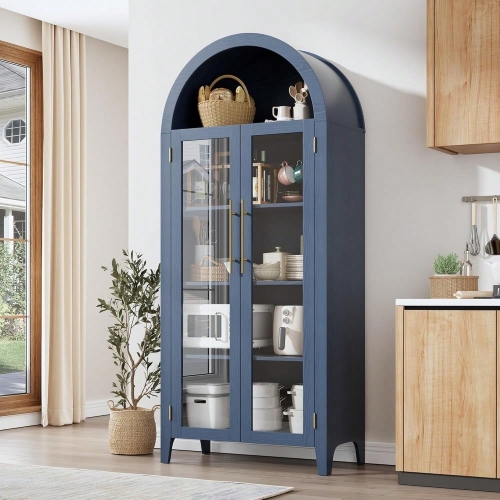
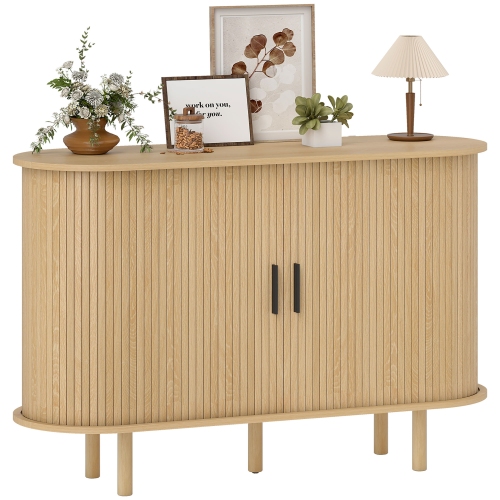
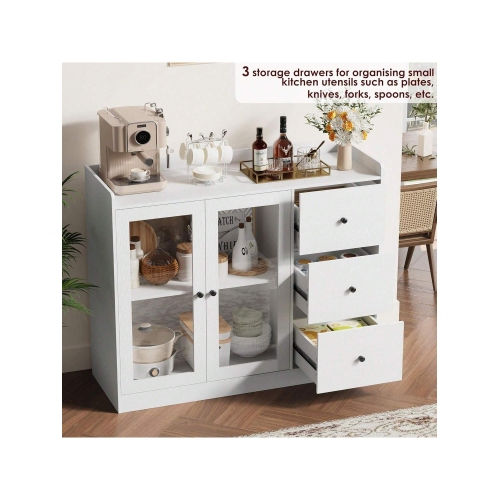
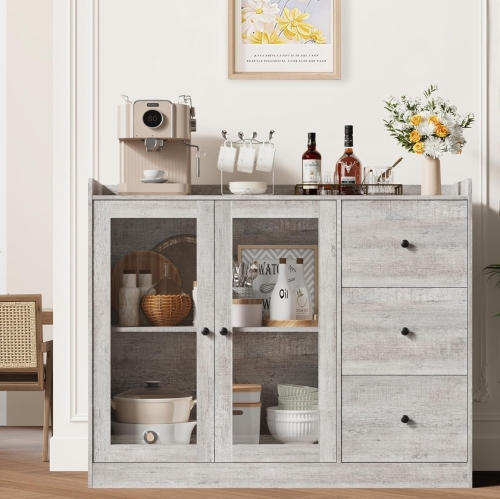
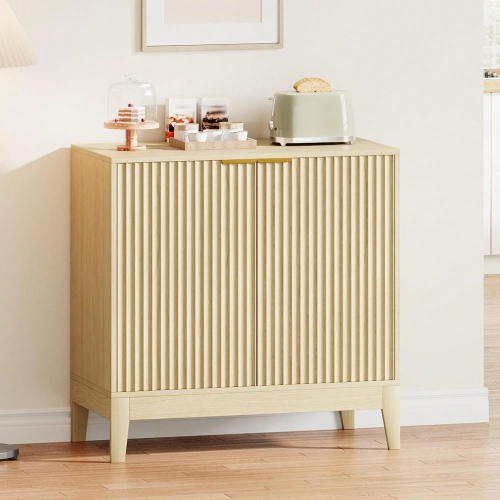

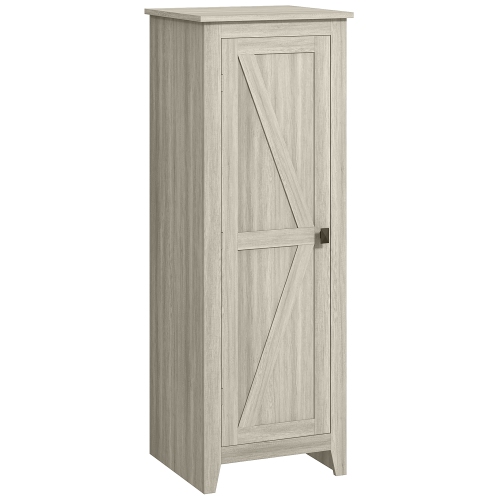
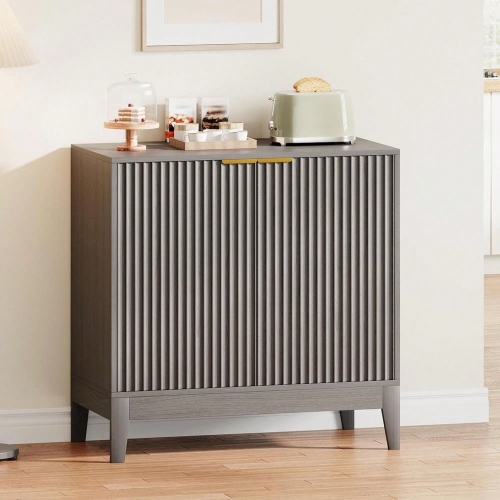
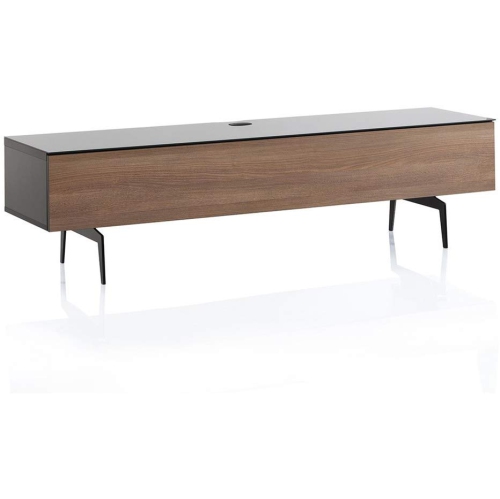
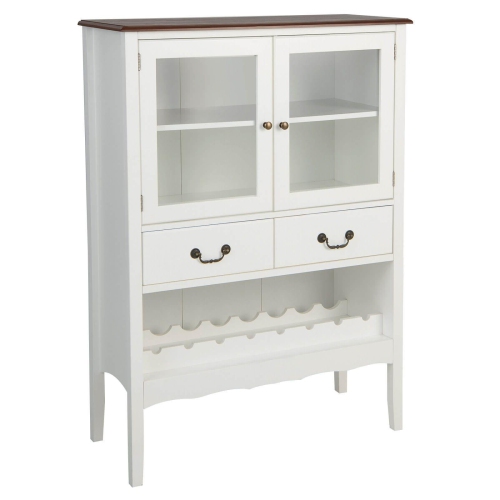
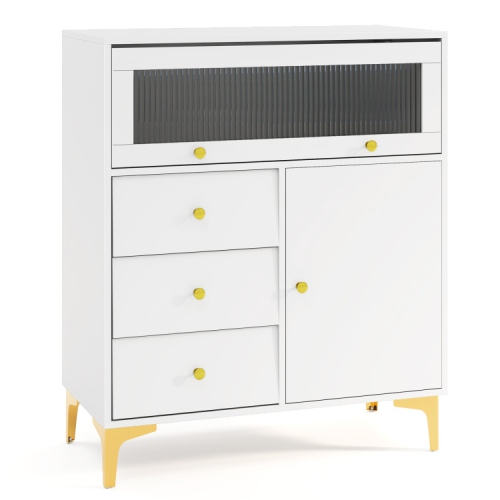
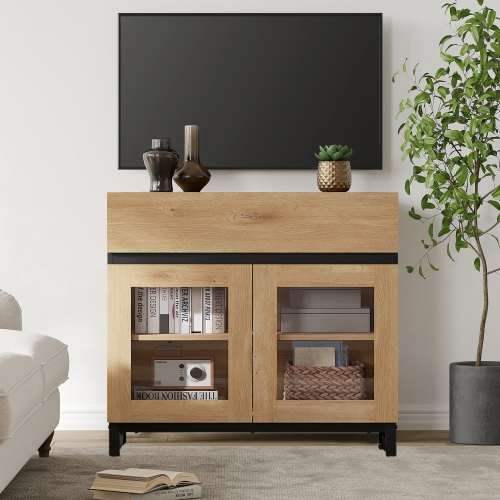
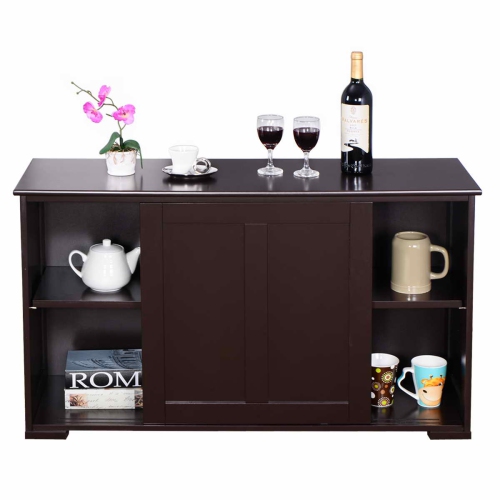
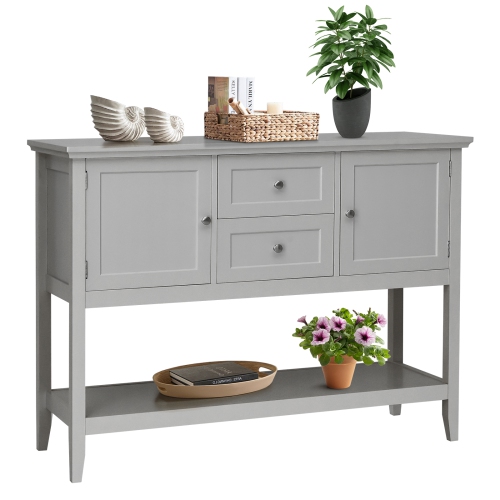
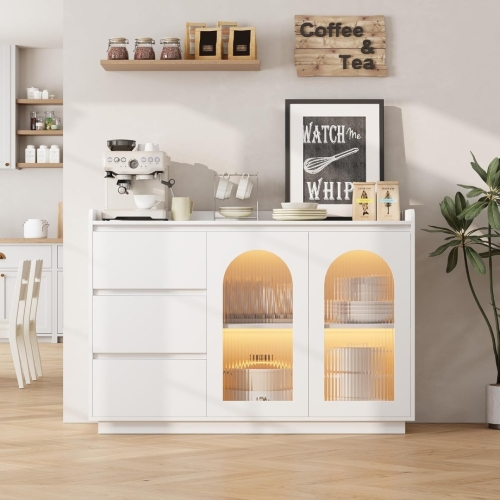
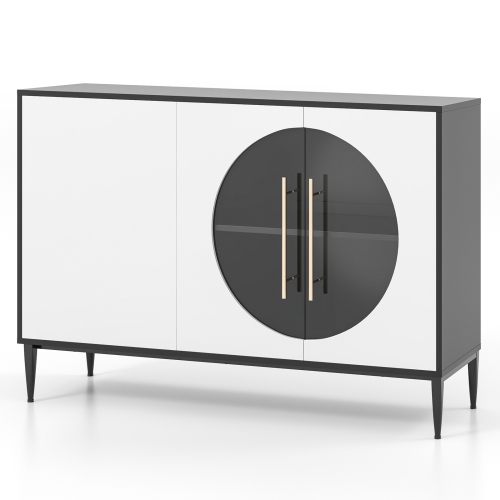
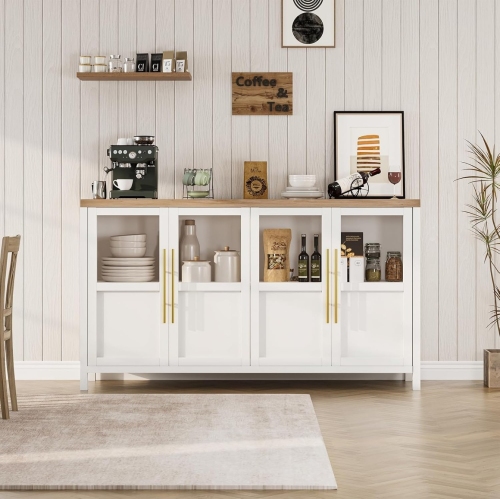
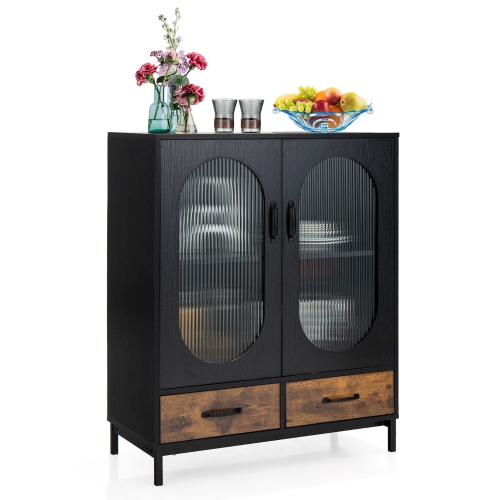
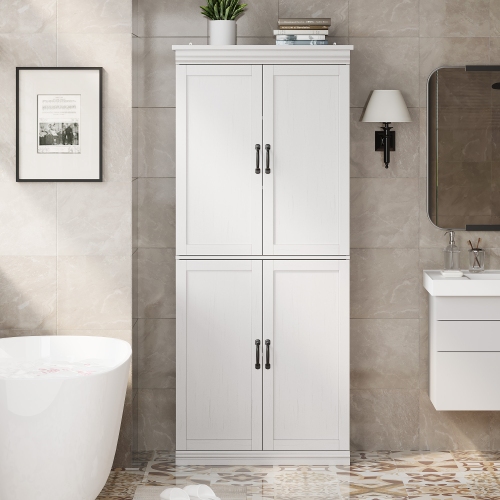
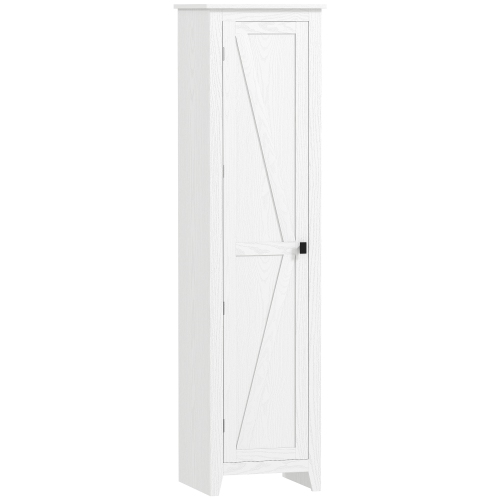
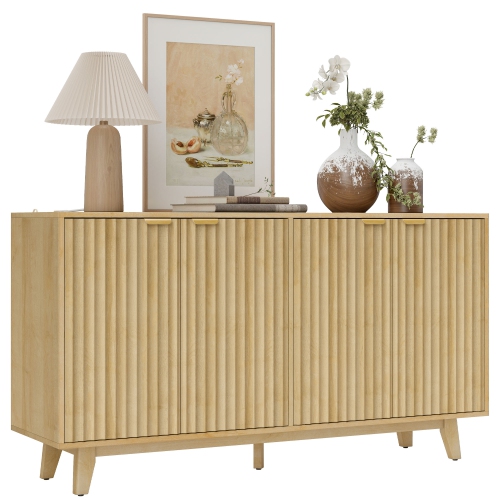
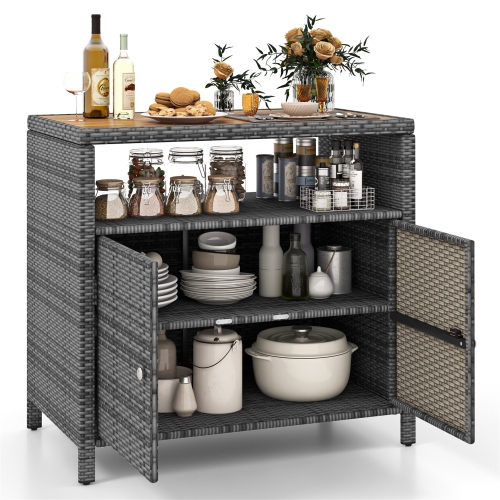
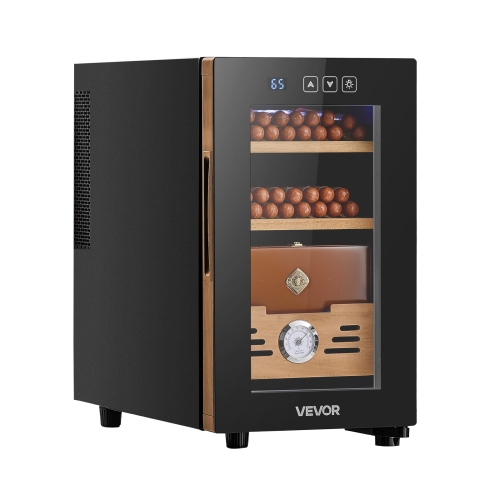
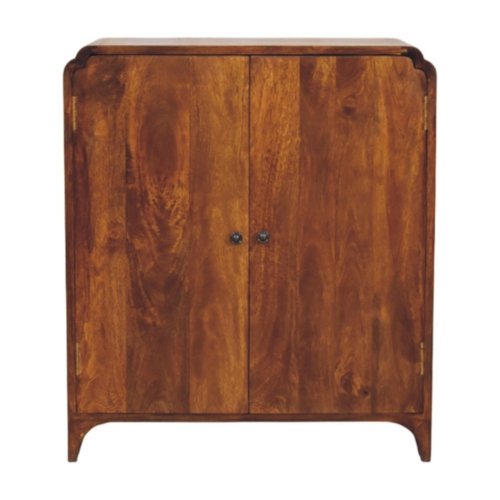
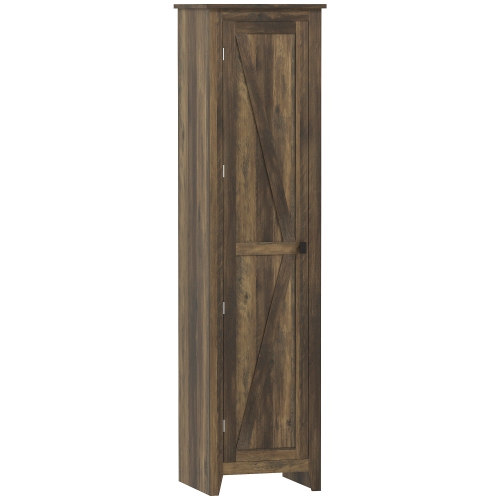
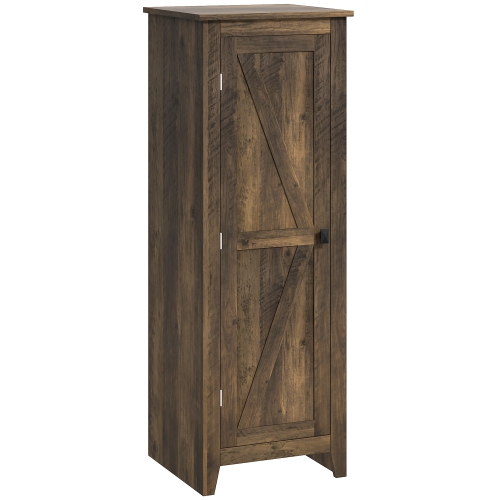

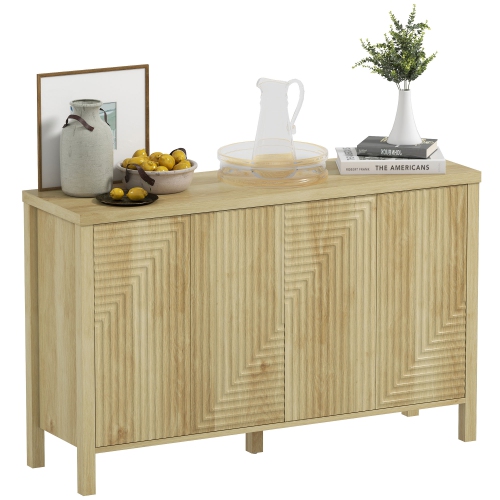
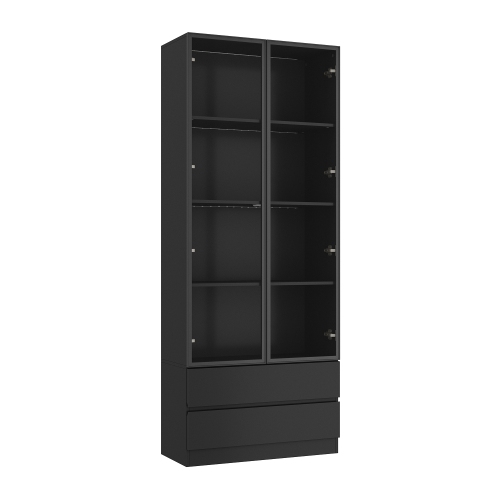
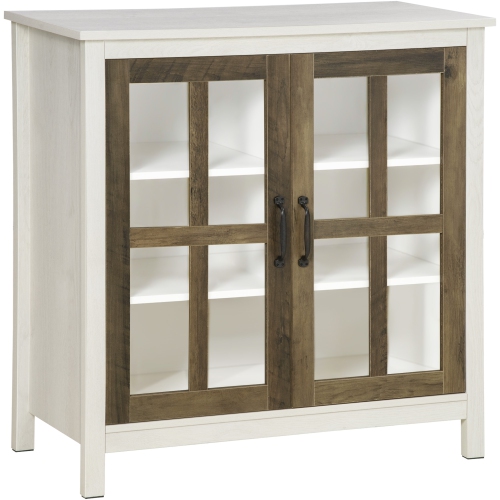
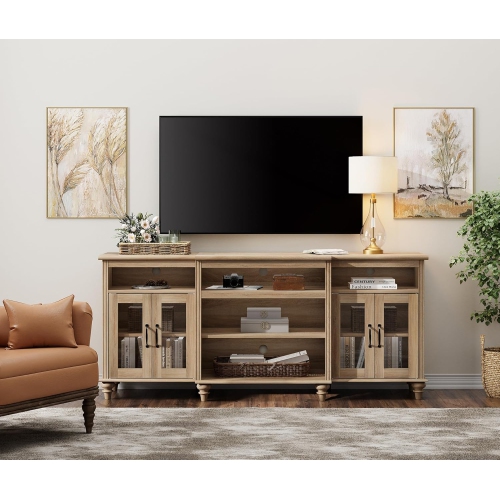
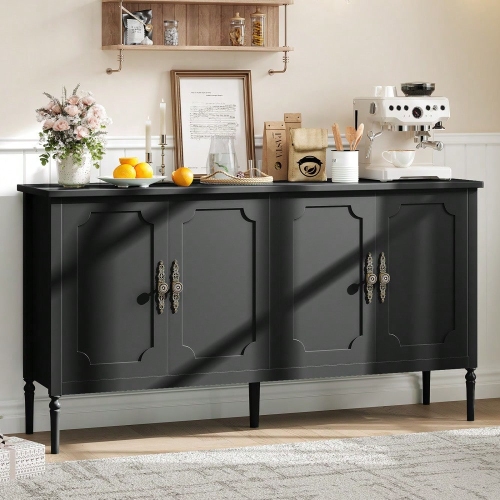
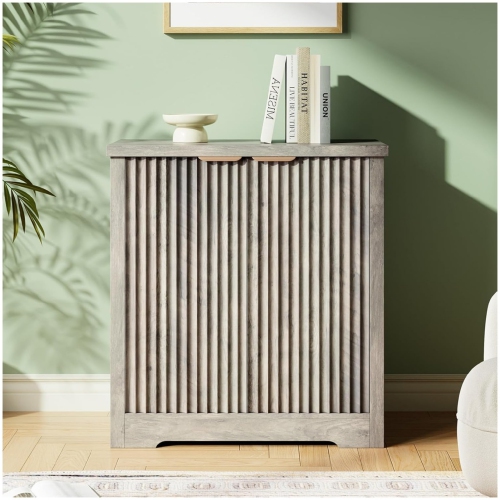
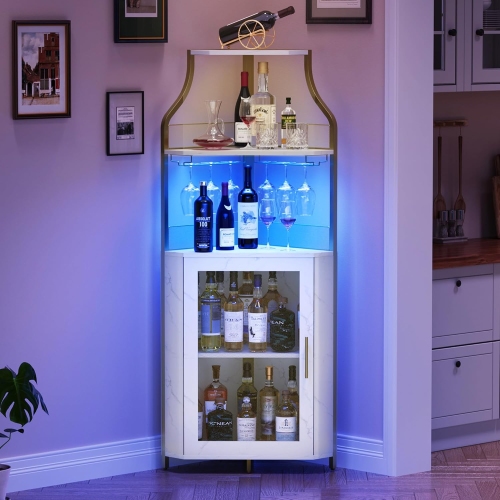
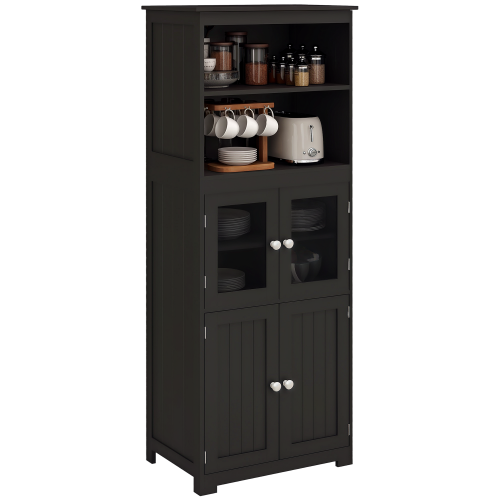
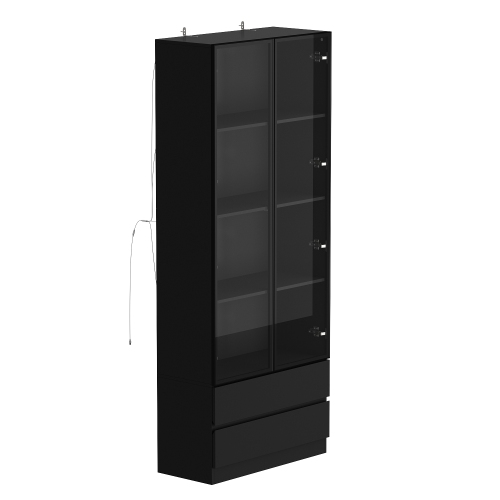
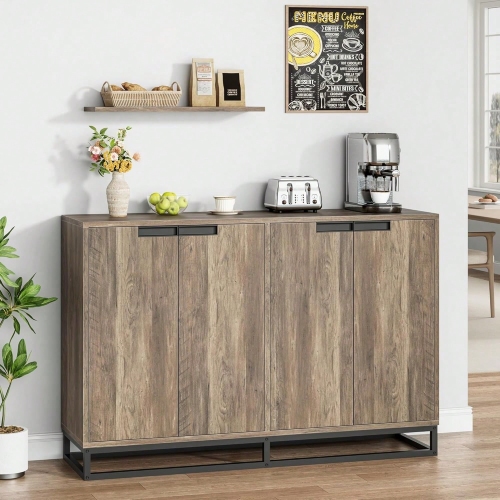
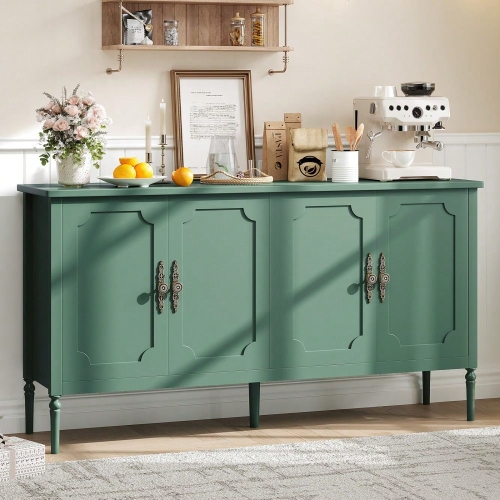
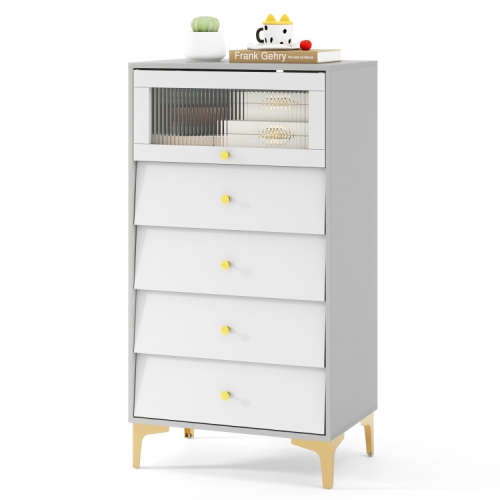
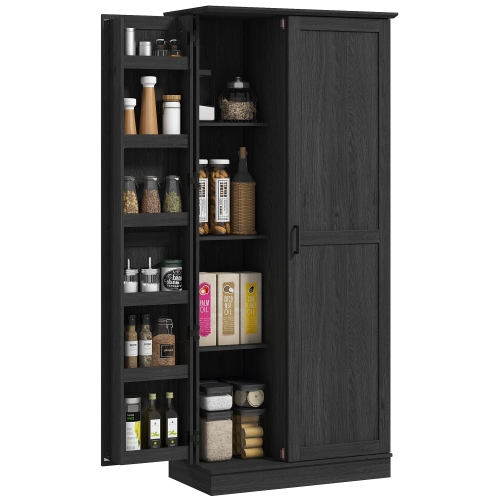
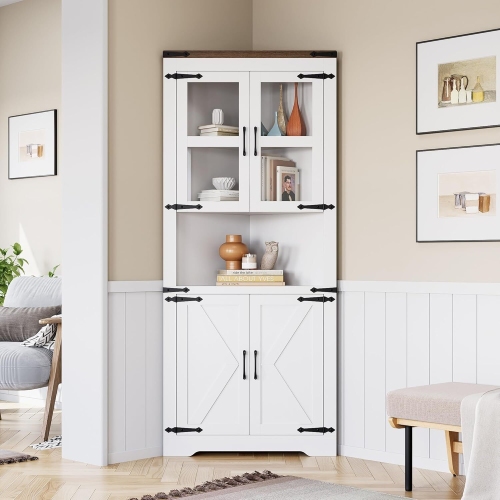
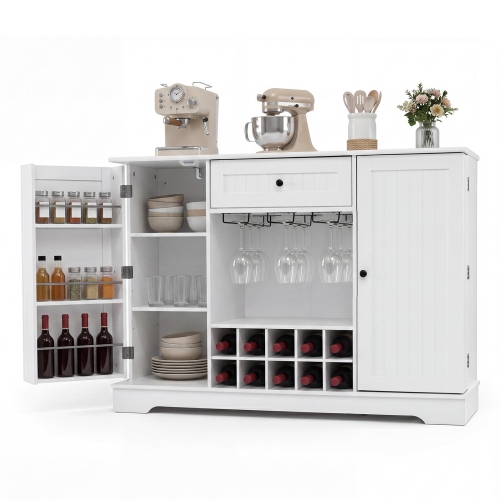
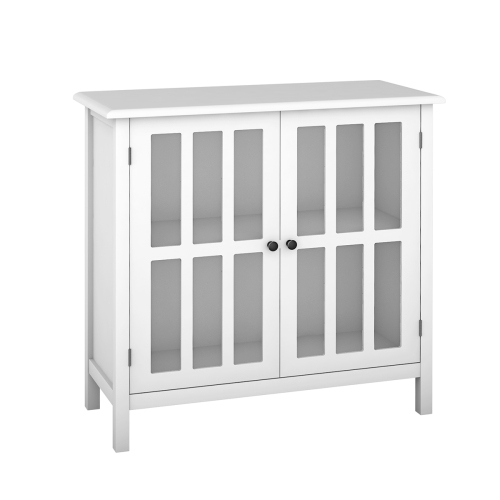
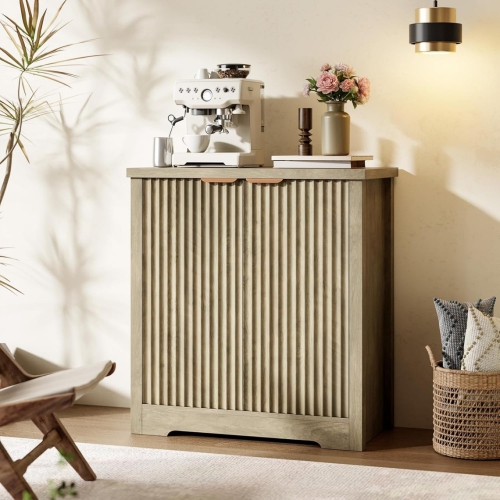
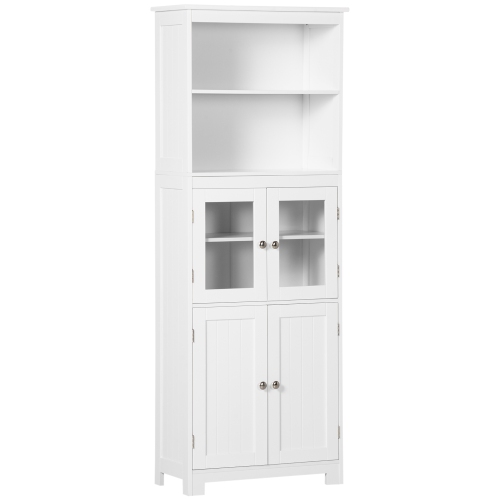
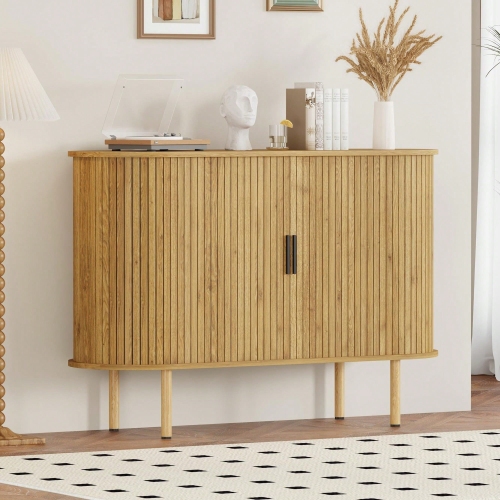
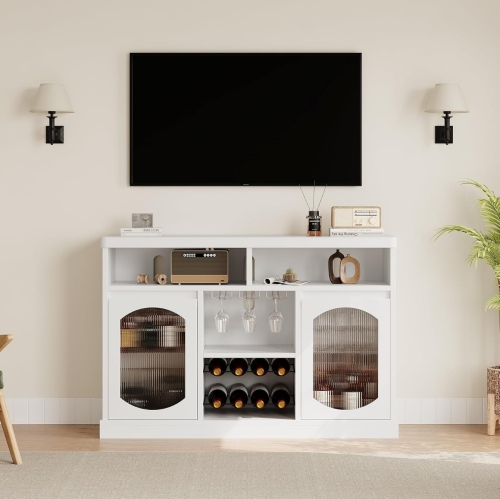
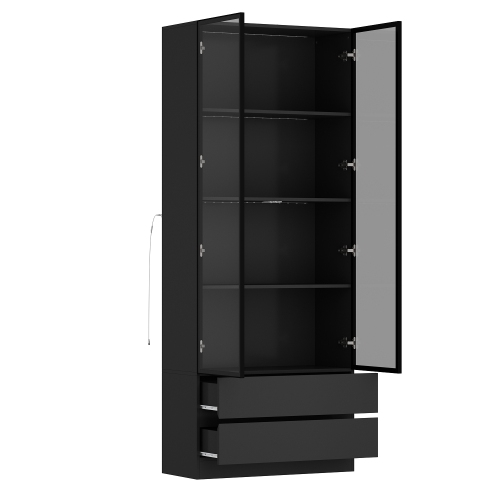
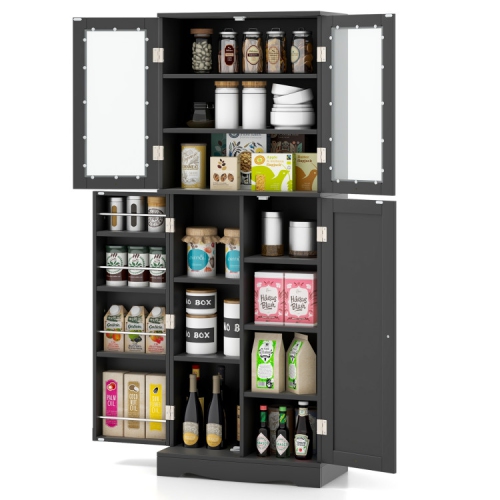
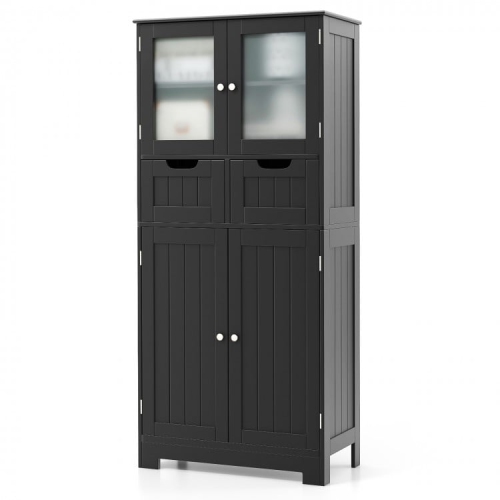
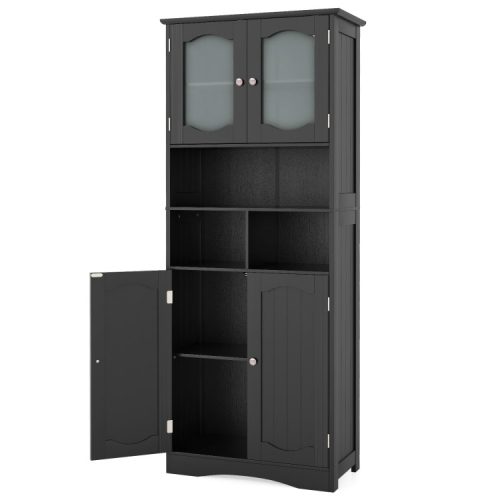
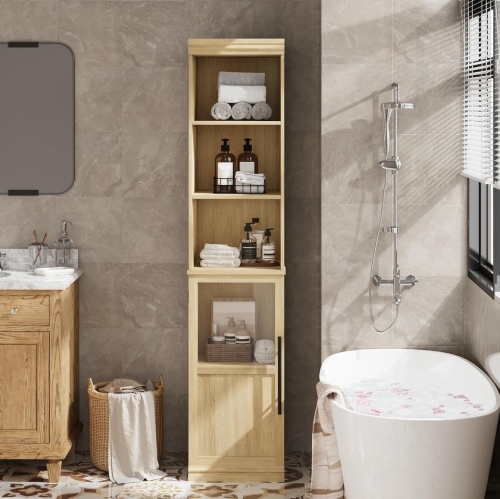
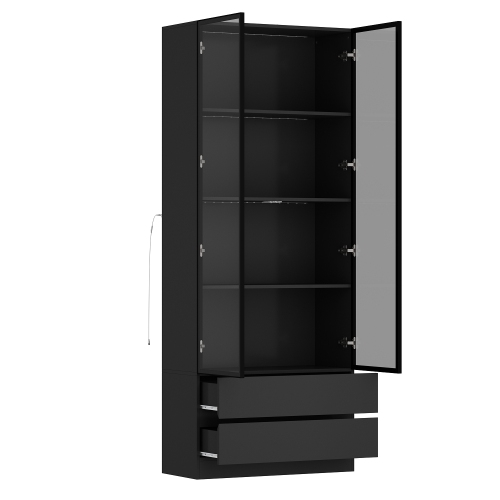
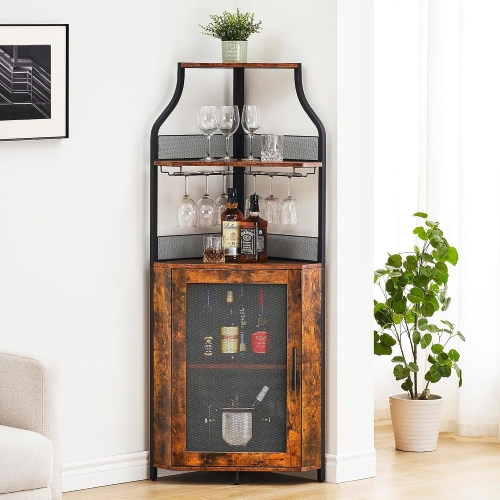
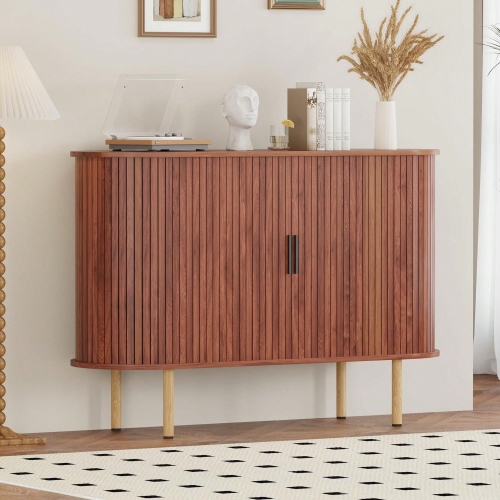
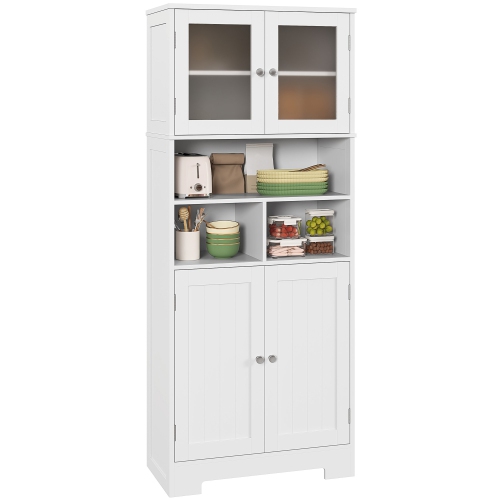
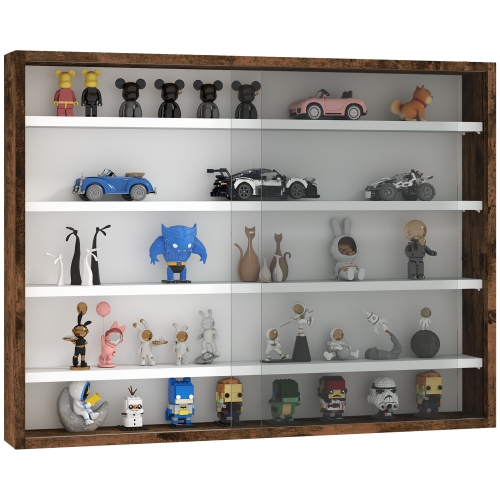
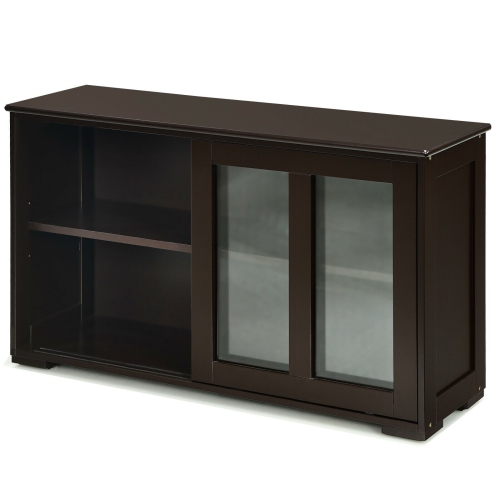
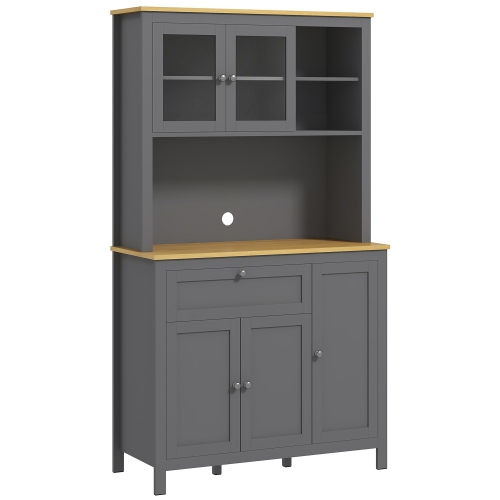

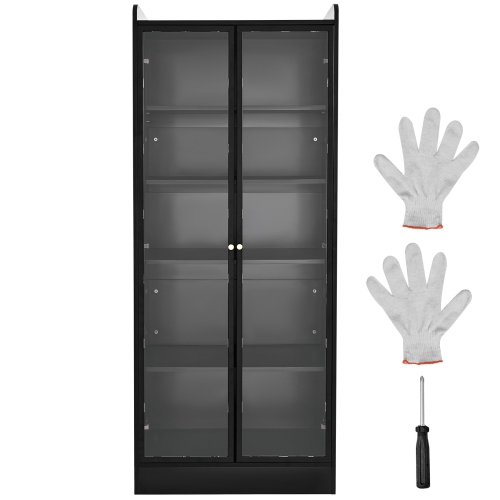
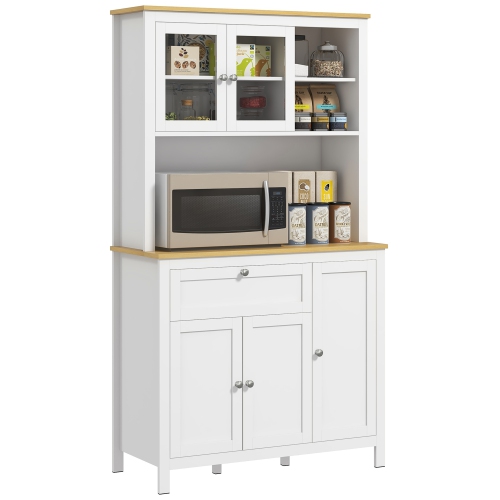
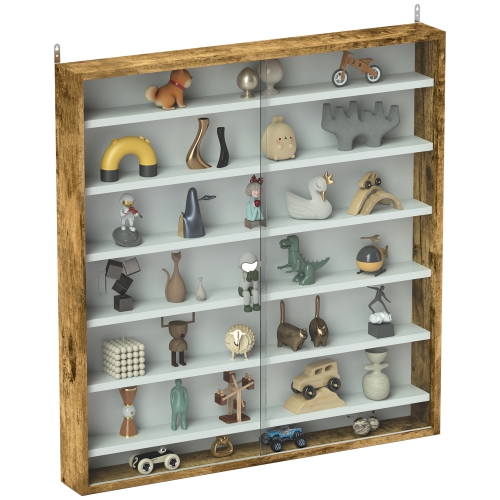
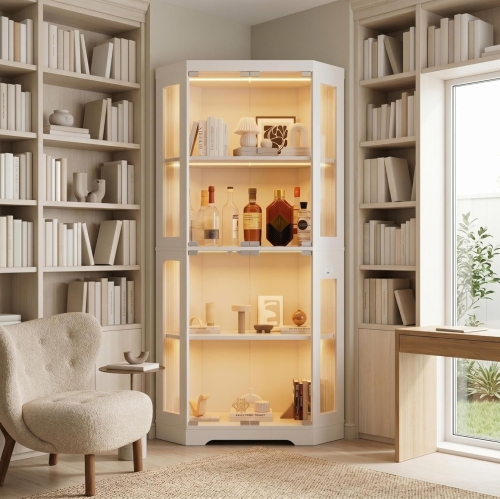
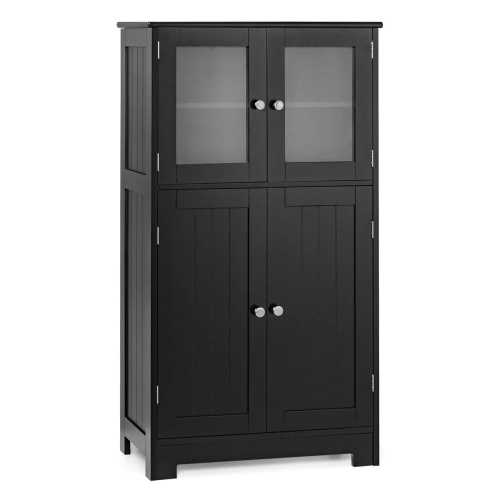
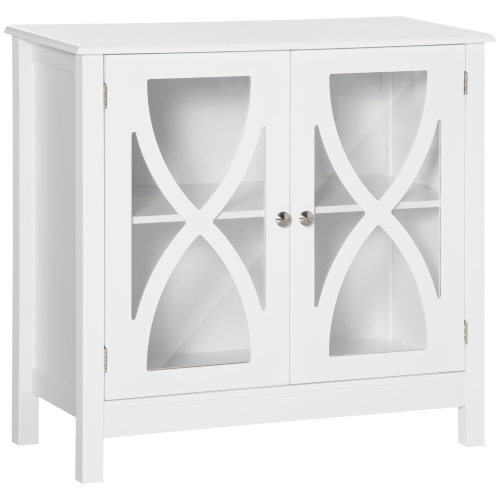
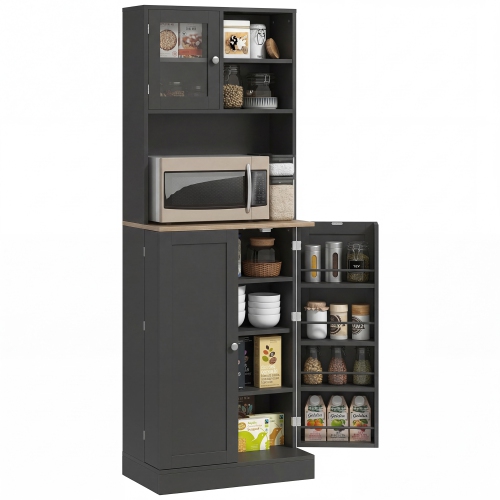
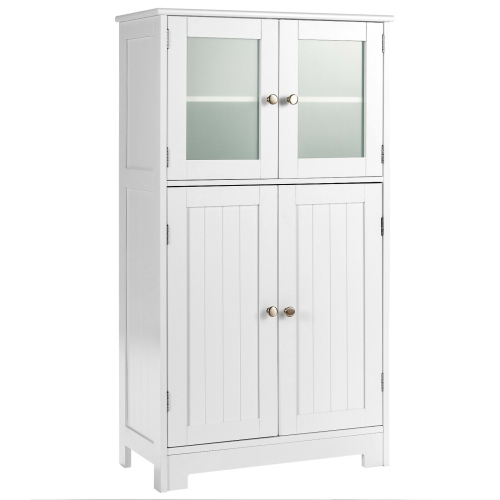
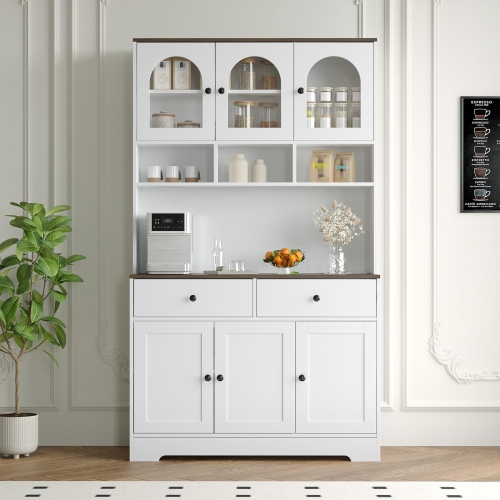
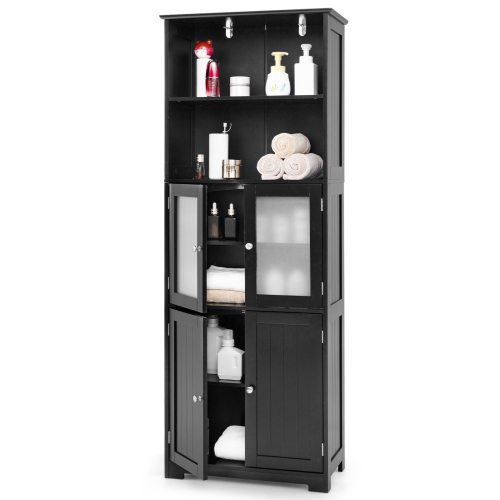
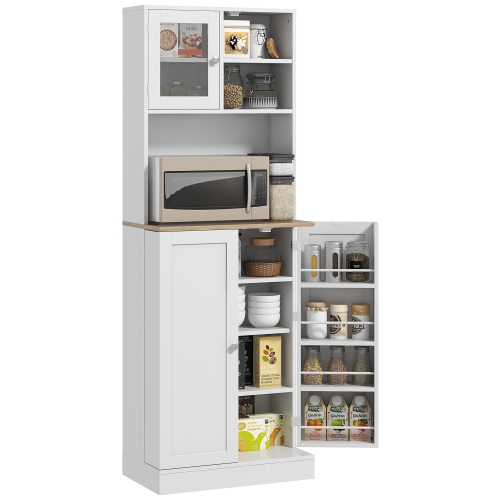
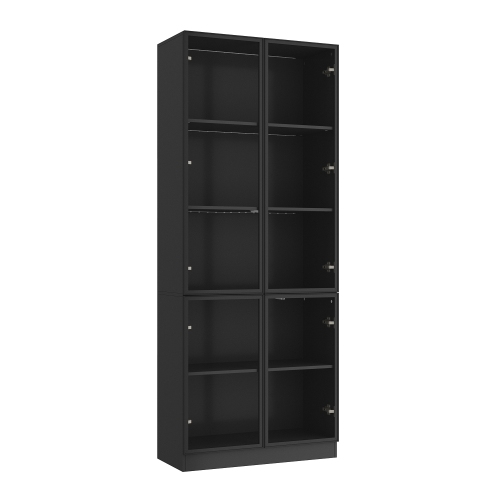
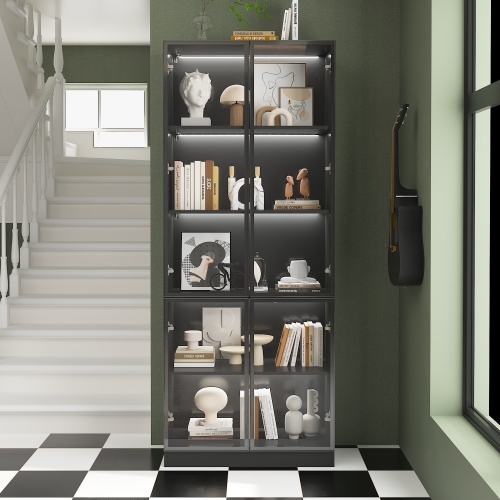
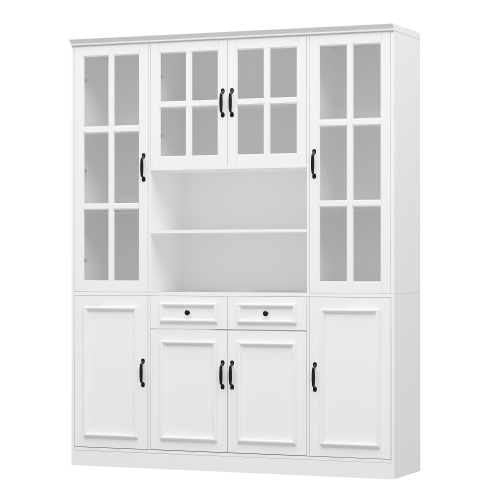


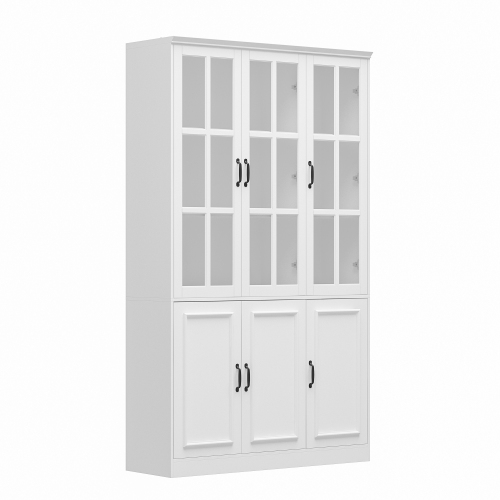
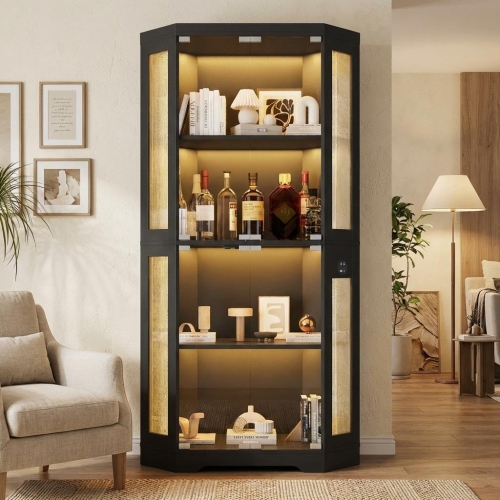
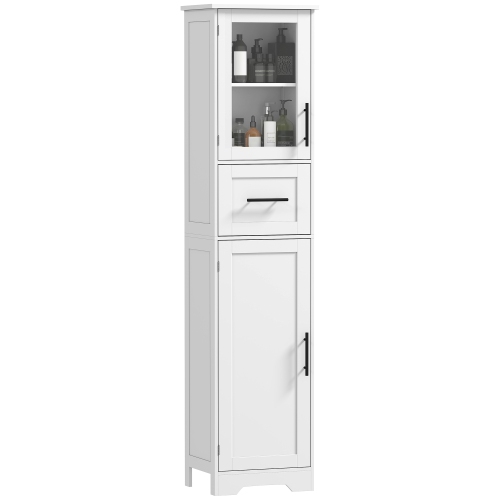
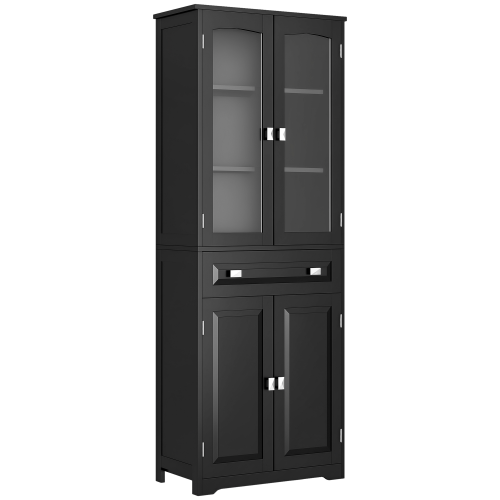
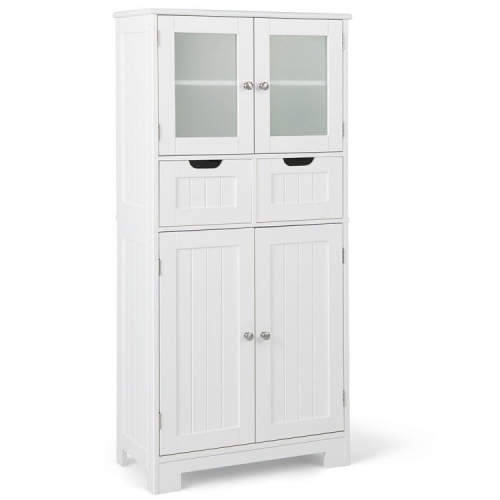
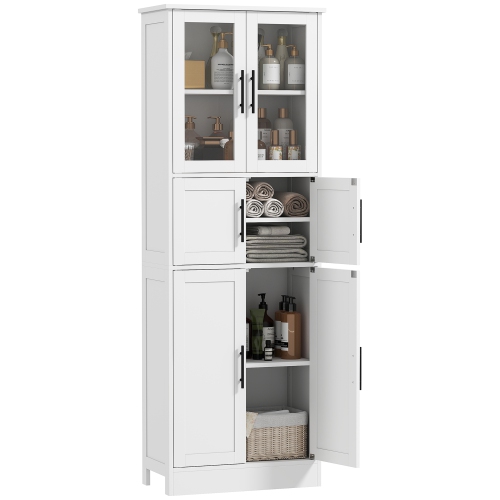

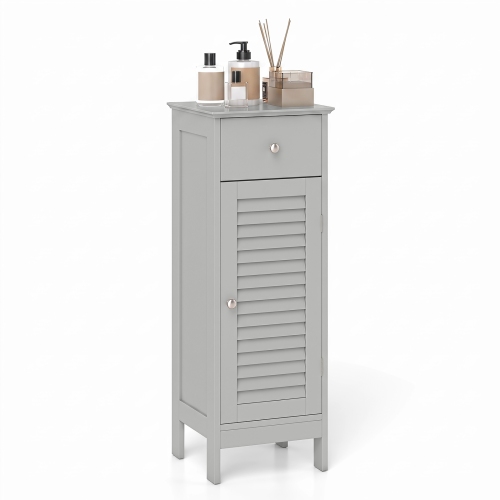
Everyday storage with room for your favourite pieces
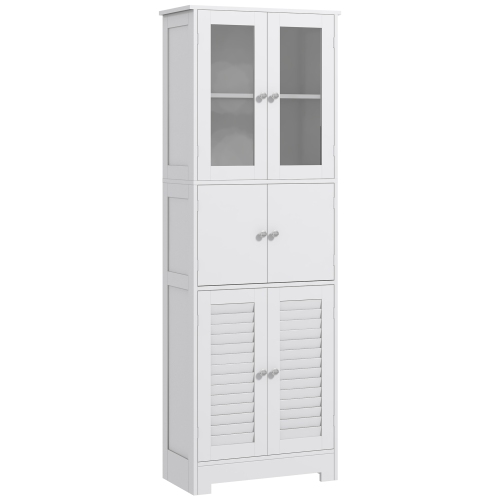
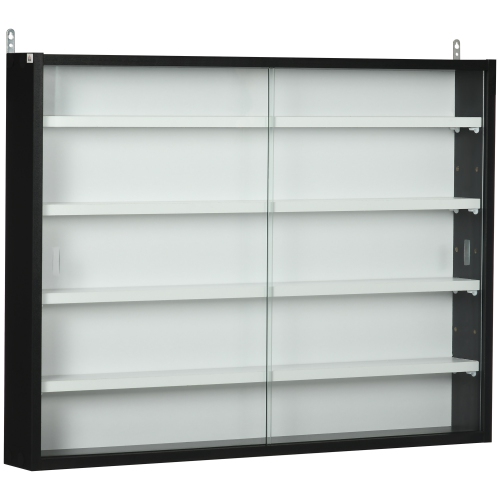
Wood cabinets with glass doors combine enclosed storage with an open view of the objects inside, making them useful wherever furniture needs to hold everyday essentials and give favourite possessions a place to shine. A glass-front cabinet can keep serving dishes together in a dining room, hold books and framed photographs in a living room, or bring order to supplies in a home office. The wood frame adds warmth and structure, while the glass breaks up the visual weight of a solid cabinet. This balance works particularly well in smaller rooms, where a large piece of furniture can otherwise feel imposing. Different cabinet shapes suit different purposes: tall curio cabinets emphasize display, low sideboards provide storage beneath a useful top surface, and compact accent cabinets fit into spaces beside a sofa or along a short stretch of wall. Shaker-style doors have a straightforward, framed appearance that pairs easily with existing furniture, while arched profiles, visible wood grain, and darker finishes create a more distinctive focal point. Clear glass offers the fullest view of shelf contents and suits neatly arranged glassware, pottery, or treasured collections. Fluted glass adds a ribbed texture that softens outlines without completely hiding what is stored, while frosted glass offers greater visual screening. Neither should be treated as a substitute for opaque doors when complete concealment matters. Cabinets that combine glass-front sections with drawers or solid doors provide a practical middle ground, leaving display space above and room for table linens, paperwork, or less orderly necessities below. For shoppers comparing wood-framed styles with other materials and configurations, Cabinets With Glass Doors brings the broader category into view. The appeal of wood and glass together lies in that flexibility: the same general furniture style can look at home beside a dining table, in a reading corner, or against the wall of an apartment living area, depending on its proportions, finish, and contents.
Construction influences how a wood cabinet looks, feels, and responds to daily use. Solid wood brings natural grain variation and can develop character over time, though it may expand or contract as indoor humidity changes. Wood veneer consists of a thin layer of real wood applied over a supporting core, offering a genuine wood surface with performance that also depends on the core, edge treatment, and finish. Engineered wood, including medium-density fibreboard, is often used for smooth painted surfaces or panels with applied finishes. A wood-look surface is not necessarily real wood veneer, so material descriptions matter when a particular grain or construction is important. Durability comes from the whole assembly rather than the material name alone: sound joints, a securely fitted back panel, suitable hinges, and properly supported shelves all contribute to everyday stability. Glass specifications matter as well. Tempered glass, where included, is heat-treated for greater strength than comparable ordinary glass and is designed to break into small fragments, but it is not unbreakable. Shelf weight limits still apply, especially when storing stacks of dishes, heavy books, or substantial display pieces. Adjustable shelves make it easier to accommodate a tall pitcher on one level and shorter drinking glasses on another, while fixed shelves offer predictable spacing that needs to match the intended contents. For a dining area, interior shelf depth can be just as important as overall cabinet width; a wide serving platter may not fit behind closed doors even when the outside dimensions seem generous. Overall depth also includes any projecting handles or trim noted in the specifications. Door clearance deserves equal attention, particularly beside a dining chair, in a hallway, or near another cabinet. A low buffet may sit comfortably beneath artwork, while a tall cabinet uses vertical space but requires suitable clearance above and a safe anchoring arrangement. Measuring the intended position, nearby walking space, and the delivery route through doorways helps match the furniture to the room without crowding its everyday use.
The most useful glass-door storage feels connected to the routines around it. In a dining room, frequently used plates can sit at a comfortable reaching height, with occasional serving pieces above and heavier objects lower down, within the stated shelf capacities. In a living room, a mix of books and a few favourite objects can create a display that feels personal without filling every visible inch. Households with varied storage needs may appreciate a cabinet with both open-view and concealed compartments, while collectors may place more value on sightlines, shelf spacing, and lighting. Integrated lighting, where fitted, can make the contents easier to see and highlight the texture of ceramics or cut glass; its power requirements and cable routing should suit the planned location. Glass doors help reduce settling dust compared with open shelves, although ordinary furniture cabinets are not airtight and do not provide museum-level protection. Direct sunlight can fade wood finishes and displayed objects, so placement away from strong, prolonged exposure helps preserve their appearance. Wood furniture also benefits from a position away from radiators, heating vents, and persistent dampness. A cabinet intended for a dry living space should not be assumed suitable for a humid bathroom, and glass-front storage is not automatically appropriate for electronics that need ventilation. Everyday care is generally straightforward when it follows the manufacturer's directions: a soft cloth removes dust, spills should be wiped promptly, and excess moisture should not sit along panel edges or joints. Glass cleaner is best applied to a cloth rather than sprayed across adjacent wood, unless the care instructions specify otherwise. Abrasive pads and harsh cleaners can scratch glass or damage finishes. Hinges, handles, and shelf supports may need periodic checks, particularly after assembly or moving. Tall or potentially unstable furniture should be secured as directed using hardware appropriate to the wall, with professional assistance when needed; placing heavy contents low does not replace anchoring. With suitable proportions, thoughtful shelf organization, and regular care, a wood cabinet with glass doors can serve as both hardworking household storage and a welcoming display of the things that make a room feel lived in.
Top selling and popular products
-
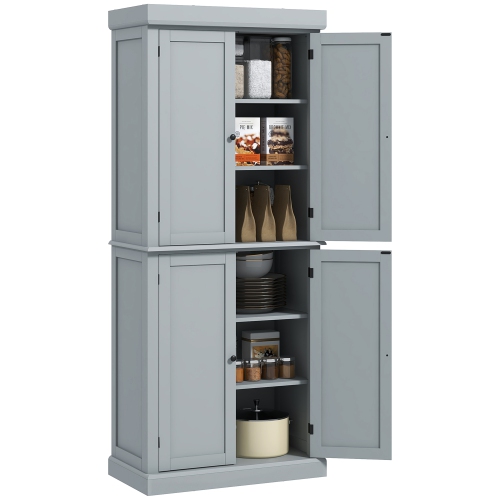 Your price for this item is $285
-
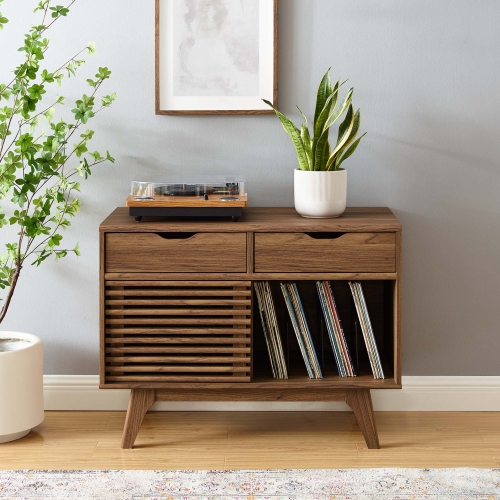 Your price for this item is $452.93
-
 Your price for this item is $155.99
-
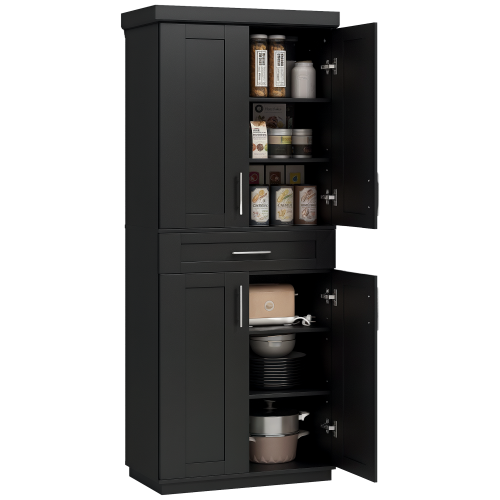 Your price for this item is $269.99
-
 Your price for this item is $12.97
-
 Your price for this item is $155.99
-
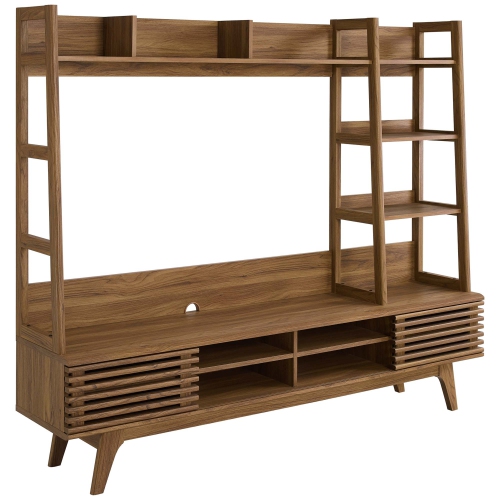 Your price for this item is $885.06
-
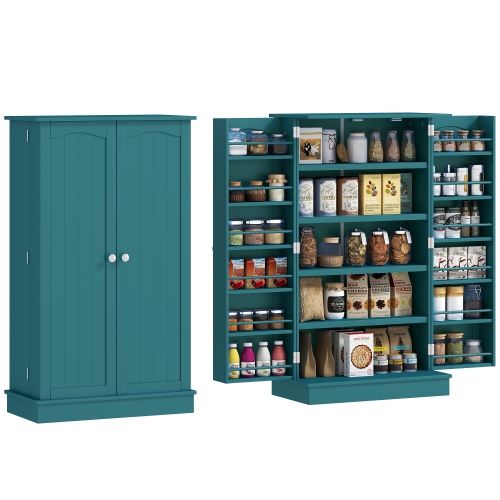 Your price for this item is $132.99
Discover more categories related to Wood Cabinets With Glass Doors

Top Collections:
Best Black Friday Deals This Year, Best Black Friday Deals On Electronics, Kindle Devices, Dyson Airwrap, Best Cameras for Sports Photography, Best Budget Office Chairs, Canon G7X Cameras, PS5 Pro Consoles, Best Black Friday Deals On Apple Products, XBOX One S Consoles
Some products may be subject to Environmental Handling Fees
(EHF) depending on your province.
Learn more about EHFs.