Airtight Glass Meal Prep Containers
Airtight Glass Meal Prep Containers offer a reliable solution for storing, organizing, and transporting your favorite foods. Perfect for busy lifestyles, these containers help keep meals fresh and make portioning easy, whether you’re planning lunches for the week or packing snacks on the go. With their sleek design and durable construction, Airtight Glass Meal Prep Containers fit seamlessly into any kitchen setup, making meal prep more efficient and convenient. Explore a wide selection to find the right sizes and styles to suit your needs.
Sort

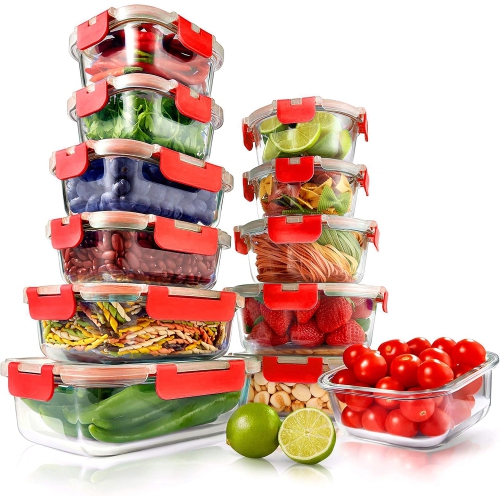
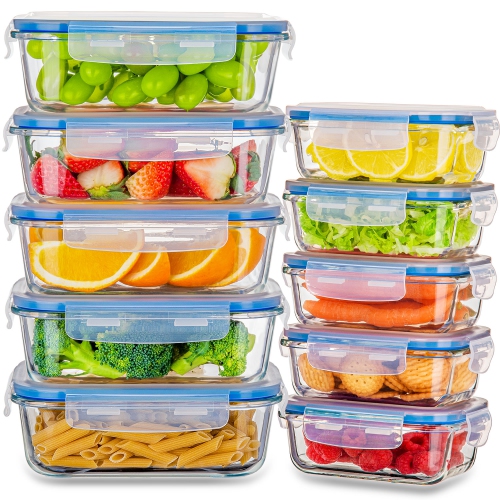


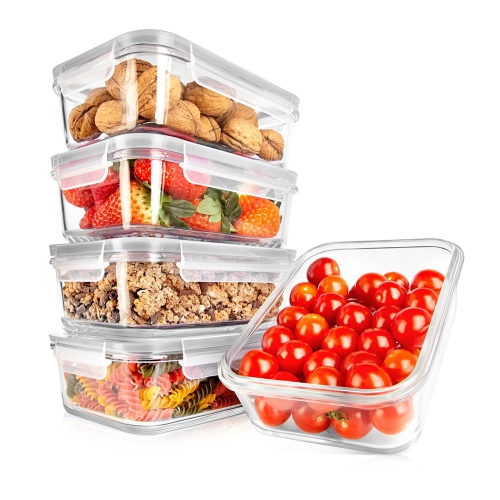
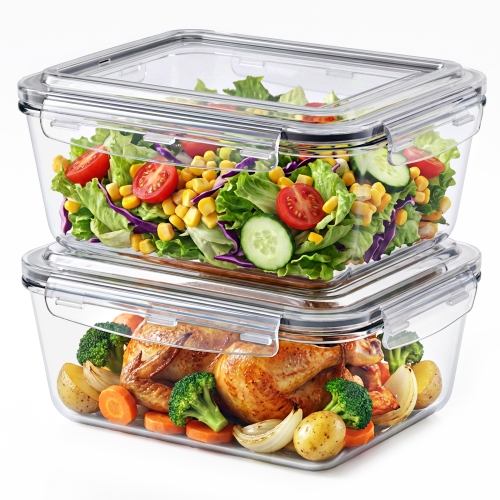




A tight seal is only the starting point
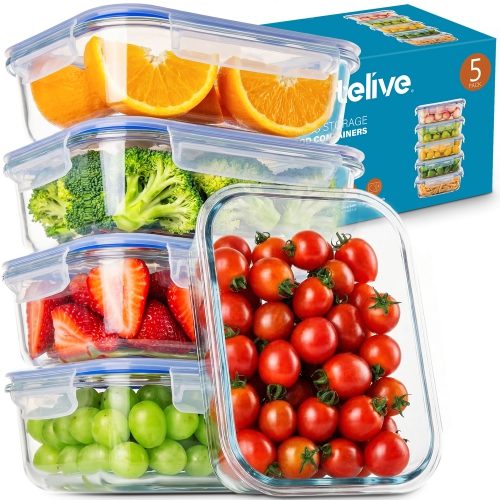
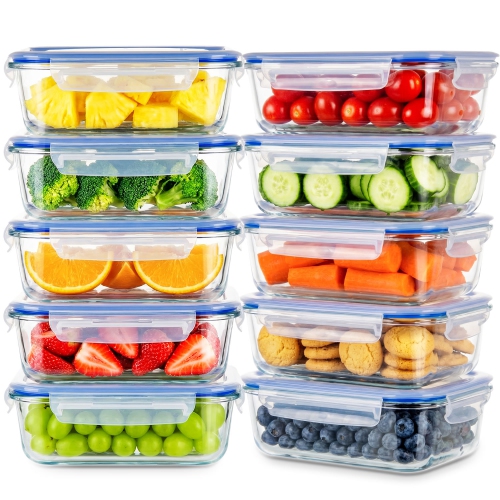
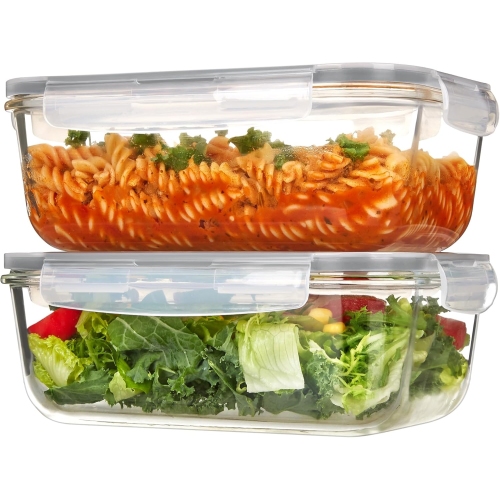
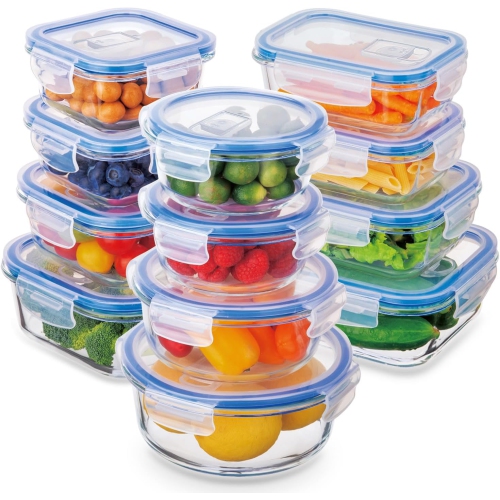
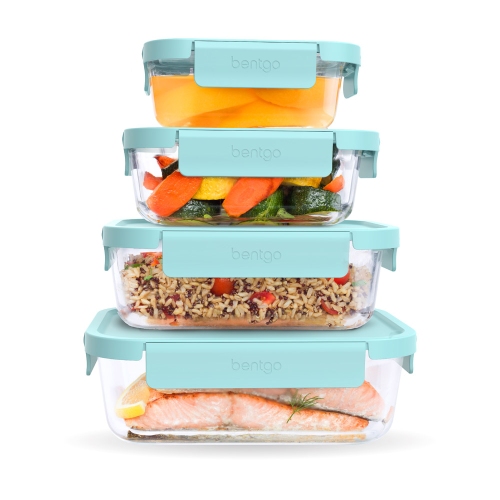
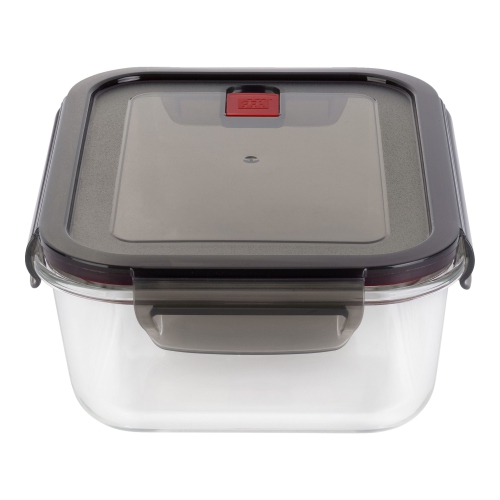
Airtight glass meal prep containers combine a non-porous glass base with a close-fitting lid and sealing gasket to help limit air exposure and keep prepared food neatly contained. They suit everything from individually portioned lunches to cooked ingredients waiting to become dinner, with clear sides that make the contents easy to recognize at a glance. Glass resists lingering food odours and staining, making it useful for tomato-based sauces, curries, roasted vegetables, and other dishes that can leave their mark on storage containers. The lid is just as important as the base: locking clips, an evenly seated silicone gasket, and a clean rim all contribute to a reliable closure. Airtight and leak-proof are not interchangeable claims, however. A container designed to limit air exchange may not be suitable for carrying soup sideways in a work bag, so a leak-proof rating matters when transporting liquid foods. Even then, keeping containers upright adds reassurance during the journey. Borosilicate glass and tempered glass are common materials in this category, but their properties and permitted uses differ. Borosilicate glass generally offers greater resistance to sudden temperature changes, while tempered glass is strengthened through heat treatment; neither should be treated as unbreakable. Oven, microwave, freezer, and dishwasher suitability depend on the individual container’s specifications, and a glass base may have different care requirements from its lid. A container intended for reheating lunch is not automatically suitable for baking, broiling, or moving directly from the freezer into a hot oven. For everyday meal preparation, the most useful combination is a durable base, a lid that closes without excessive force, and a shape that fits comfortably into the spaces where food is stored and carried. Clear compatibility information makes those details easier to match to a household’s routine.
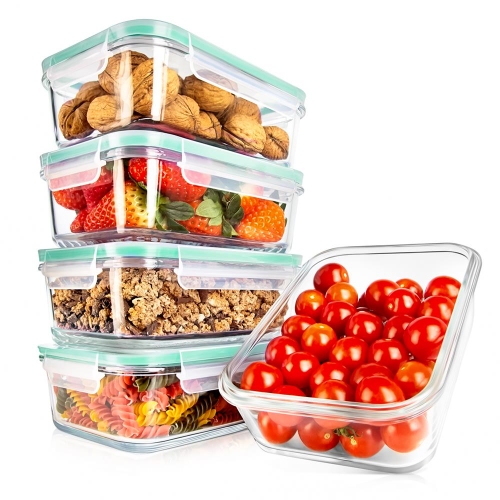
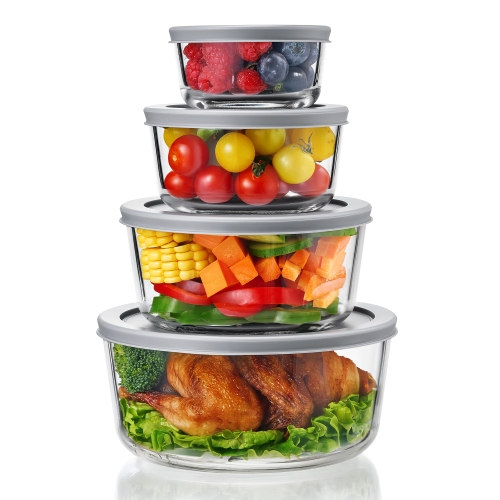
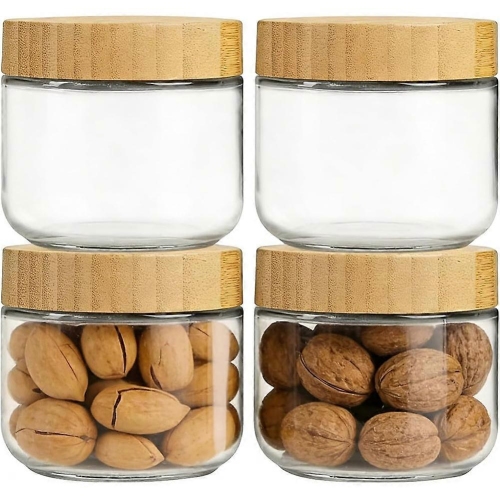
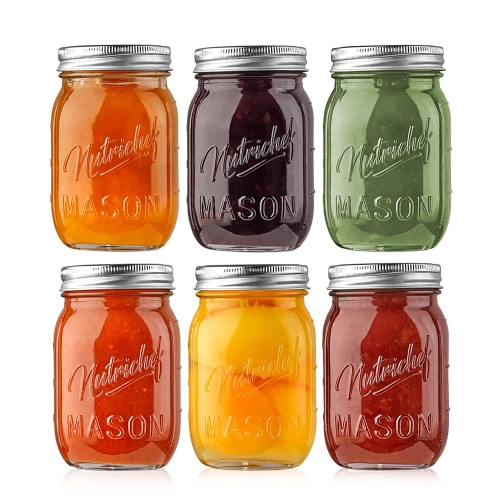
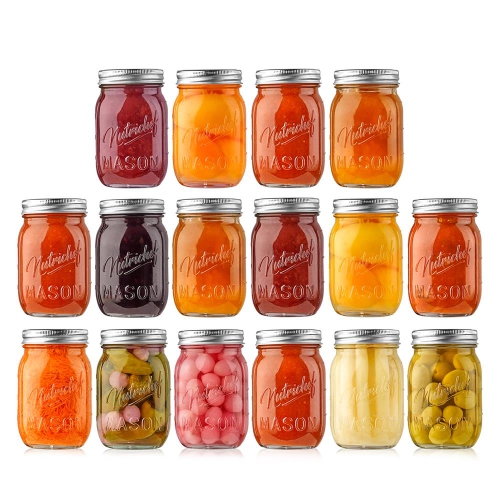
Size and shape influence how naturally glass meal prep containers fit into daily life. A shallow rectangular container can hold rice, sliced chicken, and vegetables in an even layer, while a deeper square shape may be better suited to a generous serving of pasta or a mixed salad. Smaller containers give dressings, dips, chopped herbs, and snack portions their own space rather than allowing them to spread through the rest of a meal. Divided designs can separate components within one base, although an internal divider does not necessarily prevent liquids from moving between compartments unless each section has its own seal. Keeping crunchy toppings and sauces separate until serving can make a packed lunch more appealing, particularly when leafy greens or bread are involved. Capacity is worth considering alongside external dimensions: a container may hold a substantial portion but still be too wide for a narrow lunch bag or too tall for a refrigerator shelf. Glass also weighs more than many lightweight storage materials, which matters for commuters carrying several meals or students walking between classes. Nesting bases can reduce the space needed when containers are empty, while stackable designs make prepared portions easier to organize in the refrigerator. Matching lid sizes across a set can simplify packing and reduce the search for the right top, though lids should only be interchanged where the manufacturer confirms compatibility. Wide openings are convenient for filling, eating, and cleaning, especially with layered meals or larger pieces of food. For breakfasts, dressings, and other portions that suit an upright format, Glass Jars for Meal Prep offer a complementary storage style. These different formats can support a range of routines, from packing a single office lunch to preparing several household portions in advance, without requiring every meal to use the same container.
Everyday convenience depends as much on handling and care as on capacity. For microwave use, the glass base must be microwave-safe, and the lid should be removed or vented exactly as directed; a sealed airtight container should not be heated with pressure trapped inside. Oven use likewise requires a suitable glass base and adherence to the stated temperature limits, with lids kept out unless they are explicitly approved for that purpose. Sudden changes between hot and cold conditions can damage glass, so a hot container belongs on a dry, heat-safe surface rather than a cold or wet countertop. Freezer use calls for freezer-safe construction and enough space for food to expand, particularly with soups and sauces. An airtight seal helps protect stored food from exposure to air, but it does not replace prompt refrigeration, appropriate storage times, or safe reheating practices. Cleaning is generally straightforward when the design has smooth corners and an accessible sealing channel. Dishwasher-safe bases can simplify cleanup, while lids, clips, and removable gaskets may require a gentler wash or placement on the top rack, depending on their care instructions. Food residue beneath a gasket can interfere with the seal, so removable components are useful when they can be taken apart and reassembled as directed. Thorough drying before storage helps prevent moisture from lingering around the lid. Regular checks for chipped rims, cracks, loose clips, or stretched seals help identify when a container or component should no longer be used. When stacking empty glass bases, avoiding hard contact between rims can reduce chips and scratches. Those details are especially relevant in a busy kitchen where containers move repeatedly between food preparation, transport, reheating, and washing. A coordinated set can also make a practical gift for someone setting up a first kitchen, taking lunches to work, or developing a regular cooking routine, particularly when its sizes, weight, and care requirements suit the recipient’s habits. The lasting appeal is straightforward: visible portions, dependable closures, and containers that work comfortably with the meals being prepared.
Top selling and popular products
-
 Your price for this item is $5.99
-
 Your price for this item is $9.99
-
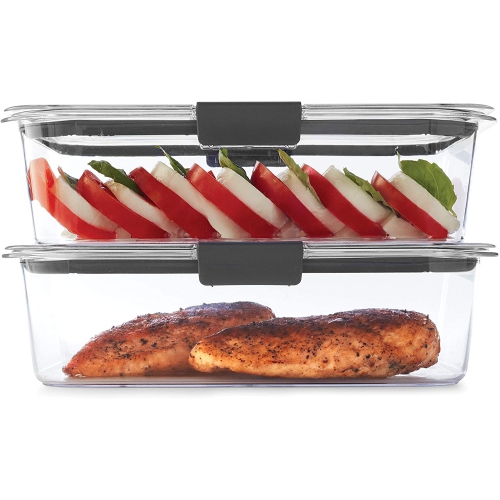 Your price for this item is $108.25
-
 Your price for this item is $7.99
-
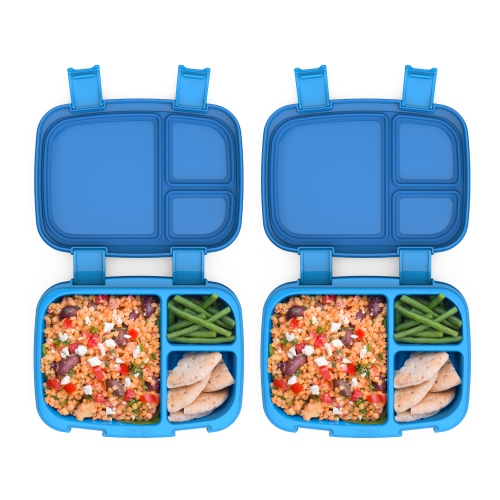 Your price for this item is $59.99
-
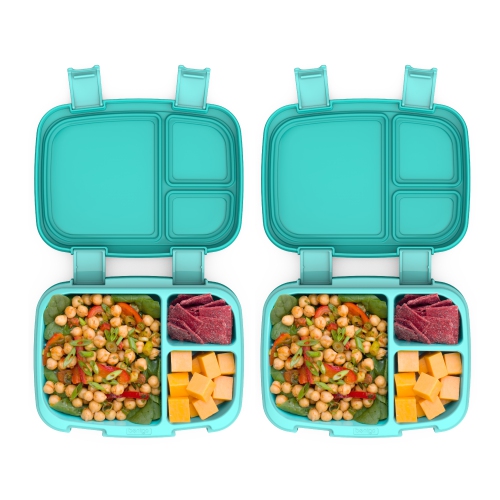 Your price for this item is $59.99
-
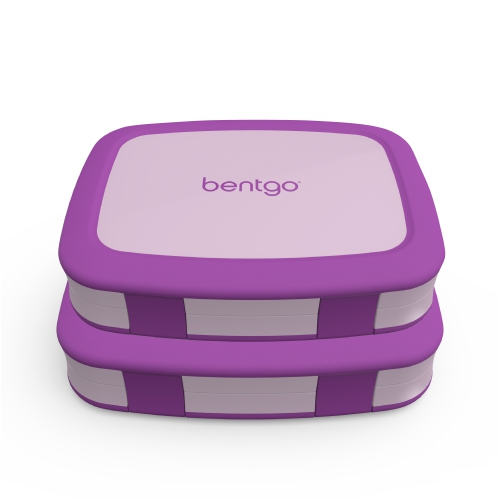 Your price for this item is $49.99
-
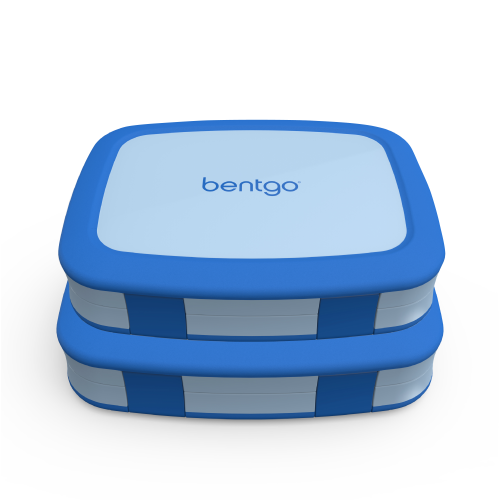 Your price for this item is $49.99
Discover more categories related to Airtight Glass Meal Prep Containers
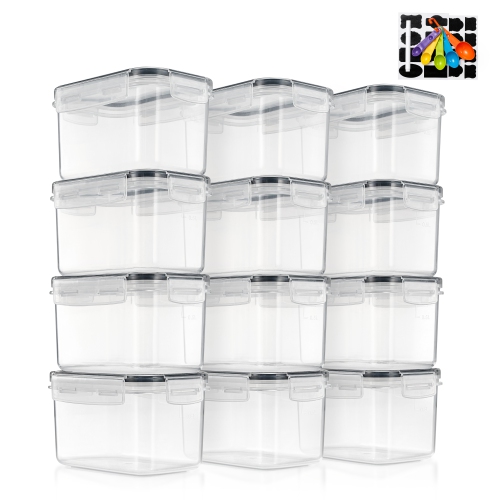
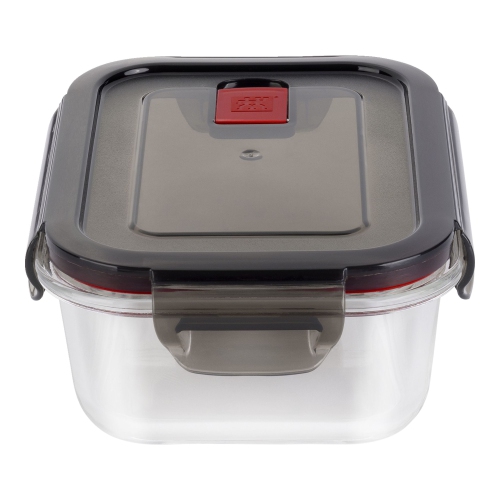
Top Collections:
Pokemon Centers, Best Cameras for Sports Photography, Kindle Devices, Samsung Galaxy Phones, Canon G7X Cameras, Pokémon 30th Celebration Cards, Refurbished Apple Laptops, iPhone 15 Apple, Laptops for Students, Budget Smartphones
Some products may be subject to Environmental Handling Fees
(EHF) depending on your province.
Learn more about EHFs.