Glass Jars for Meal Prep
Glass Jars for Meal Prep offer a convenient and versatile solution for organizing your favorite meals and snacks. Perfect for busy lifestyles, these jars help keep ingredients fresh and easily accessible, making it simple to plan ahead and enjoy delicious homemade dishes throughout the week. Whether you're storing salads, overnight oats, or layered lunches, Glass Jars for Meal Prep provide a practical way to streamline your kitchen routine and maintain order in your fridge or pantry. Explore a wide selection to find the ideal sizes and styles to suit your meal prep needs.
Sort






Why jar shape matters as much as capacity
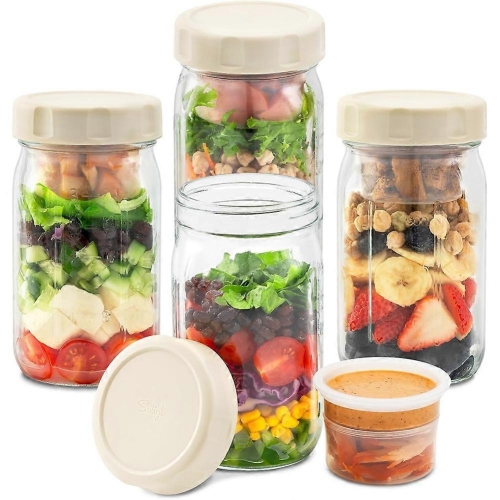
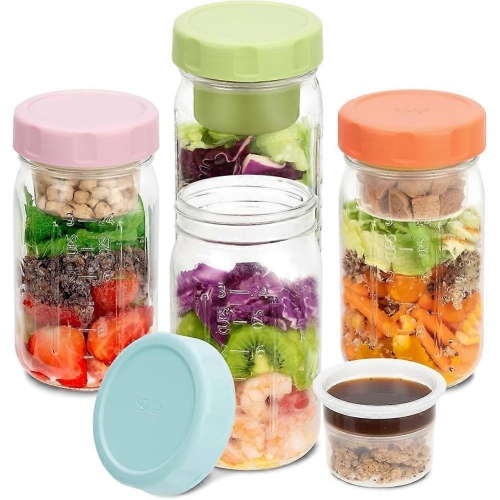
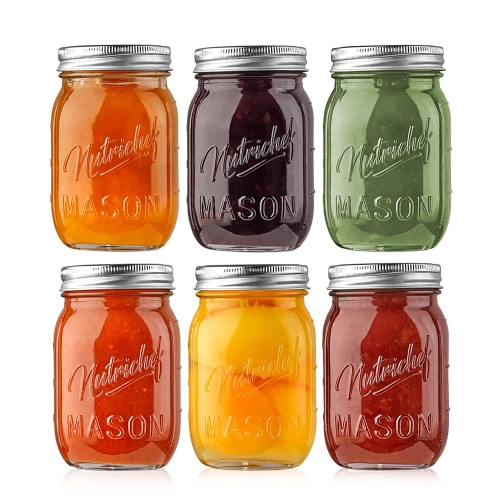
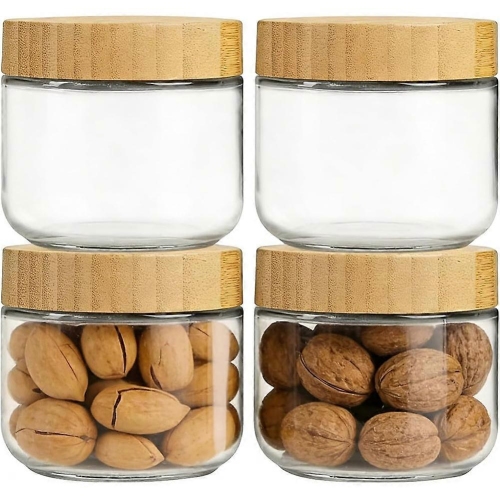
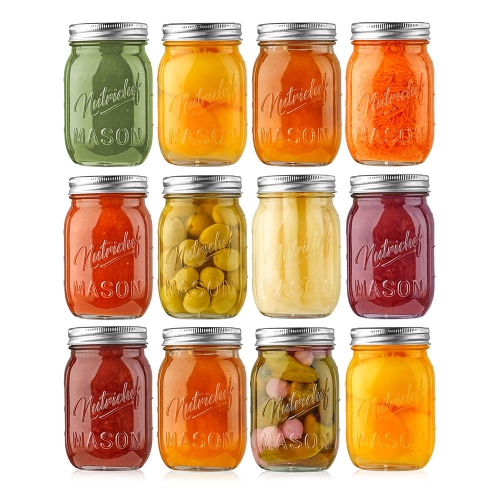
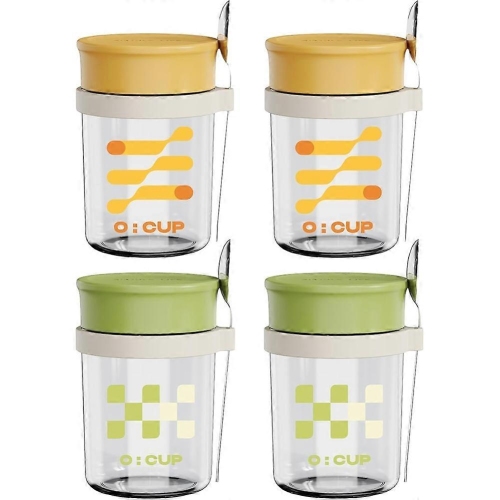
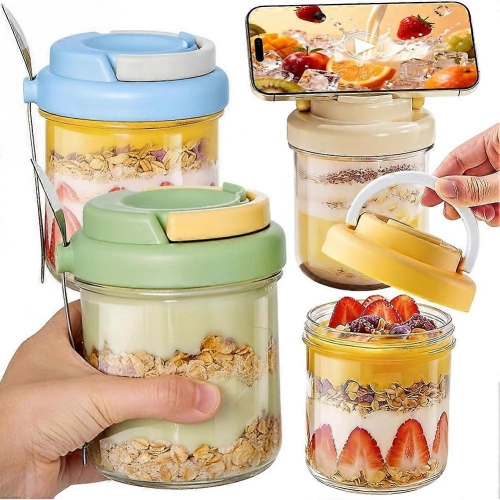
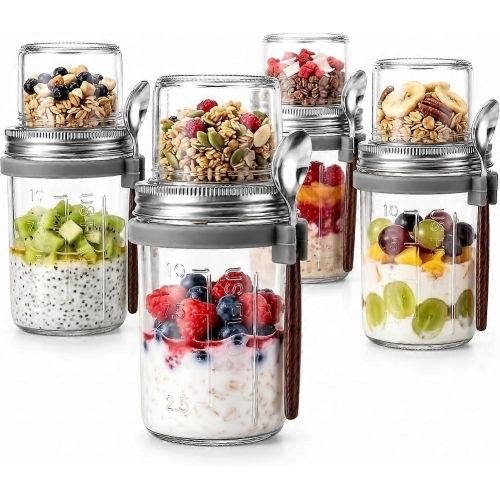
Glass jars for meal prep keep prepared ingredients and ready-to-eat meals visible, portioned, and easy to find. Their clear sides reveal what is inside at a glance, whether that is a breakfast of oats, yogurt, and berries or a lunch layered with chickpeas, chopped vegetables, and leafy greens. Glass is non-porous and generally resists lingering food odours, flavours, and stains, making it useful for foods with ingredients such as tomato, garlic, or turmeric. Lids and seals may need extra attention because their materials can retain smells or discolour over time. For everyday meal preparation, the most useful jar size depends on what goes inside: a small jar suits dressing, seeds, or a snack, while a larger one leaves space for a substantial salad or grain bowl. Capacity alone does not tell the whole story. A wide opening makes it easier to spoon in thick yogurt, arrange vegetable pieces, and reach the bottom with a utensil or cleaning brush. A narrow jar may fit neatly into a lunch bag but be less convenient for eating a chunky meal directly from the container. Straight sides help with scooping and cleaning, while rounded shoulders can leave food tucked beneath the neck. Headroom matters, too, especially when ingredients need stirring before eating. Overnight oats become thicker as they absorb liquid, and a tightly packed salad leaves little room to mix in dressing. A jar filled with attractive layers may still be better emptied into a bowl, so intended use is worth considering alongside appearance. For someone eating at a desk, a broad opening and comfortable spoon access may matter most. For a household preparing several breakfasts at once, matching capacities can make portioning more consistent. The appeal is practical as much as visual: a row of clear jars helps distinguish meals without opening every lid, while labels can identify preparation dates and similar-looking sauces.
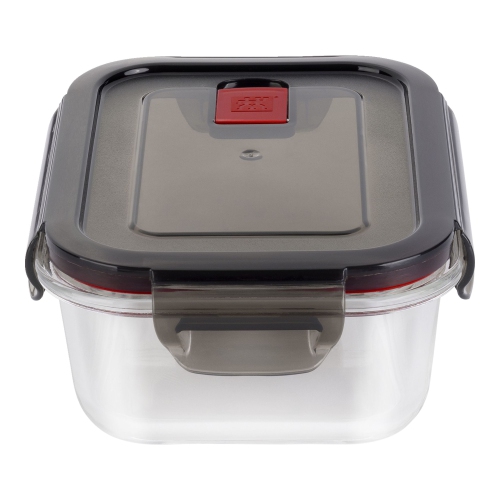
Lid design has a major effect on how well a glass meal prep jar fits into a daily routine. Screw-top lids, clip closures, and gasketed designs offer different handling and cleaning needs, and a tight-looking closure should not automatically be treated as leakproof. For soup, dressing, or other liquids carried in a bag, look for an explicit leakproof rating and follow the closure instructions. Food caught on the rim, a twisted gasket, or a lid that is not seated properly can interfere with the seal. Keeping jars upright during travel adds a sensible precaution, particularly when a lunch bag also holds a laptop charger, notebook, or other belongings. The glass itself deserves similar attention. Standard glass and borosilicate glass can have different resistance to temperature changes, but neither material makes every jar suitable for a microwave, oven, or freezer. The stated care and use limits are more useful than assumptions based on thickness or appearance. A sturdy-feeling jar can still chip if knocked against a sink or another container, and all glass jars benefit from secure storage and gentle handling. Check rims, bases, and threads for damage, and stop using a jar that is chipped or cracked. Protective sleeves can improve grip and cushion minor knocks, although they do not make glass unbreakable. For packed lunches, weight is another consideration: several filled jars can make a bag noticeably heavier than expected. Matching the container to the journey helps, whether it is a short walk to an office or a longer commute with several transfers. Storage fit also extends beyond the lunch bag. Jar height needs to work with refrigerator shelves, and the base should sit flat without crowding neighbouring containers. Unless a design is specifically intended for stacking, a flat-looking lid is not a guarantee of stable storage. Repeated shapes and compatible lids can simplify a cupboard, but keeping each closure with its intended jar remains important for a proper fit.
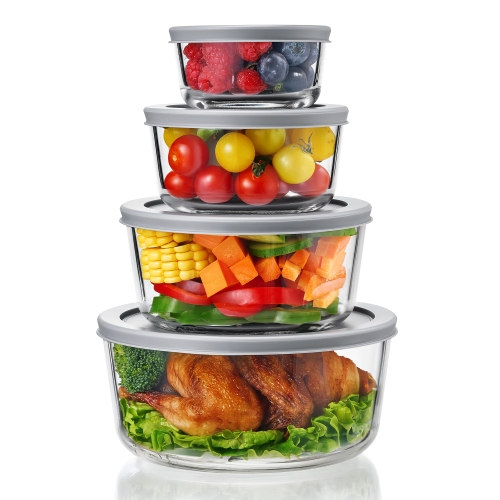
Meal prep jars work best when the food, storage method, and care routine suit one another. For a layered salad, dressing at the bottom followed by firm vegetables can help keep delicate leaves away from moisture until serving. Ingredients such as croutons, toasted seeds, or crisp toppings often keep their texture better in a separate small container. Breakfast jars offer similar flexibility: oats can soak with milk or a suitable alternative, while toppings can be added later if a firmer texture is preferred. Jars are also useful for cooked grains, chopped produce, dips, and individual portions of ingredients that will be combined at mealtime. They are less suited to keeping a flat portion of food intact or separating several components side by side; for those needs, Glass Containers for Leftovers offer a related storage format. Whatever the meal, a sealed lid does not replace safe refrigeration or extend freshness indefinitely. Keep perishable foods refrigerated, transport them with appropriate cold packs when needed, and plan storage around the ingredient with the shortest safe storage time. Refrigerating prepared food promptly in smaller portions supports safe cooling, but hot food should never be poured into glass that is not rated for that use. Freezing also requires a freezer-safe jar and the manufacturer’s recommended headspace to allow for expansion. For reheating, use only jars explicitly labelled microwave-safe, follow venting directions, and remove any metal components; lid suitability must be checked separately. Avoid sudden temperature changes, such as moving a frozen jar directly into heat. Cleaning is usually straightforward when jars are rinsed before food dries onto the sides. Dishwasher-safe status should be confirmed for both the glass and the closure, with removable seals cleaned as directed and every part dried thoroughly before storage. A brush that reaches the base and shoulder helps with narrow shapes. These details make glass jars a practical choice for busy professionals, students with suitable food storage, and households that like preparing ingredients ahead. They can also be a thoughtful housewarming gift for someone who enjoys cooking, particularly when their size, opening, and care requirements fit that person’s everyday meals.
Top selling and popular products
-
 Your price for this item is $5.99
-
 Your price for this item is $9.99
-
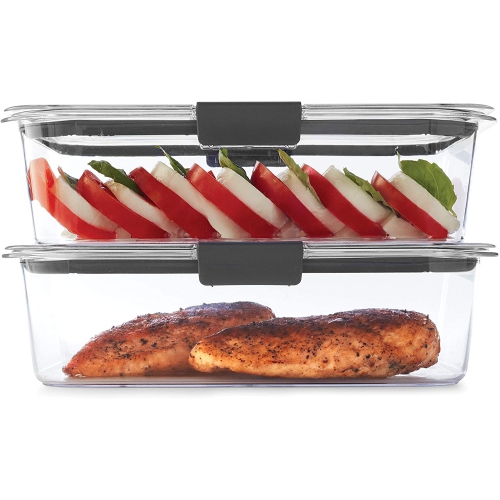 Your price for this item is $108.25
-
 Your price for this item is $7.99
-
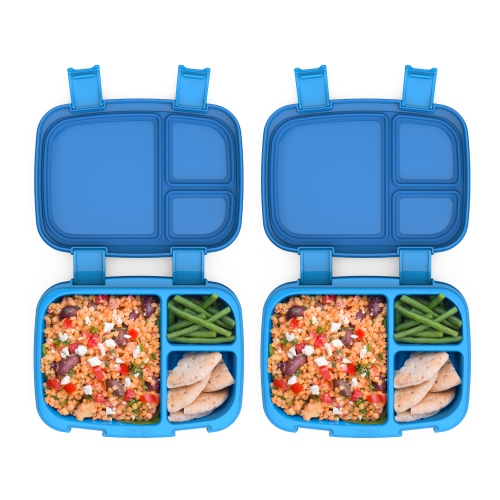 Your price for this item is $59.99
-
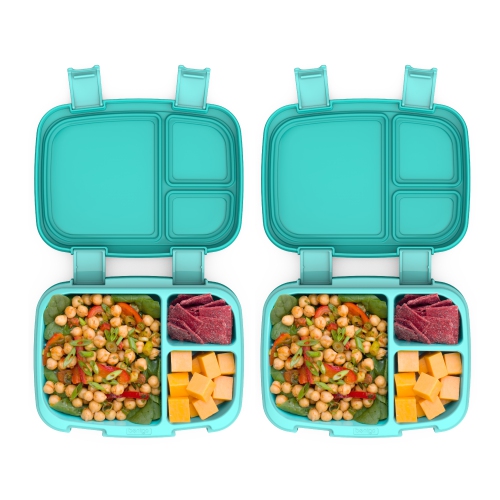 Your price for this item is $59.99
-
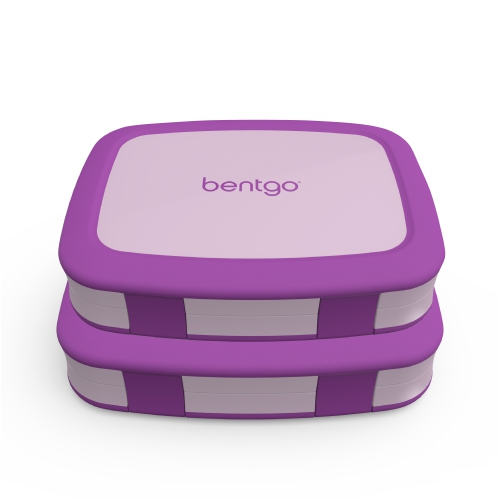 Your price for this item is $49.99
-
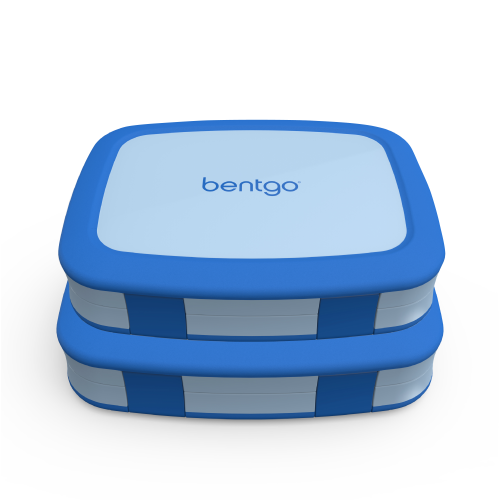 Your price for this item is $49.99
Discover more categories related to Glass Jars for Meal Prep

Top Collections:
Pokemon Centers, Best Cameras for Sports Photography, Kindle Devices, Samsung Galaxy Phones, Canon G7X Cameras, Pokémon 30th Celebration Cards, Refurbished Apple Laptops, iPhone 15 Apple, Laptops for Students, Budget Smartphones
Some products may be subject to Environmental Handling Fees
(EHF) depending on your province.
Learn more about EHFs.